Plan a day on Hatsushima from Atami Port. Compare the 2026–2027 maintenance timetables, ferry fares and attraction packages, SARUTOBI booking and supervision rules, VOTAN rain restrictions and alternatives in Atami.
- Region & Focus
- Izu and Atami
- Reading Scope
- 30 min read · 15 chapters · 7 Q&As
- Official Verification
- 15 official sources checkedUpdated 27 October 2026
- Key Topics
- ItinerariesBookingTravel budget
Chapter Route Map (tap any stop)
- Allow a day for Hatsushima and choose your return ferry first
- Reduced sailings from November 2026: use the maintenance timetable
- Atami Station to the port: bus stands 7 and 6 have different arrival stops
- Ordinary ferry tickets need no booking, but return ticket holders still queue
- Compare the R-Asia, Shima no Yu and VOTAN packages
- Find your return boarding point before walking to the restaurants and park
- Take the 10:40 ferry out and the 15:20 back for lunch and the garden
- SARUTOBI: a 10:00 ferry cannot meet a 10:30 gathering time
- Age five and 110 cm are not enough: one guardian can accompany up to two young children
- SARUTOBI bookings: distinguish the day before, same-day cancellation and lateness
- VOTAN offers climbing play equipment, but may stay closed after rain
- Walk through R-Asia’s plants or spend the afternoon at Shima no Yu
- Harbour lunch and walks: fishing village, marine terraces and resort grounds
- Budgets for couples and families: add transport and equipment hire separately
- Rain, attraction closure and cancelled ferries need different responses
- Quick Q&A
For a Hatsushima day trip, choose your return ferry first, then one main island activity. Ordinary ferry tickets need no reservation. SARUTOBI requires online booking and checks on height and supervision. Two periods of reduced sailings are scheduled from November 2026 onwards. Arrive in the morning, have lunch and do one activity, then return to Atami in the afternoon. This leaves room for sea conditions, children’s energy levels and dinner.
Allow a day for Hatsushima and choose your return ferry first
Leave Atami Port in the morning, have lunch on the island and choose one paid attraction. Pick R-Asia for plants and hammocks, VOTAN for climbing play equipment, or book SARUTOBI if you want to put on a harness and tackle the treetop course. Return to Hatsushima Port in the afternoon, with separate time for dinner in Atami. On a first visit, this single-island route keeps crossings, queues and slopes from taking up the afternoon you wanted by the sea.
If two people want different activities, one can climb while the other watches from the path. With small children, decide who will take part and who will look after those who cannot. Before choosing tickets, note everyone’s age, height and preferred activity. This avoids buying an experience someone cannot use. For lunch and a walk only, an ordinary return ferry ticket is enough. A package discount is no reason to enter a park you did not intend to visit.
Hatsushima and the Atami fireworks can fit into the same trip, but each needs its own time. If you have only half a day and must return for dinner at your accommodation, staying in Atami is easier. For hotels, the MOA Museum of Art and fireworks evenings, read two days in Izu and Atami, with rainy-day options. All prices here are in yen. Ferry times and fares follow official pages checked on 27 October 2026.
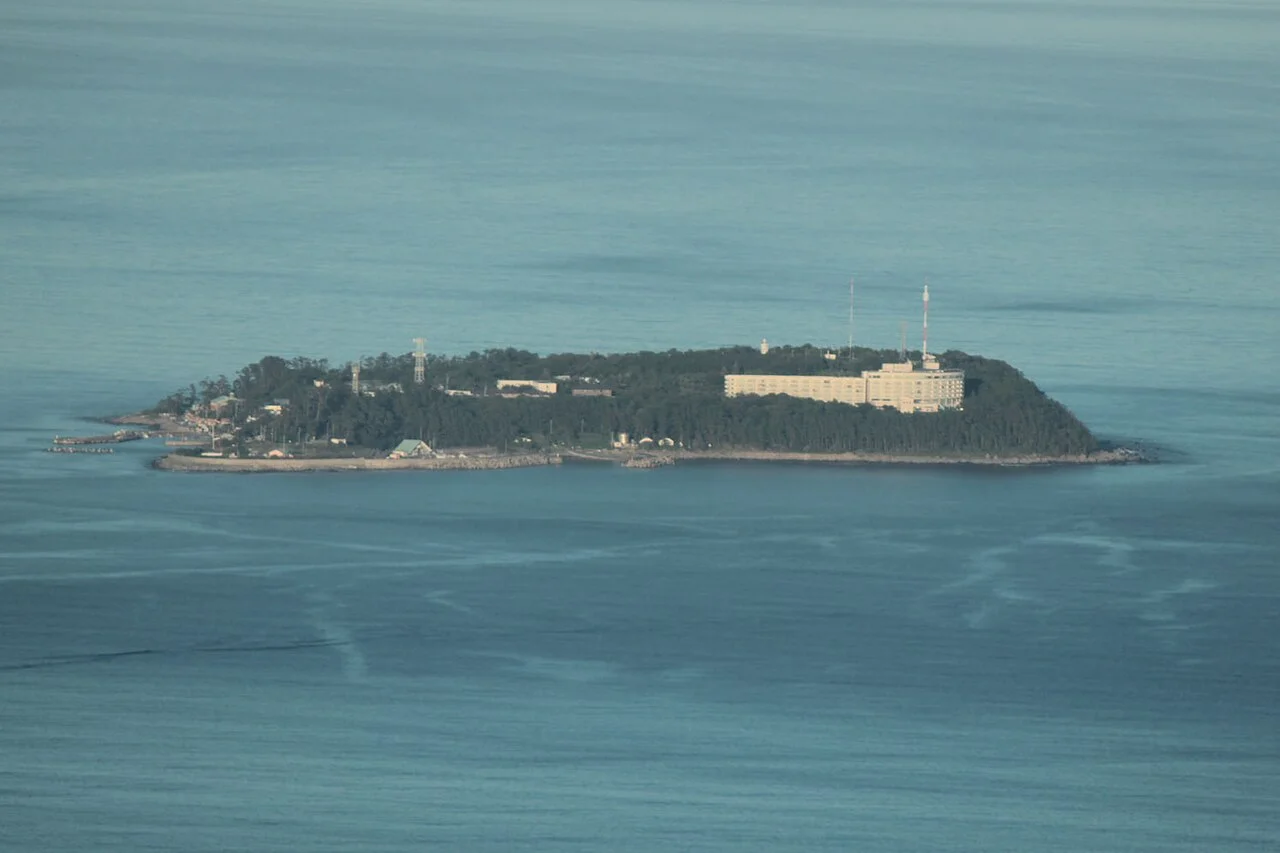
Plan a day on Hatsushima from Atami Port. Compare the 2026–2027 maintenance timetables, ferry fares and attraction packages, SARUTOBI booking and supervision rules, VOTAN rain restrictions and alternatives in Atami.
Reduced sailings from November 2026: use the maintenance timetable
In its notice of 8 October 2026, Fujikyu Marine Resort announced seven return sailings a day under the dock maintenance timetable from 4 November to 24 December 2026 and from 5 January to 10 February 2027, for statutory vessel inspections. The normal ten return sailings with two vessels resume from 25 December 2026 to 4 January 2027. Mark these periods against your travel date. The maintenance period after New Year falls in 2027; a note that simply says “winter” loses that distinction. The maintenance and planned vessel notice gives both full date ranges.
The normal 10:00 departure from Atami does not run on the seven-return timetable. Nor can you use the normal 14:00 departure from Hatsushima on a maintenance day. The midday departure from Hatsushima is 13:20 during maintenance and 13:00 normally. A missing sailing can affect a booked treetop session or dinner in Atami, rather than just add a few minutes’ wait.
Find the column for your travel date in the normal and dock maintenance timetable comparison, choose the ferry, then book your island activity. Before leaving that morning, check service status on the ferry operator’s homepage. The dated notice covers planned reductions; daily service status covers changes caused by sea conditions. If your travel notes use an old screenshot, update the timetable version heading as well.
| Timetable | From Atami Port | From Hatsushima Port |
|---|---|---|
| Normal: ten return sailings | 7:30, 8:40, 10:00, 10:40, 12:00, 13:00, 14:00, 14:40, 16:00, 17:20 | 8:00, 9:20, 10:40, 11:20, 13:00, 14:00, 14:40, 15:20, 16:40, 17:50 |
| Maintenance: seven return sailings | 7:30, 8:40, 10:40, 12:00, 14:00, 16:00, 17:20 | 8:00, 9:20, 11:20, 13:20, 15:20, 16:40, 17:50 |
Atami Station to the port: bus stands 7 and 6 have different arrival stops
After arriving at Atami Station by train, take a local bus or taxi to Atami Port. The ferry operator gives about 15 minutes by bus or 10 minutes by taxi. Add time to find the stand, wait and buy ferry tickets. Plan the train and ferry connections separately. For a 10:40 ferry, a train arriving at 10:25 plus a 15-minute bus journey does not leave time to board.
The operator’s April 2026 port access table lists stand 7 for buses towards “Atami Port / Korakuen”, alighting at “Atami Port”. Stand 6 serves “Ajiro Asahicho (via Omiya no Matsu)”, with the stop “Marine Spa Atami (Atami Port Entrance)”. These are different stops. Show the full stop name to the driver. From the entrance stop, you still need to walk to the ferry terminal.
The April table lists departures from stand 7 at 9:00, 9:40, 11:00, 11:20 and 11:40, among others, with no departure in the 10:00 hour. For the 10:40 ferry, look at the 9:40 bus rather than arrive expecting a 10:20 shuttle. Use the bus company’s timetable and stop information valid on your travel date. If traffic is slow, the time you allowed at the terminal becomes your transport buffer.
Save “熱海港定期船乗り場” as the navigation destination. The operator’s address is 6-11 Wadahamaminamicho and its telephone number is 0557-81-0541. A search for “Atami Port” alone may point to the wider harbour area. Buy tickets on arrival, then find the boarding queue. Before leaving for a drink or a sea-view photograph, establish where you need to wait.
Ordinary ferry tickets need no booking, but return ticket holders still queue
The current ordinary return fare is ¥2,900 for adults and ¥1,450 for primary-school children. The adult category starts at junior high school. Infants under one travel free. Each adult may take one preschool child free; additional preschool children pay the child fare. The operator’s fare and young-child rules use different age bands from the island attractions. A five-year-old may travel free but still pay an attraction admission fee.
Ordinary travel requires no reservation. Normally, buy a return ticket at Atami Port, as Hatsushima Port does not sell tickets. The counter accepts cash, credit cards, electronic payments and QR code payments. Keep the return ticket separate from meal receipts. Even with a return ticket, boarding depends on the queue and vessel capacity. The operator states that a full vessel may prevent you from taking your preferred sailing.
So “return at 15:20” is an itinerary target, not a reserved place on that departure. Allow time to walk from the park to the port, use the toilet and queue. On busy days, do not return to the quay just before departure. If you have a reserved train after Atami, also allow time for the journey back to the station and the wait there.
The ferry website also sells special cabin products with separate rules. For a simple island day trip, deal with ordinary sailings and attractions first. Special cabin dates, prices and bookings do not change the reservation rules for an ordinary ferry ticket. If someone in your party sees “reservation” on the website, check which product they have opened.
Views of Atami Port from the ferry deck, with seafood dishes filmed during the trip.
Compare the R-Asia, Shima no Yu and VOTAN packages
The ferry operator’s current package table lists R-Asia at ¥3,500 for adults and ¥1,750 for primary-school children; Shima no Yu at ¥4,000 and ¥2,050; and VOTAN at ¥3,600 and ¥1,950. All three include return ferry travel and R-Asia admission. The difference is the additional bathhouse or play equipment. SARUTOBI has no ferry package: book it separately and pay on site.
For R-Asia alone, an adult buying separately pays ¥2,900 + ¥950 = ¥3,850, so the ¥3,500 package saves ¥350. If you already want both VOTAN and the garden, separate tickets cost ¥2,900 + ¥950 + ¥600 = ¥4,450, while the ¥3,600 package saves ¥850. If you want only VOTAN and will not enter the garden, compare the ordinary ferry fare plus the activity: ¥3,500. Choose according to what you will use.
There is no ferry package for preschool children. Pay attraction fees for children aged three and over on site. For example, two adults with a five-year-old within the free ferry allowance pay ¥7,000 for two R-Asia packages and ¥550 for the child’s garden admission: ¥7,550 in total. Add the relevant child fee for any other attraction. The package’s “child” price is for primary-school pupils, not a five-year-old.
Packages for a facility are not sold when it is closed. The official fare page lists Thursday closure, with exceptions set by the PICA calendar. The ferry operator lists the Shima no Yu package at ¥4,000 / ¥2,050, while PICA’s bathhouse page lists ¥3,900 / ¥2,000. Budgets here use the ferry operator’s figures. Check the product, inclusions and total when buying. Choose your activities before buying a full package at the quay.
| Ticket | Adult / primary-school child | Includes |
|---|---|---|
| Ordinary return | 2,900 / 1,450 | Return ferry between Atami Port and Hatsushima Port only |
| R-Asia package | 3,500 / 1,750 | Return ferry and garden |
| Shima no Yu package | 4,000 / 2,050 | Return ferry, garden and bathhouse |
| VOTAN package | 3,600 / 1,950 | Return ferry, garden and VOTAN |
Find your return boarding point before walking to the restaurants and park
Hatsushima Port is the starting point for both arrival and departure. After disembarking, find the return boarding area, notices and daily sea-condition information, then walk along the harbour towards the restaurant street. The port photograph shows seafront buildings and a slope. Residents work here, fishing boats come and go, and visitors eat here. Keep work routes clear when taking photographs. Boat channels and breakwaters are not unrestricted viewing areas.
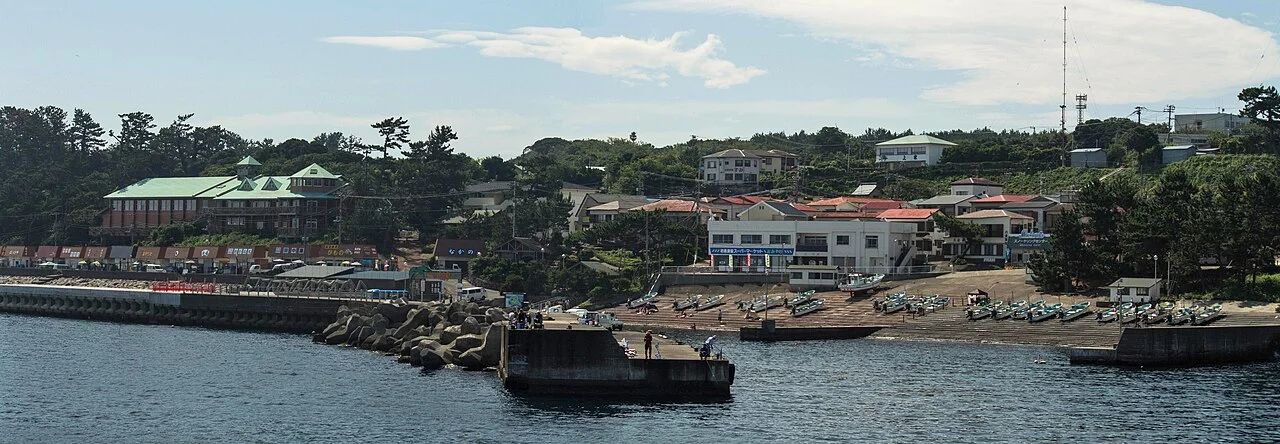
PICA’s island access guide gives about 15 minutes on foot from Hatsushima Port to the resort, through the restaurant street and up a gentle slope. The same page separately gives about ten minutes from the port to the entrance or main reception, then around 90 steps from main reception to the garden. These have different end points. For SARUTOBI, find its own reception. Arrival at the port, resort and activity meeting point are separate times.
If you have a pushchair or limited mobility, assess the steps and slopes first. If you want to use the garden hammocks but cannot manage stairs, tell PICA your mobility aid’s dimensions, the number of people helping and the facility you want to visit before booking. Obtain a usable route before buying tickets. Eating by the harbour reduces walking. With a pushchair or wheelchair, plan boarding and disembarking together with the steps and slopes along the route.
For a day trip, leave large luggage at your Atami accommodation. Carry water, a jacket, a power bank and activity clothing. SARUTOBI lockers are available during the experience, rather than for all-day luggage storage. Set the return alarm for when you need to leave the park. It should leave time to pack, take the stairs and find your way, with room to adjust.
Take the 10:40 ferry out and the 15:20 back for lunch and the garden
For a first visit without a treetop booking, start with the 10:40 departure from Atami, arriving around 11:10, and the 15:20 departure from Hatsushima, reaching Atami around 15:50. Both departures appear in the normal and maintenance timetables. This gives about four hours and ten minutes on the island. Boarding still depends on daily operation and capacity. Get back to the port before deciding whether to take another photograph.
After arriving at about 11:10, find lunch on the restaurant street, then walk to R-Asia. The garden offers plants, hammocks and places to rest with a sea view. Sitting somewhere you like can give the visit more purpose than adding two more paid activities. If lunch queues are long, shorten your garden visit. If your companions do not want more stairs, replace the paid garden with a short harbour walk.
If you swap garden time for VOTAN, each session lasts up to 60 minutes. Use the toilet before entering. A 13:00 start and 14:00 finish leave time to return to the port and queue. If reception closes early, go back to the restaurant street or visit the garden if it interests you. You do not need to search the whole island for another play area. Deduct children’s nap time from the time available for activities.
Use 14:30 as a reminder to prepare to leave the park and return to the port to queue before 15:20. This 14:30 suggestion allows for walking and waiting; it is not a ferry company check-in deadline. If the morning ferry is delayed or afternoon winds strengthen, shorten activities and follow the operator’s instructions to return. A later dinner booking in Atami avoids a day of last-minute connections.
SARUTOBI: a 10:00 ferry cannot meet a 10:30 gathering time
SARUTOBI is a harnessed treetop course using cables, net bridges and wooden bridges between trees. The park describes 12 beginner stages, seven intermediate stages and a final zip line of about 40 metres: 21 activities in all. The SARUTOBI course and participation guide allows about one to one and a half hours from your booked start. For a first visit, treat the briefing, equipment and course as the main activity.
The official FAQ specifically asks whether a 10:00 ferry is early enough for a 10:30 gathering. The crossing takes about 30 minutes, followed by roughly 15 minutes on foot to SARUTOBI, so it is not. A 10:30 gathering means being at the meeting point then, not stepping onto the island. Maintenance days have no 10:00 outbound ferry at all. Choose again from the timetable valid that day.
If SARUTOBI is your priority, consider the 8:40 ferry, arriving around 9:10, with an 11:00 gathering booking. This leaves time for the walk, toilets and finding reception. The FAQ says participants normally start the course around 30 minutes after gathering. The main page estimates one to one and a half hours for the full session, and there may be further waiting on the day. Eat lunch afterwards and aim initially for the 15:20 return. Do not book an inflexible onward train immediately after the estimated activity finish.
If you fear heights, look at the course on site first. PICA’s SARUTOBI FAQ says the safety cable is continuous: you cannot leave or skip stages at will, or use the toilet once harnessed. Ground observers can follow parts of the circular path and take photographs. Adults taking part must avoid alcohol beforehand and prepare suitable clothing, shoes and gloves before reaching reception.
Age five and 110 cm are not enough: one guardian can accompany up to two young children
The current SARUTOBI page requires participants to be at least five, at least 110 cm tall and under 110 kg. All three conditions apply. Admission is ¥1,900 from junior high school and ¥1,500 from age five through primary school. Guardians must be at least 20. A parent aged 18 or 19 cannot substitute the general legal age of adulthood for this facility’s rule.
Children aged five through primary school must take part with a guardian. One guardian aged 20 or over can accompany up to two children in that age band. One adult with three young children does not meet the supervision rule even if all children meet the height requirement. Junior and senior high-school students may have a guardian aged 20 or over taking part or supervising from the ground. A consent form signed by the guardian is still required. Check your whole party against the permitted and prohibited group combinations.
For two adults with children aged seven and three, arrangements differ for each child. A seven-year-old who reaches 110 cm needs one adult to take part alongside them. The other adult stays on the ground with the three-year-old. The two participants pay ¥1,900 + ¥1,500 = ¥3,400, with ferry fares and other attractions extra. With only one adult, choose an activity the whole family can use together so that the younger child is not left unattended.
Gloves are compulsory and cost ¥300 on site. Sandals, Crocs and high heels are prohibited; shoe hire costs ¥300. Skirts, dresses and other clothes that prevent correct harness use are unsuitable. Women’s trouser hire is ¥300, and helmets are supplied free. If a child wants special clothes for photographs, pack activity clothing too. Budget for equipment hire and purchases.
SARUTOBI bookings: distinguish the day before, same-day cancellation and lateness
SARUTOBI requires online booking, including when spaces remain on the day. Telephone bookings are not accepted. The FAQ says bookings open three months before the visit. Normal hours are 10:00–16:00, with Thursday closure and exceptions during Golden Week, summer and the New Year holidays. Check the calendar for each day’s final reception time. Reception may close early at capacity, so a time before 15:00 does not ensure availability.
Your booking is complete only when you receive the confirmation email marked “予約完了”. The booking and gathering rules say a return to the party-size screen during booking may mean capacity has been reached. Your booked time is your gathering time. Late arrival is automatically cancelled with a 100% charge, even if you have contacted the operator. Match the outbound sailing, port walk and children’s pace before booking. Save the confirmation and date offline.
The current cancellation FAQ lists free cancellation up to the day before use and a 100% charge on the day. Use the original booking account. These are activity cancellation rules; accommodation and ferry rules cannot replace them. If someone decides against participating, act by the preceding day. Rain alone does not mean closure: the FAQ says operation is possible except in thunder, strong winds or snow.
The main page and FAQ differ on time changes. The main page says booked times cannot be changed; the FAQ still describes account-based changes subject to availability. Plan around a fixed session. If you need a change, ask SARUTOBI about the procedure and fees before cancelling or rebooking. For ferry cancellations or facility closure, give the operator your date and booking number. Being late does not itself grant a fee waiver.
VOTAN offers climbing play equipment, but may stay closed after rain
VOTAN has ten types of play equipment based on the story of a boy washed ashore, including ship-like and net structures. Everyone aged three and over pays ¥600. No advance booking is needed. Register at the second entrance, at SARUTOBI reception, for up to 60 minutes. The official VOTAN conditions set capacity limits, and reception may close early when full. Allow time for queues and changing clothes or shoes despite the simple price.
Preschool children must be accompanied by a guardian. Accompaniment is also recommended for primary-school children. The same price from age three is a fee category; still consider whether your child can use the equipment and whether an adult can move through it with them. VOTAN does not have SARUTOBI’s 110 cm treetop threshold, but it is not an hour of childcare while adults rest outside.
VOTAN does not allow re-entry and has no toilets inside. Take children to the toilet before entry. Gloves are recommended and can be bought for ¥300. Sandals, Crocs and high heels cannot be used. Arrange any shoe or trouser hire at reception before entering. Children’s shoes and trousers can each be hired for ¥300.
Its rain restrictions differ from SARUTOBI’s. The park may suspend use during rain and afterwards for safety. Even if Atami is sunny when you leave, check conditions on the island. VOTAN is not an assured option as soon as rain stops. Before switching to R-Asia, check that the garden is open and that everyone wants to spend time outside. Otherwise, return to Atami earlier.
Walk through R-Asia’s plants or spend the afternoon at Shima no Yu
Separate R-Asia admission costs ¥950 for adults and ¥550 from age three through primary school. Subtropical plants, lawns, hammocks and sea-facing swings suit visitors who want to spend their paid time walking slowly and resting. The garden plant and admission guide lists bougainvillea, hibiscus, agave, palms and evergreen woodland. Flowers depend on the season and the plants’ condition; a photograph in full bloom is not a year-round view.
Along the camellia and narcissus path, you can see how native island plants sit within the resort garden. The website introduces the path through an account of Akiko Yosano’s visit in 1921. It offers a way to understand the local planting. On the sea-view swing, take your photographs when your turn comes, then let others use it. Waiting for an empty scene need not keep your companions standing there all afternoon.
For an afternoon bath, Shima no Yu costs ¥900 per adult and ¥600 from age three through primary school, with garden admission extra. The bathing and facility rules list separate male and female indoor and open-air baths and lockers. A towel costs ¥400 and bath-towel hire is ¥300. Visitors with tattoos, including small ones, are not admitted. Check these conditions before buying a package.
The baths use heated well water drawn from about 40 metres below the coast. Follow the operator’s description of a “sea-spring bath”; mineral descriptions do not establish treatment benefits. Listed hours are 10:00–21:00, subject to seasonal change, with Thursday closure and holiday exceptions. Day visitors still need to finish in time for their return ferry. For a 15:20 departure, allow time to dress, pack and walk to the quay rather than start bathing at 15:00.
Harbour lunch and walks: fishing village, marine terraces and resort grounds
The restaurant street introduced by the ferry operator surrounds Hatsushima Port. Many restaurants are run by island fishers, serving seafood rice bowls, sashimi set meals, simmered fish and ashitaba dishes. Individual owners set irregular closing days. Pick one or two places of interest, then decide after seeing which are open and the queues. If you prefer cooked food or avoid sashimi, ask directly about simmered fish, fried dishes or vegetables.
Fit lunch before the resort walk or after SARUTOBI, according to your booking. If you take the treetop course in the morning, leave alcohol until lunch afterwards: participation after drinking is prohibited. If a restaurant queue threatens your return plan, choose another with seats and suitable food rather than squeeze lunch into ten minutes. Resort food depends on PICA’s restaurants and takeaway services open that day. Ordinary garden admission does not include a meal.
Look at the island’s landforms as you walk. The operator’s account of the island’s origins describes a marine terrace formed by seabed uplift and wave erosion, covering about 0.437 square kilometres, with roughly four kilometres of coastline and a highest point around 51 metres. A small area does not make every walk flat. From the shore towards higher ground, the arrangement of harbour, village and greenery helps explain the island.
The four kilometres refers to coastline, not a sightseeing path every visitor must complete. With one paid activity booked, the restaurant street, harbour and public routes towards the resort are enough for the remaining time. Keep routes clear by homes, the school and fishing work areas, and respect entrance boundaries. Residents still need to work; a visit need not occupy every lane.
Budgets for couples and families: add transport and equipment hire separately
Two adult ordinary return tickets total ¥5,800. Two R-Asia packages total ¥7,000, and two Shima no Yu packages ¥8,000. Compare the differences against facilities you will actually use. For two adults doing SARUTOBI, ordinary ferries at ¥5,800 plus the activity at ¥3,800 total ¥9,600. Buying a pair of gloves each adds ¥600, bringing it to ¥10,200.
For one adult and an eligible primary-school child doing SARUTOBI, ferry fares are ¥2,900 + ¥1,450 = ¥4,350. The activity is ¥1,900 + ¥1,500 = ¥3,400, giving ¥7,750 overall. Suitable clothes, shoes and your own gloves remove those hire and purchase costs. A second adult watching from the ground adds a ¥2,900 ferry fare, making ¥10,650 for three. Count garden admission separately: the treetop fee excludes both garden and baths.
As a planning allowance, set aside ¥2,000 per adult for food, or ¥4,000 for two. Two R-Asia packages at ¥7,000 plus that lunch allowance give ¥11,000. Add return buses between Atami Station and the port, rail travel to Atami and drinks. Replace the allowances with actual menus and transport fares to compare this with a simple walking visit before leaving.
Record tickets, activities, meals and hire separately. Payment methods accepted at the port counter do not necessarily apply to every island restaurant or reception. Carry some cash for small purchases and keep return tickets in a compartment separate from loose change. With more than one preschool child, check the adult-linked free ferry allowance again, as it changes the total.
Rain, attraction closure and cancelled ferries need different responses
Check the Hatsushima route’s daily service status in the morning and follow the operator’s operating, undecided or cancelled status. Rain in central Atami cannot establish conditions at sea. Do not invent a wind-speed threshold for automatic cancellation. If all sailings are cancelled, stay in Atami rather than keep waiting at the quay for an unannounced departure. If only some sailings are undecided, first contact any booked island activity.
If ferries and SARUTOBI run in light rain, attend under the original booking and equipment rules. Thunder, strong winds, snow or local closure are handled through the park’s notices. VOTAN may close during or after rain, so check it separately. If an operator closes, save the notice and booking number, then request changes or refunds through the original seller. Cancelling because you dislike the weather remains subject to your plan’s terms.
If ferries run but your family no longer wants outdoor walking, a short harbour lunch followed by an earlier return is simplest. If the weather changes on the island or you are told to return early, leave other sights and follow boarding instructions. Do not delay until the last planned ferry just to use every package inclusion, especially with a reserved train that evening. Secure your return first.
If you are still in Atami, use the MOA Museum of Art rainy-day plan and short town routes. MOA closes on Thursdays except public holidays, and also for exhibition changes. This may coincide with PICA’s usual Thursday closure. Check the museum calendar that day, choose somewhere open, or keep to meals, shopping and your accommodation. Handle ferry refunds, SARUTOBI cancellations and existing Atami restaurant bookings with their respective providers. One closure does not automatically cancel the rest.
A few useful answers
Do I need to book the ferry from Atami to Hatsushima?
Ordinary ferry travel needs no reservation. Normally, buy a return ticket at Atami Port. A full vessel may prevent boarding your preferred sailing; a return ticket does not reserve a place on a specific departure.
Are there fewer Hatsushima ferries in November 2026?
There are seven return sailings daily from 4 November to 24 December 2026. The maintenance timetable also applies from 5 January to 10 February 2027. The normal ten return sailings apply from 25 December 2026 to 4 January 2027.
What are the Hatsushima return ferry fares and child rules?
Fares are ¥2,900 from junior high school and ¥1,450 for primary-school children. Infants under one travel free. Each adult may take one preschool child free; additional preschool children pay the child fare. Attractions use their own age-based fees.
Can a five-year-old use SARUTOBI?
They must also be at least 110 cm tall and under 110 kg. Children aged five through primary school need a participating guardian aged 20 or over. Each guardian can accompany up to two children in this age band.
Can I cancel SARUTOBI on the day or arrive late?
Cancellation is free up to the preceding day and charged at 100% on the day. Late arrival is cancelled with a 100% charge even if you contact the operator. Allow about 30 minutes for the crossing and another 15 minutes on foot to reception.
Does VOTAN need a booking, and can it operate in rain?
No advance booking is needed. It costs ¥600 per person from age three, for up to 60 minutes with no re-entry. Reception may stop during or after rain for safety. Preschool children need an accompanying guardian.
Where can I go if Hatsushima ferries are cancelled?
Stay in Atami for meals and attractions confirmed open. Check MOA’s calendar for Thursday and exhibition-change closures. Handle booked island activities and ferry tickets separately through the original sellers.
Official information and references
Sources used in this guide.
- Fujikyu Marine Resort | current fares, young-child rules and packages
- Hatsushima ferry route | daily timetable and April 2026 port buses
- Hatsushima ferry route | normal and maintenance timetables
- Hatsushima ferry route | November 2026–February 2027 maintenance notice
- PICA Hatsushima | SARUTOBI prices and eligibility
- PICA Hatsushima | SARUTOBI booking and gathering rules
- PICA Hatsushima | activity booking, cancellation and timing FAQ
- PICA Hatsushima | VOTAN ages, rain and re-entry rules
- PICA Hatsushima | R-Asia admission and plants
- PICA Hatsushima | Shima no Yu bathing rules
- PICA Hatsushima | port walks, slopes and steps
- Hatsushima ferry route | restaurant street and contacts
- Hatsushima ferry route | marine terraces and island history
- MOA Museum of Art | opening hours and closures
- Japan Panoramic View: Hatsushima ferry and seafood trip