Plan a day on Hatsushima from Atami Port. Compare the 2026–2027 maintenance timetable, ferry and park tickets, SARUTOBI supervision rules, VOTAN rain restrictions and Atami alternatives when sailings stop.
- Region & Focus
- Izu and Atami
- Reading Scope
- 30 min read · 15 chapters · 7 Q&As
- Official Verification
- 15 official sources checkedUpdated October 27, 2026
- Key Topics
- ItinerariesBookingTravel budget
Chapter Route Map (tap any stop)
- Give Hatsushima a day: choose the return ferry before the activity
- Reduced sailings from November 2026: use the maintenance timetable
- Atami Station to the port: bus stops 7 and 6 have different drop-off points
- Ordinary ferries need no reservation, but return tickets still require queuing
- Choose tickets separately for R-Asia, Shima no Yu and VOTAN
- Find your return boarding point before walking to restaurants and the park
- Take the 10:40 out and 15:20 back for lunch and the garden
- SARUTOBI meeting times: the 10:00 ferry cannot make a 10:30 check-in
- Age five and 110 cm is only part of eligibility: one adult can supervise two young children
- SARUTOBI bookings: separate advance cancellation, same-day cancellation and lateness
- VOTAN is for play structures, but may remain closed after rain
- Walk slowly through R-Asia, or save the afternoon for Shima no Yu
- Lunch and walks by the port: fishing village, marine terraces and resort grounds
- Budgets for two adults and families: add transport and equipment separately
- Rain, facility closure and canceled ferries require different decisions
- Quick Q&A
Choose your return ferry first, then one main activity for your Hatsushima day trip. Ordinary ferry tickets need no reservation, but SARUTOBI requires an online booking and checks on height and adult supervision. Two maintenance periods also reduce sailings from November 2026. A morning crossing, lunch and one activity before returning to Atami in the afternoon make it easier to allow for sea conditions, children’s energy and dinner.
Give Hatsushima a day: choose the return ferry before the activity
Leave Atami Port in the morning, have lunch on Hatsushima and choose one paid highlight. Pick R-Asia for plants and hammocks, VOTAN for play structures, or book SARUTOBI if you want to wear a harness and tackle a treetop course. Return to Hatsushima Port in the afternoon, with separate time for dinner in Atami. For a first visit, this single-island route keeps crossings, queues and slopes from taking over the afternoon you wanted by the sea.
Two travelers with different interests can split up: one takes the treetop course while the other watches from a path. With young children, first decide who will participate and who will care for children who cannot join. Before choosing tickets, note everyone’s age, height and preferred activity. This avoids buying an experience someone cannot use. If you only want lunch and a walk, an ordinary return ferry ticket is enough. A discount is no reason to enter a park you did not plan to visit.
Hatsushima and the Atami fireworks can fit into the same trip, but each needs enough time. If you only have half a day and must return for a hotel dinner, staying in Atami is more relaxed. For accommodation, MOA Museum of Art and fireworks evenings, read two days in Izu and Atami, with rainy-day options. All amounts here are in yen. Ferry times and prices are based on official pages checked on October 27, 2026.
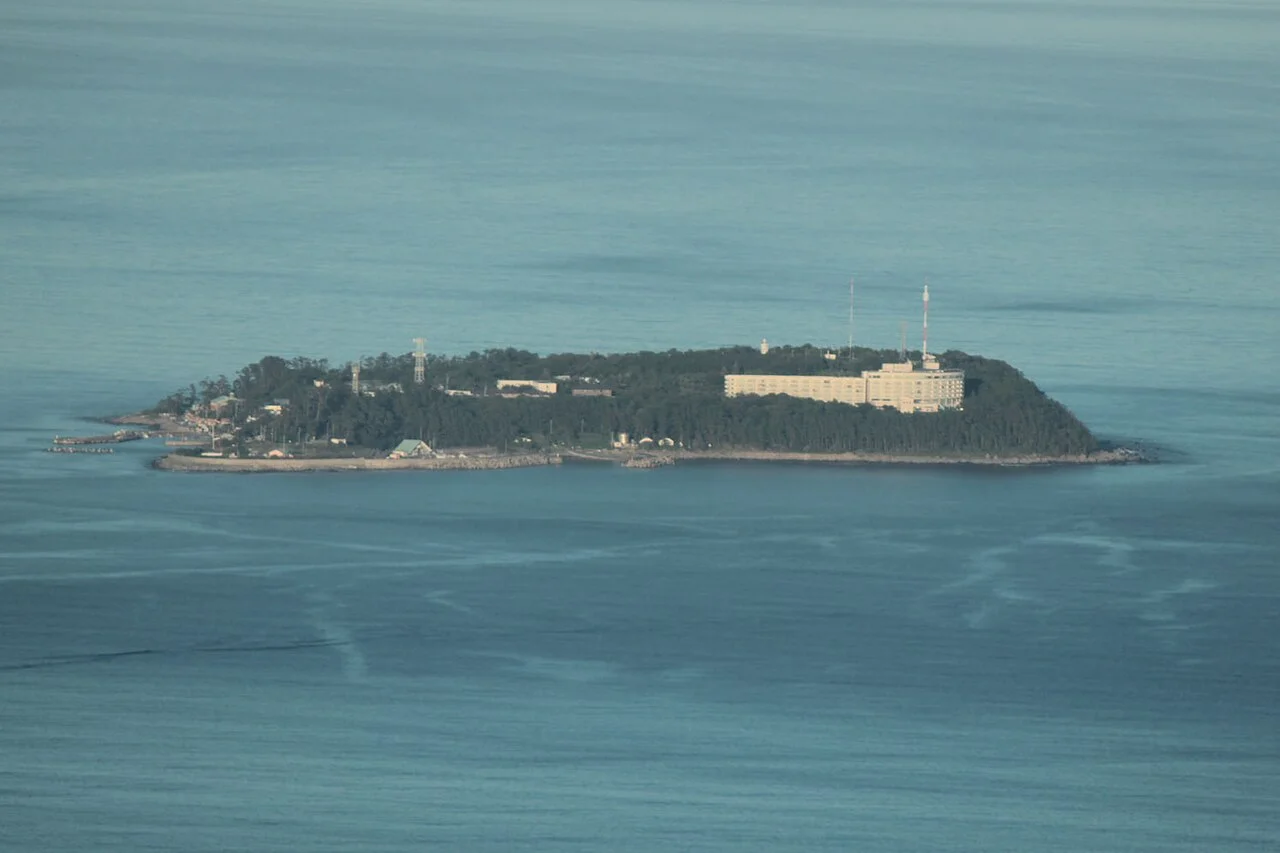
Plan a day on Hatsushima from Atami Port. Compare the 2026–2027 maintenance timetable, ferry and park tickets, SARUTOBI supervision rules, VOTAN rain restrictions and Atami alternatives when sailings stop.
Reduced sailings from November 2026: use the maintenance timetable
In an announcement dated October 8, 2026, Fujikyu Marine Resort states that statutory vessel inspections will reduce service to seven return crossings a day from November 4 to December 24, 2026, and January 5 to February 10, 2027. The usual ten return crossings, operated by two vessels, resume from December 25, 2026, to January 4, 2027. Mark the applicable period against your travel date. The second maintenance period falls in 2027; do not label the whole table simply “winter.” The maintenance dates and planned vessel announcement gives both full date ranges.
The usual 10:00 departure from Atami does not run on the seven-crossing timetable. The usual 14:00 departure from Hatsushima also cannot be used on maintenance days. The midday return is at 13:20 during maintenance, compared with 13:00 normally. Losing a sailing can mean more than a few extra minutes of waiting: it may affect a booked treetop session or dinner reservation back in Atami.
First find the timetable that applies to your date in the normal and maintenance timetable comparison, then choose ferries and finally book island activities. Check the operating status on the ferry homepage before setting out that day. The dated announcement covers planned reductions; the daily status covers changes caused by sea conditions. If your travel notes use an old screenshot, update the timetable version in the heading too.
| Timetable | From Atami Port | From Hatsushima Port |
|---|---|---|
| Normal: ten return crossings | 7:30, 8:40, 10:00, 10:40, 12:00, 13:00, 14:00, 14:40, 16:00, 17:20 | 8:00, 9:20, 10:40, 11:20, 13:00, 14:00, 14:40, 15:20, 16:40, 17:50 |
| Maintenance: seven return crossings | 7:30, 8:40, 10:40, 12:00, 14:00, 16:00, 17:20 | 8:00, 9:20, 11:20, 13:20, 15:20, 16:40, 17:50 |
Atami Station to the port: bus stops 7 and 6 have different drop-off points
After arriving at Atami Station by train, take a local bus or taxi to Atami Port. The ferry operator gives about 15 minutes by bus or ten minutes by taxi. Add time to find the stop, wait and buy ferry tickets. The train and ferry are separate connections. Arriving at the station at 10:25 and adding a 15-minute drive does not leave enough time to board a 10:40 ferry.
The ferry operator’s April 2026 port access timetable lists buses from stop 7 toward “Atami-ko / Korakuen,” with a drop-off at “Atami-ko.” From stop 6, take the bus toward “Ajiro Asahicho (via Omiya no Matsu)” and get off at “Marine Spa Atami (Atami-ko Iriguchi).” These are different stops. Show the driver the full stop name. From the port entrance stop, you still need to walk to the ferry terminal.
In that April timetable, stop 7 has departures at 9:00 and 9:40, then 11:00, 11:20 and 11:40, among others, but none in the 10:00 hour. For the 10:40 ferry, look at the 9:40 bus rather than expecting to find a 10:20 shuttle after arrival. Use the bus company’s current timetable and stop information for your travel date. If traffic is slow, the time you allowed for waiting at the port becomes your transport buffer.
Save “Atami Port scheduled ferry terminal” (熱海港定期船乗り場) as your navigation destination. The operator’s address is 6-11 Wadahamaminamicho, and its telephone number is 0557-81-0541. A search for “Atami Port” alone may point to the wider harbor area. Buy your ticket first, then locate the boarding queue. Before leaving to buy drinks or take photographs, establish where you need to wait.
Ordinary ferries need no reservation, but return tickets still require queuing
The current ordinary return fare is ¥2,900 for adults and ¥1,450 for elementary school children. The adult category starts at junior high school. Infants under one travel free. Each adult can bring one preschool child free; additional preschool children pay the child fare. The ferry fares and young-child rules use different age bands from the park. A five-year-old may travel free on the ferry but still pay for island facilities.
Ordinary travel needs no reservation. In principle, buy a return ticket at Atami Port because Hatsushima Port does not sell ferry tickets. The ticket counter accepts cash, credit cards, electronic payments and QR code payments. Keep the return portion separate from food receipts. Even with a return ticket, boarding follows the queue and vessel capacity. The operator states that a full vessel may prevent you from taking your preferred sailing.
Thus, choosing the 15:20 return is an itinerary target, not a reserved seat on that ferry. Allow time to walk from the park to the port, use the restroom and queue. On busy days, do not return to the pier just before departure. If you have booked a reserved-seat train after Atami, allow for the ground transfer and waiting time between the two services.
The ferry website also sells special cabin products with rules separate from ordinary travel. For a simple day trip, deal with the ordinary timetable and your chosen facilities first. Special cabin sales periods, prices and reservations do not change whether you need to book an ordinary ferry ticket. If someone sees “reservation” on the official site, check which product they have opened.
Views of Atami Port from the ferry deck, with seafood dishes from the trip also shown.
Choose tickets separately for R-Asia, Shima no Yu and VOTAN
The ferry operator’s current combination-ticket list gives R-Asia at ¥3,500 for adults and ¥1,750 for elementary school children; Shima no Yu at ¥4,000 and ¥2,050; and VOTAN at ¥3,600 and ¥1,950. All three include return ferry travel and R-Asia admission. The difference is the bath or play area included. SARUTOBI has no ferry package. Book it separately and pay on site.
For R-Asia alone, an adult buying separately pays ¥2,900 + ¥950 = ¥3,850, so the ¥3,500 package saves ¥350. If you already want VOTAN and the garden, separate tickets total ¥2,900 + ¥950 + ¥600 = ¥4,450; the ¥3,600 package saves ¥850. If you want only VOTAN and no garden visit, compare the ordinary ferry plus the play area alone: ¥3,500. Choose according to what you will use, rather than the presence of a discount.
There is no ferry combination ticket for preschool children. Pay facility charges for children aged three and over on site. For example, two adults with a five-year-old within the free ferry allowance pay ¥7,000 for two adult R-Asia packages plus ¥550 for the child’s garden admission, or ¥7,550 in total. Other facilities cost extra at the relevant child rate. The “child” package rate applies to elementary school children, not a five-year-old.
Combination tickets for a facility are not sold on its closed days. The official fare page lists Thursday closures, with exceptions set by the PICA calendar. The ferry operator lists the Shima no Yu package at ¥4,000/¥2,050, while the PICA bath page lists ¥3,900/¥2,000. The budgets here use the ferry operator’s prices. Check the ticket type, inclusions and total at purchase. Decide on activities first, before buying a full package at the pier and wanting a different plan on arrival.
| Ticket | Adult / elementary school child | Includes |
|---|---|---|
| Ordinary return | 2,900 / 1,450 | Return ferry between Atami Port and Hatsushima Port only |
| R-Asia package | 3,500 / 1,750 | Return ferry and garden |
| Shima no Yu package | 4,000 / 2,050 | Return ferry, garden and bath |
| VOTAN package | 3,600 / 1,950 | Return ferry, garden and VOTAN |
Find your return boarding point before walking to restaurants and the park
Hatsushima Port is the starting point for both crossings. After disembarking, locate the return queue, terminal notices and daily sea-condition information before walking toward the waterfront restaurant street. The port photograph shows seafront buildings and a slope. This area serves residents, fishing boats and visitors eating lunch. Keep working routes clear when taking photographs, and do not treat boat access areas or breakwaters as unrestricted viewing platforms.
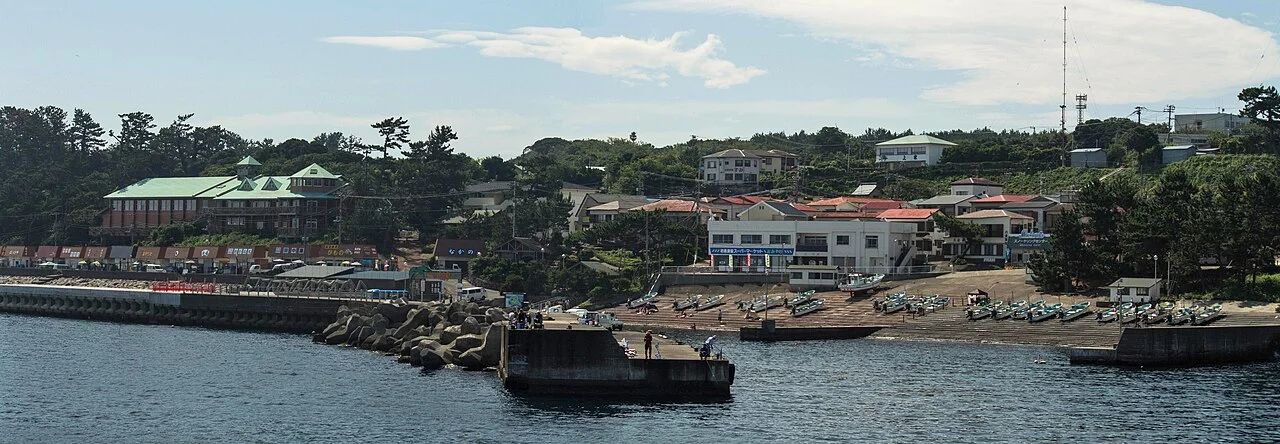
PICA’s island access instructions give about 15 minutes on foot from Hatsushima Port to the resort, passing the restaurants and a gentle uphill section. The same page also gives about ten minutes from the port to the entrance or main reception, followed by about 90 steps from main reception to the garden. These are different destinations. SARUTOBI has its own reception; reaching the island, the resort and the activity meeting point are separate stages.
If you use a stroller or have limited mobility, assess those steps and slopes first. If you want the garden hammocks but cannot manage stairs independently, tell PICA your mobility-aid dimensions, available companions and intended facility before booking. Obtain a usable route before buying tickets. Eating by the port reduces island walking. With a stroller or wheelchair, plan boarding arrangements alongside the steps and slopes on shore.
Leave large luggage at your Atami accommodation for a day trip. Carry water, an outer layer, a power bank and activity clothing. SARUTOBI lockers are available during the experience; they are not an all-day luggage-storage service. Set your return alarm for when you should leave the park. That gives you time to pack, use the stairs and find your way after it rings.
Take the 10:40 out and 15:20 back for lunch and the garden
For a first visit without a treetop booking, start with the 10:40 departure from Atami, arrival on Hatsushima at about 11:10, and the 15:20 return, reaching Atami around 15:50. Both departure times appear on the normal and maintenance timetables. This gives about four hours ten minutes on the island. Boarding depends on daily operations and capacity. Return to the port and queue before deciding whether there is time for another photograph.
After arriving around 11:10, find lunch on the restaurant street, then walk to R-Asia. The garden centers on plants, hammocks and time by the sea. Sitting somewhere you like can give the island visit more purpose than adding two further paid activities. If lunch queues are long, shorten the garden visit. If a companion does not want more stairs, replace the paid garden with a short walk around the port.
If you replace garden relaxation with VOTAN, each visit lasts no more than 60 minutes. Use the restroom before entering. A 13:00 start would finish at 14:00, leaving time to return to the port and queue. If reception closes early, return to the restaurants or visit the garden if it already interests you. There is no need to chase another play area across the island. Deduct children’s nap time from the hours available too.
Use 14:30 as a planning reminder to prepare to leave the park and reach the port before the 15:20 departure. This suggested time allows for walking and waiting; it is not a ferry check-in deadline. If the morning ferry is delayed or afternoon winds strengthen, shorten activities and return as directed by the operator. A later dinner booking in Atami avoids relying on last-minute connections all day.
SARUTOBI meeting times: the 10:00 ferry cannot make a 10:30 check-in
SARUTOBI is a harnessed course across cables, net bridges and wooden bridges between trees. The park describes 12 beginner stages, seven intermediate stages and a final zip line of about 40 meters, for 21 activities in total. The SARUTOBI course and participation page gives about one to one and a half hours from the booked start time. On a first visit, make the briefing, equipment and course your main activity.
The official FAQ uses the specific example of taking the 10:00 ferry for a 10:30 meeting. The crossing takes about 30 minutes, followed by about 15 minutes on foot to SARUTOBI, so that connection does not work. The 10:30 time is the meeting time, not the time to step ashore. Maintenance days have no 10:00 outbound ferry at all; choose again from the timetable valid that day.
For a SARUTOBI-focused visit, consider the 8:40 ferry, arriving around 9:10, with an 11:00 meeting. This allows time to walk, use the restroom and find reception. The FAQ says participants generally start the course about 30 minutes after meeting; the main page estimates about one to one and a half hours for the whole session, and there may be waiting on the day. Have lunch afterward and initially target the 15:20 return. Avoid booking an inflexible onward train immediately after the experience.
If you fear heights, look at the actual course first. PICA’s SARUTOBI FAQ explains that the continuous safety cable prevents freely leaving or skipping stages. You also cannot use the restroom after putting on the harness. Ground-level companions can follow parts of the walking route and take photographs. Participating adults must not drink beforehand. Prepare shoes, clothing and gloves before arrival so you do not have to change everyone’s roles at reception.
Age five and 110 cm is only part of eligibility: one adult can supervise two young children
The current SARUTOBI page requires all three conditions: at least five years old, at least 110 cm tall and under 110 kg. Admission is ¥1,900 from junior high school age, and ¥1,500 from age five through elementary school. The activity defines a guardian as someone aged 20 or over. A parent aged 18 or 19 cannot substitute the general age of adulthood for this facility’s rule.
Children aged five through elementary school must participate with a guardian. Each guardian aged 20 or over can accompany up to two children in that age group. One adult with three young children does not meet this requirement even if all three meet the height limit. Junior and senior high school students may have a guardian aged 20 or over participate or supervise from the ground, but still need a guardian-signed consent form. Check the whole group against the official permitted and prohibited group combinations.
For example, two adults with children aged seven and three need separate arrangements. The seven-year-old, if at least 110 cm tall, participates with one adult; the other adult stays on the ground with the three-year-old. The two participants pay ¥1,900 + ¥1,500 = ¥3,400, excluding ferries and other facilities. With only one adult, choose an activity the whole family can use together so the younger child is not left without care.
Gloves are compulsory and cost ¥300 to buy on site. Sandals, Crocs and high heels are not allowed; shoe rental costs ¥300. Skirts, dresses and other clothes that prevent proper harness fitting are unsuitable. Women’s trousers can be rented for ¥300, and helmets are provided free. If children want dressy clothes for photographs, pack suitable activity clothing separately. Include rental and purchase costs in your budget rather than omitting equipment at the last minute.
SARUTOBI bookings: separate advance cancellation, same-day cancellation and lateness
SARUTOBI requires an online reservation, including same-day visits when spaces remain. Telephone bookings are not accepted. The FAQ says bookings open three months before the visit. Normal hours are 10:00–16:00, closed Thursdays, with exceptions during Golden Week, summer and the New Year period. Check the operating calendar for each day’s last reception time. Reception may close early when capacity is reached; being before 15:00 does not ensure a place.
A booking is complete only when the “reservation complete” email arrives. The reservation and meeting rules explain that returning to the participant-number screen during booking may mean capacity has been reached. The booked time is the meeting time. Late arrival results in automatic cancellation and a 100% charge, even if you have contacted the operator. Before booking, match the ferry, walk from the port and children’s walking pace. Save the confirmation and date offline.
The current cancellation FAQ states that cancellation by the day before is free, while same-day cancellation costs 100% of the activity fee. Cancel through the original booking account. These are the activity rules; accommodation and ferry rules are separate. If someone changes their mind, act by the previous day. Rain alone does not mean closure: the FAQ says operation is possible except in thunder, strong wind or snow.
The main page and FAQ differ on changing times. The main page says time changes are not accepted after booking, while the FAQ still describes account-based changes subject to availability. Plan around a fixed slot. If you need to change it, ask SARUTOBI about the procedure and charges before canceling or rebooking. For ferry cancellations or facility closure, give the operator your date and reservation number. Arriving late on your own does not mean a cancellation-fee waiver has been granted.
VOTAN is for play structures, but may remain closed after rain
VOTAN has ten play structures based on a story about a boy washed onto an island, including boat-like and net structures. Admission is ¥600 for everyone aged three and over. No advance reservation is needed. Register at the second park entrance, at SARUTOBI reception, for a visit of up to 60 minutes. The official VOTAN conditions set capacity limits, so reception may close early when full. Budgeting is simple, but allow time for queues and changing clothes or shoes.
Preschool children must be accompanied by a guardian, and accompaniment is also recommended for elementary school children. The flat rate from age three is a charging category. Still assess whether your child can use the structures and whether the adult can move around with them. VOTAN does not have SARUTOBI’s 110 cm treetop requirement, but it is not an hour of childcare while adults rest outside.
There is no re-entry and no restroom inside VOTAN. Take children to the restroom before entry. Bringing and wearing gloves is recommended; they cost ¥300 on site. Sandals, Crocs and high heels are not allowed. Resolve any shoe or trouser rental at reception so unsuitable clothing does not become a problem after entry. Children’s shoes and trousers each have a ¥300 rental option.
Rain rules differ from SARUTOBI. VOTAN may stop admitting visitors for safety during or after rain. Even if Atami is sunny when you leave, check conditions on the island. Do not assume VOTAN will reopen as soon as rain stops. Before switching to R-Asia, check whether the garden is open and whether your group wants more outdoor time. Otherwise, return to Atami earlier.
Walk slowly through R-Asia, or save the afternoon for Shima no Yu
R-Asia admission alone costs ¥950 for adults and ¥550 for children aged three through elementary school. Subtropical plants, lawns, hammocks and a sea-facing swing suit visitors who want to spend their paid time walking and resting. The garden plants and admission page lists bougainvillea, hibiscus, agave, palms and evergreen woodland. Flowering depends on the season and plants’ condition; a photograph in full bloom does not describe the garden all year.
The camellia and narcissus path also shows how the resort combines native island plants with a garden setting. The official site introduces the path through an account of poet Akiko Yosano’s 1921 visit. Use this as a clue to the local plant setting. For photographs on the sea-view swing, take your turn and move on rather than making companions wait all afternoon for an empty background.
If the bath is your afternoon priority, one visit to Shima no Yu costs ¥900 for adults and ¥600 for children aged three through elementary school, with garden admission extra. The bath and facility rules list separate men’s and women’s indoor and outdoor baths and lockers. A towel costs ¥400 to buy, and a bath towel costs ¥300 to rent. Guests with tattoos, including small ones, are not admitted. Check these conditions before buying a package.
The bath uses heated well water drawn from about 40 meters beneath the coast. Treat the operator’s “sea spring bathing” description as such, without turning mineral claims into promises of treatment. Listed hours are 10:00–21:00, subject to seasonal change, with Thursday closure and holiday exceptions. Day visitors are still limited by their return ferry. For a 15:20 departure, allow time to dress, pack and walk to the pier; do not start bathing at 15:00.
Lunch and walks by the port: fishing village, marine terraces and resort grounds
The restaurant street introduced by the ferry operator is around Hatsushima Port. Many restaurants are run by island fishers, with seafood bowls, sashimi set meals, simmered fish and ashitaba dishes listed. Individual owners set irregular closing days. Shortlist one or two places, then decide after checking that day’s opening and queues. If you prefer cooked food or avoid raw fish, ask directly about simmered fish, fried dishes or vegetables instead of making the whole group follow one seafood-bowl photograph.
Have lunch before the park or after SARUTOBI, according to your booking. If you take the treetop course in the morning, wait until lunch to drink alcohol; participation after drinking is expressly prohibited. If a queue threatens your return timing, choose another restaurant with seats and suitable food rather than compressing lunch into ten minutes. Food inside the resort depends on PICA’s restaurant and takeaway operations that day. Ordinary garden admission does not include a meal.
Look at the island’s terrain as you walk. The operator’s account of the island’s formation describes marine terraces formed by uplift of the seabed and marine erosion. Its area is about 0.437 square kilometers, circumference about four kilometers and highest point about 51 meters. A small island is not necessarily flat. Walking uphill from the shore helps reveal the relationship between port, village and greenery more clearly than chasing a single photo spot.
Four kilometers is the coastline’s circumference, not a sightseeing trail every visitor must complete. With one paid activity already planned, the restaurants, waterfront and public routes toward the resort are enough. Keep routes clear and respect entrance boundaries around homes, the school and fishing workplaces. Island residents still need to work; a visit need not occupy every small lane.
Budgets for two adults and families: add transport and equipment separately
Two adult ordinary return fares total ¥5,800. Two R-Asia packages cost ¥7,000, and two Shima no Yu packages ¥8,000. Compare the facilities you will actually use. For two adults taking SARUTOBI, add ¥3,800 to the ¥5,800 ferry total for ¥9,600. If each needs to buy gloves, add ¥600, making ¥10,200.
For one adult accompanying an eligible elementary school child on SARUTOBI, ferries cost ¥2,900 + ¥1,450 = ¥4,350, and the activity ¥1,900 + ¥1,500 = ¥3,400: ¥7,750 in total. Suitable clothes and shoes plus your own gloves remove those rental and purchase costs. Add ¥2,900 if another adult only watches from the ground, bringing the three-person total to ¥10,650. Garden admission is separate; the treetop fee does not include the garden or bath.
You could allow a planning amount of ¥2,000 per adult for food, or ¥4,000 for two. Adding that to two R-Asia packages at ¥7,000 gives ¥11,000 before return buses between Atami Station and the port, trains to Atami and drinks. Substitute actual menu and transport prices to compare this with a simple walking visit before departure.
Record tickets, activities, food and rentals separately. Payment methods accepted at the port cannot be assumed at every island restaurant or reception desk. Carry some cash for small purchases, and store return tickets in a compartment where they will not fall out with loose change. Families with two or more preschool children should recheck the adult free-ferry allowance, as it changes the total directly.
Rain, facility closure and canceled ferries require different decisions
Check the Hatsushima route’s daily operating status in the morning and follow the operator’s announced running, undecided or canceled status. Rain in central Atami does not establish conditions at sea. Do not invent a wind-speed threshold for certain cancellation. If all sailings are canceled, stay in Atami rather than repeatedly waiting at the pier for a ferry not announced to run. If only some services are undecided, first contact any island activity you have booked.
If the ferry and SARUTOBI operate in light rain, attend under the original booking and equipment rules. The park handles notifications for thunder, strong wind, snow or local closure. Check VOTAN separately because it may stop admission during and after rain. If operations stop, keep the notice and booking number, and arrange changes or refunds through the original sales channel. Canceling because you personally dislike the weather remains subject to the booked plan’s terms.
If ferries run but the family no longer wants outdoor walking, the simplest plan is a shorter lunch by the port followed by the return crossing. If you receive changing-weather information or instructions to return early while on the island, drop other sights and queue as directed. Do not delay until your planned final sailing just to use every package inclusion. Protect the return journey, especially with a reserved train that evening.
If you are still in Atami, switch to MOA Museum of Art and short city routes for rainy weather. MOA closes on Thursdays except public holidays, and also during exhibition changes; this may overlap with PICA’s common Thursday closure. Check the museum calendar that day, then choose an open attraction or simplify the day to dining, shopping and your accommodation. Handle ferry refunds, SARUTOBI cancellation and Atami restaurant bookings with their respective providers. One closure does not automatically cancel the others.
A few useful answers
Do I need to reserve the ferry from Atami to Hatsushima?
Ordinary travel needs no reservation. In principle, buy a return ticket at Atami Port. A full vessel may prevent boarding your preferred sailing; a return ticket does not reserve a seat on a particular departure.
Are there fewer Hatsushima ferries in November 2026?
Service drops to seven return crossings a day from November 4 to December 24, 2026, and again from January 5 to February 10, 2027. The normal ten return crossings apply from December 25, 2026, to January 4, 2027.
What are the return ferry fares and child rules?
Junior high school age and above pay ¥2,900; elementary school children pay ¥1,450. Infants under one are free. Each adult may bring one preschool child free, with additional preschool children paying the child fare. Island facilities use their own age bands.
Can a five-year-old use SARUTOBI?
They must also be at least 110 cm tall and weigh under 110 kg. Children aged five through elementary school must participate with a guardian aged 20 or over, with no more than two children in this age group per guardian.
Can I cancel SARUTOBI on the day or arrive late?
Cancellation by the previous day is free; same-day cancellation costs 100%. Late arrival is canceled and charged at 100% even if you have contacted the operator. The crossing takes about 30 minutes, followed by about 15 minutes on foot to reception.
Does VOTAN need a reservation, and can it operate in rain?
No advance reservation is needed. Admission is ¥600 per person from age three, for up to 60 minutes with no re-entry. Admission may stop during or after rain for safety. Preschool children need an accompanying guardian.
Where can I go if Hatsushima ferries are canceled?
Stay in Atami for city dining and attractions confirmed open. Check MOA’s calendar for Thursday and exhibition-change closures. Handle island activity bookings and ferry tickets separately through their original sales channels.
Official information and references
Sources used in this guide.
- Fujikyu Marine Resort | Current ferry fares, young-child rules and packages
- Hatsushima route | Daily timetable and April 2026 port buses
- Hatsushima route | Normal and maintenance timetables
- Hatsushima route | November 2026–February 2027 maintenance notice
- PICA Hatsushima | SARUTOBI prices and eligibility
- PICA Hatsushima | SARUTOBI booking and meeting rules
- PICA Hatsushima | Activity bookings, cancellation and timing FAQ
- PICA Hatsushima | VOTAN ages, rain and re-entry rules
- PICA Hatsushima | R-Asia admission and plants
- PICA Hatsushima | Shima no Yu bathing rules
- PICA Hatsushima | Port walk, slopes and stairs
- Hatsushima route | Restaurant street and individual contacts
- Hatsushima route | Marine terraces and island history
- MOA Museum of Art | Opening hours and closure rules
- Japan Panoramic View: Hatsushima ferry and seafood trip