Plan a 2026/27 Geto Kogen ski stay: compare three on-site room types with Kitakami hotels, paid shuttle schedules A/B/C, beginner and child lessons, hire equipment, lift passes and two-day costs.
- Region & Focus
- Kitakami
- Reading Scope
- 30 min read · 11 chapters · 4 Q&As
- Official Verification
- 14 official sources checkedUpdated 27 October 2026
- Key Topics
- WinterWhere to stayRail travel
Chapter Route Map (tap any stop)
- Choose a base around your daily routine
- 2026/27 season: dates, night skiing and transport have separate schedules
- Kitakami shuttle charges: add ¥4,000 per adult for two return days
- On-site accommodation: private bathrooms, semi-private rooms or shared beds
- Food, hot springs and supplies determine how long to stay on the mountain
- Kitakami hotels: East Exit connections or west-side dinners and early stops
- Choosing runs: start on A5, then progress to longer and ungroomed routes
- Lessons and hire: book the language first, then choose a pass for your practice area
- Lift passes and a two-day budget: keep cash for the refundable deposit
- Extra costs for families and non-skiing companions
- Two nights and three days without rushing for the last connection
- Quick Q&A
For two consecutive ski days at Geto Kogen, first decide whether to sleep at the resort or take the roughly 50-minute shuttle back to Kitakami. Staying on the mountain removes the daily return journey and lets you eat dinner and bathe in the building. A hotel beside Kitakami Station makes Shinkansen connections, restaurants and supplies easier. The shuttle becomes a paid service for 2026/27: adults pay ¥1,000 each way from Kitakami Station, in cash. Add transport to the room price to compare the two options clearly. Geto Kogen is in Kitakami, Iwate Prefecture. Its Japanese name is pronounced “Geto Kogen”. It suits travellers who put skiing first and are happy to stay several nights. Families trying snow sports for the first time can also visit, but should choose lesson language, practice slopes and buses together. This 2026/27 winter information is dated 27 October 2026. Prices are in yen. Official winter website
Choose a base around your daily routine
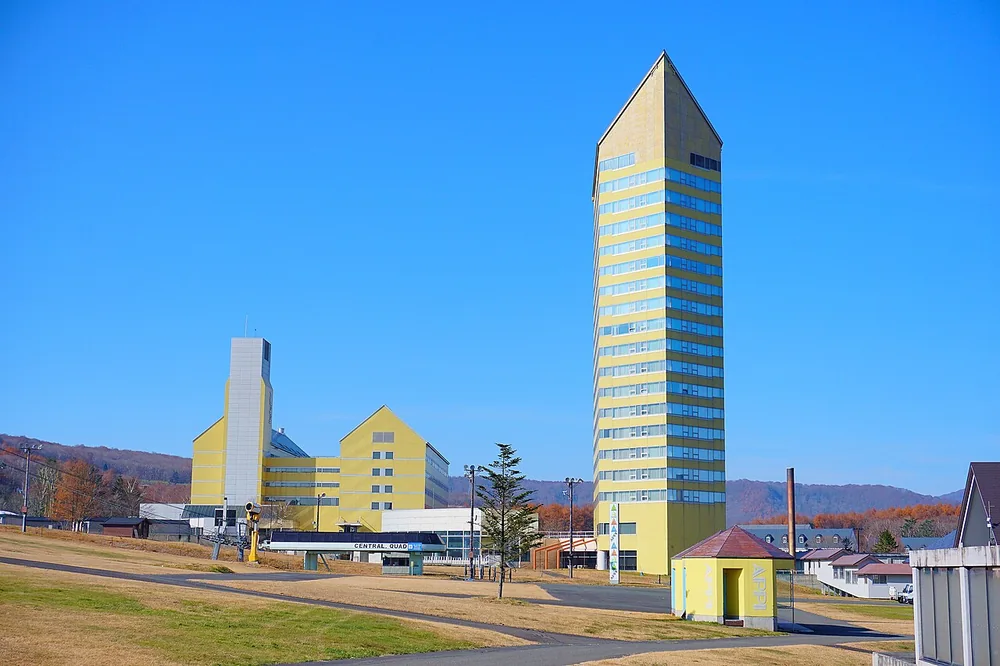
If everyone skis and wants to walk straight to the resort centre in the morning, Premium Stay Go, Private Dormitory and Mix Dormitory on the mountain minimise travel. They share the same resort facilities; compare privacy, bathrooms and bed layouts. Two people wanting their own shower and toilet can start with Go’s Standard room. Groups of four to six willing to share bathrooms can compare the total cost of semi-private dormitory rooms.
The Kitakami Station area suits late arrivals, Shinkansen departures and groups in which some people ski for only one day. East-side hotels are close to the main shuttle departure point. On the west side, stops are available near Kusano Hotel and Nanbu Hotel. Treat the walk from the hotel to your actual bus stop as a separate leg, particularly with ski bags. The difference between station exits matters more than a few hundred metres on a map. Some buses leave only from the East Exit, so west-side guests must plan around their chosen departure. Seasonal shuttle stops and timetable
Semi Onsen, Mizukami Onsen and Santa House GETO lie between these options. They offer hot springs or whole-property accommodation but still require a daily trip up the mountain. Official shuttles stop at entrances beside the main road, rather than hotel doors. Arrange the connection from the entrance to your accommodation before travelling with luggage and equipment. Without a car, choose the resort or Kitakami Station area first if you want to minimise morning and evening transfers.
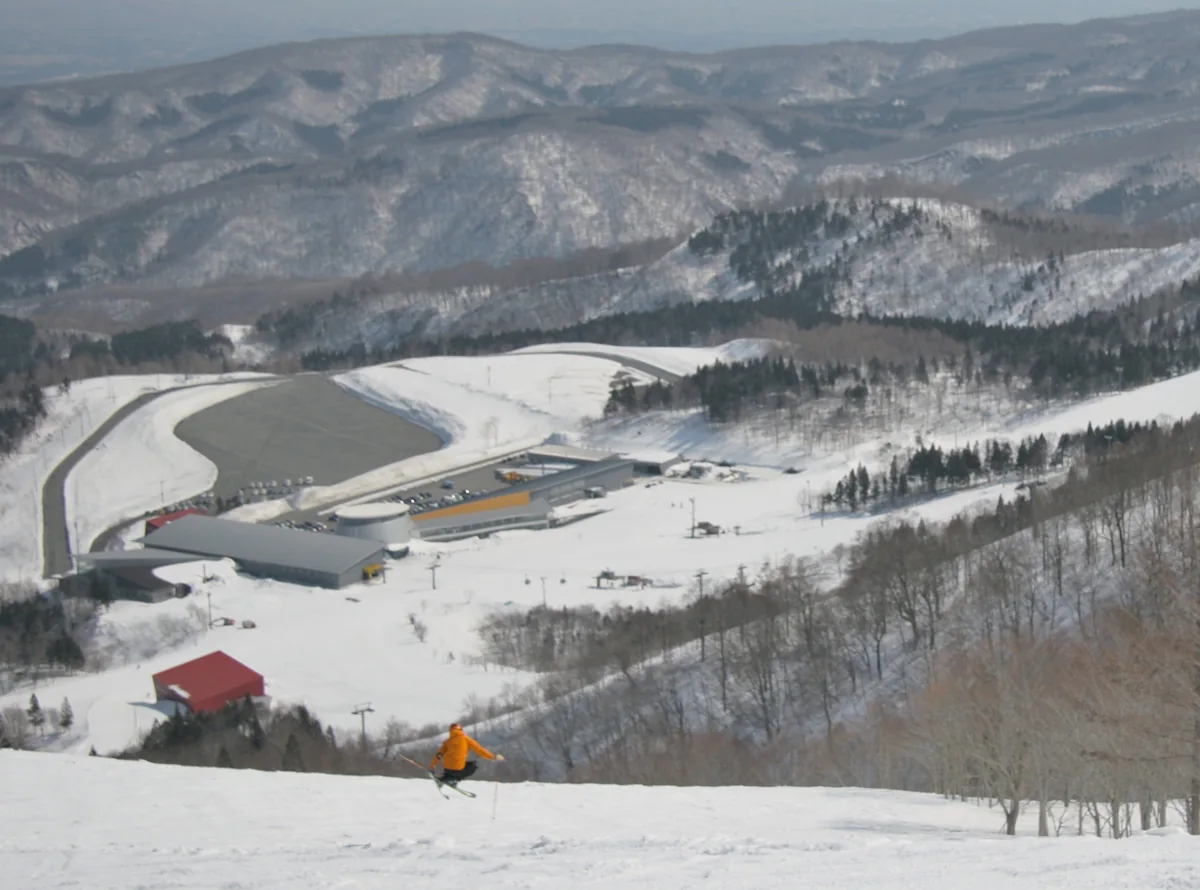
Plan a 2026/27 Geto Kogen ski stay: compare three on-site room types with Kitakami hotels, paid shuttle schedules A/B/C, beginner and child lessons, hire equipment, lift passes and two-day costs.
2026/27 season: dates, night skiing and transport have separate schedules
The official operating calendar gives 28 November 2026 as the earliest opening, with early season lasting until 4 December. The regular season runs from 5 December to 28 March 2027; spring skiing is from 29 March to 5 May. Early season starts with Gondola 1, with more facilities operating in the regular season. For the first week, match rooms and passes to the day’s opening report. Families planning gentle-slope lessons cannot schedule a first lesson solely because Gondola 1 is running. Official season dates and operating schedule
Night skiing is announced for Saturdays, Sundays and Japanese national holidays from 12 December to 28 February, plus 26 December to 3 January, from 16:00 to 20:00. The new season uses Pair Lift 1. Long daytime gondola runs and the night area need separate planning. For evening views or extra practice, staying on the mountain is easiest: the last downhill bus on schedules A and B leaves at 17:15. To ski until 20:00 and stay in Kitakami, arrange another vehicle back.
Choose spring transport alongside your ski dates. The official bus page currently lists schedule C for 3, 4, 10 and 11 April. Buses after the regular season do not continue all the way to 5 May. For late April or Golden Week, stay on the mountain and arrange arrival and departure transport, or drive. Booking a Kitakami hotel and applying the winter timetable to May leaves the essential uphill journey unresolved.
Kitakami shuttle charges: add ¥4,000 per adult for two return days
From 2026/27, a one-way trip to the resort costs ¥1,000 from opposite Kusano Hotel, West Exit Nanbu Hotel, Kitakami Station East Exit, Oniyanagi District Community Centre or Shin-Geto Bridge car park. Boarding at Santa House Geto entrance, Mizukami Onsen East Building entrance or Semi Onsen entrance costs ¥500. Downhill fares depend on where you get off. The bus accepts cash only, with no credit cards or electronic payments. Overseas visitors aged 17 and under travel free. Adults should not assume the resort counter’s card facilities also apply on the bus. Official shuttle fares
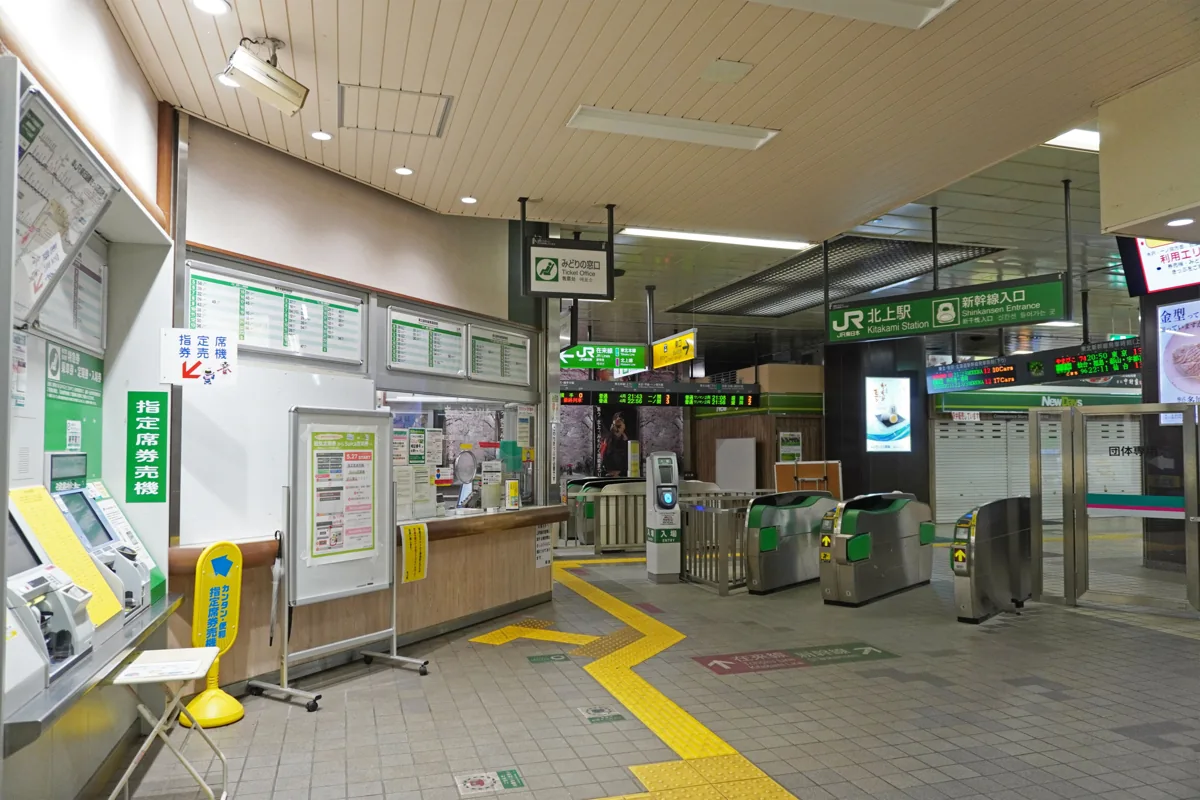
For two ski days from Kitakami, four bus legs cost ¥4,000 per adult, or ¥8,000 for two adults. Staying at the resort after the first uphill trip and descending only on the last day reduces this to ¥2,000 per adult for one return journey. Compare two city nights with a mountain meal package by including food, buses and about 100 minutes of travel each day. A cheaper room does not necessarily save the same proportion of the total trip cost.
A bus season pass costs ¥15,000 and is sold at the resort ticket counter, not at Kitakami Station or on the bus. At ¥2,000 per adult return from Kitakami, eight days total ¥16,000, exceeding the pass price. For two or three days, pay individual fares. If you have already paid the uphill fare on the day you buy the pass, keep that day’s bus ticket and hand it to the resort ticket counter when purchasing the pass to recover that fare. This comparison covers buses only, separately from a ski season pass.
Schedules A, B and C apply on different dates. For schedule B on 20 January 2027, East Exit departures at 6:40, 7:40, 9:10 and 10:00 reach the resort at 7:30, 8:30, 10:00 and 10:50 respectively. A 15:40 departure arrives at 16:30 for overnight guests. For a 10:00 lesson, an 8:30 arrival allows more time for check-in and equipment hire. Match a bus arriving at 10:00 to an afternoon lesson instead.
On the same B schedule, downhill departures at 14:30, 15:15, 16:45 and 17:15 reach the East Exit at 15:20, 16:05, 17:35 and 18:05. On your last day, work backwards from the Shinkansen to allow time to pack skis or a board, change footwear, return hire equipment and reach the stop. Include bathing in that calculation rather than deciding after skiing. Hard ski boots cannot be worn on the bus: pack them and change into shoes you can walk in.
On-site accommodation: private bathrooms, semi-private rooms or shared beds
Premium Stay Go has only four rooms, all facing the slopes with private toilets and showers. Standard accommodates one to four people; Superior takes three to six. Shared facilities include a kitchen, dining table, drying room and laundry. For a couple, Standard mainly buys a room you can close, organise your belongings in and shower privately. A three-generation family can start with Superior’s capacity and allocate actual beds. Enter everyone in the booking search so it returns matching room types and plans. Official resort room types
Private Dormitory offers semi-private bunk-bed rooms: three four-bed rooms for one to four guests and two six-bed rooms for one to six. Dinner and breakfast are included. Toilets and washbasins are shared on the ground floor, with a shared fridge outside the rooms. This suits friends or families with compatible morning routines, especially when everyone wants to ski from opening. For children needing frequent toilet visits at night, or guests who prioritise sound insulation, put Go’s private rooms first.
Mix Dormitory has 88 beds in a large shared room, booked per person with breakfast and dinner. Solo skiers can reduce daily mountain transfers, but share space for luggage and daily routines. Mix and Private guests receive locker keys; keep valuables in your own locker. Change and pack at considerate times, and find a suitable space for long private calls or work.
All three types have check-in from 15:00 to 21:00. Mix and Dormitory check-out is 9:00; Go is 10:00, unless a specific plan states otherwise. Dormitory guests therefore need to pack large bags after breakfast on the last day and collect them after skiing. The resort offers same-day storage before check-in and after check-out. Before check-in, ask reception to use the hot-spring changing room rather than losing half a day waiting for your room.
Resort accommodation check-in is at the hot-spring reception. The building has no lift; staff can help with luggage. Sheets and amenities are not replaced daily during consecutive stays, and towel replacement costs ¥300. Tell the property about anyone who finds stairs difficult when booking, and consider the daily routes in a station-area hotel. These details affect suitability more than the phrase “inside the resort”. Official accommodation FAQ
Food, hot springs and supplies determine how long to stay on the mountain
There are no nearby convenience shops, supermarkets or cash machines on the mountain. Get cash and personal supplies in Kitakami, including children’s formula, baby food and routine medicines. The accommodation FAQ restricts ordinary food brought in, with baby food and milk among the stated exceptions. Go has a shared kitchen, but if you plan to cook full meals, obtain the property’s answer on ingredients and kitchen use before buying groceries. For a short ski stay, comparing meal-inclusive plans removes much of the evening organisation.
Mix and Private include two meals at Usagimori restaurant. Breakfast is 6:30–8:30, with last orders at 8:00; dinner is 18:00–21:00, with last orders at 20:30. Go offers plans with or without meals. To add meals, the resort requires a request at check-in reception by 16:00. On a longer stay, organise equipment between breakfast and opening, rest in the room in the afternoon and then have dinner. Beginners need not ski from opening to closing every day just because they stay on site.
Usagimori no Yu’s 2026/27 winter notice lists daily opening from 4 December to the end of the ski season, normally 10:00–22:00 with last entry at 21:30. Wednesday opening is 14:00 because of cleaning. Day visitors pay ¥900 per adult and ¥500 per primary-school child; preschool children enter free. A towel set costs ¥300 to hire. If returning to Kitakami that day, finish skiing and bathe early enough to leave for the bus. Bathing cannot replace Wednesday-morning skiing, so plan another activity for non-skiers then. Official hot-spring opening information
Two mountain nights can give you two full ski days, with a choice of how much to ski on the third morning. If half the group does not ski, or children take only one lesson daily, Kitakami makes different routines easier. Guests staying on the mountain should be happy to spend time resting indoors, bathing and eating. The main accommodation benefit is proximity to the slopes; city evenings require a return to Kitakami.
Kitakami hotels: East Exit connections or west-side dinners and early stops
Comfort Hotel Kitakami is in front of the East Exit. Its official room types include Double Economy and Twin Economy, and breakfast is free. Two friends wanting a bed each should choose Twin; couples can compare Double plans. With children, include bed-sharing numbers and available beds in the same booking. It suits a Shinkansen arrival the previous day followed by an East Exit bus. For the earliest 6:40 bus, check breakfast hours rather than forcing the free meal into an early departure. Comfort Hotel Kitakami
Kusano Hotel is about five minutes’ walk from Kitakami Station. The official transport table lists an “opposite Kusano Hotel” stop. On schedule B, buses leave here at 6:30 and 7:30, reaching the resort at 7:30 and 8:30. West-side guests wanting nearby dinners benefit from avoiding a morning detour to the East Exit, although later departures may require that walk. The hotel lists breakfast, parking and laundry services, making it a city base for several ski days. Kusano Hotel
JR-East Hotel Mets Kitakami adjoins the West Exit. It suits guests who want to settle luggage quickly on arrival or leave by rail straight after check-out. Compare buses serving “West Exit Nanbu Hotel” and follow the actual walking route to that stop. Find it on your arrival evening using the next day’s timetable, so you can go straight there with ski bags in the morning. Hotel Mets Kitakami
Compare city bookings for the same date, guest count, bed type and meals. Convert resort per-bed or room charges and city whole-room totals to a per-person, per-night basis. If a package includes lift passes, list the valid days, collection point and night-skiing coverage to see whether you need a separate second-day pass. Room and cancellation charges follow the chosen plan; changing guest numbers can change the total for the same room.
Choosing runs: start on A5, then progress to longer and ungroomed routes
A5 is a gentle beginner run served by Pair Lift 2, 610 metres long with a 7-degree average and 9-degree maximum gradient. For first braking practice and preparation for a chairlift, match lessons to this area’s operation. A1 is a main run, 2,120 metres long with an 11-degree average and 18-degree maximum. Consider the longer descent once you can link turns and control speed. If abilities differ, meet at the base rather than making a child’s first lesson follow the adults’ long-run plans. Official piste map
C4 offers woodland views and a longer cruising route: 1,570 metres, averaging 11 degrees and reaching 20 degrees, with a steeper final section. Before a beginner takes the whole route because it is labelled easy, ask an instructor to assess ability and conditions that day. Standing confidently on A5 and braking continuously towards the end of a long run require different stamina and skills. A first-day lesson followed by repeated practice in a familiar area can make good use of a two-day trip.
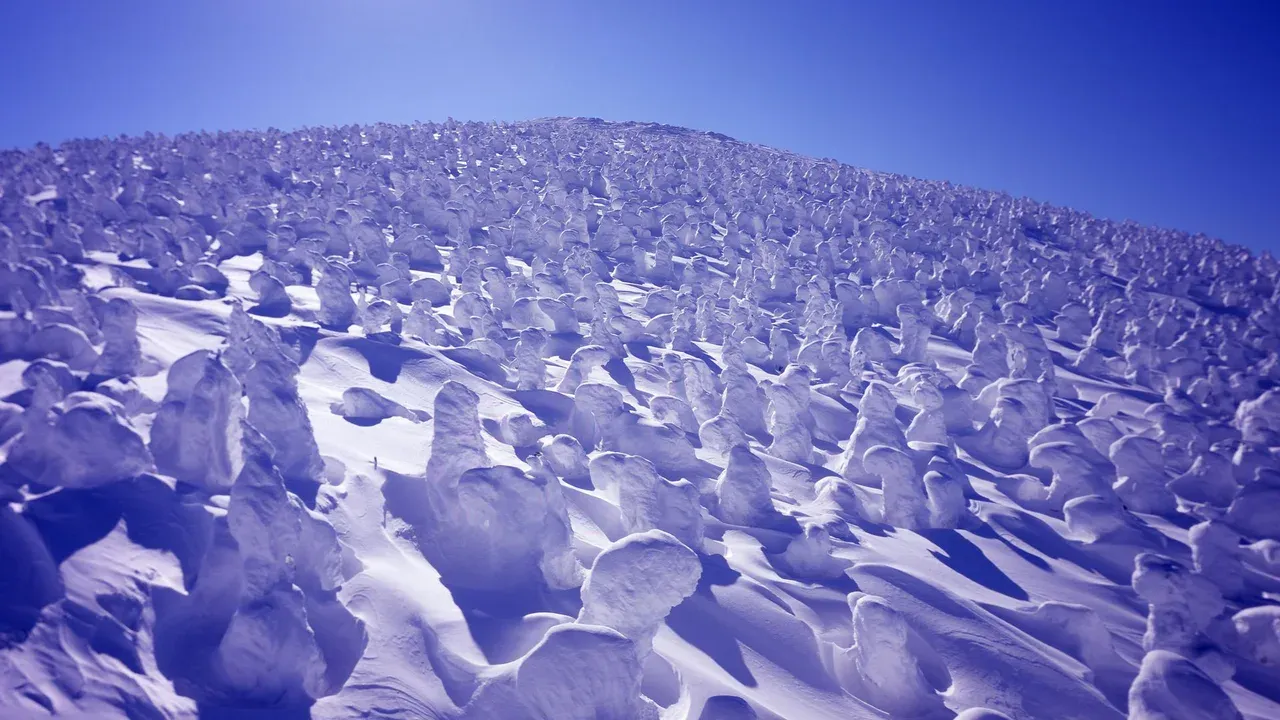
Ungroomed B2 and B3 and the tree areas suit people with the corresponding skills. The organiser requires helmets in tree areas, a charged phone and saved emergency contacts. Snowboarders should not enter alone in deep snow. Entrances, exits and prohibited areas have separate signs. Visit Mountain Information for that day’s openings, progress through area levels and consider a named guiding service. Closed pistes, areas beyond ropes and prohibited zones must not be entered. Users are charged for rescue and searches in tree areas and outside the managed area. Official tree-area rules
This also affects the length of your stay. Confident skiers can save energy for the mountain by staying on site. Beginners benefit more from lesson quality, rest and operation of gentle slopes. Set a daily goal such as completing a lesson or learning one run, rather than repeatedly moving up a level to cover every area. Friends with different abilities can share a base, take separate lessons and meet for meals.
A tree-skiing film published by getton and selected by Geto Kogen’s official website, showing snow conditions and space among the trees. Watch alongside the tree-area rules and equipment requirements.
Lessons and hire: book the language first, then choose a pass for your practice area
The official SAJ ski school currently lists ordinary group and primary-school group lessons at ¥6,000 for two hours and ¥9,600 for four. Those who struggle to communicate in Japanese use private lessons. A two-hour private lesson for one or two people costs ¥24,000. The ¥19,200 in brackets is a Japan-resident discount; short-term overseas visitors should budget at the standard rate. The site also links to an International School. For instruction in another language, give the school your language, group size, ability and dates before arranging the remaining items. Official ski school
On the normal schedule, morning registration is 9:00–9:40 for lessons at 10:00–12:00. Afternoon registration is 12:20–12:40 for lessons at 13:00–15:00. From 19 December to 3 January, afternoon lessons move to 13:30–15:30, with registration at 12:20–13:10. Same-day bookings during this period add ¥500 per person. Allow enough time between bus arrival, boots, equipment hire and school registration for a morning lesson. The school requires telephone contact for next-day reservations. On your first visit, save the next day’s plan, booking confirmation and bus timetable on your phone on arrival in Kitakami, then complete the steps in order.
Children’s classes depend on ability. Primary-school B and C groups require children to ride the chairlift independently and have a separate primary-school pair-lift ticket; they normally use pair lifts. For first-time A-group children wanting lift practice during the lesson, the school directs families to one-to-one children’s lessons. Preschool children cannot ride a chairlift alone and must share with an instructor or parent. Their free lift pass is not a reason to commit the whole family to one itinerary before the school chooses a suitable lesson.
Standard ski or snowboard and boot hire for ages 13 and above costs ¥6,200 for one day or ¥5,600 for five hours. Ages 12 and under pay ¥4,400 for a day. An adult Full Set costs ¥9,200 per day, including skis or board, boots, jacket and trousers. The Hand-free Set costs ¥10,200 and adds gloves, goggles and a hat. Helmets are extra: ¥1,200 for adults or ¥1,000 for ages 12 and under. Gloves and goggles are not hired individually; bring or buy them. Seasonal hire items and prices
Ski sets include poles; snowboard sets include a board and boots. Measure children’s feet before comparing sizes. Listed ski boots span 16.5–30 cm, snowboard boots 17–30.5 cm, and clothing runs from children’s sizes to 4L. Return equipment on time; late returns incur the stated fee. Lessons, equipment hire and lift passes have separate validity periods. A five-hour lift pass does not replace the return time agreed at the hire counter.
Lift passes and a two-day budget: keep cash for the refundable deposit
A regular-season adult day pass costs ¥6,900, valid for eight consecutive hours from the first gate entry on that day. The five-hour pass costs ¥6,500, only ¥400 less. A day pass is usually easier if you arrive in the morning and ski again after lunch. The adult two-day pass costs ¥13,400, valid on two consecutive days from purchase, including night skiing on announced operating dates. Two separate day passes total ¥13,800, a ¥400 difference. If the second day is uncertain, consider that difference as the cost of flexibility. Official lift-pass prices
Every pass adds a ¥500 IC-card deposit, refunded for an undamaged returned card. Even free preschool passes require a card and deposit. Day passes cost ¥3,500 for primary-school pupils, ¥4,500 for ages 13–18 and ¥5,500 for seniors aged 60 and above. Pair-lift-only tickets cost ¥4,300 for adults or ¥1,900 for primary-school pupils. Choose a gondola-valid ticket if you need a gondola. Check lesson requirements with the instructor before collecting passes to avoid buying the wrong one.
For one adult staying in Kitakami and skiing two consecutive regular-season days with only skis or board and boots hired, a two-day pass costs ¥13,400, hire ¥6,200 on day one plus ¥5,600 on day two, and four bus legs ¥4,000: ¥29,200 total. Keep another ¥500 for the refundable IC deposit. This covers only passes, hire and return buses. Add accommodation, intercity rail, food, lessons and personal equipment separately. Use this hire estimate if you bring suitable clothing, gloves and goggles.
For the same adult staying at the resort, only arrival and departure bus legs are needed, reducing those three items to ¥27,200. Two adults save ¥4,000 in bus fares compared with two daily returns from Kitakami. Add ¥24,000 for one shared two-hour private ski lesson, or ¥12,000 each. Remove any meals or lift passes already included in the room package before using the comparison to book.
For a first ski trip to Japan with a hired Full Set, adult two-day hire costs ¥9,200 plus ¥8,600, totalling ¥17,800. This is ¥6,000 above the ¥11,800 two-day skis/board-and-boots set. Two days of Hand-free hire cost ¥10,200 plus ¥9,600, totalling ¥19,800. Helmets are extra. Use these differences to decide what to pack. If you already have well-fitting ski clothing, compare luggage space with hire costs rather than hiring a whole new set for the sake of travelling empty-handed.
Extra costs for families and non-skiing companions
For two adults and one primary-school child staying in Kitakami and taking the shuttle on both days, adult bus fares total ¥8,000. Apply the free overseas-visitor fare for the child aged 17 or under, rather than multiplying the adult fare by three. Three regular-season two-day passes cost ¥26,800 for two adults plus ¥6,700 for the child: ¥33,500, with ¥1,500 in deposits for three IC cards. Recalculate if the child’s lesson needs only a pair-lift ticket.
Children occupying a bed in Mix or Private Dormitory pay the adult rate. Bed-sharing children pay meal charges. Choose bed use or bed-sharing and guest numbers together when booking. There is no childcare facility. If parents ski separately, one must care for a child who is not in a lesson. Resort child accommodation and facility conditions
For a child’s first ski experience, clothing and rest often affect the day more than extra lift-pass hours. A Full Set for ages 12 and under costs ¥6,000 on day one plus ¥5,400 on day two, totalling ¥11,400. Skis/board and boots cost ¥4,400 plus ¥3,800, totalling ¥8,200, a two-day difference of ¥3,200. If the child has suitable clothing, this can go towards lessons or another night. Try the equipment on after arrival to check size and comfort when walking and squatting.
Budget separately for hot springs and meals for non-skiers. A sightseeing gondola return costs ¥1,500 for adults and ¥1,000 for primary-school children and cannot be used for skiing. Gondolas and pair lifts also have different regular-season hours. Agree on a lunch meeting place, then pursue separate activities, rather than leaving a non-skier at a piste exit all afternoon. If they prefer a city rest day, stay in Kitakami and let the skiers take the bus each day.
Parent-and-child lessons have a different price table from adult private lessons. The official family private lesson is for parents with children aged four or above, limited to two groups daily. Standard two-hour prices are ¥15,500 for two people or ¥22,000 for three. Ability determines whether practice involves walking uphill. Confirm the suitable class for everyone before deciding whether parents join or ski separately, so each person can take part in the limited half-day.
Two nights and three days without rushing for the last connection
For two full ski days, arrive in Kitakami on the first afternoon, buy supplies and take the schedule A or B bus from the East Exit at 15:40, arriving at 16:30 to stay on the mountain. On day two, ski or take lessons after breakfast, then rest and bathe in the afternoon. On day three, check out and store bags, ski for a suitable period, then change footwear, return equipment, collect bags and descend. If you cannot reach Kitakami in time for the afternoon bus, spend the first night by the station, go up next morning and recalculate available ski hours.
For two nights in Kitakami, find the east- or west-side stop on arrival. On day two, take the 7:40 East Exit bus to reach the mountain at 8:30, and repeat on day three. To reduce pressure on the final bus-to-train connection, finish earlier and descend at 14:30 or 15:15. Use the spare time for luggage, dinner or the rail transfer. Match the actual travel date to schedule A, B or C, then complete the last leg with real train times.
If gondolas stop for weather in the morning, check the live operating report and school notice before choosing another open practice area. Mountain guests have indoor rest areas and hot springs; Kitakami guests can decide whether to go up that day. As a fallback, remember Wednesday bathing starts in the afternoon. Traveller cancellations of individual SAJ school bookings incur 50% two days before, 70% the day before and 100% on the day. Group bookings have earlier fee dates; follow their table. Accommodation can be changed or cancelled through the booking system’s My Page, with fees set by the selected plan. Put these specific times in the itinerary so changes have a clear next step.
A few useful answers
Is the Kitakami–Geto Kogen shuttle free in 2026/27?
Overseas adults pay ¥1,000 each way from Kitakami Station, in cash only. Overseas visitors aged 17 and under travel free. Four bus legs for two ski days from Kitakami cost ¥4,000 per adult.
Which Geto Kogen rooms have private bathrooms?
All four Premium Stay Go rooms have toilets and showers. Standard accommodates one to four people; Superior three to six. Private and Mix Dormitory use shared bathrooms.
Can I ski until 20:00 and take the shuttle back to Kitakami?
The last downhill bus on schedules A and B leaves at 17:15. For a full night-skiing session, stay on the mountain or arrange another vehicle back.
How much are two days of passes, hire and buses for one adult?
In regular season, a two-day pass is ¥13,400, two days of skis/board and boots ¥11,800, and four Kitakami bus legs ¥4,000: ¥29,200 total. Keep ¥500 for the refundable IC deposit. Add accommodation, rail, meals, lessons and other equipment separately.
Official information and references
Sources used in this guide.
- Pistes, prohibited areas and rescue rules
- 2026/27 hire items and prices
- SAJ ski school: lessons, standard prices and Japan-resident discounts
- Separate snowboard school information
- Comfort Hotel Kitakami
- Kusano Hotel
- JR-East Hotel Mets Kitakami
- Forestry Agency: seasons and facilities in the Geto area
- Geto Kogen official winter website
- 2026/27 lift passes, deposits and operating dates
- 2026/27 paid shuttles: dates and times for schedules A/B/C
- Three resort room types, facilities and FAQ
- Resort partner accommodation directory
- Tree-area rules and safety equipment requirements