2026–27 Appi Kogen Ski Resort guide: how to choose between Shirakaba, Yamabato and Nishimori, how the three lift passes and child rates work, and how to connect Morioka or Hanamaki Airport buses with rentals, lessons and your return trip.
- Region & Focus
- Appi Kogen
- Reading Scope
- 22 min read · 10 chapters · 6 Q&As
- Official Verification
- 13 official sources checkedUpdated 22 November 2026
- Key Topics
- WinterBookingFirst trip
Chapter Route Map (tap any stop)
- Test Your Legs on Shirakaba Before Heading Up Maemori
- Map Out Your Return Route if You Are an Intermediate
- Powder, Tree Runs and the Nishimori Snowcat
- Adult Lift Passes: Compare Window Rates, Online Prices and Deposits
- Working Out Lift Passes for Two Adults and Two Children
- Three Season Tiers and Night Skiing: Aligning Lift Hours with Your Return
- Morioka West Exit Stop 26: Day-Trippers and Hotel Guests Take Different Buses
- Hanamaki Airport Buses and the JR Hanawa Line Suit Different Arrivals
- Book Rentals and Lessons Separately, and Be Booted Up Before Class Starts
- Mixed-Ability Groups: Build a Plan That Brings Everyone Back Together
- Quick Q&A
On your first visit to Appi Kogen Ski Resort, start on the Shirakaba run at the base to test your gear and practise stopping. Only ride the Appi Gondola up Mount Maemori once you can control your speed smoothly, then ski the 5.5 km Yamabato-to-Shirakaba descent. The 2026–27 season is scheduled to open on 5 December and run until 5 May at the latest. General skiers and riders buy the BLUE PASS, while advanced skiers heading to Nishimori's ungroomed runs can choose a single snowcat ticket or the BLACK PASS with multiple snowcat rides. If you are making a day trip from Morioka, work backwards from your return bus time to plan your last run and rental drop-off.
Test Your Legs on Shirakaba Before Heading Up Maemori
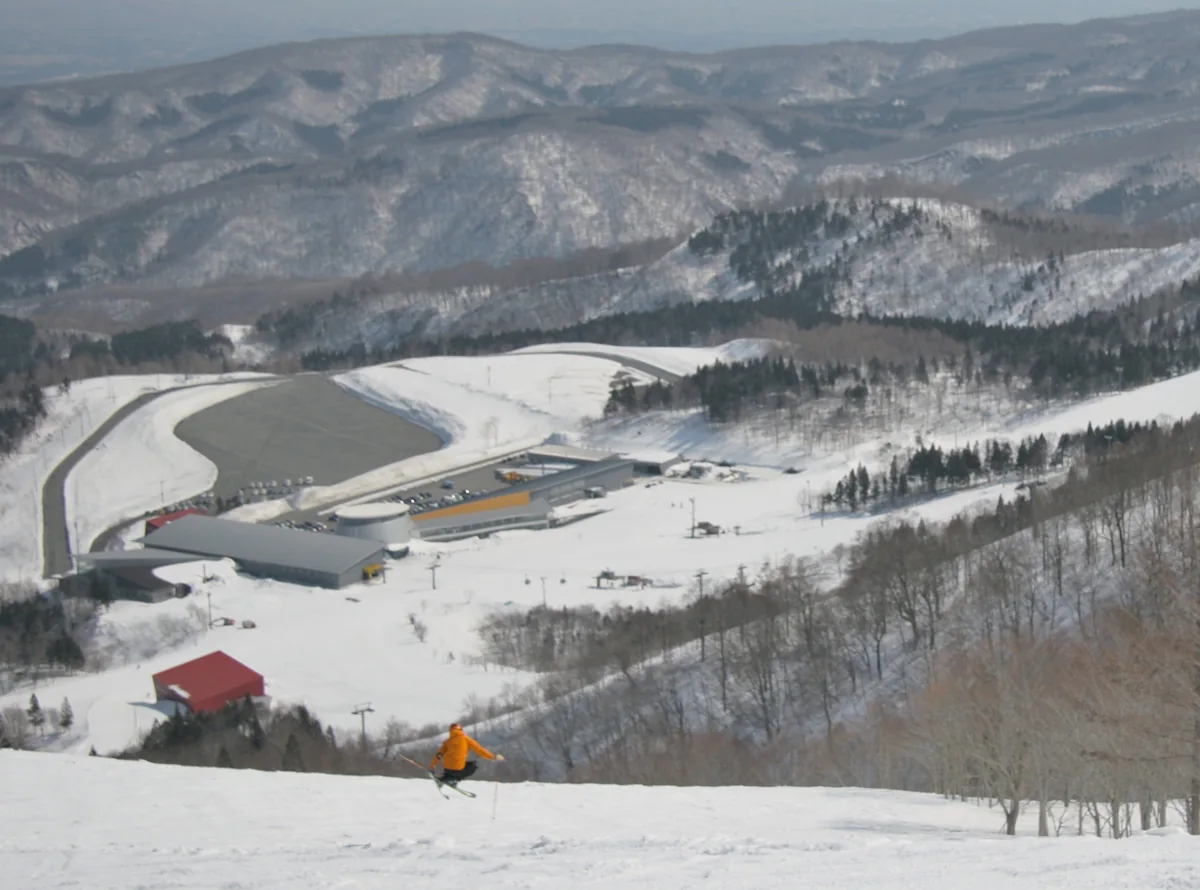
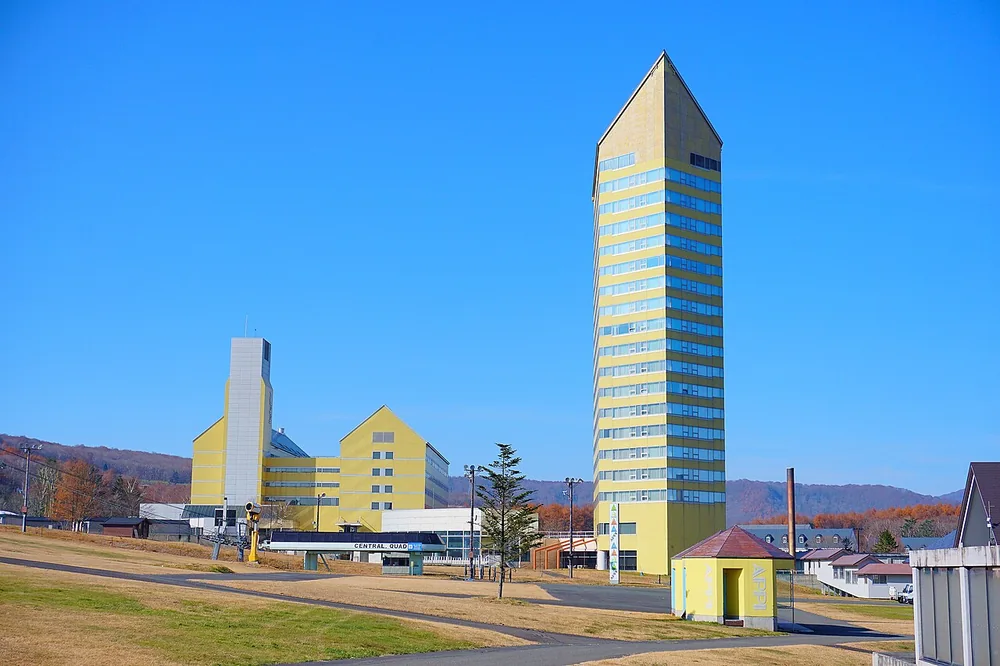
Step outside the Appi Resort Centre and you are looking straight at the Shirakaba run and the Central Quad chairlift. Equipment hire, the ski school and ticket counters are all inside the Resort Centre, making the base the easiest meeting point for first-timers or families with children in lessons. Shirakaba is rated beginner, stretching around 1 km with an average gradient of 9 degrees and a maximum of 16 degrees. The official trail map lists its widest point at roughly 300 metres, though not the entire run is that wide. Pick a quieter section with clear sightlines uphill and downhill, and leave plenty of room to stop at the end of each run.
If you want a slightly longer beginner practice slope, look at Karugamo. It runs about 1.2 km, averaging 10 degrees with a 15-degree maximum, and is narrower than Shirakaba. Anyone linking turns for the first time will find more room to traverse comfortably on Shirakaba. Wait until you can decide in advance where to slow down before a turn and leave space for others to pass before adding Karugamo or longer trails to your next lap. If someone in your group has new boots or is trying snowboarding for the first time, let them call whether they want another lap on Shirakaba rather than holding a vote at the lift gate.
Yamabato is the resort's longest beginner route down the mountain. Ride the Appi Gondola to the 1,304-metre summit of Mount Maemori and follow Yamabato back into Shirakaba at the base for a 5.5 km run. The official listing puts its steepest pitch at 20 degrees and its narrowest width at roughly 15 metres. Even capable beginners need to factor in sustained speed control, turning and passing slower riders. Snowboarders who stop on flatter traverses may occasionally have to unstrap one foot and skate; if someone falls behind, regroup somewhere visible ahead where you do not block the line of travel.
If you have only just learnt falling-leaf braking and need to sit and rest every few dozen metres, two or three laps on Shirakaba are usually far better spent than spending a whole morning getting down from the summit. Conversely, skiers who already have full green-run experience and can keep turning through gradient changes should tackle Yamabato while their legs are fresh. Check the trail signs carefully at the summit exit before setting off—several steeper runs also branch off the top of Mount Maemori, so agree on which route to take beforehand.
You might clearly see the distant roll-overs in the morning, only for afternoon fog to cut visibility down to one or two turns ahead. If visibility drops or any key section of Yamabato closes, stay on the open lower runs. Appi's live mountain status page breaks Yamabato into separate segments, making it easy to check whether you can ride the whole line top to bottom. Seeing "Appi Gondola operating" alone is not enough to decide whether the entire group should head up.
2026–27 Appi Kogen Ski Resort guide: how to choose between Shirakaba, Yamabato and Nishimori, how the three lift passes and child rates work, and how to connect Morioka or Hanamaki Airport buses with rentals, lessons and your return trip.
Map Out Your Return Route if You Are an Intermediate
Appi lists 21 courses totalling 43.1 km across four areas: Central, Sailer, Second and Nishimori. Maemori and Nishimori are two separate peaks. The Appi Resort Centre sits at a base elevation of around 620 metres, giving the resort a maximum vertical drop of 708 metres. The terrain splits roughly 30% beginner, 40% intermediate and 30% advanced. Appi rewards a full day on the mountain because several runs descend continuously from mid-mountain, requiring time to read junctions and lift connections, and your mileage depends on what is open that day.
Stay in Central for your first lap to gauge how well everyone handles the day's snow surface and pitch changes. Kakkou is around 2.8 km long, featuring intermediate-to-advanced terrain that also hosts competitions. Kitsutsuki runs about 2.2 km, is similarly classed as intermediate-to-advanced, and is lined with trees. Once you know the mountain, pick either Kakkou or Kitsutsuki depending on daily grooming and open status. When checking average gradients, look at the steepest pitch too: Kitsutsuki averages 12 degrees but hits 28 degrees, and those mid-run pitch changes determine whether a run suits the whole group.
Hayabusa is the main fall-line run straight off the Maemori summit at about 3 km, with an official maximum gradient of 30 degrees and sections of varying difficulty. Ootaka has steep ungroomed terrain on its upper section. Before dropping into either, check the trail map to see which entry segment connects to the next section, then inspect the snow conditions at the top. For many intermediates, linking several consistent carving laps on familiar terrain is far more rewarding than chasing a companion down an unfamiliar black run.
Before heading over to Sailer or Second, locate the lifts and connecting trails that bring you back to Central. To reach the Sailer base, you can ski Sailer Long, a 3 km run rated from beginner to advanced across its sections. For the return to Central, check whether Sekirei is open—this roughly 1.6 km intermediate connector narrows to about 15 metres and reaches 26 degrees at its steepest. On normal operating days, the Vista Quad in the Second area closes at 15:00 and the Sailer Quad at 15:30. Anyone returning from the far side needs to be in the queue before the last connecting lift closes.
Travellers relying on buses should explore the outer zones in the morning. If your group splits up after a warm-up lap, set a specific indoor meeting point inside the Resort Centre—such as the ski school desk, ticket hall or rental counter—rather than saying "at the bottom of Shirakaba". If wind picks up while you are on the far side, check the return lifts and connectors before committing to another lap. Lifts can close earlier than scheduled, and resort notices state that the Sailer No. 2 Lift only operates as a backup when the quad is halted by severe weather.
Competitions can temporarily take familiar runs off the table. The 2026–27 live-status schedule lists Kakkou closures on 27 December, 9–11 January, 15–17 January and 15–21 February. Shirakaba also has partial area restrictions on 24 January, 13–14 March and 4 April. Parents bringing beginners on days when Shirakaba's practice area is narrowed should schedule lessons early so an instructor can guide them to safe open space. Intermediate groups facing a Kakkou race closure can shift their laps to Kitsutsuki and other open Central runs.
Powder, Tree Runs and the Nishimori Snowcat
The resort describes Appi's signature dry, light snow as "aspirin snow". If you want to chase fresh powder, two consecutive days during the regular season give you far better odds: watch snowfall overnight, check Appi's summit and Resort Centre live webcams in the morning for wind, visibility and surface conditions, then review the area opening status. Right after a storm, the base may be clear while the summit stays closed.
Both main runs off the Nishimori summit are rated advanced. Yamagara is roughly 900 metres with a 32-degree maximum pitch and stays completely ungroomed. Inuwashi runs about 1 km, peaks at 30 degrees, and is mostly ungroomed. Hidden bumps beneath loose snow change how your skis or board respond. If you are confident on groomed pistes but new to deep snow, test how your edges sink on an open run with an easy bail-out first before heading over to Nishimori. The resort notes similar details elsewhere—Inuwashi keeps a single groomer-width piste track down part of the run yet remains rated advanced overall, while Sailer's Second A course is fully ungroomed and hits 34 degrees on its upper pitch, making it the steepest run on the mountain.
The Nishimori Attack and Bravo zones, Maemori's Cruise 1 and 2, and Dragon Tail on the Sailer side are official bounded tree-run areas marked on the trail map. Watch the daily entry gates, and stay strictly outside any closed gate, roped boundary or out-of-bounds sign. Attack starts steeply and carries an official warning about gullies where a wrong turn can leave you unable to regain the groomed runs; the resort advises carrying a trail map or GPS and never riding alone. While the Nishimori snowcat drops riders above the zone, patrol staff decide daily whether the tree gates open. On your first tree run, never follow someone else's tracks blindly or estimate descent time based on beginner trails. Appi's tree runs are restricted to advanced riders, and the official base search-and-rescue charge is ¥100,000 for up to one hour.
The Nishimori snowcat is included in the BLACK PASS and is listed for 19 December 2026 to 28 March 2027, operating weather permitting between 09:00 and 14:30. Each trip carries up to 10 passengers, boarding first-come, first-served at the station, with BLACK PASS holders given priority and unlimited rides. If you only want to try it once, a ¥5,000 single-ride ticket can be bought on site at the Nishimori base boarding point when seats are available, with no advance booking. An adult regular-season window BLUE PASS plus one snowcat ride totals ¥14,000, subject to day-of capacity at the station. If both the Appi Gondola and the Sailer Quad stop running, the snowcat is cancelled. If only one person in your group wants a BLACK PASS, plan to split up from the base. Anyone planning a snowcat session also needs to factor in transit to the Nishimori boarding point, queuing and getting back to Central—do not treat 14:30 as your departure time from the Resort Centre.
Adult Lift Passes: Compare Window Rates, Online Prices and Deposits
For a single day of skiing at Appi, use the BLUE PASS as your baseline. It covers all operating chairlifts, the Appi Gondola and scheduled night skiing on that day. During the 2026–27 regular season, an adult one-day BLUE PASS is ¥9,000 at the ticket window and ¥9,500 online. Appi's seasonal tariff and pass overview list prices both inclusive of the IC card deposit and separately, depending on date, sales channel and single- versus multi-day options. Ticket window prices quoted here include the ¥500 IC card deposit, refunded when you return the card to the counter after skiing. If you already hold a compatible reloadable IC keycard, check the resort's online top-up portal for exact checkout pricing.
If you plan to ski two consecutive days in the regular season, do the maths before buying. Two separate one-day window passes cost ¥9,000 each—¥18,000 upfront, or ¥17,000 net after returning both IC cards. By contrast, a consecutive two-day window pass is listed at ¥18,500, or ¥18,000 net after returning one card. The two-day pass saves a trip to the ticket counter on day two, whereas buying two single-day passes at the window actually costs less and leaves you free to take a rest day if the weather turns nasty. In the early or spring season, two consecutive days cost ¥9,300 on a two-day pass versus ¥9,800 net for two single-day passes. If your trip straddles season tiers or includes a rest day, price out the exact skiing days one by one.
The regular-season GOLD PASS is ¥14,500 at the window—¥5,500 more than a same-day window BLUE PASS—adding priority boarding on major quad lifts and the Appi Gondola plus summit lounge access. You will only get value from that premium if you plan to lap long summit runs repeatedly or make good use of the lounge. If you are spending the morning in a Shirakaba lesson and catching an afternoon bus back to Morioka, priority lift lanes will barely change your day. Appi caps both GOLD and BLACK passes at 30 per day, available at the window or by upgrading from a BLUE PASS.
The regular-season BLACK PASS is ¥33,500 at the window, adding the Nishimori snowcat, First Track access, priority food-court lanes and an exclusive BLACK PASS lounge on top of priority lifts and the summit lounge. Identify at least one included perk you will genuinely use and arrive early enough to benefit from before paying the difference. If high winds shut down Nishimori, what you actually use may look very different from what you pictured. BLUE, GOLD and BLACK all grant access to the same core lift network—a higher-tier pass will not open closed runs.
A season pass only pays off if you are spending many days at Appi or returning repeatedly across the winter. The final advance-sale season pass until 30 November 2026 is listed at ¥89,900, and the standard season pass at ¥110,000 until 31 March 2027, both excluding the IC card deposit. Season pass holders receive BLUE PASS lift and night-skiing privileges. For a single three-day ski trip, simply match your actual ski days against the one-day and consecutive multi-day rates.
| Pass Tier | Season | Adult 1-Day Window Price | Key Inclusions |
|---|---|---|---|
| BLUE PASS | Early & Spring | ¥4,900 | Open chairlifts and Appi Gondola |
| BLUE PASS | Regular Season | ¥9,000 | Open chairlifts, Appi Gondola and same-day night skiing |
| GOLD PASS | Regular Season | ¥14,500 | Priority lift and gondola boarding, summit lounge |
| BLACK PASS | Regular Season | ¥33,500 | Adds Nishimori snowcat, First Track and priority services |
Working Out Lift Passes for Two Adults and Two Children
Appi's 2026–27 child pass rules depend on where you live. Children aged 12 and under residing in the Tohoku region ski free when accompanied by a guardian. All other visitors—including international travellers—fall under the general rule: each paying adult may bring one child aged 12 or under free of charge, while each additional child costs ¥3,500 in the regular season or ¥2,500 for early season, spring or night skiing. Even a free child requires an IC card issued at the ticket counter with a ¥500 deposit. Adult pricing starts from junior high school age upwards, so if a child's age sits near the cut-off, tell the ticket clerk their birth month, year and school grade.
Take two adults skiing during a regular-season day with children aged 8 and 10. Two adult window BLUE passes cost ¥18,000, each child takes one adult's free allowance, and you pay ¥1,000 total in child card deposits. That comes to ¥19,000 at the counter, dropping to a net ¥17,000 once all four IC cards are returned. If only one adult is skiing with the same two children, the second child pays the regular-season child rate. Family members staying inside the Resort Centre without buying a lift pass do not count towards the accompanying-adult allowance.
If your children are booked into lessons, check which area the instructor uses before picking up passes. Ask whether the lesson rides public chairlifts and ensure each child carries their own IC card if required. The Crayon Shin-chan Kids School uses dedicated indoor and outdoor practice areas, so if only the children are taking lessons while parents wait at the base, you can pay purely for what each person uses that day. Keep each skier's IC card in their own jacket sleeve pocket and take care not to mix up coats at lunch; swapping jackets or pooling cards often leads to confusion at the lift gates.
Three Season Tiers and Night Skiing: Aligning Lift Hours with Your Return
The early season runs from 5 to 18 December 2026, with four lifts scheduled: the Appi Gondola, Central Quad, Central No. 2 and Central No. 5. Gondola hours are set at 08:30–15:00 and the Central Quad at 08:30–16:00. One-day passes are cheaper if you want early-season laps on Shirakaba or gear testing. Travellers aiming for Sailer, Second or Nishimori should visit during the regular season. When booking an early-season weekend that involves a long transfer, spending a night in Morioka gives you flexibility to cut a ski day short for dinner and shopping in town if limited terrain is open.
The regular season runs from 19 December to 28 March, adding the Sailer and Vista Quads to the schedule. From 19 December to 31 January, the Appi Gondola stops at 15:00, extending to 15:30 from 1 February through the rest of the regular season, while daytime Central Quad hours run until 17:00. If your year-end trip mixes complete beginners with experienced skiers, keep beginner lessons at the base while stronger skiers ride the longer lines. Day-trippers short on time can finish on Shirakaba and ski straight to the Resort Centre door to return rentals.
Spring skiing starts on 29 March and runs until 5 May 2027 at the latest, with four lifts scheduled until 15:30. Direct public buses from Morioka are listed through the last weekend of 28 March, and hotel-guest shuttle buses run until 4 April. Anyone planning a mid-to-late April or Golden Week ski trip should lock in final-leg transfers from Appi Kogen Station or book a winter-equipped rental car before committing to a ski-focused hotel package. Spring snow varies sharply between morning and afternoon: if it starts icy early on or turns heavy later in the day, adjust your first and last runs to slopes where you can stay in control.
Night skiing operates from 19 December to 28 March, mainly on weekends, public holidays and designated dates on the resort calendar, covering the floodlit section of Shirakaba. Standard last boarding is 19:30, extending to 22:30 on 31 December. Adults skiing only at night can buy a ¥4,000 night pass at the ticket counter from 16:00 on operating evenings, while daytime BLUE PASS holders can continue through regular night-skiing hours. For extended New Year's Eve hours, check ticket-counter entry arrangements on the day.
Having enough energy for one more chairlift in the cold is very different from walking to the bus stop in ski boots afterwards. If you are staying in Morioka, the last scheduled public bus departs before night skiing ends. To enjoy the floodlights and a short evening session while still sleeping in Morioka, check the timetable carefully to decide what to skip—or book a night beside the slopes so you can take a bath and have dinner at Appi. If you come off the snow after buses have stopped, you will need a station transfer that connects cleanly with the Hanawa Line rather than relying on train departure times alone.
Morioka West Exit Stop 26: Day-Trippers and Hotel Guests Take Different Buses
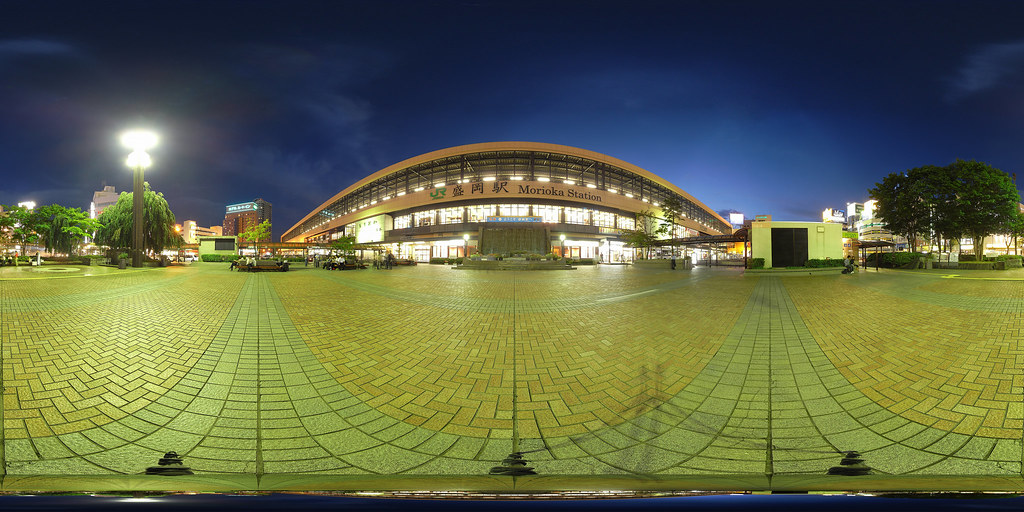
Take the Tohoku Shinkansen to Morioka, follow signs for the "West Exit / Bus Terminal", and board at Stop 26 for Appi. Iwate Kenpoku Bus runs unreserved seasonal routes from Morioka to Appi Kogen Ski Resort for ¥1,650 adult / ¥830 child each way, taking roughly an hour direct. Skiers and lesson students should alight at the "Appi Kogen Ski Resort" stop; the bus also serves ANA Crowne Plaza Resort, the Appi Pension area and Holiday Inn stops. Allow extra transfer buffer if you are hauling ski or snowboard bags—walking from the Shinkansen platform to the West Exit, finding the stop and queuing to load luggage all take time.
During the main timetable from 18 December 2026 to 22 March 2027, the 09:00 bus from Morioka West Exit reaches the ski resort at 09:56, which is too late for the 08:30 first lift. The 07:40 morning bus runs daily only from 3 January to 7 March (and on weekends and public holidays from 8 to 22 March), detouring via Hachimantai Onsenkyo before arriving at Appi at 09:06. There is also a Friday-only 21:50 late bus from Morioka to Appi between 8 January and 19 March, priced at ¥1,850 adult and ¥930 child.
Afternoon return buses leave the ski resort at 15:06, 16:06 and 17:06 across that main winter window. If you aim for the 17:06 departure arriving back at Morioka West Exit at 18:15, build in time beforehand to return ski boots, collect your IC card deposit and walk to the bus queue. On 27 and 28 March, a late-season weekend timetable runs instead—departing Morioka at 10:05 and returning from the resort at 16:06—only when ski lifts are operating. Early-season dates (5–6 and 12–17 December) also follow separate columns on the timetable, so check the exact date block for your trip and leave extra connection margin for winter road conditions before an evening Shinkansen.
The reservation-only Appi Resort shuttle for eligible hotel guests also boards at Stop 26, operating from 5 December 2026 to 4 April 2027. Fares are ¥2,200 adult and ¥1,100 for ages 4–12 one way (free for age 3 and under); bookings close at 23:59 JST the day before travel, and passengers are asked to gather 10 minutes early. Departures from Morioka are at 12:00, 15:15 and 18:30, arriving at ANA Crowne Plaza Resort at 13:15, 16:30 and 19:45 respectively. InterContinental guests also board and alight at Crowne Plaza Resort. Have your booking confirmation handy and wait according to your reserved departure and hotel drop-off point.
The IHR guest shuttle charges a 30% cancellation fee from 7 days before travel up to departure, rising to 100% after departure or for no-shows. Match your shuttle booking to your final accommodation dates before paying, and update the bus reservation immediately if you switch to a pension or spend your first night in Morioka. If you want to catch first lifts in the morning, take the guest shuttle the afternoon before; if you want a few extra runs on check-out day, work backwards from the 16:45 Crowne Plaza departure to Morioka.
Hanamaki Airport Buses and the JR Hanawa Line Suit Different Arrivals
From Iwate Hanamaki Airport, the unreserved APPI Airport Liner operates from 19 December 2026 to 22 March 2027 at ¥3,000 for adults, ¥1,500 for primary school children and free for pre-schoolers. The published schedule departs the airport at 09:30 (arriving at the ski resort at 10:54) and leaves the resort at 15:51 (arriving back at Hanamaki Airport at 17:20). This suits arrivals that comfortably connect with the morning bus; if immigration, oversized ski-bag claim or flight schedules push you past 09:30, look at alternative transfers.
A reservation-only Hanamaki Airport shuttle for resort hotel guests runs until 4 April 2027 at ¥3,500 adult and ¥1,750 for ages 4–12 one way (free for age 3 and under), requiring booking four days in advance. Departures from Hanamaki at 13:45, 16:30 and 18:45 stop at ANA Crowne Plaza Resort. While the public airport liner drops you right at the slopes to start skiing, the guest shuttle works better for checking in, dropping bags and sorting gear for the next morning. If children are tired after the flight, use the afternoon arrival to get boots fitted and locate tomorrow's lesson meeting spot, saving formal lessons for the next morning.
The JR Hanawa Line runs direct trains between Morioka and Appi Kogen Station in roughly an hour each way, but the station still sits a short ride from the base slopes. Appi runs an area shuttle between the station and the resort, though the 2026–27 winter timetable had not yet been published when checked on 22 November. Anyone relying on the train needs to treat the rail leg and the station-to-base transfer as a single journey; looking only at Morioka train times leaves too little margin for morning lessons, last-bus returns or hauling heavy luggage in snow. The Hanawa Line also has scheduled train suspensions on select dates, so day-trippers from Morioka wanting fewer transfers should prioritise the direct bus whenever it is running.
Driving yourself avoids fixed bus connections and makes transporting skis or snowboards effortless. Confirm winter tyres and vehicle equipment with your car rental agency before heading up the mountain, and follow resort advice on fitting snow tyres and carrying chains where road conditions require. If you have no winter driving experience, staying within walking distance of Morioka West Exit spares you driving mountain roads in the dark; if you want night skiing or to avoid lugging gear every day, stay beside the slopes and travel in daylight.
Book Rentals and Lessons Separately, and Be Booted Up Before Class Starts
SALOMON RENTAL STATION inside the Appi Resort Centre accepts walk-ins as well as online reservations. For 2026–27, online bookings close at 12:00 JST two days before your ski date, with payment collected on site—so for Saturday skiing, mark 12:00 JST on Thursday in your diary. Missing the online cut-off still leaves walk-in registration at the counter, though booking ahead skips a round of paperwork if your group has wide height or boot-size differences or if lessons start on a busy morning. You will still need time on arrival to reach the right counter, try on boots and adjust bindings.
Standard adult rental sets—either a three-piece ski set (skis, boots and poles) or a two-piece snowboard set (board and boots)—both cost ¥7,000 per day, or ¥6,000 under the official hotel-guest rate. Children's sets are ¥4,500 per day standard or ¥3,500 for hotel guests. Outerwear (jacket and trousers) rents for ¥6,000 per day for adults and ¥4,000 for children, while helmets are ¥1,500 for adults and ¥1,000 for children. Once skis and boots are sorted, check your own gloves, goggles, long ski socks and thermal layers, plus a spare dry pair of gloves if wind picks up on the upper mountain. Show your hotel booking details at the counter to qualify for guest pricing.
A day-tripping adult coming from Morioka during the regular season who buys a window BLUE PASS, rents full hard goods, outerwear and a helmet spends ¥23,500 at the resort plus ¥3,300 return on the public bus—coming to ¥26,300 net once the IC card deposit is refunded, before lessons or meals. An experienced skier bringing all their own equipment pays just ¥11,800 net for the lift pass and bus, creating a huge budget gap even on the exact same bus.
Appi's official ski school offers lessons in English, Chinese and Japanese. Standard private and group lessons start from age 7, with group classes split into ages 7–12 and 13+; Chinese-language group lessons run mainly on weekends, public holidays and designated dates. The Crayon Shin-chan Kids School caters to ages 3–9 using an indoor training snow surface and a dedicated outdoor magic carpet. When booking siblings together, check the age brackets first and report accurate ability levels if a child has already skied twice. If adults in your party are split between skis and snowboards, decide everyone's discipline before paying.
For 2026–27, Chinese-language private and group lessons generally accept bookings until 16:00 JST the day before, and reservations are only confirmed once paid. First-day check-in for Chinese-language private lessons takes place at the ski school counter 10 minutes before class, and tuition excludes lift passes and rentals. If you want a morning lesson while arriving on the 09:56 bus from Morioka, count backwards from start time to see whether you can realistically rent clothing, fit boots, collect passes and check in; if not, book an afternoon slot or stay overnight. Voluntary cancellation fees for Chinese-language private lessons apply from 16:00 JST eight days out and three days out—progressing from free to 50% and 100%—so watch those JST cut-offs closely on travel days vulnerable to flight or bus delays.
Even if you book two sessions in a day, do not pack the midday break wall to wall. Beginner children need time to change gloves, visit the toilet and drink water, while adults with sore feet may need to swap boots at the rental desk. Meet at an agreed indoor spot first, then decide whether everyone is ready for an extra afternoon drill or an early finish. Appi requires outside paid instructors to hold official partner authorisation, and the official ski school's own curriculum excludes tree runs, ungroomed powder zones and terrain parks.
Mixed-Ability Groups: Build a Plan That Brings Everyone Back Together
If you are only skiing one day on a broader Tohoku itinerary, staying next to Morioka Station keeps luggage handling simplest. Catch the morning bus from the West Exit, use a single rental desk and one indoor meeting point, and—if weather holds—let stronger skiers add a Central lap before meeting beginners at the Resort Centre for lunch. If the Appi Gondola is down in the morning while the base runs, keep everyone on Shirakaba; if even the lower practice slopes are unappealing, head back to Morioka for lunch and town sightseeing instead of sitting in ski boots all day.
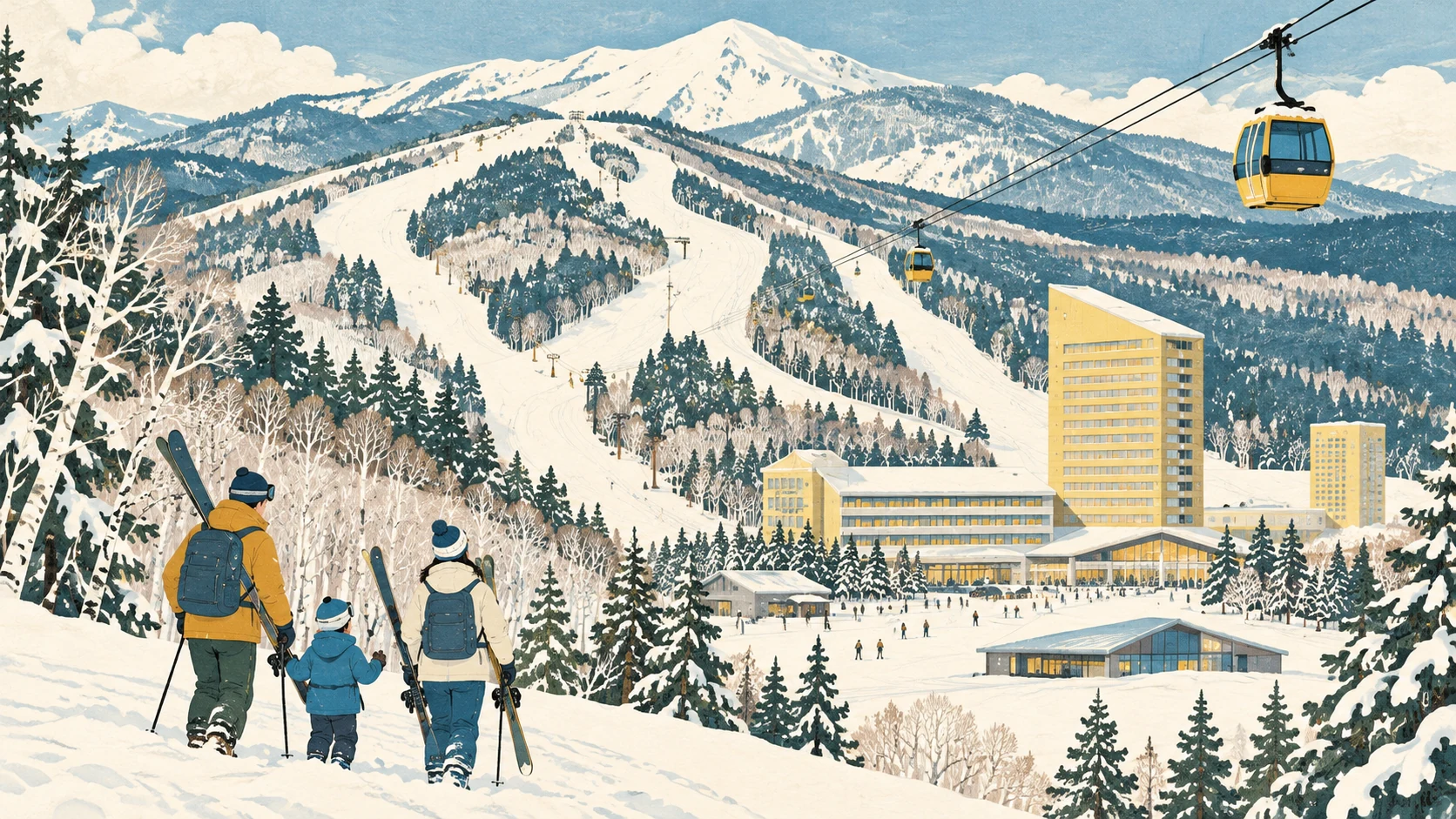
For trips of two days or more, early-morning lessons or night skiing, staying at the base saves hauling gear back and forth to Morioka. ANA Crowne Plaza Resort sits directly outside the Central Quad, marked by the yellow tower in the photo above; the InterContinental sits across the Shirakaba slope, though long-distance guest shuttles still drop off and pick up at Crowne Plaza. If you book a pension, check the "Appi Pension" stop on the bus timetable and confirm morning/evening shuttles to the slopes plus post-check-out luggage storage. Room rates are lower, so weigh the saving against daily gear transfers, walking comfort and lesson times. For property-by-property details and dining options, see our Appi Kogen ski accommodation guide.
A two-night base stay works cleanly like this: on arrival day, only collect rentals, fit boots, check the Resort Centre meeting point and leave time for dinner. Next morning, while beginners take lessons, stronger skiers check return lifts across Central and Sailer before meeting at the Resort Centre for lunch. Leave day two's goal flexible until you see how everyone skis—maybe a Yamabato descent, or two more relaxed Shirakaba laps for the beginners. Anyone catching an afternoon bus out should budget time for photos, IC card refunds and repacking luggage rather than waiting until after everyone has showered to find the bus stop.
If conditions only suit half a day of skiing, make the rest a resort downtime day. The Resort Centre has indoor dining, and non-skiing family members can use the designated sledging area next to the Central Quad via the base entrance marked on the resort map—keep sledging strictly inside that zone, as skiers and snowboarders descend on the adjacent slopes. The official Shirakaba no Yu hot spring opens from 13:00 for day-visitors at ¥1,200 for junior high school age and above, ¥800 for primary school children and free for pre-schoolers, though you must factor in the walk back from the baths to the bus stop. For toddlers experiencing snow for the first time, having an indoor space to change wet socks and fit in an afternoon nap beats cramming snow play, a long run and an onsen soak into one day trip.
To combine Appi Kogen and Zao in one trip, set aside a full transfer day between the two resorts. After checking out at the base, get back onto the main rail corridor before lining up lifts and connections at the next mountain. That buffer also helps if you are chasing snow conditions: if only the base is open at Appi in the morning, you can comfortably return to Morioka early and save the second resort's morning lesson for after an overnight stay in Yamagata. If your sole goal on this trip is mastering basic turns, keep both ski days at the same resort so you do not have to restart with new instructors, rental gear and practice slopes.
A few useful answers
Can first-time skiers tackle Appi's 5.5 km run straight away?
Start on the Shirakaba run outside the Resort Centre to practise stopping and turning. Once you can control your speed consistently and yield smoothly on narrower stretches, ride the gondola to Mount Maemori and ski the 5.5 km Yamabato-to-Shirakaba route.
How much is a regular-season BLUE PASS at Appi Kogen in 2026–27?
An adult one-day BLUE PASS is ¥9,000 at the ticket window and ¥9,500 online. The window price includes a ¥500 IC card deposit, refunded when you return the card. Early- and spring-season adult one-day passes are listed at ¥4,900.
If two adults bring two primary-school children from overseas, do both children ski free?
Yes, when accompanied by two ticket-holding adults—each paying adult can bring one child aged 12 or under free of charge. Both children still need an IC card issued at the counter with a ¥500 deposit each.
Does night skiing at Appi Kogen work for a day trip back to Morioka?
The last scheduled public bus to Morioka departs before night skiing finishes. If you want to ski until closing under the lights, stay near the slopes or arrange transport that covers the late finish.
Are Appi Kogen Station and the Appi Kogen Ski Resort bus stop the same place?
No. Appi Kogen Station is on the JR Hanawa Line and requires an area shuttle or pre-arranged transfer to reach the Resort Centre. Iwate Kenpoku Bus services from Morioka West Exit drop passengers directly at the Appi Kogen Ski Resort bus stop.
Does Appi Kogen offer Chinese-language ski or snowboard lessons?
Yes. The official ski school offers Chinese-language private and group lessons starting from age 7, excluding equipment rentals and lift passes. Ages 3–9 can book age-appropriate options at the Crayon Shin-chan Kids School.
Official information and references
Sources used in this guide.
- Appi Kogen Ski Resort | 2026–27 Trail Map & Lift Operating Hours
- Appi Kogen Ski Resort | Live Snow Conditions, Lift Status & Race Closures
- Appi Kogen Ski Resort | 2026–27 Lift Passes & Child Policy
- Appi Kogen Ski Resort | Tree-Run Zones & Safety Rules
- Appi Kogen Ski Resort | Nishimori Snowcat
- Iwate Kenpoku Bus | 2026–27 Appi Kogen Ski Resort Line (Traditional Chinese)
- Appi Kogen | Winter Airport, Morioka Access & Area Shuttle
- Appi Kogen Ski Resort | SALOMON Rental Rates & Reservations
- Appi Kogen Ski School | Official Lesson Overview
- Appi Ski & Snowboard School | Chinese-Language Lessons & Reservations
- Appi Ski & Snowboard School | Chinese Private Lesson Check-In & Cancellation Policy
- Appi Ski & Snowboard School | Chinese Group Lesson Schedule & Booking Terms
- Appi Kogen | Shirakaba no Yu Day-Use Hot Spring