Plan a 2026/27 Geto Kogen ski stay: compare three slope-side room types with Kitakami hotels, paid A/B/C shuttles, beginner and child lessons, rentals, lift passes and a two-day budget.
- Region & Focus
- Kitakami
- Reading Scope
- 30 min read · 11 chapters · 4 Q&As
- Official Verification
- 14 official sources checkedUpdated October 27, 2026
- Key Topics
- WinterWhere to stayRail travel
Chapter Route Map (tap any stop)
- Choose a base to suit your daily routine
- 2026/27 dates, night skiing and transport are separate decisions
- The paid Kitakami shuttle: add ¥4,000 per adult for two return trips
- Staying at the resort: private bathrooms, semi-private rooms or shared beds
- Meals, hot springs and supplies affect the length of a mountain stay
- Kitakami hotels: East Exit connections or West Exit dining and early stops
- Choosing runs: A5 for beginners, then longer and ungroomed routes
- Lessons and rentals: book the language, then match passes to the practice area
- Lift passes and a two-day budget: keep cash for the refundable deposit
- Extra costs for families and nonskiing companions
- Two nights and three days without rushing for the last connection
- Quick Q&A
For two days of skiing at Geto Kogen, first choose between staying at the resort and taking the roughly 50-minute shuttle back to Kitakami. A mountain stay saves daily travel, with dinner and hot-spring bathing available inside. Staying by Kitakami Station makes Shinkansen connections, restaurants and shopping easier. The shuttle became a paid service for 2026/27: adults pay ¥1,000 each way from Kitakami Station, in cash. Adding transport to the room price makes the comparison clearer. Geto Kogen is in Kitakami, Iwate Prefecture. Its Japanese name is pronounced “Geto Kogen.” It suits travelers making skiing the main purpose of a stay of several nights. Families skiing for the first time can also visit, but should choose lesson language, practice runs and bus times together. The 2026/27 winter information is dated October 27, 2026; prices are in yen. Official winter website
Choose a base to suit your daily routine
If everyone skis and wants to walk straight to the resort center in the morning, Premium Stay Go, Private Dormitory and Mix Dormitory minimize travel. All three share the resort’s facilities. Compare privacy, bathrooms and bed layouts. For two people wanting their own shower and toilet, start with a Standard room at Go. Groups of four to six willing to share bathrooms can compare the total cost of a semi-private dormitory.
Kitakami Station suits late arrivals, Shinkansen connections on departure and groups where some people ski for only one day. East Exit hotels are near the main shuttle departure point. On the west side, there are stops near Kusano Hotel and Nambu Hotel. Include the walk from the hotel to your actual stop, especially with ski bags: the difference between exits matters more than a few hundred meters on a map. Some buses leave only from the East Exit, so west-side guests must follow their chosen service. Seasonal shuttle stops and timetable
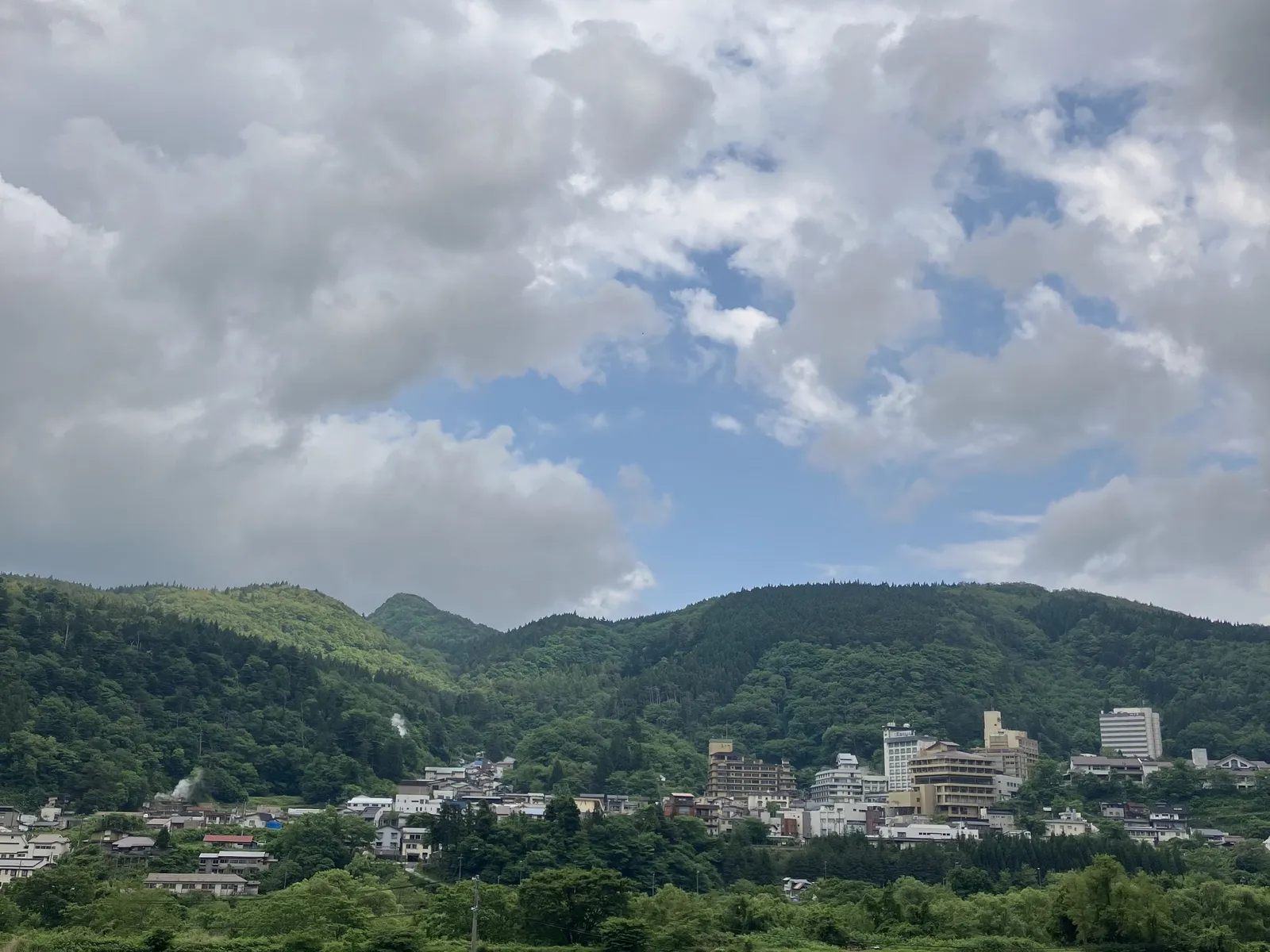
Semi Onsen, Mizukami Onsen and the Santa House GETO area lie between the two bases. They offer hot springs or whole-property stays, but still require daily travel uphill. Official shuttles stop at roadside entrances, rather than the accommodation door. Arrange the connection from the entrance if carrying luggage and ski equipment. Without a car, choosing the resort or Kitakami Station is simpler when minimizing morning and evening travel is the priority.
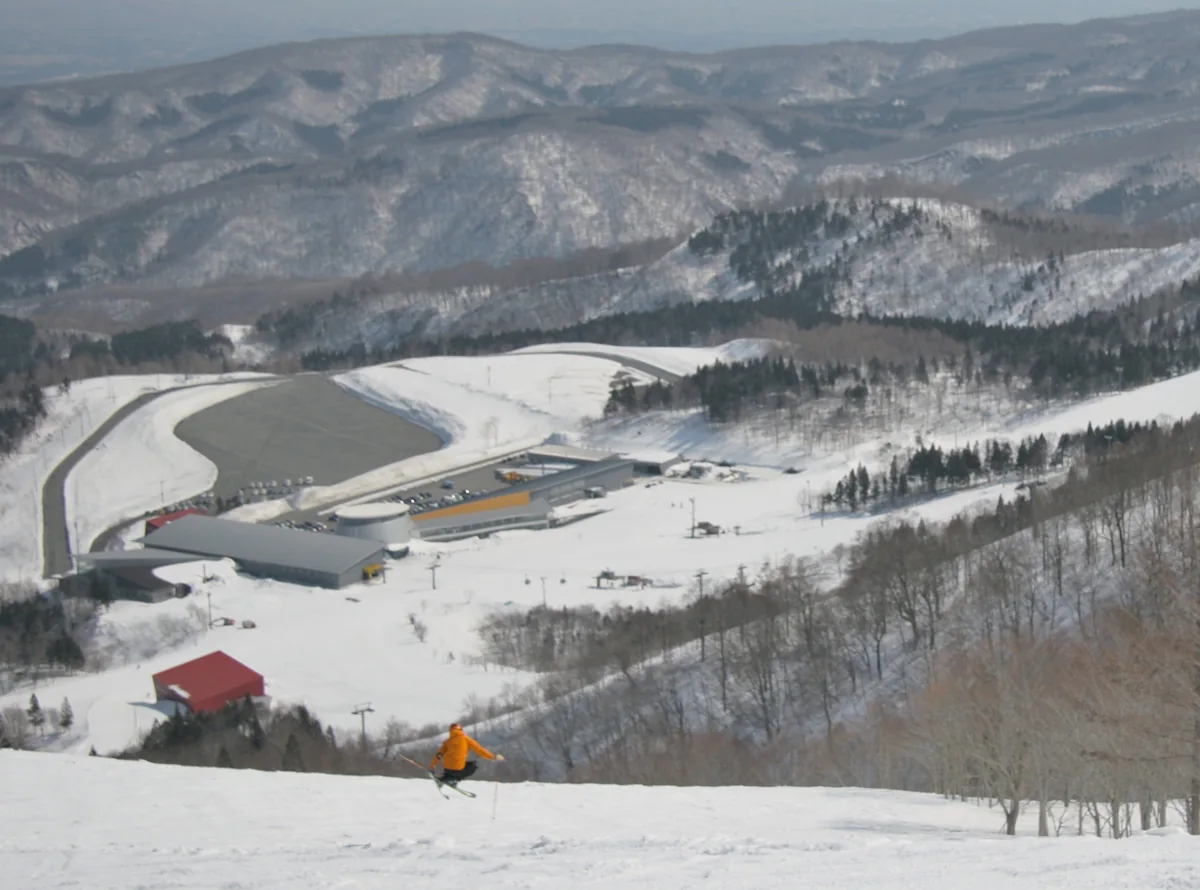
Plan a 2026/27 Geto Kogen ski stay: compare three slope-side room types with Kitakami hotels, paid A/B/C shuttles, beginner and child lessons, rentals, lift passes and a two-day budget.
2026/27 dates, night skiing and transport are separate decisions
The official operating calendar gives November 28, 2026 as the earliest opening, with early-season operation through December 4. The regular season runs December 5–March 28, 2027, and spring skiing March 29–May 5. Early operation starts with Gondola 1; more facilities operate in the regular season. For the first week, match lodging and lift passes to the daily opening information. Families focused on gentle-slope lessons cannot schedule a first lesson simply because Gondola 1 is running. Official season dates and operating schedule
Night skiing is announced for Saturdays, Sundays and Japanese national holidays from December 12 through February 28, plus December 26–January 3, from 16:00 to 20:00. The new season uses Pair Lift 1. Long daytime gondola runs and the night area are separate arrangements. Staying on the mountain is best for night views or extra practice, because the last downhill shuttle on schedules A and B leaves at 17:15. Kitakami guests skiing until 20:00 need another vehicle back.
Choose spring transport along with the skiing dates. The official bus page currently lists schedule C on April 3, 4, 10 and 11. Buses after the regular season do not continue through May 5. For late April or Golden Week, stay on the mountain with arrival and departure transport arranged, or drive. Booking a Kitakami hotel and applying winter bus times to May leaves the essential uphill journey unresolved.
The paid Kitakami shuttle: add ¥4,000 per adult for two return trips
From 2026/27, a one-way trip to the resort costs ¥1,000 from opposite Kusano Hotel, the West Exit Nambu Hotel stop, Kitakami Station East Exit, Oniyanagi Community Center or Shin-Geto Bridge parking lot. Boarding at Santa House Geto Entrance, Mizukami Onsen Higashikan Entrance or Semi Onsen Entrance costs ¥500. Downhill fares depend on where you leave the bus. Payment is cash only; cards and electronic payment are unavailable. Overseas visitors aged 17 and under travel free. Adults should not assume the bus accepts cards because resort counters do. Official shuttle fares
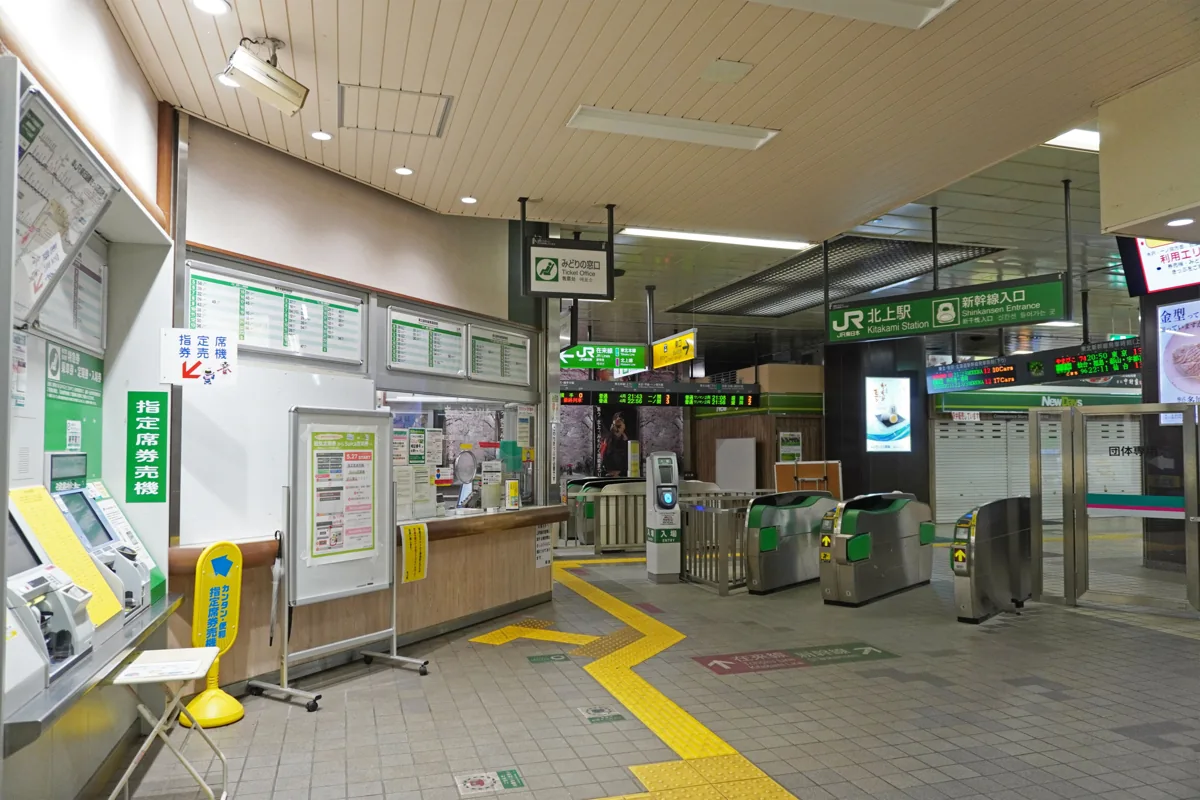
For two ski days based in Kitakami, four bus journeys cost ¥4,000 for one adult or ¥8,000 for two. If you go uphill on the first day, stay at the resort and descend only on the last day, each adult pays ¥2,000 for one return journey. Compare two city hotel nights with mountain meal-inclusive plans after adding food, buses and about 100 minutes of daily travel. A cheaper room does not necessarily reduce the whole trip cost by the same proportion.
A bus season pass costs ¥15,000 and is sold at the resort ticket counter, not at Kitakami Station or on the bus. At ¥2,000 for an adult Kitakami return trip, eight days total ¥16,000, exceeding the pass price. Visitors staying two or three days can pay single fares. If you pay the uphill fare on the day you buy the pass, retain that day’s bus ticket and hand it to the resort ticket counter when buying the pass to receive a refund of that uphill fare. This comparison covers buses only, separately from a ski season pass.
Schedules A, B and C apply on different dates. Using schedule B on January 20, 2027 as an example, East Exit departures at 6:40, 7:40, 9:10 and 10:00 reach the resort at 7:30, 8:30, 10:00 and 10:50. A 15:40 departure arrives at 16:30 for overnight guests. For a 10:00 lesson, the 8:30 arrival leaves more time to check in and rent equipment. Pair the bus arriving at 10:00 with an afternoon lesson.
On the same B schedule, downhill departures at 14:30, 15:15, 16:45 and 17:15 reach the East Exit at 15:20, 16:05, 17:35 and 18:05. On departure day, work backward from your Shinkansen to allow for packing equipment, changing footwear, returning rentals and walking to the bus stop. Include bathing in that calculation if wanted. Hard ski boots are not allowed on the bus. Pack them in your luggage and change into walking shoes.
Staying at the resort: private bathrooms, semi-private rooms or shared beds
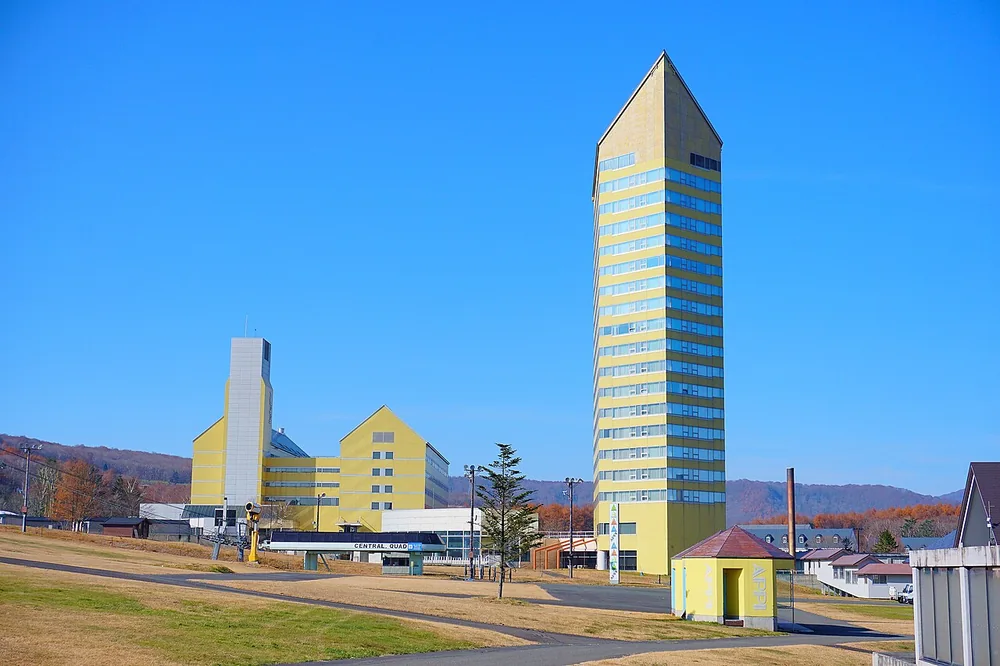
Premium Stay Go has only four rooms, all facing the slopes with a private toilet and shower. Standard rooms accommodate one to four people; Superior rooms accommodate three to six. Shared spaces include a kitchen, dining table, drying room and laundry facilities. For a couple, a Standard room mainly buys privacy for resting, organizing belongings and showering. A three-generation family can start with Superior capacity, then assign actual beds. Enter the full party size when searching so the system offers matching rooms and plans. Official resort room types
Private Dormitory offers semi-private bunk rooms: three four-bed rooms and two six-bed rooms, accommodating one to four or one to six respectively. Dinner and breakfast are included. Toilets and washbasins are shared on the first floor, with a shared refrigerator outside the rooms. This suits friends or families able to follow a shared morning routine, particularly when everyone wants an early start. With children needing frequent nighttime toilet visits, or people prioritizing sound insulation, put Go’s private rooms higher on the list.
Mix Dormitory is a large shared room with 88 beds listed officially, booked per traveler with dinner and breakfast included. Solo skiers can avoid daily travel, but share space for luggage and daily routines. Mix and Private guests receive locker keys; put valuables in your own locker. Change and pack at reasonable hours for the shared space, and use a suitable area for long private calls or work.
All three types have check-in from 15:00 to 21:00. Mix and Private Dormitory checkout is 9:00; Go checkout is 10:00, unless a particular plan states otherwise. Dormitory guests should pack large luggage after breakfast on the final day and collect it after skiing. Same-day storage is available before check-in and after checkout. Before check-in, ask reception to use the hot-spring changing room rather than losing half a day waiting for the room.
Resort accommodation check-in is at the hot-spring counter. There is no elevator; staff can help carry luggage. Sheets and amenities are not replaced daily during consecutive stays. Towel replacement costs ¥300. If someone struggles with stairs, explain their mobility needs when booking and compare the daily routes at a station-side hotel. These details determine suitability more directly than being inside the resort. Official accommodation FAQ
Meals, hot springs and supplies affect the length of a mountain stay
There is no nearby convenience store, supermarket or ATM. Get cash and personal supplies in Kitakami before heading up, including infant formula, baby food and regular medication. The accommodation FAQ restricts bringing ordinary food, with baby food and milk among the exceptions. Go has a shared kitchen, but obtain the property’s answer on ingredients and kitchen use before shopping for a fully self-catered stay. For a short ski trip, comparing meal-inclusive plans reduces evening arrangements.
Mix and Private stays include two meals at Usagimori: breakfast 6:30–8:30, last orders 8:00; dinner 18:00–21:00, last orders 20:30. Go offers plans with or without meals. To add meals, the official instructions require asking accommodation reception before 16:00. On consecutive nights, organize equipment after breakfast, rest in the room during the afternoon and then have dinner. Beginners do not need to ski from opening to closing just because they stay on the mountain.
Usagimori-no-Yu’s 2026/27 winter announcement lists daily opening from December 4 to the end of the ski season, normally 10:00–22:00 with last entry at 21:30. Wednesday opening is 14:00 because of cleaning. Day-use admission is ¥900 for adults, ¥500 for elementary school children and free for preschool children; a towel rental set is ¥300. If returning to Kitakami, finish skiing and bathe early, using the bus departure as your deadline to leave. Wednesday mornings need another rest activity for nonskiers. Official hot-spring opening information
Two mountain nights can provide two full ski days, with a decision on how much to ski on the third morning. If half the group does not ski, or children take only one lesson daily, Kitakami makes separate activities easier. Mountain guests should be happy spending time resting, bathing and eating inside. The accommodation’s main value is proximity to skiing; city nightlife requires a return to Kitakami.
Kitakami hotels: East Exit connections or West Exit dining and early stops
Comfort Hotel Kitakami is in front of the East Exit. Its official room types include Double Economy and Twin Economy, with free breakfast among its services. Two friends wanting separate beds can choose a Twin; couples can compare Double plans. When bringing children, include bed-sharing numbers and available beds in the same booking. It suits a Shinkansen arrival the previous day followed by an East Exit shuttle. For the earliest 6:40 bus, check breakfast service hours rather than forcing the free meal into the morning. Comfort Hotel Kitakami
Kusano Hotel is about five minutes on foot from Kitakami Station. The official shuttle timetable has an “opposite Kusano Hotel” stop, with B-schedule departures at 6:30 and 7:30 reaching the resort at 7:30 and 8:30. West Exit guests seeking dinner nearby gain a useful early departure without going around to the East Exit. Later buses may require that walk. The hotel lists breakfast, parking and laundry services, making it a city base for several ski days. Kusano Hotel
JR-East Hotel Mets Kitakami adjoins the West Exit, convenient for settling in after arriving with luggage and for rail travel directly after checkout. Compare buses serving the West Exit Nambu Hotel stop and find it using the actual walking route. Locate the stop on arrival evening so you can go straight there with your ski bag the next morning. Hotel Mets Kitakami
Compare city rooms for the same date, party size, bed type and meals. Convert resort bed-based or room-based prices and city whole-room prices to a consistent per-person, per-night basis. If a plan includes lift passes, list the valid days, collection point and night-ski coverage to see whether a second-day pass is still needed. Room and cancellation charges follow the chosen plan. Changing guest numbers may also change the price of the same room.
Choosing runs: A5 for beginners, then longer and ungroomed routes
A5 is a gentle beginner loop served by Pair Lift 2: 610 m long, averaging 7 degrees with a maximum of 9. When first learning to stop and preparing to ride a chairlift, match the lesson to this area’s operation. A1 is a main run of 2,120 m, averaging 11 degrees and reaching 18. Make long runs the next step after you can link turns and control speed. For mixed abilities, meet at the base. A child’s first lesson need not follow the adults’ long-run itinerary. Official trail map
C4 offers forest views and a longer cruising route: 1,570 m, averaging 11 degrees and reaching 20, with a steeper final section. Before taking beginners down together based on a “beginner” label, ask an instructor to assess their ability and that day’s snow. Standing steadily on A5 and maintaining braking on the later part of a long run require different stamina and skills. Repeating familiar terrain on day two after a first-day lesson is also a useful two-day plan.
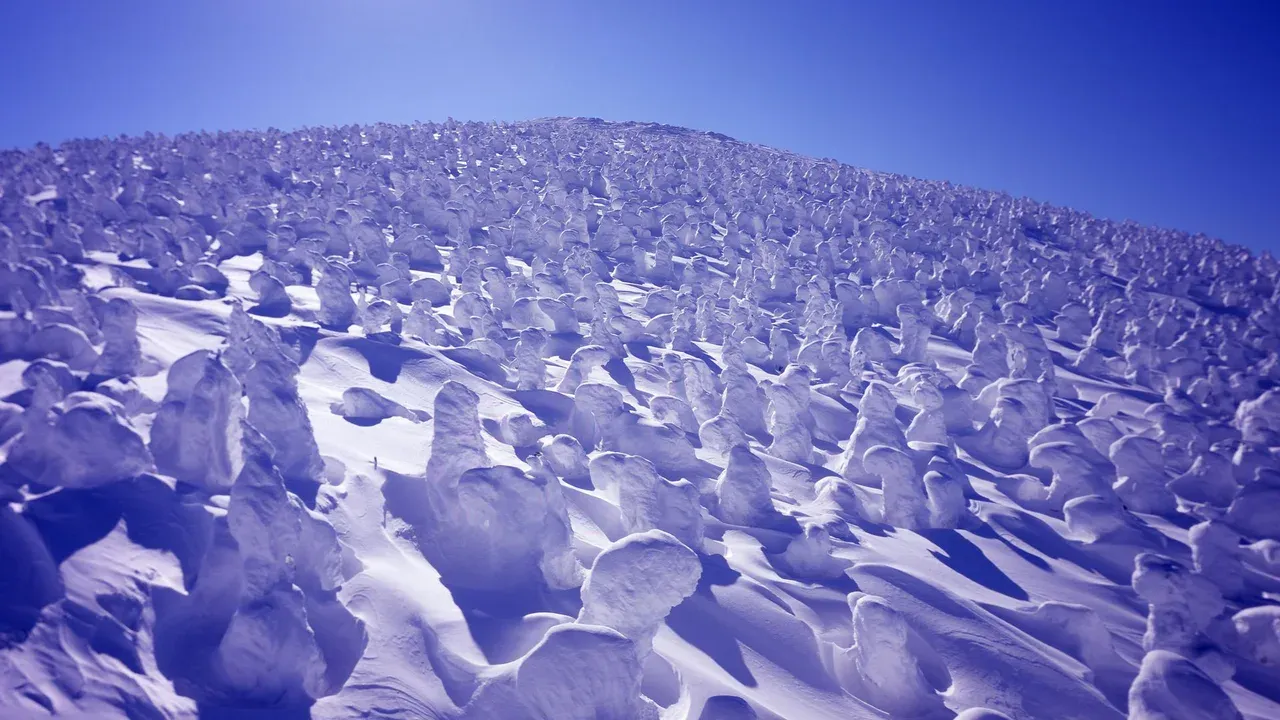
Ungroomed runs such as B2 and B3 and the tree areas suit people with the corresponding ability. Official tree-area rules require a helmet, a charged phone and saved emergency contacts; snowboarders should not enter deep snow alone. Entrances, exits and prohibited areas have separate signs. Visit Mountain Information for that day’s opening status, progress through the area levels and consider booking a named guided tour. Do not enter closed runs, areas beyond ropes or prohibited zones. Users are charged for rescue and searches in tree areas and outside the managed area. Official tree-area rules
This also affects stay length. Confident skiers save energy by avoiding daily travel with consecutive mountain nights. Beginners benefit more from suitable lessons, rest and operating gentle slopes. A daily goal such as completing a lesson and learning one run is more practical than repeatedly moving up to cover every area. Friends with different abilities can share a base, take separate lessons and meet for meals.
A tree-skiing video published by getton and selected on Geto Kogen’s official website shows snow conditions and space among the trees. Watch it alongside the tree-area rules and equipment requirements.
Lessons and rentals: book the language, then match passes to the practice area
The official SAJ ski school lists standard group and elementary-school group lessons at ¥6,000 for two hours or ¥9,600 for four. People who have difficulty communicating in Japanese use private lessons. A two-hour private lesson for one or two people costs ¥24,000. The ¥19,200 shown in parentheses is a Japan-resident discount; short-term overseas visitors should budget the standard price. The website also links an International School. For foreign-language teaching, give the school your language, numbers, ability and date before arranging the other items. Official ski school
The usual morning check-in is 9:00–9:40 for a 10:00–12:00 lesson. Afternoon check-in is 12:20–12:40 for 13:00–15:00. From December 19 through January 3, afternoon lessons move to 13:30–15:30, with check-in 12:20–13:10; same-day enrollment during this period adds ¥500 per person. Allow full preparation time between bus arrival, putting on boots, renting equipment and school check-in. The school requires telephone contact for next-day reservations. First-time visitors can save the plan, booking confirmation and bus times on their phone on arrival evening in Kitakami, then follow the steps on site.
Child lessons depend on ability. Elementary-school B and C groups require children to ride a chairlift independently and bring a separate elementary-school pair-lift pass; lessons generally use pair lifts. For first-time A-group children wanting chairlift practice, the official guidance directs them to one-to-one child lessons. Preschool children cannot ride a chairlift alone and must share with an instructor or parent. Free preschool lift passes are not a reason to prebook the same itinerary for the whole family. Let the school identify the child’s suitable lesson first.
For ages 13 and over, a standard skis-or-snowboard and boots set costs ¥6,200 for a day or ¥5,600 for five hours. For ages 12 and under, a day costs ¥4,400. The adult Full Set costs ¥9,200 per day and adds outerwear top and bottoms; the ¥10,200 Hand-free Set also adds gloves, goggles and a knit hat. Helmet rental is separate: ¥1,200 for adults or ¥1,000 for ages 12 and under. Gloves and goggles are not rented as individual items; bring them or buy them on site. Seasonal rental items and prices
Ski sets include poles; snowboard sets include the board and boots. Measure children’s feet before comparing sizes. Listed ski boots range from 16.5 to 30 cm, snowboard boots from 17 to 30.5 cm, and clothing from child sizes to 4L. Return rentals on time; specified late fees apply. Lessons, rental periods and lift-pass validity run separately. A five-hour lift pass does not change the rental counter’s return deadline.
Lift passes and a two-day budget: keep cash for the refundable deposit
An adult regular-season day pass costs ¥6,900, valid for eight consecutive hours from first gate entry on that day. A five-hour pass is ¥6,500, only ¥400 less. If arriving in the morning and skiing again after lunch, a day pass is usually simpler. An adult two-day pass costs ¥13,400, valid for two consecutive days from purchase and for night skiing on announced operating days. Two separate day passes total ¥13,800, a ¥400 difference. If day two is uncertain, that difference is the cost of keeping the choice open. Official lift-pass prices
All tickets require a separate ¥500 IC-card deposit, refunded when the card is returned undamaged. Free preschool tickets also require a card and deposit. Day passes cost ¥3,500 for elementary school children, ¥4,500 for ages 13–18 and ¥5,500 for seniors aged 60 and over. A pair-lift-only pass costs ¥4,300 for adults or ¥1,900 for elementary school children. Choose a gondola-valid type if you will use gondolas. Confirm lesson requirements with the instructor before collecting tickets to avoid buying the wrong type.
For one adult staying in Kitakami, skiing two consecutive regular-season days and renting only skis or a snowboard and boots: the two-day pass is ¥13,400, rentals are ¥6,200 for day one plus ¥5,600 for day two, and four bus journeys are ¥4,000. Total: ¥29,200, plus a refundable ¥500 IC-card deposit. This covers lift passes, rentals and return buses. Add lodging, intercity rail, meals, lessons and personal equipment separately. Use this rental category if you bring suitable outerwear, gloves and goggles.
For the same adult staying at the resort, only the arrival and departure buses are needed, bringing those three items to ¥27,200. Two adults save ¥4,000 in buses compared with two daily return trips from Kitakami. A shared two-hour private ski lesson adds ¥24,000, or ¥12,000 each. Remove any meals and passes already included in accommodation plans before using the comparison to book.
For a first ski trip to Japan with all outerwear rented, an adult Full Set costs ¥9,200 plus ¥8,600 for the second day, totaling ¥17,800. That is ¥6,000 above the two-day equipment-and-boots total of ¥11,800. Hand-free rental costs ¥10,200 plus ¥9,600, totaling ¥19,800. Helmets remain separate. Use these differences to decide what to pack. If you already have suitable outerwear, compare luggage space with rental cost rather than renting a whole set simply to travel hands-free.
Extra costs for families and nonskiing companions
For two adults and one elementary school child staying in Kitakami and taking the shuttle on both ski days, adult fares total ¥8,000. The child travels free under the overseas-visitor rule for ages 17 and under, so do not apply adult fares to all three. If all buy regular-season two-day passes, two adult passes cost ¥26,800 and the child pass ¥6,700: ¥33,500, plus ¥1,500 in deposits for three IC cards. Recalculate if the child only needs the instructor-specified pair-lift pass.
Children using a bed in Mix or Private Dormitory pay the adult rate; children sharing a bed pay meal charges. Select bed use or sharing and the correct guest count when booking. There is no childcare facility. If parents ski separately, arrange for one to care for a child who is not in a lesson. Resort child accommodation and facility conditions
For a child’s first ski trip, clothing and rest often matter more than extra lift-pass hours. A Full Set for ages 12 and under costs ¥6,000 for day one plus ¥5,400 for day two: ¥11,400. Equipment and boots alone cost ¥4,400 plus ¥3,800: ¥8,200, a ¥3,200 difference over two days. If the child already has fitting outerwear, put that saving toward lessons or another night. On arrival, try rental items on and check that the child can walk and squat comfortably.
Budget hot-spring admission and meals separately for nonskiers. A sightseeing-only gondola return ticket costs ¥1,500 for adults or ¥1,000 for elementary school children and cannot be used for skiing. Gondolas and pair lifts also have different regular-season hours. Agree a lunch meeting point and split activities, rather than having a nonskier wait at the run exit all afternoon. If they prefer resting in town, base the family in Kitakami and let the skiers take the bus.
Parent-and-child private lessons have a different price table from adult private lessons. The official option is for parents with children aged four or over, limited to two groups daily. The standard two-hour price is ¥15,500 for two people or ¥22,000 for three. Depending on ability, practice may involve walking uphill. Confirm the suitable lesson for the whole group before deciding whether parents join or ski separately, so the limited half-day contains activities everyone can actually do.
Two nights and three days without rushing for the last connection
For two full ski days, arrive in Kitakami on the first afternoon, buy supplies and take the A- or B-schedule 15:40 East Exit bus, arriving at 16:30 for a mountain check-in. Ski or take a lesson after breakfast on day two, then rest and bathe. On day three, check out and store luggage, ski until a suitable time, change shoes, return rentals, collect bags and descend. If you cannot reach the afternoon bus, stay by the station on the first night and go up next morning, recalculating the available ski hours.
For two nights in Kitakami, locate your East or West Exit stop on arrival day. Take the 7:40 East Exit bus on days two and three, arriving at 8:30. To avoid putting the entire final day at the mercy of bus-to-rail connections, finish early and take the 14:30 or 15:15 downhill bus. Keep the extra time for luggage collection, dinner or transfers. Match your travel date to the seasonal A/B/C calendar, then complete the final leg with actual train times.
If weather stops gondolas in the morning, check the official live operating table and school notices before choosing practice in an open area. Mountain guests can rest or bathe inside; Kitakami guests can reconsider whether to go uphill that day. For bathing as an alternative, remember Wednesday opening is in the afternoon. For SAJ school individual lessons canceled by the traveler, fees are 50% two days before, 70% the day before and 100% on the day. Groups have earlier fee dates and must follow their table. Accommodation changes and cancellations can be made through the booking system’s My Page, with fees set by the booked plan. Put these specific times in the itinerary so changes have a clear next step.
A few useful answers
Is the Kitakami Station shuttle to Geto Kogen free in 2026/27?
Overseas adults pay ¥1,000 each way from Kitakami Station, in cash only. Overseas visitors aged 17 and under travel free. An adult staying in Kitakami and skiing for two days pays ¥4,000 for four bus journeys.
Which Geto Kogen rooms have private bathrooms?
All four Premium Stay Go rooms have a toilet and shower. Standard rooms sleep one to four; Superior rooms sleep three to six. Private and Mix Dormitory guests use shared facilities.
Can I take the shuttle to Kitakami after skiing until 20:00?
The final downhill bus on schedules A and B leaves at 17:15. For the full night session, stay at the resort or arrange another vehicle back.
What do two days of lift passes, rentals and buses cost for one adult?
A regular-season two-day pass is ¥13,400, two days of skis or snowboard and boots are ¥11,800, and four Kitakami bus journeys are ¥4,000: ¥29,200 in total. Set aside a separate refundable ¥500 IC-card deposit. Add accommodation, rail, meals, lessons and other equipment separately.
Official information and references
Sources used in this guide.
- Standard trails, prohibited areas and rescue rules
- 2026/27 rental items and prices
- SAJ ski school lessons, standard prices and Japan-resident discounts
- Separate snowboard school information
- Comfort Hotel Kitakami
- Kusano Hotel
- JR-East Hotel Mets Kitakami
- Forestry Agency: Geto area seasons and facilities
- Geto Kogen official winter website
- 2026/27 lift passes, deposits and operating dates
- 2026/27 paid shuttles, A/B/C dates and timetables
- Three resort room types, facilities and FAQ
- Resort partner accommodation directory
- Tree-area rules and required safety equipment