Compare hotel locations around Kaminarimon, Azumabashi, Asakusa Rokku, and Tawaramachi, with Asakusa Station exits, Narita and Haneda direct trains, family apartments, tatami rooms, and festival booking tips.
- Region & Focus
- TokyoAccommodation
- Reading Scope
- 17 min read · 11 chapters · 5 Q&As
- Official Verification
- 29 official sources checkedUpdated 22 November 2026
- Key Topics
- Where to stayBookingNeighbourhoods
Chapter Route Map (tap any stop)
- First-Time Stays: Start Between Kaminarimon and Azumabashi
- Telling the Four Asakusa Stations Apart with Luggage
- Narita and Haneda Access: Should You Spend Your Final Night in Asakusa?
- How to Pick a Hotel in Kaminarimon and Asakusa Rokku
- Families of Four or Multi-Generational Groups: Sort Out Beds Before Price
- Comparing Total Prices and Multi-Night Stays on Booking Screens
- Staying Near Senso-ji: Making the Most of Early Mornings
- From Azumabashi to Tokyo Skytree: Factoring in the Walk Back After Dinner
- Pairing Ueno, Nikko, and Kappabashi: Which Trips Suit a Multi-Night Base
- Booking Differences for Sanja Matsuri, Fireworks, and Cherry Blossom Season
- Late Arrivals, Rainy Days, and Luggage on Departure Day
- Quick Q&A
For a first trip to Asakusa, start your hotel search between Kaminarimon and Azumabashi. You will have a shorter walk for early-morning visits to Senso-ji and when hauling luggage to the Toei Asakusa Line for airport trains. If you plan to catch a morning Tobu limited express to Nikko, look near Matsuya Asakusa. For itineraries packed with Hanayashiki, Kappabashi, and variety theatres, Asakusa Rokku or Tawaramachi works more smoothly. Travelling with children for multiple nights? Check whether a room provides proper beds and dining space for everyone before comparing which station exit puts you closest to the front door.
First-Time Stays: Start Between Kaminarimon and Azumabashi
Just south of Kaminarimon Gate, Kaminarimon-dori links the Tourist Information Centre with exits for both Tokyo Metro and Toei Subway. If you want to enter through Kaminarimon first thing in the morning and follow Nakamise-dori straight to the main hall, a hotel on Kaminarimon-dori or Orange-dori keeps things simple. Returning mid-day to drop off shopping is easy via Orange-dori or Kaminarimon-dori without dragging bags back through Nakamise crowds. When booking pages advertise a short walk to Senso-ji, plot the hotel against Kaminarimon, the main hall, and your station exit rather than trusting a single minute figure.
The western end of Azumabashi Bridge sits a short walk from both Senso-ji and the riverfront, making it easy for groups to split up and meet back at the bridgehead. With children, you can visit the temple in the morning, rest at the hotel at midday, and cross the river to Tokyo Skytree in the afternoon. Reaching the Toei Asakusa Line platforms for an early flight from Haneda or Narita is equally straightforward. If you need a lift, route yourself via Toei Exit A2b by Komagatabashi Bridge and measure the real street-level walk before booking.
On a two-night Tokyo stay covering Ueno, Asakusa, and Oshiage on one day and Ginza the next afternoon, two nights near Kaminarimon fits neatly. If your mornings revolve around Ueno's museums and you need the Keisei Skyliner on checkout day, staying in Ueno makes more sense. If every day starts or finishes in Shinjuku or Shibuya, factor in late-evening platform changes and walks back to your room. Weigh any three-night rate difference against the time spent making six cross-city trips, especially if someone in your party needs midday breaks.
Even at the same junction, room orientation matters. When listings offer views facing Kaminarimon-dori, the river, a main avenue, or an inner courtyard, rank sleep quality, daylight, and scenery before choosing. If traffic noise wakes you easily, put in a Japanese request for an interior room facing away from the street ("doro ni men shite inai heya o kibo shimasu"). If you are paying extra for a vista, select a room type that explicitly states the view and keep that exact room name on your booking confirmation.
| Area | Best for This Itinerary | Station Point for Calculating Walks |
|---|---|---|
| Kaminarimon-dori & Orange-dori | Senso-ji, Ginza Line stops, midday hotel rests | Tokyo Metro Ginza Line Asakusa (G19), Exit 1 or 2 |
| Azumabashi & west of Komagatabashi | Sumida River strolls, Tokyo Skytree, direct airport trains | Toei Asakusa Line Asakusa (A18), Exit A2b; pick waterfront hotels and check room orientation |
| Around Matsuya Asakusa | Tobu limited express to Nikko, one-stop hop to Skytree | Tobu Central Gate in the Matsuya Asakusa station building |
| Asakusa Rokku & Kokusai-dori | Hanayashiki, Asakusa Engei Hall, Kappabashi | Tsukuba Express Asakusa (TX03), Exit A1 or A2 |
| Tawaramachi | Back-and-forth trips to Kappabashi and Ueno, evening strolls to Kaminarimon | Ginza Line Tawaramachi (G18), hotel-side exit |
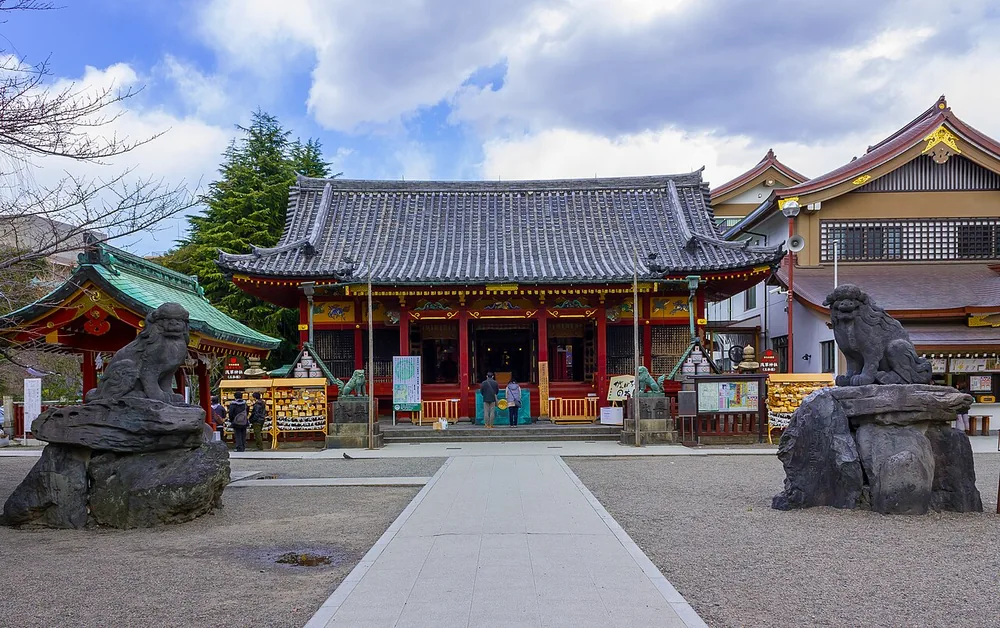
Compare hotel locations around Kaminarimon, Azumabashi, Asakusa Rokku, and Tawaramachi, with Asakusa Station exits, Narita and Haneda direct trains, family apartments, tatami rooms, and festival booking tips.
Telling the Four Asakusa Stations Apart with Luggage
When a booking site says "3 minutes on foot from Asakusa Station", check which line it means. Ginza Line Asakusa (G19) runs straight to Ueno, Ginza, Omotesando, and Shibuya; Toei Asakusa Line Asakusa (A18) connects to direct airport services; Tobu Asakusa Station sits inside the Matsuya Asakusa department store building. Tsukuba Express Asakusa (TX03) lies along Kokusai-dori beside Asakusa Rokku, and walking from Rokku to Azumabashi cuts across the temple blocks. If your hotel is closest to TX03, calculate the separate street-level walk from the Toei station.
Ginza Line Exit 1 brings you up towards Kaminarimon and Senso-ji and has a street-level lift. Tokyo Metro's accessibility guide maps out station levels and platform routes so wheelchair users can check the full path from their arrival platform to the exit beforehand. Exit 2 sits near the Culture Tourist Information Centre, while Exit 4 leads towards the water bus pier and riverfront. Hotels near Kaminarimon often list Toei Exits A4 or A5, whereas anyone needing a lift should use Exit A2b on the Komagatabashi side of Edo-dori and walk north to Kaminarimon-dori.
From TX03, Exit A1 faces Senso-ji, the Engei Hall, Rokku, and the Richmond Hotel, while Exit A2 puts you closer to Asakusa View Hotel. Taking the Tsukuba Express to Akihabara means allowing extra time to transfer to JR or other rail platforms. If you only need the Ginza Line towards Akihabara's electronics district, alight at Suehirocho, walk to Chuo-dori's dense rows of shops, and return the same way. Guests staying in Rokku whose next stop is on the Ginza Line can also walk south down Kokusai-dori to Tawaramachi instead of looping out to Kaminarimon.
Include Asakusabashi and Kuramae when searching for rooms. Asakusabashi pairs the JR Chuo-Sobu local line with the Toei Asakusa Line, making it handy for pairing Akihabara and Ryogoku on the same day. Kuramae connects the Toei Asakusa and Oedo lines, though changing between them involves a street-level walk that matters with umbrellas or suitcases. You can still walk to Senso-ji from Kuramae, though anyone aiming to enter the main hall right at opening time is better off right by Kaminarimon or Rokku.
Save two pins in your map app before setting off: your arrival exit at street level and the hotel's main entrance. Discovering only after surfacing that your route crosses a multi-lane junction in the opposite direction adds needless hassle with two large suitcases. For private transfers or taxis, keep the hotel's full name, street number, and drop-off entrance ready in Japanese or English. If you stay near the riverfront, Azumabashi or Komagatabashi also makes a clear meeting landmark for your group.
Narita and Haneda Access: Should You Spend Your Final Night in Asakusa?
From Narita Airport to Asakusa, look for the Access Express running via the Narita Sky Access Line directly onto the Toei Asakusa Line and stopping at A18. Keisei's published one-way adult fare between Asakusa and Narita Airport is ¥1,290 by paper ticket or ¥1,276 with an IC card. Check the departure board for calling stations and through-service destinations; skip trains bound for Keisei-Ueno and board a through train calling at Asakusa. These run at standard fares without reserved seats, so finding space to secure luggage matters more than which carriage door you use—stay clear of the boarding flow around the doors.
The Keisei Skyliner costs ¥2,580 for a standard adult one-way fare with reserved seating, terminating at Nippori or Keisei-Ueno where you change onwards. If you are staying in Asakusa Rokku or travelling with older relatives who prefer guaranteed comfort, taking the Skyliner to Keisei-Ueno and catching a taxi from there is straightforward. Compare the combined fare and door-to-door time against the direct Access Express. If transferring via Aoto from Asakusa, pick a Skyliner service listed as calling at Aoto on the official timetable and book the matching seat.
From Haneda Airport, take a Keikyu through train onto the Toei Asakusa Line that stops at Asakusa. For the return journey, set your destination to Haneda Airport Terminal 3 or Terminal 1 & 2 Station. At A18, trains bound for Nishi-Magome and the Keikyu Line share the same platform, so verify each train's destination and stops before boarding. If landing on a late-night flight, time your train options after baggage claim and message the hotel with your estimated arrival, keeping the Japanese address and reservation offline in case you switch to a taxi.
On luggage-moving days, work backwards from your flight. Start from your airline's check-in deadline, then add terminal walking and platform waiting time. Passengers using Narita Terminal 3 alight at Airport Terminal 2 Station and must walk across to Terminal 3. If timetable checks show only one convenient morning departure from Asakusa and missing it would squeeze check-in, move your final night closer to the airport. When frequent direct trains fit your schedule—or you have arranged a car transfer—staying put in one hotel avoids packing up twice.
To catch the Shinkansen from Tokyo Station, guests near TX03 in Rokku can ride the Tsukuba Express to Akihabara and change to JR. From the Kaminarimon side, take the Ginza Line to Kanda for JR, or ride to Ueno if your Shinkansen calls there. With pushchairs or heavy cases requiring lifts all the way, measure the walk from hotel to station on a map first. For small groups, taking a morning taxi straight to Tokyo Station and heading straight to the Shinkansen gates cuts out multiple transfers; see Tokyo airport transfers for the full airport connection breakdown.
How to Pick a Hotel in Kaminarimon and Asakusa Rokku
Staying by Kaminarimon makes it easy to underestimate how often you will pop back to your room. THE GATE HOTEL Kaminarimon lists a 2-minute walk from Ginza Line Asakusa Exit 2, 3 minutes from Toei Asakusa Line Exit A4, and 4 minutes from Tobu Central Gate. Being this central lets you drop off purchases before heading back out for dinner around the station or Orange-dori. If you need a street-level lift, use Ginza Line Exit 1 or Toei Exit A2b instead, noting that the walk differs slightly from the closest stair exit; save the lift route ahead of a late-night arrival.
At THE GATE HOTEL, the Essential Triple measures 24 m² for three guests, using a 97 cm extra bed as the third berth—worth comparing against Richmond Premier's triple option if three adults want Kaminarimon convenience. For a traveller with mobility needs and a companion, the Essential Universal Design Twin on 3F offers 26 m² with grab rails and emergency call buttons around the bath and shower. Wheelchair users needing seated bathing access should check the official floor plan for transfer clearance and confirm bathroom doorway width and wheelchair parking space beside the tub directly with the hotel.
Richmond Hotel Asakusa sits at 2-7-10 Asakusa, around 3 minutes on foot from TX03 Exit A1, and roughly 8 minutes from both Ginza Line Asakusa Exit 1 and Tawaramachi Exit 3. It works smoothly for Hanayashiki, Rokku, and Senso-ji's western flank, though rolling bags to the Narita through-train platforms means walking over to Edo-dori. Watch out for its sister property, Richmond Hotel Premier Asakusa International, nearby at 2-6-7 Asakusa—they sit close together, so always double-check the exact street number for taxis and luggage delivery.
For Skytree views, Premier's 27 m² View Twin explicitly designates Tokyo Skytree views, whereas the Premier View Twin lists Senso-ji views. Both have two 120 cm beds, adding an 85 cm extra bed when sleeping three. Three adults wanting a standard triple can check the View Triple, which the hotel lists as bookable by direct enquiry. Remember that an extra bed reduces floor space for opening suitcases; if the third guest is an older relative who moves slowly, compare booking two separate rooms so an extra bathroom also eases the morning rush.
Asakusa View Hotel stands at 3-17-1 Nishi-Asakusa, with direct underground connection to Tsukuba Express Asakusa Station and about a 7-minute walk from Ginza Line Tawaramachi. It is practical for dining around Nishi-Asakusa or Kappabashi, dodging rain on the way back, or arriving from Akihabara on the TX line. If you want a Skytree view here, choose a room category whose name specifies the view on the official booking page. Sitting right beside the TX station also makes it easy for friends or family to split up—one group walking to Senso-ji while another browses Kokusai-dori before meeting back for dinner.
Families of Four or Multi-Generational Groups: Sort Out Beds Before Price
If you want to warm up breakfast in your room and give young children space for afternoon naps, look at MIMARU Tokyo Asakusa Station just west of Azumabashi. It lists roughly a 1-minute walk from Ginza Line Exit 4 and 2 minutes from Toei Asakusa Line Exit A5. Both the Family Apartment and River View Family Apartment span 35 m² with two single beds and a bunk bed, sleeping up to four adult-rate guests plus two children under six sharing existing bedding. Children aged seven and over count as adults on MIMARU's booking engine, so two parents with seven- and nine-year-olds must search for four adults, and check room photos for table seating and kitchen kit.
Once a family of four fills those four berths, an older relative who gets up in the night should take a single bed or the lower bunk. Even "One-Bedroom" labels vary by bed count: MIMARU's One-Bedroom Apartment lists four single beds plus a bunk bed, giving six people a bed each. If children sleep early while adults stay up for snacks in the living area, compare two-bedroom suites as well. The property provides coin-operated laundry on site, though unless you plan to wash daily, staying in one hotel longer usually saves more effort than moving solely for a washer.
When children and grandparents keep very different hours, two twin rooms often beat one large family room. Count how many people share the bathroom each morning and whether anyone returning early needs an extra keycard. Book connecting rooms if you want an internal door, or reserve two rooms at the same hotel on identical dates and ask reception to link the bookings on the same floor. Where a carer must stay beside a child overnight, pick a family room or suite with clearly itemised beds before paying.
Tatami rooms suit families who prefer living at floor level. Inside Kaminarimon, Ryokan Kamogawa offers 16.5 m² and 18 m² Japanese-style rooms roughly 3 minutes on foot from Senso-ji, along with a bookable private bath at no extra charge. Sleeping on futons on tatami requires thinking about whether older relatives can comfortably get up from the floor and whether you want an en-suite bath. Kamogawa's room tariff separates young children sleeping with or without futons and lists primary-school rates separately—entering exact ages and bedding needs gives a truer cost than headline two-adult rates.
If an evening soak matters, treat private en-suite baths, shared public baths, and bookable private baths (kashikiri-buro) as distinct setups. A private ryokan bath lets your whole group soak together during one slot, whereas an en-suite bathroom gives more flexibility when children go to bed early or someone returns late. For kimono strolls, use a rental shop around Senso-ji and time your fitting and return window carefully; if you plan to stay out late for dinner, return the kimono beforehand and switch back into comfortable walking shoes.
Comparing Total Prices and Multi-Night Stays on Booking Screens
When comparing rates for the same room type, set the guest count to two for couples and add the third traveller when booking for three. Japanese hotel sites mix per-room pricing, per-person pricing, and breakfast-included plans. Always compare the final total for identical check-in and check-out dates, checking payment timing and cancellation deadlines together. Family plans often jump in price once extra beds or guest fees apply, so headline per-person starting prices are only useful for a rough first filter.
To save on multi-night stays, compare the full-stay total first. If only Saturday night spikes above weekday rates, check how much moving hotels for that single night actually saves against keeping the same room. Switching hotels eats up your morning with packing and checkout, leaves bags in storage, and delays new check-in until afternoon—wiping out any midday nap or changing window. Weigh what that lost afternoon is worth if anyone tires easily or you have dinner or theatre bookings, and note that keeping one room across varying daily rates beats switching room categories mid-stay.
Early departures should check the hotel breakfast opening time against their train schedule. If you leave before dining starts, book room-only for the last night and pick up drinks and light breakfast items the evening before. Check in-room fridge space for chilled goods, or eat freshly bought street food the same day. For families waiting on children to wake and brush teeth, having room to sit and eat plus adequate sink access often matters more than an extra cooked breakfast dish.
If you need a proper third bed, an accessible bathroom, or a guaranteed view, filter for rooms that list those features explicitly and select a refundable rate. Note the final free-cancellation date, billing currency, and refund processing window in your calendar. Remember that Japanese booking terms and deadlines run on Japan Standard Time, so make any itinerary adjustments ahead of the cut-off to avoid unnecessary charges.
Staying Near Senso-ji: Making the Most of Early Mornings
Senso-ji's main hall opens according to the season: 06:00 from April to September, and 06:30 from October to March, closing at 17:00 year-round. For quiet morning prayers, walk through Kaminarimon, down Nakamise-dori, and past Hozomon Gate straight to the main hall, then step across to Asakusa Shrine on its eastern side. Bring your camera if you enjoy street photography, then return to the hotel for breakfast or luggage before browsing Nakamise once the stalls open—splitting worship and shopping into two separate outings.
Guests in Asakusa Rokku can enter the temple grounds from the west side, bypassing the main Kaminarimon crowd flow. From Azumabashi, you can stroll north along the Sumida River first and loop in via Nitenmon Gate. With older relatives, walk gently in from Kaminarimon once and take a parallel side street back. If you have booked an early Nikko limited express, leave buffer time for breakfast, picking up bags, and reaching Tobu Station; our Senso-ji visiting route maps out the full temple circuit.
In winter, eat breakfast before heading out: the walk from Kaminarimon to the main hall is mostly outdoors, so cut riverside stops short in biting winds and save indoor sights for the afternoon. In summer, schedule longer walks early in the day and use indoor shopping arcades to walk back towards stations later on. On rainy days, use Orange-dori to reach the temple grounds and duck back to your room when needed—having a nearby base to change wet socks and drop umbrellas is where close-in accommodation earns its keep.
From Azumabashi to Tokyo Skytree: Factoring in the Walk Back After Dinner
You can reach Tokyo Skytree from Asakusa via Azumabashi Bridge or by walking through Sumida Park onto the Sumida River Walk footbridge, continuing past Tokyo Mizumachi under the elevated tracks towards Oshiage. The footbridge opens from 07:00 to 22:00 and lets you watch Tobu trains cross right alongside you; outside those hours, use Azumabashi's pavement instead. Both bridgeheads and riverbanks offer clear Skytree photo spots—if children get tired along the way, walk the footbridge over and ride the Tobu Skytree Line one stop back, or take the Toei Asakusa Line underground to Oshiage and follow signs straight into Tokyo Solamachi.
With a hotel at the west end of Azumabashi, you can walk back down Edo-dori in the evening, admire the illuminated tower from the bridge, and be indoors within minutes. Returning to Asakusa Rokku after dinner in Oshiage feels noticeably longer after a full day on your feet. Decide ahead of time whether to ride the Toei Asakusa Line back to Asakusa and walk along Kaminarimon-dori, or take the Tobu train one stop across the river. If your schedule centres on Solamachi and Sumida Aquarium across several days, staying in Oshiage itself—walking over to Senso-ji in the morning and saving evenings for shopping and the observatory—is another smart option.
If Odaiba is next, check the Tokyo Cruise water bus timetable for direct sailings between Asakusa and Odaiba Seaside Park. Pick your preferred sailing first, then slot in temple sightseeing, collecting bags from the hotel, and walking to the pier. Arriving early gives you time for a short riverfront loop before boarding. In high winds or rain, switch to the Ginza Line to Shimbashi and transfer onto the Yurikamome, keeping your planned Odaiba stops intact. Stay near Azumabashi if catching the first morning boat, or allow extra time to retrieve stored luggage if taking an afternoon cruise on departure day.
Pairing Ueno, Nikko, and Kappabashi: Which Trips Suit a Multi-Night Base
Ueno's museums and Ameyoko Market pair easily in one day. Ride the Ginza Line from Asakusa or Tawaramachi to Ueno, stroll the park or market streets first, and enter museums at your timed slot. To add Yanaka, link the walk north from Ueno Park into the neighbourhood and depart from Nippori or Chiyoda Line Sendagi Station. Having a three-night Asakusa base lets you keep Yanaka for the next day—much easier than checking out early with suitcases.
Staying near Matsuya Asakusa puts you right by Tobu Asakusa Station for Nikko departures. On the SPACIA X limited express, you need both a base fare ticket and a reserved limited express ticket; double-check whether your train terminates at Tobu-Nikko, Kinugawa-Onsen, or requires an en-route change. Limited express tickets go on sale one month ahead at 09:00 JST. If your family wants seats together, lock in the train seats first and then pick a convenient hotel nearby. When travelling with slower walkers, scout the Tobu station entrance the evening before and move any Senso-ji visit to the day prior or your return so the morning stays unhurried; check Nikko routes and passes for day-trip and overnight plans.
For Japanese kitchenware, Kappabashi Kitchen Street runs just west of Senso-ji, making Tawaramachi and Nishi-Asakusa natural entry and exit points. Start at the Tawaramachi south end, browse northwards, and loop into Rokku for dinner—dropping heavy cast-iron pans or fragile ceramics back at your hotel first. If you also have Tokyo Skytree booked that day, handle shopping that needs dropping off in the morning so you travel light by the river later. If your trip leans heavily towards Kappabashi and Ueno, compare quieter, shorter-walk stays in Tawaramachi against Kaminarimon rates.
Booking Differences for Sanja Matsuri, Fireworks, and Cherry Blossom Season
Sanja Matsuri is Asakusa Shrine's annual grand festival. To watch the portable shrines (mikoshi) up close, stay between Senso-ji and Rokku so you can duck back inside when pavements pack out and step back out for the next procession. If uninterrupted sleep matters more, stay west of Tawaramachi or over in Ueno and commute in. Because exact schedules and crowd rules are announced per festival year on the official website, book flexible, date-changeable rooms if planning late in the year for the following spring, then match dates once confirmed—and factor road closures and kids' rest breaks into your timing.
The Sumida River Fireworks Festival runs across two launch sites: for 2026, Site 1 spans downstream of Sakurabashi to upstream of Kototoibashi, and Site 2 spans downstream of Komagatabashi to upstream of Umayabashi. Near Azumabashi, check whether your hotel faces upstream or downstream relative to your chosen site. To watch from your room, book an official fireworks package that specifies the viewing site, room type, or entry terms. With a standard river-view room, follow the organiser's public viewing-zone guidance and map out bridge closures, your walk back, and a clear meeting spot—agree on a hotel entrance or street-level corner rather than crowded station ticket barriers.
Cherry blossom trips depend on bloom timing and weather. For early-morning hanami in Sumida Park, either Azumabashi or the blocks north of Senso-ji put you within easy reach. Use the previous year's bloom dates as a rough guide and book flexible or refundable rooms. Keep a half-day backup combining Ueno Park, Senso-ji, and an indoor sit-down lunch in case of rain or early/late blooms; staying nearby also lets you wait out a grey morning and head to the river when the sky clears. See Tokyo cherry blossom routes for area-by-area flower walks.
Late Arrivals, Rainy Days, and Luggage on Departure Day
Returning late at night, stick to well-lit main roads from your station exit: Kaminarimon-dori into Edo-dori, or Kokusai-dori from Tawaramachi or TX03 into Rokku. If your hotel uses self-check-in kiosks or night entry codes, screenshot the access instructions in advance so you are not stuck without signal on an underground platform. Time dinner around last-order cut-offs, and if anyone in your group needs food before taking evening medication, buy snacks at the airport or interchange station on the way.
On rainy days when half a day at Senso-ji and the riverfront feels bleak, shorten the outdoor visit and cross into the Asakusa Culture Tourist Information Centre opposite Kaminarimon. Around Tokyo Skytree, focus on one indoor anchor—the mall, observatory, or aquarium—travelling underground via the Toei Asakusa Line to Oshiage. When coming up at Exit A2b for the lift and walking Edo-dori in the rain, a pushchair rain cover beats juggling an umbrella one-handed. Staying in Rokku lets you step straight out along Kokusai-dori for west-side indoor spots while keeping a dry change of clothes close by.
The Asakusa Culture Tourist Information Centre is also a useful base for waiting on check-in, regrouping, or sorting a pushchair. Taito Ward lists a wheelchair-priority accessible toilet with an adult care bed on 1F, and a nursing room with hot water for formula and nappy-changing tables on 2F (open 09:00-20:00). Wheelchair and pushchair rentals operate on 1F until 19:30, and when the rain stops, the free 8F observation terrace stays open until 22:00 overlooking Kaminarimon and Tokyo Skytree. Note that the centre's luggage storage service permanently ended on 31 March 2026—arrive early and ask your hotel to hold bags before picking up maps at the centre.
Check luggage storage and forwarding rules separately. If staying out in Asakusa for half a day after checkout, ask the front desk for the latest collection time and pickup counter. When forwarding bags via takkyubin to your next hotel or the airport, verify recipient details, terminal number, and arrival or check-in date with staff, and keep overnight essentials with you if flying early. For Nakamise souvenirs ahead of an early flight, buy them the afternoon before so departure morning is a simple loop back from the temple to grab your bags and walk towards Azumabashi or Komagatabashi with time for coffee or a bite on the way.
A few useful answers
Which station area in Asakusa is most convenient to stay near?
Around Kaminarimon and Azumabashi gives you easy access to the Ginza Line, Toei Asakusa Line, and Tobu Station, making it ideal for first-timers. If your plans focus on variety theatres, Hanayashiki, and Kappabashi, look near Tsukuba Express Asakusa or Ginza Line Tawaramachi.
Is there a direct train from Narita Airport to Asakusa?
Yes. Access Express through trains stop directly at Toei Asakusa Station (A18). The published adult one-way fare from Narita Airport to Asakusa is ¥1,290 by paper ticket or ¥1,276 with an IC card. Alternatively, take the Skyliner to Nippori or Keisei-Ueno and transfer to Asakusa.
Are there hotel rooms in Asakusa that sleep four people?
Yes. MIMARU Tokyo Asakusa Station offers 35 m² Family Apartments with two single beds and a bunk bed. Guests aged seven and above are counted as adults, while children under six can share existing bedding.
Which bridge do you cross from Asakusa to reach Tokyo Skytree?
You can cross via Azumabashi Bridge or the Sumida River Walk footbridge towards Oshiage. In rainy weather, take the Toei Asakusa Line to Oshiage instead and follow underground signs into Tokyo Solamachi.
What time does Senso-ji open in the morning?
The main hall opens at 06:00 from April to September and at 06:30 from October to March, closing at 17:00 daily. Save Nakamise-dori souvenir browsing for later in the morning once individual stalls open.
Official information and references
Sources used in this guide.
- Tokyo Metro Ginza Line Asakusa Station Exits and Layout Map
- Tokyo Metropolitan Bureau of Transportation: Toei Asakusa Station Guide and Timetable
- Tokyo Metropolitan Bureau of Transportation: Kuramae Station Map (Asakusa and Oedo Lines)
- Taito Ward Accessible Route Map Around Asakusa Station
- Tobu Railway Asakusa Station and Adjacent Stations Information
- Tsukuba Express Asakusa Station Exit Guide
- Keisei Electric Railway Access Express Fares
- Keisei Electric Railway Skyliner Standard Fares and Seat Tickets
- Keisei Electric Railway Narita-Bound Skyliner Services Stopping at Aoto
- Keikyu Corporation Haneda Airport Rail Access
- THE GATE HOTEL Kaminarimon Official Access Guide
- THE GATE HOTEL Kaminarimon Essential and Universal Design Rooms
- Richmond Hotel Asakusa Official Access Guide
- Richmond Hotel Premier Asakusa International Official Rooms
- Asakusa View Hotel Official Access Guide
- MIMARU Tokyo Asakusa Station Official Rooms and Access
- Ryokan Kamogawa Official Site and Walking Distance to Senso-ji
- Ryokan Kamogawa Japanese-Style Rooms, Private Bath, and Child Tariffs
- Senso-ji Main Hall Opening Hours
- Taito Ward Sumida River Walk Guide
- Tokyo Solamachi Access via Oshiage and Tokyo Skytree Stations
- Tokyo Cruise Water Bus Timetables and Routes
- Tobu Railway SPACIA X Boarding Guide
- Tobu Railway Limited Express Ticket Purchase and On-Sale Times
- Asakusa Shrine Sanja Matsuri Official Schedule
- Sumida River Fireworks Festival Official Website
- Sumida and Taito Wards 2026 Sumida River Fireworks Dual-Venue Announcement
- Taito Ward Asakusa Culture Tourist Information Centre
- Taito Ward Notice on Closure of Luggage Storage at Asakusa Culture Tourist Information Centre