What to order at Asahikawa Ramen Village's seven permanent shops and rotating guest stall, from shoyu and shio bowls to half-sizes, closing days, and last orders—plus JR and bus routes from Asahikawa Station, Asahiyama Zoo and Otokoyama Sake Museum pairings, and city-centre backups.
- Region & Focus
- Asahikawa
- Reading Scope
- 22 min read · 11 chapters · 5 Q&As
- Official Verification
- 31 official sources checkedUpdated 22 November 2026
- Key Topics
- FoodFirst tripItineraries
Chapter Route Map (tap any stop)
- Decide First Whether the Trip Out to Nagayama Fits Your Day
- For Your First Shoyu Bowl: Look to Aoba, Tenkin, or Baikohken
- For Shio, Pork Offal, or House-Made Noodles: Check the Other Four Shops
- Guest Pop-Ups, Portion Sizes, and How to Order
- Which Shops Work Best at 11:00 vs Later in the Afternoon
- From Asahikawa Station: Take the Sekihoku Main Line to Minami-Nagayama
- Buses by Stop & Direction, Plus Driving into the Shopping Park
- Combining Asahiyama Zoo in One Day: Time It Around Entry and Your Chosen Shop
- Spend Half a Day in Nagayama: Pair Lunch with Otokoyama Sake Museum
- Where to Eat Asahikawa Ramen Near the Station or at the Airport
- Once You Arrive: Murals, Ramen-Bowl Benches, and Souvenir Packs
- Quick Q&A
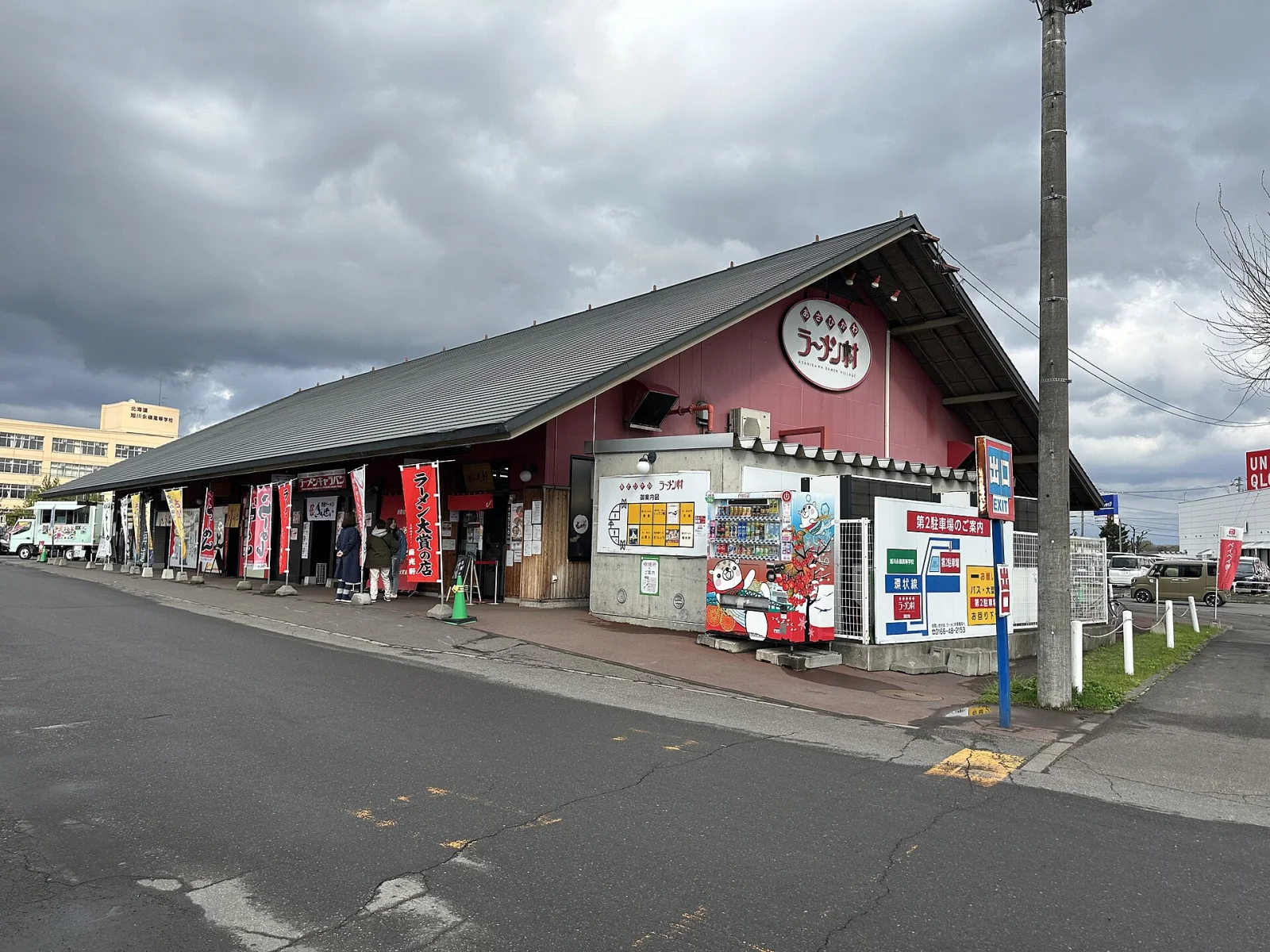
If it is your first visit to Asahikawa Ramen Village and you only have appetite for one bowl, order the shoyu (soy-sauce) ramen at Aoba or Tenkin. Want to compare two shops? Start with a half-size shoyu at Baikohken, then follow with shio (salt) ramen at Santouka. Located in Asahikawa's Nagayama district, the complex is roughly a 7-minute walk from JR Minami-Nagayama Station or a 20-minute drive from Asahikawa Station. Seven ramen shops operate here permanently, alongside an eighth unit hosted on rotation by Ramen Caravan. If you are arriving by public transport for lunch, check your return train or bus before sitting down; if you are driving to Asahiyama Zoo, slot this meal either before entering or after leaving the park, timed around your chosen shop's last-order cut-off.
Decide First Whether the Trip Out to Nagayama Fits Your Day
Enter "Asahikawa Ramen Village" (Asahikawa Ramen Mura) or "119-48 Nagayama 11-jo 4-chome, Asahikawa" into your satnav or map app. The village sits in one corner of the Powers shopping complex, and its street address uses a different block number from the nearest bus stop: the village itself is on Nagayama 11-jo, whereas the closest bus stop is "Nagayama 10-jo 4-chome", and the railway station is "Minami-Nagayama". Saving all three names separately makes it far easier to pinpoint the right drop-off than searching for "Nagayama" alone.
Opened in August 1996 so travellers could sample several styles of Asahikawa ramen in one spot, the complex still offers a practical advantage today: companions craving classic shoyu and those after shio can arrive together and inspect each menu on the spot. Each shop runs its own kitchen and its own door queue. If a family wants to sit at the same table, choose one shop with dishes everyone can eat; if your group splits up for different bowls, agree to regroup at the ramen-bowl benches.
Admission is free, and the official figure of 220 seats is shared across all eight units. Groups of four or five should indicate their party size with fingers or in Japanese as soon as they approach the door, and ask up front whether you can be seated together before committing to a queue. The beauty of the village is that another shop is only a few paces away; on the flip side, splitting across two shops when seating is tight means two separate waits and two bills. If you only want a single bowl during a brief rail connection at Asahikawa Station, stick to a branch near the station so you do not miss your train.
Beyond the ramen row itself, everything within easy walking distance centres on this single building and its immediate surroundings. If anyone in your party does not eat noodles, decide before setting off whether they will join you inside or meet up afterwards. When your main sightseeing is already in Nagayama—or when your group's tastes span shoyu, shio, and miso—the tight cluster of shops makes the trip worthwhile.
What to order at Asahikawa Ramen Village's seven permanent shops and rotating guest stall, from shoyu and shio bowls to half-sizes, closing days, and last orders—plus JR and bus routes from Asahikawa Station, Asahiyama Zoo and Otokoyama Sake Museum pairings, and city-centre backups.
For Your First Shoyu Bowl: Look to Aoba, Tenkin, or Baikohken
Asahikawa shoyu ramen typically pairs a broth simmered from seafood alongside pork and chicken bones with low-hydration curly noodles—hydration rate meaning the ratio of water to flour used when making the dough. Because the curls pick up broth as you slurp, noodle thickness and springiness noticeably change how the same soy-sauce seasoning lands on the palate. Japan's Ministry of Agriculture, Forestry and Fisheries also notes the local technique of sealing the broth under a layer of aromatic oil to keep it piping hot. Take a spoonful of broth first when you spot that oil sheen, then lift noodles and soup together so you taste both the soy tare and the underlying stock.
Aoba (Asahikawa Ramen Aoba) started life as a street stall in 1947. The village's shop profile highlights its blend of seafood and land-based ingredients, so if you want a classic old-school starting point, order the standard Shoyu Ramen. There is a chashu-topped version on the menu too, though the basic bowl is all you need if you want to focus on the noodles and broth. Note that the Asahikawa Convention and Visitors Bureau lists Aoba's village branch as closed on Thursdays. It is a separate site from the city-centre flagship, so keep "Ramen Village branch" (Ramen-mura-ten) in your map search.
Tenkin makes an ideal counterpoint to Aoba. Its village profile describes a pork- and chicken-bone broth matched with medium-thick curly noodles. If you want to see how Asahikawa soy-sauce ramen tastes without a seafood base, order Tenkin's Shoyu Ramen—even though the menu writes "shoyu" with alternative characters, it is pronounced the exact same way. Tenkin's village branch closes on Tuesdays, when you can switch instead to its city-centre 4-jo branch and follow that shop's own opening schedule.
If you plan to sample two flavours, Baikohken slots neatly into the itinerary. The village guide notes a pork- and chicken-bone base enriched with seafood and vegetables, served with house-made medium-thin curly noodles. The official village-branch menu offers half-size bowls across shoyu, shio, and miso, letting companions tailor both flavour and portion, plus half-size vegetable bowls in all three styles. Still, if you only have time for one ramen meal and have never tried Asahikawa's signature style, begin with shoyu and save extra toppings for another day.
To really tell the broths apart, order the plain shoyu bowl at two different shops, tasting the soup and noodles before touching the chashu or bamboo shoots. Loading up on roast pork or dropping a pat of butter into one bowl turns a broth comparison into a topping comparison. Of course, if you only have room for one bowl, load it up however you like.
For Shio, Pork Offal, or House-Made Noodles: Check the Other Four Shops
Santouka is famous for its Shio Ramen. Built on a milky-white pork-bone broth, the "shio" refers to its salt seasoning, so do not second-guess your order when a creamy soup arrives at the table. Moving from a shoyu shop to Santouka gives a striking contrast. If meat is your priority, its Tokusen Toroniku Ramen features braised pork cheek served on a separate side plate; if you are pacing yourself for two shops, a small standard shio is far easier on the appetite than ordering roast-pork feasts back to back.
Another strong pick for a salt-ramen comparison is Saijo. Its village-branch menu lists Densetsu no Shio Ramen ("Legendary Salt Ramen") and Ukokkei Ramen (Shio) ("Silkie Chicken Salt Ramen") as separate dishes, so point to the former for the classic signature or the latter for the Silkie chicken broth. The village profile notes that the Silkie chicken ramen is paired with medium-thin curly noodles milled from Hokkaido wheat, making it an intriguing second stop to compare against Santouka's tonkotsu shio. The tourism bureau lists Saijo's village branch as closed on Thursdays.
Ittetsuan blends a dashi simmered from several fish varieties with pork-bone stock. Once you have tried standard shoyu and want another local Asahikawa speciality, look for Asahikawa Shoyu Horumen—listed by the official Asahikawa Shoyu Horumen promotional group—which tops soy-sauce ramen with grilled pork offal. Anyone who prefers to avoid offal can simply order a standard Ittetsu Ramen at the same table. If you had planned on two small bowls elsewhere but fancy adding offal or rice, make Ittetsuan your main meal instead.
Isshin makes its noodles, broth, and chashu in-house. If noodle texture is what draws you to a shop, start with its regular Shoyu Ramen. The village's published menu also includes shio, miso, and Jingisukan Ramen—named after Hokkaido's signature grilled mutton dish—alongside a Jingisukan-don rice bowl, handy when one person at the table wants noodles and the other wants rice. Check the shopfront name "Isshin" carefully on maps too, as search results can pull up another branch elsewhere in Nagayama rather than this unit sitting right alongside the other shops.
| Shop | What to Look For First | Best Way to Order |
|---|---|---|
| Aoba | Shoyu Ramen | Try classic shoyu from an institution dating back to 1947 |
| Tenkin | Shoyu Ramen | Sample a pork- and chicken-bone broth with medium-thick curly noodles |
| Baikohken | Shoyu Half Ramen | Start with a half bowl, or pick shio or miso half-sizes instead |
| Santouka | Shio Ramen | Order salt ramen in a creamy, milky pork-bone broth |
| Saijo | Ukokkei Ramen (Shio) | Choose this for a shio contrast to milky tonkotsu |
| Ittetsuan | Asahikawa Shoyu Horumen | Soy-sauce ramen with pork offal, easily paired at the table with regular shoyu |
| Isshin | Shoyu Ramen | Focus on the texture of house-made noodles |
| Ramen Caravan | Per current stall notice | Check the pop-up dates and featured guest shop |
Guest Pop-Ups, Portion Sizes, and How to Order
Ramen Caravan is a guest unit that hosts short-term residencies by ramen shops from across Japan, listed on the official directory alongside the seven permanent outlets. If you spot a photo of a guest bowl on social media, check the start and end dates first, as banners and menus change with each rotation. Search the guest shop's name together with "Ramen Caravan"—or follow the announcement link from the village homepage—before you go; on a first trip to Asahikawa, the permanent shoyu shops easily make a meal on their own.
When hunting for smaller portions, look out for words such as hafu (half), mini, or chibi, though each shop uses its own label: Baikohken's published menu lists Hafu Ramen, Santouka's online village menu calls it Chibi Ramen, and Aoba and Tenkin have their own small-size terms. Rather than scrolling through old menu photos, inspect the day's menu and ask, "Hafu saizu wa arimasu ka?" ("Do you have a half-size?"). Ittetsuan labels its small option "Ko-donburi", which looks like the word for a small rice bowl, so make sure to point to the full "Ko-donburi Ramen" entry when ordering.
Instead of ordering one full bowl at two shops and asking to share it, ordering individual small bowls within each shop's house rules keeps portions much easier to judge. Heartier eaters can order a regular bowl while a companion takes a half-size at the same shop. If you want to share part of an adult bowl with a child, ask staff first for small spare bowls (torizara) and check whether every diner must order a dish. Starting light and walking into a second shop only if someone is still hungry is far more flexible than ordering noodles, rice, and gyoza all at once.
Since entry to the village is free, your budget simply comes down to the day's menu prices, bowl count, and return transport—remembering that even a second half-bowl means a second bill. Menu photos showing rice bowls alongside noodles may be optional add-on sets or separate a la carte items. If you only want noodles, point to the "Ramen" line; for a marinated soft-boiled egg, look for ajitama or ajitsuke tamago. Kaedama buys an extra portion of noodles to drop into your leftover broth, whereas omori upgrades the initial bowl to a large serving, depending on which option the shop offers.
Once your table settles on shoyu, shio, or miso, look at the next word on the menu. At Baikohken, yasai (vegetables) and butter corn are separate variations; for children who dislike soy sauce, the shop also serves shio butter-corn ramen, including in a half-size. Tenkin's village menu has previously listed both Okosama Ramen (children's ramen) and Hafu Ramen, so point to the children's line and confirm with staff if travelling with youngsters. Some published online menus date back a few years, so always verify current portions and prices on the menu in front of you.
If there are ingredients you must avoid, keep the Japanese terms ready on your phone and ask about the broth, flavouring oil, and noodles before sitting down—specifically butaniku (pork meat), tonkotsu (pork bone), and rado (lard), or gyokai (seafood) and niboshi (dried sardines). Bear in mind that chashu is only one ingredient, while shoyu, shio, and miso name the seasoning base rather than what went into the stock. The complex lists foreign-language menus and accessible toilets, so ask staff to point you to either if needed.
Which Shops Work Best at 11:00 vs Later in the Afternoon
The village's published facility hours are 11:00–20:00, with a note that some tenants run shorter hours, so always follow your target shop's own schedule and last-order cut-off. Santouka's village branch lists 11:00–20:00 with last orders at 19:30 and no fixed closing day; Tenkin's village branch lists 11:00–20:30 with last orders at 20:00 and closes on Tuesdays. Because both brands also operate city-centre branches, check the street address or branch name when looking up hours online.
Baikohken's official site splits its village branch into two sessions: lunch 11:00–15:30 (last orders 15:00) and dinner 17:00–20:30 (last orders 20:00), with irregular holidays. If you arrive around 16:00, save Baikohken for dinner or head into Santouka instead. On Thursdays—when Aoba and Saijo close—switch to one of the other village shops. When a train connection dictates your schedule, prioritise whichever open shop lets you sit down quickly over waiting through a longer queue.
If ramen is the main purpose of your half-day trip, aim to arrive around 11:00. Shops opening then still have the full lunch service ahead, letting you tick off your top pick first without rushing. Rather than guessing how long queues might take, look once you arrive at whether your target shop has its "Open" sign (eigyo-chu) out, and whether the people outside are one large party waiting for a full table or several small groups ahead of you. If you have no strict must-eat list, take whichever shop can seat you sooner.
Arriving in the afternoon works well too, especially after morning sightseeing. For a late two-shop lunch, count backwards from the second shop's afternoon last-order time and visit whichever closes its lunch service earlier first. If you find yourself filling time before a train or bus, the tourism bureau also lists TUMUGI—a Hokkaido fresh-milk soft-serve shop at the same address—which makes a convenient dessert stop or meeting point for companions eating in different shops.
Individual shop phone numbers are listed on the village's official store page. If you are travelling out to Nagayama specifically for one shop—especially around the New Year period or when temporary closures may apply—calling ahead is the safest bet; asking "Kyo, nanji made chumon dekimasu ka?" ("Until what time can we order today?") pins down last orders rather than closing time. Seeing a "Preparing" sign (junbi-chu) on the door may just mean a mid-afternoon break: check the posted evening reopening time before deciding whether to browse the shopping park or head back to the city centre.
From Asahikawa Station: Take the Sekihoku Main Line to Minami-Nagayama
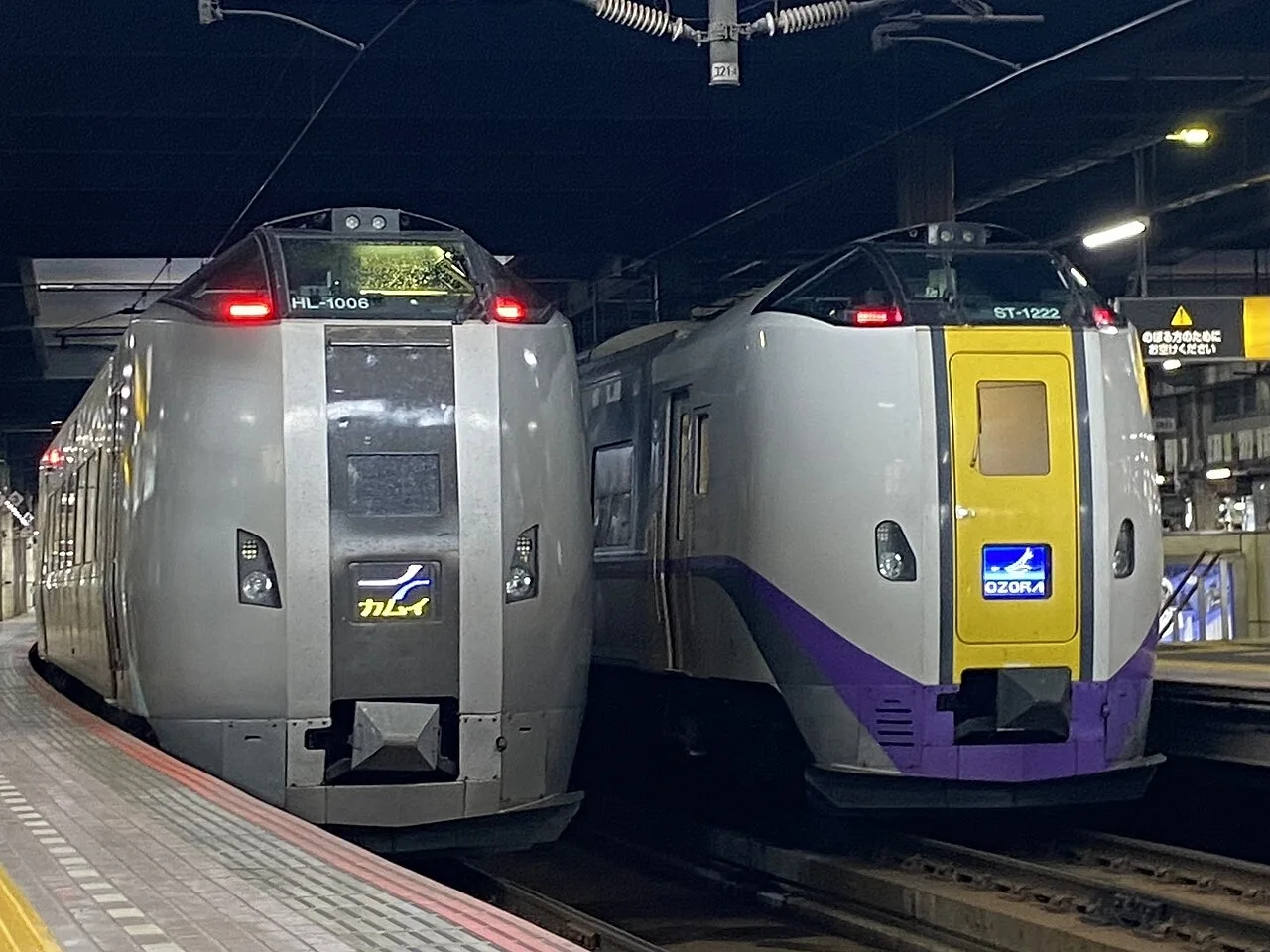
From JR Asahikawa Station, take the Sekihoku Main Line and search your route planner from Asahikawa to Minami-Nagayama. Local trains that stop there pass through Asahikawa-Yojo and Shin-Asahikawa before reaching Minami-Nagayama; even if a Limited Express or Rapid service runs the same corridor, check its stopping pattern before boarding. Nagayama Station on the Soya Main Line sits on a different line altogether, so make sure you pick the station with "Minami-" in front—and send the full "Minami-Nagayama" station name to anyone meeting you there so nobody ends up at the wrong stop.
The train ride takes around 10 minutes, followed by roughly a 7-minute walk, though infrequency is the real catch. On JR Hokkaido's Sekihoku Main Line timetable for 22 November 2026, for instance, a morning local leaves Asahikawa at 10:01 and reaches Minami-Nagayama at 10:11—well before the ramen village opens—and the next convenient daytime option does not depart until 13:48, arriving at 13:58. If you want to eat at 11:00 without waiting around after an early train, or sit down right at midday, a bus or short taxi ride saves waiting hours for a 10-minute hop.
A standard adult single fare from Asahikawa to Minami-Nagayama is ¥320. Minami-Nagayama lies outside the Kitaca IC-card coverage area, so buy a paper ticket at Asahikawa Station even if you already carry a Suica or another compatible IC card. Screenshot the return timetable from Minami-Nagayama to Asahikawa before leaving, and follow the boarding instructions for unstaffed stations and on-board fare payment when returning. If you have an onward Limited Express towards Sapporo later, plan both legs together rather than figuring out your return train after lunch.
The 7-minute walking estimate from the station comes from the Hokkaido Tourism Organisation. In winter—especially with a pushchair or luggage—allow extra minutes for crossing roads, navigating snowbanks, and finding your shop entrance. Once you know your return train time, count backwards before stepping inside to allow for coats, paying the bill, and walking back to the platform. If you plan to buy boxed souvenir ramen, browse the gift shop beforehand so you can walk straight back to the station once you finish eating.
Buses by Stop & Direction, Plus Driving into the Shopping Park
Asahikawa City lists two nearby bus stops: Nagayama 10-jo 4-chome and Nagayama 6-jo 4-chome. For the ramen village, target the closer Nagayama 10-jo 4-chome stop. Dohoku Bus route 66 departs from Asahikawa Ekimae (Stop 18 on the station-front boarding map), or you can check services departing from 1-jo 8-chome in the city centre via Nagayama 10-jo 4-chome for your travel date. Frequency and routing vary by day of the week, so select the weekday or weekend/holiday table first and follow a single column down for your boarding and arrival times.
On Dohoku Bus passing timetables, Nagayama 10-jo 4-chome is abbreviated as "Nagayama 10-4". On the weekend/holiday timetable, for example, route 66 leaves 1-jo 8-chome at 12:05 and reaches Nagayama 10-jo 4-chome at 12:24, whereas a route 66 service starting from Asahikawa Ekimae takes a different alignment—leaving at 13:15 and arriving at 13:50. Choose your boarding point based on the full door-to-door walk from your hotel and from the bus stop; if you are coming from Kaimono Koen (the shopping park north of the station), 1-jo 8-chome often saves backtracking.
For the return leg, search either "Nagayama 10-jo 4-chome to Asahikawa Ekimae" or "Nagayama 10-jo 4-chome to 1-jo 8-chome", as city-centre termini vary across services. If your hotel sits near City Hall or 4-jo-dori, hopping off in town saves a long walk back from the station; if you are staying by the station or catching a train, terminate at Asahikawa Ekimae and make sure your return bus is actually bound for the city centre even if it carries the same route number. Bear in mind that the bus stops and JR Minami-Nagayama Station sit in separate locations, so check your map afresh if switching modes.
If you are only coming out for lunch, you do not have to return the same way you arrived. At the weekend, for instance, you can browse Kaimono Koen in the morning, take a bus from 1-jo 8-chome for lunch, then walk to Minami-Nagayama for the train back to Asahikawa Station. In winter, if you finish eating and face a long gap until the next departure, either browse the Powers complex until a later service or call a taxi if you have a timed booking next—there is no sense standing out by a snowy bus stop for a full headway.
Official estimates put the drive from Asahikawa Station to the village at around 20 minutes. Turn into the Powers shopping complex and follow the internal signs for Ramen Village and the free car park, which also includes coach bays. After heavy snow obscures painted parking lines, stick to the ploughed lanes, park safely, and walk along pedestrian walkways to the shopfronts—grabbing wallets, coats, and gloves before stepping out so you are not crossing busy car-park lanes back and forth.
Taxis work well if you only want a quick meal and your next stop is nowhere near a railway station. Tell the driver "Asahikawa Ramen Mura, Nagayama 11-jo 4-chome" on the way out, and note the shop or complex name for your pick-up on the way back. Drivers continuing elsewhere should factor in seating, shopping, and parking time; if you only have a tight window before picking up or returning a hire car, handle the rental paperwork first and fall back on a station-front or airport ramen shop if time runs short.
Combining Asahiyama Zoo in One Day: Time It Around Entry and Your Chosen Shop
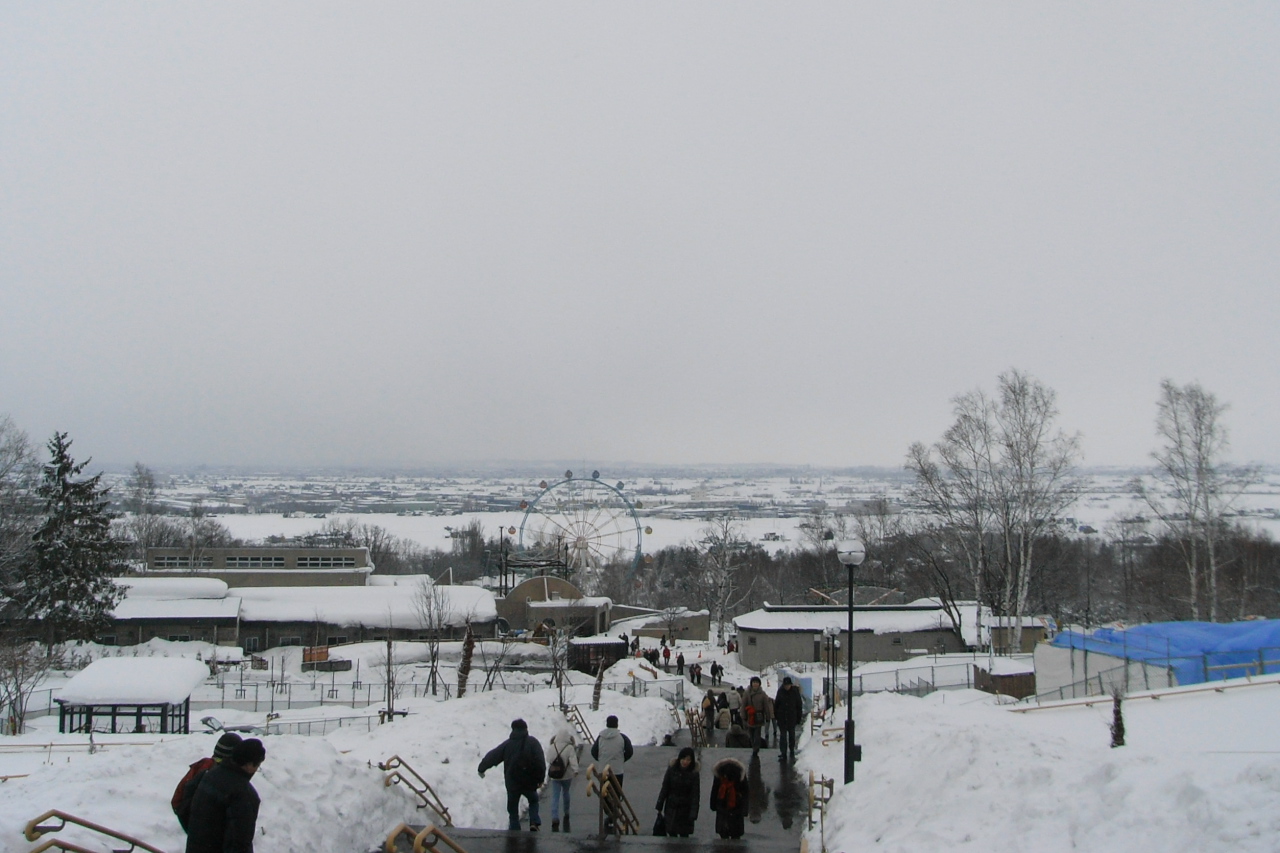
Both Asahiyama Zoo and Asahikawa Ramen Village sit on the eastern side of the city, though at separate sites. By car, the smoothest order is zoo in the morning and ramen village in the afternoon—unless your heart is set on a shop that closes early after lunch, in which case flip it and arrive at the village for 11:00 first. Summer brings longer daylight and extended zoo hours, whereas in winter you need to work backwards from last entry and closing time, leaving slack for the sloped paths back to the gate.
From 11 November 2026 to 7 April 2027, Asahiyama Zoo's regular winter hours are 10:30–15:30 (last entry 15:00), and the zoo closes from 30 December 2026 to 1 January 2027. With children who want to see plenty of animals, a morning entry gives you the most breathing room, leaving lunch for either inside the zoo or straight afterwards. Going to the zoo after ramen suits a shorter visit focused on one or two enclosures. To pick the best gate and hillside route, check our Asahiyama Zoo entrances and animal route guide.
To reach the zoo from Asahikawa Station, city information lists Asahikawa Denkikido bus routes 41 and 47 from Stop 6 at the station-front bus terminal (about 40 minutes, ¥670 adult single). If you want to connect by bus from the zoo towards Nagayama afterwards, check "4-jo 18-chome" as your interchange point: look up an inbound bus from the zoo to that stop, then match it with a Dohoku Bus service from 4-jo 18-chome to Nagayama 10-jo 4-chome—for example, route 72 on the weekend/holiday timetable leaves 4-jo 18-chome at 14:53 and arrives at 15:05. Because the two operators may use separate roadside shelters at the same intersection, pin your connecting stop on a map before getting off.
If the inbound bus misses the Nagayama connection, riding back to Asahikawa Station for lunch makes far more sense. Another tidy option is to give the zoo your full attention today and save the ramen village for midday the next day—an easy morning outing from central Asahikawa paired with another Nagayama stop, and much better suited to short winter hours than coming down the hill for lunch and heading back up again.
Guests staying at participating Asahikawa hotels or ryokan can buy the "Asahiyama Zoo Omotenashi Ticket", which allows entry from 12:00 on day one and final entry by 12:00 on day two. That window pairs neatly with lunch at the ramen village before heading into the zoo on your arrival day, or right after exiting on day two. Ittetsuan's village branch also takes part in the tourism bureau's dining perk scheme: present your ticket stub at the till under the campaign rules for ¥100 off regular ramen bowls (small bowls excluded).
For three-generation trips, decide up front where seated breaks matter most. The zoo involves plenty of walking, so if a ramen shop has a standing queue outside, send one person ahead to check the waitlist and pick a shop while slower walkers rest in the indoor seating area. In snowy weather, taking a taxi between the zoo and Nagayama saves waiting at exposed bus stops while still leaving the main leg to or from the station on public transport.
Spend Half a Day in Nagayama: Pair Lunch with Otokoyama Sake Museum
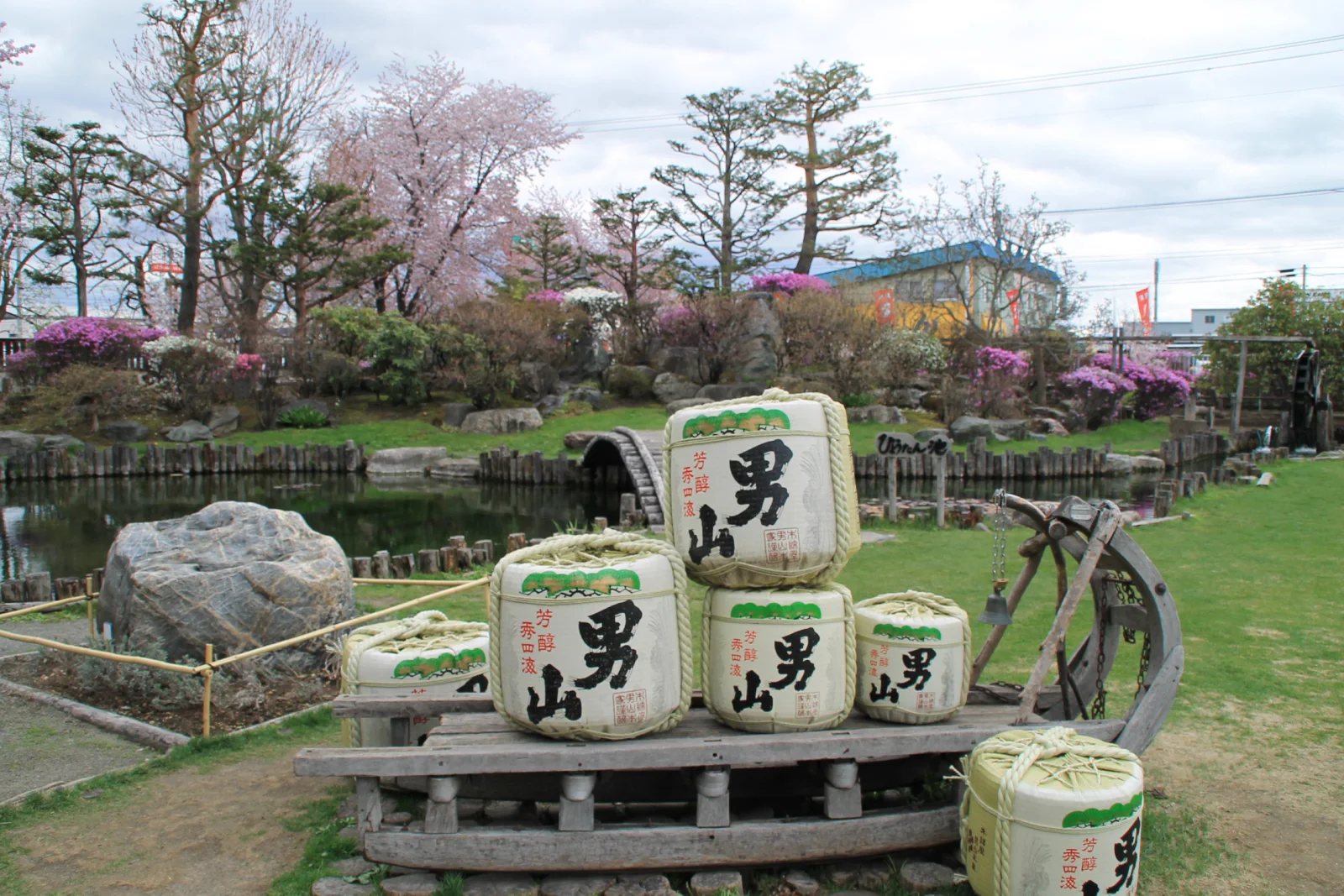
Skip the zoo, and you can pair Asahikawa Ramen Village with Otokoyama in a single half-day. Otokoyama Sake Park sits at 1-33 Nagayama 2-jo 7-chome, Asahikawa—a separate site from the ramen village on Nagayama 11-jo. A common rhythm is visiting the museum in the morning before heading for ramen after 11:00, though if your chosen shop closes mid-afternoon, eat first and follow with tastings, exhibits, and bottle shopping at the brewery.
The Otokoyama Sake Museum displays historic brewing tools and archival documents, with tastings and the retail shop housed in adjacent spaces on the same grounds. Tour the exhibits before buying bottles so you are not lugging glass up and down stairs. Drivers can still browse the museum and enjoy a coffee, provided they sit out the sake tastings; groups keen to sample drinks should link the brewery and ramen village by bus or taxi. Opening hours and full visitor details are covered in our Otokoyama Sake Museum guide.
Because both spots lie within Nagayama, taking a taxi between them is especially sensible with children, in snow, or while carrying glass bottles—Central Hokkaido tourism listings quote roughly a 5-minute drive from the ramen village to the brewery. By bus, search from Nagayama 10-jo 4-chome to Nagayama 2-jo 6-chome (the stop on the brewery side), allowing enough margin for walking between stops and transfer waits before deciding when to wrap up lunch.
Where to Eat Asahikawa Ramen Near the Station or at the Airport
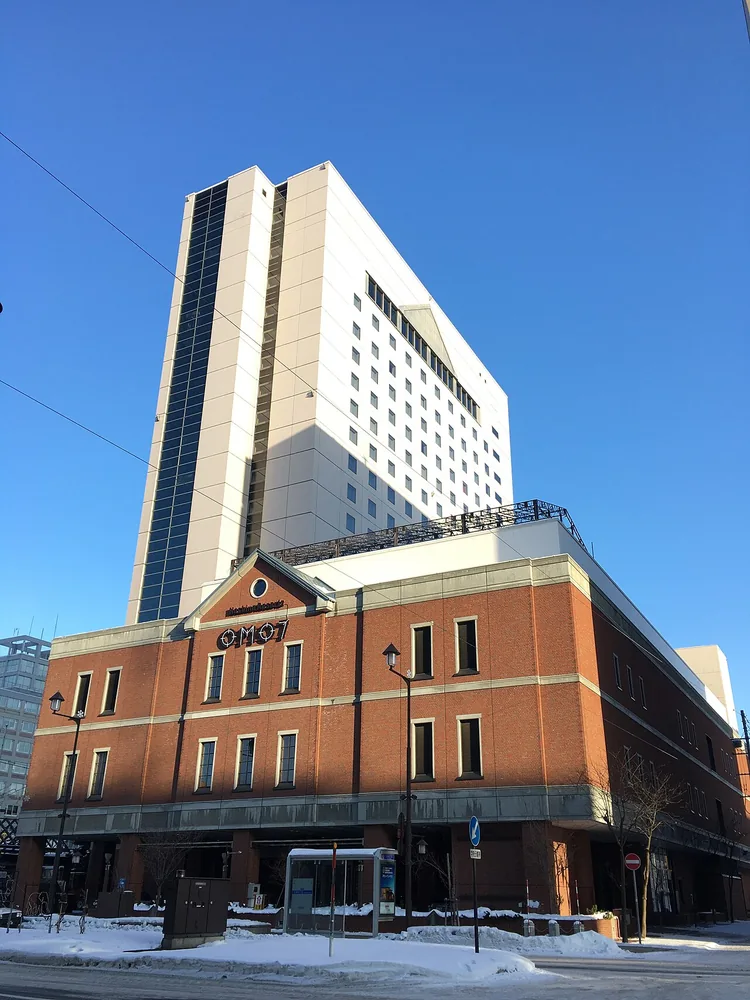
If you are staying near Asahikawa Station, the city centre already has Tenkin's 4-jo branch (4-jo-dori 9-chome), Baikohken's flagship (basement level off Kaimono Koen at 2-jo 8-chome), and Santouka's Asahikawa flagship (1-jo-dori 8-chome). On train travel days, choose whichever central branch is open and closest to the station, saving the ramen village for a day with breathing room. If you want to branch out further in central Asahikawa, the Asahikawa Convention and Visitors Bureau's ramen list lets you filter around the station concourse and Kaimono Koen.
On a clear day with time before a later train, pair a central ramen lunch with a stroll through Kitasaito Garden just outside Asahikawa Station's South Exit: eat on the north side, walk straight through the station to the garden, and keep your luggage, tickets, and platforms within easy reach. When a connection leaves only enough time for a quick bite, the bureau's list also includes Ekinaka Shokudo Nanohana directly opposite the station's East Ticket Gate (closed Wednesdays and over the New Year period).
Both Baikohken and Santouka also run outlets in the Soraichi food court on Level 2 of the domestic terminal at Asahikawa Airport, landside before domestic security. If you are returning a hire car, handing back rental equipment, or checking bags on departure day, eating at the airport is far less hassle once you have allowed time for the rental shuttle, check-in, and security. There is little reason to detour out to Nagayama on flight day if one of those two brands is what you wanted anyway.
On a day trip from Sapporo, decide between the city centre and Nagayama by checking intercity connections first in our Sapporo to Asahikawa transport comparison, fitting ramen neatly between trains. Travellers heading onward to Biei or Furano in the afternoon will protect their next departure far better by eating near Asahikawa Station. Staying overnight opens up both worlds—evening strolling in the city centre plus a leisurely ramen village lunch—so pick a convenient base in our guide to hotels near Asahikawa Station.
Once You Arrive: Murals, Ramen-Bowl Benches, and Souvenir Packs
Along the exterior wall runs a mural painted by students from Hokkaido Tokai University's Asahikawa campus, weaving Asahiyama Zoo animals, Daisetsuzan peaks, and city streets together around a flowing river of noodles. If you have just come from the zoo, spotting the animals you saw earlier is an easy way to pass a short queue. In winter gales and snow, get children inside for a hot bowl first and leave photos for the walk back to the station or car park.
Next to the small Ramen Village Shrine sits a rest area featuring giant disposable-chopstick and ramen-bowl benches. The shrine is officially promoted as "Menmusubi"—a pun blending enmusubi (matchmaking and lucky bonds) with men (noodles)—and its landmarks make an obvious meeting point if your group splits up for lunch. Inside a shop, wait until your own bowl lands before taking a quick shot of your meal and seat, and keep doorways clear when queues spill into the walkway, saving exterior signage shots for after you eat.
When picking out souvenir ramen packs, watch for a few key Japanese label terms: namamen means fresh noodles, kanmen means dried noodles, and yoreizo means keep refrigerated. If you have a full day of sightseeing ahead, check storage rules and best-before dates before comparing box sizes, then check serving counts and whether soup is included—plus whether individual portions are separately wrapped if you intend to split a box as gifts. Labels stating ekitai supu indicate liquid soup sachets inside; pack the outer box intact so you still have the water measurements and boiling times once home.
A few useful answers
Which ramen shops are at Asahikawa Ramen Village?
The seven permanent shops are Aoba, Ittetsuan, Isshin, Tenkin, Santouka, Saijo, and Baikohken, joined by an eighth rotating pop-up stall called Ramen Caravan.
Which JR station should I get off at for Asahikawa Ramen Village from Asahikawa Station?
Take a local train on the Sekihoku Main Line that stops at Minami-Nagayama, then walk about 7 minutes. The standard adult single fare from Asahikawa is ¥320; Minami-Nagayama lies outside the Kitaca IC-card zone, so buy a paper ticket.
Which shops at Asahikawa Ramen Village offer half-size bowls?
Baikohken's published menu lists Hafu Ramen (half bowls) in shoyu, shio, and miso. Other shops use different names—Santouka lists Chibi Ramen, for example—and you can always ask "Hafu saizu wa arimasu ka?"
Can I visit Asahikawa Ramen Village in the afternoon?
Yes, though check individual schedules: Santouka's village branch opens 11:00–20:00 (last orders 19:30), whereas Baikohken splits lunch and dinner service, closing between 15:30 and 17:00 with afternoon last orders at 15:00.
Can I visit Asahiyama Zoo and Asahikawa Ramen Village on the same day?
Yes. If driving, plan around the zoo's opening hours—note that winter last entry is usually 15:00 if you eat lunch first. By bus, check connections at 4-jo 18-chome to services bound for Nagayama 10-jo 4-chome.
Official information and references
Sources used in this guide.
- Asahikawa Ramen Village Official Homepage (Founding, Facility Hours, Free Admission & Parking)
- Asahikawa Ramen Village Official Shop Directory (Permanent Shops & Rotating Stall)
- Asahikawa Ramen Village Facilities Guide (Mural, Shrine & Rest Area)
- Asahikawa City Sightseeing Page (Facility Address & Two Nearby Bus Stops)
- Hokkaido Tourism Organisation (Drive Time from Asahikawa Station & Walk from Minami-Nagayama Station)
- Ministry of Agriculture, Forestry and Fisheries: Hokkaido Local Cuisine (Asahikawa Ramen & Aromatic Oil)
- Asahikawa Convention and Visitors Bureau Ramen Shop List (Broth Styles, Branches & Closed Days)
- Santouka Japan Store Directory (Ramen Village Branch Hours & Last Orders)
- Santouka Official Menu (Shio Broth & Pork Cheek Ramen)
- Tenkin Official Website (4-jo & Ramen Village Branch Hours and Closed Days)
- Baikohken Official Store Directory (Split Lunch/Dinner Hours & Last Orders)
- Baikohken Ramen Village Official Menu (Half-Size Bowls & Flavours)
- Asahikawa Shoyu Horumen Promotional Group (Ittetsuan Participating Shop Listing)
- JR Hokkaido Sekihoku Main Line Timetable (Minami-Nagayama Departures & Arrivals)
- JR Hokkaido Ordinary Passenger Fare Table from Asahikawa
- JR Hokkaido Kitaca IC-Card Coverage Area
- Dohoku Bus Boarding Stops Around Asahikawa Station
- Dohoku Bus Nagayama 10-jo Weekend/Holiday Passing Timetable (Routes 66, 72 & 73)
- Asahiyama Zoo 2026–27 Winter Opening Hours Notice
- Asahiyama Zoo Access Guide (Asahikawa Station Buses, Stop Numbers & Fares)
- Otokoyama Sake Museum Official Website (Exhibits, Tastings & Address)
- Asahikawa Airport Shops & Restaurants (Terminal Food Court Location)
- Asahikawa Park and Greenery Association: Kitasaito Garden
- Asahikawa Ramen Village Official Small-Portion Menu (Aoba)
- Asahikawa Ramen Village Official Small-Portion Menu (Ittetsuan)
- Asahikawa Ramen Village Official Menu (Isshin)
- Asahikawa Ramen Village Official Small-Portion Menu (Tenkin)
- Asahikawa Ramen Village Official Small-Portion Menu (Santouka)
- Asahikawa Ramen Village Official Menu (Saijo)
- Asahikawa Convention and Visitors Bureau: Asahiyama Zoo Hotel Pass & Dining Perks
- Central Hokkaido Tourism Portal (Otokoyama Sake Museum Access)