A practical guide to Asahikawa Ramen Village's seven permanent shops and rotating guest stall: how to order shoyu and shio ramen, half-size bowls, weekly closures, and last-order cutoffs. Covers JR trains and buses from Asahikawa Station, plus pairings with Asahiyama Zoo, Otokoyama Sake Brewery, and downtown backups.
- Region & Focus
- Asahikawa
- Reading Scope
- 22 min read · 11 chapters · 5 Q&As
- Official Verification
- 31 official sources checkedUpdated November 22, 2026
- Key Topics
- FoodFirst tripItineraries
Chapter Route Map (tap any stop)
- First, Decide If Nagayama Is Worth the Detour for This Meal
- For Your First Shoyu Bowl: Aoba, Tenkin, or Baikohken
- For Shio, Horumen, or House-Made Noodles: The Other Four Shops
- Guest Pop-Ups, Portion Sizes, and Ordering Strategy
- When to Go: 11:00 AM Openings vs. Afternoon Visits
- From Asahikawa Station: Take the Sekihoku Main Line to Minami-Nagayama
- Taking the Bus (Check Stop Names & Direction) or Driving Into Powers
- Combining Asahiyama Zoo and Ramen Village in One Day
- A Half-Day in Nagayama: Pairing Lunch with Otokoyama Sake Brewery
- Where to Find Asahikawa Ramen at the Station and Airport
- On-Site Touches: The Mural, Ramen-Bowl Benches, and Take-Home Boxes
- Quick Q&A
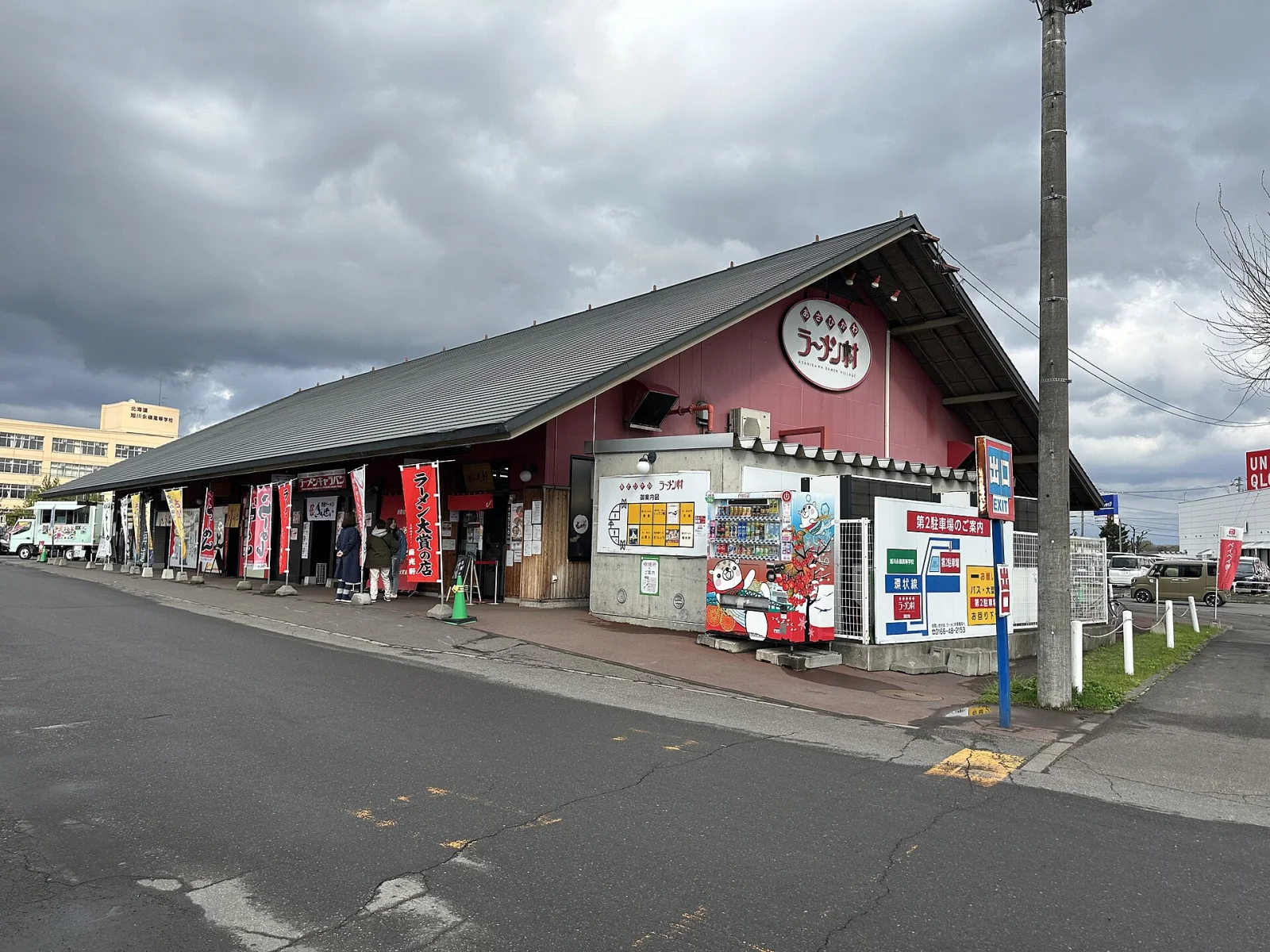
On a first visit to Asahikawa Ramen Village, if you only have room for one bowl, go with shoyu (soy sauce) ramen at Aoba or Tenkin. Want to try two shops? Start with a half-size shoyu bowl at Baikohken, then follow it with shio (salt) ramen at Santouka. Located in Asahikawa's Nagayama district, the complex is about a 7-minute walk from JR Minami-Nagayama Station or a 20-minute drive from Asahikawa Station. Seven shops operate permanently alongside an eighth rotating guest stall, Ramen Caravan. If you're coming by train or bus for lunch, lock in your return transit before you sit down. Driving to Asahiyama Zoo? Slot this meal in before entering or after leaving the zoo, timed around your target shop's last-order cutoff.
First, Decide If Nagayama Is Worth the Detour for This Meal
Enter "Asahikawa Ramen Village" (Asahikawa Ramen-mura) or the address "Nagayama 11-jo 4-chome 119-48, Asahikawa, Hokkaido" into your navigation app. The village sits in one corner of the Powers shopping complex, and the facility's street address uses a different block number than the nearby bus stop: the ramen complex is on Nagayama 11-jo, while the closest bus stop is Nagayama 10-jo 4-chome. Meanwhile, Minami-Nagayama is the JR train station name. Saving all three names separately makes it far easier to pick the right drop-off point than simply searching "Nagayama" on a map.
Opened in August 1996, the village brings several Asahikawa ramen styles together in one place. That setup has a practical upside today: someone craving classic shoyu and someone else wanting shio can arrive together and browse menus before committing. Each shop runs its own kitchen and its own door queue. If your family wants to sit at one table, start by choosing a shop where everyone has something they want to order; if your group splits up for different bowls, agree to regroup at the ramen-bowl benches outside.
Admission is free, and the official 220-seat count is split across all eight storefronts. If you're in a group of four or five, signal your party size to staff using Japanese numbers or fingers, and ask before joining a line if you need to sit together. The complex's biggest advantage is being able to switch queues in a few steps, though splitting across two shops when seats are tight means waiting and paying twice. If you only want one bowl during a tight transfer at Asahikawa Station, eat near the station instead so you won't risk missing your train.
Beyond ramen, pedestrian options are mostly limited to this building and the immediate shopping complex around it. If someone in your group doesn't eat noodles, decide before leaving whether they'll join at the table or meet up afterward. When your day is already centered in Nagayama—or your group is split across shoyu, shio, and miso cravings—the cluster of shops here makes the trip worthwhile.
A practical guide to Asahikawa Ramen Village's seven permanent shops and rotating guest stall: how to order shoyu and shio ramen, half-size bowls, weekly closures, and last-order cutoffs. Covers JR trains and buses from Asahikawa Station, plus pairings with Asahiyama Zoo, Otokoyama Sake Brewery, and downtown backups.
For Your First Shoyu Bowl: Aoba, Tenkin, or Baikohken
Asahikawa-style shoyu ramen typically blends a seafood dashi with pork and chicken bone broth, paired with low-hydration curly noodles. Hydration rate refers to the ratio of water to flour in the dough; because curly noodles cling to broth, differences in noodle thickness and chew noticeably change how the same shoyu style tastes. Japan's Ministry of Agriculture, Forestry and Fisheries also notes the local technique of sealing the soup surface with aromatic oil to slow heat loss. When you spot that oil layer, spoon a taste of broth first before lifting the noodles and soup together so you catch both the soy tare seasoning and the base stock.
Aoba (Asahikawa Ramen Aoba) started as a street stall (yatai) in 1947. The village's own profile highlights its double soup simmered from seafood and land-based ingredients; for a classic, old-school starting point, order the standard Shoyu Ramen. While chashu-topped versions are on the menu, the basic bowl is all you need if you want to focus on the noodles and broth. Note that the Asahikawa Tourism and Convention Association lists Aoba's Ramen Village branch as closed on Thursdays. If you spot Aoba's main branch downtown, remember they are separate locations—make sure your navigation specifies the Ramen Village branch.
Tenkin makes a great counterpoint to Aoba. According to the village guide, Tenkin builds its broth purely from pork and chicken bones and pairs it with medium-thick curly noodles. To see how Asahikawa shoyu tastes without the seafood-dashi slant, order Tenkin's Shoyu Ramen (written with alternate characters on the menu, though pronounced the same). Tenkin's Ramen Village branch closes on Tuesdays; if Tuesday is your only day in town and Tenkin is non-negotiable, head to its downtown Yojo (4-jo) branch and plan around that shop's own schedule.
If you want to sample two broths in one visit, Baikohken is the easiest fit. The village directory describes its broth as a pork-and-chicken base layered with seafood and vegetables, served with house-made medium-thin curly noodles. Its official Ramen Village menu offers half-size bowls in shoyu, shio, and miso, letting everyone at the table calibrate their portions. Vegetable half bowls (yasai half ramen) are also listed in all three flavors. Still, if you only get one bowl of ramen on this trip and haven't tried Asahikawa ramen yet, start with shoyu and save extra toppings for next time.
To taste the difference between broths cleanly, order the basic shoyu bowl at two shops and begin each one with the soup and noodles before touching the chashu or bamboo shoots (menma). Piling extra chashu onto both bowls—or dropping butter into just one—turns the comparison into a topping contest instead of a broth test. If your appetite tops out at one bowl, go ahead and load that single bowl with whatever toppings you like.
For Shio, Horumen, or House-Made Noodles: The Other Four Shops
Santouka's signature bowl is its Shio Ramen. The brand describes a cloudy, milky pork-bone (tonkotsu) broth seasoned with salt (shio), so don't be surprised when the soup arrives creamy white—that's the right bowl. After working through shoyu shops, Santouka offers a clear change of pace. If you're mainly here for the meat, the Tokusen Toroniku Ramen uses tender pork cheek served on a separate plate. When splitting your appetite across two shops, ordering a small basic shio bowl is much easier to handle than ordering full chashu sets at both.
Another strong contender for a shio comparison is Saijo. Its Ramen Village menu lists Densetsu no Shio Ramen (Legendary Salt Ramen) and Ukokkei Ramen (Shio) as separate items—order the first for the shop's house shio, and point to the second only if you want the silkie-chicken broth. The village profile notes that the ukokkei bowl pairs with medium-thin curly noodles milled from Hokkaido wheat. For a two-bowl shio flight, make Saijo's silkie-chicken broth your second stop and compare how the noodles carry the soup. Note that the tourism association lists Saijo's village shop as closed on Thursdays.
Ittetsu-an blends a multi-fish dashi with pork-bone broth. If you've already had standard Asahikawa shoyu and want another local specialty, look for Asahikawa Shoyu Horumen here—Ittetsu-an is an official member of the local organization promoting this style, which tops soy-sauce ramen with grilled pork offal (horumon). If someone at your table prefers to skip offal, point them toward the regular Ittetsu Ramen flavors so you can still dine together. And if you were planning on small bowls at two places but suddenly feel like adding offal or rice, make Ittetsu-an your main meal.
Isshin makes its noodles, broth, and chashu in-house. If noodle texture is your priority, start with a basic shoyu bowl to judge the house-made strands on their own. The village's published menu also lists shio, miso, and Jingisukan Ramen—named after Hokkaido's signature grilled mutton dish—alongside a Jingisukan Don rice bowl, which is handy if one person wants noodles and the other wants rice. Watch the address when searching on a map: another Isshin branch operates elsewhere in Nagayama, whereas the Ramen Village branch sits right beside the other shops in the complex.
| Shop | What to Order First | Best For |
|---|---|---|
| Aoba | Shoyu Ramen | Classic soy-sauce ramen from a shop founded in 1947 |
| Tenkin | Shoyu Ramen | Pork-and-chicken bone broth with medium-thick curly noodles |
| Baikohken | Shoyu Half Ramen | Starting with a half bowl (also available in shio and miso) |
| Santouka | Shio Ramen | Creamy pork-bone broth seasoned with salt |
| Saijo | Ukokkei Ramen (Shio) | Trying a silkie-chicken shio broth distinct from white tonkotsu |
| Ittetsu-an | Asahikawa Shoyu Horumen | Soy-sauce ramen with offal alongside standard shoyu at the same table |
| Isshin | Shoyu Ramen | Sampling house-made noodles crafted on-site |
| Ramen Caravan | Check current stall menu | Visiting pop-up shops; check dates and featured brand before going |
Guest Pop-Ups, Portion Sizes, and Ordering Strategy
Ramen Caravan is a guest space that brings in ramen shops from across Japan for limited-time runs, listed alongside the seven permanent storefronts on the official site. Before heading over based on a photo you saw on social media, check the start and end dates—banners and menus swap out with each rotation. Search the featured shop's name together with "Ramen Caravan" or follow the announcement link from the village homepage to confirm who's currently cooking. That said, if it's your first time in Asahikawa, the permanent shoyu stalls are more than enough for a meal.
Look for the words "half" (haafu), "mini," or "chibi" when hunting for smaller portions, as each shop labels them differently. Baikohken's published menu lists Half Ramen, Santouka's Ramen Village menu calls it Chibi Ramen, and Aoba and Tenkin use their own small-bowl labels. Once inside, asking "Haafu saizu wa arimasu ka?" ("Do you have a half size?") saves you from deciphering old menu photos. Note that Ittetsu-an lists "sho-donburi"—which looks like the word for a small rice bowl—so make sure to point to the full phrase with "ramen" right after it.
Ordering two half-size bowls that follow each shop's rules is much easier to manage than ordering full bowls at two shops and asking to share. If one person has a bigger appetite, they can order a regular bowl while their partner adds a half bowl at the same counter. Want to share part of an adult bowl with a child? Ask staff upfront for a small empty bowl (torizara) and confirm whether everyone at the table needs an individual order. For light eaters, starting with a small bowl and moving to a second shop only if you're still hungry gives you far more flexibility than ordering noodles, rice, and gyoza all at once.
Budget based on that day's menu prices, how many bowls you plan to eat, and round-trip transit, since there is no entry fee. When planning a two-bowl crawl, treat the second small bowl as an extra tab rather than a freebie. Photos showing rice bowls alongside ramen may depict optional add-on sets or separate a la carte orders—if you only want noodles, point strictly to the "ramen" line, and look for ajitama or ajitsuke tamago for a seasoned egg. Note the difference between extra noodles: kaedama adds a fresh refill portion of noodles to your existing leftover soup, while omori upsizes your initial bowl from the start—check which option the shop offers.
Once everyone settles on shoyu, shio, or miso, check the modifiers right next to the flavor. At Baikohken, yasai (vegetables) and bataa koon (butter corn) are distinct toppings; if you have kids who aren't into soy-sauce broth, Baikohken also offers shio butter corn ramen, including in a half size. Tenkin's village menu has previously listed separate lines for Kids Ramen (okosama ramen) and Half Ramen—if you're dining with children, point to the kids option and confirm with staff. Because some online menus are older snapshots, always rely on the current sizes and prices posted at the counter.
If you have strict dietary restrictions, keep the Japanese ingredient names saved on your phone and ask about the broth base, finishing oil, and noodles before sitting down—specifically pork, pork bones, and lard (butaniku, tonkotsu, raado) or seafood and dried sardines (gyokai, niboshi). Remember that chashu is just one visible topping, while shoyu, shio, and miso only describe the seasoning base, not whether pork or fish went into the stock. The complex notes that foreign-language menus and accessible restrooms are available, so don't hesitate to ask staff to point you to either.
When to Go: 11:00 AM Openings vs. Afternoon Visits
Asahikawa Ramen Village lists general complex hours of 11:00–20:00, noting that some shops keep shorter hours. Always follow your specific shop's posted schedule and cutoff times: Santouka's village branch lists 11:00–20:00 (last order 19:30) with no fixed closing days, while Tenkin's village branch lists 11:00–20:30 (last order 20:00) and closes on Tuesdays. Both brands have branches in Nagayama and downtown, so verify the address or branch name when checking hours online rather than relying on the shop name alone.
Baikohken's official site splits its Ramen Village hours into lunch and dinner shifts: lunch runs 11:00–15:30 (last order 15:00) and dinner runs 17:00–20:30 (last order 20:00), with irregular holidays. If you arrive around 16:00, either wait for Baikohken's dinner opening or head to Santouka instead. Visiting on a Thursday and aiming for Aoba or Saijo? Have a backup shop ready inside the village. When your meal is tied to an upcoming train, prioritize whichever shop is open right then with the shortest wait.
If ramen is the centerpiece of your half-day plan, arriving right around 11:00 gives you the most flexibility. Every open shop still has its full lunch window ahead, letting you knock out your top pick first if you're eating at two places. Rather than guessing wait times in advance, check the door on arrival: look for an "Open" (eigyochu) sign and see whether the people outside are one large party waiting for a full table or several smaller groups in queue. If you're torn between two shops with no strong preference, simply pick the shorter line.
Afternoon visits work well too, especially if morning sightseeing keeps you from making the 11:00 opening. For a late two-bowl lunch, work backward from your second shop's last-order cutoff and eat first at whichever place closes its afternoon service earlier. If you have time to kill before your bus or train, the tourism association also lists TUMUGI—a Hokkaido fresh-milk soft-serve shop at the same address—which makes a convenient dessert stop and meeting point while companions finish at different stalls.
Phone numbers for each shop are listed on the village's official directory page. If you're trekking out to Nagayama for one specific shop—especially around New Year's or unscheduled closures—calling ahead is the surest check; ask "Kyo, nanji made chumon dekimasu ka?" to confirm today's last-order cutoff, which can be earlier than closing time. Finding a "Preparing" (jumbichu) sign on the door usually means the midday break between lunch and dinner; check the posted evening reopening time before deciding whether to browse the shopping complex or head back downtown.
From Asahikawa Station: Take the Sekihoku Main Line to Minami-Nagayama
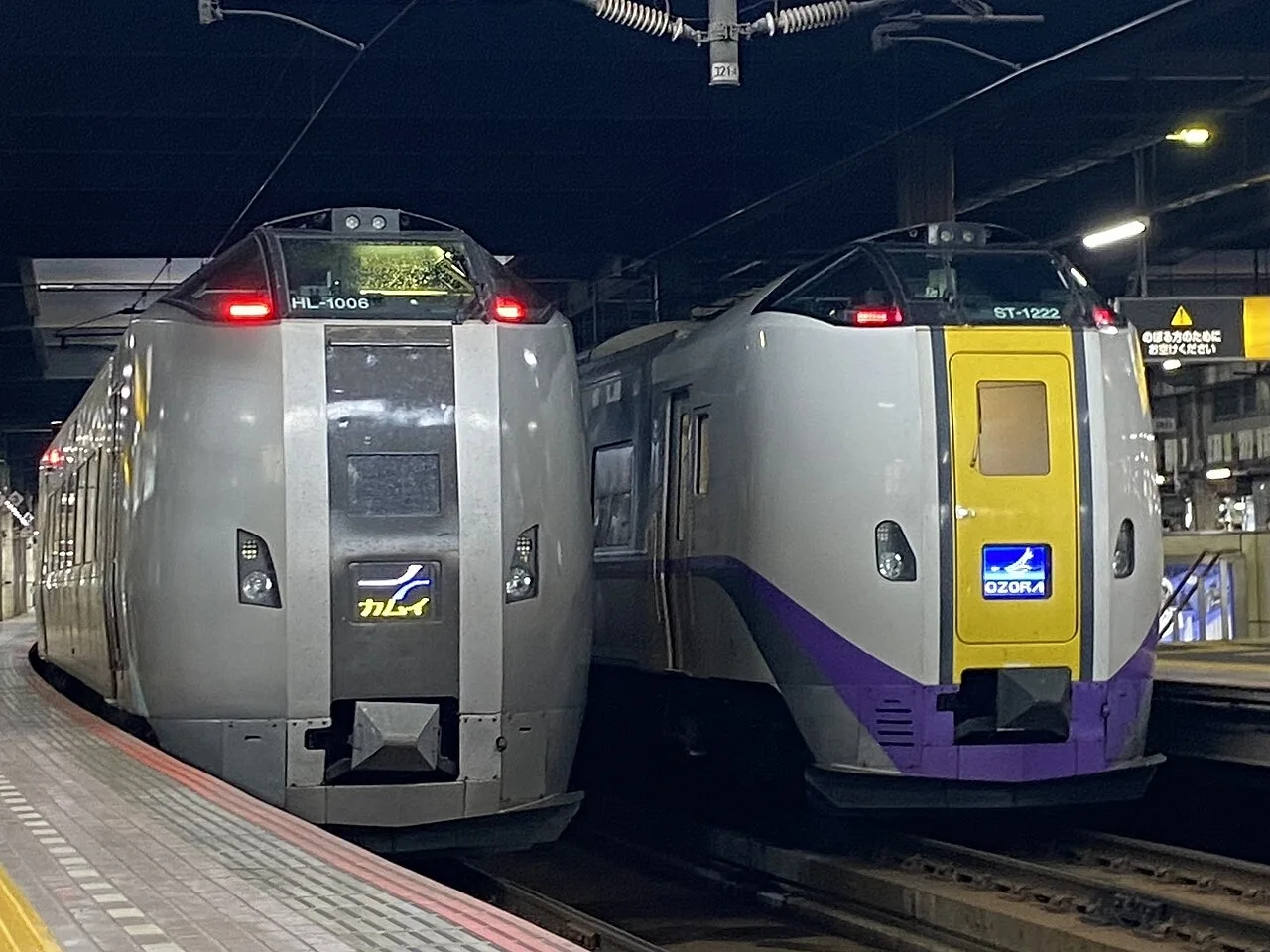
From JR Asahikawa Station, ride the Sekihoku Main Line and set your route search from Asahikawa to Minami-Nagayama. Local trains stopping there pass through Asahikawa-Yojo and Shin-Asahikawa before reaching Minami-Nagayama; even if a limited express or rapid train heads in the same direction, check the stop list carefully. Do not confuse this stop with Nagayama Station on the Soya Main Line, which runs on a different track—you want the station with "Minami" in front. If you're meeting companions coming from outside Asahikawa Station, text them the full station name so nobody ends up at the wrong Nagayama.
The train ride itself takes about 10 minutes, followed by roughly a 7-minute walk—meaning train frequency is the real bottleneck. On JR Hokkaido's Sekihoku Main Line timetable for November 22, 2026, for example, a local train departs Asahikawa at 10:01 and arrives at Minami-Nagayama at 10:11, well before the village opens, while the next useful daytime departure leaves at 13:48 and arrives at 13:58. Catching the earlier train for an 11:00 meal leaves you waiting around; if you want to sit down right around noon, take a bus or a short taxi ride instead of waiting hours for a 10-minute train hop.
A one-way adult local ticket from Asahikawa to Minami-Nagayama costs ¥320. Because Minami-Nagayama falls outside the Kitaca IC-card coverage zone, buy a paper ticket at Asahikawa Station even if you already carry a Suica or other compatible IC card. For the return trip, look up "Minami-Nagayama to Asahikawa" in advance, screenshot the schedule, and follow the unmanned-station boarding and onboard fare instructions when you arrive. If you have a Sapporo-bound limited express departing Asahikawa afterward, plan both legs together beforehand instead of waiting until after lunch to figure out your ride back.
That 7-minute walk estimate comes from the Hokkaido Tourism Organization. In winter—especially with a stroller or luggage—pad extra time for crossing streets, navigating snowbanks, and finding the entrance. Once you know your return train time, count backward before sitting down to factor in bundling up, paying the bill, and walking back to the platform. If you plan to buy boxed ramen souvenirs, browse the gift shop before you eat so you can walk straight back to the station afterward.
Taking the Bus (Check Stop Names & Direction) or Driving Into Powers
The City of Asahikawa lists two nearby bus stops: Nagayama 10-jo 4-chome and Nagayama 6-jo 4-chome. For Asahikawa Ramen Village, aim for the closer Nagayama 10-jo 4-chome stop. Dohoku Bus Route 66 runs from in front of Asahikawa Station, boarding at stop #18 on the station bus guide; you can also check date-specific departures from downtown's 1-jo 8-chome stop that pass through Nagayama 10-jo 4-chome. Because directions and frequency vary by day of week, select the weekday or weekend/holiday table first on the passing-time timetable, then trace a single column down for your boarding and arrival times.
On Dohoku Bus timetables, Nagayama 10-jo 4-chome is often abbreviated as "Nagayama 10-4." On the weekend/holiday schedule, for example, Route 66 departs 1-jo 8-chome at 12:05 and reaches Nagayama 10-jo 4-chome at 12:24; a different Route 66 routing starting at Asahikawa Station leaves at 13:15 and reaches Nagayama 10-jo 4-chome at 13:50. Choose your boarding stop based on the total walk from your hotel plus the walk from the drop-off stop to the ramen shops—if you're coming from the Heiwa Dori Shopping Park area north of the station, boarding at 1-jo 8-chome often cuts out unnecessary backtracking.
For the return trip, search routes from Nagayama 10-jo 4-chome to Asahikawa Station (Asahikawa Ekimae) or to 1-jo 8-chome, as downtown termini vary by bus. If you're staying near City Hall or 4-jo Dori, getting off downtown saves walking compared with riding all the way to the station; if you're staying by the station or catching a train, target Asahikawa Station and double-check that the bus you board is headed back toward downtown. Keep in mind that the bus stops and JR Minami-Nagayama Station are in different spots, so re-pin your map if you switch modes for the ride back.
If you're only coming out for ramen, mixing transit outbound and inbound works nicely. For example, browse Heiwa Dori Shopping Park on a weekend morning, catch a bus from 1-jo 8-chome for lunch, then walk to Minami-Nagayama to take the train back to Asahikawa Station. In winter, if you finish eating and realize the next bus is ages away, either stay inside the Powers complex to shop until closer to departure or call a taxi if you have a timed commitment—don't stand freezing at a roadside pole waiting out a full headway.
Official guides estimate the drive from Asahikawa Station at about 20 minutes. Turn into the Powers shopping complex entrance and follow signs for Asahikawa Ramen Village and free parking (which includes dedicated bus bays). After heavy snow when painted stall lines disappear, stick to cleared driving lanes, park cleanly, and stick to pedestrian walkways to reach the shops. Gather your coat and wallet before stepping out so you aren't crossing active parking-lot lanes back and forth.
Taxis make sense if you're making a quick stop or heading somewhere far from any rail line afterward. Tell the driver "Asahikawa Ramen-mura, Nagayama 11-jo 4-chome" or show the map pin on your phone when boarding, and note the exact storefront or complex entrance where you plan to get picked up on the way out. If you're driving onward, build buffer time for passengers, shopping, and parking. Tight on time before a rental-car pickup or drop-off? Handle the car paperwork first and see what time remains—you can still find major Asahikawa ramen chains around the station and at the airport.
Combining Asahiyama Zoo and Ramen Village in One Day
Both Asahiyama Zoo and Asahikawa Ramen Village sit on the eastern side of the city, though at different sites. Drivers usually do best visiting the zoo in the morning and heading to the ramen village afterward; flip that order—arriving at the ramen village at 11:00 and going to the zoo second—if your must-try ramen shop closes early between lunch and dinner. Longer summer daylight and hours give you wiggle room, whereas in winter you need to count backward from final entry and closing time to allow for sloped walkways and the walk back to the gate.
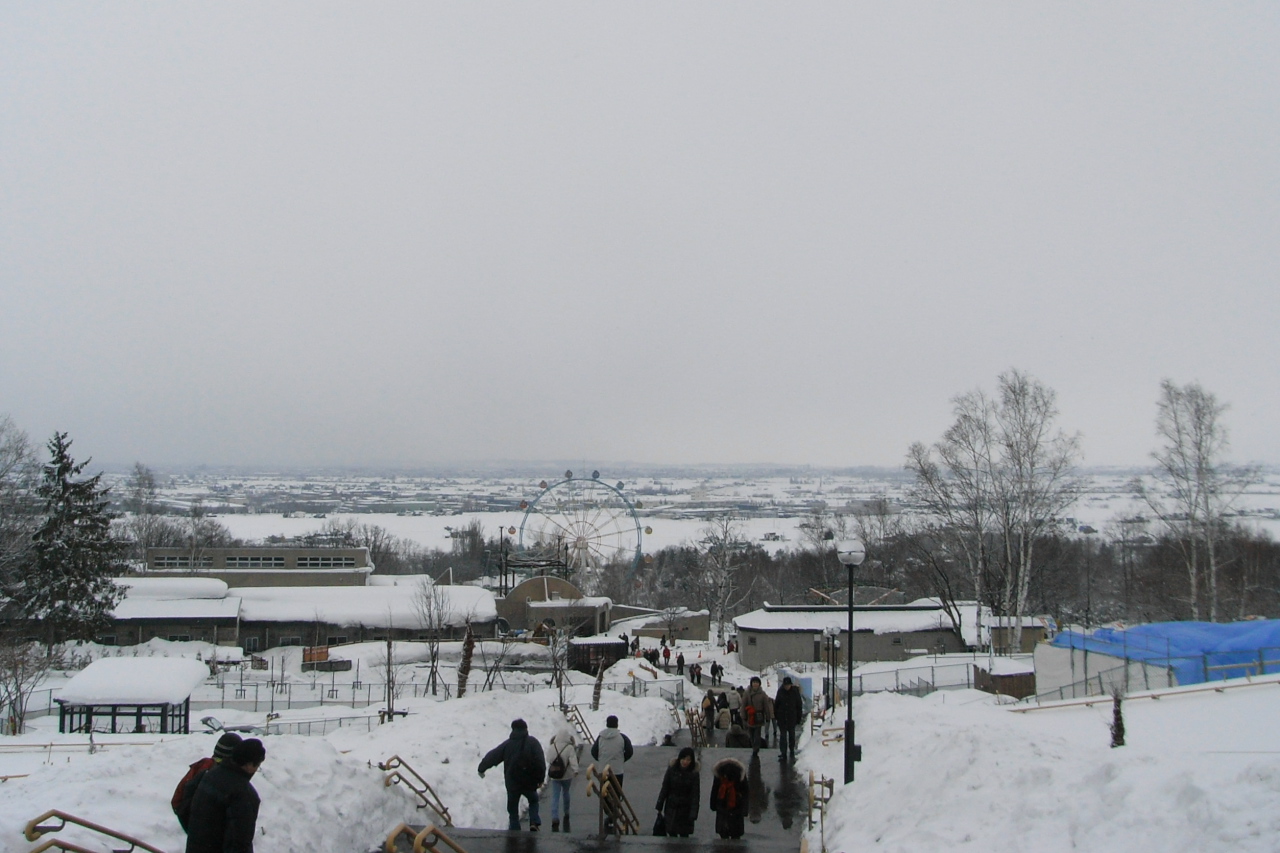
From November 11, 2026 to April 7, 2027, Asahiyama Zoo's regular winter hours are 10:30–15:30, with last entry at 15:00 (closed December 30, 2026 through January 1, 2027). If you're visiting with kids and want to see plenty of exhibits, entering in the morning gives you the widest margin—grab lunch either inside the zoo or after you leave. If you eat ramen first and enter later, plan on focusing on just one or two animal zones. To pick the best gate and hilly path for your route, check our Asahiyama Zoo entrances and walking route guide.
To reach the zoo from Asahikawa Station, city transit guidelines list Asahikawa Denkikido bus routes 41 and 47 departing from station bus bay #6—roughly a 40-minute ride at ¥670 one way for adults. If you want to transfer straight toward Nagayama on the way back, look at 4-jo 18-chome as a transfer point: first check inbound zoo-line buses toward Asahikawa, then look up Dohoku Bus departures from the same stop name bound for Nagayama 10-jo 4-chome. On the weekend/holiday timetable, for instance, Route 72 leaves 4-jo 18-chome at 14:53 and arrives at Nagayama 10-jo 4-chome at 15:05. Because the two bus companies may place their poles at slightly different spots along the block, save the connecting stop's pin on your map before getting off.
If the inbound zoo bus doesn't line up cleanly with a Nagayama connection, riding back to Asahikawa Station to eat makes far more sense. Another option is to devote today solely to the zoo and save Ramen Village for lunch the next day. Anyone staying overnight in Asahikawa can head out from downtown on Day 2 for ramen and pair it with another Nagayama stop—far less rushed than descending from the zoo for lunch and climbing back up during short winter hours.
If you stay at a participating hotel or ryokan in Asahikawa and pick up the Asahiyama Zoo Omotenashi Ticket, you can enter the zoo from 12:00 PM on your purchase day and up until 12:00 PM the following day. That schedule pairs neatly with ramen either before entering on Day 1 or after exiting on Day 2. Ittetsu-an's village branch also participates in the tourism association's dining perk: ticket holders get ¥100 off a ramen order (small bowls excluded)—just show the ticket stub at checkout according to the promotion rules.
Traveling with three generations? Decide upfront which leg needs seated downtime. The zoo involves steady walking, so if there's a standing wait at Ramen Village, have one family member scope out the queues and sign-in sheets while slower walkers rest on the benches nearby. On snowy days when waiting at exposed bus stops is miserable, take a taxi between the zoo and Nagayama and stick to frequent public transit for the main leg to the zoo or back to the station.
A Half-Day in Nagayama: Pairing Lunch with Otokoyama Sake Brewery
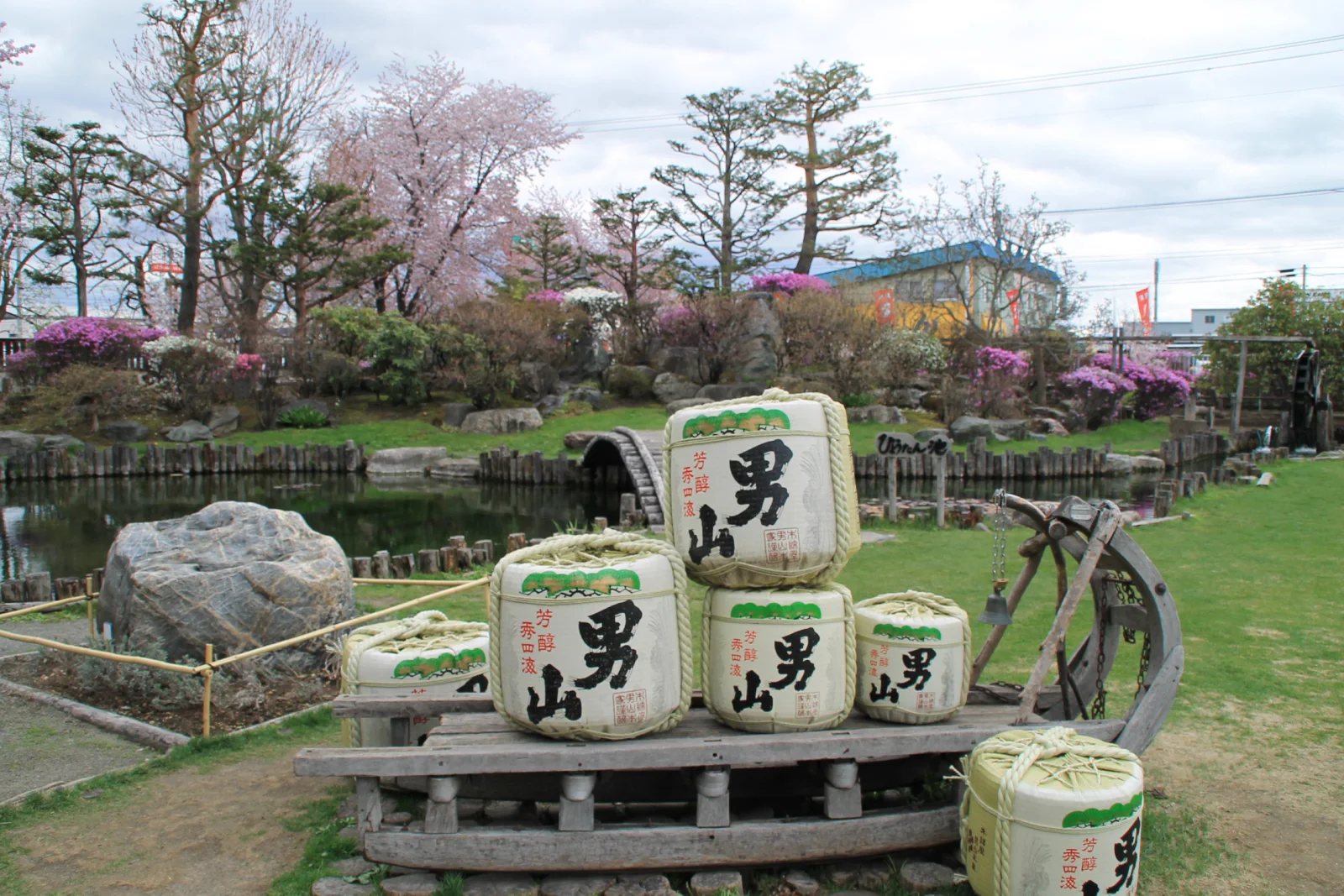
Skipping the zoo? Pairing Asahikawa Ramen Village with Otokoyama Sake Brewery makes an easy half-day out in Nagayama. Otokoyama Sake Park sits at Nagayama 2-jo 7-chome 1-33 in Asahikawa, a separate site from the ramen complex on Nagayama 11-jo. A common rhythm is touring the sake museum in the morning and eating ramen after 11:00; if your chosen ramen shop closes between lunch and dinner, flip it and eat first, then stroll through the brewery's tastings, exhibits, and bottle shop afterward.
The Otokoyama Sake Brewery Museum displays historic brewing tools and archival documents, while bottle sales and sake tastings sit in separate spaces on the same grounds. Browse the exhibition halls first and save shopping for last so you aren't hauling glass bottles up and down stairs. Drivers can still enjoy coffee and the museum, though anyone behind the wheel must skip the alcohol tastings—if tasting is the main draw for your group, connect the brewery and Ramen Village by bus or taxi. For hours and facility details, see our Otokoyama Sake Brewery Museum guide.
Even though both stops are in Nagayama, taking a taxi between them is far more practical with young kids, snowy sidewalks, or glass sake bottles in hand—regional tourism information lists the drive at roughly 5 minutes. By bus, look for connections from Nagayama 10-jo 4-chome to Nagayama 2-jo 6-chome, the stop right by the brewery. Factor in the walk to the stop and any wait between buses when deciding how late to linger at the ramen complex.
Where to Find Asahikawa Ramen at the Station and Airport
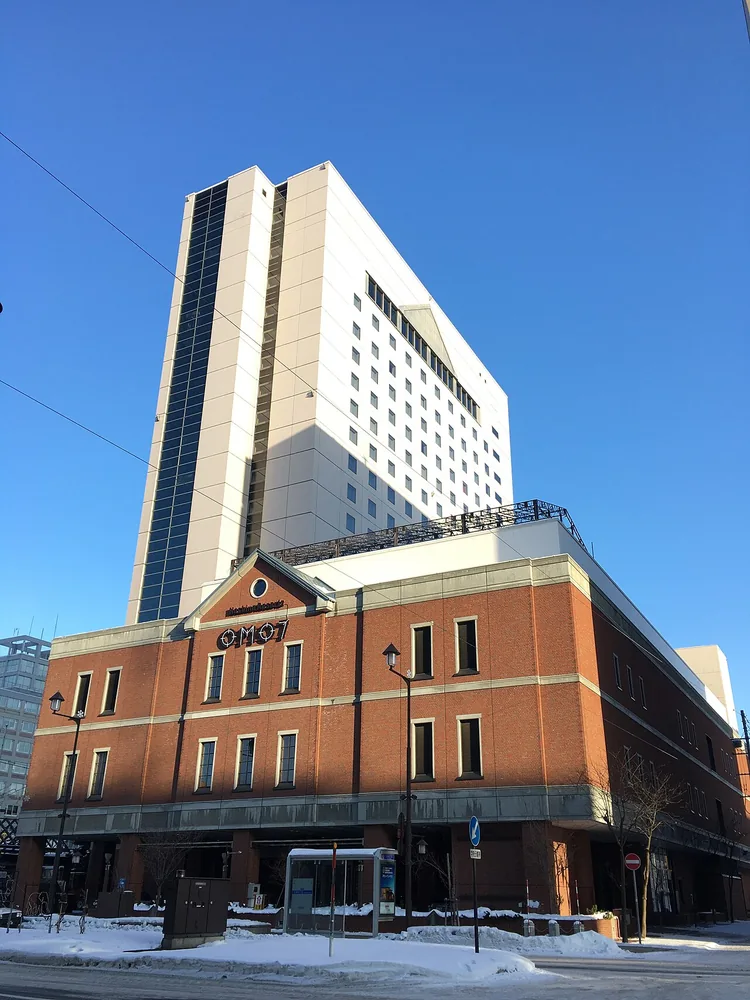
If you're staying near Asahikawa Station, downtown already has Tenkin's Yojo (4-jo) branch (on 4-jo Dori 9-chome), Baikohken's main branch (basement level off Heiwa Dori Shopping Park at 2-jo 8-chome), and Santouka's Asahikawa main branch (on 1-jo Dori 8-chome). On a travel day with tight train connections, eat near the station at a shop open during your window and save Ramen Village for a trip with real breathing room. To explore more downtown bowls, the Asahikawa Tourism and Convention Association publishes a ramen directory where you can filter for shops inside the station or around Heiwa Dori Shopping Park.
On a sunny day before a later train, pair a station-area lunch with a walk through Kitasaito Garden out the south exit of Asahikawa Station. Eat on the north side, cut straight through the station to the south exit for the garden, and keep your luggage, tickets, and platforms close at hand for departure. If your layover only leaves time for a quick bite, the tourism directory also lists Ekinaka Shokudo Nanohana right across from Asahikawa Station's East Ticket Gate (closed Wednesdays and over New Year's).
Both Baikohken and Santouka also operate inside the Soraichi food court on the second floor of Asahikawa Airport's Domestic Terminal, before security. On your final day—especially if you're returning a rental car, dropping off rented gear, and checking bags—eating at the airport saves a major detour. Leave enough cushion for the rental shuttle, check-in, and security before heading upstairs; if one of those two chains was your target anyway, there's no need to swing out to Nagayama on flight day.
Doing a Sapporo day trip and torn between downtown and Nagayama? Check our Sapporo to Asahikawa transit comparison to lock in your intercity trains first, then slot ramen into the gap between legs. If you're continuing to Biei or Furano in the afternoon, eating near Asahikawa Station or along the way protects your onward train connection. Staying overnight opens up far more options—if you want to see downtown at night and hit Ramen Village for lunch, pick from convenient hotels near Asahikawa Station.
On-Site Touches: The Mural, Ramen-Bowl Benches, and Take-Home Boxes
Look up at the exterior mural painted by Hokkaido Tokai University Asahikawa campus students, blending Asahiyama Zoo animals, Daisetsuzan mountain scenery, and Asahikawa cityscapes with ramen noodles flowing like a river. If you just came from the zoo, kids can spot the animals they saw earlier while waiting for a seat. In bitter winter snow and wind, get kids indoors for a hot bowl first and save outdoor photos for the walk back to your car or the station.
Next to the small Ramen Village Shrine sits a rest area with giant chopstick- and ramen-bowl-shaped benches; the complex dubs the shrine "Men-musubi," a play on words linking traditional matchmaking shrines (en-musubi) with noodles (men). If your group splits up across different shops, this makes an obvious landmark to regroup. Inside the tiny shops, wait until your own bowl arrives to snap photos, keep your lens aimed at your food and seat, and keep doorways clear when queues spill into the walkway—you can always shoot the shopfront sign after eating.
When buying boxed ramen souvenirs, check the Japanese labels—using a translation app if needed—to tell fresh noodles (nama-men) apart from dried noodles (kanmen) and spot any "keep refrigerated" (yoreizo) warnings. If you still have a full day out, check storage requirements and expiration dates before serving counts or box size, and confirm whether broth is included. Buying gifts for multiple households? Make sure the inner packets are individually wrapped. If the box includes liquid soup packets (ekitai suupu), keep the outer carton intact in your luggage so you don't lose the exact water ratios and boiling times printed on the box.
A few useful answers
Which ramen shops are at Asahikawa Ramen Village?
Seven shops operate permanently: Aoba, Ittetsu-an, Isshin, Tenkin, Santouka, Saijo, and Baikohken. An eighth space, Ramen Caravan, rotates guest ramen brands from across Japan.
Which JR station do you get off at from Asahikawa Station?
Take a Sekihoku Main Line local train that stops at Minami-Nagayama Station, then walk about 7 minutes. The one-way adult fare from Asahikawa is ¥320, and because Minami-Nagayama is outside the Kitaca IC-card zone, buy a regular paper ticket.
Which shops offer half-size bowls?
Baikohken's published menu lists Half Ramen in shoyu, shio, and miso. Naming varies by shop—Santouka lists its small size as Chibi Ramen, for example—so you can also ask staff, "Haafu saizu wa arimasu ka?" ("Do you have a half size?").
Can you eat at Asahikawa Ramen Village in the afternoon?
Yes, depending on the shop. Santouka's village branch lists continuous hours from 11:00–20:00 (last order 19:30), whereas Baikohken splits lunch and dinner service—closing 15:30–17:00 with a 15:00 lunch last order.
Can you combine Asahiyama Zoo and Asahikawa Ramen Village in the same day?
Yes. Drivers should schedule around zoo hours first—note that regular winter last entry is 15:00 if you eat lunch before entering. By bus, look for connections transferring at 4-jo 18-chome toward Nagayama 10-jo 4-chome.
Official information and references
Sources used in this guide.
- Asahikawa Ramen Village Official Homepage (Founding, Hours, Free Entry, Parking)
- Asahikawa Ramen Village Official Shop Directory (Permanent and Rotating Shops)
- Asahikawa Ramen Village Official Facilities Guide (Mural, Shrine, and Rest Area)
- City of Asahikawa Sightseeing Page (Address and Nearby Bus Stops)
- Hokkaido Tourism Organization (Drive Time from Asahikawa Station and Walk from Minami-Nagayama Station)
- Ministry of Agriculture, Forestry and Fisheries: Hokkaido Local Cuisine (Asahikawa Ramen and Aromatic Oil)
- Asahikawa Tourism and Convention Association Ramen Shop List (Flavors, Branches, and Closed Days)
- Santouka Japan Store Directory (Ramen Village Hours and Last Order)
- Santouka Official Menu (Shio Broth and Pork Cheek)
- Tenkin Official Website (Yojo Branch and Ramen Village Hours and Holidays)
- Baikohken Store Locations (Lunch/Dinner Shifts and Last-Order Cutoffs)
- Baikohken Ramen Village Official Menu (Half Sizes and Flavors)
- Asahikawa Shoyu Horumen Promotion Association (Member Shop: Ittetsu-an)
- JR Hokkaido Sekihoku Main Line Timetable (Minami-Nagayama Stops)
- JR Hokkaido Local Fare Table from Asahikawa Station
- JR Hokkaido Kitaca IC-Card Coverage Map
- Dohoku Bus Stop Guide Around Asahikawa Station
- Dohoku Bus Nagayama 10-jo Route Holiday Timetable (Including Routes 66, 72, and 73)
- Asahiyama Zoo 2026–2027 Winter Opening Hours Announcement
- Asahiyama Zoo Access Guide (Asahikawa Station Buses, Stops, and Fares)
- Otokoyama Sake Brewery Museum Official Website (Exhibits, Tastings, and Address)
- Asahikawa Airport Shops and Restaurants (Terminal Food Court Location)
- Asahikawa Park and Greenery Association: Kitasaito Garden
- Asahikawa Ramen Village Official Small-Bowl Menu (Aoba)
- Asahikawa Ramen Village Official Small-Bowl Menu (Ittetsu-an)
- Asahikawa Ramen Village Official Menu (Isshin)
- Asahikawa Ramen Village Official Small-Bowl Menu (Tenkin)
- Asahikawa Ramen Village Official Small-Bowl Menu (Santouka)
- Asahikawa Ramen Village Official Menu (Saijo)
- Asahikawa Tourism and Convention Association Zoo Lodging Ticket and Dining Perks
- Central Hokkaido Tourism Portal (Otokoyama Sake Brewery Access)