Start at the main-gate bus stop and choose a three-hour visit or a four- to five-hour route. See penguins, seals, polar bears, hippos, and red pandas from different angles, with plans for slopes, lunch, strollers, and winter warm-up stops.
- Region & Focus
- Asahikawa
- Reading Scope
- 32 min read · 20 chapters · 4 Q&As
- Official Verification
- 19 official sources checkedUpdated October 27, 2026 at 12:00 AM GMT+8
- Key Topics
- ItinerariesWinterTravel budget
Chapter Route Map (tap any stop)
- Know the three gates: separate main-gate buses from east-gate pickups
- On a hillside, save energy by reducing backtracking
- From the main gate, give the penguins, seals, and polar bears enough time
- Penguins: allow time for both the underwater tunnel and land viewing
- Seals: see the large tank and outdoor harbor setting as well as the cylinder
- Polar bears: distinguish the pool from the land enclosure
- Make red pandas the short route’s farthest point: look up at the bridge first
- Pair hippos with giraffes in summer; focus on the hippo house in winter
- Add orangutans and Hokkaido’s small animals if you are ready for more uphill walking
- The free east-gate shuttle covers one section of slope
- Four to five hours in summer: choose one direction after the central three exhibits
- A two- to three-hour route: keep four viewpoints and skip the upper circuit
- Winter opening lasts five hours: include warming up and walking downhill
- Replace a viewing block when adding the penguin walk
- Choose one feeding-time talk and arrive before it starts
- Choose lunch along your route: the central area and east gate serve different plans
- With young children: seasonal stroller loans and four nursing-room locations
- Wheelchairs, restrooms, and illness: ask for help at the entrance
- Calculate the family budget and set your own meal allowance
- Make the final exhibit lead toward your exit, then return to Asahikawa for dinner and bags
- Quick Q&A
If you take the local bus from Asahikawa Station, plan to return through Asahiyama Zoo’s main gate, then decide how far uphill toward the east gate you want to go. Penguins, seals, and polar bears are grouped in the first part of the zoo beyond the main gate, enough for an unhurried two- or three-hour visit. For orangutans, Hokkaido’s small animals, and hippos, allow the afternoon as well. In winter, alternate outdoor walking, indoor viewing, and warm-up breaks, and spend waiting time on the animals you most want to see.
Know the three gates: separate main-gate buses from east-gate pickups
The official zoo map places the main gate below the penguin house, the west gate along the outer edge near the seal and hippo houses, and the east gate above the Hokkaido small-animal area. The bus stop for Asahikawa Station is outside the main gate. If you arrive by bus from the station, identify the main gate and waiting area when you get off, then leave from the same side. Adopting an east-gate route intended for drivers would add an unnecessary walk outside.
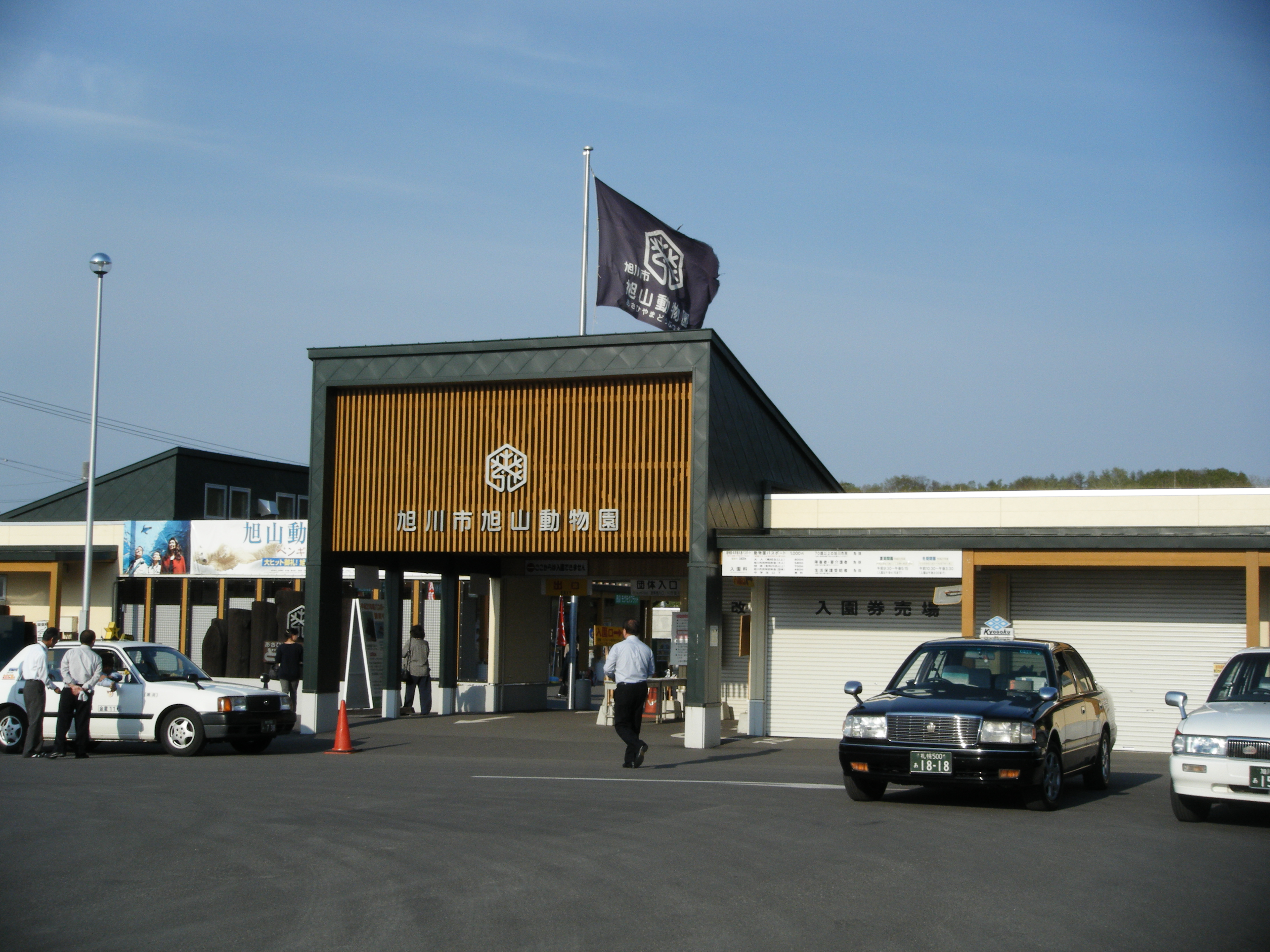
The east gate suits transfers confirmed to arrive and depart there and serves the east-gate parking lot. Entering here brings you to stairs with a sloping path alongside, passing the Hokkaido small-animal area. Farther down are the orangutans, gibbons, and other exhibits. The west gate is toward the lower part of the zoo and suits visitors parking nearby or arranging a pickup there. Choose the gate according to where your vehicle will be. The zoo’s FAQ recommends a counterclockwise circuit from each entrance. Use that as a starting framework. With a stroller, limited walking range, or a fixed pickup, you can take just one section. Consider entrance and exit gates, lockers, and meeting points together. Entering at the east gate and leaving at the main gate also requires the driver to agree to a different pickup point. If your car stays in the east-gate lot, you still need to return there.
Start at the main-gate bus stop and choose a three-hour visit or a four- to five-hour route. See penguins, seals, polar bears, hippos, and red pandas from different angles, with plans for slopes, lunch, strollers, and winter warm-up stops.
On a hillside, save energy by reducing backtracking
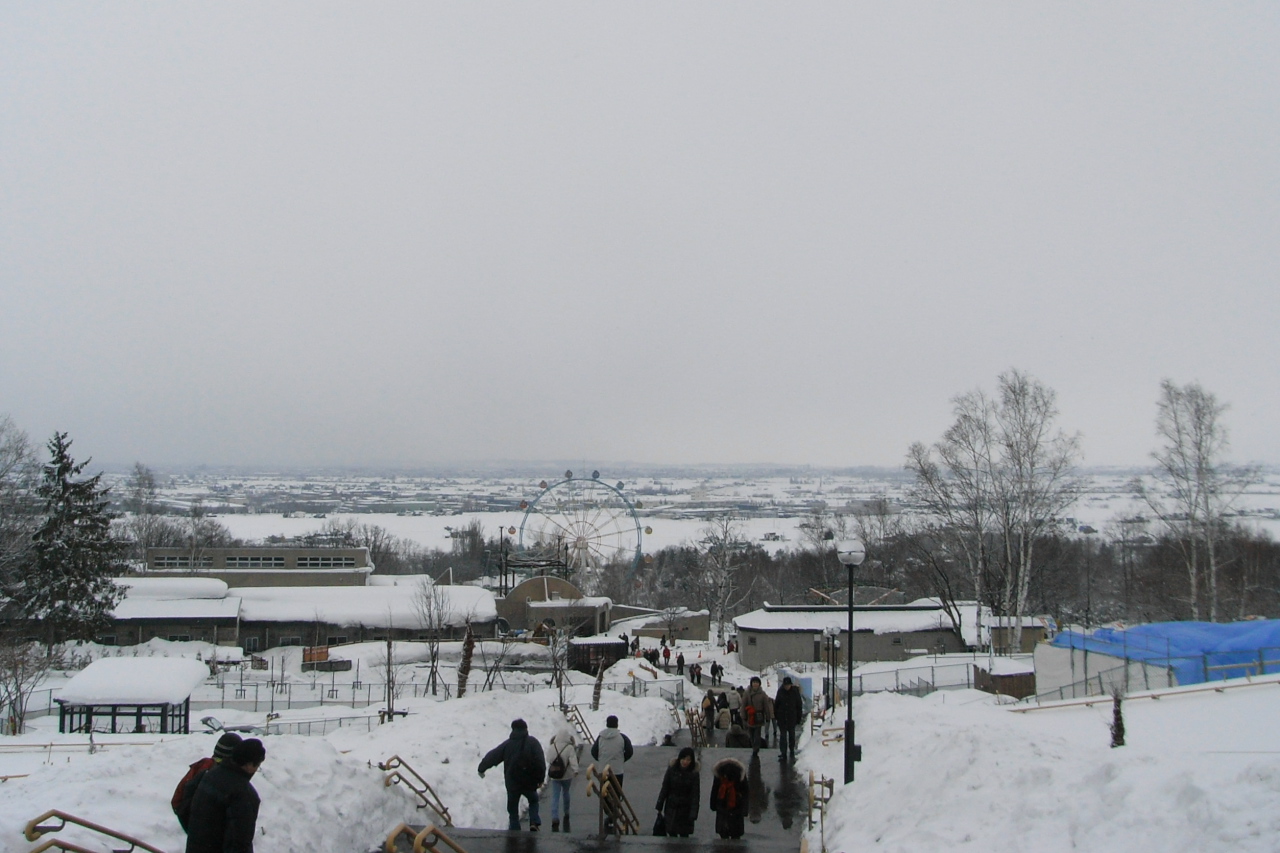
Asahiyama Zoo sits on a hillside. From the main gate, the route leads inward toward the penguins, seals, and polar bears. Continuing toward the orangutans and east gate adds another change in elevation. The official Hokkaido small-animal introduction calls the slope beside the east-gate stairs Yukkuri Road, a path where you can view exhibits as you walk. It avoids the stairs but still takes effort uphill. Someone pushing a stroller also needs to control its speed downhill.
For a first bus visit, use the free central rest area beside the seal house as a midway base. See the main-gate side first, sit down for food, then decide how far up to continue. If an older companion’s knees are already uncomfortable, turn back after the polar bears. For red pandas, extend to that exhibit and then return. Setting one exhibit as your farthest point is easier to adjust than promising to cover the entire zoo.
For planning, allow five to ten minutes between neighboring exhibits and 15–20 minutes between areas. If queues or snow slow you down, take time from the next optional area. Within the zoo, follow exhibit names and junction signs. Find the neighboring exhibit first, then choose the direction toward the east or main gate. A phone map helps locate the three gates and bus stop. Use the zoo map for stairs, seasonal path closures, and exhibit entrances.
| Arrival | Route inside the zoo | Finish |
|---|---|---|
| Local bus from Asahikawa Station | Main gate, penguins, seals, polar bears; extend according to stamina | Main-gate bus stop |
| Only two to three hours available | Central three exhibits, plus either red pandas or hippos | Main gate |
| East-gate transfer | Check the slope and shuttle first, then head to the central area | East-gate meeting point |
| Families sensitive to cold in winter | Alternate the central three exhibits with rest areas; hippos as an extension | Exit for the booked transport |
From the main gate, give the penguins, seals, and polar bears enough time
After the main gate, follow the main path past the flamingo enclosure and Totori Village toward the penguin house. The official map marks the flamingos and Totori Village as not displayed in winter. Use that stretch to learn your return route, adjust gloves, and read notices rather than waiting at empty exhibits. Near the penguin house, look at entrances, exits, and visitor flow before choosing your first viewpoint.
Penguins, seals, and polar bears each deserve their own time. Give most of the first hour to penguins and seals, then about half an hour to polar bears and a nearby rest stop. If one entrance has a queue, see a neighboring exhibit and come back to avoid crossing the zoo. All three offer comparisons between movement on land and underwater. For children visiting for the first time, that can leave clearer observations than briefly identifying many animals.
Before leaving the seal house, locate the free central rest area on its first floor and the Central Cafeteria on the second. They can fit your next lunch or warm-up stop.
Use the restroom, drink water, and put on your outer layers before continuing toward the polar bears and red pandas. If your planned departure is near, head back toward the main gate from here. This junction lets the short and longer routes share the first half, with an easy common meeting place for the family.
An official Asahiyama Zoo video released in 2023, showing animal life through the seasons and different ways to observe it.
Penguins: allow time for both the underwater tunnel and land viewing
The penguin house has an underwater tunnel with views around you. Watch how the penguins change direction, turn, and propel their bodies. Look overhead and to the sides as well as straight ahead. The same animal’s outline and apparent speed change as it passes different positions. Keep moving with the visitor flow when others take photos, leaving viewing space for people behind you.
Back at the land view, watch penguins stand, walk, and move between land and water. With a child, ask one small question: which part of the body changes direction first underwater, and how are the steps different on land? Let the child point something out, then give a parent a turn. Avoid gathering the whole group in the middle of the passage. Comparing the tunnel and land areas already makes a complete visit.
You can use the same approach in winter when no penguin walk is scheduled. If the walk runs that day, check its time and route and move your outdoor waiting to that event. See the house earlier or later. If a child only wants another look at underwater swimming, save revisit time here and drop a later branch. That keeps what they enjoyed and avoids rushing away to chase the next keeper talk.
Seals: see the large tank and outdoor harbor setting as well as the cylinder
The seal house’s Marine Way is a cylindrical tank where seals swim up and down. When it is busy, keep moving along the passage and observe how a passing seal fits through the tall, narrow space. If none appears on your first pass, watch swimming in the large tank, then decide whether to return based on visitor flow. Waiting too long by the entrance can reduce the whole visit to one photo.
The large tank offers a fuller side view. Follow a seal swimming closer, turning, and moving away. The cylinder draws attention to vertical movement; the large tank shows a continuous sequence. Together they reveal the difference in exhibit design. For smaller children, find a position close to the window that keeps the passage clear, let them look, then give others a turn. Keep children off railings and do not tap the glass to attract a seal.
The outdoor enclosure evokes a Hokkaido fishing port, with a small fishing boat and wave-dissipating concrete blocks. After the underwater view, look at the relationship between resting space and the water’s surface. The zoo also describes seabirds and other elements used here to portray Hokkaido’s coast. Look beyond the seals at how the area around the pool is arranged. Finish with a seat in the rest area, then decide whether to have lunch centrally or continue to another area.
Polar bears: distinguish the pool from the land enclosure
The polar bear house has two exhibit areas: one with a large pool and another with a land enclosure separated by a moat. Identify which side you are viewing, then find the bear. If no swimming is visible at the pool, try the land side rather than spending the whole visit waiting for a dive.
The land area also has the Seals Eye viewing capsule, described by the zoo as a seal’s perspective. If it requires a queue, decide whether it fits the time you are willing to wait. With older adults or young children, the ordinary viewing area can still provide enough observation time. The capsule and pool offer different perspectives. Explore the one that interests you most, then use the other side to understand the overall space.
Behind the polar bear house is Yasuragi-no-Mori rest area, officially listed with a nursing room, heating and cooling, and handwashing facilities. After more than an hour at the first exhibits, it can be your first longer break. Agree on a meeting time if family preferences differ: those wanting another look at the bears can return, while those feeling cold rest. Always leave an adult with a young child. Afterward, continue toward the red pandas or follow the familiar route back past seals and penguins to the main gate.
Make red pandas the short route’s farthest point: look up at the bridge first
The official map places the red panda enclosure farther in, beyond the polar bears and large carnivore exhibits. For a land animal in addition to the main underwater exhibits, make this your short route’s extension and farthest point. Then follow the familiar main path back to the central area instead of continuing through the full upper route toward the east gate. On a first three-hour visit, this adds a different kind of observation while preserving time for the return.
The red panda enclosure has a suspension-bridge side and a close-viewing area with projecting windows. The bridge, about 3.5 meters high, leads to trees on the opposite side. Look up at the bridge and trunks first, checking where animals walk, pause, or sleep in the trees. Then move to the windows to watch resting or eating. Looking only at ground level can miss the height that distinguishes this exhibit.
With children, compare it with the penguins: penguins turn underwater, while red pandas balance on tree trunks and the bridge. One question answerable from what is in front of you is enough. Spend a few extra minutes on whichever side interests the child. If the bridge is empty, start at the close-viewing windows and use the next block for a rest, rather than waiting underneath for an animal to appear.
Pair hippos with giraffes in summer; focus on the hippo house in winter
From the central area, head toward the west gate and event hall for the hippo and giraffe houses. They are adjacent on the official map, and the hippo house description explicitly notes their underground connection. In summer, look at outdoor body shapes and height first, then use the underground viewpoints for another angle on the same stretch. A return toward the main gate along paths near the west gate also gives a different ending to a short visit.
The hippo house’s indoor pool is about three meters deep. Focus on the relationship between the underwater body, limbs, and changes in depth. Start where you can see a fuller view of the pool, locate the hippo, then shift angles slowly to watch movement. Pausing underwater and walking are both worth observing. Leaving after a head photo misses the purpose of the underground display: seeing the rest of the body.
The giraffe house offers views at head height and near the feet, with feeding equipment that draws attention to the long tongue and feeding motions. An underground platform in the hippo house provides a low view of giraffes through glass. The official map marks giraffes as not displayed in winter, so use this stretch for indoor hippo viewing and a nearby break in snowy months. Avoid repeatedly searching entrances for giraffes. In summer, put both the underground and outdoor views in one time block.
Add orangutans and Hokkaido’s small animals if you are ready for more uphill walking
To go farther into the zoo, continue from near the red pandas toward the Hokkaido animal exhibits, chimpanzees, and orangutans, following signs along open paths. After lunch is a good time to judge stamina. If seal queues or bear watching used much of the morning, shorten the upper section. If your family particularly likes primates, leave the central area earlier and save time here. Starting toward the east gate in the final half hour leaves too little time to add exhibits.
The orangutan house has a roughly 17-meter outdoor tower for summer viewing. Its indoor space is about seven meters high, with climbing holds, hammocks, and ropes. In summer, compare movement high above you with the distance to the ground. In winter, focus indoors on gripping, climbing, and resting positions. The indoor and outdoor spaces offer different viewing experiences, so include the season when planning.
The slope beside the east-gate stairs leads to the Hokkaido small-animal area. Exhibits include Hokkaido raccoon dogs, mountain hares, red foxes, martens, and flying squirrels. The flying-squirrel house reverses day and night. Let your eyes adjust in the darker viewing space, find the animals quietly, and keep the flash off. If Hokkaido wildlife interests you, make this area a destination. If you mainly need to reach the main gate, turn back after the orangutans and preserve time to rest on the return.
The free east-gate shuttle covers one section of slope
The zoo’s visitor guide lists a free minibus between the east gate and the spider monkey and capybara house, roughly every ten minutes year-round. Weather can suspend it. A blue dashed line on the official map connects the east gate with the lower boarding point, with blue dots at both ends. If you enter at the east gate and want to save energy for the central area, locate the shuttle first. Then decide whether to walk the slope to see the small animals or go directly lower down.
If you arrived by local bus and will return to the main gate, consider which stretch the shuttle would actually save. From near the orangutans, it can help if you want to go up to the east gate for food or a hotel pickup. If the east gate is not on your plan, staying in the central and west-gate areas often removes a slope section altogether.
If someone uses a wheelchair, cannot manage vehicle steps, or has a large stroller, explain the need to staff on arrival. Confirm the day’s vehicle and boarding method, then choose the shuttle or walking route as directed. Ask at the gate how the east-gate building’s floors connect with the paths too. If the shuttle is suspended, remove the east-gate detour. For a booked east-gate pickup, finish distant exhibits earlier and return slowly along the open sloping path.
Four to five hours in summer: choose one direction after the central three exhibits
For a sample 9:30 summer entry, give 9:30–10:50 to penguins and seals, 10:50–11:30 to polar bears and a rest, and 11:30–12:15 to lunch. This includes movement between adjacent exhibits and short waits. If queues take much of that time, preserve a revisit to your favorite exhibit after lunch and shorten the rest. The 9:30 start is an example within the zoo; match your travel date and arrival time to the operator’s bus schedule separately.
After 12:15, choose between two routes. For body size and underwater movement, give hippos and giraffes about an hour, including underground views, then return near the main gate along the west-gate side. For climbing and activity in trees, choose red pandas, orangutans, and the Hokkaido small-animal direction. Allow about an hour and a half including walking and rest, then return through the central area. The latter involves more uphill walking. At the orangutans, decide whether to add the small-animal area.
Start moving toward the exit around 14:00, leaving time to rest near TOTORI, buy souvenirs, or revisit the penguins. If staying until 15:00, give the extra time to a talk scheduled that day or a return to one exhibit. Another attraction on the outskirts of Asahikawa need not follow. A four- to five-hour visit feels different from a three-hour circuit when there is room to sit down for lunch and observe slowly.
A two- to three-hour route: keep four viewpoints and skip the upper circuit
Enter and leave through the main gate. Start with the penguin underwater tunnel, the seals’ large and cylindrical tanks, then the polar bears’ pool or land area. Spend the first hour and a half at these three houses, followed by a 20-minute seated break. If you have another 40–60 minutes, revisit your child’s favorite or extend to the red pandas. Leave time for clothing, the restroom, and waiting for the bus before returning through the main gate.
If your group prefers hippos, extend toward the west-gate side after the polar bears, see the indoor hippo pool, then return to the main gate. Add giraffes only if there is time in summer; focus on hippos in winter. Choosing one extension saves the cross-area journey from red pandas to primates, the east-gate slope, and back to the center. On a short visit, this explains differences between exhibits better than taking one photo in every area.
If children are tired, an older companion’s legs hurt, or snow boots are wet, end the sightseeing portion at the free central rest area. Rest, then head directly to the main gate. The penguin and Totori Village direction you passed earlier becomes a familiar return route without new junctions to work out. Leave the final exhibit 20–30 minutes before your intended bus for downhill walking, putting on layers, and waiting. If you walk slowly, take more time from the optional extension.
Winter opening lasts five hours: include warming up and walking downhill
The official calendar lists ordinary winter hours of 10:30–15:30, last admission 15:00, for November 11–December 29, 2026 and January 2–April 7, 2027. The zoo is closed November 4–10, 2026 and December 30–January 1. A full winter opening day is only five hours. Plan about four hours of exhibits and breaks, leaving the rest for getting ready on entry, snow-covered paths, and departure.
One plan uses 10:30–11:40 for penguins and seals, 11:40–12:20 for lunch and warming up, 12:20–13:10 for polar bears, and 13:10–14:00 for either red pandas or hippos. After 14:00, return gradually toward the exit. If the penguin walk runs that day, replace one viewing block with it and drop the extension exhibit, keeping lunch and the warm-up stop. The indoor hippo house and central rest area fit the same lower-level route, making this version useful for families sensitive to cold.
Choose a hat, gloves, and slip-resistant footwear you can keep using throughout the visit. If shoes get wet or fingers become cold, go to a rest area first. Put removed gloves and outer layers in the same bag indoors and dress again before going outside, rather than organizing clothing in the middle of a slope. The official map marks paths closed when snow accumulates. Follow the day’s closures instead of crossing barriers to take a summer shortcut. Families using strollers or wheelchairs should plan snow travel and care before departure.
Replace a viewing block when adding the penguin walk
The penguin-walk season that began December 18, 2025 and ran into March 2026 has ended. When the official website was checked on October 27, 2026, the available walk notice referred to that previous snow season. For a 2026–2027 trip, start with the ordinary winter exhibit route and add the walk after the zoo announces that season’s start and sessions. Winter opening and enough snow to prepare the walk route occur at separate times. November visitors should especially choose their preferred indoor and outdoor exhibits first.
The ordinary official map shows the walk running between the penguin house and event hall area; the previous season’s notice described a total route of about 500 meters. On your visit, check the designated viewing areas and route, then choose a waiting point convenient to your current exhibit. After the penguins pass, remain outside the boundary. Do not chase the group across paths or leave a camera bag at the front to reserve space. Find a position where children can see in front of adults, without pushing others aside for their view.
If waiting and viewing take 40 minutes, remove the same amount from the afternoon extension. Choose one winter session rather than pursuing both morning and afternoon walks, then visit the houses normally. The zoo prohibits entering the walk route, touching penguins, throwing snow, and flash photography. Turn off the flash before taking photos. If the event is canceled, return to underwater and land viewing at the penguin house and have lunch at the usual time. The day still connects back to the main gate.
Choose one feeding-time talk and arrive before it starts
Boards at each gate and near the support center list keeper explanations such as Mogumogu Time feeding sessions and Naruhodo Guide talks. On entry, check the day’s exhibits and times, choose the session you most want, and fit the rest around it. The website has a daily-events entry point, while gate boards can reflect exhibit adjustments on site. Avoid using an old dated event screenshot to fix the whole day the night before.
For example, if a seal talk falls during your central-exhibit block, shorten the penguin visit slightly and reach the talk area five to ten minutes early. If the orangutan session is your priority, head uphill directly after lunch and save polar bears for the return. These examples show how to arrange movement; actual start times come from that day’s board. Leave a 15–20-minute block for crossing areas, longer in snow according to your pace.
Find a place where you can hear without blocking the passage, then listen to staff explain what is happening. Watch for a few minutes afterward to connect the explanation with the animals’ movements. If two sessions are close together at opposite ends of the zoo, choose one. Use the saved time for display panels or quiet family observation. Following every session brings repeated climbs and can easily displace lunch and children’s breaks.
Choose lunch along your route: the central area and east gate serve different plans
The zoo lists Museum Cafe ASAHIYAMA near the main gate, FOOD BASE CAFE TOTORI opposite Totori Village, the Central Cafeteria above the seal house, FarmZoo near the west gate, and Kamui Chikapu on the east gate’s second floor. If you use the main-gate local bus and focus on the central three exhibits, eat near the main gate or in the central area. Include an east-gate restaurant when you already need to finish there for a transfer. Climbing there for lunch and returning to the seals adds another uphill and downhill stretch.
The Asahiyama Zoo Club shop guide lists bread, flaky pastry cream rolls, and drinks at TOTORI, and soft-serve ice cream and light meals at Komorebi-no-Oka SHOP. For a full seated lunch, distinguish cafeterias and restaurants from snack counters. With your own sandwiches and hot drinks, use the zoo’s free rest areas. Different operators run the shops and food outlets, so check the actual outlet’s daily menu before ordering.
The zoo FAQ allows visitors to eat their own food in rest areas and outdoors.
Food and drinks are prohibited inside exhibit buildings. Take home trash from food you brought. Share rest space in turn instead of sending someone to hold a whole table while the group views animals for an hour. In winter, have hot drinks during a seated break and put them away before the next house. Use the same rest stop for water, diaper changes, or feeding to make the next viewing stretch easier.
With young children: seasonal stroller loans and four nursing-room locations
The zoo has 70 free loan strollers across the gates, available during the summer opening season on a first-come basis without reservations. Loans stop when weather or paths are unsuitable. Winter families need their own suitable transport and care arrangements rather than relying on a stroller at the entrance. Sleds are on the prohibited-items list and cannot replace strollers for carrying children inside. If bringing your own stroller in summer, include the upper slopes and control on descents in the route.
Nursing rooms are inside Museum Shop ASAHIYAMA at the main gate, beside TOTORI, at the free central rest area alongside the seal house, and at Yasuragi-no-Mori behind the polar bear house. The central room lists two private spaces, a changing table, an electric kettle, and a microwave. Yasuragi-no-Mori lists a crib, sink, hot water, and heating and cooling. Choose one on today’s route and head there before feeding is due, rather than crossing the zoo after a child is exhausted and crying.
Two adults with a young child can share tasks at the central rest area. One handles feeding and changing; the other buys meals or takes an older child for a short look nearby, then returns to the same place. Follow exhibit signs for stroller parking. Keep immediately needed warm clothes and diapers in your backpack and organize the rest together. The return still includes a bus wait and journey. Near nap time, drop the final exhibit so the child can leave comfortably.
Wheelchairs, restrooms, and illness: ask for help at the entrance
Free wheelchair loans are also limited to summer, first come, first served. The zoo lists 24 wheelchairs, including four with electric power assistance, plus three mobility scooters, one at each gate. Numbers are limited and cannot be reserved. If you cannot get around without such equipment, arrange your essential mobility aid before departure, then ask staff to help choose the day’s usable route. To reduce elevation changes, stay in the central area, use open sloping paths, or select the east-gate shuttle according to your needs.
Distinguish restrooms outside the zoo from those inside. The eco-restrooms outside the main gate and before ticket inspection at the west gate do not have multipurpose facilities. Use the official visitor guide to locate facilities inside the west gate, in front of the large carnivore exhibits, beside Monkey Mountain, in front of the event hall, and on the east-gate building’s floors. Restrooms inside the animal reference exhibition building are also not accessible. If you need multipurpose equipment, choose your next facility on arrival instead of assuming all restroom icons mean the same layout.
Visitor Information near the penguin house handles zoo and surrounding-area questions, lost property, separated children, and illness. The zoo lists a nurse stationed there. Show companions its name and location before sightseeing. If a child becomes separated, one adult can stay at the original spot while another seeks staff help. If an older companion becomes dizzy, remains cold, or struggles to walk, rest nearby and ask for assistance. Cancel the later exhibits and adjust the return transport to their condition.
Calculate the family budget and set your own meal allowance
Standard adult admission is ¥1,000, with junior high school students and younger admitted free. The current local-bus fare from Asahikawa Station is ¥670 one way for adults and ¥340 for children. For two adults and one elementary-school child eligible for the bus child fare, round-trip transport and admission total ¥5,360. Adding a self-chosen lunch allowance of ¥1,000 each gives a basic daily budget of ¥8,360. That food figure is a planning allowance, adjustable with packed lunches or different dishes.
For two adults and two elementary-school children paying child bus fares, round-trip transport is ¥4,040 and admission ¥2,000, totaling ¥6,040. With the same lunch allowance for four and one ¥400 locker, the total is ¥10,440. Whether you need a locker depends on whether bags remain at your lodging. Calculate each traveler separately for older companions, children’s ages, and free-admission eligibility, then add drinks and shopping.
If you leave just to find a cheaper lunch, the zoo does not allow reentry; returning requires a new admission arrangement. You can eat packed food in the rest areas, so decide that before departure. Tickets are generally nonrefundable and cannot be exchanged for another type. A group of tickets bought together online requires the group to enter together. Confirm dates, closures, and guest numbers before purchasing. For annual passes and two-day tickets, see the Asahikawa and central Hokkaido base guide. One ordinary visit does not require buying several ticket types.
Make the final exhibit lead toward your exit, then return to Asahikawa for dinner and bags
For Tuesday, October 27, 2026, the operator’s summer weekday timetable lists bus 47 from boarding point 6 at Asahikawa Station, departing 9:10 and reaching the zoo at 9:49. One return leaves at 15:10 and arrives at Asahikawa Station at 15:50. This gives about five hours inside; start from the final exhibit toward the main gate around 14:40. For an earlier city return, take the 14:10 departure arriving at 14:50 and use a short route after lunch. These services belong to the operator’s current summer timetable through November 3. Rework snowy-season travel using the timetable for the actual date.
Photograph the return bus-stop information when you get off, then check the destination and queue on departure. For an onward JR train, add time after arrival at Asahikawa Station to get off the bus, collect bags, and enter the station. A bus arrival is not an immediate train connection. The two- to three-hour zoo route suits an earlier return; the four- to five-hour route works with dinner in central Asahikawa, giving children time to change shoes and organize warm clothes before an unhurried meal.
If your lodging transfer uses the east gate, end near the orangutans, Hokkaido small animals, or shuttle boarding point instead. Work backward from the confirmed meeting time to decide when to leave the central three exhibits, allowing for slopes and waiting. Compare station-area and city-center stays in the Asahikawa accommodation guide. Once your actual arrival and departure gates are fixed, put your most-wanted animals along that route.
A few useful answers
Which gate should I use with the bus from Asahikawa Station?
The local-bus stop is by the main gate. Start with penguins, seals, and polar bears, then leave through the main gate. If your transfer uses the east gate, finish toward that side instead.
What can I see at Asahiyama Zoo in three hours?
Enter and leave through the main gate. Keep penguins, seals, and polar bears, take a central rest break, then extend toward either red pandas or hippos. Skip the east-gate slope and upper circuit.
Can I borrow a stroller or wheelchair in winter?
Zoo stroller and wheelchair loans are limited to the summer opening season, first come, first served without reservations. In snow season, arrange your own essential mobility aids and care.
Can I bring lunch to Asahiyama Zoo?
You can eat packed food in rest areas and outdoors. Eating and drinking are prohibited inside exhibit buildings. Take trash from your own food home. Reentry is not allowed.
Official information and references
Sources used in this guide.
- Official zoo map: three gates, shuttle, exhibits, and winter closures
- Official visitor guide: loans, nursing rooms, rest areas, and shuttle
- Official FAQ: slopes, counterclockwise visits, and packed food
- Official opening calendar
- Official admission and refund or exchange rules
- Official access and station boarding point 6
- Penguin house underwater tunnel
- Seal house tanks and outdoor enclosure
- Polar bear house: two exhibit spaces
- Red panda suspension bridge and viewing windows
- Hippo house indoor pool
- Giraffe house and underground viewpoints
- Orangutan house summer and winter spaces
- Hokkaido small-animal area and east-gate slope
- Current-year news and previous-season penguin-walk notice
- Zoo visitor and food rules
- Zoo food-outlet locations
- Asahikawa Denkikido: current bus timetable, dates, and fares
- Asahiyama Zoo Club: TOTORI and shop food offerings