Take a return bus from Otaru to Yoichi for the walk-in Nikka Museum, RITA’s KITCHEN lunch and Space Dome. Includes November 5, 2026 bus examples and an alternative for a reserved production-area tour.
- Region & Focus
- Yoichi
- Reading Scope
- 26 min read · 15 chapters · 4 Q&As
- Official Verification
- 15 official sources checkedUpdated November 22, 2026
- Key Topics
- ItinerariesFoodRail travel
Chapter Route Map (tap any stop)
- Choose the museum or the production site first
- A weekday start from Otaru: keep 9:30 for the bus
- The rail alternative depends on gaps west of Otaru
- Use the shop-side entrance and start with the museum
- The blender’s desk and four brands explain different kinds of work
- Place paid tasting and shopping near lunch
- Sit down at RITA’s KITCHEN around 11:40
- Walk to the Space Dome for the 13:05 showing
- Mohri’s belongings, life in space and a scale Hubble telescope
- Choose the 14:30 star show together with the 15:19 return
- Return from stop 5, with a fallback after 15:19
- With a guided-tour reservation, use the afternoon for production
- Drying, mashing and fermentation: follow the material between buildings
- The still house and warehouses: focus on heat and casks
- The old office and Taketsuru house separate work from home
- Quick Q&A
Without a distillery-tour reservation, you can still take a bus from Otaru to Nikka Museum for the blender’s desk, whisky workers’ films and Masataka Taketsuru displays, have lunch at RITA’s KITCHEN, and walk to Yoichi Space Dome in the afternoon. This walk-in itinerary uses Thursday, November 5, 2026 as its example, with a separate production-area option for visitors who have a reservation.
Choose the museum or the production site first
Yoichi Distillery separates two kinds of visit. The free Japanese-language guided tour requires a reservation and takes you through the outdoor production area with staff, followed by tasting. Walk-in access covers Nikka Museum, the paid tasting bar, RITA’s KITCHEN and the shop, entered from the shop side. Discovering this difference only at the stone main gate can use up time intended for exhibits.
This day puts walk-in facilities in the morning and Yoichi Space Dome in the afternoon. It suits first visits, companions with different interests, or a date without a tour reservation. The morning explores how whisky becomes different products; the afternoon changes to space life and Mamoru Mohri’s personal exhibits.
For the drying tower, mashing house, still house and warehouses themselves, center your day on a reserved tour. Separate production buildings carry out separate processes, providing a site visit that museum displays cannot replace. Once you have a booking, fit lunch and travel around it. Drop the afternoon Space Dome first to keep the main visit complete.
Walk-in entry is limited to groups of 1–9, with last admission at 15:30. The distillery closes December 23–January 7 and June 11. The November 5 example avoids these dates and the Space Dome’s regular Monday closure. In December, the Space Dome’s ordinary exhibition season has ended. Use Nikka and Otaru as the two parts of your day instead of copying this afternoon.
Take a return bus from Otaru to Yoichi for the walk-in Nikka Museum, RITA’s KITCHEN lunch and Space Dome. Includes November 5, 2026 bus examples and an alternative for a reserved production-area tour.
A weekday start from Otaru: keep 9:30 for the bus
November 5, 2026 is a Thursday, using Chuo Bus’s Monday–Friday column. Take route 18, the Yoichi Line, from Otaru Station at 9:30 to Yoichi Ekimae Jujigai at 10:09, a 39-minute ride. Board at stand 5 in Otaru Station’s bus terminal, toward Yoichi Umekawa Shako. You do not stay on to the terminus.
These times come from the 2026 summer timetable linked from Chuo Bus’s current Otaru route page, marked revised April 1. “Summer” is the table’s name, not evidence that it runs only during summer vacation. For November 5, use its weekday column; weekends use the Saturday/Sunday/holiday column. On weekends, the same 9:30 route arrives at 10:11, and the return requires the other column too.
The listed Otaru–Yoichi fare is ¥560 each way, or ¥1,120 return. Transport IC cards including SAPICA are accepted on the bus. Keep this travel cost separate from lunch, paid tasting and whisky purchases to distinguish necessary travel from choices on the day. Non-drinkers can follow the same route.
Arrive at Otaru’s terminal around 9:15 for a more relaxed start. Those 15 minutes are your allowance for finding the stop and waiting. From Sapporo, aim to reach Otaru Station by 9:15. Nikka’s access page gives about 35 minutes by rail from Sapporo to Otaru, but accommodation-to-station travel, waiting and exiting need extra time. Do not add a long market breakfast first; use any early-arrival time near Otaru Station.
The rail alternative depends on gaps west of Otaru
JR Hokkaido lists Otaru departures toward Yoichi under Shikaribetsu/Kutchan. For November 5, 2026, morning local trains leave Otaru at 8:06, 9:36 and 10:59. Nikka’s roughly 30-minute Otaru–Yoichi journey is an approximate duration. With the 9:36 train, focus the morning on museum and lunch. Missing it and waiting until 10:59 substantially reduces the afternoon.
For travel from Sapporo, treat Sapporo–Otaru and Otaru–Yoichi as two legs. East from Otaru leads toward Sapporo and New Chitose Airport; west leads to Yoichi. Look for Shikaribetsu or Kutchan on platform displays. Most Yoichi return locals terminate at Otaru, where you connect toward Sapporo. Starting in Sapporo does not mean a through journey.
Yoichi Station’s official facilities list shows no Kitaca-compatible ticket gates, so prepare an applicable rail ticket. This is separate from the bus’s transport-IC rule. Compare the train’s roughly 30-minute ride and the bus example’s 39 minutes together with service gaps. Without a fixed guided-tour slot, a matched bus pair is often easier to plan.
On November 5, afternoon locals from Yoichi toward Otaru include 13:43, 15:02, 16:01 and 17:11. This itinerary chooses the 15:19 bus because the 14:30 star show ends around 14:50 and the Jujigai stop is closer. To take the 15:02 train, omit that show and leave earlier for Yoichi Station. Transport changes the final activity, so choose before setting out.
Use the shop-side entrance and start with the museum
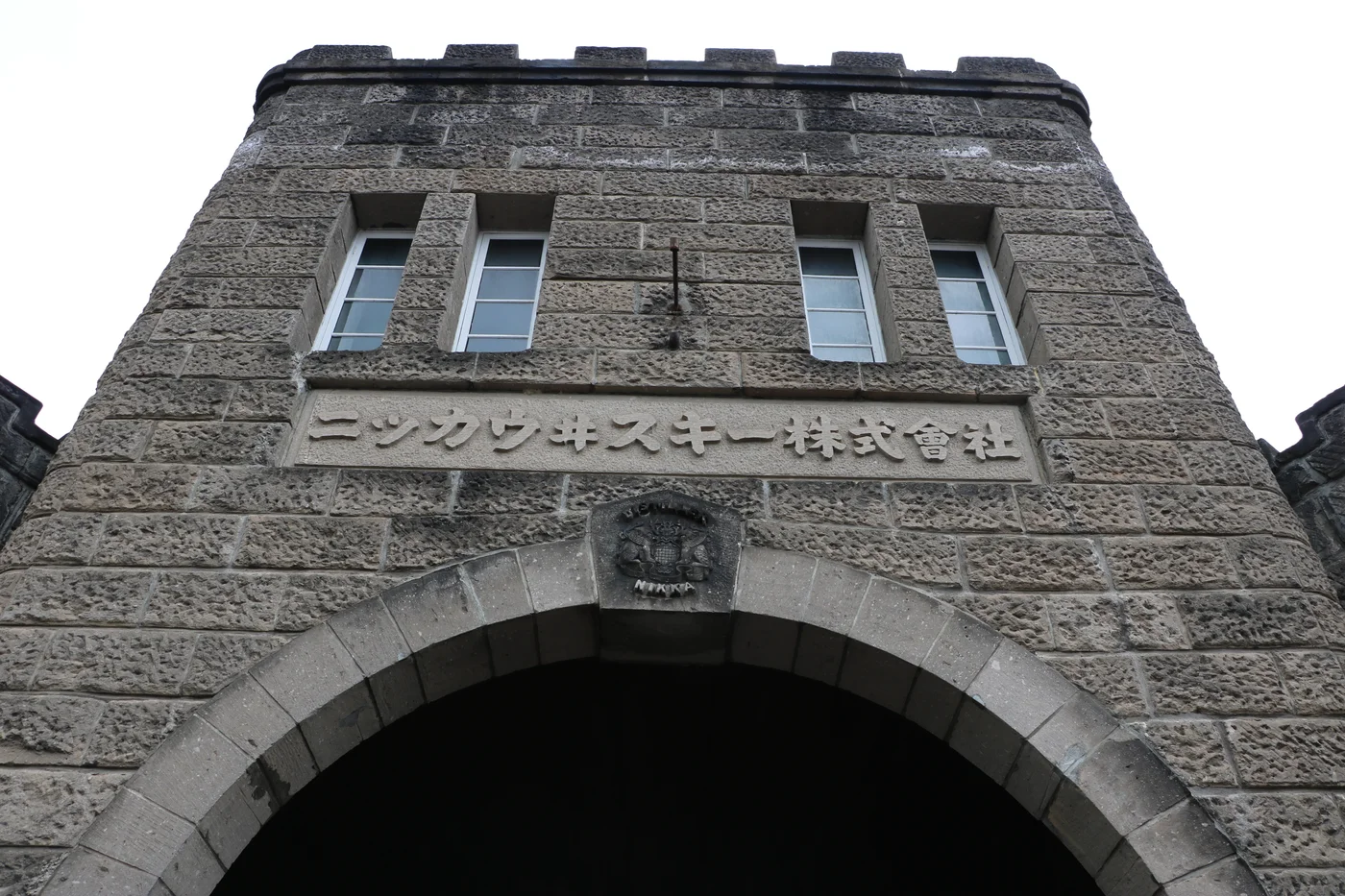
Nikka’s access page gives about two minutes on foot from Yoichi Ekimae Jujigai and about five minutes from JR Yoichi Station. These are approximate walks to the distillery. Walk-in visitors follow signs to the shop-side entrance; the main gate handles guided-tour check-in. After photographing the main gate, return to the route for your visit type.
After the 10:09 bus arrival, plan to begin the museum at 10:20. Those 11 minutes include crossing roads, locating the entrance and getting ready. This is more useful than turning “about two minutes” into a 10:11 exhibit start. In poor weather, or if you need a restroom first, shorten shopping to protect lunch and the afternoon film.
Allocate time among Nikka Museum’s four themes according to your questions. Blender’s Lab covers blending work; Story of Nikka Whisky introduces four brands; Distiller’s Talk presents workers discussing their jobs on film; Taketsuru-ism follows Masataka Taketsuru’s upbringing, study in Scotland and business beginnings. Give the exhibits about 80 minutes before lunch. Seeing them before shopping helps you choose what to take home.
These 80 minutes are an itinerary allowance, not an official tour duration. Readers interested in brand displays can move shop time here. For basic production concepts, start with the desk and workers’ films, then the biographical section. Companions can see their preferred themes and meet before lunch without everyone reading all text in the same order.
The blender’s desk and four brands explain different kinds of work
Blender’s Lab recreates a desk used in the blending room in Kashiwa, Chiba. Begin with this workplace rather than memorizing product names. After distillation and maturation, people assess whiskies and combine them into products, connecting factory work with a bottle’s style. It is one of the walk-in visit’s best places to slow down.
Story of Nikka Whisky discusses history and products through Yoichi, Taketsuru, Black Nikka and From the Barrel. Start with a familiar name, then compare the others to connect shop labels with the displays. If you have tried none, begin with the place name Yoichi and explore why distillery, spirit and product names recur in one visit.
Distiller’s Talk includes filmed conversations with blenders and other whisky workers. The previous desk is mainly a static exhibit; these staff explanations introduce the work through people. Watch while you are alert in the morning, then leave the space film for the afternoon. Separating them avoids compressing every viewing into a rush of afternoon films.
Taketsuru-ism uses panels and films for Taketsuru’s life, Scottish studies and business beginnings. RITA’s KITCHEN takes its name from his wife Rita. The restaurant explains that they met in Scotland and returned to Japan after marriage in autumn 1920. Follow the biography with lunch drawing on British and Scottish food traditions to connect people and restaurant name without a long corporate timeline.
Hokkaido Fan Magazine filmed Nikka Museum in 2021, exploring Yoichi Distillery’s whisky history through exhibits and production introductions.
Place paid tasting and shopping near lunch
The museum’s paid tasting bar has a pot still in its center. This object helps you recognize the still’s shape. For production equipment and buildings in the working area, use the reserved tour. The two settings offer different subjects; museum visitors can use this object to understand the pot still discussed later.
Tasting on the walk-in route is paid. Tasting after the free guided tour belongs to a separate visit process. To keep time for the Space Dome, decide whether to taste after the exhibits and before the restaurant, avoiding an extra return later. Bar tastings and restaurant drinks are ordered separately; budget for what you choose on site.
People driving cars, motorcycles or bicycles, those under 20, and pregnant or breastfeeding visitors cannot taste alcohol. The general guided tour also provides soft drinks. Even with public transport, companions can choose not to drink. If tasting, allow seated time and keep the planned return bus.
The shop sells distillery-exclusive whiskies, regular products, sweets and merchandise. Nikka explains that limited products have small production volumes and irregular deliveries, and it does not answer stock-arrival inquiries. For an exhibit-focused visit, allow a little over ten minutes to shop and add spending only if you find something you want. You still have an afternoon walk, so include bottle numbers and packaging in your carrying load.
Sit down at RITA’s KITCHEN around 11:40
RITA’s KITCHEN opens 10:00–15:50, with last orders at 15:20 and 80 seats. Plan lunch around 11:40–12:35, followed by shopping and the walk for the 13:05 3D film. Although orders are accepted into the afternoon, moving your main meal to 15:00 would overlap the return journey and final Space Dome activities.
The official menu includes an original roast half-chicken plate, a pot-still smoked-food plate, Hokkaido pork ribs simmered in Nikka Cidre with baked apple and potato, homemade corned beef and smoked-egg potato salad, and Golden Pudding. Choose a plate or ribs for a full lunch. If breakfast was earlier, light food and dessert can make a rest meal. Avoid scheduling lots of Otaru sweets before ordering a full main here.
The lunch works well because everything is close together. Morning exhibits, restaurant and shop are all in the same walk-in area, so you need not find a distant restaurant before leaving in the afternoon. Non-drinking companions also have their own reason to visit through food and personal history, choosing drinks without pairing every meal with alcohol.
If waiting or eating takes longer, drop the 13:05 3D film and keep the 14:05 showing, or focus on physical exhibits and the 14:30 star show. Do not rush lunch to preserve every program. Outside food is prohibited in the Nikka grounds, so a packed meal or takeaway drinking snacks cannot replace dining within the site.
Walk to the Space Dome for the 13:05 showing
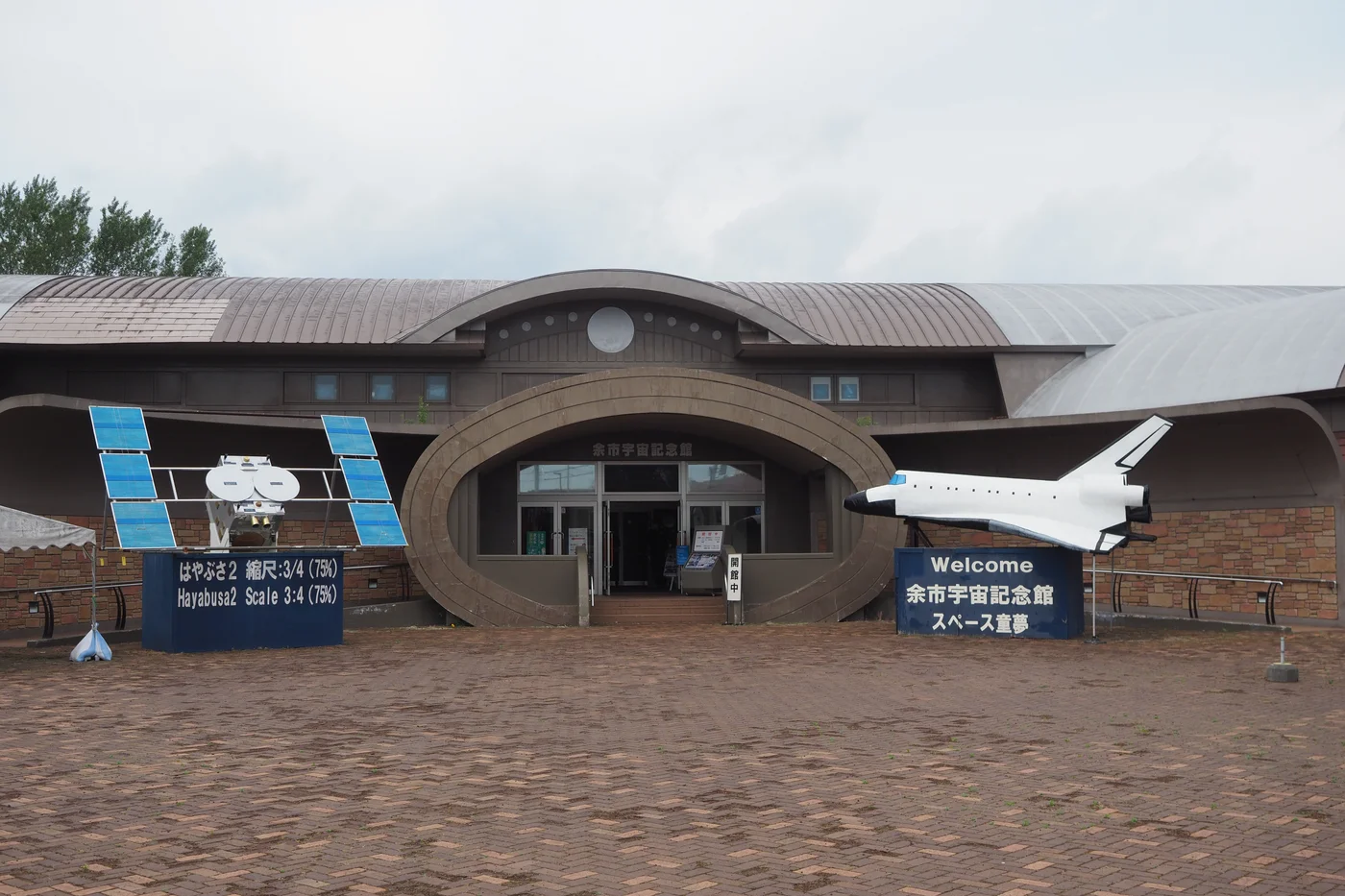
Yoichi Space Dome is in the Space Apple Yoichi roadside station at Kurokawacho 6-4. Its website gives about five minutes from Yoichi Ekimae Jujigai and seven from JR Yoichi Station. From Nikka’s shop side, head back toward Jujigai and turn toward the museum. Leave Nikka around 12:45, allowing about 15 minutes for the walk, tickets and finding the screening area.
If you are still eating at 12:45, choose the 14:05 showing instead. The 3D film starts at five past each hour and lasts about 15 minutes. Knowing that point lets you move between objects and films rather than rushing through every gallery from the entrance.
The 2026 ordinary exhibition season is April 18–November 30. Hours are 9:00–17:00, last entry 16:00. Mondays are closed, shifting to the following day if Monday is a holiday. Thursday, November 5 fits an ordinary visit. General exhibition visits stop December 1–April 16, 2027. Winter space classes and observing events use different participation arrangements from this walk-in itinerary.
Admission is ¥500 from high school age, ¥300 for elementary and junior high school pupils, and free for preschool children, payable in cash. It includes the 3D film, shuttle-launch footage and available museum exhibits. For an adult, this itinerary’s return bus from Otaru plus Space Dome entry totals ¥1,620. Add lunch, Nikka paid tasting and shopping according to your choices.
Mohri’s belongings, life in space and a scale Hubble telescope
From the entrance, a Warp Tube leads into the displays. A space inspired by Japan’s Kibo experiment module introduces clothing, food and living in space. Start with everyday questions about how people live, then continue to rockets and observing equipment. After Nikka’s manufacturing and blending, the afternoon changes scale and gives children another subject.
The Hubble Space Telescope area recreates the telescope at three-quarter scale. Compare the instrument’s overall shape with space for people inside a module: one observes, the other supports human activity. The scale comes from the museum’s exhibit introduction. Models, flown objects and personal belongings differ in nature. Read labels rather than treating everything as original flight hardware.
The JAXA area introduces Japanese space development through flown objects, scale rocket models and films. The Mohri Museum displays a blue work suit worn by Mamoru Mohri and belongings from his youth. Give this section more time for objects directly linked with a person from Yoichi. Rocket enthusiasts can favor models and films; both fit the afternoon.
The 3D film, “2041: Space Elevator,” imagines a journey departing Yoichi Bay by space elevator. It is the museum’s fictional future scenario. From October 1 to November 29, the program covers space solar power through lunar exploration. The 13:05 showing ends around 13:20, leaving over an hour to return to exhibits before choosing the 14:30 star show. The physical displays need not become just a passage to a film.
Choose the 14:30 star show together with the 15:19 return
The digital planetarium presents “Tonight’s Starry Sky” at 10:30 and 14:30, about 20 minutes, with 14 places. The website announces that the program, previously stopped by equipment failure, resumed October 23. This small session differs from the 100-seat 3D theater. If you want it, check arrangements on entry before allocating exhibit time around 14:00.
Preschool children cannot enter the star show, and entry or exit during projection is not allowed. With preschoolers, choose the 3D film and general exhibits, then return earlier to Jujigai. If caregivers split up for the show, agree a meeting point inside the museum. Free preschool admission and exclusion from the planetarium are separate conditions. Set out your afternoon choices when buying tickets.
The 14:30 show should finish around 14:50. Plan to leave at 15:00, reach the return stop before 15:10, and take the 15:19 bus. The museum’s roughly five-minute walk to Jujigai covers walking only; the 15:00–15:19 window also allows finding the correct position, crossing and waiting. Do not add the 15:05 film, which would consume that margin.
To return earlier, omit the star show and take the 13:59 or 14:29 from Yoichi Ekimae Jujigai, arriving Otaru at 14:39 or 15:12. The 13:59 is route 20, Shakotan Line; the 14:29 is route 18, Yoichi Line. Both head to Otaru.
Return from stop 5, with a fallback after 15:19
This itinerary returns on route 20, Shakotan Line, toward Otaru Station, leaving Yoichi Ekimae Jujigai stop 5 at 15:19 and arriving at 15:59. It is a through service from Bikuni, so check the destination “小樽駅前.” Chuo Bus also has a similarly named Yoichi Ekimae stop. Use Jujigai stop 5 rather than waiting outside the JR station at a different stop.
If you miss 15:19, the next useful fallback is route 18 at 15:59, arriving Otaru at 16:42. Both use Jujigai stop 5. Wait near the stop for those 40 minutes rather than returning to the museum for another program. If dinner in Sapporo was planned before 17:00, move it later too; the effect is more than the extra waiting alone.
Alternatively, take the 16:01 local from Yoichi Station to Otaru. This requires walking from the bus-stop area to the station and obtaining a ticket. The 15:59 bus and 16:01 train are not alternatives you can choose between while standing in one place. The bus table includes its Otaru arrival; rail requires station movement. Check both services’ operation, choose, then wait in the right place.
After returning, have dinner in Otaru or continue to Sapporo. Save Sakaimachi shopping, a canal boat or Tenguyama for another Otaru day to give them proper time. You return from Yoichi near evening, so arrange dinner and transport to your accommodation first.
With a guided-tour reservation, use the afternoon for production
The free tour checks in at the main gate, starts with a distillery film and process displays in the Visitor Center, continues outdoors with staff, and ends at the Tasting Hall. The general tour is Japanese only. Reservations cover 1–9 people including children; groups consisting only of people under 20 are not accepted. Plan travel around your actual slot rather than copying the whole morning walk-in and afternoon museum itinerary.
The official FAQ says general-tour bookings open four weeks ahead. Same-day spaces are handled by phone, with no waiting list. Online changes and cancellation close at noon the previous day; same-day changes or cancellation require a phone call. These conditions come from the public FAQ. Keep confirmation and check-in time easy to find on your phone. If transport makes you late, call 0135-23-4611.
Photography is allowed during the tour; video and audio recording are not. The site is entirely non-smoking, outside food is prohibited, and pets cannot enter except assistance dogs. Reserved visitors can use limited coin lockers requiring a refundable ¥100 coin. Do not include this storage service in the walk-in route. Leave large luggage at your accommodation. Although Yoichi Station’s facilities list includes lockers, plan with belongings you can carry yourself.
The production route includes outdoor walking. In winter snow, Nikka does not recommend wheelchair or stroller visits. Travelers using these aids should prioritize the walk-in indoor displays, allowing separate time for transport and the entrance walk. With a reserved tour, keep the afternoon for tour and museum, place lunch before or after the slot, and leave the Space Dome for another visit.
Drying, mashing and fermentation: follow the material between buildings
The pointed drying tower once used peat to dry germinated barley into malt. It is now out of use. Place it at the start of production to understand its distinctive roof and tower: a surviving facility for early raw-material treatment. On the reserved production tour, continue to milling, mashing and fermentation buildings, each named for a material change.
The milling and mashing house contains a malt mill and mash tun. Ground malt meets warm water to produce sweet wort. Yeast is then added in the fermentation house, creating wash at about 8% alcohol. Mashing obtains fermentable wort; fermentation produces alcoholic wash. Distinguishing them makes it easier to understand distillation than treating every machine as simply boiling out whisky.
The wash travels underground to the still house. Visitors move above ground between buildings, while material has its own transfer route. Connect each building’s input and output: malt into mashing, wort into fermentation, wash into distillation. This process line is easier to remember than building dates alone and can be compared with museum and product displays.
The still house and warehouses: focus on heat and casks
Yoichi uses pot stills for two distillations and retains direct coal firing. Nikka describes straight-neck stills with downward lyne arms, connecting equipment and method with Longmorn in Scotland, where Taketsuru studied. Identify the heat source, then the still shape, to understand Yoichi’s character beyond a photograph of metal vessels.
The company states that temperatures at the still base exceed 1,000°C. Workers feed coal and adjust combustion to maintain suitable heat; the figure refers to the equipment’s base. Nikka also connects coal firing with a full-bodied spirit and toasted aromas. Knowing the method beforehand helps you relate the Japanese term for direct coal-fired distillation to the heat source and operation.
Clear newly distilled spirit is put into casks in the blending house, which also handles emptying mature casks and blending. Warehouse 1 stands on what was once a Yoichi River sandbar. Nikka highlights its earth floor maintaining suitable humidity and stone walls retaining cool air in summer. Here attention shifts from heat to long storage. Floor, walls and casks each have a role, changing the pace of observation.
The Agency for Cultural Affairs dates Warehouse 1 to around 1939 and describes timber-framed stone construction. Nikka also explains that Taketsuru brought a cooper experienced with beer barrels to Yoichi to develop whisky casks, with skills later passed to Miyagikyo and Tochigi factories. Consider this history while looking at casks. The distillery needed both spirit and containers to hold it for years, connecting manufacture, architecture and time.
The old office and Taketsuru house separate work from home
The old office was built in July 1934 and housed Masataka Taketsuru’s office. The old laboratory was built in 1931 and served that role until 1984. They relate to business beginnings and research, with different timelines. Read date and purpose together to see a group of workplaces gradually used and preserved.
The former Taketsuru residence moved from the outskirts of Yoichi into the grounds in 2002. This mixed Japanese-Western house opens its entrance hall and garden. It offers a domestic setting, unlike the office workplace. The Agency for Cultural Affairs also explains the whole complex’s value through surviving facilities spanning raw-material processing, preparation, fermentation, distillation and storage.
Nikka’s chronology records that ten Yoichi Distillery buildings were designated Important Cultural Properties in 2022.
A few useful answers
Can I visit the Nikka distillery in Yoichi without a reservation?
Groups of one to nine can use the shop-side entrance for the Nikka Museum, paid tasting bar, RITA’s KITCHEN, and shop. Last entry is at 15:30. To see the outdoor production area, book the free Japanese-language tour and check in at the main gate.
Where do I get on and off the bus from Otaru to the Yoichi distillery?
For November 5, 2026, the timetable lists Route 18 from bay 5 at the Otaru Station bus terminal at 9:30, arriving at Yoichi Ekimae Jujigai at 10:09. The return Route 20 leaves stop 5 there at 15:19 and gets to Otaru at 15:59. The one-way fare is ¥560.
When should I eat at RITA’s KITCHEN to catch the 3D movie at the Space Dome?
For the 13:05 3D movie, aim to have lunch around 11:40. RITA’s KITCHEN is open from 10:00 to 15:50, with last orders at 15:20. If there’s a long wait for a table, catch the 14:05 showing instead.
Is the Yoichi Space Dome open in winter, and what does admission cost?
The regular exhibits close from December 1, 2026, through April 16, 2027. Tickets are cash only and cost ¥500 for high school students and older or ¥300 for elementary and middle school students. Preschoolers enter free, and admission includes the 3D movie and space shuttle launch footage.
Official information and references
Sources used in this guide.
- Nikka: Yoichi’s environment, coal firing and cooperage
- Nikka: visit types and entrances
- Nikka: reservations, companions and visit rules
- Nikka: Yoichi visitor facilities and museum
- Nikka: access and entrances
- Nikka: company history
- Agency for Cultural Affairs: Yoichi Distillery office building
- Agency for Cultural Affairs: Warehouse 1
- Nikka: RITA’s KITCHEN
- Hokkaido Chuo Bus: 2026 summer Yoichi and Shakotan Line timetable
- JR Hokkaido: Yoichi Station facilities and directions
- JR Hokkaido: Yoichi departures toward Otaru
- JR Hokkaido: Otaru departures toward Shikaribetsu and Kutchan
- Yoichi Space Dome: 2026 season, admission and access
- Yoichi Space Dome: exhibits and screening times