Compare Wakura Onsen ryokan for ocean-view rooms, private in-room baths, and half-board stays, plus late-2026 reopening status, direct Kanazawa express trains, Soyu hours, and an overnight Nanao Bay itinerary.
- Region & Focus
- ChubuHotels and stays
- Reading Scope
- 23 min read · 10 chapters · 6 Q&As
- Official Verification
- 34 official sources checkedUpdated November 22, 2026
- Key Topics
- Where to stayRyokanHot springs
Chapter Route Map (tap any stop)
- Start With Properties Open to Leisure Guests
- Kaisyu's Ocean-View Rooms and Free Private Baths
- Buffets, Separate Wings, or Private In-Room Baths
- Separate Views, Bathing, and Sleeping Needs
- Rail From Kanazawa to Wakura-Onsen, Then Into Town
- Half-Board, Room-Only Stays, and Winter Crab
- Soyu Public Bath, Footbaths, and Rainy-Day Options
- Structuring an Overnight or Day-Trip Visit
- Where to Go on Day Two
- Snow, Late Arrivals, and Last-Minute Changes
- Quick Q&A
Wakura Onsen's ryokan line the shores of Nanao Bay in Ishikawa Prefecture. For bay views and a natural hot-spring soak inside your room, look at the ocean-terrace rooms at Noto Kaisyu, which reopened in July 2026. If you are traveling with preschoolers or want a buffet dinner, start with TAOYA Wakura. Direct limited express trains from Kanazawa reach Wakura-Onsen Station in about an hour, where shuttles or local buses carry you into the hot-spring district. Day-trippers can soak at the Soyu public bathhouse for ¥500 and catch a train back to Kanazawa via Nanao.
Start With Properties Open to Leisure Guests
The 2024 New Year's Day Noto Peninsula earthquake forced Wakura Onsen's inns to shut down. As of November 2026, the Wakura Onsen Tourism Association lists 11 properties accepting leisure travelers, a mix of fully reopened inns and partially operating wings. Kaisyu, Notoraku, and TAOYA Wakura are good places to start comparing standard half-board plans. Biwanso and Kaibo are partially open, so check their currently operating wings and available packages. Taikanso and Suzuhana also appear on the association's site, but under the roster reserved for recovery crews and volunteers. Beginning your search in the leisure-guest column saves the most time.
Kagaya, Tadaya, and Aenokaze remain listed as closed in the association's accommodation directory. Recent recovery updates from Japan's Ministry of Health, Labour and Welfare also list Niji to Umi, Aenokaze, and Tadaya as still under reconstruction. When reading reopening announcements, keep in mind that the second half of Japan's FY2026 runs through March 2027, and the first half of FY2027 runs from April through September. For trips from year-end through spring break and early summer, lock in a property already taking leisure bookings, then adjust only if a specific ryokan you want announces a new booking release date.
If this is your first trip to Hokuriku and you want hot springs to anchor the day, Wakura works well as an overnight stay. Leave Kanazawa around lunchtime, spend the evening on Nanao Bay, and head into central Nanao after breakfast the next morning. If your daytime schedule is packed with Kenrokuen Garden, Omicho Market, and the Higashi Chaya District—and you need to roll your bags to another city early the next morning—stay near Kanazawa Station and visit Wakura as a day trip. Nanao Station suits travelers focused on Ipponsugi Street, the harbor market, and riding the Noto Railway north; staying near the station lets you use one hub for both Anamizu trains and Wakura buses, slotting an afternoon soak into your schedule.
Always compare rates using the exact same dates, guest count, and meal plan. Japanese ryokan typically quote per-person starting rates, and the final total shifts depending on whether two, three, or one guest occupies the room. Convert rates into the total per-room, per-night cost, then add meals, in-room bath upgrades, station transfers, and any on-site taxes listed at checkout. When a group sees only expensive suites left, compare the cost of booking two standard rooms instead—splitting up can also give early sleepers and night owls their own space. If you stay two nights and only want one in-house dinner, ask the property whether you can keep the same room on a half-board plan one night and room-only the next to avoid switching rooms at midday.
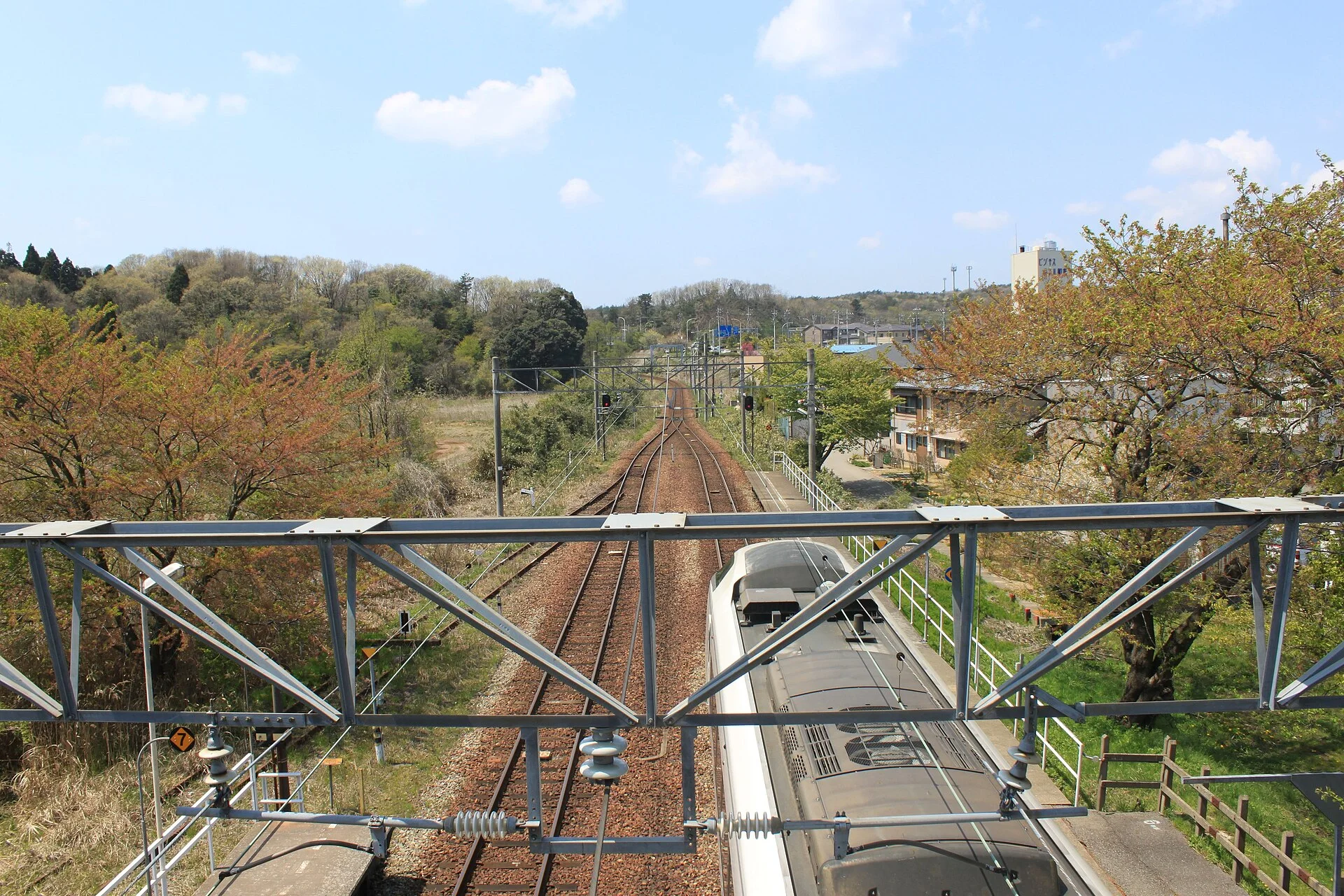
Compare Wakura Onsen ryokan for ocean-view rooms, private in-room baths, and half-board stays, plus late-2026 reopening status, direct Kanazawa express trains, Soyu hours, and an overnight Nanao Bay itinerary.
Kaisyu's Ocean-View Rooms and Free Private Baths
Shirasagi-no-Yu Noto Kaisyu reopened on July 16, 2026. To soak in natural hot-spring water while looking out over Nanao Bay, choose one of the ocean-view terrace rooms on the official site, which specifically list a cypress natural hot-spring open-air bath. Standard Japanese-style double rooms do not face Nanao Bay and come with a shower only. If everyone in your party is happy using the communal baths, a standard room frees up budget for dining; paying extra for an in-room bath makes sense if you want long, unhurried soaks or if travel companions keep different sleep schedules. Before booking an ocean-view terrace room, compare the same dates against special suites and standard rooms to decide whether you care most about floor space, bay exposure, or simply having two beds.
Alongside its large communal baths, Kaisyu offers three complimentary private open-air baths on a first-come, first-served basis. If your family only has time to bathe together right before dinner, waiting for a private bath to open can throw off your evening, making a room with its own bath easier to schedule. Travelers with a whole evening after dinner—or willingness to wake up early—get plenty of flexibility from the communal and private baths combined. The two main communal baths alternate between men and women, so note the switchover times at check-in; the inn notes that the Shin-Wafu bath catches the morning light, while the Jun-Wafu bath suits evening views over the bay.
Kaisyu only accepts children of elementary school age and older, charging adult rates with adult meals and assigning each child their own bed (no co-sleeping plans are offered). Families with preschoolers should look at other inns. If a family of four wants one room, enter four guests from the start of your search to verify there are enough beds. When two families with siblings travel together, enter each room's child ages separately. Dining tables typically seat two to four, so parties of five or more may be split across tables—let the property know in advance if you need seating arranged to help younger kids. Even if you book two rooms separately, send both reservation numbers to the inn together.
Kaisyu lists standard check-in at 3:00 PM and check-out at 11:00 AM, though special packages may vary. Elevators serve guest floors, and the official FAQ notes that there are no barrier-free guest rooms, though an accessible restroom is located on the first floor. If anyone in your party needs to transfer from a wheelchair to a bed or tub, send your required doorway width, transfer clearance, and grab-bar needs when booking. Guests who can walk short distances can request a room near the elevator to cut down on long hallway walks to the baths, dinner, and breakfast. If booking an open-air bath room, also ask about the shower and tub layout, whether you step outdoors right after washing, and whether there are steps up to the in-room toilet.
Buffets, Separate Wings, or Private In-Room Baths
TAOYA Wakura works well for a one-night family stay where everyone eats at a different pace. Meals are served buffet-style, so kids can grab familiar dishes right away while adults take their time. The property lists an ocean-view indoor communal bath and an infinity open-air bath. When your group is fine sharing the communal baths, you can put the room budget toward space where everyone sleeps comfortably. TAOYA operates on an all-inclusive model—check which meals, drinks, and lounge perks your rate covers, and verify that late trains still arrive in time for dinner. For an older relative's birthday or a slower sit-down meal, compare a multi-course kaiseki ryokan; in either case, check how far the walk is from your room to the dining hall.
When booking Nihon no Yado Notoraku, start by checking which wing your room sits in. The property's room page covers the Notoraku Main Building, Hotel Noto Club, and Garden Notoya, and you should verify both where the main building's communal baths sit and where each wing handles check-in. If traveling with older family members, trace the path between dinner, the baths, and your beds on the property map so extra walks do not catch you off guard. Note that Notoraku's open-air bath guest rooms are listed as using heated tap water rather than hot-spring water; to soak in natural onsen inside your room, pick a plan explicitly labeled as hot-spring water. Some packages at Notojima Terrace Club assign either a jetted tub or a hot-spring bath at random, so guests who care about the water source should choose a room type that guarantees the bath style. The 15th-floor reservable panoramic open-air bath in the main building is temporarily closed for repairs, so main-building guests should plan on using the communal baths.
Hotel Kaibo suits travelers comfortable with a partially reopened inn who want a prime bayfront spot. Currently only the 22 rooms in the Zuisen Wing are open; the Hakuho, Juraku, and Banrai wings have been demolished. An October 28, 2026 notice on the official site confirms that the men's and women's open-air baths reopened on October 26. If you stumble across older closure notices or photos of the old wings' baths, rely on the current Zuisen Wing listings and the October update. The hotel's February notice indicates half-board plans open roughly three months ahead, while room-only plans usually appear two weeks to one month in advance—and some room-only dates restrict access to the communal bath. Apparent gaps in availability often just reflect those staggered release windows, so if soaking is your main goal, confirm whether a room-only plan includes bath access that day.
Okudaya reopened on July 9, 2026 as four standalone units, each equipped with a free-flowing natural hot-spring open-air bath. Two units add kitchens and washer-dryers, a practical setup if you are spending several nights on Noto and want to prep light meals or do laundry mid-trip. Stays do not include meals, so pick up dinner and breakfast provisions in Nanao before checking in. Noshu Iroha also offers hot-spring bathing with self-arranged meals, while Yunohana includes breakfast without dinner. For a smaller ryokan that serves dinner, check current dining plans at Hanagoyomi or Hosenkaku. If your group wants to eat one meal out in town, lunch is much easier to arrange than venturing out on a winter evening.
| Stay Priority | Ryokan to Check | Details to Compare |
|---|---|---|
| Ocean views and in-room natural hot-spring bath | Shirasagi-no-Yu Noto Kaisyu | Ocean-view terrace, in-room bath type, ages of children |
| Family travel with a buffet dinner | TAOYA Wakura | Room occupancy limits, included meals and drinks |
| Group travel mainly using communal baths | Nihon no Yado Notoraku | Building wing, bed count, walking route to communal baths |
| Bayfront stay at a partially reopened inn | Hotel Kaibo | Zuisen Wing availability, dinner inclusion, room-only bath rules |
| Private open-air onsen with self-catered meals | Okudaya | Kitchen equipment, unit type, outside dining plans |
Separate Views, Bathing, and Sleeping Needs
An ocean-side room designation describes the bedroom's orientation, while the bath's view has its own caveats. Even when you can see Nanao Bay seated inside the room, tub height and privacy walls can block the sightline. If an in-room bay view matters, inspect photos of that exact room category to see whether the water is visible from indoor seating or only when standing on the terrace. You can also gauge open-air bath sightlines from railing, louver, and screen heights in listing photos. Travelers with older companions should ask concrete questions: how many thresholds sit between bed and bathroom, whether the washing area has stools, and whether turning on a bathroom light at night will wake others. If you have to choose between an ocean view and step-free access, leave the bay views to shared lounges and prioritize easy movement in the room.
To guarantee authentic Wakura mineral water, look for the Japanese labels tennen onsen (natural hot spring) and gensen kakenagashi (free-flowing source water), and check whether those tags apply to the guest room or only the communal bathhouse. When your group needs a private washing space together, a kashikiri-buro (reservable private bath) lets one party use a bathroom by time slot. Once you confirm a property offers private baths, check whether they are first-come, booked at check-in, or reserved when booking your room. Families with kids on strict bath schedules do better reserving a slot ahead rather than lining up late at night. Private in-room open-air baths work well for late arrivals or multiple soaks; if winter air feels biting after dark, shower indoors at night and save the open-air soak for the morning when you can actually see the bay.
When sharing a room with family or friends, map out the sleeping setup first. Japanese-Western rooms often have fewer Western beds than maximum occupancy, relying on floor futons for the rest. Guests with bad knees should stick to rooms with Western beds for everyone, adding requests for proximity to the elevator or higher seating. Two families traveling together should price out two adjoining smaller rooms against one oversized suite: early-to-bed kids get quiet, while adults can return from the communal bath without waking anyone. If only part of your group cares about morning or pre-dinner bay views, book one ocean-side room and one easier-access room on the same floor, link the reservations, and ask how close together they can be placed.
Seawall reconstruction still affects the outlook from certain properties. If two rooms cost the same, think about whether you will actually be looking out the window in the morning, mid-afternoon, or only after dark. On a late-November overnight where you detour through Nanao for dinner, most daylight hours will be gone until the next morning. If bay views are your top priority, push major sightseeing until after check-out and catch a train timed to your inn's afternoon shuttle. Shore views and nearby construction zones vary by property and terrace angle; if you will barely see the bay after sunset anyway, save the view for before breakfast and put your nightly budget toward comfortable beds and seating.
Rail From Kanazawa to Wakura-Onsen, Then Into Town
From Kanazawa, look for Noto Kagaribi limited express trains showing Wakura-Onsen as their final destination. Some limited express runs terminate at Nanao, and most local trains from Kanazawa also turn back there. The direct limited express takes about one hour, running over the IR Ishikawa Railway between Kanazawa and Tsubata before joining the JR Nanao Line. IR Ishikawa Railway lists the adult base fare from Kanazawa to Wakura-Onsen at ¥1,410, with a limited express surcharge added depending on train and seat type—check the total fare at booking. Two travelers with large suitcases should compare reserved versus unreserved seating; if sitting together matters, book reserved seats on a direct run.
If you transfer at Nanao, you have two main onward routes. Headed straight to Soyu or shops along the hot-spring strip, catch the Hokutetsu Noto Bus Wakura Line from Nanao Ekimae stop to the Wakura Onsen bus stop. If your ryokan shuttle meets guests at the station, transfer to a Noto Railway local train to Wakura-Onsen Station, or take a taxi from Nanao. Travelers riding an IR local train into Nanao on an IC card who then transfer to the Noto Railway must settle the IC card fare for the first leg before buying a separate ticket for the Noto Railway segment. Build in a few extra minutes if you tapped in with an IC card and later decide to switch to a local train—never board the connecting line with an open IC trip.
Bus timetables distinguish between the Wakura-Onsen Station stop and the Wakura Onsen stop; ride to the latter for Soyu. Soyu's operators estimate about five minutes between the station and the hot-spring town, and 2026 bus schedules split between weekday and weekend/holiday service.
Kaisyu's complimentary scheduled shuttle departs Wakura-Onsen Station at 2:15 PM and 3:15 PM, with return trips from the inn at 10:10 AM and 11:10 AM; reservations are required by phone or email at least one day ahead. Notoraku asks guests to call once their arrival time is set, with the station roughly five minutes away. Include your check-in date, train number, arrival time, and headcount when booking a pickup, and update the inn if you switch trains last minute. Groups splitting a taxi from the station should factor in luggage—since the ride is short, taking two cabs beats wedging big suitcases into one trunk.
From Osaka, ride the Thunderbird limited express to Tsuruga, transfer to the Hokuriku Shinkansen, and change to the Nanao Line in Kanazawa. From Tokyo, take the Hokuriku Shinkansen straight to Kanazawa and transfer within the same station. With spare time, eat lunch or buy ekiben bento boxes in Kanazawa. If you have not booked your outbound rail leg yet, work backward from your ryokan's dinner cutoff, leaving cushion for storing bags, picking up tickets, and walking to the local platforms. Even if you take a direct train inbound, you can break up the return trip with lunch in Nanao. If you have a non-changeable long-distance train the next day, aim to get back to Kanazawa early so a bus or local-train detour on Noto will not threaten your connection.
Half-Board, Room-Only Stays, and Winter Crab
Half-board rates typically appear on Japanese booking screens as yucho-shoku tsuki (dinner and breakfast included). In winter or rainy weather, eating at your inn avoids extra trips outside and makes bedtime easier with children. Check your booking details for dinner seating hours and the latest check-in cutoff. If an evening train gets you in close to dinner, notify the front desk of your train number ahead of time, or switch to a breakfast-only or room-only plan and eat in Kanazawa or Nanao. If you plan to dine in the hot-spring town, check the Wakura Onsen Tourism Association's April 2026 dining map for spots open for dinner near your inn and budget walking time back. Guests who prefer soaking first can request a later dinner slot.
When comparing kaiseki plans, look at the seasonal menu rather than vague labels. If you have your heart set on a showcase seafood dish, checking exact ingredients, portion sizes, and cooking styles tells you far more than titles like "special" or "deluxe." Flag any food allergies when booking. Kaisyu lists a low-allergen menu removing 28 specified allergens if requested at least two days before check-in, while noting it cannot accommodate allergies outside that list, medication or pregnancy dietary restrictions, or personal dislikes. If everyone else in your party wants the regular menu, note the exact number of modified meals needed in your reservation remarks.
Ishikawa's snow crab season centers on two distinct local names: Kano crab (male snow crab) and Kobako crab (female snow crab). Kano crab is prized for long, meaty legs and overall size, while Kobako crab is eaten for the rich inner and outer roe packed under its shell. Ishikawa Prefecture's local brand guide lists the Kobako crab shipping season from November 6 through December 29, making mid-November through December the sweet spot for trying it. If a half-board listing does not specify which crab is served, ask whether you can add it as a side order and confirm whether pricing is per crab or per guest. When only one or two people in a group want crab, enjoy Noto's local catch at the ryokan and order crab a la carte back in Kanazawa—see our guide to Hokuriku crab season and regional tags for market and restaurant picks.
If you choose a room-only stay, plan breakfast alongside dinner. A lunch stop in Nanao on the way in lets you eat fresh seafood earlier in the day, leaving you free for a lighter dinner and an unhurried evening at the inn or Soyu. Catching an early train out? Buy bread or rice balls the night before rather than hunting for an open cafe at dawn. Some travelers eat dinner in Kanazawa, ride in late just to sleep, and soak at the inn the next morning—just confirm that transit still runs when you arrive and that late check-in is allowed. Guests booking an Okudaya unit with a kitchen should buy groceries before catching their shuttle or transfer out of the station.
Soyu Public Bath, Footbaths, and Rainy-Day Options
Wakura Onsen Soyu is the hot-spring town's main public bathhouse. It opens daily from 7:00 AM to 9:00 PM, with last entry at 8:30 PM. Admission is ¥500 for adults, ¥150 for elementary school students, and ¥50 for preschoolers. Starting in 2026, Soyu closes on the 25th of each month—or on the following Monday if the 25th falls on a Saturday or Sunday. Looking at the year-end calendar under that rule, December 25, 2026 is a Friday and January 25, 2027 is a Monday, so plan to use your ryokan's baths on both of those dates. Inside, you will find indoor pools, a standing bath, and an open-air bath. Arriving straight from the station in winter, soaking at Soyu before finding dinner makes an easy stop; travelers with heavy bags should drop luggage at their inn first, while day-trippers should pack a small towel and a change of clothes in a daypack.
For a quick soak outdoors, stop by the Wakura Pokemon Footbath in Yuttari Park. Reopened in May 2026, it is free, runs from 7:00 AM to 7:00 PM, and seats up to 20 people at a time. The footbath closes all day whenever the Japan Meteorological Agency issues a weather warning for Nanao City. Kids can spot the Pokemon manhole covers near the entrance while you wait for a seat, then pull out a small towel to dry off. Drivers can use the park's lot, with city guidance directing overflow cars to the Wakura Onsen Omatsuri Kaikan lot. If an evening bay breeze kicks up, dry your feet thoroughly before pulling socks back on.
When rain hits or you have time to kill before check-in, duck into the Wakura Onsen Omatsuri Kaikan (Festival Museum). Its hall displays full-scale exhibits from Nanao's four major festivals, including a roughly 12-meter-tall dekayama float from the Seihakusai festival. Regular weekday hours resumed in April 2026: it opens 9:00 AM to 5:00 PM (last entry 4:30 PM), with admission at ¥800 for adults, ¥400 for elementary and junior high students, and free for preschoolers. It closes on the second and fourth Wednesdays of each month and over the New Year holidays; in December 2026, private bookings also close general admission from 1:00 PM on December 5 and all day on December 6, alongside closures on December 31 and January 1, 2027. If a tour group arrives while you are with kids, browse the free lobby visitor info first before entering the paid float hall. Seawall construction currently keeps Wakura Port off-limits, so stick to the open stretches of Yuttari Park and the main hot-spring streets for walks.
Structuring an Overnight or Day-Trip Visit
If you arrive around noon for a one-night stay and check-in does not start until 3:00 PM, ask your ryokan to hold your bags first. Walk over to the Festival Museum or Yuttari Park, picking one stop before heading back. Once checked in, double-check your dinner slot and take any outdoor strolls in daylight before soaking and eating. If coastal wind or rain picks up, stay inside for the baths and dinner and save your walk for after breakfast. Travelers catching a Shinkansen back via Kanazawa the next morning should target a train that leaves plenty of time for breakfast. Want one last morning soak before leaving? Pack up first so you are not rushing between the bath and check-out.
Day-trippers can explore Nanao before bathing. Walk about eight minutes from Nanao Station to Ipponsugi Street and the Hanayome Noren Museum, which showcases traditional bridal curtains, then continue down to Noto Shokusai Market by the harbor. Because market stalls keep different lunch hours, aim to eat seafood there around midday before catching a bus into Wakura's hot-spring quarter. Soyu stays open until 9:00 PM, so if you are aiming for an early-evening train, let your departure time dictate when you step out of the bath. Locate the Nanao-bound Wakura Onsen bus stop before going in—if you linger an extra ten minutes in the tub, heading straight to the stop keeps dinner and boarding from turning into a sprint.
Want to combine hot springs with Kanazawa's highlights? Finish our two-day Kanazawa guide to markets, gardens, and tea districts before moving to a ryokan on the bay. If you return through Kanazawa the next day toward Osaka or Tokyo and only want to carry a shoulder bag, ask your Kanazawa hotel whether it holds large suitcases between stays, or compare station locker hours and overnight fees. Not backtracking? Ship suitcases ahead to your next hotel after confirming they accept luggage deliveries and timing arrival to match check-in. Keep tonight's medications, chargers, and fresh clothes in your daypack, and pack kids' outfits in a single bag so you do not have to open every suitcase at the ryokan.
If some people in your day-trip group want to soak while others prefer sightseeing, split up in the hot-spring district. Pick one bus departure back toward Nanao and meet at the station-bound bus stop after finishing at Soyu and the Festival Museum. Choosing the meeting bus in advance lets early finishers wait casually near Soyu rather than heading back to the train station separately.
Where to Go on Day Two
Central Nanao works best if you only have half a day or want an easy backup in poor weather. Before boarding the bus, decide whether you are aiming for lunch at the harbor market or visiting the Hanayome Noren Museum along Ipponsugi Street. If your ryokan sits on the east side of the hot-spring strip, catch the Nanao-bound bus from whichever stop is closest. Already holding reserved seats back to Kanazawa? Save the area near Nanao Station for last so you are not pulling bags out of lockers only to backtrack toward the port. A walking loop from Nanao Station links Komaruyama Castle Ruins Park, the noren museum, and local shopping streets; save the mountain trail up to Nanao Castle Ruins for a separate trip with dedicated transit and daylight.
Notojima suits travelers with an extra half-day. Ride Notojima Kotsu buses from the Wakura Onsen stop to Notojima Rinkai Park, which drops you right at Notojima Aquarium—use the same stop name when checking return buses toward Nanao. If you plan to visit the Notojima Glass Art Museum by bus as well, check schedules between the two stops before deciding how long to stay for aquarium shows. Notojima Aquarium opens 9:00 AM to 5:00 PM from March 20 through November 30, and closes earlier at 4:30 PM from December 1 through March 19, with last entry 30 minutes before closing and annual closures December 29–31. Tickets are ¥1,890 for high school age and older, ¥510 for ages three through junior high, and free for children under three.
By car, the aquarium estimates roughly 15 minutes from Wakura across the Notojima Ohashi Bridge. That makes it easy to tour the island in the morning and return to Wakura in the afternoon, or swap the aquarium and central Nanao if strong winds hit the bridge. Continuing farther north to Wajima or Suzu? Plan around road conditions and bus frequencies along the northern peninsula, and stay closer to your next day's stop to avoid doubling back. Without a car, you can spend half a day riding the Noto Railway north to Anamizu, working backward from the return train needed to meet your booked Kanazawa connection. Sticking to a single day-two detour lets you finish breakfast at the ryokan, check out unhurried, and still linger in town for lunch or a later train.
If you have two nights to split between Nanao and Wakura, rail-focused travelers can sleep in Nanao first, tour Notojima or ride the Noto Railway the next day, and finish with dinner in Wakura. You can also flip the order—spend night one in Wakura, explore Nanao after check-out, head north after lunch, and catch your train back to Kanazawa on day three. Driving out to the island to shop for seafood products? Pack an insulated cooler bag before leaving the hot-spring town, or save perishables for your final stop in Nanao or Kanazawa if you have more sightseeing ahead. That way, even if weather shuffles your half-day plans, meals and departures stay on track.
Snow, Late Arrivals, and Last-Minute Changes
If driving the Noto Satoyama Kaido, the Noetsu Expressway, or out to Notojima in winter, confirm winter tires when reserving your rental car. Snow and wet pavement around open-air baths and inn entrances turn slick after dusk—drop off older passengers and kids near the lobby before parking. Wakura Onsen Soyu lists roughly 75 free parking spaces about 3 kilometers from the Wakura IC exit. When navigating to a ryokan, use the exact entrance directions in your booking confirmation and follow staff signs wherever driveways or main entrances differ from older photos. Around active construction zones, keep access roads clear and walk from designated public lots to open attractions.
In cold weather, check train updates for both the Kanazawa–Nanao and Nanao–Wakura segments before setting out. Verify JR West and IR Ishikawa Railway service notices; if trains terminate at Nanao, switch to the Wakura Line bus or take a taxi. If you know you will miss dinner, contact your ryokan right away to coordinate check-in and meals before rebooking seats on a later train. On fixed holiday weekends, look for rates with flexible cancellation windows—when comparing policies, check the cancellation deadline in Japan Standard Time (JST), penalty percentages, whether a date or plan change keeps the same room, and how fast prepayments refund. Because some properties sell half-board and room-only plans separately, verify that a late-arrival room-only option is still bookable before canceling your original reservation.
Over spring break or three-day weekends, if a sought-after room type only appears for a single night, check surrounding train schedules first and keep the next morning open. Couples can pivot to a standard room with communal bath access at the same inn and catch ocean views from Yuttari Park instead. If your stay lands on a Soyu closure day, prioritize an inn with its own communal bathhouse for that night—or spend that night in Nanao and visit Wakura the following day.
A few useful answers
Can you stay in Wakura Onsen in late 2026?
Yes. The Wakura Onsen Tourism Association lists 11 properties accepting leisure guests. Noto Kaisyu and Okudaya reopened in July 2026, while Kaibo and Biwanso are partially open. Kagaya and Tadaya remain closed.
How do you get from Kanazawa to Wakura Onsen?
Direct Noto Kagaribi limited express trains bound for Wakura-Onsen take about an hour. If your train terminates at Nanao, transfer to the Hokutetsu Noto Bus Wakura Line straight into the hot-spring town or take a Noto Railway local train to Wakura-Onsen Station.
Which rooms have both ocean views and a private natural hot-spring bath?
At Noto Kaisyu, book one of the ocean-view terrace rooms explicitly listed with a natural hot-spring open-air bath. For complete privacy, Okudaya offers four standalone units with free-flowing source-water open-air baths, though you arrange your own meals.
What are Wakura Onsen Soyu's hours and admission fees?
Admission is ¥500 for adults, ¥150 for elementary school students, and ¥50 for preschoolers. Hours are 7:00 AM to 9:00 PM (last entry 8:30 PM). It closes on the 25th of each month, or the following Monday if the 25th falls on a weekend.
Can children stay at Noto Kaisyu?
Noto Kaisyu accepts children of elementary school age and older, at adult rates with one bed per guest. Families with preschoolers should search properties like TAOYA Wakura that accommodate younger age groups.
Where can you go in Wakura Onsen on a rainy day before bathing?
Visit the Wakura Onsen Omatsuri Kaikan (Festival Museum) to see full-scale festival floats indoors. It opens 9:00 AM to 5:00 PM (last entry 4:30 PM) and closes on the second and fourth Wednesdays of each month and over the New Year holidays.
Official information and references
Sources used in this guide.
- Wakura Onsen Tourism Association | Leisure-Accessible Ryokan and Reopening Status
- Wakura Onsen Tourism Association | Directory of Open and Closed Ryokan
- Ministry of Health, Labour and Welfare | Wakura Onsen Ryokan Recovery and Reconstruction Status
- Kyoritsu Resort | Noto Kaisyu Reopening and Room Types
- Kyoritsu Resort | Noto Kaisyu Shuttle, Child Policies, and Dining
- Kyoritsu Resort | Noto Kaisyu Free Private Baths and Ocean-View Times
- Nihon no Yado Notoraku | Building Wings and In-Room Baths
- Nihon no Yado Notoraku | Temporarily Closed Private Panoramic Baths
- Nihon no Yado Notoraku | Wakura-Onsen Station Shuttle and Driving Entrance
- Ooedo Onsen Monogatari | TAOYA Wakura Baths
- Ooedo Onsen Monogatari | TAOYA Wakura Dining and Family Stays
- Ooedo Onsen Monogatari | TAOYA All-Inclusive Plan and Seasonal Buffet
- Okudaya | Standalone Units, Hot Springs, and Self-Catering
- Hotel Kaibo | Zuisen Wing Bookings and Demolition Notice for Other Wings
- Hotel Kaibo | Booking Windows for Half-Board and Room-Only Plans
- Hotel Kaibo | October 2026 Reopening of Open-Air Baths
- Wakura Onsen Tourism Association | Wakura Port Seawall Construction Entry Ban
- Wakura Onsen Tourism Association | Soyu Admission, Hours, and Closures
- Wakura Onsen Soyu | Bus Stops and Parking
- JR West | Kanazawa to Wakura-Onsen Line Timetable
- JR West | Wakura-Onsen Station Timetable for Nanao and Kanazawa
- IR Ishikawa Railway | Base Fares From Kanazawa
- IR Ishikawa Railway | IC Card Coverage on the Nanao Line
- Wakura Onsen Tourism Association | 2026 Area Bus and Rail Timetables
- Wakura Onsen Tourism Association | 2026 Area Transit Map and Year-End Schedules
- Wakura Onsen Tourism Association | 2026 Hot-Spring District Dining Map
- Nanao City | Wakura Pokemon Footbath Hours and Parking
- Nanao City | Wakura Onsen Omatsuri Kaikan Admission, Closures, and Exhibits
- Wakura Onsen Omatsuri Kaikan | December 2026 Closures and Private Bookings
- Nanao City | Hanayome Noren Museum and Ipponsugi Street
- Ishikawa Prefecture Tourism League | Car-Free Route Through Nanao, Noto Shokusai Market, and Wakura
- Notojima Aquarium | Hours, Admission, and Year-End Closures
- Notojima Aquarium | Notojima Kotsu Bus Stops and Driving Route
- Ishikawa Prefecture | Local Ingredients and Kobako Crab Shipping Season