Compare Nanao Bay sea-view rooms, private open-air baths and half-board stays at Wakura Onsen ryokan, with late-2026 reopening status, direct Kanazawa trains, Soyu bathhouse hours and one-night routes.
- Region & Focus
- ChubuAccommodation
- Reading Scope
- 23 min read · 10 chapters · 6 Q&As
- Official Verification
- 34 official sources checkedUpdated 22 November 2026
- Key Topics
- Where to stayRyokanHot springs
Chapter Route Map (tap any stop)
- Start with ryokan open to general guests
- Sea-view rooms and free private baths at Noto Kaisyu
- Buffets, multi-wing properties and private-only baths
- Separating views, bathing and sleeping arrangements
- From Kanazawa to Wakura-Onsen Station and into town
- Half-board, room-only stays and winter crab season
- Soyu public bathhouse, footbaths and rainy-day spots
- How to pace a one-night stay or a day trip
- Where to go on day two
- Snow, late arrivals and last-minute changes
- Quick Q&A
Wakura Onsen's ryokan line the shore of Nanao Bay in Ishikawa Prefecture. For sea views with natural hot-spring water in your room, look at the ocean-view rooms at Noto Kaisyu, which reopened in July 2026. Travelling with preschoolers or keen on a buffet dinner? Start with TAOYA Wakura. Direct limited express trains from Kanazawa take roughly an hour to Wakura-Onsen Station, where shuttle vans and local buses connect to the hot-spring quarter. Day-trippers can soak at the Soyu public bathhouse for ¥500 before catching a train back from Nanao to Kanazawa.
Start with ryokan open to general guests
The Noto Peninsula earthquake on New Year's Day 2024 forced Wakura Onsen's ryokan to suspend operations. By November 2026, the local tourism association lists 11 properties accepting general leisure travellers, covering both fully reopened inns and partially open wings. Noto Kaisyu, Notoraku and TAOYA Wakura are good starting points for comparing half-board rates. Biwanso and Hotel Kaibo are operating partially, so check which wings and plans are currently bookable. Other inns such as Taikanso and Suzuhana appear on the association's site under accommodation reserved for disaster recovery workers and volunteers; start in the general-traveller section to save search time.
Kagaya, Tadaya and Aenokaze remain listed as closed in the tourism association's directory, and recent Ministry of Health, Labour and Welfare recovery updates likewise place Niji to Umi, Aenokaze and Tadaya under reconstruction. When reading Japanese reopening announcements, note that the second half of Japan's 2026 fiscal year runs to March 2027, while the first half of fiscal 2027 spans April to September. From late autumn through spring break and early summer, book one of the properties already open to the public first, then adjust only if another inn announces confirmed sales dates.
For a first trip to Hokuriku where bathing is the centrepiece of the day, Wakura suits a single-night stay. Leave Kanazawa around midday, spend the late afternoon beside Nanao Bay and continue into central Nanao after breakfast. If your days are packed with Kenrokuen Garden, Omicho Market and Higashi Chaya District and you need an early departure the next morning with luggage, base yourself near Kanazawa Station and visit Wakura as a day trip. Nanao Station works best if you want to focus on Ipponsugi Street, the harbour market and the Noto Railway heading north: staying near the station lets you use one interchange for both trains to Anamizu and buses to Wakura, slotting a soak into an afternoon.
Always compare rates using identical dates, guest counts and meal inclusions. Japanese ryokan commonly quote per-person starting prices, so the final total shifts depending on whether two, three or a single guest occupies the room. Convert every quote into the full nightly room price before adding meals, private-bath upgrades, local transfers and any on-site taxes shown at checkout. When a larger group finds only pricey suites left, price up two standard rooms instead; splitting up often costs no more and lets early sleepers and night owls keep their own hours. For two-night stays where you only want one ryokan dinner, ask whether you can keep the same room on one half-board night and one bed-and-breakfast or room-only night to avoid packing up at midday.
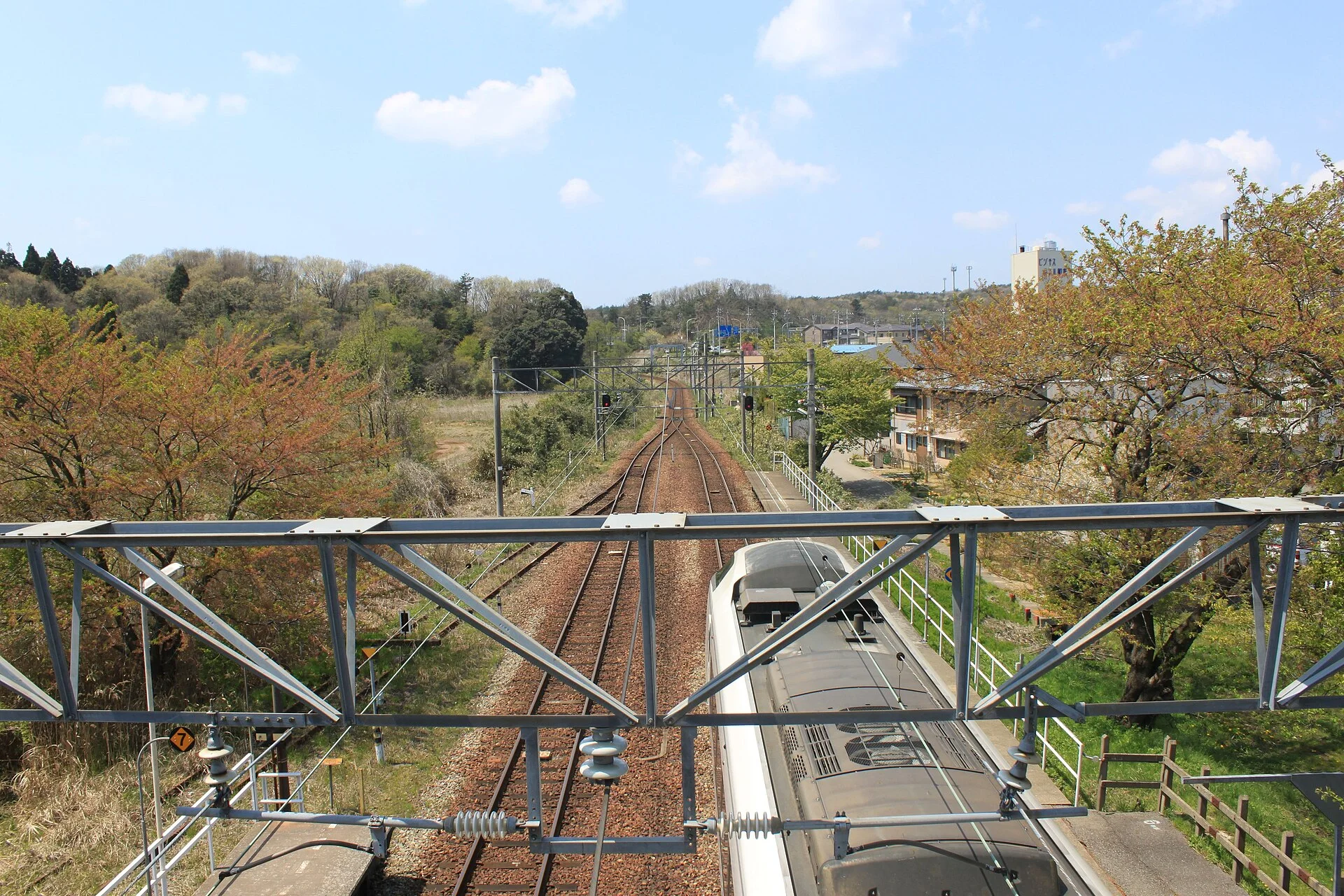
Compare Nanao Bay sea-view rooms, private open-air baths and half-board stays at Wakura Onsen ryokan, with late-2026 reopening status, direct Kanazawa trains, Soyu bathhouse hours and one-night routes.
Sea-view rooms and free private baths at Noto Kaisyu
Shirasagi no Yu Noto Kaisyu reopened on 16 July 2026. To bathe in natural hot-spring water while looking out over Nanao Bay, pick one of the sea-view terrace categories on the official website, which explicitly specifies a hinoki cypress open-air natural hot-spring bath. Standard Japanese-style double rooms do not overlook Nanao Bay and come with a shower cubicle rather than a bath. Couples happy to use the communal bathhouses can save on the room and put that budget towards dinner; the private-bath surcharge pays off mainly when you want longer unhurried soaks or keep different schedules. Before booking a sea-view terrace room, compare its floor space, aspect and bed layout against special suites and standard rooms for the same date.
Noto Kaisyu has large communal baths plus three complimentary private open-air baths operated on a first-come, first-served basis. If your family only has a brief window before dinner to bathe together, waiting for a private bath to free up can be tight, making an in-room bath easier to plan around. Guests with a whole evening after dinner or an early start the next morning have plenty of flexibility with the communal and shared private baths. The two main communal baths swap between men and women on a schedule, so check the changeover times at check-in: the property notes that the Shin-Wafu bath faces the morning light, while the Jun-Wafu bath is best for dusk views across the bay.
Noto Kaisyu welcomes children of primary school age and above, billed at the adult tariff with adult meals and an individual bed—there is no bed-sharing discount rate. Families with preschoolers should look at other ryokan. When four family members want one room, enter four guests from the start of your search to verify sleeping capacity. If two sibling families are travelling together, enter the exact ages of the children per room separately. Dining tables typically seat two to four guests, and parties of five or more may be split across tables, so inform the ryokan in advance if you need seating together to help young diners. Even when booking two rooms on separate reservations, send both booking references to the property together.
Official check-in at Noto Kaisyu is 15:00 with check-out at 11:00 the next day, though promotional plans may specify different hours. Lifts serve all guest floors, and the property's FAQ confirms there are no fully barrier-free guest rooms, though an accessible toilet is provided on the ground floor. If anyone in your party needs to transfer from a wheelchair to a bed or bath, contact the ryokan before booking with exact doorway width, transfer clearance and grab-rail requirements. Guests who can walk short distances should request a room close to the lifts to cut down long corridor walks between bathing, dinner and breakfast. For rooms with an open-air bath, also check whether the shower sits indoors or outside and whether there are steps up to the room toilet.
Buffets, multi-wing properties and private-only baths
TAOYA Wakura suits mixed-age groups whose members eat at different paces. Meals are buffet-style, letting children start with familiar dishes while adults dine at their own speed. The property features indoor sea-view communal baths and an infinity-edge open-air bath. When everyone is comfortable using the public baths, focus your budget on room size and comfortable bedding. Because TAOYA runs on an all-inclusive model, check which meals, drinks and lounge facilities are covered by your rate, and verify that late-arriving trains still make the dinner service. If you are celebrating an older relative's birthday and want unhurried table service, compare a sit-down kaiseki inn alongside TAOYA, and check the walking distance from the rooms to the restaurant at either property.
When booking Nihon no Yado Notoraku, check which wing your room sits in. The room directory covers the main Notoraku building, Hotel Noto Club and Garden Notoya, while the main public baths and check-in desks may be in separate wings. If travelling with older relatives, trace the route between your rooms, the restaurant and the baths on the site map before booking to spot extra walks. Notoraku's open-air bath guest rooms explicitly use heated tap water in the room tub rather than spring water, so guests wanting natural thermal water in-room must select a specific hot-spring room plan. Some Notojima Terrace Club packages allocate either a jet bath or a hot-spring bath at random without allowing requests; if water source matters, pick a plan that guarantees the bath type. The private scenic open-air bath on the 15th floor of the main building is temporarily closed for repairs, so main-wing guests should plan around the communal baths.
Hotel Kaibo works well for travellers happy with a partially reopened property in a prime bayfront spot. Currently only the 22 rooms in the Zuisen wing are accepting bookings, as the Hakuho, Juraku and Banrai wings have been demolished. An official notice dated 28 October 2026 confirmed that the men's and women's open-air baths reopened on 26 October. If you encounter older closure notices or photos of demolished wings online, rely on current Zuisen wing plans and the October update. The hotel's February notice indicated half-board plans generally open roughly three months ahead while room-only plans release two weeks to a month before arrival, with certain room-only dates restricting access to the main communal bath. Apparent gaps in availability often reflect staggered release windows rather than sell-outs, so if bathing is your main goal, verify that same-day bath access is included in a room-only rate.
Okudaya reopened on 9 July 2026 with four self-contained suites, each equipped with a continuous flow-through natural hot-spring open-air bath. Two suites include a kitchen and washer-dryer, ideal for multi-night Noto stays where you want to prepare light meals or do laundry mid-trip. Okudaya is room-only, so pick up breakfast and dinner supplies in Nanao before arriving. Noshu Iroha also offers hot-spring bathing without set meals, while Yunohana serves breakfast only. For smaller inns offering dinner, check Hanagoyomi or Hosenkaku for available meal plans on your dates. If your group plans to eat out once during the stay, lunch is far easier to arrange than venturing out on foot on a winter evening.
| Stay priority | Properties to consider | Details to verify side by side |
|---|---|---|
| Sea views with private natural spring bath | Shirasagi no Yu Noto Kaisyu | Sea-view terrace category, in-room bath type and children's ages |
| Family stay with buffet dining | TAOYA Wakura | Room occupancy limits and included meals and drinks |
| Group stay centred on communal baths | Nihon no Yado Notoraku | Wing location, bed count and walking route to the baths |
| Partially reopened bayfront inn | Hotel Kaibo | Zuisen wing rooms, dinner inclusion and bath access on room-only dates |
| Private open-air bath with self-catering | Okudaya | Kitchen facilities, suite layout and off-site meal plans |
Separating views, bathing and sleeping arrangements
A room labelled "sea-side" describes its general orientation, whereas the outlook from the tub itself depends on height and screening. Even when Nanao Bay is visible from a chair inside the room, a high parapet or privacy louvres around a balcony bath can block the horizon. Look closely at window-view photos for your exact room category to see whether the bay is visible seated indoors or only when standing on the terrace, and check railing height around outdoor tubs. Travellers with older relatives should ask specific practical questions: how many thresholds lie between bed and bath, whether there is seating in the washing area, and whether switching on a night light wakes everyone else. If you must choose between a sea view and step-free access, enjoy the bay from communal lounges and prioritise easy movement inside the room.
To ensure genuine geothermal water, look for the Japanese terms "tennen onsen" (natural hot spring) and "gensen kakenagashi" (free-flowing source water), and check whether those tags apply to the room bath or only the communal bathhouse. Families or couples wanting private washing space can look for a "kashikiri-buro" (reservable private bath), checking whether slots are first-come, first-served, booked at check-in or reserved ahead of arrival. With young children on a fixed bedtime, locking in a slot early beats queueing after dark. An in-room open-air bath is ideal for repeated dips or late arrivals; on freezing nights, shower indoors before stepping out, or save the terrace tub for daylight when you can actually see the bay.
For family or friend groups sharing accommodation, sort out bedding before booking. Japanese-Western hybrid rooms often have fewer beds than their maximum occupancy, putting remaining guests on floor futons. Travellers with sore knees should choose rooms with full beds, ideally near lifts and with higher armchairs. When two families travel together, compare one large suite against two adjacent smaller rooms: early-sleeping children get a quiet room while adults head back to the baths. If only one couple cares about sunrise or pre-dinner bay views, book one sea-side room and put the second room on the same floor in a quieter or more accessible spot, then link the bookings and ask the inn to place you close together.
Seawall reconstruction still affects the immediate shoreline view from certain ryokan. If two rooms cost the same, consider whether you will actually see the bay in daylight or only arrive after dark. On a late-November overnighter where you stop in Nanao for dinner supplies on the way from Kanazawa, outdoor daylight is mostly pushed to the next morning. If bay scenery is the main goal, move major sightseeing to after check-out and catch an earlier train that connects with your ryokan's shuttle. Because every inn and terrace faces a different stretch of shoreline—with coastal works active in distinct zones—shifting your bay-gazing to before breakfast makes sense if you arrive after nightfall, freeing your room budget for comfortable seating and beds.
From Kanazawa to Wakura-Onsen Station and into town
From Kanazawa, look for the Noto Kagaribi limited express and select services terminating at Wakura-Onsen. Several limited express trains—and most local services from Kanazawa—turn back at Nanao. The direct limited express takes roughly one hour, running via the IR Ishikawa Railway between Kanazawa and Tsubata before joining the JR Nanao Line. IR Ishikawa Railway lists the adult base fare from Kanazawa to Wakura-Onsen at ¥1,410, with a limited express supplement added on top depending on train and seat type. Couples carrying large suitcases should weigh reserved seats against unreserved cars; if sitting together matters, book a direct train with adjacent reserved seats.
When changing at Nanao, you have two main options. Heading straight to Soyu or shops along the hot-spring street? Board the Hokutetsu Noto Bus Wakura Line outside Nanao Station to the Wakura Onsen stop. If your ryokan shuttle picks up outside the railway station, take a Noto Railway local train one stop further to Wakura-Onsen Station, or take a taxi from Nanao. Passengers using an IC card on an IR local train to Nanao who then transfer onto the Noto Railway must settle the first IC leg at Nanao before buying a separate ticket for the onward stretch—do not board the connecting local train with an unresolved IC tap, especially after a last-minute platform dash.
Watch the two bus stop names: Wakura-Onsen Ekimae sits in front of the railway station, whereas Wakura Onsen is in the hot-spring quarter right by Soyu. Soyu's operator estimates about five minutes between the station and the bathhouse street, and 2026 bus timetables split into weekday and weekend/holiday schedules.
Noto Kaisyu runs scheduled complimentary shuttles departing Wakura-Onsen Station at 14:15 and 15:15, returning from the ryokan at 10:10 and 11:10; reservations are required by telephone or email at least one day ahead. Notoraku asks guests to call once their arrival time is confirmed, with the drive taking roughly five minutes. Include your check-in date, train number, arrival time and party size when booking, and notify the inn promptly if your plans shift. For larger groups taking taxis, count suitcases carefully—the hop from the station is short, and taking two cabs is far easier than squeezing luggage into one.
From Osaka, take the Thunderbird limited express to Tsuruga, switch to the Hokuriku Shinkansen to Kanazawa, and change onto the Nanao Line. From Tokyo, ride the Hokuriku Shinkansen straight to Kanazawa and transfer within the same station to the Nanao Line. If time allows, pause in Kanazawa for lunch or pick up an ekiben bento. When booking earlier legs, work backwards from your ryokan's dinner start time, leaving margin for storing bags, collecting tickets and walking to the conventional rail platforms. Even if you take a direct train outbound, you can easily break the return journey in Nanao for lunch. If you have a non-changeable long-distance train the next day, build extra buffer into your return to Kanazawa in case you need a local train or bus out of Noto.
Half-board, room-only stays and winter crab season
Half-board plans appear on booking pages as dinner-and-breakfast rates. In winter rain or snow, dining in-house saves an extra trip out and makes it easy for children to head straight back to the room. Check dinner start times and final check-in cut-offs before booking. If a late train puts you close to kitchen closing, notify reception of your train number in advance or switch to bed-and-breakfast or room-only and eat in Kanazawa or Nanao. Those dining along the hot-spring street can use the tourism association's April 2026 dining map to find evening spots near their inn, allowing time to stroll back. Guests wanting a soak before dinner should request a later seating.
Compare kaiseki dinner upgrades by reading the seasonal menu rather than relying on labels such as "special" or "premium". Look at the headline seafood dishes, portion sizes and cooking methods. Always flag food allergies when booking: Noto Kaisyu publishes a low-allergen menu excluding 28 specified allergens if requested at least two days before arrival, though it notes that unlisted allergies, medication- or pregnancy-related restrictions and personal dislikes cannot be accommodated. If only part of your group needs modified meals, state the exact headcount clearly in your booking notes.
Ishikawa's snow crab comes under two key local names: Kano crab for male snow crab, prized for sweet leg meat and whole-crab portions, and Kobako crab for the smaller female, celebrated for its rich internal roe and external eggs. Ishikawa Prefecture's produce guide sets the Kobako crab shipping season from 6 November to 29 December, making mid-November through December the prime window for it. Where half-board pages do not specify crab, ask whether extra crab dishes can be ordered and whether they are priced per crab or per person. If only one or two people in your group want crab, enjoy local Noto fish at the ryokan and save specialist crab dining for Kanazawa; see our guide to Hokuriku crab season and origin tags for markets and restaurants.
When booking room-only, plan breakfast alongside dinner. If you arrive via Nanao around lunchtime, make that your fresh seafood stop and keep dinner simple so the late afternoon stays free for bathing at the inn or Soyu. Catching an early train the next morning? Buy bread or onigiri rice balls the evening before rather than hunting for an open café at dawn. Another option is eating dinner in Kanazawa, taking an evening train to Wakura solely to sleep, and bathing the next morning—just verify station transfers and late check-in rules first. Guests staying in Okudaya's kitchen suites should pick up groceries before boarding the shuttle from the station.
Soyu public bathhouse, footbaths and rainy-day spots
Wakura Onsen Soyu is the hot-spring quarter's main public bathhouse, open from 07:00 to 21:00 with last admission at 20:30. Entry is ¥500 for adults, ¥150 for primary school pupils and ¥50 for preschoolers. Starting in 2026, it closes on the 25th of every month, shifting to the following Monday whenever the 25th falls on a Saturday or Sunday. Over the New Year period, note that 25 December 2026 is a Friday and 25 January 2027 is a Monday, so plan those days around your ryokan's own baths. Facilities include indoor pools, standing baths and open-air tubs. Arriving in winter with light bags, stopping at Soyu before dinner is straightforward; those with heavy luggage should drop bags at their inn first, while day-trippers can pack a small towel and change of clothes in a daypack.
For a quick warm-up outdoors, head to Wakura Pokemon Footbath in Yuttari Park. Reopened in May 2026, it is free to use from 07:00 to 19:00 and seats around 20 people at once. Note that the footbath closes all day whenever the Japan Meteorological Agency issues a weather warning for Nanao City. Families can spot the Pokemon manhole covers near the entrance while waiting for a free bench, then bring out a small towel to dry off. Drivers can use the park car park, moving to the Wakura Onsen Omatsuri Kaikan overflow car park directed by the city if full; if a chilly breeze picks up at dusk, dry your feet thoroughly before pulling socks back on.
For wet weather or waiting until check-in, visit the Wakura Onsen Omatsuri Kaikan (Festival Hall). Inside are full-scale displays from four Nanao festivals, anchored by the 12-metre-tall Dekayama float from the Seihakusai festival. Regular weekday opening resumed in April 2026, running 09:00 to 17:00 with last entry at 16:30. Admission is ¥800 for adults, ¥400 for primary and junior high students, and free for preschoolers. It closes on the second and fourth Wednesdays of each month and over New Year. In December 2026, private bookings also close the hall to walk-ins from 13:00 on 5 December and all day on 6 December, in addition to closing on 31 December and 1 January 2027. If a tour coach arrives as you walk in with children, browse the free tourist information lobby before heading into the paid float gallery. Because seawall works keep Wakura Port closed to the public, stick to open paths through the park and the main hot-spring street.
How to pace a one-night stay or a day trip
On a single-night visit from Kanazawa where you arrive around midday ahead of a 15:00 check-in, ask your ryokan to hold your bags, then visit either the Omatsuri Kaikan or Yuttari Park rather than cramming both in. Once checked in, confirm dinner times and take your stroll while it is still light, returning in time for a soak before eating. If coastal winds or rain roll in, enjoy the indoor baths and dinner and push your walk to after breakfast. When heading back to Kanazawa or onto a Shinkansen the next day, pick a departure that leaves time for an unhurried breakfast; if you plan one last morning dip, pack your bags first so you can head straight for check-out afterwards.
Day-trippers can combine central Nanao with an afternoon soak. From Nanao Station, walk roughly eight minutes to Ipponsugi Street and the Hanayome Norenkan museum—which showcases traditional bridal curtains—before continuing to the waterfront Noto Shokusai Ichiba market. Because individual stalls keep varying kitchen hours, stop here for a seafood lunch, then take the bus into Wakura's hot-spring quarter. Although Soyu stays open until 21:00, an early-evening return train dictates when you step out of the bath. Check the exact Wakura Onsen bus stop for Nanao-bound services before going in so an extra ten minutes in the water does not mean rushing dinner or missing your bus.
To blend hot springs with city sightseeing, spend two days exploring Kanazawa's markets, gardens and teahouse districts before shifting to a ryokan the following day. If you return through Kanazawa for Osaka or Tokyo the next afternoon and want to travel light with a single shoulder bag, ask your Kanazawa hotel whether they will store large suitcases between stays, or compare station locker hours and overnight charges. When travelling onwards without backtracking, ship main luggage to your next hotel after confirming they accept deliveries, timing arrival for your check-in date. Keep overnight medication, a change of clothes and chargers with you—and pack children's overnight clothes in one bag so you do not have to unpack two suitcases at the ryokan.
When some members of a day-trip group want to bathe while others prefer sightseeing, split up along the hot-spring street and agree on a specific Nanao-bound bus as your rendezvous. Those finishing at Soyu or the Festival Hall first can meet at the bus stop or wait comfortably near Soyu rather than heading back to the station separately.
Where to go on day two
Central Nanao suits travellers with half a day to spare or anyone hedging against poor weather. Before boarding the bus, decide whether you want market seafood for lunch or a stroll down Ipponsugi Street to the Hanayome Norenkan. Guests staying on the eastern side of the hot-spring quarter can pick a closer bus stop towards Nanao. If you already hold a reserved seat back to Kanazawa, make Nanao Station your final stop so you are not hauling bags back from lockers to the harbour. On foot from Nanao Station, you can easily link Komaruyama Castle Site Park, the Norenkan and the covered shopping streets; save the hillside Nanao Castle Ruins for a separate block with dedicated transport and clear daytime hours.
Notojima Island rewards travellers who can spare an extra half-day. Catch the Notojima Kotsu bus from Wakura Onsen to Notojima Rinkai Koen, which drops you right by the aquarium and serves as the return stop name for Nanao schedules. If you want to add the Notojima Glass Art Museum on the same bus trip, check connections between the two stops before deciding how long to linger at aquarium shows. Notojima Aquarium opens 09:00 to 17:00 from 20 March to 30 November, closing earlier at 16:30 from 1 December to 19 March, with last entry 30 minutes before close and annual closure from 29 to 31 December. Tickets cost ¥1,890 for high school students and adults, ¥510 for ages three to junior high school, and are free under three.
By car, the aquarium estimates a 15-minute drive across the Notojima Bridge from Wakura, making it easy to visit the island in the morning and return for lunch or swap the aquarium with central Nanao if high winds hit the coast. Drivers continuing north towards Wajima or Suzu should plan around open northern routes and stay close to the next morning's starting point rather than doubling back. Car-free travellers keen to ride the northern line can set aside a daytime block for the Noto Railway to Anamizu, working backwards from any fixed Kanazawa train connection. Limiting day two to a single direction leaves room for a relaxed ryokan breakfast, lunch in town or catching the next bus without stress.
If you have two nights for the Nanao–Wakura area, rail-focused itineraries can spend night one in Nanao, explore Notojima or ride the Noto Railway the next day, and arrive in Wakura in time for dinner. Alternatively, stay in Wakura first, check out for central Nanao and lunch, continue north, and head back to Kanazawa on day three. Drivers buying chilled seafood on Notojima should pack a cool bag before leaving the hot-spring quarter—or save perishables for your final stop in Nanao or Kanazawa so you can keep a flexible order on day-two stops without jeopardising dinner or train times.
Snow, late arrivals and last-minute changes
If driving in winter via the Noto Satoyama Kaido, the Noetsu Expressway or onto Notojima Island, stipulate winter tyres when booking your hire car. Around dusk after snow, outdoor bath decks and inn entrances can turn icy; drop older relatives and children near the entrance before parking. Soyu provides around 75 free parking spaces, roughly 3 km from the Wakura Interchange. When driving to a ryokan, follow the entrance directions in your booking confirmation rather than old street-view photos, as access roads and active wings may have changed, and use public car parks around construction zones rather than blocking work lanes.
In freezing weather, rail disruptions can affect the Kanazawa–Nanao and Nanao–Wakura sections differently. Check JR West and IR Ishikawa Railway service updates before setting out; if trains stop at Nanao, switch to the Wakura Line bus or take a taxi. Whenever you know you will miss dinner, contact your ryokan immediately about meal options and late check-in before rebooking seats on a later train. Over public holidays when travel dates cannot shift, favour plans with generous free-cancellation windows. When comparing policies, always check cancellation cut-offs in Japan Standard Time (JST), penalty tiers, whether date changes keep the original room and when prepayments are refunded. Because half-board and room-only inventory sometimes sells separately, lock in your new late-arrival plan before cancelling the original booking.
During spring break or three-day weekends when top rooms show only single-night gaps, check train connections on either side and protect an unhurried morning. Two travellers can switch to a standard room with communal bath access and enjoy bay views from Yuttari Park instead. If your stay coincides with Soyu's monthly closure day, prioritise a ryokan with its own large bathhouse or spend that night in Nanao and move to Wakura the next day.
A few useful answers
Can you stay overnight in Wakura Onsen in late 2026?
Yes. The Wakura Onsen Tourism Association lists 11 properties accepting general leisure guests. Noto Kaisyu and Okudaya reopened in July 2026, while Hotel Kaibo and Biwanso are partially open. Kagaya and Tadaya remain closed.
How do you get from Kanazawa to Wakura Onsen?
The direct Noto Kagaribi limited express bound for Wakura-Onsen takes about an hour. For services terminating at Nanao, change to the Hokutetsu Noto Bus Wakura Line straight into the hot-spring quarter, or take a Noto Railway local train to Wakura-Onsen Station.
Which rooms have both sea views and private natural hot-spring baths?
At Noto Kaisyu, look for the sea-view terrace room categories explicitly listed on the official website with a private hinoki cypress open-air natural hot-spring bath. If complete privacy is your priority, all four independent suites at Okudaya feature continuous flow-through open-air spring baths on a room-only basis.
What are the opening hours and admission fees for Wakura Onsen Soyu?
Admission is ¥500 for adults, ¥150 for primary school children and ¥50 for preschoolers. It opens from 07:00 to 21:00, with last entry at 20:30. From 2026 onwards, it closes on the 25th of each month, or the following Monday if the 25th falls on a Saturday or Sunday.
Can young children stay at Noto Kaisyu?
Noto Kaisyu accepts children of primary school age and older, charged at the adult rate with their own bed. Families travelling with preschoolers should search properties such as TAOYA Wakura, which allow room searches by child age.
Where can you go in Wakura Onsen on a rainy day before bathing?
The Wakura Onsen Omatsuri Kaikan (Festival Hall) displays full-scale festival floats indoors from 09:00 to 17:00, with last entry at 16:30. It closes on the second and fourth Wednesdays of each month as well as over the New Year period.
Official information and references
Sources used in this guide.
- Wakura Onsen Tourism Association | Reopening status and properties open to general guests
- Wakura Onsen Tourism Association | Directory of open and closed ryokan
- Ministry of Health, Labour and Welfare | Wakura Onsen accommodation recovery and reconstruction progress
- Kyoritsu Resort | Noto Kaisyu reopening and room types
- Kyoritsu Resort | Noto Kaisyu shuttle bus, child policies and dining
- Kyoritsu Resort | Noto Kaisyu complimentary private baths and sea-view hours
- Nihon no Yado Notoraku | Wings and guest room baths
- Nihon no Yado Notoraku | Temporarily closed private scenic open-air bath
- Nihon no Yado Notoraku | Wakura-Onsen Station shuttle and driving entrance
- Oedo Onsen Monogatari | TAOYA Wakura hot-spring baths
- Oedo Onsen Monogatari | TAOYA Wakura dining and family stays
- Oedo Onsen Monogatari | TAOYA all-inclusive plan and seasonal buffets
- Okudaya | Independent suites, spring baths and dining arrangements
- Hotel Kaibo | Zuisen wing bookings and demolition notice for other wings
- Hotel Kaibo | Release windows for half-board and room-only plans
- Hotel Kaibo | October 2026 reopening of open-air baths
- Wakura Onsen Tourism Association | Wakura Port seawall works closure notice
- Wakura Onsen Tourism Association | Soyu admission fees, hours and closed days
- Wakura Onsen Soyu | Bus stops and car parking
- JR West | Kanazawa to Wakura-Onsen section timetable
- JR West | Wakura-Onsen Station departures to Nanao and Kanazawa
- IR Ishikawa Railway | Base fares from Kanazawa
- IR Ishikawa Railway | IC card validity on the Nanao Line
- Wakura Onsen Tourism Association | 2026 local bus and rail timetables
- Wakura Onsen Tourism Association | 2026 local transport map and year-end schedules
- Wakura Onsen Tourism Association | 2026 hot-spring quarter dining map
- Nanao City | Pokemon Footbath hours and parking information
- Nanao City | Wakura Onsen Omatsuri Kaikan fees, closures and exhibits
- Wakura Onsen Omatsuri Kaikan | December 2026 closures and private hire dates
- Nanao City | Hanayome Norenkan and Ipponsugi Street area
- Ishikawa Prefecture Tourism League | Car-free route for central Nanao, Noto Shokusai Ichiba and Wakura
- Notojima Aquarium | Opening hours, admission and year-end closure
- Notojima Aquarium | Notojima Kotsu bus stops and driving route
- Ishikawa Prefecture | Local produce and Kobako crab shipping season