The Sea of Japan crab season opens on 6 November: Fukui's Echizen crab, Kanazawa's Kano crab, and the two-month kobako-gani window. Compare Mikuni Minato Crab Festival, Omicho Market, and Kanazawa Port Fish Market to plan a day trip or overnight stay.
- Region & Focus
- Kanazawa
- Reading Scope
- 15 min read · 7 chapters · 7 Q&As
- Official Verification
- 5 official sources checkedUpdated 20 November 2026
- Key Topics
- FoodSeasonsChubu & Hokuriku
Chapter Route Map (tap any stop)
- Two Maps of the Season: Fukui's Echizen Crab and Kanazawa's Kano Crab
- How to Eat Kobako-gani: Sotoko, Uchiko and Kora-zake
- Mikuni Minato Crab Festival: Two Weeks After Opening Day
- Two Fukui Landmarks: Live Crab by the Station and Rural Crab Bowls
- Omicho Market: Kanazawa's Crab-Season Kitchen
- Building the Trip: A Kanazawa Base with a Fukui Day Out
- Prices and Budgets in Reality: Tags, Size and Timing
- Quick Q&A
Every 6 November marks the grand opening of snow crab season along the Sea of Japan, with Fukui and Ishikawa prefectures lifting the curtain on the same day. Fukui brands its male snow crab as Echizen-gani, while Kanazawa calls the male Kano-gani and the short-lived female—sold for just two months—kobako-gani. Three main hubs define the season: the opening crab festival at Fukui's Mikuni Minato, Kanazawa's Omicho Market, and the fisherman-run Kanazawa Port Fish Market. Because the kobako-gani season closes at the end of December, anyone hoping to catch both male and female crabs in one Hokuriku trip should book early in the winter.
Two Maps of the Season: Fukui's Echizen Crab and Kanazawa's Kano Crab
Facing the same stretch of the Sea of Japan, Fukui and Ishikawa have each forged a distinct snow crab identity. Fukui markets its male snow crab as Echizen-gani, landed primarily at ports such as Mikuni Minato, while Ishikawa labels the male Kano-gani and the female kobako-gani (known in Fukui and neighbouring areas as seiko-gani). Both prefectures open their official fishing seasons in unison on 6 November, marking the true start of Hokuriku's winter culinary calendar.
Before locking in your dates, watch the two hard seasonal deadlines. Male crabs (Echizen-gani and Kano-gani) are fished right through until 20 March the following year, giving travellers more than four months to plan around them. Female crabs (kobako-gani), however, close at the end of December to safeguard marine stocks, leaving a window of roughly two months. If you want both thick male leg meat and rich female roe in one sitting, mid-December is the cut-off; if you are only after big male crabs, the season runs well into mid-March.
When eating crab in Fukui, start by looking for the yellow tag clipped to the leg. Echizen-gani was the first crab in Japan to earn Geographical Indication (GI) protection, and its yellow tag bears the GI mark alongside the name of the fishing vessel. The Echizen-cho Fisheries Cooperative introduced the tagging scheme in 1997 and extended it to female seiko-gani in 2007; any snow crab without that yellow tag is not certified Echizen-gani, and Fukui also promotes it as the only crab in Japan officially presented to the Imperial Household.
Cross the prefectural border into Ishikawa and the mark of provenance becomes a striking blue tag, certifying that the crab was caught and landed at an Ishikawa port. Because the seabed off Ishikawa drops away steeply close to shore, boats can return to port and unload live crabs remarkably quickly—a geographical advantage the Kanazawa City Tourism Association credits for Kano-gani's freshness. Yellow for Fukui, blue for Kanazawa: checking the tag colour before the price is the first rule of crab hunting in Hokuriku.
In Hokuriku, 6 November is far more than a date on the calendar. Once the first boats dock at dawn on opening day, the auction, tagging, and retail display all unfold within hours. To witness that initial burst of freshness and excitement at its peak, aim for the Mikuni Minato Crab Festival or Omicho Market's opening crab-soup celebration within the first fortnight; after that rush subsides, both supply and prices settle into a steadier rhythm.
Before ordering, be clear on the difference between male and female crabs at the table. Large male crabs are all about generous, subtly sweet leg meat, typically served freshly boiled, as sashimi, in shabu-shabu hot pot, or charcoal-grilled. Female crabs (kobako-gani or seiko-gani) are petite with little leg meat; their appeal lies entirely in the intense inner roe (uchiko) and crisp outer roe (sotoko). On restaurant menus, "Echizen-gani" usually refers to the male, whereas "kobako" or "seiko" indicates the female—and the difference in portion size and price is substantial.
Connecting the two prefectures by rail is straightforward. Kanazawa is served by the Hokuriku Shinkansen and mainline JR trains, while reaching Fukui's fishing ports requires a transfer onto the local Echizen Railway, which runs less frequently and wraps up earlier in the evening. Travelling between Kanazawa Station and Fukui Station takes under an hour on the Hokuriku Shinkansen (or via Tsuruga connections), followed by the Echizen Railway out to Mikuni Minato. Using Kanazawa as a base for a Fukui crab day trip works effortlessly, whereas staying in Fukui or Awara Onsen lets you stroll down to the harbour first thing in the morning.
Splitting your crab budget into three clear tiers keeps expectations grounded. The entry tier covers market-bought portions and seafood crab bowls at Omicho Market, where a single lunch easily hits the spot. The middle tier brings multi-course crab kaiseki dinners at Fukui specialists or hot-spring inns, moving smoothly from raw sashimi to boiled and grilled courses. At the summit sits "Kiwami", the ultra-rare top-grade live male crab weighing at least 1.3 kg—priced in luxury collector territory. Understanding these three brackets ensures menu numbers never catch you off guard.
If a prime live crab at the market tempts you to take one with you, check storage and customs rules before paying. Most fishmongers happily boil crabs to order and pack them in insulated boxes for carrying on the train or shipping via domestic chilled courier to a Japanese address, though you should confirm how long raw crab keeps during long winter journeys. As for bringing or shipping seafood home abroad, fresh and cooked shellfish are subject to strict cold-chain limits and international customs and biosecurity rules, so it is far simpler to enjoy the crab on the spot and keep souvenirs to shelf-stable items.
Travelling with children works best when market sightseeing comes before sitting down to eat. Watching harbour landings, seeing fishmongers snap origin tags onto claws, and watching live crab preparation up close gives younger travellers something memorable to talk about. Kobako-gani's deep-orange uchiko and dark-brown sotoko look unusual at first glance, so letting children see where they come from often makes them much keener to taste a bite. Just keep a close hand on little ones amid crowded market aisles and steaming soup cauldrons.
After 20 March, this live Sea of Japan crab feast draws cleanly to a close. The end-of-December cut-off for kobako-gani and the 20 March finale for male crabs are strict closed seasons; from April onwards, local boats shift to spring catches and any snow crab on sale tends to be frozen or sourced from other regions. If your trip is built around freshly landed live crab, anchor your calendar firmly between 6 November and 20 March.
The Sea of Japan crab season opens on 6 November: Fukui's Echizen crab, Kanazawa's Kano crab, and the two-month kobako-gani window. Compare Mikuni Minato Crab Festival, Omicho Market, and Kanazawa Port Fish Market to plan a day trip or overnight stay.
How to Eat Kobako-gani: Sotoko, Uchiko and Kora-zake
A palm-sized kobako-gani earns its cult following through three distinct elements. Clinging to the outside of the abdominal flap are clusters of dark-brown roe called sotoko, prized for their crisp pop; tucked inside the upper carapace is the vibrant orange, custard-smooth unfertilised roe known as uchiko, hailed by Kanazawa locals as the pinnacle of winter flavour; and once every shred of sweet meat has been picked clean, warming sake poured directly into the tomalley-lined shell creates kora-zake, the classic finale.
Fukui tourism literature christens seiko-gani's inner roe "red diamonds" (akai daiya), and local market eateries generously pile it over steaming bowls of rice. When male Echizen-gani takes centre stage, official guides place freshly boiled hot crab (yude-gani) at number one, ahead of sashimi, shabu-shabu, charcoal-grilling, hot pot, kamameshi clay-pot rice, kora-zake, and crab rice. Late in the season, between 19 February and 20 March, Fukui offers an unexpected bonus: freshly moulted "mizu-gani" (also called zubo-gani), whose soft shells hold remarkably juicy, sweet meat—an early-spring treat prized even over standard Echizen crab by some aficionados.
When ordering oden in Kanazawa, never pass up the winter-only "kani-men". Chefs carefully pack the picked meat, tomalley, uchiko, and sotoko of a whole kobako-gani back into its shell and simmer it gently in clear dashi broth, appearing strictly during the two-month female crab season. Meanwhile, restaurants around Omicho Market each showcase their own specialities, from delicate sashimi and crab nigiri sushi to grilled legs and bubbling shabu-shabu, so decide whether you are craving raw sweetness or warming broth before stepping inside.
Knowing the official market benchmarks takes the guesswork out of five-figure yen menus. Standard male Echizen-gani generally sells for ¥25,000 to ¥50,000 per crab, though prices have edged higher in recent years alongside tighter catches. The pinnacle "Kiwami" label enforces exacting standards—over 1.3 kg in weight, a carapace wider than 14.5 cm, and claws thicker than 3 cm—surpassing even the 1.1 kg threshold for Imperial presentation crabs and commanding hundreds of thousands or even over a million yen apiece. Fishery rules also strictly ban harvesting small crabs under 9 cm across the shell to protect future stocks; keeping these figures in mind helps you tell everyday feasts from museum-grade specimens.
Ordering kora-zake could scarcely be simpler, whether at a restaurant counter or back at your accommodation. After finishing the crab, keep the lightly toasted shell and pour warm sake inside so the lingering tomalley and uchiko melt straight into the liquor, creating a deeply savoury marine aroma. Kobako-gani's compact shell holds just the right measure for one person, appearing as a winter staple on Kanazawa izakaya menus and as the natural closing note to a Fukui crab kaiseki dinner.
To try kani-men, make sure you head to the right kind of establishment: it is not a raw item sold at fresh fish stalls, but a winter signature of Kanazawa's established oden shops. Using the entire carapace as a natural bowl allows the rich crab miso to infuse the delicate broth, warming you through while pairing effortlessly with drinks. Kanazawa is already one of Japan's great oden cities, and adding a late-night bowl in November or December brings another layer to the season.
Spotting the difference between inner and outer roe takes only seconds when picking out a kobako-gani. Turn the female crab over to inspect the abdominal apron and you will see the dark-brown, granular sotoko clinging to the outside; lift the top shell and you uncover the bright-orange, paste-like uchiko inside, with plump crabs offering generous helpings of both. Seasoned buyers say uchiko grows richer towards the end of December, though quality always depends on daily sea conditions—asking the fishmonger behind the counter to choose one for you remains the safest bet.
Fascinatingly, the exact same female snow crab changes both its name and its culinary culture the moment you cross between Fukui and Ishikawa. In Fukui, as seiko-gani, it is most famously piled lavishly onto seafood bowls or dropped whole into steaming bowls of miso soup; in Kanazawa, as kobako-gani, it inspires intricate oden kani-men and izakaya kora-zake—giving you two contrasting regional traditions barely an hour apart by train.
If you plan to sample melt-in-the-mouth crab sashimi, pay close attention to how each restaurant handles raw seafood. Dedicated crab houses and long-standing izakaya in Fukui and Kanazawa have decades of expertise managing opening-season freshness, making raw crab legs a delight. At casual diners or takeaway stalls, however, cooked dishes such as freshly boiled crab, shabu-shabu, and oden kani-men are the safer, more dependable choice—especially if you have a sensitive stomach—while delivering every bit as much depth of flavour.
Mikuni Minato Crab Festival: Two Weeks After Opening Day
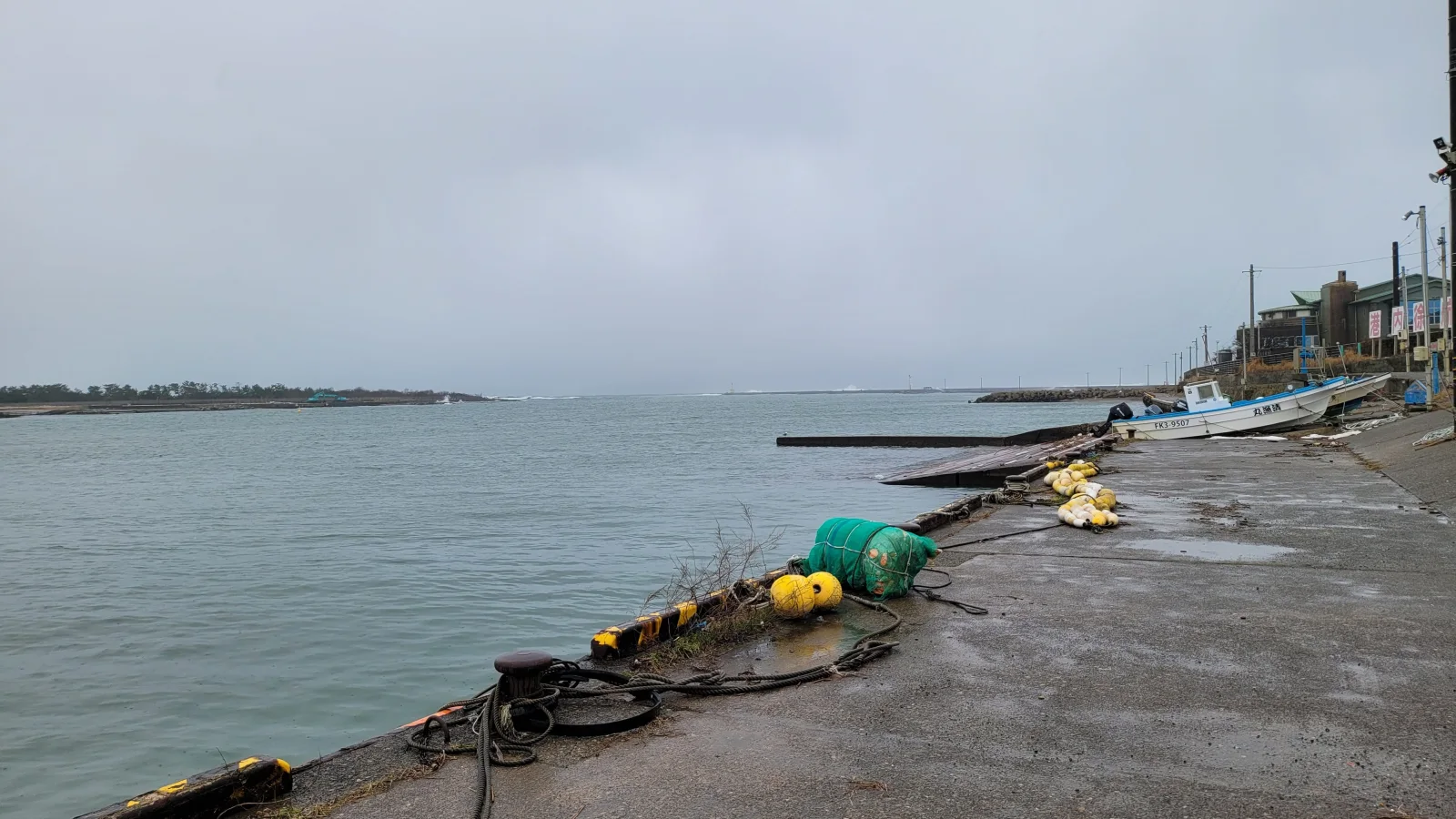
Held roughly two weeks after Echizen-gani season opens, the Mikuni Minato Crab Festival (Mikuni Minato Kani Matsuri) is Fukui's liveliest harbourside celebration. In 2026, it runs over two days on 14 and 15 November from 06:00 to 15:00 at a special venue on Mikuni Sunset Beach (4-9 Shuku Yonega-waki, Mikuni-cho, Sakai). Local seafood merchants bring freshly landed Echizen crabs straight to the stalls at festival prices, while the undisputed headline act is steaming crab miso soup (kani-jiru) simmered with a whole female seiko-gani—strictly capped at 2,500 bowls across the weekend.
Alongside live crabs and hot soup, the beachfront hosts the Mikuni Minato Gourmet Alley and local food trucks serving coastal snacks and fried seafood. Public transport is easily the smoothest way in: ride the Echizen Railway to Mikuni-Minato Station and walk roughly seven minutes, or take the Keifuku Bus Tojinbo line to the Shuku stop, one minute away on foot. Drivers must use the designated Mikuni Sunset Beach car park, as roadside parking is strictly banned and event-day traffic congestion is almost unavoidable.
Although the festival schedule runs from 06:00 to 15:00, the famous crab soup finishes as soon as stocks sell out, pushing the real action squarely into the morning. The smartest plan is to stay overnight in Fukui City or Awara Onsen, catch the first morning train straight to the beach for hot soup and stall browsing, and head off before midday to visit the nearby Tojinbo sea cliffs or the Echizen coastline. Organised by DMO Sakai Tourism Bureau (tel. 0776-82-1555), the event posts sea-condition and access updates on its official site the day before you set off.
What draws crowds out before dawn is that bowl of kani-jiru—miso soup enriched with an entire roe-laden seiko-gani, deeply comforting in the crisp coastal breeze. With only 2,500 bowls available over the two days, queues routinely clear out the supply before noon, which is why the gates swing open at 06:00. An accompanying morning seafood market (Toretate Ichiba) sells other winter fish and shellfish, rounding out a proper coastal market morning.
Even if your dates miss that mid-November weekend, Fukui's crab scene stays busy all winter long. Heritage crab restaurants along Mikuni Minato and the Echizen coast serve live crab kaiseki and à la carte dishes daily, with the most celebrated houses requiring reservations weeks ahead, while car-free travellers can find specialist restaurants with live crab tanks right beside Fukui Station. Local guides consistently recommend pairing crab dining with an overnight stay at a harbourside or hot-spring inn so you can linger over a full course with sake.
Arrive prepared for the festival crowds. Combining 2,500 limited soup bowls with portside discounts and food stalls creates a dense bottleneck in the first hour after the 06:00 opening. While the Echizen Railway adds extra capacity for busy festival days, its rural platforms are compact, so snap a photo of the return timetable on arrival to time your exit cleanly. Compared with queuing for car parks under strict no-parking enforcement, arriving by train is markedly more relaxed.
The true draw of the Mikuni Minato Crab Festival is how briefly it opens wholesale harbourside pricing—ordinarily reserved for trade buyers—to everyday visitors, making it the closest you can get to the fishing fleet all season. Once the weekend wraps up, the most reliable follow-up for equally fresh landed crab at fair prices is to book a meal at the restaurants lining Mikuni Minato and the Echizen coast.
Trying to reach the festival from a Kanazawa hotel requires careful clock-watching. Reaching Fukui Station by JR takes under an hour, followed by the Echizen Railway to Mikuni-Minato Station and a seven-minute walk, which makes catching the 06:00 opening from Kanazawa on the same morning virtually impossible; shifting to Fukui City or Awara Onsen the night before is far more realistic. After the early market rush, you can walk north along the Tojinbo basalt cliffs and be back at Fukui Station in time for lunch.
Visitors often compare the festival's direct portside bargains (hamane) against city fish-market price tags, yet the two operate on completely different footings. Festival rates are a two-day promotional showcase right after opening day, whereas Omicho Market and urban fishmongers price in the logistics of consistent supply all winter. Go to the festival for sea air, early-morning bustle, and limited-edition crab soup; go to the market when you want time to pick your preferred size at leisure.
Two Fukui Landmarks: Live Crab by the Station and Rural Crab Bowls
If picking a live crab or wrestling with shells sounds like hard work, official Fukui guides highlight two standout restaurants. Shunko Noato Kemuriya sits just a three-minute walk from JR Fukui Station (Ote 2-chome) and keeps live crabs in in-house tanks; its Echizen snow crab course starts from ¥28,000 per person (minimum two guests, booking required by 18:00 the day before) and lets diners mix boiled, charcoal-grilled, and sashimi preparations. Spending your first night near Fukui Station makes walking to a specialist house like this effortless.
Further out on the coast in Gamou-cho, Fukui City, Uoya no Kuidokoro Matsuda draws pilgrims for its signature Matsuda Seiko-don—a rice bowl piled high with the meat, tomalley, uchiko, and sotoko of two whole female seiko-gani, capped at 200 bowls a day by advance reservation only. Reaching it takes around 50 minutes from JR Fukui Station, yet the journey rewards you with an entire kobako-gani harvest distilled into one unforgettable bowl. Together with the ryokan along Mikuni Minato and the Echizen coast, these two venues anchor Fukui's crab map.
Set Kanazawa's market scene beside Fukui's dining rooms and their strengths complement each other neatly: Omicho excels at hands-on crab picking, bargaining, and on-the-spot boiling, while Fukui's specialists and coastal inns shine at full-course pacing and kitchen craft. Time and budget permitting, spend one evening exploring market prices and another seated at an established dining room for the complete Hokuriku experience.
Omicho Market: Kanazawa's Crab-Season Kitchen
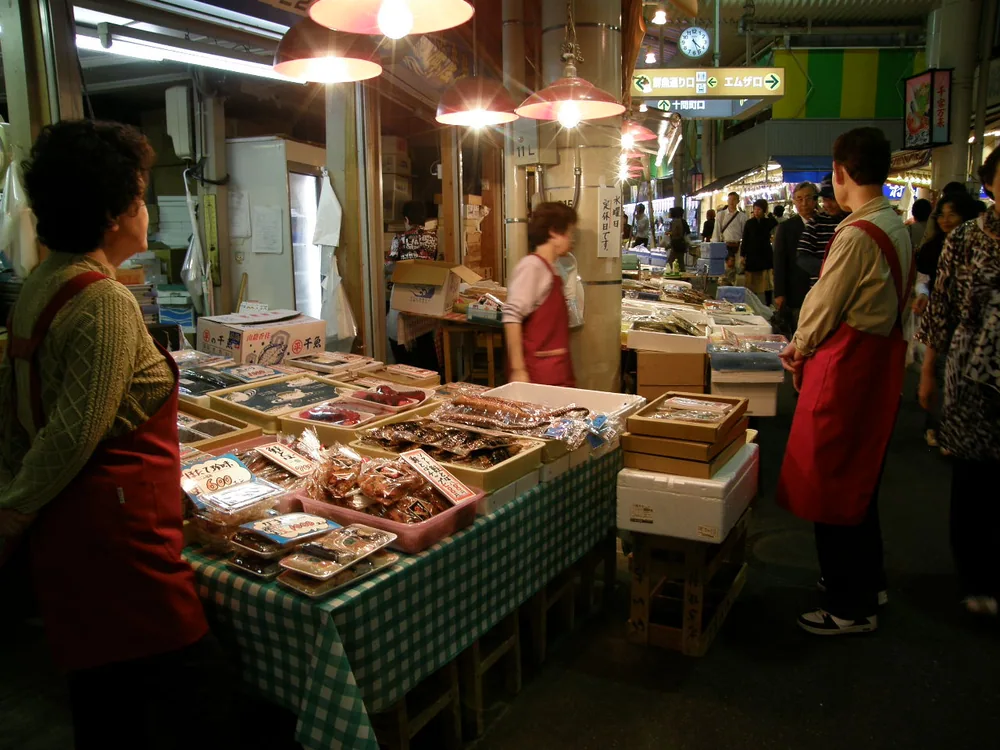
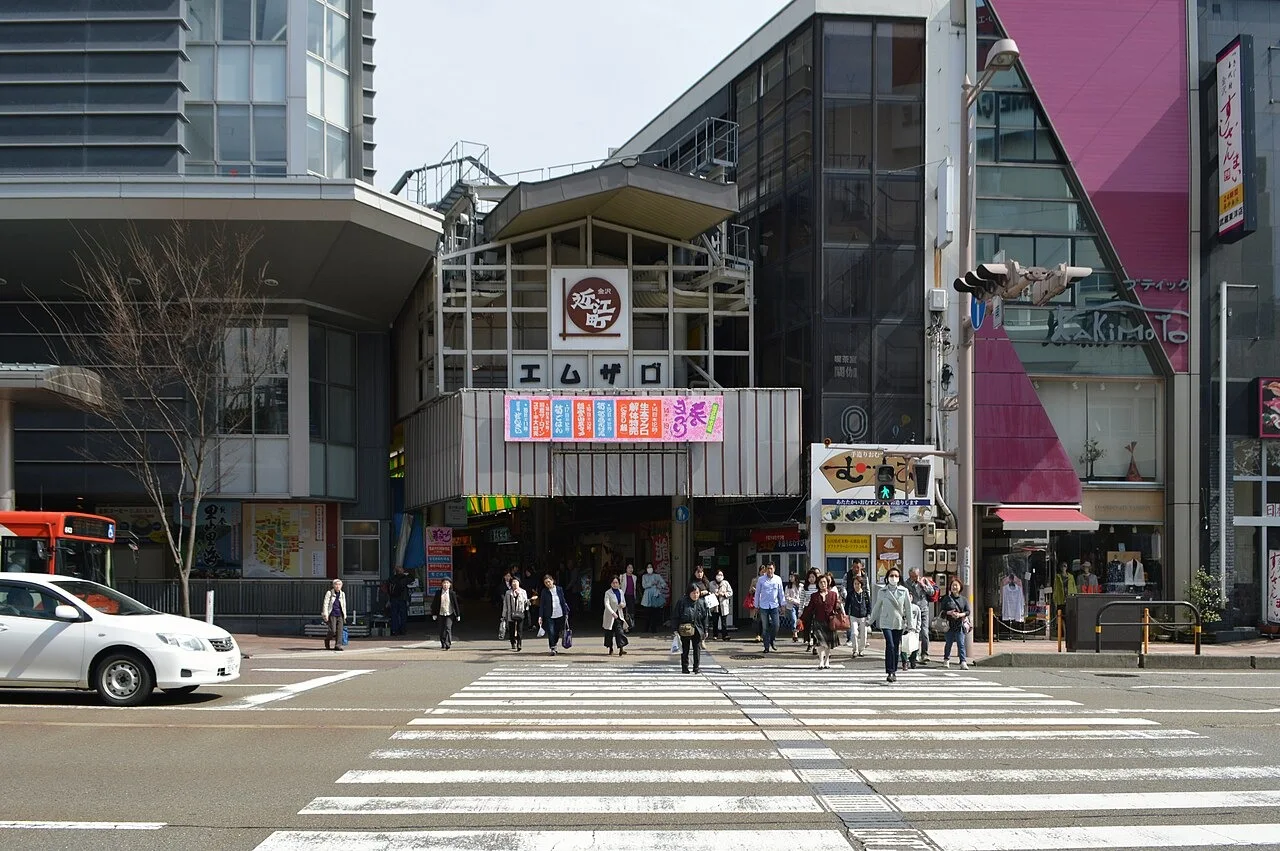
Cross into Kanazawa and the winter spotlight falls squarely on Omicho Market, affectionately known as "Kanazawa's kitchen". Roughly 180 to 200 stalls, greengrocers, dried-goods shops, and seafood diners pack its covered arcades, with most trading from around 09:00 to 17:00 (hours vary slightly by stall). It is a 15-minute walk from Kanazawa Station, or a short ride on a Hokutetsu bus or the Machibus city loop from East Exit stands 6 to 9 to the Musashigatsuji-Omicho Market stop, one minute from the arcade entrance.
Right after the 6 November opening, fishmongers pile their ice beds high from around 7 November with blue-tagged Kano-gani and kobako-gani, and the market stages its own opening crab festival ladling out affordable bowls of crab soup. When shopping, follow the Kanazawa City Tourism Association's golden rule: live raw crabs make it far easier to gauge meat fullness and freshness than pre-cooked ones. Confident cooks can take them home for sashimi or hot pot, while visitors can ask stalls to boil them on the spot for immediate feasting or arrange chilled domestic delivery within Japan—leaning on the fishmonger's counter-side expertise to pick a prime specimen.
Beyond central Omicho, in-the-know diners also head out to Kanazawa Port Ikiiki Uoichi. Comprising six stalls operated directly by local fishermen and port wholesalers right beside the landing docks, it routinely undercuts tourist-facing markets with prices closer to wholesale. Since its location and opening hours differ from Omicho, spending two or more days in Kanazawa lets you visit both and compare harbour rates with city-centre tags first-hand.
The biggest mistake at Omicho Market is strolling in late in the afternoon. Even though doors stay open until around 17:00, popular sizes of live crab, plump kobako-gani, and signature seafood rice bowls frequently sell out soon after midday. Scheduling Omicho for breakfast or an early lunch guarantees peak freshness, full size selection, and far better choice at the sit-down counters.
For a stall-by-stall breakdown of Omicho Market zones, everyday dining picks, and routes back to Kanazawa Station, see the Omicho Market and Kanazawa food guide; this article adds the November opening calendar, tag-reading basics, and Fukui's coastal hubs so you can map out a seamless crab-focused day.
Factor in travel time before setting out for Kanazawa Port Ikiiki Uoichi. Situated on the port waterfront rather than within walking distance of the centre, it requires a bus transfer or taxi ride from Kanazawa Station. Although its six direct-sale stalls form a far smaller footprint than Omicho's two hundred shops, cutting out middlemen delivers remarkable freshness and value—well worth dedicating your second morning to a dedicated portside trip.
When buying a live crab at Omicho to have cooked for you, your bill splits into two parts: the day's market price of the crab plus the stall's boiling fee, with domestic chilled courier postage calculated separately by box weight and destination. Following the tourism association's three-step routine—choose the live crab at the counter, confirm the combined boiling or delivery total, and then decide—lets you weigh market costs cleanly against a fixed-price Fukui kaiseki course.
Once the daytime market winds down, Kanazawa's winter crab baton passes smoothly to its izakaya and veteran oden counters. Travellers often ask whether a crab bought at the market by day can be brought to an izakaya for cooking at night. While some Kanazawa venues do offer bring-your-own preparation for a fee, house rules vary widely—always telephone your chosen izakaya first to confirm charges and accepted hours rather than wandering the cold streets carrying a live crab.
When sitting down to a crab bowl at an Omicho diner, look past the big "special offer" boards out front. Along the very same arcade, crab rice bowls range from budget bites to luxury platters depending on whether they use male Kano-gani or female kobako-gani, crab size, and daily supply. Before ordering, simply ask which crab species is used, the portion size, and whether tax is included—just as vital as checking the leg tag on a whole crab.
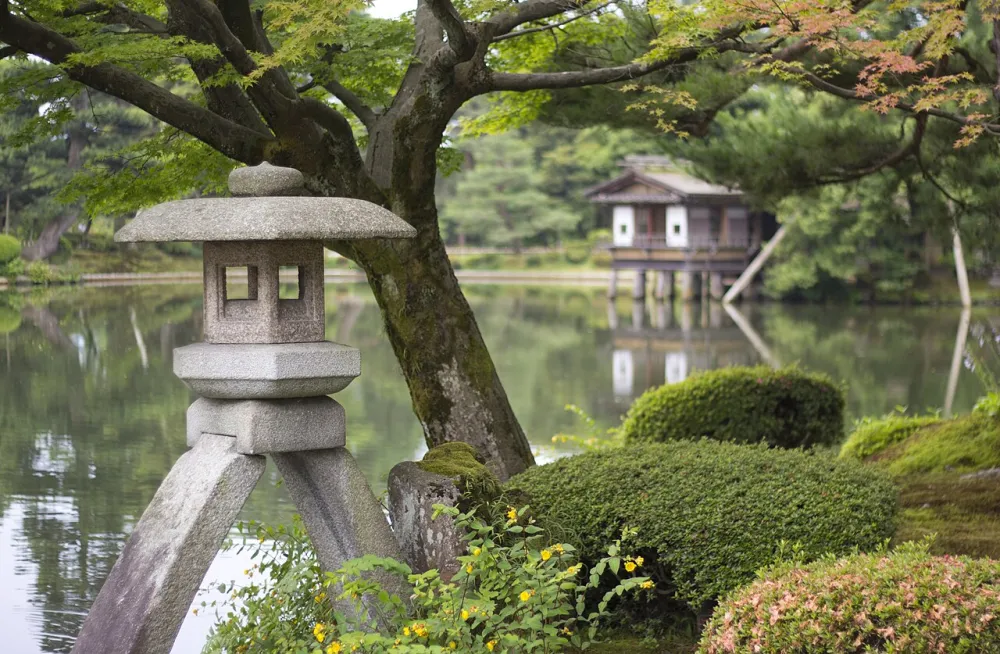
Winter crab season draws far heavier crowds to Omicho than the rest of the year, with queues at popular eateries easily topping an hour during early-November opening week and festival weekends. The cleverest way to beat the crush is to tackle Omicho on a weekday morning, saving peak weekend hours for spacious open-air sights such as Kanazawa Castle Park and Kenroku-en Garden.
Building the Trip: A Kanazawa Base with a Fukui Day Out
For a two-day, one-night getaway, basing yourself in Kanazawa keeps everything flowing smoothly. Spend the morning eating a crab bowl and browsing fishmongers at Omicho Market, walk across to Kanazawa Castle and Kenroku-en in the afternoon (see the two-day Kanazawa itinerary for the full walking route), and duck into a neighbourhood oden counter or izakaya after dark for winter-only kani-men paired with hot kora-zake. Before mid-December, a single day like this unlocks both male and female crabs at once.
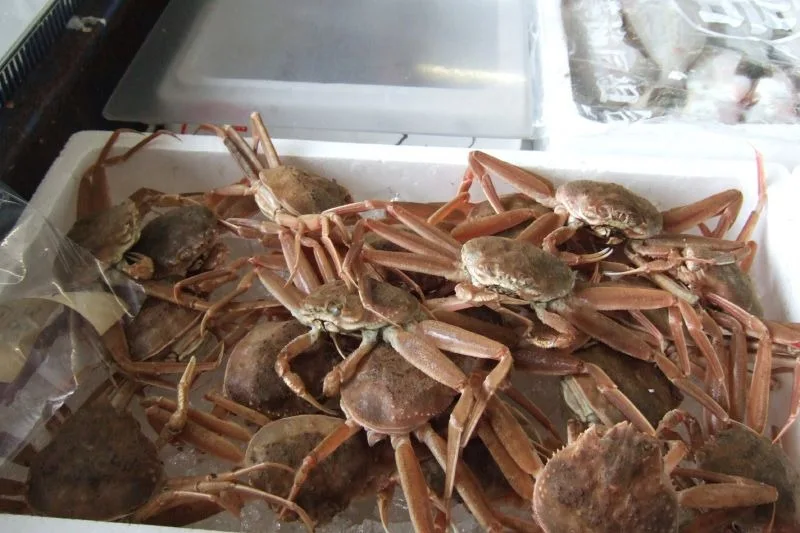
To weave Fukui's coast into the plan, ride the JR line from Kanazawa to Fukui Station or Awara Onsen, then switch onto the Echizen Railway for a day trip to Mikuni Minato. Even outside the November festival weekend, a weekday lunch at a heritage Mikuni Minato crab restaurant followed by a stroll along the Tojinbo sea cliffs and dinner back near Fukui Station makes a rewarding outing. Fukui lacks a centralised covered market like Omicho; instead, its crab culture lives in harbour-town specialists and seaside inns, marking the sharpest contrast between the two destinations.
With three days and two nights, a twin-city itinerary truly comes into its own: spend day one in Kanazawa for Omicho's morning market and castle-town nightlife, then head south early on day two to Mikuni Minato for live crab cuisine and coastal walks. Staying in Kanazawa puts markets and izakaya within easy walking reach, while staying in Fukui cuts out transfers and drops you right beside the harbour at dawn. Weekend rooms sell out fast across both areas once the season opens, so secure your accommodation before locking in restaurant tables.
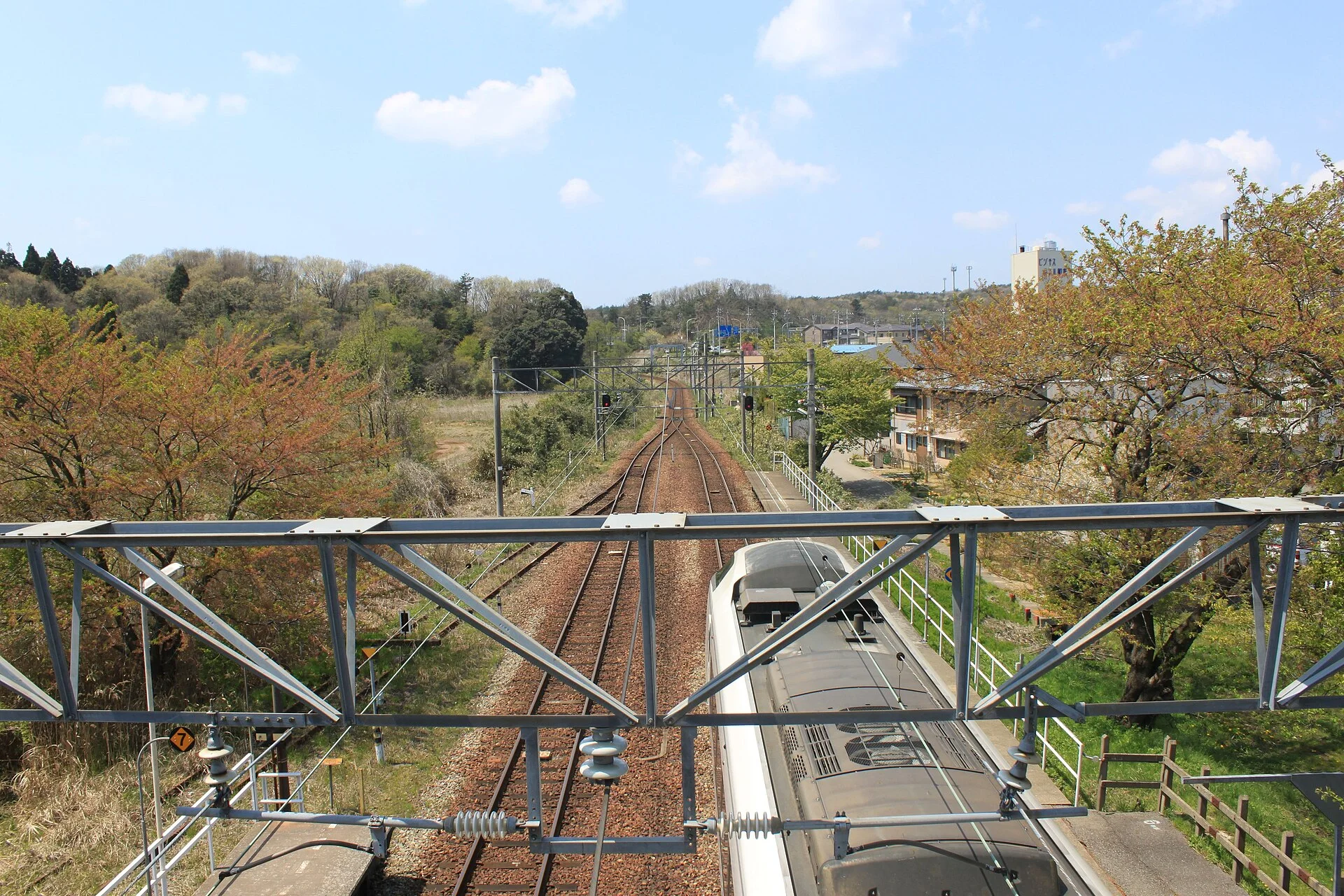
Keep the rail rhythm in mind when heading out to Fukui's fishing ports. The Echizen Railway leaves Fukui Station, passes Awara Onsen, and runs straight to the coast at Mikuni-Minato Station—a seven-minute walk from the festival grounds—with sparser weekday departures than the JR mainline, though extra trains are often added on festival days. Checking the local Fukui–Awara Onsen–Mikuni Minato timetable alongside JR connections from Kanazawa lets you calculate journey times and fares down to the minute.
Placed within a wider Hokuriku trip, the two-day Kanazawa itinerary anchors your heritage sights and hotel neighbourhoods, the Omicho Market food guide handles everyday market eating, and this guide supplies the November-to-March seasonal calendar, origin-tag know-how, and Fukui's Mikuni Minato scene—giving winter in Hokuriku an unmissable culinary focus.
Linking Kanazawa and Fukui also reveals Awara Onsen as a natural overnight hub. Tucked neatly between Fukui Station and Mikuni Minato, it offers direct access to both the Hokuriku Shinkansen and the Echizen Railway alongside an abundance of hot-spring ryokan. You can dine on Echizen crab in Mikuni Minato or Fukui City, soak in Awara's thermal baths that evening, take an early morning dip, and hop north to Kanazawa on the bullet train—combining one night of live crab with one night of classic onsen luxury.
Winter travel along the Sea of Japan always calls for a weather backup plan. Fierce winter squalls can keep boats in port, and official notices warn that rough seas may sharply reduce landings early in the season or prompt organisers to adjust the Mikuni Minato Crab Festival schedule. Check harbour and event updates the evening before setting out, and keep Kanazawa's covered Omicho arcades, oden shops, and indoor galleries on standby so stormy weather never spoils a good crab meal.
Flipping the order works equally well: head straight to a crab-and-onsen ryokan in Mikuni Minato or along the Echizen coast on night one for a freshly prepared Echizen-gani kaiseki banquet and hot-spring soak, then check out the next morning and ride north to Kanazawa for an afternoon and evening at Omicho Market, Higashi Chaya, and local izakaya. You enjoy the very same prized crabs, simply starting your trip at a gentler ryokan pace.
With the Hokuriku Shinkansen now running through to Tsuruga, mainline rail links between Kanazawa and Fukui are faster and more reliable than ever, though reaching Mikuni Minato and the crab festival still depends on the Echizen Railway. Whether a regional rail pass pays off comes down to frequency: for a single day-return from Kanazawa to Fukui, point-to-point tickets are simpler; for two or three days hopping repeatedly between Kanazawa, Awara, Fukui, and coastal ports, run the numbers on a pass first.
Finally, seasonal pricing works differently depending on where you stay. City hotels in Kanazawa follow year-round urban rate patterns while leaving diners to explore markets and izakaya on their own. By contrast, "crab ryokan" in Mikuni Minato and along the Echizen coast build their reputation around multi-course live crab kaiseki paired with thermal baths, where half-board packages often beat à la carte dining for value. Just check carefully before paying whether your package includes half a crab or a whole live crab, and whether it specifies Echizen-gani or kobako-gani.
Prices and Budgets in Reality: Tags, Size and Timing
Live Sea of Japan crab is priced strictly by the day, shaped by weight, sex, origin tag, and supply-and-demand swings, so only the board price posted at the stall or restaurant counts. Travellers still hold three smart levers to stretch their budget: target modestly priced kobako-gani before the end of December, steer clear of the opening fortnight and late-December gift-giving rush (mid-to-late November or March often sees gentler pricing), and compare live tags between Omicho Market and Kanazawa Port Fish Market. If your dates coincide with mid-November's Mikuni Minato Crab Festival, portside bargains and limited crab soup offer the finest value of the winter.
When breaking down costs, distinguish clearly between two ways of dining. Booking a kaiseki meal at a Fukui specialist or hot-spring inn pays for private seating, skilled kitchen execution, and a full sequence of courses; picking a live crab at Omicho Market adds a modest boiling charge to the raw shellfish price. As for taking or shipping seafood back overseas, both raw and cooked crab face strict cold-chain constraints and international import quarantine rules, so do not leave enquiries until you are standing at a market stall only to find you cannot take your purchase home.
Even kobako-gani—once inexpensive enough to be an everyday winter snack for Kanazawa children—has climbed steadily in price as nationwide demand meets a strict two-month fishing window. Market fluctuations right after opening day in early November and just before the late-December close show up plainly on stall chalkboards, so walking a few extra paces to compare daily prices between Omicho and Kanazawa Port Fish Market remains the most practical way to gauge value.
Seen as a whole, the Hokuriku crab season falls into five clear chapters: 6 November launches everything with festivals and opening crab-soup events; mid-November through late December forms the golden peak when kobako-gani and male crabs share the stage; January and February belong entirely to plump male crabs; 19 February brings sweet, soft-shelled mizu-gani into the mix; and 20 March closes every port for the season. Match your travel dates against those five stages before booking and you will never arrive in the wrong month.
Once the female crab ban takes effect at the end of December, fresh local kobako-gani disappears completely, with no winter substitute waiting in the wings. Travellers arriving from January onwards should focus squarely on peak-flesh male Kano-gani and Echizen-gani, plus mizu-gani once it opens in late February—picking the right star for your month avoids any let-down.
Read alongside the wider Hokuriku guides, the two-day Kanazawa itinerary sorts out your sightseeing walks and hotel bases, the Omicho Market food guide covers everyday dining routes, and this guide completes the winter picture with opening dates, tag identification, and Fukui's portside dining. Once the spring closed season begins in April and Hokuriku shifts back to cherry blossoms and landscaped gardens, tuck this timeline away for next November.
Setting limited festival crab soup, market-priced rice bowls, kaiseki dining rooms, and top-tier Kiwami crabs side by side makes the secret to budgeting clear: pick your setting first. Beach festivals, fish markets, city restaurants, and coastal crab ryokan each sit in their own price bracket, so decide what kind of experience you want before reading tags and sizes—and Hokuriku's winter table becomes both memorable and manageable.
A few useful answers
When does crab season begin?
Snow crab fishing along the Sea of Japan opens every year on 6 November, with Fukui and Ishikawa launching on the same day and fresh catch arriving at Omicho Market from around 7 November. Male crabs (Echizen-gani and Kano-gani) remain in season until 20 March the following year, while female crabs (kobako-gani) are only permitted until the end of December.
What is the difference between kobako-gani and Kano-gani?
Kano-gani is the Ishikawa-landed male snow crab brand, prized for its thick legs and generous sweet meat. Kobako-gani is the female snow crab, harvested for only about two months. Its highlights are the crunchy outer roe (sotoko), the rich, creamy orange inner roe (uchiko), and hot sake poured into the roasted shell (kora-zake) at the end; it is also the centrepiece of Kanazawa's winter oden speciality, kani-men.
When is the Mikuni Minato Crab Festival?
In 2026, the Mikuni Minato Crab Festival takes place on 14 and 15 November from 06:00 to 15:00 at the Mikuni Sunset Beach special venue (4-9 Shuku Yonega-waki, Mikuni-cho, Sakai). Local fishmongers sell freshly landed Echizen crab at festival prices, alongside 2,500 bowls over the two days of crab miso soup simmered with a whole female seiko-gani. Take the Echizen Railway to Mikuni-Minato Station and walk for about seven minutes.
Where can I buy crab in Kanazawa?
In central Kanazawa, the main hub is Omicho Market (roughly 180 to 200 stalls and eateries, generally open from 09:00 to 17:00, a 15-minute walk from Kanazawa Station or a short bus ride to Musashigatsuji-Omicho Market), which also hosts a crab soup festival right after opening day. For a harbourside alternative, visit the six fisherman-run stalls at Kanazawa Port Ikiiki Uoichi. Buying live crabs rather than pre-boiled ones makes it far easier to judge freshness.
How should I plan my itinerary?
For a two-day, one-night trip, base yourself in Kanazawa: visit Omicho Market for a crab rice bowl in the morning, explore Kanazawa Castle and Kenroku-en in the afternoon, and finish with oden kani-men and kora-zake at dinner. With an extra day, ride the JR line from Kanazawa and transfer to the Echizen Railway for live crab cuisine in Mikuni Minato and a walk along Tojinbo cliffs; to catch the 06:00 festival opening, stay the night before in Fukui City or Awara Onsen.
How do I pick a good crab?
The Kanazawa City Tourism Association recommends choosing live crabs first, as it is much easier to assess freshness and meat density, and always checking the origin tag—blue for Ishikawa male crabs, yellow GI tags for Fukui Echizen crabs. If you do not want to cook them yourself, ask the fishmonger to boil them for immediate dining, or confirm chilled domestic delivery fees and insulated packaging on the spot if shipping within Japan.
Can I still eat kobako-gani after the end of December?
No fresh local catch is available once the season closes. Female kobako-gani fishing is strictly prohibited after the end of December to protect stocks, so if you miss that window you must wait until 6 November the following year. To taste both male and female crabs, plan your visit before mid-December; from January to 20 March, focus on meaty male crabs and soft-shelled mizu-gani, which opens on 19 February.
Official information and references
Sources used in this guide.
- Kanazawa City Tourism Association | Why Kanazawa Crab Tastes So Good (Seasons, Tags, Dishes and Markets)
- Sakai City Tourism | Mikuni Minato Crab Festival 2026 (Dates, Venue and Limited Crab Soup)
- Omicho Market | Official Guide (Opening Hours, Stalls and Access)
- Fukui Prefectural Tourism | Echizen-gani Opening Day and Seasonal Information
- Kanazawa Port Ikiiki Uoichi | Direct-Sale Stall Information (via Kanazawa City Tourism Association)