Snow crab season along the Sea of Japan opens every November 6: Fukui's Echizen crab, Kanazawa's Kano crab, and the fleeting two-month female kobako-gani. Compare the Mikuni Minato Crab Festival, Omicho Market, and Kanazawa Port Fish Market to plan a day trip or overnight stay.
- Region & Focus
- Kanazawa
- Reading Scope
- 15 min read · 7 chapters · 7 Q&As
- Official Verification
- 5 official sources checkedUpdated November 20, 2026
- Key Topics
- FoodSeasonsChubu & Hokuriku
Chapter Route Map (tap any stop)
- Two Maps of Crab Season: Fukui's Echizen Crab and Kanazawa's Kano Crab
- How to Eat Kobako-gani: Sotoko, Uchiko, and Kora-zake
- Mikuni Minato Crab Festival: Two Weeks After Opening Day
- Two Stops in Fukui: Live Tanks by the Station and Crab Bowls by the Sea
- Omicho Market: Kanazawa's Crab-Season Kitchen
- Putting It Together: A Kanazawa Base and a Fukui Day Trip
- Price and Budget Realities: Tags, Size, and Timing
- Quick Q&A
Every November 6, the Sea of Japan lifts its seasonal ban on snow crab fishing, kicking off winter dining across Fukui and Ishikawa prefectures on the very same day. Fukui markets its male snow crabs as Echizen crab, while Kanazawa brands its males as Kano crab and calls the tiny, roe-packed females kobako-gani—available for only two fleeting months. Three distinct venues anchor the season: Fukui's Mikuni Minato Crab Festival, Kanazawa's central Omicho Market, and the fisherman-run Kanazawa Port Iki-iki Fish Market. Because kobako-gani harvesting closes at the end of December, anyone hoping to taste both male and female crabs in one trip needs to schedule their Hokuriku visit early in the season.
Two Maps of Crab Season: Fukui's Echizen Crab and Kanazawa's Kano Crab
Facing the same stretch of the Sea of Japan, Fukui and Ishikawa prefectures have built distinct regional brands around snow crab. Fukui names its male snow crab Echizen crab, centered on landing ports such as Mikuni Minato. Ishikawa calls its male snow crab Kano crab and its female snow crab kobako-gani (often called seiko-gani in Fukui and neighboring areas). Both prefectures open their official fishing season together on November 6, treating that date as the start of Hokuriku's winter culinary calendar.
Before locking in travel dates, watch two hard seasonal cutoffs. Male crabs (Echizen crab and Kano crab) are fished through March 20 of the following year, giving you more than four months to plan around them. Female crabs (kobako-gani), however, are protected by strict resource limits and can only be harvested through the end of December—a window of roughly two months. If you want both thick, sweet male leg meat and rich female roe in one trip, mid-December or earlier is your only window; if you only care about large male crabs, you can eat them fresh through mid-March.
When buying crab in Fukui, look first for the yellow leg tag. Echizen crab was the first crab in Japan to earn Geographical Indication (GI) protection, and its yellow tag prints both the GI mark and the name of the fishing vessel that caught it. The Echizen-cho Fisheries Cooperative pioneered the tagging system in 1997 and extended it to female seiko-gani in 2007. A snow crab without a yellow tag is not authentic Echizen crab, and Fukui also promotes the brand as the only snow crab in Japan traditionally presented to the Imperial Household.
Cross the border into Ishikawa Prefecture and the origin proof switches to a bright blue leg tag, certifying the crab was landed at an Ishikawa port. Because the seabed off Ishikawa drops steeply close to shore, fishing boats can haul in live crabs and return to port quickly—a geographic advantage the Kanazawa City Tourism Association credits for Kano crab's freshness. Yellow tag in Fukui, blue tag in Ishikawa: checking the tag color before the price tag is the first rule of Hokuriku crab hunting.
November 6 is far more than a date on the calendar in Hokuriku. After the first boats unload at dawn on opening day, auctions, tagging, and retail sales all happen within the same day. To witness opening-season freshness and crowds firsthand, target the Mikuni Minato Crab Festival held within two weeks of opening day or Omicho Market's opening crab-soup event. Once that early rush passes, market supply and prices settle into a steadier rhythm.
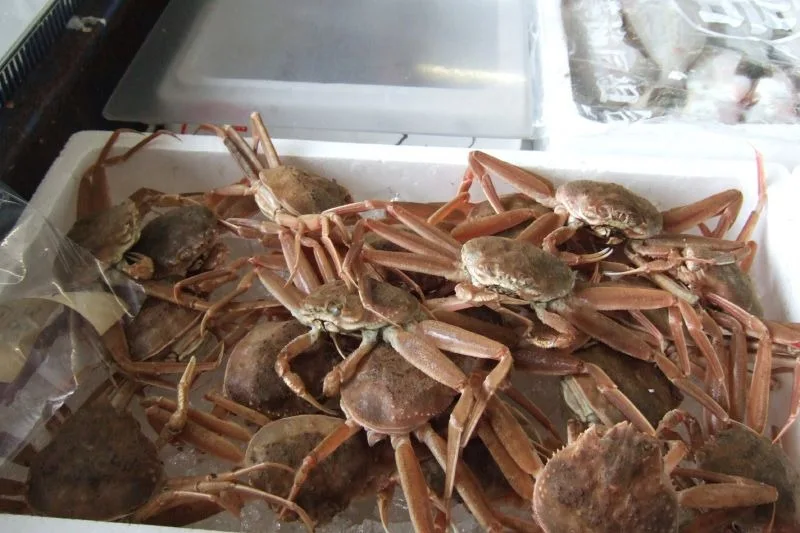
Before ordering at a restaurant, make sure you know what separates male and female crabs on the plate. Male crabs are prized for their size and generous, delicately sweet leg meat, typically served freshly boiled, as sashimi, in shabu-shabu hot pot, or charcoal-grilled. Female crabs (kobako-gani or seiko-gani) are compact with very little leg meat; their real draw is the dense inner roe (uchiko) and crunchy outer roe (sotoko). On a menu, "Echizen crab" almost always means the male, while "kobako" or "seiko" indicates the female—and the price and portion size differ dramatically.
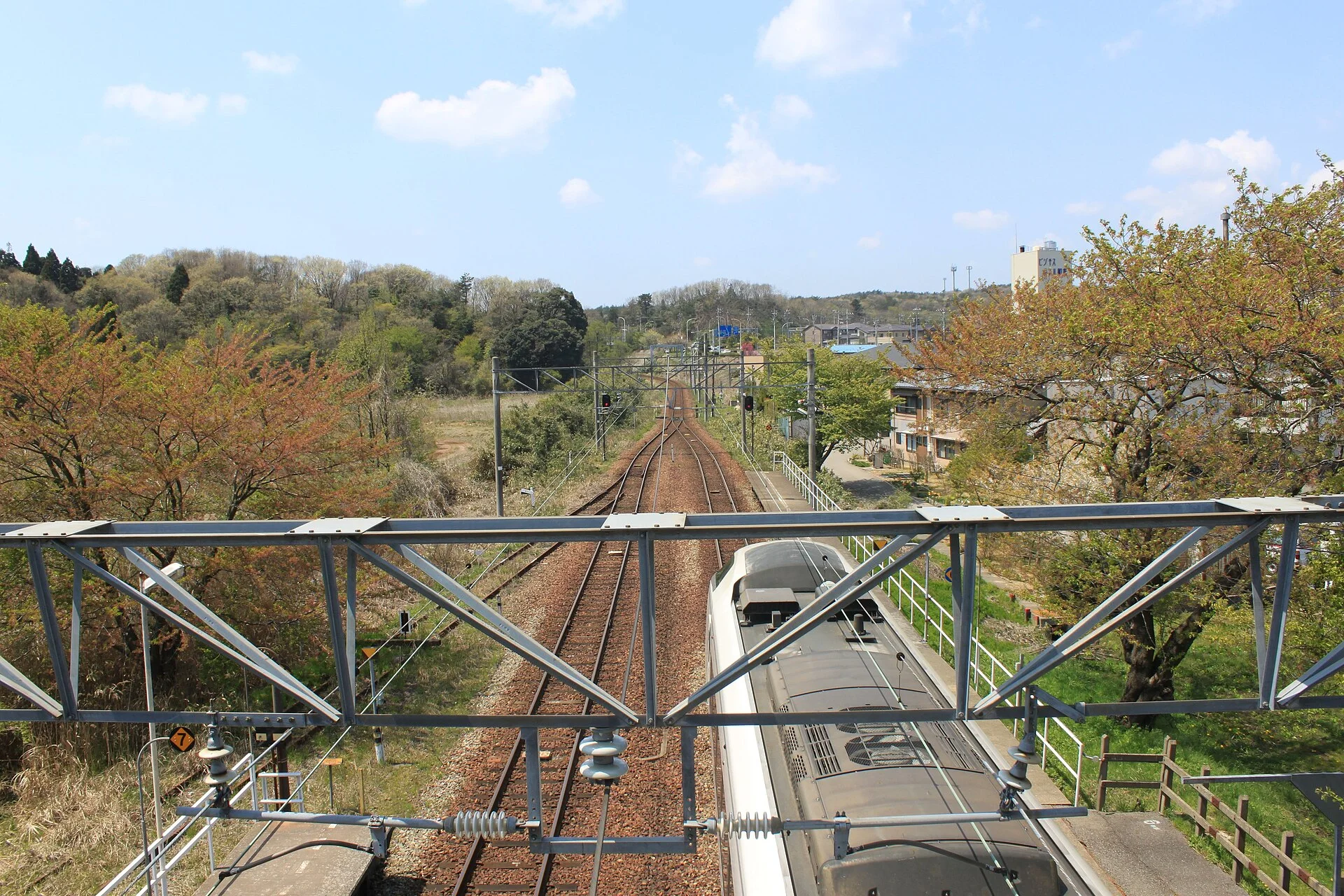
Connecting the two prefectures by rail is straightforward. Kanazawa is served by the Hokuriku Shinkansen and JR lines, while reaching Fukui's coastal ports requires transferring to the local Echizen Railway, which runs less frequently and stops running earlier in the evening. From Kanazawa Station, you can reach Fukui Station in under an hour via the Hokuriku Shinkansen (which now extends to Tsuruga), then switch to the Echizen Railway for Mikuni Minato. Using Kanazawa as a base for a Fukui day trip works easily, while staying overnight in Fukui City or Awara Onsen lets you walk down to the harbor early in the morning.
Budgeting for crab season is much easier if you divide your spending into three tiers. The entry tier is picking up individual items or a crab rice bowl at Omicho Market, where a single meal satisfies the craving. The middle tier is a full multi-course crab kaiseki dinner at a Fukui specialty restaurant or hot-spring inn, moving from sashimi to boiled and grilled courses. At the top sits Kiwami, the ultra-premium brand requiring a live male crab weighing at least 1.3 kilograms—a collector-grade splurge that explains why menu numbers swing so wildly.
If you spot a prime live crab at a market stall and want to take it with you, check storage and customs limits before buying. Most shops offer on-the-spot boiling and insulated cooler boxes so you can carry your purchase on the train, or ship it via chilled domestic courier to an address inside Japan. Winter rail transfers across Hokuriku take time, so confirm how long an uncooked crab stays fresh on the counter. As for taking or shipping seafood home internationally, live and cooked crabs face strict cold-chain limits and cross-border customs quarantine rules, so it is far easier to enjoy fresh crab on the spot and pick up shelf-stable souvenirs separately for your trip home.
Traveling with kids goes much more smoothly if you put market browsing before sitting down to eat. Watching fishmongers unload the catch, snap on origin tags, and carve crabs at the counter turns lunch into a memorable experience for younger travelers. Kobako-gani's bright orange inner roe and dark brown outer roe look unusual at first glance, so letting kids see how the crab is prepared makes them far more curious to try a bite. Just keep a close hand on children in narrow, crowded market aisles and near steaming soup pots.
After March 20, the live Sea of Japan snow crab season ends completely. Both the late-December cutoff for female crabs and the March 20 closing date for males are strictly enforced bans; by April, fisheries shift to spring species and closed-season conservation, leaving mainly frozen stock or crabs from other regions on shelves. If your goal is freshly landed live crab, anchor your calendar tightly between November 6 and March 20.
Snow crab season along the Sea of Japan opens every November 6: Fukui's Echizen crab, Kanazawa's Kano crab, and the fleeting two-month female kobako-gani. Compare the Mikuni Minato Crab Festival, Omicho Market, and Kanazawa Port Fish Market to plan a day trip or overnight stay.
How to Eat Kobako-gani: Sotoko, Uchiko, and Kora-zake
A palm-sized kobako-gani owes its cult following to three distinct elements packed inside one shell. Attached to the outside of the abdominal flap are tiny, dark-brown eggs that pop between your teeth—that is sotoko (outer roe). Tucked inside the upper carapace is uchiko (inner roe), a rich, creamy mass of unripe orange-red eggs that Kanazawa locals consider a peak winter delicacy. Once every shred of sweet meat has been picked clean, warm sake is poured into the roe-coated shell to make kora-zake, completing the ritual.
Fukui tourism officials go so far as to nickname seiko-gani's inner roe "red diamonds" (akai daiya), and local markets and diners heap it generously over rice for seafood bowls. For male Echizen crab, Fukui's official ranking puts freshly boiled hot crab (yude-gani) at number one, followed by crab sashimi, shabu-shabu, charcoal grilling, crab hot pot, kamameshi rice pot, kora-zake, and crab-infused cooked rice. Late in the season, from February 19 to March 20, Fukui adds a hidden bonus: freshly molted mizu-gani (also called zubo-gani), whose softer shell and ultra-juicy meat are said locally to taste even sweeter than standard Echizen crab.
In Kanazawa, winter oden shops showcase a seasonal icon called kanimen. Chefs carefully pack all the leg meat, brown tomalley, inner roe, and outer roe of a kobako-gani back into its own shell, then simmer the whole thing gently in clear dashi broth—a dish that appears only during the two-month female crab window. Meanwhile, eateries around Omicho Market cover every angle from raw sashimi and crab nigiri to charcoal-grilled legs and shabu-shabu, so decide whether you are in the mood for chilled raw crab or steaming broth before stepping inside.
Menu prices running into tens of thousands of yen are far less intimidating once you know the official benchmarks. Standard male Echizen crabs typically retail between ¥25,000 and ¥50,000 each, trending upward in recent years as catch volumes fluctuate. The top-tier Kiwami brand enforces strict grading criteria: over 1.3 kilograms in weight, a carapace width exceeding 14.5 centimeters, and claws wider than 3 centimeters—surpassing even the 1.1-kilogram threshold for crabs presented to the Imperial Household—which pushes single specimens into hundreds of thousands or even over a million yen. Fisheries law also bans harvesting crabs under 9 centimeters across the carapace to protect future stocks, making it easy to tell everyday treats from trophy specimens.
Ordering or making kora-zake is surprisingly approachable, whether at a restaurant or back at your accommodation. After eating the meat, save the lightly toasted upper shell and pour in hot sake so the lingering tomalley and uchiko melt into the liquor, infusing every sip with briny richness. Because a kobako-gani shell is compact, it holds just the right amount for a single-person cup—often sold a la carte at Kanazawa izakayas or served as the natural finale to a Fukui crab kaiseki dinner.
To track down kanimen, make sure you walk into the right kind of establishment: it is not a raw fish-stall item, but a winter-only signature at Kanazawa's classic oden restaurants. Using the crab shell itself as a natural bowl lets the savory kanimiso seep straight into the delicate broth, making it equally comforting as a warm meal or a late-night drinking snack. Since Kanazawa is famous for oden year-round, adding an oden supper in November or December elevates a crab-season trip immediately.
Spotting the difference between outer and inner roe takes two seconds at a market stall. Flip a female crab over to check the underside flap: the dark-brown, granular clusters clinging outside are sotoko. Lift the top shell and you will see the vivid orange, custard-like uchiko packed inside—a plump female delivers both textures in one crab. Regulars say uchiko grows richer as the late-December closing approaches, though daily fatness depends on sea conditions, so asking the fishmonger behind the counter to pick a heavy one is the smartest move.
Even though it is the exact same species of female snow crab, crossing the border between Fukui and Ishikawa transforms its name and culinary style. In Fukui, locals call it seiko-gani and favor hearty bowls piled high over rice or whole crabs simmered in miso soup. In Kanazawa, it becomes kobako-gani, inspiring delicate oden kanimen and izakaya kora-zake—giving travelers two distinct regional traditions within an hour's train ride.
If you plan to try melt-in-your-mouth crab sashimi, pay close attention to a kitchen's raw-handling track record. Dedicated crab restaurants and long-running izakayas in Fukui and Kanazawa handle live crab daily and serve pristine raw legs during the season. At casual diners or market takeout stalls, however, cooked preparations like freshly boiled crab, shabu-shabu, and oden kanimen are the safest bets—especially for travelers with sensitive stomachs who still want full coastal flavor.
Mikuni Minato Crab Festival: Two Weeks After Opening Day
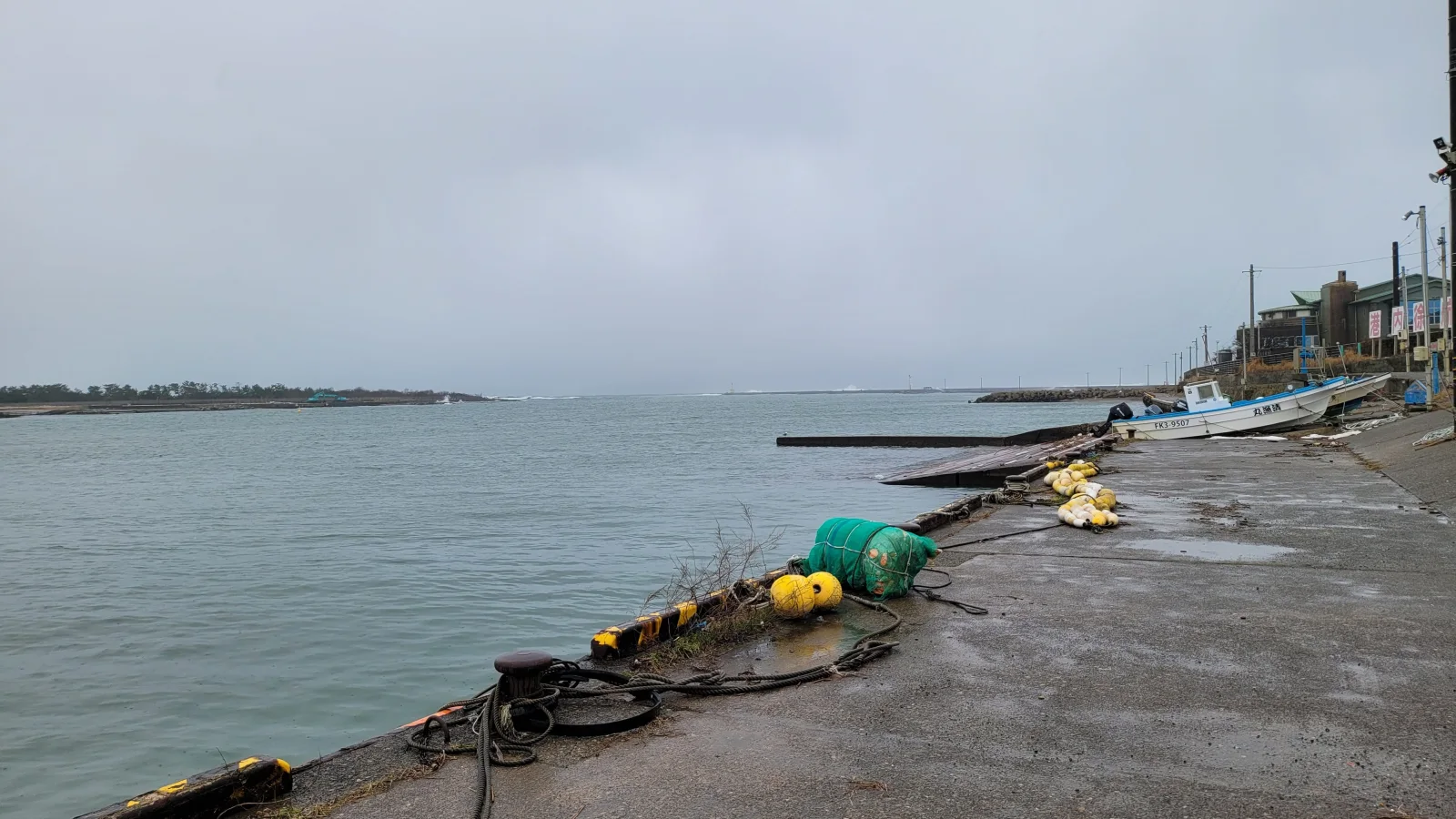
Held roughly two weeks after Echizen crab season opens each year, the Mikuni Minato Crab Festival (Mikuni Minato Kani Matsuri) is the liveliest coastal celebration in Fukui. In 2026, it runs for two days on November 14 and 15 from 6:00 a.m. to 3:00 p.m. at a special venue on Mikuni Sunset Beach (4-9 Shuku Yonegawaki, Mikuni-cho, Sakai City). Local fish dealers sell newly landed Echizen crab at festival-only port prices, and the signature attraction is piping-hot crab miso soup (kani-jiru) made with an entire female seiko-gani per bowl—capped at 2,500 bowls across the two days.
Beyond live crabs and soup, the beachfront hosts the Mikuni Minato Gourmet Yokocho food alley and local food trucks serving grilled seafood and fried bites. Public transit is by far the easiest way in: ride the Echizen Railway to Mikuniko Station and walk about 7 minutes, or take the Keifuku Bus Tojinbo Line to the Shuku stop and walk 1 minute. Drivers must use the designated Mikuni Sunset Beach parking lot, as street parking nearby is strictly prohibited and festival traffic clogs the approach roads.
Although official festival hours run from 6:00 a.m. to 3:00 p.m., the signature crab soup sells out early, concentrating the real action into the morning. The smoothest plan is to sleep in Fukui City or Awara Onsen the night before, hop on an early train to hit the stalls at dawn, and leave before noon to pair the outing with the nearby Tojinbo sea cliffs or the Echizen Coast. Organized by the DMO Sakai Tourism Bureau (tel. 0776-82-1555), the event's latest sea-condition updates and site notices are posted online the day before.
That steaming bowl of kani-jiru—worth setting an alarm before sunrise for—drops a whole roe-packed seiko-gani straight into simmering miso broth, delivering intense sweetness against the sea breeze. Because only 2,500 bowls are served across the whole weekend, past editions have routinely sold out before noon, which is why the gates open at 6:00 a.m. Right beside the soup tents sits the Toretate Ichiba morning market, where you can browse seasonal Hokuriku fish and shellfish at the same time.
If your trip misses that mid-November weekend, Fukui's crab scene stays busy all winter long. Traditional crab restaurants along Mikuni Minato and the Echizen Coast serve full live-crab kaiseki courses and a la carte dishes daily, though well-known spots require booking weeks ahead. Travelers without a car can also find specialized restaurants with live holding tanks right around Fukui Station, and local guides consistently recommend pairing dinner with a stay at a portside or hot-spring inn so you can drink sake freely over a slow multi-course meal.
Go into the festival prepared for serious crowds. The combination of 2,500 limited soup bowls, discounted portside crabs, and gourmet stalls makes the first hour after the 6:00 a.m. opening the busiest window of the day. While Echizen Railway adjusts capacity for event traffic, the rural platforms are small—snap a photo of the return timetable when you arrive so you can wrap up smoothly, avoiding the parking queues and strict no-parking enforcement faced by drivers.
The real magic of the Mikuni Minato Crab Festival is that for two days a year, ordinary travelers gain access to dockside prices normally reserved for wholesale fish buyers. Once the festival weekend wraps up, heading to sit-down restaurants around Mikuni Minato and the Echizen Coast is the most reliable way to enjoy the exact same freshly landed Echizen crab at fair local rates.
If your hotel is in Kanazawa, trying to reach the festival opening requires honest math. While JR trains from Kanazawa Station reach Fukui Station in under an hour, transferring to the Echizen Railway to Mikuniko Station and walking 7 minutes makes arriving for the 6:00 a.m. opening from Kanazawa practically impossible—shift your overnight stay to Fukui City or Awara Onsen the night before instead. That way, you can finish the morning festival, walk north along the dramatic Tojinbo cliffs, and return to Fukui Station in time for lunch.
Many visitors try to compare festival port prices (hama-ne) directly against city fish markets, even though the two operate on completely different models. Festival pricing reflects a two-day opening-season coastal promotion, whereas Omicho Market and city shops factor in steady season-long supply chains and overhead. Go to the festival for ocean air, morning energy, and limited-edition soup; go to the markets when you want time to compare crab sizes at your own pace.
Two Stops in Fukui: Live Tanks by the Station and Crab Bowls by the Sea
If you would rather skip picking raw crabs yourself or wrestling with shells, Fukui's official dining guides highlight two standout restaurants. Shunkontou Kemuriya sits just a 3-minute walk from JR Fukui Station (in Ote 2-chome) with live crab tanks right inside the dining room. Its Echizen snow crab courses combine boiled, charcoal-grilled, and sashimi preparations starting from ¥28,000 per person (minimum two guests, reservation required by 6:00 p.m. JST the day before), making it effortless to walk to on your first night near the station.
Further out by the coast in Fukui City's Gamo-cho sits Uoya no Kuidokoro Matsuda, famous for its Matsuda Seiko-don—a rice bowl piled high with the meat, tomalley, and inner and outer roe of two full female seiko-gani crabs. Only 200 bowls are made each day and advance reservations are required, plus the ride from JR Fukui Station takes roughly 50 minutes, yet it distills kobako-gani into one unforgettable dish. Together, these station-front and coastal specialists, alongside inns in Mikuni Minato and along the Echizen Coast, anchor Fukui's complete crab dining map.
Put Kanazawa's markets and Fukui's dining rooms side by side and their strengths split neatly. Omicho Market excels at hands-on crab selection, bargaining, and immediate boiling at the stall, while Fukui's specialty restaurants and coastal inns shine with full-course pacing and kitchen craft. If time and budget allow, spend one night exploring Kanazawa's markets and another sitting down to a proper Fukui course meal.
Omicho Market: Kanazawa's Crab-Season Kitchen
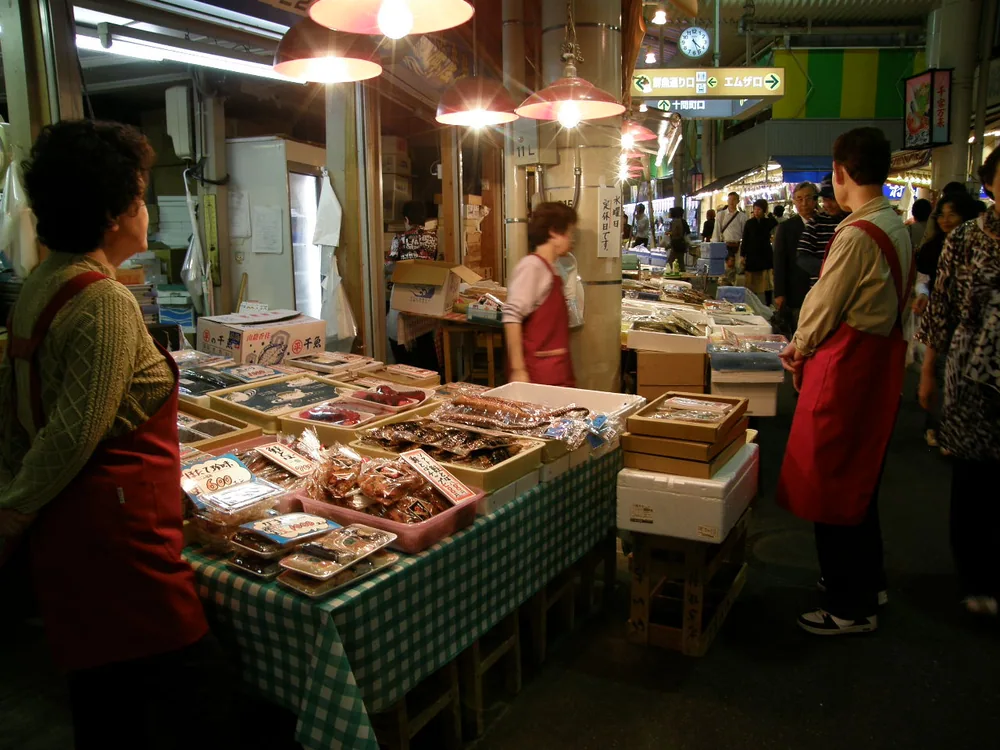
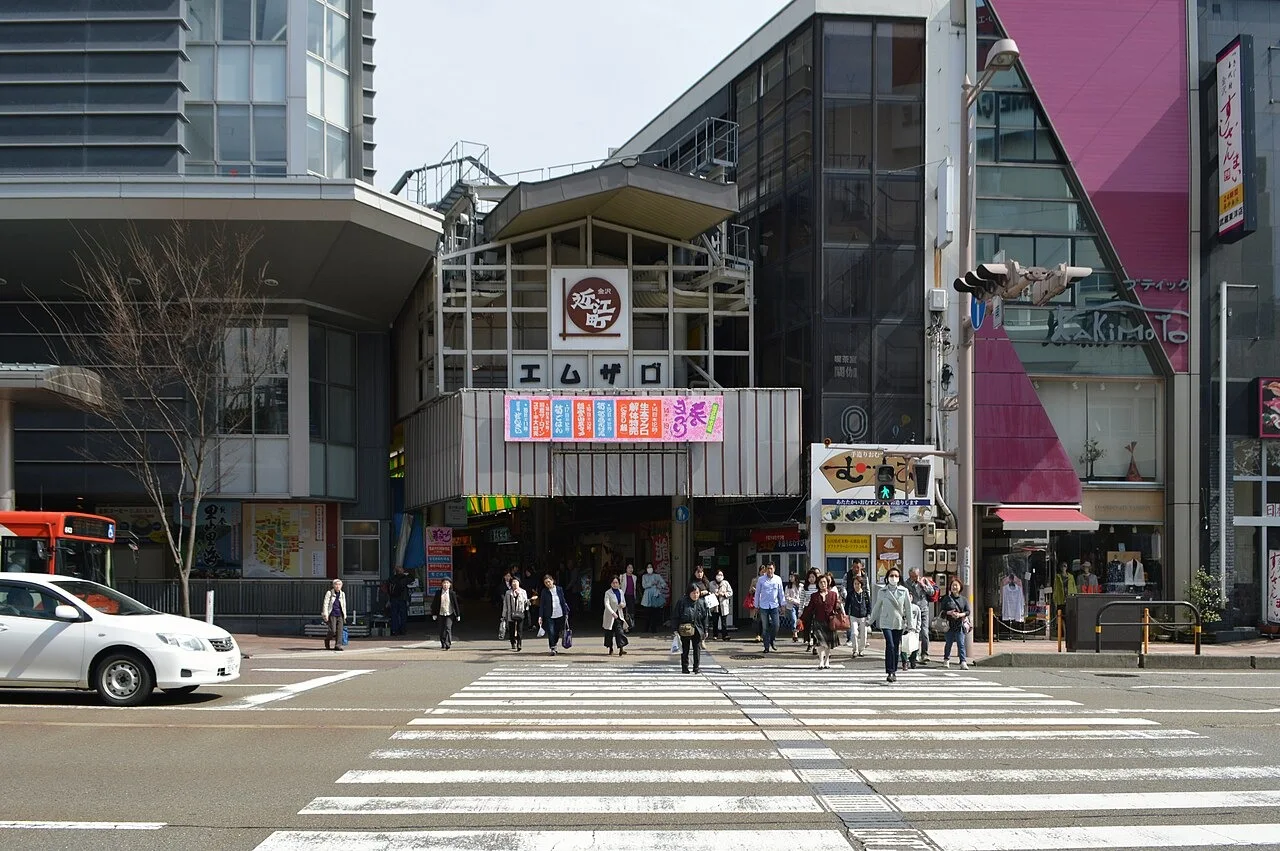
Cross over to Kanazawa and the winter spotlight lands squarely on Omicho Market, long known as "Kanazawa's kitchen." Roughly 180 to 200 stalls pack its covered arcades—fishmongers, produce vendors, dried-goods shops, and seafood diners lined shoulder to shoulder—with most operating roughly between 9:00 a.m. and 5:00 p.m. (hours vary by shop). It is a 15-minute walk from Kanazawa Station, or a quick hop on a Hokutetsu bus or the downtown Machibus loop from East Exit stops 6 through 9 to Musashigatsuji / Omicho Market, followed by a 1-minute walk into the arcade.
Right after the November 6 opening—usually by November 7—fish stalls fill with blue-tagged Kano crabs and kobako-gani, and the market hosts an opening Crab Festival serving huge cauldrons of budget-friendly crab soup. When shopping, follow the Kanazawa City Tourism Association's rule of thumb: inspect live raw crabs rather than pre-boiled ones so you can judge meat fullness and freshness yourself. If you can cook, buy for sashimi or hot pot; otherwise, ask the vendor to boil it on the spot to eat right away, or ship it via chilled domestic courier within Japan, taking advantage of the face-to-face guidance from fishmongers behind the counter.
Beyond downtown Omicho, Kanazawa hides an insider alternative at Kanazawa Port Iki-iki Fish Market. Operated directly by local fishermen and wholesale middlemen across six stalls right beside the unloading dock, its prices often sit closer to true port wholesale rates than tourist-heavy downtown markets. Because its location and hours differ from Omicho, visiting both during a stay of two days or longer makes for a revealing price and freshness comparison.
The biggest mistake at Omicho Market is strolling in late in the afternoon. Even though posted hours run until around 5:00 p.m., prime crab sizes, plump kobako-gani, and signature seafood rice bowls frequently sell out by early afternoon. Treat Omicho as a morning breakfast or early-lunch stop so you get peak freshness, full size selection, and your pick of sit-down counters.
For a breakdown of Omicho Market's zones, everyday dining counters, and routes from Kanazawa Station, see our Omicho Market and Kanazawa food guide; this guide layers on the November opening calendar, tag identification, and Fukui's coastal spots so you can map out a seamless crab-season day.
Make sure to budget transit time if you add Kanazawa Port Iki-iki Fish Market. Sitting out along the Kanazawa Port waterfront well beyond downtown walking range, it requires a bus transfer or taxi from Kanazawa Station. Although its six direct-sales stalls are tiny compared to Omicho's 200-shop maze, cutting out middlemen delivers serious value and dockside freshness—well worth dedicating a second morning to explore.
When asking a stall at Omicho to cook a live crab you picked out, expect two separate charges: the market price of the crab itself, plus the shop's boiling fee (and if you use domestic chilled delivery within Japan, shipping depends on box weight and destination). Follow the tourism association's three-step routine—pick your live crab at the counter, confirm the all-in total for cooking or shipping, then commit—so you know the exact tab upfront and can compare it cleanly against set-price Fukui kaiseki menus.
Once the daytime market shutters roll down, Kanazawa's crab culture hands the baton to neighborhood izakayas and historic oden shops. Travelers often ask whether they can bring a live crab bought at the daytime market into an izakaya at night to have the chef cook it. A handful of Kanazawa eateries do accept outside ingredients for a preparation fee, but policies vary widely, so call your chosen izakaya before buying a live crab rather than wandering the winter streets carrying one.
When ordering a crab rice bowl at an Omicho diner, look past giant sidewalk "special" signs. Bowls along the exact same arcade range from casual budget plates to luxury splurges depending entirely on crab species (male Kano vs. female kobako-gani), size grade, and daily supply. Confirming which crab is inside, how much meat you are getting, and whether tax is included before sitting down is just as important as reading leg tags at the fish counter.
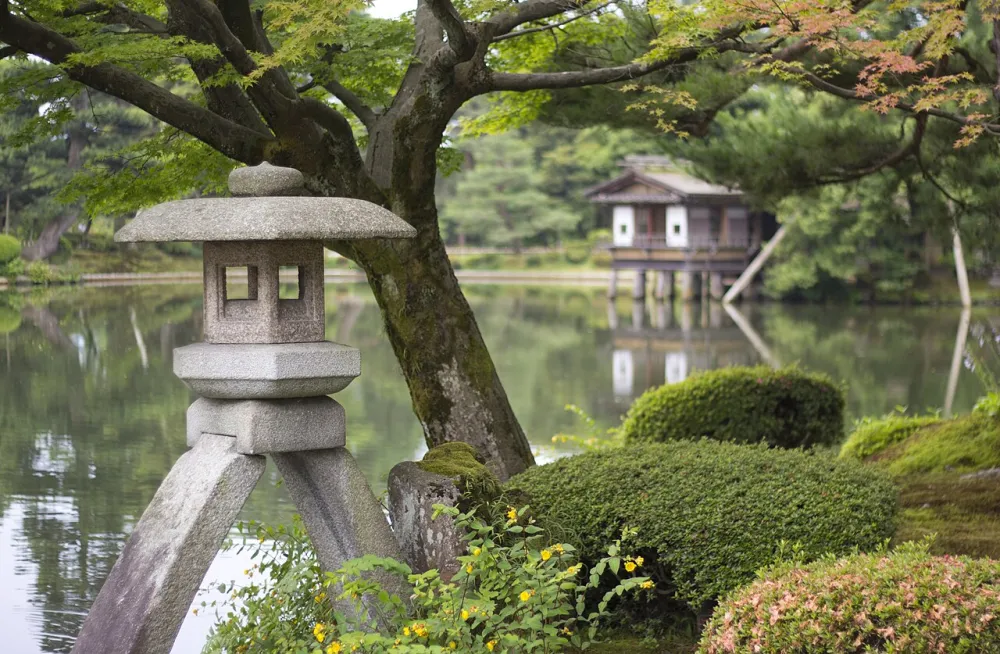
Crowds at Omicho swell dramatically once crab season begins, especially during the first week after November 6 and on weekends when crab-soup events run, pushing popular diner waits past an hour. The smartest counter-programming is to tackle Omicho Market on a weekday morning and save weekend peak hours for spacious grounds like Kanazawa Castle Park and Kenrokuen Garden.
Putting It Together: A Kanazawa Base and a Fukui Day Trip
With just two days and one night, basing yourself in Kanazawa gives the cleanest flow. Spend morning one at Omicho Market eating a crab rice bowl and browsing fish stalls, explore Kanazawa Castle and Kenrokuen Garden in the afternoon (see our two-day Kanazawa itinerary for walking order), and duck into a backstreet oden shop or izakaya after dark for seasonal kanimen and warm kora-zake. As long as you visit before mid-December, a single day unlocks both male and female crabs.
Adding Fukui's coast works smoothly as a day trip: take the JR line from Kanazawa to Fukui Station or Awara Onsen, then transfer to the Echizen Railway for Mikuni Minato. Even outside the November festival weekend, weekday visits to Mikuni Minato crab restaurants pair nicely with a coastal walk at the Tojinbo sea cliffs before grabbing dinner near Fukui Station and riding back to Kanazawa. Unlike Kanazawa's centralized covered market, Fukui's crab experience revolves around dedicated port-town restaurants and coastal inns—the biggest contrast between the two destinations.
Stretching the trip to three days and two nights lets you enjoy both hubs without rushing: stay night one in Kanazawa for Omicho's morning market and castle-town nightlife, then head south to Fukui the next morning for live crab dining in Mikuni Minato and coastal sightseeing. Staying in Kanazawa keeps markets and izakayas within walking distance; staying in Fukui trims transfers and puts you right by the harbor at dawn. Weekend rooms in both areas book out fast once crab season opens, so secure lodging first and restaurant reservations immediately after.
Check local train schedules closely when heading out to the Fukui coast. The Echizen Railway leaves Fukui Station, passes through Awara Onsen, and reaches Mikuniko Station—about a 7-minute walk from the Mikuni Minato Crab Festival site—with fewer weekday departures than JR trunk lines, though extra trains often run on festival days. Looking at the Fukui–Awara Onsen–Mikuni Minato timetable alongside Kanazawa–Fukui JR connections lets you calculate round-trip travel times and fares before you go.
Within a broader Hokuriku trip, our two-day Kanazawa itinerary anchors city landmarks and hotel neighborhoods while the Omicho Market guide covers everyday eats. This seasonal guide adds the November-to-March harvest calendar, origin tags, and Fukui's coastal ports—giving winter travelers one of the strongest reasons of the year to visit the region.
Linking Kanazawa and Fukui is even easier if you break the trip with an overnight in Awara Onsen. Positioned right between Fukui Station and Mikuni Minato, Awara gives you easy access to both the Hokuriku Shinkansen and the Echizen Railway alongside plenty of hot-spring inns. Eat Echizen crab around Mikuni Minato or Fukui City, soak in Awara's thermal baths that night, and catch a morning Shinkansen north to Kanazawa—combining live crab and hot springs in one effortless loop.
Winter travel along the Sea of Japan always requires a weather backup plan. Rough winter seas can keep fishing boats in port, shrinking early-season landings, and the Mikuni Minato Crab Festival committee adjusts or cancels events depending on forecasts. Check port and event notices the evening before you go, and keep Kanazawa's covered Omicho arcades, oden parlors, and city museums on standby so storms never derail a good crab dinner.
Running the route in reverse works just as well: head straight on day one to a crab ryokan in Mikuni Minato or along the Echizen Coast for a full live-crab kaiseki dinner and hot-spring soak, then check out the next morning and ride north to Kanazawa for Omicho Market, Higashi Chaya District, and izakaya hopping. You get the exact same crab lineup, simply opening the trip at a relaxed ryokan pace.
Now that the Hokuriku Shinkansen extends to Tsuruga, main-line travel between Kanazawa and Fukui is faster and more reliable than ever, though reaching Mikuni Minato and the festival grounds still depends on the Echizen Railway. Whether a rail pass pays off comes down to frequency: for a single round-trip between Kanazawa and Fukui, point-to-point tickets are simpler; for two or three days hopping among Kanazawa, Awara, Fukui, and coastal towns, run the fare math on a pass.
Finally, lodging styles shift noticeably with the season. Downtown Kanazawa hotels follow standard room-only pricing year-round, leaving you to seek meals out in markets and izakayas. By contrast, coastal "crab ryokan" in Mikuni Minato and along the Echizen Coast build their winter packages around a live-crab kaiseki feast paired with hot springs, where half-board rates often deliver far better value than ordering a la carte—just double-check whether the quoted plan includes half a crab or a whole crab, and whether it specifies Echizen crab or seiko-gani, before confirming.
Price and Budget Realities: Tags, Size, and Timing
Live Sea of Japan crabs are market-priced seafood whose final cost hinges on weight, sex, origin tag, and daily supply, meaning only the price board at each stall or restaurant counts. Travelers have three practical ways to stretch their budget: focus on affordable kobako-gani before the end of December, skip the opening two weeks and late-December gift-giving rush (late November, early December, and March often offer gentler pricing), and compare stalls between Omicho Market and Kanazawa Port Iki-iki Fish Market. If your dates line up with the mid-November Mikuni Minato Crab Festival, discounted port crabs and limited crab soup offer the best value of the entire winter.
Keep the two spending models straight when tallying your trip budget. At a Fukui specialty restaurant or hot-spring inn, you are paying for a private or reserved seat, skilled kitchen timing, and a full multi-course progression. At Omicho Market, you pay the live-crab market price plus a boiling fee. As for shipping seafood home internationally, strict cold-chain requirements and customs quarantine rules apply to both raw and cooked crabs—do not wait until you are standing at a market stall to check, or you may end up unable to take your purchase home.
Even kobako-gani—once cheap enough to serve as an everyday winter snack for Kanazawa schoolchildren—has climbed steadily in price in recent years due to nationwide demand and its strict two-month harvest limit. Supply swings right after the November 6 opening and just before the late-December close show up immediately on price cards, so walking a few extra stalls or comparing Omicho against Kanazawa Port before committing is the most grounded way to shop.
Think of the entire Hokuriku crab season along a five-stage timeline: November 6 brings the coast-wide opening alongside festivals and opening crab-soup events; mid-November through late December is the golden overlap when both kobako-gani and male crabs peak together; January and February belong entirely to plump male crabs; February 19 adds sweet, soft-shelled mizu-gani to the mix; and March 20 closes the season completely. Match your travel dates to these five windows before booking so you know exactly what will be on the table.
Once female crab fishing shuts down at the end of December, freshly caught kobako-gani disappears from markets with no winter substitute. Visitors arriving from January onward should focus squarely on peak-meat male Kano and Echizen crabs, plus mizu-gani from late February, tailoring expectations to the month of travel.
Read alongside the rest of our Hokuriku series, the two-day Kanazawa itinerary handles sightseeing routes and lodging areas while the Omicho Market food guide maps out everyday dining. This piece rounds out the winter picture with harvest dates, leg-tag rules, and Fukui's fishing ports—and once the season closes in April as Hokuriku shifts back to cherry blossoms and gardens, you can tuck this calendar away for next November.
Place limited festival crab soup, market-priced rice bowls, sit-down kaiseki courses, and collector-grade Kiwami crabs side by side and one rule stands out: control your budget by choosing your venue first. Beach festivals, fish markets, city dining rooms, and coastal crab ryokan each sit in a distinct price bracket—pick the setting that fits your trip first, then choose size and tags to match.
A few useful answers
When does crab season start in Fukui and Kanazawa?
Snow crab season on the Sea of Japan opens on November 6 each year in both Fukui and Ishikawa prefectures, with fresh catch reaching stalls like Omicho Market around the next day (November 7). Male crabs (Echizen and Kano) are harvested through March 20 of the following year, while female crabs (kobako-gani) are strictly limited through the end of December.
What is the difference between kobako-gani and Kano crab?
Kano crab is Ishikawa Prefecture's branded male snow crab, prized for thick, meaty legs. Kobako-gani is the female snow crab, harvested for only about two months. Kobako-gani is celebrated for its crunchy outer roe (sotoko), rich orange inner roe (uchiko), and kora-zake (warm sake poured into the shell), and it is the star ingredient in Kanazawa's winter oden specialty, kanimen.
When is the Mikuni Minato Crab Festival?
In 2026, the festival takes place on November 14 and 15 from 6:00 a.m. to 3:00 p.m. at the special venue at Mikuni Sunset Beach. Local fishmongers sell freshly landed Echizen crab at port prices, alongside a two-day total of 2,500 bowls of crab soup (kani-jiru) simmered with a whole female seiko-gani. It is about a 7-minute walk from Mikuniko Station on the Echizen Railway.
Where should I buy crab in Kanazawa?
The main downtown hub is Omicho Market (roughly 180 to 200 shops, mostly open 9:00 a.m. to 5:00 p.m., a 15-minute walk from Kanazawa Station or a short bus ride to Musashigatsuji), which also hosts an opening-season crab soup festival. For portside prices, visit Kanazawa Port Iki-iki Fish Market, where six stalls are run directly by local fishermen and wholesalers. Live crabs are always easier to judge for freshness and meat yield than pre-boiled ones.
How should I structure a crab-season itinerary?
For a two-day, one-night trip, base yourself in Kanazawa: hit Omicho Market in the morning for a crab rice bowl, spend the afternoon at Kanazawa Castle and Kenrokuen Garden, and finish with winter kanimen oden and kora-zake at night. With an extra day, ride the JR line from Kanazawa and transfer to the Echizen Railway to Mikuni Minato for live crab dining and the Tojinbo cliffs. To make the 6:00 a.m. Mikuni Minato Crab Festival opening, stay the night before in Fukui City or Awara Onsen.
How do I pick a good crab at the market?
The Kanazawa City Tourism Association recommends choosing live crabs so you can easily verify freshness and meat fullness, and checking the official origin tag: a blue tag for Ishikawa Kano crab, or a yellow GI tag for Fukui Echizen crab. If you do not want to cook it yourself, have the fishmonger boil it on the spot to eat right away, or arrange chilled domestic delivery within Japan after confirming shipping fees and insulated packing at the counter.
Can I still eat kobako-gani after the end of December?
Not freshly caught in season. To protect stocks, fishing for female kobako-gani closes completely at the end of December and does not reopen until the next November 6. If you want both female and male crabs, plan your trip before mid-December. From January through March 20, focus on peak-season male Kano and Echizen crabs, plus soft-shelled mizu-gani starting February 19.
Official information and references
Sources used in this guide.
- Kanazawa City Tourism Association: Why Kanazawa Crab Tastes So Good (Seasons, Tags, Dining, and Markets)
- Sakai City Tourism: Mikuni Minato Crab Festival 2026 (Dates, Venue, and Limited Crab Soup)
- Omicho Market Official Website (Hours, Stalls, and Access)
- Fukui Prefecture Tourism: Echizen Crab Season Opening and Seasonal Guide
- Kanazawa Port Iki-iki Fish Market Direct-Sales Stalls (via Kanazawa City Tourism Association)