Fit seafood bowls, sushi, jibuni, oden, and Japanese sweets into a practical Kanazawa route. Compare Omicho Market breakfast and lunch, tea in the teahouse district, Katamachi dinner, and station shopping, with named restaurants, hours, reservations, and budget choices.
- Region & Focus
- Kanazawa
- Reading Scope
- 34 min read · 17 chapters · 6 Q&As
- Official Verification
- 18 official sources checkedUpdated November 7, 2026
- Key Topics
- FoodNeighborhoodsTravel budget
Chapter Route Map (tap any stop)
- Choose your main meals first, whether you have a day or two nights
- Four eating areas: the market, teahouse district, downtown, and station
- Getting to Omicho Market: choose a convenient ride before buying a day pass
- Early market breakfast: choose an open restaurant before planning a full market visit
- Seafood bowl, nigiri, or cooked food: choose the meal style and portion you want
- When 1F is crowded, look upstairs in Omicho Ichibakan
- Ordering crab and nodoguro: ask how much the dish includes
- Jibuni and Kaga vegetables: leave a meal for Kanazawa beyond seafood
- Kanazawa oden: count ingredients, rice, and the seating charge
- Katamachi dinner: Akadama Honten now gives reservations priority in set time slots
- Market curry lunch: Champion Curry Omicho takes last orders at 15:30
- Walk from the market toward the teahouse district, then sit down for one tea break
- Gold-leaf desserts and tea in Higashi Chaya: choose what you want to pay for
- Buying sweets and tea: work out when you will eat them before choosing package size
- Eating at Kanazawa Station: allow time for shopping and your train
- Rain, children, and groups: change the meal plan to reduce the load
- Spend on the meal you want most: practical plans for one day or two nights
- Quick Q&A
For a first visit to Kanazawa, give one meal to Omicho Market, an afternoon break to tea and Japanese sweets, and dinner to jibuni or oden. Choose either a seafood bowl or nigiri sushi; several raw-fish meals in a row leave less room for the city’s other flavors. With one day, connect the market and Higashi Chaya. Staying overnight lets you separate dinner in Korinbo or Katamachi from station shopping the next day.
Choose your main meals first, whether you have a day or two nights
On a day trip, it is easy to eat a large breakfast, schedule a seafood bowl for lunch, stop for a gold-leaf dessert, and buy a boxed meal before leaving. You get all the food but rush the meal you really wanted to sit down for. Choose one main meal first. If you want to browse the market and compare that day’s fish, make Omicho your main meal stop. For nigiri served piece by piece by a chef, center the day on that reservation and use the market for small cooked snacks and a walk.
For two days and one night, give the first day a seafood lunch, tea and sweets, and a hot dinner. Choose the next breakfast around your hotel and train time, leaving room for station shopping. If breakfast is already included at the hotel, browse the market stalls in the morning and eat at lunchtime. You need not eat breakfast twice because of someone else’s photo. If arriving after midday, store your bags and eat a proper late lunch or early dinner. Save the market for tomorrow rather than dragging bags around to find seafood before stalls close.
Two nights give the most flexibility. Have Kaga cuisine one evening and oden the other, with a seafood lunch and a curry or noodle lunch during the day. Choose the expensive meal first and adjust the remaining meals around it. If your group has mixed feelings about raw fish, a restaurant with seafood, meat, and regional dishes makes it easier to keep the afternoon together than joining two separate queues.
If you already have two fixed restaurant bookings on the same day, use the market between them for shopping. Another meal adds waiting, ordering, and digestion time as well as another restaurant. If some companions want famous restaurants and others prefer shopping, arrange the main meal that needs everyone present first. Let people choose snacks separately and agree on the next meeting point, rather than waiting for one another through a shared checklist.
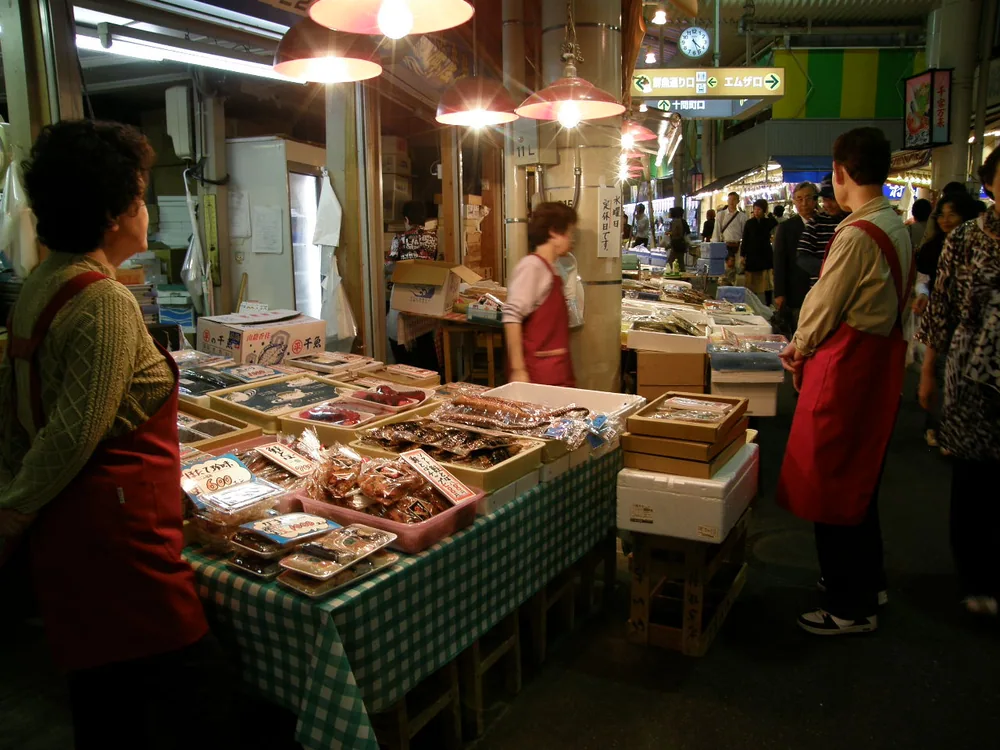
Fit seafood bowls, sushi, jibuni, oden, and Japanese sweets into a practical Kanazawa route. Compare Omicho Market breakfast and lunch, tea in the teahouse district, Katamachi dinner, and station shopping, with named restaurants, hours, reservations, and budget choices.
Four eating areas: the market, teahouse district, downtown, and station
Omicho Market, around Musashigatsuji, suits breakfast or lunch, ingredient shopping, and comparing seafood. Higashi Chaya and the Asano River area suit a deliberate tea stop alongside a neighborhood walk. Korinbo and Katamachi fit Nagamachi or downtown sightseeing; eat dinner here before returning to your hotel. Kanazawa Hyakubangai at the station is useful on arrival, departure, or in bad weather, saving a trip downtown.
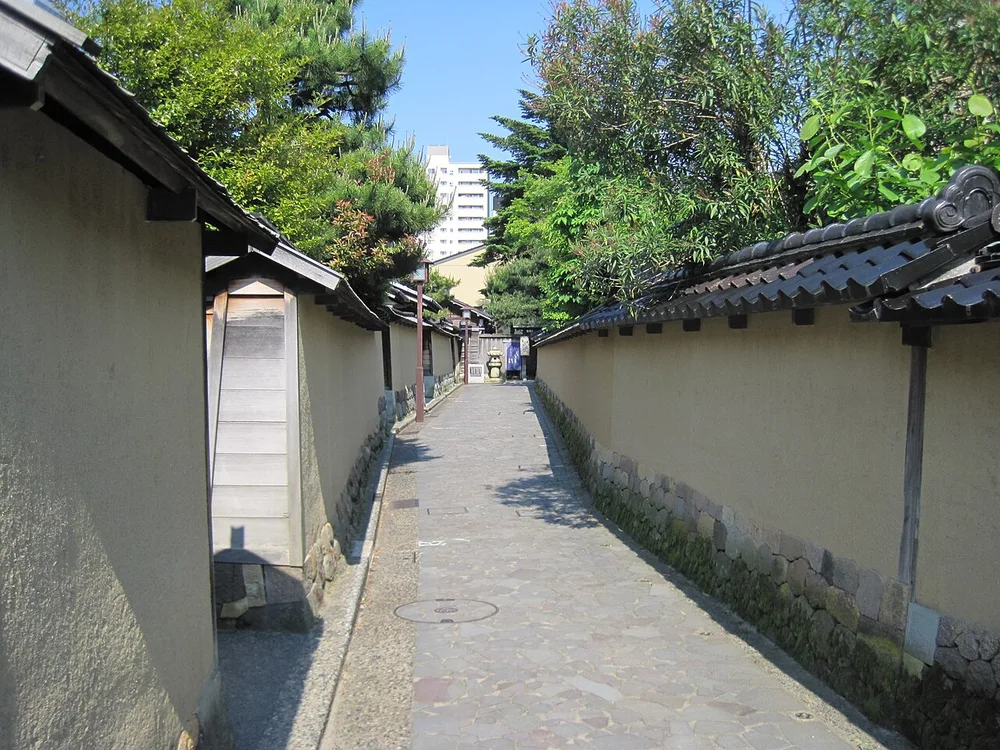
Treating all four as one continuous snack street gives a misleading route. Fish stalls, teahouse dessert shops, and Katamachi restaurants run to different rhythms. One workable sequence is market lunch, a walk toward the teahouse district, then downtown dinner. If your room is by the station and you leave early tomorrow, you can also eat near the station and use the saved travel time to rest.
Save the market entrance, the restaurant’s official branch name, and the return bus stop as separate pins. A chain may have both an Omicho branch and a Kanazawa Station branch; match your navigation to the reservation. Market restaurants can also be on different floors. A similar sign on 1F does not mean you have reached your booked restaurant. Sorting out these locations leaves you free to focus on the menu.
Getting to Omicho Market: choose a convenient ride before buying a day pass
The official Omicho Market website lists a walk of about 15 minutes from Kanazawa Station and Musashigatsuji as the nearest bus stop. Walk if the weather is settled, your bags are stored, and the distance suits you; it also helps you learn the return route. With large bags, heavy rain, or companions who cannot walk continuously, take a city bus to Musashigatsuji and enter through the appropriate market entrance.
In Hokutetsu’s Loop Bus timetable revised April 1, 2026, the Right Loop leaves Kanazawa Station East Exit stop 7, reaches Musashigatsuji–Omicho Market, then continues via Hashibacho toward Kenrokuen. This direction helps when connecting the market with Higashi Chaya. The Left Loop also serves the market but continues toward Korinbo and Katamachi. Read the travel direction and the location in parentheses on the stop sign. Do not board the first bus at a same-named stop when returning to the station.
The Loop Bus costs ¥220 per adult ride; a city one-day pass costs ¥800. Adult fares apply from junior high school age. Two rides, from the station to the market and from the teahouse district back to the station, total ¥440, so the pass saves nothing. At the same fare, the total exceeds ¥800 only on the fourth ride. List the rides you will actually take before buying. Pay per ride if you already want to walk between meals.
Early market breakfast: choose an open restaurant before planning a full market visit
Some market restaurants open early, while other stalls and restaurants set their own hours. For an early seafood meal, choose a specific breakfast restaurant first. To browse fish, vegetables, dried goods, and everyday shopping, consider breakfast and the wider market visit separately. Staying nearby allows an early meal and a return to your room before the day begins. From farther away, combine lunch and shopping in one visit to reduce backtracking.
The market’s official listing for Ikiiki-tei, for example, gives 7:00–15:00, ten counter seats, and seafood bowls and nigiri sushi. It lists Tuesday as the closing day, moved to Wednesday when Monday is a national holiday. Ten seats make it hard for a large family to sit together; it is easier to consider for one or two people. Larger groups wanting a leisurely shared meal should assess the seating before queuing, rather than discuss splitting up at the door.
The page lists a Special Hokuriku Bowl at ¥2,500 and a Mini Kanazawa Bowl at ¥1,200, illustrating portion and price differences within one restaurant. A small breakfast leaves room for afternoon tea. For a filling meal, look at the full bowl and soup combination. These are official website prices as of October 26, 2026. Agree on individual spending limits beforehand.
Seafood bowl, nigiri, or cooked food: choose the meal style and portion you want
A seafood bowl suits people who want several kinds of fish in one meal and accept a fixed combination. Compare the fish, rice quantity, and ingredients you actually enjoy. If you dislike sea urchin or salmon roe, a standard bowl with toppings you like is better value than a deluxe bowl chosen for a photo. Small portions, single-fish bowls, or extra toppings let you concentrate spending on the ingredients you want, instead of finishing a large bowl and realizing you liked only two toppings.
Nigiri suits diners who care about each piece’s size and want to add more gradually. When ordering individually, start with one round and decide on extras as you approach fullness. For sets, check the number of pieces, soup, and other dishes. Two people can compare a bowl with nigiri, but ask about sharing and individual ordering rules first. A small restaurant’s seating and tableware affect whether splitting one meal across the table works.
You can have market lunch without raw fish. Look for grilled fish, fried dishes, simmered food, meat, noodles, or rice before choosing a restaurant. If your only candidate serves raw food alone, choose another. A cooked main and a small seafood side can keep people with different tastes at one table. For allergies, asking about the actual broth, sauces, and shared utensils is more useful than simply saying “no shrimp.” Showing the ingredient name in Japanese also makes communication more precise.
For small freshly prepared market foods, ask where to collect and eat them after paying. Dispose of containers as the vendor directs before moving on. Standing with food in the middle of a narrow aisle blocks shoppers and deliveries. When a stall interests you, move the group to the side and let one person ask questions before ordering. That gives you time to understand portions, cooking, and sauces without being pushed into a hurried purchase by the crowd.
| How you want to eat | What to check first | A suitable plan |
|---|---|---|
| Several kinds of seafood in one meal | Bowl toppings, rice quantity, and fixed combinations | Make a seafood bowl the main meal and have dessert later |
| Small portions, added gradually | Individual nigiri prices or set pricing | Eat one round before deciding on more |
| A companion does not eat raw fish | Grilled fish, meat, simmered dishes, noodles, and rice | Eat together at a restaurant with a broader menu |
| Only a short time remains | Immediate ordering, seating, and payment arrangements | Browse fewer stalls and finish a proper lunch |
When 1F is crowded, look upstairs in Omicho Ichibakan
The official Omicho Ichibakan listing places produce and fresh fish on 1F; Japanese food, rice bowls, Chinese food, and other restaurants on 2F; and bread, curry, ramen, and everyday goods in the basement. This division is useful. Go upstairs to look for a restaurant when 1F is crowded. People wanting seafood and those wanting a hot meal may both find something in the same building.
The market listing for Omicho Shokudokoro Sensai Enishi includes seafood bowls, sashimi, jibuni, fresh wheat gluten, Noto beef, and Noto pork. This menu works for adding local cuisine to lunch or giving a companion who avoids raw fish another choice. Save dishes of interest on your phone and combine them after reading the day’s menu. Everyone need not choose the same main.
The page lists lunch at 10:00–15:00 with last orders at 14:00, and dinner at 17:00–21:00 with last orders at 20:00, subject to supply. Put the last-order time in your itinerary. If you reach the market at 14:00 and intend to eat here, eat before browsing. Read restaurant meal periods separately from the building’s opening hours so that an accessible building does not lead you to a lunch restaurant that has stopped seating diners.
Ordering crab and nodoguro: ask how much the dish includes
Crab, nodoguro, and deluxe mixed bowls can quickly push lunch beyond your planned limit. Ask whether the price is per whole animal, portion, person, or weight, then ask how it is cooked and how much edible food it provides. For market-price items, get the actual price before ordering. Sharing a whole fish and ordering two separate sets can differ in both cost and how filling the meal is.
The Kanazawa food culture website’s seafood guide distinguishes Kano-gani crab, kobako-gani crab, sweet shrimp, yellowtail, and nodoguro. Keep those differences when reading menus: crab legs, a crab-meat bowl, and a whole kobako crab are different dishes. To sample a flavor, choose a small side dish. If a whole crab is the trip’s priority, give it a meal of its own with time to pick the meat and eat slowly.
If you are coming specifically for an ingredient, contact the restaurant about supply on your planned date, portion size, and preparation before booking a table. For an ordinary lunch during a walk, choose from food you want and can afford that day, with alternatives in mind. If a vendor cooks your market purchase, ask about preparation charges and waiting time. Spending on one dish you like often leaves a clearer memory of the flavor than adding several expensive toppings.
Omicho Market’s official video focuses on Ishikawa crab and the market.
Jibuni and Kaga vegetables: leave a meal for Kanazawa beyond seafood
Jibuni works as dinner after a seafood meal or as a local side dish at lunch. The Kanazawa food culture website describes flour-coated duck, wheat gluten, shiitake mushrooms, and seasonal vegetables simmered in fish broth and served with a little wasabi. The flour thickens the broth, giving a very different meal from sashimi. It is a useful dish name to seek if you do not want raw food at every meal.
Check where it sits on the menu: a standalone bowl in some places, part of a Kaga cuisine course in others. To try the dish itself, order it with rice or other sides. Reserve a longer meal for a course if you want several dishes and their tableware. Tell the restaurant your departure time if you need a train afterward, and choose a meal that fits. A long course and a bowl of jibuni require quite different pacing.
The same website’s Kaga vegetables page lists 15 certified varieties, including Kaga lotus root, Gensuke daikon, kinjiso greens, and sweet potatoes, with seasonal availability. If a daily side has an unfamiliar name, ask what vegetable it is and how it is prepared, then share a portion. Vegetable dishes may use fish broth. Vegetarians should explain broth requirements too and choose a restaurant able to meet their needs.
When booking a Kaga cuisine course, give the numbers of adults and children and any ingredients guests cannot eat. If someone wants a simpler meal, ask whether different meal options are allowed at one table before discovering on arrival that everyone must order the same course. When comparing prices, note whether drinks, tax, and service charges are included, and read cancellation deadlines before booking. If you pay a deposit, save the restaurant and branch names, date, and reservation name for arrival.
Kanazawa oden: count ingredients, rice, and the seating charge
Oden suits a cold evening or dinner after a substantial day of eating, because you can start with a few ingredients and adjust. The Japan Sake and Shochu Makers Association’s Kanazawa oden guide lists wheel-shaped wheat gluten, red-swirled fish cake, shellfish, kani-men crab, and Kaga vegetables. Start with familiar daikon and egg, then add one local ingredient you want to try. See the portion and taste before ordering more.
Kuruma-fu is wheat gluten; akamaki is a fish-paste product. Shellfish and kani-men have their own ingredient restrictions. For gluten, fish, or crustacean allergies, ask about broth and ingredients cooking in the same pot. If a few pieces will be dinner, check for rice, noodles, or another staple; a small plate of oden may leave you searching for rice elsewhere. After a late lunch, fewer pieces can make a shorter meal.
At an izakaya-style restaurant, include otoshi and drinks. Otoshi is often a small dish served after you sit down, which the restaurant may bill as a seating charge. Understand the components of the total rather than adding only ingredient prices. On a limited budget, ask what a typical meal for one involves or choose a clearly priced set meal. You do not have to order alcohol merely because the restaurant is an izakaya if you want tea and hot food.
Katamachi dinner: Akadama Honten now gives reservations priority in set time slots
For Katamachi oden, Akadama Honten is one option for dinner. Its official reservation information states that from June 2026 it uses four slots with reservation priority: 16:00–17:00, 17:15–18:30, 18:45–20:00, and from 20:00 through the final service period. Some walk-in seats remain, allocated according to availability that day. A reservation makes dinner easier to connect to a fixed activity than hoping for a free seat at the door.
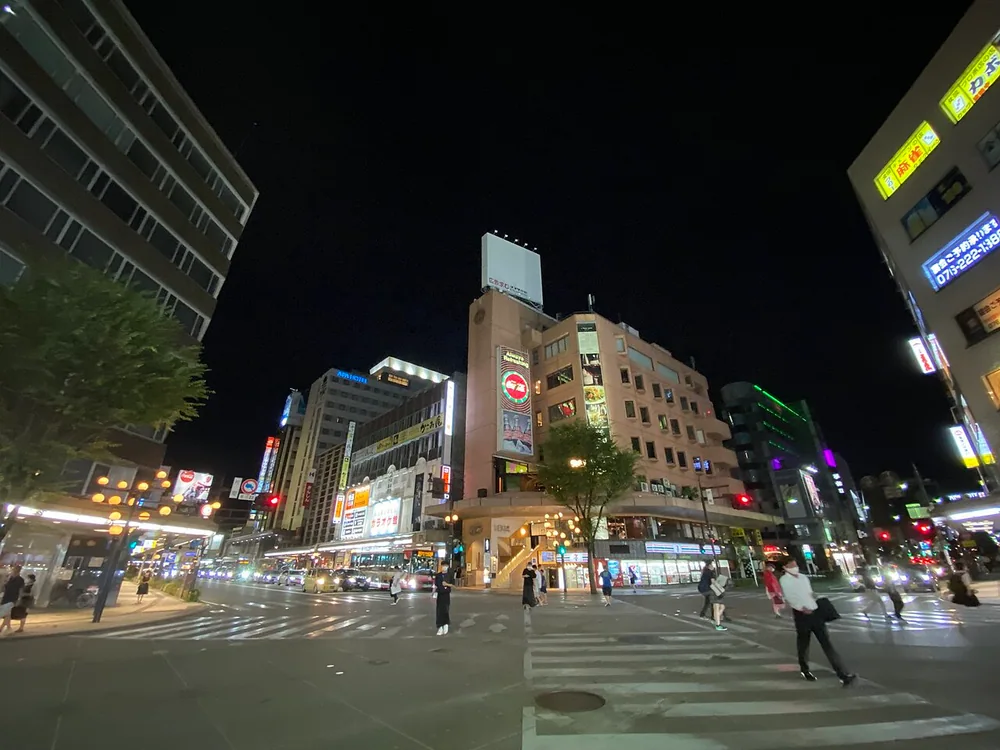
The same page lists weekday and Saturday lunch at 12:00–15:00 and dinner at 16:00–23:00; dinner ends at 22:00 on Sundays and national holidays. It is closed on Mondays but may open when Monday is a national holiday. It also states that all seats receive otoshi billed as a seating charge. Plan around your booked slot and make sure everyone can arrive within it. The arrival time, dining limit, and cancellation terms in your booking are more useful that evening than a copied closing time.
Visit Nagamachi, Korinbo, or downtown shops that afternoon to avoid a separate return trip for dinner. For an 18:45 booking, leave time after the previous activity to get ready and reach the door. Do not put museum closing, the end of shopping, and restaurant arrival at the same moment. Return to your room after dinner, or choose a short walk for night views. The meal is already the evening’s main event; you need not make up every street missed during the day.
Market curry lunch: Champion Curry Omicho takes last orders at 15:30
Choose curry for lunch if a companion does not want seafood or you already have sushi booked for dinner. The official Champion Curry Omicho page places it on basement level B1 of Omicho Ichibakan, with table seating. Hours are 11:00–16:00, last orders 15:30, and it closes January 1 and 2. It is a hot-meal option during a market visit. If you reach the city in the evening, find another restaurant still open.
Check the basic portion and fried toppings. After a heavy dinner the night before, or with dessert ahead, start with a simpler combination. If lunch must fuel a long walk, choose your usual staple portion. For a companion who cannot eat spicy food or has allergies, read the operator’s menu and allergy information before entering. A cooked curry still requires questions about the sauce.
Save two different kinds of market lunch backup before leaving, such as a seafood restaurant and a curry restaurant, rather than four places beside the same seafood-bowl queue. When the first wait exceeds your limit, change meal type. That can actually change the situation. Circling to another equally full seafood restaurant leaves lunch stuck. If you have an afternoon booking, protect time to finish eating and travel.
Walk from the market toward the teahouse district, then sit down for one tea break
A walk toward Higashi Chaya and the Asano River after market lunch separates the main meal from dessert. Use it to change pace rather than add every available snack. If lunch was filling, browse the streets and crafts before having tea when you want a break. With children or older travelers, choose a place to sit earlier and make it the midpoint of the afternoon walk.
Between the market and Higashi Chaya, Kanbayashi Kanazawa Chaho’s Kanazawa main store officially lists a tea room serving matcha, roasted stem tea, sencha, Japanese black tea, and Japanese sweets. The address is 1-7 Shimoshincho. Listed hours are 9:30–17:30, last orders 17:00, with closures including the year-end/New Year period and the third Sunday of each month; consecutive holidays have separate arrangements. Consider it en route if you want to compare teas without needing a seat inside the teahouse district.
A cup of tea with a Japanese sweet affects dinner differently from a large parfait. After a big dessert, order dinner a la carte or eat later. Before an early dinner reservation, choose tea and a small sweet. Check per-person ordering rules before sharing so that questions about seating time or ordering only one drink do not wait until you sit down. Finishing a drink in one place you like takes less effort than carrying several snacks while looking for somewhere to eat them.
Gold-leaf desserts and tea in Higashi Chaya: choose what you want to pay for
Gold-leaf desserts suit an interest in how Kanazawa’s craft traditions appear in food. Tea and Japanese sweets suit a focus on tea, sweetness, and tableware. Either can work; decide which part you value. For a photo, a small dessert you enjoy may be enough. To sit inside a historic building, compare seating, surroundings, and the full cost of ordering.
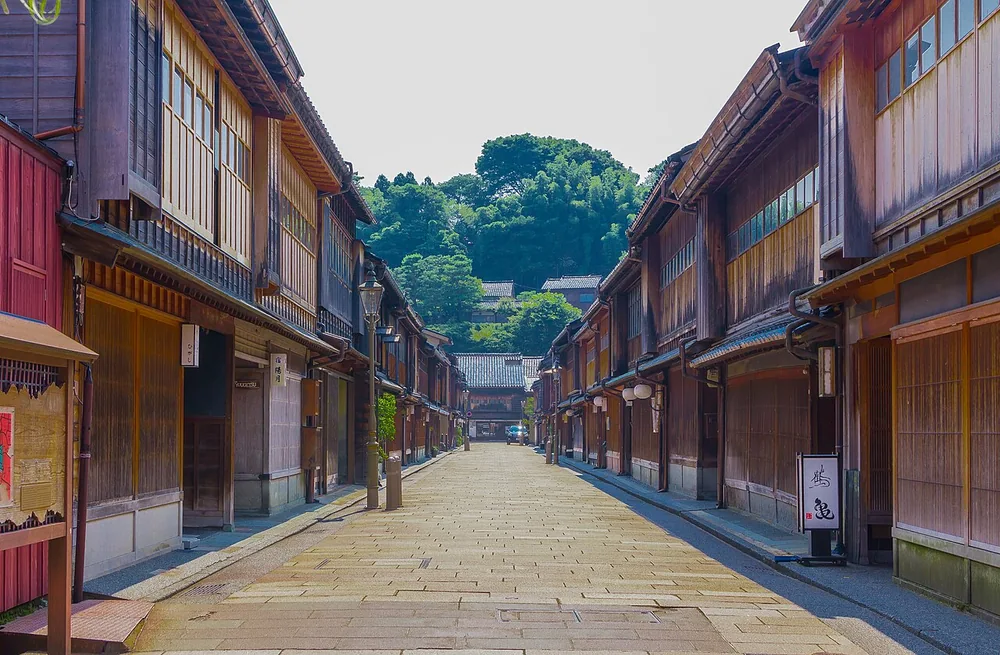
The official Salon de thé Kaikaro menu in Higashi Chaya lists matcha parfaits with and without gold leaf. As of October 26, 2026, the gold-leaf version is ¥2,970 and the standard version ¥1,870, both including tax. The gold-leaf soft-serve experience is ¥2,200. The difference makes the choice concrete: start with the standard parfait if you want matcha dessert, and budget extra for the gold-leaf presentation if that interests you.
The website lists 10:00–17:00, with tea room last orders at 16:00 on weekdays and 16:30 on weekends, plus a link to irregular closing dates. Treat last orders as your arrival deadline instead of browsing every shop before seeking a seat. For building visits or activities, read the corresponding content and prices separately before combining them. Afternoon tea, building admission, and geisha activities have different booking entries. Plan around the item you actually buy.
Choose by dessert ingredients too. For tea flavor, start with matcha or roasted stem tea items. If you dislike large amounts of whipped cream, choose tea with a small sweet. Large parfaits contain several components, so reading them is more useful than looking only at the gold leaf on top. If companions order different items, ask about sharing before tasting one another’s. Afterward, choose tea leaves or packaged sweets based on flavors you have just tried.
Buying sweets and tea: work out when you will eat them before choosing package size
The JNTO introduction to Kaga cuisine also covers Kanazawa’s Japanese sweets. Seasonal shapes and tea culture deserve a place in your meals. Separate purchases for today, during the trip, and gifts at home. Buy fresh sweets requiring refrigeration or same-day eating before returning to your room. Save packaged goods with manageable storage needs for a final shopping stop.
For gifts, consider the date the recipient will receive them. If you buy today but leave Japan several days later, the package’s date must cover that interval and leave time to eat after you return. Storage after opening may differ from unopened storage. Before buying a large box to divide, check whether pieces are individually wrapped. Small households usually benefit more from a small box than twice as much for a lower unit price. Choose tea that suits your brewing equipment and everyday tastes.
Handle fresh seafood and cooked food separately. Tell the vendor how long you will travel next and ask about refrigeration, cooling, and the eating deadline. For shipped goods, ask a shop offering delivery about destinations and delivery arrangements. The market’s official delivery-shop list is a starting point. If shopping, exhibits, and a long train ride remain, buy perishables at the last stop for easier packing.
Eating at Kanazawa Station: allow time for shopping and your train
If leaving Kanazawa in the afternoon, combine the last meal and gifts at the station. The Kanazawa Hyakubangai Anto floor guide lists Japanese sweets, roasted stem tea, takeaway sushi, boxed meals, and processed seafood. The Rinto guide lists rice balls with miso soup, soba, bread, and other food. Decide on a seated meal or takeaway before choosing an area, instead of repeatedly crossing the station with shopping bags to find a restaurant.
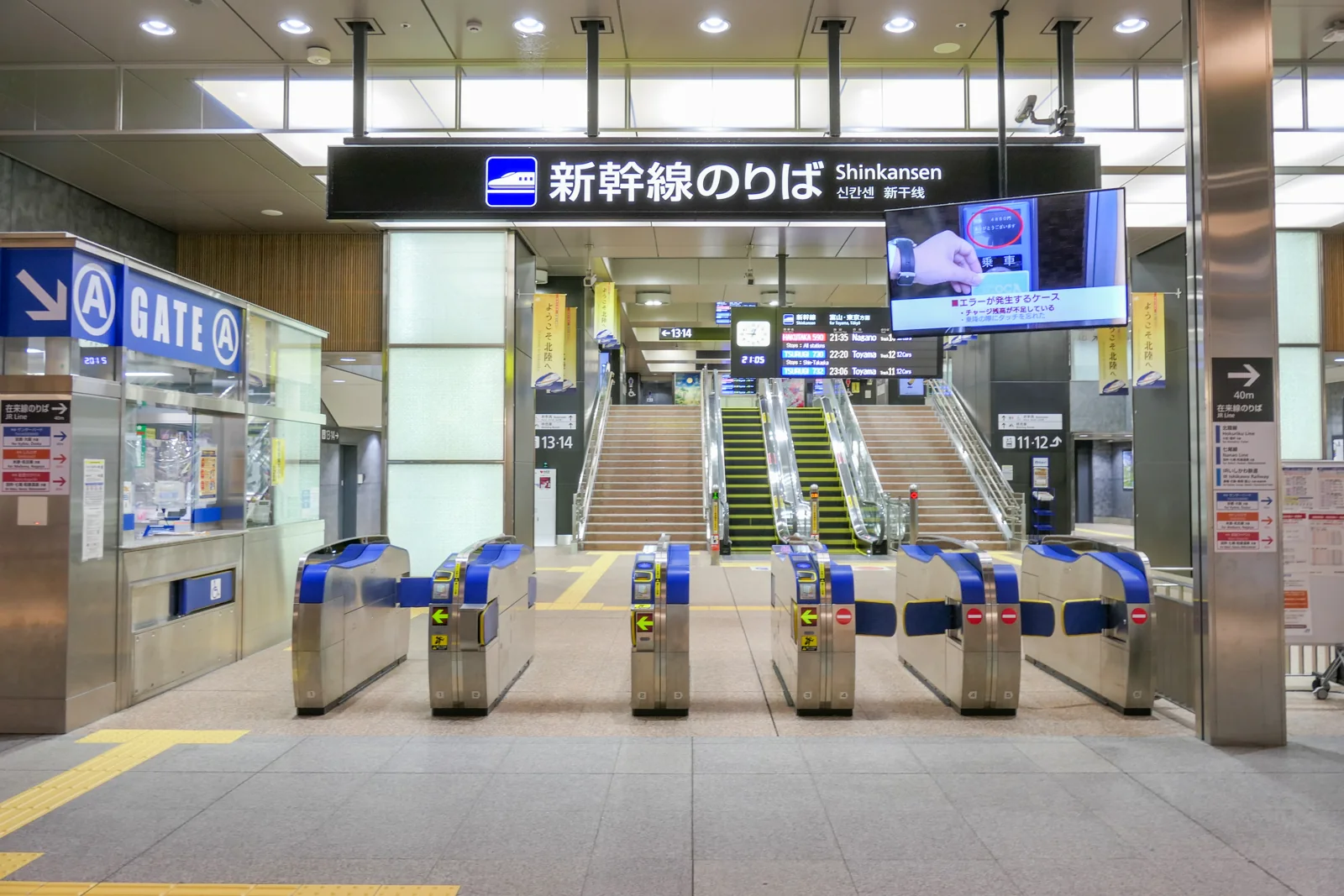
Work backward from departure time to luggage collection, the correct gate, and the platform, then set your restaurant departure time. If the queue is too long, buy food available immediately so that you can read packaging, pay, and organize bags. For eating on the train, choose food that opens and closes easily without many boxes. Consider seat space and nearby passengers when carrying soup or strongly scented food.
If lunch is booked, list gift brands or categories beforehand and shop from the list afterward. Without a clear target, buy the most important gift first, then see how much time remains. Hotel breakfast, market lunch, and a final station boxed meal need not all be full portions. Ending Kanazawa with a sweet you like can also make the next journey more comfortable.
Rain, children, and groups: change the meal plan to reduce the load
In rain, reduce trips between areas. Near the market, combine lunch, options on different floors, and one tea shop. Near the station, place a meal and shopping in Hyakubangai. With a Katamachi dinner reservation, stay downtown during the day, then return to change wet clothes before dinner. Getting warm before eating is more comfortable than chasing the next famous shop under an umbrella.
With children, check table seating, the entrance, and meal length. A seafood restaurant with only a few counter seats suits small groups willing to split up. For stroller space, feeding children together, or back support for older diners, ask the restaurant directly about seating. A restaurant offering both a child’s staple food and adults’ local dishes is easier than feeding children first, then making them stand while adults queue elsewhere.
Before a group lunch, divide decisions: one person reads menus and prices, another checks seating and waits, and someone else looks after bags and companions who need a rest. Agree on a waiting limit, switch to the backup when it is reached, and name the next meeting point. If dining separately, choose two restaurants in the same area with similar meal timing. Rejoin afterward rather than have one group cross town to chase the other.
For accessible seating, explain whether a wheelchair must remain beside the table, whether the user can transfer, and the total party size. A restaurant with an elevator may still have an entrance step, and table clearance varies. Specific needs are easier for staff to answer. If the arrangement does not work on arrival, resolve it before ordering so that everyone can finish comfortably without moving midway through the meal.
Spend on the meal you want most: practical plans for one day or two nights
With one day, reach Omicho in the morning for your main meal, briefly browse ingredient stalls, walk toward Higashi Chaya in the afternoon, stop for tea and sweets, then return to the station for luggage. After a filling hotel breakfast, make the market meal lunch. With a very early arrival, have a small seafood breakfast and a simpler cooked meal after midday. These are different meal plans; choose one instead of keeping every breakfast and lunch stop.
For two nights, try seafood lunch, afternoon tea, and Katamachi oden on the first day, then curry or noodles for lunch and Kaga cuisine for dinner on the second. If visiting a garden, art museum, or craft workshop, choose a restaurant near that day’s final stop. Use the two-day Kanazawa itinerary for the broader city plan and insert these meals into the route.
Divide the budget into main meals, tea and sweets, drinks and seating charges, and gifts. Fund the meal you care about most first, then adjust the other three. Standard versus deluxe seafood bowls, plain versus gold-leaf matcha parfaits, and a la carte oden versus full courses offer direct choices. If you still want a Japanese sweet on the final day, decide within the dessert budget. With meals and spending already assigned, you can buy it, collect your bags, and catch the next train.
A few useful answers
Is Omicho Market better for breakfast or lunch?
For a seafood breakfast, choose a restaurant that explicitly opens early. Lunch and shopping make it easier to see more ingredient stalls. If your hotel includes breakfast, browse in the morning and eat at lunch.
Is Omicho Market worthwhile if I do not eat raw fish?
Yes. Choose a restaurant with grilled fish, simmered dishes, meat, noodles, or rice. Omicho Ichibakan also has curry and other meals. Explain dietary requirements to the restaurant, including broth, sauces, and shared utensils.
How many restaurants should I plan for one day in Kanazawa?
Center the day on one main meal and one tea stop to manage portions. With a dinner reservation, adjust lunch and dessert to its timing. Every specialty need not become a full meal.
Can I just queue at Akadama Honten now?
From June 2026, the official system gives reservations priority in four slots, with some walk-in seats allocated according to daily availability. Book through the official channel to connect dinner to a fixed plan. Otoshi is billed as a seating charge for all seats.
Can Champion Curry Omicho be a dinner backup?
Its current official hours are 11:00–16:00, with last orders at 15:30, making it a lunch option. If arriving in Kanazawa in the evening, choose another restaurant still open.
Is a bus day pass worthwhile just for Kanazawa Station and the market?
The Loop Bus is ¥220 per adult ride and the day pass ¥800. Two same-fare rides total ¥440, so paying per ride is cheaper. Count all the day’s planned rides before deciding.
Official information and references
Sources used in this guide.
- Omicho Market official website: market overview, address, and access
- Omicho Market official website: shopping street map
- Omicho Market official website: Ikiiki-tei menu, seating, and hours
- Omicho Market official website: Ichibakan floors
- Omicho Market official website: Shokudokoro Sensai Enishi dishes and meal periods
- Kanazawa food culture: seafood varieties
- Kanazawa food culture: jibuni ingredients and preparation
- Kanazawa food culture: Kaga vegetables
- Japan Sake and Shochu Makers Association: Kanazawa oden ingredients
- Akadama Honten: reservation slots from June 2026, meal periods, and seating charges
- Champion Curry: Omicho branch location, hours, and closing days
- Kanbayashi Kanazawa Chaho: main store tea room, address, and hours
- Kaikaro: tea room menu, tax-inclusive prices, and last orders
- JNTO: Kaga cuisine and Kanazawa Japanese sweets
- Omicho Market official website: shops offering delivery
- Kanazawa Hyakubangai: Anto floor guide
- Kanazawa Hyakubangai: Rinto floor guide
- Hokutetsu: 2026 Kanazawa Loop Bus routes, timetable, and fares