Fit seafood rice bowls, sushi, jibuni, oden and Japanese sweets into practical Kanazawa routes. Compare market breakfasts and lunches, tea in Higashi Chaya, dinner in Katamachi and station shopping, with named restaurants, hours, bookings and budget choices.
- Region & Focus
- Kanazawa
- Reading Scope
- 34 min read · 17 chapters · 6 Q&As
- Official Verification
- 18 official sources checkedUpdated 7 November 2026
- Key Topics
- FoodNeighbourhoodsTravel budget
Chapter Route Map (tap any stop)
- Allocate meals first: a day visit and a two-night stay need different priorities
- Understand the four dining areas: market, tea district, city centre and station
- Getting to Omicho: choose a convenient short journey before buying a day pass
- Market breakfast: choose an open restaurant before planning a full browse
- Seafood bowls, nigiri or cooked food: choose the meal you want and the right portion
- Look beyond the crowded ground floor: more menu choices in Omicho Ichibakan
- Ordering crab or nodoguro: establish the portion and price first
- Jibuni and Kaga vegetables: leave a meal for Kanazawa beyond seafood
- Kanazawa oden: include rice and seating charges in the meal cost
- A specific Katamachi dinner option: Akadama Honten now gives priority to timed reservations
- Market curry lunch: Champion Curry Omicho takes last orders at 15:30
- Walking from the market to Higashi Chaya: choose one seated tea break
- Gold-leaf desserts and tea in Higashi Chaya: decide which experience you want
- Buying sweets and tea: decide when you will eat them before choosing the box size
- Eating at Kanazawa Station before departure: leave proper time for shopping and the train
- Rain, children and larger groups: changing the meal type can help more than adding sights
- Spend on the meal you most want: practical plans for one day or two nights
- Quick Q&A
On a first visit to Kanazawa, give one meal to Omicho Market, an afternoon break to tea and Japanese sweets, and dinner to jibuni or oden. Choose between a seafood rice bowl and nigiri sushi: raw fish at every meal can crowd out the city’s other flavours. With one day, link the market and Higashi Chaya. If staying overnight, separate dinner in Korinbo or Katamachi from station shopping the following day.
Allocate meals first: a day visit and a two-night stay need different priorities
On a day trip, it is easy to have a large breakfast, schedule a seafood rice bowl for lunch, stop for a gold-leaf dessert, then buy a bento before leaving. You get all the food but end up rushing the meal you most wanted to sit down for. Choose one main meal first. For market browsing and comparing the day’s fish, make it Omicho. For nigiri served piece by piece by a chef, build the day around that reservation and use the market for a walk and small portions of cooked food.
For two days and one night, the first day can have a seafood lunch, tea and sweets, then a hot dinner. Choose breakfast the next day around the hotel and train times, leaving time for station shopping. If hotel breakfast is already paid for, browse the market in the morning and eat at lunchtime; you need not eat breakfast again to match someone else’s photograph. If arriving in the afternoon, drop your bags and eat a proper late lunch or early dinner. Save the market for the next day rather than searching for seafood with luggage as stalls close.
Two nights give you the most room. Have Kaga cuisine one evening and oden the other, with seafood once during the day and curry or noodles for another lunch. Choose the expensive meal first and the remaining meals become easier to balance. If enthusiasm for raw fish varies, a restaurant with seafood, meat and local dishes helps everyone eat together without two separate queues delaying the afternoon.
If you already have two fixed restaurant reservations in one day, use the market between them for shopping. Adding a meal adds waiting, ordering and digestion time as well as another restaurant. If some people want a famous restaurant and others want shops, schedule the main meal that requires everyone, then let people choose their own snacks and agree where to meet next. There is no need to spend the whole day waiting on one shared checklist.
Fit seafood rice bowls, sushi, jibuni, oden and Japanese sweets into practical Kanazawa routes. Compare market breakfasts and lunches, tea in Higashi Chaya, dinner in Katamachi and station shopping, with named restaurants, hours, bookings and budget choices.
Understand the four dining areas: market, tea district, city centre and station
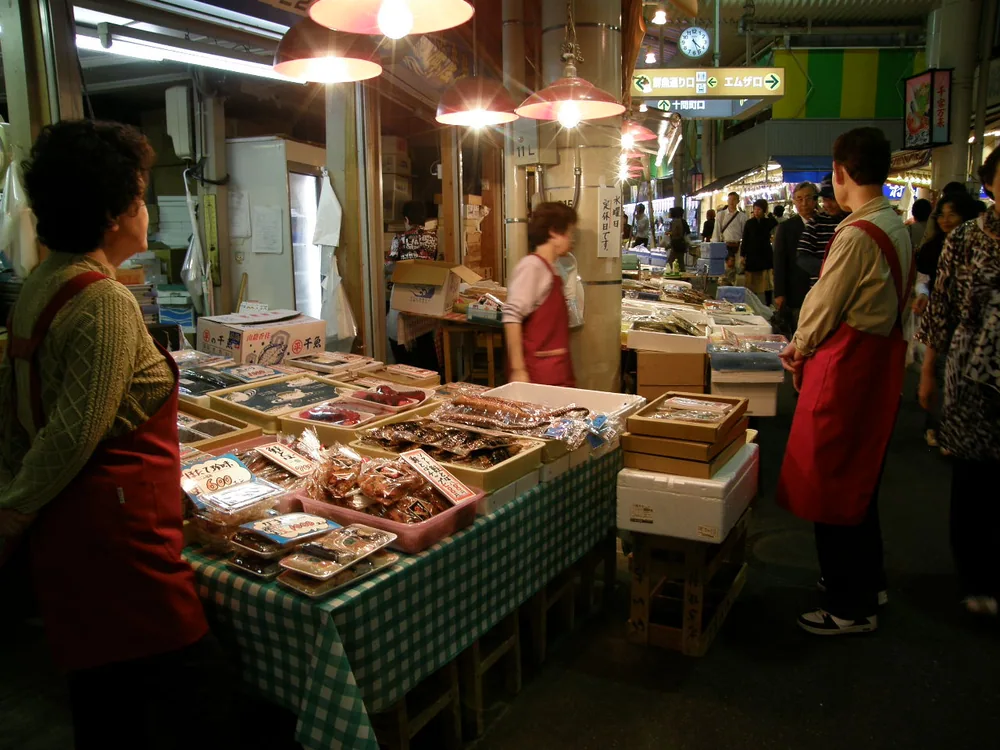
Omicho Market in the Musashigatsuji area suits breakfast, lunch, food shopping and comparing seafood. Higashi Chaya and the Asano River suit a tea stop that is part of enjoying the streets. Korinbo and Katamachi connect well with Nagamachi or city-centre sightseeing: eat dinner there before returning to your accommodation. Kanazawa Hyakubangai at the station is useful on arrival, departure or in poor weather, saving a trip into the centre.
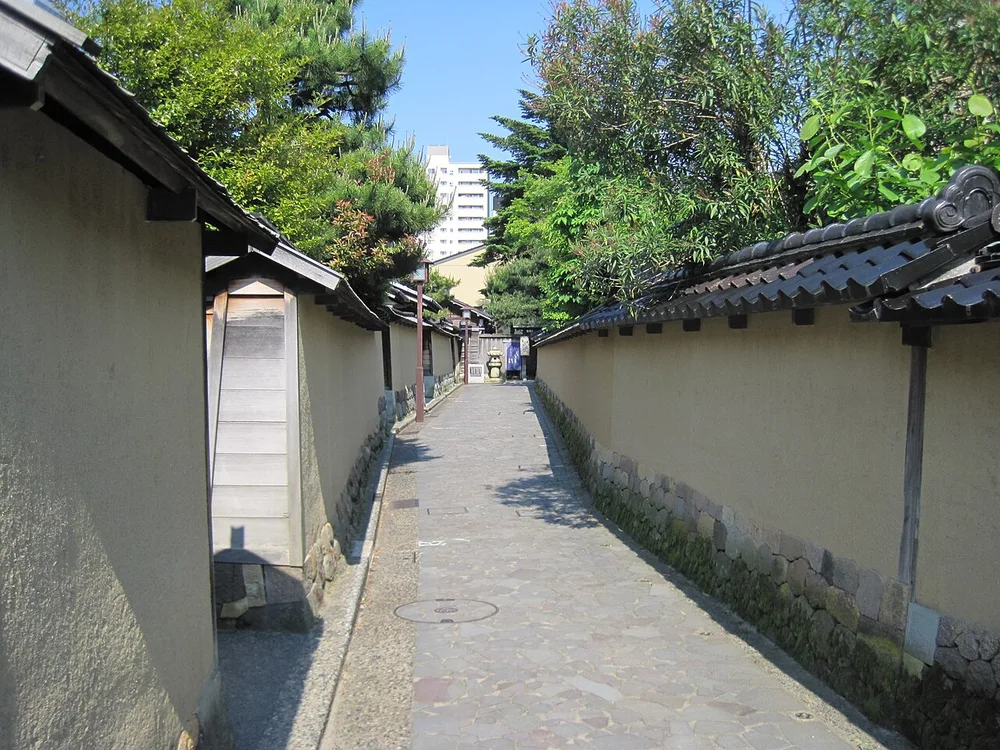
Treating all four as one continuous snack street distorts the route. Fish stalls, tea-district dessert shops and Katamachi restaurants each have different rhythms. Market lunch, a walk to Higashi Chaya and dinner in the centre can form a sensible route. If staying by the station with an early departure next day, you can instead return there for dinner and use the saved travel time to rest.
Save the market entrance, the restaurant’s exact name and the return bus stop as separate map points. A chain may have both an Omicho branch and a Kanazawa Station branch; your directions must match the branch on the booking. Market restaurants also occupy different floors. Seeing a similar sign on 1F (ground floor) does not mean you have reached the reserved restaurant. Establish these locations first, leaving your attention for the menu on the day.
Getting to Omicho: choose a convenient short journey before buying a day pass
The official Omicho Market website gives the walk from Kanazawa Station as about 15 minutes and Musashigatsuji as the nearest bus stop. In settled weather, with bags stored and everyone happy to walk, go on foot and learn the return route along the way. With large bags, heavy rain or companions unable to walk continuously, take a city bus to Musashigatsuji and use the corresponding market entrance.
The Hokuriku Railroad loop bus timetable revised on 1 April 2026 shows the right loop leaving stand 7 at Kanazawa Station’s East Exit, reaching Musashigatsuji–Omicho Market, then Hashibacho towards Kenrokuen. This direction helps when linking the market with Higashi Chaya. The left loop also passes the market but continues towards Korinbo and Katamachi. Read the direction and the position in brackets on the bus stop sign; do not board for the station simply because the stop name matches.
The loop bus costs ¥220 per adult ride and the city one-day pass costs ¥800. The adult category starts at junior-high-school age. Two rides, from station to market and from the tea district back to the station, total ¥440, so the pass saves nothing. At the same fare, the fourth ride is when individual fares exceed ¥800. List the journeys you will make first. Paying per ride works well if you want to walk between meals.
Market breakfast: choose an open restaurant before planning a full browse
Some market restaurants open early, while other stalls and restaurants keep their own hours. For an early seafood meal, choose a breakfast restaurant first. To see fish, vegetables, dried goods and everyday shopping, consider breakfast and market browsing separately. Staying nearby lets you eat early, return to the room and start sightseeing later. From farther away, combine lunch and shopping in one visit to reduce return journeys.
For example, the market’s official listing for Ikiiki-tei gives 07:00–15:00, ten counter seats, seafood rice bowls and nigiri sushi. It lists Tuesday closure, changing to Wednesday when Monday is a public holiday. Ten seats make it hard for a large family to sit together; solo visitors and pairs can fit it into their options more easily. Larger groups wanting a relaxed meal together should consider the seating before joining the queue.
The listing gives a Special Hokuriku Bowl at ¥2,500 and a Mini Kanazawa Bowl at ¥1,200, showing the portion and price choices within one restaurant. A smaller breakfast leaves room for afternoon tea; for a filling meal, compare the full bowls and soup combinations. These are the official prices as of 26 October 2026. Agree each person’s spending limit before choosing.
Seafood bowls, nigiri or cooked food: choose the meal you want and the right portion
A seafood rice bowl suits anyone wanting several kinds of fish in a fixed combination. Compare the fish, rice quantity and ingredients you actually enjoy. If you dislike sea urchin or salmon roe, a standard bowl with toppings you like is better value than a deluxe version chosen for a photograph. Smaller bowls, single-fish options or extras let you spend on the ingredients you most want, rather than finishing a large bowl and finding you liked only two toppings.
Nigiri suits people who want to control quantities and add pieces gradually. For à la carte orders, start with one round, then decide on more as you become full. For a set, check the number of pieces, soup and other dishes. Two people can compare a rice bowl and nigiri, but first ask about sharing and individual ordering rules. Seating and crockery in a small restaurant affect whether sharing one meal around a whole table is practical.
You can still have market lunch without raw fish. Find grilled fish, fried dishes, simmered food, meat, noodles or rice on the menu before choosing the restaurant. If the only restaurant you had in mind serves raw food alone, choose another. A cooked main and a small seafood side can keep people with different tastes at one table. For allergies, ask about the actual stock, sauces and shared utensils as well as omitted ingredients. Showing the ingredient name in Japanese helps make the request precise.
When buying small freshly prepared dishes, ask where to collect and eat them after paying. Dispose of containers as directed before moving on. Standing with food in the middle of a narrow aisle blocks shoppers and deliveries. If a stall interests you, move the group to the side and let one person ask before ordering. This also gives you time to check portion size, cooking and sauces instead of buying hurriedly under pressure from the crowd.
| Meal preference | What to check first | How to plan it |
|---|---|---|
| Several seafood varieties in one meal | Bowl toppings, rice quantity and fixed combinations | Make a seafood bowl the main meal and have dessert later |
| Small portions with more added gradually | À la carte nigiri or set pricing | Start with one round, then decide on more |
| A companion avoids raw fish | Grilled fish, meat, simmered dishes, noodles and rice | Choose a broader menu so everyone can eat together |
| Only a short time remains | Immediate ordering, seating and payment arrangements | Shorten browsing and finish lunch properly |
Look beyond the crowded ground floor: more menu choices in Omicho Ichibakan
The official Omicho Ichibakan listing places produce and fish markets on 1F (ground floor), Japanese food, rice bowls and Chinese restaurants on 2F (one floor above), and bread, curry, ramen and everyday goods in the basement. This is useful when the ground floor is crowded: look upstairs for restaurants. If some want seafood and others a hot meal, the same building may offer something for everyone.
The market listing for Omicho Shokudo Sensai Enishi includes seafood bowls, sashimi, jibuni, fresh wheat gluten, Noto beef and Noto pork. This kind of menu lets you include local dishes in lunch or give a companion who avoids raw fish another choice. Save the names of dishes you want, then combine them from the day’s menu. Everyone need not choose the same main.
The page gives lunch as 10:00–15:00 with last orders at 14:00, and dinner as 17:00–21:00 with last orders at 20:00, noting changes according to supplies. Put last orders in the itinerary. If arriving at the market at 14:00 and hoping to browse first, eat before shopping if choosing this restaurant. Separate restaurant service hours from access to the building, so that an open building does not lead you to a lunch restaurant no longer taking orders.
Ordering crab or nodoguro: establish the portion and price first
Crab, nodoguro and deluxe mixed bowls can quickly push lunch above your original limit. Ask whether the price is for a whole crab or fish, per portion, per person or by weight, then ask about preparation and how much there is to eat. For a market-price item, have the restaurant state the price for your order before confirming. Sharing one whole fish and ordering two individual sets can differ in both total cost and how full you feel.
The Kanazawa food culture website’s seafood guide distinguishes Kano crab, kobako crab, sweet shrimp, yellowtail and nodoguro. Keep those distinctions when reading menus: crab legs, a crabmeat bowl and a whole kobako crab are different dishes. For a taste, choose a small à la carte plate. If a whole crab is the purpose of the trip, give it a meal of its own with time to pick the meat and eat slowly.
If travelling specifically for an ingredient, contact the restaurant about availability on your date, portion and preparation before reserving. For a casual market lunch, choose from that day’s appealing, affordable dishes and keep alternatives. If asking a shop to cook a market purchase, establish preparation charges and waiting time too. Spending on one dish you like makes the meal easier to remember than adding several expensive ingredients at once.
An official Omicho Market film about Ishikawa crab and the market.
Jibuni and Kaga vegetables: leave a meal for Kanazawa beyond seafood
Jibuni works as dinner after a seafood meal or as a local side at lunch. The Kanazawa food culture website describes flour-coated duck, wheat gluten, shiitake and seasonal vegetables simmered in fish stock, with a little wasabi. The flour thickens the broth, giving a very different meal from sashimi. It is a useful dish to look for when you want a break from raw food.
Check where it sits on the menu: it may be a single bowl or part of a Kaga cuisine course. To try the dish, order it separately with rice or other sides. Choose the longer course meal if you want to see a range of cooking and tableware. If catching a train after dinner, tell the restaurant your departure time and choose a format that fits. A long course and a bowl of jibuni call for very different meal lengths.
The same website’s Kaga vegetables page lists 15 recognised varieties, including Kaga lotus root, Gensuke daikon, kinjiso and sweet potato, available by season. If a side dish has an unfamiliar name, ask which vegetable it uses and how it is cooked, then share a portion. Vegetable dishes may use fish stock. Vegetarians should explain stock requirements too and choose a restaurant able to meet their needs.
When booking a Kaga cuisine course, give the numbers of adults and children and any ingredients someone cannot eat. If one person wants a simpler meal, ask whether different meal formats are possible, rather than discovering on arrival that the whole table must order the same course. For price comparisons, record whether drinks, tax and service are included, then read cancellation deadlines. If you pay a deposit, save the restaurant, branch, date and booking name for arrival.
Kanazawa oden: include rice and seating charges in the meal cost
Oden suits a cold evening or a day with a large lunch, with portions adjustable from a few ingredients. The Japan Sake and Shochu Makers Association’s Kanazawa oden guide lists kuruma-fu, akamaki, shellfish, kani-men and Kaga vegetables. Start with familiar daikon and egg plus one local ingredient you want to try. Add more after seeing the sizes and tasting the broth.
Kuruma-fu is wheat gluten; akamaki is a fish-paste product. Shellfish and kani-men have their own ingredient restrictions. With gluten, fish or crustacean allergies, ask about the stock and ingredients cooked in the same pot. If a few pieces are to make dinner, check for rice, noodles or another staple. A small oden plate may otherwise leave you searching for another meal. If lunch was late, fewer pieces can instead keep dinner short.
For izakaya dining, check otoshi and drinks too. Otoshi is often a small dish served after you sit down, charged as a seating fee. Understand the components of the bill rather than adding only the listed prices of oden ingredients. With a limited budget, ask what a typical meal for one would include, or choose a clearly priced set meal. You need not order alcohol simply because the restaurant is an izakaya if you want tea and hot food.
A specific Katamachi dinner option: Akadama Honten now gives priority to timed reservations
If keeping oden for Katamachi, Akadama Honten is a named option to research in advance. Its official booking information states that from June 2026 it gives reservations priority in four sittings: 16:00–17:00, 17:15–18:30, 18:45–20:00, and from 20:00 through the final service period. Some walk-in seats remain, allocated according to availability that day. A reservation is easier to plan around a fixed activity than hoping for space at the door.
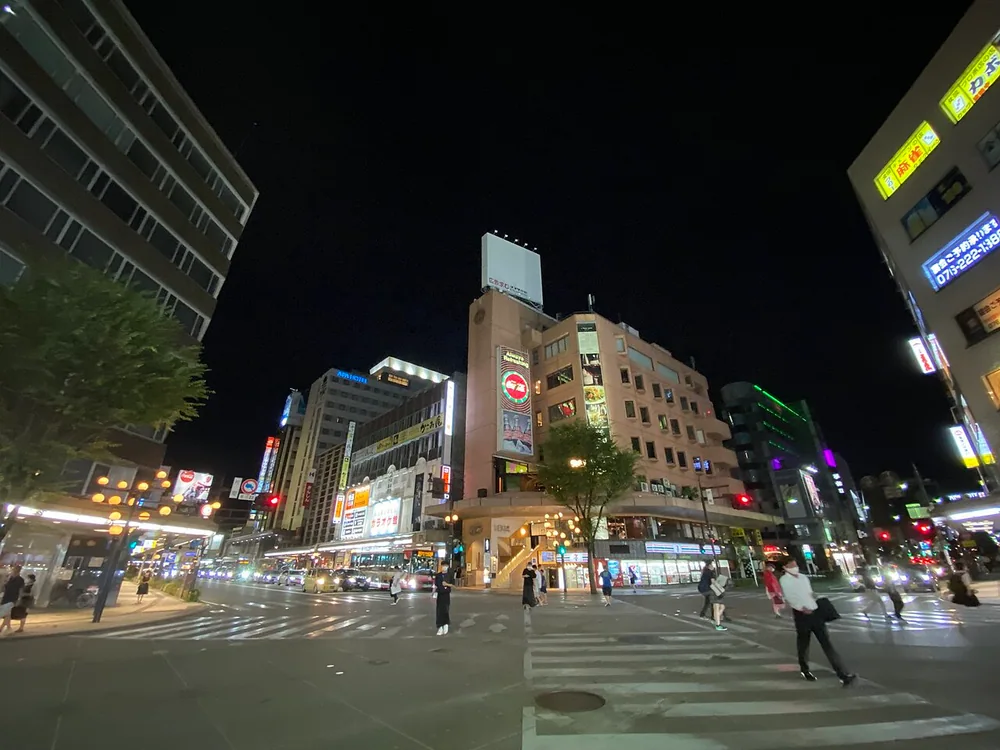
The same page lists weekday and Saturday lunch at 12:00–15:00 and dinner at 16:00–23:00, with dinner until 22:00 on Sundays and public holidays. It is closed on Mondays, but may open when Monday is a public holiday. It also states that all seats receive otoshi charged as a seating fee. Plan around the sitting you actually book and check that everyone can arrive on time. Your confirmation’s arrival time, dining limit and cancellation terms are more useful for the evening than a copied closing time.
Put Nagamachi, Korinbo or city-centre shopping in the same afternoon to avoid returning solely for dinner. For an 18:45 booking, leave time after the preceding activity to get ready and walk to the door. Do not make museum closing, the end of shopping and restaurant arrival all the same moment. Return to your accommodation after dinner, or choose one short walk for night views. The meal is the evening’s main event; you need not catch up on every street missed during the day.
Market curry lunch: Champion Curry Omicho takes last orders at 15:30
If a companion does not want seafood, or you have sushi booked for dinner, choose curry for lunch. The official Champion Curry Omicho page places it on basement level B1 of Omicho Ichibakan, with table seating. It opens 11:00–16:00, with last orders at 15:30, and closes on 1 and 2 January. It is a hot-meal option while visiting the market. For an evening arrival, choose another restaurant still serving.
Compare the basic portion and fried toppings. After a heavy dinner or before an afternoon dessert, start with a simpler combination. For a filling lunch before a long walk, choose your usual portion size. If someone cannot eat any chilli or has an allergy, read the operator’s menu and allergy information before entering. Curry being cooked does not remove the need to ask what is in the sauce.
Save two different kinds of market lunch backup before leaving, such as one seafood restaurant and one curry restaurant, rather than four places beside the same seafood-bowl queues. If the first wait exceeds your limit, change meal type. That can change the situation; moving to the next equally full restaurant may leave you stuck. With an afternoon reservation, protect time to finish lunch and travel.
Walking from the market to Higashi Chaya: choose one seated tea break
After market lunch, walk towards Higashi Chaya and the Asano River to separate the main meal from dessert. Use this stretch for a change of pace without adding every available snack. If full, browse streets and crafts before stopping when you want a rest. With children or older relatives, choose somewhere to sit earlier so that the afternoon walk has a break in the middle.
Between the market and Higashi Chaya, Kanbayashi Kanazawa Chaho’s Kanazawa main shop lists a seating area serving matcha, bocha, sencha, Japanese black tea and Japanese sweets. Its address is 1-7 Shimoshincho. Official hours are 09:30–17:30, with last orders at 17:00. Closures include the year-end/New Year period and the third Sunday of each month, with separate arrangements over consecutive holidays. It is a useful stop if comparing teas matters more than sitting inside the tea district itself.
A cup of tea and a Japanese sweet affect dinner differently from a large parfait. After a large dessert, choose à la carte dinner or eat later. With an early dinner booked, have tea and a smaller sweet. Check each-person ordering rules before sharing; settle questions about minimum orders and seating time before sitting down. One relaxed stop you like takes less effort than carrying several takeaway desserts while searching for somewhere to eat them.
Gold-leaf desserts and tea in Higashi Chaya: decide which experience you want
A gold-leaf dessert suits visitors interested in how Kanazawa’s craft traditions appear in food. Tea and Japanese sweets suit those focused on tea, sweetness and tableware. You can choose either; decide what you want to pay for first. For a photograph, one small dessert you enjoy may be enough. To spend time inside a historic building, compare seating, surroundings and the full order cost.
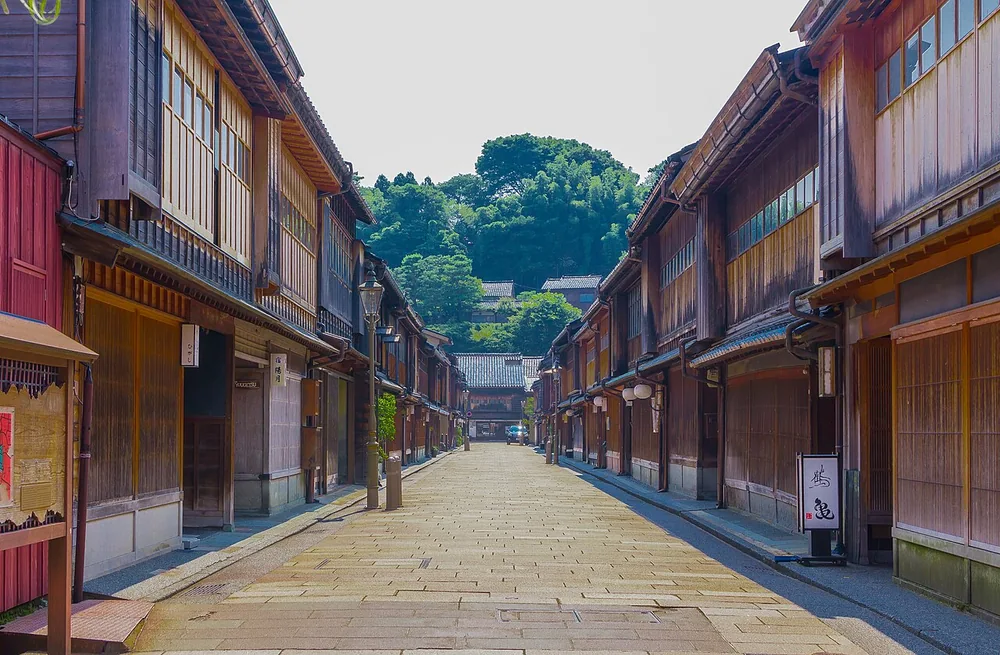
The official Salon de thé Kaikaro menu in Higashi Chaya lists both gold-leaf and standard matcha parfaits. As of 26 October 2026, the gold-leaf version costs ¥2,970 and the standard version ¥1,870, both including tax. The gold-leaf soft-serve experience costs ¥2,200. These differences make the choice concrete: start with the standard parfait if you want matcha dessert, or allow extra for the gold-leaf presentation if that interests you.
The official site lists 10:00–17:00, with tea-room last orders at 16:00 on weekdays and 16:30 at weekends, plus a link to irregular closure dates. Treat last orders as your arrival deadline rather than looking for a seat after visiting every shop. For building visits or activities, read the content and price for each separately. Afternoon tea, building admission and geisha events have different booking routes; plan around the item you buy.
Choose by the dessert’s contents too. For a strong tea flavour, look at matcha or bocha dishes. If you dislike large amounts of cream, choose tea with a small sweet. Large parfaits often have several toppings, so reading the ingredients helps more than looking only at the gold leaf. If ordering different items, ask about sharing before exchanging tastes. Afterwards, choose tea leaves or packaged sweets together, using the flavours you have just tried.
Buying sweets and tea: decide when you will eat them before choosing the box size
JNTO’s Kaga cuisine guide also discusses Kanazawa’s Japanese sweets. Seasonal designs and tea culture deserve a place in the meal plan. For shopping, distinguish food to eat today, during the trip and as gifts after returning home. Fresh sweets needing refrigeration and same-day consumption suit a purchase just before returning to your room. Save packaged items with manageable storage conditions for concentrated shopping before departure.
For gifts, consider when the recipient will receive them. If buying today but leaving Japan several days later, the date on the pack must cover that interval and leave time to eat after you return. Storage after opening may differ from sealed storage. Before buying a large box to divide, check whether pieces are individually wrapped. A small household usually benefits more from a small box than from buying twice as much for a lower unit price. Choose tea you have equipment to brew and would normally drink.
Fresh seafood and prepared food need separate handling. Tell the shop how long your next journey is and ask about refrigeration, cooling packs and consumption deadlines. For delivery, ask a shop offering the service about coverage and how the goods arrive. The market’s official list of delivery shops is a starting point. If shopping, exhibitions and a long train ride still lie ahead, buy perishable food at your final stop so that it is easier to manage in your bag.
Eating at Kanazawa Station before departure: leave proper time for shopping and the train
For an afternoon departure, concentrate the final meal and gifts at Kanazawa Station. The Kanazawa Hyakubangai Anto floor guide lists Japanese sweets, bocha, takeaway sushi, bento and processed seafood. The Rinto guide includes rice balls with miso soup, soba and bread. Decide on a seated meal or takeaway first, then choose an area, instead of repeatedly searching the whole station with shopping bags.
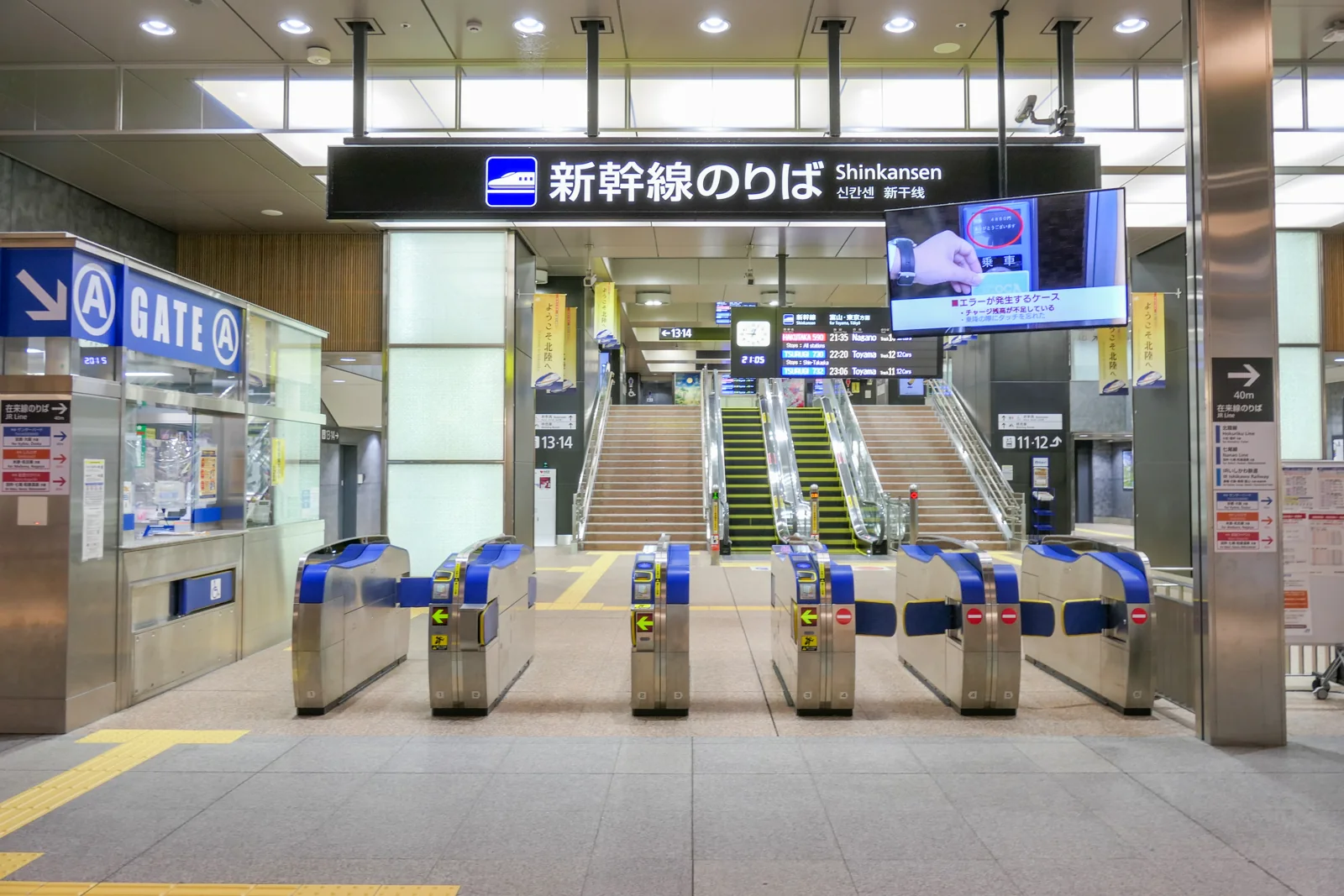
Work backwards from departure: luggage collection, the correct ticket gate and platform, then the time to leave the restaurant. If queues are long, choose food available immediately so that you have time to check packaging, pay and arrange your bags. For eating on board, choose food easy to open and close without many separate boxes. For soups or strong-smelling food, consider your seat space and neighbouring passengers.
If lunch is booked, list the brands or types of gifts first and shop from the list afterwards. Without a clear list, buy the most important gift before browsing with the remaining time. Hotel breakfast, Omicho lunch and a station bento need not all be full portions. Ending your Kanazawa stay with one sweet you like can also make the next journey easier.
Rain, children and larger groups: changing the meal type can help more than adding sights
In rain, reduce travel between districts. Near the market, combine lunch, choices on other floors and one tea shop. Near the station, put a meal and shopping in Hyakubangai. With Katamachi dinner booked, stay in the centre during the day, return to change wet clothes before evening, then go to the restaurant. Eating warm and dry is more comfortable than chasing another famous shop under an umbrella.
With children, check table seating, entrances and meal length first. A seafood shop with a few counter seats suits small groups willing to sit apart. For pushchair space, feeding together or an older relative needing a chair back, ask directly what seating can be arranged. Put a child-friendly staple and the adults’ local dishes in one restaurant rather than feeding children first and having them stand through a second queue.
In a larger group, allocate decisions before lunch: one person checks menus and prices, another seating and waiting time, while others look after bags and companions needing a rest. Agree a waiting limit, switch to the backup when reached and make the next meeting point clear. If eating separately, choose two places in the same area that can be finished within the same period, then walk on together. Avoid making one group cross town to catch the other.
For accessible seating, explain in advance whether the wheelchair must remain beside the table, whether transfer to a chair is possible and the total group size. A lift does not resolve every entrance step or table clearance issue. Specific requirements help the restaurant answer. If the arrangement does not work on arrival, resolve it before ordering so everyone can finish comfortably without moving halfway through.
Spend on the meal you most want: practical plans for one day or two nights
With one day, arrive at Omicho in the morning for the main meal, browse food stalls briefly, walk towards Higashi Chaya for one tea break, then return to the station for bags. After a large hotel breakfast, make the market meal lunch. With a very early arrival, have a small seafood breakfast and a simpler cooked meal in the afternoon. Choose one arrangement; they allocate meals differently and do not need to be combined.
For two nights, try seafood lunch, afternoon tea and Katamachi oden on day one. Have curry or noodles for lunch on day two, then Kaga cuisine for dinner. If visiting gardens, museums or a craft workshop, choose a restaurant near that day’s final stop. See the two-day Kanazawa itinerary for the wider city route and fit these meal combinations into it.
Divide spending into main meals, tea and sweets, drinks and seating charges, and gifts. Allow enough for the meal you care about most, then adjust the other three. Standard versus deluxe seafood bowls, ordinary versus gold-leaf matcha parfaits, and à la carte oden versus full courses all offer direct choices. If one more Japanese sweet appeals on the final day, decide from the dessert budget. With meals and costs already allocated, you can buy it, collect your bags and catch the next train.
A few useful answers
Is Omicho Market better for breakfast or lunch?
For a seafood breakfast, choose a restaurant that explicitly opens early. For more food stalls as well, combine lunch and shopping. If breakfast is included at your hotel, browse in the morning and eat at lunchtime.
Is Omicho Market suitable if I do not eat raw fish?
Yes. Choose a restaurant with grilled fish, simmered dishes, meat, noodles or rice. Omicho Ichibakan also has curry and other meals. Explain dietary requirements for stock, sauces and shared utensils too.
How many food stops should I plan in one day in Kanazawa?
Build around one main meal and one tea stop to manage quantities. With dinner reserved, adjust lunch and dessert to its time rather than making every speciality a full meal.
Can I still queue at Akadama Honten?
From June 2026, the official policy gives reservations priority across four sittings, with some walk-in seats allocated according to availability that day. Book through the official route to fit dinner around a fixed schedule. All seats incur an otoshi seating charge.
Can Champion Curry Omicho be a dinner backup?
Its current official hours are 11:00–16:00, with last orders at 15:30, so it suits lunch. For an evening arrival in Kanazawa, choose another restaurant still open.
Is a bus day pass worthwhile just for a return journey between Kanazawa Station and the market?
The loop bus costs ¥220 per adult ride and the day pass ¥800. Two rides at that fare total ¥440, making individual fares cheaper. Add up all journeys for the day before choosing.
Official information and references
Sources used in this guide.
- Official Omicho Market | Market overview, address and access
- Official Omicho Market | Market shopping map
- Official Omicho Market | Ikiiki-tei menu, seating and service hours
- Official Omicho Market | Ichibakan floor uses
- Official Omicho Market | Sensai Enishi dishes and service hours
- Kanazawa food culture | Seafood varieties
- Kanazawa food culture | Jibuni ingredients and preparation
- Kanazawa food culture | Kaga vegetables
- Japan Sake and Shochu Makers Association | Kanazawa oden ingredients
- Akadama Honten | Reservation sittings from June 2026, service hours and seating charges
- Champion Curry | Omicho branch location, hours and closures
- Kanbayashi Kanazawa Chaho | Main shop seating, address and opening information
- Kaikaro | Tea-room menu, tax-inclusive prices and last orders
- JNTO | Kaga cuisine and Kanazawa sweets
- Official Omicho Market | Shops offering delivery
- Kanazawa Hyakubangai | Anto floor guide
- Kanazawa Hyakubangai | Rinto floor guide
- Hokuriku Railroad | 2026 Kanazawa Loop Bus, timetable and fares