Compare Suimeikan, Yunoshimakan, Ogawaya, Bosenkan and Hidasanso in Gero Onsen by station shuttles, private in-room baths, hire baths, bedding and half-board dining, plus two-day itineraries from Nagoya or Takayama.
- Region & Focus
- ChubuAccommodation
- Reading Scope
- 17 min read · 10 chapters · 5 Q&As
- Official Verification
- 44 official sources checkedUpdated 22 November 2026 at 08:00 GMT+8
- Key Topics
- Where to stayHot springsRyokan
Chapter Route Map (tap any stop)
- Station side, across the bridge, or up on the hillside?
- Suimeikan: stay by the station and spend half a day at the hotel
- Yunoshimakan: Main Building window views and Keizanso baths
- Across the bridge to Ogawaya, or north along the river to Bosenkan
- Hidasanso: a smaller inn's dinner and hillside views
- Look at the dining venue first when comparing half-board rates
- Decide how you want to bathe before picking a room
- Arriving from Nagoya or Takayama in time for dinner
- Planning a two-day stay backwards from your evening base
- Just one soak? Choose day-visit entry or stay the night
- Quick Q&A
For a single night where you want to slip into the hot springs as soon as you arrive in the afternoon, choose Suimeikan, roughly a 3-minute walk from JR Gero Station. To stay inside a 1931 wooden building, book Yunoshimakan's Main Building and take its shuttle up the hillside on arrival. If an evening stroll through the hot-spring town before dinner and a riverside walk the next morning appeal more, Ogawaya or Bosenkan are better placed. The fifth option, Hidasanso, also sits up on the slope and suits travellers happy to take a short taxi ride in exchange for saving their budget for a smaller inn's dinner and valley views. Before booking, decide where you will spend most of your evening: walkers have the town right outside the door, while dedicated bathers can put the room rate towards a private bath.
Station side, across the bridge, or up on the hillside?
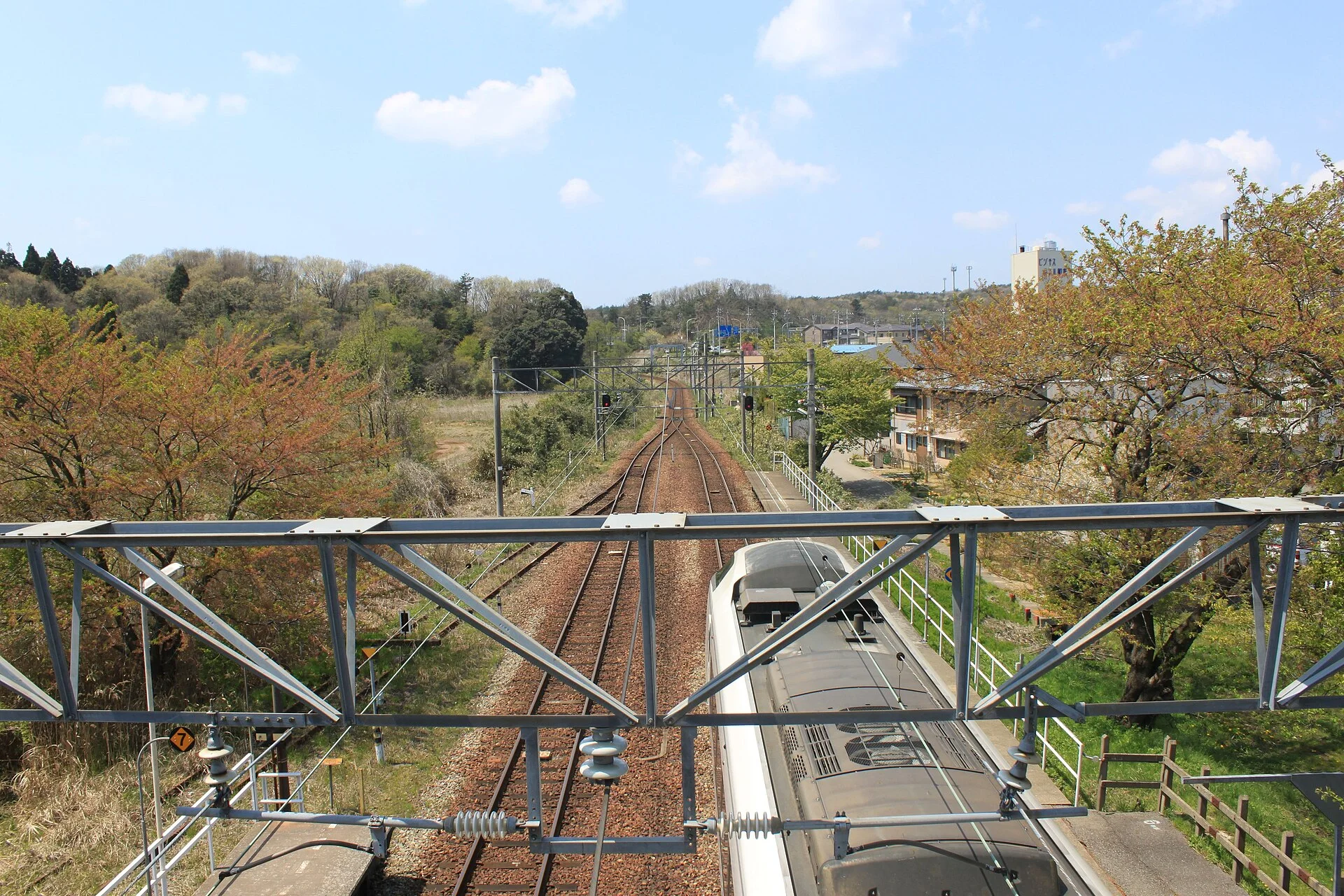
Step out of Gero Station and first consider where your bags need to go. Suimeikan sits on the station side of the Hida River, so you can walk straight from the platform to the hotel without crossing a bridge. Ogawaya lies on the opposite bank beyond Gero Ohashi Bridge, along streets leading directly to Shirasagi-no-Yu, the hot-spring museum and riverside walking paths. Bosenkan sits further north on that same far bank, where lounging in your room or strolling through its garden is half the reason for an overnight stay. Walking times from the station look short on paper, yet the difference between wheeling a cabin suitcase and stepping out empty-handed shows up on the bridge crossing and the final stretch to your entrance. Check each property's main entrance relative to Gero Station before booking on the Gero Onsen town map.
Both Yunoshimakan and Hidasanso sit up on the hillside, though each shapes the evening differently. Yunoshimakan works best when you take the shuttle up and devote half a day to its historic Main Building, dinner and guest baths. Hidasanso lets you finish wandering the lower town first before riding up to watch the town lights flicker on below your window. Both appear simply under "Gero Onsen" on booking sites, so check where the front entrance actually sits. Walking downhill in trainers by day and heading back uphill in a yukata after dinner are two very different outings.
If you need to pass through the station every day, such as moving on to Takayama after one night or catching an early train back to Nagoya for a morning flight, staying on the station side pays off twice. If you arrive early in the afternoon and plan to eat or visit public bathhouses on the opposite bank, the central town district turns one long bridge trek into several easy strolls. When half your group wants to walk and the other half only wants to soak, base yourselves around Ogawaya, or stay at Suimeikan and meet at the bridgehead so everyone can wander separately before dinner and find their way back easily.
Use the table below to narrow down the right inn, then open its room pages to check bed counts and bath setups. For a two-night trip where day two focuses on Takayama or Shirakawa-go, consider spending the second night in Takayama instead and leaving your luggage there while visiting Shirakawa-go.
| Property | Where it sits | Rooms or facilities to prioritise |
|---|---|---|
| Suimeikan | Station side of the river, about a 3-minute walk from JR Gero Station | Multiple large communal baths; check Rinsenkaku for in-room hot-spring baths |
| Yunoshimakan | Yunoshima hillside, free shuttle from the station front | Main Building for historic architecture; Keizanso or annexe open-air rooms for in-room soaking |
| Ogawaya | Across Gero Ohashi Bridge, about an 8-minute walk per the Ryokan Association | Town strolling, tatami-floored communal baths and timed private hire baths |
| Bosenkan | Northern riverbank in Yunoshima, scheduled station shuttle | Japanese garden, river-view rooms and Shikisai rooms with open-air onsen baths |
| Yuragi no Sato Hidasanso | Up on the hillside, about 5 minutes by taxi from the station front | 8-mat Japanese-style rooms facing the town (up to 3 guests) and indoor communal baths |
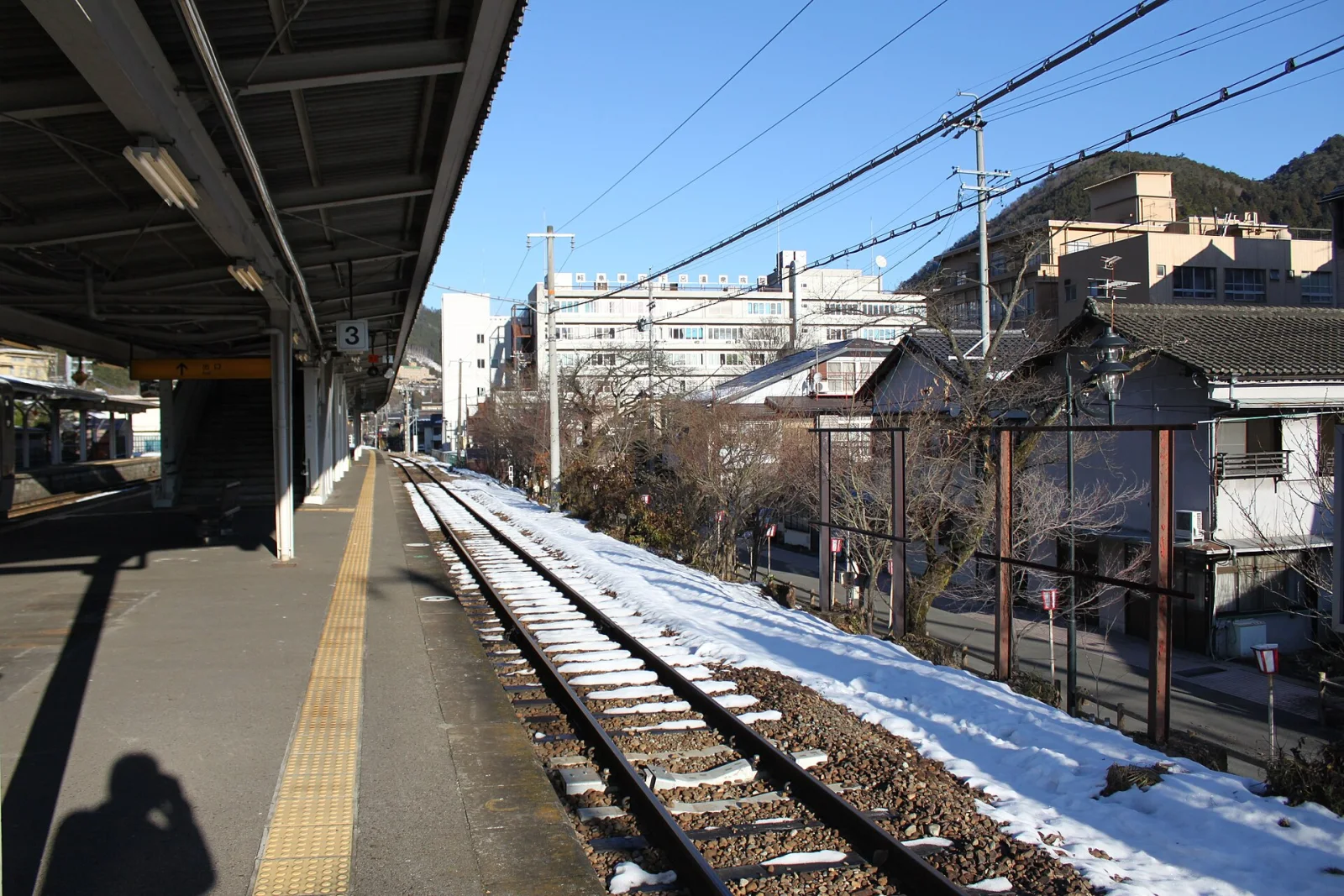
Compare Suimeikan, Yunoshimakan, Ogawaya, Bosenkan and Hidasanso in Gero Onsen by station shuttles, private in-room baths, hire baths, bedding and half-board dining, plus two-day itineraries from Nagoya or Takayama.
Suimeikan: stay by the station and spend half a day at the hotel
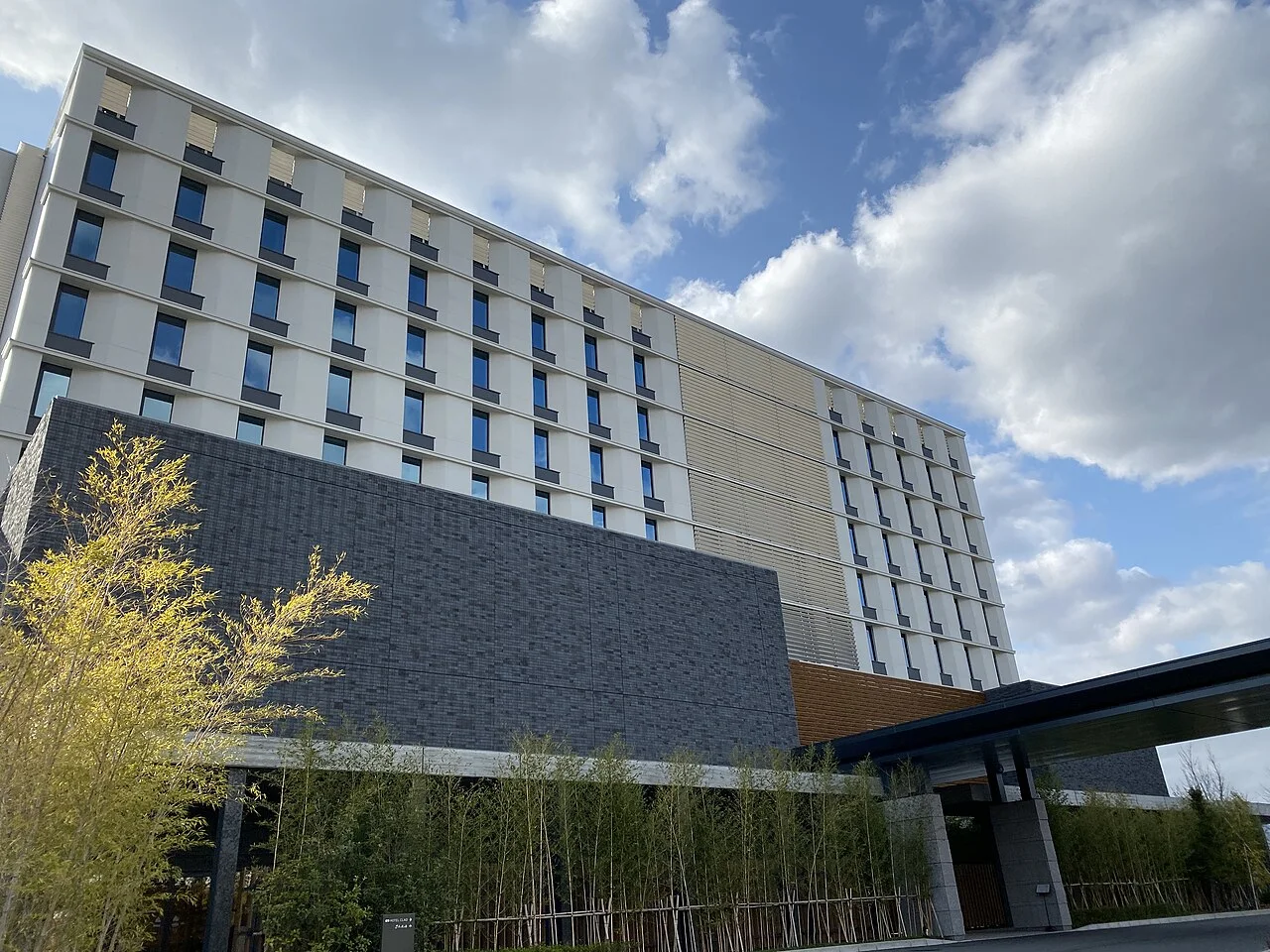
Suimeikan offers check-in from 14:00 JST and check-out until 11:00 JST. If you leave Nagoya in time to reach Gero by 14:00 or 15:00 JST, you can fit in a soak before dinner. Hotel shuttles meet arriving limited express trains outside the station. If you are taking a local train or carrying heavy luggage and need a pick-up, telephone +81-576-25-2800. When catching an early limited express the next morning, the walk back to the station takes around 3 minutes. During maintenance on the main site, reservations can be made directly via the Suimeikan booking page.
The hotel comprises Rinsenkaku, Hisenkaku, Sansuikaku and the detached Seiranso wing. Every guest room in Rinsenkaku has an indoor hot-spring bath, and separate rooms with open-air baths are also listed. Common layouts include a 12.5-mat Japanese-style room with veranda for 2 to 5 guests, and a Japanese-Western room combining 12.5-mat and 8-mat spaces for 2 to 6 guests. Either can accommodate a family at similar nightly rates, which makes choosing tricky at first glance. Pick the Japanese-Western room if older relatives need Western beds, or if children go to sleep early while adults want another room to sit in. If everyone is comfortable sleeping on futons, a properly sized tatami room leaves more open floor space during the day. Sizes and capacities are listed in the Rinsenkaku room table.
Hisenkaku includes single rooms, Japanese-style rooms and Japanese-Western rooms, making it the natural starting point for solo travellers. Sansuikaku features twin rooms as well as rooms with an adjoining tatami space; if you plan to spend your soaking time in the communal baths and just want proper beds at night, start with these two wings. For views over the Hida River in the morning, choose a room specifically marked river-side. Check whether there is seating by the window when picking your bed configuration, as rooms span multiple floors and filtering by both twin beds and river views narrows the search far better than browsing by wing alone. All wings are listed on the Suimeikan room overview.
In the afternoon, start at the open-air bath on the 1st floor of Sansuikaku. The men's outdoor pool is Ryujin-no-Yu and the women's is Kannon-no-Yu, each paired with an indoor bath. For town views while daylight lasts, head up to the observation communal bath on the 9th floor of Hisenkaku, where floor-to-ceiling windows look across Gero and the surrounding hills; outside cleaning hours, it remains open 24 hours. Shimodame-no-Yu on the 3rd floor of Rinsenkaku is reserved for overnight guests, offering cypress-wood tubs and a sauna from 05:00 to 24:00 JST (pausing during cleaning), the same operating window as the Sansuikaku open-air bath. If your train arrives late, pick one bath after dinner and save the other for before breakfast.
The three communal bath complexes rotate their draining and cleaning schedule by day of the week. If you arrive on a Tuesday and want daylight views over the town, leave the observation bath for the next morning and use the Sansuikaku open-air bath on arrival day, or switch to an indoor bath if it rains. Because the complex spans multiple floors and wings, pick up a floor map at check-in and note your lift bank, dining room entrance and bath locations straight away. Exact maintenance windows are posted on the Suimeikan bath cleaning schedule.
Private hire baths are located on the 4th floor of Rinsenkaku. Shichiri-no-Yu has a roomier changing area with minimal steps, while Oribe-no-Yu features a ceramic tub. Suimeikan lists private sessions at 60 minutes each. If you book a package that includes one private session, reserve a pre-dinner slot at check-in. Families who simply want to bathe together once can compare the price difference between a standard room plus one private session versus upgrading rooms. If you want to soak both at night and at dawn, a Rinsenkaku room with an in-room bath gives far more flexibility. Should you need grab rails, a low-step room or wheelchair-accessible toilets, tell the hotel which bath you intend to reach from your room so staff can assign the layout accordingly, rather than merely writing "elderly guest" in the booking notes.
Yunoshimakan: Main Building window views and Keizanso baths
Yunoshimakan's Main Building is a three-storey wooden structure completed in 1931 and registered in 2010 as a national tangible cultural property. Records from Japan's Agency for Cultural Affairs note how the south-facing guest rooms step forward and back along the hillside slope, forming a continuous line of windows that gives each room clear daylight and views. To experience these historic timber interiors, book a Main Building standard room (Honkan Ippan Kyakushitsu). Soundproofing follows the original construction, so light sleepers or anyone needing an early night may prefer Keizanso instead. Architectural details appear in the Agency for Cultural Affairs listing.
For in-room bathing, every view-bath room in Keizanso draws Gero hot-spring water, and sliding open the full bathroom window turns it into a semi-open-air bath. In this wing, only Suisen-no-Ma has twin beds alongside an 8-mat tatami room, making it the first room to check if two guests want both proper beds and an in-room onsen. The annexe also offers rooms with both indoor and outdoor baths, such as Momiji-no-Ma (renovated in 2017), where photos show an open-air tub tucked beneath the eaves. In winter, Keizanso lets you close the window to avoid stepping out into freezing air, while the annexe open-air rooms reward guests who arrive before dinner and have time for a second soak the next morning. Room layouts can be compared on the Yunoshimakan room page.
The main communal baths and open-air baths sit on the 2nd floor of the Main Building, open from 15:00 to 01:00 JST and from 05:00 to 10:00 JST, with cleaning and a gender swap in between. On a one-night stay, bathing once in the evening and once before breakfast lets you experience both sides. Remember to bring the bath and hand towels from your room. The inn also provides complimentary private family baths for overnight guests, booked at reception after check-in; on busy weekends, confirm both your dinner time and private bath slot as soon as you arrive, or book an en-suite hot-spring room outright. As guests with tattoos are generally not permitted in the communal baths, choosing a room with a private hot-spring bath lets you soak whenever you wish. See the Yunoshimakan stay FAQ.
Free shuttles depart JR Gero Station at 13:35, 14:35, 15:35, 16:35 and 17:25 JST. Look for the "Yunoshimakan" signboard outside the station and mention your planned shuttle time when booking. Check-in is at 15:00 JST, though guests arriving on the 13:35 or 14:35 JST shuttles can leave bags at reception beforehand. Check-out is at 11:00 JST, with luggage storage available until noon. The inn estimates a 10-minute walk downhill into the hot-spring town, and considerably longer climbing back up. If you arrive after 17:25 JST, take a taxi from Gero Station and let reception know your arrival time so dinner arrangements stay on track. Morning shuttles back to the station run from 08:30 JST, with the final departure at 11:10 JST. Full times are on the Yunoshimakan shuttle timetable.
There is one lift in the Main Building and another in the corridor leading towards Keizanso. When travelling with older guests, trace the route on the floor plan between your room, dining room and preferred bath, paying close attention to connecting corridors and lift transfers. If you plan to bathe exclusively in your room, the walk between bedroom and dining room becomes the route that matters most. Guests wanting a wooden Main Building room who also require staff assistance with a wheelchair should ask the inn to explain the exact corridor route for specific room numbers and reserve a wheelchair in advance.
Across the bridge to Ogawaya, or north along the river to Bosenkan
Ogawaya's main entrance faces the hot-spring town side. According to the Gero Onsen Ryokan Association, it is roughly an 8-minute walk from JR Gero Station, with check-in at 15:00 JST and check-out at 11:00 JST. On a first one-night visit where you plan to browse the shopping streets in the afternoon and bathe back at the inn after dinner, staying here eliminates an extra bridge crossing. You can still cross over from Suimeikan to explore, yet when someone in your group needs to fetch towels or a child needs an afternoon nap, Ogawaya's entrance puts you closer to the street action. Drivers should enter the main entrance address in their satnav, as the riverside façade and vehicle entrance sit on different streets.
Ogawaya is known for its tatami-floored communal baths alongside nine private hire baths split between the Main Building and annexe, bookable individually through the hotel website. If you want an in-room shower, look specifically for rooms listed with shower facilities. Several budget Japanese-style rooms in the Koryukaku wing are listed as having no in-room bath (out-bath), meaning all washing takes place in the communal baths, and the official room notes mention a stretch of roughly 25 stairs. Saving money on these rooms makes most sense if you already intend to bathe exclusively in the public facilities. If you will be escorting children or older relatives up and down stairs every time they wash, a slightly smaller room with its own shower is far more practical than a wide tatami room seen in photos. Details appear on the Ryokan Association Ogawaya page.
Treat room rates and private bath fees separately when booking at Ogawaya. There are two private hire baths in the Main Building and seven in the Yuragi Annexe; online booking lets you select a specific bath, while same-day requests go through +81-576-25-2118. Returning from a walk around town, a family can head up to the room first for towels and fresh clothes before going to their reserved slot. If dinner is served in the Main Building, picking a private bath in the same building saves extra walking. Note that Ogawaya's communal bath is called Shirasagi no Yu, distinct from the public bathhouse Shirasagi-no-Yu in town, so spell out the hotel name when messaging travel companions about where to meet. Private bath reservations start from the Ogawaya official website.
Bosenkan sits further along past the Hida River Onsen Tower, a little beyond the central town strip. Its main draw is the riverside Japanese garden and rooms with clearly defined river views. In the Kawa no Ryo Shikisai wing, for instance, both Japanese-style and Japanese-Western layouts face the Hida River and feature private open-air baths supplied with Gero hot-spring water; the Western-style option pairs twin beds with a 3-mat tatami space and must be requested by telephone when booking. If you simply want morning river views, a standard river-side room paired with the communal baths keeps costs down. Pay the supplement for Shikisai only if you will use a terrace soak at night, checking room photos to verify the window outlook and tub placement on the Bosenkan Shikisai room details.
Bosenkan offers check-in at 15:00 JST and check-out at 10:00 JST. Free shuttles depart the station at 14:30, 15:00 and 15:30 JST, with a taxi arrangement covering other arrival windows. Morning shuttles leave the hotel at 09:00, 09:35 and 10:00 JST, while taxi transfers between 08:00 and 09:00 JST require advance reservation at check-in. If you are aiming for Takayama's morning markets with two suitcases in tow, work backwards from that transfer window to time breakfast. Without a tight morning schedule, lingering in the garden before catching the 10:00 JST shuttle is far easier than dragging luggage along the street right at check-out. See the Bosenkan shuttle page.
Hidasanso: a smaller inn's dinner and hillside views
Yuragi no Sato Hidasanso's 8-mat Japanese-style rooms accommodate up to three guests, face south and include a toilet, with bathing in the inn's indoor communal baths. Compare these rates separately from stays that offer private baths or in-room showers: Hidasanso makes the most sense if you are comfortable bathing in communal pools and value sitting by the window looking out over the town lights, rather than paying extra for a private outdoor tub. When two travellers each bring a cabin suitcase, factor in walking space and storage once futons are laid out on 8 tatami mats. A group of three with large cases can pack next-day essentials into a small bag on arrival and close the suitcases neatly against the wall. See the Hidasanso room page.
From the station, it is around a 15-minute walk uphill, or roughly 5 minutes by direct taxi if you have luggage. Taking a taxi straight from JR Gero Station entitles you to a subsidy of up to ¥700 at reception on presentation of the receipt, and reception can issue a taxi voucher when you depart. Note that asking the driver to stop at shops or sights along the way voids the direct-route subsidy. Free parking is available beside the inn, though steps still lead from the car park to the entrance, and winter tyres or snow chains are required in winter. Plan any lower-town lunch and browsing before heading up the hill to check in. Details are on the Hidasanso access page.
Dinner at Hidasanso is served in-room as either a 10-course or 12-course kaiseki meal, both featuring Hida beef shabu-shabu and freshly simmered soy-milk tofu. Breakfast is served in the dining room with Hoba miso and views across the town and mountains. Choose the 10-course plan for a lighter evening meal, and reserve the 12-course option if you plan to linger over dinner in your room. Seasonal dishes appear on the inn's dining calendar; for November and December 2026, the 12-course menu lists tomato-braised Hida beef tendon and roasted green tea pudding. As the inn cannot currently prepare individual allergy-adapted meals, guests with strict dietary needs should compare other properties. Check the Hidasanso dining page.
To test the waters before committing to an overnight stay, day-visit bathing costs ¥500 per person. On standard operating days, hours begin at 15:00 JST on weekdays and 18:00 JST on weekends and public holidays, with last entry at 19:30 JST and closing at 20:00 JST. Although inexpensive, the late weekend opening requires climbing the hill and still catching a return train. For a relaxed first-time day dip, staying down by the river is less rushed; Hidasanso's hillside setting works far better on an overnight stay tied to dinner and morning views. Confirm hours on the Hidasanso day-visit bathing page.
Look at the dining venue first when comparing half-board rates
Half-board ("ippaku nishoku") includes both dinner and breakfast. Across Gero, the biggest drivers of nightly price differences are where dinner is served, whether your room has its own hot-spring bath and how many guests share the room. Enter the exact same dates and headcount across each property's booking engine, then compare total prices across kaiseki, private dining rooms, in-room dining and breakfast-only options. Multi-guest rooms often display both per-person and per-room figures, so enter the exact number of adults and children, including toddlers requiring meals or bedding only, to see a realistic checkout total once meals and taxes are included.
Suimeikan's Rinsenkaku wing offers in-room kaiseki plans featuring either Hida beef or seasonal Japanese cuisine. Families wanting to eat in their room should select plans clearly marked for in-room dining and align their train arrival accordingly: Suimeikan's accommodation terms stipulate a latest start of 19:00 JST for in-room dinner and 19:30 JST for Tokiwa restaurant. For early departures, the breakfast buffet opens at 06:50 JST. For an upgraded winter meal, the restaurant Kitanoryo serves a winter kaiseki menu from 1 December 2026 to 28 February 2027, excluding 28 December to 7 January. See Suimeikan accommodation terms and the Kitanoryo winter dinner.
Yunoshimakan offers dinner start times at 17:30, 18:00, 18:30 and 19:00 JST. Whether dinner is served in-room or elsewhere depends on the room type, while breakfast takes place in the dining hall or private dining rooms between 07:00 and 08:30 JST. If you want Western beds, in-room dinner and table seating for breakfast, work backwards from those requirements when filtering rooms on the booking sheet. Guests with food allergies or medical dietary restrictions must telephone the inn at least three days before arrival. Baby food can be warmed on request at mealtimes, though high chairs are limited and best requested in advance.
Room-only or bed-and-breakfast stays suit travellers who plan to eat breakfast in Takayama, already have dinner restaurants lined up or arrive too late for kaiseki service. Food-focused travellers can save Hida beef for lunch in Takayama and spend their Gero room budget on a larger room or private bath instead. Arriving on an evening train from Nagoya after dining in the city also keeps Friday schedules stress-free. On a two-night stay at the same inn, check whether booking one night half-board and the second night without dinner lets you stay in the same room without changing quarters.
From 1 October 2025, Gero City levies an accommodation tax based on the per-person, per-night room charge: ¥100 for stays under ¥5,000, ¥200 for stays of ¥5,000 or more, with primary-school-aged children and younger exempt. Separately, a municipal bathing tax of ¥150 per adult per night applies, subject to age and other exemptions published by the city. For two adults staying one night in the ¥200 accommodation-tax bracket, expect to pay ¥700 at check-out if both taxes are collected on site. Keep this separate from private bath hire and extra drinks when booking sites flag local taxes payable at the property. See Gero City accommodation tax and the bathing tax.
Decide how you want to bathe before picking a room
On Japanese booking pages, "with bath" ("basu-tsuki") simply means an en-suite bathroom. To soak in Gero hot-spring water inside your room, look specifically for "onsen bath" ("onsen-buro-tsuki") or read the room description to confirm the water source. Fully indoor tubs handle rain and winter best, window-side semi-open-air baths let you adjust ventilation, and full open-air tubs sit out under the eaves or on a terrace. Couples who only want to bathe together once may get better value from a standard room plus one private hire slot, whereas parents taking turns overnight with a small child gain real flexibility from an in-room bath.
Maximum-occupancy numbers often mask what groups actually need. For three-generation trips, check the walk from bed to toilet, the step height over the tub rim, whether dining rooms offer chairs rather than floor cushions and whether breakfast involves carrying trays at a buffet. Some Japanese-Western rooms hold only two Western beds, putting the third guest on a futon; if all three need proper beds, book a true triple room or split into two rooms. When young children need separate spaces for naps and play, two adjoining tatami rooms can work better than two beds sharing a single open-plan space. Room floor plans reveal partitions, while booking pages confirm headcount rules.
If your group splits up at bath time, agree on a seated waiting spot outside the main baths beforehand. With only an hour before dinner, walking distance to the bath counts for more than total pool count. Suimeikan trades outdoor street walking for lift rides between wings; Ogawaya splits its private baths between the Main Building and annexe; Yunoshimakan's bath routes cross connecting wings. If easy mobility is non-negotiable, describe the exact loop—"from bedroom to dinner, then back to change and on to the bath"—before booking and ask the property to assign a room with minimal floor changes.
Arriving from Nagoya or Takayama in time for dinner
Most JR Hida limited express trains take around 1 hour 40 minutes from Nagoya to Gero, and 45 to 50 minutes from Takayama. Under JR Central's March 2026 timetable, Hida No. 9 departs Nagoya at 11:43 JST and leaves Gero at 13:28 JST onwards to Takayama, lining up neatly with Yunoshimakan's 13:35 JST shuttle for dropping off bags or the 14:35 JST shuttle after an unhurried lunch near the station. Double-check stopping patterns and train direction before boarding: some services terminate in Toyama, and southbound returns to Nagoya run via Gifu. Consult the JR Central Gero Station timetable.
JR Central converts the Hida limited express to all-reserved seating between 25 December 2026 and 5 January 2027, so book both directions before locking in fixed-time dinner plans over the New Year holiday. To save on limited express surcharges, check e5489's Limited Express Ticketless Hayatoku 3 fare: ¥2,060 one-way for adults from Nagoya to Gero, purchased at least three days ahead in limited quantities, though suspended during peak periods such as 28 December to 6 January. Standard JR Central ticketless limited express fares open one month prior at ¥2,390 for an ordinary reserved seat from Nagoya to Gero and ¥1,290 from Gero to Takayama, both requiring a separate base fare ticket. See the all-reserved-seat notice, Hayatoku 3 and standard ticketless limited express tickets.
Since October 2025, Gero, Takayama and Hida-Furukawa have been included in designated TOICA IC card zones. On limited express trains between Nagoya and Gero, you can tap a compatible transit IC card for the base fare and hold an e5489 ticketless seat reservation on your phone for onboard inspection. If you take local trains and intend to alight at smaller intermediate stations, verify whether those stops lie within the IC coverage map, buying a paper base ticket if your journey extends outside it. Travellers connecting off the Shinkansen from Shin-Osaka at Nagoya should avoid tight transfers, especially in winter when aiming for a hotel's final afternoon shuttle.
A daily direct coach service from Nagoya is also open for standard reservation to guests staying at Gero Onsen Ryokan Association member inns. Outbound coaches gather outside JR Nagoya Station's Taiko-dori Exit at 13:45 JST, depart at 14:00 JST and reach Gero around 16:30 JST; return coaches gather behind Gero City General Tourist Information Centre at 10:15 JST, depart at 10:30 JST and arrive in Nagoya around 13:00 JST. From December 2026 to March 2027, fares for adults and children aged three and over are ¥3,800 one-way and ¥5,000 return (compared with ¥3,300 one-way and ¥4,500 return through late November 2026). The return discount applies only to Nagoya round trips; bookings open two months ahead and close two days prior. Guests continuing on to Takayama can compare the one-way coach against JR trains, keeping in mind the 10:30 JST check-in for the return bus leaves time only for a short pre-breakfast stroll. See the Ryokan Association direct bus.
Leaving Takayama late in the afternoon easily eats into your first soak in Gero. Save Takayama Jinya and the old town for a Takayama stay, leaving your morning or afternoon in Gero unhurried. Combining Gero with Shirakawa-go works best by taking a Nohi Bus from Takayama first, then riding the JR Takayama Main Line down to Gero. Juggling a timed Shirakawa-go bus, a ryokan shuttle and a fixed dinner sitting on the same day leaves no margin for delays. Putting Shirakawa-go on the preceding day—or sleeping in Gero first and moving to Takayama the next night—gives you far better daylight walking hours. For more detail, see the Ogimachi, Shirakawa-go day-trip route.
Planning a two-day stay backwards from your evening base
In fair weather, leave Nagoya to reach Gero Station early in the afternoon. Guests at Suimeikan can check in right away, leave bags on the station side, walk along the river to Gero Ohashi Bridge, try a footbath or inspect the Western-style facade of Shirasagi-no-Yu, and still return in time for an initial soak. Guests at Ogawaya or Bosenkan should drop bags at reception first, explore from their own side of the river and use a private bath slot before dinner. If you are continuing to Takayama the next day, keep your post-dinner stroll short so you still have morning light for a riverside walk.
At Yunoshimakan, fit any shops or museums you want to see into the gap before your shuttle departs, then head up the hillside and devote the rest of the day to the baths and wooden Main Building, strolling indoors after dark if you feel restless. The next morning, soak in the swapped communal bath before breakfast, check out and ride the shuttle back down. Guests at Hidasanso can follow the same rhythm, either taking a taxi straight from the station or browsing the lower town before riding up from the valley floor—a far easier choice than walking uphill with luggage.
With roughly two hours to spare on your second morning, visit Gero Onsen Gassho-mura, about a 20-minute walk from Gero Station. If you have luggage, face rain or would rather skip the climb, take the Nohi Bus Gassho-mura Line from Gero Station (Gero Ekimae) to Gassho-mura for ¥100 one-way per adult. The village opens from 08:30 to 17:00 JST (last entry 16:30 JST), with admission at ¥800 for high-school students and adults and ¥400 for primary and junior-high pupils. Inside are relocated gassho-zukuri farmhouses from Shirakawa-go and elsewhere; save your morning for the Former Odo Family Residence and the footbath. If you are catching the 10:30 JST return coach to Nagoya, visit on your arrival afternoon instead. See Gero Onsen Gassho-mura and the Nohi Bus route page.
On a rainy day, swap the outdoor village for the Gero Onsen Museum in town, which pairs exhibitions on spring water chemistry and bathing culture with an on-site footbath. It opens from 09:00 to 17:00 JST (last admission 16:30 JST), closing on Thursdays (or the following day when Thursday is a public holiday) and on 30–31 December. Admission is ¥400 for junior-high pupils and adults, and ¥200 for primary pupils; the footbath is included with entry, though you will need your own towel or buy one there. If your visit falls on a Thursday, Suimeikan guests have plenty with its observation bath and restaurants, while guests across the bridge can head for the cypress indoor bath at Shirasagi-no-Yu. Check the Gero Onsen Museum opening information.
In winter, schedule river crossings and hillside climbs for daylight hours. Staying in the town centre lets you stroll down to the river before dinner and walk back indoors for an evening soak; staying up on the hillside works best when you ride up immediately on arrival and explore the lower town the next day. If you want mountain views without stepping outside to undress in the cold, pick a large-window indoor bath like Keizanso's, where you can shut the glass whenever a chill creeps in. Snowy mornings reward those willing to rise early for an indoor hotel bath rather than hauling bags over to a public bathhouse across the river.
Just one soak? Choose day-visit entry or stay the night
For a day trip with time for a single bath, pick one facility whose hours line up with your trains. Shirasagi-no-Yu offers a cypress indoor bath for ¥470 per adult, open 10:00 to 20:45 JST (last entry 20:00 JST) and closed on Wednesdays (moving to Friday when Wednesday is a public holiday). Because the bathing floor and main changing rooms sit on different levels, guests who struggle with stairs can ask reception about the ground-floor changing room; toiletries are also sold at the desk. Down on the riverbank, Kua Garden Rotenburo charges ¥800 per adult and opens 08:00 to 20:45 JST (last entry 20:00 JST), closing on Thursdays. See Shirasagi-no-Yu and Kua Garden Rotenburo.
Suimeikan opens to day visitors from 11:00 to 14:00 JST, granting access to either the Sansuikaku open-air bath or the observation communal bath. Separate hours apply to the Yumeguri Tegata bath-hopping pass: 12:00 to 14:00 JST on weekdays and 13:00 to 14:00 JST on weekends and public holidays. The pass costs ¥2,500 for entry to three participating baths; note that Yunoshimakan accepts neither standalone day visitors nor the pass. If you only have a midday gap before an afternoon limited express, a single-entry ticket is simpler, while overnight guests with hotel baths already included need only pick one outside bath before dinner. More public bathhouses and footbaths are covered in our Gero Onsen walking and bath-hopping guide.
The open-air riverside Funsenchi pool is now strictly for viewing, with bathing prohibited since 1 December 2021. To sit and soak your feet in town, head to the free Venus Footbath outside Shirasagi-no-Yu, or pair your visit with the footbaths inside the Gero Onsen Museum or Gassho-mura. Gazing up at the bridge and surrounding mountains before heading back to your ryokan for a wash and dinner makes for the cleanest overnight loop. Travellers arriving late and catching the first train out should put bath opening hours and in-room bathing ahead of scenic views—that is the only way to guarantee your early-morning soak.
A few useful answers
Which major hot-spring hotel in Gero Onsen is closest to the station?
Suimeikan is roughly a 3-minute walk from JR Gero Station, has three large communal bath complexes and offers check-in from 14:00 JST. If you prefer staying across the bridge in the main hot-spring town, Ogawaya is about an 8-minute walk from the station.
Which room type should I book at Yunoshimakan to stay in the historic wooden building?
Book a Main Building standard room (Honkan Ippan Kyakushitsu) in the registered tangible cultural property wing. For a private Gero hot-spring bath in your room, look at the Keizanso wing's view-bath rooms, with Suisen-no-Ma specifically offering twin beds; for a separate outdoor bath, check the annexe open-air bath rooms.
Should I book a private hire bath separately or choose a room with an in-room onsen?
If your family only wants to bathe together once, compare a standard room plus a private hire bath slot. Suimeikan lists 60-minute hire sessions, while Yunoshimakan lets staying guests book its family bath free of charge upon check-in. If you want to soak at will after dinner and again the next morning, choose a room explicitly listed with an in-room hot-spring bath.
If I take the direct bus from Nagoya to Gero, what time does it return to Nagoya the next day?
The return coach departs Gero at 10:30 JST and arrives in Nagoya at around 13:00 JST. Standard booking is only open to guests staying at Gero Onsen Ryokan Association member properties, with reservations closing two days before departure. If you need to be back in Nagoya in the morning, take an earlier JR train instead.
Is a half-board stay in Gero Onsen suitable if I arrive in the evening?
Choose your train around the dinner start times. Both Yunoshimakan and Suimeikan start their latest in-room dinners at 19:00 JST. If you are taking a later train, book a breakfast-only or room-only plan and have dinner at an earlier stop along the way.
Official information and references
Sources used in this guide.
- Gero Onsen Ryokan Association | Hot-Spring Town Map
- Gero Onsen Ryokan Association | Suimeikan Stay Conditions
- Suimeikan | Official Booking Portal
- Suimeikan | Room Types, Accessibility and Check-in Hours
- Suimeikan | Rinsenkaku Rooms and In-Room Hot-Spring Baths
- Suimeikan | Observation Communal Bath
- Suimeikan | Sansuikaku Open-Air Bath
- Suimeikan | Shimodame-no-Yu
- Suimeikan | Bath Cleaning Schedule
- Suimeikan | Private Hire Baths and Usage Terms
- Gero Onsen Tourism Association & Suimeikan | Day-Visit Open-Air Bath
- Suimeikan | In-Room Dining Plans
- Suimeikan | Meal Times and Accommodation Terms
- Agency for Cultural Affairs | Yunoshimakan Main Building Heritage Listing
- Yunoshimakan | Guest Rooms, Keizanso and Suisen-no-Ma
- Yunoshimakan | Station Shuttle Timetable
- Yunoshimakan | Check-in, Dining, Private Baths and Bathhouse Rules
- Gero Onsen Ryokan Association | Ogawaya Stays and Private Hire Baths
- Ogawaya | Private Hire Bath Reservations
- Ogawaya | Mountain-Side and Town-Side Rooms and Stairs
- Gero Onsen Ryokan Association | Bosenkan Stay Conditions
- Bosenkan | Shuttle Timetable and Pick-up Point
- Bosenkan | Kawa no Ryo Shikisai Rooms
- Hidasanso | Guest Rooms and Occupancy
- Hidasanso | Hillside Access and Taxi Subsidy
- Hidasanso | Day-Visit Bathing Hours and Fares
- Gero City | Accommodation Tax
- Gero City | Bathing Tax
- JR Central | Gero Station Layout Map
- JR Central | Hida Limited Express All-Reserved-Seat Dates
- JR Central | Ticketless Limited Express Tickets and IC Card Usage
- JR Central | Limited Express Ticketless Hayatoku 3
- Gero Onsen Ryokan Association | Direct Coach Timetable and Winter Fares
- Gero Onsen Gassho-mura | Hours, Relocated Buildings and Admission
- Nohi Bus | Gassho-mura Line
- Gero Onsen Museum | Hours, Admission and Footbath
- Shirasagi-no-Yu | Day-Visit Bathing and Venus Footbath
- Kua Garden Rotenburo | Day-Visit Bathing
- Gero Onsen Ryokan Association | Yumeguri Tegata Pass Fares and Participating Baths
- Gero Onsen Tourism Association | Funsenchi Usage Rules
- Suimeikan | Kitanoryo Winter Dinner and Service Dates
- Hidasanso | Kaiseki and Seasonal Menus
- JR Central | Gero Station Takayama Main Line Timetable
- JR Central | Nagoya Station Gifu-bound Train Timetable