Compare five top Gero Onsen stays: Suimeikan, Yunoshimakan, Ogawaya, Bosenkan, and Hidasanso. Weigh station shuttles, in-room hot spring baths, private baths, bed types, half-board meals, and 2-day itineraries from Nagoya or Takayama.
- Region & Focus
- ChubuHotels and stays
- Reading Scope
- 17 min read · 10 chapters · 5 Q&As
- Official Verification
- 44 official sources checkedUpdated November 22, 2026 at 08:00 AM GMT+8
- Key Topics
- Where to stayHot springsRyokan
Chapter Route Map (tap any stop)
- Station Side, Across the Bridge, or Up on the Hillside?
- Suimeikan: Steps From the Station, Built for a Half-Day Stay
- Yunoshimakan: Historic Main Building Views and Keizanso Baths
- Across the Bridge to Ogawaya, or Farther North to Bosenkan
- Hidasanso: Small-Inn Kaiseki Dinner and Hillside Views
- Half-Board Pricing Comes Down to Where You Eat Dinner
- Pick Your Bath Setup First, Then Choose the Room
- Arriving From Nagoya or Takayama: Time Your Train Around Dinner
- Structuring a 2-Day Stay Around Where You Want to Spend the Evening
- Day-Trip Bath vs. Overnight Stay: When One Soak Is Enough
- Quick Q&A
For a one-night stay where you can step into a hot spring the same afternoon you arrive, book Suimeikan, about a 3-minute walk from JR Gero Station. If you want to stay in a 1931 wooden building, reserve the Main Building at Yunoshimakan and take the inn's shuttle straight up the hill. Prefer strolling the hot spring town before dinner and walking along the river the next morning? Ogawaya or Bosenkan fits better. The fifth pick, Hidasanso, also sits uphill and suits travelers happy to take a short taxi ride in exchange for a smaller ryokan's dinner and hillside town views. Before booking, decide where you plan to spend most of your evening: town-center guests have shops and bathhouses right outside the door, while dedicated soakers can put their budget toward a private bath.
Station Side, Across the Bridge, or Up on the Hillside?
Step out of Gero Station and decide first where your bags are going. Suimeikan sits on the station side of the Hida River, so you can walk straight from the platform to the lobby without crossing a bridge. Ogawaya stands on the opposite bank just past Gero Ohashi Bridge, connecting easily to Shirasagi no Yu, the Onsen Museum, and riverside walking paths. Bosenkan lies farther north along the same bank, where lounging in your room or strolling the Japanese garden is part of the stay. Walking times from the station look short on paper, but carrying a rolling suitcase feels very different from walking hands-free across the bridge and up to a ryokan entrance. Check each property's entrance relative to Gero Station on the Gero Onsen Town Map before you book.
Both Yunoshimakan and Hidasanso sit partway up the hillside, though their evening rhythms differ. Yunoshimakan works best when you ride the shuttle up and devote the afternoon to its historic Main Building, dinner, and on-site baths. At Hidasanso, you can finish exploring the lower town first, ride up to the inn, and watch the town lights come on below your window. Booking sites group both properties under "Gero Onsen," so always check where the main entrance sits. Walking downhill in sneakers by day is a different experience from climbing back uphill in a yukata after dinner.
If you need station access on both days—such as continuing to Takayama after one night or catching an early train back toward Nagoya for a morning flight—staying on the station side pays off twice. If you arrive early in the afternoon and plan to eat across the river or visit public bathhouses, staying in the central hot spring district turns one long bridge crossing into short walks. For mixed groups where half want to browse shops and half just want to soak, base around Ogawaya or stay at Suimeikan and meet at the bridge before dinner so everyone has an easy walk back.
Use the table below to narrow down your location, then open each ryokan's room page to check bed counts and bath setups. For two-night trips focused on Takayama or Shirakawa-go on the second day, consider moving to a Takayama hotel for night two so you can leave your luggage there before heading to Shirakawa-go.
| Property | Location | Best Room or Facility Priorities |
|---|---|---|
| Suimeikan | Station side of the river, ~3-minute walk from JR Gero Station | Multiple large public baths; choose Rinsenkaku for an in-room hot spring bath |
| Yunoshimakan | Yunoshima hillside, free shuttle from JR Gero Station | Book the Main Building for historic architecture; Keizanso or Annex open-air rooms for in-room soaking |
| Ogawaya | Across Gero Ohashi Bridge, ~8-minute walk per the ryokan association | Town strolling, tatami-floored public bath, and reservable private baths by specific room |
| Bosenkan | North riverside of Yunoshima, scheduled shuttle service | Japanese garden, river-view rooms, and Shikisai rooms with open-air hot spring baths |
| Yuragi no Sato Hidasanso | Uphill, ~5-minute drive from the station | 8-tatami-mat town-view rooms (up to 3 guests) with access to the communal bath |
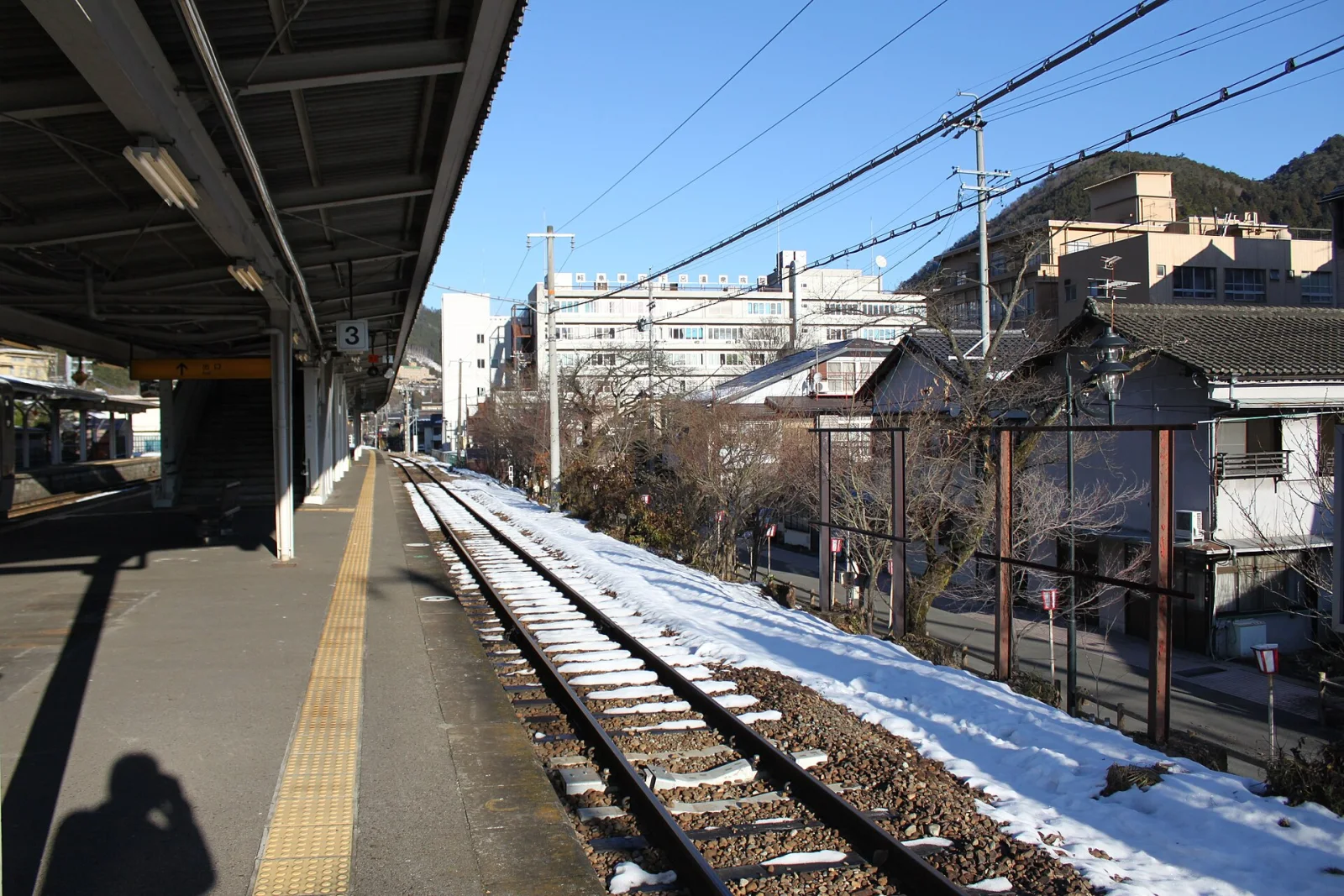
Compare five top Gero Onsen stays: Suimeikan, Yunoshimakan, Ogawaya, Bosenkan, and Hidasanso. Weigh station shuttles, in-room hot spring baths, private baths, bed types, half-board meals, and 2-day itineraries from Nagoya or Takayama.
Suimeikan: Steps From the Station, Built for a Half-Day Stay
Suimeikan offers check-in from 14:00 JST and check-out by 11:00 JST. Leaving Nagoya in time to reach Gero before 14:00 or 15:00 JST gives you an unhurried soak before dinner. Free shuttles meet arriving limited express trains at the station; if you arrive by local train or have large luggage, call 0576-25-2800 to request pickup. For an early limited express the next morning, the walk back to the station takes about 3 minutes. If the main website is under maintenance, use the Suimeikan booking page directly.
The property spans four wings: Rinsenkaku, Hisenkaku, Sansuikaku, and the detached Seiranso. Every room in Rinsenkaku comes with an indoor hot spring bath, alongside dedicated rooms featuring open-air baths. Two common layouts—the 12.5-tatami-mat room with veranda (2 to 5 guests) and the 12.5-plus-8-tatami Japanese-Western room (2 to 6 guests)—both accommodate a family at similar prices. Choose the Japanese-Western room if older travelers need real beds or adults want a separate sitting space after kids go to sleep; if everyone is comfortable on futons, a standard tatami room leaves more open floor space. Check room sizes and capacities on the Rinsenkaku room chart.
Hisenkaku offers single rooms, Japanese-style rooms, and Japanese-Western rooms, making it the first wing to check for solo travelers. Sansuikaku features twin-bed rooms and layouts with a small tatami alcove, ideal if you plan to spend your soaking time in the public baths and just want Western beds at night. Choose a river-side room if you want morning views over the Hida River, and check whether the room includes window seating—with rooms spread across different floors, matching both twin beds and river views is easier when you compare specific room listings on the Suimeikan rooms overview.
Start your afternoon at the open-air bath on the first floor of Sansuikaku, where the men's outdoor pool is Ryujin no Yu and the women's is Kannon no Yu, each paired with an indoor bath. For town and mountain views while it is still light out, head to the ninth-floor observation bath in Hisenkaku, framed by floor-to-ceiling windows; outside cleaning hours, it stays open 24 hours. Guests-only Shimodame no Yu on the third floor of Rinsenkaku adds cypress tubs and a sauna, operating from 5:00 to 24:00 JST alongside the Sansuikaku open-air bath (closed during cleaning). If your train arrives late, pick one bath after dinner and save the second for before breakfast.
Suimeikan rotates water changes and cleaning across its three large baths by day of the week. If you arrive on a Tuesday and want daylight views over Gero town, save the observation bath for the next morning and start at the Sansuikaku open-air bath on arrival—or switch to an indoor bath if it rains. Because the complex covers multiple wings and levels, ask for a floor map at check-in and note your elevator bank, dining entrance, and bath locations. Exact closures are listed on the Suimeikan bath cleaning schedule.
Private reservable baths sit on the fourth floor of Rinsenkaku: Shichiri no Yu offers a wider changing area with minimal steps, while Oribe no Yu features a ceramic tub, each booked in 60-minute slots. If your room rate includes one private bath session, schedule it before dinner at check-in. Families who only need one shared bath together should compare the price difference between a standard room plus one private slot versus upgrading to an in-room bath; if you plan to soak both at night and early in the morning, Rinsenkaku's in-room baths are far easier. When requesting grab bars, low-step rooms, or wheelchair-accessible restrooms, tell the ryokan exactly which bath you want to reach from your room rather than simply noting "traveling with seniors."
Yunoshimakan: Historic Main Building Views and Keizanso Baths
Completed in 1931, Yunoshimakan's three-story wooden Main Building was designated a Registered Tangible Cultural Property of Japan in 2010. According to Japan's Agency for Cultural Affairs, the south-facing guest rooms step back along the hillside slope in a staggered row of windows, giving each room direct light and sightlines. Book a standard Main Building room if staying inside that historic wooden layout is your main goal; because soundproofing follows the original structure, light sleepers or noise-sensitive companions may prefer Keizanso. Architectural details are documented in the Agency for Cultural Affairs listing.
For in-room hot spring soaking, every room in Keizanso includes an observation bath fed with Gero spring water, where opening the full-width window turns it into a semi-open-air bath. Only the Suisen room in Keizanso has twin beds (paired with an 8-tatami space), so couples wanting both Western beds and an in-room hot spring bath should check it first. In the Annex, rooms with both indoor and outdoor baths—such as Momiji, renovated in 2017—feature covered open-air tubs tucked under the eaves. In winter, Keizanso lets you keep the window closed when it is freezing out, while Annex open-air rooms suit travelers arriving before dinner with time for another soak the next morning. Compare floor plans on the Yunoshimakan rooms page.
The main communal baths and open-air baths on the second floor of the Main Building operate from 15:00 to 1:00 JST and again from 5:00 to 10:00 JST, with cleaning and a men's/women's side swap in between. Soaking once in the evening and once before breakfast lets a one-night guest experience both sides; remember to bring the bath and face towels from your room. Yunoshimakan also offers complimentary private family baths for overnight guests, reserved at the front desk after check-in. On weekends, lock in your dinner seating and private bath slot together at check-in, or book a room with its own hot spring bath. Guests with tattoos are generally not permitted in the communal baths, making in-room hot spring rooms the reliable workaround; check details in the Yunoshimakan stay FAQ.
Free shuttles depart JR Gero Station at 13:35, 14:35, 15:35, 16:35, and 17:25 JST—look for the "Yunoshimakan" sign outside the exit and note your planned bus when booking. Check-in starts at 15:00 JST, though guests arriving on the 13:35 or 14:35 shuttle can store luggage at the front desk. Check-out is 11:00 JST the next day, with bag storage available until noon. The inn estimates a 10-minute walk downhill to the hot spring town, though the climb back up takes longer. If you arrive after 17:25 JST, take a taxi from the station and let the front desk know your arrival time for dinner prep. Morning shuttles back to the station start at 8:30 JST, with the final run at 11:10 JST; verify times on the Yunoshimakan shuttle timetable.
Elevators serve both the Main Building and the connecting corridor toward Keizanso. When traveling with older relatives, trace the route on the floor plan connecting your room, dining venue, and preferred bath, paying close attention to corridor transfers and elevators. If you plan to soak exclusively in your room, the walk between your room and the dining hall becomes the main route to consider. Travelers hoping to book a wooden Main Building room with wheelchair assistance should ask the staff in advance to map the exact path by room number and reserve an on-site wheelchair.
Across the Bridge to Ogawaya, or Farther North to Bosenkan
Ogawaya's main entrance opens directly onto the hot spring town side of the river. Per the Gero Onsen Ryokan Cooperative, it is roughly an 8-minute walk from JR Gero Station, with 15:00 JST check-in and 11:00 JST check-out. On a first-time one-night visit, staying here saves an extra bridge crossing if you want to browse shops in the afternoon and soak after dinner. Guests at Suimeikan can also walk across to shop, but Ogawaya puts your room much closer when someone needs to grab a towel or a child needs a nap. Drivers should set GPS navigation to the front entrance rather than the riverside frontage, as they face different streets.
Ogawaya stands out for its tatami-floored communal bath and nine private reservable baths spread across the Main Building and Annex, each bookable individually on the inn's website. Travelers who want a private shower should pick a room with an en-suite shower booth: some budget Japanese-style rooms in Kanagarekaku are listed as "out-bath" (no in-room bath or shower, requiring use of communal baths) and note roughly 25 stairs on the official room page. Those budget rooms make sense if you plan to do all your bathing in the communal or private spas anyway, whereas parents bathing young children or assisting older guests will get more practical use out of a smaller room with a shower than a larger traditional room up a flight of stairs. See specs on the Ryokan Cooperative Ogawaya listing.
When booking a private bath at Ogawaya, review room rates and bath fees separately. The property offers two private baths in the Main Building and seven in the Yuragi Annex—select your specific bath when reserving online, or call 0576-25-2118 for same-day booking. After returning from town, stop by your room for towels and toiletries before heading to your reserved slot, and try to book a private bath in the same wing as your dinner venue to minimize walking. Note that Ogawaya's in-house bath "Shirasagi no Yu" shares its name with the municipal public bathhouse down the street, so include the ryokan name when texting meeting spots to your group; reservation links are on the Ogawaya official website.
Bosenkan sits farther north along the Hida River near the hot spring tower, a longer walk past the central shopping street where the draw is its riverside Japanese garden and clear river-view room options. In the "Kawa no Ryo Shikisai" wing, both Japanese-style and Japanese-Western rooms face the Hida River and feature in-room open-air baths fed by Gero hot spring water. The Japanese-Western layout pairs twin beds with a 3-tatami space and must be requested by phone when booking. If you only want river views in the morning and plan to use the communal baths, start with a standard river-side room; pay extra for Shikisai only if you want to sit out on your own terrace after soaking. Check room photos for window angles and tub placement on the Bosenkan Shikisai room page.
Bosenkan has 15:00 JST check-in and 10:00 JST check-out. Free station shuttles depart JR Gero Station at 14:30, 15:00, and 15:30 JST, with taxi arrangements available outside those windows. Morning departures back to the station run at 9:00, 9:35, and 10:00 JST, and taxi transfers between 8:00 and 9:00 JST can be arranged at check-in. If you are heading to Takayama's morning market with two suitcases, work backward from your preferred morning shuttle to set breakfast time; if your schedule is open, lingering in the garden after breakfast and taking the 10:00 JST shuttle beats dragging bags down the street right at checkout. See pickup details on the Bosenkan access page.
Hidasanso: Small-Inn Kaiseki Dinner and Hillside Views
Yuragi no Sato Hidasanso's south-facing 8-tatami-mat rooms sleep up to 3 guests and include an in-room toilet, while bathing takes place in the communal hot spring bath. Compare this room rate separately from properties that include in-room tubs: Hidasanso works best if you enjoy communal bathing and want a quiet window overlooking the town lights rather than paying extra for a private open-air tub. If two guests arrive with rolling carry-ons, remember that laying out futons in an 8-tatami room trims floor space; for three guests with large luggage, pack overnight essentials into a small day bag and keep suitcases closed against the wall. See layouts on the Hidasanso rooms page.
Walking uphill from the station takes about 15 minutes, so take a direct taxi in about 5 minutes if you have luggage. Present your taxi receipt for a direct ride from JR Gero Station at the front desk for a subsidy of up to ¥700, and ask the front desk for a taxi voucher when departing; note that stopping at shops or sights along the way voids the direct-ride subsidy. Free parking is available for drivers, though stairs still lead from the lot to the entrance, and winter tires or chains are required in winter. Finish lunch and town sightseeing down below before riding up to check in; check details on the Hidasanso access page.
Dinner is served in your room as either a 10-course or 12-course kaiseki meal, both featuring Hida beef shabu-shabu and house-made soy-milk tofu, followed the next morning by hoba miso breakfast in the dining room overlooking the town and mountains. Pick the 10-course plan for a lighter meal, or upgrade to 12 courses if you plan to spend the evening lingering over dinner in your room—for example, the November–December 2026 12-course menu adds Hida beef tendon tomato stew and roasted green tea pudding. Note that Hidasanso cannot accommodate individual allergy substitutions, so travelers with dietary restrictions should look elsewhere; view seasonal menus on the Hidasanso dining page.
If you want to sample the bath on a day trip before booking an overnight stay, non-guest bathing costs ¥500 per person. Hours run from 15:00 JST on standard weekdays and from 18:00 JST on weekends and holidays, with last entry at 19:30 JST and closing at 20:00 JST. The fee is low, though the late weekend opening requires climbing the hill in the evening and watching your return train clock. Casual day-trippers who only want one quick soak are better off staying down by the river, whereas an overnight stay lets you enjoy the hillside setting over dinner and breakfast. Check schedules on the Hidasanso hot springs page.
Half-Board Pricing Comes Down to Where You Eat Dinner
Half-board ("ippaku nishoku") includes both dinner and breakfast. The biggest price swings for one night in Gero come from three factors: where dinner is served, whether your room has its own hot spring bath, and how many guests share the room. Enter identical dates and guest counts across each property to compare totals for banquet-hall kaiseki, private dining rooms, in-room dining, and breakfast-only plans. Multi-guest rooms often show both per-person and per-room pricing, so enter your exact party size—including children booked only for meals or bedding—and factor both meals and local taxes back in before comparing.
At Suimeikan's Rinsenkaku wing, in-room kaiseki plans offer choices such as Hida beef kaiseki or seasonal Japanese cuisine. Families wanting to eat in their room should select an "oheya-shoku" (in-room dining) plan and match their arrival train to the meal cutoff: per Suimeikan's terms, in-room dinner starts no later than 19:00 JST, and restaurant Tokiwa starts no later than 19:30 JST, while the breakfast buffet opens at 6:50 JST for early train departures. For a winter dining upgrade, Suimeikan's Kitanoryo restaurant serves a winter kaiseki course from December 1, 2026 to February 28, 2027 (excluding December 28 to January 7). See Suimeikan stay terms and Kitanoryo winter dinner.
Yunoshimakan offers dinner seatings at 17:30, 18:00, 18:30, and 19:00 JST, with the dining venue determined by room type, while breakfast is served in the breakfast hall or private dining rooms mainly between 7:00 and 8:30 JST. If you want Western beds, in-room dinner, and table seating for breakfast, work backward from those three criteria on the booking form to find the matching room category. Guests with food allergies or medical dietary restrictions must call the ryokan at least three days prior to arrival; staff can also warm baby food at mealtimes, and high chairs are limited so request one ahead of time.
Room-only or breakfast-only plans make sense if you want breakfast in Takayama, already have a restaurant picked out for dinner, or arrive after ryokan kaiseki hours end. Splitting your dining works well too: save Hida beef for lunch in Takayama and spend your Gero budget on a larger room or private bath, or dine in Nagoya before boarding a Friday evening train. If you stay two nights at the same ryokan and want dinner included on night one plus town dining on night two, verify first whether booking two separate nightly plans lets you keep the same room.
Gero City introduced a municipal accommodation tax on October 1, 2025: per adult per night based on the room charge alone, stays under ¥5,000 are taxed ¥100, stays of ¥5,000 or more are taxed ¥200, and elementary school children and younger are exempt. In addition, the bathing tax is ¥150 per person per night, subject to city age and exemption rules. For example, two adults staying one night in the ¥200 accommodation-tax bracket will owe ¥700 combined at checkout if both taxes are collected on-site—set that aside alongside any private bath or extra drink charges. Details are on the Gero City accommodation tax and bathing tax pages.
Pick Your Bath Setup First, Then Choose the Room
On Japanese booking sites, "bath attached" ("basu-tsuki") simply means the room has a standard bathroom. To soak in Gero's hot spring water inside your room, look specifically for "onsen-buro-tsuki" or confirm the water source in the room description. Indoor hot spring tubs work best in rain or winter cold; window-lined semi-open-air baths let you control the breeze; and outdoor open-air baths step out onto a terrace or under eaves. Couples who only plan to soak together once should compare a standard room plus one private bath slot, while parents with young children who wake at night gain major flexibility from having an in-room bath.
Group needs often get overlooked when shoppers only check maximum occupancy. For multi-generational trips, check the path from bed to toilet, tub step-in height, whether dining uses chairs or floor cushions, and whether meals require buffet trips. Many Japanese-Western rooms have only two beds and put third and fourth guests on futons—if three travelers all need beds, book a true triple-bed room or split into two rooms. With small kids, two connecting tatami rooms sometimes beat two beds in one open room for separating naps from playtime; use floor plans to check room partitions and the booking form to confirm occupancy.
When family members bathe separately, pick a spot with seating just outside the communal bath as your meetup point. With only an hour before dinner, walking distance inside the property matters more than total pool count: Suimeikan trades outdoor street walking for elevator trips between wings, Ogawaya splits its private baths between the Main Building and Annex, and Yunoshimakan connects its baths across wings. If easy mobility is non-negotiable, ask the ryokan before booking for a room requiring the fewest floor changes between your room, dinner, and bath.
Arriving From Nagoya or Takayama: Time Your Train Around Dinner
Most JR Limited Express Hida trains reach Gero in about 1 hour 40 minutes from Nagoya and 45 to 50 minutes from Takayama. Under JR Central's March 2026 timetable, Hida 9 departs Nagoya at 11:43 JST and continues from Gero at 13:28 JST toward Takayama—letting Yunoshimakan guests catch the 13:35 station shuttle to drop bags early, or eat near the station and catch the 14:35 bus. Double-check train stops and direction before boarding, as some Hida runs terminate at Toyama and Nagoya-bound trains travel via Gifu; check the JR Central Gero Station timetable.
From December 25, 2026 through January 5, 2027, JR Central runs all Hida trains as reserved-seat only—if you travel over New Year's, book round-trip seats before locking in a fixed dinner time. To save on limited express fares, check e5489's "Tokkyu Ticketless Hayatoku 3" (¥2,060 adult one-way limited express supplement from Nagoya to Gero, purchased at least three days ahead in limited quantities, blacked out December 28–January 6 and other peak periods). Standard JR Central ticketless limited express supplements open one month ahead at ¥2,390 for Nagoya–Gero and ¥1,290 for Gero–Takayama in standard reserved seats, both requiring a separate base fare. See all-reserved dates, Hayatoku 3, and standard ticketless fares.
Since October 2025, Gero, Takayama, and Hida-Furukawa fall within designated TOICA IC-card coverage zones. On the limited express between Nagoya and Gero, you can tap a compatible transit IC card for the base fare and hold your e5489 ticketless seat reservation on your phone for conductor checks. If riding local trains and getting off at smaller intermediate stops, verify station eligibility first and buy a paper base ticket if your route leaves the IC zone. Travelers connecting from Shin-Osaka via the Shinkansen at Nagoya should leave generous transfer time in winter, especially when aiming for the day's final ryokan shuttle.
Guests staying at participating Gero Onsen Ryokan Cooperative properties can also book a direct round-trip bus from Nagoya (one round trip daily). Outbound departs outside JR Nagoya Station's Taiko-dori Exit at 14:00 JST (meet 13:45 JST), arriving in Gero around 16:30 JST; return departs behind the Gero City Tourist Information Center at 10:30 JST (meet 10:15 JST), reaching Nagoya around 13:00 JST. From December 2026 through March 2027, fares for adults and children age 3 and up are ¥3,800 one-way or ¥5,000 round-trip (through November 2026: ¥3,300 one-way / ¥4,500 round-trip; round-trip discount requires Nagoya round-trip). Bookings open two months ahead and close two days prior. Travelers continuing to Takayama can take the one-way bus or JR train, while round-trip bus riders should keep next-morning sightseeing to a pre-breakfast walk to make the 10:30 JST departure. See the Ryokan Cooperative direct bus.
Leaving Takayama too late easily cuts into your first afternoon soak in Gero. Save Takayama Jinya and the old town for a Takayama stay, and keep your Gero afternoon or morning unhurried. Connecting from Shirakawa-go works smoothly by taking a Nohi Bus to Takayama and transferring to the JR Takayama Line down to Gero, but chaining a reserved Shirakawa-go bus, a ryokan shuttle, and fixed dinner in one day leaves no buffer if anything runs late—splitting Shirakawa-go onto the previous day or adding a night in Takayama makes the pacing far easier. See our Shirakawa-go Ogimachi day trip guide.
Structuring a 2-Day Stay Around Where You Want to Spend the Evening
On a clear day from Nagoya, aim to reach Gero Station in the early afternoon. Staying at Suimeikan, check in first to leave bags on the station side, stroll along the river to Gero Ohashi Bridge, try a footbath or inspect Shirasagi no Yu across the river, and return for your first soak. At Ogawaya or Bosenkan, drop bags at the front desk first, explore the town bank before dinner, and fit in a reserved private bath slot before your evening meal. If continuing to Takayama the next day, keep your post-dinner walk short so you have time for a morning riverside stroll in daylight.
At Yunoshimakan, visit any town shops or the museum before catching your afternoon shuttle—once you ride up the hill, stay put for the baths, dinner, and wooden Main Building atmosphere, even for a post-dinner wander inside the inn. The next morning, try the swapped communal bath before breakfast, check out, and ride the shuttle back down. Hidasanso guests can follow the same pattern, either taking a direct taxi straight from the station or browsing town first and cabbing up from the base—with luggage, paying for the short taxi ride beats tackling the hill on foot.
With roughly two hours spare on morning two, visit Gero Onsen Gassho Village, a 20-minute walk from JR Gero Station or a ¥100 one-way ride for adults on the Nohi Bus Gassho-mura Line from Gero Station to the "Gassho-mura" stop (useful with luggage, in rain, or to skip the uphill walk). Open 8:30 to 17:00 JST (last entry 16:30 JST; ¥800 high school and up, ¥400 elementary and junior high), the open-air village preserves relocated thatched-roof gassho houses like the Former Odo Residence alongside a footbath. If you need to catch the 10:30 JST bus back to Nagoya, visit the village on arrival afternoon instead. See Gero Onsen Gassho Village and Nohi Bus routes.
If rain sets in all day, swap Gassho Village for the indoor Gero Onsen Museum right in town, which covers local spring chemistry and bathing history and includes an indoor footbath for visitors (bring or buy a towel). It opens 9:00 to 17:00 JST (last entry 16:30 JST), closed Thursdays (or the next day if Thursday is a holiday) plus December 30–31; admission is ¥400 for junior high and up and ¥200 for elementary students. If you arrive on a Thursday, Suimeikan guests can easily spend the afternoon in the observation bath and on-site dining, while guests across the river can soak in the cypress indoor tub at Shirasagi no Yu. See Gero Onsen Museum info.
In winter, schedule bridge crossings and uphill walks during daylight hours. Town-center guests can visit the river before dinner and stay inside their ryokan at night; hillside guests should head up on arrival and explore the town the next morning. If you want snowy mountain views without changing clothes outdoors, book a large-window indoor bath such as Keizanso where you can shut the glass whenever a chill rolls in. Snow also makes early morning walks harder, so an in-house bath before breakfast beats hauling luggage across the river to a public bathhouse.
Day-Trip Bath vs. Overnight Stay: When One Soak Is Enough
Stopping in Gero on a day trip for a single soak? Pick a bathhouse whose hours fit your train schedule. Shirasagi no Yu features a cypress indoor bath for ¥470 (adults), open 10:00 to 20:45 JST (last entry 20:00 JST), generally closed Wednesdays (Fridays if Wednesday is a holiday); its main changing room and bath sit on different floors, so ask the counter about the first-floor changing room if stairs are an issue, and toiletries are sold at reception. Nearby on the riverbank, Kur Garden Rotenburo charges ¥800 (adults) and opens 8:00 to 20:45 JST (last entry 20:00 JST), closed Thursdays. See Shirasagi no Yu and Kur Garden Rotenburo.
Suimeikan welcomes day-trip bathers from 11:00 to 14:00 JST into either the Sansuikaku open-air bath or the observation bath, while Yumeguri Tegata bath-pass holders have separate hours (12:00–14:00 JST weekdays, 13:00–14:00 JST weekends and holidays). A Yumeguri Tegata pass costs ¥2,500 and covers three participating baths; note that Yunoshimakan does not accept day-trip visitors or the pass. If you only have a midday stop before an afternoon limited express, paying a single drop-in fee is simpler, while overnight guests with hotel baths only need one outside bath before dinner. Find more public baths and footbaths in our Gero Onsen walking and bath-hopping guide.
Note that the famous riverside Funsenchi open-air pool has been closed to bathing since December 1, 2021 and is now viewing-only. For a free soak in town, sit at the Venus Footbath outside Shirasagi no Yu, or use the footbaths inside the Onsen Museum or Gassho Village with admission. Gazing up at the bridge and surrounding mountains before heading back to your ryokan for dinner and a bath is the cleanest one-night rhythm—and if you arrive late and leave on an early train, prioritize bath opening hours and in-room soaking over scenery so you still get that morning soak.
A few useful answers
Which major Gero Onsen ryokan is closest to JR Gero Station?
Suimeikan is about a 3-minute walk from JR Gero Station, featuring three large public baths and check-in from 14:00 JST. If you prefer staying across the bridge in the hot spring town, Ogawaya is roughly an 8-minute walk from the station.
Which room should I book at Yunoshimakan to stay in the historic wooden building?
Book a standard room in the Main Building, a Registered Tangible Cultural Property. For an in-room hot spring bath, choose Keizanso (look for the Suisen room if you need twin beds), or book an Annex room with a private open-air bath.
Should I book a private reservable bath separately or get a room with an in-room hot spring?
If your family only wants to soak together once, compare a standard room plus one private bath slot—Suimeikan offers 60-minute sessions, and Yunoshimakan lets overnight guests reserve a free family slot at check-in. If you want to soak privately both after dinner and the next morning, choose a room with an in-room hot spring bath.
If I take the direct bus from Nagoya to Gero, what time does it return to Nagoya the next day?
The return bus leaves Gero at 10:30 JST and arrives in Nagoya around 13:00 JST. Standard bookings are limited to guests staying at participating Ryokan Cooperative properties and close two days before departure; take an earlier JR train if you have morning plans in Nagoya.
Does a half-board stay in Gero Onsen work if I arrive in the evening?
Check your train arrival against the dinner cutoff first: in-room dinners at both Yunoshimakan and Suimeikan start no later than 19:00 JST. On a later train, book a breakfast-only or room-only rate and eat dinner at your previous stop.
Official information and references
Sources used in this guide.
- Gero Onsen Ryokan Cooperative | Onsen Town Map
- Gero Onsen Ryokan Cooperative | Suimeikan Stay Details
- Suimeikan | Official Booking Portal
- Suimeikan | Room Types, Accessibility, and Check-In Hours
- Suimeikan | Rinsenkaku Rooms and In-Room Hot Spring Baths
- Suimeikan | Observation Large Bath
- Suimeikan | Sansuikaku Open-Air Bath
- Suimeikan | Shimodame no Yu Bath
- Suimeikan | Bath Cleaning Schedule
- Suimeikan | Private Reservable Baths and Usage Terms
- Gero Onsen Tourism Association & Suimeikan | Day-Trip Open-Air Bath
- Suimeikan | In-Room Dining Plans
- Suimeikan | Dining Hours and Accommodation Terms
- Agency for Cultural Affairs | Yunoshimakan Main Building Heritage Listing
- Yunoshimakan | Guest Rooms, Keizanso, and Suisen Room
- Yunoshimakan | Station Shuttle Timetable
- Yunoshimakan | Check-In, Dining, Private Baths, and Bath Rules
- Gero Onsen Ryokan Cooperative | Ogawaya Rooms and Private Baths
- Ogawaya | Private Bath Reservation Portal
- Ogawaya | Mountain-Side and Town-Side Rooms and Stair Info
- Gero Onsen Ryokan Cooperative | Bosenkan Stay Details
- Bosenkan | Shuttle Timetable and Pickup Point
- Bosenkan | Kawa no Ryo Shikisai Rooms
- Hidasanso | Guest Rooms and Occupancy
- Hidasanso | Hill Access and Taxi Subsidy
- Hidasanso | Day-Trip Bathing Hours and Fees
- Gero City | Accommodation Tax
- Gero City | Bathing Tax
- JR Central | Gero Station Map
- JR Central | Limited Express Hida All-Reserved-Seat Dates
- JR Central | Ticketless Limited Express Tickets and IC Card Usage
- JR Central | Tokkyu Ticketless Hayatoku 3
- Gero Onsen Ryokan Cooperative | Direct Bus Timetable and Winter Fares
- Gero Onsen Gassho Village | Hours, Relocated Houses, and Admission
- Nohi Bus | Gassho-mura Line
- Gero Onsen Museum | Hours, Admission, and Footbath
- Shirasagi no Yu | Day-Trip Bathing and Venus Footbath
- Kur Garden Rotenburo | Day-Trip Bathing
- Gero Onsen Ryokan Cooperative | Yumeguri Tegata Pass Fares and Venues
- Gero Onsen Tourism Association | Funsenchi Usage Rules
- Suimeikan | Kitanoryo Winter Dinner and Service Dates
- Hidasanso | Kaiseki and Seasonal Menus
- JR Central | Gero Station Takayama Main Line Timetable
- JR Central | Nagoya Station Gifu-Bound Train Timetable