Use Nakamura as your base. Compare Sada Bridge bike rentals, a guided two-bridge ride, three riverboat routes and Kawarakko canoe transfers, with day plans, river-fish lunches and return trains.
- Region & Focus
- ShikokuAttractions
- Reading Scope
- 30 min read · 18 chapters · 5 Q&As
- Official Verification
- 25 official sources checkedUpdated November 7, 2026
- Key Topics
- ItinerariesRail travelFood
Chapter Route Map (tap any stop)
- Stay a night in Nakamura and choose your river activity
- Arriving by train: the river is another journey from the station
- Which bike and which return point? Three rental options
- Nakamura to Sada: town streets, willows and a bridge
- Ride independently to Sada or join a guided Sada–Misato tour
- Save Takase, Katsuma and Egawasaki for a longer day
- Car-free options in 2026: the river bus or a booked taxi
- Sakoya from Sada: a short cruise focused on two low-water bridges
- Shimanto no Ao from Misato: around the river bend and back to the same pier
- Nattoku at Tadenokawa: tables, chairs and an upstream visit
- Paddling at Kawarakko: meet at the facility; river conditions set the route
- Choose the boat type first for children or a short trial session
- Allow time to change before your afternoon journey
- A cycling day: Sada in the morning, Nakamura in the afternoon
- A riverboat day: one cruise, one bridge and a river-fish lunch
- A canoeing day: stay in Nakamura, paddle in the morning, add a bridge later
- Lunch at Shimantoya: in Yamachi, away from Sada Bridge
- Understand the river without getting wet: an afternoon at Gakuyukan
- Quick Q&A
For a day on the Shimanto River, choose one main activity from Nakamura: cycle along the river to Sada, take a covered riverboat around its bends, or paddle with an instructor at Tadenokawa. Each option has different rental returns, boarding points and meeting times. Plan your return to Nakamura at the same time, and lunch and an afternoon stop will fit around it.
Stay a night in Nakamura and choose your river activity
Choose a bike if you want to stop for bridge photos or linger on a riverbank you like. Choose a covered riverboat if you are with older relatives and want to see the river without changing wet clothes. If you want to paddle yourself, give a full half-day to canoeing. With Nakamura as your base, one of these activities plus a meal or a stop in town makes a comfortable day. A long ride followed by a paddling tour with a fixed start time cuts into rest stops and travel to the meeting point. On a first visit, spread them over two days.
Start by locating Nakamura Station, Sada, Misato and Tadenokawa on the map. Sada is the downstream low-water bridge near town; Misato is farther upstream. Kawarakko and Nattoku are both in Tadenokawa, with separate entrances. Egawasaki Station in Nishitosa serves another stretch of river, while Kubokawa in Shimanto Town is a different town altogether. When accommodation searches show “Shimanto,” open the full address to choose a base near your activity. If you can spend two nights in Nakamura, explore town on arrival, spend the next day on the river and leave by train on the third day. One night also works: stay before an early canoe session or river bus departure, or stay afterward if you want time to shower and eat after afternoon paddling.
Use Nakamura as your base. Compare Sada Bridge bike rentals, a guided two-bridge ride, three riverboat routes and Kawarakko canoe transfers, with day plans, river-fish lunches and return trains.
Arriving by train: the river is another journey from the station
Trains from Kochi to Nakamura run toward western Kochi Prefecture. Tosa Kuroshio Railway’s Nakamura–Sukumo Line timetable page links to the full current connecting timetable. List the Kochi–Nakamura train and the onward ride to the pier separately. The tourism association and bike rental are beside Nakamura Station, but boats and canoe trips do not leave from the station entrance. For a day trip from Kochi, an afternoon riverboat is easier to reach than an activity with morning check-in.
Return services in the timetable revised on March 14, 2026 include Ashizuri 12, leaving Nakamura at 15:13 and arriving in Kochi at 17:04, and Ashizuri 14, leaving at 16:42 and arriving at 18:29. Later, Shimanto 4 leaves at 18:47 and arrives at 20:29. Use these to compare an early finish with staying for dinner. If an afternoon activity ends around 15:30, choose a later train. You need time to change, travel back from Tadenokawa, collect luggage and buy tickets; the 15:13 departure is already out of reach.
Leave large bags at your accommodation or use the tourism association’s luggage storage during its opening hours. Take only what you need to the river. Do not hang luggage from a bike’s handlebars: the weight affects steering and can unbalance the bike when parked. If you leave that afternoon, schedule luggage collection alongside bike return. Riding back from the bridge is only part of the journey.
Which bike and which return point? Three rental options
Shimanto City Tourism Association’s short-distance rentals suit a ride from Nakamura back to Nakamura. Standard city bikes and mountain bikes cost ¥1,000 for up to five hours or ¥1,500 for 24 hours. From July 1, 2026, assisted bikes cost ¥2,500 for up to five hours and tandem bikes ¥3,000; e-bikes cost ¥4,800 for up to five hours. These latter types must be returned by 17:30. Before choosing a frame, check that you can plant your feet securely and test the brakes.
A separate mountain-bike option allows returns at different town stations: ¥1,200 for up to five hours or ¥1,700 for 24 hours. Stations include the tourism association, New Royal Hotel Shimanto, Nakamura Prince Hotel and Shimanto River Gakuyukan Akitsuio. This lets you finish a town visit at your return point, with stock coordinated by the tourism association. The network serves the Nakamura area; it does not mean you can return these bikes at Egawasaki.
For rentals and returns across different river stretches, choose Shimanto River Rinrin Cycle. Its 26-inch mountain bikes require reservations and cost ¥1,500 for same-day use from 8:30 to 17:00, or ¥2,000 for 24 hours. There are seven stations: Egawasaki Station, Michi-no-Eki Yotte Nishitosa, Canoe Kan, Shimanto Gakusha, Kawarakko, New Royal Hotel Shimanto and Shimanto City Tourism Association. Give the pickup point, return point, date and number of riders together when booking so staff know where to prepare the bikes.
Both systems offer returns at a different station, but their bikes and stations differ. For shorter children, look first at the short-distance system’s 20-inch option rather than Rinrin’s 26-inch bikes. Riders coming downstream from Egawasaki need the longer-distance system and transport to Egawasaki. Return electric bikes to the place and by the deadline in their original rental agreement.
Nakamura to Sada: town streets, willows and a bridge
The tourism association’s half-day route runs: tourism association → Akatekkyo Bridge → Nyuta Willow Forest → Shimanto River Sakurazutsumi Park → Sada low-water bridge → Ichijo Shrine → tourism association. This circuit links town and riverbank. Photos, the willow forest and the shrine all require time off the bike. With a five-hour rental, plan lunch after returning it.
Akatekkyo, the red iron bridge, shows how Nakamura meets the river. The riverbank still adjoins town; beyond the shops, fields and embankments gradually take over. At Nyuta Willow Forest, park securely and explore the trees and river beach on foot. Spring rapeseed flowers are famous here; in other seasons, come for the willows, riverside plants and water. Sakurazutsumi Park is also seasonal, but its paths can be used outside blossom season. Ride slowly through this stretch and make Sada your morning destination rather than a map pin to race to straight from the station. Return via Ichijo Shrine for a short walk before lunch in town, instead of retracing the entire outward route. Park appropriately before entering the shrine grounds. Anyone who does not want the stairs can rest in town. Eating back in Nakamura lets you return the bike first, then sit as long as you like without using more of your five-hour rental.
Ride independently to Sada or join a guided Sada–Misato tour
The tourism association’s low-water bridge guide gives cycling times from Nakamura Station of about 40 minutes to Sada and 50 minutes to Misato. Sada, also called Imanari Bridge, is the Shimanto River’s most downstream low-water bridge, at 291.6 meters long. Its long span and broad river setting are good for a first overall view. Misato is 145.8 meters long, with a different balance between bridge and surrounding hills. Visit it alongside a boat trip or on a guided ride covering both bridges.
For an independent ride, use the Sada circuit described above: Akatekkyo, Nyuta Willow Forest and Sakurazutsumi Park to Sada, then Ichijo Shrine and the tourism association. To link Sada and Misato in one ride, the tourism association’s guided cycling plan listed by Kochi Prefecture meets at the association at 13:00. It leaves at 13:10 via Akatekkyo, Sada and Misato, covers about 20 kilometers and finishes at 16:00. The ¥5,500 per-person price includes a guide, bike rental and insurance. Groups need two to six people; book at least a week ahead. Participants must be at least seven and able to ride a 20-inch bike. Helmets are available to borrow. This option leaves the morning for Nakamura and the full afternoon for the two bridges. The tour is canceled if the Japan Meteorological Agency’s 17:00 forecast the previous day predicts rain or a rain probability of 50% or more. Weather warnings or the operator’s safety assessment can also stop it.
Low-water bridges have no railings and are roads used by residents. Dismount at the entrance and walk your bike across, watching for oncoming vehicles. Take photos where you do not obstruct traffic; never lay a bike across the deck. There is a river beach downstream on Misato’s left bank, listed as a bridge-viewing spot in Kochi Prefecture’s tourism guide. Choose an accessible bank area according to conditions on site. Do not climb down beside the bridge or jump into the river from it.
Save Takase, Katsuma and Egawasaki for a longer day
Farther upstream are the Takase, Katsuma and Iwama low-water bridges. If long-distance cycling is your priority, use Rinrin Cycle’s riverside stations and choose either a same-station return or a one-way ride to Nakamura. The operator requires at least four hours for rentals between Egawasaki/Canoe Kan and Nakamura Tourism Association. Add more time for meals, bridge stops and walks for photos.
Riding downstream one way saves backtracking, but it does not remove all the effort. Public roads leave the water, bend and rise and fall, with other traffic. If this is your first time cycling on Japanese roads, you have children with you, or you want to linger at each bridge, choose the official half-day Nakamura–Sada circuit. Make an Egawasaki-to-Nakamura ride a separate full-day activity only if the whole group has long-distance experience. Return stations also have closing days: Egawasaki Station and Shimanto Gakusha usually close on Wednesdays; Kawarakko usually closes on Mondays, or the next day when Monday is a public holiday, with some summer exceptions. Book an endpoint that is open that day. If you cannot arrive on time, call Canoe Kan before 17:00 so staff can arrange the rental return. Do not simply leave a locked bike at a closed station.
Car-free options in 2026: the river bus or a booked taxi
The tourism association’s fiscal 2026 bus information lists the Shimanto River Bus on Saturdays, Sundays and public holidays from April 2026 to March 2027. It runs daily from April 25 to May 6 and August 1 to 31, with no service from December 26 to January 3. It makes one round trip a day between Nakamura and Nishitosa, suited to travelers happy to follow its timetable and see the river along the way. Boat trips, paddling and meals must each be booked and paid for separately.
The Nuo-go sightseeing loop also runs between central Nakamura and Sada. On the same page, a day ticket is ¥500 for adults, ¥250 for elementary-school children and younger, and free for infants and toddlers. Buy it from the driver and show it when boarding again that day. This town loop and the river bus toward Egawasaki serve different endpoints and river stretches. For Sada and lunch back in town, look at the loop first. For a longer river journey, study the river bus route and return service.
For a weekday riverboat or an activity that does not connect with the bus, a taxi is the simplest option. Give one of the Nakamura taxi firms listed by the association the pier’s full name, your accommodation or station, required arrival time and return pickup point to arrange a round trip. A pickup at the same pier after the cruise is easy to identify. If you want to walk to the bridge afterward, arrange a legal waiting point at the bridge entrance instead.
There is also construction that changes the route for drivers visiting Sada and Misato in this period. Shimanto no Ao’s access notice lists a full closure of Sada Tunnel from October 19 to November 19, 2026, between 8:30 and 17:00, generally with passage allowed on Saturdays and Sundays. Alternating one-way traffic is planned from November 19 to December 10. During this period, take Route 441 from Nakamura to the piers and bridge entrances and follow the detour signs. Riverside operators remain open. Include the detour in taxi or driving time and keep your booked boat departure or canoe check-in.
An official Shimanto City Tourism Association video introducing the river bus and low-water bridges along its route.
Sakoya from Sada: a short cruise focused on two low-water bridges
Yakatabune Sakoya leaves near Sada low-water bridge and runs toward Misato and back, usually taking about 50 minutes. The fare is ¥2,000 for junior-high-school students and older, ¥1,000 for elementary-school children and free for younger children. You can combine a walk at Sada Bridge and a river cruise in the same area without first cycling to a farther upstream pier. On calm stretches, the boat spends time propelled by a sculling oar, and the boatman introduces the river from a fisher’s perspective.
Departures are generally on request, with reservations given priority. Request your preferred time by phone or form. A form submission first receives an acknowledgment, then a confirmation email; the departure is booked only after confirmation. Arrive at the Sada-side boarding point ten minutes before departure and pay cash on site. Standard sightseeing does not include lunch; lunch boxes are available only for charters.
The official cancellation rules charge 100% for same-day cancellations or no-shows, and 50% when notice is given the previous day or earlier. Set the group size and transport before requesting a booking. If combining it with cycling, limit the morning ride to Sada and allow time to find the entrance between bike pickup and the boat. A round-trip taxi and one cruise make a clear morning plan for anyone who does not want to ride.
Shimanto no Ao from Misato: around the river bend and back to the same pier
Yakatabune Shimanto no Ao’s Furatto Tanno course boards at 1446 Misato and lasts about 60 minutes. Fares are ¥2,000 for junior-high-school students and older, ¥1,000 for children and free for younger children. Listed departures are hourly from 9:00 to 16:00. Walk-ins are accepted, though you can book ahead during busy periods. The route runs downstream from Misato Pier, passes under Misato low-water bridge, follows the large bend toward Sada low-water bridge and returns to the original boarding point. Drivers and taxi passengers do not need to arrange two piers.
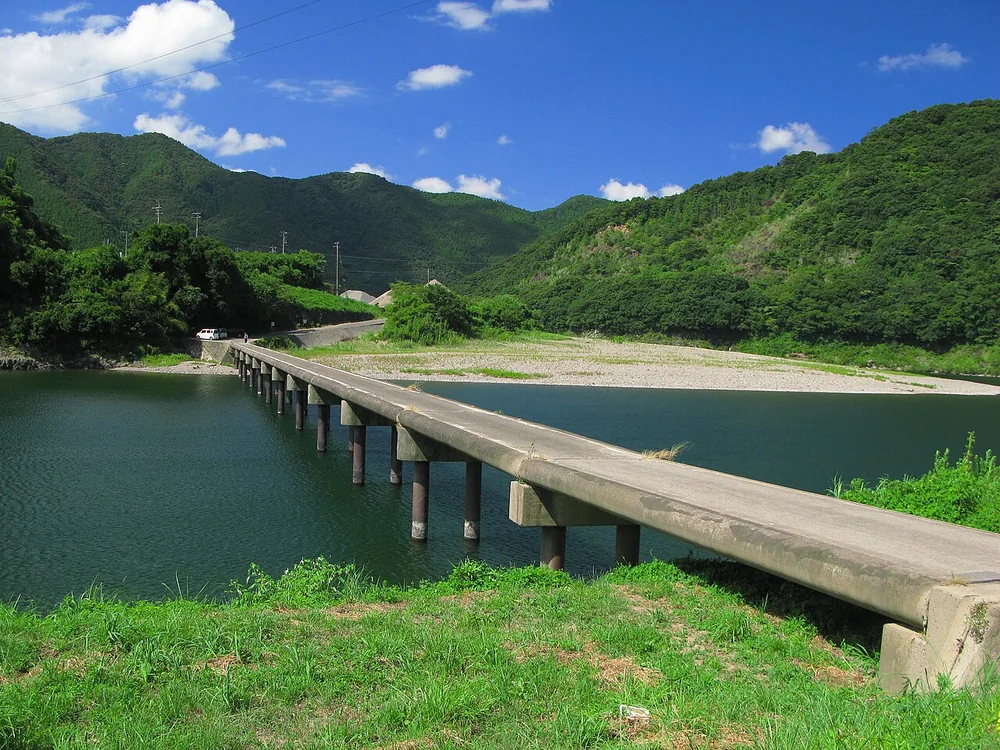
Beyond the bridges, this trip is a good chance to study the river’s curves. Hillsides and views change as the boat rounds the bend, and the same bridge looks different on approach and departure. If you already walked across Sada that morning, sit and watch the banks rather than moving for every angle. You must wear a life jacket to go onto the deck while the boat is moving.
For lunch on board, the meal page lists an ayu sweetfish rice lunch box at ¥1,320, Ao special lunch box at ¥1,870 and an eel rice box at ¥3,300. Order meals by 12:00 the previous day; the boat fare is extra. Lunch boxes and eel rice can be added to a standard cruise. The Shimanto gourmet course meal and mini course meal are for charters only. Without a meal reservation, plan lunch ashore.
Nattoku at Tadenokawa: tables, chairs and an upstream visit
Nattoku’s scheduled cruise has tables and chairs and lasts about 40–50 minutes. Fares are ¥2,200 for adults, ¥1,100 for elementary-school children and free for preschool children. Contact the operator by phone or form at least two days ahead. A form booking becomes confirmed after a phone or email reply from the operator. This suits visitors who want a fixed time and a chair from which to watch the river. A shared departure time also gives a group of friends a clear meeting point.
Nattoku is at 846-1 Tadenokawa; Kawarakko is at number 24 in the same area. Do not confuse the two signs. Paste the full operator name and address into Maps. Tell a taxi “Yakatabune Nattoku boarding point,” rather than just Tadenokawa. If some people paddle and others take a boat, meeting afterward at an agreed restaurant in town is easier than trying to synchronize different piers and arrange pickups on the spot. This area works well with a car or prearranged transport both ways. If using the river bus, book a cruise around its arrival and departure times and use the wait for a riverside rest. Lunch cruises, coffee and other products are separate options. Start with the operator’s meal plans if you want to eat; for river views alone, keep the standard scheduled cruise and eat back in Nakamura.
Paddling at Kawarakko: meet at the facility; river conditions set the route
Kawarakko’s river canoe tour can run in two directions. A start upstream followed by a downstream paddle back to Kawarakko takes in Katsuma low-water bridge. The route downstream from the facility takes in Takase low-water bridge and ends a little below Kawanobori Ohashi Bridge. Both check in at the facility; do not wait for the instructor at Katsuma Bridge. The usage rules explain that staff drive you to the upstream start or collect you from the downstream finish. Leave your own car in the facility’s free parking lot.
Morning check-in closes at 9:00, with the session from 9:30 to about 12:00. Afternoon check-in closes at 12:30, with the session from 13:00 to about 15:30. These times include equipment collection. River conditions determine the actual route, and morning and afternoon may run in the same direction. If there is a particular bridge you want to see, add a separate land-based viewing stop.
Keep two transfers distinct: between the facility and the river start or finish, and between Nakamura Station and the facility. The operator handles the first as part of the river trip. The second is your transport to the meeting point. Book a taxi from Nakamura to the facility at 24 Tadenokawa and arrange collection from the same place afterward.
Choose the boat type first for children or a short trial session
Kawarakko’s single kayak costs ¥6,000 for adults or ¥5,000 for junior-high-school students and younger. Participants must be in elementary grade three or above, or at least 140 centimeters tall. A tandem kayak costs ¥9,500 for two adults or ¥8,500 for an adult and a child of junior-high-school age or younger. Participants must be at least five, with at least one adult in the boat. A Canadian canoe seats two or three: ¥9,500 for two adults, or ¥10,500 for two adults and one child. The minimum age is five, with no more than two adults. First work out which boats your children qualify for, then calculate how many you need.
The difference is more than capacity. To paddle independently, everyone must qualify for a single kayak. For a young child sharing with an adult, look at a tandem or Canadian canoe. An adult responsible for a child should not also plan separate photo stops or wander down a different channel. Listen together as the instructor explains stopping, turning and how to work together if something goes wrong. Put phones in waterproof bags first. To try paddling without a river trip, choose the canoe experience below the facility, within the attendant’s view. Up to two hours costs ¥2,600 per single kayak or ¥3,600 per tandem or Canadian canoe, including equipment. This stays within a designated area rather than traveling through changing river scenery. It leaves time for children to practice and rest ashore. The same boats serve guided tours, so arrange a time with the facility if you want a particular type.
Allow time to change before your afternoon journey
Wear clothes that can get wet and water shoes or other shoes that cover your toes. Bring dry clothes, a towel and drinking water. Leave a full change at the facility, and do not carry loose wallets or train tickets. Secure a phone in a waterproof bag if taking it aboard, then check that the equipment does not obstruct your paddle. Kawarakko’s facilities include changing rooms, showers and laundry equipment. Get yourself dry and organized before boarding transport to Nakamura.
Tours may run in rain, but heavy rain, thunderstorms or unsuitable water levels stop them. The operator charges no cancellation fee for weather cancellations. Pregnant participants, people who have consumed alcohol and those who do not follow the guide’s instructions cannot join. These conditions determine who can go on the water at booking time. Others can choose a riverboat or a stop in town.
From October to June, Kawarakko usually closes on Mondays, or Tuesdays when Monday is a public holiday. It opens daily from July to September and closes December 29–January 3. For autumn and winter visits, avoid those closing days when planning the facilities and activities. After a morning session, eat on the way back to Nakamura. For an afternoon session, eat before check-in; waiting until after paddling misses lunch service at many restaurants.
A cycling day: Sada in the morning, Nakamura in the afternoon
Stay in Nakamura the night before, eat breakfast and rent a bike from the tourism association. For the official half-day route, leave around 9:00 via Akatekkyo, Nyuta Willow Forest and Sakurazutsumi Park to Sada. Spend time at the bridge, then return to town for lunch. With a five-hour rental, return the bike before lunch or very soon after it. This independent ride turns back at Sada, leaving time for a full lunch and an afternoon visit.
Choose the afternoon to suit your group. For ecology, plan Akitsuio ahead and use a town mountain bike that can be returned at the museum’s station. For town streets, return a standard bike to the tourism association and walk around Ichijo Shrine. If returning at the museum, arrange separate transport to the station instead of riding back to your first pickup point just to keep the bike. To include both low-water bridges, switch to the official afternoon tour described earlier. Have breakfast and explore Ichijo Shrine in the morning, eat lunch, then return to the association for the 13:00 meeting and 16:00 finish. Drop the afternoon museum visit and give the whole period to the roughly 20-kilometer ride.
A riverboat day: one cruise, one bridge and a river-fish lunch
Without a car, choose a morning departure and book a taxi from your Nakamura accommodation to the pier. With Sakoya, focus the morning on Sada Bridge: walk at the bridge entrance before or after the cruise, all in the same area. With Shimanto no Ao, go straight to Misato to board. The cruise already includes the stretch looking toward Sada, so spend your time ashore around Misato. First choose an early departure that finishes around 10:00–11:00. After the cruise, eat in Nakamura or at Shimantoya, then visit Gakuyukan in the afternoon.
To reduce travel ashore, book a meal on Shimanto no Ao and combine river views and lunch on one boat. To explore river cooking, take a standard cruise and go to Shimantoya for eel, river shrimp or small gori fish dishes. If someone does not eat fish, plan the meal so everyone at the table has something to order.
With a car, a cruise returning to the same pier is easiest. A morning boat, lunch and one afternoon museum make a full day. Watch sunset near town rather than driving farther upstream to Iwama. For a train day trip from Kochi, move the boat to early afternoon and connect directly to your ride back to the station. Drop the afternoon museum; you still get a full river cruise.
A canoeing day: stay in Nakamura, paddle in the morning, add a bridge later
For a morning session, arrive in Nakamura the previous day and prepare breakfast and paddling supplies. Take your booked transport to Kawarakko, check in before 9:00 and finish around 12:00. Change into dry clothes and eat lunch, then choose a bridge entrance to visit on land or return to Nakamura for Gakuyukan. If you paddled toward Katsuma, choose Takase in the afternoon. If you went toward Takase, leave the afternoon for Sada rather than repeating the stretch you already saw from the water.
An afternoon session suits a slower morning start. Have breakfast, explore Nakamura and eat an early lunch, then reach the facility before the 12:30 check-in deadline. Finish around 15:30, change and return to town. Stay that night or leave on a later train. Before collecting luggage at the station, allow time for water and sorting out wet shoes. Pack wet clothes separately and keep the vehicle dry for a more comfortable onward journey.
Drivers leave the car at the facility, use the tour vehicle for upstream or downstream transfers and drive away in the afternoon. Without a car, book the return taxi from the facility and keep the driver’s number in case the session ends late. For the morning session, compare river bus Route C: the fiscal 2026 official site lists a 7:50 departure from Nakamura Station and a 15:00 return, with the activity fee paid separately. The provisional fiscal 2026 timetable lists arrival at Kawarakko at 8:50, then arrival at 13:08 and departure at 13:10 on the return trip. This connects with check-in before 9:00 and a morning session ending around 12:00. The afternoon session ends around 15:30, so use a car or booked taxi afterward. The river bus is already back at Nakamura Station at 15:00.
Lunch at Shimantoya: in Yamachi, away from Sada Bridge
Shimantoya is at 2494-1 Yamachi, Shimanto, near Route 321 from Nakamura toward Ashizuri, separate from the upstream bridge route. The menu lists eel rice, the Shimanto River Marugoto set meal, fried river shrimp, fried gori fish and green-laver tempura. Choose a set meal to try several river ingredients, or an eel rice box or bowl to focus on eel. Wild eel is limited each day; farmed eel is also available.
Food service begins at 10:00, with last orders at 15:30. The restaurant closes Wednesdays and December 31–January 2, with adjusted arrangements when Wednesday is a public holiday. Restaurant reservations are not accepted, so put it after a morning cruise or paddle and remove a sightseeing stop if you wait for lunch. The second-floor dining room has no elevator. For someone who finds stairs difficult, a boat meal or another Nakamura restaurant is more suitable. Pets cannot enter, so boat passengers with pets also need another meal option. Before afternoon paddling, do not start a long lunch here just before check-in. Eat in Nakamura first or save Shimantoya for another trip out of town. It fits a southbound route.
Understand the river without getting wet: an afternoon at Gakuyukan
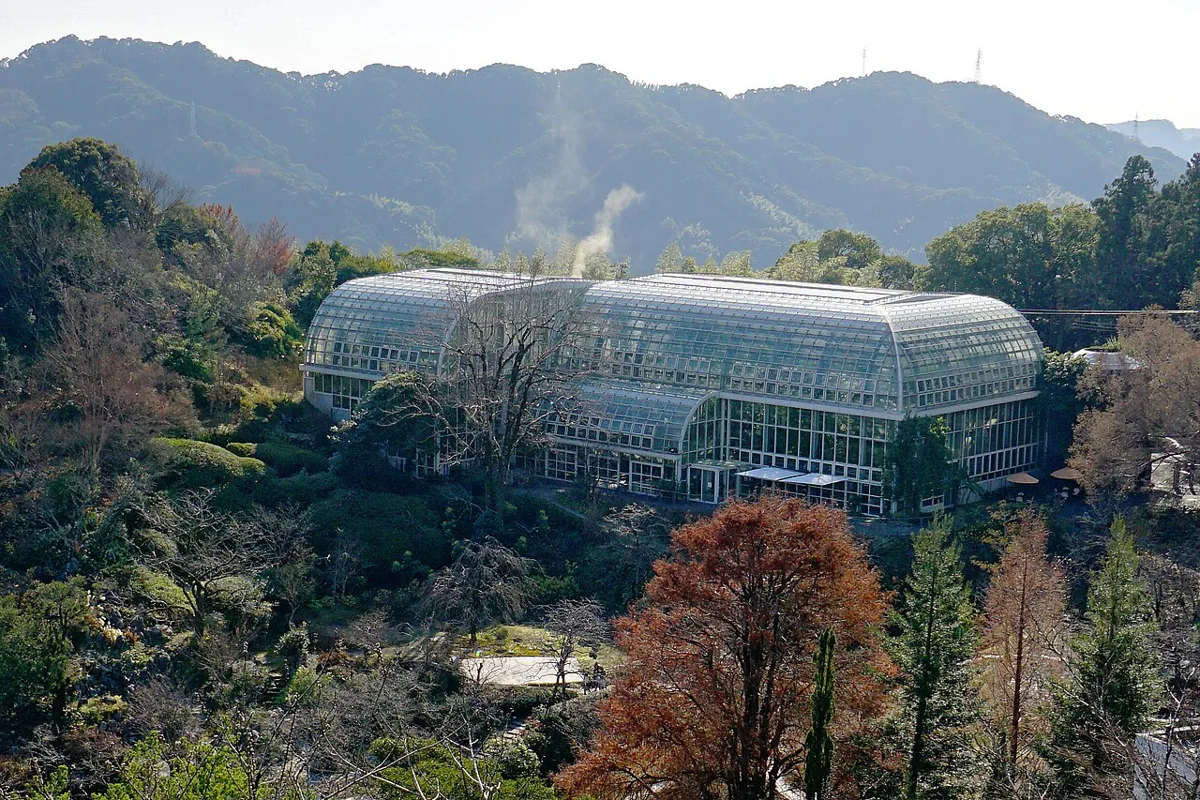
Shimanto River Gakuyukan Akitsuio, at 8055-5 Gudo, Shimanto, has dragonfly and fish buildings that connect your morning river views with wildlife and habitats. The fish building focuses on Shimanto River species and also displays freshwater and brackish-water fish. Outside, observation paths in Shimanto City Dragonfly Nature Park pass ponds, plants and insects. Spend longer indoors on a rainy day and explore the park in suitable weather, without arranging another trip to the riverbank.
The museum opens 9:00–17:00 and usually closes Mondays, or the following day when Monday is a public holiday. It has daily-opening arrangements during spring vacation, Golden Week, summer vacation and the New Year period. Admission is ¥880 for adults, ¥440 for junior- and senior-high-school students and ¥330 for children aged four and above; the outdoor park is free. The official site gives a taxi time of about ten minutes from Nakamura Station. Return the same way after your visit. The nature park is protected: do not collect any plants or animals, even to release them afterward. Observe and take photos. Children who could not see fish clearly from the morning boat have time to find them in the tanks.
A few useful answers
Should I cycle, take a riverboat or canoe on a one-day Shimanto visit?
For bridges by bike, choose the Nakamura–Sada ride or official two-bridge tour. For river views from a seat without changing wet clothes, choose a covered riverboat. To paddle yourself, give half a day to Kawarakko. On a first visit, choose one main activity plus lunch and either town or Gakuyukan.
Can I return an electric bike rented in Nakamura at Egawasaki?
The tourism association’s short-distance electric rentals and Rinrin Cycle are separate systems. For rentals between Nakamura and Egawasaki, use Rinrin’s reservable 26-inch mountain bikes. Return a short-distance electric bike to the location in its original rental agreement.
Does Kawarakko’s transfer include Nakamura Station?
The river-tour transfer runs between the facility and the river start or finish. Arrange your own bus, taxi or car for both journeys between Nakamura Station and the meeting point at 24 Tadenokawa.
Can I visit the Shimanto River without a car on a weekday?
Yes. Rent a bike around Nakamura or book a taxi both ways to a riverboat pier. In fiscal 2026, the river bus and town loop run mainly on weekends, public holidays and specified vacation dates.
Can a five-year-old join a canoe trip?
Kawarakko lists a minimum age of five for river trips in tandem kayaks and Canadian canoes. A tandem needs at least one adult; a Canadian canoe allows no more than two adults. Single kayaks have a separate requirement of elementary grade three or above, or a height of at least 140 centimeters.
Official information and references
Sources used in this guide.
- Shimanto City Tourism Association | Short-distance bike rentals, July 2026 prices and half-day route
- Canoe Kan | Rinrin Cycle’s seven stations, bikes and returns
- Shimanto City Tourism Association | Low-water bridges and travel times from Nakamura
- Kochi Tourism | Misato low-water bridge and river beach
- Shimanto City Tourism Association | Fiscal 2026 river bus and town loop
- Shimanto City Tourism Association | Transport, taxis and stations
- Shimanto City Tourism Association | Luggage storage and bike rentals
- Tosa Kuroshio Railway | Nakamura–Sukumo Line timetable page
- Tosa Kuroshio Railway | Connecting timetable revised March 14, 2026
- Yakatabune Sakoya | Route, fares and reservations
- Shimanto no Ao | Standard sightseeing departures and fares
- Shimanto no Ao | Misato–Sada round-trip route
- Shimanto no Ao | Onboard meals and noon booking deadline the previous day
- Shimanto no Ao | Autumn 2026 Sada Tunnel works and Route 441 detour
- Nattoku | Scheduled cruises
- Nattoku | Booking confirmation process
- Nattoku | Boarding point at 846-1 Tadenokawa
- Kawarakko | River canoe tours, boat types and check-in
- Kawarakko | River transfers, reservations and weather rules
- Kawarakko | Paddling in a designated area
- Kawarakko | Facilities, changing and closing days
- Shimantoya | Meals, second-floor stairs and opening hours
- Dragonfly Kingdom | Akitsuio exhibits, closing days and protected-area rules
- Shimanto City Tourism Association | River bus and official video
- Kochi Prefecture Doppuri Kochi Tabi | Tourism association’s guided Sada–Misato cycling tour