Plan a day from Nagoya. Compare central Seto, Horamachi, Shinano and Akazu, choose hand-building, wheel throwing or painting, and arrange overseas delivery, the kiln-wall path or the Aichi Prefectural Ceramic Museum.
- Region & Focus
- Seto City
- Reading Scope
- 33 min read · 13 chapters · 4 Q&As
- Official Verification
- 18 official sources checkedUpdated October 27, 2026 at 07:09 PM GMT+8
- Key Topics
- ItinerariesNeighborhoodsChubu & Hokuriku
Chapter Route Map (tap any stop)
- Choose one main activity, then decide whether to add Horamachi
- A day without a car: paint in the center, then walk through Horamachi
- Horamachi: kiln walls, a small museum and residential lanes
- STUDIO 894: choose between same-day painting and work that needs firing
- Sending work overseas: add ¥7,000 per overseas address
- Shinano: hand-building, electric wheels and slab work, with firing by weight
- Give Shinano half a day for transport, collection details and shopping
- Book a kiln visit in Akazu; Kitagama Kasen has stopped one-day workshops
- Two alternatives to wheel throwing: CONERU slabs or blue-and-white painting
- Aichi Prefectural Ceramic Museum: Linimo access, pottery and exhibitions
- Combining the museum and center: one workshop, without Horamachi
- Families and rain: age limits, seats and slopes come first
- Budgeting and cancellation: include delivery and use your booking channel
- Quick Q&A
Before choosing a pottery workshop in Seto, decide how your finished work will get home. Make Shinano your main stop if you want to shape clay. For a walk from Owari Seto Station through town and on to the kiln walls of Horamachi in the afternoon, a painting workshop in the center is easier to fit in. STUDIO 894 lists a flat overseas shipping fee for visitors sending work abroad. For something to take away that day, choose its pottery-painting activity that needs no firing. Akazu is a separate pottery district, and the Aichi Prefectural Ceramic Museum lies to the south. These four areas and the museum are too spread out to visit as one shopping street. Transport, workshop and collection details below were checked through October 27, 2026.
Choose one main activity, then decide whether to add Horamachi
The area around Owari Seto Station suits first-time visitors without a car. You can walk between the station, tableware shops along the Seto River, Setogura and STUDIO 894 in Yakushicho. CONERU in Asahimachi is inside the Ginza-dori shopping street. This is the easiest area for a day combining a workshop, lunch and pottery shopping. It also works when some people want to make something and others prefer browsing. If you have already visited Setogura, use that time for a workshop instead of repeating the exhibition.
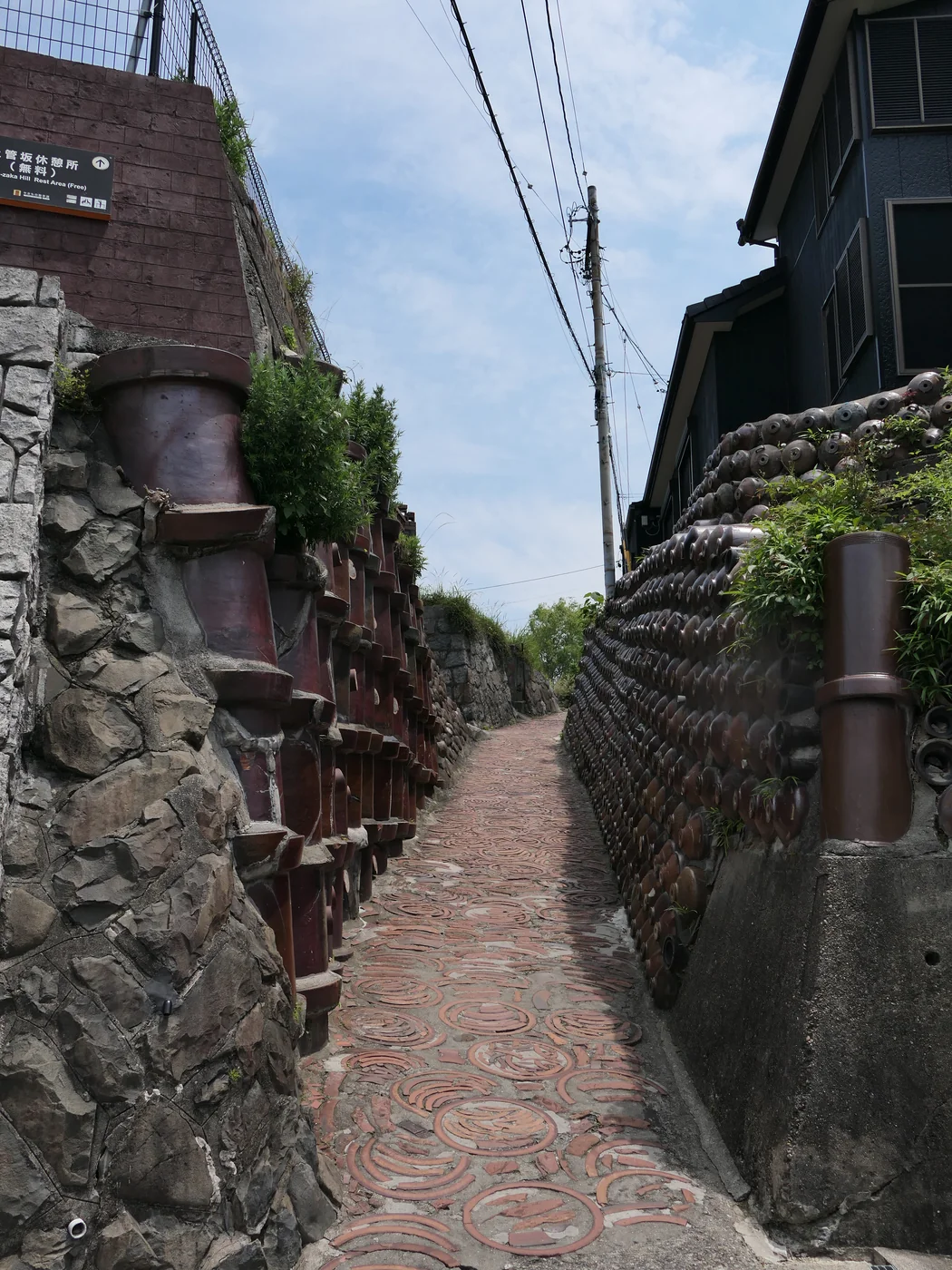
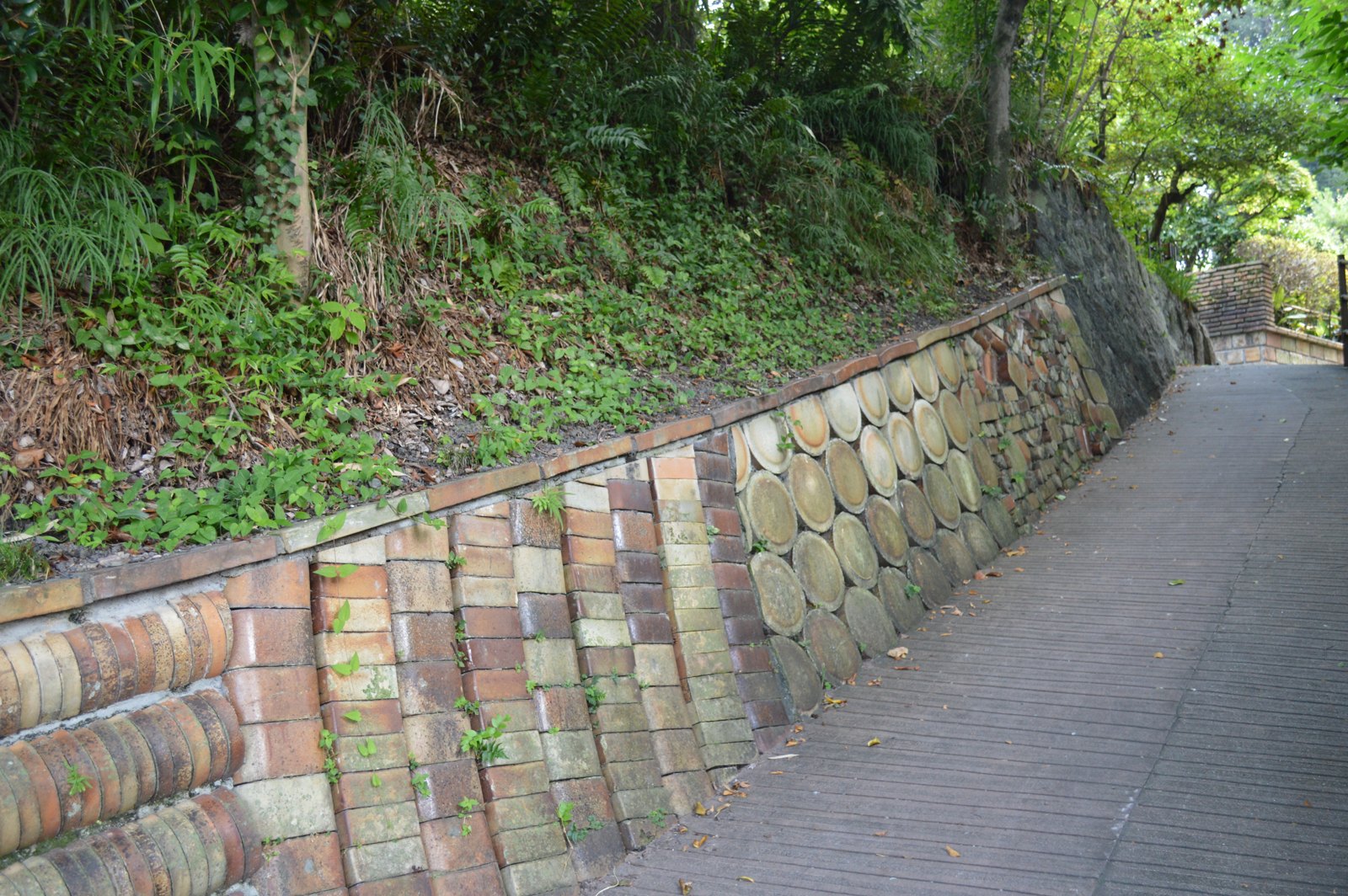
Horamachi lies east of the center. Kamagaki no Komichi is known for walls made from old kiln furniture. The path is about 400 meters long, with bends, narrow lanes and slopes. Official visitor information gives a walk of about 20 minutes from Owari Seto Station to the area. That is just the approach: allow extra time for the path, its museum and the walk back. It makes a good afternoon focus for street photography and seeing how pottery materials survive in a residential district. If you mainly want cups and plates, the shops in the center can occupy plenty of time.
Shinano Ceramic Center is in Shinanocho, beside Michi-no-Eki Seto Shinano. Wheel throwing, hand-building, displays and direct sales are gathered in one destination. It suits visitors willing to devote half a day to a fuller workshop. From Owari Seto Station, you still need a bus or taxi. The Seto name does not make it a shop you can drop into while walking around the center.
Akazu lies in another direction to the east. Choose it if you have a particular interest in a kiln, glaze or tea ware. Find a kiln that can receive you that day before planning the journey. For choosing a class on arrival, the center and Shinano offer clearer options. The Aichi Prefectural Ceramic Museum is in Minamiyamaguchicho, with a more straightforward approach by Linimo. Give it half a day to a full day: you can see exhibitions and make pottery on the same grounds.
| Main aim | First choice | Limit for an extra stop |
|---|---|---|
| Walking, painting and overseas shipping | Central Owari Seto | Horamachi path or one museum |
| Electric wheel or hand-building | Shinano Ceramic Center | Center sales area and roadside station |
| A specific kiln or tea ware | Akazu | One kiln, arranged around its visiting hours |
| Exhibitions and a hand-turned wheel | Aichi Prefectural Ceramic Museum | Pottery and part of an exhibition on site |
Plan a day from Nagoya. Compare central Seto, Horamachi, Shinano and Akazu, choose hand-building, wheel throwing or painting, and arrange overseas delivery, the kiln-wall path or the Aichi Prefectural Ceramic Museum.
A day without a car: paint in the center, then walk through Horamachi
Use a 10:30 or 11:30 STUDIO 894 session as the fixed point of the day. Book it before planning your departure from Nagoya. Setogura estimates about an hour from JR Nagoya Station: take the Higashiyama Line to Sakae, walk to Sakaemachi Station on the Meitetsu Seto Line, then ride to the terminus, Owari Seto. Adjust that hour for your hotel and workshop locations. On your first trip, choose a train that gets you into the center early enough to find the workshop entrance. The Meitetsu airport platforms at Nagoya Station are not the departure point for the Seto Line.
For example, on an opening day with an 11:30 booking, arrive at Owari Seto in the morning and explore the Seto River and shopping streets before walking to the Yakushicho studio. The class takes about 60 minutes. After finishing around 12:30, allow time for drying, payment or delivery details, then eat in the center. Walk to Horamachi in the afternoon, putting the museum before the path because it closes at 15:00. If lunch runs late, visit the museum first and look at the walls on your way back. This example shows what fits in a day; it requires an available 11:30 place.
If you want to visit Setogura Museum first, book an afternoon workshop and drop Horamachi. If Horamachi is your priority, keep the morning to the studio and a short stretch of shopping street. Both versions work. The difference is whether you want more slopes and walking in the afternoon. The walk from the station, time on the path and return journey cannot all be judged by the short 400-meter length of the path itself.
Buy heavy pottery just before returning to the station so you do not carry it up the slopes. If companions are tired after lunch, return toward the center and replace Horamachi with a shop or cafe. Children or older travelers need not hurry on after a workshop just to see the walls in a photograph. If you have a Shinkansen or airport connection that day, shorten the plan to the workshop and lunch. Put your return train and luggage collection before shopping.
Horamachi: kiln walls, a small museum and residential lanes
The walls use kiln furniture once used during firing. Look for repeated shapes, then compare the arrangements at corners, doorways and bends in the slope. These walls and the orderly finished wares in shops offer two ways to understand Seto pottery. You do not need to memorize every term. Avoid standing at residents’ doors or moving wall materials to recreate a photograph.
Seto’s official Kamagaki no Komichi page lists the museum as open 11:00–15:00, closed Monday, Tuesday and Wednesday except national holidays, with an additional year-end and New Year closure. Admission is free. The gallery beside the path lists 10:00–16:00 but opens only during scheduled exhibitions. Thursday through Sunday makes the museum easier to include in an afternoon. On ordinary Mondays through Wednesdays, walk outdoors and choose another place for an indoor visit.
Start near the Kamagaki no Komichi Museum, follow the signs along part of the walls, then retrace your route. For a longer walk, consult the official Horamachi walking map before choosing your route back to the center. There are many narrow lanes and slopes. With a stroller, wheelchair or painful knees, decide at the entrance whether to continue. Level shops in the center and facilities whose access you have checked offer alternatives.
You can still view the walls from public roads in rain, but wet stone, slopes and corners slow the walk. Replacing it with the Sometsuke Craft Center or an open facility in the center is easier than holding an umbrella and fragile purchases in a narrow lane. Keep the wet-weather plan near your booked workshop. Shops open individually. A gallery exhibition or an open kiln does not mean workshop visits are available throughout Horamachi.
STUDIO 894: choose between same-day painting and work that needs firing
STUDIO 894’s workshop page separates pottery painting, porcelain underglaze painting and copperplate transfer. In pottery painting, you decorate a blank with paint, colored pencils or markers. It is not fired and can be taken away once the paint dries. Porcelain painting uses underglaze on a porcelain blank, which the studio later glazes and fires. Copperplate transfer uses water to apply a chosen design and also needs firing. For a small object decorated with a travel motif and no later delivery, start with pottery painting.
All three regular activities take about 60 minutes. Listed start times are 10:30, 11:30, 13:30, 14:30 and 15:30, with up to 18 people per session. Participants must be at least five. Elementary-school children and younger must have a guardian with them. The studio opens 10:00–17:00, with the last workshop intake at 15:30. It closes Tuesdays except national holidays, plus a year-end and New Year break. These are studio rules. The neighboring maneki-neko museum closes Tuesdays and Wednesdays, so a Wednesday studio booking does not also secure a visit next door.
The October 2026 porcelain-painting and transfer menu lists mugs at ¥2,300, rice bowls at ¥1,900, small beckoning cats at ¥2,300 and large ones at ¥2,900, including tax. The price depends on the blank. First decide whether you want a cup, bowl or ornament, then look at the menu for your travel month for seasonal shapes. For tableware, book porcelain painting or transfer rather than treating the same-day painting activity as the same production process.
The website links to a booking system. Walk-ins may be accepted when places remain, but book a session for a day trip from Nagoya. Pay on site. Listed methods include cash, cards, transport e-money, iD, QUICPay, Apple Pay and PayPay. Wear clothes that can take paint stains; the studio supplies tools and materials. For a detailed design, include choosing a blank and planning the pattern within the hour. Draw the main motif first so you can finish without discovering an empty surface near the end.
The pottery-painting process published by STUDIO 894 in 2026.
Sending work overseas: add ¥7,000 per overseas address
For a short-stay visitor, the delivery address is a decision to make before booking. STUDIO 894’s porcelain painting and copperplate-transfer pieces are ready in about a month. The studio contacts you using the details on the reservation. You can collect them or request shipping on the workshop day. Listed shipping is ¥1,500 per address within Japan, ¥2,000 for Hokkaido and Okinawa, and ¥7,000 per overseas address, including tax. Pay shipping separately on the workshop day. Give the destination country, address and contact details clearly when booking, then check the studio’s written record that day.
Using the October menu’s ¥2,300 mug, one person making one mug and sending it to one overseas address pays ¥9,300 for the activity and official overseas shipping. Two people making one mug each and sharing an address pay ¥11,600, using the per-address charge. These totals cover only those workshop pieces and one delivery address. Add transport from Nagoya, lunch and shopping. If friends want separate delivery to two addresses, overseas shipping is charged twice. Agree on the delivery arrangement before booking.
If you leave Japan in three days, arrange delivery after firing for porcelain pieces. A short-stay hotel is unsuitable as an address for a piece ready a month later. For a gift needed by a fixed date, choose same-day pottery painting or buy finished ware. Painting that dries for collection and fired porcelain produce different objects. Compare use, material and delivery time as well as the lowest class price.
Shinano and the Sometsuke Craft Center have different collection arrangements. STUDIO 894’s overseas service does not apply to them. The Sometsuke booking page lists cash-on-delivery shipping within Japan and completion in the middle of odd-numbered months. Shinano gives a completion date on the workshop day and generally sends no further notice. For a one-time visitor without a long-term Japanese delivery address, these differences matter more than workshop decor in photographs.
Shinano: hand-building, electric wheels and slab work, with firing by weight
For working with clay and trying a wheel, make the Shinano Ceramic Center pottery school your main activity. Its individual workshops generally take about 1½–2 hours and offer hand-building, electric-wheel throwing and tatara slab building. There are no fixed limits on piece count, clay quantity, size, thickness or working time. This allows more time for shaping, but firing more or heavier pieces costs more. Unlimited making does not mean every piece is included at one price.
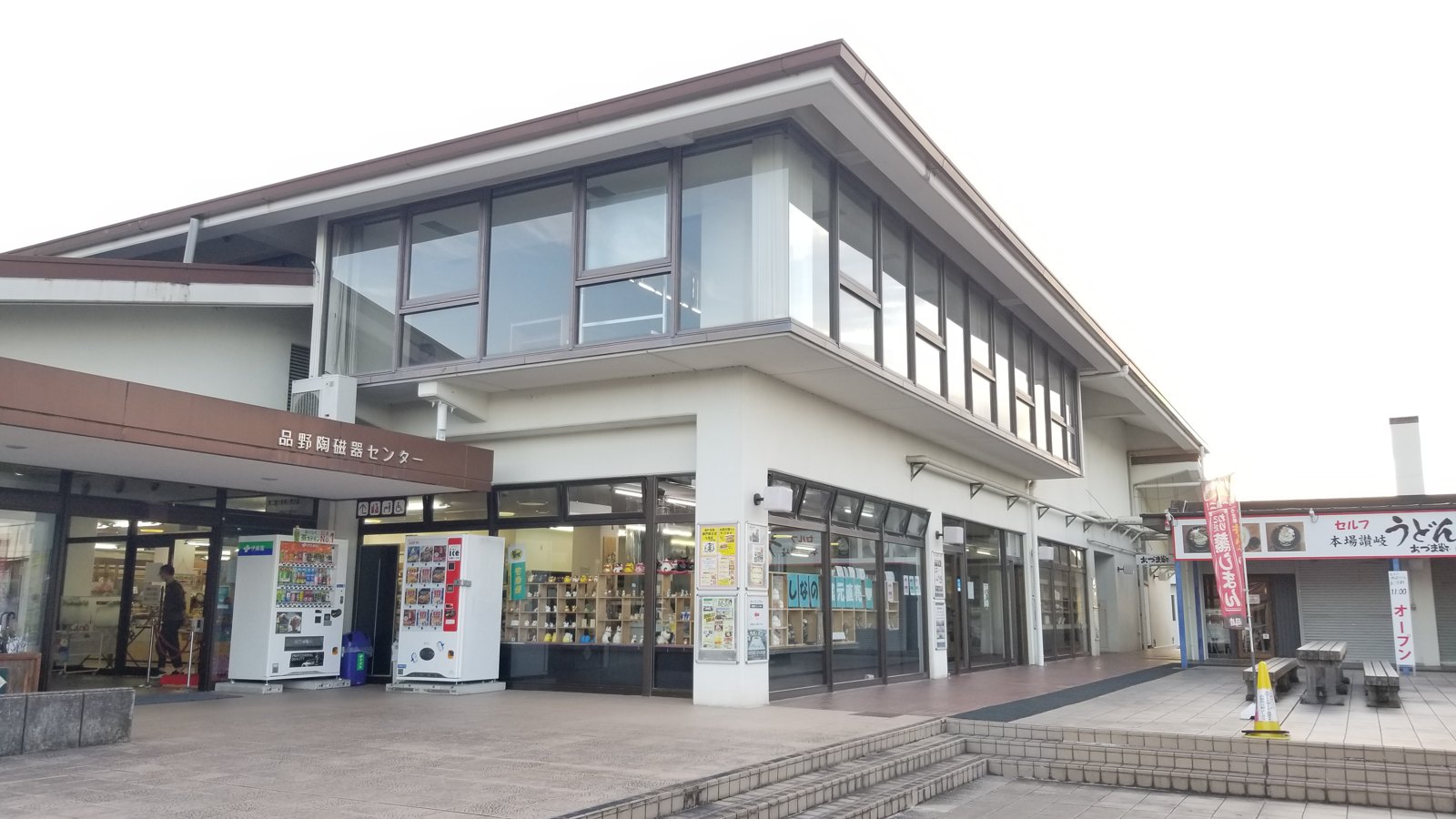
The current workshop fee is ¥2,200 for adults and ¥1,650 for junior-high-school children and younger, plus firing. Hand-built pieces cost ¥220 per 100 grams to fire; wheel-thrown and slab-built pieces cost ¥330 per 100 grams. For pieces weighing 200 grams or less, minimum firing is ¥440 for hand-building and ¥660 for wheel or slab work. The official example for an adult’s 400-gram wheel-thrown yunomi is ¥2,200 + ¥1,320 = ¥3,520. For a large plate or several vases, ask staff about the total firing cost before choosing which pieces to keep.
Hand-building suits anyone who wants to join coils slowly or adjust an irregular form. Electric-wheel throwing focuses on centering, raising the clay and controlling wall thickness. Friends need not all use the same method. The studio FAQ says you can choose which pieces to fire after seeing the cost. Trying the process and keeping the one piece you most want to use is usually easier on the budget than sending every attempt home.
The working day is 10:00–16:00. Listed intake times are 10:00, 13:00 and 14:00; the 15:00 intake is for painting only. Although a typical workshop takes 1½–2 hours, work ends at 16:00. For a 14:00 booking, shop beforehand. Regular closures are the first and third Tuesdays of each month, except national holidays. The sales area and school have different operations, so use the school’s course conditions to choose your day.
The studio FAQ says reservations are not compulsory, but walk-ins may be refused if it is busy or short of staff. Book or call first, and arrive 5–10 minutes before the reservation for registration. Young children can participate. The website allows one young child per adult without a workshop fee, while firing is charged for the actual pieces. This differs from the child workshop fee for junior-high-school age and younger. State children’s ages and who will make pottery when giving family numbers.
Give Shinano half a day for transport, collection details and shopping
For public transport, the school directs visitors to take a Meitetsu bus from Owari Seto Station, get off at Shinano Sakaue and walk about ten minutes. Meitetsu Bus’s Seto station stop page lists Kamishinano and Shinano Bus Center services at stand 3. Buses for other directions, including Akazu, also use it, so check the destination. Allow for the outward bus, the walk from Shinano Sakaue and early check-in before a 13:00 or 14:00 class. For the return, check the actual stop for the Seto-ekimae direction.
Without a car, browse the center briefly in the morning, eat lunch, then head to Shinano for a 13:00 session. Afterward, see the center’s displays and direct sales before returning to the station. For an unhurried lunch, make Shinano and the neighboring roadside station the day’s focus. If no suitable bus connects, use a prearranged taxi or switch to a central workshop. Do not try to walk between districts just before class. Drivers can go directly to the center, which lists free parking shared with the roadside-station area. Pack pottery before putting it in the car.
Shinano pieces take about 1–1½ months to fire. The course page lists packing and shipping from ¥1,650. The FAQ adds that it is usually around ¥2,000, depending on quantity, size and destination. Staff give the completion date on the workshop day and generally do not send another notice. Collection is available 9:00–17:00 on days other than regular closures, with no further appointment needed. Keep the completion date, collection method and receipt together. For shipping, fill in the address on site.
If you only want an afternoon buying finished pottery, you need not pay a workshop fee. The school FAQ lists free entry and observation; the center also has kiln-direct sales and displays. If one companion makes pottery and another browses, meet after class to choose purchases and pay together. Get friends’ size requirements and budgets in advance if shopping for them, rather than adding a long round of comparisons after a two-hour class. Akazu needs another cross-district journey after Shinano. On an ordinary Nagoya day trip, save it for another day.
Book a kiln visit in Akazu; Kitagama Kasen has stopped one-day workshops
For Akazu ware, start with a particular kiln’s work and visiting hours. Akazu is not a second pottery mall to add after Shinano. Its glazes and forms deserve time. If you want tea bowls, vases or everyday ware from a particular kiln, list the pieces you want to see, confirm shop or showroom access with the kiln, then use Owari Seto Station as the public-transport interchange. Akazu, Horamachi and Shinano may share a visitor map, but each needs a separate travel plan.
In particular, Kitagama Kasen’s current website says it is not accepting one-day pottery workshops. From this year, Saturdays and Sundays are regular closing days except during events. Ordinary hours on Monday through Friday, including national holidays falling on weekdays, are 10:00–16:00. If you planned to throw a pot at Kasen on a weekend, book a Shinano clay workshop or central painting session instead. To see Kasen’s work, follow its own opening and event dates. Make this choice before booking transport because it changes your main district.
For travel on November 7–8, 2026, you can make Akazu the whole day’s theme. The Akazu Kiln Village Tour organizer announces 9:00–16:00 on both days, with participating kilns opening workshops at scattered sites. The official information puts the event area about four kilometers from Owari Seto Station and recommends a bus or taxi. Take an Akazu-bound bus from stand 3 beside the station to Omatsu, about eight minutes away. That is the official approach to the event. Choose kilns from the event map; the eight-minute ride is only the journey there.
For this November event, the Akazu Ware Hall parking lot is unavailable. The alternative is 長曽元窯 三陶, with about 30 spaces; individual kilns’ designated parking follows on-site arrangements. Save the event map and new parking location before driving. The old hall is not a year-round shared parking meeting point. The event suits replacing Shinano or a central workshop with a full day of kiln visits, rather than rushing there for the final half-hour after a 14:00 class.
Without a car, use stand 3 at Seto-ekimae for Akazu. Official information lists routes via Koseto and via Ichirizuka. Their stopping patterns differ, so use the confirmed kiln name or address to choose your stop. Sharing the Akazu destination does not make the routes or intermediate stops interchangeable. If you want dinner in the center afterward, choose a return bus before planning the last shop.
For a first visit without a specific kiln in mind, start with the center and Horamachi, then make pottery at Shinano on a separate visit. If you have already taken a workshop in Arita or Kasama, you might give Seto’s day to a specific kiln and shopping instead. You need not repeat the same class in every pottery town. Note kiln names, product names and sizes when comparing work so you can find the same series later.
Two alternatives to wheel throwing: CONERU slabs or blue-and-white painting
CONERU is at 28 Asahimachi in the Ginza-dori shopping street, about five minutes on foot from Owari Seto Station. Current opening days are Saturday and Sunday, 10:00–17:00. It uses tatara slab techniques rather than a wheel. You can make a rice bowl or plate and decorate it with stamps and colored clay. The website lists workshops from ¥3,960, plus firing, with completion and delivery in about 1–1½ months. Weekend visitors who want to work on outlines and surface patterns without traveling to Shinano can start here.
For Seto’s blue-and-white sometsuke painting, choose the regular activity at the Seto Sometsuke Craft Center, 98 Saigocho. It is for fifth-grade elementary pupils and older, with only four seats and booking priority. Groups of five or more must call ahead. The regular activity has no instructor. For step-by-step brush instruction, choose a separately announced taught class rather than the lower-cost regular seat. The center lists about 20 minutes on foot from Owari Seto Station. It can share a day with the center, but allow for the return walk.
Blank prices include the activity, pigments, blank and firing: chopstick rest ¥330, small plate ¥550, yunomi ¥1,100 and mug ¥1,320. A 15-centimeter cake plate is ¥1,100; an oval plate about 17 × 20 centimeters is ¥1,320. A small plate is a good start if you enjoy drawing and want to limit spending. Payment is cash. Last activity intake is 15:30. The building opens 10:00–17:00, with last entry at 16:30. It closes Tuesdays, moving to the next weekday after a national-holiday opening, and December 28–January 4.
The official linked booking page accepts reservations from one week ahead through the day itself. Choosing and buying the blank, painting and tidying up take about 1½–2 hours. Finished pieces are available in mid-January, March, May, July, September and November for collection or cash-on-delivery shipping within Japan. Cancel by phone if plans change. Without a Japanese delivery address or a return visit in a completion month, choose STUDIO 894’s overseas shipping or same-day painting and visit the Sometsuke center for its displays. Choose according to how you will receive the finished piece.
Aichi Prefectural Ceramic Museum: Linimo access, pottery and exhibitions
The museum’s official access page directs visitors from Fujigaoka onto Linimo toward Yakusa, getting off at Toji-shiryokan-minami. Cross the pedestrian crossing northward and follow the sidewalk beside Knowledge Hub Aichi for about 600 meters to the south building. Do not enter the research facility or its grounds. From Yakusa on the Aichi Loop Railway, take Linimo toward Fujigaoka to the same stop. This approach bypasses Owari Seto and is straightforward for a day focused on exhibitions and pottery.
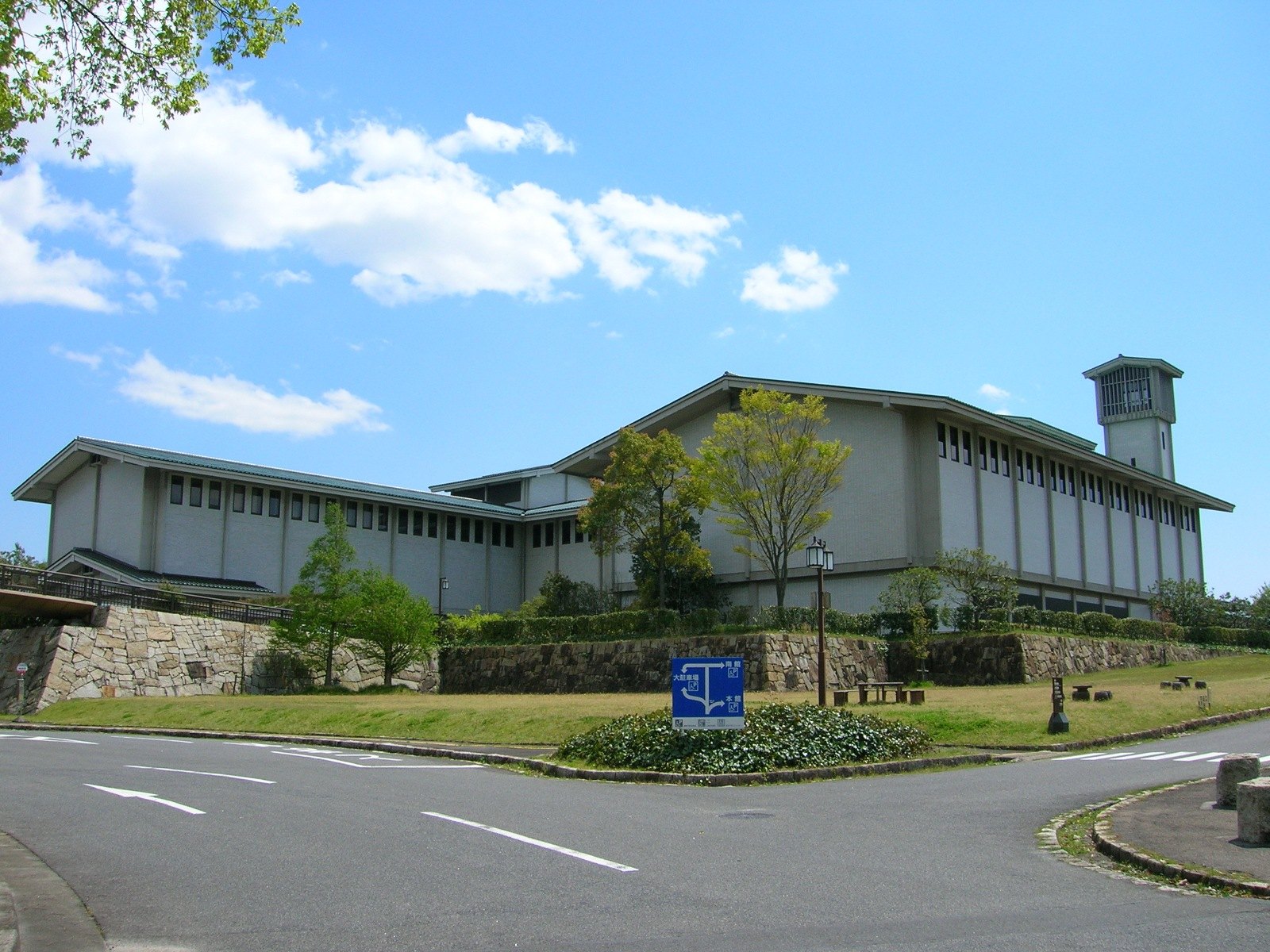
If staying in Nagoya and wanting a modestly priced pottery session, take the Higashiyama Line to Fujigaoka and change to Linimo. Regular museum hours are 9:30–16:30, with last entry at 16:00 and longer summer hours. It closes Mondays, or the next weekday after a national holiday. Aito collection and themed exhibitions cost ¥400 for adults, ¥300 for university students and are free through high-school age. The ticket covers the main building and Design Aichi, opened in 2026. Special exhibitions have separate prices. Exhibition admission and pottery fees are separate; ¥400 admission does not include a class.
The current pottery-studio page lists starts every half-hour from 9:30 to 14:30. Complete registration 15 minutes before the start; making takes about two hours. Individuals book through the system linked from the official site, with no phone bookings. Groups of 20 or more apply by email or fax. Beginners use a hand-turned wheel; electric wheels are for experienced users only. For a first electric-wheel session, choose Shinano. For slower shaping after an instructor’s explanation, consider the museum.
The official example for an adult using one kilogram of white clay for two hours is room ¥300 + firing ¥300 + materials ¥400 = ¥1,000. The total is ¥850 for junior-high-school children and younger. Red clay costs ¥450 per kilogram. Accompanying adults who do not make anything still pay ¥300 for two hours. Pieces must measure 5–30 centimeters in both length and width, no more than 30 centimeters high, and 0.5–1 centimeter thick. Adjust plans for a large vase or very thin rim before starting. Painting uses blue and brown, a different activity from the multicolored beckoning cats in the center.
Pieces are ready roughly one to two months later. Collect with the exchange slip; uncollected work is disposed of after the deadline. Apply at the museum shop for shipping. This process suits travelers who can arrange receipt or return. The pottery studio has announced closure from December 22, 2026, through January 4, 2027. Winter visitors need that closure as well as the ordinary Monday schedule. A morning workshop, lunch and exhibitions, followed by Linimo back to Nagoya, make a full day.
Combining the museum and center: one workshop, without Horamachi
Official information gives about 15 minutes by taxi from Owari Seto to the museum. From stand 1 at Seto-ekimae, a Meitetsu bus via Hishino Danchi toward Expo 2005 Aichi Commemorative Park stops at Toji Bijutsukan, but runs only Saturdays, Sundays and holidays. Do not schedule that direct bus on an ordinary weekday. If no suitable service fits, use Linimo for the museum and visit the center another day. That is easier to plan than looking for a bus after arriving.
To combine central painting with an exhibition, book STUDIO 894 at 10:30 and finish around 11:30. Deal with the piece and lunch, then use a prearranged taxi to the museum. See exhibitions only in the afternoon, entering by 16:00 at the latest. Drop Horamachi and a second pottery class. With about an hour in the studio, 1–1½ hours for lunch and delivery paperwork, and the official 15-minute taxi ride, there is still afternoon exhibition time. The extra expense is the taxi; the ride estimate excludes waiting and congestion.
A morning pottery class at the museum followed by central painting compresses two activities of about one to two hours each around travel and leaves little exhibition time. Split them across two days if comparing both methods is the aim. With one day, choose either clay shaping or porcelain painting and leave the other part for exhibitions. Looking at different glazes and shapes adds to what you learn from making a single cup.
Driving reduces transfers but still involves parking, getting out and walking between museum buildings. Parking is free. The north-side first parking lot is more convenient for the pottery studio. Put purchases away safely after the workshop, then decide on the next building. Choose your priority exhibition on arrival rather than crossing the grounds just before closing.
Families and rain: age limits, seats and slopes come first
With a child under five, rule out participation where STUDIO 894’s minimum age of five or the Sometsuke center’s fifth-grade minimum applies. Shinano allows young children and strollers in the work area and provides aprons and free lockers. It suits a family spending most of the day in one place. If parents also make pottery, decide who looks after the younger child and who chooses pieces for firing before a table full of finished attempts forces a budget discussion.
Tools are supplied, but wear clothes that can take clay or paint. Loose sleeves, jewelry and long nails affect handwork; deal with them before starting. Shinano permits photography and video. Photograph your companions without including other families’ faces and work unnecessarily. The Sometsuke regular activity has no instructor. Allow time to read instructions together, tidy tools and drink water. It is not a supervised class where parents can leave a child in the center’s care.
For older travelers or those with mobility needs, make Horamachi optional. Transfers from Nagoya, central walking and time in workshop seats already use energy. If slopes are hard on the knees, finish with one direct-sales shop after class. At the museum, choose an entrance using official accessibility information. Wheelchairs, strollers and nursing facilities are available, but arrange around your essential needs rather than assuming a loan aid will be available on arrival.
The easiest rainy-day plan is a booked workshop plus indoor visits in the same district: painting and open displays in the center, the school and center at Shinano, or buildings on the museum grounds. Do not cross to another district seeking a new class just to avoid rain. Shorten, postpone or drop Horamachi; the day still has a clear theme. Put purchases and same-day painted pieces in a supportive, rainproof bag before going to the bus stop, rather than waiting in rain with an exposed paper box.
Budgeting and cancellation: include delivery and use your booking channel
Pottery activities use very different price systems. STUDIO 894 charges by blank plus shipping per address. Shinano charges a workshop fee per person plus firing by the weight of selected pieces. CONERU adds firing to its activity fee. The Sometsuke center’s blank price includes firing but not postage. The museum separates room, materials and firing. Fix the number of people and pieces, intended use and delivery address before comparing totals.
For same-day collection at a controlled price, STUDIO 894 lists pottery painting at ¥1,700–1,800, plus your transport and lunch. For clay shaping, Shinano’s adult 400-gram wheel example is ¥3,520, with shipping extra. Multiple pieces add to the total; a ¥3,000–5,000 average is not a fixed personal rate. The museum’s adult one-kilogram white-clay activity costs ¥1,000. Add a ¥400 collection-exhibition ticket for ¥1,400 in total, before transport, meals and delivery.
The STUDIO 894 official linked porcelain-painting booking page opens reservations at 00:00 three months ahead and closes at 23:59 the day before. Online cancellation closes earlier, at 17:00 the day before. Being able to book tomorrow’s class in the evening does not mean an existing booking can still be canceled online then. For changes in numbers, late arrival or a missed online deadline, contact the studio at 0561-84-0894. Save the original booking link and notice. Other activities follow the conditions of the reservation you made.
The Sometsuke Craft Center requires cancellation by phone at 0561-89-6001. Shinano reservations and inquiries use 0561-42-0958; individual walk-ins may be refused, so call early when plans change. Settle overseas delivery and the return train before adding another shop. Keep your Nagoya accommodation as the base, buy fragile items near the end of the day and sort the next day’s luggage back at the hotel.
A few useful answers
Can I make pottery in Seto and have it shipped overseas without a Japanese address?
STUDIO 894 lists overseas shipping at ¥7,000 per address including tax, paid separately on the workshop day. Porcelain painting and copperplate-transfer pieces take about a month. Choose Shinano and other studios according to their own collection conditions.
Can I take Seto pottery home the same day?
STUDIO 894 pottery painting needs no firing, so you can take it once the paint dries. Porcelain painting, transfer work, Shinano clay shaping and museum pottery all need later firing.
Can I visit Horamachi, Shinano and Akazu in one day?
Each district needs its own transport plan. With a booked pottery session, the center plus Horamachi, or Shinano plus direct sales, is more relaxed. Give Akazu another day built around a kiln that has confirmed it can receive you.
Can a beginner use an electric wheel at the Aichi Prefectural Ceramic Museum?
The museum reserves electric wheels for experienced users. Beginners use hand-turned wheels. For a first electric-wheel session, look at Shinano’s individual workshops.
Official information and references
Sources used in this guide.
- STUDIO 894 | Workshops, collection and overseas shipping
- STUDIO 894 | October 2026 porcelain and transfer menu
- STUDIO 894 official booking | Booking and online cancellation deadlines
- Shinano pottery school | Individual workshops and firing fees
- Shinano pottery school | Check-in, collection and facilities FAQ
- CONERU | Slab building, opening hours and fees
- Seto Sometsuke Craft Center | Regular activity
- Seto Sometsuke Craft Center official booking | Completion months and cancellation
- Kitagama Kasen | Current opening and workshop notices
- Aichi Prefectural Ceramic Museum | Pottery workshops and collection
- Aichi Prefectural Ceramic Museum | Public transport and taxis
- Aichi Prefectural Ceramic Museum | Opening hours and admission
- Aichi Prefectural Ceramic Museum | Facilities and visiting FAQ
- Seto official tourism | Kamagaki no Komichi, museum and sloping lanes
- Setogura | Travel from Nagoya and walk from the station
- Meitetsu Bus | Seto-ekimae stands and destinations
- Akazu Kiln Village Tour organizer | November 7–8, 2026 and event parking
- Seto Sometsuke Craft Center | Access, cash payment and intake times