Plan a day from Nagoya around Owari Seto, Horamachi, Shinano and Akazu. Choose a workshop for hand-building, wheel throwing or painting, check overseas delivery, and compare Kamagaki no Komichi with the Aichi Prefectural Ceramic Museum.
- Region & Focus
- Seto City
- Reading Scope
- 33 min read · 13 chapters · 4 Q&As
- Official Verification
- 18 official sources checkedUpdated 27 October 2026 at 19:09 GMT+8
Chapter Route Map (tap any stop)
- Choose one main activity, then decide whether to add Horamachi
- Without a car: paint in the centre, then walk through Horamachi
- Horamachi: kiln-furniture walls, a small museum and residential lanes
- STUDIO 894: painting to take home today or decoration that needs firing
- Sending work overseas: ¥7,000 per overseas address, plus the session
- Shinano: hand-building, electric wheels and slabs, with firing by weight
- Give Shinano half a day for travel, collection arrangements and shopping
- Arrange a kiln visit in Akazu; Kasen no longer takes one-day workshops
- Two alternatives to throwing: slabs at CONERU or blue-and-white painting
- Aichi Prefectural Ceramic Museum: arrive by Linimo for pottery and exhibitions
- Combining the museum and centre: one workshop, without Horamachi
- Families and wet weather: plan for ages, seating and slopes
- Budget and cancellation: include delivery and use the original booking channel
- Quick Q&A
Before choosing a pottery workshop in Seto, decide how you will get your work home. Make Shinano the main activity if you want to shape clay. For a walk from Owari Seto Station, shops and an afternoon among Horamachi's kiln-furniture walls, a painting session in the centre is easier to arrange. STUDIO 894 publishes a flat overseas delivery charge for visitors sending work abroad. Its pottery-painting option needs no firing and can be taken away that day. Akazu is a separate pottery district, and the Aichi Prefectural Ceramic Museum lies to the south. The four areas and the museum cannot be covered as one continuous shopping street. Transport, workshops and collection arrangements below were checked up to 27 October 2026.
Choose one main activity, then decide whether to add Horamachi
The area around Owari Seto Station suits first-time visitors without a car. You can walk between the station, pottery shops along the Seto River, Setogura and STUDIO 894 in Yakushicho. CONERU in Asahimachi is inside the Ginza-dori shopping street. This area makes it easiest to combine a workshop, lunch and pottery shopping. It also works when some people want to make something and others prefer to browse. If you have already visited Setogura, give that time to a workshop rather than repeating the exhibition.
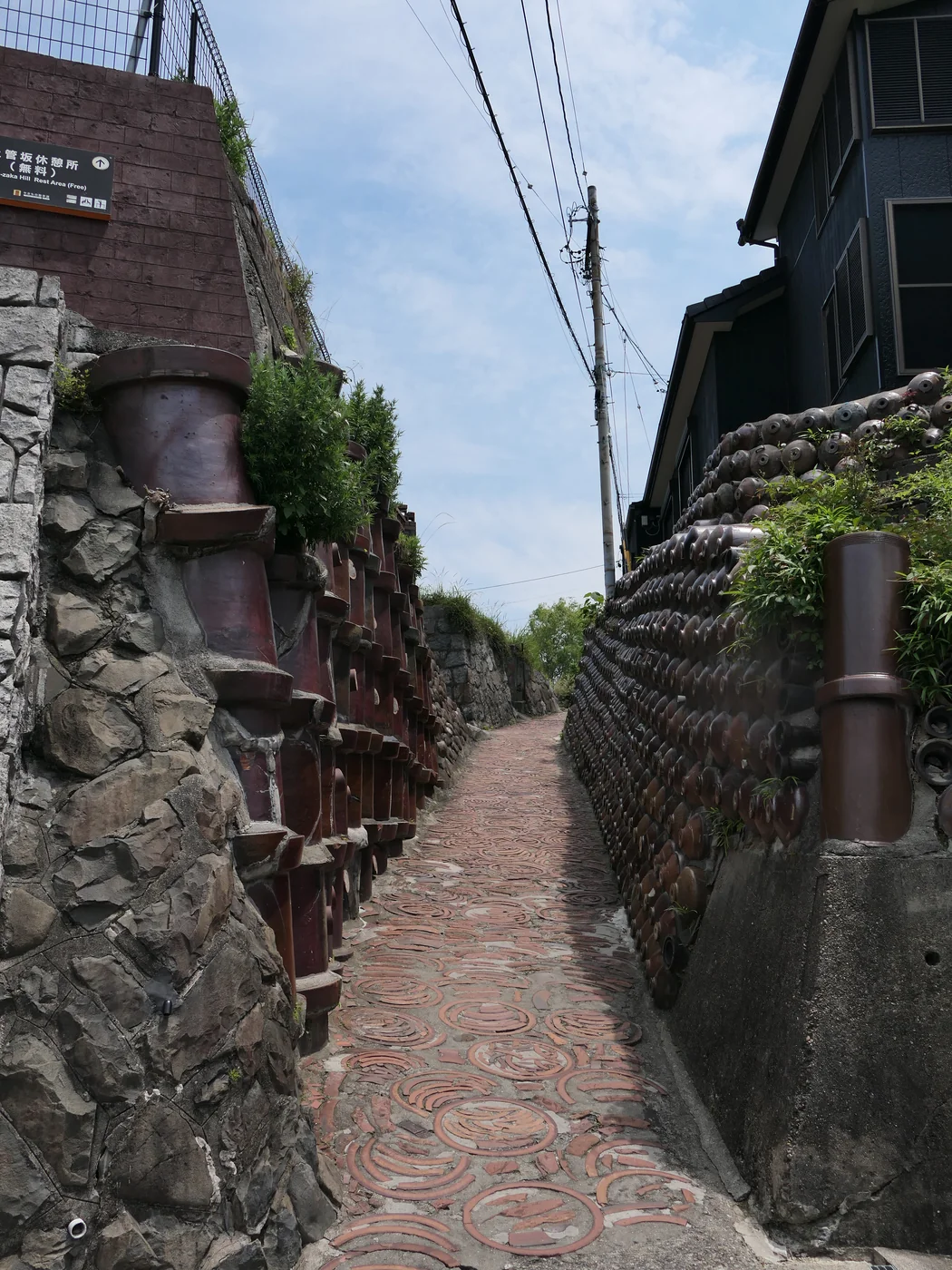
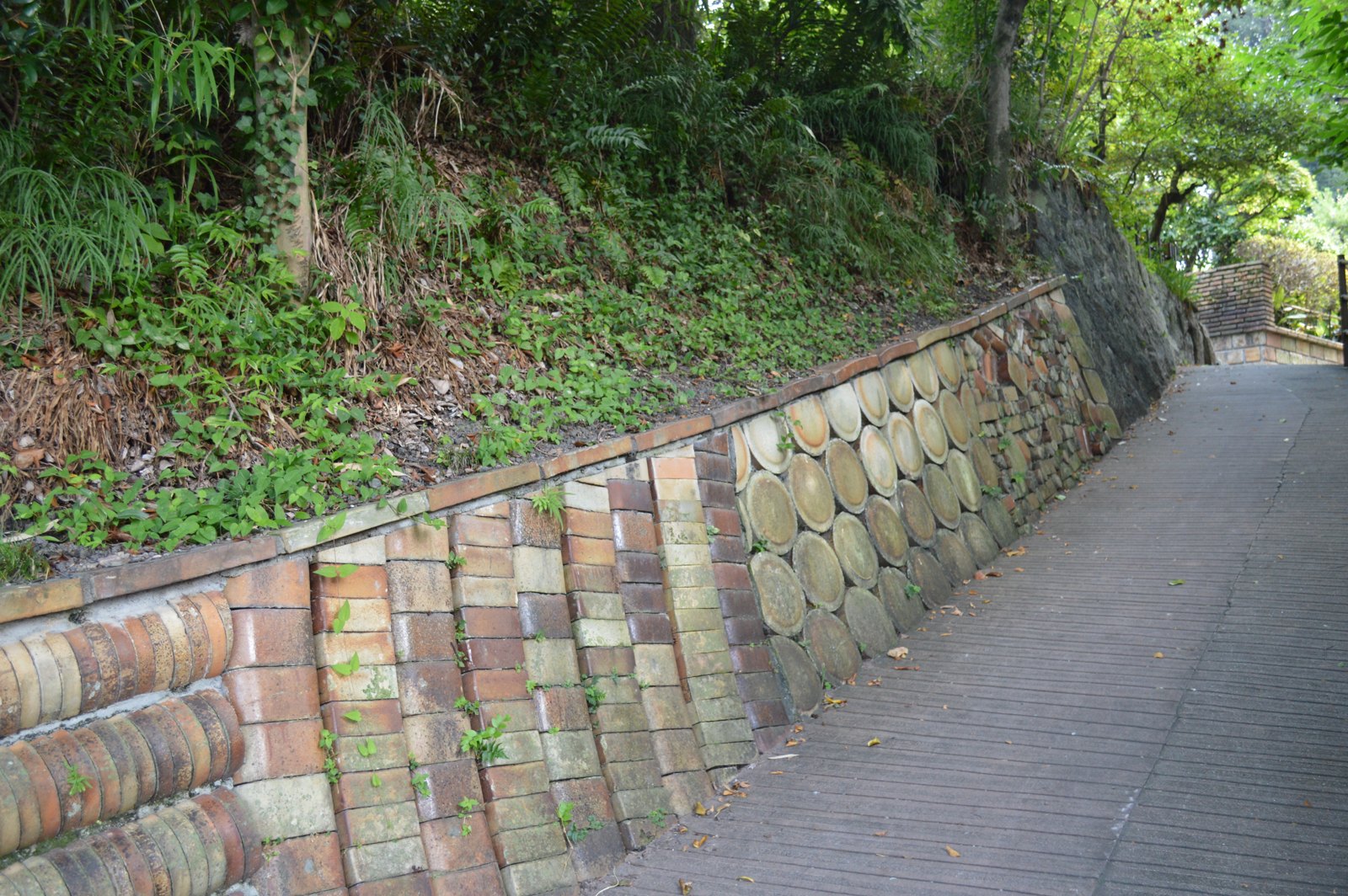
Horamachi is east of the centre. Kamagaki no Komichi is a roughly 400-metre lane lined with walls made from old kiln furniture. The narrow alleys bend and slope. Official information gives a walk of about 20 minutes from Owari Seto Station to the area. That gets you there; you still need time for the lane, the small museum and the return walk. It makes a good afternoon for street photography and seeing how pottery-making materials remain part of a residential district. If you mainly want to buy cups and plates, the central shops can already occupy plenty of time.
Shinano Ceramic Center is in Shinanocho, beside Michi-no-Eki Seto Shinano roadside station. Wheel throwing, hand-building, displays and direct sales are gathered at one destination. It suits visitors who want to give half a day to a fuller workshop experience. You need a bus or taxi from Owari Seto Station. Its Seto address does not make it a shop you can simply drop into while walking around the centre.
Akazu lies in another direction to the east. It suits visitors with a particular interest in a kiln, glaze or tea ware. Find a kiln that will receive visitors that day, then plan the journey. The centre and Shinano are easier choices for a workshop booked without a specific kiln in mind. The Aichi Prefectural Ceramic Museum is in Minamiyamaguchicho, with a more straightforward approach by Linimo. Give it half a day to a full day: exhibitions and pottery-making are on the same site.
| Main interest | First choice | Limit for an extra activity |
|---|---|---|
| Walking, painting and overseas delivery | Central Owari Seto | Horamachi lane or one museum |
| Electric wheel throwing or hand-building | Shinano Ceramic Center | Direct sales and the roadside station |
| A particular kiln or tea ware | Akazu | One kiln arranged around its visiting hours |
| Exhibitions and a hand wheel | Aichi Prefectural Ceramic Museum | Pottery-making and some exhibition time |
Plan a day from Nagoya around Owari Seto, Horamachi, Shinano and Akazu. Choose a workshop for hand-building, wheel throwing or painting, check overseas delivery, and compare Kamagaki no Komichi with the Aichi Prefectural Ceramic Museum.
Without a car: paint in the centre, then walk through Horamachi
Make a 10:30 or 11:30 STUDIO 894 session the fixed point of the day. Book it before arranging your departure from Nagoya. Setogura's official directions allow about an hour from JR Nagoya Station: take the Higashiyama Line to Sakae, walk to Sakaemachi Station on the Meitetsu Seto Line, then ride to the terminus at Owari Seto. Adjust that hour for your hotel and workshop locations. On a first visit, choose a train that leaves time to find the workshop entrance before the session. The Meitetsu airport platforms at Nagoya Station are not the departure point for the Seto Line.
For example, on an opening day with an 11:30 booking, arrive in Owari Seto in the morning, explore the river and shopping streets, then walk to the Yakushicho workshop. The session takes about 60 minutes. After it ends around 12:30, allow time for drying, payment or delivery details, then have lunch in the centre. Walk towards Horamachi in the afternoon and visit the small museum before its 15:00 closing time, then explore the lane. If lunch runs late, see the museum first and take your time with the walls on the way back. This is an example of what fits in a day; it depends on an available 11:30 place.
To visit Setogura Museum first, book an afternoon workshop and leave out Horamachi. To make Horamachi the main attraction, keep the morning to the workshop and a short stretch of shopping street. Both plans work. The choice is whether you want slopes and a return walk in the afternoon. Walking from the station to Horamachi, exploring the lane and returning take more time than the lane's 400-metre length suggests.
Buy heavier pottery just before returning to the station, so you do not carry it up the slopes. If anyone is tired in the afternoon, return to the centre and replace Horamachi with a shop or café break. Children and older companions need not keep walking after the workshop just to see the photographed walls. If you also have a Shinkansen journey or airport transfer that day, limit the trip to a workshop and lunch. Set the return train and luggage collection before adding shopping.
Horamachi: kiln-furniture walls, a small museum and residential lanes
The walls use kiln furniture once used during firing. Look for repeated shapes, then compare the ways they are stacked at corners, doors and bends in the slope. These walls and the finished pottery neatly displayed in shops offer two ways to understand Seto's ceramic industry. You do not need to learn every component's name. Keep clear of residents' doorways and leave the wall materials in place when looking for a photograph.
Seto's official Kamagaki no Komichi page lists the museum as open 11:00–15:00, closed on Mondays, Tuesdays and Wednesdays except public holidays, with an additional New Year closure. Admission is free. The nearby Gallery lists 10:00–16:00 opening, but only during temporary exhibitions. Thursday to Sunday makes it easier to include the museum in an afternoon walk. On an ordinary Monday to Wednesday, enjoy the streets and choose an indoor visit elsewhere.
Start near the Kamagaki no Komichi Museum, follow the signs along a stretch of wall, then retrace your route. For a longer walk, use the official Horamachi walking map to choose a route back towards the centre. There are many narrow lanes and slopes. With a pushchair, wheelchair or knee problem, decide at the entrance whether to continue. Central shops on level ground and facilities with suitable access offer alternatives.
In rain, the walls can still be seen from public roads, but stone surfaces, slopes and corners slow the walk. Replacing it with the Sometsuke Craft Museum or an open central attraction is easier than carrying an umbrella and fragile purchases through narrow lanes. Keep the wet-weather plan around any workshop already booked. Shops have their own hours. A Gallery exhibition or an open kiln does not mean that working studios throughout Horamachi are open for visits.
STUDIO 894: painting to take home today or decoration that needs firing
STUDIO 894's official workshop page separates pottery painting, porcelain underglaze painting and copperplate transfers. Pottery painting uses paint, coloured pencils or marker pens on a blank, without firing. You can take it away once the paint dries. For porcelain painting, you decorate beneath the glaze, then the studio glazes and fires the piece. Copperplate transfers use water to apply a chosen design and also need firing. Choose pottery painting if you want a small souvenir with your own travel design and no later delivery to arrange.
All three regular sessions take about 60 minutes, with starts listed at 10:30, 11:30, 13:30, 14:30 and 15:30. Each takes up to 18 people. Participants must be at least five, and primary-school children and younger must have a parent or guardian with them. The studio opens 10:00–17:00, with the last workshop admission at 15:30. It closes on Tuesdays except public holidays, and over New Year. The neighbouring Maneki-neko Museum closes on Tuesdays and Wednesdays. A Wednesday studio booking does not make the museum available that day.
The October 2026 porcelain-painting and transfer menu lists a mug at ¥2,300, rice bowl at ¥1,900, small lucky cat at ¥2,300 and large lucky cat at ¥2,900, including tax. The blank you choose sets the price. Decide whether you want a cup, bowl or ornament before choosing seasonal shapes from the menu for your travel month. For tableware, book porcelain painting or transfers. The take-home pottery-painting session uses a different process.
The website links to the booking system. Walk-ins may be accepted when places remain, but book ahead for a day trip from Nagoya. Payment is at the studio, with cash, credit cards, transport electronic money, iD, QUICPay, Apple Pay and PayPay listed. Wear clothes that can take a paint stain; tools and materials are provided. If you want a detailed design, include choosing the blank and planning the drawing within the hour. Paint the main design first so that the surface is not still empty near the end.
The pottery-painting process published by STUDIO 894 in 2026.
Sending work overseas: ¥7,000 per overseas address, plus the session
For a short visit, decide the receiving address before booking. STUDIO 894's porcelain painting and copperplate transfer pieces take about a month to finish. The studio notifies you through the contact details left with the booking. You can collect them or request delivery on the workshop day. Published charges, including tax, are ¥1,500 per address within Japan, ¥2,000 for Hokkaido or Okinawa, and ¥7,000 per overseas address. Pay delivery separately on the day. Give the country, address and contact details clearly when booking, then check the studio's written record during your visit.
Using the October menu's ¥2,300 mug, one person making one mug and sending it to one overseas address pays ¥9,300 for the session and published overseas delivery. Two people making one mug each and sending both to the same address pay ¥11,600 under the per-address charge. That covers only those two workshop pieces and one delivery address. Transport from Nagoya, lunch and other purchases are extra. Sending to two friends at separate addresses incurs two overseas delivery charges, so agree the receiving arrangements before booking.
If you leave Japan in three days, arrange delivery after firing for porcelain work. A short-stay hotel will not be your receiving address a month later. For a gift needed by a fixed date, choose same-day pottery painting or buy a finished piece. Take-home painted pottery and fired porcelain produce different results. Consider the intended use, material and collection date together, rather than choosing only the lowest workshop price.
Shinano and the Sometsuke Craft Museum have different collection arrangements. STUDIO 894's overseas service does not apply to other workshops. The Sometsuke booking page specifies delivery within Japan with postage payable on receipt, and collection in the middle of odd-numbered months. Shinano gives the completion date on the day and generally sends no further notice. For visitors making one trip to Japan without a long-term Japanese delivery address, these differences matter more than the workshop's appearance in photographs.
Shinano: hand-building, electric wheels and slabs, with firing by weight
For hands-on clay work and throwing, make the individual session at Shinano Ceramic Center's pottery classroom the main activity. It lists a usual duration of about 1½–2 hours, with hand-building, electric wheel throwing and tatara slab-building. It does not set a uniform cap on the number of pieces, clay quantity, dimensions, thickness or working time. This gives you room to refine a shape slowly, but firing more or heavier pieces costs more. The absence of a cap does not give every set of pieces the same price.
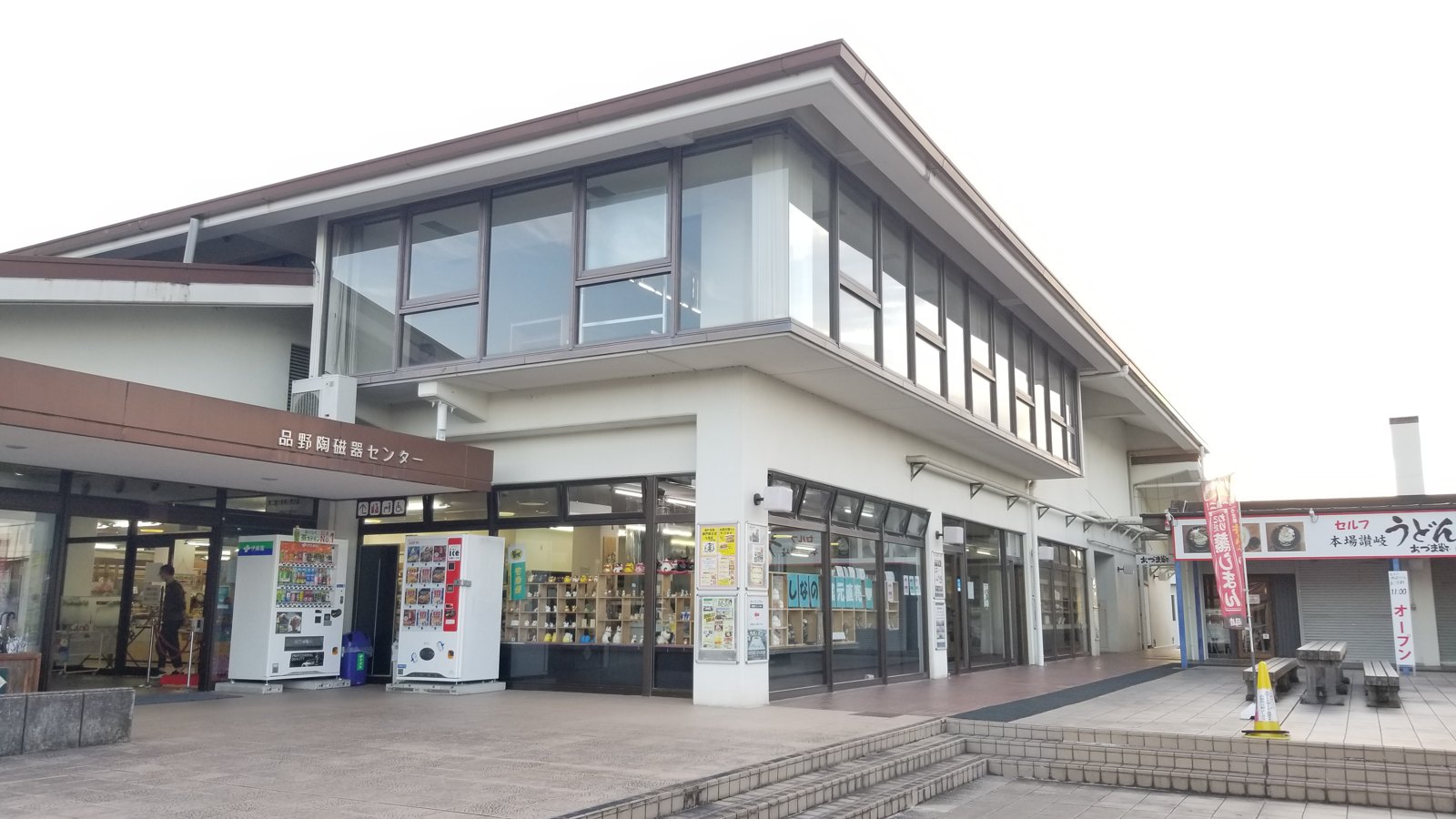
The current practice fee is ¥2,200 for adults or ¥1,650 for junior-high-school pupils and younger, plus firing. Hand-built pieces cost ¥220 per 100 g to fire; wheel-thrown and slab-built pieces cost ¥330 per 100 g. Up to 200 g, the minimum is ¥440 for hand-building or ¥660 for wheel throwing or slabs. The official example is an adult making one 400 g wheel-thrown yunomi cup: ¥2,200 + ¥1,320 = ¥3,520. For large plates or several vases, ask staff to explain the firing total before deciding which pieces to keep.
Hand-building suits people who want to join coils and adjust irregular shapes slowly. Electric throwing focuses on centring, pulling up the clay and controlling wall thickness. Friends need not all use the same method. The studio FAQ says you can choose which pieces to fire after seeing the cost. Trying the process and keeping the piece you most want to use is usually easier on the budget than sending everything home for the sake of quantity.
Classroom working hours are 10:00–16:00. Listed admissions are 10:00, 13:00 and 14:00; the 15:00 slot is for painting only. Although a normal session takes about 1½–2 hours, plan around work ending at 16:00. With a 14:00 session, do other shopping beforehand. Regular closures are the first and third Tuesdays each month, except public holidays. The centre's sales area and classroom have different functions. Use the classroom's official session conditions to choose your day.
The studio FAQ says booking is not compulsory, but crowding or staff shortages can prevent walk-in admission. Book or telephone ahead, and arrive 5–10 minutes before the booking to register. Young children can participate. The site lists one young child per adult as exempt from the practice fee, while firing is charged for the work made. This is separate from the child practice fee for junior-high-school pupils and younger. Give children's ages and say who will actually make pottery when booking as a family.
Give Shinano half a day for travel, collection arrangements and shopping
For public transport, the classroom's website directs visitors to take a Meitetsu bus from Owari Seto Station, get off at Shinano-sakaue and walk about ten minutes. The Meitetsu Bus Seto Station boarding guide lists stop 3 for Kami-shinano and Shinano Bus Center. Buses towards Akazu and other destinations also use that stop, so check the destination. Allow for the bus, the walk from Shinano-sakaue and early registration before a 13:00 or 14:00 session. At the actual return stop, check the direction towards Seto Station.
Without a car, you can browse the centre briefly in the morning, have lunch, then take a 13:00 Shinano session. See the displays and direct sales afterwards before returning to the station. For a more relaxed lunch, make Shinano and the neighbouring roadside station the day's focus. If no suitable bus connects, use a taxi booked in advance or choose a central workshop. Avoid trying to walk between districts just before a session. Drivers can go straight to the centre; the classroom lists free parking shared with the roadside-station area. Pack pottery securely before putting it in the car.
Shinano pieces take about 1–1½ months to fire. The course page lists packing and delivery from ¥1,650; the FAQ says the usual charge is around ¥2,000, depending on quantity, size and destination. You receive the completion date on the workshop day, generally without another notice. Collection is available 09:00–17:00 on days other than regular closing days, without a further appointment. Keep the completion date, chosen collection method and receipt together. For delivery, write the receiving details there and then.
An afternoon spent buying finished pottery does not require a workshop fee. The classroom FAQ lists entry and observation as free, while the centre has kiln-direct sales and displays. If one companion makes pottery while another browses, meet after the session to choose and pay together. For purchases on a friend's behalf, obtain sizes and a budget first, so that a two-hour workshop does not lead to another lengthy round of price comparisons before the return journey. Adding Akazu after Shinano means another cross-district journey. On a normal day trip from Nagoya, save it for another day.
Arrange a kiln visit in Akazu; Kasen no longer takes one-day workshops
For Akazu ware, start with a particular kiln's work and visiting hours. Treating Akazu as a second pottery shopping centre after Shinano misses the planning it needs. Give the glazes and forms time. If you want tea bowls, vases or everyday ware from a certain kiln, list the pieces you want to see and confirm shop or showroom visiting arrangements with the kiln. Use Owari Seto Station as the public-transport interchange. Akazu, Horamachi and Shinano may share a tourist map, but each needs its own journey.
The current Kitagama Kasen website specifically announces that it is not accepting one-day pottery sessions. From the current year, Saturdays and Sundays outside events are regular closing days. Normal hours on Monday to Friday, including weekday public holidays, are 10:00–16:00. If you intended to throw a pot at Kasen on a weekend, book clay forming in Shinano or painting in the centre instead. To see Kasen's work, use its own opening and event dates. Make this choice before booking transport, as it changes the day's area.
For travel on 7–8 November 2026, you can make Akazu an event-focused visit. The Akazu Kiln Village Tour organiser announces 09:00–16:00 on both days, with participating kilns opening workshops at dispersed locations. Official information places the event area about 4 km from Owari Seto Station and recommends a bus or taxi. Take an Akazu-bound bus from stop 3 beside the station to Omatsu, about eight minutes away. This is the event's arrival route. Use its map to choose kilns; the eight-minute ride does not cover exploring Akazu.
For this November event, the Akazu Ware Hall car park is unavailable. The alternative is Chosogengama Santo, with about 30 spaces; follow arrangements for individual kilns' designated car parks. Save the event map and new parking location before driving. The old hall is not a year-round shared parking meeting point. The event lets you visit several kilns in one area. Give it the whole daytime slot in place of Shinano or a central workshop, rather than arriving for the last half-hour after a 14:00 class.
Without a car, use stop 3 at Seto Station for Meitetsu buses towards Akazu. Official information lists routes via Koseto and via Ichirizuka. Their stops differ, so select your stop using the name or address of the kiln expecting you. A shared Akazu destination does not make the routes or intermediate stops interchangeable. If you plan dinner back in the centre, choose the return bus before fitting in the final shop.
On a first visit without a particular kiln in mind, explore the centre and Horamachi first, then make pottery in Shinano on another visit. If you have already taken workshops in Arita or Kasama, you could instead give a Seto day to one kiln and choosing finished ware. There is no need to repeat the same type of class in every pottery town. Note the kiln, product name and dimensions when comparing makers, so that you can find the same range again later.
Two alternatives to throwing: slabs at CONERU or blue-and-white painting
CONERU is at 28 Asahimachi in the Ginza-dori shopping street, about five minutes on foot from Owari Seto Station. Current opening days are Saturday and Sunday, 10:00–17:00. It uses tatara slab-building without a wheel. Make a rice bowl or plate and decorate it with stamps and coloured clay. The published session fee starts at ¥3,960, plus firing. Completion and delivery take about 1–1½ months. It suits weekend visitors who want to focus on outlines and surface designs without another bus journey to Shinano.
For Seto's blue-and-white sometsuke lines, choose the regular experience at Seto Sometsuke Craft Museum, 98 Saigocho. Participants must be in Japanese primary-school Grade 5 or above. There are only four seats, with priority for reservations; parties of five or more must telephone ahead. The regular experience has no instructor. For step-by-step brush instruction, use the museum's separately announced classes rather than treating a low-cost regular seat as a taught course. The museum lists a walk of about 20 minutes from Owari Seto Station. It fits with the centre, but allow time both ways.
Blank prices include the experience, colours, blank and firing: ¥330 for a chopstick rest, ¥550 for a small plate, ¥1,100 for a yunomi cup and ¥1,320 for a mug. A 15 cm cake plate is ¥1,100; an oval plate about 17 × 20 cm is ¥1,320. Start with a small plate if you enjoy drawing and want to limit the cost. Payment is cash. Last workshop admission is 15:30. The museum opens 10:00–17:00, with last entry at 16:30. It closes on Tuesdays, moving the closure to the next weekday after a public-holiday Tuesday, and from 28 December to 4 January.
The official linked booking page accepts bookings from one week ahead through to the day. Choosing and buying a blank, painting and tidying take about 1½–2 hours. Finished work is handed over in mid-January, March, May, July, September or November, by collection or delivery within Japan with postage payable on receipt. Telephone to cancel if plans change. Without a Japanese receiving address or a return visit in the collection month, choose STUDIO 894's overseas delivery or take-home painting. Visit the Sometsuke museum for its displays instead. Choose according to how you will receive the finished piece.
Aichi Prefectural Ceramic Museum: arrive by Linimo for pottery and exhibitions
The museum's official directions say to change at Fujigaoka to a Linimo service towards Yakusa and get off at Toji-shiryokan-minami. Cross the road and walk north along the pavement beside the Knowledge Hub Aichi research complex, about 600 metres to the South Building. Do not enter the research buildings or grounds. From Yakusa on the Aichi Loop Railway, take Linimo towards Fujigaoka to the same stop. This approach bypasses Owari Seto and is straightforward for a day centred on exhibitions and pottery.
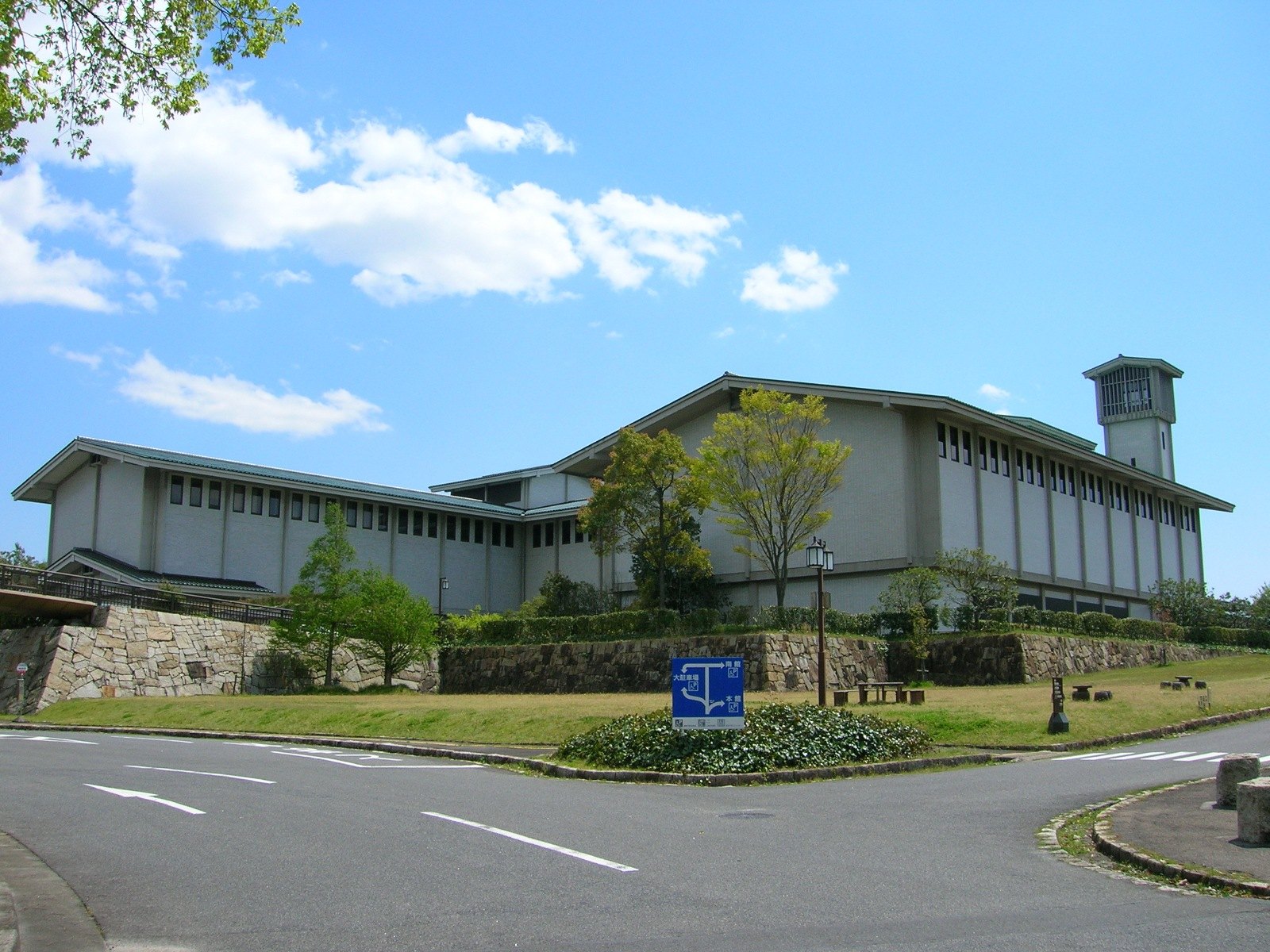
From a Nagoya base, take the Higashiyama Line to Fujigaoka and change to Linimo for a modestly priced pottery session. Normal museum hours are 09:30–16:30, with last entry at 16:00 and longer summer hours. It closes on Mondays, or the next weekday when Monday is a public holiday. Aitou Collection and themed exhibitions cost ¥400 for adults or ¥300 for university students; high-school pupils and younger enter free. The ticket covers the main building and Design Aichi, which opened in 2026. Special-exhibition prices vary. Exhibition admission and pottery sessions are charged separately; ¥400 admission does not include a class.
The current pottery experience page lists starts every half-hour from 09:30 to 14:30, with registration completed 15 minutes before the start. Making takes about two hours. Individuals book through the system linked from the official site; telephone bookings are not accepted. Groups of 20 or more apply by email or fax. Beginners use hand wheels; electric wheels are restricted to experienced users. For a first electric-wheel session, choose Shinano. This museum suits visitors who want to shape clay slowly with guidance.
The official two-hour adult example with 1 kg of white clay is ¥300 for the practice room + ¥300 firing + ¥400 materials = ¥1,000. For junior-high-school pupils and younger it is ¥850. Red clay costs ¥450 per kilogram. An accompanying adult who does not make anything still pays ¥300 for two hours. Pieces must be 5–30 cm in both length and width, no more than 30 cm high, and 0.5–1 cm thick. Adapt plans for a large vase or very thin plate rim before starting. Painting uses blue and brown, a different activity from multicoloured lucky cats in the centre.
Finished pieces are ready roughly one to two months later. Collect with the exchange voucher; pieces left beyond the collection deadline are disposed of. Arrange delivery through the museum shop. This works for visitors who can receive a parcel or return. The pottery facility has announced a closure from 22 December 2026 to 4 January 2027. Winter visitors need those dates as well as the usual Monday closure. A morning session, lunch and afternoon exhibitions followed by Linimo back to Nagoya make a full day.
Combining the museum and centre: one workshop, without Horamachi
The museum lists a taxi journey of about 15 minutes from Owari Seto. A Meitetsu bus leaves stop 1 at Seto Station for Expo 2005 Aichi Commemorative Park via Hishino Danchi, stopping at Toji Bijutsukan, but runs only on Saturdays, Sundays and holidays. Leave this direct bus out of an ordinary weekday plan. If no suitable service fits, use Linimo to reach and leave the museum and save the centre for another day. That is easier to manage than searching for a bus after arrival.
To paint in the centre and see exhibitions on the same day, take STUDIO 894's 10:30 session, finishing around 11:30. After dealing with your work and lunch, use a taxi arranged in advance to reach the museum. Spend the afternoon on exhibitions, entering by 16:00 at the latest. Leave out a second pottery session and Horamachi. Allowing about an hour at the workshop, 1–1½ hours for lunch and collection arrangements, and the official 15-minute taxi journey leaves an afternoon exhibition slot. The extra cost is the taxi; that journey time excludes waiting and traffic.
A morning pottery session at the museum followed by painting in the centre packs two activities of roughly one to two hours each around transport, leaving little exhibition time. To compare making methods, use two days. With one day, choose clay forming or porcelain painting and give the other part to exhibitions. Looking at different glazes and forms adds to what you can learn from making a single cup.
Driving reduces transfers but still involves parking, getting out and walking within the grounds. Museum parking is free. The northern No. 1 car park is more convenient for pottery sessions. You still walk between buildings. After a workshop, secure any purchased pottery before deciding on another building. Choose the exhibition you most want to see on arrival, rather than crossing the site just before closing.
Families and wet weather: plan for ages, seating and slopes
With a child under five, apply STUDIO 894's minimum age of five and the Sometsuke museum's minimum of Japanese primary-school Grade 5 when choosing activities. Shinano accepts young children, allows pushchairs into the working area and provides aprons and free lockers. It suits families keeping the main activity in one place. If parents also make pottery, decide who will accompany the youngest child and who will choose which pieces to fire. Set the budget before all the pieces are on the table.
Workshops provide tools, but wear clothes that can take clay or paint. Loose sleeves, jewellery and long nails affect hand movements; adjust them before starting. Shinano permits photography and video. Frame your companions without including other families' faces and work. The Sometsuke museum's regular seats have no instructor. With children, leave time to read instructions together, tidy tools and drink water. Parents need to stay involved rather than treating it as supervised childcare.
For older visitors or people with mobility needs, make Horamachi optional. The transfers from Nagoya, central walking and workshop seating already use energy. If slopes trouble your knees, finish with a direct-sales shop after the session. At the museum, choose an entrance using its official accessibility information. Wheelchairs, pushchairs and nursing facilities are available. Plan around your essential needs rather than depending on a loan aid being available on arrival.
The simplest rainy-day plan is a booked session plus indoor attractions in the same area. Keep central painting with open displays, Shinano's classroom with the centre, or the museum with its grounds. Crossing to another district to find a new class complicates the day. Shorten, postpone or omit Horamachi and the trip still has a clear focus. Put purchased pottery and same-day painted pieces in a supportive waterproof bag before heading to the bus stop, rather than waiting in rain with an exposed cardboard box.
Budget and cancellation: include delivery and use the original booking channel
Pottery experiences use very different pricing methods. STUDIO 894 charges by blank, plus delivery per address. Shinano adds a per-person practice fee to firing by the weight of selected pieces. CONERU adds firing to its session fee. Sometsuke blank prices include firing, with delivery extra. The museum itemises the room, materials and firing. To compare totals, fix the number of people and pieces, the intended use and the receiving address first.
For same-day collection and a controlled budget, STUDIO 894's published pottery-painting price is ¥1,700–1,800, plus transport and lunch. For clay forming, Shinano's adult example with a 400 g wheel-thrown piece is ¥3,520, with delivery extra. Add each extra piece separately; an average of ¥3,000–5,000 is not a fixed price for everyone. The museum's adult session with 1 kg of white clay is ¥1,000. Add a ¥400 collection-exhibition ticket for ¥1,400 in total, before travel, food and receiving the work.
The porcelain-painting booking page linked by STUDIO 894 opens reservations at 00:00 three months ahead and closes them at 23:59 the previous day. Online cancellation ends at 17:00 the previous day. That cutoff is earlier than the booking cutoff: being able to book tomorrow's class in the evening does not let an existing booking be cancelled online then. For changed numbers, late arrival or changes after the online deadline, contact the studio directly on 0561-84-0894. Save the original booking link and notification. Follow the conditions attached to your own booking for other plans.
The Sometsuke Craft Museum requires cancellation by telephone on 0561-89-6001. Shinano takes bookings and enquiries on 0561-42-0958; walk-ins may not be accommodated, so contact it early if plans change. Set overseas delivery and the return train before adding another shop. That avoids buying a session without somewhere to receive the work. Keep your existing Nagoya accommodation as a base, leave fragile purchases until the end of the day trip, and repack for the next day back at the hotel.
A few useful answers
Can I make pottery in Seto and have it sent overseas without a Japanese address?
STUDIO 894 explicitly offers overseas delivery at ¥7,000 per address including tax, paid separately on the workshop day. Porcelain painting and copperplate transfer pieces take about a month to finish. Choose Shinano and other studios according to their own collection arrangements.
Can I take my Seto pottery home the same day?
STUDIO 894's pottery painting needs no firing and can be taken away after the paint dries. Porcelain painting, transfers, Shinano clay work and museum pottery sessions all require later firing.
Can I visit Horamachi, Shinano and Akazu in one day?
Each district needs its own journey. With a pottery session booked, the centre plus Horamachi, or Shinano's centre plus direct sales, allows more time. Build an Akazu visit around a kiln expecting you and give it another day.
Can a beginner use an electric wheel at Aichi Prefectural Ceramic Museum?
The museum reserves electric wheels for experienced users. Beginners use hand wheels. For a first electric-wheel experience, look at Shinano's individual sessions.
Official information and references
Sources used in this guide.
- STUDIO 894 | Workshops, collection and overseas delivery
- STUDIO 894 | October 2026 porcelain and transfer menu
- STUDIO 894 official booking | Reservation and online cancellation cutoffs
- Shinano pottery classroom | Individual sessions and firing fees
- Shinano pottery classroom | Arrival, collection and facilities FAQ
- CONERU | Slab-building, opening and fees
- Seto Sometsuke Craft Museum | Regular experience
- Seto Sometsuke Craft Museum official booking | Collection months and cancellation
- Kitagama Kasen | Current opening and workshop notice
- Aichi Prefectural Ceramic Museum | Pottery sessions and collection
- Aichi Prefectural Ceramic Museum | Public transport and taxis
- Aichi Prefectural Ceramic Museum | Opening and admission
- Aichi Prefectural Ceramic Museum | Facilities and visitor FAQ
- Official Seto tourism | Kamagaki no Komichi, museum and sloping lanes
- Setogura | Travel from Nagoya and walk from the station
- Meitetsu Bus | Seto Station stops and destinations
- Akazu Kiln Village Tour organiser | 7–8 November 2026 and event parking
- Seto Sometsuke Craft Museum | Access, cash payment and admission times