Take Meitetsu from Nagoya to Arimatsu. Compare weekday shibori workshops with dispatch about three weeks later and weekend workshops with same-day collection. Plan demonstrations, the Oka Residence opening, an old-town walk and a shopping budget.
- Region & Focus
- Arimatsu
- Reading Scope
- 30 min read · 14 chapters · 6 Q&As
- Official Verification
- 10 official sources checkedUpdated 27 October 2026
- Key Topics
- NeighbourhoodsItinerariesBooking
Chapter Route Map (tap any stop)
- Decide whether to take home your own work or learn how the craft is made
- Take Meitetsu to Arimatsu Station, then walk towards the old Tokaido
- Along roughly 800 metres of old street, see how shibori merchants lived
- Visit inside the Oka Residence at weekends; include the exterior on weekdays
- Separate ground-floor shopping, first-floor displays and booked classrooms
- Look at the white resist lines before deciding which cloth you like
- Weekday workshops for five people or fewer: dispatch about three weeks later
- Saturday and Sunday sekka itajime: 10:30 or 14:00, take it home that day
- The 10:30 session: check in first, leave the old town for after lunch
- The 14:00 session and visits without a workshop: see demonstrations before 16:30
- Explain the use before shopping, and ask about care and returns for that item
- Book a guided walk and its meeting point at least two weeks ahead
- In rain or with a pushchair, keep to a short main-street walk
- Calculate for the same group, and settle collection before returning
- Quick Q&A
For traditional craft in Nagoya, Arimatsu offers displays, demonstrations, an old Tokaido walk and shopping in half a day. To make your own piece, choose how you will receive it first. The museum’s weekday courses for five people or fewer dispatch work about three weeks later; Saturday and Sunday sekka itajime workshops dye it for you to take away that day. Arrange transport, lunch and weekend house openings around the 10:30 or 14:00 session.
Decide whether to take home your own work or learn how the craft is made
Arimatsu suits half a day from Nagoya focused on an old street and shibori dyeing. For a walk, a craft demonstration and a handkerchief purchase, choose an open weekday. To make something and pack the finished piece that day, prioritise the museum’s Saturday or Sunday sekka itajime workshop. Collection arrangements directly affect which day to book, making them more useful than choosing a favourite pattern photograph first.
Allow about two hours for displays, demonstrations and shopping around the museum, then add an old-town walk and lunch for a complete half day. Extend to a relaxed full day if also booking a one- to one-and-a-half-hour guided walk. The detail here comes from stopping to watch hand processes, compare cloth and look at shopfronts. The street itself is not a long walk.
Companions do not need to make the same choice. If some attend a class and others only visit, calculate their tickets and activity fees separately and agree on a clear meeting time. Do not count the whole family as workshop participants. Weekday workshop fees for five people or fewer include the exhibition visit, so those participants need no second display ticket. If a child mainly wants to see the dye and the cloth opening, a same-day course makes the whole process easier to understand than waiting weeks for the finished work.
Choose the class time and collection method from the museum’s announcement first. You can shorten a street walk on the day, but booked classes need a plan built around their confirmed times. Choose one main purpose, then fit lunch, shopping and house openings into the time left. That prevents an urge to enter every shop from making you miss check-in.
| Option | Suggested time | Booking and fees | Receiving your work |
|---|---|---|---|
| Old town + displays and demonstrations | About half a day; allow about 2 hours inside and shopping | Adult display admission ¥300; book workshops separately | Ready-made purchases can be taken away |
| Weekday workshop, 5 people or fewer | Half a day; handkerchief work and visit about 2 hours | General handkerchief rate ¥1,800; booking required | Dispatched about 3 weeks after the class |
| Saturday/Sunday sekka itajime | Half to a full day | 10:30 or 14:00, about 90 minutes; adults ¥2,500 | Dyed and taken away that day |
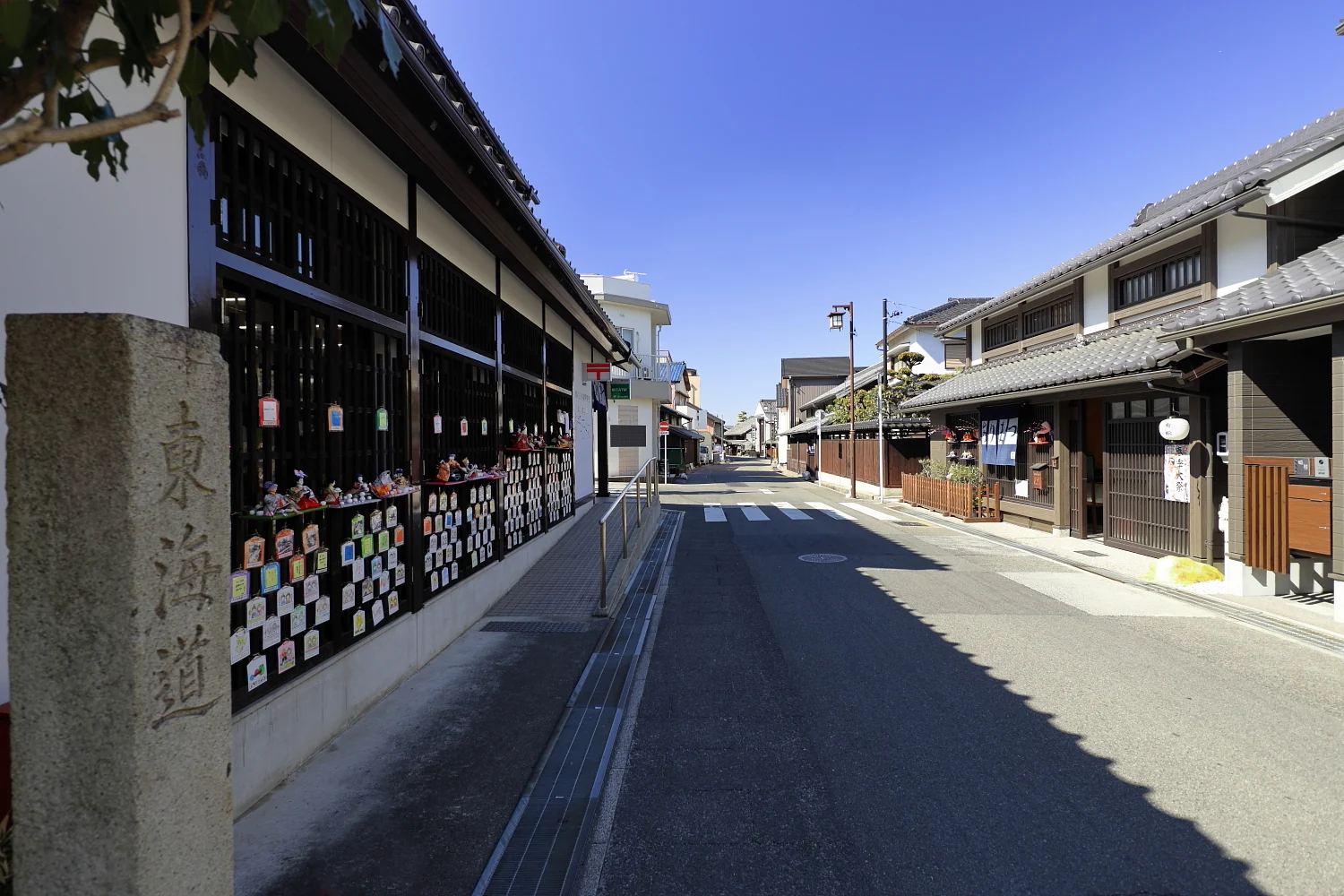
Take Meitetsu from Nagoya to Arimatsu. Compare weekday shibori workshops with dispatch about three weeks later and weekend workshops with same-day collection. Plan demonstrations, the Oka Residence opening, an old-town walk and a shopping budget.
Take Meitetsu to Arimatsu Station, then walk towards the old Tokaido
Your destination is Arimatsu Station, 有松駅, on the Meitetsu Nagoya Main Line. “Narumi” in the museum’s name is part of the craft name Arimatsu-Narumi shibori. Save the full museum name and address, 3008 Arimatsu, Midori-ku, Nagoya, to make the walking destination clear. The museum is about five minutes from Arimatsu Station. Walk into the old town and follow the map to its entrance. You do not need to hire a car for this street walk.
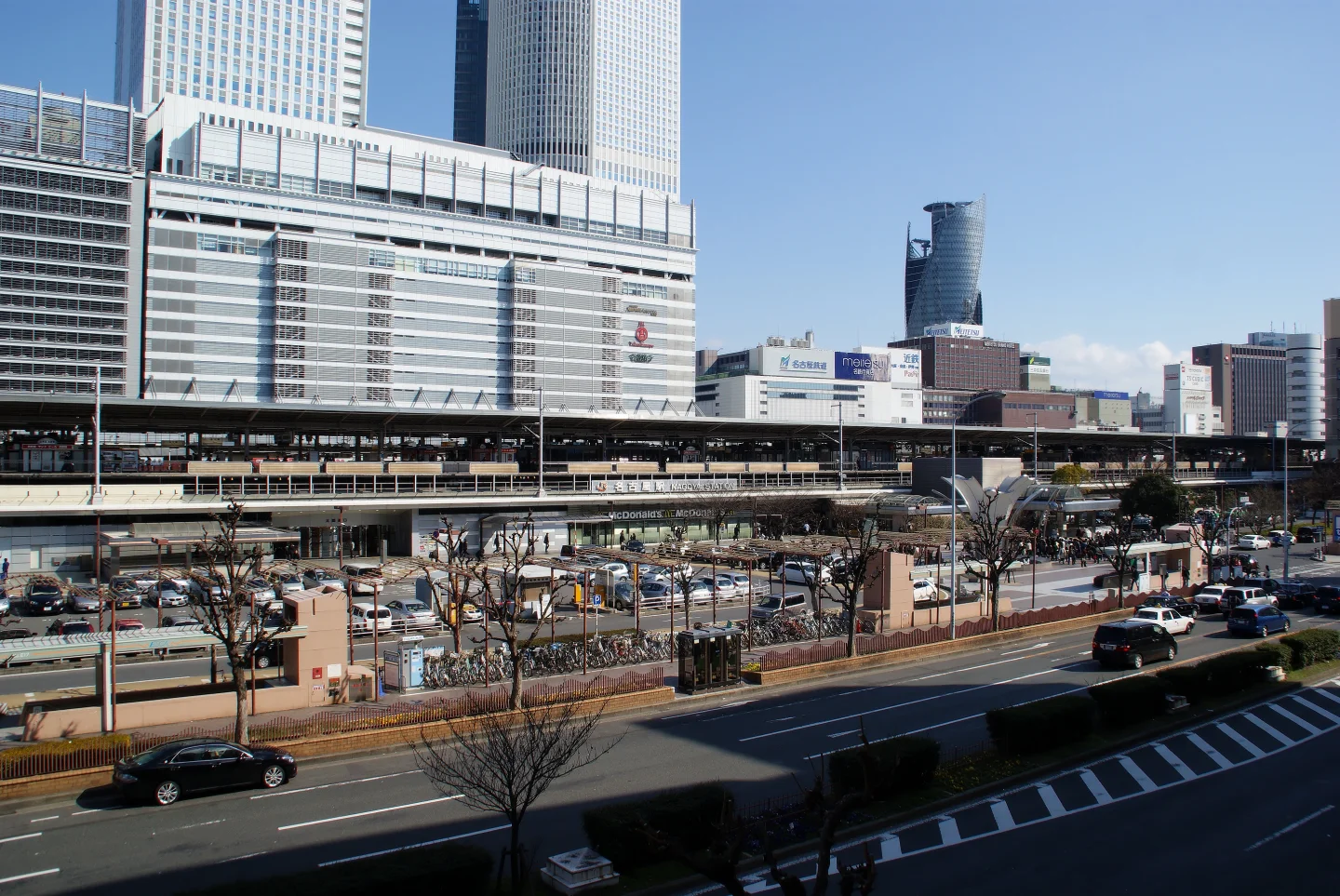
The museum’s official access guide uses changing at Nagoya to the Meitetsu Nagoya Main Line and about 30 minutes to Arimatsu as its reference. If arriving at JR Nagoya Station, allow a separate walk to Meitetsu Nagoya’s ticketing and platform area. If staying near Kanayama, search from the Meitetsu station there. For a class, count hotel-to-station travel, finding the platform and the walk after arrival separately. Train running time is only one part.
An official Meitetsu search for Saturday 31 October 2026 showed a direct Nagoya Main Line semi-express for Toyoake leaving Meitetsu Nagoya at 09:05 and reaching Arimatsu at 09:24: 19 minutes, ¥400 per adult single and ¥200 per child. A return example that day was the 16:20 express for Meitetsu Ichinomiya, reaching Meitetsu Nagoya at 16:43 in 23 minutes for the same fare. These demonstrate a return journey for a specified date. For another travel day, use the timetable and fare search through Meitetsu’s official Arimatsu Station page, enter the actual date and choose your service.
Read the full transfer result. On the same example date, the 09:21 express for Kira-Yoshida from Meitetsu Nagoya reached Narumi at 09:36, with a change to the 09:38 local for Higashi-Okazaki arriving at Arimatsu at 09:42. Yet the 16:20 return express ran directly to Nagoya. The service category alone does not determine whether it stops at Arimatsu. Check the destination, direction and transfer station before boarding. Search separately from Kanayama if starting there; do not apply Nagoya’s times and fares unchanged.
This leg uses Meitetsu. Use any Nagoya municipal subway day or 24-hour ticket according to its own operator and route coverage. Budget Arimatsu’s Meitetsu travel separately and search fares from your actual departure station, whether Nagoya or Kanayama. For other city transport, airport journeys and accommodation areas, see the two-day Nagoya guide. The Arimatsu half day can replace an Osu or Sakae shopping period.
Along roughly 800 metres of old street, see how shibori merchants lived
Nagoya’s official guide describes the Arimatsu townscape as about 800 metres along the gently curving old Tokaido. The settlement was founded in 1608 between Chiryu and Narumi post towns and later prospered through shibori. Begin with the relationship between street and buildings: businesses open onto the road, with broad frontages leading to main houses, gates and long walls. You can see the scale on which trade and home life coexisted.
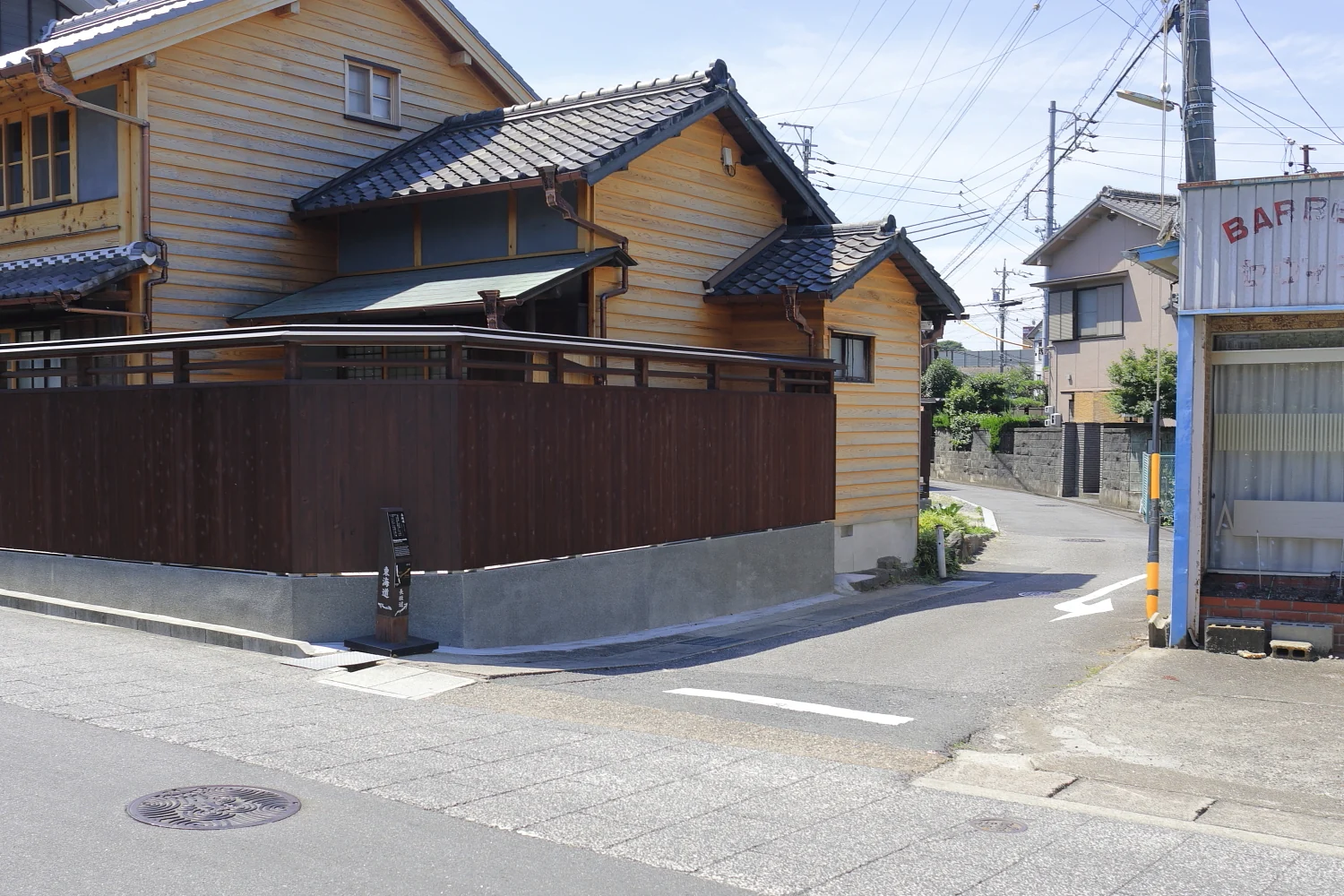
The area along Arimatsu’s Tokaido is a nationally designated Important Preservation District for Groups of Traditional Buildings. In 2019, its story of local culture and traditions received Japan Heritage recognition. These designations help explain why the streets merit time. Keep the actual walk to public roads and places open that day. If a gate is half-open, goods are being moved or something is happening in a courtyard, read the entrance signs to see whether it is open to visitors before entering.
The Takeda Residence makes a starting point for recognising a shibori merchant’s townhouse exterior. At the Oka Residence, compare the broad main-house frontage. Further along, look at the latticework, walls and windows of the Kozuka Residence. A few named buildings show the differences without turning every doorway into a photography task. Look first at the row of eaves forming the street, then stop for details. That makes orientation easier than continually looking for the next phone marker.
The junction of the old Tokaido and Nagasaka-michi is a useful point for orientation. Note the station and museum directions as you pass, then return along the familiar main street. Photograph from public roads and keep entrances and vehicle routes clear when stopping. To wait for an unobstructed frontage, stay patiently on the same side rather than suddenly stepping into the road. Families with children can finish looking from the roadside before moving together.
Visit inside the Oka Residence at weekends; include the exterior on weekdays
The Oka Residence is a city-designated Tangible Cultural Property. The official tourism page lists free opening on Saturdays and Sundays, 10:30–15:30, except over the New Year holiday. Its address is 809 Arimatsu. For an interior visit, choose a weekend and finish before 15:30. On weekdays, see the street-facing exterior. The Oka Residence and shibori museum operate separately. Find each entrance by its address and calculate its finishing time independently.
The Oka main house has one of Arimatsu’s largest frontages. Its easiest detail to recognise is the wave-shaped plasterwork below the upstairs eaves. The official guide also lists latticework, namako-pattern walls and mushiko-mado lattice windows. Start across the street for the broad frontage and eaves, then move closer to find the waves and connect the terms to actual parts of the building. The workshop and two storehouses beyond the main house also help explain a shibori merchant residence’s scale through the exterior and open areas.
For a 10:30 workshop, visit the residence after lunch, keeping its 15:30 finish in mind. For a 14:00 class, visit after the residence opens at 10:30, then eat lunch and return to the museum. If the afternoon class ends at 15:30, move the house visit before it. Follow entrance and on-site instructions for accessible areas, shoes and photography inside.
Separate ground-floor shopping, first-floor displays and booked classrooms
The Arimatsu-Narumi Shibori Museum opens 09:30–17:00, with demonstrations until 16:30. It closes over the New Year holiday and on temporary closure days. The ground floor (Japanese 1F) has products on display and for sale. The first floor (Japanese 2F) has reference material, video, exhibits and craft demonstrations, while workshops require reservations. For shopping alone, start with uses and prices downstairs. To understand techniques before buying, visit upstairs first, then return with a clearer basis for comparison.
Exhibition admission is ¥300 per adult and ¥100 per primary, lower-secondary or upper-secondary pupil. Groups of 20 or more have a 10% discount; that is a headcount threshold, so two or three families should not assume a group reduction. Calculate ordinary family admission by actual adult and school categories. If your booked workshop includes the exhibition visit, show the reservation to reception before arranging entry for companions who are not taking the class.
The museum says craftspeople rotate demonstrations of different techniques, and the displays also change. Focus on the hand process: tying part of the cloth, stitching along lines, or using folds and boards to control dye. After watching a movement, compare the finished pattern. That connects white lines with how they are made more clearly than exhibit names alone. A visit is worthwhile without choosing a particular demonstrator in advance.
If you enter near 16:00, tell reception you want the demonstration before deciding on shopping time. The building closes at 17:00, but demonstrations end half an hour earlier. Arriving at five does not leave a full visit. The museum also recommends about one additional hour beyond the workshop for video, demonstration, displays and shopping. This is time to understand the craft and choose products; do not compress all of it into a class advertised as 60 or 90 minutes.
Look at the white resist lines before deciding which cloth you like
Start understanding shibori by asking which parts are kept from taking the dye. Tying, stitching, folding and clamping cloth change how far dye enters, leaving a pattern when opened. The museum shows techniques alongside objects. Look first at preparation before dyeing, then the result afterwards. The white areas become clues to the handwork rather than decoration alone.
The museum website describes mokume nui shibori as running stitches along lines, gathered to create irregular wrinkles compared to woodgrain. Karamatsu nui shibori folds symmetrical circles, squares or diamond shapes in half before stitching tightly along lines. Look for these two names and work back from the pattern to the stitches. For small raised points, look at tegumo or kanoko tying. You do not need to memorise every Japanese term; start with one technique you understand.
The website separates the process into design, stencil, esuri pattern transfer, kukuri tying, dyeing, thread removal and finishing. Esuri transfers a design to cloth before the subsequent tying, resist work, dyeing and unpicking. If you wonder how a pattern repeats, ask separately about positioning it and tying the cloth. Thread removal must avoid damaging the fabric. The official explanation says that removing threads from some full cloth lengths alone takes three to four days. Seeing the process before comparing prices helps explain the time behind dense patterns.
Demonstrations and DIY serve different purposes. A demonstration shows how a craftsperson handles detail; a workshop uses the classroom’s prepared materials and designs to complete a piece. Weekday patterns come from the museum’s options, and it provides fabric, scissors, needles and thread. You do not need to buy a tool kit before travelling. Stating ages and desired materials when booking is more useful than bringing a large bag of equipment.
After viewing, ask more specific product questions: what is the material, which technique was used and how should it be washed? Explain the intended use, such as drying hands, wearing as a scarf or making clothes, to help staff narrow the choice. Compare prices among similar sizes, materials and uses. A thin handkerchief and a finished garment involve different materials and work; similar patterns alone do not establish value.
This three-minute video published by the Arimatsu-Narumi Shibori Museum introduces interaction with craftspeople and how tying, stitching and folding create shibori patterns.
Weekday workshops for five people or fewer: dispatch about three weeks later
Weekday individual courses for five or fewer require booking. The museum completes the dyeing and dispatches the work about three weeks after the workshop date. Materials include handkerchiefs, tenugui cloths, tablecloths and T-shirts, a broader choice than at weekends. Consider both making time and later receipt when choosing. If you like stitching or hand-tying details, look at the museum’s designs before selecting an everyday item.
In the official museum contact form, choose “絞り体験の予約 Reservation” and enter contact details, headcount and desired materials. Add the travel date, preferred start time, each person’s age or school category, destination country and address needs so the museum can check them together. Save the museum’s confirmed date, time, materials and receipt arrangements in one record. If plans change, use the original contact channel and these details.
A weekday handkerchief workshop takes about one hour and costs ¥1,800 at the general rate, ¥1,600 for primary through upper-secondary pupils, or ¥1,500 for the designated “superball” activity for young children. A tenugui is ¥2,500 for about one hour; a tablecloth is ¥2,800 for about one and a half hours. These are different material options. Confirm each participant’s choice when booking so supplies match the headcount. Changing materials only on arrival makes timing harder to manage.
For a T-shirt, budget by the museum’s size categories: 110–140 cm at ¥4,500, women’s sizes at ¥5,000 and men’s sizes at ¥5,500, with about one and a half hours of work. Consider its use and fit before extending the workshop time. Compare your usual clothing size with the class’s material categories when booking. Choose a child’s actual size rather than applying a young-child fee label to every item.
Published weekday fees include the exhibition visit, materials, dyeing and dispatch. For an overseas address, agree the country and postage arrangements in the booking exchange and obtain a workable arrangement before booking. For a short-stay hotel address, establish whether someone can still receive the work about three weeks later. If the museum’s arrangement does not fit your departure, choose a weekend course or keep the weekday visit for displays, demonstrations and ready-made purchases.
The handkerchief work takes about one hour. With video, demonstrations, displays and shopping, the museum recommends about two hours. If also taking a one-hour town walk in the morning, leave check-in and walking time between bookings rather than putting both on adjoining hours. Keep the contact and receipt arrangements until the work arrives, so any address change or dispatch enquiry clearly identifies the same reservation.
Saturday and Sunday sekka itajime: 10:30 or 14:00, take it home that day
The museum’s Saturday and Sunday experience is board-clamped sekka shibori on a tenugui or gauze handkerchief. Sessions at 10:30 and 14:00 take about one and a half hours and require booking. For short-stay travellers, its useful feature is same-day dyeing and collection. You need no Japanese hotel address for weeks later, and you see the folded cloth open that day. Choose a session according to whether you prefer lunch before or after class.
This course costs ¥2,500 per adult, ¥2,300 per primary, lower-secondary or upper-secondary pupil, and ¥2,200 per young child. Budget ¥5,000 for two adults, or ¥4,800 for one adult and a primary pupil. These child prices follow the museum’s school categories. Transport operators define child fares separately; do not copy one “child” price category across every budget item.
Weekend materials focus on sekka itajime. If you prefer a weekday T-shirt or stitched and tied design, book under the weekday materials and delivery arrangements. Groups of six or more also have a separate course rule set. Give the museum the total headcount first, then confirm available dates, materials and start times. Arrange groups and classroom time within the same exchange so companions know when to meet.
Take away carrying and first-wash instructions with the piece. Before a long onward journey, ask how dry it is and how to pack it before putting it in luggage. A separate bag is easier than placing fresh cloth directly among clothes. Follow care instructions for the actual material and dyed work, rather than using washing advice from another shop’s product.
The 10:30 session: check in first, leave the old town for after lunch
For a 10:30 class, aim to reach Arimatsu Station by about 10:00, then walk to the museum with time to find the entrance and check in. A 90-minute class ends around midday. This suits a workshop-focused visit. If the train is a little late, you can cut the station-area stroll rather than having already been delayed by a shop.
Do not put the residence, exhibition and workshop all before the morning class. If early, look at a short stretch towards the museum and note façades to return to. After class, follow the museum’s arrangements for displays and demonstrations, or eat first and complete the rest afterwards. If leaving and returning, ask reception how that visit should be handled so the sequence matches your ticket or booking.
Eat after the class at a place open that day with suitable seats and waiting time. Check service and order times before choosing a seated meal or something simple. The morning session ends around noon. For the Oka Residence that afternoon, fit lunch and walking before its 15:30 finish. If a restaurant is full, choose somewhere quicker to preserve the house visit.
On a weekend afternoon, choose the open Oka Residence and a stretch of main street, then shop at the museum or street businesses. Returning to Nagoya around 15:00 leaves the evening for food near your accommodation. Stay later to compare textiles carefully if you want. Extend because there is something you actually want to see. Once the workshop is done and the piece collected, returning to the station also completes a half-day visit.
The 14:00 session and visits without a workshop: see demonstrations before 16:30
For a 14:00 class, spend the morning on the main street and weekend house opening, then check in after lunch. The 90-minute class ends about 15:30, leaving some time before demonstrations finish at 16:30. If watching slowly matters, see them in the morning before class. You can then focus on your work and shopping afterwards without watching the clock through the class’s final stages.
A weekday visit without a workshop can begin with displays and demonstrations after the 09:30 opening, followed by product comparisons downstairs, two or three house exteriors on the main street and a return to the city after lunch. Weekdays allow your own pace. Treating the lack of a same-day class as “only photography” overlooks the demonstrations and the pleasure of choosing products after understanding the patterns.
With only two afternoon hours, visit the museum’s displays and demonstrations first, then walk back to the station. Walking the full main street slowly before arriving near 16:30 leaves less to see inside. Keep one main purchase in this short version, such as a handkerchief or scarf, and omit the guided walk and house interior. Use limited time for the thing you most want rather than briefly reaching every entrance.
For a fixed dinner, connection or booking, work back from it through the walk to the station, train and city walk to decide when to finish paying at the final shop. Payment, packing and care questions all need time. Deal with chosen items before you are ready to run for the train. Pack cloth and workshop pieces securely, then check the return platform and direction at Arimatsu Station.
Explain the use before shopping, and ask about care and returns for that item
The museum sales area offers handkerchiefs, scarves, clothes, tablecloths, doorway curtains and bags. An intended use narrows material and size quickly. Cloth for drying hands, wearing against skin or hanging in a doorway has very different use and washing demands. For yourself, begin with a small item you will use daily. For a gift, put the recipient’s habits, size and care needs before colour, so a beautiful piece does not sit unused.
Even handkerchiefs can differ in feel, thickness, transparency and edge finish. Ask before touching display pieces. Open one to see the whole pattern, then fold it to its usable size. For garments or cloth, read material and care labels and ask about sizes or extra finishing. If taking a bolt home for making clothes, measure the length and width needed for the use rather than deciding simply by the label “bolt” or “piece”.
Shibori patterns can show traces of making. Before purchase, point out any colour variation, line or texture that matters to you and decide whether you accept that actual item. Keep any source, maker or technique card with the receipt for care information later. Ask about the process rather than judging authenticity from one phone photograph. If an item’s description does not suit your use, look at another until you find a material you want to use.
Returns, exchanges, shipping and tax-free shopping depend on the seller and item. Before payment, ask whether that size can be exchanged, what happens after wear or washing, and how to enter an address and pay for shipping. If you need tax-free service, establish that the shop provides it before preparing documents. Ask about the first wash, washing separately and drying, and record the answers with the product card. That is more reliable than applying one washing method to every shibori item at home.
Book a guided walk and its meeting point at least two weeks ahead
The Arimatsu Anaibito guide association offers route A at about one hour and one kilometre, route B at about one and a half hours and 1.5 kilometres, and requested routes. If you want to understand façades, merchants and streets, a guide adds more than simply walking down extra lanes. With only half a day and a booked 90-minute workshop, prioritise the shorter walk to retain lunch and museum time.
Apply at least two weeks before the desired date. One guide takes a group of one to seven, at ¥1,000 per guide. Two people with one guide therefore pay ¥1,000 in total; seven people with one guide pay the same guide fee. Above seven, state the actual headcount and walking needs so reception can arrange groups and guides. Calculate from that arrangement rather than placing everyone in one group yourself.
Meeting points can include Arimatsu Station, the museum or its bus parking area. Agree this when applying. If you also have a 10:30 class, give that time with the guide request and choose a walk that leaves check-in time. For a 14:00 class, put the walk in the morning, ending near the museum before lunch. Record each start, finish and meeting point so a walk does not end elsewhere at the very minute the next class begins.
Ask about language and the needs of children or companions who avoid steps. Choose a feasible route from the reply. Telephone reception is within the museum, on 052-621-0111. If travel is less than two weeks away, use a self-guided walk with displays and demonstrations for the half day. Check workshop availability separately. Each activity works on its own; you do not need to seek an impromptu street guide to complete a full set.
In rain or with a pushchair, keep to a short main-street walk
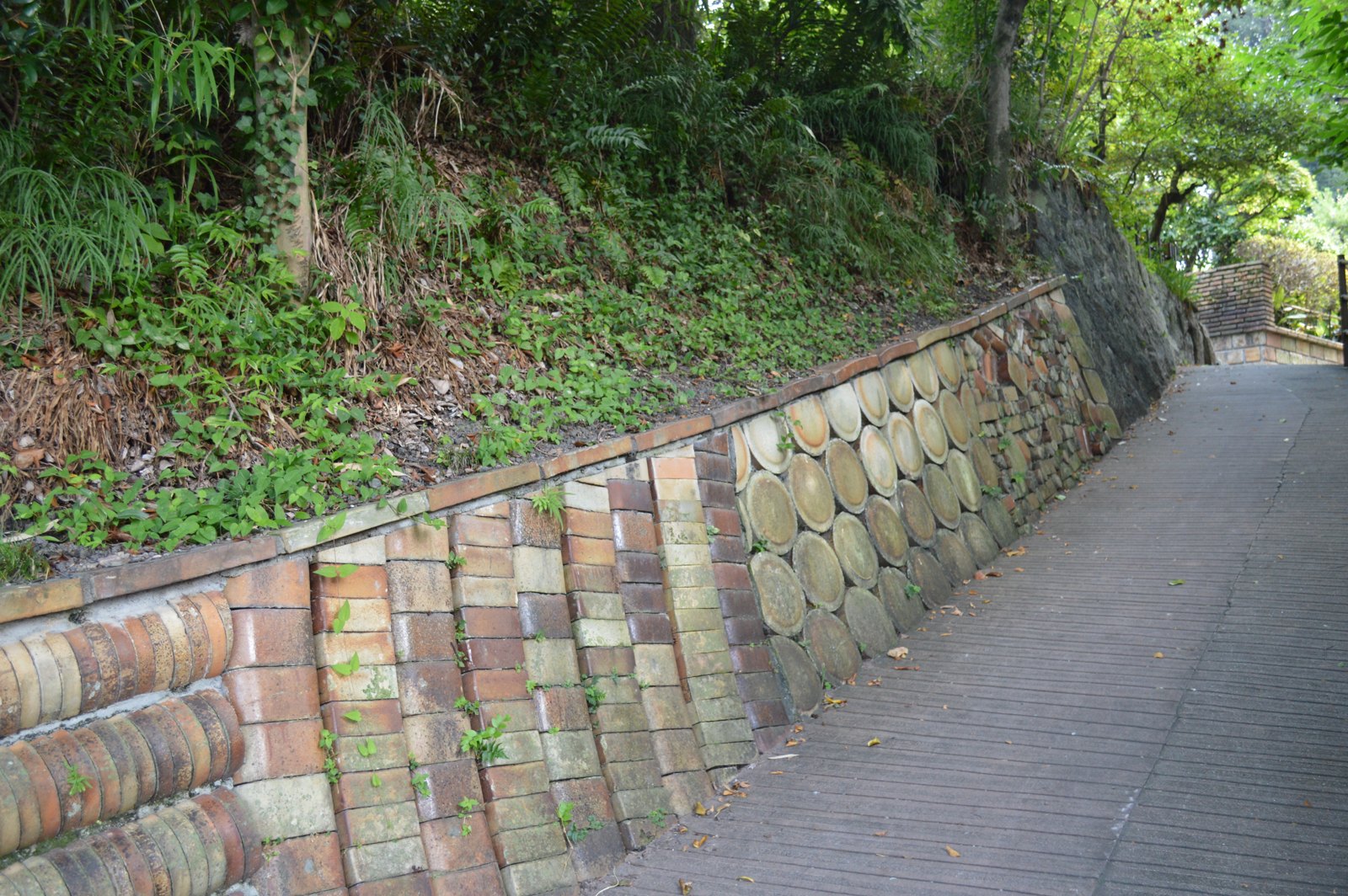
The basic route can stay between the station, museum and one stretch of old Tokaido. You do not need every side lane for another camera angle. Photographs of Shibori Komichi show a narrow slope and steps. With a pushchair, wheelchair or knees that dislike descents, leave it out and return along the main street. Concentrating the street, displays and shopping at nearby points still allows a substantial visit with a manageable walking load.
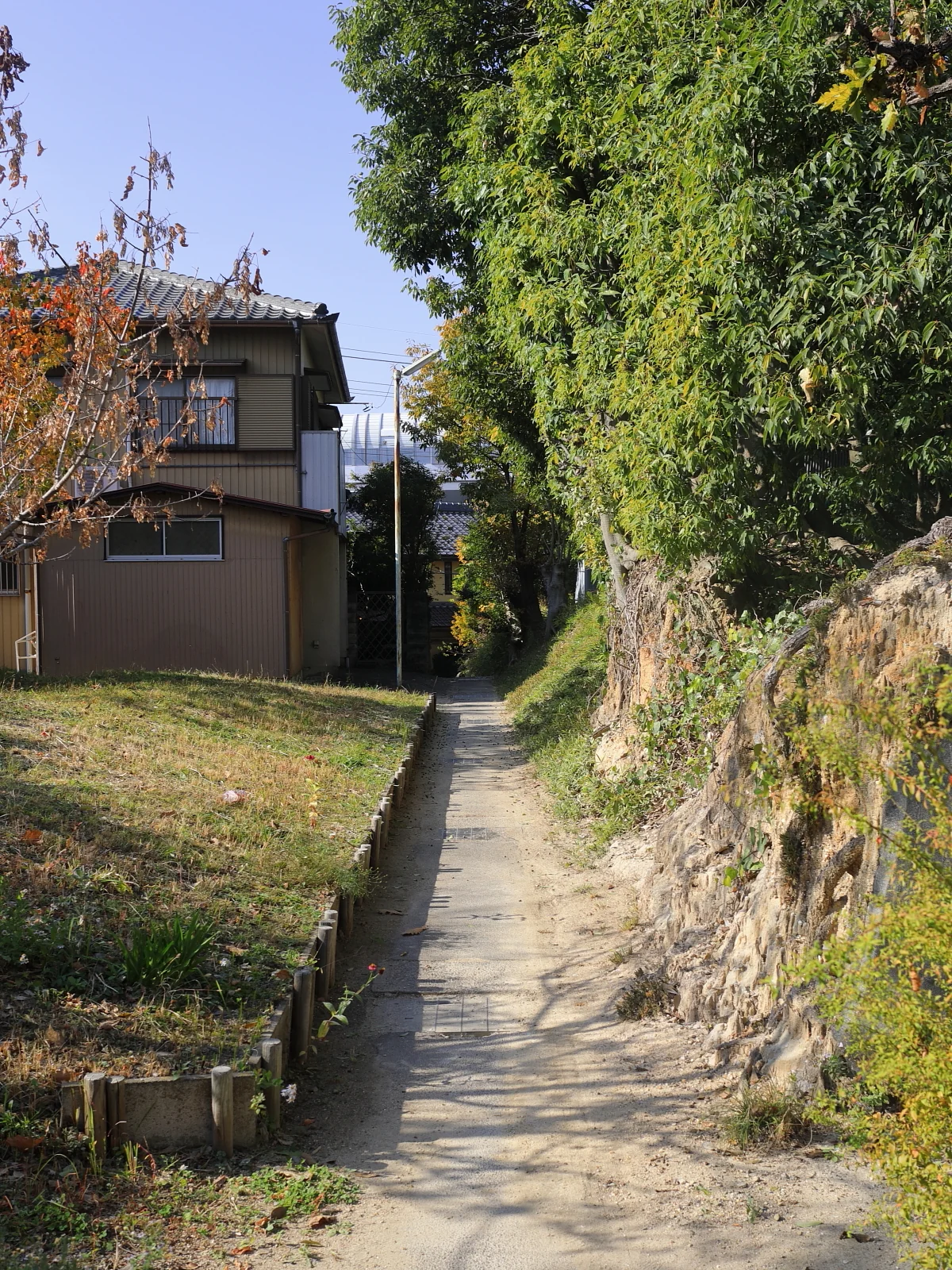
If bringing a pushchair inside or needing the first-floor display area, tell the museum your mobility needs before booking. Ask about entrances, movement between floors and equipment storage before choosing the visit. Public roads, individual shop thresholds and house interiors are different settings. With a slower-moving companion, arrange one place requiring entry at a time, while others handle doors, directions and check-in to reduce repeated lifting or movement.
In rain, put the museum early. Complete the displays or booked workshop, then choose a short main-street walk according to the rain. Grip, umbrella storage and carrying the work matter more than covering all 800 metres. Stow umbrellas before shops to keep water off fabrics and products. Do not shelter in private doorways while photographing eaves. If children are wet and cold, finish indoors and return to the station, moving lunch somewhere with convenient transport.
Calculate for the same group, and settle collection before returning
Display admission totals ¥600 for two adults, or ¥700 with one primary pupil added. If the two adults instead take a weekend tenugui workshop, the course total is ¥5,000. Budget non-participating relatives according to their own visit, with transport, meals and shopping separate. Use matching transport conditions too. On 31 October 2026, Meitetsu Nagoya–Arimatsu return travel for two adults at ¥400 per leg each totals ¥1,600. Their weekend class plus these fares totals ¥6,600, before food and shopping.
Two general-rate adults making weekday handkerchiefs pay ¥3,600 for the course. One general-rate adult and one upper-secondary pupil pay ¥3,400. For T-shirts or tablecloths, substitute the actual material price rather than using the starting handkerchief price for every course. One Anaibito guide adds ¥1,000. Replace each item with your actual combination before purchase.
Set a shopping ceiling, then choose between one useful small item and saving the budget for cloth or garments. Pack workshop pieces separately from shop purchases. Keep care instructions for the class piece, and receipts, material information and maker cards for ready-made products. For weekday dispatch, check the recipient name, address and contact details so delivery and later enquiries identify the same person. Do not wait until leaving Japan to discover an incomplete address.
Return along the familiar main street to Arimatsu Station. Check the search result towards Nagoya before entering the correct platform. If collecting luggage at your accommodation, retain time for that and the next transport leg.
A few useful answers
Do Arimatsu shibori workshops need booking?
Museum workshops require reservations. Visit displays and demonstrations on opening days. Weekday fees for five people or fewer include the exhibition visit; non-participating companions buy according to their own needs.
Can I take my Arimatsu shibori work home the same day?
The museum’s Saturday and Sunday sekka itajime sessions dye the piece for same-day collection. They start at 10:30 and 14:00 and take about 90 minutes. Weekday courses for five or fewer dispatch work about three weeks later.
Can weekday workshop pieces be sent overseas?
Give the country and address when booking and obtain the museum’s delivery and postage arrangement first. To receive it before finishing your Japan trip, choose the weekend same-day option.
Which station serves Arimatsu old town?
Take the Meitetsu Nagoya Main Line to Arimatsu Station, about five minutes on foot from the Arimatsu-Narumi Shibori Museum. Save the full address: 3008 Arimatsu, Midori-ku, Nagoya.
Is half a day enough for Arimatsu?
Displays, demonstrations, shopping and a main-street walk fit half a day. A workshop with the museum visit also starts with a half-day plan. Allow a relaxed full day if adding a booked one- to one-and-a-half-hour walk and the house opening.
When can I enter the Oka Residence?
It opens free on Saturdays and Sundays, 10:30–15:30, except over the New Year holiday, at 809 Arimatsu. For a 10:30 class, visit after lunch. For a 14:00 class, see the residence first so the opening does not end as your class finishes.
Official information and references
Sources used in this guide.
- Arimatsu-Narumi Shibori Museum | Displays, demonstrations and workshops
- Arimatsu-Narumi Shibori Museum | Access
- Arimatsu Anaibito | Guide applications and fees
- Arimatsu-Narumi Shibori Museum | Techniques and history
- Nagoya official tourism | Arimatsu streetscape and residences
- Nagoya official tourism | Oka Residence hours and architecture
- Official museum workshop reservation form
- Meitetsu | Arimatsu Station, timetables and fares
- Arimatsu-Narumi Shibori Museum | English website and craft video
- Arimatsu-Narumi Shibori Museum | ARIMATSU BLUE MAGIC SHIBORI