Tell the sides of Nagoya Station apart using the Taiko-dori, Sakura-dori and Hirokoji exits, then pick ESCA, Sun Road, Unimall or Meichika by rail operator and onward stop. Includes Meitetsu detours, lift access and luggage transfer routes.
- Region & Focus
- Nagoya
- Reading Scope
- 15 min read · 18 chapters · 6 Q&As
- Official Verification
- 28 official sources checkedUpdated 19 November 2026
Chapter Route Map (tap any stop)
- Check the Rail Operator on Your Ticket Before Looking for Exits
- Where Each of the Four Underground Arcades Connects
- Arriving on the Shinkansen: Head for the Silver Clock Side First
- Stepping Off Meitetsu for Sun Road: Use the Central Ticket Gate
- Meitetsu to Sun Road: Two Underground Connecting Passages Have Reopened
- The Higashiyama Line and Sakura-dori Line Sit on Different Levels
- Walking Unimall Towards Kokusai Center: Watch the U-Numbered Exits
- Save Meichika for Quick Errands Right Next to the Ticket Gates
- One Rainy Hour: Pick One Side for Both Lunch and Shopping
- With a Pushchair or Large Suitcases, Keep Two Exit Routes Ready
- Crossing from East to West: Allow Uninterrupted Walking Time
- Meeting for the First Time: Name Both the Landmark and the Level
- Early Trains and After Closing Time: Stick to Public Transit Routes
- For Street Access from ESCA, Look for the Lift Near E9
- Coach Terminals Specify the Floor, Not Just 'Nagoya Station'
- Two Station-Front Hotel Examples to Test Your Outbound Route
- Map Out All Three Transfer Legs Before Adding Lunch
- Save Key Japanese Phrases in Romaji Before Leaving the Arcades
- Quick Q&A
If you are holding a Shinkansen ticket, stay on the Taiko-dori Exit side in ESCA for lunch and souvenirs. Heading onto the Meitetsu line for the airport or taking Kintetsu south? Aim for the Hirokoji Exit area and stay near Sun Road. Only treat Unimall as a proper walk if you are heading towards Kokusai Center Station; if you are stepping off the subway to pick up a single item, Meichika is usually close enough. Find the entrance you need to return through first, and you will not have to wander through all four underground arcades.
Check the Rail Operator on Your Ticket Before Looking for Exits
Zoom in on the station name printed on your ticket before typing anything into your maps app. JR operates out of 'Nagoya', Meitetsu uses 'Meitetsu Nagoya', Kintetsu uses 'Kintetsu Nagoya', and the Nagoya City Subway calls its stop 'Nagoya'—each with its own ticket barriers and concourses. Even if you travelled on the same train and split up inside the station to shop, always name the rail operator when agreeing where to meet. Say only 'Nagoya Station's main entrance', and someone arriving from the airport and someone stepping off the Shinkansen may end up waiting on opposite sides of the complex. If you are wheeling luggage from the underground arcades to your hotel, see ground-level hotel entrances and night-time routes by district next.
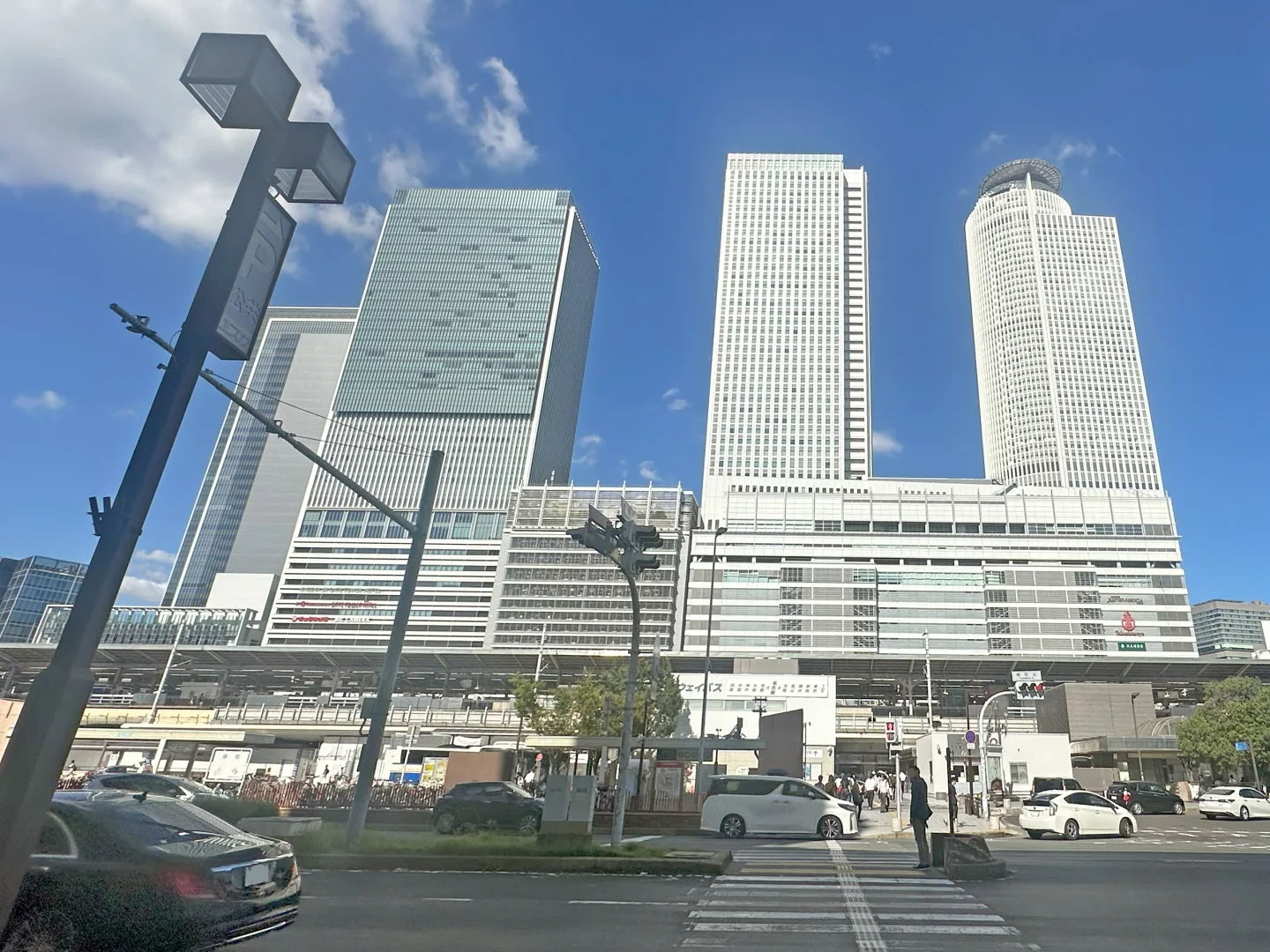
On the JR Central station map, look for the central concourse running straight across from west to east. West is the Taiko-dori Exit, where you will find the Shinkansen and the Silver Clock. East is the Sakura-dori Exit, home to the Gold Clock and JR Nagoya Takashimaya. The Hirokoji Exit sits to the south-east and comes in handy when heading towards Meitetsu and Kintetsu. To cross from the west side to the east side, exit into the public central concourse and stay on the same level. Once you reach the Gold Clock side, decide which stairs or lifts to take down. Along this stretch you will pass directional signs for the other lines, with each onward rail operator's name printed next to its arrow.
Keep exits and ticket barriers distinct in your head. Taiko-dori Exit and Sakura-dori Exit refer to the outward-facing sides of the JR station building, whereas 'Shinkansen North Ticket Gate' or 'Central Ticket Gate' refer to specific barrier lines. On top of that, each underground arcade numbers its own exits on its own map. Sun Road's official site gives the location of the station-front police box (koban) as either Sun Road Exit 1 or Subway Exit 8—both numbers lead to roughly the same spot. When calling a companion to say where you are, always include the prefix: 'Subway Exit 8' is far clearer than just 'Exit 8'.
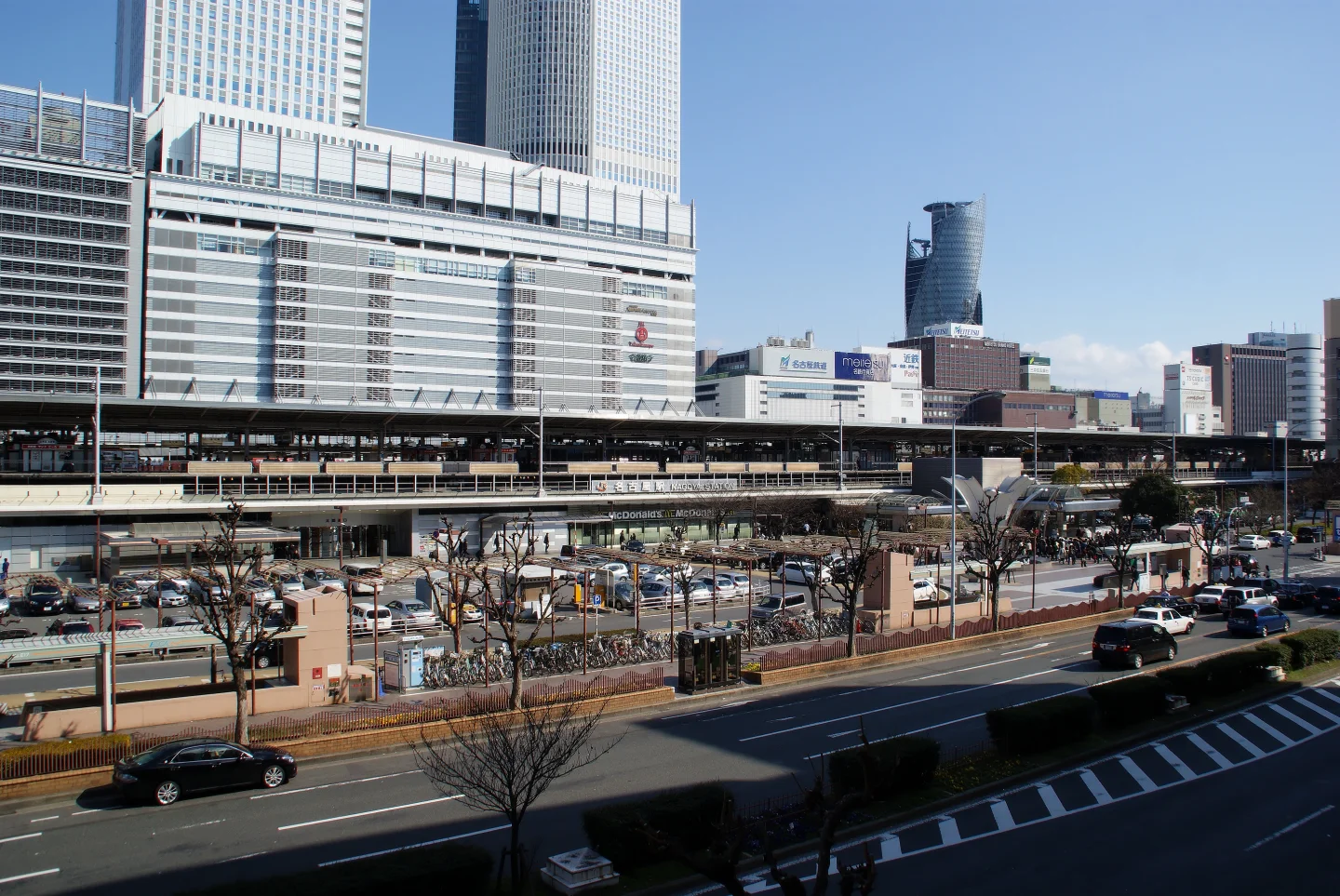
Tell the sides of Nagoya Station apart using the Taiko-dori, Sakura-dori and Hirokoji exits, then pick ESCA, Sun Road, Unimall or Meichika by rail operator and onward stop. Includes Meitetsu detours, lift access and luggage transfer routes.
Where Each of the Four Underground Arcades Connects
ESCA connects directly to the Taiko-dori Exit. Treat it as your stop before catching the Shinkansen, checking into a hotel on the west side of the station, or boarding a highway bus from the west side. If you want a meal right after collecting your luggage, check first whether you actually need to cross to the east side at all. When your next leg also departs from the west side, eat here and put the time you would have spent crossing the station towards ordering.
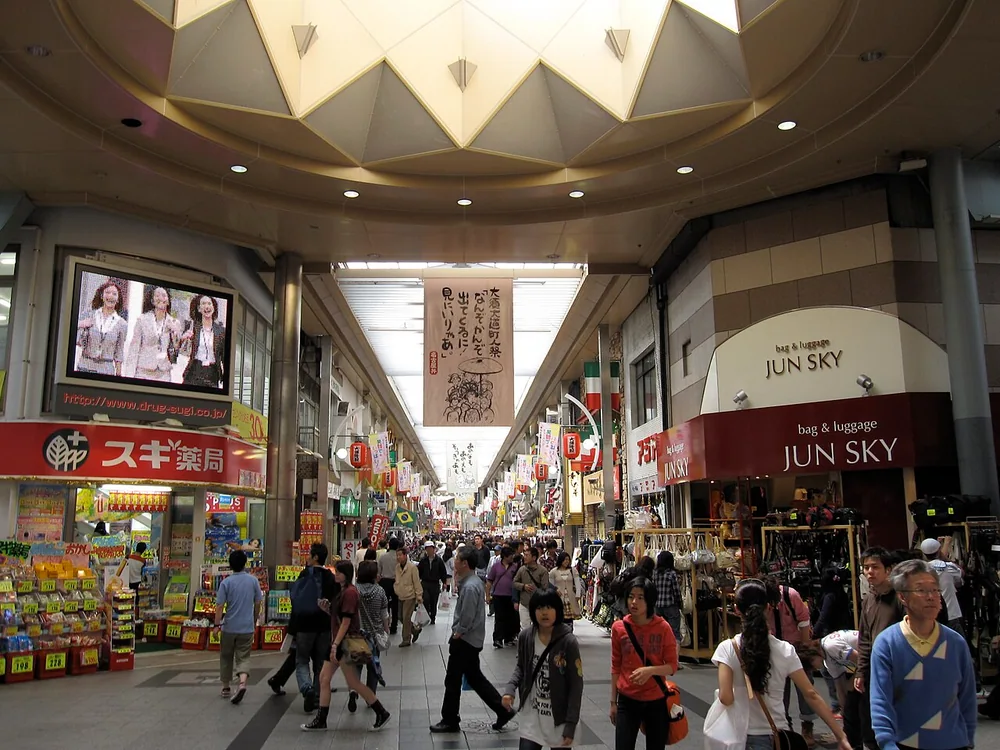
Sun Road sits near the Higashiyama Line South Ticket Gate as well as the Meitetsu and Kintetsu stations. It suits travellers getting off a Meitetsu train to catch an onward Kintetsu service, or anyone staying on the south-east side who wants a quick meal first. From the JR Sakura-dori Exit, Sun Road's official directions send you down Subway Entrance 8 and then to the right. Coming out of the Subway Higashiyama Line, you can orient yourself straight away from the South Ticket Gate.
Unimall stretches east along Sakura-dori, linking the subway's Nagoya Station at one end with Kokusai Center Station at the other. It is worth using if your hotel is in Meieki 3-chome, along Sakura-dori, or towards Kokusai Center. If your address is on the west side of the station, save Unimall for when you have spare time. For anyone travelling with slower walkers, the main value of this route is being able to pick the exact U-numbered exit in advance before stepping back up to street level.
Meichika connects to the area around the subway's Central, South and East ticket gates. Because it sits right next to the subway transfer zone, it works best when you want to tap out, buy one thing, and move straight onto your next train. If an older map still shows the whole corridor closed, rely on the current official floor map for shopping routes instead: Meichika's shops have reopened, while the Meitetsu Nagoya Station side still requires following the underground detour map.
Arriving on the Shinkansen: Head for the Silver Clock Side First
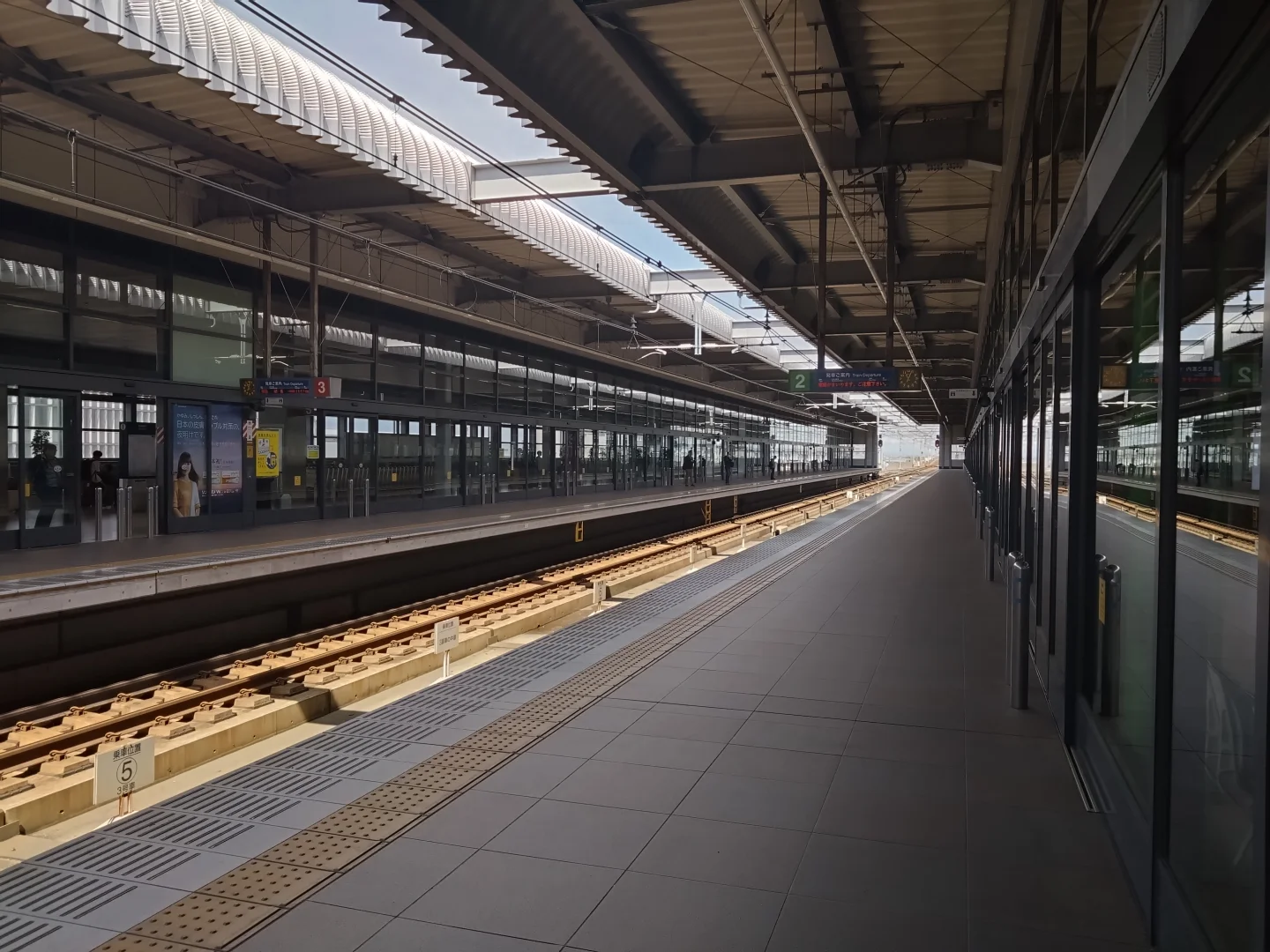
When Shinkansen passengers come down to the concourse level, they see signs for both 'Shinkansen Exit' and 'JR Lines Transfer'. If your next train is a local JR service, follow the transfer signs. To reach the underground arcades or a hotel on the west side, go through the outward-facing ticket barriers and look for the Silver Clock and the Taiko-dori Exit. Nagoya Station's transfer gates keep you inside the next fare zone; if you step through the wrong barrier, ask station staff to check your ticket and point you the right way. Before leaving the paid area, make sure you still have your tickets in hand—especially if you have another reserved-seat leg later that day.
ESCA's official website places its entrance right beside the Shinkansen side on the west and lists the walk from the JR station to the arcade as one minute. Treat that as an entrance-to-entrance estimate: you still need extra minutes to take the lift off the platform, locate the Silver Clock, gather your group and use the lavatories. If you are meeting someone right outside the barriers, pick the central concourse beside the Silver Clock. Want to dash into ESCA to pick up one item before meeting up? Snap a photo showing both the Silver Clock and the entrance direction before heading down so you do not have to decipher the whole map on your way back.
When you are ready to head back up from ESCA to catch your train, walk back towards the Taiko-dori Exit side, locate the Shinkansen ticket barriers, and then check the platform departure boards. Rather than wandering all the way to the far end of the arcade before pulling out your e-ticket, open your booking screen and train number before stepping into a shop so you can head straight off after paying. If you have your heart set on miso nikomi udon or hitsumabushi (grilled eel over rice), check first whether the queue outside the restaurant is spilling down the corridor. With only a short window to spare, pick takeaway food instead—it saves juggling bowls, carrier bags and suitcases.
Stepping Off Meitetsu for Sun Road: Use the Central Ticket Gate
Arriving on Meitetsu from Chubu Centrair International Airport and heading into Sun Road? Look for the exit direction at the Meitetsu Central Ticket Gate. Meitetsu's detour map marks separate 'Exit Only' and 'Entry Only' lanes at the Central Gate, so follow the exit-only signs coming off the platform. Sun Road's access guide directs you down the stairs after exiting the Central Gate and along the arcade signs. If you are wheeling a suitcase, decide before you pass the barriers whether you are looking next for 'Sun Road', 'Kintetsu Line' or 'JR Lines'. Where a map still shows pedestrian links connecting to the former department store block, verify the route against current shop signs or rail operator wayfinding.
From Kintetsu Nagoya Station, leaving via the Front Ticket Gate brings you down towards Sun Road underground. When you return later to board a Kintetsu train, read the station's official concourse map in reverse from this same path. Kintetsu's map displays both the underground gates and the JR connecting passage, making it straightforward for anyone who already holds a Kintetsu ticket—or is transferring from JR—to keep their bearings. If you need to cross to the west side of JR Nagoya Station, prioritise the JR and Taiko-dori Exit signs and walk across via the public central concourse rather than treating the Kintetsu ticket hall you passed earlier as a cross-station shortcut.
If you plan to step off Meitetsu, eat in Sun Road and then switch to Kintetsu in the same afternoon, have everyone check the Kintetsu gate location on the official map before sitting down to eat. Should anyone in your group want to browse shops separately, agree to meet at a clearly identifiable storefront or entrance inside Sun Road. Because several corridors link up underground, walking as far as the similarly named subway ticket gates adds extra level changes back and forth. It is always safer to meet outside a shop both of you have already walked past.
Meitetsu to Sun Road: Two Underground Connecting Passages Have Reopened
Following the closure of Meitetsu Department Store and Kintetsu Passe, parts of the surrounding underground passages were shut from 1 March 2026. Sun Road subsequently announced two reopenings: on 22 April, the partial underground route through the Meitetsu Bus Terminal Building reopened, restoring access from Sun Road to the Meitetsu Bus Center and Meitetsu Grand Hotel; then on 16 September, the direct connecting corridor to Meitetsu reopened, marked along its approach by 'Yodobashi Camera' signage. Take that direct corridor if you are boarding a Meitetsu train, or take the Bus Terminal Building passage if your ticket is for the Meitetsu Bus Center. Sun Road underground passage announcements
When walking from the east side of the station to your hotel, hold the Japanese address on your booking confirmation side by side with the hotel's walking map. If an older map uses department store doors as landmarks, rely on the new signage to spot the two reopened corridors; alternatively, head straight up to street level nearby and walk along the road your hotel entrance faces to avoid any remaining hoardings at other junctions. When meeting companions outside the Meitetsu Central Ticket Gate barriers, use M's RELIER NAGOYA—on the B1F level of the former Meitetsu Department Store—as your meeting point. Meitetsu Central Ticket Gate storefront notice
These detours affect your return journey as well. Save a note of the entrance you actually used on arrival, then watch for any temporary hoardings on the day you travel back. If a notice is posted only in Japanese, scan for 'tsukodome' (closed), 'ukai' (detour) and 'kaisatsu' (ticket gate). Showing the name of your intended rail line on your phone to a station attendant is the quickest way to confirm which level to head up or down to.
The Higashiyama Line and Sakura-dori Line Sit on Different Levels
Nagoya City Transportation Bureau's accessibility guide places the Higashiyama Line platforms on B2F and the Sakura-dori Line platforms on B3F. Check which line you are riding before tapping out. Stepping through the Higashiyama Line South Ticket Gate puts Sun Road straight ahead of you, while Meichika's access guide points you to its links near the Central, South and East subway gates. Coming up from the Sakura-dori Line platforms, the East Ticket Gate sits closer to Meitetsu and Kintetsu, whereas the west end points towards the Taiko-dori Exit. If you need street access for a longer walk above ground, look up the matching exit and lift in the Transportation Bureau's 'ticket gate to street exit' guide.
If you are riding the Higashiyama Line back from Sakae to Nagoya Station and want to buy snacks before catching a Kintetsu train, leave via the South Ticket Gate into Sun Road and double back to Kintetsu afterwards. If dinner is at JR Nagoya Takashimaya instead, aim for the Gold Clock and the Sakura-dori Exit once you leave the barriers. Shopping signs cover every wall underground, so following a shop name sent by a friend straight off the train platform can easily lead you into the wrong arcade. Glancing at the arcade name above each row of shops helps you tell whether you have crossed a street or changed levels.
When buying subway tickets, you can switch between the two subway lines inside the paid area by following the Transportation Bureau's in-station transfer signs. If you want to step out into the underground arcades to shop first, however, plan your route around tapping out—and check whether your ticket type lets you re-enter. Anyone changing from the Sakura-dori Line to the Higashiyama Line just before the last train should allow extra minutes for changing floors and finding the right platform, leaving meals for before you set off or after you arrive.
Walking Unimall Towards Kokusai Center: Watch the U-Numbered Exits
Walking from the Sakura-dori Exit towards Meieki 3-chome via Unimall lets you decide underground exactly which building you want to surface beside. Put the neighbourhood name, shop or hotel name, and exit number together when looking up your accommodation, and check the official site's facilities page if you need a lift. The B1F sunken plaza of Nagoya Building has a lift to U3, while B1F of Dai Nagoya Building connects to a lift for U2. Because the two building names sound very similar, save 'U2' or 'U3' alongside the exact building name in your notes—it also helps you match the building names on promotional hoardings to the correct side of the street.
Travellers heading towards Kokusai Center Station can use Unimall to move much of a street-level walk indoors. At the Nagoya Station end, the official site maps a route from the street-level subway lift down to the B1F ticket-gate level, plus a separate photo guide using an interior lift to the MB level. At the Kokusai Center end, the subway station's lift brings you straight to the ticket-gate concourse. Parents with pushchairs can pick a lift-equipped entrance straight off the accessibility map instead of backtracking from one staircase to the next.
If you are surfacing at Kokusai Center to walk onwards in heavy rain, check first whether your hotel lies on the north or south side of Sakura-dori—picking the right exit cuts the umbrella stretch short. Should your group split up, agree to meet on the U-exit concourse level and specify whether you mean the foot of the stairs or street level; saying only 'one end of Unimall' makes it far too easy for the other person to keep walking past the shops in the same direction. Remember too that if you are walking from an east-side hotel to catch the Shinkansen, finishing Unimall only gets you to the east side of Nagoya Station: allow extra time to cross the central concourse to the west side.
Save Meichika for Quick Errands Right Next to the Ticket Gates
Meichika's current floor map marks each shop, entrance and nearby ticket gate separately. The operator's access page lists direct links to the subway's Central, South and East gates, plus roughly a six-minute walk from the JR Sakura-dori Exit and about three minutes from the Meitetsu Central and North gates. Starting from the subway is by far the easiest approach; if you are over by the Silver Clock on the west side, factor in the walk through the central concourse as well. To grab snacks for an afternoon train, check the official floor map before tapping out, note the shop number, and follow the numbers once inside.
Meichika lists standard opening hours of 10:00 to 20:00, though some outlets stay open longer; individual hours are listed shop by shop on the same website. If you are walking from Kokusai Center towards Nagoya Station in the morning and want to sit down for breakfast on the way, check the cafe or restaurant's own listing first so you pick somewhere open early and directly on your route. After shopping in the evening, spot the physical sign for the Higashiyama Line gate before paying so you do not end up searching along the corridor for another entrance afterwards.
Both Meichika and Sun Road sit close to the subway gates, and each official map highlights only its own tenants. Plan your route around your primary goal. If you need a quick purchase before catching a Meitetsu train, stand near the ticket gates and pick the closer shop. If you need a lift towards a hotel near Kokusai Center, open Unimall's lift map straight away and keep Meichika for your return trip or when you have time to spare.
One Rainy Hour: Pick One Side for Both Lunch and Shopping
Arriving on the Shinkansen from Kyoto around midday and catching another train from the same side in the afternoon? Meet by the Silver Clock, have lunch and pick up souvenirs in ESCA, then head back the way you came. Standard shops keep hours of 10:00 to 20:30, while restaurants and cafes follow their own schedules. For a sit-down lunch, check the board outside for last-order times and afternoon breaks; if there is a long queue, switch to a takeaway-friendly counter on the same side. Keep that hour for eating and paying—walking back and forth to the Gold Clock twice eats straight into your lunch break.
If you are arriving from the airport on Meitetsu and staying in Sakae that night, flip the order. Leave via the Meitetsu Central Ticket Gate, eat in Sun Road or pick up a light bite in Meichika, and then head to the Higashiyama Line. Before wheeling a large suitcase into a restaurant, check the doorway width and where the queue forms; if you want an unhurried meal without hauling bags up and down stairs, drop your luggage at your hotel first and eat in Sakae instead. The underground arcades work best as a short weather buffer—when you have lots of bags, a single stop directly along your route makes the walk far smoother.
For hotels along Sakura-dori, use Unimall. Line up the exit number, hotel entrance and lift locations into one continuous route, and leave browsing until after you have dropped your bags at reception. Once the rain stops and you feel like a stroll, step out from your hotel and note the street-level signs for the exit you will use the next morning. Splitting transfers and shopping into two separate trips lets you focus on getting your luggage to the right side street on arrival.
With a Pushchair or Large Suitcases, Keep Two Exit Routes Ready
Your first route should start right from your train carriage. On the Higashiyama Line, for instance, locate the platform lift on the station map to reach the ticket-gate level first, then connect into the underground arcade. Once you reach Unimall, use the arcade's own lift map to surface on the right street corner. Nagoya City Transportation Bureau splits platform-to-gate and gate-to-street guidance into two separate maps—check both. Setting your destination to a specific lift exit keeps you on the same side of the road and saves hauling suitcases up kerbs or steps midway through a transfer.
Keep a second route in mind starting from a public concourse landmark you already know, in case a lift is out for maintenance, a shop shutter is down, or temporary hoardings appear. Once you reach the Taiko-dori Exit or Sakura-dori Exit, it is easy to tell west from east outside the station building: go up to street level on your side and follow the pavement past your hotel's frontage. To cut out an extra level change, save shopping for the return leg. Even when a map shows two arcades linked together, distinguish between public walkways, stairs, lifts and shop doorways.
If you want to stash large bags in a locker first, plan backwards from whichever rail operator you are taking that afternoon. JR Central's concourse map shows locker banks on both the east and west sides of JR Nagoya Station; travellers heading for Ise or Toba should check availability near the Kintetsu side first. Once at the lockers, check the compartment sizes, payment or collection method, and operating hours. Note the nearest shop sign or exit number after locking up so you can head straight for the ticket barriers once you collect your bags later. Carrying an extra souvenir bag? Pack it inside your suitcase before heading back to the platform.
Crossing from East to West: Allow Uninterrupted Walking Time
Transferring from Meitetsu to the Shinkansen comes down to one clear sequence: walk out of the Meitetsu barriers towards JR Nagoya Station, cross the central concourse, and enter the Shinkansen gates. Follow 'JR Lines' signs after exiting Meitetsu, take the Hirokoji or Sakura-dori connection into the JR public concourse, and walk straight west towards the Taiko-dori Exit and Shinkansen signs. Once you reach the Silver Clock side, verify your train, ticket gate and departure time. Dropping back down into the underground arcades to shop mid-transfer turns one straightforward walk into several stop-start segments—on your first transfer, finish the crossing first and only shop if you have spare minutes on the west side.
In the opposite direction—stepping off the Shinkansen to catch a Meitetsu train to the airport—enter the central concourse from the west side and follow 'Meitetsu Line' signs towards the Gold Clock end. At that point you only need to confirm the Meitetsu line and Nagoya boarding direction; once near the Meitetsu entrance, check the airport-bound platforms and train type. Have your Meitetsu ticket screen ready before you reach the barriers, and if you still have time to spare, pick up snacks near the airport-bound gate. Airport transfers and special tickets in the two-day Nagoya guide
Meeting for the First Time: Name Both the Landmark and the Level
The simplest rule when two people are meeting up is to accommodate whoever has the trickier route to adjust. Anyone arriving off the Shinkansen with large suitcases should meet on the Silver Clock side. If you are catching the same Meitetsu train together, meet outside the Meitetsu Central Ticket Gate. Only use the subway Central Gate or a specific U-numbered exit when coming off the municipal subway towards a hotel near Kokusai Center. Saying 'pick the first spot after your train where you will not have to double back' works far better than pointing to the middle of the station map.
Signal inside the station can patch out, and your companion may not use the same maps app, so take a screenshot of the station map and send a message they can read offline. Include the exact signage wording, whether the spot is inside or outside the ticket barriers, and which way to face if one of you arrives early. If you say 'by the clock', add 'the side facing JR Takashimaya' or 'towards the Shinkansen'. When a family splits up to shop, one clear message prevents half a dozen calls trying to guess who walked down which corridor.
People running late tend to sprint, but luggage and platform transfers take fixed time. When you have a booked train to catch, move the meeting point outside the exact ticket gate you need to walk through, and anyone still in the underground arcades should start heading straight for those barriers. If your restaurant reservation is several exits away from the station gates, meet at the restaurant entrance itself to save backtracking.
Early Trains and After Closing Time: Stick to Public Transit Routes
Opening hours inside this complex mean at least three different things: individual shop hours, the hours for underground arcades and building concourses, and railway ticket gates and exits. ESCA lists separate hours for general shops, restaurants and cafes; Unimall's general shops run 10:00 to 20:00, while certain eateries open as early as 07:30 and close as late as 22:00; Meichika publishes its own shop-by-shop timetable too. Just because a restaurant stays open late does not mean your nearest subway entrance stays open as late, so check them separately. If you are catching an early Shinkansen, buy breakfast the evening before or pick an outlet confirmed open along your route into the station.
Wheeling luggage at night from the east side to a hotel on the west side? While the central concourse is open, walk straight across to the Taiko-dori Exit and follow your hotel's street-level access map from there. If you are arriving late to connect to another train, follow the rail operator's last-train and ticket-gate directions first. Choosing a route that delivers you directly to your side of the station is far more reliable than navigating by convenience store signs. If you hit a closed shutter in an underground mall, double back through the nearest open exit onto the public concourse rather than hunting down the same corridor for another way out.
For Street Access from ESCA, Look for the Lift Near E9
ESCA's floor map separates lifts serving street level, the underground arcade and the underground car park. To wheel a pushchair up to street level from ESCA, take the lift near exit E9. The map also shows lifts around E2 and E6 that connect to the car park, so zoom in on both the floor destinations and exit numbers when checking the layout. A common detour happens when travellers head for the nearest lift icon only to find it serves only the car park. If you are heading to a west-side hotel after dropping bags in a locker, check whether your next move is back to the JR concourse or up onto the west-side street—above ground, each block on the map may belong to a neighbouring building on the same side.
If you are coming straight off a train platform and need step-free lifts the entire way, locate the JR lift before exiting the JR barriers, and only then switch to the official ESCA map. An underground arcade map cannot show you the right lift path inside the JR paid area. If you are popping into the arcade for just one errand, pause somewhere you can park your suitcase flat and confirm which way the lavatories, shops or lockers lie. Secure takeaway food bags properly before taking stairs or lifts; if there are two or more of you, one person can watch the bags while the other fetches what you need.
Coach Terminals Specify the Floor, Not Just 'Nagoya Station'
When transferring to a highway coach from Nagoya, the exact boarding point printed on your e-ticket determines which side of the station you need. Services marked JR Tokai Bus 'Nagoya Station (Shinkansen Exit)' follow the operator's boarding map towards the Taiko-dori Exit, making ESCA an easy indoor waiting spot beforehand. Services marked 'Meitetsu Bus Center' depart from the 3rd or 4th floor of the former Meitetsu Department Store Men's Building on the south-east side next to Kintetsu Nagoya Station; Meitetsu has announced that the terminal will continue operating at the same location after 1 April 2026, using the 3rd and 4th floors for departures and arrivals. Check your ticket's exact floor and bay number before picking up food—crossing from the Taiko-dori Exit to the east side and heading upstairs takes longer than you think.
If your ticket specifies the Meitetsu Bus Center, grabbing dinner in Sun Road beforehand fits right onto the route. Once inside the building, check the bay signs and destination displays, and have your passenger count, booking name and ticket screen ready if you have luggage to stow underneath. For a JR Shinkansen Exit departure, buy food on the west side instead and walk outside to the coach stop before settling in to wait. When connection times are tight, either side works smoothly on its own—just follow the side printed on your ticket.
Two Station-Front Hotel Examples to Test Your Outbound Route
Staying at the Daiwa Roynet Hotel Nagoya Taikodori Side? The hotel's official site lists it as roughly a four-minute walk from the JR Taiko-dori Exit. Coming out of the west Shinkansen exit, save a screenshot showing both the hotel address and ESCA's E9 street-level lift together, then follow the hotel's street map on the pavement closest to your side of the road. Because the same chain also operates a Nagoya Shinkansenguchi property nearby—and both start from the west side—'Shinkansen side' only covers the first half of the walk; use the full branch name and street address from your booking to finish at the right door.
Booked into the Nagoya JR Gate Tower Hotel? Your destination is JR Gate Tower, connected directly to the station, with reception and the lobby on the 15th floor. After stepping off the Shinkansen, cross the central concourse towards the Sakura-dori Exit and follow the signs for the tower and hotel lifts. If you only see Takashimaya signs at the top of the stairs, pull up the hotel's access directions alongside the building signs so you do not wander into the Nagoya Marriott Associa Hotel entrance just because both towers attach to the station. Once checked in, take note of the exact lift bank and ground-floor doorway you use when heading out to eat so you can find the same entrance on your way back from the subway at night.
Map Out All Three Transfer Legs Before Adding Lunch
A single day trip can easily start on Meitetsu and connect onto JR or Kintetsu. Before fitting in a sit-down meal, mark three points on a screenshot of your map: the exit gate of your current train, the entry gate of your next rail operator, and which level takes you from that gate to the platform. Even when two lines look side by side on an underground map—such as transferring from Meitetsu to Kintetsu with big suitcases—you still have to pick the right lift at the first gate and enter the right Kintetsu barrier. Leave extra margin if you already hold a reserved-seat ticket so you can find your carriage without rushing. Only slot a shop or restaurant into the middle once you could explain all three legs to your companion from your screenshots.
If you plan to drop luggage in lockers, write down which ticket barrier you will use later in the day and pick lockers on that same side. Leaving bags on the east side when your evening Shinkansen departs from the west means walking the full length of the central concourse again after dinner. Keep your locker receipt or PIN on the same itinerary note alongside a visible nearby shop or gate name. Carry the bag holding your umbrella, children's medication and train tickets on your person so you do not have to unzip your suitcase in the middle of a busy walkway once you collect your bags.
Save Key Japanese Phrases in Romaji Before Leaving the Arcades
If you need to ask station staff how to reach the Taiko-dori Exit, keep the phrase 'Shinkansen ni norimasu. Taiko-dori-guchi wa dochira desu ka?' ready on your phone—or queue it up in a translation app to show on screen. The first sentence states that you are taking the Shinkansen; the second asks where the Taiko-dori Exit is. Standing on the east side and simply asking for 'Nagoya Station' often earns a polite gesture right where you are standing. To find a lift to Meitetsu, ask 'Meitetsu Nagoya-eki no chuo kaisatsu e wa, dono erebeta o tsukaeba ii desu ka?' If you are near a detour and an attendant points down another corridor, double-check whether their gesture means straight ahead on the same level or upstairs.
When looking for the subway on the east side, watch out for two similar 'Sakura-dori' signs: 'Sakura-dori-guchi' is the JR station's east exit, whereas 'Sakura-dori-sen' leads to the subway line. At either end of Unimall, if you need to check which direction goes towards Kokusai Center, ask for 'Kokusai Center-eki' (or show 'Kokusai Center-eki ni mukaitai desu' via your translation app). If your companion is coming up from the Dai Nagoya Building, text them both the building name and 'U2', and add 'street level' if you are waiting above ground.
A few useful answers
Which underground arcade is closest to the Shinkansen at Nagoya Station?
ESCA, on the Taiko-dori Exit (Shinkansen) side. After passing through the Shinkansen ticket barriers, look first for the Silver Clock and Taiko-dori Exit signs.
How do I reach Sun Road from the Subway Higashiyama Line?
Leave via the Higashiyama Line South Ticket Gate at Nagoya Station; according to Sun Road's official guide, the arcade entrance sits straight ahead. Coming from the JR Sakura-dori Exit, take Subway Entrance 8 down and turn right.
Which underground arcade at Nagoya Station connects to Kokusai Center Station?
Unimall. Note the U-numbered exit and matching building name if you are heading to a street-level hotel; if you have a pushchair, follow the official lift routes via U2, U3 or Kokusai Center Station.
Are the shops in Meichika open again?
Yes. The operator publishes a current floor map and individual shop opening hours, and you can follow signs into Meichika from around the subway's Central, South and East ticket gates.
Can I cut through the underground arcades to transfer from Meitetsu to the Shinkansen?
Follow the JR signs out of Meitetsu into the station's public central concourse, then cross towards the Taiko-dori Exit and the Shinkansen ticket gates. Complete the transfer crossing first and only head into ESCA if you have time to spare.
What is the difference between the Taiko-dori Exit and the Sakura-dori Exit?
The Taiko-dori Exit sits on the west side with the Shinkansen and the Silver Clock. The Sakura-dori Exit sits on the east side with the Gold Clock and JR Nagoya Takashimaya. For Meitetsu and Kintetsu, follow signs towards the Hirokoji Exit area.
Official information and references
Sources used in this guide.
- JR Central: Nagoya Station Concourse Map
- JR Central: Nagoya Station Floors and Ticket Gates (PDF)
- Nagoya City Transportation Bureau: Nagoya Station Map and Accessibility Guide
- Nagoya City Transportation Bureau: Nagoya Station Platforms and Ticket Gate Level
- Nagoya City Transportation Bureau: From Ticket Gates to Street Exits
- Nagoya City Transportation Bureau: Nagoya Station Transfer Guide
- Kintetsu Nagoya Station Concourse Map (PDF)
- Meitetsu: Underground Route Change Notice and Closed Sections Map
- ESCA Official Access and Entrance Guide
- ESCA Official Floor Map
- ESCA Shop Opening Hours and Last-Order Times
- Sun Road: Access Guide from Each Rail Operator
- Sun Road: Exits and Station-Front Police Box Information
- Sun Road: Reopening Notice for Meitetsu Bus Terminal Building and Direct Meitetsu Corridor
- Meitetsu: M's RELIER NAGOYA Notice Outside Nagoya Station Central Ticket Gate
- Unimall: Opening Hours, Step-Free Access and U2/U3 Lifts
- Unimall Official Floor and Exit Map
- Meichika: Entrances from JR, Meitetsu and Subway
- Meichika: Current Floor Map and Shop Locations
- Meichika: Individual Shop Opening Hours
- Unimall: History and Connection to Kokusai Center Station
- ESCA Floor Map and Lift Locations (PDF)
- JR Tokai Bus: Highway Coach Boarding Stops
- Meitetsu Bus Center: Current Floors and Boarding Bays
- Meitetsu Bus Center: Continued Operation Announcement
- Daiwa Roynet Hotel Nagoya Taikodori Side: Access Guide
- Daiwa Roynet Hotel Nagoya Shinkansenguchi: Access Guide
- Nagoya JR Gate Tower Hotel: Facilities and Floor Guide