Choose Nagoya dishes by flavour and meal time, from miso pork cutlet and flat noodles to hitsumabushi and café breakfast. Plan meals along Meieki, Sakae–Osu and Atsuta–Kanayama routes, and compare the subway 24-hour ticket with the Donichi pass.
- Region & Focus
- Nagoya
- Reading Scope
- 32 min read · 14 chapters · 5 Q&As
- Official Verification
- 26 official sources checkedUpdated 26 October 2026
- Key Topics
- FoodRail travelNeighbourhoods
Chapter Route Map (tap any stop)
- With only a few meals available, choose the one you want to give time to
- Choosing miso dishes: pork cutlet, simmered udon and flat noodles
- Spicy noodles and Japanese-style pasta: distinguish Taiwan ramen, ankake and hotplate spaghetti
- Hitsumabushi: give it a meal and decide how to eat before you start
- Café breakfast: read morning sets, ogura toast and extras together
- Subway connections for meals: Meieki, Sakae, Osu and Atsuta
- Half a day around Meieki: Yanagibashi breakfast, Shikemichi and Endoji, then the station
- Sakae to Osu: lunch in Sakae, then walk towards your return station
- Atsuta to Kanayama: choose eel rice or kishimen in the shrine grounds
- Which transport ticket: choose by date, bus use and your final journey
- Buying and using tickets: choose the right date before turning to restaurant directions
- Queues, reservations and branches: give each meal a clear alternative
- Children, older relatives and dietary needs: consider seats and stock first
- Rain, late arrival or losing half a day: keep the meals that matter
- Quick Q&A
For varied meals in Nagoya, start with the neighbourhoods. Nagoya Station suits arrival and departure days and a market breakfast. Sakae combines shopping with dinner, Osu offers snacks and cafés, and Atsuta links an eel meal or flat noodles with a half-day visit. Over two days, choose one meal worth a special journey and let the rest follow that day’s route, saving repeated returns to the station. Allow half a day each for Meieki, Sakae–Osu and Atsuta–Kanayama; choose one or two according to appetite and energy, then compare transport tickets against your actual journeys. Restaurant and fare information is current to 26 October 2026.
With only a few meals available, choose the one you want to give time to
Two nights in Nagoya do not necessarily mean six leisurely seated meals. You may reach the city late on the first evening and need the station early on the final day. Write down the breakfasts, lunches and dinners you can actually eat, then assign dishes. If eel rice is the highlight, give it a full lunch period with only a nearby walk. If shopping matters more, choose a restaurant in the same shopping centre or a branch on your route. Both approaches work once you know which meal deserves your time.
Compare staple foods, flavours and time at the table. Miso pork cutlet with rice and miso-simmered udon are both rich; eating them consecutively may not provide the variety you want. Replace one with kishimen and keep another meal for eel or spicy noodles for a more varied selection than following a popularity ranking. If you enjoy morning coffee, breakfast can be a main activity. If you rarely eat sweet food, ogura toast need not become a daily breakfast. Appetite changes with the previous evening, temperature and sleep. Keeping one meal flexible can be more useful than another reservation.
If still deciding how long to stay, read the two-day Nagoya itinerary and alternative side trips to choose accommodation and daytime themes, then return here for meals. If the hotel is booked, draw routes from its nearest station. You need not restart every food journey at Nagoya Station.
Choose Nagoya dishes by flavour and meal time, from miso pork cutlet and flat noodles to hitsumabushi and café breakfast. Plan meals along Meieki, Sakae–Osu and Atsuta–Kanayama routes, and compare the subway 24-hour ticket with the Donichi pass.
Choosing miso dishes: pork cutlet, simmered udon and flat noodles
Miso pork cutlet is an accessible first Nagoya miso dish. A bean-miso sauce accompanies fried pork, poured over, used for dipping or served separately depending on the restaurant. Sweetness, saltiness and thickness vary. If you like fried food but worry about a heavy sauce, look for a separate-sauce option. For crisp coating, order a portion you can finish and start while it is fresh. Make it a proper meal and leave snacks until afternoon to appreciate the cutlet, sauce and rice.
Miso-simmered udon is a noodle meal served in an earthenware pot. Yamamotoya Honten’s standard menu description combines miso, bonito stock and handmade noodles made from wheat flour and water. Chicken, egg and tempura appear in different versions. Start with the basic dish if concerned about quantity; Nagoya chicken on the menu need not mean adding every topping. The pot arrives very hot. With children, have an adult serve portions, leave room for the pot and move phones and coats away.
For a different texture, choose kishimen, Nagoya’s thin, flat noodles. Common broths use soy sauce and fish stock, making this an option between richer meals. Check stock and toppings together: a bowl with fried tofu and vegetables may still contain fish stock, while prawn tempura increases the size and fat content. For a simple meal, choose basic noodles with the toppings you need rather than adding rice solely to tick off another speciality.
Find all three along your existing route. If lunch is in Sakae, choose a nearby miso restaurant. If the morning is in Atsuta, kishimen fits naturally into the visit. If returning to Meieki before leaving in the evening, station-area noodles connect easily. Let the dish guide flavour and the branch location decide whether the walk is worthwhile. Use the time saved on return journeys for the meal you want to enjoy slowly.
Spicy noodles and Japanese-style pasta: distinguish Taiwan ramen, ankake and hotplate spaghetti
Nagoya’s Taiwan ramen has a definite chilli character. Misen’s Imaike main restaurant names chilli, garlic and minced meat as signature flavours. If that combination appeals, it can be the main dinner dish. If companions avoid chilli, first find a restaurant with other suitable dishes. Reading “Taiwan” and expecting a familiar mild noodle soup can produce a very different bowl from the one imagined. Check noodle photographs, heat symbols and toppings, and ask about chilli level and meat if a name is unclear.
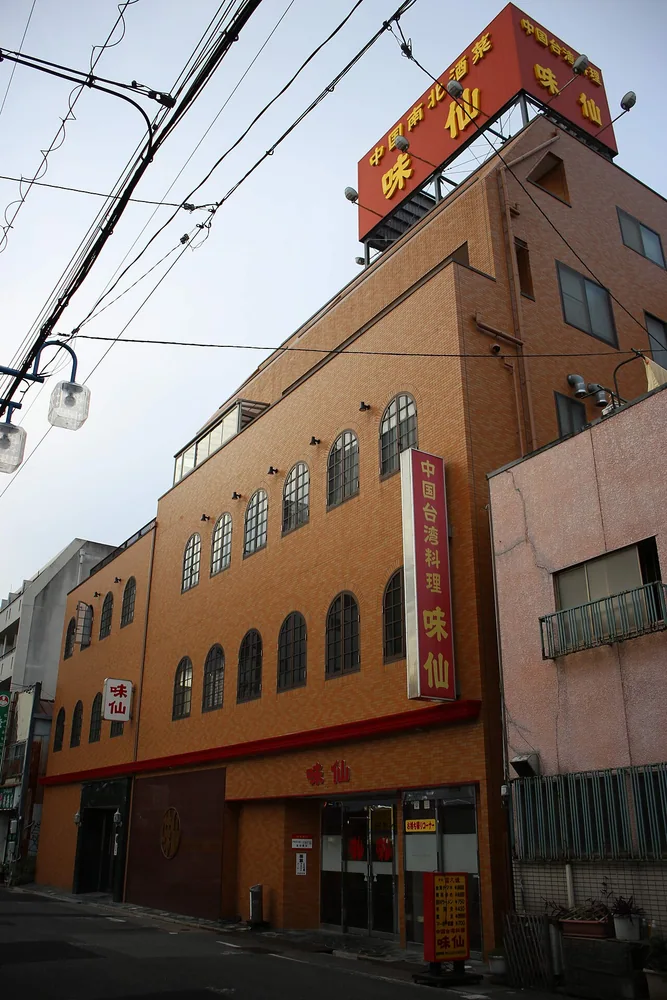
The Imaike main restaurant lists a 17:00 opening, so service starts in the evening. If already spending the morning to the east, use the wait until dinner for something you actually want to do. Losing an entire afternoon nearby solely for opening time is usually too high a cost. Food-focused visitors may make the journey; city-centre shoppers can first look along their route. Menus, hours and queues differ by branch. Use the full restaurant name for directions and when arranging to meet companions.
Ankake spaghetti has thick noodles and a thick, peppery sauce. Yokoi’s official menu lists sausage, ham, bacon and vegetables in its Mirakan. Those ingredients help explain the dish. Pepper heat feels different from chilli noodle soup, but anyone sensitive to heat should still read the sauce description. It is a full main course; check side dishes and noodle size before choosing a set. Leave some space at lunch if a café visit is planned for the afternoon.
Hotplate spaghetti is different again: tomato-ketchup-flavoured noodles arrive on a hot iron plate with egg around them, often in a café. If egg and tomato appeal more than peppery sauce, this may suit you better. Show the Japanese dish name to staff. Keeping “あんかけ” and “鉄板” on your phone is clearer than asking simply for Nagoya spaghetti and saves searching through Chinese-labelled photographs at the menu.
Hitsumabushi: give it a meal and decide how to eat before you start
Hitsumabushi is finely cut grilled eel over rice, portioned into a smaller bowl. The usual progression is plain, with condiments, then with stock or tea. These are ways to eat the same serving, rather than three separate eel meals. Keep some rice and eel back, try different proportions and finish in the way you like best. Follow the restaurant’s instruction card and supplied condiments if provided; there is no need to pour the whole pot of stock into the main bowl immediately.
Choose a day with enough time between meals. After a substantial breakfast, have lunch later, or keep breakfast to a drink and light food. Avoid another rice or noodle meal immediately afterwards. If someone does not eat eel, check other mains at the same restaurant before booking. Ask about sharing and each-person ordering rules before planning to split one serving. Establishing a suitable order first is easier than reopening the discussion at the table.
In Atsuta, Atsuta Horaiken’s Jingu restaurant stands outside the shrine’s South Gate, so you can visit the shrine and have lunch in the same area over half a day. As of 26 October 2026, the restaurant’s menu lists a regular hitsumabushi at ¥4,950 including tax. One each for two people totals ¥9,900 before drinks and extras. Put this meal in the budget first and adjust others to appetite, rather than forcing it into an average daily food allowance.
Allow time for both eating and queuing at popular restaurants. Put flexible neighbourhood walks before or after the meal. If you have a timed ticket that afternoon, use another meal period without a hard deadline. Kaiseki reservations and ordinary à la carte meals have different booking arrangements; read the page for the format you want. Make this meal the centre of a half day if you want it relaxed, and give other areas their own half day.
The Nagoya Meshi Council introduces hitsumabushi eel rice in a short film.
Café breakfast: read morning sets, ogura toast and extras together
For a café breakfast, check serving hours and the menu first. “Morning” usually means a morning service in which a drink comes with toast, egg or similar food. Check what your chosen drink includes before comparing extras. If one traveller drinks coffee and another tea or juice, check each drink and price separately. Find the set name behind a photograph of a large breakfast so you know which order produces it.
Ogura toast combines toast with sweet red-bean paste, often with butter or margarine. If sweet breakfast appeals, have it first thing. If you prefer savoury food, keep it as an afternoon snack to share at a suitable café. When bean paste comes separately, adjust the amount on each bite. If ordering thick toast, a sweet drink and dessert, wait for the main food before adding more rather than ordering everything from a photograph at once.
Breakfast location determines where the morning starts. Near Nagoya Station, choose a café in the direction of the day’s destination. In Sakae, eat nearby before heading to Osu or elsewhere. With an early reservation at the first stop, choose hotel breakfast or a reliable simple option on the way, and keep the café experience for a morning without a train to catch. For an unhurried visit, treat the café as an activity and remove a shopping stop so you can finish the coffee before leaving.
Ask “モーニングは何時までですか” to find out when morning service ends, then whether ogura toast is included in your chosen set. If avoiding dairy or egg, explain requirements for the spread, bread and drink separately: ingredients extend beyond the visible beans and toast. If there is a queue, decide which activity the wait will replace. When lunch is the highlight, choose a nearer café and lighter breakfast so the two meals fit together.
Subway connections for meals: Meieki, Sakae, Osu and Atsuta
First identify the station serving your meal. The Higashiyama Line connects Nagoya Station with Sakae via Fushimi; change at Fushimi to the Tsurumai Line for Osu Kannon. At the other end of Osu’s shopping streets, Kamimaezu has the Tsurumai and Meijo lines, connecting towards Sakae and Kanayama. The Meijo Line also serves Atsuta Jingu Nishi and Atsuta Jingu Temma-cho. These connections show whether a meal is on the way, one change away or a return crossing of the city.
Nagoya Station also has the Sakura-dori Line for Kokusai Center and Hisaya-odori. For Endoji and Shikemichi, check which side of the station your hotel and restaurant occupy, then choose walking or Kokusai Center Station. Hisaya-odori may be a useful entrance for a restaurant north of Sakae. Enter full origins and destinations in the Transport Bureau’s route and station search and navigate to the restaurant door. “Near Sakae” covers more than one exit.
The Meijo Line runs in a loop, and Kanayama also connects with the Meiko Line. Check platform displays for direction, main intermediate stations and destination. For Kamimaezu or Sakae, choose the train heading that way. A final direction check before boarding after dinner avoids a tired return from the wrong direction. With luggage, save the lift exit too; avoiding another carry reduces the effort.
JR, Meitetsu and the subway are separate systems. Compare suitable trains between Kanayama and Nagoya Station, but if holding a municipal subway ticket, plan within its coverage first. Switching to JR or Meitetsu adds a fare. List airport transport separately too. After dinner near Meieki, walking back to the hotel may be enough. Unlimited travel does not stop you walking within one district and saving the time spent on gates and exits.
Half a day around Meieki: Yanagibashi breakfast, Shikemichi and Endoji, then the station
This route suits station-area accommodation, an interest in markets and historic streets, or an afternoon long-distance departure. Start with breakfast at Yanagibashi Central Market, walk towards Shikemichi and Endoji, then return to Nagoya Station for luggage. Markets and shopping streets run to different rhythms. Visit the early-closing market first, keeping coffee and shops for later. If skipping the market, have breakfast in Meieki and go straight to Shikemichi and Endoji.
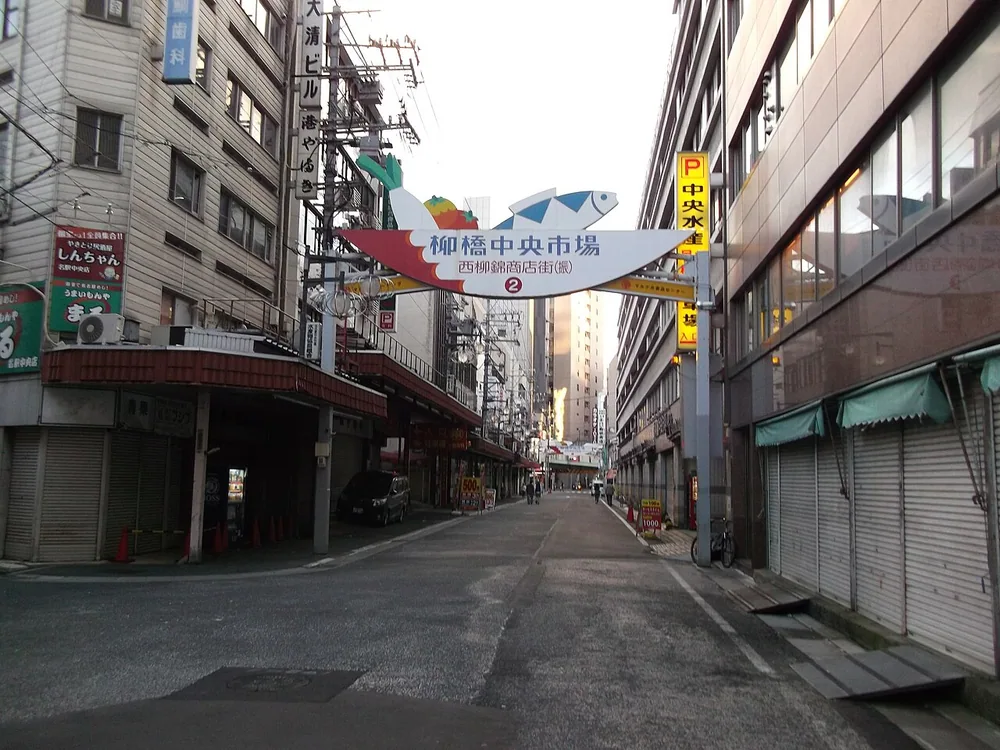
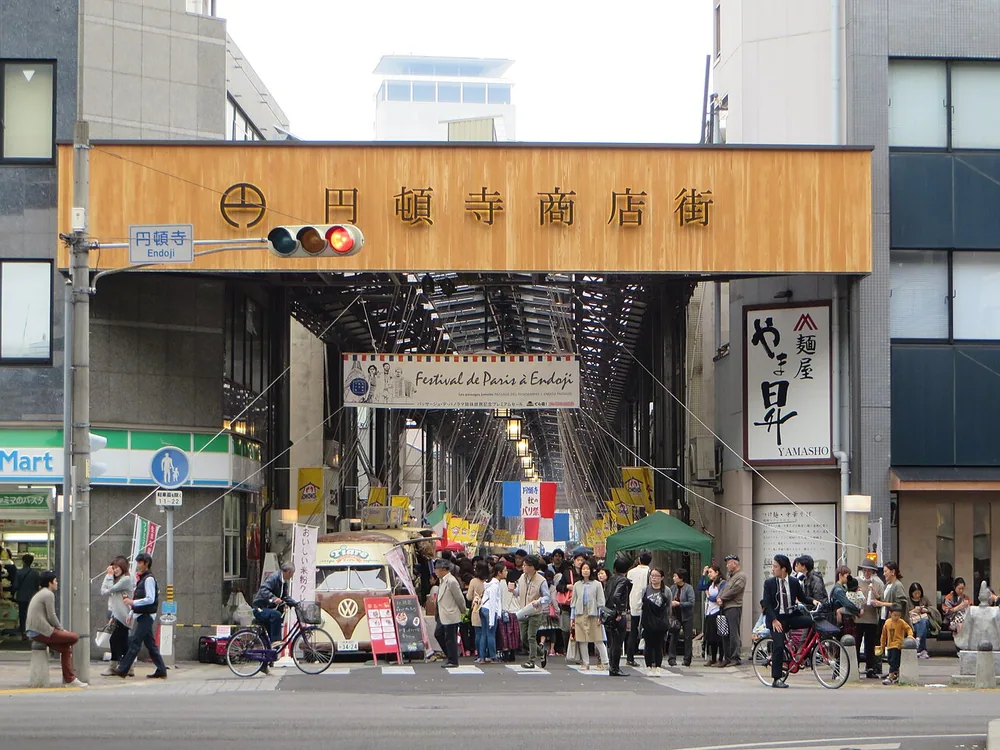
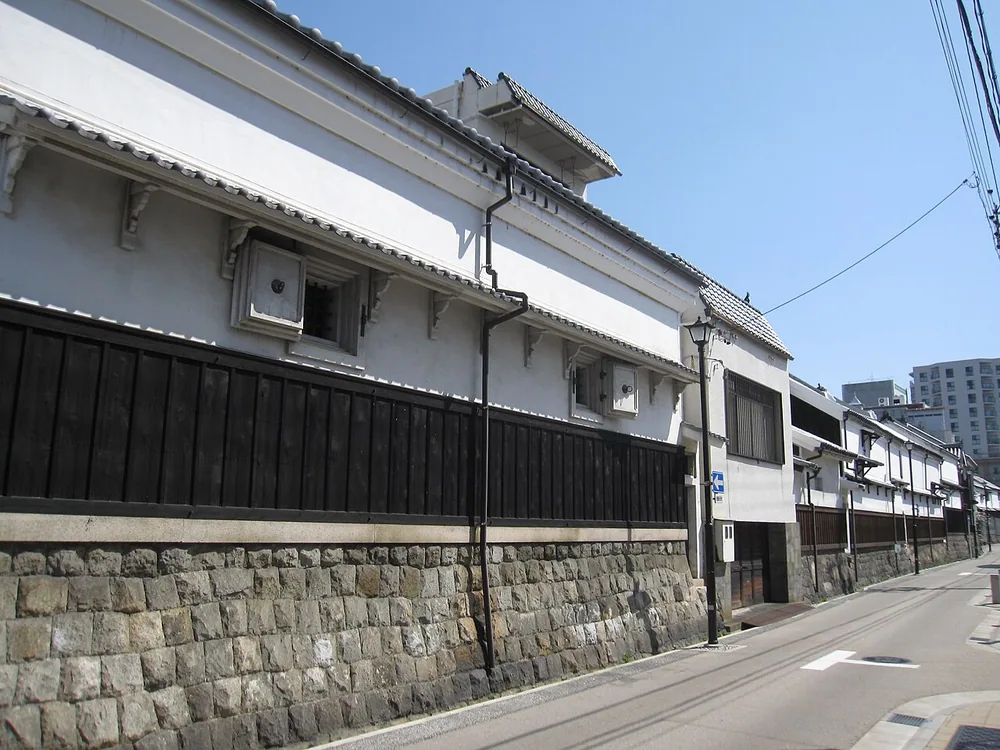
The official Nagoya listing for Yanagibashi Central Market gives general hours from early morning to around 10:00, varying by shop. It lists Sunday and public-holiday closure and irregular Wednesday closures. To watch trading and buy ingredients, choose a morning when the market is operating. For lunch alone, check the restaurant’s own hours. Visitors can shop and eat; for fish without a displayed price, name or origin, ask the price and selling unit before deciding.
A traveller’s breakfast and fresh-food shopping can be separate. Before a long train journey, a seated meal is easier to handle than a bag of food needing refrigeration. Consider ingredients for cooking if your accommodation has a kitchen. Ask beside stalls, leave delivery routes clear and dispose of packaging as the shop directs. If a companion avoids raw food, find cooked options first instead of leaving them hungry while you choose seafood.
After eating, look at houses and lanes in Shikemichi, then find lunch or coffee on Endoji Shopping Street. City walking information places Shikemichi near Kokusai Center Station and distinguishes the neighbouring Endoji and Endoji Hommachi shopping streets. Save the entrance for the stretch you want. Shops open individually; if early, walk first and sit down for lunch later. This route suits a few spare hours. Store suitcases at your accommodation or available storage before starting.
Back in Meieki in the afternoon, concentrate gifts and the final meal around the station. For ankake spaghetti, check Yokoi KITTE Nagoya’s service hours. For other dishes, choose from the station shopping centres. The benefit is continuing in one direction without travelling to Sakae for another coffee and returning for bags. Leave time to pack and reach the platform, making the final shop optional.
Sakae to Osu: lunch in Sakae, then walk towards your return station
This route suits dividing the day between shopping and food. Have miso dishes or ankake spaghetti in Sakae at lunchtime, head towards Yabacho and Osu in the afternoon, then leave from Kamimaezu or Osu Kannon in the evening. Reverse it if useful: enter from Osu Kannon in the morning, sit down to lunch in Osu and reach Sakae later. Check which end has your restaurant and choose one main walking direction. Avoiding a repeat of the same streets makes a noticeable difference to afternoon energy.
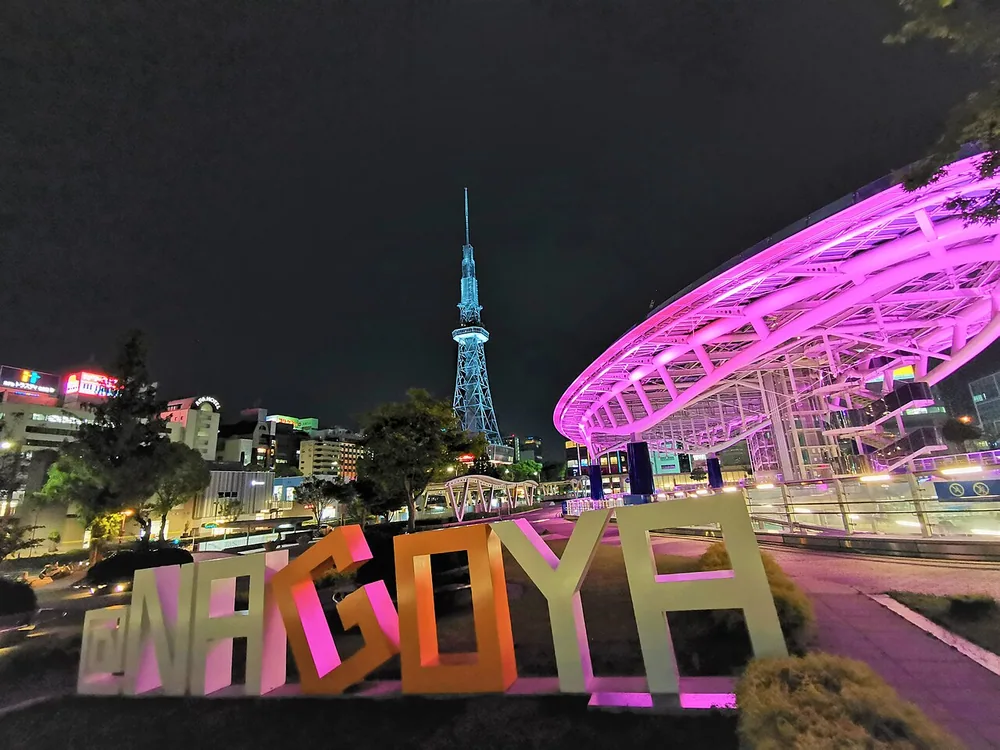
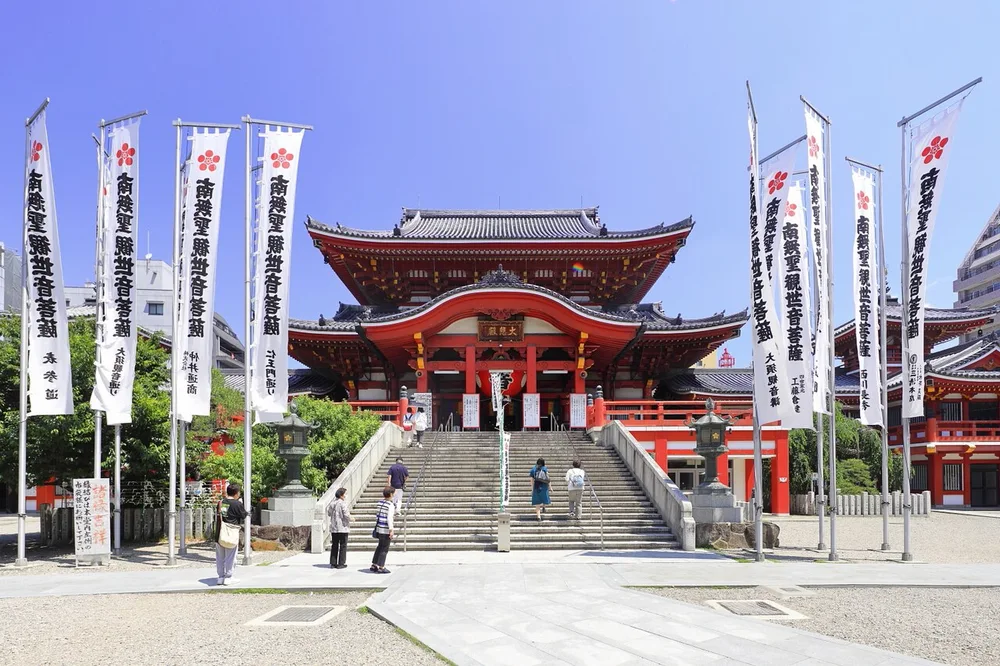
Sakae has a wide range of restaurants close together. For companions with different tastes, compare several menus on a shopping centre’s restaurant floors before deciding together. LACHIC lists general restaurant hours of 11:00–22:00 on 7F and 8F (Japanese floor numbering), near Sakae Station exit 16, making a clear meal meeting point. Finish the shopping you actually need in the same building before moving on. Shops in both department stores and streets do not require you to browse every floor.
Osu’s shopping streets have local and international food, leaving room for choices on arrival. After a filling lunch, have a drink or small snack. After a light lunch, find a seated restaurant for a full meal. If fried food, sweets and sandwiches all appeal, buy one item, finish it and walk before deciding on more. Fewer bags also make browsing shop displays easier.
The arcades provide some shelter, but road crossings and side streets include exposed sections. In rain, stay within one covered stretch and replace the long walk towards Sakae with the Meijo Line or a connection via the Tsurumai Line. Use Osu Kannon as an anchor at one end if visiting the temple. For a return to Sakae or Kanayama, Kamimaezu is a clear transport point. Establish the final station first and choose snacks by appetite along the way.
Dinner can stay in Osu or move back to Sakae for shared dishes such as tebasaki chicken wings. Check whether everyone still wants a full staple meal. After many afternoon snacks, choose a few suitable plates; if someone has barely eaten, make sure they have proper rice or noodles. Ask about izakaya seating fees, drink minimums and individual ordering rules before sitting. Agree the format so one person is not expecting a single drink while others await dinner.
For a savoury snack in Osu, walk to Tenmusu Senju Honten. The current product page lists small fried-prawn rice balls for takeaway at ¥972 for five, ¥1,944 for ten and ¥194 per additional piece, including tax. The shop is at 4-10-82 Osu, about 200 metres north of Kamimaezu Station exit 10. It opens 08:30–18:00 and closes Tuesdays and Wednesdays. Walking from Sakae, keep it for the later stretch near Kamimaezu, buy a pack for a light meal and leave from that station. If lunch was a full rice or noodle meal, choose the quantity by your remaining appetite.
At the other end near Osu Kannon, Aoyagi Sohonke’s Osu main shop suits a dessert break. The shop directory lists 10:00–18:30, café service from 12:00 and last orders at 17:00. It closes Wednesdays unless a public holiday. The cream cheese and lemon Kerotozzo goes on sale here at 11:30 for ¥380 including tax. Fresh cream and cream cheese with lemon juice fill a thin-skinned red-bean bun. Listed allergens are egg, milk, wheat and soya. If browsing Osu in the morning and having tea later, put the café after the walk. For takeaway dessert alone, plan around the 11:30 start; shopping and café service have separate times.
Atsuta to Kanayama: choose eel rice or kishimen in the shrine grounds
The Atsuta version puts a meal and shrine visit in one area. Decide on eel rice or a bowl of kishimen after worship, then choose your entrance and exit. For Horaiken Jingu outside the South Gate, prioritise southern access and restaurant reception arrangements. For a shaded walk, enter at the most convenient gate and head towards the food. Both versions can continue to Kanayama. You need not eat two lunches to complete a checklist.
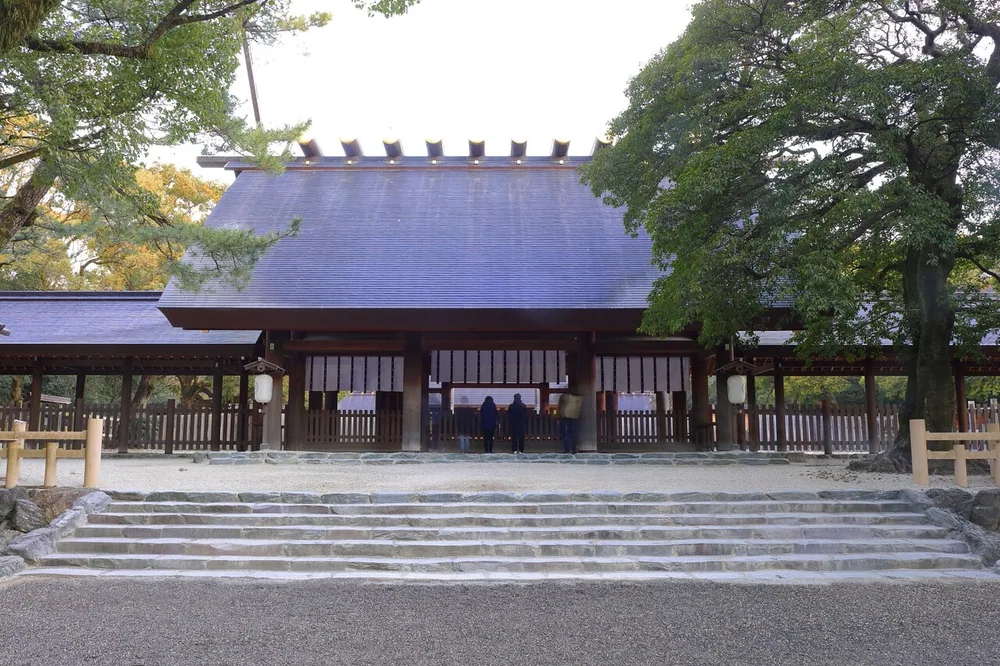
Miya Kishimen’s Jingu shop is inside Atsuta Jingu. Its current page lists opening at 09:00 and last orders at 16:30, with a menu updated on 1 October 2026. It suits noodles near the shrine after worship or an earlier meal. After a small breakfast, you can eat before walking. Let available seating and everyone’s energy guide how the meal fits the shrine route.
By subway, use Atsuta Jingu Nishi or Atsuta Jingu Temma-cho on the Meijo Line according to the gate and restaurant. Meitetsu has Jingu-mae and JR has Atsuta Station. All approach the area, with ticket coverage and accommodation direction influencing the choice. From Sakae or Kamimaezu, the Meijo Line links the visit simply. From another city, plan around your actual arrival station rather than adding a change to follow one recommended route.
After eating, use Kanayama for a rest, simple shopping and the return. If full, have a drink and sit before returning to your accommodation. If a long eel queue led to a light meal instead, keep dinner for Kanayama or near the hotel. This half-day route does not depend on rushing sights. Walk further if you want after lunch, or return via the station to rest. With an afternoon reservation, eat early or choose a meal whose timing you can control.
The Meijo Line takes you back from Atsuta to Sakae for dinner. For Nagoya Station with a subway ticket, take the Meijo Line to Sakae and change to the Higashiyama Line. If willing to pay separately, compare JR or Meitetsu at Kanayama. Eat where your return actually takes you: Sakae for Sakae accommodation, or Meieki before leaving from the station, dropping a planned Osu snack detour. After eel lunch, finish lightly; after kishimen, keep a full dinner. Include luggage collection on the return route to see how much sitting time remains.
Which transport ticket: choose by date, bus use and your final journey
Common municipal options are the subway all-lines 24-hour ticket, the city bus and subway all-lines one-day ticket, and Donichi Eco Kippu. The Transport Bureau’s current fare page gives adult prices of ¥760, ¥870 and ¥620 respectively; child prices are ¥380, ¥430 and ¥310. First choose the date, then whether you need city buses, then compare the fare total for your route.
The 24-hour ticket runs from first insertion into an automatic gate until the same time the next day. A journey entered within validity can be completed even if the ticket expires en route. Starting at 16:00 on Friday lets qualifying journeys before 16:00 on Saturday use the same ticket; Saturday’s return after dinner needs separate payment. It suits an afternoon arrival followed by subway use the next morning. If the first evening is a walk to dinner around Meieki, wait until you actually need a train rather than making a special trip to activate it.
The city bus and subway one-day ticket covers the first to the last service on the chosen day, useful if you will use both systems. Donichi is valid on Saturdays, Sundays, holidays, the eighth of each month and other Transport Bureau-designated holiday-timetable days. On eligible dates, compare ¥620 with your individual fares. If breakfast, lunch and dinner all stay in one district, individual tickets or IC payment may be enough. Even for many district changes, remove repeated journeys first and choose a ticket for the route that remains.
As a calculation example, three individual fares of ¥210 + ¥210 + ¥310 total ¥730. A ¥760 24-hour ticket costs ¥30 more, while a ¥620 Donichi ticket on an eligible date saves ¥110. These are example amounts; substitute actual fares from your origin and destination searches. JR, Meitetsu, Kintetsu and the Aonami Line are separate, as is Meitetsu airport travel. If switching at Kanayama to JR for Meieki, add the fare before deciding which pass is worthwhile.
Buying and using tickets: choose the right date before turning to restaurant directions
Ticket machines, stationmaster’s offices, gate counters and Transport Bureau service centres are the main city ticket sales points, with products varying by location. The bureau states that machine-issued one-day tickets are for that day, and 24-hour tickets must also start before the final service on the purchase date. For a future date, explain the date and ticket type at a staffed counter for purchase advice. For travel today, buying at your departure station is convenient. Agree ages and ticket types within the group first.
Tourist ticket machines have a QR function to help choose tickets. The QR button serves a different purpose from scanning to pay. Prepare cash and select the correct numbers of adult and child tickets. Read the printed ticket and keep it separate from receipts. Give adult and child tickets fixed, accessible places, with an adult helping children at the gates rather than unpacking the whole bag when your turn arrives.
A transport IC card suits a changing plan with relatively few rides. Use the same card to enter and exit each journey, topping up at a suitable machine if needed. Prepare the appropriate card or ticket for each family member. If rain changes a planned walk, pay for an extra ride. Keeping money for that adjustment is more practical than making everyone walk in rain to save a fare difference. Use an unlimited ticket when you have many rides and a confirmed coverage area.
Queues, reservations and branches: give each meal a clear alternative
Choose a first-choice restaurant and a suitable backup within walking distance. The backup can serve the same dish or another meal type. If you want eel but will not wait long, choose kishimen or a set meal in advance. At the door, assess the queue and continue or switch. If someone is uncomfortably hungry, eat first and adjust afternoon sightseeing rather than keeping the whole group tied to one restaurant name.
Confirm the date, party size, meal format and arrival time when booking. For courses, record included dishes, drinks, tax and service. If someone drops out, use the original booking channel. Keep the rules from telephone, brand website and third-party reservations separately and cancel through the same route. Put the address and reservation on one page visible to companions, so people shopping separately can reach the right branch.
The main restaurant need not be the only choice. A special visit makes sense for a specific restaurant’s history. For food and convenient transport, compare menus, seats and hours at branches on your route. Yokoi, for example, has different Sakae and Meieki locations. Sumiyoshi Honten, Nishiki and KITTE Nagoya have different service hours. Choose from your available lunch or dinner time rather than listing the main branch first and rebuilding the whole day around it.
On department-store restaurant floors, check each restaurant’s last orders. Towers Plaza and Gate Tower Plaza generally serve 11:00–23:00, with some restaurants closing between services. For lunch at 14:00 or 15:00, find continuous service. For late arrivals, check the final order time and door-to-door route before setting out. A shopping centre can remain open while restaurants finish their last sittings; doorway information saves searching several floors.
Children, older relatives and dietary needs: consider seats and stock first
For family meals, establish usable seating first. Pushchairs need space, young children may need highchairs, and anyone unable to stand long benefits from a reservation or nearby alternative. Hotplate spaghetti and earthenware noodles arrive very hot. Seat children away from hot dishes and let an adult move crockery and serve portions. While waiting, have water and arrange coats and shopping bags so the table holds only meal essentials.
For older relatives, shorten the market and Osu walks and choose a main meal with fixed seating and straightforward access. The route from station to door matters more than a straight line. Check lifts at exits and the restaurant floor. For wheelchair users, give the restaurant chair dimensions, whether transfer is possible and the group size. Once suitable seating is booked, choose the station exit on that side, leaving the meal itself for choosing food.
Describe dietary requirements by ingredient. Miso soup and noodle broth may contain fish stock, ankake spaghetti sauce may be meat-based, and red-bean toast includes bread, spread and possibly dairy. For allergies, prepare a Japanese card listing excluded ingredients and cross-contact needs so the restaurant can decide whether it can serve you. For vegetarian, vegan or halal food, start with restaurants providing relevant menus and information, then plan transport. Photographs alone can miss sauces and stocks.
Rain, late arrival or losing half a day: keep the meals that matter
In persistent rain, station shopping centres or Sakae restaurant floors can combine a meal, rest and a little shopping. Choose one building and check lifts and exits for the restaurant floor, then decide after eating whether to move. Shorten Osu to one covered stretch. Keep the walk linking Yanagibashi, Shikemichi and Endoji for suitable weather and energy. With wet shoes and socks, return to your room and eat nearby rather than visiting another shopping district.
For a late arrival, arrange check-in, bag drop and one available meal first. While still at the airport or on the train, check last orders near the hotel and put arrival time into directions. If a seated meal is no longer possible, choose takeaway still open and buy only what you can finish that evening. Save cafés, markets and popular lunches for tomorrow. The first evening’s meal should leave everyone fed and rested for the morning.
If a flight, weather or work removes half a day, retain the meal you most want and one activity in the same area. Keep Atsuta eel and move Sakae shopping to another day; keep the Osu walk and eat there; or use the Meieki half-day route before an afternoon Shinkansen. Remove cross-city travel and lower priorities to protect the main meal. Handle paid or reserved items through their booking terms while bringing the schedule back to the time actually available.
On the final day, eat, collect luggage and reach the correct platform or airport connection; luggage collection can also come before eating if the route suits. Buy refrigerated food last and follow the shop’s storage and consumption dates. If carrying food home on an international flight, check ingredients and current quarantine rules before choosing shelf-stable gifts. Tenmusu fried-prawn rice balls suit light food on a short same-day journey; buy according to the meals you will actually need. Pack utensils, wrappers and bags so you can sit down and start the next journey.
A few useful answers
What should I eat with only one day in Nagoya?
Choose the staple meal you most want, then add a café stop or snacks. Near Meieki, use Yanagibashi and the station area; for shopping, choose Sakae and Osu. If eel rice is the main aim, give Atsuta half a day within the same area.
Can the Nagoya subway 24-hour ticket cover two days?
Yes. It runs from first insertion into an automatic gate until the same time the following day. Starting at 16:00 on Friday means the return after dinner on Saturday is outside validity and needs separate payment or another valid ticket.
Is Donichi Eco Kippu only for weekends?
It currently covers Saturdays, Sundays, holidays, the eighth of every month and Transport Bureau-designated holiday-timetable days. It costs ¥620 for adults and ¥310 for children, covering all city bus and subway lines.
Can I visit Osu after Yanagibashi Central Market in the morning?
Yes, but travel between the two areas is separate. For fewer changes, continue to Shikemichi, Endoji and Meieki instead. For Osu, take the subway after the market and keep lunch and the afternoon there, dropping another shopping district.
Is ogura toast always included with morning service?
It depends on the café’s set. Some morning services include toast or egg, while ogura toast may be a separate order or supplement. Read the contents of your chosen drink and set before ordering.
Official information and references
Sources used in this guide.
- Official Nagoya Meshi | Miso pork cutlet
- Yamamotoya Honten | Standard miso-simmered udon and ingredients
- Official Nagoya Meshi | Kishimen
- Misen Imaike main restaurant | Signature dishes and opening information
- Yokoi | Ankake spaghetti and current menu
- Official Nagoya Meshi | Hotplate spaghetti
- Official Nagoya Meshi | Hitsumabushi
- Atsuta Horaiken Jingu restaurant | Menu and reservations
- Official Nagoya Meshi | Ogura toast
- Official Nagoya Meshi | Morning service
- Transport Bureau | Subway route and station search
- Official Nagoya tourism | Yanagibashi Central Market
- City of Nagoya | Walking information for Shikemichi, Endoji and the market
- Yokoi KITTE Nagoya | Branch opening information
- LACHIC | Access and restaurant-floor hours
- Official Nagoya tourism | Osu shopping streets
- Miya Kishimen Jingu shop | Location, hours and current menu
- Transport Bureau | One-day and subway 24-hour tickets
- Transport Bureau | Ticket sales points and same-day machine ticket rules
- Transport Bureau | Tourist ticket machines and QR function
- Towers and Gate Tower | Restaurant floors, lifts and service hours
- Official Nagoya Meshi | Tenmusu fried-prawn rice balls
- Official Nagoya tourism | Atsuta Jingu entrances and access
- Tenmusu Senju Honten | Products, branches and opening days
- Aoyagi Sohonke | Osu main shop, café hours and closures
- Aoyagi Sohonke | Cream cheese and lemon Kerotozzo