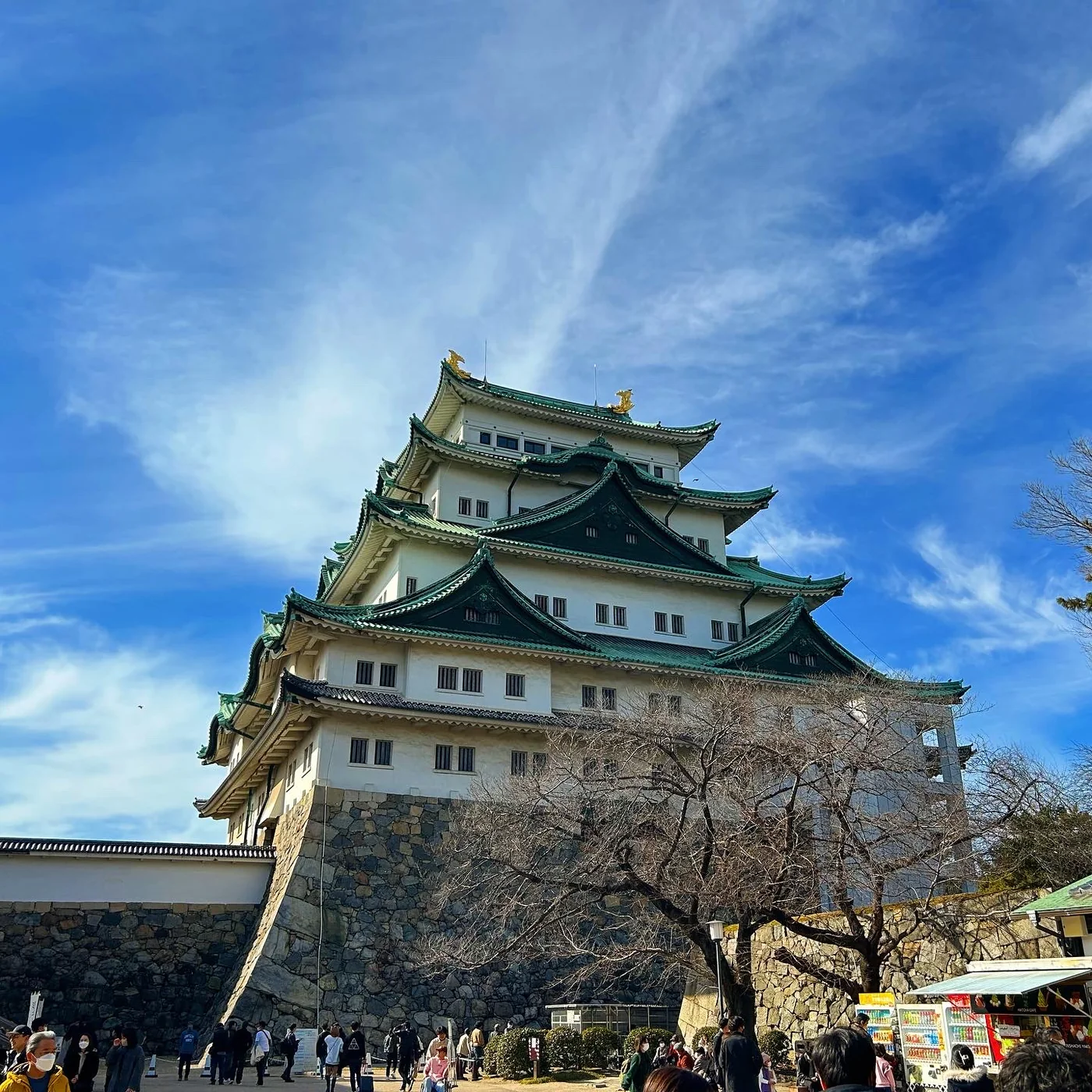
Choose Nagoya food by flavor and meal time, from miso pork cutlets and flat noodles to hitsumabushi and cafe breakfasts. Plan three routes around Nagoya Station, Sakae–Osu, and Atsuta–Kanayama, and compare the subway 24-hour ticket with the Donichi ticket.
- Region & Focus
- Nagoya
- Reading Scope
- 32 min read · 14 chapters · 5 Q&As
- Official Verification
- 26 official sources checkedUpdated October 26, 2026
- Key Topics
- FoodRail travelNeighborhoods
Chapter Route Map (tap any stop)
- With limited meal times, choose the meal you want to spend time on
- Miso dishes and flat noodles: where pork cutlet, udon, and kishimen fit
- Spicy and Western-style noodles: distinguish Taiwan ramen, ankake spaghetti, and hot-plate pasta
- Hitsumabushi: give eel rice a meal of its own and plan how to eat it
- Cafe breakfast: read the morning set, Ogura toast, and extras together
- Subway connections for meals: Nagoya Station, Sakae, Osu, and Atsuta
- Half a day near Nagoya Station: Yanagibashi breakfast, Shikemichi, and Endoji
- Sakae to Osu: lunch first, then walk toward your return station
- Atsuta to Kanayama: choose eel rice or noodles inside the shrine grounds for a half day
- Which transport ticket: choose by date, bus use, and the final ride
- Buying and using tickets: choose the right date before turning to restaurant navigation
- Queues, bookings, and branches: give each meal a clear alternative
- With children, older travelers, or dietary requirements, check seats and broth first
- Rain, late arrivals, and a lost half day: keep the meals that matter
- Quick Q&A
For variety in Nagoya, put meals back into their neighborhoods. Nagoya Station suits arrival and departure days and market breakfasts; Sakae connects shopping and dinner; Osu offers snacks and cafes; Atsuta pairs eel rice or flat noodles with a half-day visit. Over two days, choose one meal worth a special trip and fit the others along your route to avoid repeated returns to the station. Treat the station area, Sakae–Osu, and Atsuta–Kanayama as half-day routes. Pick one or two according to appetite and energy, then compare passes using the rides you will take. Restaurant and fare information is current to October 26, 2026.
With limited meal times, choose the meal you want to spend time on
Two nights in Nagoya do not necessarily give you six relaxed meals. You may reach the city only after landing on the first evening and leave early for the station on the last day. Write down the breakfasts, lunches, and dinners you can actually eat before assigning dishes. If eel rice is your priority, give it a full lunch period with only a nearby walk. If shopping matters most, use restaurants in the same mall or branches along the route. Both plans work; first decide which meal deserves your time.
Compare choices by staple food, flavor, and time at the table. Miso pork cutlet with rice and miso-simmered udon are both rich; eating them consecutively may not give you the variety you want. Swap one for flat noodles and save another meal for eel rice or spicy noodles rather than eating down a popularity ranking. Coffee lovers may make breakfast a main activity. If you rarely eat sweets, you need not have Ogura toast every morning. Appetite changes with the previous night, temperature, and sleep. An unassigned meal is often more useful than another reservation.
If you are still deciding how long to stay, read the two-day Nagoya itinerary and nearby alternatives to choose your base and daytime plans, then return here for meals. If your hotel is booked, draw routes from its nearest station. Every meal need not start with a return to Nagoya Station.
Choose Nagoya food by flavor and meal time, from miso pork cutlets and flat noodles to hitsumabushi and cafe breakfasts. Plan three routes around Nagoya Station, Sakae–Osu, and Atsuta–Kanayama, and compare the subway 24-hour ticket with the Donichi ticket.
Miso dishes and flat noodles: where pork cutlet, udon, and kishimen fit
Miso katsu is an accessible first Nagoya miso dish: a fried pork cutlet with soybean-miso sauce. Restaurants pour it over, dip the cutlet, or serve sauce separately, with different sweetness, saltiness, and thickness. If you like fried food but worry about a heavy sauce, look for a sauce-on-the-side option. For crisp coating, order a portion you can finish and start when it arrives. Make it a main meal and leave snacks for the afternoon to appreciate the cutlet, sauce, and rice.
Miso-nikomi udon is served in an earthenware pot. Yamamotoya Honten’s standard-dish guide describes miso, bonito broth, and handmade noodles made from wheat flour and water. Chicken, egg, and tempura are different additions. Start with the basic version if you do not want a very large meal; you do not need every topping just because Nagoya chicken is available. The pot arrives very hot. An adult should portion food for children, leave room for the pot, and move phones and coats away from the table edge.
For a different texture, choose kishimen (きしめん), Nagoya’s thin, flat noodles. Common broths use soy sauce and fish stock, making it an alternative between richer meals. Read broth and toppings together: a bowl with fried tofu and vegetables may still contain fish stock, while shrimp tempura adds size and fat. For a simple meal, choose basic noodles with the toppings you need rather than adding rice just to try another specialty.
All three dishes work with the day’s route. For lunch in Sakae, find a nearby miso restaurant. An Atsuta morning gives flat noodles a clear place. Returning to Nagoya Station before departure makes nearby noodles convenient. Choose the flavor by dish, then decide whether the branch location is worth the journey. Save the avoided round trips for the meal you want to eat slowly.
Spicy and Western-style noodles: distinguish Taiwan ramen, ankake spaghetti, and hot-plate pasta
Nagoya’s Taiwan ramen is distinctly spicy. Misen’s Imaike main restaurant identifies chili, garlic, and ground meat as its signature flavors. Make it dinner if you enjoy that combination. If a companion avoids spice, find a restaurant with suitable alternatives before choosing to eat together. The name “Taiwan” does not make it a mild noodle soup you may know from elsewhere. Look at the soup photos, spice markings, and ingredients, and ask about heat and meat when a name is unclear.
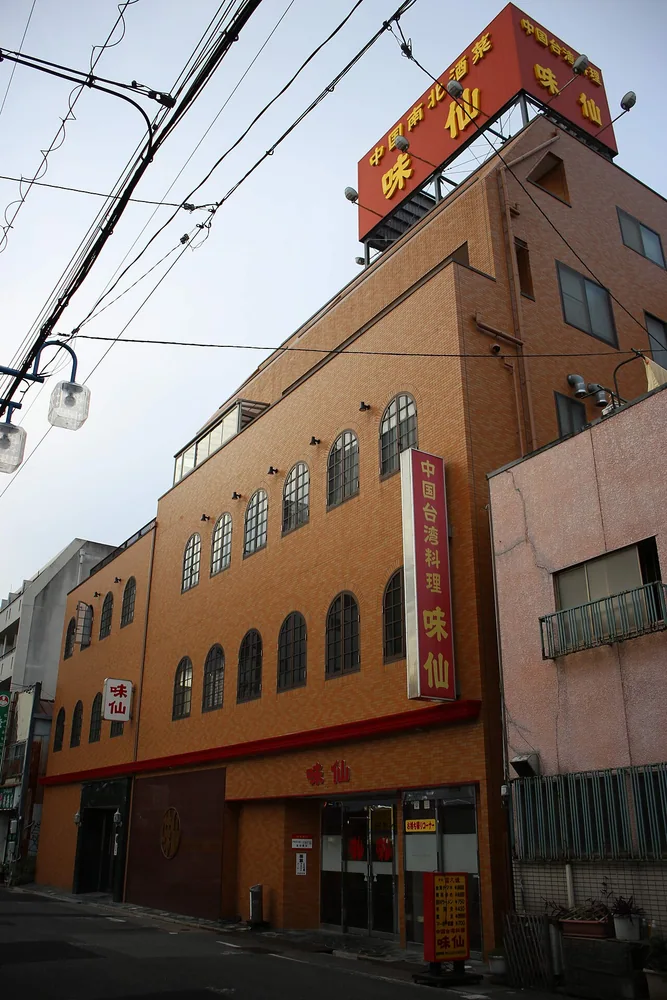
The Imaike main restaurant’s website lists opening at 17:00, with service beginning in the evening. If your morning plans take you east but you must wait until dinner, fill the gap with something you actually want to do. Spending an entire afternoon nearby just for opening time is usually too high a cost. Food-focused travelers may make the trip; downtown shoppers can first seek restaurants along their route. Check each branch’s menu, hours, and waiting arrangements separately. Use the full branch name for navigation and meeting companions.
Ankake spaghetti (あんかけスパゲッティ) has thick noodles and a thick, peppery sauce. On Yokoi’s official menu, Mirakan combines sausage, ham, bacon, and vegetables. Use those ingredients to decide whether the dish appeals to you. Pepper heat differs from chili noodle soup, so read the sauce description even if you are wary of spice. It is already a main dish; check sides and noodle quantity when ordering a set. Leave some appetite at lunch if a cafe stop is planned.
Hot-plate spaghetti is different again: ketchup-seasoned pasta on a hot iron plate with egg around it, often served in traditional cafes. Choose it if egg and ketchup appeal more than peppery thick sauce. Showing the Japanese dish name to staff helps. Save あんかけ and 鉄板 on your phone rather than asking only for Nagoya spaghetti. You can decide directly at the menu without searching for translated photos.
Hitsumabushi: give eel rice a meal of its own and plan how to eat it
Hitsumabushi (ひつまぶし) is finely cut grilled, glazed eel over rice. You serve it into a small bowl. A common sequence is plain, with condiments, then with broth or tea. These use the same meal; you do not receive three separate eel bowls. On a first visit, save some rice and eel to try different proportions, then finish in your preferred style. Follow the restaurant’s instruction card and supplied accompaniments. You need not pour the whole pot of broth into the main bowl at once.
Schedule it on a day with enough space between meals. After a large breakfast, eat lunch later or keep breakfast to a drink and light food. Avoid following it immediately with another rice or noodle meal. If someone does not eat eel, check other mains at the same restaurant before booking. Ask about sharing and per-person ordering rules before splitting a portion. Finding suitable meals in advance is easier than debating quantities at the table.
For Atsuta, Atsuta Horaiken’s Jingu branch is outside the shrine’s South Gate, allowing the shrine and meal to share a half day. As of October 26, 2026, the menu lists standard hitsumabushi at ¥4,950 including tax. Two individual portions total ¥9,900, with drinks and extras separate. Put that meal into the budget first, then arrange others by appetite rather than forcing it into a daily average.
Allow time for both dining and waiting at popular restaurants. Put flexible neighborhood walks around the meal. If you have a timed afternoon ticket, use a different meal period without a hard cutoff. Kaiseki reservations and ordinary a la carte dining have different booking arrangements; read the one for your intended meal. Make it the center of the half day for an unhurried visit. Put other destinations in another half day so that each has enough time.
The Nagoya Meshi Council introduces hitsumabushi eel rice in a short video.
Cafe breakfast: read the morning set, Ogura toast, and extras together
At a traditional cafe, first read breakfast hours and the menu. “Morning” (モーニング) usually means a morning service pairing a drink with toast, egg, or similar food. Check what your selected drink includes before comparing extras. If one person wants coffee and another tea or juice, read each drink’s options and calculate separately. A generous breakfast photo should have a matching set name so that you know which meal you are ordering.
Ogura toast combines toast and sweet red bean paste, often with butter or margarine. Sweet-breakfast fans can have it first thing; those who prefer savory food can save it for an afternoon snack and share where allowed. If the paste is separate, adjust each bite. After ordering thick toast, a sweet drink, and dessert, wait for the food before adding more rather than ordering everything from a photo at once.
Breakfast location sets the morning’s starting point. Near Nagoya Station, choose a cafe that takes you toward the day’s destination. In Sakae, eat nearby before continuing to Osu or elsewhere. Before an early reservation, use the hotel or a dependable simple stop en route. Save the cafe experience for a morning without a train deadline. To linger over breakfast, treat it as an activity and remove a shopping stop so that you can finish your coffee before leaving.
Ask モーニングは何時までですか to find out when morning service ends, then ask whether Ogura toast is included in your chosen set. To avoid dairy or eggs, explain the spread, bread itself, and drink separately; ingredients extend beyond the visible beans and bread. If there is a queue, decide which part of the day waiting will displace. When lunch is the priority, choose a closer, lighter breakfast so that the two meals fit.
Subway connections for meals: Nagoya Station, Sakae, Osu, and Atsuta
Before traveling to a restaurant, identify its nearest station. The Higashiyama Line connects Nagoya Station and Sakae via Fushimi. Change at Fushimi to the Tsurumai Line for Osu Kannon. At the other end of Osu Shopping District, Kamimaezu has both the Tsurumai and Meijo lines, connecting to Sakae or Kanayama. The Meijo Line also serves Atsuta Jingu Nishi and Atsuta Jingu Temma-cho. These links show whether a meal is on your way, one transfer away, or a journey back across town.
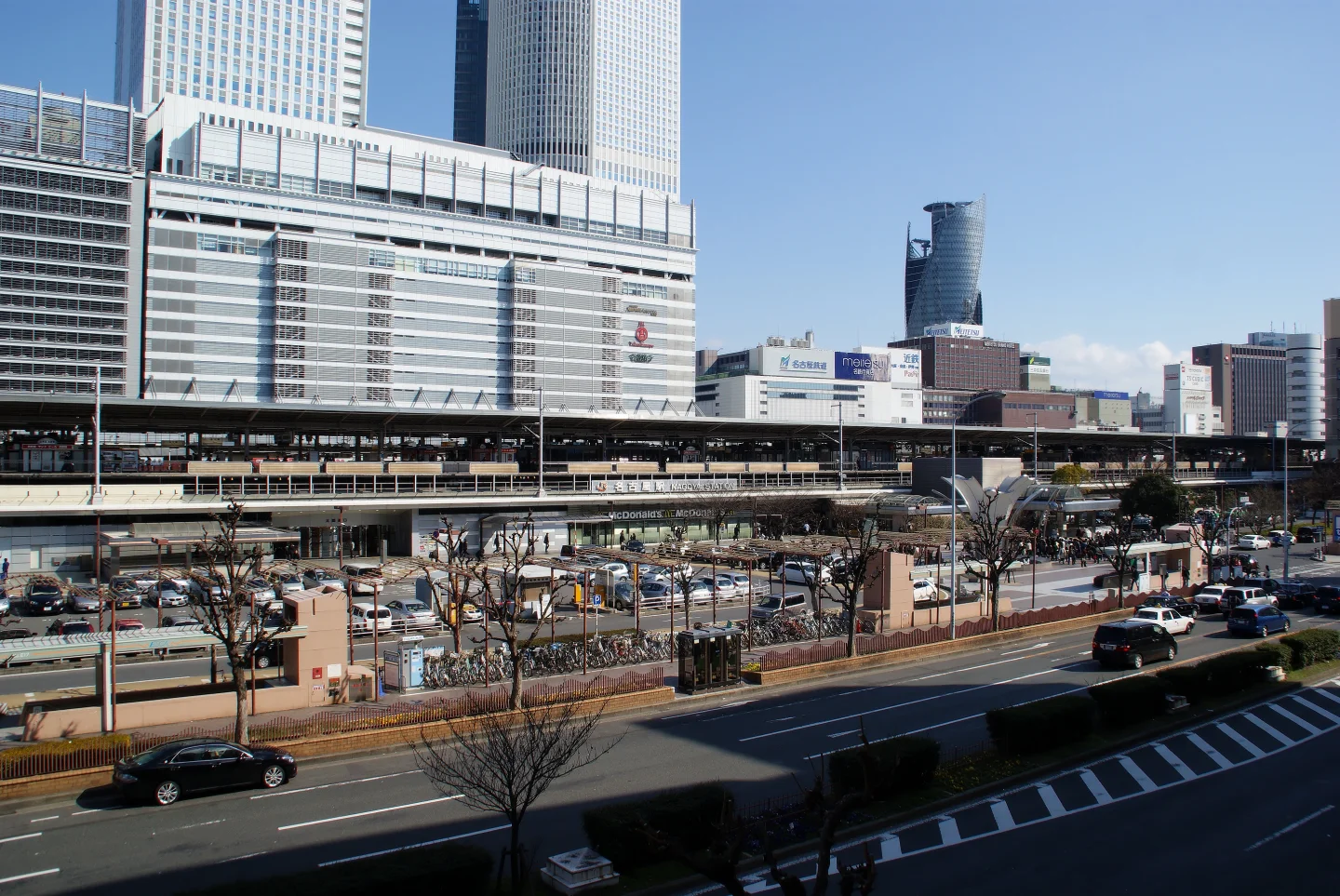
The Sakura-dori Line also serves Nagoya Station, with connections to Kokusai Center and Hisaya-odori. For Endoji or Shikemichi, check which side of the station your hotel and restaurant occupy before choosing walking or Kokusai Center Station. Hisaya-odori may suit a restaurant north of Sakae. Enter full endpoints in the Transportation Bureau’s route and station search and navigate to the door. “Near Sakae” does not mean every exit is equivalent.
The Meijo Line has loop directions, while Kanayama also connects with the Meiko Line. Read the platform’s direction, major stops, and destination. For Kamimaezu or Sakae, board toward that side of the loop. Check once more before boarding when tired after a meal to avoid a wrong-way return. With luggage, save elevator exits too. Less lifting means less effort.
JR, Meitetsu, and the subway are separate systems. Compare suitable trains from Kanayama to Nagoya Station, but plan within municipal services if using a municipal subway ticket. A JR or Meitetsu ride requires its own fare. List airport transport separately too. After a meal near Nagoya Station, walking to your hotel may be enough. Even with an unlimited ticket, walking within the same neighborhood saves you from going through gates and finding exits.
Half a day near Nagoya Station: Yanagibashi breakfast, Shikemichi, and Endoji
This route suits a station-area hotel, an interest in markets and old streets, or an afternoon long-distance departure. Have breakfast at Yanagibashi Central Market, walk toward Shikemichi and Endoji, then return to Nagoya Station for luggage. The market and shopping streets have different rhythms: handle the early-closing market first and leave coffee and shops for later. If skipping the market, eat near the station and give the time directly to Shikemichi and Endoji.
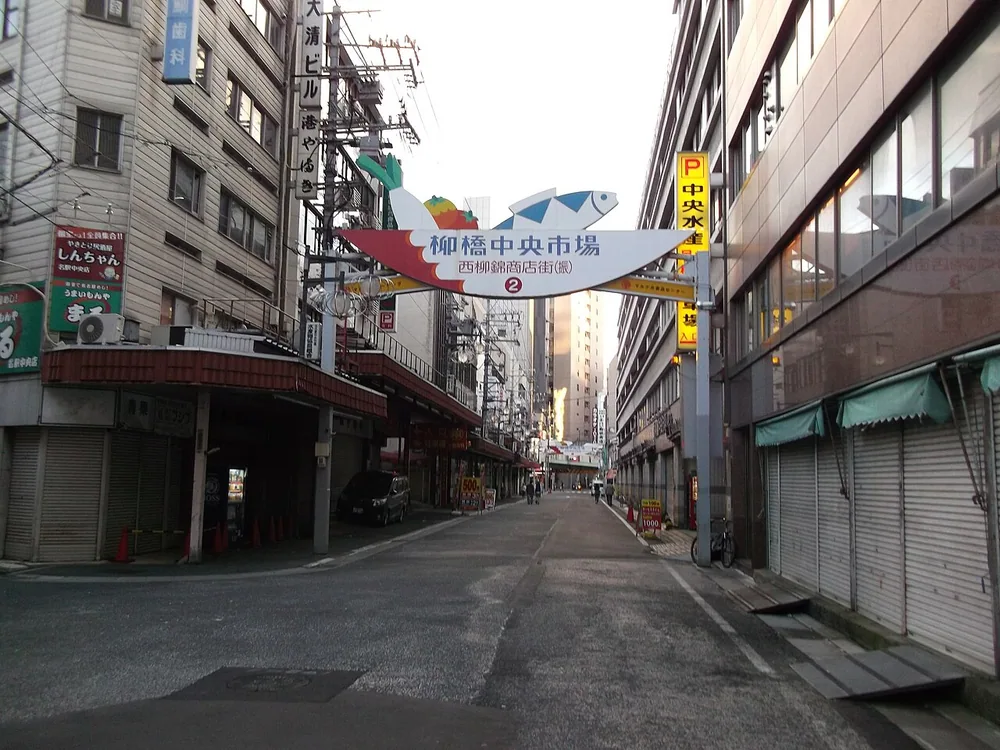
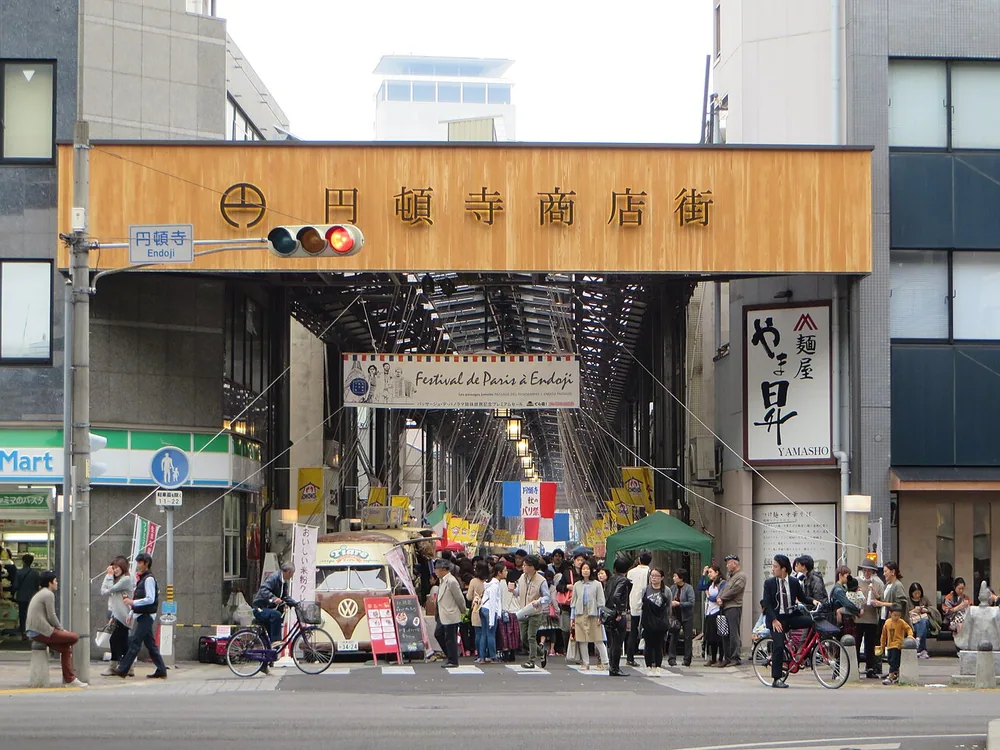
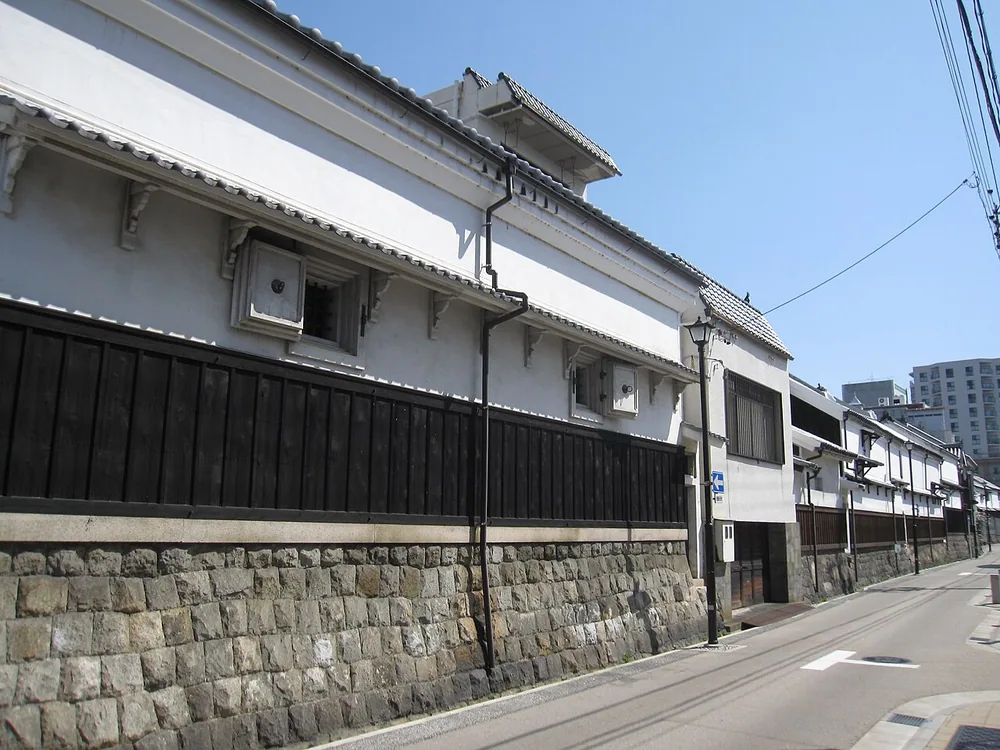
The official Nagoya listing for Yanagibashi Central Market gives general trading from early morning until around 10:00, varying by shop. It closes Sundays and holidays, with irregular Wednesday closures. To see vendors working and buy ingredients, visit on an operating morning. For lunch alone, check the individual restaurant’s hours. General visitors can shop and eat; for fish without a displayed price, name, or origin, ask the price and sales unit before buying.
A visitor’s breakfast and fresh-food shopping can be separate plans. Before a long train ride, a seated meal is easier to handle than a bag of refrigerated ingredients. Consider ingredients for cooking if your accommodation has a kitchen. Ask questions beside the stall, keep delivery routes clear, and dispose of food packaging as instructed. For companions avoiding raw food, find a cooked-food option beforehand instead of leaving the family hungry while you choose seafood.
After eating, see Shikemichi’s townhouses and lanes, then find lunch or coffee in Endoji Shopping Street. City walking information places Shikemichi near Kokusai Center Station and distinguishes neighboring Endoji and Endoji Honmachi shopping streets. Save the entrance for the section you want. Shops open individually; walk first if early and sit down at midday. This route suits several spare hours. Store suitcases at your previous hotel or available storage before starting.
Back near the station in the afternoon, combine gifts and your last meal. For ankake spaghetti, check Yokoi KITTE Nagoya’s service hours; otherwise choose another dish in the station malls. The route’s value is moving in one direction. You need not travel to Sakae for another coffee and return for bags. Leave time to pack and reach the platform, and keep the final shop optional.
Sakae to Osu: lunch first, then walk toward your return station
This route suits a day split between shopping and food. Have miso dishes or ankake spaghetti in Sakae at lunch, move toward Yabacho, enter Osu Shopping District, then leave from Kamimaezu or Osu Kannon in the evening. You can reverse it: enter from Osu Kannon in the morning, sit down for lunch in Osu, and reach Sakae after midday. Choose a main direction based on the restaurant’s location. Avoiding a repeated street makes a real difference to afternoon energy.
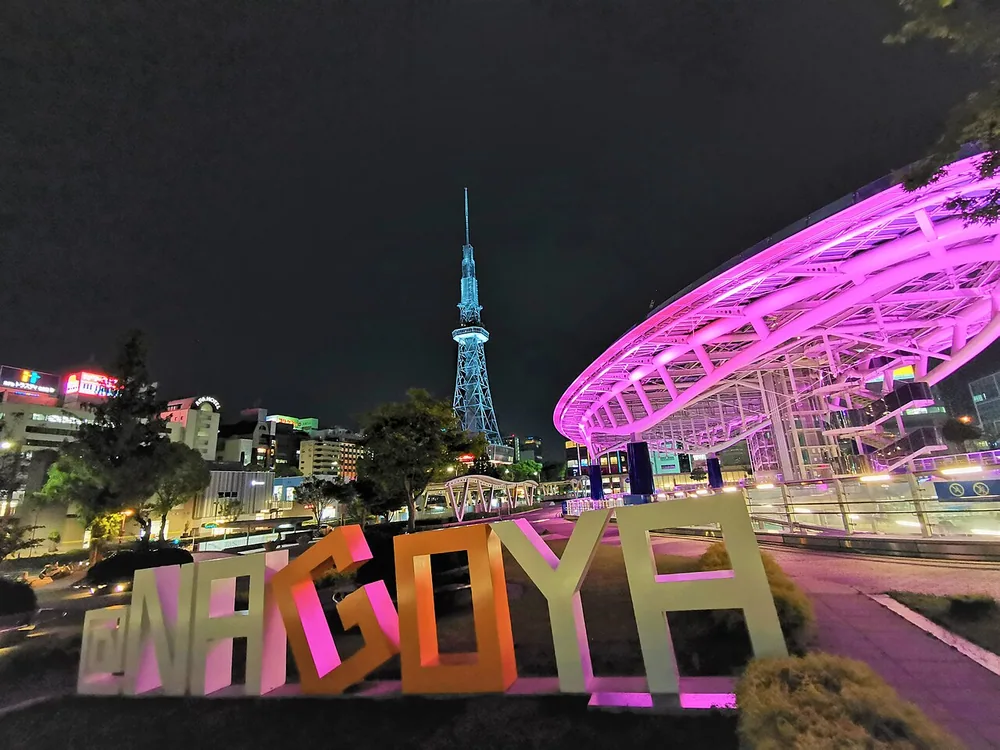
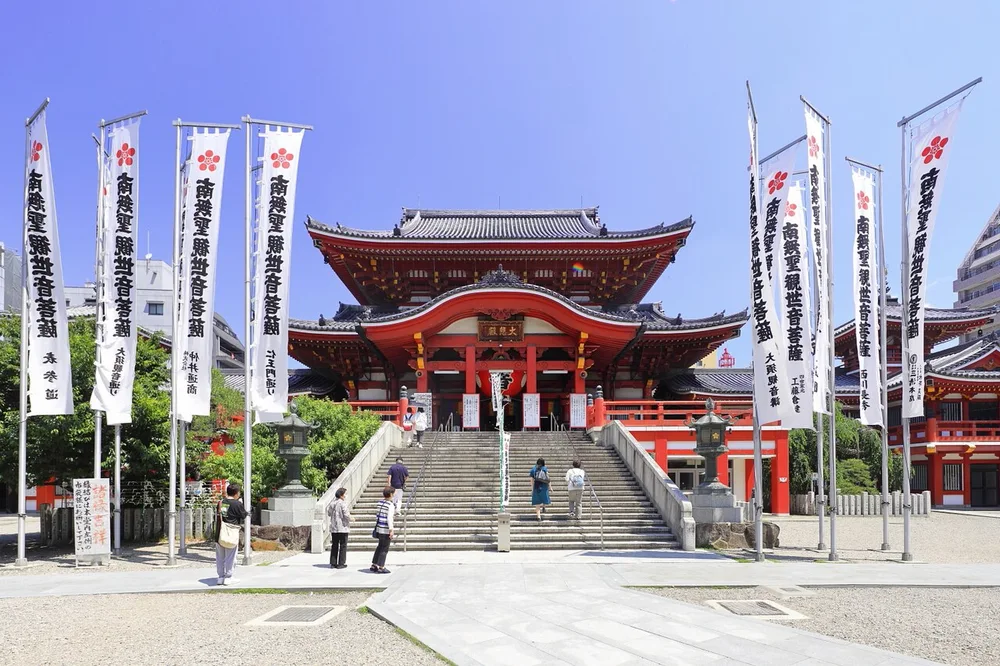
Sakae groups many meal styles together. To accommodate different tastes, read several menus on a mall restaurant floor and decide together. LACHIC lists general restaurant hours of 11:00–22:00 on floors 7 and 8, toward Sakae Station exit 16, making it a clear meeting point. Finish the shopping you actually need in the same building before moving on. Having stores on every floor and in the next neighborhood does not mean browsing them all.
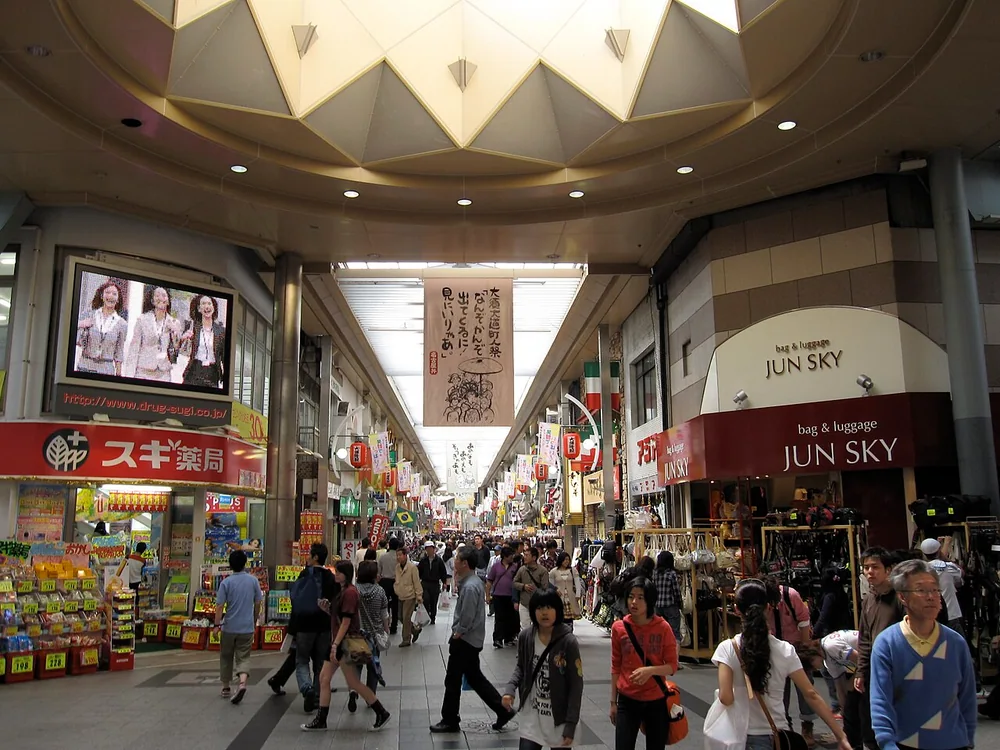
Osu Shopping District has local and international food, leaving room for a choice on arrival. After a full lunch, have a drink or small snack. After a light lunch, find somewhere to sit for a proper meal. If fried food, sweets, and sandwiches all appeal, buy one item, finish it, and walk before deciding on the next. Fewer bags also make browsing shop merchandise easier.
Arcades provide partial shelter, but road crossings and side streets remain exposed. In rain, shorten the visit to one covered section and replace a long walk toward Sakae with the Meijo Line or a Tsurumai Line connection. Use Osu Kannon as one endpoint if visiting the temple. Kamimaezu is a clear transport point for Sakae or Kanayama. You need not decide every snack at the entrance. Know your final station, then choose by appetite along the way.
Dinner can stay in Osu or move back to Sakae for shared dishes such as chicken wings. First ask whether everyone still wants a full rice or noodle meal. After many snacks, several dishes may be enough. Someone who has barely eaten needs a full rice or noodle meal. Ask about izakaya seating charges and per-person drink or food rules before sitting down. Agree on the meal style so that one person does not expect only a drink while others wait for dinner.
For a savory light meal in Osu, visit Tenmusu Senju Honten. Its current product page lists takeaway shrimp-tempura rice balls at ¥972 for five, ¥1,944 for ten, and ¥194 per additional piece, all including tax. It is at 4-10-82 Osu, about 200 meters north of Kamimaezu Station exit 10. Hours are 8:30–18:00, closed Tuesdays and Wednesdays. Walking from Sakae toward Osu, save it for the latter part near Kamimaezu, buy a pack for a light meal, and leave from there. After a full rice or noodle lunch, choose the quantity by your appetite.
Near the Osu Kannon end, Aoyagi Sohonke’s Osu main store suits a dessert break. Its store listing gives 10:00–18:30, with cafe service from 12:00 and last orders at 17:00. It closes Wednesdays but opens on holidays. The cream cheese and lemon Kerotozzo goes on sale at this branch at 11:30, at ¥380 each including tax. It fills a thin-skinned red-bean bun with whipped cream, cream cheese, and lemon juice, and lists egg, milk, wheat, and soy allergens. If browsing Osu in the morning, put the cafe after your walk. For takeaway dessert alone, plan around the 11:30 sales start. Shopping and sitting down to eat have separate times.
Atsuta to Kanayama: choose eel rice or noodles inside the shrine grounds for a half day
The Atsuta route suits a meal and shrine visit in the same area. Decide on eel rice for lunch or kishimen after worship, then choose which side of the shrine to enter and leave. For Horaiken’s Jingu branch outside the South Gate, prioritize south-side transport and dining arrangements. For a shaded walk, enter through a convenient gate and continue toward food. Either version connects with Kanayama. Two full staple meals at one lunch are unnecessary.
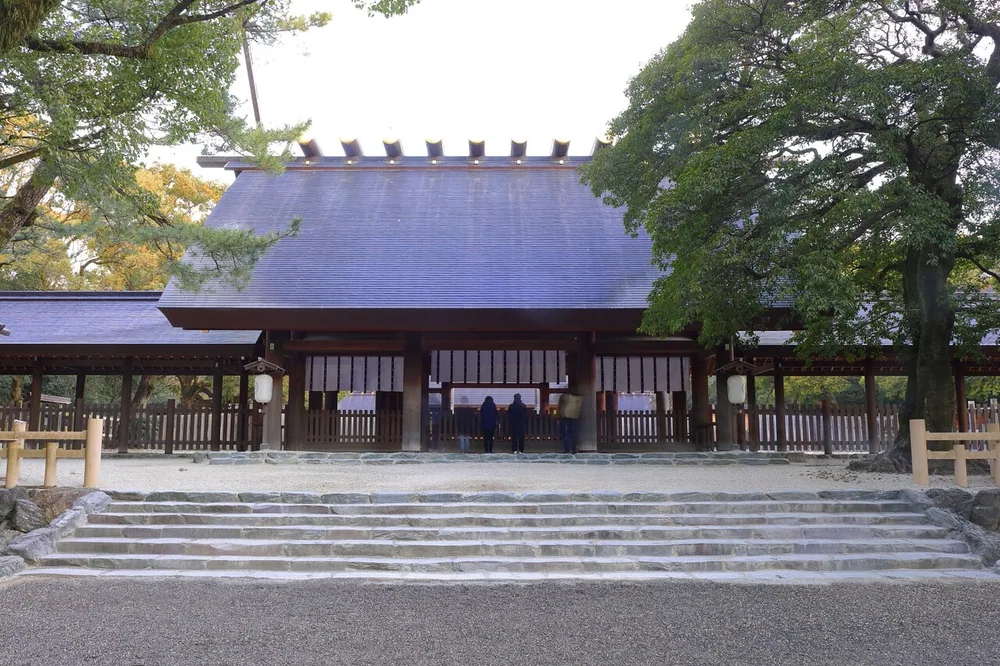
Miya Kishimen’s Jingu branch is within Atsuta Jingu. The current page lists opening at 9:00 and last orders at 16:30, with a menu updated October 1, 2026. It suits nearby noodles after worship or an earlier meal. After a small breakfast, eat before walking if that works better. Check the seating and everyone’s energy so that the meal location supports the shrine route.
By subway, use Atsuta Jingu Nishi or Atsuta Jingu Temma-cho on the Meijo Line according to the gate and restaurant. Meitetsu has Jingu-mae and JR has Atsuta Station. All reach the area, but your ticket coverage and hotel direction affect the choice. From Sakae or Kamimaezu, the Meijo Line makes a simple route. If transferring from another city, plan around your actual arrival station instead of adding a transfer to follow one suggested route.
After eating, use Kanayama for a rest, a little shopping, and the return journey. If full, have a drink and sit before going back to your room. If a long eel queue led to a light meal instead, leave dinner for Kanayama or near the hotel. This half day does not depend on rushing through sights. Walk farther if you wish, or return along the station route when ready to rest. Before a timed afternoon booking, eat early or choose a meal whose timing you can control.
From Atsuta, the Meijo Line returns to Sakae’s dinner area. With a subway ticket for Nagoya Station, take it to Sakae and change to the Higashiyama Line. If willing to pay separately, compare JR or Meitetsu at Kanayama. Put dinner on your actual return route: Sakae for a Sakae hotel, or the station area for an evening departure from Nagoya Station, removing the planned Osu snack detour. After eel rice, finish lightly; after kishimen, save room for a full dinner. Add luggage collection to this return route to know how long you can sit in the afternoon.
Which transport ticket: choose by date, bus use, and the final ride
Common municipal options are the subway all-line 24-hour ticket, the city bus and subway all-line one-day ticket, and Donichi Eco Kippu (ドニチエコきっぷ). The Transportation Bureau’s current fare page lists adult prices of ¥760, ¥870, and ¥620 respectively, with child prices of ¥380, ¥430, and ¥310. Choose the use date, check whether you need city buses, then compare your total individual fares.
The 24-hour ticket starts when first inserted into an automatic gate and runs until the same time the next day. A journey begun within validity can be completed even if the ticket expires en route. Starting at 16:00 Friday can cover valid rides before 16:00 Saturday; the return after Saturday dinner needs separate payment. It suits an afternoon arrival followed by subway travel the next morning. If the first evening is spent walking near Nagoya Station, do not take a ride just to activate it. Start when you actually need the subway.
The bus and subway one-day ticket covers that day’s first through last services and suits real use of both modes. Donichi applies on Saturdays, Sundays, holidays, the 8th of each month, and dates designated by the bureau for holiday timetables. On eligible dates, compare ¥620 with your individual fare total. If all meals are in one neighborhood, separate tickets or IC payment may be enough. Even with many cross-city trips, remove repeated routes first and buy a pass for the travel that remains.
For a hypothetical comparison, three fares of ¥210 + ¥210 + ¥310 total ¥730. A ¥760 24-hour ticket costs ¥30 more, while an eligible ¥620 Donichi ticket saves ¥110. These are sample figures; substitute actual fares for your stations. JR, Meitetsu, Kintetsu, and the Aonami Line are separate, as is Meitetsu airport travel. If changing to JR from Kanayama to Nagoya Station, add that fare before deciding which ticket pays off.
Buying and using tickets: choose the right date before turning to restaurant navigation
Ticket machines, station offices, gate counters, and Transportation Bureau service centers are the main municipal ticket outlets, with products varying by location. The bureau states that one-day tickets sold at machines are for same-day use. A 24-hour ticket must also be started before the last service on its purchase date. For a ticket for a later date, explain the date and ticket type at a staffed counter for guidance. Buy same-day tickets at your departure station after agreeing on everyone’s ages and ticket types.
Visitor-oriented ticket machines have a QR feature to help choose tickets. The machine’s QR button has a different purpose from QR payment. Prepare cash and select the correct adult or child quantities on screen. Read the printed ticket and store it separately from receipts. Keep adult and child tickets in consistent, accessible places, with one adult helping children through the gates, rather than unpacking a whole bag when your turn comes.
An IC card suits a changing itinerary or a small number of rides. Use the same card to enter and leave each journey, and add value at a suitable machine when low. Prepare the appropriate card or ticket for each family member. If rain interrupts a planned walk, paying for one ride is a practical use of flexible funds. There is little value in making everyone walk in rain to preserve a fare saving. Use unlimited travel for convenience once frequent rides and coverage are clear.
Queues, bookings, and branches: give each meal a clear alternative
Choose two restaurants: the restaurant you most want, plus a walkable alternative with a suitable menu. The backup can serve the same dish or a different meal. If you like eel rice but dislike long waits, choose kishimen or a set meal beforehand. At the door, assess the queue and continue or switch. If someone is uncomfortably hungry, eat first and adjust the afternoon. The whole group need not hold out for one restaurant name.
Confirm the date, party size, meal option, and arrival slot when booking. For a course, record included food, drinks, tax, and service charges. If a guest can no longer attend, update the reservation through the original booking channel. Save the rules for phone, brand-website, and third-party bookings separately, and cancel through the channel used. Put the address and booking on one page shared with companions so that everyone can find the right branch after shopping separately.
The main restaurant need not be the only choice. A specific historic restaurant may justify a special trip; for food and convenience, compare en-route branches by menu, seating, and hours. Yokoi, for example, has different locations in Sakae and near Nagoya Station. Sumiyoshi Honten, Nishiki, and KITTE Nagoya have different meal periods. Choosing around your lunch or dinner time is easier than fixing the main branch first and rebuilding the day around it.
On department-store restaurant floors, check each restaurant’s last orders. General hours for Towers Plaza and Gate Tower Plaza restaurants are 11:00–23:00, with breaks at some locations. For lunch at 14:00 or 15:00, find continuous service. For a late evening arrival, check order cutoffs and the route before setting out. A mall can remain open while staff take their final orders; door notices can save several floors of searching.
With children, older travelers, or dietary requirements, check seats and broth first
For family meals, solve seating first. Strollers need space, toddlers may need high chairs, and anyone unable to stand long benefits from reservations or a nearby alternative. Hot-plate pasta and pot-served udon arrive very hot. Seat children where they cannot touch hot dishes and let adults move tableware and portion food. While waiting, have water, organize coats and shopping bags, and leave only meal items on the table.
For older companions, shorten market and Osu walks and choose meals with fixed seats and easy access. The station-to-door route matters more than a straight line on a map. Check elevators and the restaurant floor. For wheelchair users, tell the restaurant the chair size, whether the user can transfer, and the party size. Once suitable seating is booked, choose the appropriate station exit. These preparations leave you free to focus on food that day.
Describe dietary limits by ingredient. Miso soup and noodle broth may contain fish stock; ankake spaghetti sauce may use meat; red-bean toast includes bread, spreads, and dairy as well as beans. For allergies, prepare a Japanese card listing excluded ingredients and cross-contact needs so that the restaurant can assess whether it can serve you. For vegetarian, vegan, or halal meals, start with restaurants offering the corresponding menus and information, then plan transport. Photos can miss sauces and broth.
Rain, late arrivals, and a lost half day: keep the meals that matter
In persistent rain, station malls or Sakae restaurant floors can combine a meal, rest, and limited shopping. Choose one building and find the elevator and exit for its restaurant floor before deciding where to go next. Shorten Osu to a covered section; save walks between Yanagibashi, Shikemichi, and Endoji for suitable weather and energy. If shoes and socks are wet, return to your room and eat near the hotel rather than adding another shopping district.
For a late arrival, arrange check-in, luggage drop-off, and a meal you can still get. From the airport or train, check last orders near the hotel and put the arrival time into navigation. If too late to sit down, use takeaway still open and buy what you can finish that night. Leave cafes, markets, and popular lunches for tomorrow. The first evening’s task is to feed everyone and rest so that you have appetite and energy in the morning.
If flights, weather, or work remove half a day, preserve your favorite meal and one activity in the same area. For Atsuta eel rice, move Sakae shopping to another day. For Osu walking, eat in Osu. Before an afternoon Shinkansen, use the station-area half day. Remove cross-city travel and lower priorities to protect the main meal. Change or cancel paid and booked items under their terms, and bring the schedule back to the time you actually have.
On the last day, arrange eating, luggage collection, and reaching the correct platform or airport route; luggage can also be collected before the meal. Buy refrigerated food last and follow the vendor’s storage conditions and eating deadline. To bring food home on an international flight, read the ingredients and current quarantine rules before choosing shelf-stable gifts. Tenmusu shrimp rice balls suit a light meal on a short same-day journey. Buy quantities for the meals you will actually eat. Pack utensils, wrappers, and bags so that you can settle into your seat for the next journey.
A few useful answers
What should I eat with only one day in Nagoya?
Choose the main dish you most want, then add a cafe or snack stop. Near Nagoya Station, use Yanagibashi and the station area. For shopping, choose Sakae and Osu. If eel rice is the priority, give Atsuta a half day in the same area.
Can the Nagoya subway 24-hour ticket span two days?
Yes. It runs from first insertion into an automatic gate until the same time the next day. If started at 16:00 Friday, the return after Saturday dinner is outside validity and needs separate payment or another suitable ticket.
Is Donichi Eco Kippu only valid on weekends?
It currently applies on Saturdays, Sundays, holidays, the 8th of each month, and dates designated by the bureau for holiday timetables. It costs ¥620 for adults or ¥310 for children and covers all municipal buses and subway lines.
Can I go to Osu after Yanagibashi Central Market in the morning?
Yes, but the areas require separate travel. For fewer transfers, continue to Shikemichi, Endoji, and the station area. For Osu, take the subway after the market, keep lunch and afternoon there, and omit another shopping district that day.
Is Ogura toast always included in a morning set?
It depends on the restaurant’s set. Some morning services include toast or egg, while Ogura toast may be a separate order or paid upgrade. Read the drink and set contents before ordering.
Official information and references
Sources used in this guide.
- Nagoya Meshi official website: miso katsu
- Yamamotoya Honten: standard miso-nikomi udon and ingredients
- Nagoya Meshi official website: kishimen
- Misen Imaike main restaurant: specialties and hours
- Yokoi: ankake spaghetti and current menu
- Nagoya Meshi official website: hot-plate spaghetti
- Nagoya Meshi official website: hitsumabushi
- Atsuta Horaiken Jingu branch: menu and reservations
- Nagoya Meshi official website: Ogura toast
- Nagoya Meshi official website: morning service
- Transportation Bureau: subway routes and station search
- Official Nagoya tourism: Yanagibashi Central Market
- Nagoya City: walking information for Shikemichi, Endoji, and the market
- Yokoi KITTE Nagoya: branch hours
- LACHIC: access and restaurant-floor hours
- Official Nagoya tourism: Osu Shopping District
- Miya Kishimen Jingu branch: location, hours, and current menu
- Transportation Bureau: one-day and subway 24-hour tickets
- Transportation Bureau: ticket outlets and same-day machine-ticket rules
- Transportation Bureau: visitor-oriented ticket machines and QR features
- Towers and Gate Tower: restaurant floors, elevators, and service hours
- Nagoya Meshi official website: tenmusu shrimp rice balls
- Official Nagoya tourism: Atsuta Jingu entrances and access
- Tenmusu Senju Honten | Products, branches, and opening days
- Aoyagi Sohonke | Osu main store, cafe hours, and closing days
- Aoyagi Sohonke | Cream cheese and lemon Kerotozzo