Use 2026 Sanriku Railway services between Kuji and Miyako. Compare day trips in both directions, Miyako Fish and Vegetable Market and Kuji Dofukan lunches, weekday Jodogahama buses, local tickets, and an overnight plan.
- Region & Focus
- Miyako
- Reading Scope
- 30 min read · 12 chapters · 5 Q&As
- Official Verification
- 12 official sources checkedUpdated October 29, 2026 at 07:36 PM GMT+8
- Key Topics
- ItinerariesRail travelTohoku
Chapter Route Map (tap any stop)
- Choose Kuji or Miyako as your starting point
- Early from Kuji: market lunch and an afternoon at Jodogahama
- Miyako to Kuji: arrive at eleven for lunch and Dofukan
- Miyako Fish and Vegetable Market: closed Wednesdays; separate breakfast and shopping
- Kuji Dofukan has two buildings, and Sankairi also serves cooked food
- For Jodogahama, check both station-to-center and return tables
- Allow walking time for the white-rock shore; plan boat trips separately
- Before an intermediate stop, calculate the next train
- Compare one-way, weekend day, and whole-line two-day tickets for this section
- Stay in Miyako for meals at both ends and a full coastal visit
- A later Miyako arrival works as a one-way travel day
- Connect with Hachinohe and Tohoku by allowing another coastal travel day
- Quick Q&A
To combine Sanriku Railway, a seafood market, and Jodogahama in one day, start early from Kuji: board at 8:06 a.m., reach Miyako at 9:42 a.m., eat at the market, then visit the coast. In the other direction, take the 9:22–11:05 a.m. train to Kuji for lunch at Dofukan, focusing on the railway and town. For a seated meal at both ends, stay in Miyako and walk the coast the next day. Rail times follow the March 14, 2026 revision; bus examples use the weekday timetable retrieved October 29, 2026.
Choose Kuji or Miyako as your starting point
Direct daytime Sanriku Railway trains between Kuji and Miyako take about 1 hour 30 minutes to 1 hour 50 minutes. A same-day return uses more than three hours on trains alone, and each intermediate stop adds a wait for the next service. I would choose one end as the day’s main destination: the market and Jodogahama at Miyako, or Dofukan and lunch at Kuji. Choosing restaurants at both ends, the shore, and intermediate stations quickly uses the day on connections.
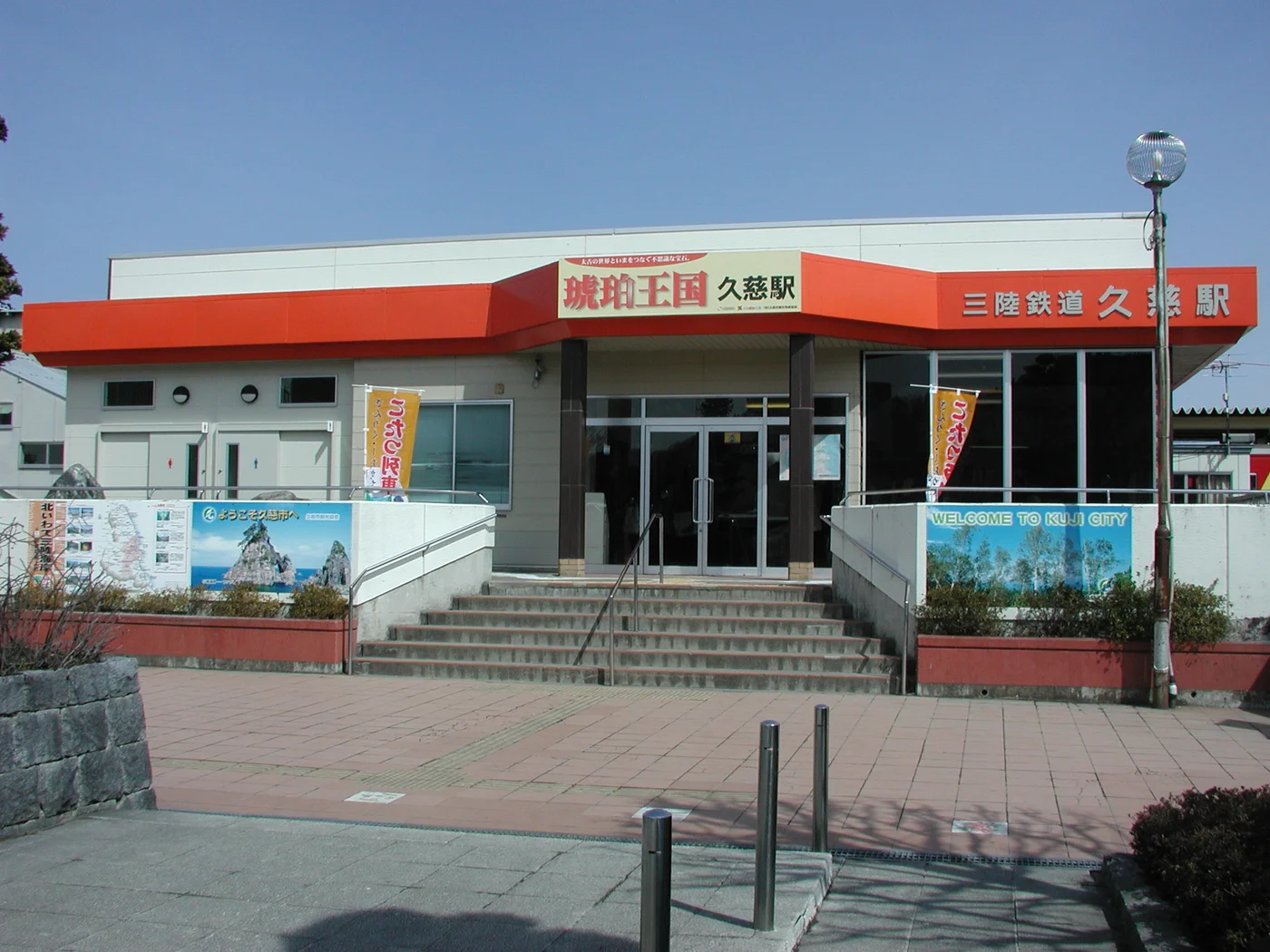
Southbound from Kuji, train 108D at 8:06 a.m. reaches Miyako at 9:42 a.m., leaving a full morning in town. Even with the market first, lunch and the afternoon coast remain separate stages. Train 110D at 10:21 a.m. arrives at 12:01 p.m.; make the market the lunch focus and the shore an afternoon visit. If returning to Kuji that day, decide how much coast time to keep.
Northbound from Miyako, train 1109D at 9:22 a.m. reaches Kuji at 11:05 a.m., matching Sankairi’s 11:00 a.m. opening. Eat, shop at Dofukan, check tourist information, and return at 1:50 p.m. for a day trip without a predawn start. This suits a focus on rail travel and food. Keep Jodogahama for another morning rather than rush for a last coastal connection after returning to Miyako.
If arriving in Kuji from Hachinohe, put that arrival time into the plan first. Kuji is this route’s northern end; the JR train from Hachinohe is a separate leg. Hachinohe coastal walks also have their own buses and walking demands. Continuing south from Hachinohe works better as a progressive coastal journey, with Kuji as a transfer or overnight point, than returning to Hachinohe every day.
Use 2026 Sanriku Railway services between Kuji and Miyako. Compare day trips in both directions, Miyako Fish and Vegetable Market and Kuji Dofukan lunches, weekday Jodogahama buses, local tickets, and an overnight plan.
Early from Kuji: market lunch and an afternoon at Jodogahama
The fullest same-day return begins in Kuji at 8:06 a.m. After arriving in Miyako at 9:42 a.m., leave the station, organize belongings, and head to Miyako Fish and Vegetable Market at 1-1 Satsukicho. Allow 20 minutes each way between station and market, including finding the exit and streets and organizing purchases. A morning market visit avoids trying to catch the coastal bus that already left at 9:30 a.m.
Browse seafood stalls, food shops, and producers’ stands in the morning, then choose a market dining room for the main meal. For the 12:40 p.m. coastal bus, aim to be back outside the station by 12:10 p.m., leaving time for tickets, toilets, and finding the stop. Extending the market visit is easier at this stage. Discovering a short return window after reaching the coast often leaves only the walk you most wanted as something to cut.
Weekday C04 leaves Miyako Station at 12:40 p.m. and reaches Jodogahama Visitor Center at 12:57 p.m. This stop lets you group the center and shore walk, using the same stop name for the return search. To catch the 4:15 p.m. train to Kuji, take A03 from the center at 3:18 p.m., arriving outside Miyako Station at 3:40 p.m., a 35-minute connection.
Coastal time starts when you alight at 12:57 p.m. and includes walking to the sea, finding the stop again, and waiting. For the 3:18 p.m. return, I would leave the shore for the visitor center at 2:45 p.m. Start earlier with slower walkers. Small tasks such as buying drinks and adjusting shoes also take time; do not allocate every remaining minute to photos.
Train 117D at 4:15 p.m. reaches Kuji at 5:58 p.m. You have completed two rail legs, a market meal, and a coastal walk. Sankairi at Kuji Dofukan is already closed, so arrange dinner near your accommodation. If Sankairi is a required meal, give it lunch on another day or use the overnight plan below rather than fit two cities’ lunches into one day.
| Time | Plan | Connection detail |
|---|---|---|
| 8:06–9:42 a.m. | 108D Kuji → Miyako | Visit the market after arrival |
| Morning to before 12:10 p.m. | Market shopping and lunch, then return to station | Allow 20 minutes each way between station and market |
| 12:40–12:57 p.m. | C04 Miyako Station → Jodogahama Visitor Center | Allow additional walking to the shore |
| 3:18–3:40 p.m. | A03 visitor center → Miyako Station | Start back from the shore around 2:45 p.m. |
| 4:15–5:58 p.m. | 117D Miyako → Kuji | 35-minute station connection |
Miyako to Kuji: arrive at eleven for lunch and Dofukan
From a Miyako base, eat breakfast at your accommodation and take train 1109D at 9:22 a.m., arriving in Kuji at 11:05 a.m. There is no need for a dawn train just to reach restaurant opening. Walk to Michi-no-Eki Kuji Yamase Dofukan, eat at Sankairi in Tsuchi-no-Yakata, then explore the same complex. Eating first avoids combining queues, shopping, and navigation on the afternoon walk back to the station.
Sankairi currently opens 11:00 a.m.–5:00 p.m., with last orders at 4:30 p.m. Seafood options include Ryoshi Nagekomi-don and Sanriku Himatsubushi; for a local hot dish, consider Kuji Mamebu soup. The restaurant also lists meat dishes and children’s meals. People preferring cooked food can choose a suitable main at the same table rather than everyone having raw fish.
For train 114D back at 1:50 p.m., lunch and the complex have a little over two hours available. Set 1:20 p.m. as the time to leave Dofukan for the station. Those 30 minutes are a planning allowance for walking, toilets, and boarding. Choose small room-temperature foods when shopping so the afternoon train does not become an exercise in looking after a chilled bag.
Departing at 1:50 p.m. brings you back to Miyako at 3:23 p.m., leaving a suitable period for shopping or rest in town. C04 still leaves for the coast at 3:40 p.m., but only 17 minutes separate train arrival and bus departure, followed by walking after alighting and the return bus interval. For a first visit, luggage, or a slow look at the white rocks, I would leave Jodogahama for tomorrow rather than trade a long rush for a short shore visit.
If Kuji lunch and browsing take longer, the next option is train 116D at 4:17 p.m., reaching Miyako at 5:50 p.m. It adds 2 hours 27 minutes in Kuji but returns near evening. Choose it if you mean to spend the afternoon in Kuji. If collecting luggage in Miyako before traveling onward, work backward from that later departure out of town.
Miyako Fish and Vegetable Market: closed Wednesdays; separate breakfast and shopping
Miyako Fish and Vegetable Market is at 1-1 Satsukicho, Miyako. Its official hours are 6:30 a.m.–5:30 p.m., closed every Wednesday. This town retail market combines seafood, vegetables, meat, and everyday foods, making it useful for a meal and local shopping together. Save the full name, Miyako Fish and Vegetable Market, rather than the similarly named Miyako Fish Market, which is not this Satsukicho shopping destination.
6:30 a.m. is the market’s overall opening time. Its official guide lists dining rooms as separate businesses, including Don no Mise Oikawa and OiOi Shokudo. Early visitors can browse operating stalls; for a seated meal, check the dining rooms’ serving boards. Do not infer a breakfast plan in which every restaurant opens with the market, especially on a morning with little time before the next train.
Start in the seafood area to see whole fish, cut portions, and processed products, then browse food and producers’ stands. If Jodogahama comes next, buy ready-to-eat food first. Leave fresh purchases until you can arrange cooling, delivery, or handling at your accommodation. Prices and portions vary by stall. Choose one main meal before adding sides rather than buy a box from every stall and struggle to carry them.
The official guide lists a parcel-delivery counter. For delivery within Japan, prepare the hotel name, postal code, recipient, and expected check-in date, then ask on site which shipping temperature suits the product. Fresh fish, dried foods, and shelf-stable sweets need different handling. Add delivery to the shopping budget and ensure the destination can accept it on arrival. Newly bought fish is not automatically suitable as a souvenir to carry across several days.
The market’s BBQ area is closed.
The official page retains the Gyosai Hiroba guide name but explicitly says the BBQ corner has closed. Do not follow an old travel account, buy seafood, and then look for a grill. Plan a dining-room meal or ready-to-eat purchases in Miyako rather than change the meal format on arrival. Hachinohe’s Shichirinmura is in another city with different facilities; its buy-and-grill process does not apply here.
If traveling on Wednesday, change the whole route to station-to-coast and choose another open lunch venue. Leave the market for another date. For a single Miyako night, stay Wednesday and visit Thursday morning. A Tuesday stay followed by Wednesday departure puts the desired market morning on its closure day. Adjust accommodation and transport order with the date rather than merely move the market name to another itinerary box.
Kuji Dofukan has two buildings, and Sankairi also serves cooked food
Michi-no-Eki Kuji Yamase Dofukan consists of Tsuchi-no-Yakata and Kaze-no-Yakata. Tsuchi-no-Yakata, the local-products building, currently opens 9:00 a.m.–6:00 p.m. Kaze-no-Yakata, the tourism exchange center, opens 9:00 a.m.–7:00 p.m., closing at 6:00 p.m. from November to March. Group lunch in Tsuchi-no-Yakata with the other building afterward. Check floors and businesses on entry to avoid circling the wrong building when hungry.
Use Kaze-no-Yakata for tourist information after lunch and Tsuchi-no-Yakata for local products. Arriving in Kuji at 11:05 a.m., sit down to eat first, then explore. Arriving earlier, use the period between the shop’s 9:00 a.m. opening and the restaurant’s 11:00 a.m. start for shopping. Match the order to arrival rather than wait outside the restaurant to follow a fixed list.
Sankairi describes Ryoshi Nagekomi-don as a seafood rice bowl, and Sanriku Himatsubushi as a seafood dish that can include a hand-roll style of eating. Check the day’s portions before adding Kuji Mamebu soup. The restaurant also lists takeaway Mamebu soup. Arrange it at this stop rather than start shopping for a large hot soup only on the walk back to the station.
The 3:01 p.m. departure from Miyako reaches Kuji at 4:45 p.m., after Sankairi’s 4:30 p.m. last order. Eat in Miyako first and use Kuji for a short shop visit before 6:00 p.m. To eat at Sankairi, choose a train arriving at 11:05 a.m. or 12:30 p.m.
A northern Sanriku introduction published by Machi-no-Eki Kuji Co., Ltd., operator of Tsuchi-no-Yakata.
For Jodogahama, check both station-to-center and return tables
Between Miyako Station and Jodogahama Visitor Center, C04 runs via Naado, with other routes via Kuwagasaki and elsewhere. The official weekday search on October 29, 2026 listed outbound C04 at 9:30, 10:40, and 11:40 a.m., and 12:40, 1:40, and 3:40 p.m., each reaching the center 17 minutes later. The adult fare was ¥250 one way, adding ¥500 return beyond rail costs.
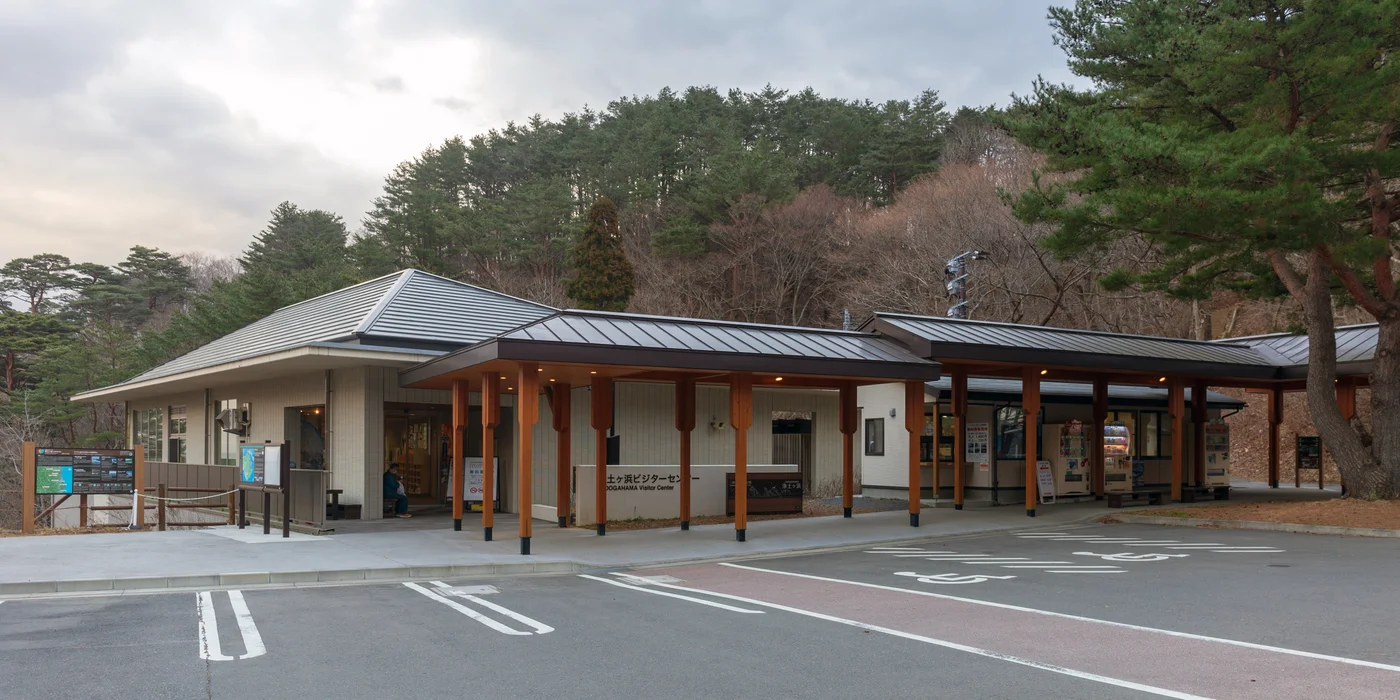
The same weekday search includes A02, A03, C11, and other services. Fix your boarding and alighting points first, then choose the best arrival rather than remember only a bus to Jodogahama. If boarding at Miyako Station, search the return to that same stop. Keep the original stop pinned after walking from the visitor center to the shore rather than improvise another waiting point on the way back.
Weekday C04 returns from the center to Miyako Station include 1:15–1:36 p.m., 2:15–2:36 p.m., and 4:15–4:36 p.m. A03 provides 3:18–3:40 p.m. To catch the 4:15 p.m. Sanriku train, leave the center at 3:18 p.m. or earlier. A bus leaving the shore at 4:15 p.m. cannot connect with a train leaving Miyako at that same time.
The date type in the search changes available services. Set the actual travel day before checking, especially when using A03 for the return. Miyako’s tourism and cultural exchange association also lists Oku-Jodogahama as a stop close to the shore. To use it, search both directions for that stop again. This guide’s examples consistently use the visitor center, with walking included in the visit period.
| Direction | Route | Departure | Arrival | Useful connection |
|---|---|---|---|---|
| Miyako Station → visitor center | C04 | 11:40 a.m. | 11:57 a.m. | After a morning market visit |
| Miyako Station → visitor center | C04 | 12:40 p.m. | 12:57 p.m. | After market lunch |
| Miyako Station → visitor center | C04 | 1:40 p.m. | 1:57 p.m. | One-way day arriving in Miyako at 12:01 p.m. |
| Visitor center → Miyako Station | C04 | 2:15 p.m. | 2:36 p.m. | 25 minutes before the 3:01 p.m. train to Kuji |
| Visitor center → Miyako Station | A03 | 3:18 p.m. | 3:40 p.m. | 35 minutes before the 4:15 p.m. train to Kuji |
| Visitor center → Miyako Station | C04 | 4:15 p.m. | 4:36 p.m. | Later return when staying in Miyako |
Allow walking time for the white-rock shore; plan boat trips separately
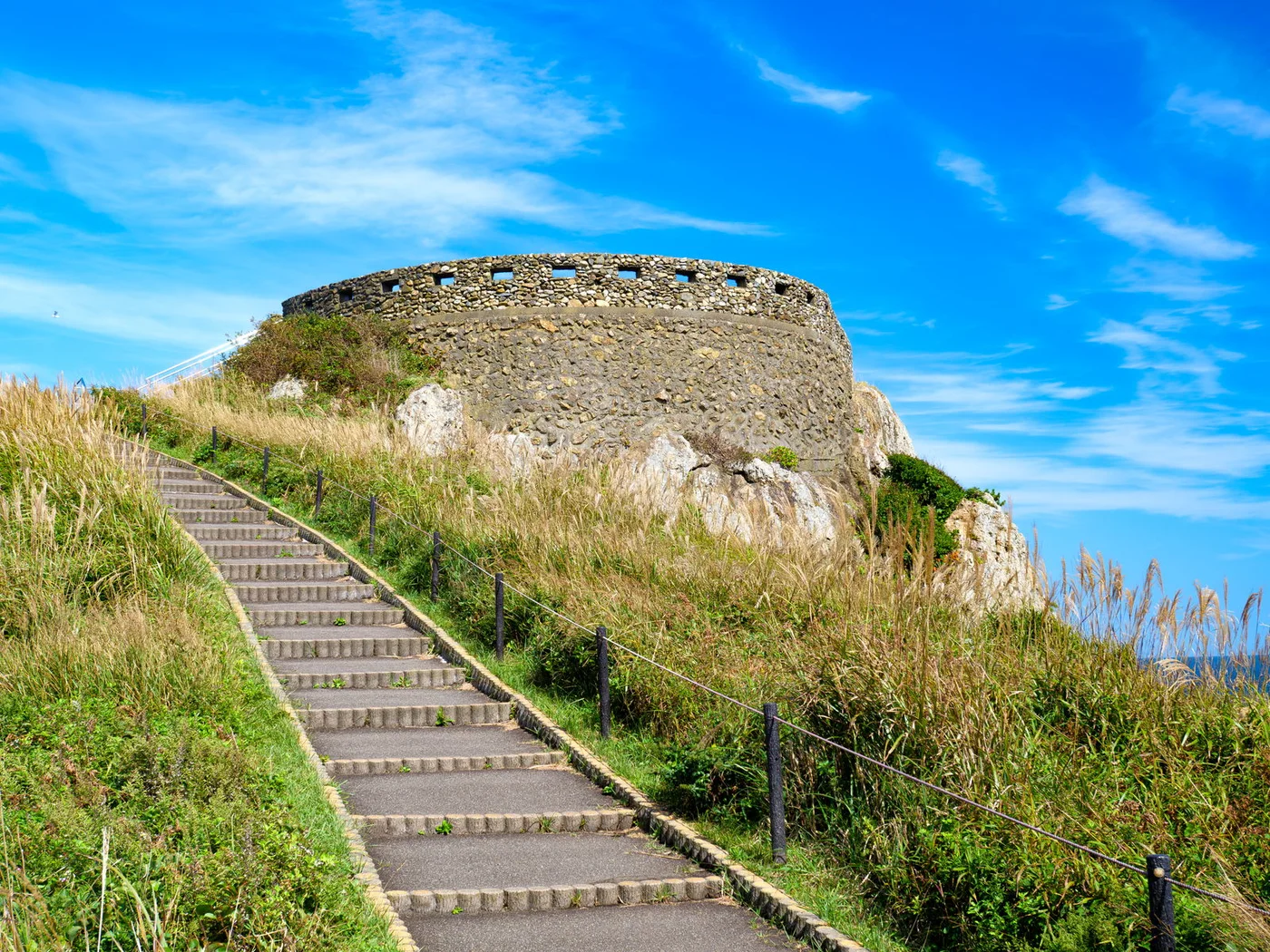
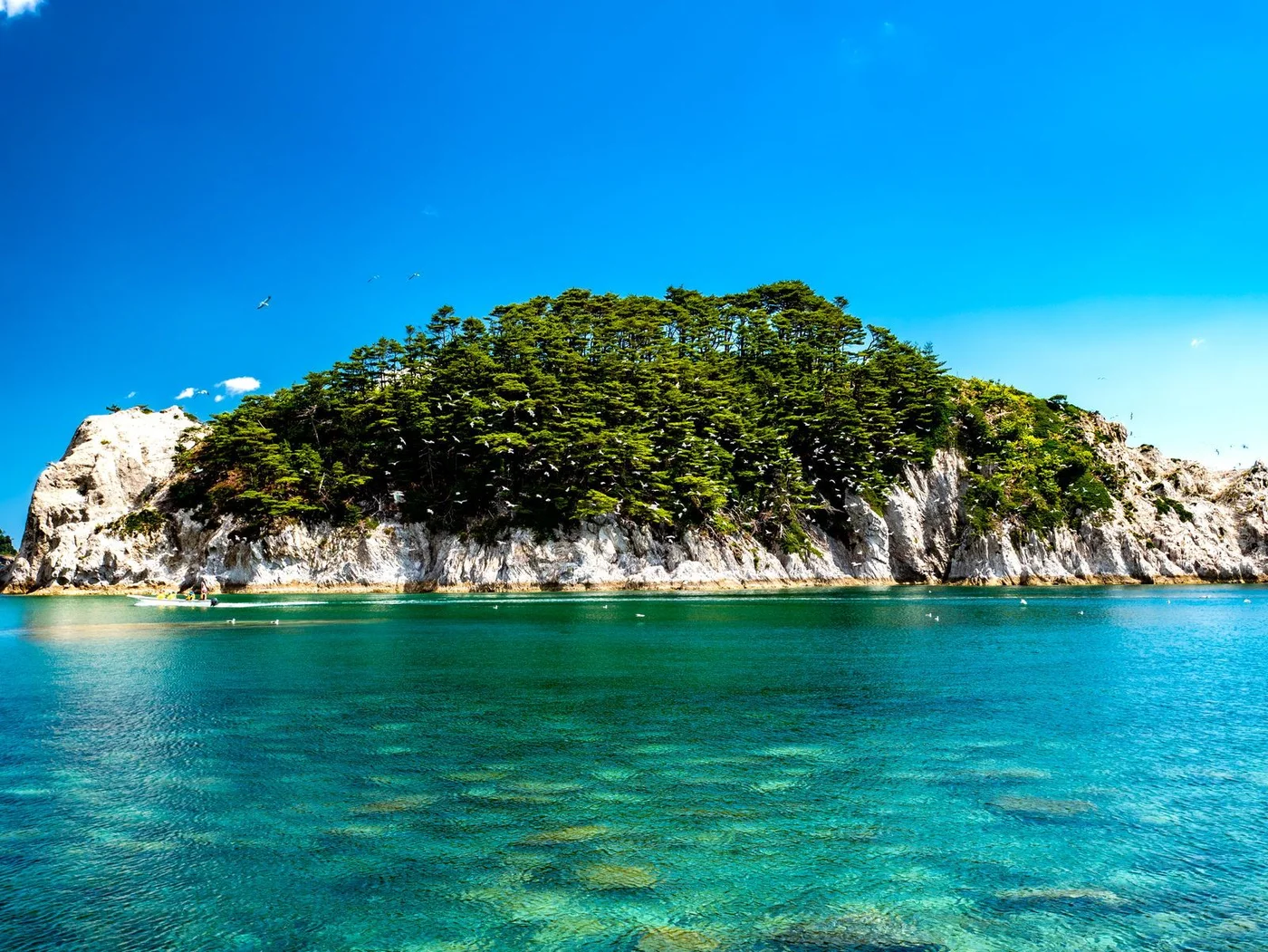
Jodogahama’s main scenery is white rhyolite, pine woods, and the sea. Reaching the visitor center by bus is only the start of the shore walk. Seeing rocks, stopping for photos, and returning to the bus stop need one complete block. After the 8:06 a.m. train south from Kuji, roughly two afternoon hours at the coast are worthwhile without rushing to another coastal town.
On a first walk, use a shore point with visible white rocks and sea as your turnaround target. Follow signs, sit and look on arrival, then decide how much farther to walk. Changes in terrain alter the relationship between rocks and water, and even one stop offers different angles. Take one wide view including water and rocks before looking for details, so a focus on framing does not leave you unsure of the return route.
The visitor-center-to-shore leg affects how far older adults and children can manage. If the station-to-market walk has already tired someone, shorten the shore visit to one out-and-back stretch and rest after reaching the sea. Do not make a distant view you have not reached another compulsory target. Return first to a stop with a confirmed bus, then sort photos while seated or waiting rather than look at the phone while finding the way.
The tourism association gives about 15 minutes on foot from the regular parking area to the shore. From April to October, regular vehicles face restrictions on the road from Parking Lot 1 to Oku-Jodogahama; entry is restricted year-round from 6:00 p.m. to 8:00 a.m. If taking a taxi closer to the shore, follow locally permitted vehicle routes. Rental-car users must still allow walking after parking rather than treat the coastal map pin as a regular vehicle drop-off.
If you also want a boat trip, give Miyako a separate half-day. Check-in, waiting, and sailing need another time block, beyond a single two-hour Jodogahama slot that also includes station transfers. This rail-and-market day plan keeps flexibility with a shore walk. For a boat-centered visit, reduce same-day rail backtracking and stay in Miyako for a longer coastal period tomorrow.
Before an intermediate stop, calculate the next train
Sanriku Railway works for travel along the coast, but its timetable sets the cost of getting off. On train 110D from Kuji at 10:21 a.m., departure from Tanohata is scheduled at 11:14 a.m. The next same-direction train, 5112D, leaves Tanohata at 12:57 p.m. and reaches Miyako at 1:50 p.m. Getting off changes the original 12:01 p.m. Miyako arrival to 1:50 p.m., moving both market and coast later. The scheduled departures at Tanohata are 1 hour 43 minutes apart, giving a little over an hour off the train. That wait may not suit a quick station-sign photo. For a planned activity outside the station, complete access, activity, and return before 12:57 p.m. Choose a destination before alighting rather than search for nearby things afterward.
Northbound has the same time cost. Train 1109D from Miyako at 9:22 a.m. is scheduled to leave Horinai at 10:38 a.m. The next northbound train, 5111D, leaves Horinai at 11:59 a.m. and reaches Kuji at 12:30 p.m. This changes Kuji arrival from 11:05 a.m. to 12:30 p.m. Lunch still works, but shorten Dofukan browsing before the 1:50 p.m. return, or choose 4:17 p.m. back to Miyako for a fuller Kuji afternoon.
A ticket allowing stopovers settles permission to leave and re-enter stations; it does not remove waiting time. To try an intermediate stop in one day, choose one station, write down arrival and reboarding times, and check whether the destination fits. This matches real travel better than buying an all-day pass and circling every coastal station.
For Miyako’s market and Jodogahama, I would take a direct train on the first visit and leave intermediate stops for another trip or the return after an overnight stay. Spend over an hour at a small station in the morning and compress the shore later, and every destination becomes a clock check. Give one selected stop a full visit, or keep this journey’s intermediate scenery at the train window. Both are clear choices.
A 2012 service-restoration promotional film made by Sanriku Railway with local residents, introducing the Tanohata–Rikuchu-Noda section.
Compare one-way, weekend day, and whole-line two-day tickets for this section
Sanriku Railway’s official special-ticket page lists separate one-way stopover tickets from Miyako to Kuji and Kuji to Miyako. Each costs ¥2,080 for adults and ¥1,040 for children, valid that day and sold at its departure station. They suit one-direction travel with stops. They do not include the return direction; use stations and stopovers according to your one-way route.
On Saturdays, Sundays, and holidays, the Miyako–Kuji section has a one-day unlimited ticket at ¥2,900 for adults and ¥1,450 for children. For a full same-day return, it is ¥1,260 less than two adult one-way stopover tickets totaling ¥4,160. For only Kuji to Miyako, the adult ¥2,080 one-way ticket remains cheaper. Check whether you will actually return that day before buying unlimited travel.
Sales stations for the day ticket include Miyako, Iwaizumi-Omoto, Shimanokoshi, Tanohata, Fudai, Rikuchu-Noda, and Kuji. Travelers starting at either end can buy there without adding an intermediate stop just for tickets. On weekdays, use one-way tickets or an already-held valid pass rather than put a weekend/holiday day-ticket price in a Thursday budget.
The whole-line unlimited ticket costs ¥6,500 for adults and ¥3,250 for children, valid on the Sakari–Kuji line for two consecutive days starting on any day. If an overnight trip includes just Kuji to Miyako and a return next day, two adult one-way stopover tickets total ¥4,160, or ¥2,340 less than the whole-line pass. Add definite trips toward Kamaishi or Sakari, or repeated travel, before comparing. Staying one night alone is not a reason to choose a two-day pass.
The current new JR EAST PASS product lists Sanriku Railway within its coverage, so holders of a valid pass can include this section’s ordinary trains in an existing pass itinerary. Iwate Kenpoku buses from Miyako Station to Jodogahama cost extra.
On non-JR East lines with JR EAST PASS, show the pass to staff at a manual gate and carry your passport. For whether to buy JR EAST PASS for a whole Tohoku trip, return to the Japan rail pass comparison. First enter this section’s actual ¥2,080 one-way ticket or ¥2,900 weekend/holiday return option in the trip total.
| Product | Adult | Child | Suitable use |
|---|---|---|---|
| Miyako–Kuji one-way stopover ticket | 2,080 | 1,040 | One specified direction, valid that day |
| Miyako–Kuji section one-day unlimited ticket | 2,900 | 1,450 | Same-day return or repeated rides on weekends and holidays |
| Sakari–Kuji whole-line unlimited ticket | 6,500 | 3,250 | Two consecutive days, available any day |
Stay in Miyako for meals at both ends and a full coastal visit
The value of one night is separating Kuji lunch and Miyako’s coast across two days. Arrive in Kuji in the morning, eat at Sankairi after eleven, and browse Dofukan. Train 114D at 1:50 p.m. reaches Miyako at 3:23 p.m. Check in and explore town that afternoon rather than rush for the 3:40 p.m. coastal bus. The station-to-hotel walk and luggage handling get their own time.
Next morning, shop at the fish and vegetable market, scheduling a full meal during a dining room’s serving hours. With the coast as today’s focus, take C04 at 11:40 a.m., reaching the center at 11:57 a.m. The 1:15 p.m. return reaches the station earlier; the 2:15–2:36 p.m. option adds one hour by the sea. Connect with train 115D at 3:01 p.m. to reach Kuji at 4:45 p.m. and finish the loop in the afternoon.
This plan gives Kuji the first day’s lunch and Miyako the second day’s market and coast, with a reason to linger at both ends. If traveling south of Miyako next, continue south on day two and save the return to Kuji. For Hachinohe, make the second day’s northbound train part of onward travel. Let accommodation follow the next direction rather than ride extra simply to return to an itinerary’s starting box.
Choose Miyako accommodation by the station, market, and shore. With all transfers centered on the station, a stay within walking distance simplifies the morning market and afternoon luggage collection. For a coastal hotel, include check-in, checkout, and luggage movements in its transport arrangements. A coastal stay’s value is more time by the sea, and its location changes market and rail connections.
For one night, match breakfast plans with market dates. To visit Thursday morning, stay Wednesday. When the market closes Wednesday morning, eat at the accommodation and go straight to the shore. This is a date-and-meal decision; an overnight stay does not require an extra early cross-city trip just to have market breakfast.
If day two is set for Jodogahama, pair the return bus and departure train the night before. Arriving outside the station at 2:36 p.m. leaves 25 minutes before 3:01 p.m., suitable for quick luggage collection and a clear transfer. For more time, use the 1:15–1:36 p.m. return. Collecting hotel luggage, retrieving locker items, and a simple transfer are different situations. Include your actual task when choosing a service.
A later Miyako arrival works as a one-way travel day
The 10:21 a.m. Kuji departure and 12:01 p.m. Miyako arrival suit those not returning to Kuji that day. Give noon to the market, then return for C04 at 1:40 p.m., reaching the center at 1:57 p.m. Return by bus at 4:15 p.m., reaching the station at 4:36 p.m., and stay in Miyako. There is no need to cut the shore short for the 4:15 p.m. train.
Changing a return day into a travel day removes one transport leg while giving the market and sea their own periods. Leave Kuji later and handle luggage on reaching Miyako. If before check-in time, arrange accepted storage before the market. Carry only what you can comfortably take on the shore walk to simplify afternoon choices.
If reaching Miyako at 1:50 p.m., such as on the 12:02 p.m. Kuji departure, choose either market or shore as the main visit today. For food and shopping, stay in town and visit Jodogahama tomorrow. For good-weather coast time, go to the shore first and move the market to its next open day. Being able to see both entrances does not provide enough time at both. Accommodation can resolve that conflict.
In rain, retain indoor visits such as the market and Dofukan, shortening the shore walk or moving it to tomorrow. For official suspensions, road controls, or closures, adjust to the day’s accessible areas. A bus leg remains between station and coast, so rail operation alone does not keep the whole plan valid. Protect that night’s accommodation and onward travel first, then decide what else to add.
Connect with Hachinohe and Tohoku by allowing another coastal travel day
For Hachinohe’s Tatehana Wharf Morning Market, Mutsu-Minato breakfast, Hasshoku Center, and Tanesashi Coast, choose by date from the two-day Hachinohe markets and Tanesashi Coast guide. Before joining Sanriku Railway, choose your final Hachinohe night and the JR Hachinohe Line service to Kuji, then connect with this guide’s southbound train. Finish the Hachinohe coast as the preceding stage; begin Miyako’s market and white rocks after Kuji for a more varied journey.
Inland Tohoku cherry-blossom bases need a different plan. For travel among Hirosaki, Kakunodate, and Kitakami, use the Tohoku cherry-blossom rail-base itinerary. This coast section needs its own Kuji or Miyako accommodation and transport time. With only a few days, keep the end and meal you most want rather than make long daily returns just to draw a circle on the map.
Before Sanriku travel, save the market closure day, rail departures, and both coastal bus stop names. On the official rail tables, Kuji to Miyako is upbound, while Miyako to Kuji is downbound. The tables also include stations south of Miyako. Find your own starting and ending stations, then read the same column. Saved timetables let you compare train numbers such as 108D, 1109D, 114D, and 117D directly and recognize the intended service at the station.
A few useful answers
Can I return between Kuji and Miyako in one day and visit Jodogahama?
Take Kuji 8:06 a.m. to Miyako 9:42 a.m., visit the market, and take the 12:40 p.m. bus to the visitor center. Return at 3:18 p.m., reach the station at 3:40 p.m., and connect with the 4:15–5:58 p.m. train to Kuji. These buses follow the October 29, 2026 weekday table; shore walking is included in the visit period.
Is Miyako Fish and Vegetable Market open Wednesdays?
It normally closes every Wednesday. Opening days run 6:30 a.m.–5:30 p.m. Use Wednesday for the coast and move the market to another day. Dining rooms serve separately, so distinguish early shopping from a seated meal.
Can I eat at Sankairi after an evening arrival in Kuji?
It opens 11:00 a.m.–5:00 p.m., with last orders at 4:30 p.m. The 3:01 p.m. Miyako departure arriving in Kuji at 4:45 p.m. is too late. For this meal, choose Miyako 9:22–Kuji 11:05 a.m. or 10:48 a.m.–12:30 p.m.
Do I need the whole-line two-day pass just for Kuji–Miyako?
The adult one-way stopover ticket costs ¥2,080. Compare the ¥2,900 section day pass for a same-day weekend/holiday return. Traveling one direction on each of two days costs ¥4,160 with two singles, below the ¥6,500 whole-line two-day ticket.
Do new JR EAST PASS holders need another Sanriku Railway ticket?
The new JR EAST PASS lists Sanriku Railway among its routes, allowing ordinary trains on this section within a valid pass itinerary. Iwate Kenpoku buses from Miyako Station to Jodogahama cost extra; the visitor center return example here is ¥500 for an adult.
Official information and references
Sources used in this guide.
- Sanriku Railway | Upbound timetable revised March 14, 2026
- Sanriku Railway | Downbound timetable revised March 14, 2026 (current official link)
- Sanriku Railway | Special tickets, one-way stopover tickets, and unlimited passes
- Miyako Fish and Vegetable Market | Address, opening hours, and closure days
- Miyako Fish and Vegetable Market | Stalls, dining rooms, and BBQ closure
- Michi-no-Eki Kuji Yamase Dofukan | Building and restaurant hours
- Sankairi | Dishes and last orders
- Iwate Kenpoku Bus | Weekday Miyako Station to Jodogahama Visitor Center search
- Iwate Kenpoku Bus | Weekday Jodogahama Visitor Center to Miyako Station search
- Miyako Tourism and Cultural Exchange Association | Jodogahama scenery, access, and vehicle restrictions
- JR East | New JR EAST PASS routes
- JR East | JR EAST PASS conditions and manual ticket inspection