Take a Matsushima day trip from Sendai via JR Matsushimakaigan Station to cruise on the Niomaru and visit Zuiganji and Godaido. Includes paper and IC fares, Fukuura Bridge fees, winter schedules, 2026–27 Oyster Shack bookings, plus rainy-day and one-way Shiogama options.
- Region & Focus
- TohokuAttractions
- Reading Scope
- 22 min read · 11 chapters · 9 Q&As
- Official Verification
- 30 official sources checkedUpdated November 22, 2026
- Key Topics
- First tripItinerariesRail travel
Chapter Route Map (tap any stop)
- Sendai to Matsushimakaigan: Check Where Your Train Actually Stops
- Choosing a Route Based on Your Arrival Time
- How to Ride the Niomaru Cruise—and Should You Pay for the Upper Deck?
- One-Way Shiogama Cruises for a Harbor Stopover
- Zuiganji Temple: From the Cedar Approach to the Main Hall and Treasure Museum
- Godaido and Kanrantei Right Along the Waterfront
- Fukuurajima and Ojima: Pick One Island Walk for the Afternoon
- Matsushima Oyster Shack: Check Dates Before Picking a Lunch Slot
- Rainy Days, Winter Light, and Autumn Maple Illuminations
- For Elevated Bay Views, Pick One of the Four Great Vistas
- Driving, Overnight Stays, and What a Day Trip Costs
- Quick Q&A
On a day trip from Sendai to Matsushima, riding the JR Senseki Line to Matsushimakaigan Station puts the Matsushima Bay sightseeing boats, Zuiganji Temple, and Godaido all within an easy walk. For a first visit, lock in a morning cruise and your Zuiganji entry time first, then cross Fukuura Bridge in the afternoon if you have time to spare. If you are visiting in winter for the Tourism Association's all-you-can-eat grilled oysters, reserve your meal before booking a boat. Because both cruises and temples close early, leave a proper window for lunch so you still have daylight for an afternoon island walk.
Sendai to Matsushimakaigan: Check Where Your Train Actually Stops
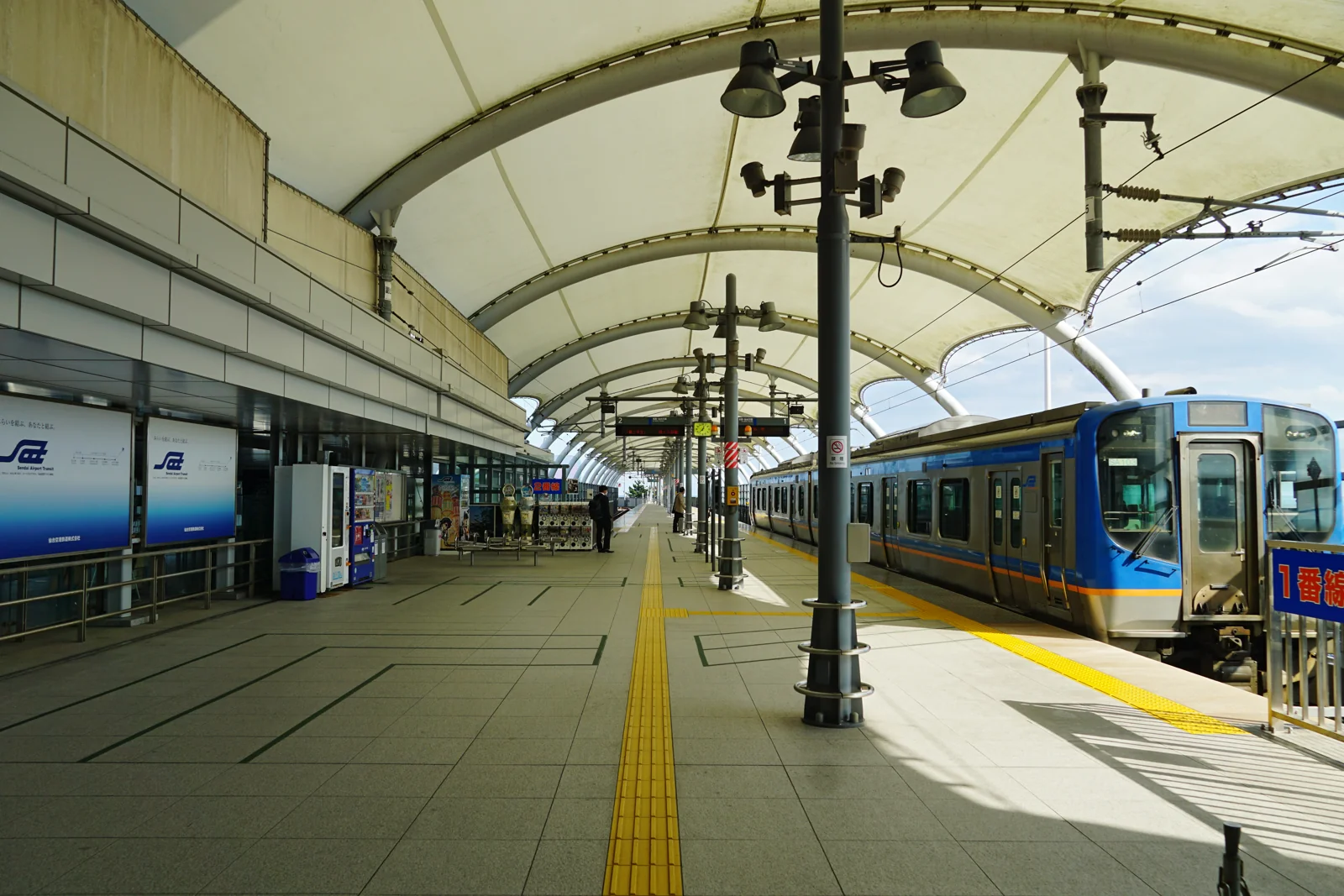
At JR Sendai Station, follow the Senseki Line signs down to underground platforms 9 and 10, following the direction toward Matsushimakaigan and Ishinomaki. Those underground platforms are separate from the ground-level Tohoku Main Line and Senseki-Tohoku Line platforms. JR East lists 10 minutes as the standard transfer time from the Shinkansen to the Senseki Line, though you should pad that if you have heavy luggage or need the elevator—especially if you already hold a timed cruise ticket. Direct Senseki Line local trains take about 40 minutes, and the one-way adult fare is ¥440 by either paper ticket or IC card.
Watch the destination boards: trains bound for Ishinomaki, Takagimachi, and Matsushimakaigan will all get you there, while Tagajo and Higashi-Shiogama trains turn back early. If you board a short-turn train by mistake, you can change at its terminus for the next Matsushimakaigan-bound train, though seeing "Ishinomaki" on a sign isn't enough by itself. Ground-level Senseki-Tohoku Line trains also head to Ishinomaki via the Tohoku Main Line tracks and bypass Matsushimakaigan completely. Since JR East added more daytime Tagajo turnbacks in the March 2026 timetable update, tap open the stop list on the departure board and make sure Matsushimakaigan is actually listed on your train.
A separate "Matsushima Station" sits on the Tohoku Main Line, about 25 minutes from Sendai, followed by roughly a 20-minute walk to the waterfront sights. That station works if you are staying near a Tohoku Main Line stop or going straight to Shin-Tomiyama Observatory first, though walking between the two stations cuts straight into your lunch or temple time. For a pure day trip—especially if you are catching a boat, pushing a stroller, or only have half a day—start at Matsushimakaigan Station.
Exit Matsushimakaigan Station and head toward the Matsushima Kaigan Rest House and Central Pier. The cruise operator's access map puts the walk at roughly 6 minutes, while its timetable advises leaving 10 to 15 minutes to catch a boat—plus extra time on holidays for crosswalks, ticket pickup, and boarding lines. For the return trip, look for trains bound for Sendai or Aoba-dori; both stop at Sendai Station. Save the return timetable on your phone so you know your next move the moment you walk out of Fukuurajima or Kanrantei.
Take a Matsushima day trip from Sendai via JR Matsushimakaigan Station to cruise on the Niomaru and visit Zuiganji and Godaido. Includes paper and IC fares, Fukuura Bridge fees, winter schedules, 2026–27 Oyster Shack bookings, plus rainy-day and one-way Shiogama options.
Choosing a Route Based on Your Arrival Time
Plan on five to six hours from stepping off at Matsushimakaigan Station to fit in a cruise, Zuiganji's National Treasure Main Hall, lunch, and Fukuura Bridge. Arriving before 9:30 AM gives you time to board the 10:00 AM boat, disembark at 10:50 AM for lunch or a quick look at Godaido, visit Zuiganji first thing in the afternoon, and add Entsuin or Fukuurajima depending on the clock. The biggest time sinks here are waiting out the hourly gaps between sailings and midday restaurant lines. Keeping one stop optional keeps your day from turning into a sprint.
If you get out of the station closer to 10:00 AM, push the cruise to 11:00 AM or 12:00 PM. Already booked the 11:00 AM boat? Walk straight to the pier for ticket pickup and get in line. Taking the 12:00 PM sailing instead lets you tour Zuiganji's Main Hall first and head back to the harbor afterward. If you want to spend time in the Treasure Museum, put Zuiganji after the boat so you aren't rushing through the temple grounds, back out the ticket gate, and down to the pier. Once you have your boarding pass in hand, stay around the waterfront plaza where you can keep an eye on the boarding queue.
With only three hours, group Zuiganji and Godaido together, catch a boat if the timing lines up, or swap in Kanrantei for bay views if it doesn't. Travelers with set lunch reservations or afternoon arrivals should work backward from Zuiganji's last admission and clear closing sights first. Visiting with older family members? Agree on a seated meeting spot beforehand. If part of the group wants to walk Fukuurajima while others head back to the station, splitting near Godaido saves everyone from walking all the way to the bridge entrance only to turn around.
Connecting to a Shinkansen or airport train afterward? Aim for one train earlier than you need out of Matsushimakaigan, keeping the following departure as backup. Add pier-to-station walking and wait times on top of the 40-minute rail ride, plus the walk from Sendai's underground Senseki platform to the transfer gates. On a flight day, leave large bags in Sendai Station lockers and retrieve them before following our Sendai Airport transit guide so you can walk Zuiganji's cedar approach and Fukuurajima hands-free.
If you already brought oversize luggage to Matsushima, the Tourism Association counter inside the Rest House stores bags too big for lockers at ¥700 per piece (9:00 AM–4:00 PM from April to November; 9:00 AM–3:30 PM from December to March). Staying for Entsuin's evening illumination? Pick your bags up in the afternoon or leave them in Sendai from the start. The Rest House also has a nursing room and accessible restrooms—use them while waiting for your boat so you won't have to backtrack from Fukuurajima—and loans out wheelchairs through the Tourism Association, making it an easy basecamp for the day.
How to Ride the Niomaru Cruise—and Should You Pay for the Upper Deck?
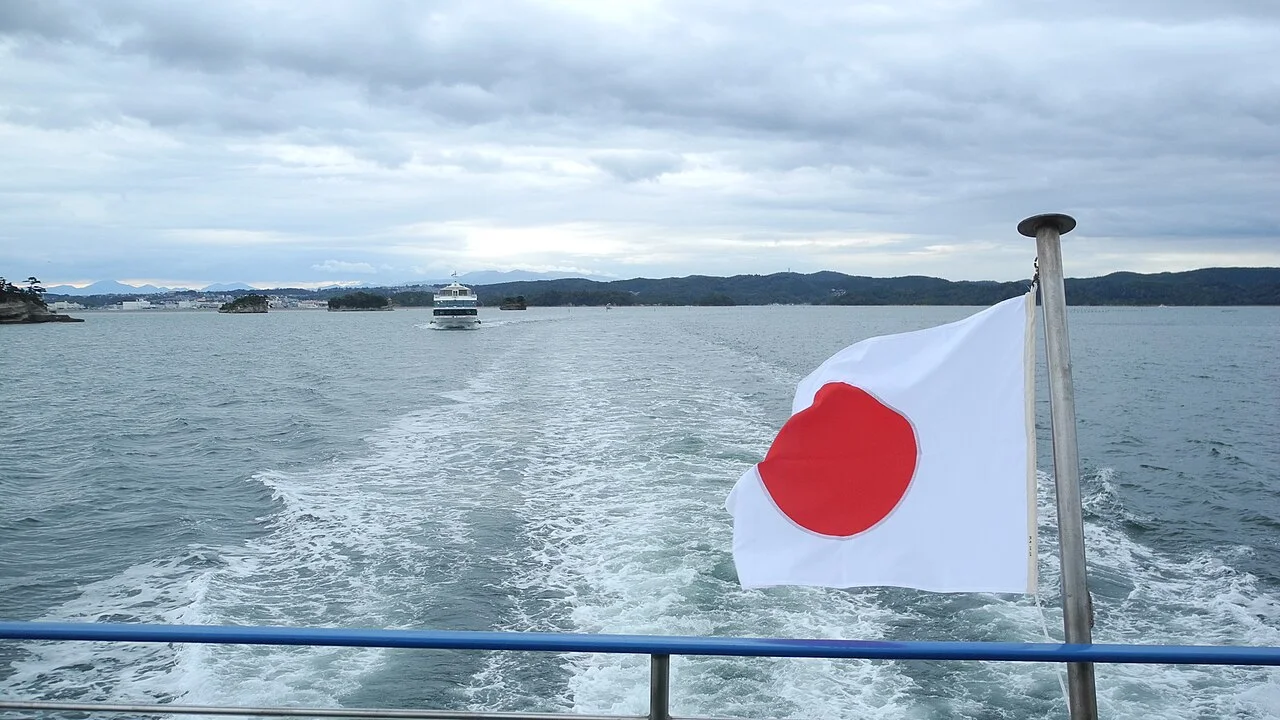
Matsushima Island Cruise's "Niomaru" loops out from Central Pier for about 50 minutes (roughly 17 km across the bay) and returns to the same dock. Islands that look overlapping from shore split apart into clear channels from the deck: Kanejima shows off four sea-carved arches in its cliff face, while Niojima takes its name from its guardian-deity profile. On the back stretch between Katsurajima and Nonoshima, notice the shift from jagged rocky islets to inhabited islands. Follow along on the operator's route map to put names to the silhouettes. The loop makes no stops, so save island trails for Fukuurajima or Ojima later in the afternoon.
Niomaru normally departs on the hour from 9:00 AM to 4:00 PM, though the 4:00 PM sailing is suspended in winter—making 3:00 PM the usual last boat—and the 9:00 AM winter departure may switch to a mid-size vessel seating about 70. Peak seasons like Golden Week and Obon add extra sailings. Check daily operations on the company homepage first, then available times on the reservation page. At Central Pier, look specifically for the "Niomaru Course" counter and queue: multiple companies operate along the same waterfront, each with its own check-in even when tickets advertise the same 50-minute bay loop.
Standard first-floor tickets cost ¥1,500 for junior high students and adults, and ¥750 for elementary students; preschoolers generally ride free, though the operator may charge if one guardian brings multiple young children. Tickets are sold at the pier, or online in advance for specific sailings. Seating is unassigned, boarding in queue order at the pier. Families hoping to sit together or older travelers wanting window seats are better off lining up early than waiting an hour for the next boat. If a departure sells out, use the spare hour for Godaido, matcha at Kanrantei, or an early lunch.
On the large vessels, upgrading to the second-floor open deck costs an extra ¥600 for adults and ¥300 for elementary students, sold onboard until capacity fills and accessible only by stairs. Save the upgrade for clear, calm days when you want standing room to frame islands and distant coastlines together. In winter wind, with toddlers, or if you prefer resting indoors, the first floor already offers wide windows and wheelchair-priority seating. Upper-deck tickets are sold separately, and elementary-age children and younger must be accompanied by a guardian. For straightforward sightseeing, standard tickets do the job.
If Niomaru's schedule doesn't fit, Marubun Matsushima Kisen's "Masamune Course" also returns to Central Pier (about 50 minutes on large boats, 40 minutes on mid-size boats), passing Niojima along with Kabutojima and Yoroijima. Regular departures run hourly from 10:00 AM to 3:00 PM, with 9:00 AM and 4:00 PM listed as extra sailings. Switching boats at the pier? Confirm which vessel is running and when it docks before counting back to temple cutoffs or Oyster Shack reservations. Rain and swells affect the entire bay, so check each operator's live status separately after comparing fares.
One-Way Shiogama Cruises for a Harbor Stopover
If you want to work Shiogama into the same day, Marubun Matsushima Kisen's "Basho Course" doubles as one-way transit. Ride the Senseki Line from Sendai to Hon-Shiogama Station, walk to Marine Gate Shiogama, and sail straight to Matsushima Central Pier, where Godaido and Zuiganji sit just steps away. The crossing takes about 50 minutes on a large boat (40 minutes on a mid-size boat), and standard first-floor fares are ¥1,500 for adults and ¥750 for elementary students. You can sail from Matsushima to Shiogama in reverse as well, though regular departure times differ by direction—select your departure port on the online timetable first.
Both directions cover the bay islands; the choice comes down to where you want to eat and catch the train. Planning a morning at Shiogama Shrine or around the port? Use the midday sailing to arrive in Matsushima and walk straight into the temples. Prefer to finish the day in Shiogama? Clear Matsushima's ticketed sights before they close, then cruise out. If sea conditions cancel the boats, walk back to Matsushimakaigan Station and ride the Senseki Line to Hon-Shiogama—both towns sit on the same line back to Sendai, so you only need one boat leg anyway.
Zuiganji Temple: From the Cedar Approach to the Main Hall and Treasure Museum
Zuiganji's entrance sits inland across from the coastal road. Beyond the Somon main gate, walk the cedar-lined approach past cliffside caves visible right from the main path—stepping out of the sea breeze into tall cedars and carved stone niches. If you also visit Ojima's rock caves, you will recognize how both sites pair natural stone faces with memorial and meditation spaces. Stay on the marked route past restricted signs. Collecting goshuin temple stamps? Drop your stamp book at the counter to the left of admissions first and pick it up after touring.
Effective April 1, 2026, admission is ¥1,000 for adults (including high school students) and ¥500 for junior high and elementary students. Gates open daily at 8:30 AM and close at 3:30 PM in December and January, 4:00 PM in February and November, 4:30 PM in March and October, and 5:00 PM from April through September, with last entry 30 minutes before closing. The temple estimates 30 to 40 minutes for a visit—arrive earlier if you plan to tour the Treasure Museum or wait for handwritten calligraphy. In December, a 2:00 PM boat returns at 2:50 PM, cutting uncomfortably close to the 3:00 PM cutoff; tour the temple before sailing on winter trips.
Completed in 1609, the Main Hall's central Peacock Chamber features pine-and-peacock fusuma sliding doors beneath carved transoms. Room after room down the corridor shifts its ceiling style and painted motifs to match its ceremonial role. Step outside to view the Kuri—the former temple kitchen—with its rooftop smoke vents, white plaster walls, and arabesque carvings. Both the Main Hall and Kuri are National Treasures, highlighting the sharp contrast between formal reception spaces and working monastic architecture.
Most painted sliding doors in the Main Hall are restored replicas; to view the original Important Cultural Property screens, include the Seiryuden Treasure Museum. It also reconstructs the elevated Jodan-no-ma and Jojodan-no-ma audience chambers and hosts permanent and special exhibitions—check temple notices for current displays. Photography is forbidden inside the Main Hall, Kuri, and Treasure Museum, and pay attention to outdoor signs as well. Wheelchairs can access the Treasure Museum, though not the Main Hall or Kuri; split groups can set a meeting point near the admission counter before walking back to the coast together.
Godaido and Kanrantei Right Along the Waterfront
Leave Zuiganji through the Somon gate, return to the coastal road, and follow signs to Godaido on a small islet beside Central Pier. Walking across the open-slatted wooden sukashi-bashi bridge is free, though wide gaps between the planks call for extra care with toddlers, strollers, or wet weather. If crossing looks tricky, you can see the hall and red bridge clearly from shore while others wait. Godaido and Zuiganji's Main Hall have separate entrances, so factor in the walk out of Zuiganji's paid grounds and along the street before any boat departure.
Built by Date Masamune in 1604, Godaido is the oldest surviving Momoyama-style building in Tohoku. Scan under the eaves for the twelve directional zodiac carvings, and look up at the signboard carved with an extra stroke on the middle character. The five Wisdom King statues inside remain closed to the public—the next scheduled unveiling is set for 2039—keeping the focus on the timber structure, bridge, and tides. Yield on the narrow bridge, and step back toward the pier for group photos that frame both the pine trees and the hall.
Ready to sit down for a break? Walk about 7 minutes from Matsushimakaigan Station to Kanrantei, right inside the same waterfront loop as Central Pier. Once a Date-clan teahouse, it now serves matcha and Japanese sweets alongside the Matsushima Museum of local artifacts. Admission to Kanrantei and the museum is ¥300 for adults and ¥100 for high school, junior high, and elementary students, with tea and sweets paid separately. Facing the bay across a quiet garden, it is a great final stop when sea winds pick up. Official hours run until 5:00 PM from April to October and 4:30 PM from November to March, so leave enough cushion to enter and place your order.
Fukuurajima and Ojima: Pick One Island Walk for the Afternoon
For a longer wooded walk, follow the shore east from Godaido to Fukuura Bridge right beside Cafe Bayland—a 252-meter red bridge crossing over to Fukuurajima. Effective April 2026, Matsushima Town charges a ¥300 adult toll and ¥100 for high school, junior high, and elementary students, open 8:30 AM–5:00 PM from April to October and 8:30 AM–4:30 PM from November to March. The bridge toll is separate from cruise tickets; plan your walk within daytime hours even if you see the bridge lit up around dusk.
With only half an hour in the afternoon, walk across and explore near the island entrance before turning back. Following the forest paths to the viewpoints and Bentendo plaza takes 45 to 60 minutes, plus the walk back to the station. Because Fukuurajima sits farther from the train than Godaido, subtract your return walk before committing to the full loop if you hold a timed train ticket. From the bay, the bridge looks like a thin red line, while walking across shows the water and coastline up close; pause once on the span for photos, or shoot from shore to fit the whole railing stretching across the water.
Just want a short stroll before boarding your train? Head to Ojima, listed by the Tourism Association as a 6-minute walk from Matsushimakaigan Station. Cross the red Togetsukyo Bridge to see stone memorial stupas set inside rock caves and short footpath tunnels. Since this bridge is also red, look for signs reading "Togetsukyo" and "Ojima" so you don't mix it up with Fukuura Bridge. Its proximity to the station makes it convenient before the first cruise or an evening train, though wet rock, dirt paths, and bridge planks get slick after rain—switch to the waterfront promenade or Kanrantei if you have slippery shoes or a stroller.
Matsushima Oyster Shack: Check Dates Before Picking a Lunch Slot
The Tourism Association's seasonal Oyster Shack (Matsushima Kanko Kyokai Kakigoya) operates from November 6, 2026 through March 15, 2027, open Mondays, Wednesdays, Fridays, weekends, and national holidays—closed Tuesdays, Thursdays, and from December 29 to January 7. It serves 40-minute all-you-can-eat grilled oysters in the shell for ¥3,800 (junior high students and older) and ¥1,900 (elementary students). Located at 12-1 Higashihama, Matsushima near Komatsukan Kofutei, walking from the station takes you past Central Pier and Godaido first. Factor in the walk from the pier instead of booking your table for the exact minute your cruise docks.
Bookings are handled online with advance credit card payment, opening from the same calendar date one month ahead until the morning before your visit. Weekday seatings run at 11:00 AM, 12:00 PM, and 1:00 PM, with a 2:00 PM slot added on weekends and holidays. Same-day walk-in registration starts at 10:45 AM on weekdays and 10:30 AM on weekends and holidays, though no standby waiting is allowed when sold out or unavailable. Pairing the 10:00 AM Niomaru from Sendai with lunch? A 12:00 PM booking connects smoothly after the 10:50 AM docking. If you booked 11:00 AM, walk straight to Higashihama on arrival and cruise in the afternoon—and in winter you can line up Kanrantei or Fukuura Bridge along the same route.
Diners grill oysters in the shell on shared tabletop griddles; no raw oysters are served, and grilled oysters are the focus of the meal. The venue asks infants under one year old and guests who cannot eat oysters not to enter, and asks visitors with wheelchairs or strollers to note that when booking. Shellfish toxin shipping halts, severe weather, or equipment maintenance can also force temporary closures. Multi-generational groups or parties with non-oyster eaters are better off at waterfront restaurants with full menus where you can order grilled or fried oysters à la carte alongside rice bowls, rather than leaving half the table waiting.
Reaching the harbor near noon on a weekend or holiday? Decide with your group whether to sit down for a full lunch or grab snacks right after buying boat tickets. Between Zuiganji and Godaido, look for oyster bowls (kakidon) and conger eel bowls (anagodon or anagoju) on local menus. For something kids can join in on too, the Tourism Association lists hands-on bamboo-leaf fish cake (sasakamaboko) grilling—an easy mini-stop alongside matcha if you are waiting out a peak lunch rush.
Families or groups with mixed seafood cravings can walk behind Godaido to the Matsushima Fish Market. The main hall serves tuna bowls, sushi, and ramen, while a separate "Yakigaki House" beside the market parking lot grills oysters—distinct from the Tourism Association's seasonal shack over in Higashihama. Main-hall sushi and rice bowls have a 3:00 PM last order, so eat first if you plan to tour Zuiganji after 2:00 PM. Because walking between the temple and the market follows the coastal road, grouping Godaido or Fukuura Bridge along the way saves extra backtracking.
Rainy Days, Winter Light, and Autumn Maple Illuminations
Bay weather can alter cruise schedules on short notice. In heavy rain or high wind, check Niomaru's live operations first. If sailings are suspended, walk Zuiganji's approach into the Treasure Museum, then settle in at Kanrantei or a waterfront restaurant. Both have plenty to see indoors, though walking between stops is exposed—a water-repellent jacket paired with an umbrella works better than an umbrella alone. Skip the long exposed span of Fukuura Bridge or Ojima's slick rock steps in heavy squalls; when boats still run in gusty weather, take a first-floor window seat and stow hats and phones before stepping out on deck.
To pair daytime temple architecture with illuminated evening gardens, walk just outside Zuiganji's gate to Entsuin. Built around the Sankeiden mausoleum of Date Masamune's grandson Mitsumune, the grounds feature a stone garden, pond, and wooded paths. Daytime entry is ¥500 for adults and ¥300 for junior high and elementary students, open 9:00 AM–4:00 PM from April to November and until 3:30 PM from December to March (enter at least 30 minutes before close). Paths are outdoors—fine in a light drizzle, though in a downpour spend that time inside Zuiganji's Treasure Museum instead. Choosing just one paid temple? Pick Zuiganji for the Main Hall and Kuri, or give Entsuin extra time if gardens are your priority.
Entsuin's 2026 autumn foliage illumination runs from October 24 to November 23, 5:30 PM to 9:00 PM (last entry 8:45 PM). Separate evening tickets are ¥1,500 for junior high students and older (free for elementary and younger), sold at Senshin-an from 10:00 AM to 4:00 PM and at Matsushima Momiji-an in front of Sanseido after 4:00 PM. On peak-foliage weekends, the temple warns that 5:30 PM–7:00 PM gets especially crowded. Heading back to Sendai the same night and want shorter lines? Have dinner along the coast first, enter after 7:00 PM with your return train already picked out, and leave calm time to catch the pond reflections. In spring, pair cherry blossoms with bay views at Saigyo Modoshi no Matsu Park; in winter, schedule your longest walks during bright early-afternoon daylight.
Kids needing room to move after a rainy spell can stop at Miyagi Matsushima Rikyu on the western side of the waterfront before heading home. It houses a museum covering Matsushima Bay and Tohoku's geology alongside gardens, a rooftop terrace, and hands-on crafts—duck into the museum or dining area during downpours and step up to the roof once the rain clears. Sitting right near the station, it leads straight onto your return train to Sendai. If your group prefers Edo-period architecture, spend that extra window in Zuiganji's Kuri and Treasure Museum instead.
For Elevated Bay Views, Pick One of the Four Great Vistas
Ranked among Japan's Three Most Scenic Views alongside Amanohashidate in Kyoto and Miyajima in Hiroshima, Matsushima Bay holds more than 260 islands—and at sea level, larger islands often hide smaller ones behind them. Up on the hillside, Saigyo Modoshi no Matsu Park opens up sweeping bay views framed by cherry blossoms in spring. Taking a taxi up from Matsushimakaigan Station saves energy; if you walk up, factor the walk back down into your train schedule. On a first-time itinerary already covering a cruise and two temples, swap Fukuurajima for the park to save your legs for the hill. In spring, cherry trees and bay water share the same frame—go up before lunch for clear overview shots, then head down to the coast to eat.
Matsushima's "Four Great Vistas" (Shidaikan) look over the bay from different angles, so pick the perspective you want. Driving near Matsushima Coast, Ogidani ("Serene View") is roughly a 5-minute drive from Matsushimakaigan Station plus about 3 minutes up the stairs, framing the bay as it narrows into a fan shape—though the trailhead fits only a few cars, so have a backup if full. Mount Tomiyama ("Lovely View") pairs a temple with distant bay vistas about 16 minutes up stairs from a small parking area, or a 45-minute walk each way from Rikuzen-Tomiyama Station on the Senseki Line per the Tourism Association. On a train day trip, only add it if you cut the cruise or Fukuurajima, not as a last-minute detour.
Otakamori ("Grand View") on Miyatojima in Higashimatsushima is roughly a 15-minute drive from Nobiru Station plus a 20-minute hike, working best as its own half-day Oku-Matsushima outing. Tamonzan ("Magnificent View") in Shichigahama is roughly a 15-minute drive from Tagajo Station plus a 10-minute walk, looking out over ships entering Shiogama Port—both require a car or arranged transfers. Staying two days? Explore the bay at water level on Day 1, then pick one high overlook on Day 2 to spot the piers, bridges, and channels you crossed from above.
Driving, Overnight Stays, and What a Day Trip Costs
Exiting the Sanriku Expressway at Matsushima Kaigan IC puts central Matsushima about 5 minutes away by car, according to Zuiganji's access guide. Driving pays off most for elevated viewpoints and Oku-Matsushima; around Central Pier, Godaido, Zuiganji, and Kanrantei, park once and explore on foot. Save Prefectural Matsushima Park Lot #5 in your navigation—it has more spaces than Lot #1—or park downtown first and drive up to Saigyo Modoshi no Matsu Park's own lot afterward. On long weekends and peak cherry blossom days when you are sticking strictly to the coast, taking the train skips expressway exits and parking queues.
Heading back to Sendai for dinner or catching a Shinkansen the next morning? Staying within walking distance of Sendai Station lets you drop bags at your hotel in the morning and grab them on return. Prefer seaside dining, sunrise light, or hot springs? Stay in Matsushima. Coastal walkers can look at Higashihama hotels near Fukuura Bridge, strolling east from Godaido before dinner. To the north, Matsushima Ichinobo sits closer to the Tohoku Main Line's Matsushima Station and lists guest shuttle pickups from 2:30 PM to 4:00 PM by phone after arriving at Matsushima or Matsushimakaigan Station, plus scheduled morning drop-offs stopping by the Rest House. Booked a dinner-inclusive rate? Treat check-in time like a last ferry—drop bags first if needed, then finish your daytime loop. Continuing to Zao or Ginzan Onsen? Line up your return with our Sendai and Yamagata itinerary.
Core adult expenses come to ¥3,380: ¥880 round-trip on the Senseki Line, ¥1,500 for the Niomaru standard ticket, and ¥1,000 for Zuiganji admission. Adding Fukuura Bridge brings the total to ¥3,680, or ¥7,480 with the Oyster Shack—before optional upper-deck upgrades, extra temples, or tea and sweets. Watch age tiers if traveling with junior high students: they pay adult rates for the cruise and Oyster Shack, yet qualify for student admission at Zuiganji, so don't budget with a single "child rate" across the board. Prioritizing a first visit? Put your budget into Niomaru for bay scenery and Zuiganji for historic interiors—walking out to Godaido and Ojima costs nothing extra.
A few useful answers
Which train station should I get off at for a Matsushima day trip from Sendai?
Take the JR Senseki Line to Matsushimakaigan Station. The ride takes about 40 minutes and costs ¥440 each way by paper ticket or IC card. Matsushima Station on the Tohoku Main Line is about a 20-minute walk from the waterfront sights.
Do I need to book the Matsushima sightseeing cruise in advance?
You can buy Niomaru tickets on the day or book specific departure times on the official website ahead of time. Second-floor open-deck tickets are sold onboard after boarding; standard first-floor seating is open and filled in pier queue order.
What time is the last Niomaru cruise in winter?
The 4:00 PM sailing is suspended in winter, making 3:00 PM the usual last departure. The 9:00 AM sailing may also switch to a mid-size vessel, so check daily operations on the operator's homepage before setting out.
How much is Zuiganji Temple admission, and what is the last entry time?
Effective April 1, 2026, admission is ¥1,000 for high school students and adults, and ¥500 for junior high and elementary students. Last entry is 4:30 PM from April to September, 4:00 PM in March and October, 3:30 PM in February and November, and 3:00 PM in December and January.
Do both Godaido and Fukuura Bridge require tickets?
Godaido is free to enter. Fukuura Bridge charges a separate toll of ¥300 for adults and ¥100 for high school, junior high, and elementary students.
When is the Matsushima Oyster Shack open for the 2026–27 season?
It runs from November 6, 2026 to March 15, 2027, open Mondays, Wednesdays, Fridays, weekends, and national holidays (closed Tuesdays, Thursdays, and December 29 to January 7). The 40-minute all-you-can-eat grilled oyster session costs ¥3,800 for junior high students and older, and ¥1,900 for elementary students.
What is there to do in Matsushima if the sightseeing boats are canceled?
Tour Zuiganji's Main Hall and Treasure Museum first, then stop at Kanrantei for matcha or have seafood along the coast. Families with kids can also add the Miyagi Matsushima Rikyu museum before catching the train back.
Can I take a sightseeing cruise from Shiogama to Matsushima?
Yes. Take Marubun Matsushima Kisen's Basho Course from Marine Gate Shiogama directly to Matsushima Central Pier. The large vessel takes about 50 minutes, and standard first-floor adult fare is ¥1,500.
How wheelchair-accessible is the Matsushima Coast area?
Both Matsushimakaigan Station and the Matsushima Kaigan Rest House have accessible restrooms. On the large Niomaru vessel, the first floor has wheelchair-priority seating while the second floor requires stairs. At Zuiganji, wheelchairs can enter the Treasure Museum, though not the Main Hall or Kuri.
Official information and references
Sources used in this guide.
- Matsushima Tourism Association | JR, Driving & Parking Guide
- JR East | Sendai Station Map & Transfer Times
- JR East | Senseki Line March 2026 Timetable Revision
- JR East | 2026 Fare Revision & Standard Fare Table
- JR East | Matsushimakaigan Station Timetable
- Matsushima Island Cruise | Niomaru Schedule, Fares & Upper Deck
- Matsushima Island Cruise | Pier Access Map
- Matsushima Island Cruise | Niomaru Route & Islands
- Matsushima Island Cruise | Daily Operations & Reservations
- Marubun Matsushima Kisen | Shiogama–Matsushima Basho Course
- Marubun Matsushima Kisen | Matsushima Bay Masamune Course
- Zuiganji Temple | Admission, Hours & Accessibility
- Zuiganji Temple | Main Hall, Kuri & Grounds
- Zuiganji Temple | Seiryuden Treasure Museum & Exhibitions
- Zuiganji Temple | Grounds Photography Rules
- Zuiganji Temple | Godaido Architecture & Statue Unveiling
- Matsushima Town | Kanrantei & Matsushima Museum
- Matsushima Town | Seasonal Hours for Kanrantei & Fukuura Bridge
- Matsushima Town | Fukuura Bridge Toll & Hours
- Matsushima Tourism Association | Ojima & Togetsukyo Bridge
- Matsushima Tourism Association | 2026–27 Oyster Shack Details
- Matsushima Fish Market | Hours & Dining Info
- Entsuin Temple | Daytime Visit Information
- Entsuin Temple | 2026 Autumn Illumination
- Matsushima Tourism Association | Saigyo Modoshi no Matsu Park
- Matsushima Tourism Association | Four Great Vistas & Trailhead Access
- Matsushima Tourism Association | Rest House Luggage Storage
- Matsushima Tourism Association | Accessible Restrooms, Nursing Room & Workshops
- Matsushima Tourism Association | Miyagi Matsushima Rikyu Museum
- Matsushima Ichinobo | Guest Shuttle Service