How to book daily visits at Kyoto's Saiho-ji Moss Temple: online fees from ¥4,165, cancellation rules, 2027 winter maintenance, sutra copying, and transit via Kamikatsura, Matsunoo Taisha, and Arashiyama.
- Region & Focus
- KyotoShrines and temples
- Reading Scope
- 23 min read · 11 chapters · 6 Q&As
- Official Verification
- 35 official sources checkedUpdated November 22, 2026
- Key Topics
- BookingSeasonsRail travel
Chapter Route Map (tap any stop)
- Reading the Booking Calendar: Slots and Closing Times
- How the ¥4,165 Fee Works and What Changes Cost
- Getting There from Kyoto Station, Shijo, or Osaka
- Choosing Your Return Route and Calculating Fares
- Entering via Shumyo-mon and Copying Sutras in Sairai-do
- Walking Ogon-chi: Inside Saiho-ji's Lower Garden
- Rain, Autumn Foliage, and the 2027 Maintenance Closure
- Pairing Half a Day in Matsuo with Togetsukyo Bridge and Arashiyama
- When Kokedera Is Sold Out: Nearby Temples at the Same Bus Stop
- Age Rules, Meeting Up, and Where to Stay
- Building a Kyoto Garden Day: Katsura Imperial Villa and Ryoan-ji
- Quick Q&A
Visiting Kyoto's Saiho-ji (Kokedera) requires an advance reservation. For first-time visitors, the standard option is Nichinichi Sanpai (daily visits), opened to the general public by the Saiho-kai organization, which takes you from sutra copying in the main hall down to Ogon-chi pond over roughly 60 minutes. Online admission starts at ¥4,165 per person, with a maximum of two people per booking, and visitors must be at least 13 years old on the day of entry. Lock in your entry slot first, then plan your transit and lunch around it. From January 12 to February 26, 2027, regular daily visits pause for grounds maintenance, with a special "Zen & Art" program held on select dates in February.
Reading the Booking Calendar: Slots and Closing Times
The daily visit booking calendar operated by Saiho-kai separates general slots ("Ippan-waku") from member slots ("Kaiin-waku"). Without a paid Saiho-kai membership, you can register a standard account and book general slots. A circle on the calendar means spots are open, a triangle means availability is running low, and an X means the date is unavailable. Once you click a date, check whether your preferred entry window still has enough openings. If two people want to copy sutras together and only one spot remains, pick another time instead of splitting into two bookings that enter separately.
Online applications open two months before the visit date and close at 23:59 Japan Standard Time (JST) the day before. You will need to enter each visitor's details and pay by credit card. Have both guests' names ready before logging in so you can pick a date smoothly without pausing to double-check information. After paying, open "My Page" to verify that the booking appears in your history—your reservation is only confirmed once it shows up there. If the payment screen throws an error, check My Page first; if no record appears, follow the temple's advice to wait briefly or retry with another browser or card.
The times listed in the booking menu are entry windows, and each date also displays a closing time. Some days only offer morning slots while the next day includes afternoon sessions, so checking one date will not tell you the whole week's schedule. If closing time is 13:00, booking 11:30 leaves noticeably less time to stroll by the pond than booking 10:00. Visitors arriving in Kyoto after noon who want to drop off luggage first should look specifically for dates with confirmed afternoon entry.
Each daily visit booking covers at most two people. Groups of three or four can book across separate accounts after confirming there are enough openings in the same time slot, then complete payment individually. The temple asks groups of five or more to avoid visiting together, so larger families can send part of the group to Matsunoo Taisha or split across different days. Agree on a post-visit meeting spot beforehand so the two pairs do not end up waiting outside the main hall or blocking the narrow pondside path for a group photo.
| Booking Method | Application Window | Minimum Fee & Payment per Person |
|---|---|---|
| Online General Slots | 2 months ahead until 23:59 JST the day before | From ¥4,000 plus a ¥165 system fee, paid by credit card at booking |
| Return Postcard | Postmarked 2 months to 1 month before visit | From ¥4,000, paid in cash at check-in on the day |
How to book daily visits at Kyoto's Saiho-ji Moss Temple: online fees from ¥4,165, cancellation rules, 2027 winter maintenance, sutra copying, and transit via Kamikatsura, Matsunoo Taisha, and Arashiyama.
How the ¥4,165 Fee Works and What Changes Cost
The temple refers to the admission offering as a "sanpai myogaryo," starting at ¥4,000 per person for daily visits. From October 29, 2026 onward, online bookings also carry a ¥165 system fee per person, while the booking site lists the credit card processing fee as ¥0. At the minimum rate, one person pays ¥4,165 and two pay ¥8,330. If you need an official receipt, ask at the temple reception desk when you check in.
You cannot directly modify the date or time of a daily visit reservation. To switch slots, find an open replacement first, then cancel your existing booking on My Page and submit a new one. Cancellations made four or more days before the visit receive a full refund of the admission offering; cancellations three days to one day prior incur a 50% fee, and same-day cancellations are charged 100%. The ¥165 per-person system fee is nonrefundable from the moment of payment, and reducing the number of guests on a booking also incurs fees starting three days prior.
For example, on a single-person booking for December 18, canceling on or before December 14 refunds ¥4,000 at the minimum rate. Canceling between December 15 and December 17 refunds ¥2,000. If two days in your itinerary could work, pick the one with simpler transit and keep the other flexible for easily swapped plans. Holding reservations on two days just to watch the weather ties up limited slots and costs extra once you cancel late.
Residents of Japan who prefer to pay in cash can apply by return postcard. The postmark must fall between two months and one month before your target date, and you can list several preferred dates; the temple usually assigns entry around 10:00 to 12:00 without letting you specify an exact hour. Your application is only accepted once the reply postcard arrives in the mail, and you bring that card as your entry pass. Overseas travelers with only one free morning and train connections to catch will have an easier time locking in a set entry slot on the online calendar.
Getting There from Kyoto Station, Shijo, or Osaka
If you are staying near Kyoto Station, Kyoto Bus No. 73 departs from Stop C6 in the Karasuma-side bus plaza, runs through Uzumasa and Arashiyama, and ends at "Kokedera / Suzumushi-dera," about a three-minute walk from the gate. On weekdays, Bus No. 83 leaves from the same stop for the same terminus via Gojo-dori and Uzumasa Tenjingawa. Check the destination board on the front of the bus, as some departures from Kyoto Station terminate early at Arisugawa or Hankyu Arashiyama Station. Kyoto Bus lists departures for Kokedera on its Kyoto Station timetable; if your hotel is on the Hachijo side, allow extra time to walk across the station.
From Kawaramachi or Sanjo Keihan, take Kyoto Bus No. 63 all the way to the same final stop. From Shijo Karasuma, you can also ride Kyoto City Bus No. 29 bound for Rakusai Bus Terminal and get off at "Suzumushi-dera / Kokedera-michi," which the temple estimates is about a 10-minute walk; the adult fare from Shijo Karasuma is ¥230. Note that the two bus operators use similar stop names at different drop-off points. When sharing a meeting pin with companions, include both the bus company and the exact stop name so you look up the closest stop for the ride back.
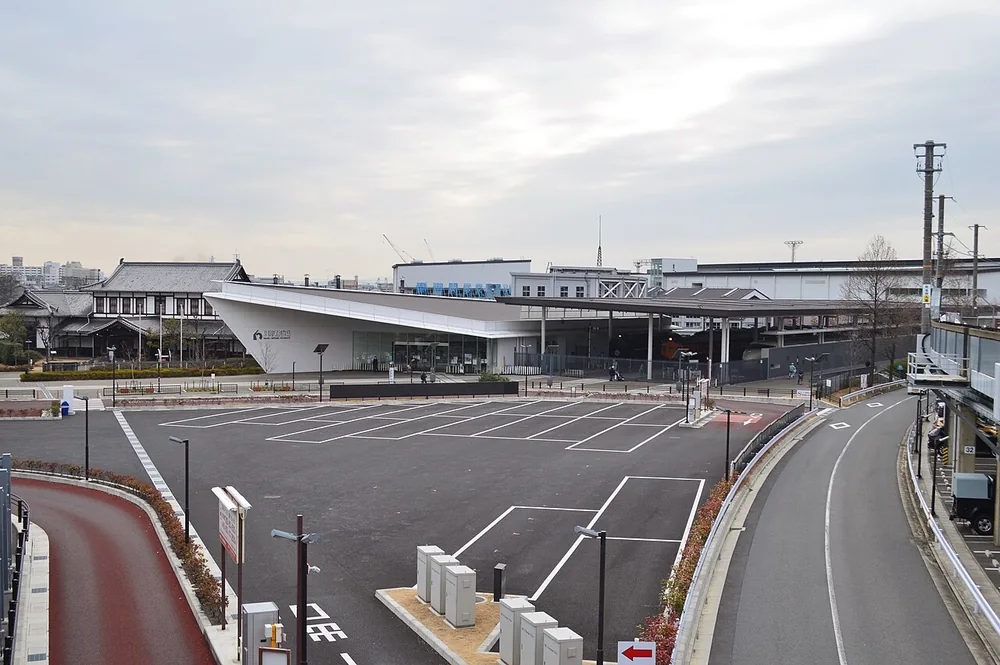
On busy autumn weekends when you have a fixed entry time to make, travelers staying in Kawaramachi or Karasuma can ride the Hankyu Kyoto Line to Katsura, transfer to the Arashiyama Line, and get off at Kamikatsura. Trains arriving from Katsura toward Arashiyama stop at Platform 1, which connects directly to the West Exit on Hankyu's station map. From there, walk toward the hills—the temple estimates about 15 minutes from Kamikatsura Station to Saiho-ji. If you arrive from the opposite direction (Arashiyama), you will alight on the other platform, where crossing inside the station requires stairs; with heavy bags, it is easier to exit first and check your map. From Osaka-Umeda, ride the same Hankyu Kyoto Line and transfer at Katsura for Kamikatsura without routing through Kyoto Station.
Set Saiho-ji itself as your destination when walking from the station. After leaving Kamikatsura toward the base of the mountain, stick to the main neighborhood streets rather than cutting through narrow footpaths that look shorter on a map. In fair weather, the walk makes a pleasant warm-up before the garden. In heavy rain, waiting for a direct bus at a sheltered downtown stop or taking a taxi to cut down on walking is worth it—leave one bus's worth of buffer in case road traffic slows down.
Saiho-ji's official site estimates a taxi from Kyoto Station takes 20 to 30 minutes and costs around ¥4,000. Ask the driver for "Saiho-ji / Kokedera" at 56 Matsuo Kamigaya-cho, Nishikyo-ku, Kyoto. Vehicles cannot stop directly in front of the gate, so use the designated "Saiho-ji Drop-off Zone" (Saiho-ji Jokojo) roughly 100 meters ahead. If a group splits across two cabs, meet at the drop-off zone so older relatives have space to sort out umbrellas before walking to the entrance. While pricier than the bus for two people, a taxi saves a transfer and a walk if you are heading straight from a long-distance train.
Choosing Your Return Route and Calculating Fares
If you are spending only a morning in Nishikyo Ward, note both the return bus routes and the Kamikatsura train option in advance, then decide on the spot. A short Kyoto Bus hop avoids buying a separate rail ticket, though riding Bus No. 73 back to Kyoto Station loops through Arashiyama and Uzumasa a second time. If your hotel is in Shijo Karasuma, take Hankyu from Kamikatsura and change at Katsura to the Kyoto Line; if you have dinner booked in Kawaramachi, catch Bus No. 63 toward Shijo Kawaramachi or ride Hankyu to Kyoto-kawaramachi. Where you stored your luggage should drive your return route more than which bus you took out.
Kyoto City Bus No. 29 between Shijo Karasuma and Suzumushi-dera / Kokedera-michi costs ¥230 one way for adults, or ¥460 round-trip. For two adults paying the minimum online admission and riding that bus both ways from Shijo Karasuma, the combined total is ¥9,250 before lunch. Kyoto's Subway & Bus 1-Day Pass (¥1,100 adult, ¥550 child) covers City Buses and eligible Kyoto Bus zones, though Hankyu, Randen, and JR lines require separate fares. For a simple round-trip to the Moss Temple, pay per ride with an IC transit card; only buy the day pass if you have several subway and city bus legs planned later.
Travelers already holding a JR pass can ride the Sagano Line to Saga-Arashiyama, though the station is still some distance from Saiho-ji. That route makes the most sense if you already plan to start on the north side of Arashiyama. If you are coming along the Tozai Subway Line, change to Kyoto Bus No. 73 at Uzumasa Tenjingawa Station to cover the downtown stretch by rail and ride the bus only on the western leg. If you are down to one bus of buffer time, stick to the direct rail-and-walk route rather than backtracking just to use a pass you already paid for.
For a 10:30 entry slot, plan either your Kyoto Station or Kawaramachi departure to reach the temple gate around 10:10, leaving a 20-minute cushion for bus waits, walking, and finding the entrance. On Bus No. 73, factor in road traffic and aim for one departure earlier than the tightest timetable match. Coming via Kamikatsura, count backward from 10:10 by roughly 15 minutes for the walk, then check the transfer at Katsura. Anyone planning to look for coin lockers upon arrival will burn through that buffer first. For afternoon sessions, work backward the same way, placing the end of lunch comfortably before your departure time.
Entering via Shumyo-mon and Copying Sutras in Sairai-do
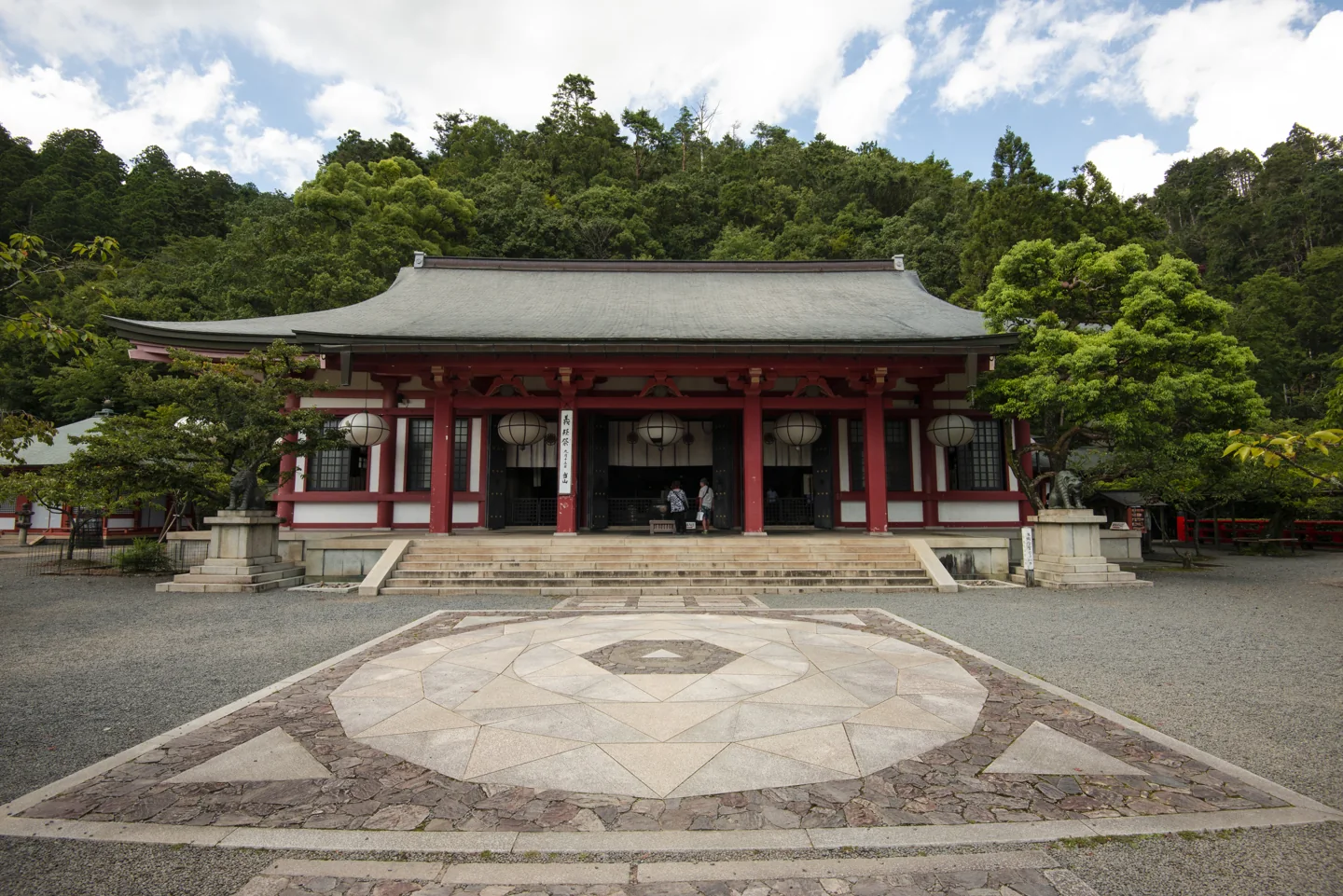
Visitor entry is through Shumyo-mon Gate, which is separate from the main Somon Gate featured in the temple's architecture notes. Have your booking confirmation ready at the gate, head to Sairai-do (the main hall) for worship and sutra copying, and then follow the garden path into the lower grounds. If transit delays make you late, the temple still admits late arrivals, though you may have to wait at reception; contact them if you expect to be more than 30 minutes late. Closing time does not extend, so late entry eats directly into your garden time. Travelers arriving from out of town should save their first full meal for afterward rather than rushing through sutra copying to make a restaurant seating.
The text you copy is the 49-character "Enmei Jukku Kannon-gyo" (Ten-Phrase Kannon Sutra of Longevity). Saiho-ji switched to this shorter sutra in 2019 so overseas visitors less familiar with kanji characters can still participate. Follow the temple's instructions and trace or copy the characters in front of you at a calm pace. If religious beliefs or other reasons prevent you from copying the sutra, let staff know on arrival. Saiho-ji does not sell garden-only tickets, so plan your visit around both the main hall and the pond loop.
A limited number of chairs are available in the main hall; they cannot be reserved in advance, so if they are full you will need to wait for one to open up. If a companion has bad knees, ask staff about chair seating right away and leave extra margin after the visit instead of scheduling a tight transit connection. Because of gravel paths and steps, wheelchairs are not permitted in the grounds; walking sticks are allowed, provided you wipe the tip before stepping indoors. Even if a taxi drops you near the gate, expect uneven footing and steps along the garden route itself.
Covered water bottles and flasks are allowed on the grounds, though eating is prohibited. If you book an early summer slot, eat breakfast at your hotel or the station beforehand so you can walk the pond lightly. Handheld photography and video are permitted in the garden, while tripods, monopods, and selfie sticks are banned; do not step off the path or block visitors behind you for a better angle. Photography is strictly forbidden inside all buildings—including shooting out through windows from the main hall. Silence your phone before entering Sairai-do, and wait until the path widens before stopping for photos outside.
Walking Ogon-chi: Inside Saiho-ji's Lower Garden
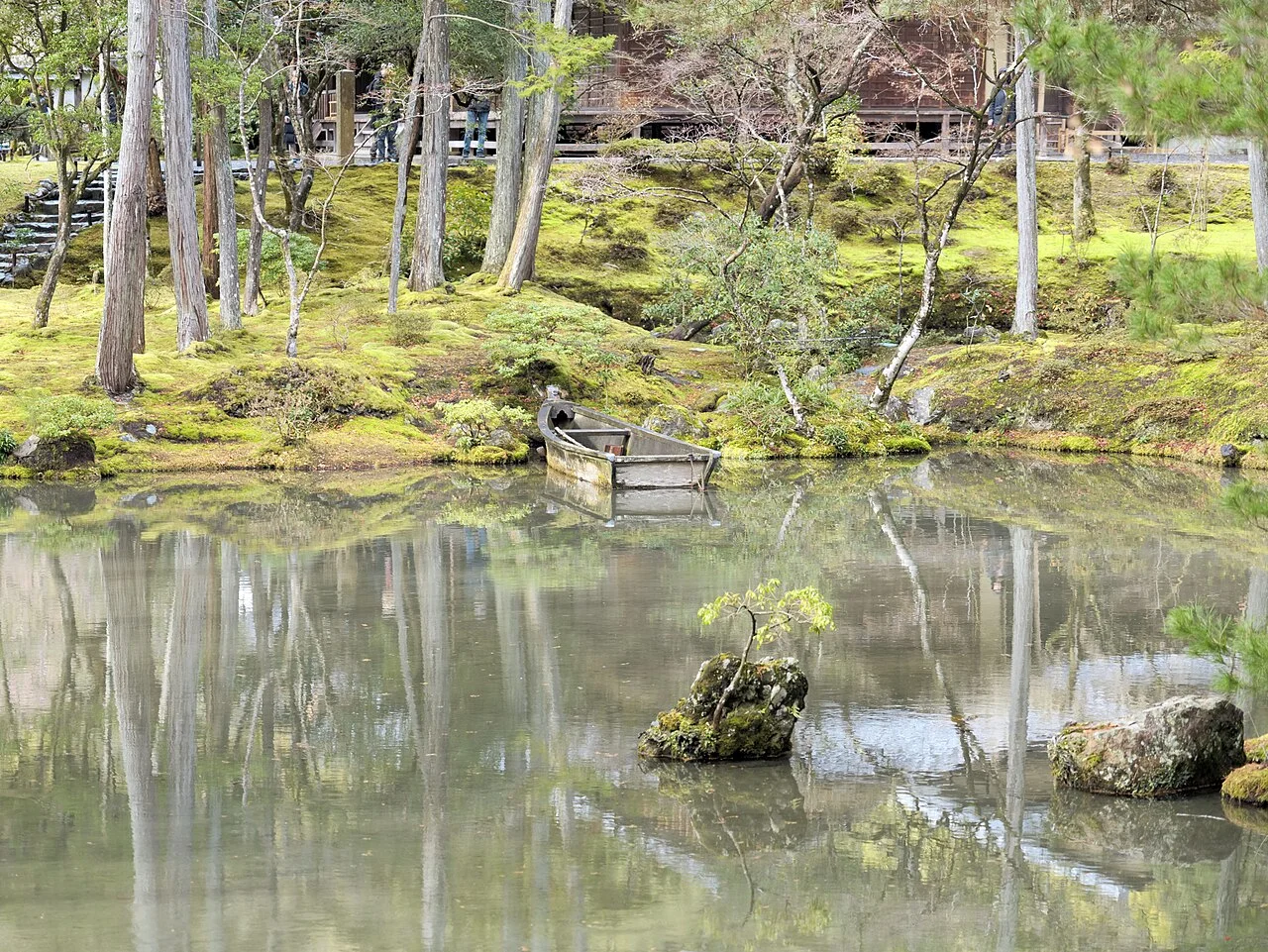
Ogon-chi (Golden Pond) anchors the lower strolling pond garden. Its shoreline traces the calligraphy of the character for "heart" (kokoro), cradling Asahi-jima and Yuhi-jima islands in the center. As the path curves along the water, tree trunks and mossy banks frame close-up views on one side before opening out across the pond at each bend. Pause at wider stretches along the path to take in the layers of water, trees, and moss, then shift angles for the islands and reflections rather than hunting for a single vantage point that captures everything.
Along the route, look for the moon-viewing platform of Shonan-tei jutting toward the pond. Temple records note that this Momoyama-period teahouse, built by Sen no Shoan, is the oldest surviving structure on the grounds and a designated Important Cultural Property of Japan. Its platform faces north, which one tradition attributes to viewing the moon's reflection on Ogon-chi. Walking the designated path by day, following the interplay between the platform and the shoreline gives your eye a natural focal point. Across the water stands Tanhoku-tei, a chair-style teahouse rebuilt in 1928 from a much later era.
Saiho-ji's two-tier layout dates back to Muso Soseki's garden design in 1339. The upper section features a three-tier dry stone waterfall arrangement (kare-sansui) described in temple literature, but that area is closed to daily-visit guests. Seeing the upper garden requires joining special zazen and dry-garden programs restricted to Saiho-kai members. When reading the daily-visit map, treat your route as Sairai-do plus the lower pond loop, and do not expect to squeeze those upper-tier stone cascades from old travel blogs into your 60 minutes.
More than a hundred species of moss blanket the pond banks, tree roots, and rocks. Keep your footing clear of the green edges—if someone ahead stops, wait for the path to clear before stepping around. Rather than bending down over every patch of moss, look across a single damp stone and exposed tree root toward the distant water to read the garden's subtle elevation changes. To understand how the grounds became famous for moss, the temple's history pages trace how floods along the Saihoji River reshaped the garden, leading eventually to today's conservation work and booking system.
Inscribed in 1994 as part of the Historic Monuments of Ancient Kyoto UNESCO World Heritage site, Saiho-ji began capping visitor numbers long before that listing. The temple introduced advance postcard applications in 1977 to cut traffic in the surrounding neighborhood and preserve both daily religious practice and the fragile grounds. You may pass the closed Somon Gate outside, while active visitor entry remains at Shumyo-mon. On the walk back toward the bus stops, the lane passes private homes—if your group needs to check a map, step onto a wider shoulder clear of alleys where cars turn.
Rain, Autumn Foliage, and the 2027 Maintenance Closure
The temple treats the rainy season as Saiho-ji's "fifth season." If you want to see the moss deepened in color by moisture, aim for early summer and let the weather shape how you photograph your booked slot. Both light rain and the lull right after a shower reward different framing: falling rain ripples the pond and heightens the contrast between nearby moss and stone, while still water after the rain clears gives cleaner reflections of the opposite trees. On wet stone, plant your feet before raising your phone, and watch the space behind you when opening or closing an umbrella.
For an autumn foliage trip, schedule Saiho-ji on a day when your companions are happy to stroll slowly. On sunny days, low-angle light hits the upper canopy while parts of the shoreline stay in shadow; under overcast skies, fallen leaves, moss, and water sit in the same balanced light. Book just one timed entry that day and leave your next stop unscheduled. Kyoto City's live congestion tracker covers the north end of Togetsukyo Bridge and the Arashiyama Bamboo Grove, so you can check crowd levels after leaving the temple before deciding whether to cross the river.
Grounds maintenance from January 12 to February 26, 2027 pauses regular daily visits. If those are your only dates in Kyoto, Saiho-kai is hosting a separate "Zen & Art" session on February 11, 12, 14, 20, 21, 22, and 23, with applications closing three days prior. The 90-minute program pairs sutra copying in the main hall with artworks placed in the garden; both general visitors and members aged 13 or older on the day may book, starting at ¥8,165 per person. Maintenance work continues during these sessions, and the event page notes that parts of the grounds may be closed off or have construction noise—anyone hoping for the full undisturbed garden loop should book daily visits in another month.
If rain turns heavy enough to soak your shoes and socks, drop the outdoor Arashiyama leg and pivot to a covered lunch plus an indoor museum. From northern Arashiyama, the JR Sagano Line leads back toward central Kyoto, where the Kyoto Railway Museum sits right beside Umekoji-Kyotonishi Station. Standard hours for the main building are 10:00 to 17:00 (last entry 16:30), closed Wednesdays except on national holidays and school breaks. Regular same-day adult admission is ¥1,500 through the end of February 2027, rising to ¥1,900 on March 1, 2027 (with advance adult tickets at ¥1,800). If you decide the day before to skip Saiho-ji, cancel your temple booking first and give the museum a dedicated half-day without backtracking.
Pairing Half a Day in Matsuo with Togetsukyo Bridge and Arashiyama
With a morning entry slot, Matsunoo Taisha makes an easy follow-up right after Saiho-ji. Walk back to the "Kokedera / Suzumushi-dera" Kyoto Bus stop and catch Bus No. 73 toward Kyoto Station or Bus No. 63 toward Shijo Kawaramachi / Sanjo Keihan, getting off at Matsunoo Taisha-mae. Hop on if a bus happens to pull up, or walk along the base of the Nishiyama hills if the weather is pleasant. If you prefer to ride the bus straight through to Arashiyama, save Matsunoo Taisha for another trip. Each site sells its own ticket, so there is no reason to rush your Saiho-ji photos in 20 minutes just to beat the clock.
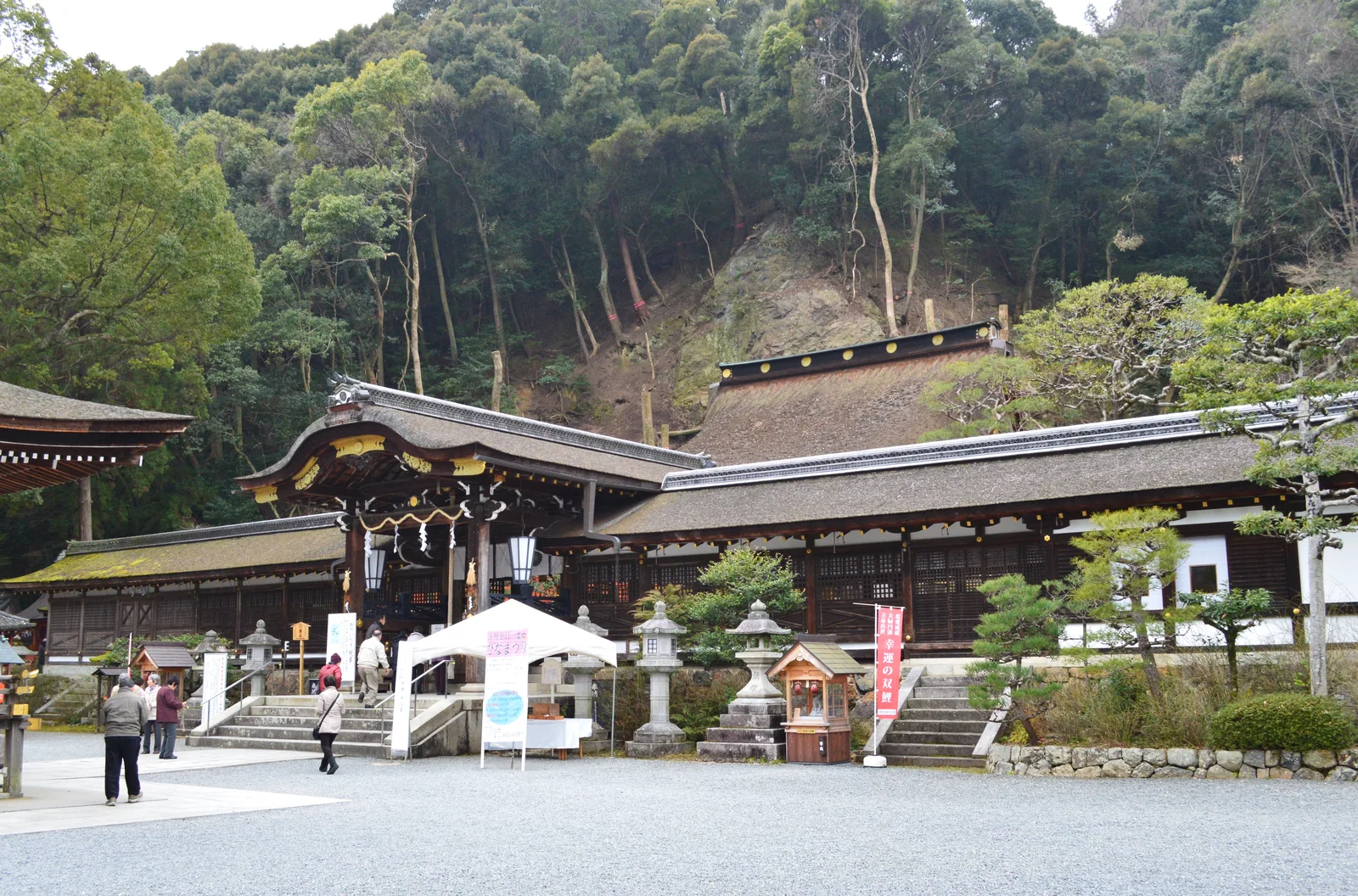
Inside Matsunoo Taisha, Mirei Shigemori's three Shofu-en gardens explore stone and water through three distinct historical periods, offering a sharp contrast to Saiho-ji. The easiest to compare side by side is the Horai Garden, where you walk around a pond shaped like a crane with spread wings to view its islands. One combined ticket covers Shofu-en and the Shrine Statue Hall (¥500 adults, ¥400 students, ¥300 children), open daily from 9:00 until 16:00 Monday through Saturday and 16:30 on Sundays and national holidays. A morning slot at Saiho-ji leaves comfortable breathing room to cover both the gardens and the statue hall.
From Matsunoo Taisha, walk to Matsuo-taisha Station and ride the Hankyu Arashiyama Line one stop to Arashiyama. Exit on the south side of the Katsura River and walk toward Togetsukyo Bridge to enjoy the riverside views first. If the bridge and north bank look packed, turn around near Nakanoshima Park. If your afternoon already includes the Bamboo Grove or a north-bank lunch, cross the bridge and exit later via Randen Arashiyama or JR Saga-Arashiyama Station—arriving by Hankyu and leaving by JR or Randen avoids crossing Togetsukyo twice and connects smoothly back to Kyoto Station.
You can also flip the order and visit Arashiyama before an afternoon Saiho-ji slot. Visitors staying in Arashiyama can walk the river early, then take the Hankyu Arashiyama Line after lunch straight to Kamikatsura and walk up to the temple. From the north bank, you can also board a Kyoto Bus at the "Arashiyama" stop bound for "Kokedera / Suzumushi-dera," passing Matsunoo Taisha-mae on the way to the terminus. During peak autumn foliage weekends, if the Bamboo Grove runs slower than planned, drop shopping or a second temple to protect your walk back to the station—and if lunch is far from the station, include queue time and the bridge crossing in your buffer.
When Kokedera Is Sold Out: Nearby Temples at the Same Bus Stop
If you arrive in Kyoto and find daily visits sold out, Nishikyo Ward offers two other temples with very different rhythms. Both Jizo-in and Suzumushi-dera share the "Kokedera / Suzumushi-dera" Kyoto Bus stop with Saiho-ji, though each has its own entrance and visiting system, so enter the exact temple name in your map app. If you reach the area with just 10 or 15 minutes to spare before your Saiho-ji slot, go straight to Saiho-ji first and save the neighboring temples for afterward—especially Suzumushi-dera, where leaving mid-sermon disrupts the room.
For bamboo groves and moss without a reservation, walk to Jizo-in in Yamada Kitano-cho, Nishikyo Ward. Pass through the bamboo approach to the abbot's quarters (hojo), take off your shoes, and sit along the veranda facing the Sixteen Arhats Garden of 16 natural stones. Regular hours run 9:00 to 16:00, with last entry at 15:40 and the hojo closing at 15:50; it is typically closed Thursdays and Fridays (shifting to Mondays and Thursdays in July and August). Jizo-in also posts winter maintenance closures, so check its online calendar before using it as a backup during Saiho-ji's early-2027 closure.
Jizo-in's website currently lists admission for non-residents of Japan at ¥1,000 for adults and ¥500 for visitors aged 6 to 17. Residents of Japan qualify for separate resident rates based on residency rather than passport nationality. Unlike Saiho-ji, where views shift with every step around the pond, Jizo-in invites you to sit along the veranda edge and study how bamboo and stones balance from one vantage point. It works either as a standalone alternative or as a quiet stop before or after lunch.
If kids in your group want to hear the temple's year-round singing bell crickets, head to Suzumushi-dera. Individual visitors need no reservation and can enter between 9:00 and 17:00 (last entry 16:30). Admission includes tea and a sweet (¥500 for adults, ¥300 for ages 4 through junior high). Inside the reception hall, monks give a roughly 30-minute talk at scheduled times posted on the temple website. Reaching the gate involves climbing roughly 80 stone steps, though a side path with handrails still includes about 30 steps. Without Saiho-ji's minimum age rule, this option hinges on how long younger kids can sit quietly and how well older guests handle the stairs.
If you are visiting between November 21 and December 13, 2026, you can also pair the afternoon with Joju-ji's autumn special opening. It sits close to Saiho-ji, about a five-minute walk from the Kyoto Bus terminus according to the Kyoto City Tourism Association. To see autumn maples framing stone steps leading up to temple buildings, give the afternoon to Joju-ji and skip rushing across Togetsukyo Bridge to the Bamboo Grove. Outside that fixed autumn window, pair Saiho-ji or your lunch plans with Jizo-in's open days or Suzumushi-dera's sermon schedule.
Age Rules, Meeting Up, and Where to Stay
Traveling with children under 12? Check the "Oriori Sanpai" schedule for "Okosama no Hi" (Children's Visit Day), held several times a year. For instance, the December 13, 2026 session gathers at 11:40, opens at 11:45, and closes at 13:15; each registered guest aged 13 or older may bring one child aged 12 or under with no admission offering for the child (the booking page lists a separate system fee). If your dates miss a family session, one adult can stay near southern Arashiyama or Kyoto Station with the kids while the other copies sutras, then meet up afterward for lunch.
For morning entry slots, staying around Shijo Karasuma makes hopping onto the Hankyu Kyoto Line effortless and suits two- or three-night stays near Kawaramachi and Nishiki Market. Staying around Kyoto Station pays off if you arrive early or check out the same day, since you can leave large bags at the hotel and connect straight to the Shinkansen or airport train afterward. Visitors commuting directly from Osaka can transfer right at Katsura Station into Nishikyo Ward without backtracking through Kyoto Station.
An overnight stay in Arashiyama works well if you want the riverfront to yourself at dawn and Saiho-ji on the same day. Pick a hotel on the south bank near Hankyu Arashiyama for a direct ride to Kamikatsura, or stay on the north bank near JR Saga-Arashiyama if hauling luggage back to Kyoto Station the next morning is the priority—taking the bus as a short link to the temple. If your lodging includes dinner, limit post-temple sightseeing to either Matsunoo Taisha or the south side of Togetsukyo Bridge so evening buses and entry times stay relaxed. If you are based downtown the whole trip, a simple half-day excursion to western Kyoto is plenty without switching hotels.
Building a Kyoto Garden Day: Katsura Imperial Villa and Ryoan-ji
If you want to dedicate a full day to Kyoto gardens, Katsura Imperial Villa also sits in Nishikyo Ward, though you should pin both entrances separately on your map. Katsura Imperial Villa is roughly a 20-minute walk from the East Exit of Hankyu Katsura Station—not Kamikatsura, which serves Saiho-ji. Tours at Katsura run as 60-minute guided groups along a set route, with English-language tours available for overseas visitors, whereas Saiho-ji starts in the main hall before letting you walk the lower pond at your own pace. Splitting the two across separate mornings lets you appreciate the contrast without shortchanging the walk from Katsura Station.
The Imperial Household Agency admits junior high school students and older to Katsura Imperial Villa; elementary-school children and younger cannot enter. Visitors aged 18 and over (outside high school or equivalent) pay ¥1,000, while junior high and high school students enter free. Online booking selects a date, and if requests exceed capacity, a lottery decides entry—submitting an application number and receiving a permit are two separate steps. Same-day numbered tickets are also distributed in order on site starting at 8:40; bring an original passport or valid photo ID. When combining both gardens, book whichever slot is hardest to get first and schedule the second around it.
If your main draw at Saiho-ji is its rock work, remember the upper dry garden is closed to daily visitors—consider pairing a regular Kyoto itinerary with the rock garden in front of Ryoan-ji's hojo instead. Ryoan-ji admission is ¥600, open 8:30 to 16:30 from December through February and 8:00 to 17:00 the rest of the year. The walk from the "Ryoanji-mae" City Bus stop is short, though Ryoan-ji sits across town in Kinugasa rather than near Kamikatsura. From a central hotel, pair Ryoan-ji with Kinkaku-ji on one day and Saiho-ji with Matsunoo Taisha on another rather than crossing two corners of Kyoto in a single afternoon.
A few useful answers
Can I buy Saiho-ji (Kokedera) tickets at the gate?
No. Daily visits require an advance reservation. Online applications close at 23:59 JST the day before and require credit card payment; general visitors can register a standard account to book general slots.
How much does an online reservation for Saiho-ji cost?
Regular daily visits start at ¥4,000 per person plus a ¥165 system fee per person, bringing the minimum total to ¥4,165 per person.
Can children under 13 visit Saiho-ji Moss Temple?
Regular daily visits are restricted to visitors aged 13 and older. Children aged 12 and under may attend the temple's periodic "Okosama no Hi" (Children's Visit Day) sessions under each session's accompaniment rules.
Is Saiho-ji open during the winter?
From January 12 to February 26, 2027, regular daily visits are suspended for grounds maintenance. A separate "Zen & Art" program runs on seven scheduled dates in February and requires advance booking.
What is the easiest way to reach Saiho-ji from Kyoto Station without transfers?
Take Kyoto Bus No. 73 to the "Kokedera / Suzumushi-dera" terminus, then walk about three minutes to the gate. On weekdays, Bus No. 83 also serves the same terminus.
Are photography and tripods allowed inside Saiho-ji?
Handheld photography and video are allowed outdoors in the garden, while tripods, monopods, and selfie sticks are prohibited. Photography is not allowed inside any buildings, including shooting outward from inside the main hall.
Official information and references
Sources used in this guide.
- Saiho-kai | Nichinichi Sanpai Overview and Booking Guide
- Saiho-kai | Online Daily Visit Booking, Fees, and Cancellation Policy
- Saiho-kai | General and Member Visit Booking Calendar
- Saiho-kai | System Fee Revision Notice
- Saiho-ji | Return Postcard Application
- Saiho-kai | Visitor FAQ and Access Guide
- Saiho-kai | Notice on 2027 Winter Suspension of Daily Visits
- Saiho-kai | Zen & Art Special Program
- Saiho-kai | Children's Visit Day (Okosama no Hi)
- Saiho-kai | Temple Buildings and Gardens
- Saiho-kai | Sutra Copying Guide
- Saiho-kai | History of Saiho-ji
- Saiho-kai | The Five Seasons and Rainy Season Garden
- Kyoto Bus | Saiho-ji Route and Timetable Portal
- Kyoto Bus | Return Timetable from Kokedera Stop
- Kyoto City Transportation Bureau | City Bus Route 29
- Kyoto City Transportation Bureau | City Bus Route 29 Fare Table
- Hankyu Railway | Kamikatsura Station Map
- Matsunoo Taisha | Shofu-en Gardens and Statue Hall Hours
- Kyoto City Tourism Association | Arashiyama Access Recommendations
- Kyoto City Tourism Association | Kyoto Sightseeing Comfort Map
- Kyoto Railway Museum | Visitor and Admission Guide
- Kyoto Railway Museum | March 2027 Admission Price Revision Notice
- Kyoto Bus | Kyoto Station Stop C6 Boarding Map
- Kyoto City Transportation Bureau | Subway & Bus 1-Day Pass Pricing and Coverage
- Jizo-in | Hojo Garden, Opening Calendar, and Admission
- Suzumushi-dera | Individual Visits, Steps, and Sermons
- Suzumushi-dera | Visiting Hours and Sermon Schedule
- Kyoto City Tourism Association | Joju-ji 2026 Autumn Special Opening
- Imperial Household Agency | Katsura Imperial Villa Booking, Fees, and Access
- Imperial Household Agency | Katsura Imperial Villa Online Calendar and Tour Rules
- Kyoto City Tourism Association | Ryoan-ji Garden, Hours, and Access
- Kyoto Prefecture Tourism Federation | Ryoan-ji Admission Fee
- Kyoto City Tourism Association | Saiho-ji World Heritage and Garden Profile
- Saiho-kai | Introduction of the 1977 Advance Application System