Every winter, humpback whales migrate to the waters off Okinawa's Kerama Islands. Using the Zamami Village Whale Watching Association's 2026 season (January 8 to March 25) and viewing rules as a baseline, this guide compares Tomari Port's two ferry routes, booking windows, weather cancellations, and day-trip vs. overnight itineraries.
- Region & Focus
- Okinawa
- Reading Scope
- 15 min read · 9 chapters · 7 Q&As
- Official Verification
- 6 official sources checkedUpdated November 20, 2026
Chapter Route Map (tap any stop)
- Whale Watching in Zamami: Season, Waters, and Why Here
- Reading the Viewing Rules: 100 Meters, Calves, and No Swimming
- Ferries and Reservations: Two Lines Out of Tomari Port
- Booking Your Whale-Watching Boat: Member Shops, Meetups, and Costs
- Before Leaving Naha: Tomari Port, Timing, and Packing
- The Shoulder Months: Early December and April Wind-Down
- Winter in Keramashoto National Park
- Two Ways to Structure It: Day Trip vs. Overnight Stay
- Beyond the Season: No Sightings, Cancellations, and Next Winter
- Quick Q&A
Every winter, North Pacific humpback whales migrate south to the warm waters off Okinawa's Kerama Islands to mate and nurse their calves, and tour boats head out from Zamami Port to find them. For 2026, the Zamami Village Whale Watching Association sets the official season from January 8 to March 25 under a strict voluntary code: boats may not actively approach within 100 meters of a whale, and total viewing time for a mother-calf pair is capped at one hour combined across all vessels in the area. Two boat services link Naha's Tomari Port to Zamami—a conventional ferry and a high-speed craft—and once you line up your sailings, viewing rules, and booking order, a winter island trip comes together smoothly.
Whale Watching in Zamami: Season, Waters, and Why Here
Every winter, humpback whales travel down from northern feeding grounds to mate, give birth, and nurse their newborns in the sheltered waters around the Kerama Islands, making Zamami Village the closest dedicated whale-watching base to mainland Okinawa. Local dive shops and boat captains operate together under the Zamami Village Whale Watching Association, following a shared "do not disturb" code. The official 2026 season runs from January 8 to March 25, with exact dates for the following year announced on the association's blog before opening day.
The association's voluntary boundaries are clearly mapped: 10 nautical miles (about 18 km) around all islands in Zamami Village, plus 7 km around Tokashiki Village. Protections apply to humpbacks, other baleen whales, and sperm whales, and bind non-motorized craft—including sailboats, kayaks, and stand-up paddleboards—just as strictly as tour boats. Seeing whales in Okinawa is not something you do from a Naha seawall; you have to get out on the water. Neighboring Tokashiki Village also runs its own whale-watching fleet under local rules.
January through March marks peak calving and nursing season, raising the odds of encountering mother-calf pairs—and triggering tighter viewing time caps. Winter seas also shift fast, and captains never force a crossing in rough swells. Treating weather cancellations as a normal part of winter planning saves a lot of last-minute frustration at the pier.
Geography explains why the inner Kerama Sea works so well as a whale nursery. Zamami, Aka, and Tokashiki sit like a protective ring against open-ocean swells, keeping the inner channels calmer and at an ideal depth for newborns. That is why the association designates parts of the channel between Zamami and Tokashiki as a "Mother-Calf Sanctuary" off-limits to commercial tour boats. Departing Zamami Port, boats often reach active whale territory in under 30 minutes.
Beyond full breaches, humpbacks put on subtler displays right from the deck: spy-hopping vertically to survey the surface (known in Okinawan dialect as takkuwari), slapping long pectoral fins, and throwing massive tail flukes as they dive. Underwater photography is prohibited by rule, with a single exception when a curious whale approaches a stopped boat on its own—allowing passengers to dip a camera gently over the gunwale. Often the most unforgettable moments happen when a whale chooses to check out the boat.
Getting to the ferry from central Naha is straightforward. Tomari Port (Tomarin), the gateway to the Kerama Islands, sits on Naha's west side not far from Kokusai Street and houses ticket counters and baggage check for both boat lines under one roof. Winter traffic in Naha is far lighter than peak summer, so morning rides to the port rarely stall, though island sailings are far less frequent than city buses—meaning the whole day hinges on catching your boat on time.
Planning a Zamami whale-watching trip boils down to three bookings: round-trip ferry or high-speed boat tickets between Naha and Zamami, island lodging (if staying overnight), and a seat on a local member shop's whale-watching boat. Each has its own booking window and cancellation terms, which are easiest to sequence in the order laid out below.
Every winter, humpback whales migrate to the waters off Okinawa's Kerama Islands. Using the Zamami Village Whale Watching Association's 2026 season (January 8 to March 25) and viewing rules as a baseline, this guide compares Tomari Port's two ferry routes, booking windows, weather cancellations, and day-trip vs. overnight itineraries.
Reading the Viewing Rules: 100 Meters, Calves, and No Swimming
The Zamami Village Whale Watching Association enforces two clear distance buffers around whales. Within 300 meters lies the slow-down zone, where boats must cut speed and avoid crossing a whale's path. Within 100 meters lies the restricted zone, which vessels cannot actively enter; if a whale swims toward a boat on its own, the captain must cut power and drift until it moves away, with sudden acceleration and sharp turns banned. Because 100 meters is your working viewing range, pack a telephoto lens for crisp shots or test your phone's optical zoom beforehand.
Rules tighten further whenever a mother and calf are present. While adult whales can be observed for up to 2 hours, mother-calf pairs are limited to 1 hour total across all boats combined in the morning session and 1 hour in the afternoon. Commercial tour boats are also barred from the inner-sea Mother-Calf Sanctuary between Zamami and Tokashiki, where only flagged research vessels may enter. If whales stay inside the sanctuary or are mostly mothers with calves, captains adjust their routes and cut viewing time accordingly.
The strictest rule is an absolute ban on entering the water with whales—no swimming, snorkeling, or scuba diving. Underwater cameras are likewise prohibited unless a whale initiates a close takkuwari approach beside a stationary vessel, when cameras may be lowered gently from the edge of the boat. If you are traveling with kids or snorkel fans, make sure everyone knows upfront that this is a dry, boat-only excursion.
The code also curbs noise and crowding. Beyond normal engine noise while maneuvering, passengers and crew may not mimic whale calls or make underwater sounds; close approaches for education or science require prior written approval and a special flag. To keep boats from swarming a single pod, member vessels share sightings by radio and rotate in turns—the mechanism that keeps the one-hour combined limit for mother-calf pairs enforceable.
On the water, the routine runs like clockwork. After signing the manifest and putting on a life jacket at the port counter, you head out while your captain tracks radio reports, spots a blow or dorsal fin, throttles back outside 300 meters, and holds position beyond the 100-meter line. Rather than shadowing one whale nonstop for two hours, boats rotate cleanly to give everyone fair angles; keeping your telephoto mounted and burst mode ready ensures you catch sudden surface action.
Setting expectations before you board makes the trip far more enjoyable. Wild humpbacks do not perform on cue like an aquarium show, and deep dives can leave the boat bobbing silently for 10 to 15 minutes between breaths. Prep kids and older travelers for patient waiting—because the instant a towering blow or tail fluke breaks the surface, the whole deck erupts and the wait pays off immediately.
Many visitors assume whale watching runs casually from beaches anywhere on Okinawa's main island, when the real breeding ground is concentrated in the Kerama Islands (10 nautical miles off Zamami and 7 km off Tokashiki). Do not try to squeeze this into the same day as northern Nago or distant Yonaguni; block out dedicated time around Tomari Port's Kerama schedule.
Ferries and Reservations: Two Lines Out of Tomari Port
Two types of vessels connect Naha's Tomari Port to Zamami Island. The large car ferry Ferry Zamami runs two round trips daily from the South Wharf: the first leaves Naha at 9:00, stops at Aka Island at 10:30, and reaches Zamami at 12:00 (returning from Zamami at 15:00 to Naha at 17:00); the second departs at 13:15, arrives directly in Zamami at 14:45, calls at Aka at 15:15, and returns to Naha at 17:00. The high-speed Queen Zamami sails multiple round trips daily from the North Wharf, taking 50 to 70 minutes direct. South Wharf and North Wharf sit on opposite sides of the harbor, so double-check your pier before boarding.
Comparing the two boats for a whale-watching schedule reveals clear trade-offs. Ferry Zamami handles rough seas better and carries large luggage and vehicles, but its first sailing arrives at 12:00—too late for morning whale-watching tours. Queen Zamami cuts transit to roughly an hour, making same-day round trips feasible, yet it cancels more readily in high swells, caps carry-on luggage at two bags per person, and undergoes annual winter maintenance. Your choice between a day trip and an overnight stay starts right at the boat selection.
Tickets can be booked by phone or online. Phone reservations go through the Zamami Village Office Naha Branch inside Tomarin (098-868-4567, open 10:00–17:00 JST), opening one calendar month before departure with payment at the counter on travel day. Online booking opens earlier—from 55 days prior until one day before sailing—and settles by credit card. Also mark the Queen Zamami annual dry-dock schedule: it will be completely suspended for maintenance from October 20 to December 3, 2026, leaving only the conventional ferry during that window.
Winter sea conditions hinge on the daily sailing decision announced around 8:00 AM JST, and Zamami Village explicitly states it bears no responsibility for downstream transport or accommodation losses caused by cancellations. If you pair ferry transit and whale watching on the same day, sleeping in Naha the night before and waiting for the 8:00 AM green light is far safer than risking a stranded night on a small island. If you are already staying on Zamami, keep your return sailing plans flexible in case weather shifts.
Keep boarding cutoffs and inter-island connections in mind. Checked baggage and cargo on Ferry Zamami close 30 minutes before departure, passenger boarding closes 10 minutes before sailing, and Queen Zamami strictly enforces a two-carry-on limit per person. Leave plenty of buffer getting from Kokusai Street to the correct Tomarin wharf. Once on Zamami, you can hop to Aka Island aboard the daily inter-island boat Mitsushima—buy tickets in cash at the pier without reserving (except the 7:45 AM departure from Zamami Port, where you pay cash directly to the captain). Connecting onward to Aharen Port on Tokashiki requires booking by phone before 17:00 JST the previous day.
Travelers hoping for early-season sightings in early December should watch the post-maintenance transition closely. After the Queen Zamami dry dock from October 20 to December 3, 2026, exact early-December resumption dates depend on official village updates; until the fast craft returns reliably, only the slower ferry runs and same-day trips are virtually impossible. Always verify Queen Zamami's active schedule on the village website before locking in lodging.
As for exact fares, Zamami Village revised boat tariffs in early 2026, rendering many figures on older travel blogs outdated. Check the official fare table on the Zamami Village website directly when budgeting. Whether you pay online by card or in cash at the port, weather-cancellation refunds follow the standard village counter policy.
Booking Your Whale-Watching Boat: Member Shops, Meetups, and Costs
Whale-watching seats are not sold centrally by the association; you reserve directly with individual member dive shops or boat operators. The association's booking page recommends locking in your tour just one day ahead, since winter swells change quickly and early bookings add friction when schedules shift. On tour day, passengers meet at the check-in counter inside the Zamami Port terminal, sign the manifest, put on life jackets, and walk out with the captain, returning to the same pier afterward. Only large tour groups or school trips book through the association office (080-8370-1084, answered 09:00–10:00 and 16:00–16:30 JST).
Tour rates are set independently by each operator rather than fixed by the association. When comparing shops, look beyond the sticker price to check actual hours on the water and whether they offer partial refunds or free re-rides if no whales appear. Standard outings run 2 to 3 hours, though mother-calf time caps can bring boats back early. If you are prone to seasickness, pick up motion-sickness tablets at a Naha or island pharmacy the night before and take a dose well before boarding.
Keep your inter-island ferry and whale-watching tour in separate budget buckets: ferry fares are paid to Zamami Village, while tour fees go to your local boat shop. Their cancellation mechanics differ completely—ferry bookings either pay at the counter or refund in full on weather cancellations, while tour operators follow their own policies. In practice, the weakest link in a tight itinerary is almost always a Tomari Port boat cancellation.
Because the village runs the ferries and private shops run the whale tours, neither covers losses caused by the other: the village does not reimburse missed tours if a ferry cancels, and tour refunds or reschedules sit with each operator. Minimize risk by sleeping in Naha the night before and checking the 8:00 AM sailing call—or, if staying on the island, keeping your return boat flexible rather than locking into a rigid onward connection.
When browsing member shop websites, check vessel tonnage and passenger capacity. Smaller boats sit closer to the waterline with nimble views but pitch harder in chop; larger vessels offer roomier decks and steadier rides, though rail space at the bow can get crowded on full trips. Families with young children or older travelers will be much more comfortable prioritizing a larger, steadier boat with an enclosed cabin.
Before sending a booking email or calling an operator, clarify four items at once: exact meetup and departure times, expected duration on the water, how the schedule adjusts if only time-capped mother-calf pairs are spotted, and whether any discount or re-ride policy covers a zero-sighting trip. Asking two or three shops the same four questions makes choosing easy.
Do not overlook language logistics. Most Zamami member shops are small family-run outfits where safety briefings and commentary happen in Japanese; some carry English visual cards, while fluent foreign-language guiding is uncommon. If anyone in your group speaks Japanese, designate them as the booking contact so you never miss sudden weather-related meetup changes.
Before Leaving Naha: Tomari Port, Timing, and Packing
On departure morning from Tomari Port (Tomarin), divide your timeline into three blocks: transit from your Naha hotel to the terminal, the 30-minute baggage-check and 10-minute boarding cutoffs, and a buffer around the 8:00 AM sailing announcement. Walking from Kokusai Street is doable, but in the early morning with suitcases or kids, grabbing a taxi saves energy for the open sea.
Conditions on the water feel dramatically different from downtown Naha, so dress and prep properly. Take seasickness medicine at least 30 minutes before departure—once a boat spots whales and cuts its engine to drift, the rolling swell hits far harder than a steady ferry ride. Bring a windproof, waterproof jacket, as ocean wind chill drops the feel several degrees below city temperatures. Mount your telephoto lens and pack spare batteries in a small daypack beforehand; a pitching deck leaves little room for lens swaps.
Families with children can frame the strict viewing rules as a built-in safety perk: nobody enters the water, viewing times are capped, and radio-sharing keeps boats from aimlessly circling in rough seas for hours. Once everyone has their life jacket fitted, seat younger kids inside the sheltered cabin or in a steady spot away from the outer rails.
Pack according to which boat you board. Ferry Zamami accommodates large rolling suitcases, whereas Queen Zamami strictly limits passengers to two carry-on items. For a day trip, travel light with a backpack and day bag; if staying overnight on the island, leave bulky luggage at your Naha hotel or in Tomarin coin lockers and bring only an overnight pack containing a windbreaker, seasickness pills, camera gear, water, and snacks.
The Shoulder Months: Early December and April Wind-Down
Outside the official January 8 to March 25 main season, both ends follow distinct shoulder rhythms. December is a warm-up month: early humpbacks begin arriving around the Kerama Islands, but shops are still prepping vessels and the Queen Zamami has only just cleared its annual dry dock, making boat schedules and tour departures unpredictable. If visiting in December, center your itinerary on Naha and Okinawa's main island and treat a Zamami whale trip as a welcome bonus.
After the season closes on March 25, some operators run ad-hoc trips into April when sightings hold up, but warming water sends mothers and calves heading north and encounter rates drop week by week. If you visit in early April for beaches and viewpoints and want a shot at late stragglers, call local shops directly to ask whether boats are still going out rather than counting on a tour.
The biggest trap in both December and April is slow online updates—association blogs and shop pages do not always post daily go/no-go status in real time. A quick phone call to a member shop beats refreshing web pages endlessly. The closer you travel to either end of the season, the more important it is to keep two plans ready each morning: an ocean plan if boats sail, and a Naha or island-shore plan if they do not.
Turning shoulder-season planning into clear steps keeps stress low. In mid-December, verify first that Queen Zamami is back in service and the season start date is set; if not, stay on the main island. In early April, skip old blog posts and call a Zamami boat shop directly to ask if they have closed for the season. Build an onshore itinerary that stands on its own so any whale sighting feels like pure upside.
Winter in Keramashoto National Park
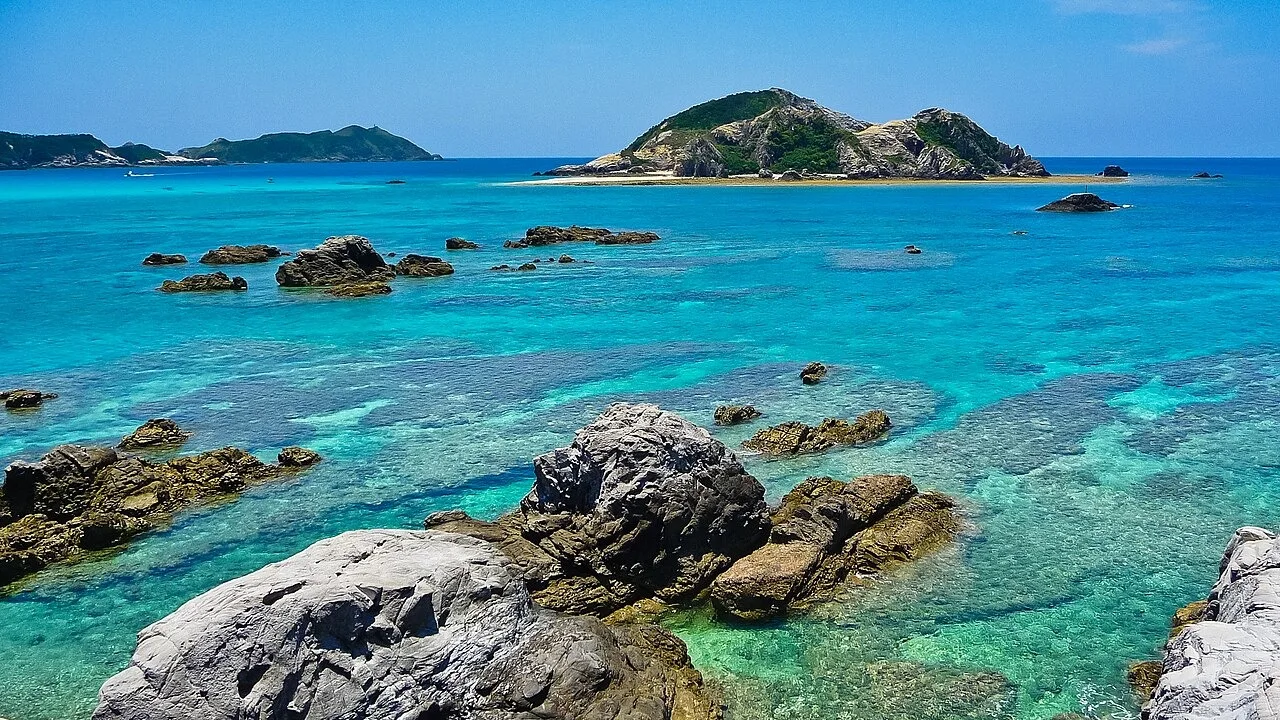
Designated a national park in 2014, the Kerama Islands are famous in summer for "Kerama Blue" snorkeling, while winter hands the spotlight to humpback whales. Cold-season water clarity peaks as tour crowds vanish; standing on the upper deck of the ferry watching the deep-blue silhouettes of Zamami, Aka, and Tokashiki line the horizon offers a sweeping view you rarely get during the busy summer months.
Japan's Ministry of the Environment has also backed winter conservation outreach locally, such as the Whale Watching Festa held between January and March. Independent travelers do not need to schedule around special events, yet understanding the area's national park status explains why speed limits and viewing caps are policed so carefully—every rule protects the whales' return year after year.
Between sailings, climb up to one of Zamami's hilltop observatories for sweeping views over the reef; winter transparency makes the coral shelves and layered blues stand out sharply from above. Treating "winter scenery in Keramashoto National Park" as half the draw ensures your island trip feels rewarding regardless of ocean conditions.
Knowing how local geography shapes winter weather also helps you read forecasts without panicking. Northeast winter monsoons frequently churn the open ocean, while the island-ringed inner sea stays noticeably calmer, letting captains tuck along leeward channels. What ultimately decides your day is the 8:00 AM port sailing call—have a mainland backup ready the night before so a cancellation never derails your schedule.
Visiting a national park island also carries basic stewardship responsibilities. Follow your boat crew's rules on food and drinks onboard, and remember that small islands have limited shops and waste facilities: pack all plastic bottles and snack wrappers brought from Naha back out with you.
Two Ways to Structure It: Day Trip vs. Overnight Stay
If your schedule and budget allow, staying one night on Zamami Island is easily the smoothest strategy. Catch the 13:15 Ferry Zamami from Tomari Port on Day 1 to dock at 14:45, drop your bags, and catch sunset from the hills. The next morning, join a local operator's morning whale-watching tour, return by noon for lunch and an easy afternoon stroll, and board the 15:00 ferry back to Naha at 17:00. Because island guesthouses and restaurants are few, book lodging first for January–March peak dates before securing ferries and tours.
A same-day round trip works too, provided you build around strict boat connections. Because the first large ferry arrives at 12:00 and misses morning tours, day-trippers must either find an operator running an afternoon tour or take the 50-to-70-minute Queen Zamami—accepting higher winter cancellation odds. Either way, treat the 17:00 final return to Naha as a hard backstop and never gamble on finding walk-in lodging if you miss it.
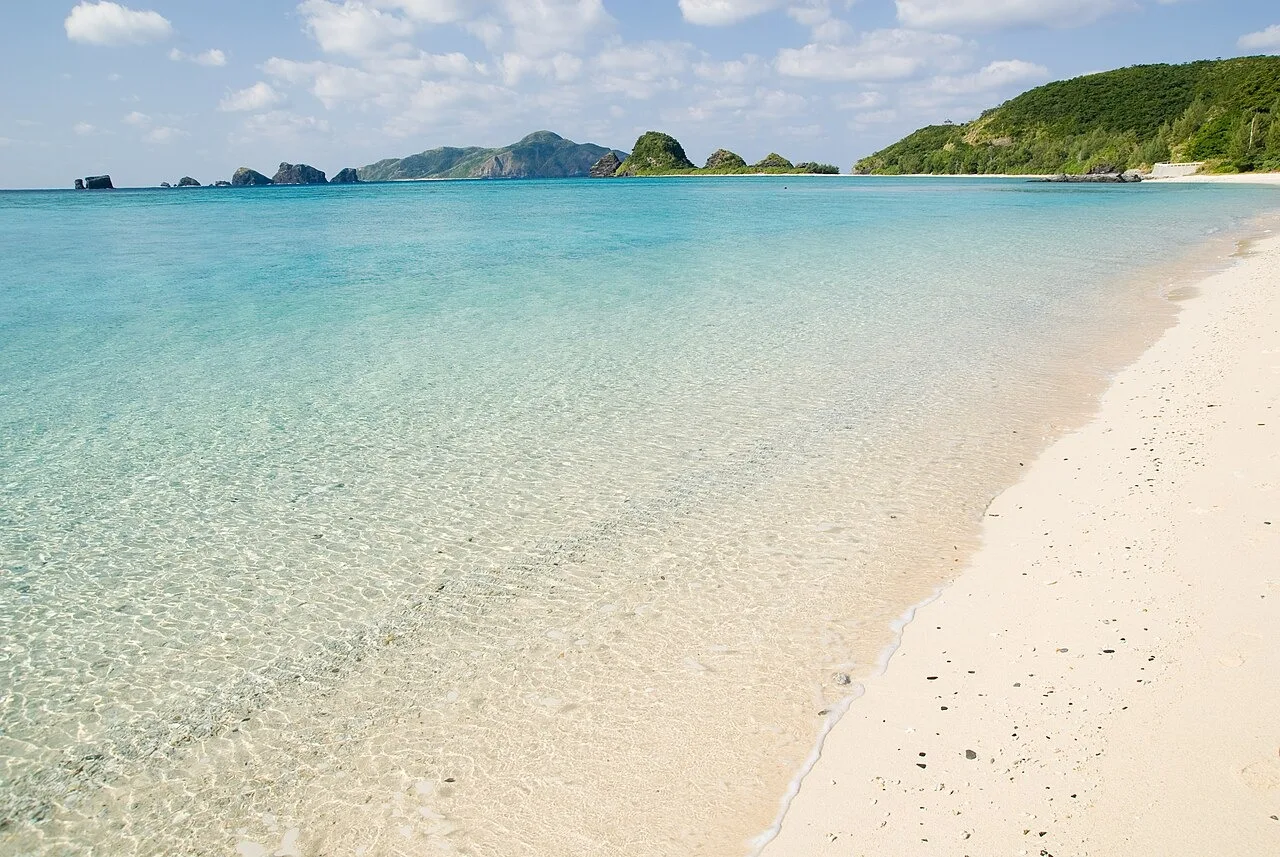
If anyone in your group suffers badly from seasickness and prefers to stay ashore, Zamami offers plenty on land. Scenic viewpoints and walking trails sit right above the port, a short village bus ride brings you to the powdery white sand of Ama Beach—quiet and crystal-clear in winter—or you can buy a ticket on the spot for the Mitsushima boat to wander Aka Island until the whale boat returns.
The hidden reward of staying overnight is Zamami's quiet winter dusk. From a beach or ridge facing east toward Naha, you get near-empty horizons and still village evenings. Because dinner spots on the island are scarce, ask your guesthouse to arrange meals or reserve a restaurant table ahead of arrival during peak winter weeks, and confirm your whale tour meetup time before planning afternoon walks.
Basing yourself on neighboring Aka Island works just as well. Both daily Naha ferries call at Aka, the Mitsushima inter-island shuttle connects Aka and Zamami in roughly 15 minutes, and Aka's local operators belong to the same Zamami Village Whale Watching Association. Aka has fewer lodges than Zamami, yet many sit steps from quiet beaches, making both islands easy to compare side by side.
Wild animal encounters never come with a 100% guarantee, yet even a rare quiet day on the water leaves plenty to enjoy. Winter skies are crisp, white-sand beaches sit nearly empty without summer snorkel crowds, and the islands settle into an unhurried rhythm. Viewing a two-hour ocean search and a half-day island walk as two separate pleasures takes the pressure off and makes the whole trip better.
Mapped hour by hour, the gold-standard 2-day/1-night plan runs cleanly: Day 1 departs Tomarin at 13:15, docks in Zamami at 14:45, checks in, and catches sunset from a port overlook; Day 2 meets your tour shop at the terminal for a 2-to-3-hour morning outing, finishes in time for lunch and an afternoon beach walk, and departs on the 15:00 ferry back to Tomari Port at 17:00. Once lodging and ferry tickets are locked in, booking the whale tour one day out completes the loop.
By contrast, the day-trip version leaves almost zero margin for error. Grab the earliest morning Queen Zamami direct to Zamami (check the village's current timetable), connect straight into an afternoon whale-watching tour, and hurry back for the 17:00 ferry or late high-speed boat to Naha. If the fast boat cancels, afternoon tours fill up, or afternoon swells build, your backup defaults to a simple island walk—making day trips best suited to flexible travelers who confirm operations with a shop right before leaving.
Deciding between Zamami Island and Aka Island comes down to one practical rule: Zamami's port terminal puts your ferry dock and whale-watching check-in counter right beside each other, making mornings effortless. Aka feels quieter with beaches closer to lodging, but getting to Zamami Port for a morning tour means timing the Mitsushima shuttle carefully (outside the 7:45 AM cash-to-captain run, check schedules ahead). If you are traveling with seniors or small children, staying near the Zamami Port meetup point wins every time.
Beyond the Season: No Sightings, Cancellations, and Next Winter
Nature always demands a little give: rough swells bring cancellations, and mother-calf days shorten viewing windows under the rules. When you fold Kerama's clear water, ridge views, and slow island pace into your expectations, spotting humpbacks becomes the highlight rather than an all-or-nothing bet. If a no-sighting refund or free re-ride policy matters to you, confirm the fine print with your operator before paying.
Planning ahead for winter 2027? Keep an eye on the association's blog and booking page around November, when the next season's dates are usually finalized—historically opening in early January and wrapping up in late March. Even if your trip falls in December or April, do not assume boats are parked; calling a few local shops often uncovers active ad-hoc departures.
Tucking a Zamami whale excursion into a broader Okinawa trip is effortless and pairs smoothly with both a main island Okinawa itinerary and three days around Naha and central Okinawa. Simply carve out one or two days around Tomari Port and keep the rest of your route intact; back in Naha by evening, seafood izakayas and Okinawa soba shops near the harbor make an easy dinner stop.
If you are staying on Naha's south side or want another option in the Keramas, neighboring Tokashiki Village (Tokashiku and Aharen) also operates winter whale-watching tours, and the association's 7-km coastal rules apply there as well. Just keep in mind that Tokashiki boats use separate piers, timetables, and fares at Tomari Port, so compare meetup points and weather-refund rules carefully.
Follow one booking sequence to skip most headaches: during the January–March peak, island lodges sell out fastest, so lock in your room first; next, book Tomari Port ferry or high-speed tickets online when the 55-day window opens; finally, reserve your whale-watching boat one day before departure once the sea forecast settles. Booking in the order of lodging, ferry, then whale tour minimizes cancellation risk if weather turns.
Ending your excursion back at Tomari Port in the evening pairs naturally with dinner in Naha and a night at a city hotel. The next morning, you can pick up a rental car to drive north toward Nago, explore central Okinawa's neighborhoods, or head to Naha Airport for your flight home—picking right back up with a main island Okinawa itinerary or three days around Naha and central Okinawa.
Once you have done the trip, winter whale watching in Okinawa comes down to four anchors: verify the official season dates (January 8 to March 25 in 2026), watch Zamami Village's 8:00 AM daily sailing updates, confirm tour times and no-sighting policies before booking an operator, and secure island lodging before buying boat tickets. Nail those four, and your winter crossing into the Kerama Sea is set.
A few useful answers
When is the best time for whale watching in Okinawa?
The Zamami Village Whale Watching Association's official 2026 season runs from January 8 to March 25. January through March is the peak calving and nursing period, giving you the highest chance of spotting mother-calf pairs. Some member operators run flexible trips in December and April depending on sightings, so call shops directly before booking outside the main season.
What are the whale-watching rules in Zamami?
Under the association's voluntary code, vessels must slow down within 300 meters of a whale and may not actively approach closer than 100 meters. Viewing mother-calf pairs is capped at 1 hour combined across all boats in the morning and 1 hour in the afternoon. Swimming with whales is strictly prohibited, underwater photography is banned by default, and a designated mother-calf sanctuary between Zamami and Tokashiki is closed to all commercial tour boats.
How do I get to Zamami Island from Naha?
Take either the Ferry Zamami car ferry from Naha's Tomari Port (Tomarin) South Wharf (departing 9:00 and 13:15; 1.5 to 2 hours) or the Queen Zamami high-speed craft from the North Wharf (50 to 70 minutes). Phone bookings open 1 month in advance, while online bookings open 55 days ahead through the day before departure. Note that the Queen Zamami is out of service for dry-dock maintenance from October 20 to December 3, 2026.
How do I book a whale-watching tour and how much does it cost?
Book directly with one of the Zamami Village Whale Watching Association's member shops—ideally the day before departure once the marine forecast settles. On tour day, check in at the counter inside the Zamami Port terminal. Prices are set individually by each operator, so compare total time on the water and no-sighting refund or re-ride policies alongside the fare.
Can I do Zamami whale watching as a day trip?
The morning Ferry Zamami does not dock until 12:00, which misses morning tours, so a day trip requires catching the high-speed boat or confirming an afternoon whale-watching departure. The most reliable and unhurried itinerary is taking the afternoon ferry to Zamami, staying one night, joining a morning tour the next day, and catching the 15:00 ferry back to Naha.
Do winter waves frequently cancel ferries?
Yes. Ferry and high-speed boat cancellations are announced daily around 8:00 AM JST, and Zamami Village explicitly assumes no liability for missed connections or lodging losses caused by weather cancellations. To avoid getting stranded or losing prepaid nights, stay in Naha the night before and confirm sailings at 8:00 AM before heading to the port.
What happens if we do not see any whales?
Treat the trip as a winter Kerama island-hopping day: hike up to Zamami's scenic overlooks, walk along Ama Beach, or take the inter-island Mitsushima boat over to Aka Island. If a refund or free re-ride guarantee matters to you, confirm the operator's no-sighting policy before paying.
Official information and references
Sources used in this guide.
- Zamami Village Whale Watching Association - Season and Reservations (Jan 8 - Mar 25, 2026)
- Zamami Village Whale Watching Association - Voluntary Rules (300m/100m, Mother-Calf Pairs, No Swimming)
- Zamami Village Whale Watching Association - How to Book
- Zamami Village Office - Ferry & Ship Schedules (Ferry Zamami Timetable, Queen Zamami Maintenance Notice)
- Zamami Village Tourism Association - Access & Transport (Sailing Times and Wharves)
- Zamami Village Tourism Association - Boat Reservation Rules (Phone/Online Windows and Deadlines)