Plan two days in Okinawa for New Year's Eve and New Year's Day: getting to Naminoue Shrine, Chatan countdown times, late-night Yui Rail trains, Cape Chinen sunrise access, and what is open at Sefa Utaki during construction.
- Region & Focus
- Okinawa
- Reading Scope
- 22 min read · 12 chapters · 6 Q&As
- Official Verification
- 28 official sources checkedUpdated November 22, 2026
- Key Topics
- SeasonsWinterItineraries
Chapter Route Map (tap any stop)
- Decide Where to Stay on New Year's Eve First
- December 31 in Naha: Head to Wakasa in the Afternoon
- Timing Hatsumode at Naminoue Shrine Without Waiting Around
- Dusk in Chatan's American Village and the 23:50 Countdown
- New Year's Eve 00:00 Extra Monorail Train from Naha Airport to Makishi
- New Year's Day Sunrise at Cape Chinen: Walking Out to the Sea View
- Going to Cape Chinen Without a Car: Take Daytime Bus 338
- On New Year's Day 2027, Sefa Utaki Is Only Open Near the Ujoguchi Gate
- Where to Go After Cape Chinen Depends on Your Morning Priorities
- Spend a New Year's Half-Day in Naha at the Reopened Shuri Castle Seiden
- Backup Plans for Rain: Check Where the Wind Hits
- Two-Day Itineraries Matched to How You Get Around
- Quick Q&A
If it is your first New Year's in Okinawa and you want to explore Naha and visit Naminoue Shrine for hatsumode (the first shrine visit of the year), staying near Asahibashi or Kenchomae is the easiest option. If you want to catch the Chatan laser countdown at 23:50 on December 31, 2026, book a room right near American Village for the night. For those prioritizing the first sunrise of the year over the Pacific from Cape Chinen in Nanjo City, the National Astronomical Observatory of Japan lists Naha's sunrise on January 1, 2027 at 07:17, which gives you a solid timing benchmark for heading out. With only two days over the holiday, pick either the late-night countdown or the early-morning sunrise as your centerpiece, and keep the other half of the trip relaxed for meals, strolling, and getting around.
Decide Where to Stay on New Year's Eve First
Asahibashi works best if you want to stay in Naha while connecting to out-of-town buses. Naha Bus Terminal sits right next to the station, so staying here lets you walk to Naminoue Shrine on New Year's morning or take a daytime bus trip down to Nanjo. Walking back to your hotel from the shrine at night is also straightforward. If you arrive with heavy luggage, drop your bags along the monorail at Asahibashi first—walking out to the Wakasa waterfront will be much easier afterward. An adult one-way Yui Rail fare from Naha Airport to Asahibashi is ¥290; Naminoue Shrine lists the ride at about 10 minutes, followed by a 15-minute walk from Asahibashi Station.
The stretch between Kenchomae and Makishi suits travelers focusing New Year's Eve on dining and shopping. With monorail stations at both ends of Kokusai-dori, the walk back from restaurants matters more than the commute to the airport. Kenchomae sits near the western end of Kokusai-dori, making the walk toward Wakasa shorter. Makishi is close to First Makishi Public Market—convenient for picking up souvenirs on New Year's Eve daytime, though the walk back after midnight hatsumode is longer. When booking, check the actual walking route to see if your hotel is on the far side of the station or requires circling a block. Families with strollers can do a quick daytime test walk so someone familiar with the route can lead the way back at night.
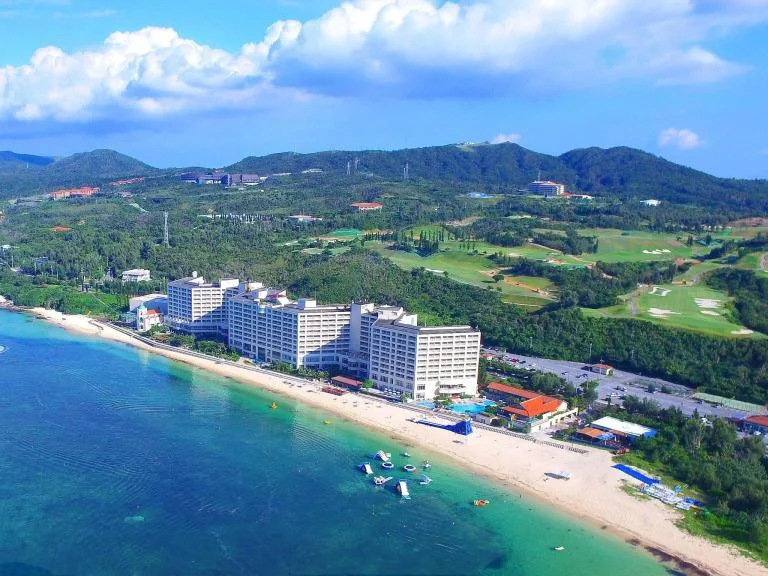
In Chatan, pick a hotel within walking distance of the venues after midnight. American Village, Sunset Beach, and the Fisherina area all sit along Chatan's west coast. Listings labeled 'Chatan' may still be across the national highway or far from the Hilton where the laser show takes place. Pin your dinner spot, viewing area, and hotel entrance on a map beforehand so the whole evening works on foot. Staying overnight in Chatan also lets you sleep in on New Year's Day before heading down to Naha, instead of cramming checkout, hatsumode, and an early morning drive into one stretch.
If your group only cares about the Cape Chinen sunrise, spend December 31 in Nanjo and stay locally—or base yourself in Naha and pick up a rental car the evening before. Location within Nanjo matters, too: Sashiki lies northwest of the cape, while Chinen-Kudeken is where the park itself sits. Use the park entrance as your navigation pin when comparing hotels rather than relying on broad district labels on booking sites. If you have an afternoon flight the next day, staying in Naha is usually simplest, leaving a clean block of time after returning from Cape Chinen to drop off the car and reach the airport.
| Area to Stay | Best New Year's Eve Plan | New Year's Day Connection |
|---|---|---|
| Asahibashi, Kenchomae | Dinner in Naha, hatsumode at Naminoue Shrine | Half-day in the city, or daytime bus to Nanjo from the bus terminal |
| Mihama, Chatan | Stroll American Village, laser countdown at Hilton | Sleep in and stay in Chatan, or head to Naha during the day |
| Nanjo City, or Naha with a rental car | Turn in early on NYE, depart before dawn on NYD | Stay in the south after Cape Chinen, then return to Naha in the afternoon |
Plan two days in Okinawa for New Year's Eve and New Year's Day: getting to Naminoue Shrine, Chatan countdown times, late-night Yui Rail trains, Cape Chinen sunrise access, and what is open at Sefa Utaki during construction.
December 31 in Naha: Head to Wakasa in the Afternoon
First Makishi Public Market is closed from January 1 to 3, so plan to eat on the second floor or buy food to take back to your hotel between morning and lunch on December 31. Located in Matsuo 2-chome, the market is about a 10-minute walk from either Makishi or Miebashi stations; afterward, walk along Kokusai-dori toward Kenchomae. Waiting until late evening just for a bowl of New Year's soba risks running into holiday closures. If some people want Okinawa soba and kids need an earlier meal, book an early evening dinner at a restaurant that takes reservations, then stroll from dinner back toward your hotel.
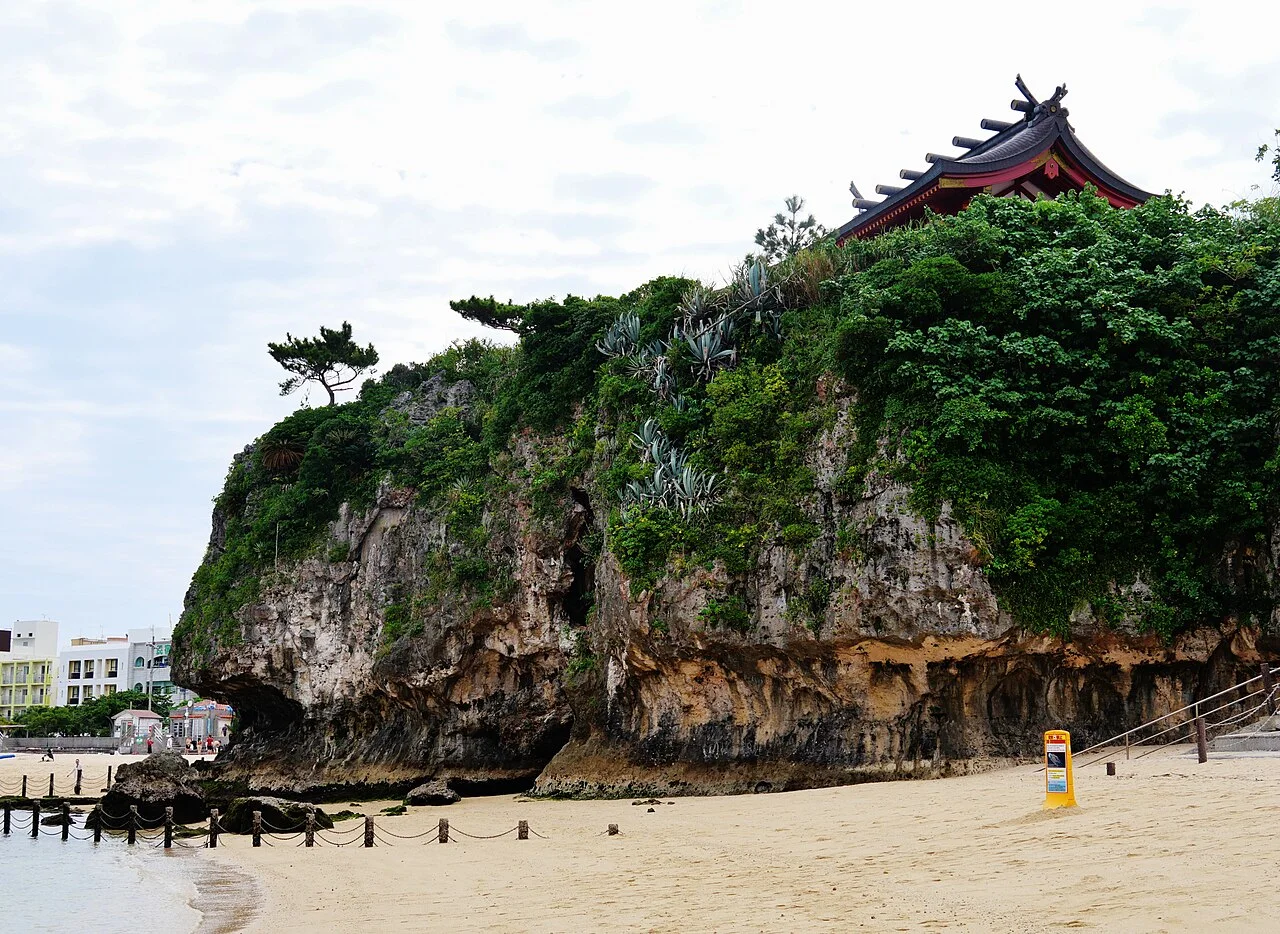
Naminoue Shrine is located at 1-25-11 Wakasa, Naha. Walking from Asahibashi during the day brings you first to the torii gate area and then up the main approach. If you plan to take older relatives back to the hotel to rest before returning for midnight hatsumode, pick a clear meeting point outside the torii beforehand. When taking a taxi, tell the driver 'Naminoue-gu' (Naminoue Shrine) or 'Wakasa side' instead of just pointing to the whole park on a map. The beach on the Wakasa side and the seaside facilities on the Tsuji side are in separate zones, so picking the wrong drop-off adds extra walking.
Past the torii gate, the highlight is the main shrine hall. To frame both the cliffside and the roof together, walk back down to the street and enter the Wakasa side of Naminoue Beach to look back from the sand. Reversing the route shows why the shrine is named 'above the waves.' Beach management lists the swimming season as April through October, leaving winter strictly for coastal views and photos. Shoot the cliffside before sunset; if you come back after dinner, stick to the lit streets leading to the shrine and save the beach for daylight.
Timing Hatsumode at Naminoue Shrine Without Waiting Around
Hatsumode is the first shrine visit of the New Year. According to Naminoue Shrine's official history, ships entering and leaving Naha Port once prayed toward the shrine for safe voyages—looking up from the base of the cliff makes that link between harbor and shrine far clearer than standing beside the torii gate. The current shrine buildings are postwar reconstructions. Travelers who just want architecture and coastal views can stop by briefly during the day, while those visiting after midnight should budget for queues along the approach. Praying, buying amulets (omamori), and registering for formal prayers follow separate lines, so split up if needed and regroup outside the torii afterward.
As of November 22, 2026, the shrine homepage has posted staff recruitment for Reiwa 9 (2027) New Year duties, while the 2027 New Year amulet counter hours for visitors have not yet been announced. Regular hours on the homepage list the amulet counter at 09:00–16:45 and formal prayer reception at 10:00–15:30, though the shrine's map page lists the regular counter closing at 16:30. On an ordinary weekday visit for amulets, arriving before 16:30 safely covers both listings. For special New Year amulet or prayer hours, look specifically for the Reiwa 9 announcement on the homepage—last year's Reiwa 8 schedule is for January 2026, and the two tables are easy to mix up.
If you are staying near Asahibashi or Kenchomae, you can finish the night by walking back from the shrine. The shrine's access page lists 20 free parking spaces, with nearby paid lots once those fill. Even if you have a rental car for the trip, leave it parked at your hotel on New Year's Eve and save taxis for companions who struggle with long walks. That also keeps you out of temporary traffic diversions and parking hunts. Set a reachable street corner in Wakasa as your ride-hail or taxi pickup spot. If anyone gets separated in the queue, wait at that agreed corner rather than pushing backward against foot traffic on the approach.
Families with toddlers and older relatives who need frequent seating are better off coming from downtown after breakfast on New Year's Day. Use hotel restrooms before heading out, bring a baby carrier rather than a stroller if possible, or let kids walk short stretches through tighter crowds. How long you stay is the easiest thing to adjust on the spot: if the line already reaches the street corner, start with a daytime walk along the beach while others circle back to the torii later. There are slopes and level changes in front of the shrine, so companions with limited mobility can save their energy for the approach and take a taxi to and from the surrounding neighborhood.
Dusk in Chatan's American Village and the 23:50 Countdown
American Village's west coast is made for dusk walks. The National Astronomical Observatory of Japan lists Naha's sunset on December 31 at 17:48 JST. Using that as your anchor along the Chatan shoreline, arriving at Sunset Beach or the seaside edge of Depot Island around 17:15 gives you plenty of time to watch the light fade off the water onto the storefront windows. Step inside a cafe if the sea breeze picks up, then wander back into the inland lanes after dinner. You can browse the illuminations across Depot Island's upper terraces and plazas at an easy pace—staying on the coastal side is plenty for New Year's Eve.
If you are staying up until midnight on December 31, 2026, make the countdown laser show at Hilton Okinawa Chatan Resort your centerpiece. Organizers list the show starting at 23:50 and recommend the terrace of buffet restaurant SURIYUN as a viewing area. Next door at DoubleTree by Hilton, a separate DJ countdown runs at the 3rd-floor 43 West Rooftop Bar from 21:30 to 00:30, with last orders at 00:15. The two venues are right beside each other, so look up the exact restaurant and bar names when finding entrances. If you have dinner reservations, factor in the walk between dining and the event, scope out the terrace or bar entrance ahead of time, and head straight back on foot after midnight.
Fireworks and the laser show happen on different nights. The hotel-announced Chatan West Coast fireworks are scheduled for January 1, 2027 at 20:00—ideal if you have kids and want fireworks after dinner in American Village without staying up until midnight. Hilton's New Year's Day festivities also kick off at 10:30 that morning on the SURIYUN terrace with kagami-biraki (sake barrel breaking), Eisa drum dancing, and mochi pounding, free for hotel guests while mochi lasts. If you are staying overnight in Chatan for the morning program, handle breakfast, checkout, and luggage storage early rather than booking your departure transfer right as the show starts.
For public transit from Naha to American Village, Chatan's tourism board and Depot Island both point to the Kuwae area. From central Naha, look for buses 20, 28, or 29, or route 120 from the airport direction. Check the travel direction and stop name when boarding, and use the opposite-side stop for the return trip. Working backward from the last bus times, transit riders do best visiting Chatan from late afternoon through dinner—arriving early leaves time for both the waterfront and the lights. Only stay through the 23:50 laser show if you have a walkable hotel or pre-arranged ride rather than counting on getting back to Naha late.
New Year's Eve 00:00 Extra Monorail Train from Naha Airport to Makishi
Okinawa Urban Monorail (Yui Rail) has announced that weekend/holiday schedules with extra trains will apply daily from December 31, 2026 through January 3, 2027. New Year's Eve adds one late-night extra train departing Naha Airport Station at 00:00 bound for Makishi, running from the airport into central Naha. For travelers on late flights, this train connects directly to stays near Asahibashi, Kenchomae, or Makishi. Anyone heading from the shrine back toward Shuri, going to the airport, or returning from Chatan to Naha must check the final departures for their specific station and direction—Chatan has no monorail station, so getting around there requires buses, a car, or walking.
When checking station timetables, keep the date set to the December 31 late-night special schedule and read airport-bound and Makishi-bound tables separately. Midnight rollovers on timetable sites can jump to January 1, so always verify the 00:00 train against the New Year's Eve special sheet. Late-arriving flyers aiming for that train need to factor in taxiing, immigration, baggage claim, the walk to the station, and tapping through the fare gates. If anyone arrives late or is hauling a checked stroller, notify your hotel in advance about an after-midnight check-in and decide between the extra train or a taxi once you clear arrivals.
If your group is split across two hotels, settle everyone's final leg back before dinner. Walking from Naminoue Shrine to Asahibashi is straightforward, whereas leaving Chatan fireworks by bus and transferring to the monorail adds two separate waits. Save your hotel, pickup pin, and station names—like Kenchomae and Miebashi—on an offline map, as searching by official station names is far more reliable than relying on translated hotel listings. For standard airport-to-city transit and terminal walkways, see our Naha Airport to city transport guide.
New Year's Day Sunrise at Cape Chinen: Walking Out to the Sea View
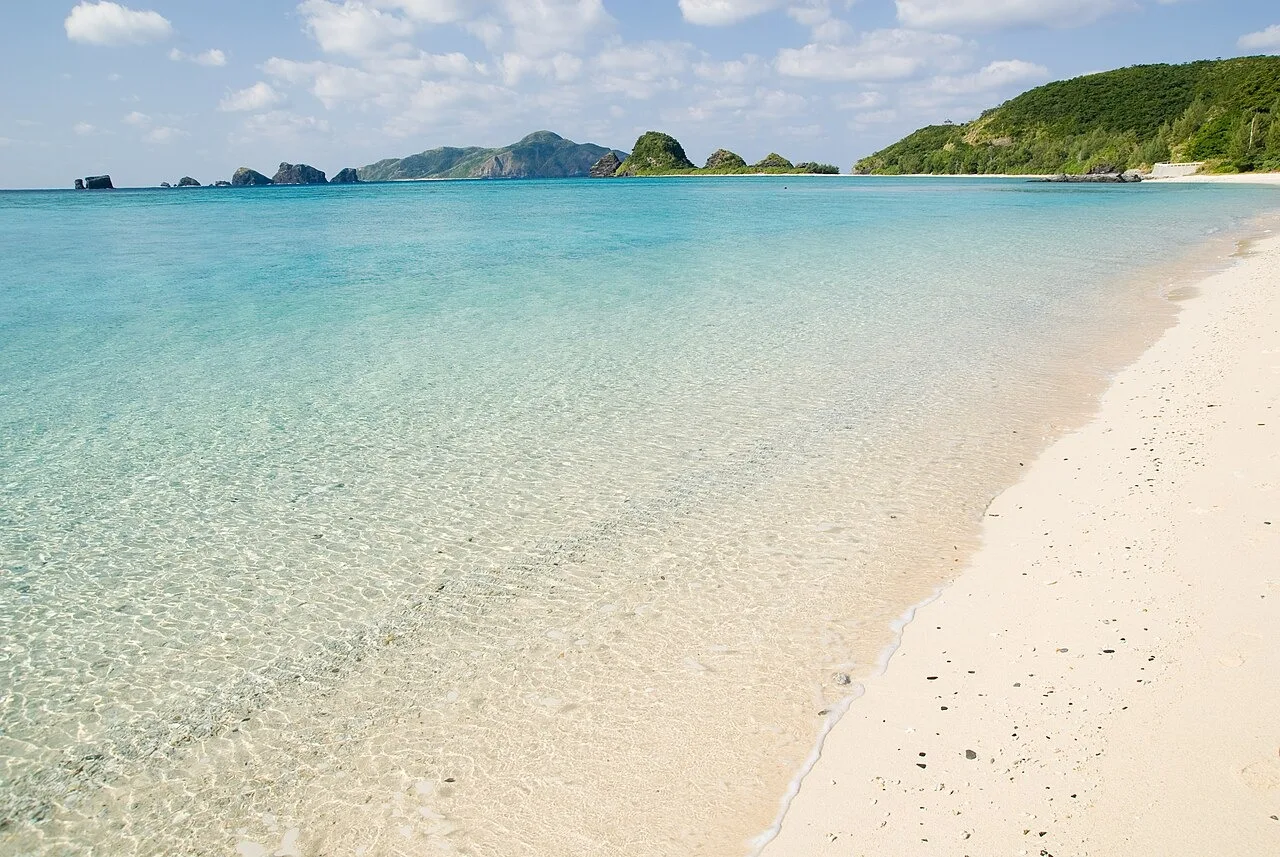
Cape Chinen Park sits in Chinen-Kudeken, Nanjo City, just past the Nanjo City Regional Products Center. The cape juts out into the Pacific, with Kudaka Island and Komaka Island visible offshore in daylight. For January 1, 2027, the National Astronomical Observatory lists Naha's sunrise at 07:17 JST at an azimuth of 115.4 degrees—meaning east-southeast. Those regional figures are reliable for timing your arrival at Cape Chinen, though the exact moment the sun clears the water depends on the horizon and low clouds. Once on the lawn, pick an ocean-facing spot with an easy exit route; as long as the southeastern horizon is clear, both the windward tip and the grassy edge offer good views without crowding onto the very front edge.
Driving from Naha takes roughly one hour, plus extra margin for parking and walking in the dark. Aim to reach the park area around 06:30 so you can follow parking signs, find an open sightline, and catch the pre-dawn colors before sunrise. To avoid bottlenecking at the entrance, stay in Nanjo or leave Naha early. Because the park, Sefa Utaki, and the products center sit close together, set your navigation destination specifically to 'Cape Chinen Park'—searching for Sefa Utaki may route you to the visitor entrance instead of the cape gathering area.
Fuel up the night before, note the after-hours exit of your hotel garage, and pack hot drinks, rain ponchos, and a flashlight within arm's reach before starting the drive. Give kids or anyone prone to motion sickness a light bite before leaving the hotel; upon arrival, one person can stay with bags or locate the restrooms while others claim a viewing spot. If lots fill up, follow on-site traffic marshals rather than pulling over on the coastal road to drop passengers. Traffic surges once the sun comes up, so if you do not have an early reservation, take a lap around the park and wait until the paths are bright before leading older relatives down steps or slopes.
Although Naminoue Shrine faces the sea, it sits on Naha's west side—ideal for daytime ocean views from below the cliff and New Year prayers, not for watching the Pacific sunrise. If you have no rental car and no pre-booked early morning transfer, save New Year's morning in Naha for a neighborhood walk or hatsumode. If seeing the sunrise over the water is a must, compare walking distances from Nanjo hotels before booking, or reserve a round-trip private transfer with a clear public pickup point so you are not stranded on the cape afterward.
Going to Cape Chinen Without a Car: Take Daytime Bus 338
Toyo Bus runs its Sunday/holiday timetable from December 31 through January 3. From Platform 7 at Naha Bus Terminal, take Route 338 (Sefa Utaki Line) and get off at Sefa Utaki Iriguchi. Under the current Sunday/holiday schedule, outbound buses leave at 09:25 and 11:25 for a scheduled one-hour ride, with return departures to Naha from the same stop at 11:00 and 12:50. When checking timetables, distinguish between outbound ('kudari' toward Sefa Utaki) and inbound ('nobori' back to Naha), as roadside bus stops are placed separately by direction. Confirm your return stop on arrival before walking over to the products center so there is no guesswork later.
Taking the 09:25 outbound bus and returning at 12:50 gives you just over two hours on the ground—enough to walk out to Cape Chinen, take a break at the products center, and decide whether to walk up to the Sefa Utaki entrance. Catching the 11:00 return leaves only about 35 minutes, barely time to reach the cape for photos and turn right back with no time for a sit-down meal. The 11:25 bus arrives at 12:25, leaving only 25 minutes before the 12:50 bus back; if your group wants to see both spots, take the first morning bus to Nanjo or arrange a pre-booked car for the return leg after the second bus.
Route 38 (Shikiya Line) uses the same stop, but its current Sunday/holiday outbound departure from Naha does not leave until 19:00, while the early 07:07 departure from Sefa Utaki Iriguchi is inbound toward Naha—checking only the stop name makes it easy to board the wrong direction. Both bus lines work for daytime sightseeing or fixed-schedule visits to Chinen, whereas a 07:17 sunrise requires staying within walking distance in Nanjo, booking a private ride, or driving. On a two-day trip, you can easily save Nanjo for another visit and spend New Year's Day along the monorail corridor between Wakasa and Shuri instead.
On New Year's Day 2027, Sefa Utaki Is Only Open Near the Ujoguchi Gate
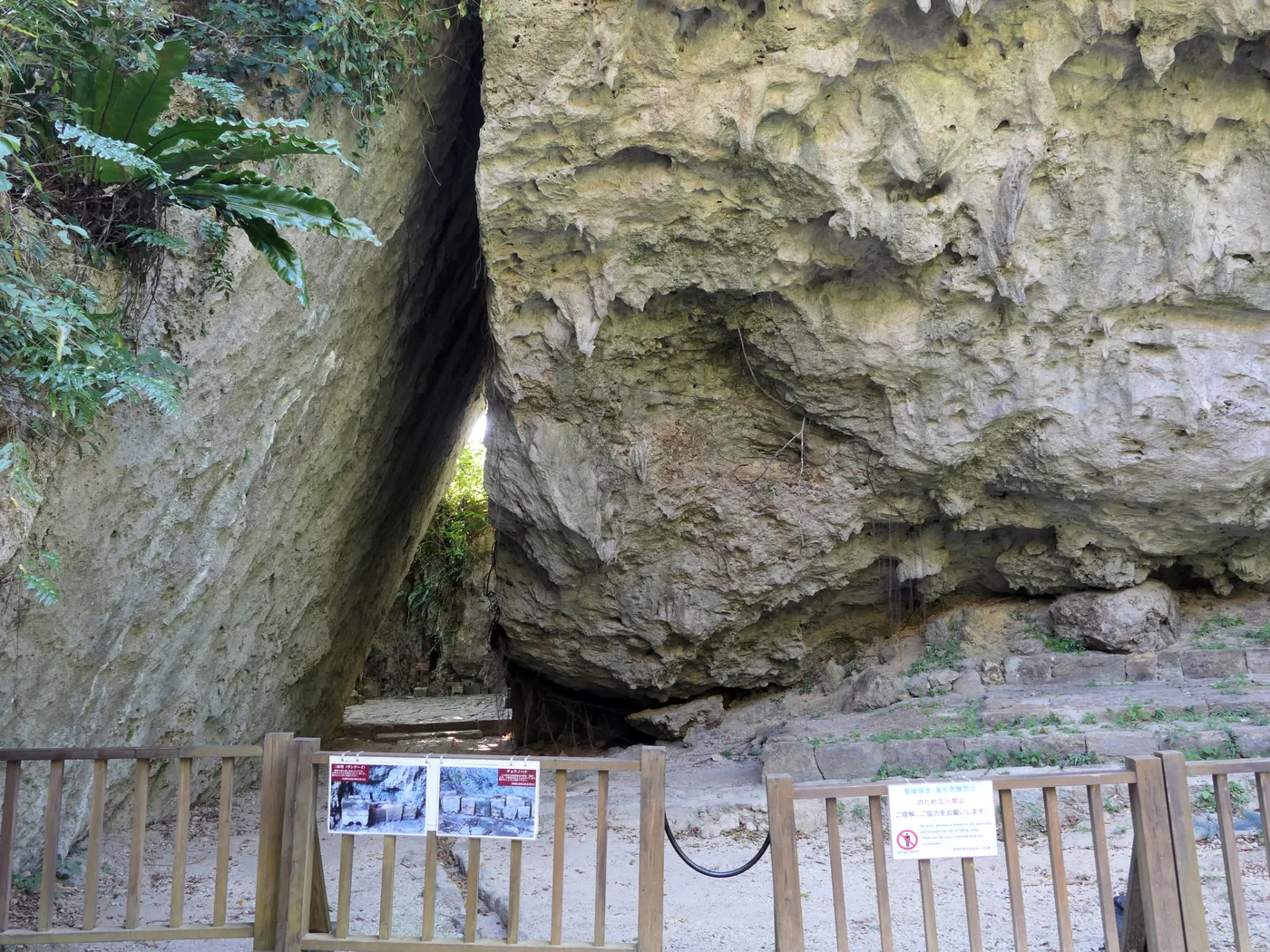
Drainage repair work is underway at Sefa Utaki beside Cape Chinen. Site management has announced tentative construction from November 2, 2026 through January 5, 2027, restricting access past the Ujoguchi gate toward the three-way fork, with free entry to the open area during construction. Even if you walk over on New Year's Day 2027, you can only remain near the entrance—both Sanguui and Ufugui lie inside the restricted zone. Visitors happy to combine the morning sea view with a short walk along the outer edge of the sacred site can visit both in one stop, while anyone hoping to step into the rock corridor or complete the full circuit should save Sefa Utaki for a fully open date.
Normally, the walk from the ticket counter beside the Nanjo City Regional Products Center to Midori-no-Yakata Sefa is about 500 meters, estimated at 7–10 minutes on foot. After sunrise at Cape Chinen, walk back to the products center and follow posted signs toward the shrine entrance rather than trusting navigation apps for shortcuts between the two sites. There are no restrooms inside Sefa Utaki, so use the facilities at the products center or before entering. Regular winter hours are 09:00 to 17:30, leaving roughly a breakfast window between sunrise at the park and gate opening; if you have a tight schedule or the kids are cold, heading out straight from Chinen beats waiting around the entrance.
Standard individual admission was revised on October 1, 2026 to ¥600 for high school students and adults and ¥300 for elementary and junior high students, though the open entrance area is free during construction. If you return to Nanjo later in your trip after New Year's Day, check whether the construction notice is still in effect before buying tickets—the regular ticket counter is over by the products center, so walking all the way to the Midori-no-Yakata entrance looking for a ticket machine means backtracking. Sefa Utaki is a major sacred site of the Ryukyu Kingdom: stay on established paths, keep clear of construction barriers, and step aside without lingering if others are praying at a worship point.
Where to Go After Cape Chinen Depends on Your Morning Priorities
If you have not booked breakfast on New Year's Day, decide upfront whether to eat in Nanjo or head back to Naha. Those waiting around Chinen for Sefa Utaki to open can pack a cold breakfast the night before to eat in a legal parking spot or at an open cafe, then stroll once the visitor center area opens. Driving back to Naha lets you combine breakfast and lunch in one stop instead of detouring downtown only to find early-morning spots closed. When traveling with older relatives, use the car's heater as a buffer against the coastal wind—rest in the car after sunrise before deciding between another walk or an indoor stop.
To spend a full half-day in Nanjo, make Gyokusendo Cave and Okinawa World your main morning stop. Regular hours are 09:00–17:30 with last admission at 16:00; official rates are ¥2,000 for ages 15 and up and ¥1,000 for ages 4–14. Standard entry starts through Gyokusendo Cave, where the underground path involves stairs, damp surfaces, and managing rain gear. If anyone in your group dislikes dark spaces or steep steps, switch to the indoor aquarium in Tomigusuku instead. Both options sit in southern Okinawa, leaving an easy lunch stop before returning to Naha for an afternoon rest.
If Okinawa Churaumi Aquarium is your New Year's Day goal, make Motobu Town the focus of the whole day. The aquarium lists no scheduled closures through March 31, 2027 and operates regular hours of 08:30–18:30 on New Year's Day, with last admission at 17:30. Visitors staying in northern Okinawa can enter Ocean Expo Park right after breakfast. However, if you drove out from Naha to catch sunrise at Cape Chinen, heading north means crossing central Okinawa all the way from the southern tip to Motobu—you will need at least half a day for the park and aquarium, so on a two-day trip it fits far better on January 2 or another day. When driving to Motobu, use the parking lots near the north gate to minimize outdoor walking.
Spend a New Year's Half-Day in Naha at the Reopened Shuri Castle Seiden
General public entry inside the Shuri Castle Seiden (main hall) resumes on November 23, 2026. Staying in Naha on New Year's Day lets you visit Naminoue Shrine in the morning, rest at your hotel, ride the monorail to Shuri in the afternoon, and enter the castle grounds in time for your reserved Seiden slot. Shuri Castle uses two ticket tiers: paid-zone admission is ¥1,000 for adults, ¥760 for high school students, ¥370 for elementary and junior high students, and free under age 6. Only timed-entry tickets that include the Seiden interior grant access inside the main hall, and that reservation is already built into the ticket. If you only want to see the exterior or general paid-zone exhibits, you can buy a standard paid-zone ticket on the day without locking yourself into a time slot.
Individual timed tickets for the Seiden interior in January go on sale first-come, first-served starting November 1 at 13:00 JST. If you arrive in Shuri and decide on the spot to go inside, same-day online or Kofukumon gate counter tickets remain available up to 15 minutes before the slot as long as capacity remains. The park recommends booking your Seiden entry 40–50 minutes after your monorail reaches Shuri Station to allow for the walk to the park, passing through Hoshinmon Gate, and reaching the hall. With slower walkers in your group, head straight toward Hoshinmon on arrival and save photos at Shureimon Gate for the way out.
From December through March, free grounds are open 08:00–18:30 and the paid zone is open 08:30–18:00, with last entry at 17:30. Walking from Shuri Station passes Shureimon Gate and Sonohyan-utaki Stone Gate along the way. With small children or older travelers, treat Shuri Castle Park as a sloped walk and take a taxi for either the uphill or downhill leg so everyone has energy left inside the grounds. The park estimates 90–120 minutes to cover Suimuikan, the Seiden interior, and the rest of the paid area.
Backup Plans for Rain: Check Where the Wind Hits
In light rain without strong wind, you can keep Naminoue Shrine hatsumode on the schedule and head straight to a meal afterward. When both wind and rain pick up, stick to the covered shopping arcades branching off Kokusai-dori in Naha, or move indoors into the shops inside American Village rather than walking its exposed boardwalk. Note that the Okinawa Prefectural Museum & Art Museum is closed from December 29, 2026 through January 3, 2027, followed by its regular Monday closure on January 4—save museum visits for Tuesday, January 5 and pick another indoor stop on New Year's Day.
For an indoor option closer to the airport with kids or older relatives, stop at DMM Kariyushi Aquarium in Tomigusuku on the way back from the south. Located inside the iias Okinawa Toyosaki shopping mall, it is open year-round from 09:00–19:00 with last admission at 18:00, and same-day tickets are sold right outside the second-floor entrance. If part of your group finishes early, everyone can wait comfortably inside the mall without changing vehicles. If you have a flight the same day, factor in the drive from the mall to your rental car return and the shuttle transfer to the terminal—it takes noticeably more buffer than riding straight to the airport.
If the forecast the night before calls for heavy clouds and strong winds off the southeastern coast, save your Cape Chinen walk until after breakfast instead of going before dawn. Japan Meteorological Agency normals for early January in Naha show an average daily high of 20.2°C and low of 15.2°C—mild enough for light layers downtown, though you will want an extra layer on an exposed windy cape. Wear a quick-drying long-sleeve base under a windproof jacket with tight cuffs. Pack touchscreen gloves for sunrise photos and choose raincoats over folding umbrellas that invert in sea gusts. Drivers should keep a dry towel in the car to wipe down seats or change kids out of damp clothes on the return trip.
Two-Day Itineraries Matched to How You Get Around
If you are staying in Naha without a car, drop your bags at Asahibashi on December 31, scout the route to Wakasa first, browse Kokusai-dori in the afternoon, and sit down for a reserved early evening dinner. Decide at night based on everyone's energy whether to visit the shrine and walk back to your hotel. On January 1, split Naminoue Shrine and Shuri Castle between morning and afternoon. If Cape Chinen's sea views are a priority, take the 09:25 Route 338 bus instead, spend the late morning in Nanjo, return on the 12:50 bus to Naha, and book a later afternoon slot for the Shuri Seiden—missing that return bus means shifting Shuri to another half-day.
If you are staying in Naha with a rental car and aiming for sunrise, drive up to Chatan in the afternoon on December 31 to watch the seaside shops light up, have dinner, and head back to Naha early. Drive straight to Cape Chinen before dawn on January 1, then choose between the Ujoguchi area at Sefa Utaki or Gyokusendo Cave after breakfast, leaving the rest of the day open for food and a nap. You can fit Naminoue Shrine into the late afternoon after parking back at your hotel. Anyone hoping to buy New Year amulets should wait for the shrine's official holiday counter schedule before locking in a time, while casual prayers allow much more flexibility.
If you are staying in Chatan for the countdown laser show, your New Year's Eve does not really kick off until dusk. Arrive early to leave luggage, walk Sunset Beach, and trace the route through Depot Island to your hotel so you know your way back after dinner. On New Year's Day, if you want to catch the 10:30 morning festivities, wait until midday before heading to Naha. If you are staying for the 20:00 west coast fireworks, book a second night in Chatan; if you only booked one night, arrange luggage storage at checkout and prioritize a pre-booked ride afterward. Spending a relaxed daytime stretch along the Chatan coast lets you catch both events without sacrificing sleep to chase sunrise in Cape Chinen.
If you have an extra day on January 2, dedicate that full day to a different region rather than commuting south to north and back daily. Travelers who stayed in Naha and completed hatsumode can spend all day in Motobu or along the northern coast. Chatan guests can stay put after New Year's Day dinner and drive north the next morning. If you fly out on January 2, spend your final night near Asahibashi or along the airport monorail line and keep that day's plans close to the hotel. Compare base-by-base luggage flow across Naha, Chatan, and northern Okinawa in our Okinawa main island hotel area guide.
A few useful answers
Where are the New Year's Eve 2026 countdowns in Okinawa?
Hilton Okinawa Chatan Resort starts its laser countdown on December 31 at 23:50. Next door, DoubleTree by Hilton hosts a DJ countdown at its rooftop bar. The Chatan West Coast fireworks take place on January 1, 2027 at 20:00.
What time can I buy amulets at Naminoue Shrine on New Year's Day 2027?
As of November 22, 2026, the shrine homepage has posted Reiwa 9 (2027) New Year staff recruitment, while holiday amulet counter hours have not yet been announced. Check the homepage later for the Reiwa 9 amulet counter schedule. Naminoue Shrine is about a 15-minute walk from Asahibashi Monorail Station.
What time is sunrise at Cape Chinen on January 1, 2027?
The National Astronomical Observatory of Japan lists Naha's sunrise at 07:17 JST in an east-southeast direction. Use that as your reference for Cape Chinen and aim to reach the park around 06:30 to allow time for parking, walking out, and pre-dawn light.
Can I take a bus to Cape Chinen for the New Year's Day sunrise without renting a car?
Toyo Bus runs its Sunday/holiday schedule over the New Year period, and the first Route 338 bus from Naha to Sefa Utaki Iriguchi departs at 09:25, which only works for daytime visits. To catch sunrise, stay within walking distance of the park in Nanjo or pre-book a round-trip transfer.
Can I enter Sefa Utaki to see Sanguui on New Year's Day?
Entry past the Ujoguchi gate is restricted due to drainage construction tentatively scheduled through January 5, 2027. On New Year's Day, only the entrance area is accessible, and entry to that open zone is free.
Does the Okinawa Monorail run until midnight on New Year's Eve?
On New Year's Eve, one extra late-night train departs Naha Airport Station at 00:00 bound for Makishi. Travelers heading from downtown toward the airport or Shuri after midnight should check the New Year's Eve timetable for their specific station and direction.
Official information and references
Sources used in this guide.
- Naminoue Shrine | Homepage Announcements, Regular Amulet Counter & Prayer Hours
- Naminoue Shrine | Walking Route from Asahibashi Station, Address & Parking
- Naminoue Shrine | History & Maritime Faith
- Naminoue Beach Management | Swimming Season Dates
- Okinawa Urban Monorail | December 2026 & Year-End/New Year Special Timetables
- Okinawa Urban Monorail | Naha Airport Station Fares
- Hilton Okinawa Chatan Resort | 2026–2027 Year-End & New Year Events
- Chatan Tourism Association | Access to American Village
- Depot Island | Bus Routes & Stops for American Village
- National Astronomical Observatory of Japan | Naha Sunrise & Sunset (December 2026)
- National Astronomical Observatory of Japan | Naha Sunrise & Sunset (January 2027)
- Nanjo City Tourism Information | Cape Chinen Park Location & Ocean Views
- Japan Travel & Tourism Association (Nanjo Cape Chinen Listing) | Road & Parking Info
- Toyo Bus | Naha Bus Terminal Platforms & Year-End/New Year Timetables
- Toyo Bus | Routes 38 & 338 Sunday/Holiday Round-Trip Timetables
- Sefa Utaki | Construction & Entry Restrictions from November 2026
- Sefa Utaki | Winter Opening & Ticket Counter Hours
- Sefa Utaki | Walking Route, Parking & Ticket Counter Location
- Sefa Utaki | Restrooms & Visitor Etiquette
- Nanjo City | Revised Sefa Utaki Admission Fees from October 2026
- Naha First Makishi Public Market | Location, Access & New Year Closures
- Shuri Castle Park | Seiden Interior Reservations & Revised Admission Fees
- Shuri Castle Park | December–March Free & Paid Zone Hours
- Okinawa Prefectural Museum & Art Museum | 2026–2027 Year-End/New Year Closures
- Okinawa World | Gyokusendo Cave Hours & Admission
- DMM Kariyushi Aquarium | Address & Opening Hours
- Okinawa Churaumi Aquarium | Year-End/New Year Hours & Last Admission
- Japan Meteorological Agency | Naha 10-Day Temperature Normals