How to pick an Okinawa whale watching tour for 2026–27: compare fares, hotel pickups, and no-sighting policies from Naha's Miegusuku Port, plus Tomari Port ferry schedules to Zamami, family tips, and bad-weather backups.
- Region & Focus
- Okinawa
- Reading Scope
- 21 min read · 10 chapters · 6 Q&As
- Official Verification
- 29 official sources checkedUpdated November 22, 2026
Chapter Route Map (tap any stop)
- Pick Your Departure Port Before Booking a Hotel
- Morning vs. Afternoon Tours from Miegusuku Port
- No-Sighting Guarantees, Weather Cancellations & Rescheduling
- Tomari Port North vs. South Wharf: Which Ferry Goes Where
- Sample Zamami Day Trip Using the January 2027 Schedule
- Where to Stay: Naha's Nishimachi, Tomari Port, or a Night on Zamami
- How to Spend Half a Day Off the Whale Boat
- Why Your Boat Stops After Spotting a Whale
- Traveling with Toddlers, Older Adults, or Seasickness Risks
- Backup Plans When High Winds Cancel Sailings
- Quick Q&A
If you only have half a day, book a direct whale watching tour out of Naha's Miegusuku Port so you can stay in the city afterward. If you want to pair whale watching with a walk along Ama Beach on Zamami Island, catch a high-speed ferry or car ferry from Tomari Port and board a local whale watching boat once you land. The two ports sit in different parts of Naha, and 2026–27 operators vary on season dates, minimum ages for toddlers, and no-sighting refunds. Match your sailing dates and return ferry first before deciding whether to spend a night on the island.
Pick Your Departure Port Before Booking a Hotel
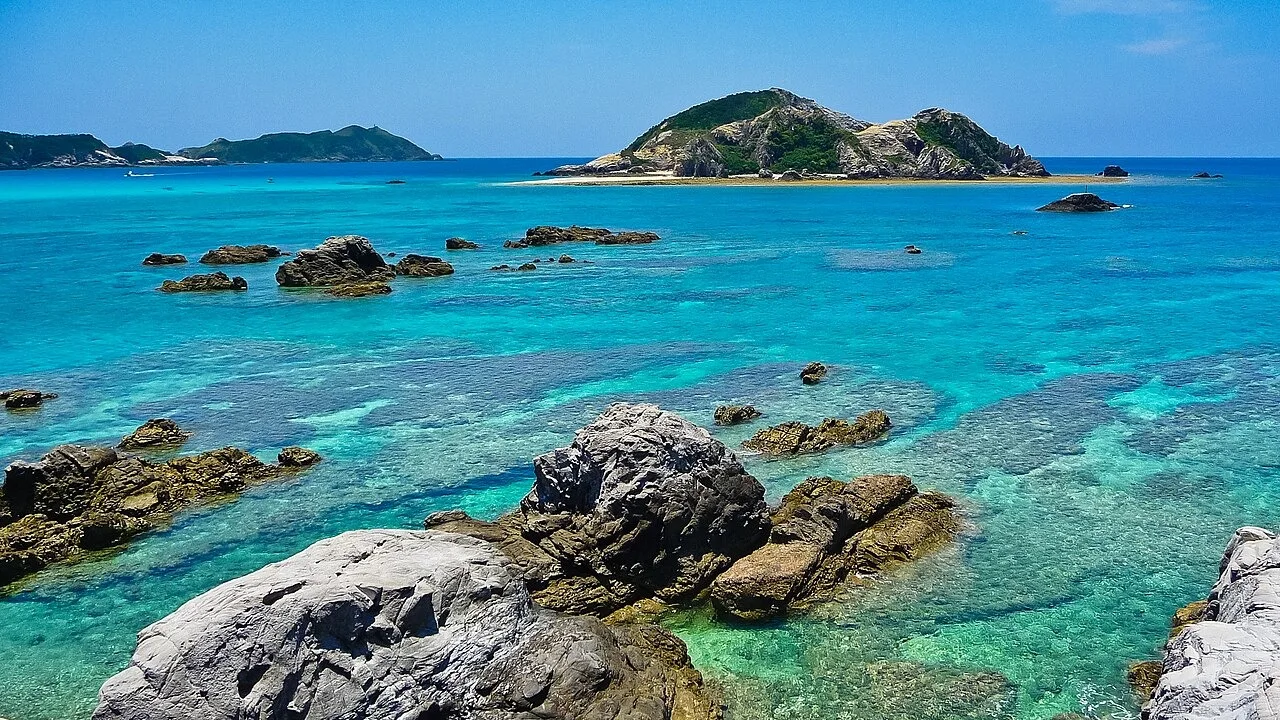
Every winter, humpback whales migrate south from high-latitude feeding grounds to breed and raise calves in the waters around the Kerama Islands. From late 2026 through spring 2027, operating seasons vary by port and operator. Out of Naha's Miegusuku Port, Cerulean Blue runs from December 19, 2026 to April 4, 2027, while Sea World's Naha departures run from January 5 through the morning of March 31, 2027. Member boats of the Zamami Village Whale Watching Association operate from January 8 to March 28, 2027. Those differing cutoffs are especially easy to trip over around New Year's, winter break, and late March.
For a simple half-day outing, sailing directly from Miegusuku Port is the cleanest option. Once you dock, you are right back in Naha for lunch, hotel check-in, or a rental car drop-off, and family members who skip the boat can easily split off for the morning. Only head to Tomari Port for the village ferry to Zamami if you also want to explore the island's port village, white-sand beaches, or coastal lookouts before boarding an island-based whale boat. Remember that your ferry ticket and your whale watching tour are separate bookings: the high-speed ferry from Naha might still run even if offshore swells force whale boats to stay in port. Plan rental cars, hotels, and flights with both legs evaluated separately.
If you want to stack other plans onto the same day, use the estimated return time to choose between morning and afternoon sailings. Morning tours leave your late afternoon open in Naha and make it easy to meet non-boating companions for lunch. Afternoon sailings let you check out of your hotel and store bags beforehand, or let kids sleep in. Before locking in timed highway buses, dinner reservations, or a game, pad the posted return time with extra minutes to walk out of the terminal, catch a cab, and grab luggage. If a strict dinner slot feels tight, plan to eat near the port and decide where to head next once you are back on shore.
How to pick an Okinawa whale watching tour for 2026–27: compare fares, hotel pickups, and no-sighting policies from Naha's Miegusuku Port, plus Tomari Port ferry schedules to Zamami, family tips, and bad-weather backups.
Morning vs. Afternoon Tours from Miegusuku Port
Cerulean Blue's morning tour meets at 8:30 AM, departs at 9:00 AM, and schedules a 12:00 PM return for ¥5,500–¥6,500. Its afternoon sailing meets at 1:15 PM, departs at 1:45 PM, and targets a 4:45 PM return for ¥5,000–¥6,000. Both runs last up to about 3 hours, with roughly 1 hour of actual whale watching once a pod is spotted, though sea conditions, whale behavior, and passenger comfort can shift the schedule. Groups watching their budget or wanting a slower morning should look at the afternoon slot first. Keep total trip duration separate from viewing time when planning lunch and pickups.
Sea World Naha meets at 8:30 AM and sails at 9:00 AM for a 12:00 PM–12:30 PM return; its afternoon trip meets at 1:00 PM and sails at 1:30 PM, returning between 4:30 PM and 5:00 PM, for a total run time of 3 to 4 hours. Depending on the reservation date, passengers 12 and older pay ¥5,500 or ¥6,500, children ages 4–11 pay ¥4,500 or ¥5,500, and children 3 and under cannot board. On March 31, only the morning tour runs. Since base fares for both operators are similar, let fixed afternoon commitments guide your time slot—and if you have toddlers, filter by age policy first.
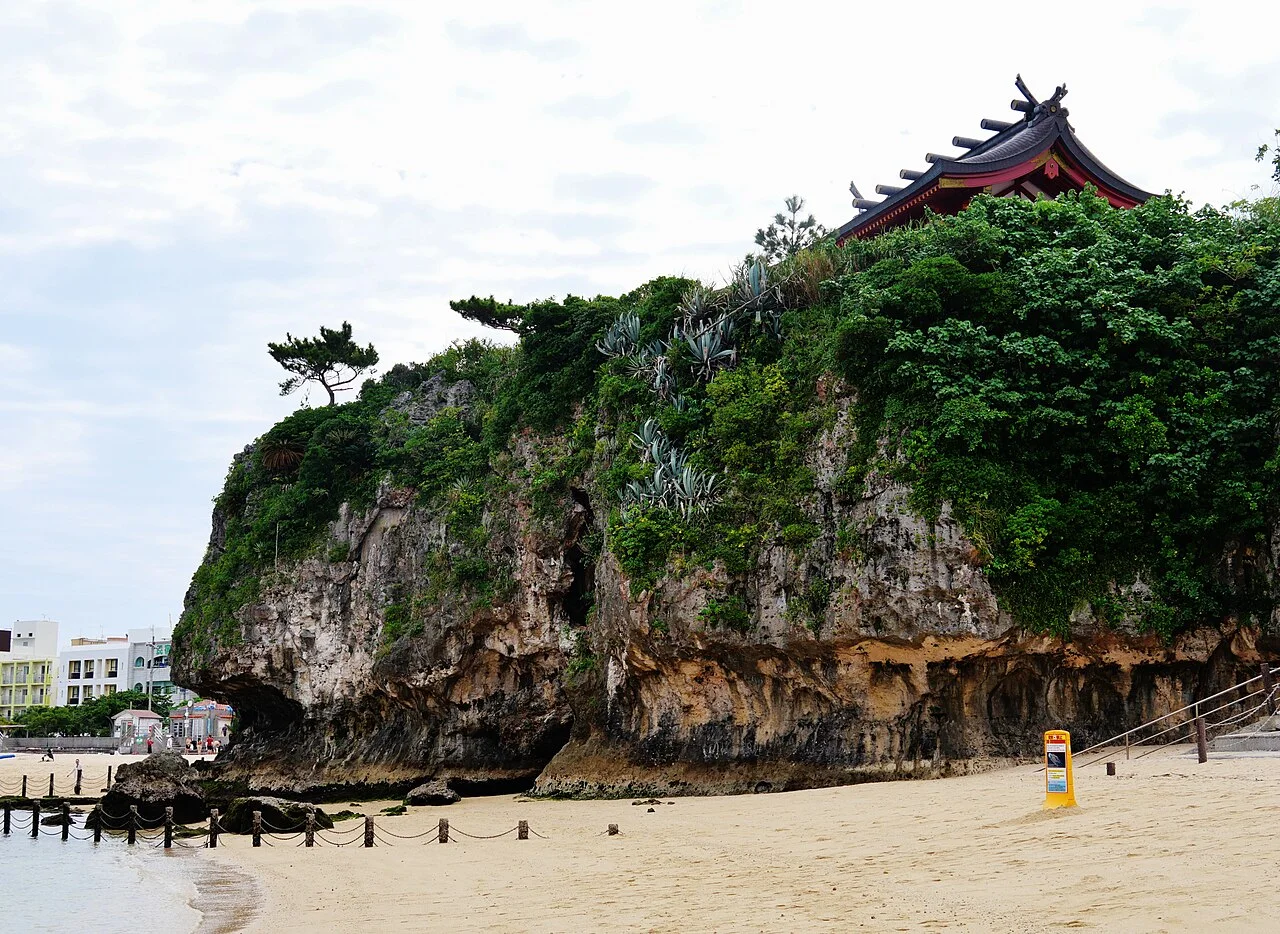
Miegusuku Port sits right next to the Naminoue coast. For self-arrival guests, Cerulean Blue meets at the port's waiting room: if driving, set your GPS to Naha Beachside Hotel, continue past the hotel to the port entrance, pass through the parking gate, and look for the white triangular roof on your right. Port parking costs ¥700 per vehicle. Even walking from Yui Rail Asahibashi Station to Naha Beachside Hotel takes around 25 minutes according to the hotel's own guide, plus an extra walk deeper into the port. For morning departures, heavy bags, or sideways rain, show the waiting-room pin to a taxi driver and have them pull inside the port. If you want to walk along the shore to Naminoue Shrine afterward, check the rain once you disembark.
Hotel pickup options also carry strict cutoffs. Cerulean Blue accepts online bookings until 11:00 PM JST the night before, but any reservation made from 3:00 PM JST onward the day prior must meet directly at the port—even if you select a pickup option. Pickup seats booked before 3:00 PM JST are assigned in order of reservation, and on Sundays, Kokusai-dori's pedestrian-only transit mall disables some stops along the pickup route. Travelers staying near Makishi should double-check the exact pickup stops and times on their confirmation, while guests in Asahibashi or Nishimachi who can reach the port on their own can take advantage of last-minute evening slots. Both Naha operators list a 10-passenger minimum, and Cerulean Blue may wait until the day before sailing to cancel if headcount falls short.
| Operator | Operating Season | Check-In & Departure | Naha Tour Fares |
|---|---|---|---|
| Cerulean Blue | Dec 19, 2026–Apr 4, 2027 | 8:30 AM check-in / 9:00 AM sail; 1:15 PM check-in / 1:45 PM sail | Morning ¥5,500–¥6,500; Afternoon ¥5,000–¥6,000 |
| Sea World | Jan 5–Mar 31, 2027 (AM only on final day) | 8:30 AM check-in / 9:00 AM sail; 1:00 PM check-in / 1:30 PM sail | Adults ¥5,500 or ¥6,500; Ages 4–11 ¥4,500 or ¥5,500 |
No-Sighting Guarantees, Weather Cancellations & Rescheduling
Wild humpbacks roam constantly across open water—some trips bring only distant spouts, and occasionally a boat comes back empty-handed. From February 1 to March 15, 2027, Cerulean Blue's designated no-sighting plans let you choose between a full refund and a free rebooking if no whales appear. Seeing a distant blow or multiple passengers spotting a whale voids the guarantee. Free rebookings are valid through April 4, and bank transfer fees on refunds are deducted from the passenger's end. Outside that window—December 19 to January 31 and March 16 to April 4—the same refund or rebooking guarantee does not apply, meaning a spring break trip on March 15 plays by different rules than one on March 16.
Sea World's Naha rules run on their own calendar: no sightings in January qualify for a free re-try, while February and March qualify for a full refund under the company's terms. If even a single passenger spots a blow, the trip is no longer eligible for a refund. To cancel voluntarily without penalty, call before 5:00 PM JST the day before; cancellations from 5:00 PM JST onward, day-of cancellations, and no-shows incur a 100% fee. Operator cancellations due to weather or sea conditions are refunded in full. If someone in your group gets seasick or a child falls ill beforehand, contact the reservation desk to amend your original booking rather than simply reserving a second trip.
Cerulean Blue charges tiered fees for guest-initiated changes or cancellations: 20% at 10–8 days out, 30% at 7–2 days out, 50% the day before, and 100% on the day of departure. When the operator cancels for weather, they reach out to process refunds, with bank transfer fees paid by the traveler if refunded via wire. Provide a phone number or email address you can actively check in Japan, and reply using the exact contact details from your reservation. Keeping that line open lets you handle rescheduling, pickup changes, or cancellations right from your hotel as winds pick up, instead of digging through emails at the dock.
On a short trip, weigh a "free rebooking" against whether you actually have another open half-day. If you sail early and still have half a day in Naha the next morning, you can call the operator to check for seats. If today is your final half-day in Okinawa, a rebooking voucher does you no good even if the guarantee triggers. To hedge against rough seas, hold two open windows in your itinerary, book only one sailing, and rebook only if the operator cancels. Paying for two tours up front backfires if the first boat goes out as scheduled—by then, your second ticket is already inside the cancellation penalty window.
Tomari Port North vs. South Wharf: Which Ferry Goes Where
The village-operated high-speed ferry Queen Zamami to Zamami and Aka departs from Tomari Port's North Wharf, while the car ferry Ferry Zamami 3 docks on the South Wharf right beside the Tomarin terminal building. Ride the Yui Rail monorail to Miebashi Station, take the North Exit, walk along the Asato River toward the port, and turn right onto Route 58. Tomarin's official guide estimates a 10-minute walk from the station to the main Tomarin terminal, and about 15 minutes to the North Wharf waiting area, which also has its own ticket sales and pickup counter. In a taxi, specify "Tomari Port North Wharf" or show the driver "Tomarin"—simply saying "Naha Port" won't tell them which pier you need.
General online ferry reservations open up to 55 days before departure, though dates without a published monthly timetable cannot be booked yet. Phone reservations open one calendar month before the sailing date and run daily from 10:00 AM to 5:00 PM JST through the day before departure. Under Zamami Village's September 2026 update, credit card payment for tentative online bookings opens 20 days prior and must be completed at least 3 days before departure, or the reservation automatically cancels—so set a calendar reminder if you snag weekend seats early. The booking system also requires purchasing or picking up tickets at least 30 minutes before sailing, and monthly schedules mandate boarding at least 10 minutes prior. Factor both cutoffs in before timing your walk from Miebashi Station.
The high-speed ferry reaches Zamami in 50–70 minutes, while the standard ferry takes 90–120 minutes, depending on whether the boat stops at Aka Island and the sea routing. High-speed ferry fares are ¥3,950 one-way and ¥7,510 round-trip from Naha for adults, or ¥1,980 one-way and ¥3,760 round-trip for children. Standard ferry fares are ¥2,900 one-way and ¥5,510 round-trip for adults, or ¥1,450 one-way and ¥2,760 round-trip for children. Visitors entering Zamami Village also pay a ¥100 Churashima environmental tax per person (exempt for junior high students and younger, as well as qualifying exempt travelers). On village ferries, elementary schoolers pay the child fare, and each adult may bring one child age 5 or under for free, with a child fare charged for each additional young child. Whale watching boats set their own separate age brackets.
You can mix outbound high-speed ferry and return car ferry tickets as two separate one-way bookings for ¥6,850 total per adult plus the island tax, though taking an earlier car ferry back forfeits the extra island hours a late high-speed return gives you. Booking the high-speed ferry both ways costs ¥2,000 more than a round-trip on the car ferry. If you want to save money on a same-day whale watching trip, check first whether the slower ferry arrives in time for an afternoon tour check-in before weighing the fare gap. Disembarking, walking to your tour booth, and grabbing food all pull from the same narrow port window, so don't plan seats and tour times in isolation.
For a single winter night on Zamami, ask your Naha hotel to hold your main suitcases overnight and pack just a small daypack with a change of clothes. Village rules cap high-speed ferry luggage at two pieces per passenger, each within 200 cm in combined dimensions and 30 kg, and you must be able to carry everything aboard in one trip. Long fishing rods require a protective case, and battery-powered e-bikes or kick scooters must ride on the car ferry. If you are heading straight from Naha Airport to the island with oversized suitcases or specialized gear, schedule your arrival day around the car ferry and push whale watching to the next morning.
Scheduled dry-dock maintenance can also disrupt ticket planning. From December 1–3, 2026, the high-speed ferry is out of service for dock inspection, resuming scheduled runs on December 4. If you are visiting Zamami during those early December dates, read the car ferry column on that month's timetable rather than plugging in late-December fast-ferry times. For spring trips spilling into other months, verify the exact island stop order on the village's monthly schedule—the 50-minute crossing benchmark only holds for direct sailings with the same routing.
Sample Zamami Day Trip Using the January 2027 Schedule
On the January 11–31, 2027 high-speed ferry timetable, the first boat leaves Tomari Port North Wharf at 9:00 AM and reaches Zamami at 9:50 AM, with a return sailing leaving Zamami at 4:20 PM and arriving in Naha at 5:10 PM. Frame your day trip around those two crossings, then contact a Zamami association boat about an afternoon tour and confirm exact check-in and return times. Island-based whale tours run roughly 1 to 2 hours—or closer to 1 hour if boats are observing a mother-and-calf pair under time limits. Leave yourself plenty of buffer to walk back to the right floating pier, and never book a tour that ends right at 4:00 PM.
Just one day earlier, on January 10, the morning high-speed ferry stops at Aka first, reaching Zamami at 10:10 AM, and the return boat leaves Zamami at 4:00 PM via Aka. That trims 20 minutes off the morning and another 20 minutes off the afternoon on back-to-back dates in the same month. Once your dates are set, screenshot the exact timetable row you are riding and share both your arrival and departure ferry times when booking your tour. Even on the same vessel round-trip, verify the island order for each leg separately—Tomari departures, island arrivals, and island departures all have separate columns, and afternoon arrivals into Zamami often turn right back around, so read the direction on your ticket carefully.
Taking the car ferry round-trip between January 11 and 31 leaves far less room: the outbound boat departs Tomari at 10:00 AM via Aka and reaches Zamami at 12:00 PM, while the return departs at 2:00 PM and reaches Naha at 4:00 PM. That leaves just two hours on the island—once you subtract check-in and walking to the floating pier, any slight delay on an afternoon whale tour will break the connection. To save with the slower ferry, stay overnight and split the crossing and the tour across two days. Even if you only plan to walk to Ama Beach and return the same day, make sure two hours is enough for the round-trip walk from the port.
Solo travelers and small groups book Zamami tours directly through the member operators listed by the Zamami Village Whale Watching Association. Standard association rates are ¥7,700 for adults and ¥3,850 for children, plus a ¥600 whale-spotting and conservation survey fee. Adding a round-trip high-speed ferry (¥7,510), the ¥100 island tax, the ¥7,700 tour, and the ¥600 fee brings an adult day trip to ¥15,910 before meals. If part of your group just wants to stroll the island, split ferry costs across everyone and whale tour fees only across those boarding the boat—the price gap is far larger than the difference between morning and afternoon Naha departures.
If your operator offers both morning and afternoon tours and you stayed on Zamami the night before, walk to the port right after breakfast and keep the afternoon free for island walks or your return ferry. Putting the whale boat first protects your afternoon return connection and shore time. Day-trippers coming from Naha should check the gap between docking and tour check-in: if a morning tour starts almost right at your 9:50 AM arrival, walk Ama Beach in the morning instead and choose an afternoon sailing with comfortable padding. Before buying either ticket, mark up your phone screenshot with three timestamps—"ferry arrival," "tour check-in," and "latest beach departure"—instead of just memorizing boat names.
Where to Stay: Naha's Nishimachi, Tomari Port, or a Night on Zamami
Match your Naha hotel neighborhood to your departure pier. For a morning tour out of Miegusuku Port, staying near Asahibashi or Nishimachi puts you an easy taxi ride or morning walk from the harbor. If you are catching the Zamami village ferries, Maejima and Miebashi sit close to Tomari Port so you won't have to cross town early in the morning. Comfort Inn Naha Tomari Port notes about a 4-minute walk to the Tomarin terminal, though North Wharf high-speed ferry passengers still need to add the extra walk over to the North Wharf waiting area. Guests based near Kokusai-dori can rely on hotel pickups or short cab rides while enjoying markets and dinner nearby; if you only have early departure times on two mornings, there is no reason to haul bags from Kokusai-dori to a portside hotel for one night.
Staying in Zamami Village works best for early-morning tours and traveling light on foot. Pension Hoshizuna sits right across from Zamami Port, a 1- to 2-minute walk from local shops, though nearby restaurants frequently fill up by reservation. If you arrive at dusk wanting a full dinner, ask your lodging about adding meal service when booking or reserve a local eatery in advance—and pick up water and next-morning breakfast supplies during daytime shop hours. Prefer quieter mornings and evenings along the bay? Zamami Village Tourism Association's directory separates Ama from the main port village, listing properties such as Ore no Yado in Ama. Just plan either an early walk back to Zamami Port or a guesthouse shuttle if your next-day tour meets at the harbor.
Overnighting on Zamami always carries the risk of next-day ferry delays. Even if your flight out of Okinawa departs in the afternoon or evening, return to the main island the day before and spend your final night in Naha—delayed boats, pier swaps, or packed return crossings with day-trippers can quickly eat into airport buffers. On a three-night whale-focused itinerary, staying in Naha and taking a direct Miegusuku boat on day two beats packing and unpacking on an island. If you have five or more days and want to see Zamami after day-trippers clear out, add one island night and save major main-island drives for after you return to Naha.
How to Spend Half a Day Off the Whale Boat
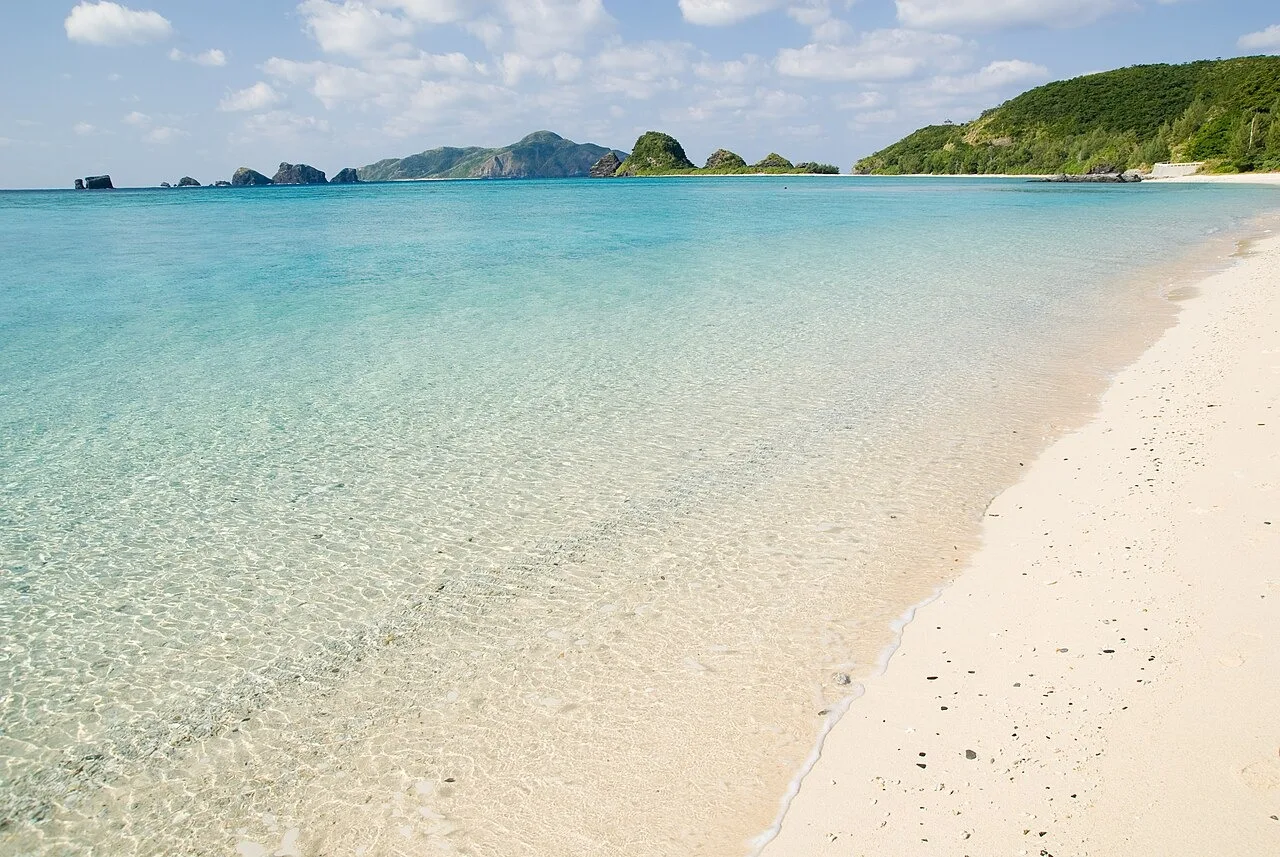
Ama Beach lies on Zamami's western side, roughly 1.5 km along the coastal road from Zamami Port according to Japan's Ministry of the Environment. Its shallow bay makes a scenic winter stroll west from the port, provided you time your walk back. Families with strollers, toddlers, or anyone needing frequent rest stops should step into the portside Ao no Yukuru-kan tourist information center first to check that day's village bus timetable. Staffed by the tourism association, the center opens 9:00 AM–5:00 PM right along the harbor walkway, making it an easy meeting point for companions staying ashore before everyone regroups for lunch.
On the island's north side, Inazaki Observatory—also known as the Whale Observatory—is where spotters scan the horizon from above and radio whale sightings out to the boats. Bring binoculars if you have local transport, mild winds, and a full afternoon to spare. Ministry of the Environment route notes measure 1.5 km from the port to Takatsukiyama Observatory and another 2.3 km onward to Inazaki along the driving road, so calculate extra time if walking round-trip. Choose Ama Beach when you want ocean views before an upcoming ferry, and Inazaki when you have time to linger over wide open water. In stiff winds or driving rain, stick to the harbor visitor center and village streets and save coastal trails and ridge lookouts for calmer weather.
If you have an entire morning free, the village shuttle boat Mitsushima crosses from Zamami Port to Aka Port in about 15 minutes for ¥500 one-way (adults) or ¥250 (children). It boards at the high-speed ferry floating piers on both islands, with same-day cash tickets only between Zamami and Aka (pay the captain directly on the 7:45 AM first sailing from Zamami). To reach Geruma Island, ride to Aka first and walk across the Aka Bridge. Still, if you hold afternoon whale watching or Naha ferry tickets, stay on one island: missing a single inter-island shuttle cuts into both your sightseeing and your margin for getting off the island.
Once you step off at Aka, you can pick just one direction to explore. Ministry of the Environment estimates put the walk from the Coral Visitor Center beside Aka Port to Nishihama Observatory at about 1.5 km, making for a straightforward out-and-back stroll. If you instead cross the 530-meter Aka Bridge onto Geruma Island, you can walk south to the Takara House, a nationally designated Important Cultural Property preserving traditional red tile roofs and coral-stone walls. That full loop measures about 7.8 km with an official walking estimate of 1 hour 44 minutes, excluding sightseeing stops and disembarkation time—so if winds are up and you need to return to Zamami by late afternoon, stay close to Aka Port while waiting for your boat.
Sailings onward to Aharen Port in Tokashiki Village run on a separate leg—about 35 minutes from Zamami or 20 minutes from Aka—and require reservations by 5:00 PM JST the day before. The Aharen route suspends service December 14–21, 2026 for maintenance and January 1–3, 2027 for New Year holidays, though replacement boats maintain the regular Zamami–Aka schedule. If you plan to stay on Tokashiki while booking tours out of Zamami over the holidays, cross out those Aharen suspension dates first. Winter swells already add unpredictability; on posted off-days, routing each island separately out of Naha is your reliable sea option.
Why Your Boat Stops After Spotting a Whale
Voluntary rules agreed to by both island whale watching associations establish a 300-meter slow-speed zone and a 100-meter restricted zone around every whale. Captains must avoid crossing a whale's path and may not actively approach inside the 100-meter line; if a whale swims closer on its own, the boat holds position until it clears the zone. Viewing a single whale or pod is capped at 2 hours as a rule, while mother-and-calf pairs are limited to 1 hour total across all boats each morning and afternoon. Protected nursing zones in the inner waters of Zamami and Tokashiki are off-limits to whale watching boats altogether, and swimming with whales is prohibited across applicable waters—so when you see other boats idling well back from a spout, don't urge the captain to pull closer.
Scan the horizon with bare eyes first for white mist hanging over the water; the arch of a back and dorsal fin often surface right beneath the blow. When a whale dives and lifts its flukes, look at the black-and-white underside patterns and trailing-edge notches—the Zamami Village Whale Watching Association uses those unique markings to catalog individuals and match sightings across seasons. Breaches, pectoral slaps, and tail slaps are distinct behaviors you may also catch, though a sudden splash alone is tough to read from deck; wait for the whale to surface again to see what it's doing.
When glare or chop makes framing tough, track the direction the deckhand points first. Shoot in burst mode on a camera, leave room in the frame for the whale's movement, and zoom in slightly only after you've nailed a clean back or fluke sequence; on a phone, wide shots capturing distant blows alongside nearby boats work best. Pocket your phone while idling or repositioning so you keep one hand free for the rail when swells hit. If wind shreds a spout before you catch it, ask nearby passengers whether it was off the bow or stern, and wait for steady footing before crossing decks when the crew calls a side change.
Traveling with Toddlers, Older Adults, or Seasickness Risks
Cerulean Blue accepts passengers from age 0, though infants, toddlers, and older travelers may be barred from boarding in rough seas, and pregnant travelers cannot join. Sea World sets its minimum age at 4, and may likewise turn away young children or guests 65 and older when conditions turn choppy. Families straddling a birthday cutoff should enter each passenger's exact age on the day of sailing. If anyone in your group has mobility concerns, ask ahead about vessel type, boarding step height, child life-jacket sizing, and shaded or sheltered seating. When reserving a Zamami association boat, check the association's fleet page—passenger capacities vary, and having an enclosed cabin and onboard restroom matters far more for winter comfort than shaving 15 minutes off travel time.
Wear a light windproof shell over removable warm layers, paired with non-slip shoes that grip wet fiberglass decks. Follow package directions and pharmacist advice for seasickness medication, checking age and dosage guidelines carefully for kids. Pack a dry change of clothes, a small towel, and plastic bags in your daypack to handle salt spray and wet gear back on shore. Some Miegusuku Port operators offer locker details at the waiting area—Sea World lists paid 40 cm square lockers—but large suitcases belong at your hotel. Anything buried at the bottom of a backpack becomes nearly impossible to dig out once swells pick up, so keep essentials in outer pockets.
Once you are out on a 3- to 4-hour trip, there is no stepping off until the boat returns to port. For a first ocean outing with young kids or older grandparents, keep half a day flexible in Naha so you can pick a calmer sailing and give non-boating relatives an easy plan on shore. While half the group boards at Miegusuku Port, everyone else can stroll around Nishimachi or Asahibashi before meeting back up for lunch, and tired kids can head straight back to the hotel afterward. Zamami whale tours spend less time on the whale boat itself, but a same-day itinerary adds ferry rides both ways—so motion-sensitive travelers should weigh all three crossings combined.
Backup Plans When High Winds Cancel Sailings
Check two separate sources on sailing morning. According to the Zamami Village Tourism Association, village ferry cancellation decisions go out around 8:00 AM JST—check the daily ferry operation status on the Zamami Village Office homepage and read both outbound and return rows for the high-speed ferry and car ferry. Direct Naha tours from Miegusuku Port and island association boats send their own operator notices. Bookmark the Japan Meteorological Agency's wind and high-wave advisories for Naha City and Zamami Village the night before, then check morning marine conditions. Sunny, walkable weather in central Naha often masks heavy offshore swells, and even if morning village ferries depart on schedule, later sailings can still be altered—double-check your return crossing if you switch vessels or book a late ferry.
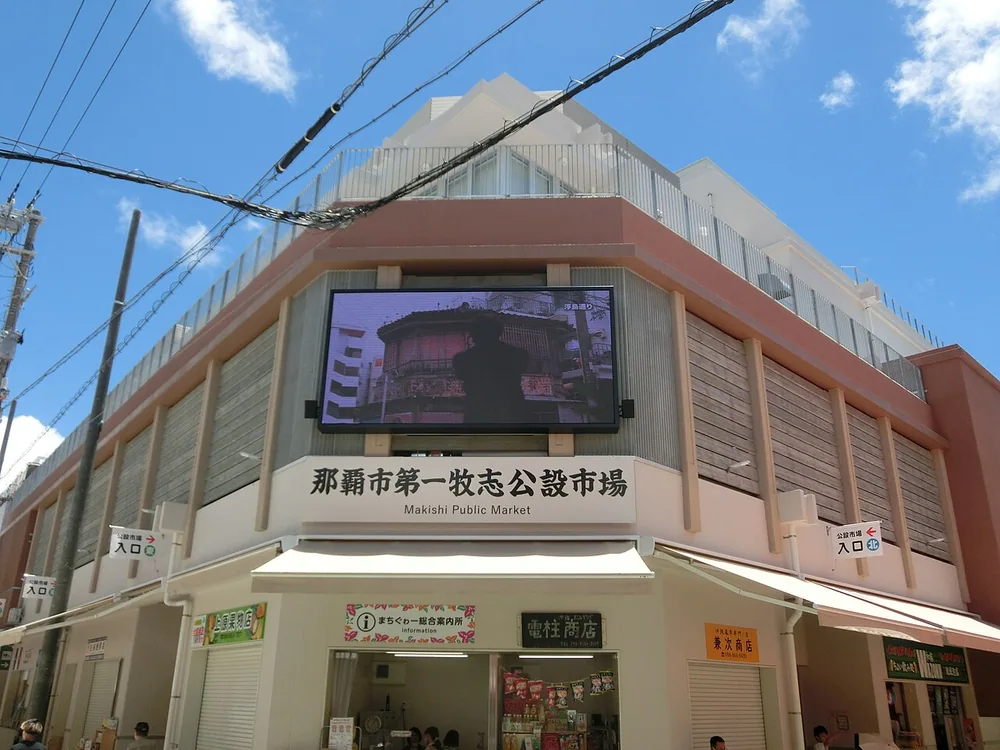
If Naha tours cancel, pivot immediately to city stops on land. For marine and Ryukyu history, take the monorail to Omoromachi Station and walk about 10 minutes to the Okinawa Prefectural Museum & Art Museum. Regular hours are 9:00 AM–6:00 PM on Tuesdays, Wednesdays, Thursdays, and Sundays, and until 8:00 PM on Fridays and Saturdays (last entry 30 minutes before close). It closes Mondays (or the following weekday when a qualifying holiday falls on Monday) and shuts for the New Year holidays from December 29, 2026 through January 3, 2027. On rainy open days, pair the permanent collection with the special Shurijo Castle exhibition running December 1, 2026 to January 31, 2027. On Mondays—or any rainy day when you'd rather stay off trains—duck off Kokusai-dori into the covered shopping arcades. First Makishi Public Market keeps general hours of 8:00 AM–10:00 PM, though individual stalls set their own schedules, so keep arcade restaurants in mind over New Year's; for a fuller walking route, follow the Naha Market & Shuri Walking Guide.
On a four-day main-island stay, book whale watching for your first full day and pair it with a swappable half-day in Naha. Northern cherry blossom viewing or Ocean Expo Park involves long highway drives, so keep your rental car day separate to avoid reshuffling pickup and drop-off times if a boat reschedules. Save outdoor castle ruins and historic neighborhoods for days when rain eases even if offshore winds keep boats docked; if your tour sails on schedule, that spare Naha half-day still slots right in after docking along Asahibashi, Kencho-mae, or Makishi on your way back to the hotel. If your arrival flight lands late, move whale watching to your second full day and use day one to scout the route to your port and preserve a buffer for last-minute shifts.
A few useful answers
When is Okinawa whale watching season?
Cerulean Blue operates out of Naha from December 19, 2026 to April 4, 2027; Sea World runs Naha departures from January 5 through the morning of March 31, 2027; and the Zamami Village Whale Watching Association operates from January 8 to March 28, 2027.
Should I go to Tomari Port or Miegusuku Port in Naha?
Go to the waiting room at Miegusuku Port for either of the direct Naha whale watching tours covered here. Go to Tomari Port for village ferries to Zamami or Aka—the high-speed ferry leaves from the North Wharf and the car ferry from the South Wharf.
Do operators refund tickets if no humpback whales are spotted?
On designated plans from February 1 to March 15, 2027, Cerulean Blue offers either a refund or a free rebooking, voided if a distant blow or multiple passenger sightings occur. Sea World's Naha tours allow a free re-try in January and offer conditional full refunds in February and March, voided if any passenger sees a blow.
Can I do a Zamami whale watching tour as a day trip from Naha?
Yes. Under the January 11–31, 2027 schedule, for example, the high-speed ferry leaves Tomari Port at 9:00 AM (arriving Zamami at 9:50 AM) and returns from Zamami at 4:20 PM (arriving Naha at 5:10 PM). Bracket an island whale tour between those crossings, prioritizing afternoon sailings that leave ample buffer to get back to the pier.
Which whale watching tours allow a 3-year-old child?
Cerulean Blue accepts bookings for children under 4 on its Naha departures, though infants and toddlers may be denied boarding in rough seas. Sea World enforces a strict minimum age of 4.
If whale watching tours are canceled, do ferries from Tomari Port still run?
Each operator makes its own call. Zamami Village posts daily village ferry decisions on its official homepage around 8:00 AM JST, whereas tour cancellations or rescheduling notices come directly from the whale watching company on your reservation.
Official information and references
Sources used in this guide.
- Cerulean Blue | Naha Miegusuku Port Whale Watching Dates, Pickups, Fares & Policies
- Sea World | Naha Whale Watching Dates, Sailings, Fares, Age Rules & Policies
- Zamami Village Whale Watching Association | 2027 Season, Member Boats & Standard Rates
- Zamami Village Whale Watching Association | Kerama Approach Rules, Time Limits & Protected Zones
- Zamami Village Whale Watching Association | Humpback Whale Behavior & Fluke Identification
- Zamami Village Office | Village Ferry Fares & Boarding Wharves
- Zamami Village Office | December 2026 Timetable & High-Speed Ferry Dock Maintenance
- Zamami Village Office | January 2027 Car Ferry & High-Speed Ferry Timetable
- Zamami Village Office | Online Reservation Credit Card Payment Window
- Zamami Village Office | Online Booking & Ticket Pickup Rules
- Zamami Village Office | Daily Ferry Operation Status
- Zamami Village Tourism Association | Village Ferry Reservations & Morning Cancellation Decisions
- Tomari Port Tomarin | Miebashi Station North Exit, Boarding Areas & Walking Times
- Naha Beachside Hotel | Walking Route from Asahibashi Station
- Comfort Inn Naha Tomari Port | Walking Time to Tomari Port Terminal
- Pension Hoshizuna Zamami | Portside Lodging & Nearby Dining
- Zamami Village Tourism Association | Zamami & Ama Accommodation Areas
- Zamami Village Tourism Association | Ao no Yukuru-kan Opening Hours
- Zamami Village Tourism Association | Island Bus & Inter-Island Transport
- Zamami Village Office | Mitsushima Boat Schedule, Fares, Booking & Year-End Holidays
- Ministry of the Environment Japan | Zamami Port, Ama Beach & Inazaki Observatory Route
- Ministry of the Environment Japan | Inazaki Whale Watching & Ama Beach
- Japan Meteorological Agency | Central & Southern Okinawa Warnings and Advisories
- Okinawa Prefectural Museum & Art Museum | Hours & Year-End Holiday Closures
- Okinawa Prefectural Museum & Art Museum | Access Guide
- Okinawa Prefectural Museum & Art Museum | Current & Shurijo Castle Special Exhibitions
- Zamami Village Office | High-Speed Ferry Oversized Luggage Rules
- Ministry of the Environment Japan | Aka Island, Aka Bridge & Geruma Island Walking Route
- First Makishi Public Market | Hours & Closed Days