Plan a manageable day in Naha: compare Makishi Market’s cook-your-purchase service and food hall, try Pork Tamago Onigiri and Okinawa soba, then visit Tsuboya, Shuri Castle, Tamaudun, and the Kinjo stone-paved road. Includes half-day choices and fare calculations.
- Region & Focus
- Naha
- Reading Scope
- 38 min read · 20 chapters · 5 Q&As
- Official Verification
- 28 official sources checkedUpdated October 28, 2026
- Key Topics
- FoodNeighborhoodsItineraries
Chapter Route Map (tap any stop)
- Make market lunch or a Shuri reservation the focus of the day
- Locate the entrances to the market, Tsuboya, and the monorail stations
- Go to Makishi Market for lunch; closing time and last orders are different
- For the cook-your-purchase service, discuss the dish before buying ingredients
- How to order when eating alone, as a couple, or as a family
- Pork Tamago Onigiri for breakfast: start with the original if lunch is at the market
- Choosing Okinawa soba: look at the noodles, meat, and broth
- Separate the day’s food into meals, snacks, and purchases to take home
- From Heiwa-dori to Tsuboya: leave time for a slow walk after lunch
- Before buying pottery, decide where you’ll use it at home
- Shuri Castle’s 2026 changeover: choose your date before your route
- Taking the monorail to Shuri: the final leg starts at the station
- At Shuri Castle, give the gates, castle grounds, and Seiden separate attention
- Tamaudun for more history without a packed castle visit
- The Kinjo stone-paved road: plan the way back before going downhill
- A one-day route: market first or Shuri first?
- Traveling together with older adults, a stroller, or different walking speeds
- Adjusting for Sundays, rain, or an extra shopping bag
- Budget with the tickets you’ll use, and set aside money for one main meal
- Save the Japanese place names so you can find the next stop after your meal
- Quick Q&A
To eat market seafood, shop for pottery, and explore Shuri in one day, fix one meal and one main visit first, then fit the monorail ride between them. If you want the seafood you buy at Makishi Market cooked for you, keep lunch at the market. If you have a timed reservation for the Seiden main hall, plan backward from Shuri. Kokusai-dori, Tsuboya, and Shuri each give you a reason to stop; you don’t need to visit every pin on the map.
Make market lunch or a Shuri reservation the focus of the day
One easy way to derail a food day in Naha is to eat a full breakfast, buy rice sandwiches and sweets before lunch, then order a whole fish at the market. Choose one main meal where you can sit down, and share the other foods. Choose First Makishi Public Market if you want to explore the seafood and discuss how to cook it. To save your energy for Shuri, have noodles or a set meal with a clear portion size, then take the monorail up to the neighborhood.
Admission to the interior of Shuri Castle’s Seiden main hall is tied to a date and time, so that ticket determines the order of your morning or afternoon. With a morning reservation, visit Shuri first and eat at the market later. If market seafood is the priority, take a short walk downtown in the morning, have lunch, then go to Shuri. For a thorough visit to both, allow two days: one for the downtown market and Tsuboya, and another for Shuri Castle, Tamaudun, and the stone-paved road.
For a first visit with just one full day, use a shorter plan: choose either Shuri Castle or Tamaudun, return for lunch at the market, then walk through Tsuboya. If your Seiden reservation is in the afternoon, skip the full length of Kokusai-dori that morning. Decide which stops you can drop before you set out. That leaves room for a restaurant line, another pottery shop, or a sudden shower.
| Main priority | Fix this first | What you can cut back |
|---|---|---|
| Market seafood cooked for you | Lunch and ingredients your group wants to eat | How far you walk along Kokusai-dori; Shuri’s paid area |
| Inside the Seiden main hall | The date and admission time | Order from a food-hall menu instead; save Tsuboya for another visit |
| Pottery and neighborhood walks | Tsuboya shop opening hours | Leave out Shuri and spend the afternoon choosing pottery |
| Travel with older adults or a stroller | Places to sit and a way back | The Kinjo slopes and repeated backtracking |
Plan a manageable day in Naha: compare Makishi Market’s cook-your-purchase service and food hall, try Pork Tamago Onigiri and Okinawa soba, then visit Tsuboya, Shuri Castle, Tamaudun, and the Kinjo stone-paved road. Includes half-day choices and fare calculations.
Locate the entrances to the market, Tsuboya, and the monorail stations
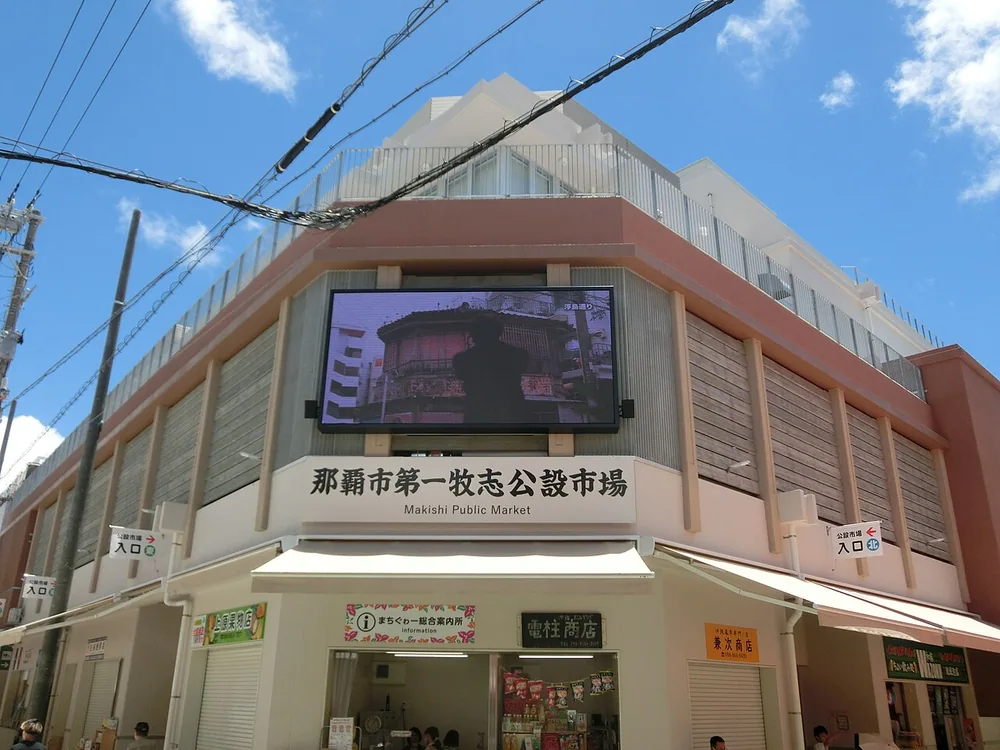
First Makishi Public Market is at 2-10-1 Matsuo, Naha, with shopping lanes between the market and Kokusai-dori. Naha City lists the walk as about nine minutes from Makishi Station and ten minutes from Miebashi Station. These estimates assume you walk straight there. Browsing stalls, pushing a stroller, or carrying shopping bags will make the same route take longer. Enter the full market name and address in your map app to avoid pins for the former market or a different market.
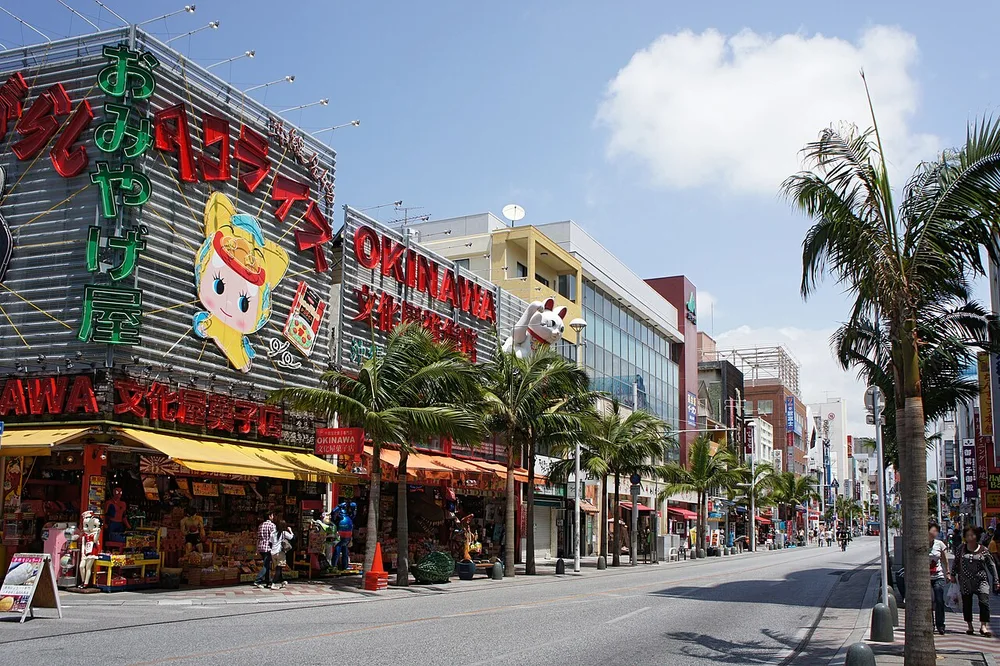
Makishi Station serves the northern entrance to Kokusai-dori, and Kencho-mae Station serves the southern entrance. The monorail operator provides station information for both. Start at the end closest to your accommodation. If you visit Shuri first and return for a market meal, there’s no need to ride to Kencho-mae and walk the whole street. Entering from Makishi or Miebashi saves your walking energy for the market and Tsuboya.
Consider your arrival and departure stations separately. After eating at the market and shopping for pottery in Tsuboya, you can finish at Makishi Station. If your purchases are heavy, return to your accommodation to drop them off before dinner instead of carrying them all the way to Shuri. Leave suitcases at your accommodation or a suitable storage service first. Narrow shops need room for people to turn, browse, and pass each other, and dragging a suitcase through the market soon becomes tiring.
The official Makishi Station page lists lockers in several sizes, with use ending at the last train of the day. Measure the depth of your luggage, then check available lockers and the collection deadline at the station. If you need to collect a bag that evening, choose a station you’ll pass again. Treat the storage station as a required return stop when comparing shortcuts on the map.
Go to Makishi Market for lunch; closing time and last orders are different
Naha City’s market information lists building hours of 8:00–22:00, with individual shops setting their own hours. Last orders for cooking ingredients purchased on the first floor are at 19:45; second-floor eateries take last orders at 20:00. Come for lunch or an early dinner if you want to select ingredients, discuss cooking methods, and sit down to eat. Leave time to get a quote and wait for the food. If you arrive after an evening of shopping, look for an eatery that is still taking menu orders.
Selecting ingredients on the first floor and eating upstairs is a different meal from buying snacks along the street. With children or older adults, first go upstairs and find suitable food and seating, then decide whether to go back down to choose fish. This reduces the time everyone spends standing at a stall while you decide. Anyone who doesn’t eat seafood can order separately from an eatery’s menu, so the group can still sit down together.
Check the closure calendar first. Naha City lists closures on the fourth Sunday of each month except December. The market also closes January 1–3 and on the 16th and 17th days of the seventh lunar month. Other shops in the surrounding arcades may be open. A busy street doesn’t tell you whether the market building is open for meals. Before planning a Sunday walk along Kokusai-dori, check whether it falls on the fourth Sunday and choose your market day accordingly.
For the cook-your-purchase service, discuss the dish before buying ingredients
The mochiage service lets you pay an upstairs eatery to cook some of the ingredients you buy at the market. A fish stall’s display can tempt you to choose the biggest or most colorful fish first, but the meal depends on the fish’s size, the cooking method, and your group’s appetite. Decide whether you want raw seafood, steamed fish, soup, or fried food, then ask the vendor which ingredients suit that choice. Explaining the dish you want works better than showing an online photo and asking for the same spread.
Before paying, ask the vendor to write down the total ingredient price, whether it is priced by weight or by the whole item, how many dishes it will make, and which eatery will cook it. Then ask about cooking charges, portion sizes, and how to order rice and drinks. If you want one fish prepared in two ways, establish which preparation is included in the price before buying it. When ingredients and cooking are billed separately, read each bill; the first payment may cover only the ingredients.
Save “食材と調理代を合わせて、全部でいくらですか” (“How much is everything, including the ingredients and cooking?”) and “この人数で多すぎませんか” (“Is this too much for this many people?”) on your phone. Establish the total with the first question, then discuss quantity with the second. If the cooking charge is per person, give the actual number of diners. Explain whether children will share, have only soup, or order their own meals.
A whole fish plus a large plate of shellfish may be too much for two people who want variety. Start with the one ingredient you most want, then add vegetables and rice from the eatery’s menu. For four people, first decide whether to share one main dish instead of having each person buy ingredients separately. If anyone needs fully cooked food, choose shared dishes they can eat, then order a small portion of raw seafood separately. You won’t need to rearrange everyone’s food when it arrives.
If the quote is over your budget, order from the eatery’s menu instead. Looking at the catch, identifying ingredients, and talking with vendors are part of the market visit; buying a whole fish is optional. Menu dishes make timing and spending easier to control for small appetites or a tight schedule. Make mochiage the day’s main meal when you have time to choose ingredients and discuss how to cook them.
How to order when eating alone, as a couple, or as a family
For a solo market lunch, start with noodles, rice, or a set meal with a clear portion size, then decide whether to add a side. Before buying a whole ingredient, ask whether a smaller portion is possible and what the full price will be. Have the shop suggest an amount for one person. If there’s no suitable small portion, switch to the menu. Ordering every item in a photo can leave you too full for snacks later.
For two diners, first compare what each person wants and won’t eat. If one wants noodle soup and the other wants seafood, don’t spend the entire lunch budget on a shared fish platter. You could each order a staple dish and share one extra item, or share a main dish and order rice separately. Distinguishing a full meal from a small taste helps both people get enough to eat, instead of taking turns with a bite or two.
For families, make the wait before the food arrives easier first. Ask for water and utensils, and order a staple dish the children can eat while the others consider the rest of the meal. Naha City lists a nursing room, accessible toilets, and wheelchair loans, but no stroller rental. Bring your own stroller if needed, and take care when pushing it with heavy shopping bags hanging from it.
Pork Tamago Onigiri for breakfast: start with the original if lunch is at the market
Pork Tamago Onigiri’s Makishi Market shop is at 2-8-35 Matsuo, Naha. Its official page lists 7:00–20:00, open daily; these hours apply to the Makishi branch. It is about nine minutes on foot from Makishi Station and ten from Miebashi. It works for breakfast before exploring the market, or as something substantial before a morning in Shuri.
The original pork tamago onigiri is a rice-and-nori sandwich filled with pork luncheon meat and egg. The Makishi menu also includes abura-miso, mentaiko mayonnaise, bitter melon tempura, thick fried island tofu with abura-miso, and shrimp with tartar sauce. If it’s your first visit and you plan on seafood at lunch, start with the original and let your companions choose other flavors. If this is lunch, choose extra fillings to suit your appetite.
Decide how long you’re willing to wait before joining the breakfast line. One person can read the menu while the others sort out the day’s route, instead of searching for every attraction while standing in line. If your Seiden reservation is approaching, get breakfast somewhere on the route that can serve you in time. Save the rice sandwich for another morning downtown so you have enough time to walk through Shuri.
Choosing Okinawa soba: look at the noodles, meat, and broth
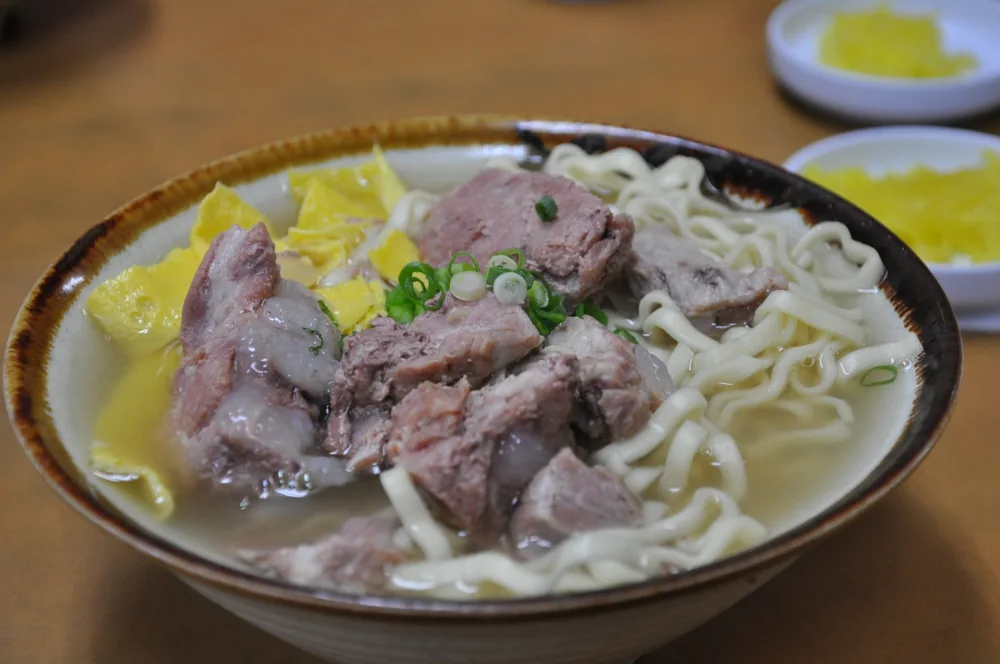
The Ministry of Agriculture, Forestry and Fisheries’ guide to Okinawa soba describes noodles made with wheat flour and alkaline water, often served in pork-bone and bonito broth. Here, soba names this local noodle dish. Read the menu for the noodles and toppings: sanmainiku is pork belly, soki is pork ribs, and nankotsu soki includes cartilage. Check the topping before deciding whether to share a bowl.
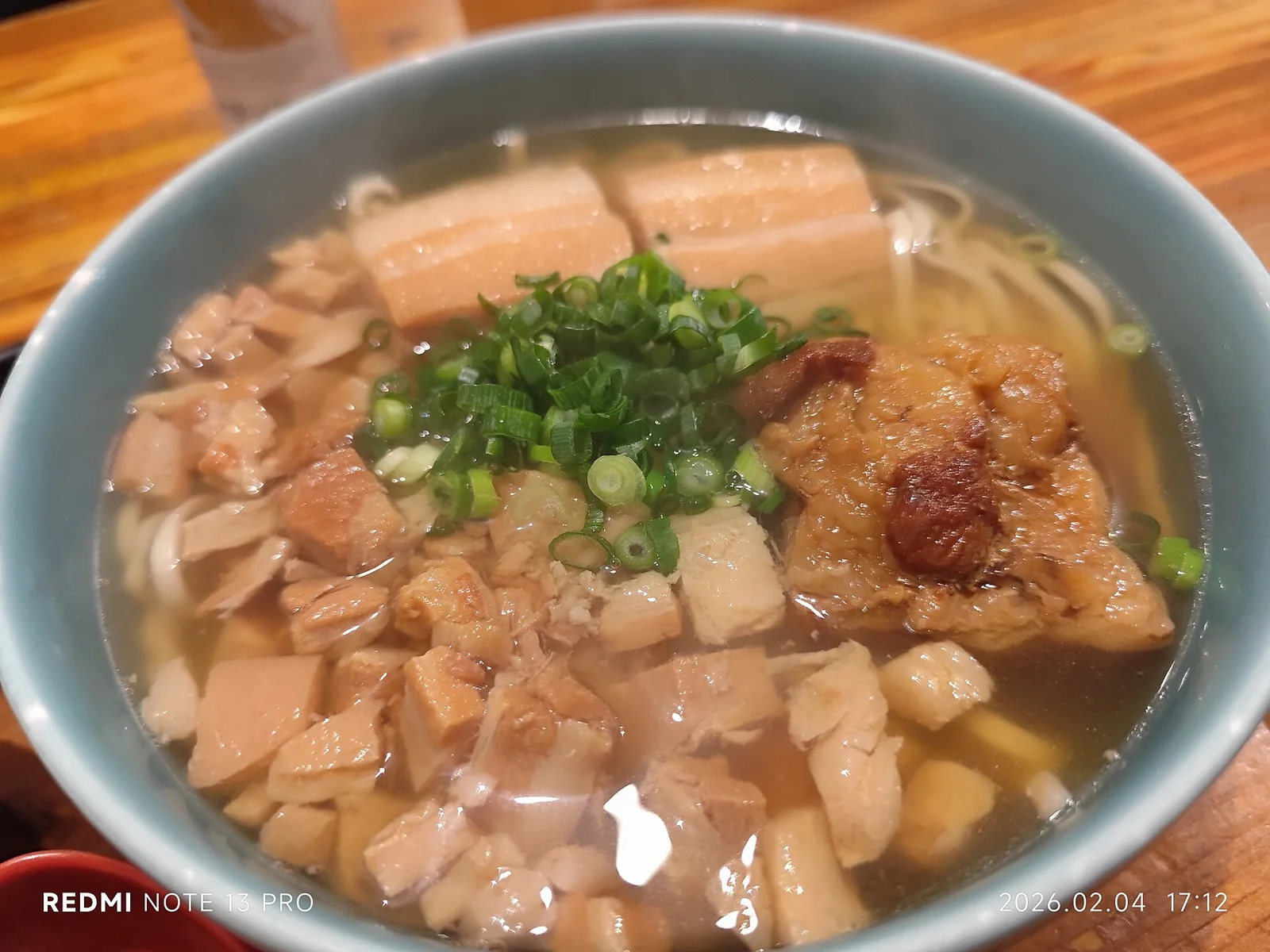
For a straightforward meal, choose a bowl with clearly described toppings and a manageable amount of broth and noodles. Someone who enjoys meat on the bone can choose differently from someone who wants easy bites; the whole table doesn’t need the most popular order. Before adding rice or sides, consider whether one bowl will be enough. If you had a late breakfast, have noodles in the afternoon and leave dinner for a different kind of food.
Koregusu (コーレーグース), the condiment on the table, is made by steeping island chilies in awamori. To try it, add a little to your own spoon or bowl first instead of pouring it into shared soup. When sharing with children, serve their portion before the adults add seasoning.
For dietary restrictions, ask about the broth, meat, fish cake, and seasonings rather than saying only that you don’t eat a particular dish. Jimami tofu is made mainly from peanuts, as the ministry’s regional food guide also explains. Anyone with a peanut allergy should avoid it and tell the restaurant about the allergen and any cross-contact requirements. For a vegetarian meal, first find a restaurant that can clearly explain its broth and cooking methods, then plan your walk around that meal.
If you want to eat at EIBUN, choose a branch by the time of day. STAND EIBUN, at 1-1-18 Tsuboya, Naha, normally opens 8:00–15:00 and closes early if the broth sells out. It accepts cash, cards, and electronic payments. A waiting list is put outside at about 8:00 on opening days; go to the shop to add your name. It suits breakfast before a Tsuboya walk. Have these noodles instead of Pork Tamago Onigiri to keep lunch free for the market, or treat them as brunch if you eat late. STAND normally opens daily, with several closure days each year announced on its official Instagram.
The OKINAWA SOBA EIBUN main restaurant, at 1-5-14 Tsuboya, Naha, normally opens 11:00–20:00, with last orders at 19:30. It accepts cash, cards, and electronic payments, and announces closure days on Instagram. If you want a leisurely mochiage lunch at the market, save this restaurant for dinner after your Tsuboya walk. If you choose it for lunch, browse the market’s seafood and buy snacks instead, leaving room for the noodles.
EIBUN Tsuboya has the same address, 1-5-14 Tsuboya, with “left side of the first floor” specified. It normally opens 11:00–15:00, closing Wednesdays and on additional irregular days. This is a standing-only, fully cashless branch: it takes no cash and has no sign-up waiting list. Choose the main restaurant if you want to sit and rest. Choose Tsuboya for lunch if you’re comfortable standing and have a cashless payment method. At the shared address, use the branch name and its first-floor position on the left to find the right entrance, and follow that branch’s payment rules.
The main restaurant’s TableCheck FastPass opens reservations at midnight for the date seven days later. It lets you choose an arrival time and gives you priority entry, though there can still be a wait at busy times. The booking page on October 28, 2026 listed a ¥390 handling fee per person, nonrefundable once the booking is made, including if you cancel. Food is paid for separately; the fee is not credited toward the meal. To change the date, time, or party size, cancel and rebook; the new booking incurs another handling fee. A no-show without contacting the restaurant also incurs a ¥1,000 cancellation fee per person. If a Shuri reservation or flight leaves little room for lunch, move EIBUN to another meal instead of putting the next activity immediately after your priority-entry time.
The restaurant’s FAQ lists online reservation times for the main restaurant as 11:00–16:00. Same-day guests without reservations can sign the list at the shop from 8:00; dinner is walk-in. Main-restaurant FastPass guests must arrive five minutes before their reserved time and report directly to the staff. The 45-minute dining period starts at the reserved time, and groups of three or more may be seated separately. If you will be more than ten minutes late, email the restaurant first and explain to staff when you arrive; it does not charge a cancellation fee in that case. None of the three branches accepts reservations by email or Instagram direct message. When sharing with children, note that everyone age ten or older must order one bowl of noodles. Use your group’s actual appetites to decide how this meal fits with a market meal.
Separate the day’s food into meals, snacks, and purchases to take home
Before buying food to take away, check storage temperatures, how long it lasts after opening, and whether the packaging suits the rest of your route. If you still have hours of walking in Shuri ahead, leave refrigerated purchases until just before you return to your accommodation. Browse first, save the shop’s location, and buy later. Pack pottery and food separately. A heavy bag makes station stairs and transfers more work than they appear on the map.
Plan a dinner with alcohol after the day’s long journeys are finished, and choose your way back to your accommodation first. One benefit of a car-free day downtown is that parking won’t determine where you eat. If you’re staying beyond Kokusai-dori, you can put the last meal near your departure station. Link the meal, shopping, and return to your room along one route to avoid another trip back with all your purchases.
From Heiwa-dori to Tsuboya: leave time for a slow walk after lunch
Heiwa-dori is a covered shopping arcade off Kokusai-dori, with clothing, household goods, souvenirs, and other shops. The lanes around the market branch in many directions. Save the market entrance and the direction of Tsuboya on your map, then follow the shops that interest you. For a short browse, turn back at an entrance you can easily recognize. A shorter out-and-back route makes your return to Kokusai-dori easier to time.
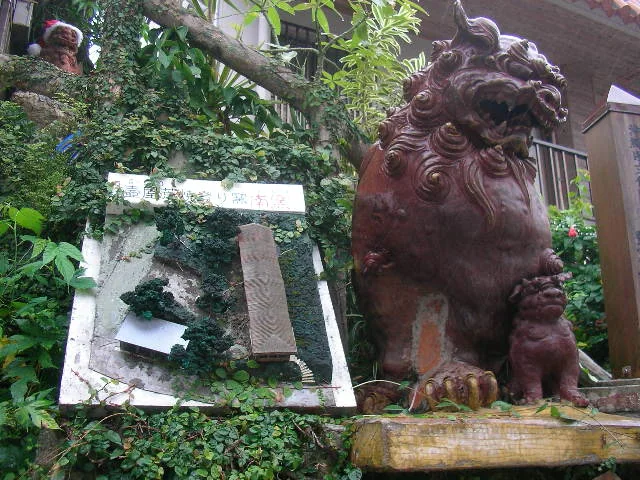
The Naha City Tourism Association describes Tsuboya Yachimun Street as about 400 meters long, with kilns, shops, and cafes. Yachimun is the Okinawan word for pottery. Look at shapes, compare glazes, and choose something you’ll use at home. Leave a proper stretch of time after lunch so you can stop for a rest and browse without rushing a decision in every shop.
Tsuboya has a different pace from the market’s dense displays. Here, slow down to look at buildings, stone walls, and pottery inside the shops; around the market, food and signs tend to draw your attention. If you’ve already walked a lot in Shuri that morning, choose a short stretch of Tsuboya. If buying pottery is the day’s main aim, leave out Shuri so you have time to choose, pack, and carry your purchases.
You can browse the covered arcades briefly in the rain, but the route to Tsuboya still includes outdoor stretches. In light rain, start with the market and nearby shops, then go farther when it stops. If the rain gets heavier, stop somewhere with seating instead of hurrying over wet streets with pottery in your arms to catch your ride. For stroller or wheelchair users, choose accessible shops along the main streets first. Companions can make short detours into lanes; everyone needn’t follow exactly the same route.
Before buying pottery, decide where you’ll use it at home
Start with a purpose when choosing yachimun: a cup for daily tea, a small breakfast plate, or a shisa guardian lion for the entryway each calls for a different size. Ask before picking up a cup, then check its rim, handle, weight, and how it feels in your hand. For a plate, think about your storage shelf and usual meals. A glaze can easily catch your eye on a trip, but one item you’ll use often is more practical than a matching set that’s too heavy to carry.
Ask the shop about dishwasher and microwave use, and how to wash that particular item for the first time. Materials and surface finishes vary, so the shop’s instructions for the piece are more useful than a general rule found online. For shipping, ask about destinations, packing, cost, and how damage is handled. If you carry it yourself, allow time for wrapping instead of asking staff to pack a whole bag of pottery just before the last train.
The Tsuboya Pottery Museum is closed for construction from September 1, 2026 through March 31, 2027. Naha City’s notice gives April 1, 2027 as the planned reopening date. During the closure, focus on the neighborhood, shops, and available hands-on activities. Choose a different date if you want to see the collection. Save your time after lunch for pottery shopping or tea instead of making a special trip to the closed museum entrance.
Shuri Castle’s 2026 changeover: choose your date before your route
The official Shuri Castle Seiden completion commemorative website announces that the Seiden opens to the general public at noon on November 23, 2026, with advance reservations required to visit the interior. For October and other dates before the opening, plan around the park areas open at the time and the Shuri neighborhood. To go inside the Seiden from November 23, secure an interior-viewing slot for your travel date before arranging your market meal.
When buying tickets, distinguish admission to the paid area from admission to the Seiden interior. Check whether the ticket includes “正殿内観覧予約あり” (Seiden interior viewing reserved), along with the date, time, and party size, then save the order. If you have only general admission but plan as though you have reserved the interior visit, you may need to rearrange your afternoon on arrival. If the interior is your family’s priority, choose a date with available slots and fit the market and Tsuboya into other free time.
The Naha City Tourism Association’s Shuri Castle tour listing gives individual admission through November 21 as ¥400 for adults, ¥300 for high school students, and ¥160 for elementary and junior high school students. From November 23, those prices become ¥1,000, ¥760, and ¥370. It also states that its neighborhood tour excludes a tour inside the Seiden, for which a separate time slot must be reserved. Keep the guide booking and the Seiden reservation as two separate tasks.
A special Shuri Castle Park notice lists a full-day closure of the entire park on November 22, 2026. On November 23, the castle’s free area opens at 11:15 and the paid area at 12:00; the Seiden opens to the public at noon that day. Plan those two dates around these special arrangements. If you have an interior-viewing ticket during the initial opening period, make Shuri the day’s main activity, choose a simpler market meal, and save Tsuboya for another day.
Taking the monorail to Shuri: the final leg starts at the station
Shuri Station is a starting point for the east side of Shuri Castle Park; the station and the castle gate are in different places. The Naha City Tourism Association gives a walking time of about 15 minutes from the station to Shureimon Gate. You still need time to enter the park, reach the ticket counter or checkpoint, and visit. For an interior-viewing reservation, first read the ticket’s arrival instructions, then allow for transfers and walking. Don’t use the monorail arrival time as your reservation arrival time.
To reduce the walk, compare buses from outside Shuri Station. The official visitor transport page lists about one minute on foot from the Shurijo-mae stop to Shureimon Gate, and about five minutes from Shurijo Koen Iriguchi. Use the full stop name and check the direction. Boarding just because a stop name mentions Shuri Castle can replace the walk you hoped to save with a longer detour.
Waiting for the bus takes time too. If the next bus is some way off, your group has enough energy, and the weather is suitable, you can walk to Shureimon. If you’ve already spent the morning walking with a young child, the fare for this last leg buys a rest. Wait for a bus or arrange a taxi at a safe boarding point; don’t hail a car on the road in front of the gate or block an entrance.
The official Shuri Station page lists elevators, multipurpose toilets, and other facilities. Follow station signs if you need an elevator, then decide how to reach the park after you exit. Station accessibility and the surfaces inside the castle and in Kinjo require separate planning. You can leave out the sloping side route and still see Shuri’s main sights.
At Shuri Castle, give the gates, castle grounds, and Seiden separate attention
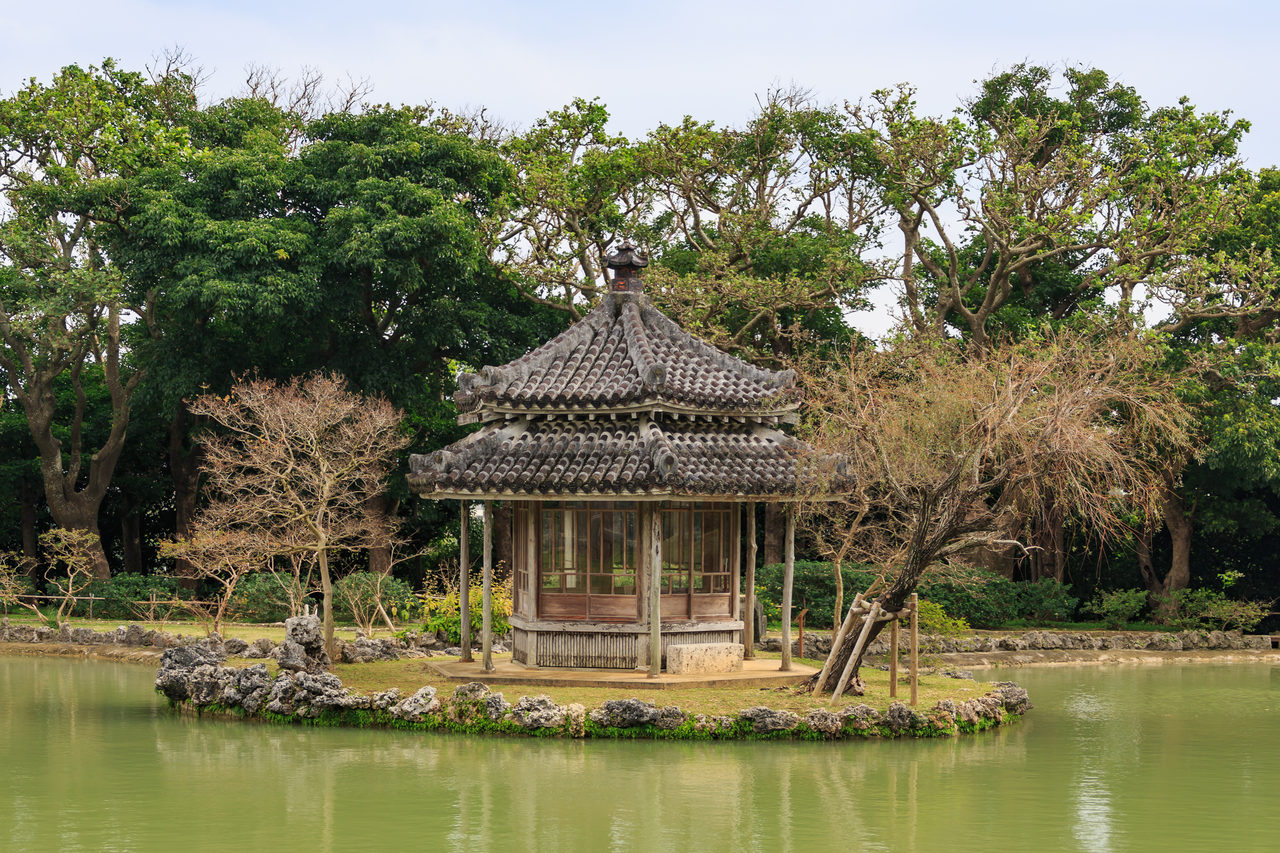
Shureimon Gate makes a useful transition between the neighborhood and the park. As you continue into the grounds, stop at the Sonohyan-utaki Ishimon stone gate. Okinawa Prefecture’s cultural property description explains that the gate is built of stone apart from its doors. The forest behind it is sacred, and the king prayed here for a safe journey before setting out. Look at the woods behind the gate as well as the stonework to understand its role as a place of worship.
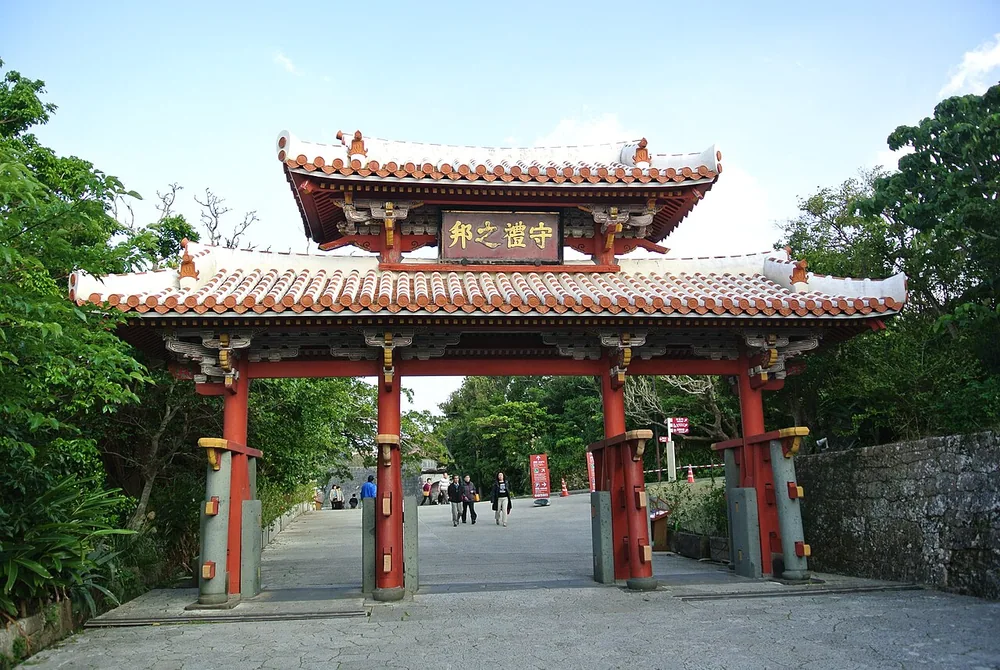
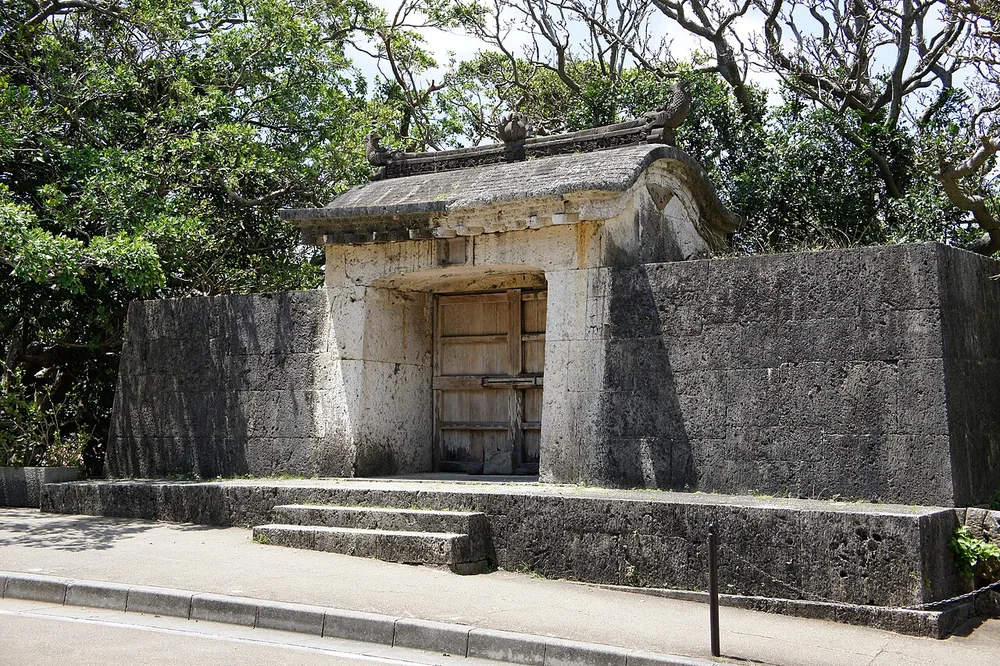
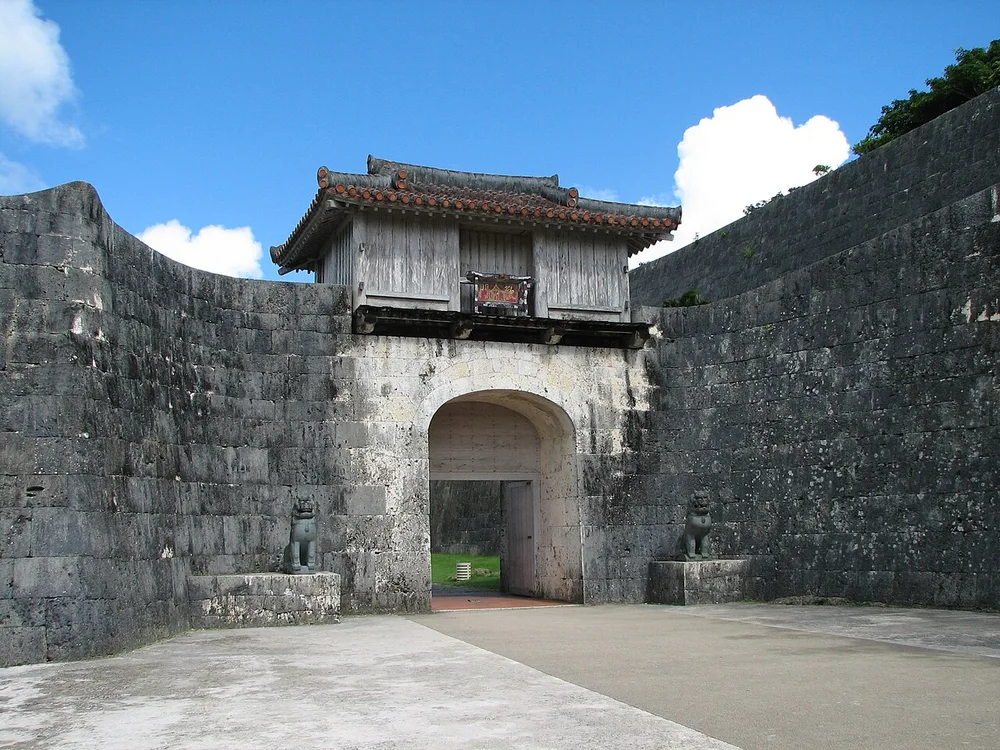
Keep the visit within your group’s energy. If you’ve reserved the Seiden interior, follow the route required by your ticket first, then see other displays and viewpoints afterward. Without an interior reservation, you can combine the park’s open areas and Tamaudun for a half-day. Each paid site takes time to locate the entrance and read the information. To see things properly, choose your stops instead of treating every site as essential.
For a guided tour, check both the meeting point and the finishing point, then calculate the journey to lunch or your interior-viewing slot from the latter. The Naha City Tourism Association lists its Shurijo Monogatari tour as about one hour and 15 minutes, with certain dates unavailable for booking. Leave actual walking time between the tour and an interior reservation. An independent visit is easier to shorten at any point, which gives more flexibility to companions who need frequent breaks.
Shuri Castle Park’s official 30-second video shows the park’s scenery, alongside the walk through its gates and castle grounds.
Tamaudun for more history without a packed castle visit
Tamaudun, at 1-3 Shuri Kinjo-cho, Naha, is the mausoleum of the Second Sho Dynasty. Naha City records that King Sho Shin built it in 1501 to rebury the remains of his father, King Sho En. Make it one of the main stops in a Shuri half-day if you want to understand Ryukyu’s royal family beyond the castle buildings. Linking the tombs, castle grounds, and surrounding residential streets shows how the area served different purposes.
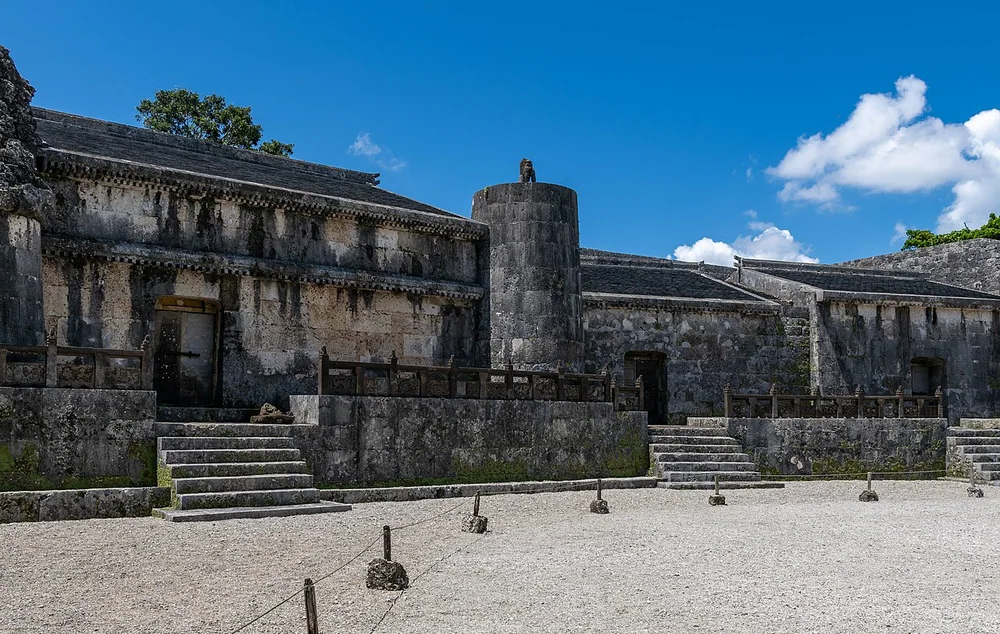
Naha City’s visitor information lists hours of 9:00–18:00, with last admission at 17:30. Individual admission is ¥300 for adults and ¥150 for junior high school students and younger; preschool children accompanied by a guardian enter free. For a late-afternoon visit, work backward from last admission to leave enough time inside. If the previous stop takes longer than expected, choose either the castle or Tamaudun instead of splitting the final half-hour between both.
A mausoleum visit has a different pace from a shopping arcade. Explain to children beforehand that this is a place to keep quiet and respect the space. If some people want to read the displays closely while others prefer a quick look, agree on a meeting point. Letting those who need a rest wait in a suitable area is easier than hurrying each other along throughout the visit.
The Kinjo stone-paved road: plan the way back before going downhill
The Shuri Kinjo-cho stone-paved road is part of the old Madama-michi route, with the surviving paving running between homes and stone walls. The tourism association gives the remaining stretch as 238 meters. That short distance can make it easy to underestimate the slope, stops to look at the streetscape, and the journey from the end back to transport. Plan it as a walk with elevation changes instead of timing it as 238 meters on level ground.
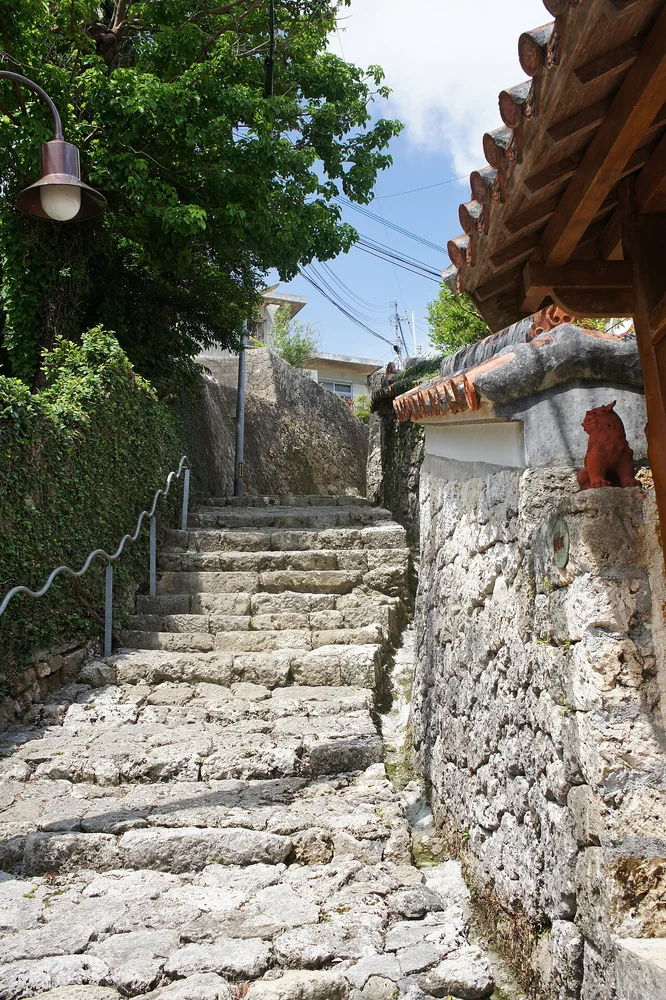
For a manageable short walk, save this return plan: Shuri Castle or Tamaudun, the upper entrance to the stone-paved road, a short walk down and back to the same entrance, then Shuri Station. Go only as far downhill as you’re willing to climb back, so you won’t need to find an unfamiliar bus stop at the bottom. If you want to walk downhill one way and leave by vehicle, first choose a road with legal pickup access and arrange your ride before descending. Keep the residential lanes for walking.
Naha City provides a rest plaza near the stone-paved road, described as a place to pause during the steep climb or descent. Stopping to look at wells, springs, and stone walls is usually more rewarding than rushing to finish the whole route. Skip this stretch if the stones are wet after rain and you’re carrying pottery. For a stroller or wheelchair, choose other main roads and sights, and save the old road for a group that can manage its surfaces.
This is a residential neighborhood. Take photos from publicly accessible places, staying clear of home entrances, private yards, and vehicle access. Keep voices low in the lanes and step out of the way when checking directions. A brief visit is enough if you just want a photo of the slope. If the neighborhood interests you, allow time to study how the paving, walls, and houses fit together along one stretch.
A one-day route: market first or Shuri first?
For a day centered on the market, enter the surrounding lanes from the nearest monorail station, look at the ingredients, sit down for lunch, then walk through Tsuboya. Go to Shuri in the afternoon if you have the energy, choosing either the park or Tamaudun. With an afternoon Seiden reservation, make Tsuboya a brief browse or move it to the next day. This route suits people most interested in food who want a leisurely lunch.
For a day centered on Shuri, have breakfast, take the monorail to Shuri, visit the castle or Tamaudun, then return downtown. Eat at the market later and choose either Heiwa-dori or Tsuboya afterward. This order gets the outdoor walking done earlier and places pottery and food shopping just before your return to your accommodation. With an afternoon Seiden ticket, reverse the order: downtown first, then Shuri, with shopping on another evening.
For example, if you’re visiting the interior in the morning and choosing pottery in the afternoon, simplify market lunch by ordering from a food-hall menu instead of discussing a whole fish and its cooking methods. If the family has already agreed to share seafood, a visit to Shuri’s gates and neighborhood may be enough. Trading off what you eat against how much you visit is more workable than repeatedly cutting the time at every stop.
With only a half-day on arrival or departure, stay downtown. Store your luggage, visit the market, eat a meal, and choose a short stretch of shopping street. Work backward from the airline’s check-in requirement for your return journey. If Shuri is your essential stop, devote the half-day to Shuri and leave out the market meal. Reaching little more than the entrance to each area can leave most of your time for waiting and checking your phone.
Traveling together with older adults, a stroller, or different walking speeds
When your group walks at different speeds, choose a few meeting times and places with seating. With clear places for breakfast, lunch, and before the trip back to your accommodation, people can browse a shop or two without making everyone wait outside each door. Those who want longer in a pottery shop can go in while others wait somewhere with seating that permits it, then rejoin the group for the next leg.
Naha City lists a nursing room and accessible toilets, and the monorail station pages give details of elevators and multipurpose toilets. Put these facilities along the middle of your route instead of searching only when someone needs them. Shuri Castle’s terrain and the stone-paved road require more effort. With a stroller, see your main priorities first, then decide whether to go farther; you don’t need to push a sleeping child along every stone path.
Anyone needing more rest can return to the accommodation after market lunch while the others visit Tsuboya, or head downtown after Shuri and skip Kinjo. The group can split for short outings if everyone can make contact by phone, knows where to meet, and has a way back. Exchange your accommodation address and contact details beforehand so the person taking a rest doesn’t have to wait outdoors for the others.
Adjusting for Sundays, rain, or an extra shopping bag
The Okinawa Convention & Visitors Bureau says the Kokusai-dori Transit Mall normally operates on designated sections on Sundays from 12:00 to 18:00, and is canceled in rain. The pedestrian area suits a slow walk, but taxis and luggage drop-offs must use roads open to traffic that day. Choose a legal pickup point outside the restricted area and give the driver the full address. A landmark on the main street may not be an accessible stopping point at every hour.
If Sunday is also the market’s fourth-Sunday closure, visit Tsuboya and Kokusai-dori that day and move the market to an opening day. If the rain allows only short walks, stay in the market building and covered arcades, and leave out Kinjo. With a Seiden reservation, follow that day’s park and transport notices. In strong wind and rain, stay in a safe indoor place, stop traveling between neighborhoods, and contact each booking provider in turn.
Budget with the tickets you’ll use, and set aside money for one main meal
The monorail’s 24-hour unlimited pass costs ¥1,000 for adults and ¥500 for children, valid for 24 hours from purchase. The 48-hour pass costs ¥1,800 and ¥900. List the journeys you’ll actually make and compare the pass with the total single fares. If you’ll spend most of the day walking around the market and Tsuboya and only ride to Shuri and back, a day trip alone isn’t a reason to buy a pass.
For two adults and one elementary school child, three 24-hour passes total ¥2,500. From November 23, their individual general-admission tickets for Shuri Castle cost ¥1,000 + ¥1,000 + ¥370 = ¥2,370. Regular Tamaudun tickets add ¥300 + ¥300 + ¥150 = ¥750, bringing the three items to ¥5,620. Show a still-valid unlimited monorail pass at Tamaudun for discounted admission of ¥240 per adult and ¥120 per child. That makes Tamaudun ¥600 for this family and reduces the combined passes and admission to ¥5,470. Meals, the last-leg bus or taxi, and shopping cost extra.
If you only ride from Makishi to Shuri and return to Makishi, the official Makishi Station fare chart lists a one-way fare of ¥290 per adult and ¥150 per child. The round trip for two adults and one child totals ¥1,460, below the ¥2,500 cost of their 24-hour passes. With regular individual admission at both sites, add ¥3,120 in admission charges to those train tickets for a total of ¥4,580. If you also travel to the airport or make other journeys, add those fares before comparing. Shuri Castle’s paid-area admission costs the same; Seiden interior availability depends on your reservation.
Set a spending limit for the whole table’s main market meal, compare the full quote with it, and reserve money for breakfast and snacks. Give pottery its own shopping budget instead of treating it as a fixed cost of a day in Naha. Write down the restaurants and purchases each person wants, too. Once lunch is paid for, you’ll know how much room remains for afternoon choices.
Save the Japanese place names so you can find the next stop after your meal
Save “那覇市第一牧志公設市場,” “壺屋やちむん通り,” “首里駅,” “守礼門,” “玉陵,” and “首里金城町石畳道” in your phone’s map app. Label each by its purpose: eating, choosing pottery, changing transport, or sightseeing. Mark any luggage collection point clearly, so the next attraction doesn’t distract you from the storage stop you still need to revisit.
Keep your booking notes to the Seiden date and time, market closure dates, lunch budget, and accommodation address. If you’re going straight back after shopping in Tsuboya, save the departure station as your final stop. If you’re continuing to Shuri, secure your fragile purchases and free your hands before setting out.
A few useful answers
Can I have lunch at Naha’s market and visit Shuri Castle on the same day?
Yes. Fix either the market meal or the Seiden reservation first. For a leisurely cook-your-purchase lunch, shorten Shuri. If the Seiden interior is the priority, order a menu meal at the market and visit Tsuboya another day.
Does Makishi Market’s mochiage cooking service have one standard price?
Ask separately about ingredients, cooking methods, cooking charges, and the number of diners. Get the total for the whole table before paying. For a smaller appetite or a tight schedule, order from the second-floor eateries’ menus.
Can I enter the Seiden 15 minutes after leaving Shuri Station?
The official walking estimate is to Shureimon Gate. You still have the route through the park. An interior visit requires a reservation for the correct date and time; work backward from that slot to allow for your train arrival, any bus wait, and walking.
Is the Tsuboya Pottery Museum open now?
Naha City has announced a construction closure from September 1, 2026 through March 31, 2027, with reopening planned for April 1, 2027. During that period, visit the Tsuboya neighborhood and shops.
With only half a day, should I choose the market or Shuri?
For food and shopping, choose the market and a short neighborhood walk. For the royal castle’s history, focus on Shuri. Traveling between both areas in half a day breaks up the time available for meals and visits.
Official information and references
Sources used in this guide.
- Naha City | First Makishi Public Market: visitor information, last orders, and closures
- Pork Tamago Onigiri | Makishi Market shop address, hours, and branch menu
- Ministry of Agriculture, Forestry and Fisheries | Okinawa soba ingredients, toppings, and seasonings
- Ministry of Agriculture, Forestry and Fisheries | Jimami tofu ingredients
- Naha City Tourism Association | Tsuboya Yachimun Street
- Naha City | Tsuboya Pottery Museum construction closure
- Shuri Castle Seiden completion commemorative project | Public opening and interior-viewing reservations
- Shuri Castle Park | Seiden interior-viewing reservation page
- Naha City Tourism Association | Shurijo Monogatari tour and admission fees by date
- Naha City Tourism Association | Shuri Castle transport and gates
- Naha City | Tamaudun visitor information
- Naha City Tourism Association | Shuri Kinjo stone-paved road
- Naha City | Shuri Kinjo stone-paved road rest plaza
- Okinawa Convention & Visitors Bureau | Kokusai-dori and the Sunday Transit Mall
- Yui Rail | 24-hour and 48-hour unlimited passes
- Yui Rail | Shuri Station facilities
- Yui Rail | Makishi Station and lockers
- Yui Rail | Kencho-mae Station and the Kokusai-dori entrance
- Shuri Castle Park | Special closure and opening hours for November 22–23, 2026
- Okinawa soba restaurant’s official multilingual menu | Translations of sanmainiku, soki, and nankotsu soki toppings
- Okinawa Convention & Visitors Bureau | Heiwa-dori shopping arcade
- Pork Tamago Onigiri | Original rice sandwich and ingredients
- Okinawa Prefecture | Sonohyan-utaki Ishimon construction materials and the king’s prayers
- EIBUN | STAND EIBUN hours, address, payment methods, and waiting list
- EIBUN | Main restaurant hours, address, payment methods, and FastPass
- EIBUN | Tsuboya hours, standing-only branch address, and cashless payment
- EIBUN | FAQ on branch formats, waiting, reservations, and orders for children
- TableCheck | Current EIBUN FastPass fees, arrival rules, and booking changes