Where should families go when it rains in Naha, and how do DMM and Churaumi compare? Choose by age, hotel area, and transport, with DMM calendar prices, refunds and re-entry, Okimyu construction closures, a northern Churaumi day, and family budgets.
- Region & Focus
- Okinawa Main Island
- Reading Scope
- 36 min read · 21 chapters · 7 Q&As
- Official Verification
- 31 official sources checkedUpdated November 7, 2026
- Key Topics
- ItinerariesBookingTravel budget
Chapter Route Map (tap any stop)
- Choose your main rainy-day activity near your current base
- Distinguish ordinary rain from weather that calls for staying in
- DMM keeps animal exhibits, food, and breaks in one place
- DMM has three date-based price levels, with child admission from age four
- DMM official tickets: changes, refunds, and same-day re-entry
- Naha to DMM: the monorail does not reach the entrance, so save the right bus stop
- Driving to DMM: plan parking, luggage, and the entrance separately
- DMM family supplies and meals: use re-entry to break up the visit
- For DMM on departure day, work backward from airline check-in
- At Okimyu, choose the museum or art museum and check which galleries are open during construction
- For an Okimyu half-day, include the walk from Omoromachi Station
- Give children one question to explore at the museum instead of visiting every display case
- Give Churaumi a full northern day and focus indoors in rain
- Churaumi uses school grades; do not reuse DMM's age categories
- Churaumi parking and strollers: an outdoor walk follows parking
- Without a car, decide your Churaumi return before buying tickets
- Two half-day examples: a slower Naha visit or a concentrated southern outing
- A northern day: visit first, eat next, and keep one optional section
- Family budget: compare admission and round-trip transport together
- With children of different ages, plan for the caregivers too
- For sudden changes, handle expiring tickets and the return first
- Quick Q&A
For a rainy half-day while staying in Naha, compare Okimyu in Shintoshin with DMM Kariyushi Aquarium in Toyosaki. Save Churaumi for an existing northern day or a stay in Nago or Motobu. Choose according to what your children want to see, how much outdoor walking lies between your hotel and the entrance, and whether the return will be comfortable. Then buy tickets using each visitor's age, school grade, and visit date.
Choose your main rainy-day activity near your current base
From Kokusai-dori or Naha's monorail corridor, a practical rainy day is one main indoor visit, lunch nearby, and a return to your hotel for a rest. Okimyu in Naha Shintoshin suits families interested in Okinawan nature, history, and everyday objects. DMM Kariyushi Aquarium in Toyosaki, Tomigusuku, suits those wanting fish, penguins, and land animals, with meals and shopping in the same mall. Either plus lunch fills a half-day. Extend the visit if children are absorbed, rather than crossing town for another admission just to fill the afternoon.
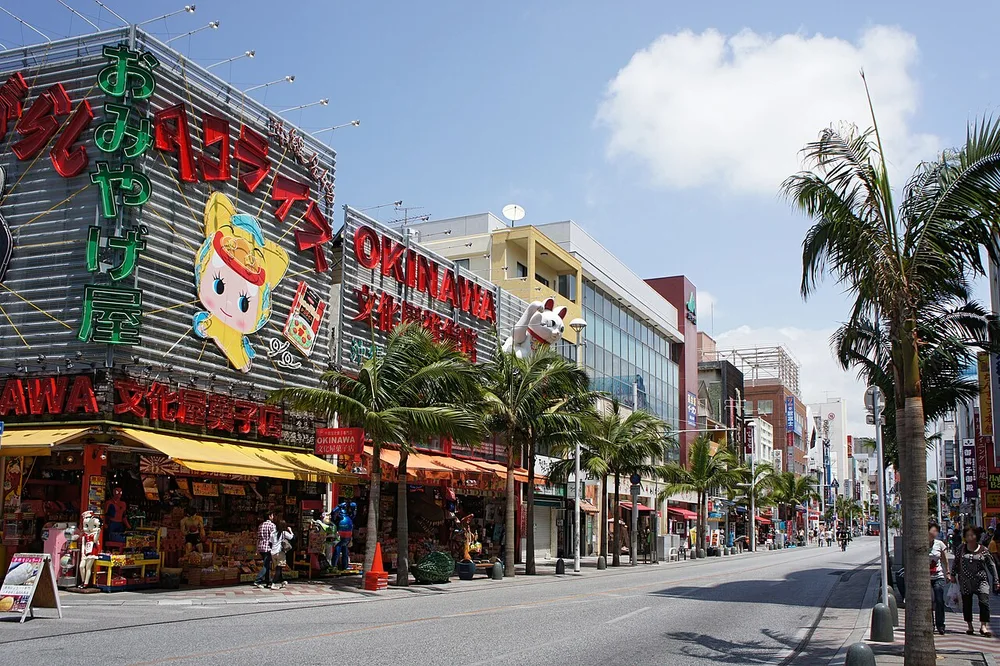
Northern Churaumi has large marine displays worth a dedicated visit, but road travel takes a substantial share of a day from Naha. For one remaining rainy afternoon, DMM fits more easily within Naha's surroundings. If the family most wants Churaumi's huge tank, give it a full northern day and leave in the morning. From Motobu or Nago, the reverse applies: staying north reduces travel compared with an unplanned trip south to Toyosaki.
For a five-day, four-night sequence of Naha and west-coast stays, use the Okinawa main island bases and transport guide. In a half-day plan, protect meals, feeding, and rest so children have time to linger at exhibits. One activity everyone wants to spend time on is more useful than a packed list of rainy-day sights.
| Base or need | Compare first | How to plan |
|---|---|---|
| Naha; keep travel and admission costs manageable | Okimyu | Choose currently open galleries and combine with Shintoshin lunch |
| Naha or the south; children want animals | DMM Kariyushi Aquarium | Aquarium plus iias Okinawa Toyosaki; half to most of a day |
| Nago, Motobu, or an existing full northern day | Okinawa Churaumi Aquarium | Focus indoors; add park stops only in lighter rain |
| Approaching typhoon or suspended transport | Activities at your accommodation | Arrange meals and bookings; cancel cross-area sightseeing |
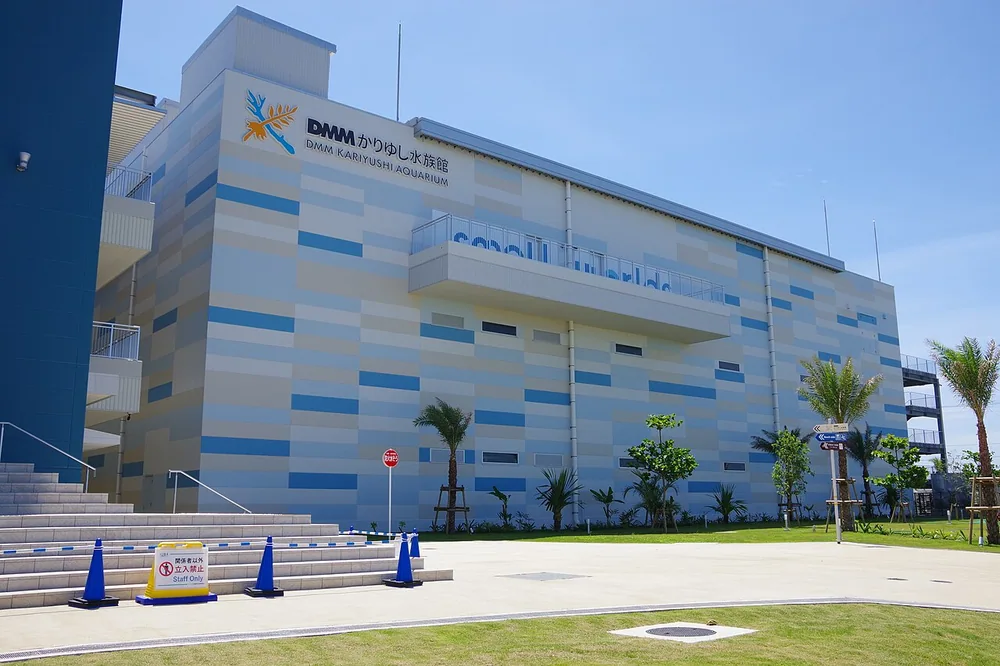
Where should families go when it rains in Naha, and how do DMM and Churaumi compare? Choose by age, hotel area, and transport, with DMM calendar prices, refunds and re-entry, Okimyu construction closures, a northern Churaumi day, and family budgets.
Distinguish ordinary rain from weather that calls for staying in
In ordinary rain, replace beaches and coastal walks with indoor visits after checking return transport and facility notices. Naha and Motobu are far enough apart to need separate rain and wind checks. Brighter skies in Chatan do not by themselves justify heading north or south. Check your accommodation area, destination, and the places on your return route, and leave room to finish early.
When a typhoon, strong winds, or heavy rain affects roads and transport, stay at your accommodation. The Okinawa Meteorological Observatory's main-island disaster information provides warnings, risk maps, and local forecasts searchable by municipality. Before winds strengthen, arrange food, water, phone charging, and accommodation contact details. Remove beach walks and wave photography from the plan.
Make the day's decision after breakfast: if transport runs and outdoor approaches are usable, visit an indoor facility nearby; if hours are reduced, shorten the outing; if closure or suspension is announced, change or cancel bookings and stay in. Children then know the plan, and adults can stop searching repeatedly while traveling. The Okinawa Convention and Visitors Bureau's typhoon information covers suspended transport and staying at your accommodation. Save it somewhere easy to find.
DMM keeps animal exhibits, food, and breaks in one place
Enter DMM Kariyushi Aquarium from iias Okinawa Toyosaki's second floor; exhibits span floors two and one. The official floor guide lists forest, penguin, reptile, and amphibian areas upstairs, with an underwater tunnel, jellyfish, and a large tank downstairs. It includes aquatic and land animals, making it an option for varied observation within a short half-day and easy meal planning.
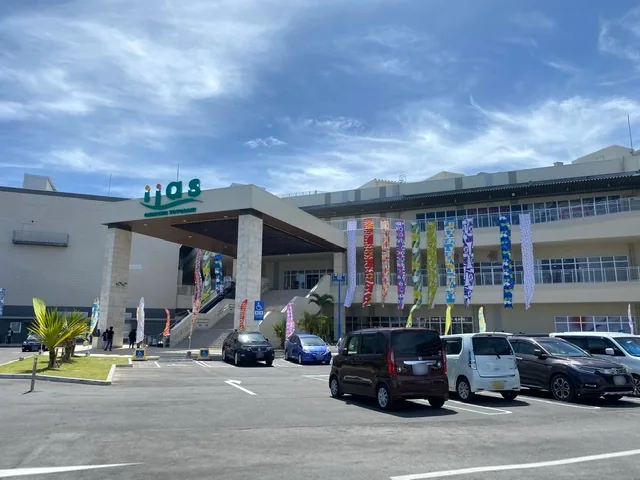
If your child dislikes darkness or changing sound and light, start with a short exhibit to find a comfortable pace. Linger at favorite tanks and skip uncomfortable areas. Adults can take turns; everyone need not see every exhibit. Walking on glass above a large tank, passing through a tunnel, and viewing animals close up can each take a different amount of time to get used to. Aim for a few areas the child likes rather than collecting every exhibit.
If you also plan Churaumi, visit on separate days with different priorities. Combine DMM's forest and varied animal displays with a mall meal; give Churaumi time for Okinawan marine ecology and large tanks. If choosing one, DMM fits a short Naha stay, while Churaumi fits a full day north for its main displays. Compare ticket differences alongside transport and children's energy.
The tetote animal-contact plaza added an outdoor area in autumn 2026. Its separate hours are 10:00–18:00, last entry 17:30. Biosecurity rules prohibit entry to tetote within one week of entering Japan. Visitors who have had contact with pigs outside the facility in the past two days, or carry food containing meat, also cannot enter. Families in Japan for only four or five days can focus on the regular aquarium. If rain rules out the outdoor area, choose indoor displays according to the children's interests.
A DMM Kariyushi Aquarium staff member introduces exhibits in front of a tank.
DMM has three date-based price levels, with child admission from age four
DMM's official prices use Value, Regular, and Peak dates. Adult means 18 and over, teen means 13–17, and child means 4–12. Children three and under enter free with a parent or guardian. Prices changed on October 15, 2026; adult admission is now ¥3,100, ¥3,250, or ¥3,500. Include a child ticket for four- and five-year-olds. Hotel bed-sharing age limits follow separate hotel rules.
Choose visit date, calendar price level, guest count, and ages before checking the total. The official operating calendar shows both price level and special hours. Do not infer a future price simply from weekday or weekend status. Normal hours are 9:00–19:00, with last entry 60 minutes before closing. Follow the calendar on shortened days.
If dates are flexible, also compare official advance tickets. As of October 26, 2026, the advance-purchase admission product offers up to 10% off when booked by 23:59 the previous day, with booking and visit periods through February 28, 2027. Include transport, food, and optional animal experiences in the total before deciding whether changing dates or paying early is worthwhile.
| Age | Value | Regular | Peak |
|---|---|---|---|
| 18 and over | ¥3,100 | ¥3,250 | ¥3,500 |
| 13–17 | ¥2,500 | ¥2,650 | ¥2,900 |
| 4–12 | ¥2,000 | ¥2,150 | ¥2,400 |
| 3 and under | Free with guardian | Free with guardian | Free with guardian |
DMM official tickets: changes, refunds, and same-day re-entry
The sales channel matters when rain makes flexibility useful. The official ticket FAQ says web tickets are date-specific. Within validity, if every ticket in the order is unused, you can change or cancel for a refund through My Page. Also read the product's cancellation deadline. The advance admission product above currently charges 0% for cancellation before 18:00 on the visit day and 100% afterward. Complete changes before the deadline. Same-day counter tickets are generally nonrefundable; other authorized sellers apply their own terms.
If one person in a family order decides to rest instead, make changes before anyone uses a ticket. If someone has already entered and others want another date, ask the seller using the original order. Assign each ticket to a traveler, with one adult managing emails and the account while the other looks after the children. On October 26, 2026, the official ticket homepage also announced restrictions on some connections from outside Japan. If payment cannot be completed, use the official contact details there.
Same-day re-entry lets you leave for a mall meal. The facility FAQ requires a transparent UV hand stamp at the designated point, then both the stamp and admission ticket at the second-floor entrance. Complete this before leaving. A payment screenshot alone does not meet the checks. Re-entry must still be before that day's last admission, so work backward from closing if you plan to return after a nap.
Naha to DMM: the monorail does not reach the entrance, so save the right bus stop
DMM is in Toyosaki. The monorail may take you to a transfer point, but the final leg needs a bus or vehicle. The aquarium's access page lists Tokyo Bus TK02 Umikaji Liner and Naha Bus route 95 from Naha Airport to Iias Okinawa Toyosaki. From the Naha Bus Terminal direction, compare routes 55, 56, and 98 to Toyosaki Chura SUN Beach-mae. Save the two stops separately, especially with a stroller. Stop names and direction are more useful than an aquarium pin alone.
From the airport, official reference times are about 35 minutes for TK02, 20 minutes for route 95, and 20 minutes by taxi or car. Use these to understand the journey's scale, then add waiting, congestion, and walking from the stop to the second-floor entrance. From Kokusai-dori, search services in the correct direction from your actual hotel-area stop rather than detouring to the airport for its direct bus.
With a toddler on buses, include transfers as part of the cost comparison. Two adults, a stroller, and several bags require a division of work in rain: one looks after the child while the other folds the stroller and handles payment. If you choose a taxi to reduce walking, arrange how to call one both ways. Allow snacks and toilet time before the return rather than dealing with everything at the bus stop.
Driving to DMM: plan parking, luggage, and the entrance separately
Set navigation to iias Okinawa Toyosaki parking, then follow mall signs to the second-floor aquarium. The official access page lists about 3,000 free mall parking spaces. Prepare raincoats, a small bag, and stroller before getting out. Photograph the floor, zone, and route back so you do not search level by level while carrying a tired child. Count visiting time after parking to see how much time actually remains.
You may have large luggage around flight days, but DMM's entry rules restrict large suitcases. Store them first. Entrance lockers have different sizes, so compare your case with the locker dimensions rather than assuming every large case will fit. Carry valuables and essential child supplies, and keep belongings properly stowed in the rental car.
For elevators or ramps, the accessibility guidance lists facilities on each floor, while noting some viewing positions remain harder to reach by wheelchair. Focus on accessible places where you can linger rather than repeatedly repositioning everyone for the same angle. The driver should rest before leaving, then decide whether to return or continue according to both their own and the children's alertness.
DMM family supplies and meals: use re-entry to break up the visit
You may bring your own stroller; DMM does not rent them. A nursing room and diaper-changing area are on the first floor. Find these on entry if you will often step away to care for a child. Pack milk, diapers, and spare clothes where you can reach them one-handed. Keep wet rain gear in a separate bag and dry the stroller and child's coat before entering, so breaks do not require unpacking everything.
The mall has separate family facilities. The iias Okinawa Toyosaki services page lists nursing rooms on floors one and three and children's toilets on floors two and three. Loan strollers suit ages four to 24 months and about 14 kg or less, with a refundable ¥100 coin system. Bring your own for older children or those needing a familiar stroller. Note aquarium and mall supplies, floors, and service hours separately, particularly for a 9:00 aquarium entry before the mall is fully open.
The aquarium dining FAQ lists a first-floor cafe without low-allergen labeling. Entry rules allow baby food to be brought and eaten in that cafe. For allergies or special diets, write ingredient requirements in Japanese and contact the aquarium ahead. Use the hand stamp for mall meals and re-entry. If your child eats slowly, eat before the main exhibits rather than joining a queue hungry.
A half-day can start with the children's favorite aquarium areas, followed by a stamped exit for mall lunch, then either re-entry or a return to the hotel according to energy. Shop after the visit to avoid carrying bags through exhibits. If everyone is tired, finish after buying what lunch requires. Rest then fits naturally into the visit rather than waiting until nobody can walk farther.
For DMM on departure day, work backward from airline check-in
Toyosaki is fairly close to Naha Airport, so it often appears on final-day plans. It works when your flight leaves a full half-day, luggage is arranged, and rental-car return or the bus journey can be completed. Work backward from international check-in and baggage deadlines, adding terminal movement, travel to the airport, and rental inspection and shuttle time. Only the remaining time is available for the aquarium, lunch, and shopping.
If that leaves only a rushed visit, use the day for mall lunch and airport travel and move the aquarium to an earlier full afternoon. The website's roughly 20-minute airport drive is a driving-time estimate. Your rental-car return location may be elsewhere, and the shuttle also involves waiting. Write these steps into the schedule, especially with strollers, large bags, or fixed child mealtimes.
Apply the same method on arrival day: decide after immigration and baggage collection are actually complete. If late and short of sleep, go to the hotel; if early and alert, use the available time. Save change and refund conditions beforehand so an unexpected change can be handled from the order without spending another valuable afternoon searching.
At Okimyu, choose the museum or art museum and check which galleries are open during construction
Okinawa Prefectural Museum and Art Museum, known as Okimyu, houses both in one building with separate admission. For a first introduction to nature, everyday objects, and island history, choose the museum's permanent exhibition. Choose the art museum for painting, photography, or the current art theme. With only a morning, one paid exhibition plus a break is enough; sharing a building does not require buying every ticket.
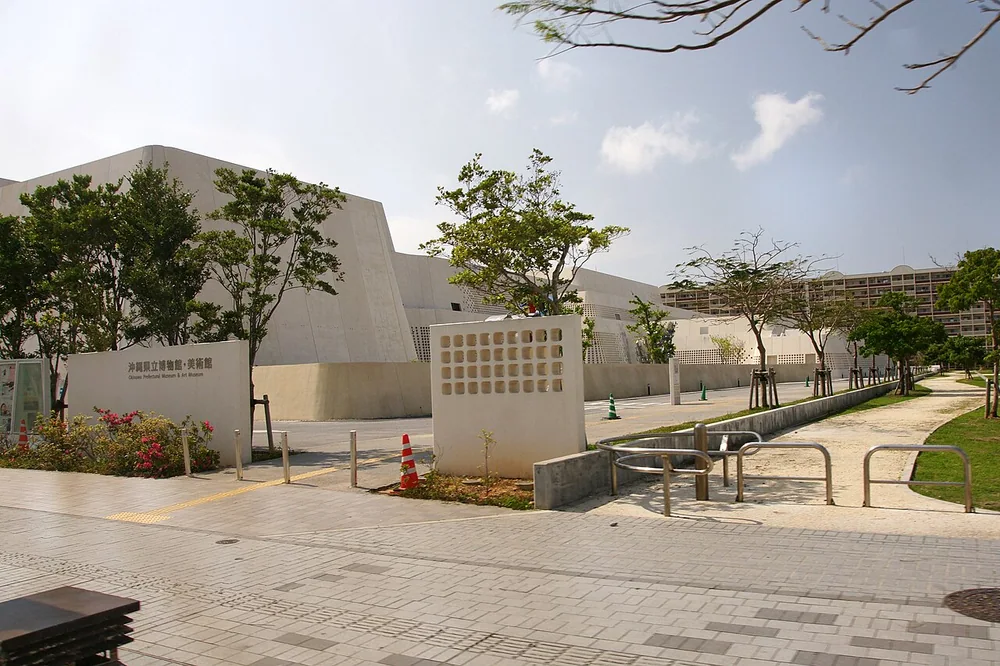
Prefectural guidance updated in July 2026 lists museum permanent admission at ¥530 for adults, ¥270 for high-school and university students, and ¥150 for elementary and junior-high students from outside Okinawa. Art museum admission is ¥400, ¥220, and ¥100 respectively. Temporary and special exhibitions have separate prices. Children visiting from outside Okinawa use the out-of-prefecture category; do not include Okinawa-resident student discounts in your budget.
The museum’s plan for partial closures during LED lighting upgrades, seismic reinforcement, and other construction, updated on July 15, 2026, moves some gallery and common-space closures to approximately April 2027–March 2028. Services such as the hands-on room have separate closures of two to three months. Check the annual exhibition schedule and museum notices before choosing what to see that day. You can also call 098-941-8200 for your chosen exhibition and hands-on room hours. If your target area is closed, stay in Shintoshin for a meal or shopping, or arrange transport to DMM in Toyosaki.
Low admission is useful, but children's interests matter more. For animals and minerals, explore details in the open natural-history displays; for hands-on activities, check the experience room. A museum visited only as shelter can be over quickly. Let children choose a topic before leaving so you know where to linger.
For an Okimyu half-day, include the walk from Omoromachi Station
The museum lists about 10 minutes on foot from Omoromachi Station along city streets, so bring rain gear and stroller protection. The Yui Rail station page lists elevators, multipurpose toilets, and a taxi stand. If your family needs less walking, take a vehicle from the station rather than getting soaked to follow the shortest mapped route. Locate the elevator and correct side on exit, and save both directions consistently.
Normal hours are 9:00–18:00, last entry 17:30; Friday and Saturday hours extend to 20:00, last entry 19:30. Monday is generally closed, with specified holiday, substitute-holiday, and Okinawa Memorial Day exceptions moving closure to the next weekday under the rules. Check Monday first when choosing a rain alternative. Even on a late-opening day, families with toddlers can finish after an afternoon snack and preserve normal dinner and sleep times.
Begin a half-day with an open exhibition, sit for a break, and eat lunch nearby. Follow location-specific food rules, including where a packed lunch may be eaten. Do not assume the outdoor park will provide usable lunch seating in rain. If a child falls asleep on the return, go straight to the hotel by monorail or vehicle. Save Kokusai-dori shopping for a more energetic time rather than stacking two city walks into one day.
Give children one question to explore at the museum instead of visiting every display case
Okimyu's hands-on room uses tools and materials to explore Okinawan nature, stone-building techniques, and everyday implements. The official introduction lists it as free, normally 9:00–17:30, subject to room closures. When open, begin with one tool your child wants to touch or try, then find related objects in the permanent exhibition. The room has its own finishing time even when the main museum stays open later on Fridays and Saturdays.
You do not need to explain all Okinawan history first. Ask what a material could be used for, or compare one feature when a child notices different animal shapes. This gives the family a shared reason to stop without extensive Japanese reading. Observe view-only objects with your eyes and use only designated hands-on materials, helping children understand the two exhibition styles.
At the art museum, let each person choose one work and give one reason they like it. If children want a short visit, limit it to the selected exhibition. Adults can take turns viewing more while the other rests with the children. If nothing suitable is open, use the time elsewhere. Choose by interest rather than adding an unenjoyable stop because adult tickets are inexpensive.
Give Churaumi a full northern day and focus indoors in rain
Churaumi Aquarium is in Ocean Expo Park, Motobu. The Japan National Tourism Organization's access guide describes about two hours by car or two and a half by bus from Naha. For a day trip, allow a substantial morning outward journey and a separate return. It is an easier rainy-day main activity from Nago or Motobu. With only half a day in Naha, stay in the south or city instead.
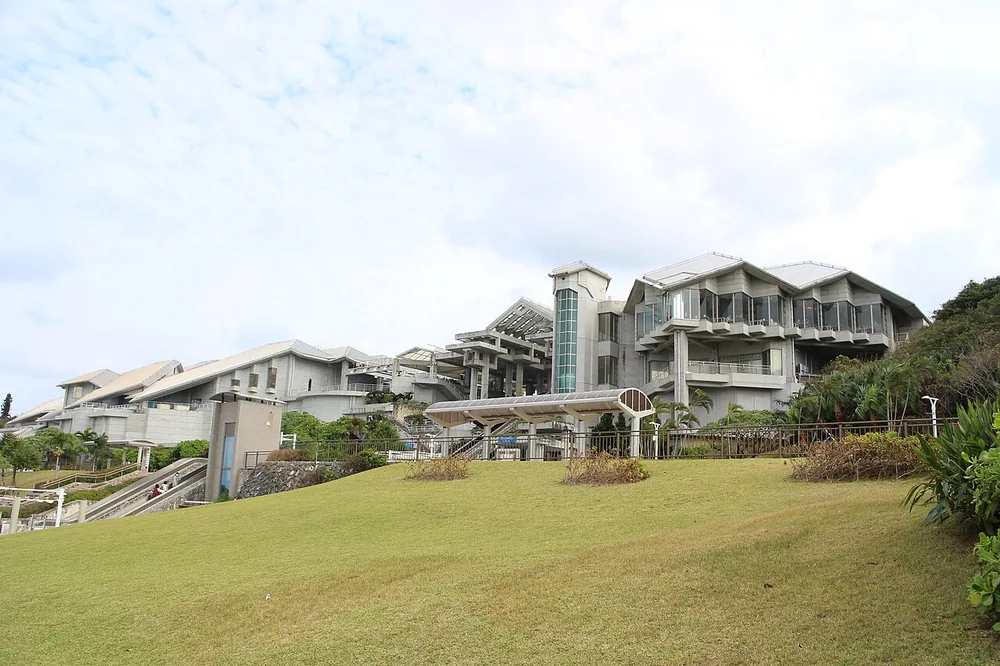
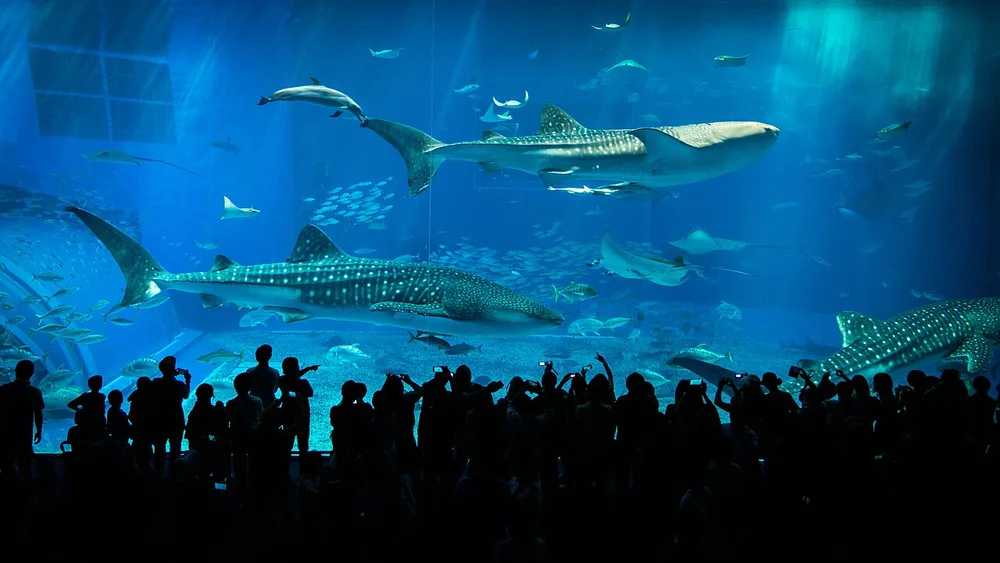
The aquarium's average indoor visit is about one and a half to two hours, excluding dolphins, turtles, manatees, and surrounding facilities. Allow longer with children for breaks between the large tank, smaller creatures, and deep-sea area. If rain continues, focus on the aquarium. You need not see every angle of the large tank at once. Stay where children are interested, then decide after lunch whether to return or finish.
The rainy-day FAQ says turtle, manatee, and some park facilities are roofed, while dolphin programs depend on weather and the animals. Walks between buildings remain outdoors, so skip them if rain increases. If your Churaumi day also included Kouri Island, coastal trails, and sunset, remove extras first and protect time for the main visit.
Churaumi uses school grades; do not reuse DMM's age categories
Churaumi's standard tax-inclusive admission is ¥2,180 for adults, ¥1,440 for high-school students, and ¥710 for elementary and junior-high students. Preschool children under six enter free. Categories use Japan's April school-entry standard; identification or student documents may be checked. Prepare birthdays and school-grade information for children near entry age. Hotel, bus, and DMM child categories are separate.
For two adults, a seven-year-old elementary student, and a three-year-old preschooler, standard admission totals ¥5,070 before transport, food, and extra activities. If both children are elementary students, add another ¥710; for a high-school student, substitute ¥1,440. This is clearer than assuming all minors pay half.
Current hours are 8:30–18:30, last entry 17:30. After reaching the park from a stop or parking space, you still need to walk to admission. Enter with enough time for a family visit. General admission and extra experiences have separate conditions. If exhibits are the day's goal, buy the required entry categories first and add other activities only when time allows.
Churaumi parking and strollers: an outdoor walk follows parking
The official FAQ identifies P7 North Gate multistory parking and P6 in front of North Gate as convenient. Ocean Expo Park parking is free. The route to the aquarium includes uncovered sections. Keep umbrellas, raincoats, and stroller covers easy to reach, and pack wet items away at the entrance so you can find tickets. Navigate to a parking area rather than just the park name to plan the final walk.
Loan strollers are available at locations including P7's first floor, in limited numbers on a first-come basis. Bring your familiar stroller if needed during transport too. Indoor routes include ramps. When adults take turns helping children view tanks, park without blocking others and avoid occupying the glass for long photographs. Allow time to find the car and change into dry clothes before the return journey.
The baby-services information lists nursing rooms at the third-floor entrance and outside Churaumi Theater on floor two, with changing tables in some men's and women's toilets. Feed on entry or note the next location, and bring your usual formula and supplies. The aquarium shop sells only L-size diapers for about 9–14 kg. Bring other sizes yourself. For children on fixed feeding schedules, shape the visit around those needs rather than chasing every program.
Without a car, decide your Churaumi return before buying tickets
From Naha, compare Yanbaru Express Bus. The operator's FAQ says seats cannot be reserved and standing is prohibited on expressway sections, so a full bus cannot take more passengers. An advance electronic ticket completes payment only. Elementary and junior-high students use child fares, with ID required for junior-high students. A preschool child occupying a seat also needs a child ticket. Budget according to how many seats your family needs.
The nearest stop is Royal View Hotel Churaumi (Churaumi Aquarium). Arriving from Naha, follow signs toward North Gate. The hotel name identifies the stop; it is separate from your accommodation booking. On arrival, locate the return stop, direction, and next useful departure before entering. You can leave early if children tire rather than relying on the final planned service.
Read both northbound and southbound timetables and keep an alternative each way. If only one return works, limit the visit to the aquarium. Do not add Kouri Island or another activity far from your stop that afternoon. Allow time for raincoats, folding the stroller, and toilets before waiting for the bus. Keep dinner near your Naha hotel flexible.
Two half-day examples: a slower Naha visit or a concentrated southern outing
For a Shintoshin half-day, go to Okimyu after breakfast, choose an open exhibition, and add the experience room if it interests the children. Eat lunch nearby and return for a nap or packing. Short travel and a defined paid visit suit families who arrived late the night before or have a full outdoor day tomorrow. If Monday or gallery closures intervene, use the southern plan instead of waiting at the entrance to preserve the schedule.
For Toyosaki, treat DMM and iias as one stop: aquarium in the morning, hand stamp before lunch, then re-enter if interested or return to rest. Choose only necessary shopping and keep a single outward and return route. If some prefer shopping and others animals, agree on a meeting point rather than making everyone retrace every floor.
Either half-day can extend to most of a day, but give the extra time to what you already chose. A child lingering at a tank or trying hands-on materials repeatedly is worth allowing. Adjust the return rather than interrupting for another pin. If dinner has a fixed reservation, work backward to set departure and remove optional afternoon activities so the booking fits the visit's pace.
A northern day: visit first, eat next, and keep one optional section
Make reaching the aquarium the morning's task. On arrival, handle toilets, rain gear, and tickets, then visit the main displays. Keep lunch near the children's usual time and assess nearby stops afterward. In stable weather with willing companions, choose one park building of interest. If rain increases or return time approaches, head to the vehicle or bus stop. One essential visit makes the day easier to adjust.
From Naha, treat the northern return as another afternoon task. From Nago or Motobu, finish earlier and return for dinner. With a hotel dinner booking, work backward from seating time, adding parking, toilets, and changing children's clothes beyond the long drive. Even a restaurant inside the hotel requires time to return to the room; arriving at parking is not arriving at the table.
If everyone only wants the large tank, that is enough for the day's focus. Free surrounding programs still take walking, waiting, and return-planning time. Rank activities by interest and time. Save unvisited places as map bookmarks. Once you have enjoyed the visit you wanted, return to rest.
Family budget: compare admission and round-trip transport together
For the same two adults, seven-year-old elementary student, and three-year-old preschooler, DMM standard admission before advance discounts totals ¥8,200 on Value dates, ¥8,650 Regular, and ¥9,400 Peak. Churaumi totals ¥5,070. Okimyu's museum permanent exhibition totals ¥1,210 for two adults and one out-of-prefecture elementary/junior-high ticket. Buy museum, art, and special exhibition tickets according to actual openings and choices; these examples show each general admission cost only.
From Naha, Churaumi's lower admission may be offset by the long round trip. List bus, taxi or rental-car costs, parking, lunch, and experiences separately to see the real difference. If you already have a car and stay north, the extra transport cost differs again. There is no need to change your whole hotel sequence for an admission-price ranking.
A budget also helps identify choices to leave until arrival. Confirm general admission, then give each person one feeding experience, souvenir, or snack choice, or set a total limit. If rain adds a short vehicle trip that gets everyone dry and back comfortably, balance it against optional shopping. Adding sights is not needed to compensate for ticket cost.
With children of different ages, plan for the caregivers too
A baby needs feeds and sleep while an elementary-age child may want a long look at exhibits. Divide tasks: one adult manages tickets, navigation, and return travel; the other handles current child supplies. Swap midway so both get uninterrupted viewing time. If interests differ, choose a clear meeting point on the same floor rather than making the younger child follow the older one's pace throughout.
If darkness, sounds, or close animal displays frighten a child, move somewhere quiet rather than waiting until they accept it. Keep ear defenders, a familiar object, and spare clothes in your small bag instead of deep inside stored luggage. Aquariums and museums are shared viewing and learning spaces. Encourage pointing things out and taking turns near the glass to consider other visitors too.
DMM rules prohibit flash photography indoors, so switch off phone flash before entering. Choose a family-photo location that leaves the passage clear. Plan some time without photographs so adults notice what children see and when they tire. Stop at the planned rest point to preserve choices for the second half.
For sudden changes, handle expiring tickets and the return first
If weather worsens the night before, find tomorrow's dated tickets, activities, and vehicle orders and note final change times. The DMM advance ticket above has free cancellation before 18:00 on the visit day, subject to all tickets remaining unused and validity conditions. Other channels handle requests through the original seller. Save cancellation results and amounts, and check the old order before rebooking to avoid retaining two bookings.
If transport or facilities shorten operations after you leave, arrange the return to your accommodation first, then deal with unused activities. If your vehicle is delayed, wait in an appropriate sheltered place with staff. Use the accommodation's and airline's official channels for extra nights or flight changes. Arrange food, dry clothes, and rest for the children, and keep the day's orders and contacts together on your phone to handle each item.
A few useful answers
In rain, should we choose DMM or Churaumi?
From Naha with only half a day and a preference for mall meals, compare DMM first. From the north, or with a full day for large marine exhibits, choose Churaumi. Include round-trip travel and children's routines.
Do three- and four-year-olds pay the same at DMM?
No. Children three and under enter free with a guardian. Ages 4–12 need child tickets, priced from October 15, 2026 at ¥2,000, ¥2,150, or ¥2,400 according to the visit-date calendar.
Can I change official DMM tickets because of rain?
Within validity, when the entire order is unused, web tickets can be handled through My Page. The product's cancellation deadline also applies. The advance admission product above currently charges 0% before 18:00 on the day and 100% afterward.
Can we leave DMM for a mall meal and return?
Same-day re-entry is allowed. Get a transparent UV hand stamp before leaving, then show both the stamp and ticket at the second-floor entrance. Follow that day's last-entry time.
Is Okimyu a good rainy Monday choice?
It generally closes Mondays, with specified holiday and Okinawa Memorial Day exceptions shifting closure to the next weekday under its rules. Check current gallery openings during construction too.
Is the entire walk from Churaumi parking sheltered?
There are uncovered sections. Bring umbrellas or raincoats and a stroller cover. Compare the officially recommended P7 and P6 parking areas, then follow the day's route to the entrance.
Does buying an electronic Churaumi bus ticket reserve a seat?
Yanbaru Express Bus has no reservations. Electronic tickets complete payment only. Standing is prohibited on expressway sections, so you cannot board a full bus. Keep another suitable service available in both directions.
Official information and references
Sources used in this guide.
- DMM Kariyushi Aquarium: standard admission and tickets
- DMM Kariyushi Aquarium: date-specific operating calendar
- DMM Kariyushi Aquarium: tickets, validity, and refunds
- DMM Kariyushi Aquarium: access and parking
- DMM Kariyushi Aquarium: floor guide
- DMM Kariyushi Aquarium: facilities, re-entry, and baby services
- DMM Kariyushi Aquarium: accessible routes
- DMM Kariyushi Aquarium: dining
- DMM Kariyushi Aquarium: entry and photography rules
- iias Okinawa Toyosaki: family services
- Okinawa Prefecture: Okimyu opening rules and admission
- Okimyu: partial construction closures, updated July 15, 2026
- Okimyu: current room closures and openings
- Okimyu: access
- Okimyu: hands-on experience room
- Yui Rail: Omoromachi Station facilities
- Japan National Tourism Organization: Churaumi access and park
- Okinawa Churaumi Aquarium: admission
- Okinawa Churaumi Aquarium: hours
- Okinawa Churaumi Aquarium: visiting in rain
- Okinawa Churaumi Aquarium: average visiting time
- Okinawa Churaumi Aquarium: parking, outdoor paths, and baby FAQ
- Okinawa Churaumi Aquarium: baby services
- Yanbaru Express Bus: seats, child fares, and stops
- Yanbaru Express Bus: both-direction timetables
- Okinawa Meteorological Observatory: main-island typhoon and local disaster information
- Okinawa Convention and Visitors Bureau: typhoon transport and accommodation guidance
- DMM Kariyushi Aquarium: price change from October 15, 2026
- DMM official tickets: advance discounts and cancellation deadline
- DMM official tickets: changes and refunds for wholly unused orders
- DMM official ticket homepage: overseas connection notice