Start at Obuse Station on the Nagano Dentetsu line. Choose a gentle town-center walk or a longer route to Ganshoin, with the Hokusai Museum’s festival floats and changing exhibitions, winter temple hours, chestnut rice and seasonal Suzaku sweets.
- Region & Focus
- Obuse
- Reading Scope
- 32 min read · 16 chapters · 4 Q&As
- Official Verification
- 13 official sources checkedUpdated November 7, 2026
- Key Topics
- ItinerariesFoodChubu & Hokuriku
Chapter Route Map (tap any stop)
- Separate the town center from the temple to the east
- From Nagano, transfer to Nagano Dentetsu and start at Obuse Station
- Walking the center: Omotedori, Chestnut Lane and Nakamachi Lane
- Allow 60–90 minutes for the museum, with paintings and floats in separate stages
- The two permanent festival floats and Ganshoin’s ceiling have different settings
- Autumn and winter 2026 exhibitions and hours: include the changeover dates
- Reaching Ganshoin: the 30-minute walk and seasonal shuttle
- Seasonal temple hours and ceremonies determine when to enter
- Look up at the phoenix, then leave time for the talk and garden
- Make chestnut rice your lunch and choose dessert separately
- The Suzaku season has ended: distinguish products and dates
- Gentle route: one museum, one meal and a slow town-center walk
- Full walking route: Ganshoin first, then the museum and chestnut quarter
- Rain, snow, children and wheelchairs: plan the long walk and indoor needs separately
- Buy gifts near the end and follow photography rules
- Staying in Obuse and linking the next day in Nagano
- Quick Q&A
Decide first whether your day in Obuse will include the walk to Ganshoin. For an easy day of art and chestnut rice, stay around the Hokusai Museum and Chestnut Lane. To see both Hokusai’s late-life festival-float paintings and the temple ceiling, visit the temple to the east in the morning, then return to the center. Exhibition changeover dates, winter temple hours and the fresh-chestnut dessert season directly affect the route.
Separate the town center from the temple to the east
Obuse brings art, lunch and walking into one day. The Hokusai Museum and chestnut confectioners cluster southeast of the station. Ganshoin lies farther east at the foot of Mount Karita. Choose whether to include it before fixing lunch and your return journey. This makes the day easier to plan than starting with a long list of shops. Allow a full day for both sites, or a comfortable half day for the museum, a meal and Chestnut Lane.
Start and finish at Obuse Station on Nagano Dentetsu. The museum lists a 12-minute walk from the station; Ganshoin lists about 30 minutes. These are separate directions from the station. Subtracting them does not give the distance between the museum and temple. This itinerary allows 30–40 minutes for travel and navigation between the two. Add more if you like to stop along the way.
There are two levels of effort. The gentle route stays around the museum, Chestnut Lane and Omotedori, with short walks between lunch and seated breaks. The full walking route puts Ganshoin first, then returns to the center for lunch and art. Both use the same station. Companions can meet at lunch and share the afternoon museum visit even if they choose different morning walks.
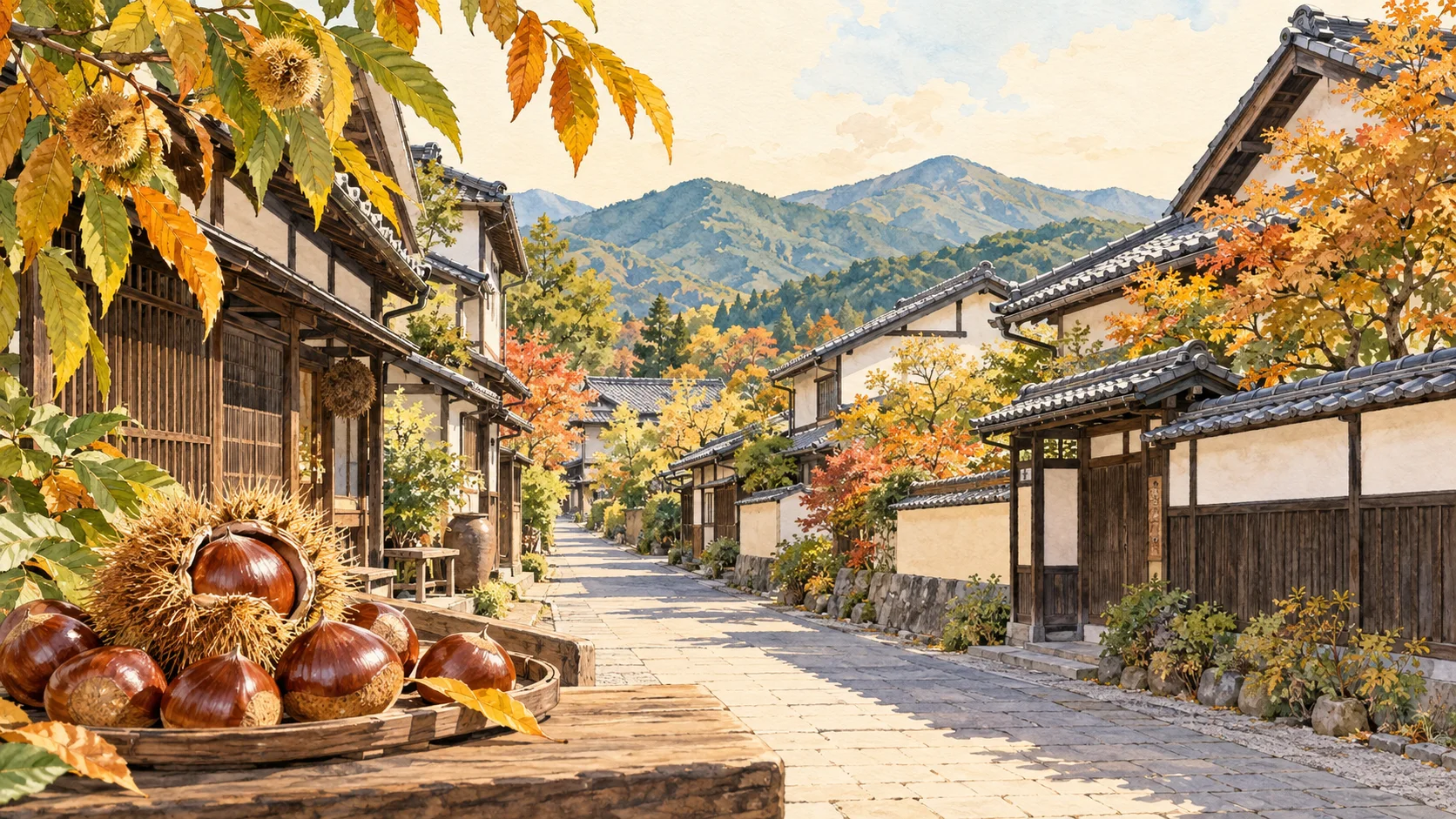
Start at Obuse Station on the Nagano Dentetsu line. Choose a gentle town-center walk or a longer route to Ganshoin, with the Hokusai Museum’s festival floats and changing exhibitions, winter temple hours, chestnut rice and seasonal Suzaku sweets.
From Nagano, transfer to Nagano Dentetsu and start at Obuse Station
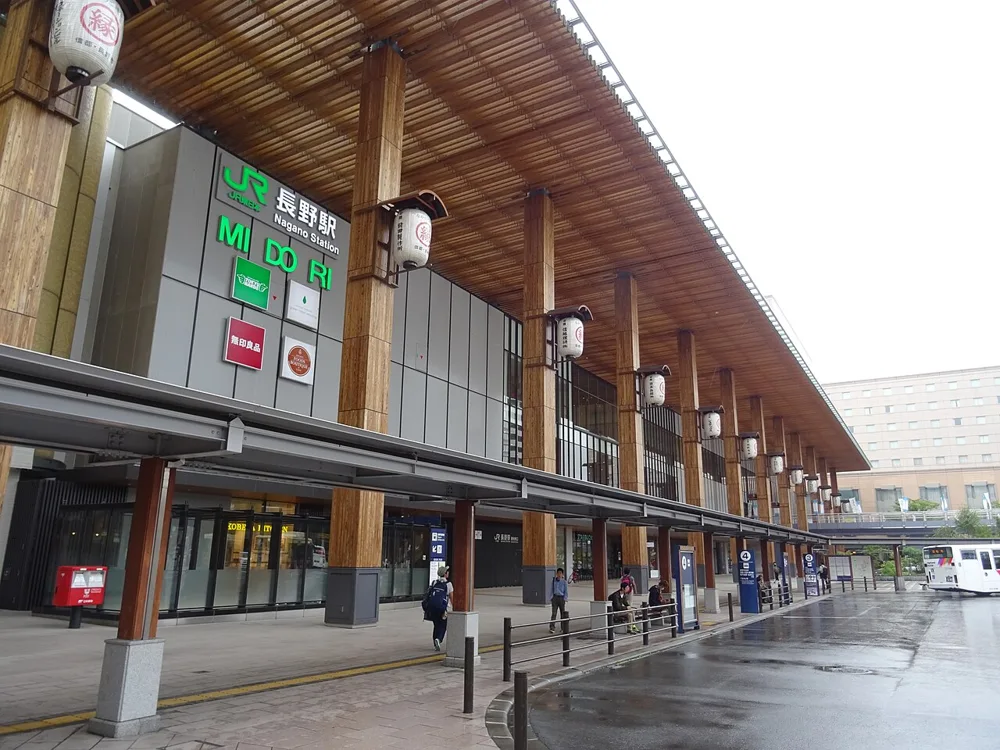
The museum’s access page gives about 20 minutes by limited express or 30 minutes by local train from Nagano Dentetsu Nagano Station, reached from JR Nagano Station’s Zenkoji Exit. Add time to walk between the stations, buy tickets and wait. If you arrive by Shinkansen from another prefecture that morning, allow for the transfer before choosing your first visit. Your Shinkansen arrival time is not the start of your Obuse walk.
Buy for Obuse Station on Nagano Dentetsu and check the train type and stops before boarding. For a limited express, arrange the required supplement as well as the ordinary fare. Budget separately for Nagano Dentetsu even if you already hold a JR rail pass.
On arrival, note your intended return train and save the station, museum and Ganshoin in an offline map. You can leave one train’s worth of flexibility, but do not wait until shops close to work out the return to Nagano. Knowing the next departure lets you spend spare time seated in a shop rather than holding shopping bags on the platform.
Leave large luggage at your accommodation or arrange storage before setting off. Lockers beside the museum entrance take a refundable ¥100 coin. They help while you view the exhibits, but using them as all-day storage means returning to the museum before heading to the temple or station. Carry water, rain gear and a jacket in a small backpack, and buy gifts near the end.
Walking the center: Omotedori, Chestnut Lane and Nakamachi Lane
The Obuse Culture and Tourism Association’s half-day route runs from the station to Nakamachi intersection, along Omotedori, then through the Takai Kozan Memorial Museum, Hokusai Museum, Chestnut Lane, Nakamachi Lane and Matsubaya’s main shop before returning to the station. It gives about five minutes from the station to the intersection and another five to the Takai Kozan area. These are short strolling links; museum visits, meals and shopping take most of the time.
Omotedori follows National Route 403, with established chestnut shops, cafés and restaurants nearby. Walk along one side and cross at a suitable junction instead of crossing whenever a sign catches your eye. Ordinary traffic still uses this compact center. Step aside to read a map, take photographs or choose the next shop without blocking pedestrians.
Put Chestnut Lane between the museum and lunch, or use it for a short walk afterward. Look at the paving, walls and turns between buildings. It works better as a lane to explore than as another attraction to queue for. You can pass through it quickly; combine it with Omotedori and Nakamachi Lane to see how the main road and smaller passages connect.
The association also describes the link to Nakamachi Lane behind Matsubaya and open gardens along the route. Follow entrance signs on the day. Enter gardens with an open-garden sign; stay on public paths beside closed gates, private living areas or working courtyards. Keep entrances and passages clear, and do not point cameras through residential windows.
Allow 60–90 minutes for the museum, with paintings and floats in separate stages
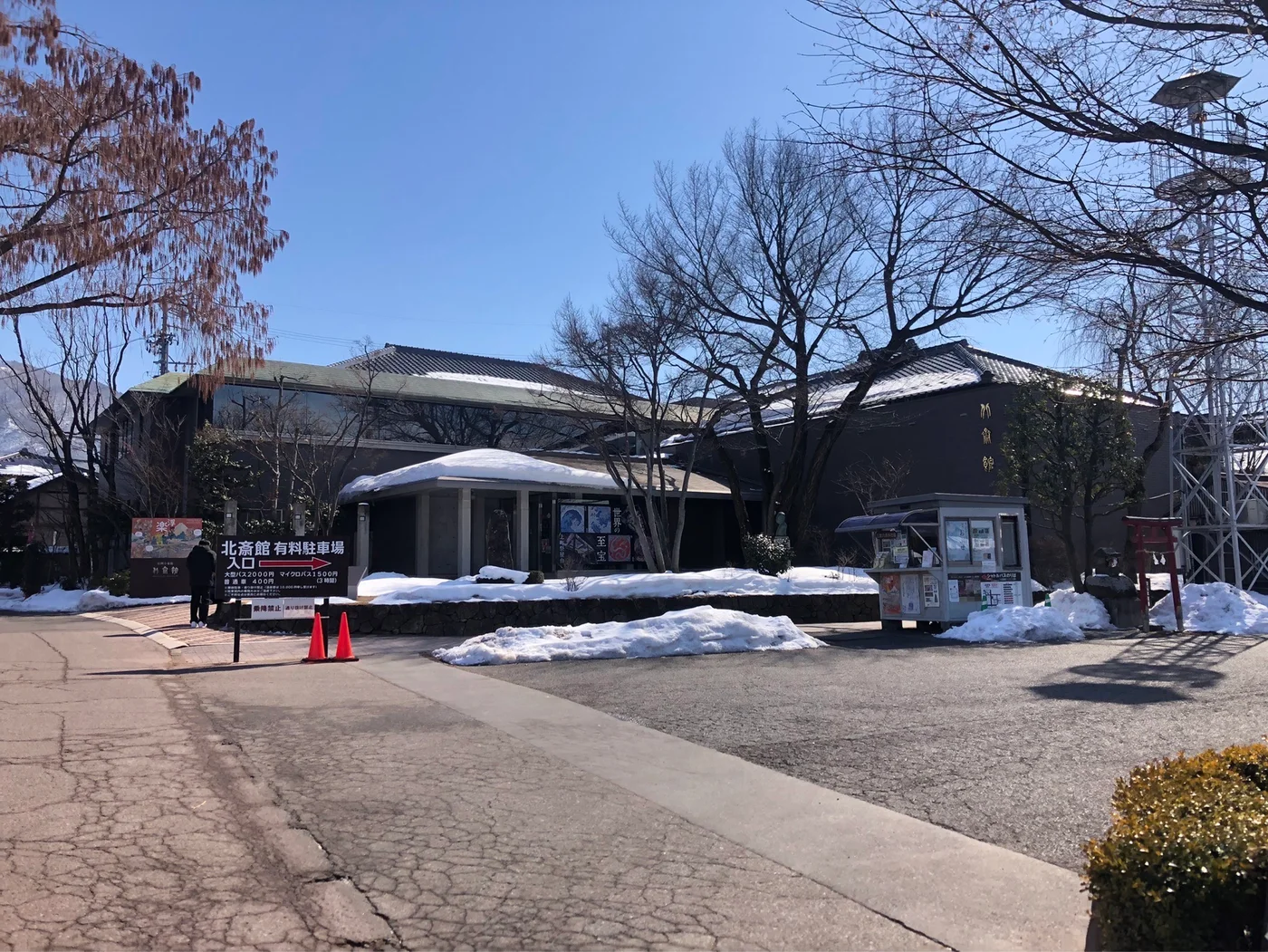
The Hokusai Museum makes a good main indoor stop in the afternoon. Its listed spaces include a video room, special exhibition rooms 1 and 2, original-painting room 3 and the festival-float room, all on one floor. Allow 60–90 minutes, or up to two hours for an exhibition that interests you, with fewer shops afterward. Finish or put away food before entering so you can view the art without interruption.
For a first introduction, begin in the video room. The museum lists “Obuse and Hokusai” and “Japonisme and Hokusai.” These can connect his late work in Obuse with the ukiyo-e images you already know. Visitors familiar with Hokusai can follow the exhibition route directly and spend longer on objects and labels. The films need not be compulsory for every companion.
The original-painting room shows hanging scrolls, framed works and other pieces, with works changing according to the display. Read the exhibition title and theme before deciding how much time to give paintings of beauties, birds and flowers, or landscapes. Choose dates from the current work list if you want to see a particular painting. Distinguish the collection, works currently on display and the permanent festival floats when planning.
You need not give every work equal attention. Make a first circuit, linger over one or two pieces, then look at how the paintings sit within the floats. With children, look for waves, animals or gestures to give short viewing periods a focus. Adults who want to read longer labels can take turns resting with children.
A travel video filmed by SouthernValleyDiary in August 2024, walking through Obuse’s chestnut quarter and on to the Hokusai Museum.
The two permanent festival floats and Ganshoin’s ceiling have different settings
The museum permanently displays the Higashimachi and Kanmachi festival floats. Higashimachi’s ceiling paintings are “Dragon” and “Phoenix,” dated by the museum to 1844. Kanmachi carries the 1845 raging-wave paintings “Masculine Wave” and “Feminine Wave.” Remember these pairs to distinguish the museum phoenix from the one in Ganshoin’s main hall.
Start with the whole float. Step back to see its structure, then follow the visitor route closer to examine the ceiling paintings. Kanmachi’s waves belong to the shape of the float, beyond their appearance in a flat catalog. Compare their lines, movement and edges with other Hokusai waves rather than only looking for a famous title.
Higashimachi’s dragon and phoenix offer a comparison with Ganshoin, whether you visit the temple before or after the museum. The phoenixes occupy different spaces, viewing angles and structures. At the museum, consider the painting with its float; at Ganshoin, sit and look up. Remember one detail from each, then consult a catalog while resting in town instead of trying to photograph everything immediately.
Changeover dates matter. On December 7–8, 2026, only the festival-float room opens while the special exhibition changes. Choose normal exhibition dates on either side if original paintings and the special exhibition are your main reason for coming. If the floats are your priority, plan around this limited opening and give more time to the temple and town.
Autumn and winter 2026 exhibitions and hours: include the changeover dates
As checked on October 29, 2026, the museum was showing “Obuse: Hokusai’s Masterpieces,” the homecoming exhibition following “EXPOSITION HOKUSAI” in Nantes, France, from October 24, 2026 to January 17, 2027. The first part ends December 6; the second starts December 9, with some works replaced. Visit each part separately to compare them, or plan a single trip around the works in that part.
Normal hours are 9:00–17:00, with last entry at 16:30. December 31 and January 1 have shorter hours, 10:00–15:00. The visitor guide checked on October 29, 2026 listed year-round opening, and the exhibition page listed no closure during its run. Plan year-end visits around the shorter hours on those two days. Arriving after lunch leaves less viewing time that day.
The current special exhibition costs ¥1,200 for adults, ¥500 for high school and university students, and ¥300 for elementary and junior high school students. Children below elementary-school age enter free. Other special exhibitions follow their own announcements. Two adults and one elementary-school child pay ¥2,700. Budget separately for Ganshoin, food and transport; the two sites do not share an admission ticket.
In winter, the museum generally keeps a later daytime visiting window than the temple, making temple first and museum second easier. Entry at 16:30 leaves only half an hour, enough for a quick targeted visit but difficult for both special exhibition and floats. Aim for around 14:00 if you want time to look closely, then fit brief shopping around shop hours.
Reaching Ganshoin: the 30-minute walk and seasonal shuttle
Ganshoin lists about 30 minutes on foot or 10 minutes by taxi from Obuse Station. The tourism association’s cycling route adds that the roughly two kilometers toward the temple climb gently. Regular city walkers can make this the morning’s longer stretch. For sore knees, wheelchair travel or hot weather, take a vehicle there and decide afterward whether to walk back.
For the full walking route, go from the station to the temple first, then return toward the museum and central streets. This completes the farthest stop early and leaves shops and indoor rests for the afternoon. Use walking navigation rather than cutting across fields, residential gardens or paths without public-access signs. Stop somewhere safe to check junctions and keep out of the road when photographing.
The temple also lists a town shuttle, operating only during busy periods, with a journey of about 25–30 minutes. On operating dates, use the current stops and timetable. Otherwise walk or take a taxi rather than waiting outside the station for a bus that does not run that day.
If you head to the temple from the museum after lunch, check its opening calendar before the longer walk. Near winter closing time, stay with the museum and center or use a vehicle to gain visiting time. The full walking route needs daylight and suitable stamina; shortening a walk can still let you see Hokusai in both settings.
Seasonal temple hours and ceremonies determine when to enter
Ganshoin opens 9:00–16:30 from April through October, 9:00–16:00 in November, and 9:30–15:30 from December through March. Its daily calendar adjusts access for ceremonies and closed days. A morning temple visit leaves time for the talk, garden and walk back, especially in winter.
The official annual calendar lists no sightseeing on April 20 for the Daihannya ceremony, September 23 for the Daisejiki ceremony, and December 8 for the Buddha’s enlightenment ceremony. Chanting on March 15 from 13:00 to 14:00 replaces the explanatory talk during that period. Replace an affected temple slot before arranging the museum. December 8 also falls within the museum’s 2026 exhibition changeover, making another date preferable for an art-focused trip.
Admission is ¥600 for adults and ¥300 for elementary and junior high school students; preschool children enter free. Cash, electronic payments and credit cards are listed. Groups of 10 or more must reserve; two or three independent travelers can follow normal admission. A goshuin inscription costs ¥500. Arrange it on entering rather than starting to queue when everyone is ready to leave.
The temple estimates about 40 minutes from parking-area arrival to departure for individuals and 50 minutes for groups. Walkers can use 40–50 minutes as a base for the temple itself, adding the walk both ways. Missing the start of a talk can extend the visit. Leave flexibility instead of booking lunch at the earliest theoretically possible arrival time.
Look up at the phoenix, then leave time for the talk and garden
The main-hall ceiling painting, the “Phoenix Glaring in All Directions,” covers about 21 tatami mats. The temple dates it to Hokusai’s age of 88–89 and says he made four late-life visits to Obuse, painting it during his last stay. Sit first to take in its scale across the ceiling, then follow the explanation of its eyes and body rather than moving constantly as soon as you enter.
Japanese talks begin 30 minutes after opening and repeat every 30 minutes, each lasting less than 10 minutes. Visitors listen beneath the painting. The 12:00 and 12:30 sessions may use recordings. There are 63 seats, with some visitors standing when busy. Older travelers who need a seat can arrive a little early. Read the official introduction beforehand if you do not understand all the Japanese, then focus on the painting and hall.
Beyond the hall are displays connected with Fukushima Masanori and the Frog Battle Pond. The temple highlights Masanori’s mausoleum and the pond associated with Kobayashi Issa. Explore the garden after the ceiling if local history interests you. Companions mainly interested in Hokusai can give the painting sufficient time without extending the visit to cover every corner.
In winter, entry to Masanori’s mausoleum and the Frog Battle Pond area closes, though they can be viewed from inside the hall. Focus on indoor works and the talk, and follow the open garden route. The temple prohibits photography, eating, drinking, phone calls and smoking, and asks for quiet. Put phones away and save water and snacks for a permitted rest area.
Make chestnut rice your lunch and choose dessert separately
Separate Obuse’s chestnut food into meals, desserts to eat now and sweets to take home. A lunch of kuri okowa, sticky rice with chestnuts, followed by one afternoon dessert usually suits a walking day better than several large sweets in succession. A proper lunch also gives everyone a seated break before art, including companions less interested in sweets.
Chikufudo’s Obuse main shop is about eight minutes on foot from the station. Listed hours are 8:00–18:00 for retail and 10:00–18:00 for dining, with last orders 30 minutes before closing; it closes on New Year’s Day. An elevator and multipurpose toilet make it an option for travelers needing a seat or avoiding stairs. Retail opening in the morning does not mean dining has started: that begins at 10:00.
The official menu checked on October 29, 2026 listed the Yamazato set at ¥1,540, with chestnut rice, simmered mountain vegetables, yam bulbils with walnut miso, pickles and miso soup. The Yamaga set, ¥2,310, adds items including sweet-simmered rainbow trout and apple juice. Choose Yamazato for a simpler rice meal, or consider Yamaga if you like fish. Use the menu and staff’s ingredient information for allergies and dietary needs; “mountain vegetables” or a shojin-style description alone cannot identify every ingredient.
The café menu also lists chestnut-paste shiruko at ¥693 and chestnut anmitsu at ¥825. After chestnut rice, choose a smaller café item or just a drink. If two people want to compare flavors, order for your appetites.
The Suzaku season has ended: distinguish products and dates
Obusedo’s 2026 “Kuri no Tenshin Suzaku” season ran September 10–October 18. When checked on October 29, 2026, the official page announced that the year’s service had ended. For late October or November, plan regular café service and chestnut sweets instead of making the finished fresh-chestnut specialty a fixed stop. Wait for the shop’s 2027 announcement before choosing next year’s dates; reusing last year’s dates can mean missing it.
The official page distinguishes Kuri no Tenshin Suzaku, the main-shop Suzaku set and Mont Blanc Suzaku, each with its own reservation and seating arrangements. Read the full product name before checking where and when to book. If one is a priority, anchor the day to the slot you have secured and put the temple and museum around it. Avoid booking lunch immediately alongside it.
From October 21, 2026, Obusedo’s main restaurant resumed reservable café service at 10:00–16:00 and meals at 11:00–15:00. Entotsu lists café service at 10:00–15:00, with registration from 9:30, for October 21–November 30. From December 1, service changes to 11:00–15:00 and registration to 10:30. Entotsu takes no reservations. Keep the gap between registration and seating within the town center.
Chestnut products do not all begin or end together. In October 2026, Chikufudo’s website announced fresh-chestnut rice while noting that some seasonal sweets had ended. Use each product’s own announcement. If chestnut flavor is your main interest, rice and regular sweets make a worthwhile day without canceling Obuse over a missed limited item.
Gentle route: one museum, one meal and a slow town-center walk
Allow about four to five hours, linking the station, Omotedori, museum and Chestnut Lane, then returning to Omotedori for food and gifts.
For example, arrive at 10:00, spend half an hour walking into the center and locating lunch, then enter the museum at 10:30 for about 90 minutes. Eat at 12:00. Around 13:00, walk Chestnut Lane, Nakamachi Lane and signed open gardens, then choose a seated stop according to your energy. Head toward the station at 14:30–15:00. This is a sample schedule; adjust it to your train and restaurant reservations.
In winter, or for a later start, eat first and visit the museum in the afternoon, followed by only a short walk. This keeps more of the colder hours indoors.
If a companion wants Ganshoin and you prefer a shorter walk, split the morning and meet near a restaurant in the center for an afternoon exhibition together. Specify the shop, entrance and time rather than saying only “meet on the chestnut street.”
Full walking route: Ganshoin first, then the museum and chestnut quarter
Allow about six to seven hours and do the longest walk while fresh in the morning. A sample starts with arrival around 9:15, walking to Ganshoin for entry around 10:00, allowing 50 minutes for the visit and waiting for the talk, then 30–40 minutes back to the center. Eat around 11:30–12:30 and leave the museum and lanes for afternoon. These are editorial planning allowances; add time for slower walking, waiting and photographs.
Enter the museum around 13:00 and allow 90 minutes. Afterward, use the daylight and shop hours for Chestnut Lane and gifts, heading to the station at 15:30–16:00. Each art stop then gets uninterrupted time, with a seated lunch between. For close reading of the exhibition, enter earlier or drop a second café stop rather than relying on last entry.
If breakfast in Nagano means reaching Obuse near noon, keep both sites but take a vehicle to the temple. Check that it opens that day, then return to the center for food and art.
If ceremonies close the temple, use the time for the museum, central streets and lunch. If museum changeover affects the special exhibition you came for, choose another travel date.
Rain, snow, children and wheelchairs: plan the long walk and indoor needs separately
In rain, shorten the walk between Ganshoin and the center first. Take a vehicle or stay central if you do not want half an hour under an umbrella. The museum and food can fill half a day, with short street walks during lighter rain. Wear shoes suited to wet ground and put away umbrellas and wet coats before entering small galleries.
With snow, focus on the temple interior and museum. Ganshoin has shorter winter hours and garden restrictions, so plan for the hall and visible views rather than walking the whole garden. Use a vehicle if ice or snow obstructs walking. Once central, sit in a shop before deciding how much more to walk.
The museum lends strollers and wheelchairs for indoor use only. Wheelchair users visiting Ganshoin need their own mobility equipment and transport. The temple has a ramp entrance north of the main hall; ask staff for assistance. Wheel covers are required on tatami; without them, use the corridor and carpet route. Temple toilets do not meet accessible needs, while the public toilets in the parking area have suitable facilities.
With young children, divide museum viewing into short periods: start with floats, then choose recognizable images. The children’s area is for children aged one to below elementary-school age with a parent, at ¥300 per child. Begin lunch before children get overtired and choose just one sweet shop afterward. Adults can take turns shopping separately instead of taking the whole family into every queue.
Buy gifts near the end and follow photography rules
Buy gifts after the main visits to avoid carrying them to the temple or breaking up museum time. Check storage instructions, shelf life and quantity on chestnut yokan, kuri kanoko and other packages against your return date. Include hotel and travel time for refrigerated items. For gifts to several people, check individually wrapped portions before box size.
Chikufudo says it processes Obuse chestnuts and other quality Japanese-grown chestnuts itself. Read the shop’s explanation if ingredients interest you. Each shop’s products and origin labels stand separately; check the box you are buying. Choosing one or two flavors you really want also makes opening them at home easier than buying the same bagful everywhere.
Choose museum catalogs and books after seeing which works interest you. Follow each gallery’s photography rules; Ganshoin’s main hall prohibits photography. Record work titles, buy official catalogs or photograph permitted streets and meals rather than using your phone to capture the ceiling inside the hall.
Staying in Obuse and linking the next day in Nagano
For the museum, Ganshoin and chestnut quarter alone, a day trip from Nagano simplifies onward transport. Return for dinner and the next day’s transfers, and give Zenkoji another day. Obuse also fits a daytime stop from Yudanaka or Shibu Onsen. On a hotel-change day, arrange luggage and check-in first so shopping does not become a calculation of bags still to carry.
Stay in Obuse if you want the evening and next morning in town. Before booking, check the walk to the center, whether dinner is included, its latest arrival time and luggage arrangements. Work backward from an inn’s dinner check-in. With a room-only plan, arrange dinner beforehand: a street full of daytime sweet shops may follow a different rhythm at night.
For Zenkoji, choose an early-morning worship visit or daytime sightseeing before linking Obuse. Its main hall, Sanmon gate and museum each need time. Split the two places across two days for a fuller look at rituals or local history. Read the Nagano Zenkoji visiting guide and reserve another half day for its temple town.
Jigokudani and ski bases also need their own transport and walking time. Finish this day back at Obuse Station and take your chosen onward train. If Matsumoto is next, give its castle and city another day with the Matsumoto Castle and city day-trip guide.
A few useful answers
Is half a day enough for Obuse?
Allow about four to five hours for the Hokusai Museum, Chestnut Lane and a meal. Add Ganshoin with walking both ways and allow six to seven hours. These are planning allowances to fit opening hours on your travel date.
Are all the museum’s works on permanent display?
The Higashimachi and Kanmachi festival floats and their ceiling paintings are permanent highlights. Special exhibitions and original paintings rotate. Only the float room opens during changeover on December 7–8, 2026.
Can I eat the 2026 Kuri no Tenshin Suzaku in late October?
The 2026 season ended October 18. Use current shop announcements to plan regular café visits, chestnut rice and other sweets in late October.
Can I photograph Ganshoin’s ceiling?
Ganshoin prohibits photography. Listen to the Japanese talk and use official temple or museum publications for further reading.
Official information and references
Sources used in this guide.
- Hokusai Museum | Floor guide and festival floats
- Hokusai Museum | Current exhibition and changeover dates
- Ganshoin | Access and seasonal shuttle
- Ganshoin | Visits, ceremonies, fees and accessibility
- Obuse Culture and Tourism Association | Half-day town-center route
- Obuse Culture and Tourism Association | Temple route and slopes
- Obusedo | 2026 Suzaku season and post-season hours
- Chikufudo | Ingredients and current product announcements
- Hokusai Museum | Visiting, admission and transport from Nagano
- Chikufudo | Obuse main shop
- Chikufudo | Restaurant and café menu
- Ganshoin | Phoenix painting and garden
- SouthernValleyDiary | Northern Shinano trip: Obuse streets and the Hokusai Museum