Book a 45-minute papermaking session at Ozu Washi, then plan Mitsui Memorial Museum. Compare shared and private sessions, same-day collection, cancellation deadlines and two routes, with separate advice for the Currency Museum and Bank of Japan tours.
- Region & Focus
- TokyoAttractions
- Reading Scope
- 30 min read · 19 chapters · 5 Q&As
- Official Verification
- 16 official sources checkedUpdated October 28, 2026
- Key Topics
- ItinerariesBookingNeighborhoods
Chapter Route Map (tap any stop)
- Choose papermaking or an exhibition first, then add the other
- Ozu Honkan: shop, workshop and historical displays have different roles
- Three standard price levels: choose what you want to make
- Rakusui, watermarks and design paper form patterns in different ways
- Design washi and private hire: distinguish time slots from sheet numbers
- Use the form at least three days ahead; call for the final two days
- Cancellation and lateness: 18:00 the previous day is the cutoff
- Take the finished sheet home that day and plan how to carry it
- Mitsui is on the Main Building’s seventh floor; enter through Mitsui Tower
- Read the exhibition title and dates: Mitsui has no permanent display
- Compare tea-bowl outlines before reading names and origins
- Jo-an and Unohanagaki: return objects to their setting
- Do not divide time equally among seven galleries: keep one return visit
- Morning workshop: make paper, eat lunch, see the exhibition
- Afternoon workshop: see the exhibition before lunch and papermaking
- Monday, Sunday and exhibition changes require different substitutes
- The Currency Museum is another half-day theme, with temporary closures
- Book Bank of Japan headquarters tours in advance and check in at the west gate
- Two-person costs and the journey back: budget for making, viewing and food
- Quick Q&A
Allow about five hours in Nihonbashi to make a sheet of washi to take home and quietly explore a craft exhibition. Book Ozu Washi’s workshop first, then fit lunch and Mitsui Memorial Museum into the same area. With only three hours, choose either the workshop or exhibition. Shop opening, workshop availability and museum exhibition dates need separate planning.
Choose papermaking or an exhibition first, then add the other
This route suits people willing to slow down, examine materials and make something. Ozu Washi’s standard experience takes about 45 minutes, with extra time for check-in, packing and paper shopping. Allow around 90 minutes for Mitsui’s exhibition. With lunch and street walking, roughly 10:00–15:00 is a relaxed plan. The 90 minutes is a suggested viewing allowance; extend it if you enjoy reading every label.
Book the workshop first because it has fixed start and finish times. With a morning slot, make paper, eat lunch and visit the museum. With an afternoon slot, visit the museum first, then eat before Ozu. Both versions give lunch its own place rather than replacing it with a snack eaten on the move. Companions who do not want to make paper can join the exhibition and use that workshop hour separately.
With only three hours, make washi, browse the shop and eat. If the exhibition is your main purpose, turn Ozu into a purchase of a useful paper item. Trying to make paper, read historical records, see an exhibition, browse department stores and photograph bridges can reduce half a day to moving between doors. Choose two main stops so you leave remembering the paper’s feel or the shape of a tea bowl.
Book a 45-minute papermaking session at Ozu Washi, then plan Mitsui Memorial Museum. Compare shared and private sessions, same-day collection, cancellation deadlines and two routes, with separate advice for the Currency Museum and Bank of Japan tours.
Ozu Honkan: shop, workshop and historical displays have different roles
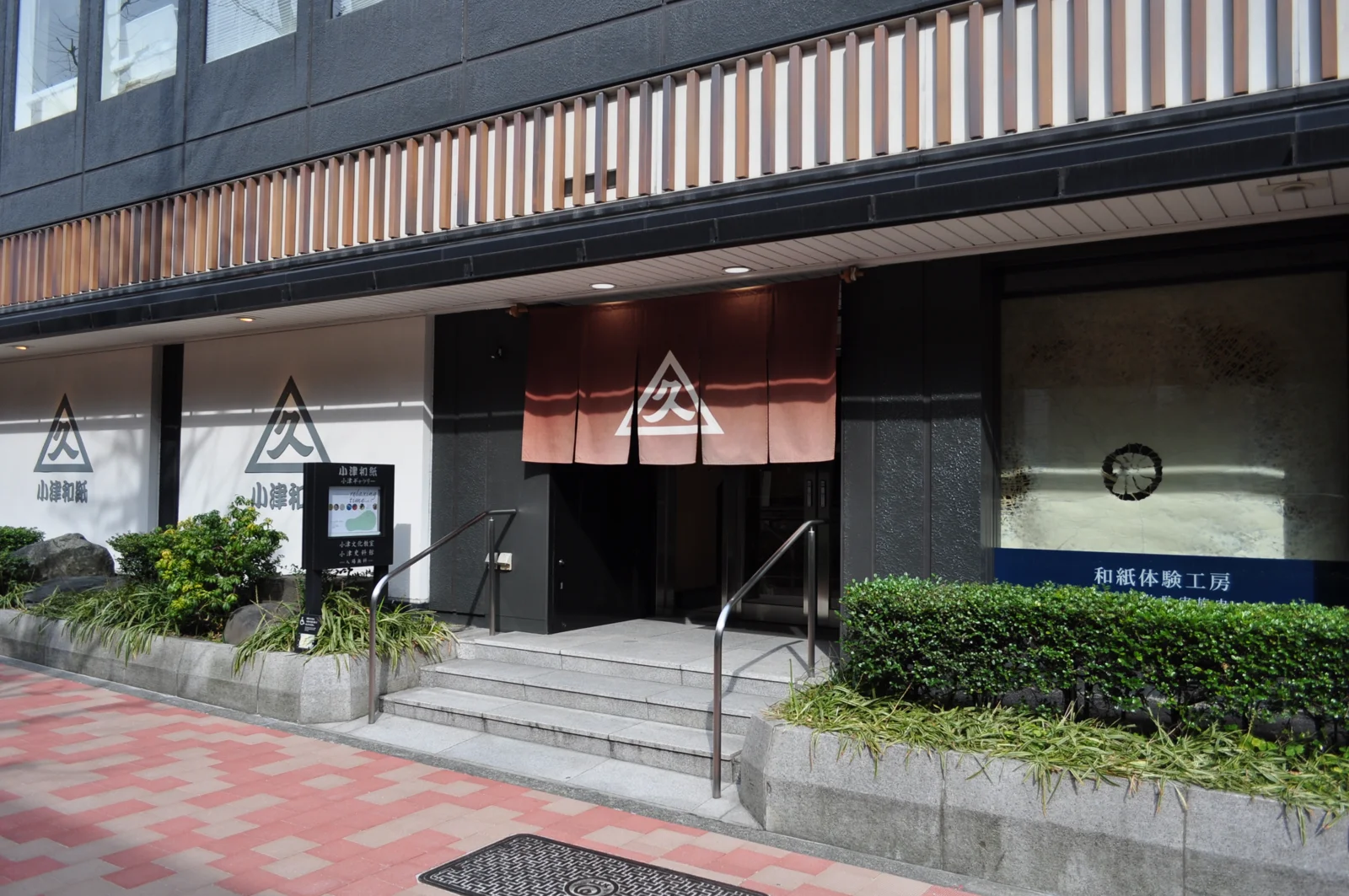
Ozu Washi is at 3-6-2 Nihonbashi Honcho. The first floor of Ozu Honkan contains both the shop and papermaking workshop, about two minutes on foot from JR Shin-Nihombashi Station exit 5. The shop sells washi from different regions for different purposes; the workshop operates by session. For materials, shop by intended use. For papermaking, check in at the workshop first. Both need time even within the same building, so do not become absorbed in large sheets just before your session.
The official floor guide also lists Ozu Gallery, the Ozu historical museum, cultural classes and Ozu Washi Shoran. Use these names to distinguish spaces: the gallery has current displays, the historical museum covers the business and paper trade, cultural classes are courses, and Shoran focuses on viewing paper itself. Complete your booked workshop, then choose one extension according to the floors open that day. This reduces searching between stairs and counters.
Founded in 1653, Ozu still specializes in handmade washi from across Japan. A useful part of the shop visit is learning how apparently similar white sheets serve writing, painting, conservation or craft. Rather than asking which is most traditional, tell staff whether you use a fountain pen, paint in ink or wrap gifts. This produces more practical advice. Bring a small sample of paper you already use if you want to compare.
A visit inside the Ozu Washi shop, introducing washi through papermaking footage and staff interviews.
Three standard price levels: choose what you want to make
The official workshop page lists standard sessions at about 45 minutes, with one A4 sheet per person and up to four people per session. Plain washi costs ¥1,000; rakusui, watermark and lace washi ¥1,200; and design washi ¥1,500, all including tax. These are the official options checked in October 2026. Save the product name and price with your booking.
For a first experience focused on fiber and water, plain washi is a complete choice. It goes from nagashizuki sheet-forming to drying, leaving a sheet that shows the material’s texture. Choose a special-paper option for patterns visible in transmitted light. Choose design washi if you want to compose with color, pressed flowers or paper pieces. A higher price is no reason to select the most elaborate option for a companion who dislikes decoration.
Standard sessions are shared, so bookings of fewer than four may join other customers. A booking for two friends gives each person one sheet; it does not reserve all four work positions. For a family wanting the entire slot, or a defined aim to make several sheets, compare private hire. Separate the standard per-person total from the private fee to see whether you are paying for individual works or the whole time slot.
Rakusui, watermarks and design paper form patterns in different ways
Rakusui paper uses falling water droplets to create patterns after the sheet is formed. Focus on density, openings and the effect of water. Watermark and lace washi suit people interested in light passing through paper. Once finished, hold the sheet in a bright place to examine thickness and patterns; this reveals more than one front-facing photograph of white paper. Follow the workshop’s operating sequence. Before traveling, simply choose the effect you want to observe.
Lace washi uses special molds. Official patterns include lace based on the O and Z of Ozu, plus elephants, dogs and cats. Fixed patterns reduce material-selection time if you do not want to compose your own design. Different patterns also make companions’ finished sheets easy to identify. For a small keepsake to frame later, a clear pattern may be easier to choose than many improvised decorations.
Design washi uses materials provided by the workshop, including colored washi, yuzen paper, tengujo tissue, pressed flowers, colored fibers and gold or silver leaf. Under the official instructions, you may also bring thin, flat items without water-repellent properties. One theme, such as a color or two shapes, is enough. Leave some empty space for the fibers themselves. Explain your own materials’ intended use beforehand to avoid discovering at the table that they are too thick or unsuitable.
Design washi and private hire: distinguish time slots from sheet numbers
Basic sessions for plain and special papers are listed at 10:30, 11:30, 14:00 and 15:00. Design washi lists only 11:30 and 15:00. Arrange lunch and the museum around those two starts for design paper; a 14:00 slot on the general timetable does not mean every product is offered then. Check product, date, start time and participant count in the confirmation.
Private hire costs ¥6,000 including tax for one 45-minute slot, with up to four people. The official description allows use of workshop tools and materials to make multiple sheets within the time, including drying. It lists tools for A4, A3, business cards and postcards. This suits people with a creative aim who want to spend the slot on paper. Ask what sheet numbers and sizes are feasible before deciding how many slots to book.
For two people wanting one A4 keepsake each, standard-session costs are easier to control. Four people wanting their own pace can compare ¥6,000 private hire with four standard sessions. “Multiple sheets within the time” still includes drying and clearing up. Use the confirmed finish time for your next activity. The final quantity depends on the process; do not commit a long gift list to 45 minutes.
Use the form at least three days ahead; call for the final two days
The official Ozu workshop page asks for form applications at least three days before the desired date. From two days before through the day itself, call the workshop directly on 090-4842-0139. Same-day reception hours are listed as 10:00–15:30. Online availability is a starting point for choosing dates, but confirmation depends on the reply. Save the address and session together on your phone.
After submitting the form, keep the reply accessible offline. Use the email address entered on the form and check spam if nothing arrives. Match the requested date, product and party size with the reply’s start time. If the group grows from two to four, amend it with the workshop rather than arriving with two unmentioned extra participants. Short-stay visitors can ask accommodation reception to assist with the call while keeping their own record of confirmation.
JR Central EX also offers a 15:00 session on a small number of selected dates through a separate booking route. Compare it only if you already use that service and the dates fit. For a Wednesday morning, start with the workshop’s own standard sessions. This keeps payment, gifts and cancellation conditions tied to the product you actually book rather than combining benefits from different platforms.
Cancellation and lateness: 18:00 the previous day is the cutoff
Official terms require advance contact for cancellation or time changes. Failure to contact the workshop by 18:00 the day before to cancel or change, and failure to arrive by the booked time on the day, carry a cancellation fee of 100% of the experience charge. Check the next day’s transport and health by the previous afternoon, then act before the deadline if needed. Keep this fee separate from food and transport costs; canceling the activity does not make it disappear.
If your morning includes a long journey, airport arrival or interprefectural train, do not make the workshop an immediate post-arrival booking. A morning when you are already staying in Tokyo gives more control over arrival. For a train delay, contact the workshop directly with your booking name, session and estimated arrival. Drop unpurchased shopping or walks and deal with the fixed booking first rather than reaching the door before searching email for the number.
Standard sessions combine each person’s sheet with shared work time. Have companions choose their paper when booking. If two people want different types, list each product so the workshop can confirm a shared session. For design paper, begin with its official session times. Once the common slot is confirmed, choose the meal and museum direction around a making process you actually anticipate.
Take the finished sheet home that day and plan how to carry it
The official workshop description says finished paper can be taken home on the experience date. A Nihonbashi half day therefore needs no return visit the next day to collect it, which suits short Tokyo stays. Check your work and its packaging, then place it where it will not bend in your day bag. Carrying the keepsake with you avoids another collection trip after the museum or meal.
Before buying large sheets, assess flat space in your return luggage. An A4 work, small paper goods and large sheets need different storage. Decide at purchase whether to carry them flat, package them appropriately or ask about a tube. Do not reach the subway gates before finding the bag will not fit your backpack. If moving cities that evening, a few samples or one finished item can be easier than transferring with a large bag.
In good light, examine fiber distribution and surface density again. GO TOKYO’s workshop introduction explains how a sugeta screen and frame lifts water containing the raw material, with repeated movements evening the thickness. Your sheet connects those actions with the final surface. Look at holes and patterns in rakusui, or thickness and edges in plain washi. Write the technique and making date on the outer packaging so you can recall the process when framing it or making cards later.
Mitsui is on the Main Building’s seventh floor; enter through Mitsui Tower
The official Mitsui access page gives the address as Mitsui Main Building 7F, 2-1-1 Nihonbashi Muromachi, but the museum entrance is in the first-floor atrium of Nihonbashi Mitsui Tower. After seeing the Main Building’s large street-facing columns, follow museum signs to the correct entrance and elevator. Save both “Main Building 7F” and “Mitsui Tower 1F atrium” beside the address.
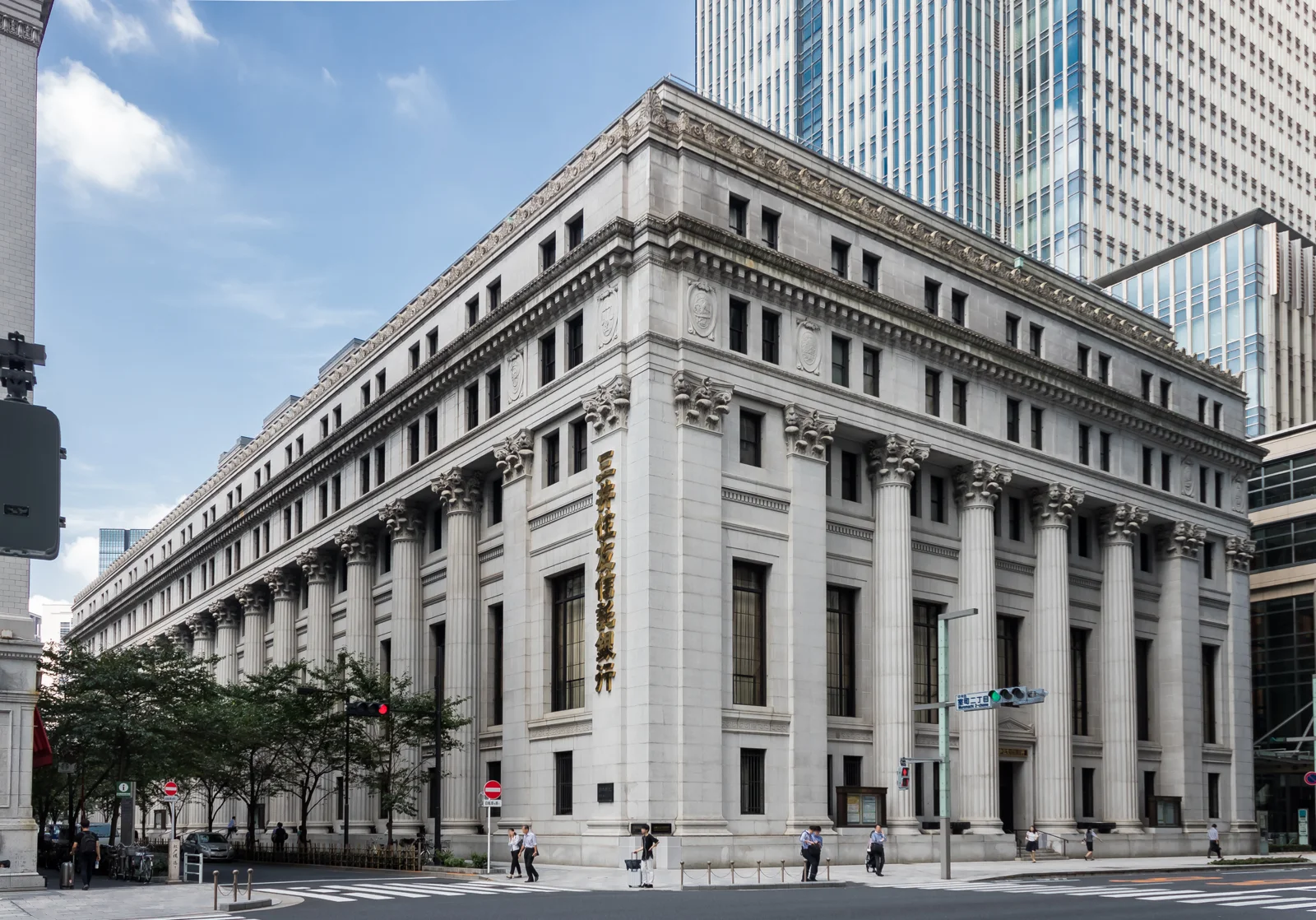
Official access gives about one minute on foot from Mitsukoshimae Station exit A7 on the Ginza Line. Hanzomon Line passengers still need to walk through the station to that exit. From JR Shin-Nihombashi, follow the underground passage toward Mitsukoshimae; the page gives about four minutes. Use these estimates to choose stations, then allow for elevators and crossings. With a stroller or elevator need, check station accessibility maps rather than relying only on the nearest stairs.
Ozu is in Honcho to the north; Mitsui is southwest in Muromachi. Fit a street walk and lunch between them. Carrying freshly made paper, you need not repeatedly enter the subway to save one block. In rain, use underground passages for the section near Mitsui and keep the surface walking for Ozu. Slower companions need extra time for corners and breaks, with more space before the next fixed activity.
Read the exhibition title and dates: Mitsui has no permanent display
Mitsui Memorial Museum alternates special and collection exhibitions. Its homepage explicitly says it has no permanent exhibition. Before buying, read the current title and dates and decide whether you want tea bowls, painting, Noh masks or other crafts. Themes can differ substantially by month. If you want a specific collection work, find it in the exhibition checklist so the purchase reflects what is actually displayed.
From September 12 to November 23, 2026, the current exhibition is “100 Selected Tea Bowls from the Collection: From National Treasures to Handmade Tea Bowls.” It presents 100 bowls through categories including Chinese, Korean, Japanese, Raku, Eiraku and amateur-made works. This connects making, use and collecting. After the exhibition ends, plan around the next show rather than treating autumn tea bowls as a year-round display.
Normal hours are 10:00–17:00, last admission 16:30, with Monday and exhibition-change closures according to the exhibition calendar. For a substantial visit, aim to arrive by 15:00, allowing for the elevator, purchase and galleries. If only a 15:00 workshop is available, visit Mitsui in the morning and make paper afterward. Avoid rushing in before last admission and chasing the whole show in under an hour.
Compare tea-bowl outlines before reading names and origins
Start with two bowls whose shapes differ clearly: straight or flared rims, taller or lower bodies, and the foot’s proportion. Look at visible form first, then read date, origin and maker. This gives first-time tea-utensil viewers a clear starting point without memorizing kilns. One difference you can describe after the first case gives you a thread to continue.
“Chinese,” “Korean” and “Japanese” reflect different origins within tea-culture classifications. The exhibition places them in one viewing context. Later, compare changes in shape, surface and decoration in Raku bowls and Eiraku works. Give your favorite group more time and make a complete pass through the rest. Equal minutes for every bowl are unnecessary; save attention for objects you want to see.
Named bowls add a thread of transmission. A mei is the object’s name. Read shape and name separately, then find its collecting or naming history. “Shunkan” and “Amagumo,” mentioned in this exhibition, have their own works and explanations. Note one or two names for later reading rather than trying to copy every word in front of cases where photography is prohibited.
Jo-an and Unohanagaki: return objects to their setting
The current exhibition assigns Gallery 2 to the National Treasure Shino tea bowl “Unohanagaki,” and Gallery 3 to a tea-utensil arrangement in Jo-an. In the first, examine form, glaze and iron painting; in the second, see how a group of utensils responds within a tearoom display. One celebrated object and a complete setting offer two approaches, rather than leaving you remembering only which piece is most precious.
Mitsui’s collection description highlights Unohanagaki’s irregular form, spatula carving and underglaze iron painting. From outside the case, follow the outline from rim to body, then look for surface lines and colors. A craft object need not be uniformly symmetrical to be complete. The maker’s variations give it points of comparison with other bowls.
Jo-an here is the museum’s tearoom-and-utensil viewing context; this visit remains in Nihonbashi. If tearoom architecture interests you afterward, plan Inuyama’s Urakuen on another trip. For now, focus on object positions, depth and light indoors. Returning to an individual bowl then raises another question: how was it meant to be seen and used?
The final part defines “handmade tea bowls” as works made by tea practitioners and collectors outside professional pottery, including Mitsui family heads. After making your own paper, compare how creation, daily use and collecting can belong to one person. A blue Raku bowl by Mitsui Takahira bears the inscription “made by Sochiku, aged 73,” while the collaborative bowl by Mitsui Takamine and Motoko uses clay from Oiso’s Jozanso estate. Reading the maker before the object offers another interesting route through this exhibition.
Do not divide time equally among seven galleries: keep one return visit
The current exhibition starts Gallery 1 with Important Cultural Properties and representative bowls. Gallery 4 shows Chinese, Korean and Japanese works, followed later by Raku, Eiraku and amateur-made pieces. On a first visit, follow the museum route once and stop where interested. If companions move at different speeds, agree to meet at the exhibition exit or outside the galleries, then exchange one memorable work each.
On a second pass, return to only one strong comparison: a plain early bowl and a richly decorated later work, or two black bowls with different forms. Look before reading labels rather than immediately checking your phone at every piece. A 90-minute allowance can cover one complete route and one return section, leaving room for the work you most want to see again.
General photography, video and audio recording are prohibited; any exhibition-specific photo permission is marked separately. Use a pencil or mechanical pencil for brief work-name notes. Other writing tools and independent sketching are not allowed. Store long umbrellas in the rack. Keep food and drink, including sweets, gum and bottled drinks, until outside display areas. Bring a light layer, as conservation temperatures may feel cool.
Morning workshop: make paper, eat lunch, see the exhibition
For an 11:30 workshop example, reach the Ozu area around 10:50, identify the entrance and allow a short shop visit before checking in as booked. Make paper from 11:30 to 12:15, then clear up and collect it, with lunch around 12:30–13:30. This is a sample schedule; follow the confirmation for actual check-in. Shopping and collection sit on either side of the session so lunch does not begin at the exact finishing minute.
Walk toward Muromachi and Mitsui Tower’s atrium, start the exhibition around 14:00 and leave around 15:30. Store design washi securely before entering. If you still have energy, choose one department-store basement snack to eat that evening or sit for coffee nearby. You can also return directly from Mitsukoshimae. Completing the fixed booking first leaves more afternoon flexibility.
Lunch need not be a particular famous restaurant. Choose somewhere between Ozu and Mitsui with suitable food and seats. Leave unhurried walking after the meal. If a queue consumes the planned rest, switch to somewhere you can sit for a full meal. For allergies or children’s meals, choose the restaurant before fitting it into the timetable rather than starting the hardest coordination at 12:30.
Afternoon workshop: see the exhibition before lunch and papermaking
With a 15:00 session, enter the museum at 10:00, leave around 11:30–12:00, then connect lunch and neighborhood walking with Ozu. Exhibition enthusiasts can stay until noon and reduce afternoon shopping. For a standard 14:00 session, finish lunch earlier so you can find the workshop before check-in. The 15:00 design-paper session leaves a longer seated break.
This version suits an exhibition-first visit. Tea bowls followed by handling paper materials give a natural change of subject, without morning calculations about last museum admission. After the workshop, carry the sheet straight back to your accommodation rather than storing it during gallery viewing. If leaving Tokyo by Shinkansen that day, work backward from the workshop finish, large-luggage collection and station entry when selecting a train.
Do not add a museum with a 16:30 last-admission cutoff after a session finishing at 15:45. Nearby map points still require clearing up, collection and elevators. If you discover before departure that only a late slot remains, place Mitsui fully in the morning or choose only the workshop. Dropping one museum better serves this route than rushing both making and viewing.
Monday, Sunday and exhibition changes require different substitutes
Ozu’s shop normally opens Monday–Saturday, 10:00–18:00, and closes Sundays and over New Year. The workshop closes Mondays, moving to Tuesday when Monday is a public holiday. Mitsui also generally closes Mondays. For the current tea-bowl exhibition, it opens Monday, November 2 and 23, 2026, with separate exhibition-change closures. On an ordinary Monday, use Ozu for paper shopping, stationery and a meal nearby. For the full workshop-and-exhibition combination, prioritize Tuesday–Saturday dates when both operate.
Sunday is different: the whole Ozu building closes. If Mitsui is open within its exhibition period, visit it alone and continue around Muromachi. Make the exhibition that day’s purpose instead of changing the workshop plan at Ozu’s door. For a Monday holiday and shifted closure, check the workshop sessions and Mitsui calendar separately and select their overlap. One open building cannot provide the other’s session.
During Mitsui’s exhibition change, keep Ozu for papermaking and complete the half day with accessible in-house spaces, shopping and lunch. If you already bought an exhibition ticket, use its valid exhibition dates. The tea-bowl exhibition ends November 23, 2026; “National Treasure Snowy Pine Trees and the Four Seasons” starts December 12. Move the gap out of the museum version and use it for another neighborhood or the workshop.
The Currency Museum is another half-day theme, with temporary closures
The Currency Museum suits an interest in money, banknotes and exchange systems, different from Mitsui’s craft exhibition. General hours are 9:30–16:30, last admission 16:00, free. It normally closes Mondays, opens on public holidays and has additional temporary closures. It closes October 27–29, 2026, and specially opens November 2. Put these exact dates into that week’s plan rather than relying only on “closed Mondays.”
Choose an era from ancient copper coins and medieval circulation through Edo gold, silver and copper currencies to modern banknotes. A morning paper workshop followed by currency can link how a sheet is formed with how paper records value. This is a different thematic version; save Mitsui for next time. Foreign money and related materials also offer longer reading for currency-history enthusiasts.
The museum uses different price and wage examples to explain the value of one Edo ryo. Start with why converting the same unit through rice prices or wages gives different results. Following the measures is more interesting than assigning an old coin one fixed modern currency figure. Children can each choose a form of money they have seen, then compare its shape, lettering and use after leaving.
Book Bank of Japan headquarters tours in advance and check in at the west gate
The Bank of Japan headquarters architecture tour requires advance booking, takes about 60 minutes and is free. It visits the Main Building’s underground vault, former banking hall and exhibition room. This is separate from the Currency Museum. Official Japanese-language tours are for elementary grade five and above, with a parent accompanying elementary pupils. Grade four and younger, including preschool children, cannot join. Families with young children should choose the museum or Ozu shop version.
Tours generally run on weekdays, excluding public holidays and December 29–January 4. Booking opens at 10:00, 90 days before the desired date and generally closes five days beforehand. Deadlines can be earlier after closures of four or more consecutive days. All participant names must be registered. The official name-list form asks for submission one month before, and says those booking within a month should submit promptly. Choose a separate English tour if needed; explanations and videos on Japanese tours are generally in Japanese. Prepare names, contact email and spellings matching companions’ documents, then save the confirmation number and west-gate check-in location.
Reception is at the headquarters west gate, opening 15 minutes before the tour and requiring completion five minutes before. Show the confirmation email and original identification matching each registered name; foreign visitors can use passports. Metal detection and belongings checks apply, and large suitcases are not admitted. The approximately one-hour walking tour includes stairs and cannot be left midway. State wheelchair or other assistance needs in the booking contact field so staff can arrange support.
Two-person costs and the journey back: budget for making, viewing and food
Two adults making one plain sheet each pay ¥2,000. Two ¥1,200 special-paper sessions total ¥2,400; two design-paper sessions ¥3,000. Private hire for four costs ¥6,000 per slot. These examples compare products on the same workshop list. Add the chosen exhibition, lunch and transport to get the actual half-day budget.
The autumn 2026 “100 Selected Tea Bowls” exhibition charges general adults ¥1,200, university and high school students ¥700, and junior high school students and younger nothing. Visitors aged 70 or over pay ¥1,000 with proof. Two general adults each making ¥1,000 plain washi and seeing this show total ¥4,400 before food and transport. No exhibition reservation is needed, though admission numbers may be limited when busy. Do not combine the next show’s advance fare, current on-site fare and other museums’ reciprocal discounts into one price. Compare a ticket you can actually use. If objects interest you less and you want more paper budget, combine papermaking with the free Currency Museum, provided it is open and its content interests you.
Choose the return route by your luggage. With only a paper bag, Mitsukoshimae or Shin-Nihombashi is straightforward. If large bags are stored at Tokyo Station, return to the exact storage point before your departure platform. For bridges and Takashimaya shopping, continue with the one-way Nihonbashi shopping route in the Tokyo neighborhood day plans. Once your work is collected and the exhibition complete, keep only what you still have energy to do.
A few useful answers
How long does the Ozu Washi experience take?
The standard session takes about 45 minutes, with one A4 sheet per person and up to four people. Add check-in, clearing up and shopping. Design washi runs only at specified sessions; select the product before the time.
Can I take my finished washi home the same day?
The official workshop description says finished washi can be taken home that day. Put it in a bag where it will not bend. Before buying large sheets too, decide how to carry them back.
Can I combine Ozu’s workshop and Mitsui Museum on a Monday?
The workshop normally closes Mondays, shifting to Tuesday for a Monday public holiday. Mitsui generally closes Mondays, but the 2026 tea-bowl exhibition opens November 2 and 23, with separate exhibition-change closures. For both stops, prioritize Tuesday–Saturday when both are open.
Where is the Mitsui Memorial Museum entrance?
The museum is on Mitsui Main Building’s seventh floor. Enter through the first-floor atrium of Nihonbashi Mitsui Tower and follow museum signs to the elevator. Ginza Line Mitsukoshimae exit A7 is about a minute away on foot.
Does one reservation cover the Currency Museum and Bank of Japan headquarters?
They are separate visits. General individual visitors can enter the Currency Museum directly. The approximately 60-minute headquarters tour requires advance booking, west-gate check-in, the confirmation email and original identification.
Official information and references
Sources used in this guide.
- Ozu Washi | Papermaking workshop, reservations and cancellation
- Ozu Washi | Floor guide
- GO TOKYO | Ozu handmade washi workshop
- Mitsui Memorial Museum | 100 Selected Tea Bowls dates, content and admission
- Mitsui Memorial Museum | Access and entrance
- Mitsui Memorial Museum | Visitor rules
- Mitsui Memorial Museum | Collection introduction
- Mitsui Memorial Museum | Next exhibition
- Currency Museum | Hours and temporary closure notices
- Currency Museum | Visitor FAQ
- Bank of Japan | Headquarters tour booking and conditions
- Ozu Washi | Shop and paper uses
- Ozu Washi | Hours and access
- Ozu Washi | Founding and history
- Bank of Japan | Tour participant name-list form
- STUDIO ALTA | Ozu Washi and papermaking workshop