Planning a Nara autumn foliage trip in 2026? See deer and lakeside color at Nara Park, the Thirteen-Story Pagoda and night illuminations at Tanzan Shrine, and borrowed-scenery gardens at Shoryaku-ji. Covers peak dates, admission fees, last buses, return logistics, and 1- and 2-day routes.
- Region & Focus
- Nara and Yoshino
- Reading Scope
- 21 min read · 11 chapters · 4 Q&As
- Official Verification
- 25 official sources checkedUpdated November 22, 2026
- Key Topics
- SeasonsItinerariesKyoto, Osaka & Kansai
Chapter Route Map (tap any stop)
- When to Visit Nara for Fall Color: Match Your Dates to the Spot
- Half a Day in Nara Park: Lawns First or Lakeside First
- Autumn Rutting Season: Keep Space When Photographing Deer
- Isuien and Yoshikien Gardens: Quiet Grounds Next to Todai-ji
- Tanzan Shrine by Day: Access, Route, and Time Needed
- Tanzan Night Illuminations Run Until 20:30, but the Last Bus Leaves Earlier
- Shoryaku-ji Temple: Fukuju-in Borrowed Scenery First, Then Uphill to the Main Hall
- Shoryaku-ji Shuttle Ends November 29: Final Days and December Alternatives
- Nishinokyo: Autumn Trees Around Yakushi-ji and Toshodai-ji
- One-Day and Two-Day Routes: Build Around Your Top Priority
- Backup Plans for Rain, Late Arrivals, or Post-Peak Color
- Quick Q&A
If it is your first autumn trip to Nara, set aside half a day for Nara Park. Walk through Ukigumo-enchi and Kasugano-enchi for photos of deer framed by fall color, then add a full day for either Tanzan Shrine or Shoryaku-ji if you want mountain foliage paired with historic architecture. Two 2026 cutoff dates diverge in the mountains: both Tanzan Shrine's illuminations and Shoryaku-ji's autumn special viewing run until December 6, but Shoryaku-ji's direct shuttle bus ends earlier on November 29. If your trip crosses into December, lock in your mountain transit before picking a temple or shrine.
When to Visit Nara for Fall Color: Match Your Dates to the Spot
If you want to lock in hotels early, treat late November as your main window for central Nara. Nara Prefecture's park guide places peak color for Japanese maples inside Nara Park from late November to early December. As of November 20, 2026, the Nara City Tourism Association already listed Nara Park, Isuien Garden, and Shoryaku-ji in the "half-turned to peak" column. Because that status spans everything from just over 50% color to full peak, it works best for deciding which neighborhoods to prioritize. If you are coming for one specific lakeside tree, check recent official photos from the past few days—the canopy and fallen leaves on the ground tell you far more than a park-wide icon.
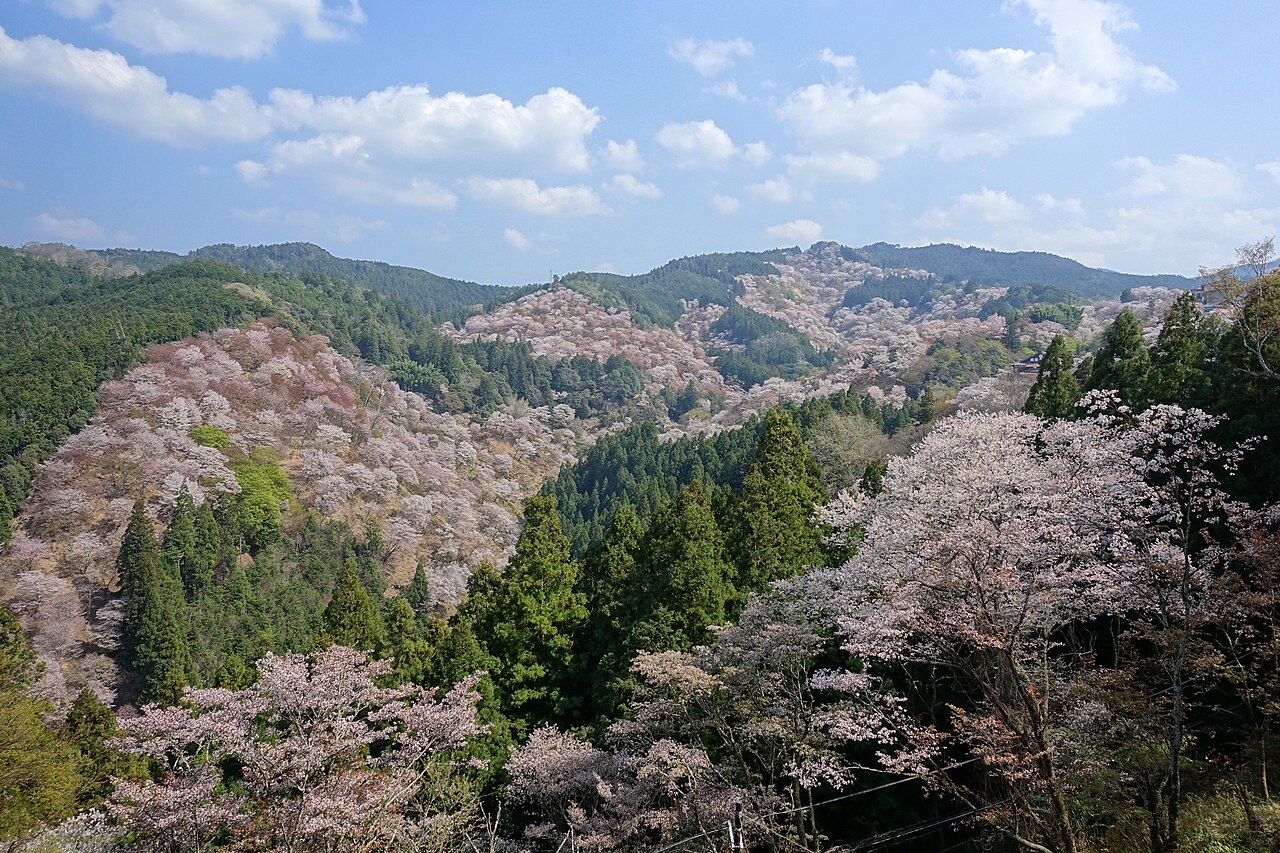
A single walk often catches several stages of the season at once. Ginkgo trees may already look sparse up top while leaving a bright yellow carpet across paths and roots below. Maples overhanging water are best viewed from the opposite bank while daylight still hits the surface, letting you frame both the leaves and their reflections. For a whole hillside changing color at once, Shoryaku-ji puts green, yellow, and crimson into a single frame. Nara Kotsu lists mid-November to early December as the typical viewing window for both Shoryaku-ji and Tanzan Shrine. When combining Kyoto and Nara on one trip, check site-by-site updates and visit whichever area turns first.
With tickets booked for late November, you can give one morning to central Nara Park and another morning to the direct Shoryaku-ji shuttle. In early December, if you rely strictly on public transit and still want mountain foliage, a daytime trip to Tanzan Shrine is easier to connect by bus. Visitors set on Shoryaku-ji's borrowed-scenery garden should budget for a round-trip taxi or join a Monday/Friday regular sightseeing bus tour running through December 6. Leaf conditions determine which mountain feels most rewarding, while transit schedules dictate how many hours you actually get on site. Separate those two constraints early, and even a slightly late arrival leaves solid options.
| Location | Autumn Highlights | How to Get There | Planning Trade-offs |
|---|---|---|---|
| Nara Park | Deer, park foliage, Ukimido Pavilion, and Sagi-ike Pond | Walk from Kintetsu-Nara Station, or take a city bus from JR Nara Station | With half a day, pick one stop in the north and one in the south |
| Isuien and Yoshikien Gardens | Pond views, borrowed scenery, and moss garden | Walk from Kintetsu-Nara Station toward the west side of Todai-ji | Isuien typically closes Tuesdays; Yoshikien is free |
| Tanzan Shrine | Wooden Thirteen-Story Pagoda, shrine halls, and night illuminations | Bus from Sakurai Station South Exit Stop 1 | Arrange your return transport before staying for the full illumination |
| Shoryaku-ji Temple | Fukuju-in borrowed scenery, hillside maples, and special Buddha viewing | Direct autumn bus from either Nara station, or take a taxi | In 2026, the direct shuttle bus ends on November 29 |
| Nishinokyo | Fall trees framing the halls and pagodas of Yakushi-ji and Toshodai-ji | Kintetsu train to Nishinokyo Station | Separate admission at each temple; best as its own half-day from downtown |
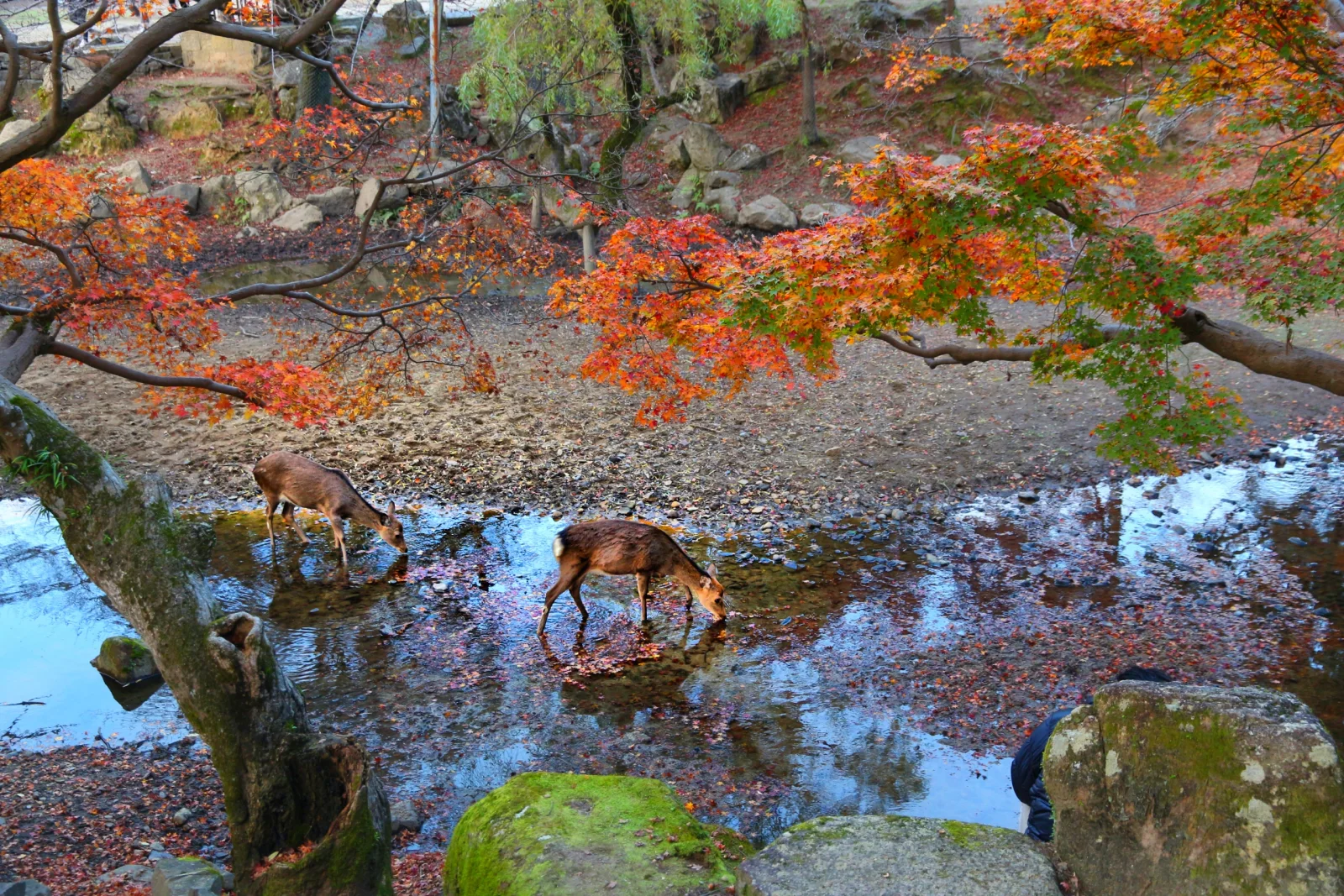
Planning a Nara autumn foliage trip in 2026? See deer and lakeside color at Nara Park, the Thirteen-Story Pagoda and night illuminations at Tanzan Shrine, and borrowed-scenery gardens at Shoryaku-ji. Covers peak dates, admission fees, last buses, return logistics, and 1- and 2-day routes.
Half a Day in Nara Park: Lawns First or Lakeside First
Walking east from Kintetsu-Nara Station along Noborioji Street brings you quickly to Noborioji-enchi at the downtown edge of the park. JR Nara Station sits farther from the eastern lawns, so if you want to save your legs for walking the grounds, ride the City Loop Outer Loop (Sotomawari) bus to the "Todai-ji Daibutsuden / Kasuga Taisha-mae" stop. That drop-off connects straight to Todai-ji's Nandaimon Gate and makes an easy walk into Ukigumo-enchi. If your main destination is Kasuga Taisha, both Nara stations also run buses to the "Kasuga Taisha Honden" terminus, letting you save the long approach as an easy downhill walk back.
For morning deer sightings, head to Ukigumo-enchi or Kasugano-enchi just outside Nandaimon Gate. Ukigumo-enchi frames views of Nandaimon and Mount Wakakusa while leaving plenty of space between trees and grass to watch the herd. Kasugano-enchi opens up even wider, and along the Yoshikigawa River you can drop your camera angle low to pair riverside branches with water. Because the two lawns sit side by side, linger wherever you find good color and calm deer. For photography, pick a tree with low branches first and wait along the path for deer to wander into frame. Nara Prefecture's park guide notes that deer spend daytime hours grazing near grassy areas before moving toward night resting spots around dusk, making morning lawns an easy lead-in to Todai-ji.
If you prefer water reflections first, plug "Sagi-ike Ukimido" into your map. Walking along the pond edge lets you frame the hexagonal pavilion and narrow wooden bridge together. On calm mornings, cross to the far side of the bridge—shaded water sometimes makes reflected canopy colors pop harder than the leaves overhead. When wind ripples the pond, tighten your framing to branches reaching over the bank, or step into Yugayama-enchi on the south shore to see a former villa garden from another angle. The slopes around Ukimido belong to Asajigahara-enchi, so families with strollers can stick to a flat stretch around Sagi-ike before rejoining the main park paths.
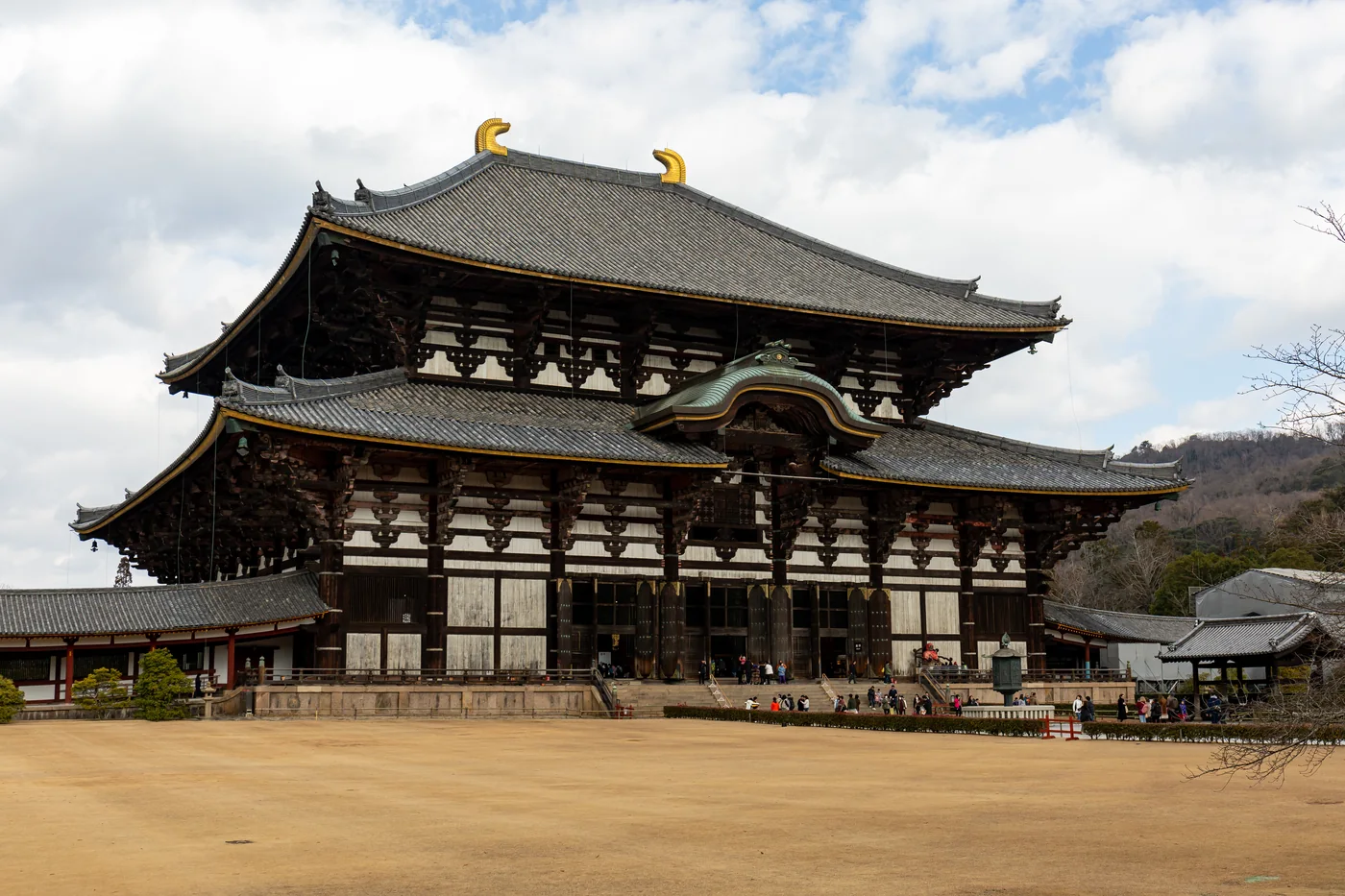
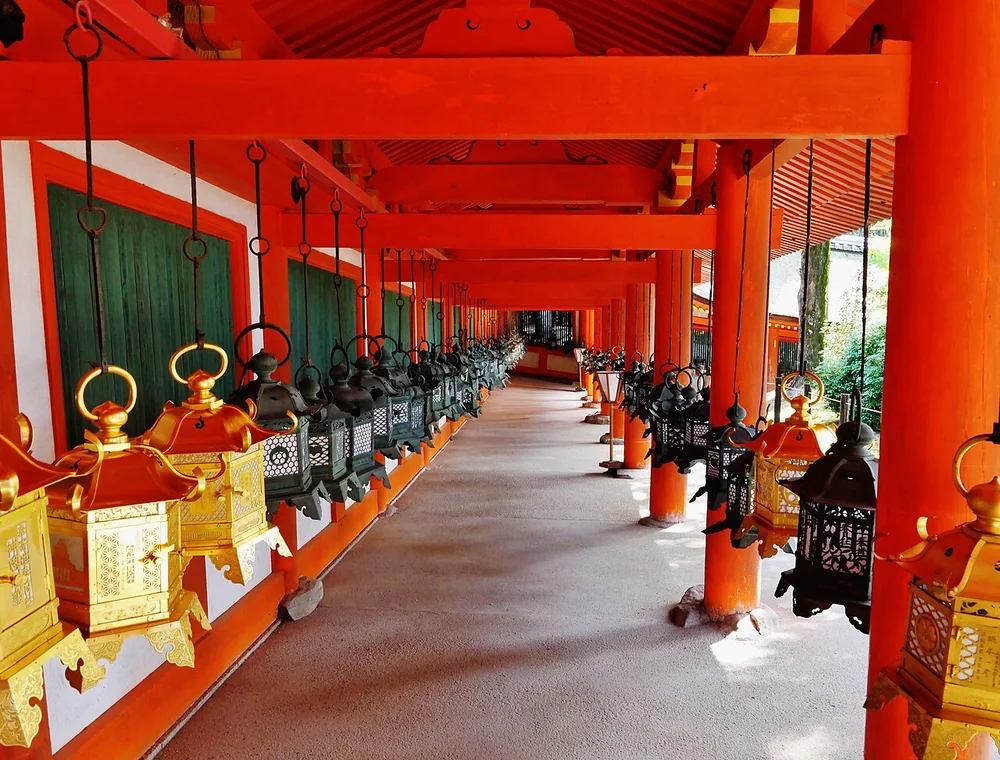
Heading north from Sagi-ike connects to Kasuga Taisha's main approach (Omotesando), passing the open meadow of Tobihino and rows of stone lanterns at an unhurried pace. To visit the Great Buddha Hall (Daibutsuden), cut north from Ukimido toward Nandaimon Gate first and decide there whether to climb up to Nigatsu-do Hall. From November through March, Todai-ji's Daibutsuden opens 8:00–17:00; a single-hall ticket is ¥800 for junior high students and older and ¥400 for elementary students, cash only according to Todai-ji's website. Going straight into the hall on an autumn morning and picking one lawn afterward saves backtracking from deep inside Kasuga Taisha.
Nigatsu-do Hall sits on higher ground east of the Daibutsuden, reached via uphill paths and stone steps. Carve out dedicated time if you want elevated views over temple roofs and fall trees. If your morning only gives you two or three hours, pick two priorities from the pond, the deer, or the Great Buddha, and leave margin for lunch and the walk back to the station. Spending twenty minutes at a single lawn covers very different ground than stopping every few yards for deer along the way.
Autumn Rutting Season: Keep Space When Photographing Deer
Nara Prefecture's park guide warns that male deer enter rutting season in autumn and may charge, butt with antlers, kick, or bite. Keep enough buffer to turn and walk away cleanly, and tuck away maps, paper bags, and plastic wrappers before entering grassy areas. If deer crowd a narrow path or lawn entrance, wait for them to clear or take a parallel walkway. Keep young children beside adults, and step back together if a deer approaches on its own.
Only feed deer official deer crackers (shika senbei). Keep bread, snacks, and food bags out of sight, avoid dangling a full stack of crackers to lure a herd, and never coax deer across a road with food. To capture deer and maple branches together, stand well back on a path with a medium-telephoto lens and wait for a deer to step into the composition. Group photos work cleanly with kids facing the camera and deer staying farther back in the background. If anyone in your group is nervous around animals or pushing a toddler, stick to paved walkways bordering the lawns where you still get full foliage views.
Isuien and Yoshikien Gardens: Quiet Grounds Next to Todai-ji
Isuien's Front Garden stays compact around a teahouse and pond, while the Rear Garden opens toward Todai-ji's Nandaimon Gate and Mount Wakakusa, pulling both into the garden's borrowed scenery. In autumn, allow an hour if you want shoreline maples and mountain ridges in one sightline. After circling the Front Garden's pond and teahouse, walk out to the Rear Garden to take in the distant backdrop before choosing which side gives the cleaner reflection. Follow the designated path once inside, and watch your footing on worn stepping stones. Isuien's official site notes that the grounds are not wheelchair accessible; visitors using canes can ask staff at the entrance which sections are easiest to navigate.
Located in Suimon-cho just west of Todai-ji, Isuien is roughly a 15-minute walk from Kintetsu-Nara Station. It opens 9:30–16:30 with last entry at 16:00; general admission is ¥1,200, which includes the Neiraku Museum. The garden typically closes on Tuesdays, staying open if Tuesday is a public holiday and closing the next weekday instead. If pairing it with the Daibutsuden on the same day, visit the earlier-opening Great Buddha Hall first and continue to Isuien afterward—or reverse the order and start right at Isuien's 9:30 opening if morning light on the Rear Garden is your priority.
Right next door, Yoshikien Garden packs a pond garden, moss garden, and camellia garden into a compact layout anchored by a detached teahouse beside the moss. If you want fallen leaves resting on moss beneath a low teahouse roof, it slows the pace down far better than street trees along Noborioji. In autumn, Yoshikien opens 9:00–17:00 with last entry at 16:30, and admission is free. On days when Isuien is closed, walk Yoshikien first in the morning and loop back to Todai-ji. If you also plan to climb up to Nigatsu-do that day, visiting one of the two gardens is plenty.
Tanzan Shrine by Day: Access, Route, and Time Needed
Tanzan Shrine sits in Tonomine, Sakurai City. From Kintetsu or JR Sakurai Station South Exit Stop 1, buses take about 25 minutes to the "Tanzan-jinja" stop, followed by a 3-minute uphill walk. Because the route passes Shorin-ji Temple, heavy autumn road congestion can force buses to turn back early at "Tonomine." You will see both "Tonomine" and "Tanzan-jinja" on local stop signs, so verify the exact stop name where you boarded when checking return schedules. If you realize the bus terminated early at Tonomine, confirm the return boarding point with the driver before following signs up to the shrine. Nara Kotsu's adult one-way fare is ¥570; note that the shrine's own access page still links a 2023 timetable, so rely on Nara Kotsu's autumn timetable page for current departures.
From the main entrance, climb the stone steps to the shrine complex and start with the Thirteen-Story Pagoda and the approach to the Worship Hall (Haiden). Originally built by Fujiwara no Kamatari's eldest son Joe, the surviving wooden pagoda dates to a 1532 reconstruction. Up close, overhanging branches slice across the stacked eaves, so step back into a wider clearing to take in all thirteen tiers. Along the Worship Hall, vermilion lacquer and hinoki-bark roofs meet yellow and crimson leaves, shifting the framing every few paces from the pagoda terrace onward.
Daytime general admission runs 8:30–16:30 with last entry at 16:00. Effective April 2026, fees increased to ¥700 for adults and ¥300 for elementary students, with preschoolers free. If arriving late in the afternoon, head straight up the steps to the pagoda first and circle back by the Worship Hall. Higher up on Mount Goharetsuzan, Santen Inari Shrine closes mountain entry at 15:00 and locks up at 16:00, making it better suited to a dedicated daytime schedule if you prefer an unhurried climb. Older visitors with limited mobility arriving by car can use priority parking near the west entrance; loaner wheelchairs are also available by having a companion check at the shrine office regarding paved sections.
For an afternoon visit, budget at least 90 minutes from entry gate back to the bus stop, or two hours if you plan to enter the halls, browse the exhibition, and work multiple photo angles. The 2026 Shrine Treasures Special Exhibition, "Kamatari and the Sword: Prayers of the Warrior," runs from November 1 to December 20. If you want both the exhibition and autumn foliage on the same day, arrive during daytime hours—and remember the evening illuminations end on December 6. Once you find a clean vantage point showing the pagoda's layered eaves, stay put and shoot patiently rather than climbing up and down the stairs chasing an earlier angle.
Tanzan Night Illuminations Run Until 20:30, but the Last Bus Leaves Earlier
In 2026, Tanzan Shrine's daily illuminations run from November 14 to December 6, starting after sunset and ending at 20:30 with last entry at 20:00. Decide how you are getting back to town before staying past dusk. Nara Kotsu's autumn page lists the final bus from Tanzan-jinja back to Sakurai Station South Exit at 17:52. Bus riders should arrive during daylight, catch the early twilight glow, and head down to the bus stop ahead of that cutoff. If you want to wait for full darkness and walk the entire illuminated grounds, drive or pre-book a taxi. The shrine's access page estimates a 15-minute taxi ride from Sakurai Station; arrange pickup at an unmistakable landmark near the main entrance.
Starting from Nara Park and aiming for the 14:00 bus out of Sakurai Station South Exit? Eat lunch near the park edge or in Sakurai rather than pushing your departure to a later bus. By Kintetsu train, ride from Kintetsu-Nara to Yamato-Saidaiji for the Kashihara Line, then transfer at Yamato-Yagi onto the Osaka Line to Sakurai. JR trains also reach the same Sakurai Station directly via the JR Sakurai Line from JR Nara. Cross-check train arrival times against South Exit bus departures with buffer for exiting the ticket gates. If a train delay makes you miss the bus and you still want afternoon pagoda views, grabbing a taxi from Sakurai Station beats heading back to central Nara.
On November 14, 15, 21, 22, 23, 28, and 29, 2026, drivers can park at Grand Village Kurahashi and ride a free 7-minute shuttle running from 9:00 out of Kurahashi, with the last return leaving the shrine side at 16:00—useful if you plan to finish before dark. Drivers staying for night illuminations should use the shrine's own lots instead, starting near the entrance even on busy weekdays. Passenger car parking is ¥1,000 at Lot 1 (October 31–December 6), ¥500 at Lots 2–4 (through December 6), and ¥1,000 at Lot 5 (November 1–30). Note your lot number and downhill walking route before dark sets in.
When moving from lit terraces back down stone steps, stow your camera first and stick to illuminated paths. After rain, wet foliage glows under spotlights—shoot from level stone paving and allow extra walking time on damp stairs back down. For an evening illumination that stays on city bus routes, downtown Nara holds special night openings on November 28, 2026: Kasuga Taisha opens 17:30–20:00 (last entry 19:45, ¥700 special fee), and Kofuku-ji's Eastern Golden Hall (Tokondo) stays open until 21:00 (last entry 20:45, ¥500 adult), both with on-site tickets. Eating dinner near Sarusawa Pond and walking up to Kofuku-ji is far simpler to time than catching a late mountain bus.
Shoryaku-ji Temple: Fukuju-in Borrowed Scenery First, Then Uphill to the Main Hall
Shoryaku-ji sits in Bodaisen-cho on the southeastern edge of Nara City. From the temporary bus stop, a five-minute walk brings you straight to Fukuju-in. Its sukiya-style guest hall (kyakuden), rebuilt in 1681, frames a garden view where foreground plantings filter the lower slope and guide your eye up across the forested hillside. Because the slope mixes turning maples with evergreens, sunlit pockets of dense red stand out clearly. Give yourself quiet time seated on the tatami before moving on, and look at the sliding-door paintings (fusuma-e) inside, which include works by Kano Eino.
Shoryaku-ji's 2026 autumn special viewing runs November 3 through December 6, open 9:00–17:00 with last entry at 16:30; admission is ¥800 for adults and ¥300 for elementary students. The principal image—a gilt-bronze Yakushi Nyorai statue seated with both legs pendant rather than crossed—is displayed at Fukuju-in from November 3 to 12, then moved uphill to the Main Hall (Hondo) from November 13 to December 6. Adjust your temple order around your bus arrival, and check your return departure time before climbing up to the Main Hall to see the hidden Buddha.
Indoor photography is prohibited inside both the Main Hall and Fukuju-in; outdoor photography is permitted, though tripods are banned everywhere on the grounds. Put cameras away before stepping into the guest hall so you can take in the borrowed scenery unhurriedly. When stopping along outdoor paths for shots of rock walls, exposed roots, and fallen leaves, pick a wide, level spot that leaves room for other visitors to pass. For families with young kids or companions who tire easily, Fukuju-in and the autumn trees near the entrance offer a complete visit on their own; adding the Main Hall means factoring in the uphill climb, indoor viewing, and the walk back to the bus stop.
Mountain paths slow everyone down in the rain, so wear shoes with proper tread rather than smooth soles. If you only have a short window focused mainly on Fukuju-in, eat lunch before boarding the bus, or drink water and rest outside the gate before paying entry. Fukuju-in also sells sake brewed with Shoryaku-ji's traditional bodaimoto starter—pick up bottles on your way out so you are not carrying glass uphill.
Shoryaku-ji Shuttle Ends November 29: Final Days and December Alternatives
In 2026, the direct shuttle bus operates daily from November 14 to 29, departing JR Nara Station West Exit Stop 16 and Kintetsu-Nara Station Stop 3 for the "Shoryaku-ji" stop. Nara Kotsu lists the ride at roughly 32 minutes, costing ¥620 one-way for adults and ¥310 for children. Unlimited-ride passes are not accepted on this shuttle, so even if you hold a Nara city day pass, pay this fare separately. Extra weekend and holiday departures appear in red on the official timetable—double-check the calendar date before copying an extra run into a weekday itinerary.
The last outbound shuttle on weekdays leaves JR Nara Station at 13:00 and Kintetsu-Nara Station at 13:07; on weekends and holidays, extra late departures leave at 13:50 and 13:57. Every day, the final return bus departs Shoryaku-ji at 15:40. Taking a morning shuttle gives you breathing room at both Fukuju-in and the Main Hall; arriving in the afternoon leaves far less time once you subtract walking to and from the bus stop and climbing the hill. If you catch an early bus and plan to return to Naramachi for lunch, note two candidate return times on your phone as soon as you step off—catching an earlier downhill bus makes the rest of your downtown afternoon flow easily.
From November 30 through December 6, Shoryaku-ji keeps its autumn special viewing open without the direct shuttle. The temple's access page estimates a taxi takes about 25 minutes from JR or Kintetsu-Nara Station, or about 20 minutes from Tenri Station. Note that riders must also pay the ¥500 autumn mountain entry and parking fee per passenger car—Shoryaku-ji specifies that taxis are charged this fee as well. Arrange a set pickup time with your driver on the way up rather than trying to hail a cab afterward if you need to catch dinner or a train back to Osaka. Walking east from JR Obitoke Station takes roughly 1.5 hours and works only if you specifically want a full mountain walk.
Nara Kotsu also runs a regular sightseeing bus visiting both Shoryaku-ji and Konin-ji on Mondays and Fridays from November 2 to December 11, 2026, including guided commentary and temple admissions—a practical option if your early December visit lands on a Monday or Friday. If driving from downtown Nara, head south on National Route 169, turn toward the hills at the Kubonosho-minami intersection, and follow temple signs for roughly 4 kilometers. Parking holds around 70 cars and can back up during peak color, so avoid tight timed-entry bookings right afterward.
Nishinokyo: Autumn Trees Around Yakushi-ji and Toshodai-ji
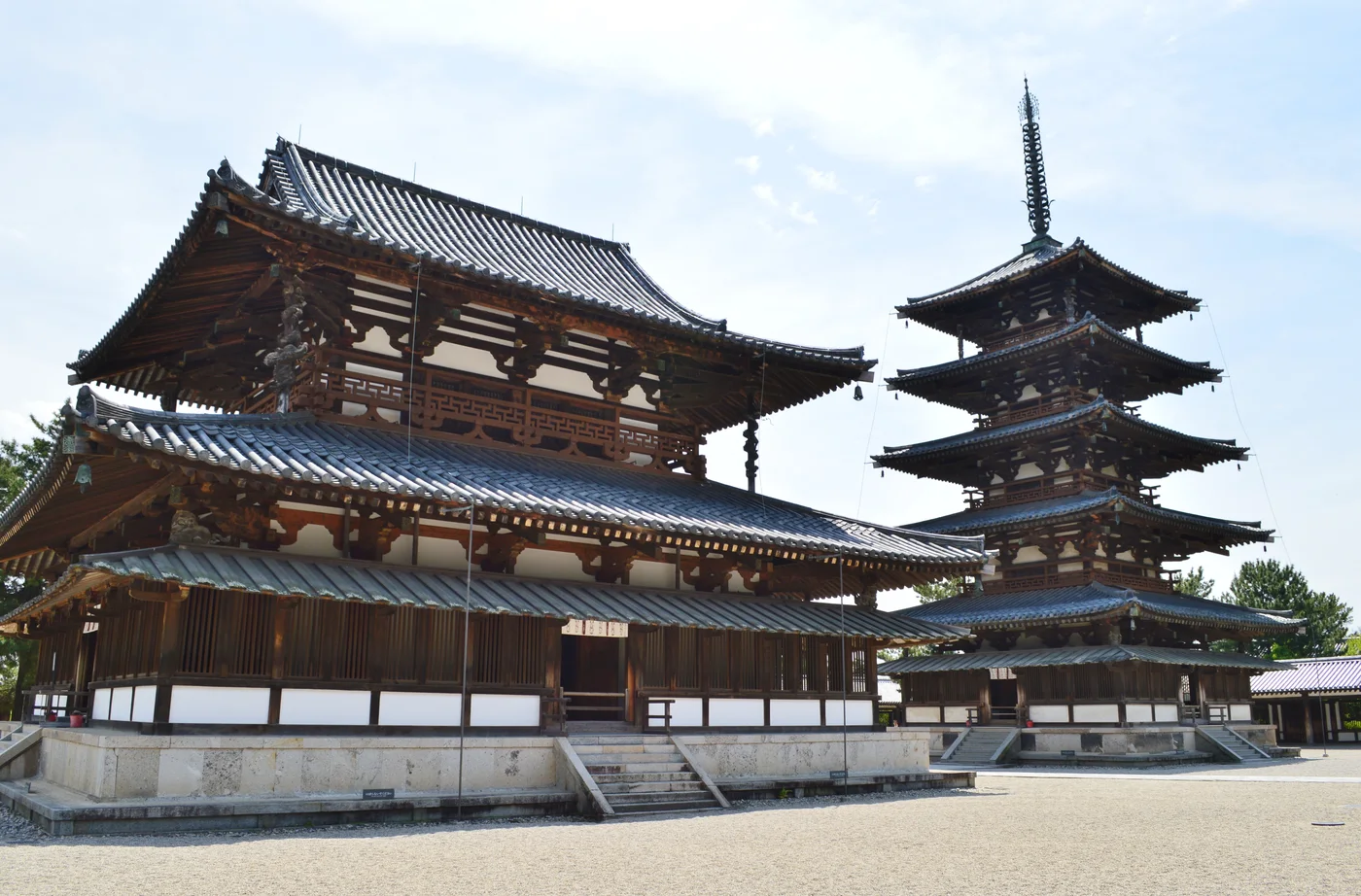
When pairing autumn parks with quiet temple architecture, Nishinokyo makes an easy afternoon without any mountain bus schedules. From Kintetsu-Nara Station, ride to Yamato-Saidaiji and transfer to the Kashihara Line for Nishinokyo Station. Yakushi-ji sits steps from the station, while Toshodai-ji lies about a 10-minute walk away. To tour both grounds calmly, visit the interiors with strict closing times first, walk the street connecting the two temples once, and depart back from Nishinokyo Station.
Yakushi-ji's basic ticket costs ¥1,000 for adults, ¥600 for junior and senior high students, and ¥200 for elementary students. Grounds open 9:00–17:00 with last entry at 16:30, covering the Main Hall (Kondo), Great Lecture Hall (Daikodo), and Toindo Hall. Step back from the halls into open gravel courtyards to gauge how the pagodas sit against the autumn trees. Entering the Genjo Sanzo-in Complex or pagoda interiors requires separate special-opening tickets, whose schedules and pricing vary by season.
Toshodai-ji opens 8:30–17:00 with last entry at 16:30; admission is ¥1,000 for adults and university students, ¥400 for junior and senior high students, and ¥200 for elementary students. Seeing the colonnade of the Main Hall (Kondo) first and walking slowly back to the Lecture Hall lets you absorb the scale of each building better than rushing both temples late in the day. Farther inside along the path to Ganjin's tomb, keep an eye on the moss and fallen leaves lining the walkway. Even in light drizzle, those close-up ground textures hold rich color, and the walk back to the station is short and flat.
Because both temples cut off entry at 16:30, arriving at Nishinokyo Station after 15:30 means picking just one. Go straight to Yakushi-ji next to the station if your group wants to see the Yakushi Triad statues; walk to Toshodai-ji if you would rather spend your hour with its Tenpyo-era Main Hall and the story of Ganjin. On a clear day when morning colors in Nara Park are peaking, you can easily shift Nishinokyo to another day's midday slot right before or after lunch.
One-Day and Two-Day Routes: Build Around Your Top Priority
On a day trip from Osaka or Kyoto, a classic first-time autumn loop connects Kintetsu-Nara Station, Ukimido Pavilion, and Todai-ji. At Todai-ji, climb up to Nigatsu-do Hall if you still have time and energy, or wander back through Ukigumo-enchi for extra foliage. Loop toward Kintetsu-Nara Station for lunch, or follow Sarusawa Pond into Naramachi—where preserved townhouses and Gango-ji Temple offer cafés, tea stops, and persimmon-leaf sushi (kakinoha-zushi). If you wrap up the park with afternoon daylight to spare, hop on the Kintetsu line from Kintetsu-Nara to Nishinokyo for one temple before continuing onward.
To combine Nara Park and Tanzan Shrine's Thirteen-Story Pagoda in a single day, limit your morning in the park to one direction—either Ukimido with Sarusawa Pond, or Ukigumo-enchi with the Great Buddha Hall. Eat an early lunch and head down to Sakurai in time for the 14:00 bus so you have plenty of daylight around the pagoda before daytime entry closes. Visitors returning by train and bus should plan around the 17:52 downhill bus and have dinner back near Sakurai Station or later. If your main goal is Tanzan's night illumination, flip the pacing: start later in the morning, arrive at the shrine with enough daylight to see the architecture before dusk, and either drive or arrange a taxi for the night return.
Adding Shoryaku-ji works smoothly with an overnight stay in Nara. On Day 1, choose Kintetsu-Nara or JR Nara based on your hotel, drop bags, walk Nara Park and Naramachi, and eat dinner downtown. On Day 2 during the shuttle season, take a morning bus out to Shoryaku-ji and use a late lunch back in town as a buffer. Trying to visit both Shoryaku-ji and Tanzan Shrine in one day strictly by bus forces you all the way back into downtown Nara before catching trains down to Sakurai—all against strict afternoon admission cutoffs. Split those two mountain sites across separate days, or book private transport on Day 2 and work backward from whichever temple closes earliest.
Choosing which Nara station to stay near comes down to your first move each morning. If you plan to walk straight into Isuien or Nara Park at opening time, staying near Kintetsu-Nara puts everything on foot; if you prefer arriving on JR trains or catching the direct shuttle to Shoryaku-ji, boarding at JR Nara Station West Exit is more straightforward. Travelers staying in Kyoto or Osaka only need a daypack, while anyone transferring with luggage should leave bags at a hotel or locker before heading down Kasuga Taisha's long approach. For neighborhood details near both stations, see where to walk and stay in Nara; if you are continuing along the Kintetsu network to other cities, compare pass coverage in Kintetsu Rail Pass routes and coverage.
Mapping out baseline entry and transit costs makes choosing between routes straightforward. Nara Park's outdoor lawns and Yoshikien Garden are completely free and connected on foot; adding Todai-ji's Daibutsuden adds ¥800 per adult. On wet days when you also want indoor exhibits, individuals can buy a Daibutsuden plus Todai-ji Museum combo ticket at either counter for ¥1,200 (junior high and older) or ¥600 (elementary). From Sakurai Station, a daytime Tanzan Shrine trip totals ¥1,840 per adult (round-trip bus plus general admission), while Shoryaku-ji's direct shuttle plus special viewing comes to ¥2,040 per adult from downtown Nara. For a family or small group, compare total bus fares against a round-trip taxi quote plus parking fees to see where paying for a cab actually saves time and money.
Backup Plans for Rain, Late Arrivals, or Post-Peak Color
If steady rain hits on the morning you planned to climb stone stairs in Tonomine, pivot to downtown Nara instead. Both Todai-ji's Daibutsuden and the Todai-ji Museum keep you indoors; from November through March, the museum opens 9:30–17:00 with last entry at 16:30. Keep in mind that the Nara National Museum's Nara Buddhist Sculpture Hall closed for renovation on September 14, 2026 and is scheduled to remain closed until spring 2028, though the adjacent Ritual Bronzes Gallery stays open free of charge during that period. Wait out the heaviest downpour indoors, then walk Ukigumo-enchi or drop down to Ukimido once the rain eases.
If you step out of the station near dusk, start at Sarusawa Pond and wander along the edge into Naramachi. Kofuku-ji's Five-Story Pagoda is currently undergoing conservation and restoration, so frame pond reflections around shoreline willows, lanterns, and passersby instead, saving open daytime halls like the Central Golden Hall (Chukondo) or National Treasure Museum for the next morning. If rain has cleared and paved slopes are safe with light remaining, Yugayama-enchi south of Sagi-ike is free in autumn and normally open 9:00–22:00 (last entry 21:30)—just leave buffer for dinner and the walk back, since shops thin out on that side of the park.
Once peak foliage passes and branches thin out, slow down inside a garden built for close-up detail. Yoshikien's moss garden rewards looking down at where fallen leaves settle, while the flat stone edges around Ukimido let you frame crisp water reflections from safe footing along the shore. In mid-December with only half a day left, substitute Nigatsu-do Hall for missed mountain views—you still get elevation over the rooftops, a final look across the grassy lawns by Nandaimon Gate, and plenty of daylight left to walk west for dinner.
A few useful answers
When is the best time to see autumn leaves in Nara in 2026?
Japanese maples in Nara Park typically peak from late November to early December. In its November 20, 2026 update, the Nara City Tourism Association listed Nara Park, Isuien Garden, and Shoryaku-ji as half-turned to peak color.
Can I take a bus back to Sakurai Station after the Tanzan Shrine night illumination?
Daily illuminations run from November 14 to December 6, 2026, from sunset until 20:30 (last entry 20:00). However, Nara Kotsu's autumn timetable lists the last bus from Tanzan-jinja back to Sakurai Station South Exit at 17:52. If you rely on the bus, plan your visit from daytime into early evening; to stay until closing, drive or arrange a taxi in advance.
Does the direct bus from Nara Station to Shoryaku-ji still run in December?
In 2026, the direct seasonal shuttle runs only through November 29, while autumn special viewing continues through December 6. In December, take a taxi from Nara or Tenri Station, or book Nara Kotsu's regular sightseeing bus covering Shoryaku-ji and Konin-ji on Mondays and Fridays.
Can I see autumn leaves, deer, and the Great Buddha in half a day in Nara?
Yes. Start at Kintetsu-Nara Station, walk to Ukigumo-enchi and Kasugano-enchi for foliage and wild deer, then continue to Todai-ji's Great Buddha Hall. If you have time for one waterside view, add Ukimido Pavilion or loop back past Sarusawa Pond.
Official information and references
Sources used in this guide.
- Nara City Tourism Association: 2026 Nara Autumn Foliage Status
- Nara Prefecture: Nara Park Q&A and Maple Viewing Season
- Nara Prefecture: Park Lawns and Yoshikien Garden Opening Information
- Nara Prefecture: Nara Park Wild Deer Safety Guidelines
- Nara Prefecture: Kasuga Taisha and Downtown Nara Bus Stops
- Todai-ji Temple: Hours and Admission Fees
- Isuien Garden: Hours, Admission, and Access
- Isuien Garden: Front Garden, Rear Garden, and Borrowed Scenery
- Tanzan Shrine: 2026 Autumn Foliage Festival, Illuminations, and Treasures Exhibition
- Tanzan Shrine: 2026 Daytime Hours and Revised Admission Fees
- Tanzan Shrine: Wooden Thirteen-Story Pagoda and Shrine Architecture
- Nara Prefecture Tourism Official Site (Yamatoji): 2026 Tanzan Shrine Illumination Hours and Entry Cutoffs
- Tanzan Shrine: Driving, Parking Rates, and Sakurai Station Bus Access
- Tanzan Shrine: Autumn 2026 Free Park-and-Ride Shuttle Dates
- Nara Kotsu: Sakurai Station South Exit to Tanzan Shrine Timetable and Fares
- Shoryaku-ji Temple: 2026 Autumn Foliage, Photography Rules, and Hidden Buddha Viewing
- Shoryaku-ji Temple: Fukuju-in, Borrowed-Scenery Garden, and Admission Fees
- Shoryaku-ji Temple: Access and Driving Information
- Nara Kotsu: 2026 Autumn Direct Shuttle and Regular Sightseeing Bus for Shoryaku-ji
- Kintetsu Railway: Official Route Map and Station Information
- Yakushi-ji Temple: Standard Viewing Areas, Fees, and Opening Hours
- Toshodai-ji Temple: Visiting Hours and Admission Fees
- Nara City Tourism Association: Autumn Nights in Nara 2026
- Kofuku-ji Temple: Five-Story Pagoda Conservation and Restoration Notice
- Nara National Museum: Opening Hours and Renovation Visitor Information