Compare KINTETSU RAIL PASS prices and coverage for 1, 2 and 5 days and 5-day plus. Calculate HINOTORI supplements, plan Nara, Yoshino and Ise-Shima, activate digital tickets, use group QR gates and pay beyond company boundaries.
- Region & Focus
- KansaiTransportation and passes
- Reading Scope
- 25 min read · 16 chapters · 4 Q&As
- Official Verification
- 22 official sources checkedUpdated November 22, 2026
- Key Topics
- Rail travelTravel budgetBooking
Chapter Route Map (tap any stop)
- Compare the four passes by where you will travel
- Separate Osaka’s two departure stations, then locate Kyoto and Nagoya
- Express trains are covered; add Limited Express charges separately
- HINOTORI example: a 5-day pass costs more for one one-way trip
- A Namba–Nara day: the park alone or Nishinokyo and Horyuji too
- The 2-day expansion is Yoshino and Asuka
- A 5-day route: Osaka, Ise, Toba and Nagoya
- Is plus worth it? List Nara and Mie buses separately
- On arrival in Ise: the two shrines and three stations
- Buying and activating digital tickets: press Activate on the travel day
- Sharing one phone: the ticket holder goes through last
- Through trains: check company boundaries as well as the destination
- Iga-Ueno side trip: change at Iga-Kambe for Uenoshi and the ninja museum
- Eligibility, the 180-day deadline and consecutive travel days
- Include luggage, wheelchairs and transfers when choosing trains
- Handle the pass and booked Limited Express tickets separately for changes and refunds
- Quick Q&A
If you arrive in Osaka, leave from Nagoya and want to stay in Nara or Ise between them, include the KINTETSU RAIL PASS in your transport calculations. For a simple Namba–Nara Park return trip, check individual tickets first. The four passes differ in rail coverage, bus coverage and consecutive days, so a daily average alone will not tell you which to buy. The 1-day pass suits several journeys within its designated area. The 2-day pass extends to Kintetsu lines in Osaka, Nara and Kyoto prefectures. The 5-day passes reach Nagoya and Ise-Shima. The 5-day plus adds designated buses and costs adults ¥1,800 more than the regular 5-day pass. All four require a separate Limited Express ticket for Limited Express trains, with additional special-car charges for trains such as HINOTORI. Prices and usage below were checked on October 27, 2026, against the current digital ticket information on the official Kintetsu pass site. Decide each day’s destination and starting station before choosing a pass. Put a day of Kyoto subway travel, Osaka city subway trips and Ise taxis in a separate column to see the real total.
Compare the four passes by where you will travel
The 1-day pass costs ¥1,900 for adults and ¥950 for children and is valid only on the day of use. Rail coverage includes Osaka-Namba–Kintetsu-Nara, Kyoto–Tsutsui, Nagata–Ikoma and Toriimae–Ikoma-sanjo. Nara Kotsu buses cover designated areas around Nara Park, Nishinokyo and Horyuji. Going from central Nara to Yakushiji or Toshodaiji and then Horyuji is a use worth calculating beyond a simple Namba return trip. For Yoshino, Asuka, Ise or Nagoya, look at other passes. See the official 1-day coverage.
The 2-day pass costs ¥3,700 for adults and ¥1,850 for children and runs for two consecutive days from the first day of use. It covers Kintetsu lines within Osaka, Nara and Kyoto prefectures. Its designated Nara Kotsu bus areas also add Asuka, Muro and Yamanobe-no-Michi. This lets you make Yoshino or Asuka a second-day destination. Treating it as merely an extra day of the 1-day pass misses a useful expansion in destinations. See the official 2-day coverage.
The 5-day pass costs ¥4,900 for adults and ¥2,450 for children. It covers all Kintetsu lines and Iga Railway for five consecutive days, with no buses included. The 5-day plus costs ¥6,700 for adults and ¥3,350 for children, with the same railway coverage and duration plus designated Nara Kotsu, Mie Kotsu and Toba City Kamome Bus areas. Child passes are for ages six to 11; adult passes start at 12. The difference between the 5-day versions is ¥1,800 for adults and ¥900 for children. Add the covered bus fares you will actually use over the five days to compare directly with that threshold. See the 5-day pass and 5-day plus.
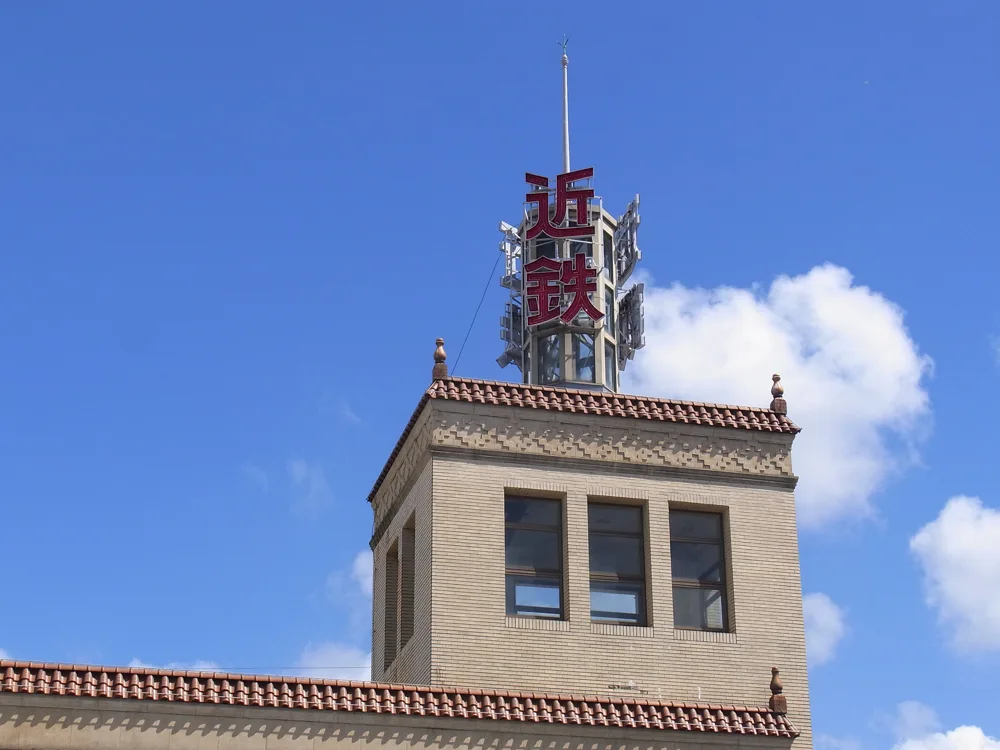
Compare KINTETSU RAIL PASS prices and coverage for 1, 2 and 5 days and 5-day plus. Calculate HINOTORI supplements, plan Nara, Yoshino and Ise-Shima, activate digital tickets, use group QR gates and pay beyond company boundaries.
Separate Osaka’s two departure stations, then locate Kyoto and Nagoya
If you stay in Namba and are going to Nara or Mie, the usual starting point is Osaka-Namba Station. For Yoshino from Osaka, look at Osaka-Abenobashi Station in the Tennoji area. These are separate stations, not two platforms in one station. From accommodation in Namba, arrange the city transfer to Abenobashi separately. Choosing the wrong departure station for a Limited Express booking also distorts the time needed to reach it from your hotel.
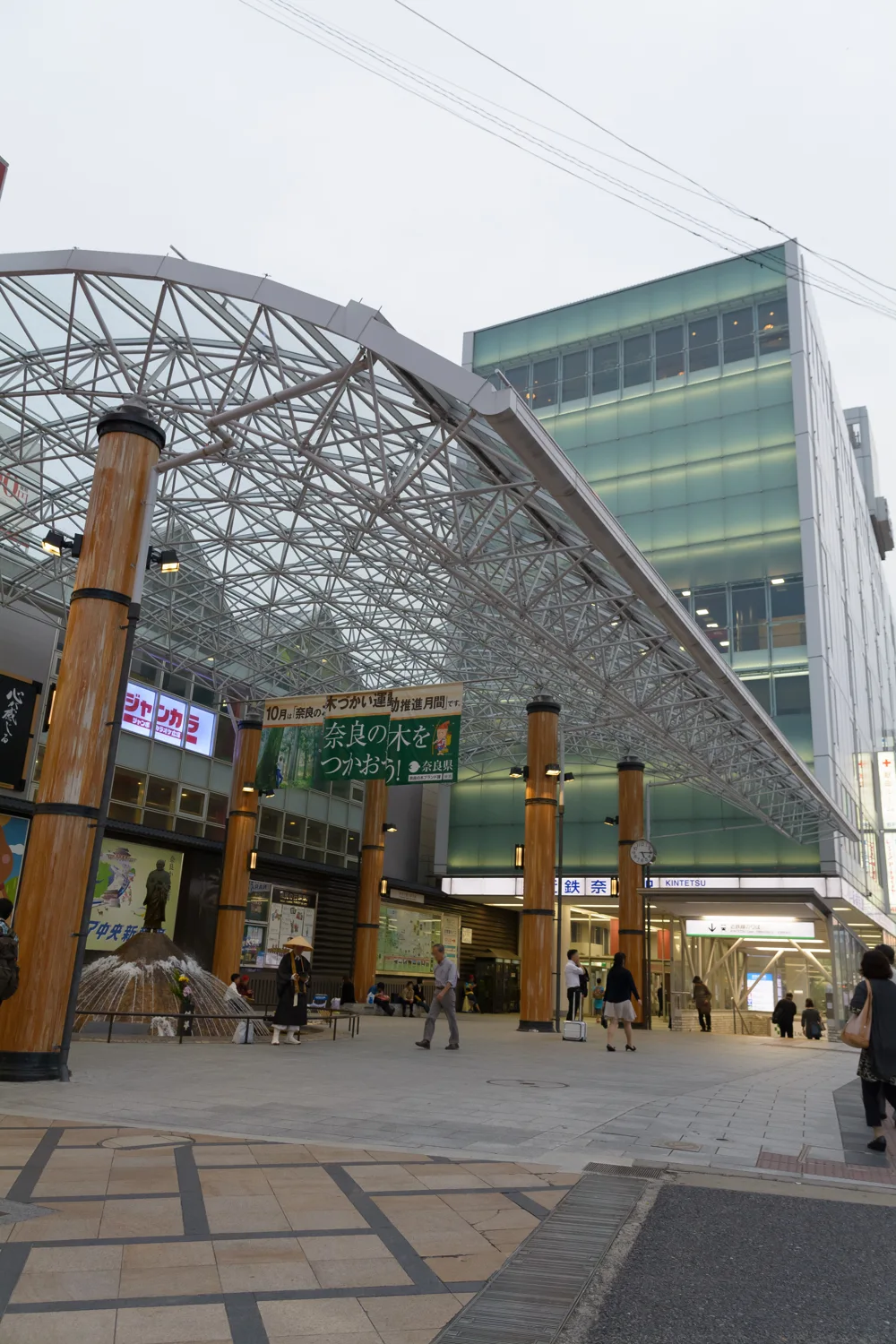
Kintetsu trains from Kyoto head south through Yamato-Saidaiji, connecting toward Kintetsu-Nara or Kashihara. They suit journeys between Kyoto and Nara; use other local transport for Higashiyama, Gion and Arashiyama. In Nagoya, start from Kintetsu-Nagoya Station when looking up trains to Ise, Toba or Osaka. Shinkansen Nagoya Station and the Kintetsu station belong to different systems. Follow station signs to the Kintetsu boarding area when transferring. Use the Kintetsu route map to identify these endpoints first.
Station names also determine walking routes. For Nara Park, search for Kintetsu-Nara Station; “Nara Station” on a hotel page may mean the separately located JR station. For Ise shrine visits, choose Iseshi, Ujiyamada or Isuzugawa before adding local transport. Entering “Ise Jingu” as a rail destination can blur the separate Outer and Inner Shrines.
Express trains are covered; add Limited Express charges separately
Kintetsu Express and Limited Express are different train categories. Within coverage, the pass pays the basic fare for ordinary trains, Express trains and similar services. Limited Express travel also needs a ticket for the specific train, segment and seat. All Kintetsu Limited Express seats are reserved; there is no unreserved section you can board with only the pass. To avoid supplements, compare ordinary-train connections, including transfer counts and arrival times. See Kintetsu Limited Express ticket guidance.
HINOTORI, Shimakaze, Blue Symphony and AONIYOSHI have their own train and seating arrangements. In your budget, separate the pass from each Limited Express and special-car charge. Plus adds buses; it does not automatically include sightseeing train seats. If some travelers want a special train and others simply want to reach the destination, treat that segment as a paid experience, then decide whether the remaining transport needs a pass. This is easier to weigh than adding train rides to justify buying one.
If you already hold a pass, choose “Limited Express Ticket Only” on the official booking site. A product combining the basic fare with the Limited Express ticket buys the covered fare again. The official page separates these purchase routes. The supplement-only online service lists seat selection and up to three free changes; the combined basic-fare and Limited Express product lists no seat selection or changes. Read the product name and keep both the pass and the Limited Express booking. Use the pass at the gate and show the reservation for that train during onboard checks.
HINOTORI example: a 5-day pass costs more for one one-way trip
The official HINOTORI site lists an adult standard-car one-way fare from Osaka-Namba to Kintetsu-Nagoya of ¥4,990: ¥2,860 basic fare plus ¥2,130 in Limited Express and HINOTORI charges. With a 5-day pass, the cost is ¥4,900 plus ¥2,130, or ¥7,030. That is ¥2,040 more than the individual ¥4,990 ticket. If this is your only intercity journey and the rest of the trip stays within Nagoya, buy a one-way ticket first. See official HINOTORI fares.
For a return journey on the same route within five days, individual standard-car tickets total ¥9,980. A ¥4,900 pass plus two ¥2,130 supplements totals ¥9,160, a difference of ¥820. This example uses one journey each way, adult standard-car seating and regular official fares. If you choose Premium for one direction, replace that segment’s Limited Express and special-car charges with Premium amounts. If you find an eligible discounted product, compare its actual selling price too.
This also shows why multiplying ¥4,990 by the number of trips does not give the amount a pass saves. The pass covers the basic fare; both ¥2,130 supplements remain payable. Adding Kintetsu journeys to Nara, Ise or other places already in your plan increases the basic fares it can cover. Separating basic fares and supplements for each segment lets you keep the train you want and see whether the pass helps.
If five days of basic fares total less than ¥4,900, start with individual tickets. Above ¥4,900, compare the saving with the activation-date limits. For plus, add designated buses to the same table; do not omit bus costs from the regular 5-day option. Keep two complete totals ready for purchase: individual fares plus Limited Express tickets and buses, and the pass plus Limited Express tickets and uncovered transport. Calculate children in a separate column rather than multiplying an adult total by the group size.
Kintetsu’s video introduces HINOTORI seats and onboard facilities. Compare the carriage you want before adding Limited Express and special-car charges to the pass calculation.
A Namba–Nara day: the park alone or Nishinokyo and Horyuji too
If you only plan Osaka-Namba–Kintetsu-Nara return and a walk through Nara Park to Todaiji and Kasuga Taisha, use the official search to compare the two one-way basic fares before treating ¥1,900 as a fixed cost. Temple admission and meals are separate. Count a pass attraction discount only if you will use it and meet its conditions. Walking farther through the park and taking two bus rides produce different transport totals.
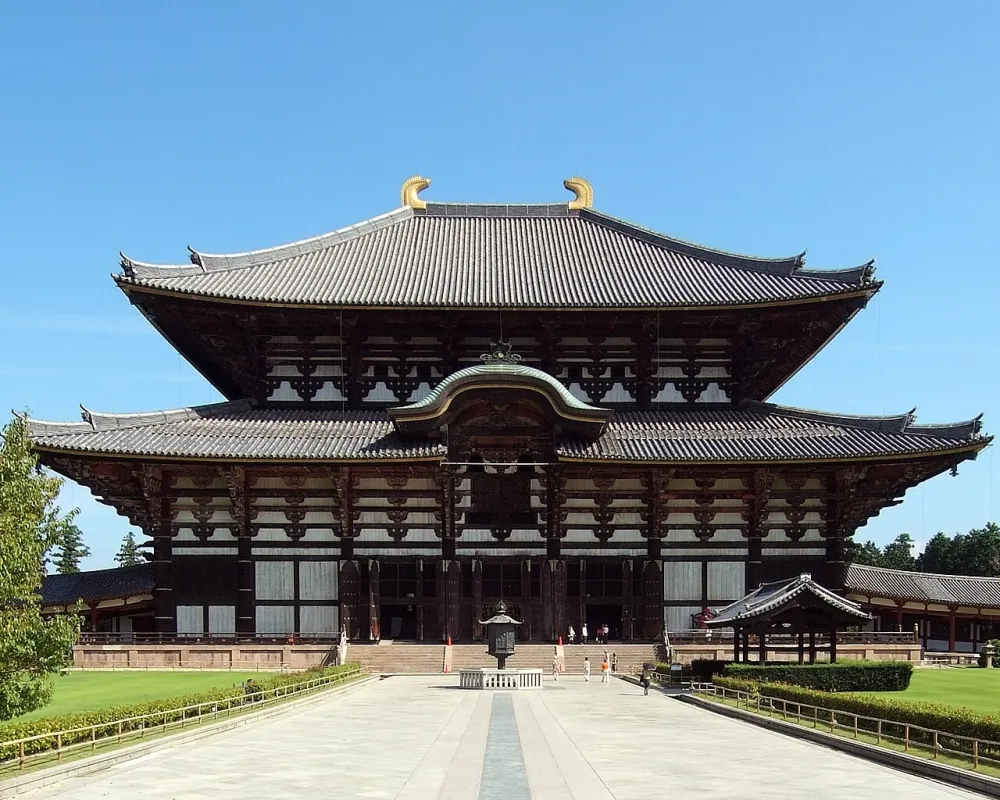
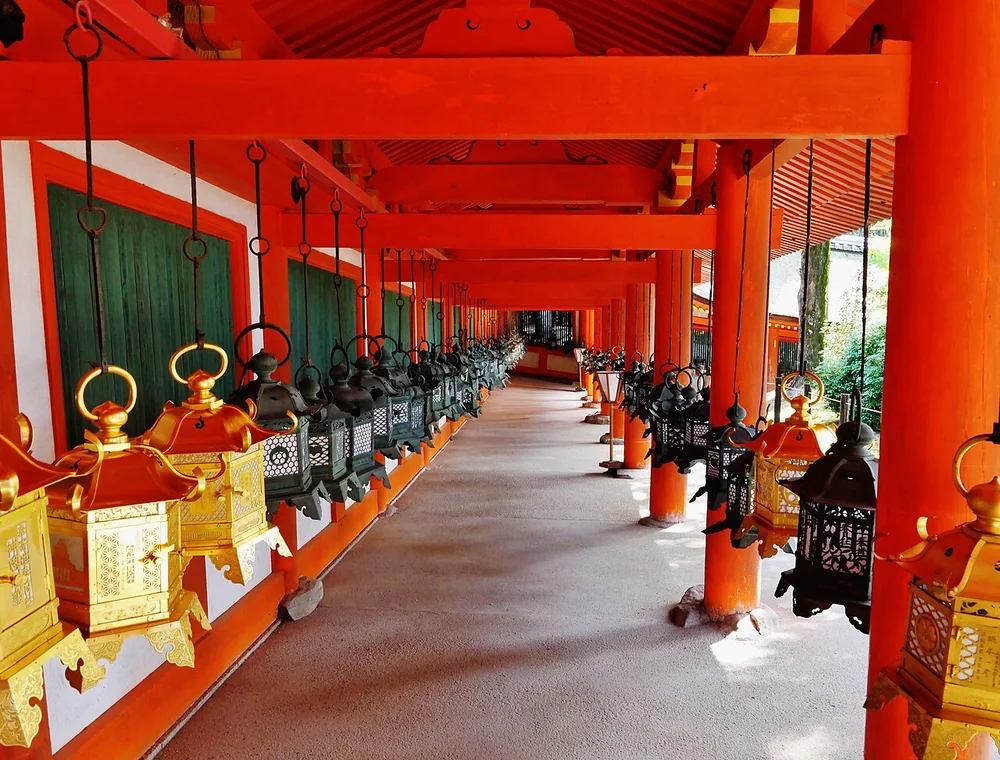
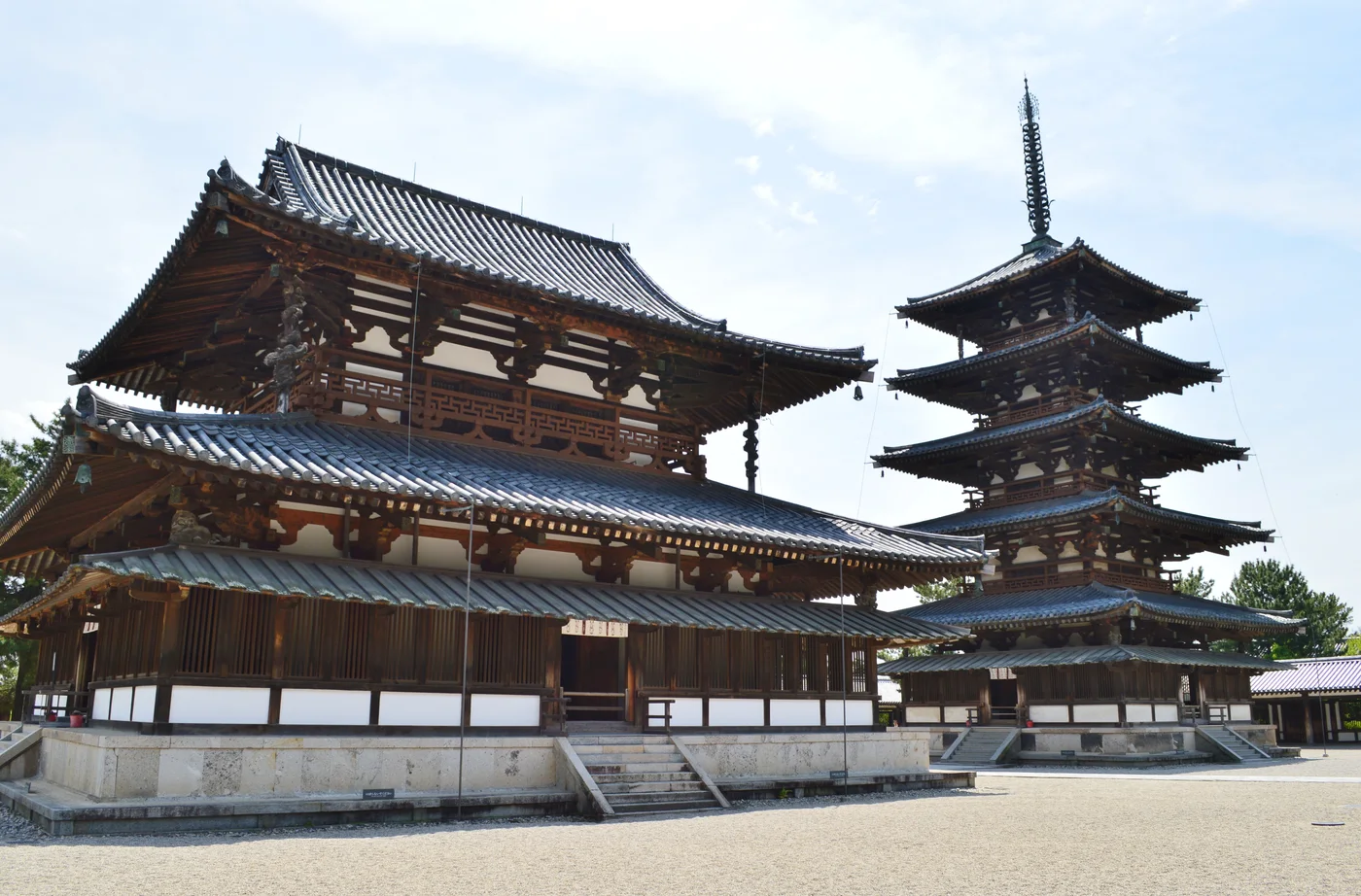
To add Nishinokyo on the same day, travel from Kintetsu-Nara via Yamato-Saidaiji to Nishinokyo Station, choose Yakushiji or Toshodaiji, then decide whether bus times allow an extension to Horyuji. The 1-day pass includes designated Nara Kotsu areas around Nara Park, Nishinokyo and Horyuji. First find a service that connects the stages. Coverage of Horyuji does not imply a direct bus every few minutes from the station. Horyuji’s transport endpoint is also separate from Kintetsu-Nara Station; include temple time and the return connections in the day.
For a first visit with time to explore the Great Buddha Hall and Kasuga Taisha slowly, the park area has enough for a day. Leave Nishinokyo for day two. Putting every temple into one day adds rides but reduces time at the sites themselves. Calculate the ticket comparison using the two areas you originally wanted, then recalculate after removing one stop. The choice often becomes clearer.
The 2-day expansion is Yoshino and Asuka
At ¥3,700 for adults, the 2-day pass saves only ¥100 against two ¥1,900 1-day passes totaling ¥3,800. If both days stay within the 1-day area but are not consecutive, buy separate 1-day passes or individual tickets. Yoshino and Asuka are within 2-day rail coverage; for visits on nonconsecutive dates, buy according to each day’s actual route. The expanded area is the reason to study the 2-day pass: Nara Park or Nishinokyo on day one and Yoshino on day two, or Asuka followed by Nara. The days must be consecutive. Starting in the afternoon uses that day too; you cannot leave a day in between for central Kyoto.
From Osaka to Yoshino, plan around the Minami-Osaka and Yoshino lines from Abenobashi. From Kyoto or central Nara, use the route map to find connections at Kashiharajingu-mae Station. It is an important interchange for these journeys. If traveling south from Kyoto with luggage, decide whether the second night is in Yoshino, Nara or Kyoto before checking the return. Movement from Yoshino Station to the mountain’s different areas needs a separate plan. Rail coverage does not remove uphill walking.
For Asuka, use Asuka Station and Kashiharajingu-mae as entry and exit points. Choose a rental bicycle or designated Nara Kotsu buses according to the burial mounds, stone monuments and museums you want. Bicycle rental is a separate expense. Covered buses still run to a timetable. With children or travelers unused to cycling, reduce the route to a few stops with workable connections and leave day two for central Nara. That is easier to complete than two days of long circuits.
A 5-day route: Osaka, Ise, Toba and Nagoya
For a journey from Kansai to central Japan, one allocation is Osaka to Nara with a Nara stay on day one; onward by Kintetsu to Iseshi or Ujiyamada on day two; shrine visits on day three; Toba or Shima on day four; and Kintetsu-Nagoya on day five. This is a sample distribution of stays. Use Kintetsu searches for actual line changes and Limited Express services. If the first day is only Osaka shopping, activate later so the final day still covers the long Ise-Shima–Nagoya journey.
Fix long-distance trains and accommodation first. Iseshi or Ujiyamada works as a base for shrine visits and city buses. Choose Toba or Shima according to the seaside attractions and hotel location you want; you need not change hotels nightly. Two nights near one station let you swap the shrine and coast days and leave luggage in one place. For a distant seaside hotel, make its shuttle meeting station, reservation method and final departure part of the booking decision. A “Toba area” label is not a basis for estimating a walk from Toba Station.
For a two-day, one-night Ise trip, compare return tickets with the 5-day pass over those two days. There is no need to stretch the trip to five days. The duration is a maximum; leaving two days unused costs no extra. Adding a night just to use the pass daily introduces accommodation costs that often matter more than that transport segment. The same calculation works for Osaka return or Nagoya return trips, but different endpoints need not produce the same answer.
Is plus worth it? List Nara and Mie buses separately
The regular 5-day and plus passes have the same railway coverage. Plus includes designated Nara Kotsu areas around Nara Park, Nishinokyo, Horyuji, Asuka, Muro and Yamanobe-no-Michi. Designated Mie Kotsu and Toba City Kamome Bus areas include Matsusaka, Ise, Toba and Shima. Other designated segments include Nabari or Akameguchi to Akame Falls; Aqua Ignis via Kintetsu-Yunoyama-Onsen to the Gozaisho Ropeway; and Kuwana or Kintetsu-Nagashima to Nabana no Sato. Compare each segment on the official plus page and maps.
List only buses you will actually take: perhaps one in Nara Park, one from Ise’s Outer Shrine to the Inner Shrine, and one near your Toba accommodation the next day. Find each fare through the operator and total them against the ¥1,800 adult difference. Two Ise city bus rides do not make plus worthwhile simply because the trip lasts five days. Remove a planned bus fare if the hotel provides free transport that day. If you rent a car instead, remove that day’s bus items too.
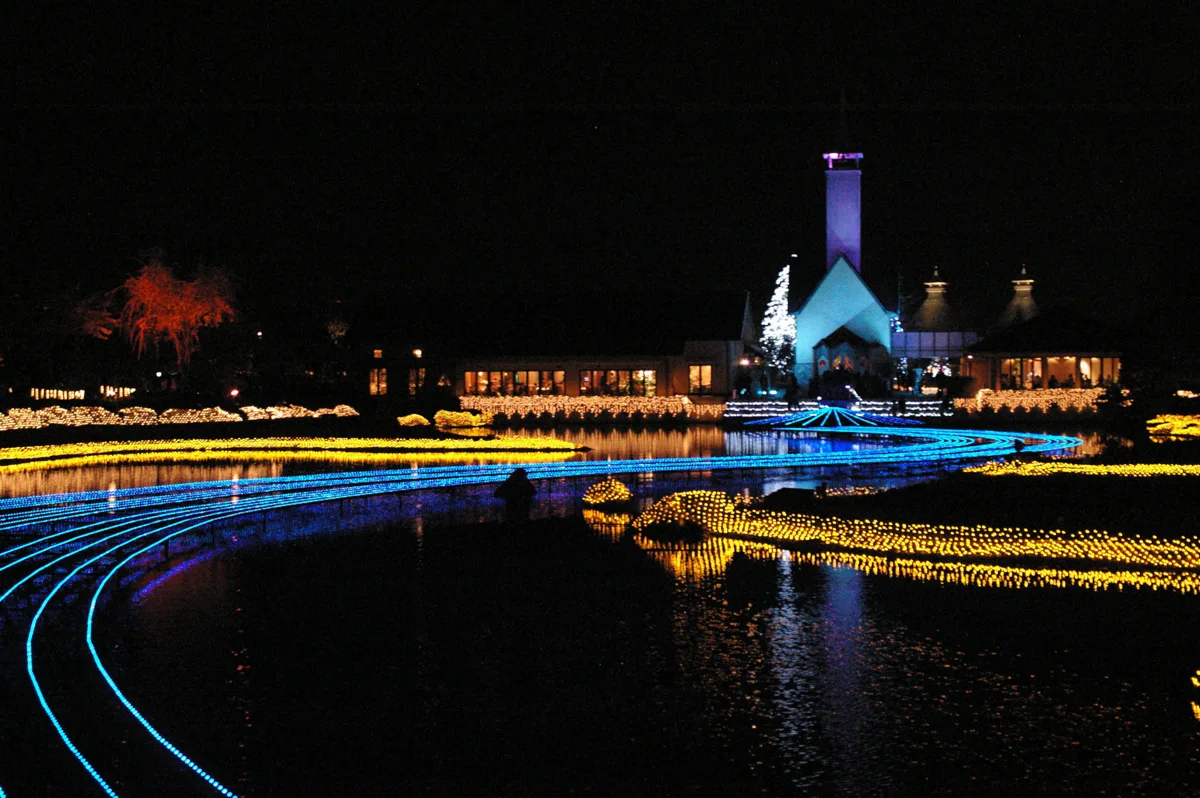
The departure station for Nabana no Sato buses varies by season, which is why the official plus page lists both Kuwana and Kintetsu-Nagashima. For an evening illumination visit, check the current station, boarding point and last onward connections before booking dinner and the train back to Nagoya. Plus covers designated buses to the Gozaisho Ropeway area; the ropeway ticket is separate. Distinguish railway cable car coverage from aerial ropeway coverage too. Sharing a destination name does not mean every form of transport on the way is paid for.
On arrival in Ise: the two shrines and three stations
Ise Jingu’s official guidance introduces visits as starting at the Outer Shrine. The Outer Shrine is near Iseshi Station; continue by bus to the Inner Shrine. Ujiyamada Station also has buses to the Inner Shrine, and Isuzugawa offers another rail–bus connection. Choose the station according to your accommodation and shrine order before deciding where to leave the Limited Express. This can remove a return over the same route. See Ise Jingu access information.
The shrine site lists Mie Kotsu routes 51 and 55, the CAN Bus and express buses serving major stops. For Outer Shrine then Inner Shrine, check the direction and stops first, then work backward from your return train to decide when to leave the Inner Shrine. Bus names such as routes 51 and 55 are separate from railway Limited Express categories. Pass coverage depends on the operator, route and designated segment. Do not apply Kintetsu rail supplement rules just because a bus sign says “express.”
At the Inner Shrine, worship, lunch along the approach and shopping all need time on the ground. Allowing only an hour from getting off the bus to returning to the station turns the approach into a rush. With an Ise overnight stay, group the two shrines on one day and visit Toba on the other. If you leave Osaka only that morning, focus on one main area in the afternoon instead of combining long-distance trains and both shrine walks with the tightest connections. If road congestion threatens the return, change the booked Limited Express before its original departure.
Buying and activating digital tickets: press Activate on the travel day
Official guidance offers online purchase and purchase through travel agencies outside Japan. After receiving the voucher, find the ticket URL and test login, email access and ticket display on the phone you will use. Press “Activate Tickets” on the actual use day, close to the first journey. Activating one mini ticket activates the other mini tickets in that group too. After activation, cancellation and refunds are unavailable. Mark the activation day in your itinerary so organizing documents at home does not start validity early. See the official digital ticket tutorial.
The phone needs internet access. QR codes refresh every five minutes, so screenshots cannot be used to enter or exit. The official recommendations are the latest Safari on iOS 15 or later, or the latest Chrome on Android 10 or later, with browser auto-translation, dark mode and automatic screen rotation turned off. Keep the original ticket link and order details during the trip. Charge before leaving and connect a power bank early if needed, rather than searching email at the gate.
Changing phones or browsers, or opening the ticket on a computer before moving to a phone, may trigger a one-time password. The official process requires registering an email, receiving a message and entering the OTP. It states that the registered address cannot be changed. If several people need to operate the tickets, decide who holds them and who keeps the device with email access. Changing ticket holders at the station can add another verification round. Do this at your accommodation or outside the gate area so you only need to show the active ticket when boarding.
Sharing one phone: the ticket holder goes through last
The official recommendation is one reservation per device. It also allows a representative to buy up to four tickets in one reservation on one phone. For a group booking, the phone holder switches between each traveler’s QR code, scans the first to let the first companion through, then scans the next. The holder scans their own code and goes through last. Repeat for the same number of people on the return; the whole family must not follow the first person through one gate opening.
Keeping one booking on one phone suits families staying together. If some will stay in Nara on day two while others visit Yoshino, arrange separate devices and orders when buying. Otherwise, both groups can arrive at different stations needing the same phone display. For buses, Iga Railway and attraction discounts, open the corresponding mini ticket for staff as shown in the official tutorial. Representative bookings show the number of people. Do not assume the rail QR screen is the checking method at every counter.
A preschooler occupying their own Limited Express seat needs a child basic-fare ticket and child Limited Express ticket. Free-travel conditions apply when sitting on an accompanying adult’s lap without a separate seat. There is also a limit on young children accompanying each adult or fare-paying child: from the third young child, a child ticket is required. Decide children’s seating needs before totaling the family budget. If a child will have their own seat for a long trip, include it in the first calculation. See Kintetsu’s child travel FAQ.
Through trains: check company boundaries as well as the destination
Kintetsu trains can run through onto Hanshin, Osaka Metro or Kyoto Municipal Subway lines without requiring you to leave the gates. Pass validity still ends at its designated route boundaries. If you stay in Kobe or along a Kyoto subway line, list those other-company segments separately. The official procedure is to use the pass to the Kintetsu boundary at Nagata, Osaka-Namba or Takeda and buy the other company’s ticket, or buy an ordinary ticket from the original starting station. Plan through services on that basis. Staying in the same carriage does not determine ticket validity. See the official through-service and ticket FAQ.
The same principle applies to airports. Nankai or JR from Kansai Airport to Namba and Meitetsu from Chubu Airport to Nagoya belong in the uncovered transport column. “Nagoya” in the 5-day pass means the Kintetsu network endpoint, without including the airport line. Activating early just for arrival day can also leave the later Ise return outside validity. Calculate airport days separately from long-distance Kintetsu days to find a useful activation date.
For travel beyond the area, the official rule requires a separate basic fare for the uncovered segment. Do not travel all the way to Yoshino on a 1-day pass and expect to exit with that pass alone. Show staff your starting station, destination and pass type before arranging the extra segment. If a QR code fails, first refresh the browser displaying the ticket. If it still fails, show the ticket and passport at a staffed gate. Do not tap an IC card and create a separate entry record.
Iga-Ueno side trip: change at Iga-Kambe for Uenoshi and the ninja museum
To use Iga Railway, change at Iga-Kambe for Uenoshi, then walk about 10 minutes to the Iga-ryu Ninja Museum. Basic admission includes demonstrations of the house’s mechanisms and displays of ninja tools and daily life. The ninja demonstration show costs an extra ¥600 per person. Individual visitors enter first come, first served; full sessions cannot take more visitors, and some days have no shows. Decide whether the children want mechanisms or stage action, then match the day’s show calendar with return trains. You need not add the castle keep and other museums to the same day.
Basic museum admission is ¥1,000 for high school students and older, and ¥700 from age four through junior high school. Iga Railway’s fare table effective February 1, 2025, lists Iga-Kambe–Uenoshi at ¥400 one way for adults and ¥200 for children. You can buy that return trip separately. Existing 5-day pass holders can use their valid coverage; for this half-day trip alone, still compare the entire Kintetsu journey. Choose services from the current Iga Railway timetable. Distinguish Iga-Ueno, the JR interchange, from Uenoshi, the walking starting point.
There are many level changes and stairs inside the museum. Leave strollers near the entrance ticket gate. A museum notice dated June 26, 2026, states that the elevator to the underground exhibition room is out of service, with no reopening date set.
Eligibility, the 180-day deadline and consecutive travel days
Kintetsu’s FAQ limits these passes to foreign visitors entering Japan for sightseeing with Temporary Visitor status. Carry your passport and show it when checked. Japanese residents, international students and people with other residence statuses should choose ordinary tickets or products for which they qualify. Everyone on the same family journey need not buy the same type of ticket. This also works when a friend living in Japan travels with visiting family from abroad.
Use must begin within 180 days of purchase. That deadline is separate from the one, two or five consecutive days of travel. Buying does not immediately consume the five days; activation starts the relevant use period. But an unused ticket cannot be kept indefinitely for another trip. If you buy two tickets on the same day for different future dates, label each voucher with the product, user and planned start date. Check that the right product is open before activating.
For example, a first ride on Monday evening makes a 5-day pass valid Monday through Friday. Saturday’s Ise–Nagoya journey then needs separate payment, or you can move the first use to Tuesday. This example uses ordinary daytime travel arrangements, not a 120-hour pricing period. If Monday is only a short journey, calculate buying that ticket separately and activating Tuesday. Mark validity after booking hotels to see directly whether long journeys fall inside it.
Include luggage, wheelchairs and transfers when choosing trains
For large luggage across Osaka, Ise and Nagoya, check hotel storage before setting the sightseeing order. The Kintetsu FAQ lists up to two items of ordinary free baggage per person, each with three dimensions totaling no more than 250 cm, length no more than 2 m and weight no more than 30 kg, provided the traveler can carry it. Crowding or other interference with transport can still restrict carriage. HINOTORI’s official guide lists large-luggage lockers, but whether an item fits and whether it may be brought aboard are separate questions. Plan onboard space for your actual bags.
If you check out on day two and sightsee until reaching your Ise hotel, check station lockers before buying the Limited Express ticket. Large cases are difficult to carry through temples; full lockers can force a route change. Two nights at one base let you take only a day bag on the middle day and carry luggage to Nagoya on the last. For a group, add time to arrive at the station, collect bags and walk to the platform. Search-result train arrival and departure times alone do not cover that work.
Kintetsu offers station facility searches, and its FAQ lists wheelchair seating and other facilities on Limited Express trains. For wheelchair use, check routes through departure, transfer and arrival stations before arranging seats. Ordinary reserved seats and wheelchair spaces on the same train need separate arrangements. Stations including Osaka-Namba, Kintetsu-Nara, Kyoto and Kintetsu-Nagoya have foreign-language service information, with hours varying by station. Prepare the actual date, both endpoint station names, group size and assistance needs together when asking for help.
Handle the pass and booked Limited Express tickets separately for changes and refunds
Kintetsu states that passes bought online or through travel agencies cannot be refunded at station ticket counters; use the original purchase channel. Activated digital tickets cannot be canceled for refunds. Official conditions also state that train delays or closure of discount attractions do not entitle travelers to a pass refund. Save the product deadline, cancellation terms before activation and original seller contact details when buying. Do not activate early while long-distance plans remain unsettled. See the pass purchase and use conditions.
Limited Express tickets have their own change and refund rules, separate from pass validity. Ordinary counter tickets can be changed once under the rules before the specified train departs; refunds incur a fee. Handle online tickets online and travel agency tickets through that agency. The supplement-only online service separately lists up to three free changes. Use the process for the product you bought. If you know you will miss a train, dealing with it before departure is more useful than searching the order after arrival.
Check four things the day before: whether the five valid dates include the final long journey; whether each Limited Express segment has a seat booking; whether plus buses are within designated areas; and whether everyone can display their own or the representative’s tickets. Once these match the itinerary, follow the service, platform and seat details at the station next day.
A few useful answers
Should I get the one-day or two-day Kintetsu Rail Pass for Nara Park and Yoshino?
Get the two-day pass for Nara Park one day and Yoshino the next. It covers the train to Yoshino and is valid on two consecutive days. For Nara Park alone, the one-day pass covers Osaka-Namba to Kintetsu-Nara and Nara Kotsu buses in the designated Nara Park area.
Which Kintetsu pass should I buy for Ise-Shima, five-day or five-day plus?
For an adult, plus works out cheaper if the eligible bus rides you plan to take cost more than ¥1,800. Both passes cover all Kintetsu lines and the Iga Railway for five consecutive days. Plus adds selected buses in areas including Nara and Ise-Shima.
Do I need a separate ticket for HINOTORI if I have a Kintetsu Rail Pass?
Yes, buy a separate Limited Express ticket for your train and seat. The pass covers the base fare. On HINOTORI from Osaka-Namba to Kintetsu-Nagoya, the Limited Express charge and HINOTORI surcharge total ¥2,130 for an adult traveling one way in standard class.
Can my family use Kintetsu Rail Passes on one phone at the ticket gates?
Yes, one booking can hold up to four digital passes. At the gate, the person with the phone scans each companion’s live QR code in turn so they can go through one at a time. The phone holder scans their own code and goes through last.
Official information and references
Sources used in this guide.
- Kintetsu: 1-day pass prices and coverage
- Kintetsu: 2-day pass prices and coverage
- Kintetsu: 5-day pass prices and coverage
- Kintetsu: 5-day plus prices and designated buses
- Kintetsu: route maps and station guidance
- Kintetsu: Limited Express purchase, seats, changes and refunds
- Kintetsu: HINOTORI fares and onboard facilities
- Kintetsu: digital ticket activation, QR codes and group use
- Kintetsu: purchase guide
- Kintetsu: eligibility, boundaries, children, baggage and 180-day deadline FAQ
- Kintetsu: pass purchase and use conditions
- Ise Jingu: shrine access and Mie Kotsu routes
- Iga-ryu Ninja Museum: admission and main exhibits
- Iga-ryu Ninja Museum: house mechanism demonstrations
- Iga-ryu Ninja Museum: tools and daily life exhibits
- Iga-ryu Ninja Museum: separate ninja show fee
- Iga-ryu Ninja Museum: first-come entry, strollers and visitor conditions
- Iga-ryu Ninja Museum: show calendar
- Iga-ryu Ninja Museum: about 10 minutes on foot from Uenoshi
- Iga-ryu Ninja Museum: elevator fault notice of June 26, 2026
- Iga Railway: fare table effective February 1, 2025
- Iga Railway: weekend and holiday connection timetable effective March 14, 2026