Choose Nagoya cherry-blossom areas by your arrival week: early flowers near Takaoka, then Meijo and Tsuruma parks, Yamazaki River or Higashiyama Botanical Gardens. Compare Shonai Ryokuchi and Arakogawa Park, evening entrances, current admission and transport tickets.
- Region & Focus
- Nagoya
- Reading Scope
- 40 min read · 15 chapters · 6 Q&As
- Official Verification
- 24 official sources checkedUpdated October 26, 2026
- Key Topics
- SeasonsItinerariesChubu & Hokuriku
Chapter Route Map (tap any stop)
- For half a day, choose a river, park or botanical garden
- A Nagoya “full bloom” report does not cover every variety
- Early March: a short Okanzakura walk from Takaoka
- Meijo Park’s north garden: pondside flowers separate from the castle
- Inside Nagoya Castle, look for late double cherries and Gyoiko
- Tsuruma Park brings cherry groves, historic buildings and food together
- At Yamazaki River, start with Kanae Kobashi and choose a short bank walk
- For later April, try Higashiyama’s Cherry Blossom Corridor
- Higashiyama tickets, gates and closing days shape an evening visit
- Shonai Ryokuchi combines blossoms and play for a family half-day
- Arakogawa Park offers riverside cherries on the Aonami Line
- Check the open area first: four kinds of blossom evening in 2026
- Swap the blossom half-day while keeping nearby meals and rests
- Calculate subway, JR and Aonami fares separately
- Plan family stamina from the entrance to a clear turnaround
- Quick Q&A
For cherry blossoms in Nagoya, choose the varieties for your arrival week before choosing the place. Early March arrivals can try the Okanzakura avenue near Takaoka Station. When Somei-yoshino blooms, Meijo Park, Tsuruma Park and Yamazaki River offer different kinds of walks. In mid-April, shift attention to double-flowered cherries at Higashiyama Botanical Gardens. With only half a day, staying in one area is usually easier than checking off several parks.
For half a day, choose a river, park or botanical garden
Choose Yamazaki River for a walk beside water and tree canopies on both banks. Choose Tsuruma Park for station access, a cherry grove and somewhere to sit and eat. Their flowering periods are often similar; the difference is how you spend the visit. Yamazaki River runs through residential areas and centers on riverside walking. Tsuruma is a city park with plazas, historic buildings and commercial facilities, making different companions’ paces easier to accommodate.
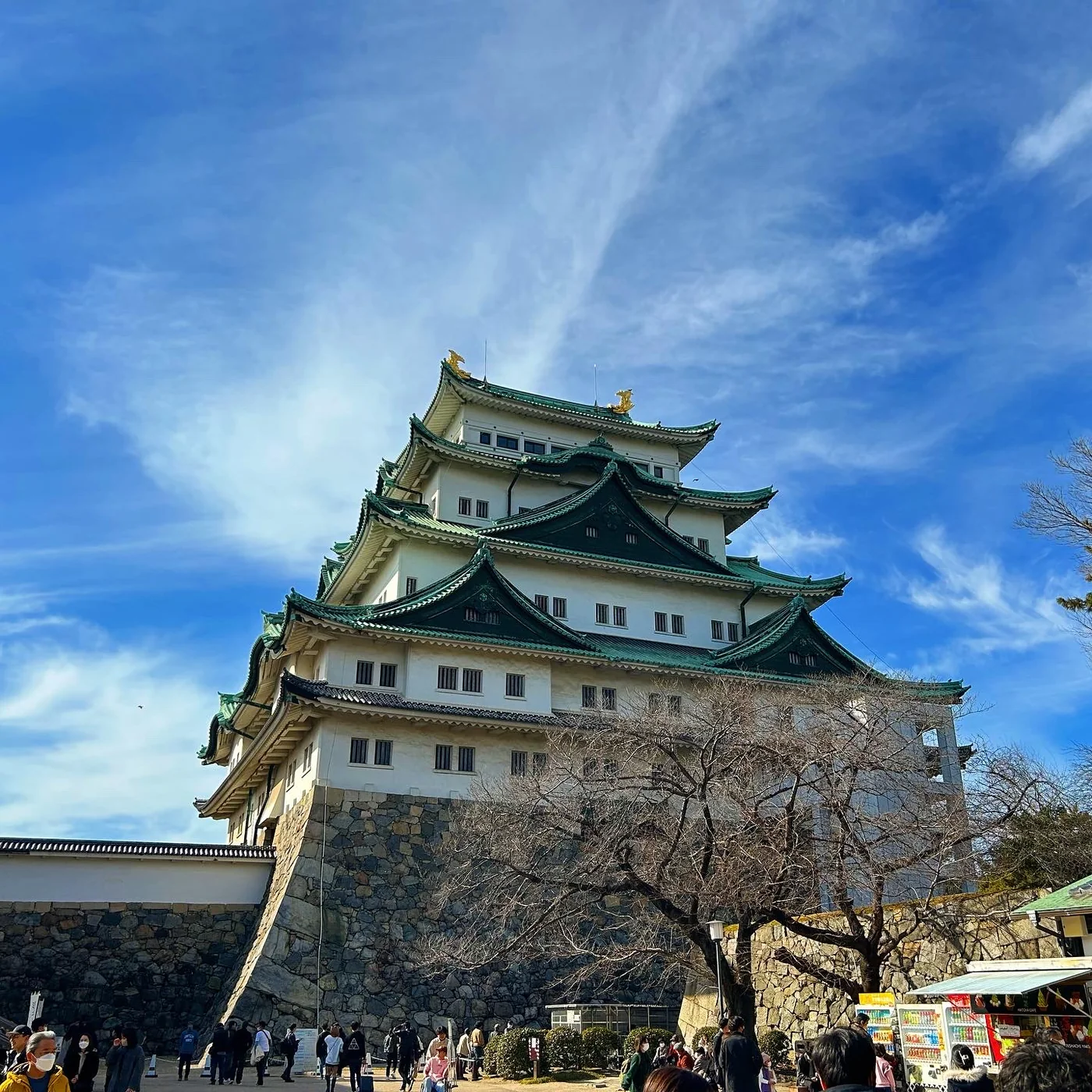
Meijo Park suits a day already focused on the castle district, extending the walk around Ofuke Pond without another change of direction. For Honmaru Palace and flowers inside the castle, give time to Nagoya Castle’s paid area. Despite the similar names, entrances, admission and exit times operate separately. For park cherries alone, start at Meijo Koen Station. For castle architecture and the palace, Nagoyajo Station is more convenient.
Higashiyama Botanical Gardens deserve their own half-day, especially after downtown Somei-yoshino has fallen and double-flowered cherries take over. For open lawns and a family walk, compare Shonai Ryokuchi. From a Nagoya Station base with travel along the Aonami Line, Arakogawa Park offers another riverside option. You need not complete them all in one day. One flower area connected with a meal and a rest already makes a full spring half-day.
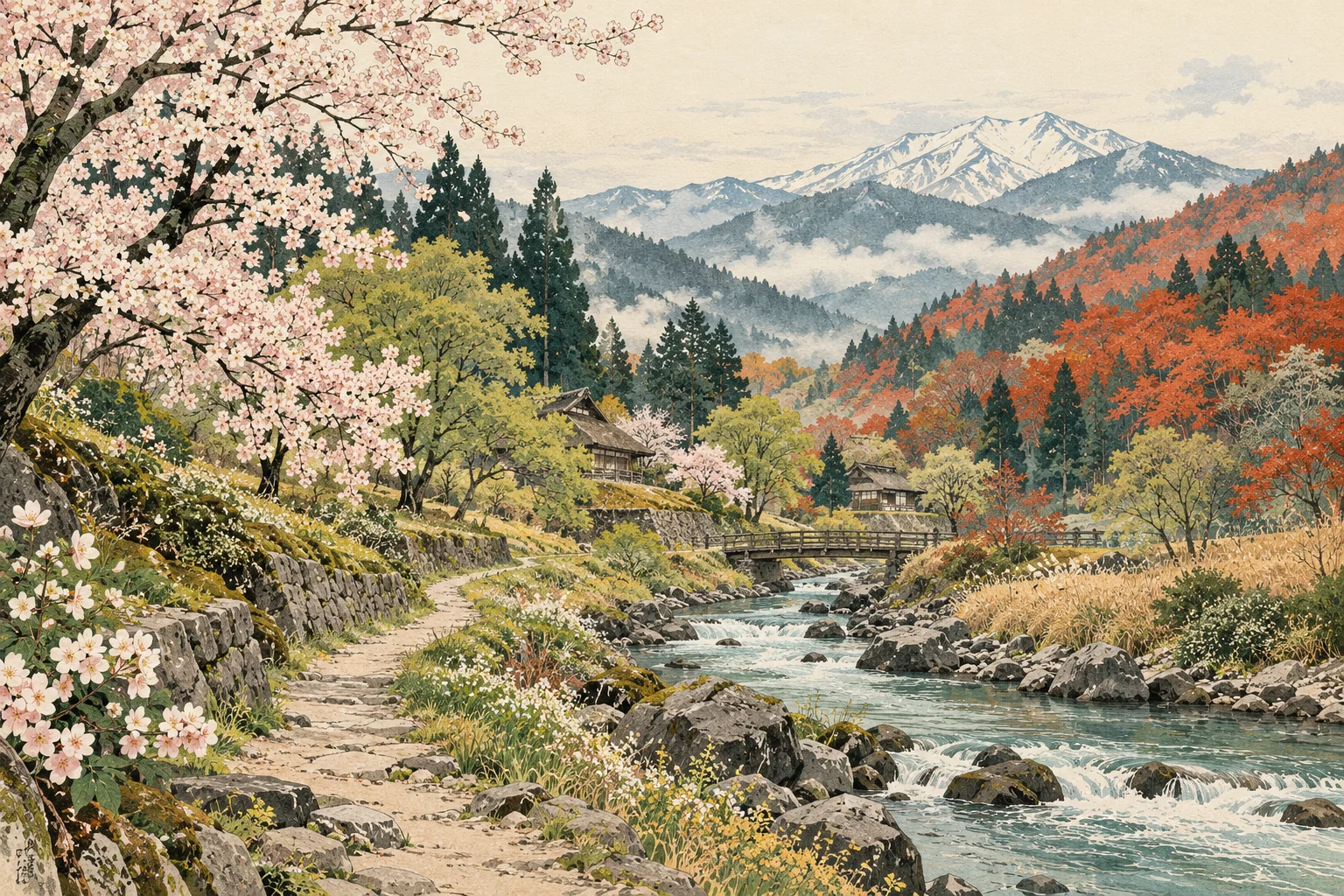
Choose Nagoya cherry-blossom areas by your arrival week: early flowers near Takaoka, then Meijo and Tsuruma parks, Yamazaki River or Higashiyama Botanical Gardens. Compare Shonai Ryokuchi and Arakogawa Park, evening entrances, current admission and transport tickets.
A Nagoya “full bloom” report does not cover every variety
Okanzakura, Somei-yoshino and double-flowered cherries bloom in sequence, extending city viewing over several weeks. Higashi Ward’s Okanzakura guide says they flower earlier than Somei-yoshino, starting in late February in some years. Higashiyama Botanical Gardens’ variety list gives early to mid-March for Kanhizakura and Okanzakura, late March to early April for Somei-yoshino, mid-April for Ichiyo, Ukon and Gyoiko, and mid- to late April for Kenrokuen-kikuzakura. These are typical periods listed by the garden, useful for choosing candidate locations.
Near departure, read three details in flowering reports: the photograph or update date, location within the grounds and variety. A close-up saying “the cherries are blooming” may show one early tree rather than a whole grove in full bloom. Conversely, news that Somei-yoshino has fallen need not cancel all viewing. Look for the botanical gardens’ double-cherry updates before deciding whether to switch to Higashiyama.
Use local update sources: Higashi Ward’s official social accounts for Takaoka, Mizuho Ward or the city flowering FAQ for Yamazaki River, park bloom reports for Tsuruma, and the botanical gardens’ flower map and official updates for Higashiyama. Nagoya Castle’s seasonal-flower page dates each report. For example, fallen-flower status in its April 20, 2026 report describes that moment. For the next season, use the varieties and locations to choose candidate routes. Read the date to understand which information is useful.
Early March: a short Okanzakura walk from Takaoka
The Okanzakura avenue follows a north–south road between Izumi 2-chome and 3-chome in Higashi Ward. It runs about 1.4 kilometers from the Sakuradori Izumi 2-chome junction to north of Yoshino 2. Take the subway Sakura-dori Line to Takaoka, leave Exit 2 and turn left at Sakuradori Izumi 2-chome to begin. Pale pink Okanzakura grow alongside darker, bell-shaped Kanhizakura. Different shades along the same street reflect different varieties.
Use it as an arrival-day walk or a short visit around lunch. For the full avenue, start south and head north, choosing a return from your actual finishing point. With young children or older adults, begin near Takaoka and turn back after a stretch you like. This is a working street. Photograph from the sidewalk, cross junctions before stopping, and keep home, shop and garage entrances clear. Choose your own distance rather than rushing to the northern end.
Compared with a large park, the advantage is proximity to downtown, making it easy to return to the hotel or continue to a planned meal. In the gap after early flowers but before Somei-yoshino, shorten the walk and return to indoor city activities. For a later spring arrival, save the half-day for the area blooming then.
Meijo Park’s north garden: pondside flowers separate from the castle
The area called Meijo Park by the official Nagoya tourism guide includes several areas around the castle. Most casual blossom walks focus on the north garden. From Exit 4 of Meijo Koen Station on the Meijo Line, aim for Ofuke Pond to combine cherries, water and distant castle views. Allow about one to two hours for flowers and paths, longer with a meal, flowerbeds or a child’s rest.
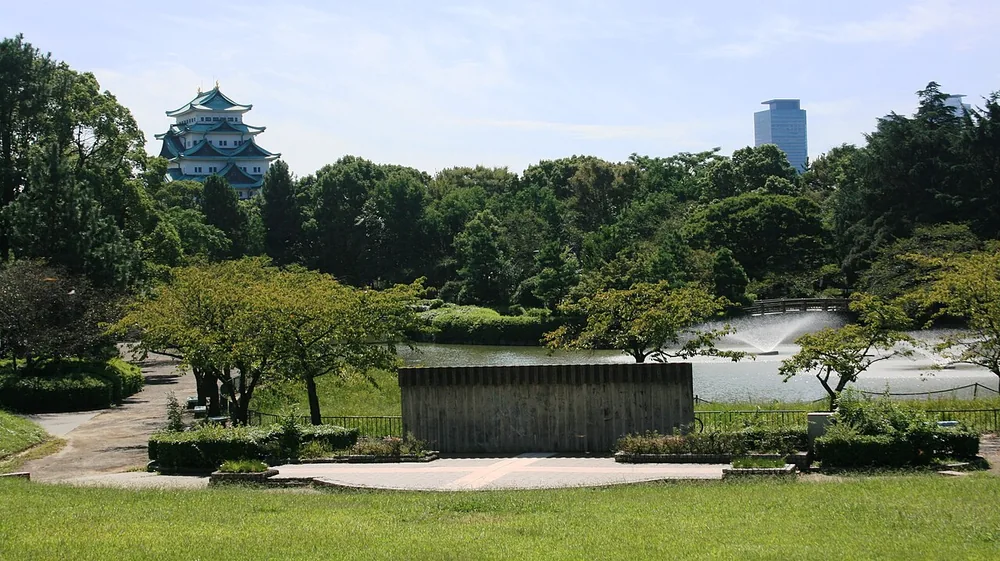
Start beside the pond and extend toward the Flower Plaza according to energy. The park facilities map shows the north garden, Flower Plaza and Hana Café, helping you choose a resting direction in advance. After circling the pond, return to the station or rest at the plaza.
Lawn access may be restricted for maintenance and growth. Follow open paths around fenced areas and use seats or a meal stop instead of a picnic. The Flower Plaza opens 9:00–16:30 and closes Mondays, or the next weekday after a holiday Monday. It also closes the third Wednesday monthly, moved to the fourth if that day is a holiday, and December 29–January 3. For an evening park arrival, put building-based rests and inquiries earlier.
If you still have energy after the north garden, continue to Nagoya Castle. After a long castle visit, choose only a short pond walk. Give more time inside for castle photographs, or more park time for a relaxed city green space. Include walking from one area to the other’s entrance in your half-day. Being beside the castle does not place every highlight immediately inside one gate.
Inside Nagoya Castle, look for late double cherries and Gyoiko
Nagoya Castle’s official flower list gives precise variety locations: weeping cherries in Nishinomaru, double-flowered cherries in Ninomaru and Honmaru, and Gyoiko in Ninomaru. Near mid-April, ask which area and variety is flowering rather than only whether the castle still has cherries. Somei-yoshino provides the broad pale-pink display. Later varieties reward a closer look at flower form and color, without the same density along every path.
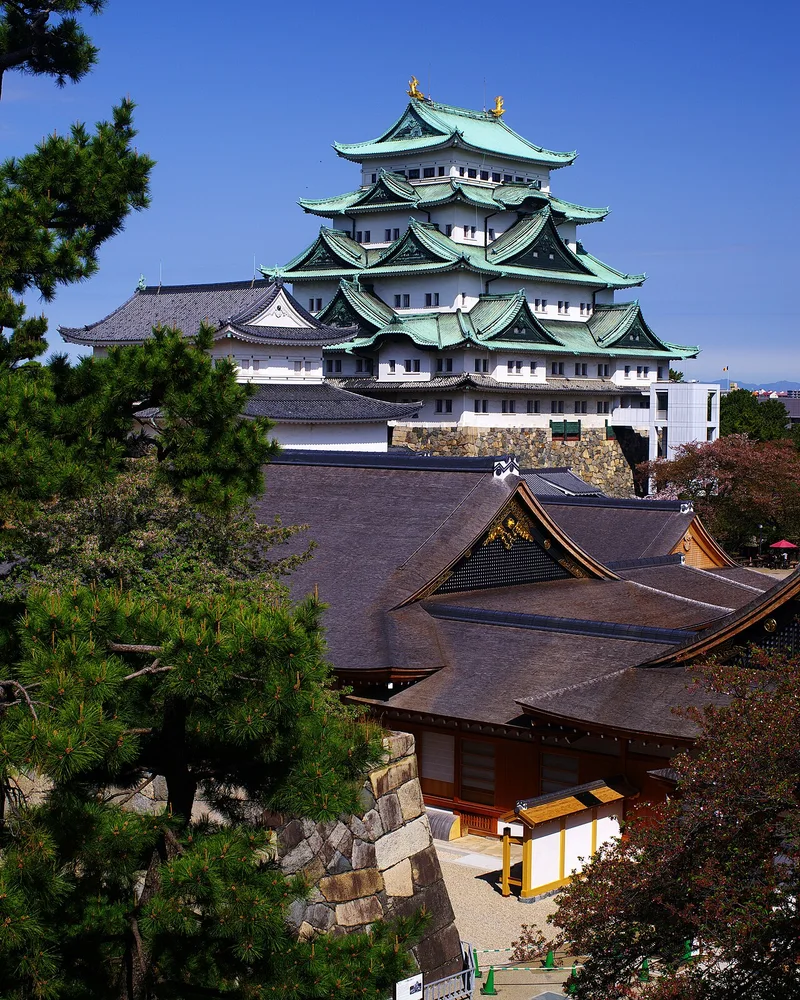
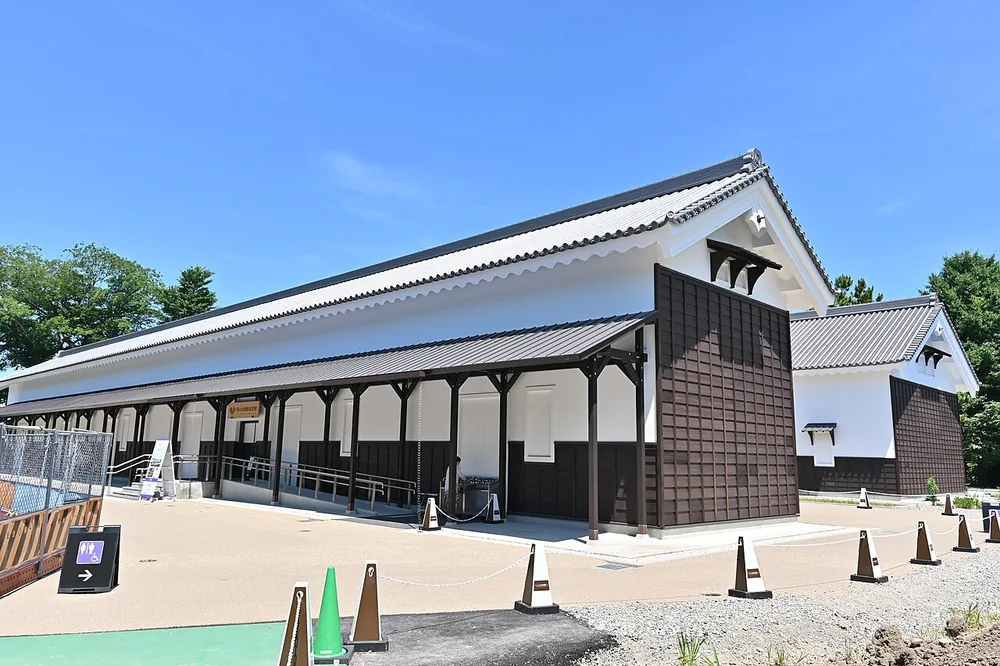
Use current admission in the budget. The castle fee page states that prices changed on October 1, 2026. Standard individual adult admission is ¥1,000; junior high school age and below enter free. Older spring features may still show ¥500. Two adults with children of junior high school age or below pay ¥2,000 in standard admission, plus transport and food. For a free park walk, stay in the north garden. For the palace and flowers inside the castle, keep both the cost and visiting time.
Regular opening information gives 9:00–16:30. Reach the individual entrances to Honmaru Palace and Nishinomaru Okura Johokan Museum by 16:00. The palace is about a ten-minute walk from the main or east gate. On a late afternoon arrival, handle the earliest building cutoff before outdoor flowers. With only a short gap, the outer park is more relaxed. The castle keep is currently closed to entry; plan castle views around its exterior and open areas.
For the March 20–April 5, 2026 blossom evenings, castle entry ended at 19:30 and the grounds closed at 20:00. Honmaru Palace’s last entry was 19:00, while Nishinomaru Okura Johokan still stopped entry at 16:00. To combine both buildings and night views, visit Nishinomaru first, then the palace, leaving outdoor castle scenery for dusk. On ordinary days, use regular daytime visiting hours.
Tsuruma Park brings cherry groves, historic buildings and food together
Tsuruma Park is easy to reach from Tsurumai Station on JR’s Chuo Line or the subway Tsurumai Line; subway Exit 4 is useful. The official tourism guide distinguishes the western fountain tower, flowerbeds and rose garden from the Japanese pond garden to the east. For blossoms, head from the fountain toward the northeastern cherry grove, see the area you most want, then decide whether to extend to the bandstand and ponds. The visit can finish within that scale.
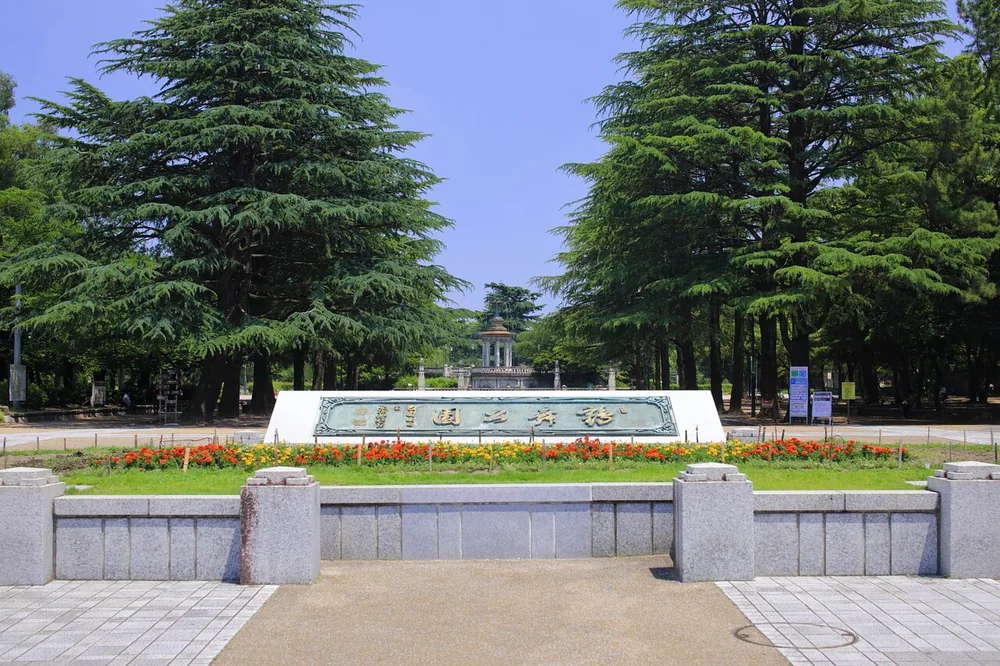
Compared with a riverside route, Tsuruma combines different needs: cherry photography, historic buildings or a seat with a drink. Tsuruma Garden has dining and takeout shops, while play equipment is on the station and library side. Around lunchtime, eat first and walk afterward, or buy takeout and use a suitable resting area under current park rules. A fixed meeting point saves the family from repeatedly searching through the grove crowds.
The park itself is freely accessible 24 hours. The Greenery Center opens 9:00–16:30 and closes Mondays, or the next day after a national or substitute holiday. It also closes the third Wednesday monthly, moved to the fourth on a holiday, and December 29–January 3. Arrange inquiries and borrowed facilities during opening hours. For evening cherries, walk the return-to-station route during the afternoon and eat before or after lighting. Using the same station also avoids carrying luggage around the whole park.
The grove suits time beneath a mass of blossoms without visiting every pond and garden. After persistent spring rain, if the trees are past their best, see the fountain and bandstand briefly and return to the station area or original city plan. Commercial photography, wedding shoots and group shoots occupying an area follow separate park permit rules. Apply through that process rather than treating an organized shoot as an ordinary visitor’s brief photographs.
At Yamazaki River, start with Kanae Kobashi and choose a short bank walk
The main Yamazaki River cherry route extends about 2.5 kilometers along both banks between Ishikawa Bridge and Ochiai Bridge. That describes the full blossom area; walking one bank and returning is much farther than the straight line on a map. For a first visit, center the walk on wooden Kanae Kobashi. Choose the Spring Path to the north or a stretch south along the river. Look at canopies and water from the bridge, then continue on the path without blocking it for one photograph.
From Mizuho Kuyakusho Station on the Sakura-dori Line, the city gives about one kilometer east to Kanae Kobashi, or 13 minutes on foot. Mizuho Undojo Nishi and Meijo Line Mizuho Undojo Higashi are each about 15 minutes away. These are access walks before riverside viewing starts. From Nagoya Station, use the Sakura-dori Line as the main direction; near Sakae, compare the Meijo Line to Mizuho Undojo Higashi. Choose a suitable station near the finishing point or make a short return walk, rather than committing to both banks in advance.
Some stretches approach water level, such as near Tanabe Park. Lower paths add descents, climbs and backtracking. With strollers, wheelchairs or a preference for fewer level changes, start with open upper paths. The city’s illustrated Yamazaki map marks parks, stations and toilets. Choose a turnaround bridge during daylight and keep enough energy for the return. A short walk on one bank and another view from a bridge already give varied scenery.
Eat before coming to Yamazaki River. The city’s evening rules state that there are no stalls, drinking parties or reserving spaces; take rubbish away. The illuminated section has no toilets, so use nearby parks. Even during the day, avoid planning this as a food-stall or drinking picnic outing. Stay on public paths and keep voices low so residents, walkers and photographers can share the river.
For later April, try Higashiyama’s Cherry Blossom Corridor
Higashiyama Botanical Gardens has a Cherry Blossom Corridor with about 100 varieties and 1,000 trees listed by the garden. Different varieties flower in turn. For later travel, check recent double-cherry reports and look for Ichiyo, Ukon, Gyoiko or Kenrokuen-kikuzakura. Petal layers, colors and branch forms differ from Somei-yoshino. Reading variety labels close up is more rewarding than searching only for a distant pale-pink mass.
In early April, consider Yamazakura, Oyamazakura and earlier double-flowered varieties. In mid-April, check Ichiyo, Ukon and Gyoiko. Gyoiko’s yellow-green flowers look different from a pale-pink display and suit close viewing. Use the seasonal chart to identify options, then the week’s flower map and official updates to choose the actual walk. This gives a clear alternative half-day for a spring trip originally planned around Somei-yoshino.
The botanical gardens follow natural terrain, and the corridor involves walking and slopes. With a stroller, include uphill effort, rests and the return. For half a day, focus on the botanical gardens and use a suitable entrance rather than crossing the whole zoo first. Give children a separate animal-viewing block or make Higashiyama a full day. The official FAQ estimates about two to three hours each for a slow zoo or botanical-garden visit, before rests. Seeing both fully takes much of a day.
Look at flowerbeds and other plants blooming alongside the cherries too. If a variety has only scattered flowers, follow the flower map to other seasonal plants instead of repeatedly checking trees whose flowers have fallen.
Higashiyama tickets, gates and closing days shape an evening visit
For the botanical gardens, the official access page recommends Hoshigaoka Station on the Higashiyama Line, with about seven minutes on foot from Exit 6 to Hoshigaoka Gate. From Higashiyama Koen Station Exit 3, the walk is about three minutes, more often used for the zoo side. Both are on the same line, so choose from Nagoya Station according to the area you want. For an afternoon botanical visit, place admission time in the plan before deciding how long lunch can take.
Regular hours are 9:00–16:50, with entry and ticket sales ending at 16:30. It normally closes Mondays, moving to the first following non-holiday after a national or substitute holiday. From October 2026, standard admission for high school age and above is ¥800. Junior high school age and below enter free; junior high students should carry student ID. One ticket covers zoo and botanical gardens. Two adults with an elementary school child pay ¥1,600. Compare a combined ticket separately if adding Higashiyama Sky Tower.
For a meal outside, the official FAQ provides a re-entry ticket valid that day, collected at the gate when leaving. Show it on return. If visiting during an evening event, also follow that event’s designated entrances and open areas.
Ordinary visits end at 16:50; blossom evenings follow separate extended-hours announcements. Daylight makes varieties and paths easier to identify, with an evening extension if energy allows. With young children and only a short night visit planned, use that year’s evening entrances directly. Eat, travel and rest before entry so you can focus on the main open route inside.
Shonai Ryokuchi combines blossoms and play for a family half-day
On Nagoya’s west side, Shonai Ryokuchi combines lawns, a flowering-tree garden, sports and recreation spaces. The entrance is about one minute from Exit 2 of Shonai Ryokuchi Koen Station on the Tsurumai Line. It suits families wanting activity time for children too: see the flowering-tree garden, then play or rest, rather than spending the whole morning photographing one grove.
Start at the flowering-tree garden for concentrated viewing and extend to other tree areas as energy allows. For longer canopies, follow park signs to cherry-rich stretches. On routes used by bicycles, stand aside for photographs. Meet at an entrance-side or clearly named facility after splitting up to rest. Decide whether lawns suit sitting from the day’s ground and access conditions; after rain, use paths instead.
The park is free to enter. Green Plaza opens 9:00–16:45, with a separately charged indoor activity space open 9:00–21:00, last entry 20:00. Green Plaza closes Mondays, moving to the next weekday after a holiday, and the third Wednesday monthly, moved to the fourth if a holiday. It also closes December 29–January 3. Short-stay visitors can see blossoms in the morning and eat downtown. For longer play, keep this as the main half-day.
Arakogawa Park offers riverside cherries on the Aonami Line
Arakogawa Park in Minato Ward is about three minutes on foot from Arakogawa Koen Station on the Aonami Line. The long park follows a river, with cherries on both banks and bridges and water as the main views. From Nagoya Station, using the same Aonami Line both ways makes a half-day outing. If already heading toward Kinjo-futo, use it as an along-the-line stop and shorten another main activity accordingly.
Choose an open bridge connecting the banks, cross to view the other side, then return toward the station. Looking along the channel from a bridge reveals layers of trees on both sides; from the bank, include water and canopy together. Move away from the center of the passage after photographing. The continuous riverside scenery works over a short stretch too. With older adults, avoid adding every artificial island and southern area just to complete a loop.
Japanese gardens, demonstration gardens and play areas can extend the flower stop into a spring park walk. The park is free. Garden Plaza generally opens 9:00–16:30 and closes Mondays, moved to the next weekday after a holiday; the third Wednesday monthly, moved to the fourth if a holiday; and December 29–January 3. Plan indoor rests and nursing-room use during building hours. Dining and stalls mainly serve events. On weekdays, eat near the station or in your original dining area and bring water.
Arakogawa has had evening blossoms as part of spring festivals. Make the daytime walk work first, then use that year’s announcement to decide on an evening return. Although in Minato Ward, it is on a different transport route from Nagoyako Station at the end of the subway Meiko Line. Check real transfers before adding port activities rather than dropping travel time because both names relate to the port. For flowers alone, an Aonami Line return is simplest.
Check the open area first: four kinds of blossom evening in 2026
What you want from evening blossoms changes dinner time and the gate you use. Tsuruma lights a cherry grove beside a station. Yamazaki lights a short residential river stretch. Nagoya Castle extends hours in a paid area. Higashiyama opens part of the botanical gardens in the evening. Distinguish these four formats to choose where you actually want to spend the night.
The table records completed 2026 events. For Yamazaki, the city FAQ limits lighting to about 120 meters from Kanae Bridge to south of Kanae Kobashi, rather than the full 2.5-kilometer daytime blossom route. A short visit to the main lighting area is enough. Higashiyama’s 2026 evening notice required entry through Botanical Garden Gate or Hoshigaoka Gate after 16:30. The zoo and part of the botanical gardens closed after 16:50, so evening visits were limited to designated areas such as the Cherry Blossom Corridor.
For one evening, start with Tsuruma if you want food and a lively atmosphere, Yamazaki for water and a short lit section, or that year’s Higashiyama information for later April double cherries. Eat and use the toilet before entering the main flower area through the designated entrance. Leave along the known route or station direction afterward, ready to put the camera away and return to your room when the event ends.
| Venue | Completed 2026 dates and hours | Rules affecting the route |
|---|---|---|
| Tsuruma Park | March 20–April 12; cherry-grove lighting 18:00–22:00 | Free park access; stalls and food services have separate hours |
| Yamazaki River | March 25–April 3; 18:30–21:00 | About 120 meters from Kanae Bridge to south of Kanae Kobashi; no stalls, drinking parties or reserving spaces |
| Nagoya Castle | March 20–April 5; entry 9:00–19:30, grounds close 20:00 | Honmaru Palace last entry 19:00; Nishinomaru Okura Johokan last entry 16:00; castle keep closed to visitors |
| Higashiyama Botanical Gardens | April 4–12, closed April 6; entry until 20:00, closes 20:30 | After 16:30, entry only through Botanical Garden Gate and Hoshigaoka Gate; zoo and part of botanical gardens close after 16:50 |
The official March 2026 trailer introduces evening cherry-blossom viewing in the botanical gardens.
Swap the blossom half-day while keeping nearby meals and rests
From Sakae, a castle-focused day can start inside Nagoya Castle, with the palace first, then lunch and a short Meijo Park pond walk. If flowers are good, stay longer in the park. Otherwise, return the afternoon to shopping, coffee and rest in Sakae. There is no need to add another distant park that evening. This suits visitors adding blossoms to a general Nagoya trip.
For variety on one subway line, the Tsurumai Line links Shonai Ryokuchi and Tsuruma Park, but one as the main half-day is enough. After long play at Shonai, return to the hotel. For a grove and evening views, put Tsuruma in the afternoon and keep lunch and dinner in that direction. Both parks already support rest. Forcing both plus Yamazaki River removes the seated time that makes them comfortable.
For early March, use the Takaoka avenue within a downtown half-day, followed by the original Higashi Ward or Sakae plan. In mid-April, replace that blossom half-day with Higashiyama Botanical Gardens, traveling east on the Higashiyama Line and returning downtown for dinner. The flower area and transport change while downtown dinner and accommodation remain useful. On a short stay, make one main choice each day to leave time for distinct varieties and scenery.
Give Yamazaki River its own daytime or short dusk walk, turning back at a bridge and eating in a familiar area on return. For Arakogawa, use Nagoya Station as the hub: morning blossoms, lunch back at the station, then the original city plan. The two rivers are in different directions. With one day, choose one with suitable flowers and transport rather than collecting both for reflections.
In rain, keep outdoor distances short enough to return to a station. Tsuruma and Takaoka can become brief visits. With a Higashiyama daytime ticket already bought, use open indoor animal exhibits and rest areas before deciding whether to return to the botanical gardens. After persistent wind and rain, check official notices and flowers, replacing a long riverside walk with food, rest or indoor visits. Keeping the half-day in one direction is easier than crossing the city for another park in the same rain.
Calculate subway, JR and Aonami fares separately
Subways can be the main transport for Meijo Park, Nagoya Castle, Takaoka, Yamazaki River and Higashiyama. Tsuruma also has JR’s Chuo Line; Arakogawa uses the Aonami Line. Mark the actual operator on the itinerary before comparing passes. From Nagoya Station for only a Tsuruma or Arakogawa return, calculate single fares first instead of adding unrelated detours for a subway ticket.
The Nagoya Transportation Bureau’s current tickets include a subway 24-hour ticket at ¥760 for adults or ¥380 for children, valid for 24 hours from first insertion into an automatic gate. A city bus and subway one-day ticket costs ¥870 or ¥430 for the same service day. On Saturdays, Sundays, holidays and the 8th of each month, compare the Donichi Eco Ticket at ¥620 for adults or ¥310 for children, covering city buses and all subway lines.
For Takaoka one afternoon and Higashiyama the next morning, the 24-hour starting rule may cover both days’ journeys. For city buses and subways all Sunday, compare the holiday ticket. Include hotel access and the extra ride back for a rest, then compare the total with individual fares. Price each person separately; an adult’s saving does not mean the same saving for a child.
These bureau tickets do not cover other operators such as Meitetsu or Aonami, and JR is extra too. The Aonami ride to Arakogawa costs separately even within Nagoya. At Tsurumai, choose JR or subway according to the ticket and actual starting point. A 24-hour ticket bought at a machine must first be used before the last service on purchase day. Machine-bought paper one-day, 24-hour and Donichi Eco tickets can be refunded only unused on purchase day. The same condition applies to one-day and Donichi Eco tickets bought aboard city buses.
Plan family stamina from the entrance to a clear turnaround
Blossom-walk distances often begin after the station. At Yamazaki River, reaching Kanae Kobashi already takes about a kilometer before walking the banks. Meijo Koen Station is near the north-garden entrance, but continuing around to another castle gate adds travel. For older adults, specify a bridge or pondside turnaround rather than only a park name. Add another short stretch on site if everyone feels well.
Stroller families can compare short versions of Tsuruma, Meijo Park and Shonai Ryokuchi, keeping meals and rest near the entrance. At Higashiyama, make the botanical gardens the main aim and shorten other areas for slopes and internal distances. Subway exit numbers help navigation, but elevator users need the station’s accessible route and the walk from the elevator to the park. Timing a stroller by a stair-exit walking estimate can miss the detour.
For children at night, choose one announced flower area with a short return to the station. Use toilets before the Yamazaki banks, follow Higashiyama’s open gates and designated areas, and settle Tsuruma’s food and meeting point first. Coats, water and a small bag you can pack quickly suit an evening on the move better than a full picnic setup. Leave room for strollers, wheelchairs and walkers at photo stops, keeping children where accompanying adults can watch them.
To add spring flowers to a wider independent trip, use the two-day Nagoya accommodation and district guide for the basic itinerary, then replace one half-day with the flower area chosen here. If Higashiyama, Yamazaki River and the castle district are all priorities, add another usable day so meals and rest still fit. On the final day, choose a short visit near a station and leave according to luggage collection and train times.
A few useful answers
With half a day, should I choose Meijo Park or Tsuruma Park?
Choose Meijo Park for a castle-district day with pond and castle views. Choose Tsuruma for easy station access, a cherry grove and nearby food and rest. Give either a flexible half-day; you do not need both on the same day.
Can I still see cherry blossoms in Nagoya in mid-April?
Check that week’s double-cherry reports at Higashiyama Botanical Gardens. Its typical-period chart lists Ichiyo, Ukon and Gyoiko for mid-April, and Kenrokuen-kikuzakura for mid- to late April. Nagoya Castle’s Ninomaru also has later varieties such as Gyoiko.
Is all of Yamazaki River illuminated at night?
The 2026 announcement covered only about 120 meters from Kanae Bridge to south of Kanae Kobashi. The main daytime blossom route is about 2.5 kilometers. The night area has no stalls or toilets, and prohibits drinking parties and reserving spaces.
Which gates served Higashiyama’s 2026 double-cherry evenings?
After 16:30, the 2026 event admitted visitors only through Botanical Garden Gate and Hoshigaoka Gate. Last entry was 20:00 and closing 20:30. The zoo and part of the botanical gardens closed after 16:50.
Do Nagoya Castle and Higashiyama still cost ¥500?
After the October 2026 changes, standard individual adult admission to Nagoya Castle is ¥1,000. Higashiyama standard admission for high school age and above is ¥800. Junior high school age and below enter both free; junior high students should carry student ID at Higashiyama.
Can a subway 24-hour ticket take me to Arakogawa Park on the Aonami Line?
The Aonami fare is separate. Bureau subway, bus-and-subway one-day and holiday tickets do not cover Aonami or other operators. Using JR at Tsurumai also requires a separate JR fare.
Official information and references
Sources used in this guide.
- Official Nagoya tourism: city blossom areas and typical flowering periods in 2026
- Nagoya Higashi Ward: Okanzakura avenue, varieties and access
- Official Nagoya tourism: Meijo Park north garden
- Meijo Park: north garden and Flower Plaza facilities map
- Nagoya Castle: varieties, locations and flowering-report dates
- Nagoya Castle: current admission after the October 2026 change
- Nagoya Castle: regular hours and building admission cutoffs
- Nagoya Castle: completed 2026 Spring Festival and extended hours
- Official Nagoya tourism: Tsuruma Park and Tsuruma Garden
- Tsuruma Park: free access, Greenery Center and transport
- Tsuruma Park: completed 2026 Cherry Blossom Festival notice
- Tsuruma Park: permits for commercial photography and occupied areas
- Nagoya Mizuho Ward: Yamazaki River, bridges, paths and access
- Nagoya City FAQ: 2026 Yamazaki lighting area, hours and conduct
- Higashiyama Zoo and Botanical Gardens: Cherry Blossom Corridor varieties and typical periods
- Higashiyama: access through Hoshigaoka and Higashiyama Koen
- Higashiyama: current admission, entry and closing days
- Higashiyama FAQ: price-change date, re-entry and visiting time
- Higashiyama: completed 2026 evening double-cherry event
- Official Nagoya tourism: Shonai Ryokuchi facilities and entrance
- Official Nagoya tourism: Arakogawa Park, Aonami Line and building hours
- Nagoya Transportation Bureau: one-day, 24-hour and holiday tickets and coverage
- Higashiyama: official YouTube channel identity
- Nagoya Castle: closed keep and current visiting areas