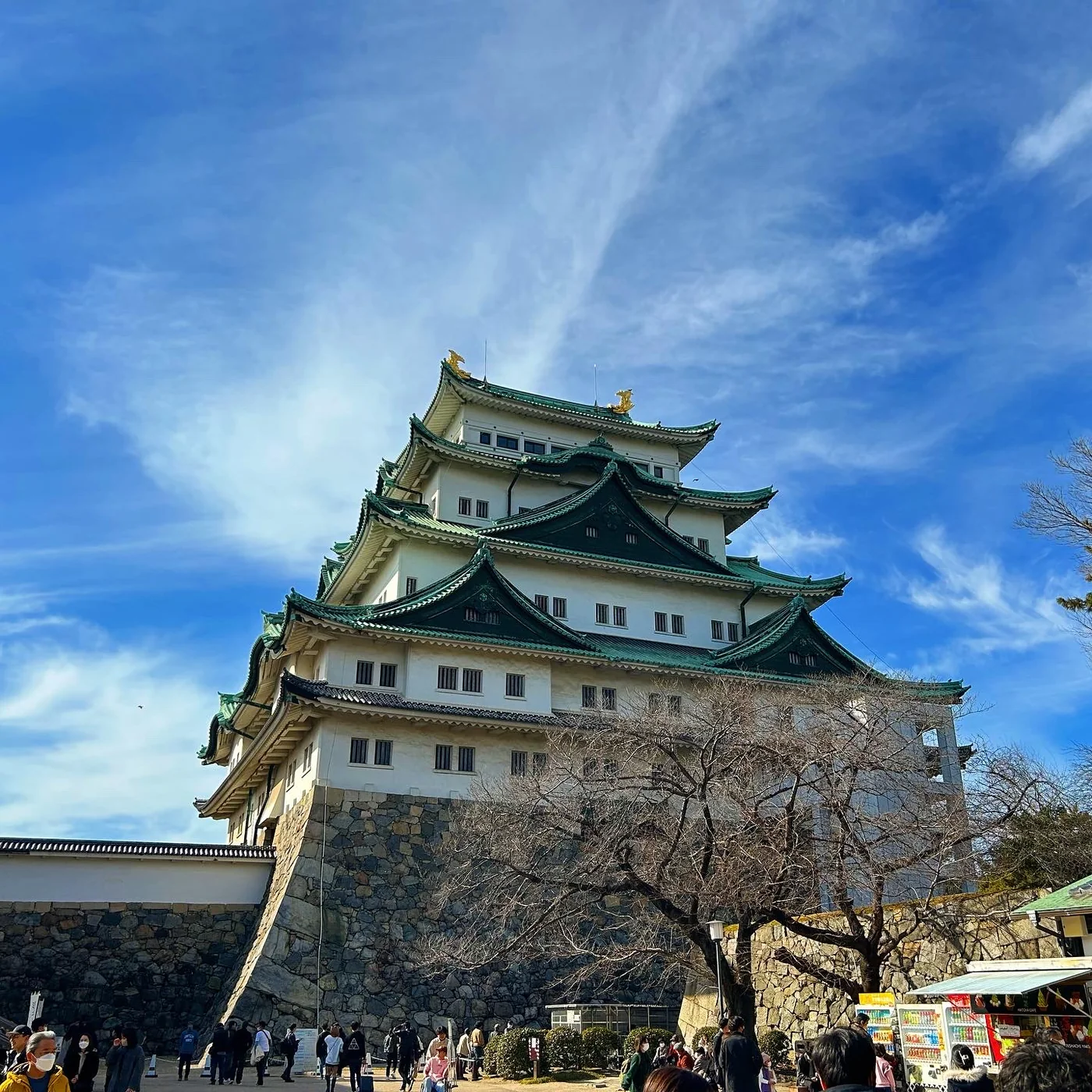
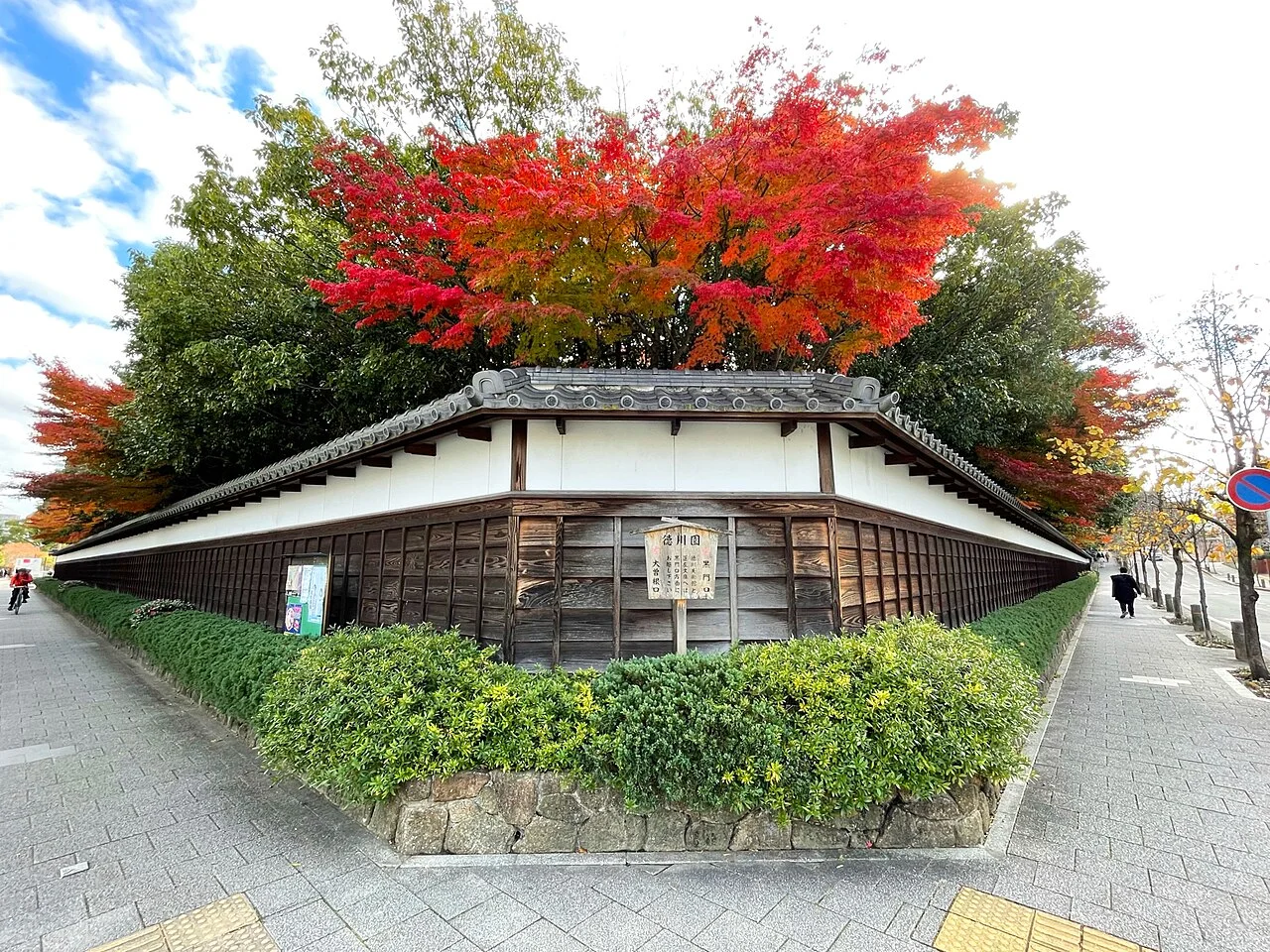
Choose Nagoya blossom areas by your arrival week: early Takaoka cherries, Meijo Park, Tsuruma Park, Yamazaki River, Higashiyama, Shonai Ryokuchi and Arakogawa. Plan a local half-day, evening entrances, current admission and transport tickets.
- Region & Focus
- Nagoya
- Reading Scope
- 40 min read · 15 chapters · 6 Q&As
- Official Verification
- 24 official sources checkedUpdated 26 October 2026
- Key Topics
- SeasonsItinerariesChubu & Hokuriku
Chapter Route Map (tap any stop)
- With half a day, choose a riverbank, park or botanical garden
- Read flowering reports by variety: “full bloom in Nagoya” does not cover every tree
- Early March arrivals: a short Okan-zakura street walk from Takaoka
- Meijo Park North Garden: separate pondside blossom from castle visits
- Inside Nagoya Castle: seek double-flowered cherries and Gyoiko in April too
- Tsuruma Park: cherry groves, fountain tower, food and rest in one area
- Yamazaki River: find Kanae-kobashi, then choose your bank and distance
- Later April: Higashiyama’s Cherry Blossom Corridor offers different varieties
- Higashiyama tickets, entrances and closure days determine evening access
- Shonai Ryokuchi: combine the flowering-tree garden and lawn time in a family half-day
- Arakogawa Park: another riverside cherry walk on the Aonami Line from Nagoya Station
- Evening blossom: check the open area across four 2026 formats
- Swap the blossom half-day while keeping meals and rests in the same area
- Transport tickets: calculate subway, JR and Aonami separately
- With children, pushchairs or older people, plan from the entrance to a turnaround
- Quick Q&A
For cherry blossom in Nagoya, choose varieties by your arrival week before choosing where to walk. Early March arrivals can try the Okan-zakura avenue near Takaoka Station. At Somei-yoshino peak, Meijo Park, Tsuruma Park and Yamazaki River offer different kinds of walk. In mid-April, shift attention to double-flowered cherries at Higashiyama Botanical Gardens. With half a day, staying in one area is usually easier than checking off several parks.
With half a day, choose a riverbank, park or botanical garden
For a walk beside water and canopies on both banks, choose the Yamazaki River. For easy station access, a grove of cherry trees and somewhere to sit and eat, choose Tsuruma Park. Their flowering periods often overlap, but the kind of visit differs. The Yamazaki River passes through residential areas, with walking along the river as the focus. Tsuruma is a city park with squares, historic buildings and commercial facilities, making it easier to accommodate different paces within a group.
Meijo Park suits a day already centred on the castle area. Extend the walk around Ofuke Pond without changing direction across the city. For Honmaru Palace and flowers inside the castle, give the time to Nagoya Castle's paid area. The names are similar, but entrances, tickets and closing times are separate. For park cherry trees alone, start at Meijo-koen Station. For castle defences and the palace, Nagoyajo Station is more convenient.
Higashiyama Botanical Gardens deserves half a day of its own, especially when central Somei-yoshino blossom has fallen and double-flowered cherries follow. For open lawns and a walk with children, compare Shonai Ryokuchi. From Nagoya Station on a day using the Aonami Line, Arakogawa Park offers another riverside choice. You do not need to complete all these in a day. One blossom area, a meal and a rest make a complete spring half-day.
Choose Nagoya blossom areas by your arrival week: early Takaoka cherries, Meijo Park, Tsuruma Park, Yamazaki River, Higashiyama, Shonai Ryokuchi and Arakogawa. Plan a local half-day, evening entrances, current admission and transport tickets.
Read flowering reports by variety: “full bloom in Nagoya” does not cover every tree
Okan-zakura, Somei-yoshino and double-flowered cherries bloom in succession, spreading city viewing over several weeks. Higashi Ward’s Okan-zakura guide says it flowers earlier than Somei-yoshino, starting in late February in some years. The Higashiyama variety table gives early to mid-March for Kanhi-zakura and Okan-zakura, late March to early April for Somei-yoshino, mid-April for Ichiyo, Ukon and Gyoiko, and mid- to late April for Kenrokuen-kiku-zakura. These are the garden's usual periods and help select candidate places.
Near departure, read three specific things in a blossom report: photograph or update date, location within the grounds and variety. One close-up labelled “the cherries are flowering” may show a single early tree, not a whole grove in full bloom. Conversely, news that Somei-yoshino has fallen need not cancel all blossom plans. Look for double-flowered cherry information at the botanical gardens before deciding whether to switch to Higashiyama.
Use local channels separately. For Takaoka, read Higashi Ward's official social accounts; for Yamazaki River, use Mizuho Ward or the city blossom FAQ; for Tsuruma, use the park's flowering reports; for Higashiyama, use the botanical flower map and official updates. Nagoya Castle's “Seasonal Flowers” gives a date for each report. For example, fallen blossoms in the report dated 20 April 2026 describe that time. For next season, use its varieties and locations to prepare possible routes. Reading the date tells you which information is useful.
Early March arrivals: a short Okan-zakura street walk from Takaoka
The Okan-zakura avenue follows a north–south road between Izumi 2-chome and 3-chome in Higashi Ward. It runs about 1.4 kilometres from the Sakuradori Izumi 2-chome junction to north of the Yoshino 2 junction. Take the Sakura-dori subway line to Takaoka, leave by Exit 2 and turn left at Sakuradori Izumi 2-chome to begin. The street has pale pink Okan-zakura and darker, bell-shaped Kanhi-zakura. Differences in colour on the same road reflect different varieties.
Use it for an arrival-day walk or a short outing around lunch. To walk the whole avenue, start in the south and choose the return from your eventual location. With young children or older companions, start near Takaoka and turn back after a section you like. This is an active street. Photograph from the pavement, cross before stopping at junctions, and keep home, shop and garage entrances clear. You can divide the street into any length; there is no need to hurry to its northern end.
Compared with a large park, its advantage is proximity to the centre. Afterwards, return easily to your hotel for a rest or continue to your planned meal. If early blossom has finished and Somei-yoshino has not begun, shorten the walk and return to indoor city activities. Later spring arrivals can give their half-day directly to the area flowering at that time.
Meijo Park North Garden: separate pondside blossom from castle visits
The official Nagoya tourism description of Meijo Park covers several areas around the castle. General blossom walks usually mean the North Garden, north of the castle. From Exit 4 at Meijo-koen Station on the Meijo subway line, head for Ofuke Pond to combine cherry trees, water and a distant castle view. Allow about one to two hours for flowers and paths. Extend it for meals, flowerbeds or a children's rest.
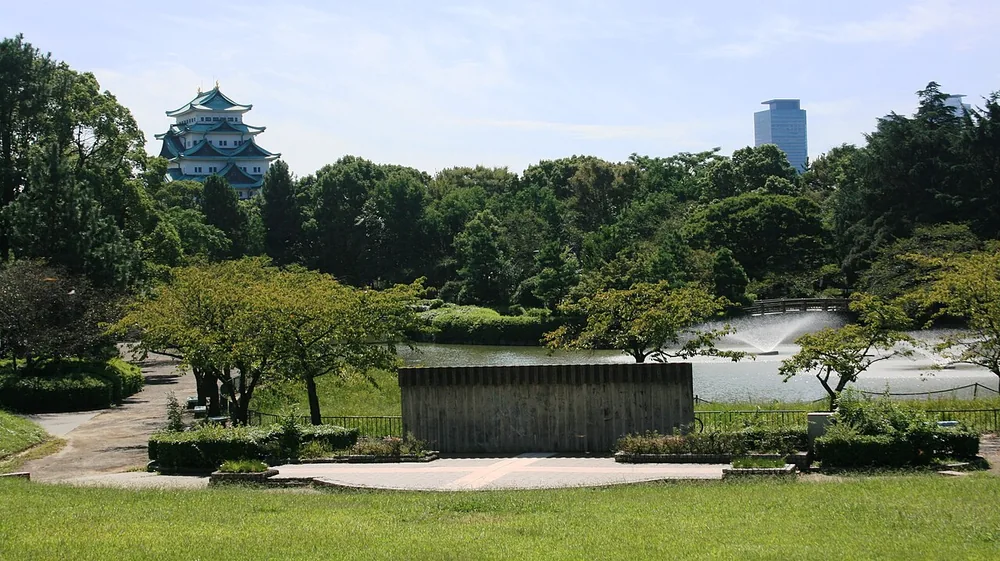
Start the North Garden route by the pond, then extend to the Flower Plaza according to energy. The park facilities map marks the North Garden, Flower Plaza and flower café, helping you choose a rest direction before leaving. After a pond circuit, return to the station or rest at the Flower Plaza.
Lawns may close for maintenance and growth management. Follow open paths around any barriers and replace a picnic with seats or a meal. The Flower Plaza opens 9:00–16:30 and closes Mondays, moving to the next weekday when Monday is a holiday. It also closes on the third Wednesday monthly, or the fourth if that is a holiday, and 29 December–3 January. On a late-afternoon park visit, put any rest or enquiry needing the building into the first part.
If you still have energy after the North Garden, continue to Nagoya Castle. If you have already spent much of the day inside the castle, choose only a pondside section. The trade-off is direct: for castle-focused photographs, spend longer inside; for a relaxed spring city green space, give more time to the park. Include the walk out of one area and to the other's entrance in your half-day. Being beside the castle does not mean every highlight is immediately inside the gate.
Inside Nagoya Castle: seek double-flowered cherries and Gyoiko in April too
The castle's official flower and tree list locates varieties clearly: weeping cherries in Nishinomaru, double-flowered cherries in Ninomaru and Honmaru, and Gyoiko in Ninomaru. Around mid-April, asking which area and variety is flowering is more useful than simply whether any blossom remains. Somei-yoshino creates the main pink-white mass. Later varieties reward a slower look at flower shapes and colours, without the same density along every path.
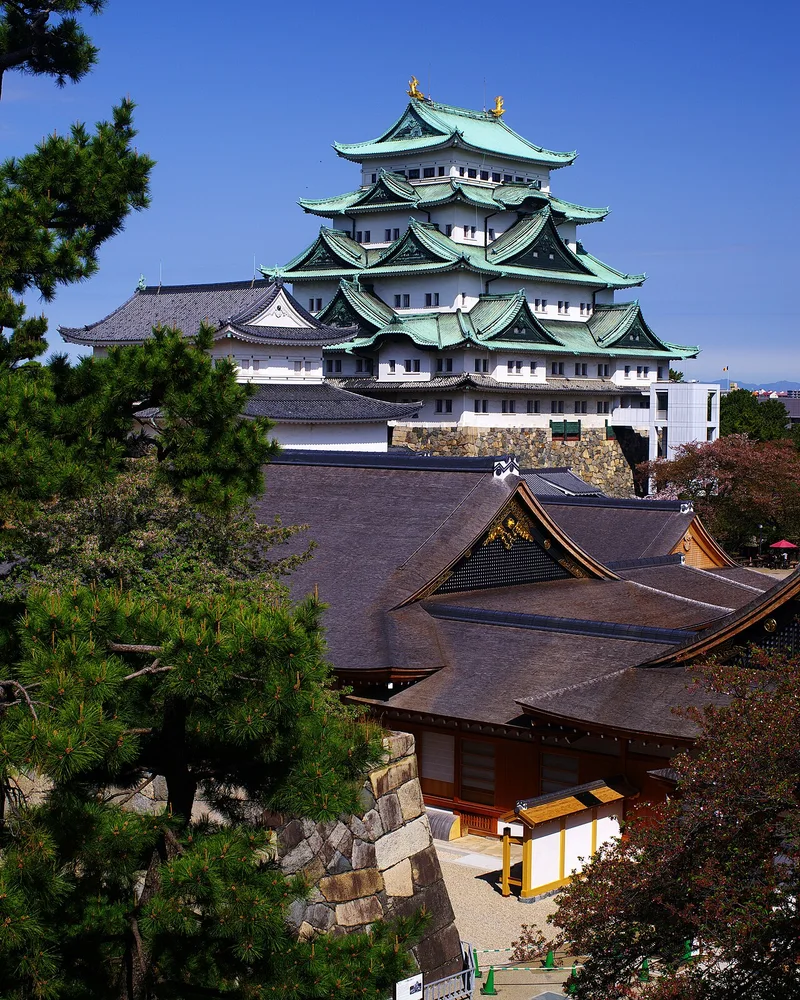
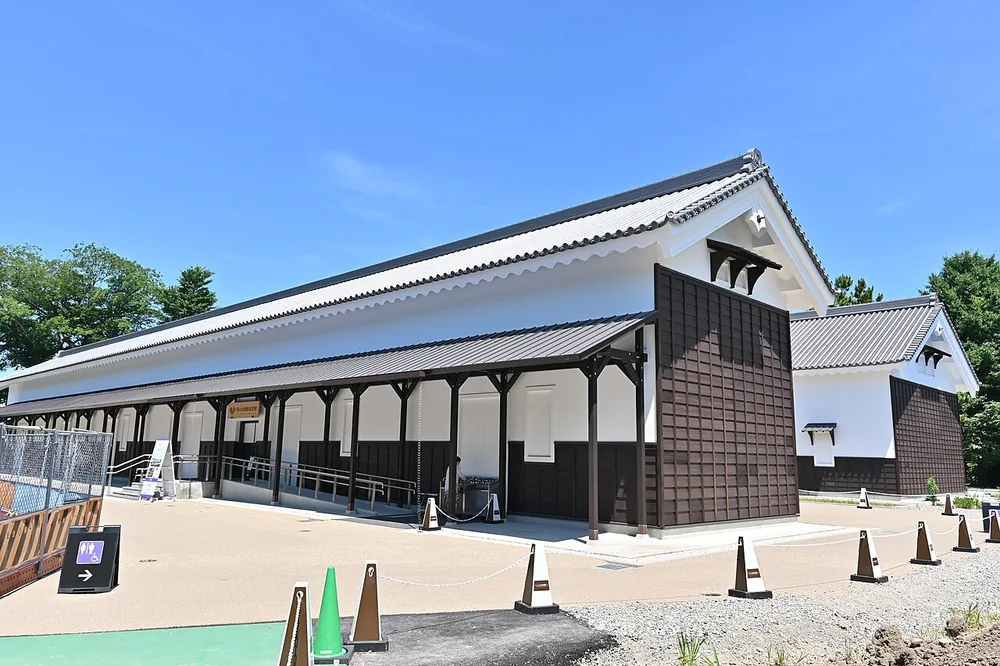
Budget current admission prices. The castle fare page specifies a change from 1 October 2026: ordinary individual adult admission is ¥1,000, with lower-secondary pupils and younger free. Earlier spring features may retain ¥500. Two adults with children of lower-secondary age or younger pay ¥2,000 in ordinary castle admission, plus transport and food. For a free park walk, stay in the North Garden. For the palace and flowers inside the castle, keep both this cost and visiting time.
Normal visitor information gives hours of 9:00–16:30. Reach the individual entrances to Honmaru Palace and Nishinomaru Okura Johokan by 16:00. The walk from the Main or East Gate to Honmaru Palace takes about 10 minutes. On a late-afternoon arrival, visit buildings with earlier cut-offs before outdoor flowers. With only a short gap, the surrounding park is more relaxed. The main keep is currently closed to entry, so plan castle blossom views around its exterior and open areas.
For the 20 March–5 April 2026 cherry-blossom evening opening, castle admission ended at 19:30 and the grounds closed at 20:00. Honmaru Palace last entry was 19:00; Nishinomaru Okura Johokan still stopped entry at 16:00. To see both buildings and evening scenery, the order was Nishinomaru, then the palace, leaving outdoor castle views for dusk. On ordinary opening days, use normal daytime hours.
Tsuruma Park: cherry groves, fountain tower, food and rest in one area
Tsuruma Park is convenient from JR Tsurumai Station on the Chuo Line or Tsurumai Station on the Tsurumai subway line, where Exit 4 is useful. The official tourism introduction distinguishes the western fountain tower, flowerbeds and rose garden from the eastern Japanese-style pond garden. For blossom first, walk from near the fountain towards the grove to the north-east. See that main area before deciding whether to extend to the bandstand and ponds. You can end the visit after these nearby sights.
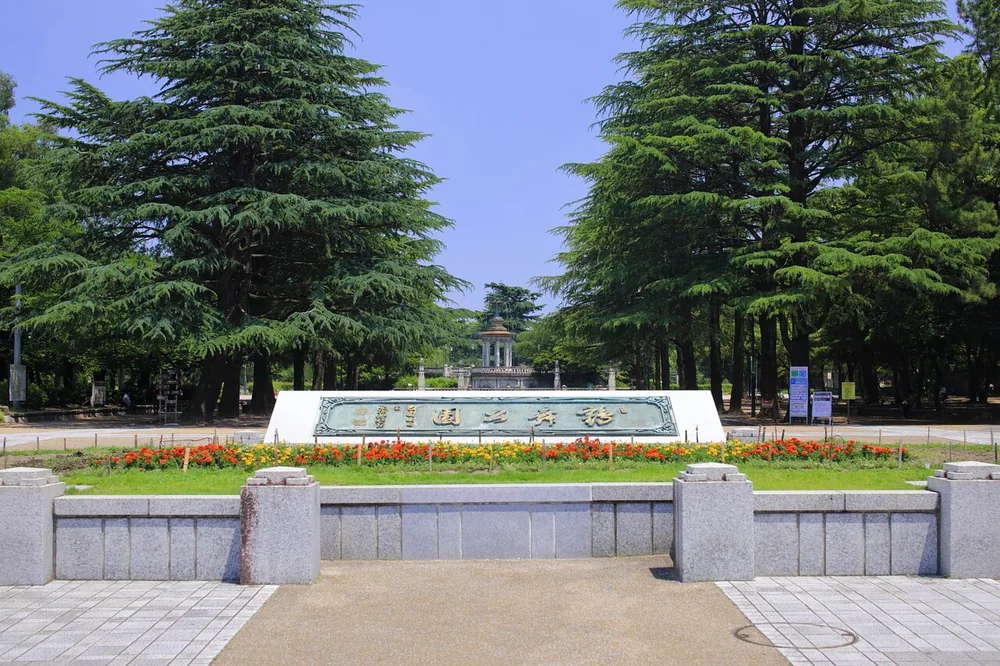
Compared with a riverside visit, Tsuruma Park brings different needs together: one person photographs cherries, another sees historic buildings, and another finds a seat and drink. Tsuruma Garden has restaurants and takeaway shops. Play equipment is on the station and library side. Around lunchtime, eat before walking, or take food away and find a rest spot under the day's access rules. Agreeing on a fixed meeting place saves the family repeatedly searching for one another among the cherry crowds.
The park itself has free, 24-hour access. The Greenery Centre opens 9:00–16:30 and closes Mondays, moving to the following day after a national or substitute holiday. It also closes on the third Wednesday monthly, or the fourth when that is a holiday, and 29 December–3 January. Make enquiries and borrow facilities during opening hours. For an evening blossom visit, walk the return station route in the afternoon and eat before or after the illuminations. Using the same station avoids taking luggage around the entire park.
The grove suits simply spending time beneath flowers. There is no need to see every pond and garden. After persistent spring rain, if cherry condition is poor, briefly see the fountain and bandstand, then continue near the station or with your original city plan. For commercial photography, pre-wedding shoots or group photography occupying an area, the park has separate activity-permit rules. Apply through that procedure rather than treating an organised shoot as ordinary visitors taking a quick photograph.
Yamazaki River: find Kanae-kobashi, then choose your bank and distance
The main Yamazaki River blossom stretch runs about 2.5 kilometres along both banks between Ishikawa Bridge and Ochiai Bridge. That is the overall viewing area; walking one bank and returning covers much more than a map's straight line. On a first visit, use the wooden Kanae-kobashi footbridge as your centre. Head north towards the Spring Path or walk a shorter section south. Look at the canopies and water from the bridge, then continue on the path rather than blocking the crossing for one photograph.
The city gives about one kilometre east, or 13 minutes on foot, from Mizuho-kuyakusho Station on the Sakura-dori Line to Kanae-kobashi. Mizuho-undojo-nishi and Meijo Line Mizuho-undojo-higashi are each about 15 minutes away. These walks get you to the bridge before riverside viewing begins. From Nagoya Station, the Sakura-dori Line is a useful main direction. From near Sakae, compare the Meijo Line to Mizuho-undojo-higashi. Choose a suitable station near your eventual walking endpoint or make a short return walk. That protects stamina better than committing to both full banks.
Some riverside points, such as near Tanabe Park, allow closer access to the water. Lower paths add descents, climbs and retracing. For pushchairs, wheelchairs or fewer level changes, start with the open upper paths. The city's illustrated Yamazaki River map marks parks, stations and toilets. Choose a daylight turnaround bridge and keep the return walk within your energy. A short walk on one bank and a different direction from another bridge can provide varied quiet blossom views.
Visit the Yamazaki River after eating. The city's night-venue rules state no stalls, no drinking parties or reserving spaces, and that rubbish must be taken away. The illuminated area has no toilets; use nearby park facilities. Even in daylight, do not plan on food stalls or sitting on mats drinking. Stay on public paths and keep voices low so residents, walkers and photographers can share the river.
Later April: Higashiyama’s Cherry Blossom Corridor offers different varieties
Higashiyama's botanical gardens contain the Cherry Blossom Corridor. The garden lists about 100 varieties and 1,000 trees, with different varieties flowering in turn. For a later trip, first read current double-flowered cherry reports and locate Ichiyo, Ukon, Gyoiko or Kenrokuen-kiku-zakura. Their petal layers, colours and branch shapes differ from Somei-yoshino. Reading variety labels up close is more interesting than looking only for a broad pink-white scene.
In early April, consider Yamazakura, Oyamazakura and earlier double-flowered varieties. In mid-April, look at Ichiyo, Ukon and Gyoiko reports. Gyoiko has yellow-green flowers, giving a different photograph from a pale pink canopy and rewarding close views. The seasonal table identifies options; that week's flower map and official updates determine the actual route. This gives a spring trip originally built around Somei-yoshino a clearly defined replacement half-day.
The botanical gardens follow natural terrain, and the corridor requires walking and slopes. With pushchairs, include climbs, rests and the return in your time. For half a day, focus on the botanical gardens, enter through an appropriate gate and head for the cherries rather than first crossing the whole zoo. Give animal-interested children a separate period, or make Higashiyama a full day. The official FAQ estimates two to three hours each for an unhurried zoo or botanical visit, before rests. Both in full therefore take much of the day.
Also look at flowerbeds and other plants flowering at the same time. If a cherry variety has only scattered flowers, follow the flower map to other seasonal plants instead of repeatedly circling trees whose flowers have fallen.
Higashiyama tickets, entrances and closure days determine evening access
For the botanical gardens, the official access page recommends Hoshigaoka Station on the Higashiyama Line. Exit 6 is about seven minutes' walk from Hoshigaoka Gate. From Higashiyama-koen Station Exit 3, the walk to the zoo side takes about three minutes. Both stations are on the Higashiyama Line. From Nagoya Station, choose according to the area you want. For an afternoon botanical half-day, put entry time into the plan before deciding how long to spend on lunch.
Normal opening is 9:00–16:50, with admission and ticket sales until 16:30. It normally closes Mondays. When Monday is a national or substitute holiday, closure moves to the next non-holiday. From October 2026, ordinary admission for upper-secondary pupils and older is ¥800. Lower-secondary pupils and younger enter free; lower-secondary pupils should carry student ID. One admission covers both zoo and botanical gardens. Two adults with a primary-school child pay ¥1,600 in ordinary admission. Compare a combined ticket separately if adding Higashiyama Sky Tower.
For a meal outside, the official FAQ provides a same-day re-entry ticket. Collect it at the gate when leaving and present it on return. If also attending a night event, follow its designated entrances and open areas.
Ordinary days end at 16:50. Evening blossom events use separate extended-opening notices. Daylight arrival makes varieties and paths easier to identify; remain for the evening if you still have energy. With young children and only a short night view in mind, enter and leave through that edition's night-event gates, omitting a full daytime visit. Eat, travel and rest before entering so you can focus on the main open route.
Shonai Ryokuchi: combine the flowering-tree garden and lawn time in a family half-day
In western Nagoya, Shonai Ryokuchi combines lawns, flowering-tree gardens and sports and recreation spaces. Exit 2 at Shonai-ryokuchi-koen Station on the Tsurumai Line is about a minute from the park entrance. It suits families wanting activity time for children too. See the flowering-tree garden, then allow play or rest, rather than keeping every companion beneath one group of cherries taking photographs all morning.
Start with the flowering-tree garden for a concentrated visit, then extend to other tree areas according to stamina. For a longer canopy walk, follow signs to sections with more cherries. Where bicycles pass, stand to the side while photographing and keep the route open. Choose an entrance-side or clearly named facility as the family meeting point after separate rests. Decide whether to sit on grass from that day's soil and access conditions; after rain, use paths instead.
The park has free access. Green Plaza opens 9:00–16:45. Its separate paid indoor plaza operates 9:00–21:00, with last admission at 20:00. Green Plaza closes Mondays, moving to the next weekday after a holiday; the third Wednesday monthly, or the fourth after a holiday; and 29 December–3 January. On a short Nagoya stay, see flowers in the morning and return to the centre for lunch. For longer children's play, make this your main half-day.
Arakogawa Park: another riverside cherry walk on the Aonami Line from Nagoya Station
Arakogawa Park is in Minato Ward, about three minutes' walk from Arakogawa-koen Station on the Aonami Line. Its long, narrow grounds follow a river with cherry trees on both banks, making bridges and water the main viewpoints. From Nagoya Station, use the same Aonami Line both ways for a self-contained half-day. If already travelling towards Kinjo-futo, add it as a stop along the line, shortening another main activity accordingly.
Choose an open bridge connecting the banks, cross for a view from the other side and return towards the station. From beside the bridge, compare layers of cherries along the river. From the bank, combine water and canopy in a photograph. Leave the centre of the passage afterwards so other walkers can pass. The riverside scenery is continuous, so a short section works. With older companions, there is no need to add steps by circling every artificial island and southern area.
The park also has a Japanese garden, a greenery demonstration garden and play spaces, extending blossom viewing into a spring park walk. The park is free. Garden Plaza normally opens 9:00–16:30 and closes Mondays, moving to the next weekday after a holiday; the third Wednesday monthly, or fourth after a holiday; and 29 December–3 January. Use indoor rest and nursing facilities during building hours. Food outlets and shops mainly accompany events. On an ordinary weekday, eat near the station or your original dining area first and carry water.
Arakogawa evening blossom has featured in spring festivals. Make the itinerary work as a daytime walk first, then decide from that edition's notice whether to return at night. Although in Minato Ward, it is on a different transport route from Nagoyako Station at the end of the Meiko subway line. Check actual transfers before combining waterfront activities. Shared references to the port do not remove walking or changes. For blossom alone, a straightforward Aonami Line return is easiest to manage.
Evening blossom: check the open area across four 2026 formats
The kind of evening blossom you want changes dinner time and the entrance to use. Tsuruma illuminates a grove beside a station. Yamazaki River lights a very short residential riverside section. Nagoya Castle extends opening in a paid area. Higashiyama offers an evening session in part of the botanical gardens. Distinguishing these four formats helps you choose where to spend an evening.
The table below records the finished 2026 events. For Yamazaki River, the city FAQ limits lighting to about 120 metres from Kanae Bridge to south of Kanae-kobashi, rather than the full 2.5-kilometre daytime cherry walk. A short visit to the principal lit area is enough. Higashiyama's 2026 evening notice required entry after 16:30 through Botanical Garden Gate or Hoshigaoka Gate. The zoo and parts of the botanical gardens closed after 16:50, so the night visit focused on designated areas such as the Cherry Blossom Corridor.
With one evening, consider Tsuruma for dining and a lively atmosphere, Yamazaki River for water and a short illuminated stretch, or that edition's Higashiyama information for later April double-flowered cherries. Eat and use the toilets before a night visit, then walk from a clear entrance to the main blossom area. Return by the same route or an identified station route. When the event ends, put away the camera and return comfortably to your room.
| Venue | Finished 2026 dates and times | Rules affecting the route |
|---|---|---|
| Tsuruma Park | 20 March–12 April; grove lighting 18:00–22:00 | Free park access; stalls and food services have separate hours |
| Yamazaki River | 25 March–3 April; 18:30–21:00 | About 120 metres from Kanae Bridge to south of Kanae-kobashi; no stalls, drinking parties or space reservation |
| Nagoya Castle | 20 March–5 April; entry 9:00–19:30, closing 20:00 | Honmaru Palace last entry 19:00; Nishinomaru Okura Johokan last entry 16:00; main keep closed to entry |
| Higashiyama Botanical Gardens | 4–12 April, closed 6 April; entry until 20:00, closing 20:30 | After 16:30, Botanical Garden and Hoshigaoka Gates only; after 16:50, zoo and parts of botanical gardens closed |
The official promotional film published in March 2026 introduces evening cherry-blossom viewing in the botanical gardens.
Swap the blossom half-day while keeping meals and rests in the same area
For a castle-area day while staying in Sakae, enter Nagoya Castle in the morning and see the palace first. After lunch, take a short pondside walk in Meijo Park. Good blossom can justify more park time. Otherwise, return the afternoon to your planned Sakae shopping, coffee and rest. This version needs no distant second park at night and suits adding one blossom walk to an ordinary Nagoya itinerary.
For different activities on one subway line, the Tsurumai Line connects Shonai Ryokuchi and Tsuruma Park, but choose just one as the main half-day. After lengthy play at Shonai, return directly to the hotel. For a stronger interest in groves and night views, visit Tsuruma in the afternoon and keep lunch and dinner in that direction. Both parks provide their own rest opportunities. Forcing both plus Yamazaki River into the day removes the most comfortable seated time.
For an early March arrival, use Takaoka's street in a central half-day and continue to your original Higashi Ward or Sakae afternoon. In mid-April, replace that blossom half-day with Higashiyama Botanical Gardens, taking the Higashiyama Line east and returning to the centre for dinner. The blossom area and transport change; central dinner and accommodation can remain. One main choice each day leaves short-stay visitors room to appreciate different varieties and scenery.
Give Yamazaki River its own daytime or early-evening short walk, turning back at a bridge and eating in a familiar area afterwards. For Arakogawa, use Nagoya Station as the transport base: morning flowers, lunch back at the station and the original city plan in the afternoon. These rivers are in different directions. With one day, there is no need to collect both because both offer reflections. One with suitable blossom and transport gives enough photographs and walking.
In rain, shorten outdoor sections so you can return to a station at any point. Tsuruma and Takaoka can become brief visits. With a Higashiyama daytime ticket already bought, use current access information to choose indoor animal displays and rest before deciding whether to return to the botanical gardens. After persistent wind and rain, read official notices and blossom reports first, then replace a longer river walk with meals, rest or indoor visits. Keeping the half-day in one direction is easier than crossing the city to another equally wet park.
Transport tickets: calculate subway, JR and Aonami separately
Meijo Park, Nagoya Castle, Takaoka, Yamazaki River and Higashiyama can use the subway as their main transport. Tsuruma also has JR's Chuo Line; Arakogawa uses the Aonami Line. Mark the actual operator for each ride before comparing passes. From Nagoya Station, if only making a Tsuruma or Arakogawa return, total single fares first. Do not add unrelated travel simply to use a subway pass.
The Nagoya Transportation Bureau’s current tickets include an all-line subway 24-hour ticket at ¥760 for adults or ¥380 for children. Its 24 hours start on first use at an automatic ticket gate. A city-bus and all-line subway one-day ticket costs ¥870 or ¥430 and covers one operating day. On Saturdays, Sundays, public holidays and the eighth of each month, compare the Donichi Eco Kippu: ¥620 for adults or ¥310 for children, covering city buses and all subway lines.
For Takaoka one afternoon and Higashiyama the next morning, the 24-hour start rule may suit the journeys on two consecutive days. For a full Sunday using city buses and subways, compare the holiday ticket directly. Include rides between the hotel and station and any return to the hotel for a rest before comparing with singles. Price each person separately. An adult saving does not necessarily give a child the same saving.
These bureau tickets do not cover other operators such as Meitetsu or Aonami; JR is also extra. The Aonami ride to Arakogawa Park costs separately even within Nagoya. At Tsurumai, choose JR or subway according to your ticket and actual starting point. A 24-hour ticket bought from a machine must start before the last train on the purchase day. Machine-bought paper one-day tickets, 24-hour tickets and Donichi Eco Kippu can be refunded only unused on the purchase day. The same condition applies to one-day tickets and Donichi Eco Kippu bought on city buses.
With children, pushchairs or older people, plan from the entrance to a turnaround
Blossom walking often starts after substantial station walking. Reaching Kanae-kobashi at Yamazaki River already takes about a kilometre, before either bank. Meijo-koen Station is close to the North Garden entrance, but walking round from there to another castle gate remains another journey. For older companions, specify the bridge or pondside turnaround rather than writing only a park name. Add a short section on site if energy allows.
Pushchair families can first compare shorter versions of Tsuruma, Meijo Park and Shonai Ryokuchi, with meals and rests near the entrance. At Higashiyama, make the botanical gardens the main goal and reduce other areas for slopes and distance. Numbered subway exits help orientation, but lift users need the station's accessible route and the onward walk from the lift to the gate. Applying a staircase exit's walking minutes directly to a pushchair can omit a detour.
At night with children, choose one announced area with a short station return. Use toilets before entering the Yamazaki riverside. At Higashiyama, follow open gates and designated areas. At Tsuruma, settle dining and a meeting place first. Coats, water and small bags that pack away quickly suit a mobile evening better than a full picnic kit. Keep passages clear for pushchairs, wheelchairs and walkers during photo stops, and keep children where accompanying adults can watch them.
To add spring blossoms to a wider independent trip, use Nagoya’s two-day accommodation and city-area plan as the base and replace one half-day with your chosen blossom area. If Higashiyama, Yamazaki River and the castle are all priorities, add another available day so meals and rests still fit. On the final day, choose a short visit near a station and leave according to luggage collection and train times.
A few useful answers
With half a day, should I choose Meijo Park or Tsuruma Park?
Choose Meijo Park if already visiting the castle area and wanting pondside and castle views. Choose Tsuruma for station access, a cherry grove and nearby food and rest. Allow roughly half a day of flexibility for either; you do not need both on the same day.
Can I still see cherry blossom in Nagoya in mid-April?
First check that week’s double-flowered cherry conditions at Higashiyama Botanical Gardens. Its usual-season table lists Ichiyo, Ukon and Gyoiko in mid-April, and Kenrokuen-kiku-zakura in mid- to late April. Nagoya Castle’s Ninomaru also has late varieties such as Gyoiko.
Is the whole Yamazaki River illuminated for cherry blossom?
The 2026 notice covered only about 120 metres from Kanae Bridge to south of Kanae-kobashi, while the main daytime blossom walk is about 2.5 kilometres. The night venue has no stalls or toilets and prohibits drinking parties and reserving spaces.
Which gate served Higashiyama’s 2026 double-flowered cherry evening event?
After 16:30, only Botanical Garden Gate and Hoshigaoka Gate admitted visitors. Last entry was 20:00 and closing 20:30. After 16:50, the zoo and parts of the botanical gardens closed.
Are Nagoya Castle and Higashiyama Zoo and Botanical Gardens still ¥500?
After the October 2026 price changes, ordinary individual adult Nagoya Castle admission is ¥1,000. Higashiyama ordinary admission for upper-secondary pupils and older is ¥800. Both admit lower-secondary pupils and younger free; Higashiyama asks lower-secondary pupils to carry student ID.
Does the subway 24-hour ticket cover the Aonami Line to Arakogawa Park?
Pay Aonami fares separately. Bureau subway, city-bus/subway one-day and holiday tickets do not cover Aonami or other operators. JR travel to Tsurumai also costs separately.
Official information and references
Sources used in this guide.
- Official Nagoya tourism: 2026 city blossom areas and usual flowering periods
- Nagoya Higashi Ward: Okan-zakura avenue, varieties and transport
- Official Nagoya tourism: Meijo Park North Garden
- Meijo Park: North Garden and Flower Plaza facilities map
- Nagoya Castle: varieties, locations and dated flowering updates
- Nagoya Castle: current admission after the October 2026 change
- Nagoya Castle: normal hours and building-entry deadlines
- Nagoya Castle: finished 2026 Spring Festival and extended opening
- Official Nagoya tourism: Tsuruma Park and Tsuruma Garden
- Tsuruma Park: free entry, Greenery Centre and transport
- Tsuruma Park: finished 2026 Cherry Blossom Festival notice
- Tsuruma Park: commercial photography and area-use permit rules
- Nagoya Mizuho Ward: Yamazaki River extent, bridges and path access
- Nagoya City FAQ: 2026 Yamazaki River lighting area, times and conduct rules
- Higashiyama Zoo and Botanical Gardens: Cherry Blossom Corridor varieties and usual seasons
- Higashiyama Zoo and Botanical Gardens: Hoshigaoka and Higashiyama-koen access
- Higashiyama Zoo and Botanical Gardens: current prices, entry and closures
- Higashiyama FAQ: price-change dates, re-entry and visiting times
- Higashiyama Zoo and Botanical Gardens: finished 2026 evening double-flowered cherry event
- Official Nagoya tourism: Shonai Ryokuchi facilities and entrance
- Official Nagoya tourism: Arakogawa Park, Aonami Line and building hours
- Nagoya Transportation Bureau: one-day, 24-hour and holiday tickets and coverage
- Higashiyama Zoo and Botanical Gardens: official YouTube channel identity
- Nagoya Castle: main keep entry closure and current visiting areas