Pick Tokugawaen, Shirotori Garden, or Higashiyama Zoo and Botanical Gardens based on your arrival time, with 2026 illumination dates, last entry, transit, fares, plus the Meitetsu Bisai Line trip to Sobue ginkgo groves.
- Region & Focus
- Nagoya
- Reading Scope
- 18 min read · 12 chapters · 5 Q&As
- Official Verification
- 21 official sources checkedUpdated November 19, 2026
- Key Topics
- SeasonsItinerariesChubu & Hokuriku
Chapter Route Map (tap any stop)
- Give Your Arrival Afternoon to One Garden Before Sunset
- Start at Tokugawaen's Ryusenko Pond, Then Walk to the Falls or Stay for Lights
- Tokugawaen Lights Up at 16:00—Check Which Nights Run Until 20:00
- Pair Shirotori Garden With Atsuta Shrine While Daylight Holds
- Shirotori Splits Regular Illuminations From Ticketed Fridays—Do Not Mix Up the Gate Rules
- See Animals in the Morning at Higashiyama, Then Cross to the Botanical Gardens
- Night Illuminations at Higashiyama Use Different Gates From Daytime Zoo Routes
- When Sobue Turns Yellow, Give Yamazaki Station a Full Daytime Block
- See Rows of Ginkgos From Public Roads, and Respect Orchard Boundaries
- Save Korankei for Its Own Day—Return Transit Works Very Differently
- Trim One Loop When Rain Moves In or Dusk Arrives Early
- Match the Route to Your Group, and Separate Walking Distance From Dwell Time
- Quick Q&A
If you only have one afternoon in Nagoya, pick a garden with an easy route back to your hotel. Tokugawaen fits lakeside strolls and evening illuminations, Shirotori pairs cleanly with Atsuta Shrine, and Higashiyama rewards travelers with more than half a day. For avenues of golden ginkgo, save a flexible morning for Sobue and time your departure around recent organizer photos and Yamazaki Station train schedules.
Give Your Arrival Afternoon to One Garden Before Sunset
Spread your hotel, major transit hubs, and dinner spot out on a map, then check how many daylight hours you actually have left. From Nagoya Station, Tokugawaen is the strongest pick if you want a waterside walk before dusk and evening reflections afterward. If Atsuta Shrine is already on your schedule, save the afternoon for Shirotori Garden and catch the subway back from Atsuta. When you have a full morning and children who want to see animals, make Higashiyama Zoo and Botanical Gardens the anchor of the day. All three fit comfortably into one trip, so you only need to choose one for arrival day.
When traveling into central Nagoya from Chubu Centrair International Airport, factor in immigration, ticket machines, the walk from Meitetsu Nagoya Station to your hotel, and luggage drop-off on top of the train ride. Setting a straightforward station as an early-evening rendezvous works especially well if family members split up. Anyone staying near Atsuta or Kanayama has a quick hop back, while travelers based around Nagoya Station can book dinner near their return stop. Leave one garden for check-in day and hold a separate morning open for the Sobue ginkgos.
The official Nagoya tourism autumn foliage feature lists city sights, transit, and seasonal events. When reading event calendars, separate two columns mentally: festival dates cover daytime programming, while night openings tell you when the gates actually stay unlocked. Always check recent social posts or official updates from each garden for leaf color. Stations just one stop apart can show two different stages of autumn, and neighboring trees with different sun exposure often mix red and green at the same time. If your priority is guaranteed peak color, judge Sobue by dated organizer photos, or use Higashiyama's varied elevations and zones to build a walk through shifting shades.
Write down your target date and its exact last-entry cutoff on your itinerary. Mondays trip up many schedules: when a Japanese public holiday falls on a Monday, gardens typically open that day and shift their weekly closure to Tuesday. Enter your exact travel dates on a calendar so substitute closures stand out immediately. Monday, November 23, 2026 is a Japanese national holiday, meaning both Tokugawaen and Higashiyama are closed on Tuesday, November 24. If November 24 is your only full day in Nagoya, the Sobue Ginkgo Festival is still running in Inazawa for a daytime trip. Shirotori Garden follows the same post-holiday closure rule, so move city gardens to the next day.
| Time Available | Go Here First | Check This Before Leaving |
|---|---|---|
| One afternoon around check-in | Tokugawaen Garden | JR Ozone South Exit or Sakae bus; confirm last entry for the day |
| Paired with Atsuta Shrine or Kanayama | Shirotori Garden | Atsuta Jingu Nishi Exit 4; check regular vs. ticketed night event |
| Half a day or more, plus animals | Higashiyama Zoo and Botanical Gardens | Main Gate or Hoshigaoka Gate by day; check night-only gates |
| Half a day free for the suburbs | Sobue Ginkgo Groves | Yamazaki Station (BS07) round-trip times and that week's yellow-leaf photos |
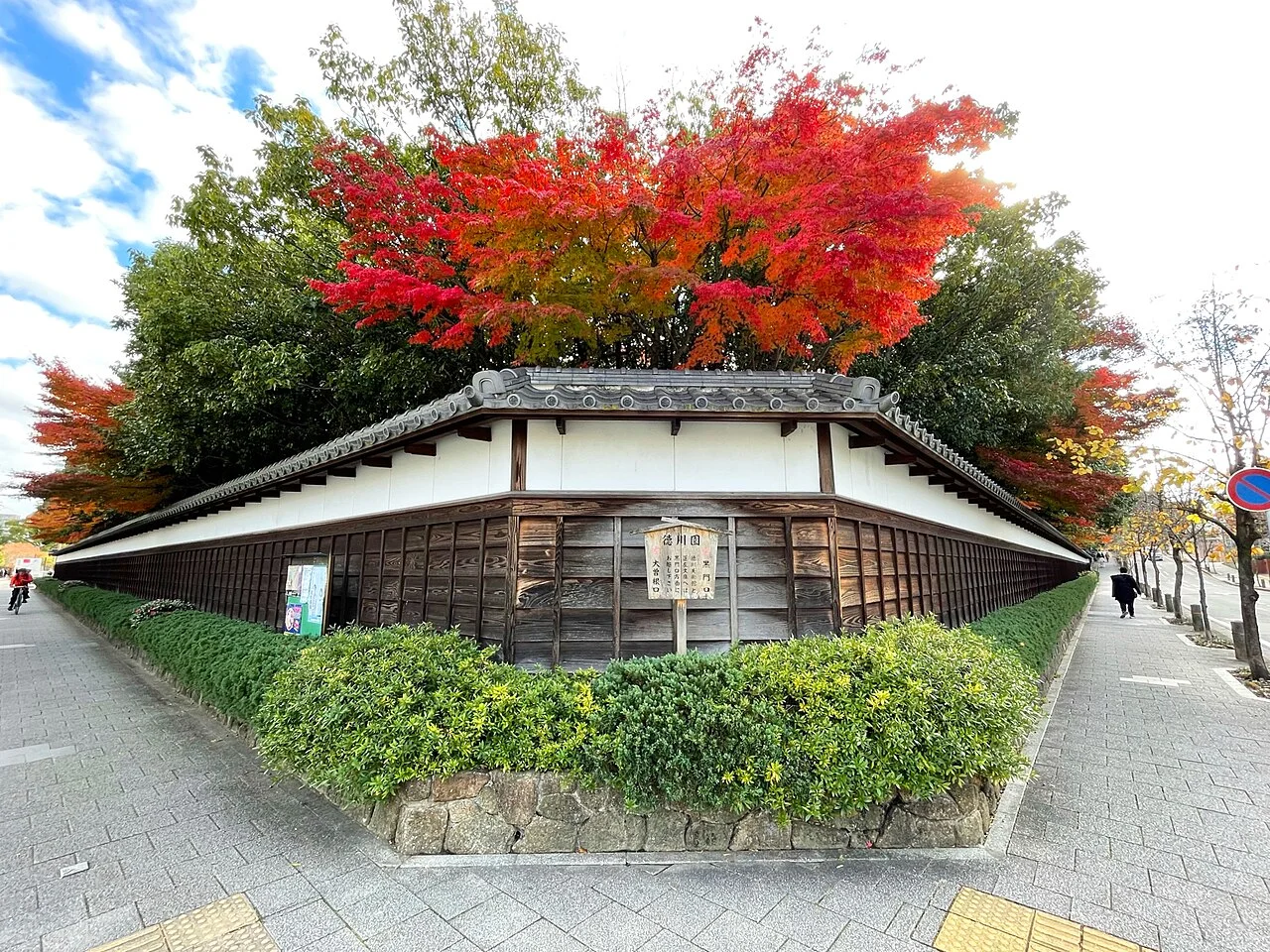
Pick Tokugawaen, Shirotori Garden, or Higashiyama Zoo and Botanical Gardens based on your arrival time, with 2026 illumination dates, last entry, transit, fares, plus the Meitetsu Bisai Line trip to Sobue ginkgo groves.
Start at Tokugawaen's Ryusenko Pond, Then Walk to the Falls or Stay for Lights
Ride the JR Chuo Main Line from Nagoya Station to Ozone Station and take the South Exit; Tokugawaen's signage puts the walk at about 10 minutes. From Sakae, you can also board a city bus at Oasis 21 in the Sakae Bus Terminal to Tokugawaen Shindekimachi, a 3-minute walk from the gate. If taking the subway to Ozone, use Exit 3 for roughly a 15-minute walk. Because the subway exit and JR South Exit are different approaches, specify both the line and exit when meeting companions. You can retrace your steps afterward or continue onward. The Tokugawaen access map clearly separates the rail exits and bus stops.
According to the garden's visitor guide, standard hours are 9:30 to 17:30 with last entry at 17:00. Admission is ¥300 for adults and free for junior high school students and younger; regular closures fall on Mondays (shifted to the next weekday after a national holiday). Travelers arriving by Shinkansen can eat near the station first, then head to the gate in the afternoon. Arriving mid-afternoon gives you both crisp daytime colors and calm water reflections near the shore. Separate announcements govern evening openings.
Walk straight to Ryusenko Pond first and find a clear view across the water. Tokugawaen is a traditional pond-stroll garden combining shoreline paths, streams, and wooded slopes. Reading how the trees and boulders frame the pond makes it easier to decide where to linger than marching blindly around the perimeter map. Head up to the Ozone Waterfall if you want elevation and rushing water, or hold a spot along the pond until the group ahead moves on. Even when paths look close together on paper, slopes and photo waits add up fast.
If your group walks at very different speeds, pick one obvious landmark by Ryusenko Pond to regroup while faster walkers follow the official route past the waterfall. Travelers with strollers, wheelchairs, or sore knees should consult the accessibility guide and route map in advance to locate step-free entrances, ramps, and restrooms before committing to lakeside loops. That way, anyone who wants to exit early knows exactly where everyone else will meet them. If only one person has mobile data, save screenshots of the garden map and gate name to everyone's phone beforehand.
For indoor culture in the morning, pair the garden with the adjacent Tokugawa Art Museum and Hosa Library. Check the Tokugawa Art Museum visitor information for hours, special exhibitions, and ticket types, then step into the garden later in the afternoon. Let exhibition pacing and audio guides set your morning rhythm, and check our Tokugawa Art Museum and Hosa Library guide for collection highlights. Visitors focused solely on foliage can simply ride to Ozone and buy standard garden admission.
Tokugawaen Lights Up at 16:00—Check Which Nights Run Until 20:00
The 2026 Tokugawaen Autumn Leaves Festival notice runs from November 14 to December 6, with closures on November 16, 24, and 30. On open days, garden lanterns and landscape lighting turn on around 16:00. Full evening extensions until 20:00 (last entry 19:30) apply only on November 20–23 and November 27–29. Arriving shortly after 16:00 on regular days lets you see the early glow before standard closing, while official night-extension dates give you far more breathing room around dinner. Coming a bit early also lets you make out stone steps and layered foliage along the pond before full darkness sets in.
If you are sightseeing elsewhere in the afternoon, pick a concrete arrival time before leaving your hotel. To enjoy the illumination without rushing, aim comfortably ahead of the 19:30 cutoff; if that looks tight, shift the night visit to another open evening. Walking from the entrance to the best vantage points takes extra minutes in the dark, and deciding routes on the fly slows you down. Alternatively, book an early dinner and meet afterward in Sakae if it is an extended-hours night and transit from the restaurant lines up. Working out dinner reservations against last entry upfront saves far more hassle than rebooking mid-evening.
As daylight fades to night, pond light shifts rapidly, changing which trees and reflections stand out from the exact same spot. Choose one clear stretch of shoreline path rather than chasing every angle. Pause once along the lantern-lit paths, and wait until you reach the exit gate to check train departures instead of staring at your phone in dim corners. After rain, watch your footing on wet stone and save tight lakeside framing for daylight. On windy evenings, skip waiting for mirror-still water, follow the lit path where spotlights hit the maples, and put that saved half-hour toward an easier trip back.
Pair Shirotori Garden With Atsuta Shrine While Daylight Holds
Combine Atsuta Shrine and Shirotori Garden in a single outing. Ride the Meijo Subway Line to Atsuta Jingu Nishi Station and walk about 10 minutes from Exit 4, as shown on the Shirotori Garden rail access page. If you visit the shrine first, watch your time carefully so you still get a full afternoon inside the garden. You can also start from the shrine side via Meitetsu Jingumae Station and take the subway home afterward. Because the two station names sound similar, write both the line and exact station name when coordinating with travel companions.
Shirotori Garden's general visitor guide lists hours of 9:00 to 17:00 with last entry at 16:30, closed Mondays (or the following weekday if Monday is a national holiday). Admission is ¥300 for adults and free for junior high school students and younger. If dinner is in Kanayama or Sakae, backtracking to the Meijo Line is straightforward; if you walked over from Jingumae, leave via Atsuta Jingu Nishi instead. To cut down on walking from Kanayama, board the Atsuta loop bus (right-hand loop via the shrine's East Gate) from Kanayama Station North Exit Stop 4 to Atsuta Shogai Gakushu Center (3-minute walk), or take Bus Kanayama 25 from North Exit Stop 8 to Shirotoribashi (6-minute walk). Check departure frequencies before heading out, and head straight to the staffed garden entrance rather than burning afternoon daylight in the surrounding public park.
Follow the water course to read the garden's design, which models the topography of central Japan from mountain headwaters down to the sea. Where the pond widens, find a clean vantage point across the water—in late autumn you can catch red maples alongside winter pine-wrapping (yukizuri) ropes. Before planning a tea stop, check the Shirotori Garden facilities guide for Seiu-tei's schedule: the teahouse interior and its adjacent roji garden close to general visitors whenever private bookings are in session. Travelers aiming for seasonal tea gatherings can check dates and registration on the autumn event page, while casual strollers can simply enjoy the pond paths.
If you plan to visit both gardens on separate afternoons, the joint adult ticket for Tokugawaen and Shirotori Garden costs ¥480 versus ¥600 bought separately. Make sure both visits fall under regular admission rules before buying, and double-check terms at the ticket window. Note that Shirotori's general rules forbid re-entry once you exit—important if you hope to step out for dinner and return for night lights. Eat beforehand, stay inside through illumination, and head to dinner afterward. Senior discounts for Nagoya residents require local residency and ID, so international visitors should plan on paying the standard adult fare.
Shirotori Splits Regular Illuminations From Ticketed Fridays—Do Not Mix Up the Gate Rules
The 2026 Shirotori Garden Kanpukai autumn event divides evening openings into two formats. General-admission illuminations run on November 14, 15, 21, 22, 23, 28, and 29, lighting up around 16:00 and staying open until 20:00 (last entry 19:30) with standard tickets and no reservation required. Children junior high age and younger must be accompanied by a parent or guardian after 17:00. November 15 is a free-admission anniversary day, while regular admission applies on the remaining dates. Daytime exhibitions and tea events follow their own schedules on the same calendar page.
Friday nights on November 20 and 27 are separate ticketed events. The garden clears out at 17:00 and reopens at 18:00 from the Main Gate for advance ticket holders only, at ¥800 per person with limited capacity (children junior high age and younger enter free with a ticketed guardian). Even daytime visitors must follow the special-event rules if staying for those evenings. If you decide last minute to see illuminated maples on a Friday night, Tokugawaen runs regular extended hours on both of those Fridays and fits much more easily before dinner—just check Tokugawaen's transit and last-entry cutoff instead.
Near closing time on weekends, confirm your exact pickup gate on a map before ordering a taxi or ride-hail. The garden cautions that parking lots fill up on weekends, holidays, and illumination nights, and sitting in traffic can easily cost you last entry. Subway plus walking keeps your timing predictable and lets slower walkers pause as needed. Check your return station direction before stepping outside the gate so groups do not drift apart. Bright reflections on the pond do not mean dark paths are well lit—guide family members along illuminated walkways toward the exit before packing up tripods or cameras.
See Animals in the Morning at Higashiyama, Then Cross to the Botanical Gardens
Picking the wrong gate at Higashiyama costs far more walking time than taking a wrong subway exit downtown. If you are coming strictly for autumn foliage, take the Higashiyama Subway Line to Hoshigaoka Station and follow the Higashiyama official access guide for a 7-minute walk from Exit 6 to the Hoshigaoka Gate. If you want the zoo first, get off at Higashiyamakoen Station Exit 3 for a 3-minute walk to the Main Gate, then save the botanical gardens for afternoon. Both routes work from the same hotel, and you can enter at one station and leave from the other. When splitting up, name an exact spot like "outside Hoshigaoka Gate" rather than just saying "the Higashiyama entrance."
Standard hours are 9:00 to 16:50 with last entry at 16:30, and admission is ¥500 for adults (free for junior high school students and younger). Check the Higashiyama Zoo and Botanical Gardens FAQ for open days and ticketing details. Morning zoo visitors routinely underestimate how long the animal enclosures take: the park's own estimate allows 2 to 3 hours each for the zoo and botanical gardens before counting breaks. Arriving after lunch means choosing highlights in each half. In the botanical grounds, start around Okuike Pond for foliage colors and leave margin for the walk out. With short autumn daylight, missing the 16:30 cutoff means waiting for another day unless you visit on a confirmed night-opening date.
If you like comparing tree species and layered color shifts, Higashiyama offers far more variety than a single pond loop. The City of Nagoya autumn announcement highlights diverse maple varieties around Okuike Pond, vibrant foliage along the Gassho-no-Mori trail, and the Yuyu-en garden area. Walking the valley and ponds first before climbing the slopes lets you view reflections down low and full canopies overhead. Set a clear lakeside meeting spot if some travelers want close-up botany while others hunt peak-color photos; slower walkers can stick to one or two marked viewpoints and rejoin the group before dusk at your chosen exit gate.
Families with elementary-school children can join the seasonal maple stamp rally listed for 9:00 to 15:00 at the Hoshigaoka Gate or Botanical Garden Gate (open to junior high age and younger). It pairs naturally with a botanical garden stroll where kids can match leaf shapes along the trails. If the morning zoo visit runs long, head straight to Okuike Pond after lunch rather than doubling back to a gate just for stamp sheets. Travelers keen on the conservatory should also see it in daylight, as evening access and lighting follow narrower rules.
Night Illuminations at Higashiyama Use Different Gates From Daytime Zoo Routes
Higashiyama's 2026 autumn foliage festival runs November 14 through December 6 (closed November 16, 24, and 30). Evening illuminations take place only on November 21, 22, 23, 28, and 29, plus December 5 and 6, keeping designated botanical garden zones open until 20:30 with last entry at 20:00. As the city notice spells out, only the Hoshigaoka Gate and Botanical Garden Gate operate after 16:30, while the zoo area closes at 16:50. If arriving specifically for lights, go straight to an open evening gate—and when asking hotel staff for directions, specify the "Botanical Garden night illumination" so you do not get sent to the closed Main Gate.
Visitors staying seamlessly from day into evening should cross into the botanical garden area before 16:50 and follow on-site signage into the restricted night zone. If you have dinner reservations, decide how long you will stay before stepping in. Start at Okuike Pond for illuminated water reflections, then judge whether to continue toward Gassho-no-Mori. The city notice specifies that the conservatory building closes at night, with only the exterior of its front pavilion illuminated—so tour the indoor plant collections during daylight and save pre-dinner evening strolls for central Nagoya if you miss daytime hours.
Higashiyama's night illumination extends into the first weekend of December, after Tokugawaen and Shirotori finish their evening runs. On December 5 and 6, 2026, Higashiyama is still open for night foliage, while Tokugawaen remains in its daytime Autumn Leaves Festival—making it easy to check daytime garden color without overstuffing two cross-town trips before foliage peaks. If you only have one evening, commit to one station, exit, and entry slot, and save the other garden for next time; transferring from Atsuta to Higashiyama before dinner adds another train change and two long walks.
When Sobue Turns Yellow, Give Yamazaki Station a Full Daytime Block
Sobue sits in Inazawa City just northwest of Nagoya, with Meitetsu Bisai Line's Yamazaki Station (station code BS07) as the trailhead. Look up trains using "Yamazaki (BS07)" on the Meitetsu Yamazaki Station page, which lists schedules toward both Meitetsu-Ichinomiya and Tsushima. Searching from Meitetsu Nagoya lets you compare transfers via Meitetsu-Ichinomiya versus Tsushima, while guests staying on Nagoya's west side or arriving from Gifu can route straight from their nearest station. Save your connecting station and final destination—not just a screenshot of the last leg—so you are not stranded recalculating transfers back at Yamazaki.
Right beside the station lies Sobue Ginnan Park. Both the Inazawa City Sobue guide and the Meitetsu Sobue walking map highlight the park, Yusenji Temple, and festival venues separately. For venerable trees, make the old ginkgo beside Yusenji Temple your turnaround point: children can inspect fallen ginkgo nuts and leaves in the park first, then see how massive a mature tree grows at the temple. Public roads link the two sites—just obey any temporary festival traffic controls. Download the commerce association's 2026 venue and walking map for official pedestrian routes; the park loop is marked at 2.5 km (about 33 minutes of pure walking before photo stops at Yusenji). Travelers with most of a day can tackle the full 8-km Meitetsu hiking route starting from Morikami Station and finishing at Yamazaki, which avoids changing return stations. You can spot leaf-color progress right outside the station, making it easy to set Yamazaki as a home base for seniors while faster walkers loop further into town.
Plan your date around the organizer's foliage updates and festival schedule. The 2026 main festival runs November 21–29, with both venues open 9:00 to 15:00 on weekdays and until 16:00 on weekends and holidays; evening illuminations run November 21–28 from 17:00 to 20:00, while November 29 hosts daytime festival events only. Always check the shoot date printed on the chamber of commerce's photo updates—those images tell you actual leaf color for your week, while the calendar confirms booth and shuttle activity. If your Nagoya stay is short, verify both the latest dated photos and return trains before buying tickets.
Sobue works best in a flexible half-day slot. If your city schedule looks comfortable, catch a morning train out and return to Nagoya for lunch; if you have an afternoon Shinkansen to catch, count backward from your Yamazaki departure so your final loop stays close to the station. Travelers with only late afternoon left should lock in a return train that connects cleanly to dinner or hotel check-in before deciding whether to stay past dark, since walking between venues at night always takes longer than expected.
See Rows of Ginkgos From Public Roads, and Respect Orchard Boundaries
Many Sobue ginkgo trees are working agricultural crops grown for their edible nuts. The 2026 festival venue map explicitly notes that ginkgo orchards are private, working farmland. Stick to the public park, open festival grounds around Yusenji Temple, and public roads, keeping cameras on passable edges. Angle your lens parallel to the roadside to capture full rows of trees in depth from afar, step aside promptly on narrow lanes when vehicles pass, and leave leaf-covered ground inside orchards to the farmers. If kids walk ahead, agree on designated roadside photo stops before stepping off main lanes.
Decide whether you want daytime golden canopies or illuminated night trees. Daylight shows full crown color shifts and carpeted leaves cleanly and puts you back in Nagoya in time for dinner. Because daytime festival booths close before the 17:00 illumination switch-on, anyone staying from midday through evening needs their own plan for snacks and breaks—eating a proper meal in Nagoya beforehand beats hunting for open restaurants near the small station. If your group splits up, name Yamazaki Station along with exact train time and direction as your meetup point, then follow lit public paths straight back to the platform.
Take the train during festival dates. Organizers close the paved parking area on the east side of Yamazaki Station inside Sobue Ginnan Park from November 19 through December 3 for setup, festival operations, and teardown. Drivers must follow official routing to the Nishijima Ground temporary parking lot rather than squeezing onto roadside shoulders and blocking traffic flow. Travelers aiming to spare older relatives extra walking can drop straight into the park next to Yamazaki Station—and if your first stop runs close to your target train, relax near the station before deciding on another loop.
Save Korankei for Its Own Day—Return Transit Works Very Differently
The Asuke Tourism Association access page outlines several rail-and-bus combinations to reach Korankei in Toyota City's Asuke district. Compared with Sobue, getting back to central Nagoya from Korankei requires far tighter coordination across highway sections, rural buses, and peak evening bottlenecks—especially on popular night-illumination dates. If you want both the riverside maple canopy and Asuke's historic streets, give it a dedicated day and sequence your stops using our Korankei riverside and night illumination guide. If you have an early flight after a night-foliage outing, compare staying downtown versus moving to the airport island the night before in our Chubu Centrair early-flight transit guide.
Cramming both Korankei and Sobue into the same day turns your entire afternoon into transit time. When one companion wants crimson riverbanks and another wants golden ginkgos, split them across two half-days instead: pair Tokugawaen or Higashiyama in the city for maples with a flexible morning run to Sobue, and wait for a full open day before heading out to Asuke and Korankei. You can also swap components using our two-day Nagoya itinerary—if Sobue's ginkgos are still green on arrival, keeping your plan urban protects dinner bookings and train connections.
Trim One Loop When Rain Moves In or Dusk Arrives Early
Rain calls for shorter walking loops, not canceling the day. At Tokugawaen, start indoors at the Tokugawa Art Museum and wait to see if showers clear for the easier pond paths; if rain persists, finish the exhibits and head straight back to Ozone Station. At Shirotori Garden with restless kids, decide upfront whether to prioritize the shrine or the pond, and enter and leave from the same subway station. Because regular Shirotori admission allows only single entry, stepping out for snacks cuts your visit short—sort out food and meetup details before passing the ticket gate.
When cold weather hits, trim Higashiyama down to a short daytime botanical loop by Okuike Pond and exit toward Hoshigaoka Gate. If part of your group still wants the zoo, settle on an outside meetup time beforehand so everyone can enter through whichever gate fits their tickets. Save Sobue for a dry morning after checking dated photos and radar. A satisfying Nagoya autumn plan only needs one clear afternoon in a city garden and one unhurried morning on the train—keep that flexible block open until both entry cutoffs and return schedules line up.
Match the Route to Your Group, and Separate Walking Distance From Dwell Time
Group itineraries usually break on one miscalculation: a 10-minute solo walk between gates stretches much longer once you add restroom stops, bench breaks, and camera setups. Build your schedule with three separate columns: entry gate, walking time inside, and departure station. For Higashiyama, putting two different station names in the first and third columns immediately shows whether an afternoon schedule works. At Shirotori and Tokugawaen, count only the walk from your transfer stop to the gate separately from rail travel and ticket lines.
When part of your group wants museum galleries and others want photography, split up right outside the Tokugawa Art Museum—one half heads indoors while the rest enters Tokugawaen on garden tickets, then everyone reunites near JR Ozone Station's South Exit for dinner. Use the same playbook at Atsuta by setting Atsuta Jingu Nishi Station as your meetup point instead of treating every Atsuta Shrine gate as interchangeable, and double-check night-only gates on illumination days. Writing down exact station exits beats cramming extra gardens into one afternoon.
Sobue calls for a lighter touch. Pick one target train back from Yamazaki and pencil in the following departure as your built-in backup. If one group walks ahead, specify whether you will meet on the platform or outside the ticket barrier so nobody panics if a phone battery dies. Tripod and sketchbook users should plant themselves in wide open clearings while faster walkers explore nearby streets and converge before the backup train. On Fridays when Shirotori requires advance tickets and Higashiyama has no evening extension, swap Sobue into that morning and save your evening for an easy downtown dinner.
If arrival day leaves zero time for gated gardens, start with an open street walk near your hotel. Travelers dining in Sakae can stroll a stretch of Hisaya-odori Park to gauge local foliage color and how early twilight falls before dinner—no last-entry deadlines required, and great calibration for the next day. Keep the following morning open for the Bisai Line run to Sobue, then decide over lunch back in town whether to add a city garden that afternoon. If you are retrieving large luggage from Nagoya Station lockers, build that locker stop straight into your return timetable.
A few useful answers
Which autumn foliage spot should first-time visitors to Nagoya choose with only one afternoon?
If you are staying near Nagoya Station, start with Tokugawaen. If you are staying in Atsuta or already visiting Atsuta Shrine, pair it with Shirotori Garden. Higashiyama Zoo and Botanical Gardens works best when you have at least half a day and want to see animals as well as the botanical grounds.
Can you buy regular admission at Shirotori Garden on Friday nights in 2026?
No. Both Friday evenings—November 20 and 27—are separate ticketed events. The garden closes at 17:00 and reopens at 18:00 from the Main Gate for advance reservation holders only. General admission illuminations run on November 14, 15, 21, 22, 23, 28, and 29.
Which station should I use if arriving at Higashiyama Zoo and Botanical Gardens after dark?
On illumination nights, only the Hoshigaoka Gate and Botanical Garden Gate are open after 16:30. Take the Higashiyama Subway Line to Hoshigaoka Station and walk from Exit 6 to the Hoshigaoka Gate. Last entry for 2026 evening hours is 20:00.
Are the trees illuminated on the final day of the 2026 Sobue Ginkgo Festival?
Daytime festival activities continue on November 29, 2026, while the chamber of commerce lists evening illuminations as running through November 28 from 17:00 to 20:00.
How do I decide which day to visit Sobue for ginkgo viewing?
Check the Sobue Town Chamber of Commerce dated foliage photo updates first, then look up live departure times in both directions at Meitetsu Yamazaki Station. With only one afternoon available, stick to the park next to Yamazaki Station and the area around Yusenji Temple.
Official information and references
Sources used in this guide.
- Nagoya City Official Tourism Guide — 2026 Nagoya Autumn Foliage Feature
- Tokugawaen Garden Access Guide
- Tokugawaen Garden Opening Hours and Admission
- Tokugawaen Garden Walking Route Guide
- Tokugawaen Garden Accessibility Information
- Tokugawa Art Museum Visitor Information
- Tokugawaen Garden 2026 Autumn Leaves Festival and Night Openings
- Nagoya City Official Tourism Guide — Atsuta Shrine
- Shirotori Garden Rail and Bus Access
- Shirotori Garden Opening Hours, Admission, and Joint Tickets
- Shirotori Garden Overview and Map
- Shirotori Garden 2026 Kanpukai Autumn Event
- Higashiyama Zoo and Botanical Gardens Official Access Guide
- Higashiyama Zoo and Botanical Gardens Hours, Tickets, and FAQ
- City of Nagoya — 2026 Higashiyama Autumn Foliage and Illumination Notice
- Meitetsu — Yamazaki Station (BS07) Timetable and Info
- Inazawa City Official Sobue Sightseeing Guide
- Meitetsu Sobue Hiking Course Map
- Sobue Town Chamber of Commerce — 29th Sobue Ginkgo Festival and Foliage Updates
- Sobue Town Chamber of Commerce — 2026 Festival Venue and Ginkgo Walking Map (PDF)
- Toyota City Asuke Tourism Association Access Information