Compare named rooms near Matsue Station and Lake Shinji: third beds, children sharing beds, in-room hot springs, accessibility, meal times, cancellations, luggage and station transfers.
- Region & Focus
- Matsue
- Reading Scope
- 32 min read · 16 chapters · 4 Q&As
- Official Verification
- 17 official sources checkedUpdated October 28, 2026
- Key Topics
- Where to stayBookingHot springs
Chapter Route Map (tap any stop)
- Put the third sleeping place and departure station on one booking sheet
- Matsue Tokyu: compare beds before the 29.8 m² twin and 38.2 m² Japanese-Western room
- Tokyu child bed sharing: preschool children free, one per bed
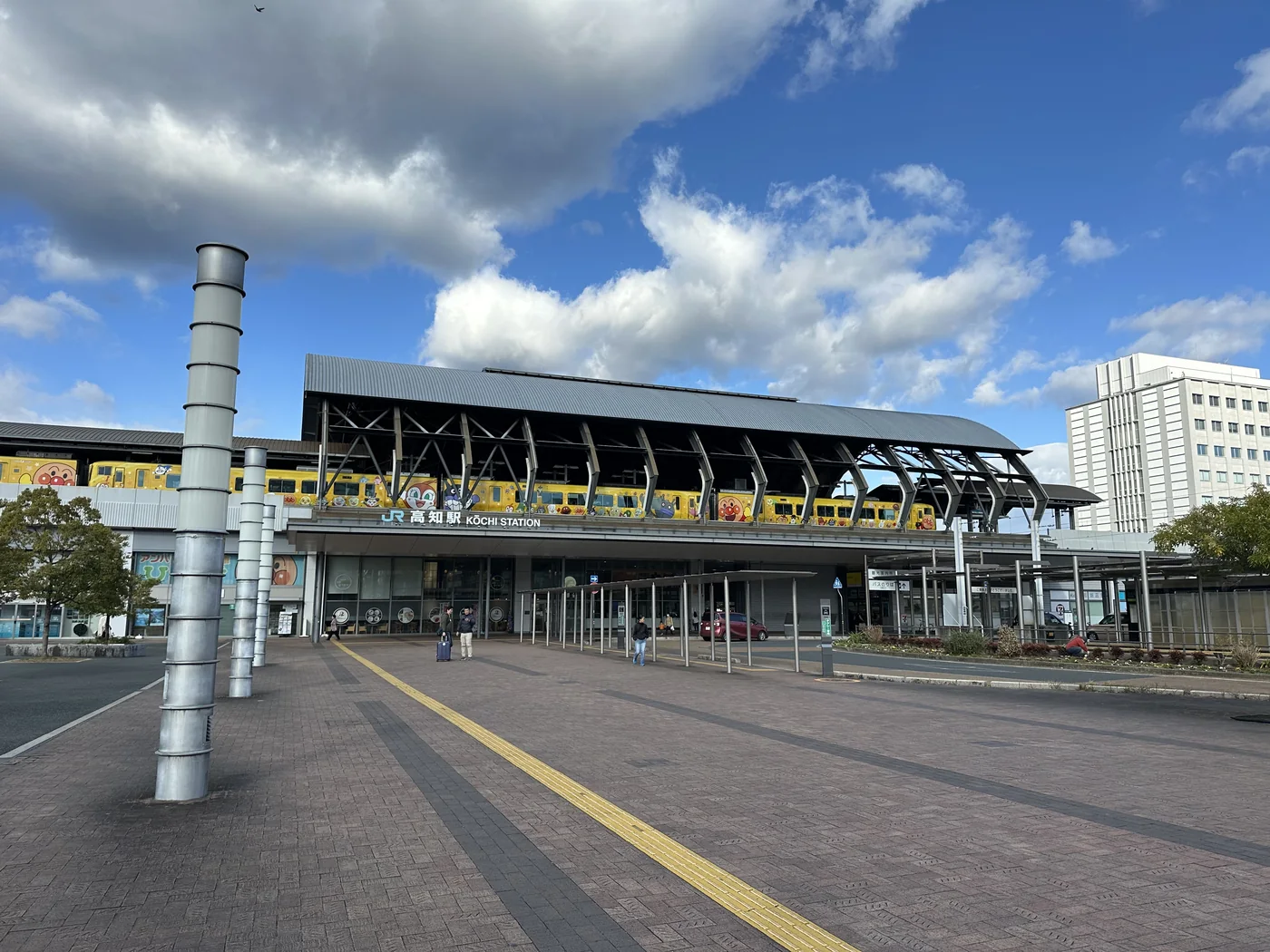
- JR Matsue Station to Tokyu: north exit and elevator route matter more than a straight line
- Ichibata’s two triples: lake-side extra bed or West Wing sofa bed
- For four or six guests, compare Ichibata’s Japanese-Western rooms separately
- Naniwa Issui 301 and 302: a third bed changes the daytime room
- Rooms 306/307 for five; shower-only 303/305 for two
- Lake views: water, evening colors or the setting sun itself?
- In-room bathing and care needs: match room 308’s conditions individually
- Ichibata’s two meals: buffet dinner and a 07:00 breakfast start
- Naniwa Issui’s two meals: private dining and a latest dinner start of 19:30
- Tokyu breakfast: calculate ordinary and special periods separately
- Contact the hotel for late arrival: Tokyu’s 15:00 deadline the day before, Naniwa Issui fees from three days before
- Driving: Tokyu is first come; Naniwa Issui’s entrance is on the inner street
- From the Ichibata station: one minute and eight minutes mean different luggage plans
- Quick Q&A
For three guests, the third sleeping place may be an extra bed or a sofa bed. Wanting a hot-spring bath in the room also changes the room category, meal times and check-out time. Compare named rooms at these three hotels. First give everyone a sleeping place, then decide whether to spend the night beside JR Matsue Station or Lake Shinji.
Put the third sleeping place and departure station on one booking sheet
Three adults wanting separate beds can start with Hotel Ichibata’s Lake View Triple and Superior Triple. For an in-room hot spring as the priority, compare named Naniwa Issui rooms. For two adults with a preschool child and a JR departure the next day, Matsue Excel Hotel Tokyu’s station location and bed-sharing rules are easier to arrange. Decide who sleeps where before views and meals, rather than choose a lake photograph first.
The locations are specific: Tokyu is about three minutes on foot from JR Matsue Station’s north exit; Ichibata is about one minute from Matsue Shinjiko Onsen Station. Naniwa Issui is about eight minutes from that same Ichibata Railway station and offers a station transfer by reservation. The two hot-spring-area hotels have different final luggage walks.
The room details, meal times and rules below were checked on October 28, 2026. Start by pricing Tokyu’s 29.8 m² twin, Ichibata’s 33 m² Lake View Triple and Naniwa Issui rooms 301 or 306/307 for the same date and guests. In-room bathing, separate sleeping places for three and an easy station departure point to different choices. Put required conditions in the room column to give prices a common basis.
Compare named rooms near Matsue Station and Lake Shinji: third beds, children sharing beds, in-room hot springs, accessibility, meal times, cancellations, luggage and station transfers.
Matsue Tokyu: compare beds before the 29.8 m² twin and 38.2 m² Japanese-Western room
Matsue Excel Hotel Tokyu is at 590 Asahimachi, Matsue. The official room page lists the Standard Twin at 17–21.1 m² with two 110 × 195 cm beds, and the Superior Twin at 29.8 m² with the same two 110 × 195 cm beds. The main difference is room area. For two guests with separate beds and two suitcases, 29.8 m² buys more space to move, with unchanged bed width. See the official rooms and bed dimensions.
The Deluxe Twin and Deluxe Twin (Japanese-Western Room) are both 38.2 m² with two 120 × 203 cm beds, wider and longer than those above. Families with a young child who want more daytime space for clothing can consider the Japanese-Western version. Use the full Japanese room name when booking: the ordinary Deluxe Twin and the version marked Japanese-Western in parentheses are separate options.
Standard Twin, Superior Twin and Deluxe Twin categories list occupancy for 1–3 guests. Three people needing separate sleeping places should choose a three-person product with the two main beds and third guest’s bedding specified. For the third-bed type to be explicit during comparison, Ichibata’s two triple-room descriptions are clearer.
Double-bed options include the 17 m² Standard Double with a 160 × 195 cm bed and the 29.8 m² Superior Double with one 195 × 200 cm bed. Two adults who like sharing can choose by width; friends wanting separate beds should look at twins. Even the largest room has its own limit: the 53.1 m² Suite lists 1–2 guests. Parties of three should choose a category listed for three.
Tokyu child bed sharing: preschool children free, one per bed
Tokyu’s child-support page says children from age 0 through preschool stay and eat breakfast free when sharing with an adult without a separate bed. Up to one child may share each bed. A child using a bed independently pays the adult rate. For two adults and one child, deciding whether the child sleeps alone gives more accurate results than entering only “one child”. See the official child bed-sharing rules.
For example, if two adults use separate 110 cm-wide beds, a young child shares with one adult. If your usual family bed is wider, compare the Deluxe Twin’s 120 cm beds or the Superior Double’s 195 cm bed. This is a sleeping-habit choice: two beds allow separation, while one wider double brings adults and child onto the same sleeping surface.
On the website search, elementary-school children and any child using their own bed count in the adult field. Elementary-school breakfast has a separate child price. The search separates bed-sharing preschoolers from guests using beds. When adding a bed for a child, search for the actual sleeping places to see capacity and total cost. For two preschool children, enter each age and allocated bed.
The hotel also provides children’s toothbrushes and other items, restaurant high chairs and utensils. Shimanekko children’s yukata come in large and small sizes, by reservation in limited numbers. To use one on arrival night, request the size after booking and collect it at reception.
JR Matsue Station to Tokyu: north exit and elevator route matter more than a straight line
At Matsue Station, head toward the north exit. Tokyu’s official accessible route starts by turning right after the JR ticket gates. Go to underground-passage entrance A, west of Matsue International Tourist Information, and take the elevator down. At exit D, take the elevator back to street level. Head east, cross the pedestrian crossing, walk about 40 m and turn left at the first junction without signals to reach the hotel. Save the A entrance and D exit instructions if traveling with large suitcases or a stroller. See the official elevator route.
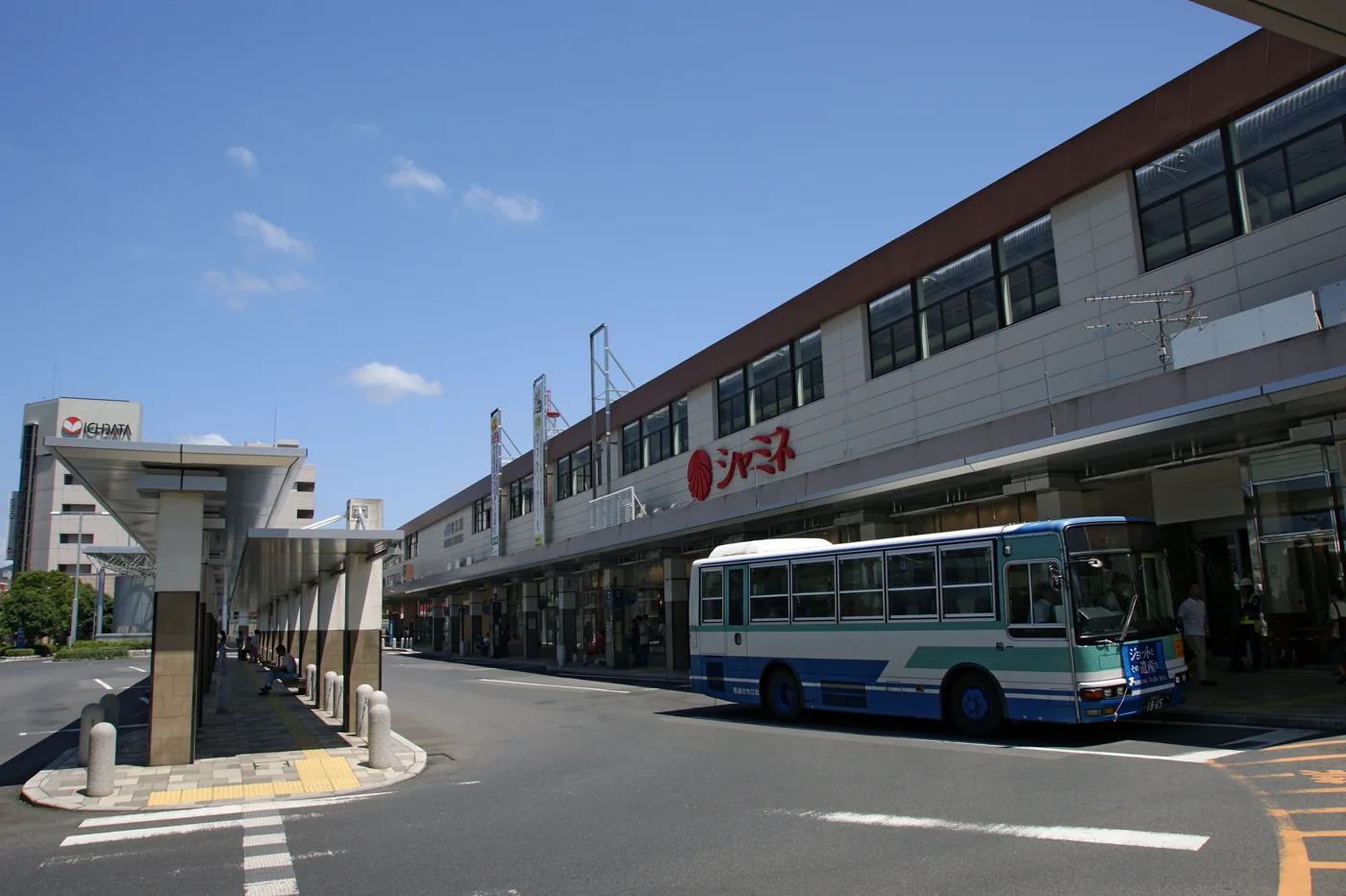
For a fixed JR train after breakfast, allow departure time for the A-to-D elevator route. Pack in the room before eating so you can leave after breakfast without returning to organize bags.
Check-in is 15:00 and check-out 10:00. This station base suits dinner in town followed by a JR departure. For Ichibata Railway the next morning, you still need to reach Matsue Shinjiko Onsen Station. Write down which station you depart from before booking to keep the morning luggage route consistent.
Ichibata’s two triples: lake-side extra bed or West Wing sofa bed
Hotel Ichibata is at 30 Chidoricho, Matsue. The new Main Building’s Lake View Triple is on floors 3–6, with 33 m² for three guests, two 120 cm beds and one extra bed explicitly listed. Bath and toilet are separate. This gives three adults clear conditions for a lake view and separate bathroom use. See Ichibata’s official room specifications.
The fifth-floor West Wing Superior Triple is 36 m², with two 140 cm beds and a sofa bed, also for three. It has a unit bathroom. The two main beds are wider than the Lake View Triple’s, while the third guest uses a sofa bed and bathroom use differs. The West Wing adds 3 m². Three friends can agree who uses the sofa bed before choosing it.
The website places these West Wing rooms under City Side Rooms, and the new Main Building triple under Lake View Rooms. For a view of Lake Shinji when opening the curtains, book the Lake View group. If mostly out and preferring wider main beds, the 36 m² West Wing triple has a different purpose.
Two adults with a child needing separate bedding can also start with these triples. Once the sofa becomes a bed for an early-sleeping child, daytime seating changes. With all sleeping places prepared, luggage uses the remaining space. Choose the new Main Building’s extra-bed room for the view, compare West Wing for main-bed width, then add the full meal-inclusive price for three.
| Room | Area and aspect | Sleeping places | Bathroom |
|---|---|---|---|
| Lake View Triple | 33 m², new Main Building, lake side | Two 120 cm main beds + one extra bed | Separate bath and toilet |
| Superior Triple | 36 m², West Wing city-side room group | Two 140 cm main beds + sofa bed | Unit bathroom |
For four or six guests, compare Ichibata’s Japanese-Western rooms separately
The new Main Building’s Lake View Japanese-Western Room is 33 m², with tatami space, two 120 cm beds and capacity for four. The West Wing’s Two-Room Japanese-Western Room is 61 m², with two 140 cm beds and capacity for six. The former combines lake views and sharing; the latter offers more area and a two-room layout for comparing two generations’ routines. If four guests need four separate sleeping places, list each person’s remaining bedding in the chosen product.
For a family of four staying one night, start with a two-adult/two-child plan in the 33 m² lake-view Japanese-Western room. For four adults, space for suitcases, bathing in turn and changing next morning matters more, so price the 61 m² two-room option too. Separate capacity, main-bed count and guest ages to see who uses beds and who uses other bedding within “sleeps four”.
Friends preferring separate rooms can compare two city-side rooms with one large Japanese-Western room. Separate rooms give each group control over lights-out and bathroom use; one larger room keeps conversation and child care together. Agree on routines and relationships before choosing the view, rather than discover after payment that “staying together” means different things to each person.
Naniwa Issui 301 and 302: a third bed changes the daytime room
Naniwa Issui MINAMO rooms 301 and 302 are lake-facing Western-style twins with open-air baths. The bed page lists two 120 × 200 cm beds, which can be joined as a Hollywood Twin by reservation no later than the day before arrival. Two adults with one bed-sharing preschool child are one arrangement. A third independent sleeping place requires an extra bed, allowing up to three bed-using guests plus one bed-sharing preschool child. Arrange the extra bed with the hotel in advance. See the MINAMO room-by-room descriptions.
The extra bed has a direct cost in room use: staff remove the chairs and table, reducing places for tea and snacks. Three adults viewing a two-person room photograph can easily expect furniture that will be removed. Decide using the three-person extra-bed layout. For daytime work or reading in the room, losing the table and chairs matters more than the floor number.
Rooms 301 and 302 can also be reserved as connecting rooms. Four adults wanting main beds while keeping easy access between rooms can compare the pair. Arrange both together for connecting use when booking. This has a different total cost from three sharing one extra-bed room, in exchange for two sets of bathrooms and more independent resting space.
Rooms with open-air baths have 15:00 check-in and 11:00 check-out. To make in-room bathing the focus, arrive in the afternoon rather than just before dinner. Baths in 301 and 302 use Matsue Shinjiko Onsen water. Set the bed layout the previous day, then take turns bathing and resting at your own pace after arrival.
Rooms 306/307 for five; shower-only 303/305 for two
MINAMO rooms 306 and 307 are Japanese-Western rooms with open-air baths, two 120 × 200 cm beds and three futon sets on tatami, for five guests. The ten-tatami-mat Japanese area connects to the bed area without a partition. Three generations willing to share an open sleeping space can fit five sleeping places together. If some sleep early while others talk late, include the lack of a partition in the choice.
These rooms have a 130 cm-diameter Shigaraki pottery tub. The hotel describes it as semi-open-air, with walls on three sides and an opening window frame on the lake side, plus a separate shower area. It suits in-room bathing with Matsue Shinjiko Onsen water. The room entrance, shower room and bath each have level changes of about 15 cm. Guests who find stepping difficult can compare another specific layout.
Rooms 303 and 305 are eight-tatami-mat Japanese rooms for two, with futons and only a multifunction shower room. Check-in is 16:00 and check-out 10:00, unlike the open-air-bath rooms. Two guests comfortable with floor bedding and shared hot-spring baths can compare them as another equipment choice. To stay leisurely until 11:00, choose a room with that check-out time.
Rooms 303, 305, 306 and 307 have no balcony, and their room windows cannot be opened. For an outdoor terrace, choose a named room with that space. These large windows provide an indoor lake view. Separate “sitting with a lake view”, “bathing in the room” and “going outdoors” to choose facilities you will use.
Lake views: water, evening colors or the setting sun itself?
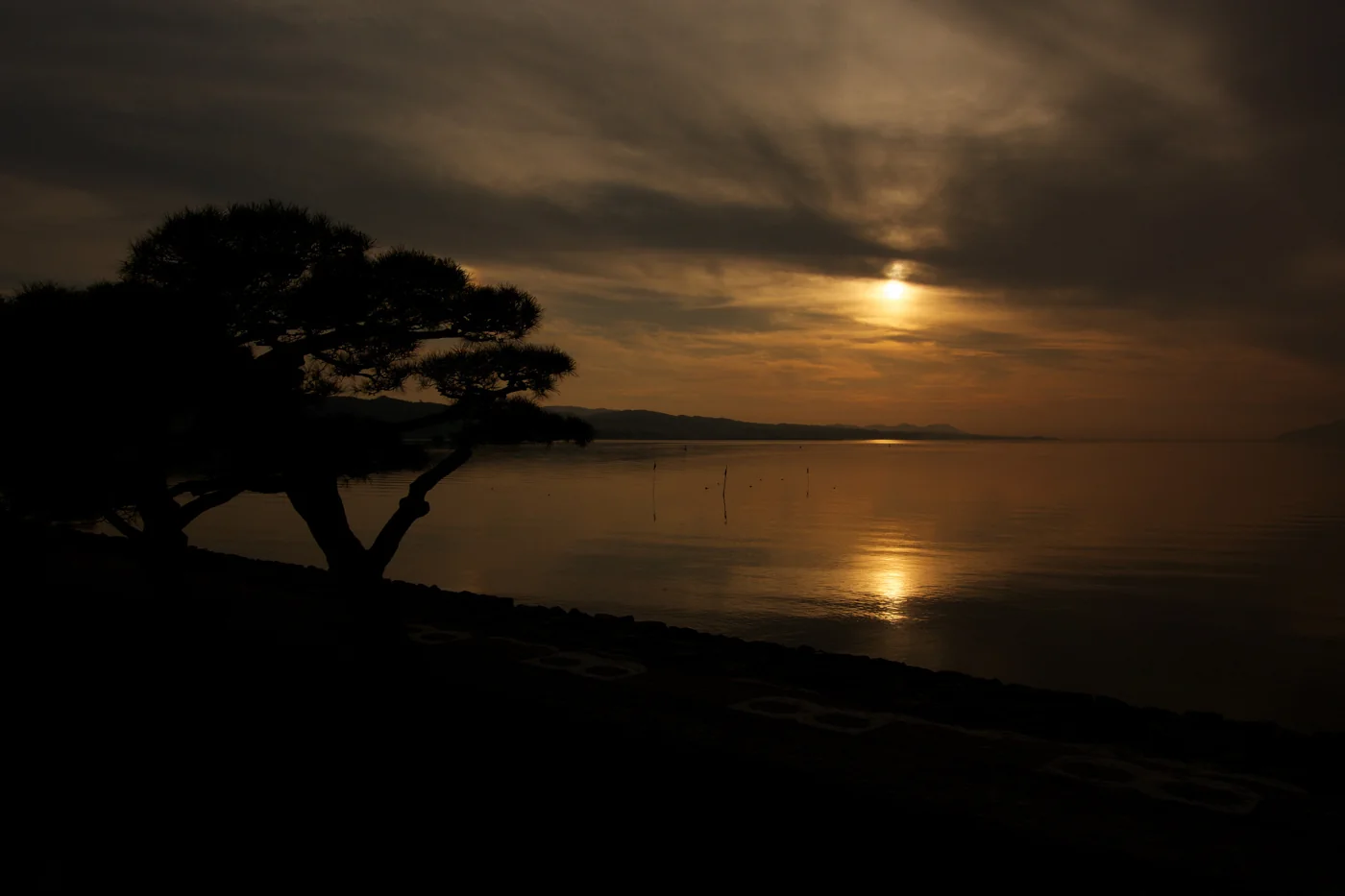
Naniwa Issui’s room overview says all rooms face Lake Shinji, but the building’s position prevents a direct view of the sun’s disk descending. Rooms offer lake water, sky and evening colors when weather permits. If your goal is photographing the sun sinking toward the lake, plan an outing at dusk. Value the room for views of changing water colors throughout the stay.
Ichibata has both lake-side and city-side rooms. If the budget permits one upgrade, consider time spent indoors. Afternoon arrival and departure after breakfast give more lake-view time; returning late and leaving at dawn often make main beds and bathrooms a higher priority. This avoids paying for a view while scheduling all viewing hours outside.
For lakeside sunset spots and a two-city itinerary, see two days in Matsue and Izumo without a car. Fix the hotel dinner’s start first, then decide between evening colors from the room and a full sunset outing. One main dusk activity leaves time to return, change and eat.
In-room bathing and care needs: match room 308’s conditions individually
Naniwa Issui room 308 is an accessible corner Japanese-Western room for four, with two electric beds and two tatami futon sets. Beds measure 120 × 200 cm, adjust in height from 25 to 61.5 cm, and have adjustable back and knee angles. They cannot be joined as a Hollywood Twin. Check-in is 16:00 and check-out 10:00. For bedside support rails or bed guards, specify the left or right side when booking. See the hotel’s electric-bed and extra-bed information.
The room has no internal level changes, sliding doors with openings at least 80 cm wide, toilet grab rails and an accessible unit bathroom. Bathwater is normally heated water; request hot-spring water at reception if needed. Staff enter the room to fill it for that service. Automatic height-adjustable shower chairs and bath lifts cannot be used in this bathroom. Caregivers can match these details to usual bathing methods.
Rooms 301 and 302 also have no internal level changes and sliding-door openings at least 80 cm wide, but the toilet, washbasin and bathroom lack a 150 cm-diameter wheelchair turning space. Rooms 306 and 307 have the 15 cm level changes described above. For wheelchair users, choose turning, transfer and bathing space before an open-air tub. Room-number comparisons narrow the choice better than an “accessible hotel” filter.
For those not using a room bath, Naniwa Issui’s shared indoor and open-air baths open 16:00–24:00 and 05:30–10:00. Men’s and women’s baths do not swap, and there is no private family bath. Ichibata’s panoramic hot spring is on the West Wing’s sixth floor, requiring an internal walk from the new Main Building. If a companion must bathe entirely in the room, make the tub and care equipment required room fields.
The official Matsue Shinjiko Onsen channel interviews Naniwa Issui’s president and introduces the property’s accessible spaces and universal design.
Ichibata’s two meals: buffet dinner and a 07:00 breakfast start
Ichibata’s guest dining page lists Avancia buffet dinner from 17:00 to 21:00, last orders 20:30. Busy periods may use two 90-minute sittings. For a dinner-inclusive plan, match the meal start with arrival at the hotel. To stay outside until dark, choose a suitable sitting first, then plan bathing rather than decide dinner after entering the room. See Ichibata’s guest dining page.
At the check date, buffet dinner was ¥4,300 per adult on weekdays, ¥4,500 on Saturdays, Sundays and holidays, ¥2,000 for elementary-school children and ¥800 for preschool children age 3 and above, including tax and service. Two adults and one elementary-school child buying dinner separately total ¥10,600 on weekdays or ¥11,000 on holidays. Put that family dinner cost beside the difference between dinner-and-breakfast and breakfast-only plans.
Breakfast is 07:00–09:30, last orders 09:00. The guest page introduces clam soup, Nita rice, freshly made egg dishes and grilled fish. For an Ichibata Railway departure after breakfast, pack first, eat, then settle the bill and collect belongings. The station is about one minute away, but tickets and entry take time too; a 07:00 breakfast still needs a full meal period.
The hotel also has Aoi teppanyaki. Save the restaurant and meal type shown in your two-meal booking; buffet and teppanyaki have separate menus and prices. A buffet lets companions with different preferences choose individually. For allergies or special meals, provide actual restrictions at booking so the hotel can handle them through the specified restaurant.
Naniwa Issui’s two meals: private dining and a latest dinner start of 19:30
Naniwa Issui dinner starts from 18:00, no later than 19:30. Breakfast starts from 07:30, no later than 09:00; times are arranged at check-in. The cuisine page specifies dedicated private dining rooms for both meals, with no room service. Families wanting rest around meals should include the walk to the dining room and back. See the hotel’s cuisine and private dining information.
Meal choices include seasonal kaiseki and Shimane wagyu-focused kaiseki, selected by plan. Breakfast includes Lake Shinji clam soup; children’s meals also need advance booking. For two adults and one child, decide on a children’s meal or another plan-listed meal before putting guests and charges into one order. Bed sharing covers sleeping only; meal quantities must be entered separately.
Contact the hotel about dietary needs at least four days before use. This covers food allergies, swallowing-adjusted meals, vegetarian and vegan diets, religious diets, gluten-free food and similar requests. The hotel uses a shared kitchen and arranges changes around specific needs and ingredient sourcing; same-day requests cannot be prepared in time. State ingredients, acceptable textures and foods to avoid together for swallowing or allergy needs to reduce repeated messages before arrival.
If booking dinner and breakfast but expecting arrival after 19:30, choose a compatible meal arrangement before booking or change transport into Matsue. The time is the latest dinner start. Late-night entrance arrangements cover returning and entering the building; they do not extend dinner indefinitely.
Tokyu breakfast: calculate ordinary and special periods separately
Tokyu’s MOSORO serves breakfast 07:00–10:00. The breakfast page updated August 19, 2026 lists ordinary prices of ¥2,800 for adults and ages 13+, ¥1,800 for elementary-school children and free for preschoolers. Special prices apply November 19–26, 2026 and December 31, 2026–January 3, 2027: ¥3,200 per adult and ¥2,100 per elementary-school child. Two adults and one elementary-school child buying breakfast separately total ¥7,400 ordinarily or ¥8,500 in special periods. See Tokyu breakfast prices and dishes.
Use these figures to compare room-only and breakfast-inclusive rates for the same room and date. Compare the whole family’s breakfast cost with the plan surcharge. For departure before 07:00, room-only with your own breakfast usually fits better. For a slow meal before leaving from JR Matsue Station, station-side breakfast saves a separate search and luggage move.
The website introduces local dishes including clam miso soup, Nita rice, Izumo soba, akaten fish cakes and ago-noyaki, plus freshly made egg dishes. For a taste of Sanin, divide the meal among rice, soup and a few local foods; families can use buffet portion flexibility. For a preschool bed-sharing product, Tokyu’s child page already lists preschool breakfast as free, so calculate it separately from paid elementary-school breakfasts.
Contact the hotel for late arrival: Tokyu’s 15:00 deadline the day before, Naniwa Issui fees from three days before
Tokyu’s Matsue accommodation information is explicit: for ordinary bookings of fewer than ten people, cancellation after 15:00 the previous day, same-day cancellation and no-show all incur 100%. The percentage applies to the reserved accommodation charge including service and consumption tax; prepaid online products may have separate terms. For a refundable rate, record “15:00 the previous day” rather than just “cancel the day before”. See Tokyu Matsue’s cancellation rules.
The lodging terms currently linked by Naniwa Issui list, for up to 14 people, 30% three and two days before arrival, 50% the previous day and 100% on the day or for a no-show, calculated on the basic accommodation charge. The start date and charge basis differ from Tokyu. If room prices are close but intercity travel or party size may change, compare these days of flexibility too. See Naniwa Issui lodging terms, Appendix 2.
The same terms say the hotel may treat the booking as canceled if no arrival time was given and the guest has neither arrived nor contacted it by 20:00 on check-in day. If an arrival time was given, the threshold is two hours after it. For train delays, contact the hotel with a new arrival time; handle meal timing at the same time for dinner bookings. This gives reception, room retention and kitchen preparation consistent information.
Naniwa Issui’s FAQ gives a midnight entrance curfew; afterward use the entrance intercom. Note the entrance method before going out for dinner or a walk. The hotel lists major credit cards, debit cards and various electronic payments. Save deposit, on-site payment and prepaid-product deadlines separately. Retain cancellation completion notices to keep a booking record you can check.
Driving: Tokyu is first come; Naniwa Issui’s entrance is on the inner street
Tokyu has 30 on-site ordinary-car spaces, first come, first served. Guest parking costs ¥1,200 per night from 15:00 to 10:00 the next day, with extra time charged separately. The official overrun charge is ¥100 per 30 minutes; ask staff about intermediate exits. When full, the hotel directs guests to three nearby lots, with guest use handled on equivalent terms to on-site parking. Plan parking and check-in together if spending the afternoon in town first.
Ichibata uses the lot immediately west of the hotel, with entrances on the southern lake side and northern station side. The hotel warns that entering its address in navigation may lead to the station side; drivers can use parking Mapcode “163 470 470*85”. Drive into the right lot before moving luggage indoors, rather than stop near the station searching for an entrance, especially with several suitcases for three or four guests.
Naniwa Issui has free ground-level parking in front of its entrance. The main entrance faces Matsue Shinjiko Onsen Chuo-dori; navigate there, not to the opposite Lake Shinji side on National Route 431. Request a wheelchair-user space when booking if needed. Three 8 kW standard chargers cost ¥300 per hour or ¥2,500 per night, with free use for Porsche, Audi and Volkswagen vehicles. Request charging equipment when reserving.
From the Ichibata station: one minute and eight minutes mean different luggage plans
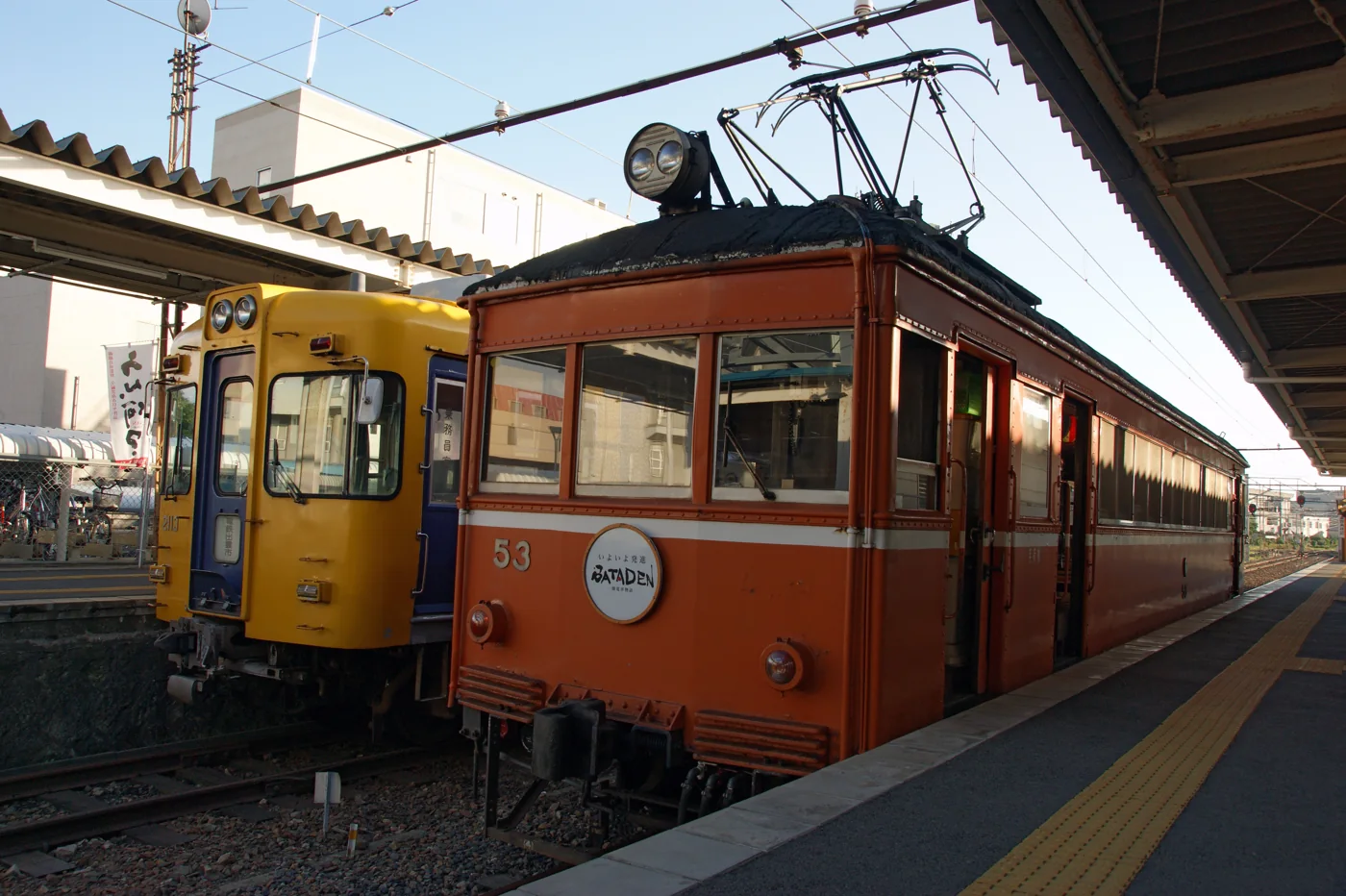
The official walking estimate from Matsue Shinjiko Onsen Station is about one minute to Ichibata and eight minutes to Naniwa Issui. The former suits going straight to the train with bags after breakfast. For the latter, walk or reserve a free station transfer by phone in advance. Naniwa Issui’s transfer covers this Ichibata Railway station. JR Matsue Station is listed as about ten minutes away by car and needs separate transport.
For luggage deliveries to Naniwa Issui, the FAQ asks for the stay date and booking name in the waybill notes. Bags can also be left at reception before check-in. For an early Matsue arrival and afternoon room access, separate overnight items from your walking bag, then arrive by the reserved transfer or on foot. Keep medicine, documents and that day’s clothing with you if shipping luggage, allowing lighter sightseeing before check-in.
At the October 28, 2026 check, the hotel access page said shortages of taxis and designated-driver services in Matsue prevented it from booking them for guests; travelers had to arrange directly with operators. If arriving by JR just before dinner, arrange this leg first rather than treat the hotel transfer and a taxi as the same service after arrival. Give the station name, date and arrival time when arranging pickup so the meeting details are correct.
A few useful answers
Which rooms should three adults compare for separate sleeping places?
Hotel Ichibata’s Lake View Triple lists two 120 cm beds and an extra bed. The West Wing Superior Triple lists two 140 cm beds and a sofa bed. Naniwa Issui 301/302 can add a third bed but remove the table and chairs; 306/307 have two beds and three futon sets for up to five.
Does every Naniwa Issui room have a hot-spring bath?
301/302 and 306/307 list in-room hot-spring tubs. 303/305 have showers only. Room 308 normally uses heated water, with hot-spring water preparation available by request at reception. Match room numbers to bathroom layouts.
Can I watch the sun set from a lake-view room?
Naniwa Issui says rooms face the lake but cannot see the sun’s disk directly descending. They offer lake, sky and evening colors in suitable weather. Ichibata has lake- and city-side rooms; choose a name containing Lake View for the lake aspect.
Which breakfast suits an early departure?
Tokyu and Ichibata start breakfast at 07:00; Naniwa Issui starts at 07:30. Tokyu’s station location suits JR. For Ichibata Railway, Hotel Ichibata is about one minute on foot from Matsue Shinjiko Onsen Station; Naniwa Issui is about eight minutes and offers a reservable transfer from that station.
Official information and references
Sources used in this guide.
- Matsue Excel Hotel Tokyu | Rooms, bed sizes and occupancy
- Matsue Excel Hotel Tokyu | Child support and bed-sharing rules
- Matsue Excel Hotel Tokyu | Access, elevator route and parking
- Hotel Ichibata | Named rooms, third beds and bathrooms
- Hotel Ichibata | Station access and parking entrances
- Naniwa Issui | Third-floor MINAMO room layouts
- Naniwa Issui | Access, current taxi availability and parking
- Matsue Excel Hotel Tokyu | Check-in, check-out and cancellation rules
- Naniwa Issui | Twins, joined beds, extra beds and electric beds
- Naniwa Issui | FAQ: meal times, baths, transfers and luggage
- Naniwa Issui | Room overview and lake-view direction
- Hotel Ichibata | Panoramic hot-spring location
- Hotel Ichibata | Guest dinner, breakfast and prices
- Hotel Ichibata | Restaurant directory
- Naniwa Issui | Kaiseki, private dining and special-meal deadlines
- Matsue Excel Hotel Tokyu | Breakfast hours, prices and dishes
- Naniwa Issui | Lodging terms currently linked on the official site, Appendix 2 cancellation fees