Compare Yonago Washington Hotel Plaza with Kasuitei in Kaike: station access, sea-view twins, Yuhinkan room baths, children’s bedding, meals, tourist-center pickups and the ¥300 bus.
- Region & Focus
- Yonago and Kaike Onsen
- Reading Scope
- 32 min read · 19 chapters · 5 Q&As
- Official Verification
- 18 official sources checkedUpdated November 7, 2026
- Key Topics
- Where to stayBookingRyokan
Chapter Route Map (tap any stop)
- Stay by the station for a late arrival; give Kaike an afternoon and a night
- Station twins: 16.9–20.2 m² with two 110 cm beds
- The short walk from the north exit makes Yonago a useful luggage base
- Breakfast starts at 6:30 near the station
- Kasuitei’s sea-view Wa Modern twin is a two-person room
- Yuhinkan standard rooms and Homare: the same two beds, different space and bath views
- Choose separately between a room hot spring, shared baths and a reservable private bath
- Evening and morning opening hours differ between the two buildings
- Compare dinner-and-breakfast, breakfast-only and room-only plans
- Kasuitei has two dinner sittings; breakfast starts at 7:00
- Children’s charges: list meals and bedding separately
- Submit allergy requests seven days ahead, before choosing meals
- Yonago to Kaike: use the tourist center as your destination
- Kasuitei pickup starts at the tourist center: call after arrival
- Choose your return arrival at Yonago before planning the last bath
- After Mount Daisen, connect the mountain journey with the seaside dinner time
- Driving: ¥870 station parking or about 100 free spaces at the coast
- For wheelchair users, choose access and beds before the view
- Cancellation and payment: compare each hotel’s deadlines and the group total
- Quick Q&A
Stay near Yonago Station if you need an early JR train the next day. Choose the Kaike coast if you can arrive in the afternoon and want dinner and hot springs in the same inn. Compare the twin rooms at Yonago Washington Hotel Plaza with Kasuitei’s sea-view Wa Modern rooms and Yuhinkan rooms with hot-spring baths. Decide where everyone will sleep, then plan children’s meals, arrival and the next morning’s trip back to the station.
Stay by the station for a late arrival; give Kaike an afternoon and a night
If you reach Yonago by JR in the evening and leave early the next day, a station hotel keeps travel short. Yonago Washington Hotel Plaza, beside the north exit, links arrival, luggage storage and the next day’s departure. Kaike Onsen needs another bus or taxi ride. A seaside inn is worthwhile when you have time for dinner and bathing after arrival, without rushing back to the station next morning.
For two travelers who want to sit in their room and watch the sea, compare Kasuitei’s sea-facing Wa Modern twin rooms. For a hot spring in your own room, look at Yuhinkan’s Japanese-Western rooms with open-air baths. Two adults with two children must first decide between sharing existing beds and giving everyone separate bedding. Sharing two station-hotel beds with children of elementary-school age or younger is quite different from using a seaside suite with a separate tatami room.
For a stay of two nights or more, you could spend the arrival night by the station and move to Kaike the next afternoon. Moving luggage just for a different view may not be worthwhile. If the family wants a room bath, kaiseki dinner and a morning by the sea, the move adds time for those activities.
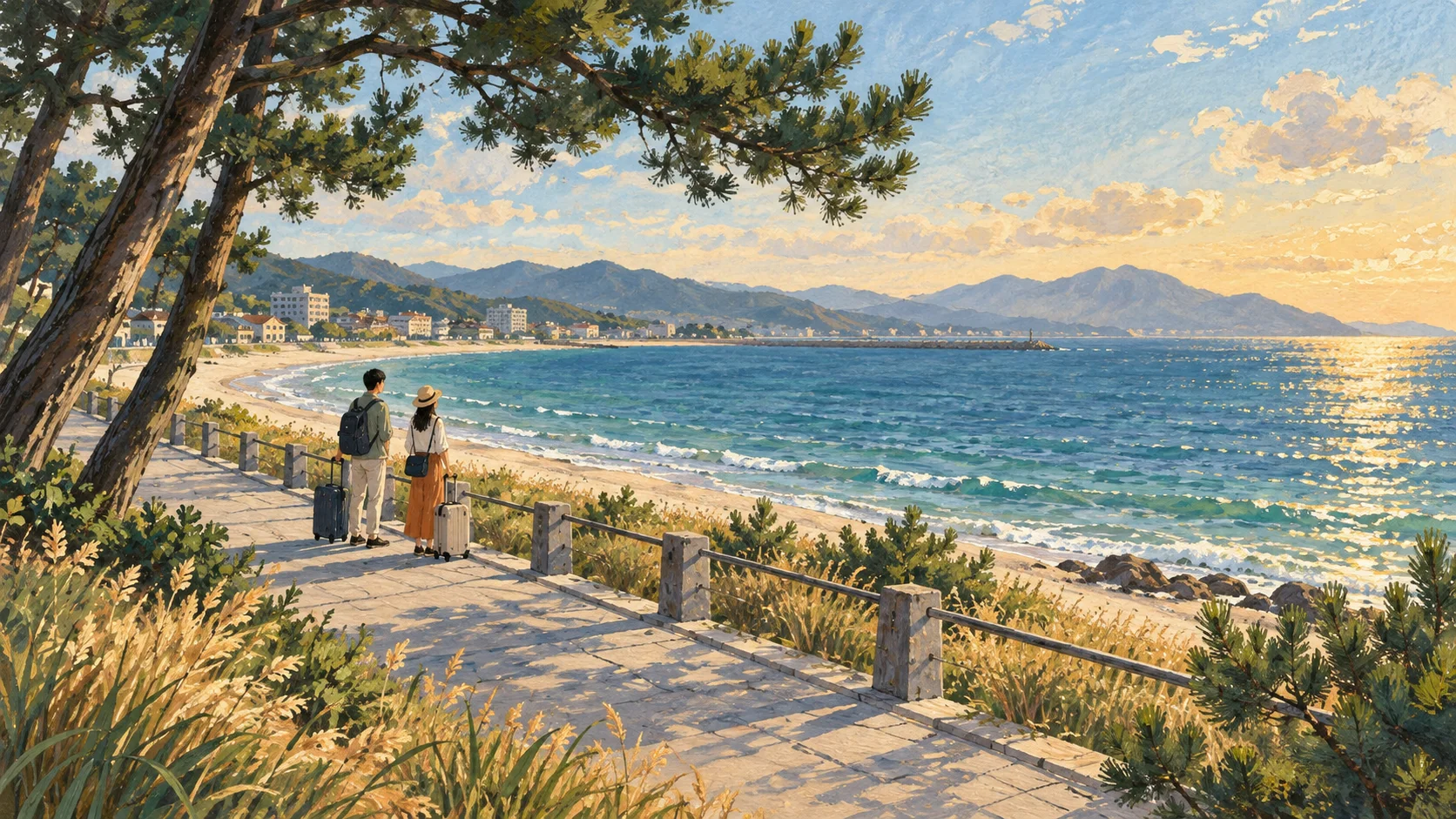
Compare Yonago Washington Hotel Plaza with Kasuitei in Kaike: station access, sea-view twins, Yuhinkan room baths, children’s bedding, meals, tourist-center pickups and the ¥300 bus.
Station twins: 16.9–20.2 m² with two 110 cm beds
The official Yonago Washington room page lists Singles at 13.4–16.7 m² and Twins at 16.9–20.2 m². Twins have two beds, each 110 cm wide. This suits two adults who want a bed each and spend most of the day out. With large suitcases, consider where they will open and how much space remains between the beds and the walkway.
Children of elementary-school age or younger can share existing beds free of charge, up to one child in a Single or two in a Twin. For two adults and two children in a Twin, each adult shares a 110 cm bed with one child. Older elementary-school children, restless sleepers and adults who need a full bed may need separate bedding. Free bed-sharing works for families comfortable with that sleeping arrangement.
For three adults who each need a sleeping place, the published Twin specification provides only two beds. Compare a Single plus a Twin near the station with a three-person tatami room or suite in Kaike. One room keeps luggage and routines together; two rooms provide another bathroom and more separate sleeping space. Compare the total for the group, rather than the starting price of one Twin.
The short walk from the north exit makes Yonago a useful luggage base
The hotel access page gives a walk of about one minute from JR Yonago Station’s north exit, across the pedestrian crossing. On arrival, locate the exit and hotel entrance before finding your bus stop. Allow extra time for crossings, traffic lights and entering the lobby with children or suitcases. This side of the station is useful if you return for a train the next day.
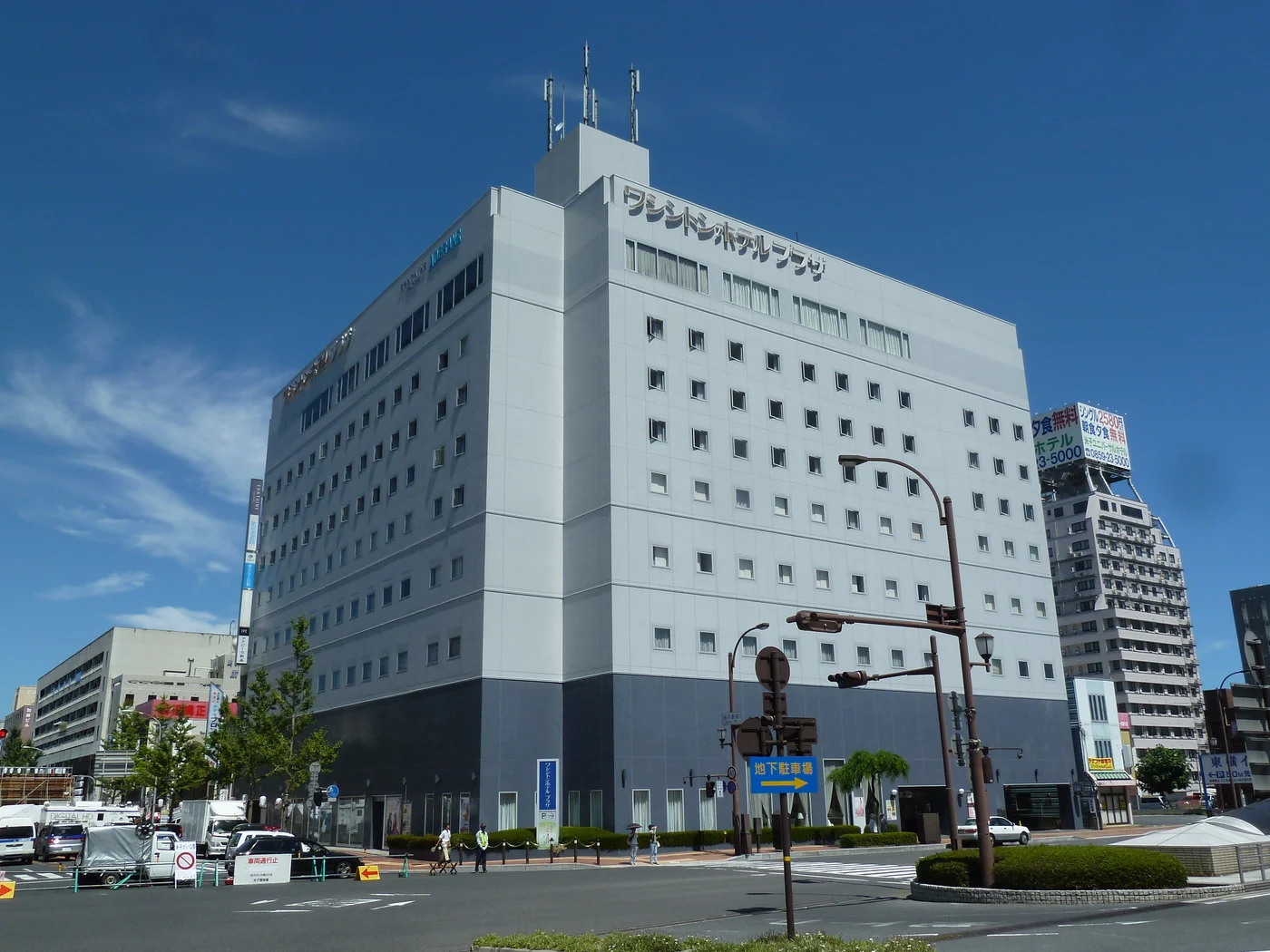
The luggage FAQ allows storage before check-in and after checkout. Luggage left after checkout must be collected that day; valuables and fragile items are not accepted. For a day trip, leave large cases at reception and take a daypack. If you move to Kaike that evening, return to collect them before taking the coastal bus, adding a hotel stop to the journey.
For a two-area stay, make moving day a shorter city outing and take your luggage to Kaike in the afternoon. Going to the coast first and returning at night for luggage uses up the relaxed time you wanted. If someone dislikes repacking, staying near the station throughout and making a short Kaike visit also works. Kasuitei’s baths are for overnight guests, so book a night to use them.
Breakfast starts at 6:30 near the station
The Washington breakfast page lists service from 6:30 to 10:00, with last entry at 9:30, at Ginza on the ninth floor. A Japanese or Western set meal with coffee costs ¥1,460 per adult or ¥700 per child, including tax. Use the meal included in your booking; with a room-only plan, add breakfast separately to your total.
The Japanese breakfast description includes a daily selection of grilled fish from the Sea of Japan and Lake Shinji clam miso soup. The Western breakfast includes bread and Daisen Ham bacon or sausage. It suits travelers who want a seated breakfast before returning to the station. Choose room-only if you prefer finding breakfast outside each day. The set-meal format also affects how long you need before departure.
Breakfast bought separately costs ¥2,920 for two adults, or ¥4,320 with two children’s breakfasts added. Free bed-sharing does not include meals. Before choosing breakfast for an early departure, check whether you have time to finish it. Allow time to return to your room, collect belongings, check out and reach the platform after breakfast begins.
Kasuitei’s sea-view Wa Modern twin is a two-person room
Kasuitei’s official booking listing gives the “Panoramic Sea of Japan Wa Modern Twin, 10 tatami mats” a capacity of two, with twin beds, tatami flooring and separate bath and toilet. The Kasuikan room page also lists Wa Modern rooms for two on upper floors. It suits two adults who value beds and a Sea of Japan view.
Use the Wa Modern as a two-person room, even though it has tatami space beside the beds. Three adults can compare Kasuikan Japanese rooms, special rooms or Yuhinkan. If an older family member needs a bed, allocate the two beds to those who need them, then choose a room with capacity for everyone else. This is easier than adding people after booking a cheap twin.
Standard Kasuikan Japanese rooms have 10–12.5 tatami mats and accommodate two to five or six, depending on the room. Special rooms have a 12.5-mat Japanese room, a Western sitting room and a twin bedroom, for two to six. Start with a standard Japanese room if you are happy with futons and shared baths. Look at Japanese-Western rooms if you need two beds and space for the group to gather in one room.
Yuhinkan standard rooms and Homare: the same two beds, different space and bath views
The official Yuhinkan specifications list standard Japanese-Western rooms with open-air baths at 77–82 m², with a 12.5-mat Japanese room, twin bedroom, living area and room bath, for two to five guests. Each bed is 120 cm wide and 200 cm long. The Homare corner room is 100 m², with a larger 15-mat Japanese room, living area and terrace, for two to six.
Both room types have two fixed beds. For three or four guests, decide who must sleep in a bed, then tell the inn the ages and bedding needs of the other guests. If you want three Western beds, use that requirement to select a room. Suite size and maximum occupancy do not tell you the bed count. A couple with children may need a different room from three adults who each require a bed.
The standard room’s open-air bath looks toward the Sea of Japan through pine trees. Homare’s bath faces Mount Daisen; sea views are available from the room and terrace. The standard type better matches a wish to see the sea while bathing. Consider the corner room for a larger living area, terrace and bath facing Daisen. Before paying more, check which way the windows, beds and bath face.
Choose separately between a room hot spring, shared baths and a reservable private bath
The Kasuitei FAQ says Yuhinkan rooms with open-air baths use the inn’s own hot-spring source; ordinary guestroom bathrooms use regular water. Book a room explicitly equipped with a hot-spring open-air bath if you want every soak in your own room. Standard Kasuikan rooms are also an option if shared baths meet your needs. Yuhinkan room baths are empty on arrival. Guests fill them themselves and must add water to adjust the high source temperature.
Shared baths are on Yuhinkan’s second floor and Kasuikan’s first floor. The hot-spring page lists Matsukaze no Yu and Nagisa no Yu for men, and Daisen no Yuya and Hana no Yu for women, with indoor baths, open-air areas and some saunas. The spring is classified as a sodium-calcium chloride spring. Choose according to indoor or outdoor bathing, whether you need to bathe with family and the route from your room.
For a bath the family can use together, compare the four private baths on Yuhinkan’s first floor: three open-air and one indoor. Overnight guests pay ¥2,200 for 50 minutes. Reservations are accepted only on the day, first come, first served. A standard room plus one private-bath session is a different budget from a suite where every bath is in your room. If you need guaranteed access at a fixed time, make a room bath part of your room requirements.
Evening and morning opening hours differ between the two buildings
Kasuitei’s FAQ gives shared-bath hours of 15:00–24:00 in both buildings. In the morning, only Yuhinkan’s second-floor baths open, from 6:00 to 10:00. Use Kasuikan’s first-floor baths on arrival night and Yuhinkan the next morning. Bath towels and small towels are provided at the shared baths; take your own change of clothes and other essentials.
With dinner at 17:30, you can use one bath in the afternoon and return to your room at leisure after eating. With the 19:30 sitting, bathe before dinner if you want to sleep soon afterward. A 6:00 soak can precede a 7:00 breakfast. If you prefer to sleep later, bathe after breakfast while allowing for 10:00 checkout.
When adults take turns visiting the shared baths while caring for children, agree on a return time so each caregiver has some time alone. If someone needs family help with bathing, address access, bath chairs and transfers when selecting the room. Yuhinkan room-bath specifications include the bath-wall height. Choose facilities according to the movements the guest must make, as well as privacy.
Compare dinner-and-breakfast, breakfast-only and room-only plans
The official Wa Modern plan list includes dinner and breakfast, breakfast only and room only. Choose two meals for an afternoon arrival and kaiseki dinner at the inn. Choose breakfast only if dinner is already planned in Yonago. Use room-only for days spent out with flexible meals. Match meals to your arrival before comparing plan totals.
Kasuitei’s food page introduces Sanin ingredients including Tottori wagyu, Daisen chicken, white squid, white leeks and Tottori-grown Kinumusume rice, with snow crab dishes in winter. For a two-meal plan, choose the kaiseki menu you want. Basic kaiseki, courses with specified wagyu or abalone, and crab plans have different costs. Photos on a general dining page can show dishes from several plans.
With room-only, plan dinner before arrival or choose a restaurant in advance. Kasuitei’s FAQ says the late-night Menmentei restaurant has closed. Eat outside first if you would otherwise rely on a late meal in the building. If the room’s open-air bath is your priority, dinner outside and breakfast at the inn lets you choose the room and meal budget separately.
Sotode Asobu’s Kasuitei stay: guestroom from 00:54, facilities from 04:10 and dinner from 06:23.
Kasuitei has two dinner sittings; breakfast starts at 7:00
Kasuitei’s FAQ lists dinner sittings at 17:30 and 19:30, each lasting 90 minutes, with breakfast from 7:00 to 8:30. Early arrivals can take the first sitting and keep the evening for bathing. A later arrival can use the second if everyone can be seated on time. Give the inn both your preferred sitting and expected arrival when booking; families can then plan lunch and snacks around dinner.
The 19:30 sitting runs to 21:00 at 90 minutes. If the family normally rests soon after 20:00, it may not suit their routine even when transport works. Cutting one afternoon stop and choosing 17:30 is usually easier than keeping children waiting all evening. Two adults who want a longer afternoon out may prefer the later sitting, with time to settle in and rest before eating.
Plan breakfast with the bus back to Yonago. A 7:00 breakfast leaves time to pack and check out before the 9:15 departure from the tourist center. An earlier bus requires a different breakfast arrangement. The station hotel starts breakfast at 6:30, half an hour earlier, and Kaike adds the trip back to the station. These differences matter for an early departure.
Children’s charges: list meals and bedding separately
The Kasuitei children’s rules separate age, meals and futons. Ages 0–3 stay free without meals or futons. Ages 4–5 without meals or futons pay a ¥4,400 facility fee, including tax; a futon costs another ¥3,300. For ages 6–12, one night with dinner, breakfast and a futon costs 50% of the adult rate with a children’s meal, or 70% with an adult-equivalent meal, subject to any specific conditions of the chosen plan.
For two adults with a four-year-old, first decide whether the child needs a futon, then choose the meal. The ¥4,400 facility fee becomes ¥7,700 with a futon, with meals handled separately. Compare that difference alongside a larger room. If a child eats little during the day but needs a full dinner, specify the meal when booking so the inn knows what to prepare.
Washington’s free bed-sharing for elementary-school children and younger differs from Kasuitei’s young-child facility fee. Compare both using the same group: two adults, each child’s actual age, numbers of breakfasts and dinners, and bedding sets. Giving a child a separate bed or futon may affect everyone’s sleep more than upgrading the adult room category.
Submit allergy requests seven days ahead, before choosing meals
Kasuitei requires food-allergy requests at least seven days before use and cannot handle requests made on the day. It says the same kitchen, equipment and oil come into contact with multiple ingredients. It may be unable to accommodate severe or multiple allergies, or reactions to trace contamination. Bringing your own food also requires consultation. Tell the inn which ingredients must be avoided and the type of reaction before choosing a meal plan.
The inn also states that preferences and religious or cultural dietary restrictions are outside its accommodation scope. For vegan food, complete avoidance of particular meats or restrictions on seasonings, identify suitable outside meals before comparing room-only or breakfast-only plans. Breakfast still needs a separate arrangement when dinner is moved outside.
When family members have different needs, specify more than “one person does not eat seafood.” Give the number of people, ages, which meal is affected and whether ingredients can appear in stocks or sauces. Let the actual meal provider assess the request and select a plan after a workable arrangement is agreed. If dining is central to the stay, settle it before choosing the room view.
Yonago to Kaike: use the tourist center as your destination
As of October 28, 2026, the Kaike outbound link on the Nihon Kotsu Yonago route page still points to the April 1, 2024 timetable; the return link has been updated to October 1, 2026. For the outward journey, read the Yonago Station column toward Kaike Onsen Kanko Center. Route 21 terminates there; other buses continue beyond the center, so read the time for your own stop.
Useful afternoon buses leave Yonago at 14:33 and reach the center at 14:52, then 15:33–15:52 and 16:03–16:22. None of these three columns has a weekend suspension mark in the current table. Hinomaru operates the 14:33 service; Nihon Kotsu operates 15:33 and 16:03. The first leaves more afternoon bathing time. The later two allow more daytime activities and still some time to settle in before dinner.
The fare table lists ¥300 per adult from Yonago Station to the tourist center, or ¥600 return and ¥1,200 return for two adults. This is the fare for routes via Kaike Onsen. Save both the outward and return timetables before leaving.
Onboard change is available only for ¥1,000 notes, so bring small cash. After your train arrives, allow time to leave the station, find the stop and wait. List the train arrival and planned bus separately, with an actual transfer gap. With large luggage and a dinner deadline, also compare a taxi directly to the inn so arrival fits the meal.
Kasuitei pickup starts at the tourist center: call after arrival
The Kasuitei transport FAQ says to take a Hinomaru or Nihon Kotsu bus toward Kaike Onsen, about 20 minutes, and alight at Kaike Onsen Kanko Center. Call 0859-33-0001 there for pickup. The access page also lists the center as an on-request pickup point. This short transfer reduces walking with luggage; guests still take public transport from Yonago Station to the center.
On the phone, say you have arrived at Kaike Onsen Kanko Center, then give the booking name, party size and luggage details. Have a phone that can call Japanese numbers and save the number offline. Gather the family somewhere clear of the walkway while one person calls. Request a child seat, wheelchair accommodation or help boarding when booking your stay.
The FAQ directs guests to bus stop 2 at Yonago Station. Leave by the north exit and follow the local destination signs for Kaike. Include pickup waiting time in the journey from the center to the inn. If dinner is close, a taxi to the entrance removes one transfer. The inn lists about 15 minutes by taxi from Yonago Station; allow extra for waiting and traffic.
Choose your return arrival at Yonago before planning the last bath
The October 1, 2026 inbound timetable lists the tourist center at 9:15–Yonago 9:34, 9:42–10:01 and 10:57–11:16, without weekend suspension marks in those columns. After breakfast and checkout, 9:15 suits an earlier departure; 9:42 leaves more packing time. Compare 10:57 if you want to leave near 10:00 checkout, and plan the gap before boarding.
The same table lists a 7:44 departure from the center reaching Yonago at 8:03, without a special operating mark. This is close to Kasuitei’s 7:00 breakfast start, with the trip to the center still required. It suits travelers arranging breakfast separately. If a full breakfast is included, a station stay may let you use it more fully. An early departure makes the difference between the two areas larger than the map suggests.
Choose your return before checkout. Start with the train or next connection, then select a bus that leaves time to enter the station, collect tickets and wait. The inn’s pickup page names the tourist center as its service area. At check-in, give reception your preferred next-day departure and discuss a ride to the stop, so packing, checkout and the transfer fit together.
After Mount Daisen, connect the mountain journey with the seaside dinner time
If you have a Daisenji day trip, use the Daisenji, Kagikake Pass and Yonago day-trip transport guide to choose the mountain route. A Kaike stay needs time to collect large luggage in Yonago and travel to the coast. At a station hotel, you can settle in and eat outside. With dinner included in Kaike, add the final transfer to the return plan.
If mountain activities bring you back to Yonago in the evening, leave time for luggage collection, transport and check-in before a 19:30 dinner. If the connection is only just possible, shorten the mountain visit or choose a more direct ride. To keep the full evening on the mountain without rushing to dinner, choose station accommodation or a Kaike plan without dinner. Decide before booking so you do not have to hurry the family downhill on the day.
Driving from Daisen to the coast also requires a rental-return plan. Returning the car in Yonago leaves the bus to Kaike afterward; keeping it overnight lets you drive directly onward next day. If others need rest, assess whether dropping them at the inn before the driver returns the car alone fits the rental office’s hours and actual return location. Saving one rental night should be weighed against extra luggage trips for everyone.
Driving: ¥870 station parking or about 100 free spaces at the coast
The Washington parking page lists a guest rate of ¥870 including tax from 14:00 to 10:00 next day, covering the hotel’s mechanical garage, adjacent surface lot and partner Yonago Station-front car park. Extra time costs more. The mechanical garage opens 6:30–21:30 and accepts vehicles up to 1.55 m high, 1.76 m wide, 5 m long and 1.7 tonnes. Check rental-car dimensions first for tall or larger family vehicles.
The adjacent surface lot lists a 2 m width and 5 m length limit and opens 24 hours. The partner lot is about three minutes away on foot, with limits of 2 m high, 2 m wide and 4.7 m long. The FAQ says parking cannot be reserved; use the partner lot if hotel spaces are full. With a stroller or rain, divide luggage unloading and parking duties so the family does not wait at different entrances.
Kasuitei lists free surface parking for about 100 cars, useful if you keep the car and drive onward next morning. Include parking in the room total, but also compare access hours. An evening drive or early departure works differently with a surface lot and a timed mechanical garage. Ask the inn about parking before arrival if you need wheelchair access or extra door-opening space.
For wheelchair users, choose access and beds before the view
Kasuitei has a wheelchair ramp at the Yuhinkan-side entrance and an accessible toilet on the first floor. Two loan wheelchairs are available first come, first served. The FAQ says wheelchairs can be used around the inn but not inside tatami rooms. If a guest uses a wheelchair and transfers to a bed, discuss the entrance, lifts, room transfers and bathroom route directly when booking.
A bed can reduce the need to get up from floor bedding, but tatami areas, bathrooms and open-air baths have separate access conditions. Both Yuhinkan room-bath types are 90 cm wide and 140 cm long, with walls about 55–56 cm high. Use these dimensions to explain assistance needs and get an answer for the actual room. If bathing together is the main goal, ask how the guest will enter and leave the bath before booking.
A station hotel removes one public-bus journey, though the route from station to hotel crosses a road. Consider the most tiring part of the day. A short transfer suits guests already tired after long travel. An early afternoon arrival at the coast can also give enough rest when the room and help are arranged. Let mobility needs determine the number of daily transfers, then choose the sea view.
Cancellation and payment: compare each hotel’s deadlines and the group total
Kasuitei’s general cancellation rules charge 30% three to two days before the stay, 50% the day before, and 100% on the day or for a no-show. New Year, Golden Week and Obon periods have rules starting earlier; specific plan terms apply where stated. For a hypothetical ¥50,000 basic accommodation charge under the general rules, cancellation three days before costs ¥15,000 and the day before ¥25,000. Apply the rule to your actual booking total.
The Washington FAQ groups its general cancellation table by the number of guests canceled. For one to four, same-day cancellation and no-show cost 100%. For five to nine, the table lists 80% the day before and 20% seven days before; prior special agreements take precedence. For a group across several rooms, read the column for the number of people canceled and apply the original booking terms.
Payment also affects changes. Washington’s official booking offers online credit-card payment or payment at the hotel. The FAQ says the booking site cannot change the selected payment method. Guests who chose payment at the hotel may still pay by card on arrival. Read payment and cancellation together when choosing a flexible stay. Save the individual deadline for an early-booking or special plan in your itinerary.
For the family’s total, list adult and child accommodation, meals, bedding, parking, return Kaike buses and any private-bath session separately. Multiply per-person room quotes by the actual number of guests before comparing them with per-room totals. Count meals and bath charges already included in the plan only once.
A few useful answers
How much is the bus from Yonago to Kaike Onsen?
The current Nihon Kotsu fare table for routes via Kaike Onsen lists ¥300 one way per adult from Yonago Station to Kaike Onsen Kanko Center, or ¥600 return. The inn’s pickup is a separate short leg from the center.
Does Kasuitei provide free pickup from Yonago Station?
Its official pickup area is Kaike Onsen Kanko Center. Take a local bus toward Kaike from Yonago Station, then call 0859-33-0001 at the center for pickup.
Does every Kasuitei room have hot-spring water?
Yuhinkan rooms with open-air baths use the inn’s own hot-spring source. Ordinary guestroom bathrooms use regular water; overnight guests can use the shared baths.
Can two adults and two children stay in a Yonago Washington Twin?
The hotel allows children of elementary-school age or younger to share existing beds free, up to two children in a Twin. The room has two 110 cm beds. Breakfast costs extra.
Can three adults stay in Kasuitei’s Wa Modern twin?
This room accommodates two. Three travelers can compare Japanese or Japanese-Western rooms; guests who need Western beds should select by the actual bed count.
Official information and references
Sources used in this guide.
- Yonago Washington Hotel Plaza: rooms and children sharing beds
- Yonago Washington Hotel Plaza: breakfast hours, format and prices
- Yonago Washington Hotel Plaza: cancellation, payment and luggage FAQ
- Yonago Washington Hotel Plaza: north-exit walk and parking
- Kasuitei: Kasuikan room types, capacity and views
- Kasuitei: Yuhinkan rooms, bed widths and room baths
- Kasuitei: meals, pickup, children and bathing FAQ
- Kasuitei: kaiseki and local ingredients
- Kasuitei: private spring source and bath layout
- Kasuitei: accommodation terms
- Kasuitei: tourist-center pickup and parking
- Kasuitei official booking: Wa Modern Twin, 10 tatami mats, and meal plans
- Kasuitei official booking: Yuhinkan Deluxe Suite
- Kasuitei official booking: Yuhinkan Terrace Suite Homare
- Nihon Kotsu: current Yonago-area route index
- Nihon Kotsu: outbound Kaike line (current link, April 1, 2024 edition)
- Nihon Kotsu: return Kaike line (October 1, 2026 edition)
- Nihon Kotsu: fares in both directions via Kaike Onsen