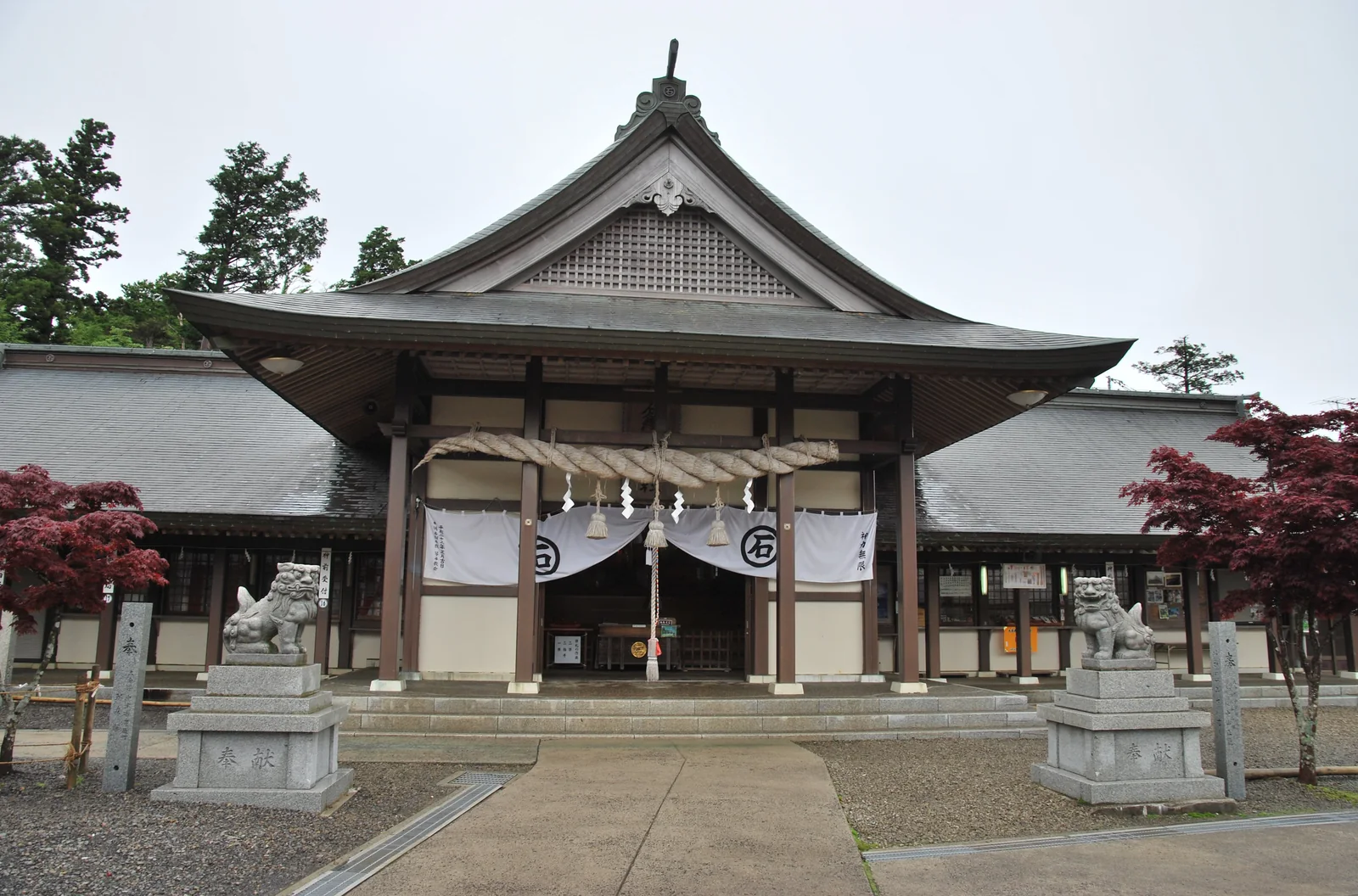
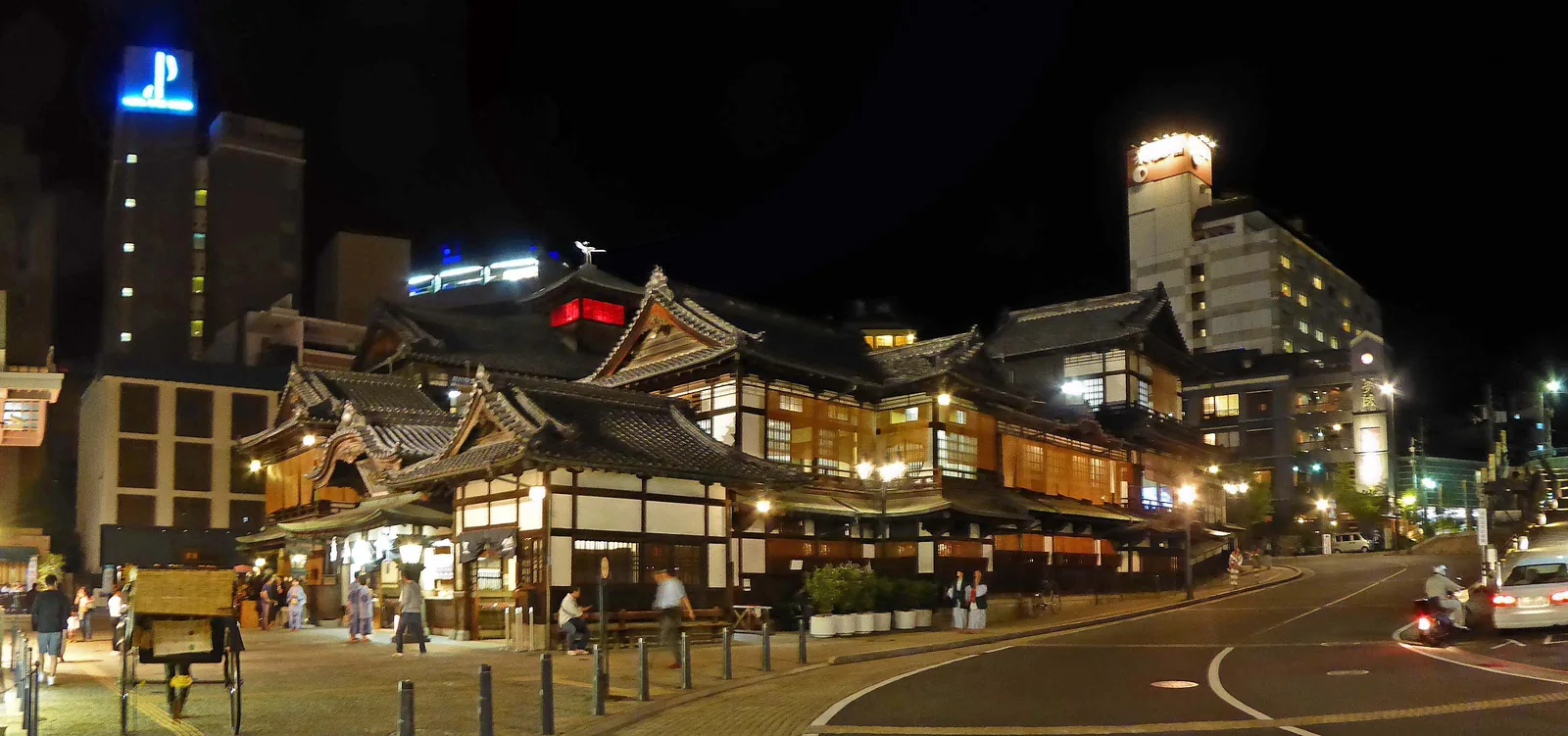
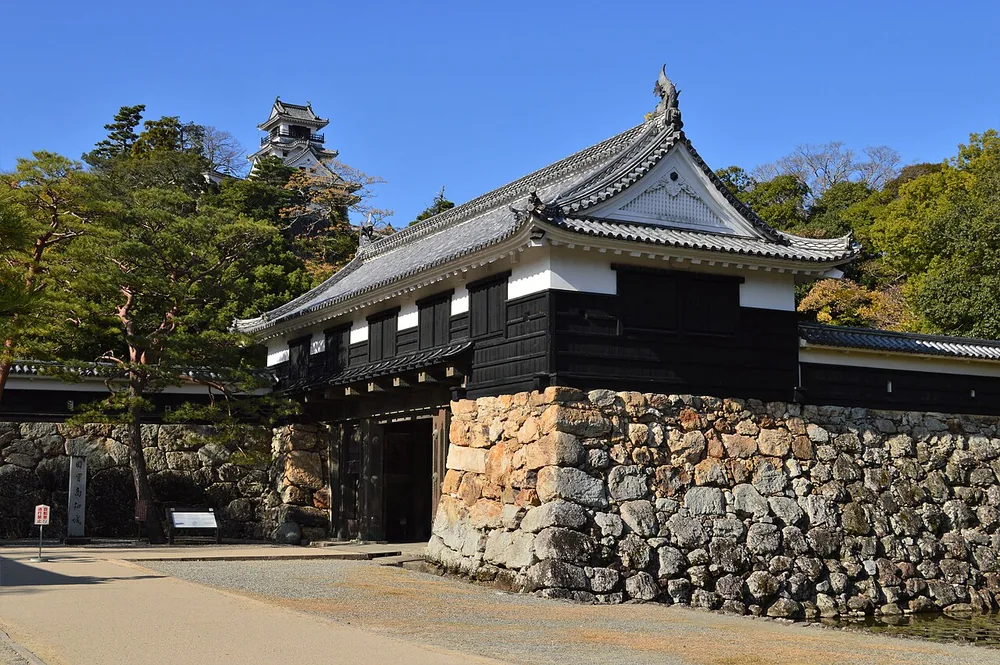
Compare Kotohira-gu’s Main and Inner Shrine stairs, visiting hours, museums and vehicle reservations for a half-day in Kotohira.
- Region & Focus
- Shikoku
- Reading Scope
- 24 min read · 18 chapters · 4 Q&As
- Official Verification
- 20 official sources checkedUpdated November 22, 2026
- Key Topics
- ItinerariesChugoku & Shikoku
Chapter Route Map (tap any stop)
- JR Kotohira and Kotoden-Kotohira: choose your arrival route
- From the main approach to the Great Gate: settle into the stairs
- Main Shrine first: distinguish the Shoin, Asahi Shrine and main sanctuary
- How much farther is the Inner Shrine? Check the time first
- Along the Inner Shrine path: Manai Bridge to Itoku Rock
- Three museums: check opening days before choosing single or combined tickets
- Add Kanamaruza: bring a half-day back down into town
- Maritime belief along Ichi-no-saka
- Asahi Shrine repairs and what to see at the Main Shrine
- If the stairs are too much: reserve vehicle access near the Main Shrine
- Inner and Main Shrine hours differ
- Two routes for companions with different stamina
- Structures to look for at Kanamaruza
- An indoor option at the foot of the hill: Kotohira Maritime Museum
- The tall lantern by the station: link town and pilgrimage history
- Compare three single tickets before buying the combined pass
- Check photography rules at each venue
- How season and weather change the route
- Quick Q&A
Before visiting Kotohira, decide whether to stop at the Main Shrine or continue to the Inner Shrine. The Main Shrine is 785 steps from the first stair on the main approach. From there, the Inner Shrine is about 1.2 km and another 583 steps, for a total of 1,368. On a first visit, make the Main Shrine and shrine-town streets your half-day focus. Add the Inner Shrine if you enjoy mountain paths and have enough time. For architecture and paintings, choose Omote Shoin, the Takahashi Yuichi Museum or Treasure House beyond the Great Gate. The staircase can be a route through places to visit rather than simply a count to finish.
JR Kotohira and Kotoden-Kotohira: choose your arrival route
JR Kotohira and Kotoden-Kotohira belong to different railway systems. From a hotel near Takamatsu Port or central Takamatsu, compare JR and Kotoden using your hotel location. Between Okayama and other Shikoku cities, include your existing JR route and transfer times. From either station, you still walk through town to the main approach. The Kotohira tourism association gives about ten minutes on foot from each station as a reference. This level section is not part of the 785 steps counted from the staircase entrance.
For a day trip from Takamatsu, choose your return station and train before deciding to continue to the Inner Shrine. After descending, you still have the walk through town to the station. When meeting companions, specify JR or Kotoden. A morning start and afternoon return usually make it easier to fit worship, rests and lunch together. For museums, include opening days and last admission too.
Taxis are limited in town, and the tourism association says there are no cruising taxis to hail. Even the JR station rank may temporarily have no vehicles. For an older companion’s transfer, a fixed train or a reserved uphill vehicle slot, arrange a car in advance and give the driver the shrine’s entrance map. Rental bicycles suit travel around town, but still need parking and walking at the approach. The shrine’s vehicle-entry application does not accept bicycles.
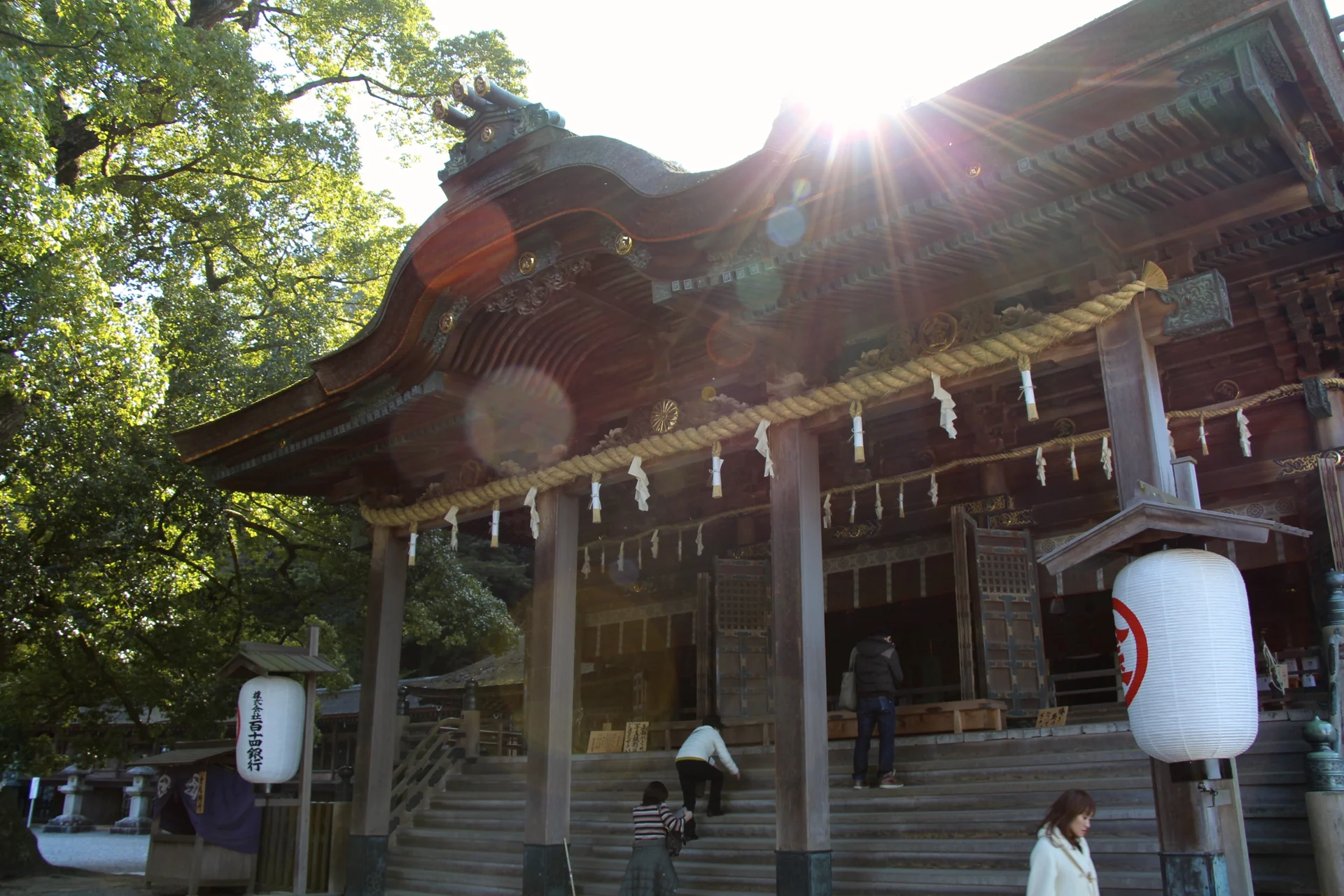
Compare Kotohira-gu’s Main and Inner Shrine stairs, visiting hours, museums and vehicle reservations for a half-day in Kotohira.
From the main approach to the Great Gate: settle into the stairs
Shops and restaurants line the approach as the stairs begin. Before climbing, organize water, shoelaces and hand luggage. Buy heavy souvenirs on the way down; large bags make both directions harder. Instead of chasing the step count at one speed, move while everyone can still speak comfortably and rest in wider places so others can pass.
The Great Gate marks the precinct entrance. Beyond it, the stairs give way to about 150 meters of stone paving called Sakura-no-baba, a cherry-blossom spot in spring. Use the gate and this stretch as a first adjustment point. If continuing to the Main Shrine, settle the pace for the next climb. If not completing the whole ascent, combine the approach, buildings and nearby museums into your own visit. Choosing a lunch stop on descent gives more flexibility than fixing it before the climb.
Main Shrine first: distinguish the Shoin, Asahi Shrine and main sanctuary
Beyond the Great Gate, note directions to the Treasure House, Omote Shoin entrance and Takahashi Yuichi Museum. If entering a museum, choose the one that interests you most and allow time for it. Opening days and fares are listed below; follow entrance signs off the main approach during your climb.
Near Kamitsubaki, a dining space can serve as a mid-climb rest. Continue past Asahi Shrine, a prominent large building separate from the Main Shrine farther up. The official booklet says the section from Asahi Shrine to the Main Shrine uses one-way walking; follow signs on site. The final “Gozen Yondan” section has 133 steps, ending at the Main Shrine. Mark Asahi and the Main Shrine separately on your map to help companions understand their progress.
The viewpoint beside the Main Shrine faces the Sanuki Plain. The official booklet also notes views of Mount Iino. Worship first, then find a suitable place to rest, drink water or look out. Returning to the foot of the hill still requires descending stairs. If your knees are sensitive, allow more time down than up. In rain, slow down and watch your footing on wet stone.
Kagawa Prefecture’s 2025 panoramic Kotohira-gu video offers close views of shrine timberwork, the space beneath the eaves and worship areas.
How much farther is the Inner Shrine? Check the time first
The Inner Shrine’s formal name is Izutama Shrine, in the mountain. Its path starts at the torii on the Main Shrine’s right, toward the viewpoint. The official Inner Shrine guide gives about 1.2 km and 583 steps from the Main Shrine. These are additional to the first 785 steps. The 1,368-step figure is the cumulative total from the first stair on the main approach, not another 1,368 beyond the Main Shrine.
The shrine’s current access page gives about one hour one way from the staircase entrance to the Main Shrine. For the Inner Shrine, add the further ascent, return, photos and rests. Allow more flexibility if you have a fixed return train or museum admission time. The one-way estimate for 785 steps is not the time from the station to the Inner Shrine and back.
Along the Inner Shrine path: Manai Bridge to Itoku Rock
The official Inner Shrine guide explains that Manai Reservoir, upstream of Manai Bridge, was built in 1904 as a fire-fighting water source. After the bridge, pass the Hakushu Kitahara poetry monument, Tokiwa Shrine and Shiramine Shrine, which enshrines Emperor Sutoku.
The later route passes Sugawara Shrine and the vermilion Unohanadani rest shelter before reaching Izutama Shrine at 421 meters above sea level. The guide says the Inner Shrine enshrines Izutamahiko-no-Mikoto and faces the Main Shrine. Beside it, Itoku Rock rises on an andesite slope with tengu and crow-tengu carvings above. If the shrine announces a path closure, follow local directions and turn back.
The monument after Manai Bridge bears “Yama no Uta,” with lyrics by Hakushu Kitahara and music by Shinpei Nakayama, rather than a shrine inscription. Seiku Ando provided the calligraphy. In addition to Emperor Sutoku, Shiramine Shrine enshrines Taikenmonin and the mountain deity Oyamatsumi. Sugawara Shrine farther up enshrines Michizane Sugawara, who served as governor of Sanuki. To understand the deities at these small shrines along the path, download the official guide beforehand. Stop to read only where you do not block passage; you can revisit a place of interest on descent.
Three museums: check opening days before choosing single or combined tickets
Omote Shoin displays wall and sliding-door paintings by Okyo Maruyama, Tanryo Murata, Kansai Mori and others. Oku Shoin is currently closed to the public, with possible special openings in specified periods. The Takahashi Yuichi Museum displays Western-style paintings; the museum says about 20 of its 27 works are usually shown in rotation. The Treasure House holds the shrine’s cultural properties. Choose Omote Shoin for architecture and Japanese painting, Takahashi for modern Western-style painting, or the Treasure House for shrine collections.
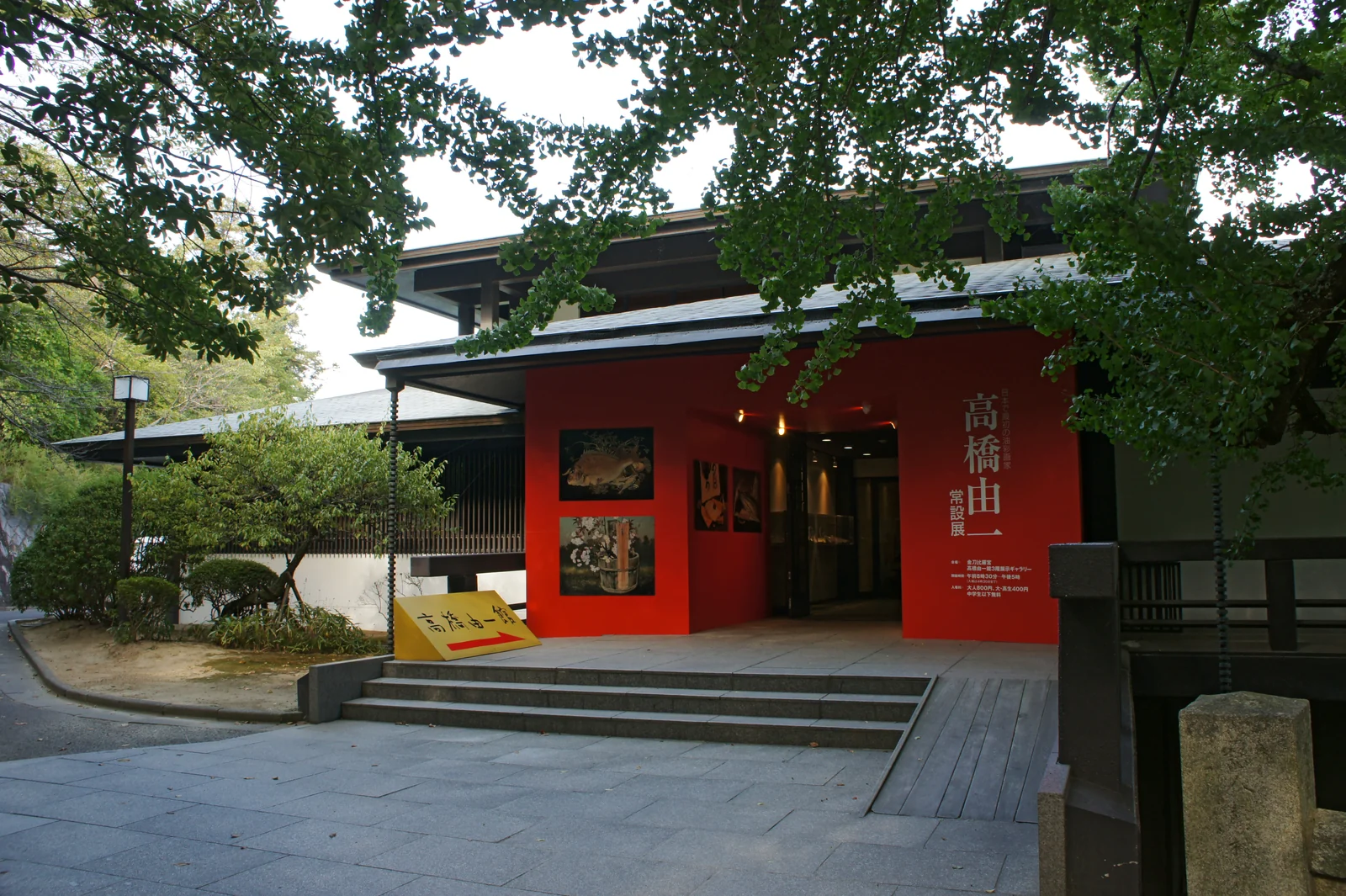
The shrine notice changes opening days from April 2026. Omote Shoin closes Tuesdays, or the next weekday if Tuesday is a holiday. The Treasure House usually opens weekends, holidays and specified periods; from October 1 through November 30 it closes Tuesdays, or the next weekday after a holiday Tuesday. Takahashi usually opens weekends, holidays and specified periods, including June 16–September 30. Each museum also has particular holidays and temporary closures. Especially on weekdays, plan using each museum’s opening for your actual day.
All three list 9:00–17:00, last admission 16:30. Takahashi also has a free rest room with a digital guide to Kotohira-gu, Asahi Shrine, Kanamaruza and other sites, supporting Chinese among other languages.
Omote Shoin was a reception and ceremonial building of Konko-in, the former head temple. The building and Okyo Maruyama’s paintings in five rooms are Important Cultural Properties. Look at the paintings with their sliding doors, rooms and orientation toward the garden; this differs from looking at individual framed works. The Treasure House is a two-story stone building designed by Masamichi Kuru and completed in 1905. It uses Aoki stone from Hiroshima Island in Kagawa, combining a tiled roof with a curved karahafu entrance. Its collection includes a standing Eleven-Headed Kannon and screens showing festival processions in the precincts and town.
Takahashi Yuichi’s connection with the shrine begins with Meiji-era art support. The museum explains that chief priest Hirotsune Kotooka bought works to support Yuichi’s painting school. Yuichi later stayed in Kotohira and painted local landscapes and people. His portrait of Hirotsune Kotooka was missing for years before being found in the priest’s residence in 2001. If you prefer Western-style painting to a long climb, make this museum the day’s focus and decide whether to continue to the Main Shrine according to your energy.
Add Kanamaruza: bring a half-day back down into town
The Old Konpira Grand Theatre, “Kanamaruza,” offers another visit in town. Built in 1835, it is a nationally designated Important Cultural Property. Kotohira Town lists regular visits at 9:00–17:00, last admission 16:30, adults ¥500, junior- and senior-high students ¥300, and elementary pupils ¥200. Performances or events may suspend general visits. For example, the town announces an event closure from the afternoon of November 6 through November 8, 2026. Check current notices before a same-day visit, then use last admission to decide whether to go before or after the climb.
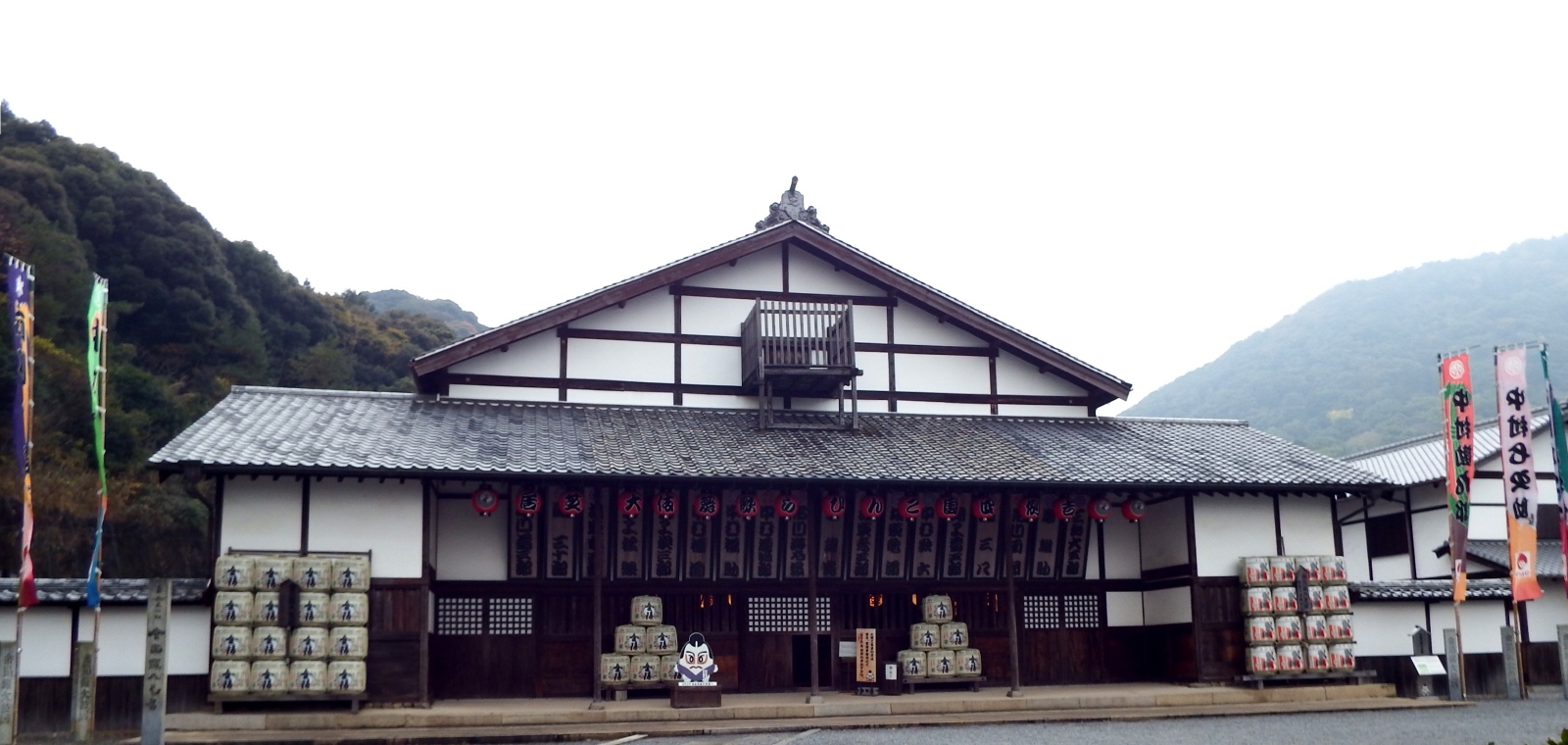
For worship and lunch only, walk from the station to the approach, climb to the Main Shrine and return, then eat in town for a half-day plan. Add visiting time for Kanamaruza or shrine museums. If the Inner Shrine is also a goal, make the shrine walk the main activity and choose museums and shopping according to your descent time.
Maritime belief along Ichi-no-saka
The staircase from step 113 to the Great Gate is called Ichi-no-saka; the shrine describes it as particularly steep. Along it stands Tomyodo, donated by believers around Innoshima in former Bingo Province and built using ships’ lower beams. Lanterns inside once lit the night approach. This gives a concrete connection between shrine visitors and seafaring belief. You need not stop repeatedly to inspect every building; look at Tomyodo from a safe spot while companions rest.
The Great Gate, donated by Takamatsu lord Yorishige Matsudaira, is the shrine’s main gate. Beyond it, Sakura-no-baba’s roughly 150-meter stone-paved path contrasts with the steep stairs and gives a chance to reset your pace. The official guide also describes the bronze “Konpira dog.” In the Edo period, dogs sometimes made the pilgrimage on behalf of their owners, carrying their names, offerings and travel money while travelers cared for them along the way. The statue locates that custom on today’s approach and gives children a recognizable intermediate goal.
Farther up, the Shoin entrance is called the Shrine Office Gate, reflecting a time when the office adjoined the Shoin. The wooden horse shelter near Kamitsubaki was donated by Yorishige Matsudaira in 1650. Buildings, museums and food options cluster here, making it a useful point to decide whether to enter a museum. If Omote Shoin is a priority, save its closing days and last admission before travel. For only the Main Shrine, rest here and continue climbing.
Asahi Shrine repairs and what to see at the Main Shrine
Asahi Shrine was completed in 1845 after about 40 years of construction, according to shrine records. Carvings between columns, on doors and under the eaves depict people, birds, animals, plants and flowers.
The shrine began Asahi’s conservation project in 2024. Construction access, protective structures, dismantling, repair and restoration are expected to take about 18 years in total. The digital guide in Takahashi’s free rest room offers three-dimensional Asahi content. Reasons for repair include termite damage in roof timbers and crushing in some columns. Following the Meiji separation of Buddhism and Shinto, the former Buddhist main hall was renamed Asahi Shrine and adapted for Shinto use. This history explains its structure more fully than reading every feature through its present “shrine” name.
The Main Shrine stands about 251 meters above sea level and enshrines Omononushi and Emperor Sutoku. The shrine describes long-standing beliefs in protection for agriculture, medicine and seafaring, among others. Maritime offerings appear around the main sanctuary. Its ema information describes many ship images alongside horses and people, reflecting prayers for safe voyages. This background connects the mountain shrine with travel on the Seto Inland Sea rather than treating the stairs only as exercise.
If the stairs are too much: reserve vehicle access near the Main Shrine
The shrine accepts vehicle-entry reservations for people who have difficulty walking the approach. Its vehicle reservation page accepts passenger cars, taxis and microbuses. Bicycles, motorcycles and larger buses cannot enter. The reserved area is near the Main Shrine, not the Inner Shrine. This can reduce the long staircase burden. Companions can ride together or use the main approach according to need, with an agreed meeting place.
Reservations use fixed slots, one vehicle per slot, normally for one hour. Taxis need advance applications even if they do not park. Use the official reservation calendar. After completion, a route map is emailed; show it on your phone or paper to the guard. The shrine warns that navigating only by its name and address may lead to the wrong vehicle entrance. Use the dedicated map supplied after booking. If a rental car or taxi plate is not yet known, register as instructed and add the number when available.
Apply online 6–60 days before the visit. Each applicant is limited to one application per month. Reservations are not accepted for visits on December 31–January 13 or October 8–11. The dedicated parking area is free after reservation; non-parking taxis follow the same reservation rules. One wheelchair near the Main Shrine is for emergencies and cannot be reserved. Companions who need regular wheelchair use should bring their own equipment.
Inner and Main Shrine hours differ
The shrine’s current hours list the Great Gate at 6:00–18:00, Main Shrine doors at 7:00–17:00 and Main Shrine amulet counter at 8:30–17:00. Inner Shrine doors and its counter usually operate 9:00–16:30. The Inner Shrine path usually opens 9:00–16:30, with an earlier 7:00 opening July 12–September 30. Wind, rain, fallen trees or landslips may close the path. Do not assume it opens with the Great Gate at 6:00. In the afternoon, leave enough return time.
On reaching the Main Shrine in the afternoon, use your actual pace over the 785 steps to assess energy and time for an Inner Shrine return walk. The path and Main Shrine counter have different closing times. Schedule any amulet collection within the relevant service hours. The Great Gate’s hours alone do not tell you which mountain services remain available.
Two routes for companions with different stamina
Your whole group need not commit to the Inner Shrine at departure. Agree to reach the Great Gate or Main Shrine together, then let mountain walkers continue while others descend to a museum or rest stop. Specify a museum entrance or station as the meeting point and agree when each group leaves the mountain. Keep return essentials with each group; splitting up loses flexibility if Inner Shrine walkers take shared bags or tickets.
For a Main Shrine endpoint, use Sakura-no-baba, the Shoin and Asahi as observation points, rest after worship, then descend as directed. For an Inner Shrine endpoint, the Main Shrine is an intermediate stop; do not discover there that the path is about to close. Before leaving through the torii by the viewpoint, check current access, remaining daylight and return time. If someone feels unwell, calculate the return from where you are rather than reaching the planned endpoint before turning back.
After descending, check how much rest companions need before Sanuki udon or shopping. Restaurants and shops have individual hours and closing days; do not assume they all open together. With infrequent return trains, eat before returning to the station and allow the walk to the correct one. After the Inner Shrine, a shorter town stop can replace Kanamaruza to keep descent and dining comfortable.
Choose alternative roads only within officially permitted access. The tourism association notes that the rear approach to Takahashi is a road with vehicle traffic. Pedestrians are prohibited on the Kamitsubaki–Iyo-Tosa Kaido section, while a road near the Hakushu Kitahara monument is for shrine personnel only. A line on a map is not automatically a descent shortcut. When splitting up, stay on open worship routes and meet at a named public entrance so one group does not end up on a vehicle road while the other stays on stairs.
Structures to look for at Kanamaruza
Kanamaruza became a national Important Cultural Property in 1970. The tourism association lists box seating, the hanamichi runway and revolving stage among its features. The spring Shikoku Konpira Kabuki Grand Theatre performances use this building. Even without a performance during your trip, regular open days offer architecture and performance history through the layout of audience and stage.
Start with how audience and actors meet. Look at box seats dividing the audience area, then the hanamichi passing through it toward the stage, and finally how the revolving stage changes scenes. These features differ from a modern cinema’s one-direction viewing. Spring kabuki and general visits are separate arrangements: performances require tickets for the current program, while non-performance days use the regular visitor route. With children, identify the runway and stage first and remove another museum from the plan to leave time to understand the theater.
An indoor option at the foot of the hill: Kotohira Maritime Museum
For more on maritime transport beyond the climb, visit the Kotohira Maritime Museum near Kanamaruza. The tourism association lists adults ¥500, junior- and senior-high students ¥350, and elementary pupils ¥250. Exhibits include an Edo-period landing place, ship models, lifesaving equipment and a ship-handling simulator. The museum lists 9:00–17:00, last admission 16:30. Families can choose this or the theater.
This is separate from the shrine’s three museums and does not accept their combined ticket. Maritime enthusiasts can connect the shrine’s ship-offering culture with models and navigation equipment after descent. For theater architecture, choose neighboring Kanamaruza. Both are at the foot of the hill, avoiding another uphill trip for an indoor stop after the long staircase.
Floor themes differ: the first floor has a landing-place exhibit, the third has marine machinery and lifesaving equipment, the fourth ship models and a simulator, and the roof an observation facility. The museum also describes a third-floor deep-sea area and fifth-floor shipping films. Permanent exhibits include the “Konpira boats” that carried pilgrims between Osaka and Marugame, and a model of the Takamatsu domain’s state boat. Kotohira is about 12 km from the nearest coast, and Mount Zozu once helped sailors identify direction. This is part of the background to a maritime museum in inland Kotohira.
Drivers can compare the museum’s parking options. Its parking information lists parking as free while visiting. After admission, parking for shrine worship or other purposes costs ¥250 for up to two hours. Without museum admission, ordinary and kei cars pay ¥500 for up to two hours, then ¥100 per hour, prepaid. These rates do not apply in busy periods such as year-end/New Year, Golden Week, Obon and three-day weekends, or to theatergoing during kabuki performances. Estimate museum and shrine time separately. Kanamaruza has no dedicated parking, and the town recommends public transport. Despite their nearby locations at the foot of the hill, vehicle access near the Main Shrine still requires the shrine’s separate reservation.
The tall lantern by the station: link town and pilgrimage history
If arrival leaves time before climbing, look at the tall lantern near the station. The tourism association records its completion in 1860, height about 27 meters and three internal levels in its wooden section above a stone base. It offered light to Kotohira-gu and guided pedestrians at night. Starting near the station and then entering the main approach links historical pilgrims’ streets with today’s railway arrival route.
The tall lantern is in Kita Shinen and is separate from Tomyodo on Ichi-no-saka. Tomyodo relates to ship timbers and approach lighting; the station-side lantern has a different form and range of uses. To record both, see the tall lantern below first, then look for Tomyodo on the climb rather than returning after descent to correct a location mix-up. Keep pedestrian routes clear for photos and agree on a meeting spot, particularly when helping companions.
Compare three single tickets before buying the combined pass
As of October 27, 2026, general single admission is ¥800 for Omote Shoin, ¥500 for Takahashi and ¥800 for the Treasure House. The general three-museum ticket is ¥1,500. All three separately total ¥2,100, so the combined ticket saves ¥600. High-school and university students pay ¥800 for the combined ticket; junior-high students and younger enter free. If only Omote Shoin and Takahashi are open, their general single fares total ¥1,300. Do not buy a combined pass solely because it says “combined.”
High-school and university single fares are ¥400 each for Omote Shoin and the Treasure House, and ¥300 for Takahashi: ¥1,100 total versus the ¥800 combined ticket. Junior-high students and younger enter all three free. Compare prices alongside the museums open that day. For example, on an autumn weekday when Omote Shoin and the Treasure House open but Takahashi does not, general singles total ¥1,600, so the combined ticket saves ¥100. For just one museum, buy its single ticket.
Check photography rules at each venue
The shrine’s April 2026 notice says photography permission continues in the Treasure House, Takahashi and Omote Shoin exhibition rooms. Follow the listed works and conditions on entry. Kotohira Town’s Kanamaruza page separately says public use of theater photos requires an application to the town. Personal keepsakes and publication on websites or other media are different uses; follow the town procedure before publishing.
For approach and shrine-building photos, keep worship routes clear. Current notices ask visitors not to obstruct worshippers with photography and prohibit banquets or excessive eating and drinking in the precincts. Use dining facilities for a long meal. Pets may accompany visitors in the grounds but cannot enter shrine halls or other buildings. If visiting the three museums too, split pet care between companions and meet outdoors.
How season and weather change the route
In spring, leave time for Sakura-no-baba’s cherry trees, but flowering dates vary each year. Use your travel dates and bloom information rather than treating a particular weekend as guaranteed full bloom when booking transport. In summer, plan water, hats and rests for the stairs. The official Inner Shrine path opens earlier, at 7:00, July 12–September 30. To use that early slot, still include the journey from your accommodation to Kotohira.
Rain can make stone stairs slippery, and heavy rain, strong wind, fallen trees or landslips may close mountain paths. If you reach Kotohira in unsuitable weather, shorten the climb to a place from which everyone can return safely, then choose Omote Shoin or Kanamaruza according to that day’s opening. Follow site instructions for any announced closure. Winter daylight is shorter and the Inner Shrine path usually closes at 16:30. For an afternoon arrival, set descent and station-return times before deciding to leave the Main Shrine for the Inner Shrine.
The main autumn annual-festival ceremonies run October 9–11. Approach routes, crowds and vehicle reservations may differ on event days. If your aim is worship rather than the festival, include it when choosing dates. If you want the event, use the shrine’s current-year schedule, routes and traffic restrictions.
The shrine offers an online foreign-language cultural guide, and digital devices in the Takahashi rest room also provide foreign-language support.
A few useful answers
How many steps lead to the Main Shrine and Inner Shrine at Kotohira-gu?
From the first step on Omotesando, it’s 785 steps and about an hour uphill to the Main Shrine. From there, the Inner Shrine is about 1.2 km and another 583 steps away, bringing the total to 1,368.
Is half a day enough to visit Kotohira-gu by train?
Half a day is enough to walk up to the Main Shrine and come back down for lunch near the foot of the steps. It’s about a 10-minute walk on level ground to Omotesando from either JR Kotohira Station or Kotoden Kotohira Station.
What are the opening hours for the trail to the Inner Shrine?
The trail is usually open from 9 a.m. to 4:30 p.m., with a 7 a.m. opening from July 12 to September 30. The Inner Shrine’s doors and amulet counter usually open from 9 a.m. to 4:30 p.m. Heavy rain or strong winds can close the trail.
How do I reserve vehicle access if I have trouble climbing the steps?
If the steps are difficult for you, reserve vehicle access near the Main Shrine online 6 to 60 days before your visit. You need a reservation even for a taxi drop-off. The shrine emails a map showing the vehicle entrance once you’ve booked.
Official information and references
Sources used in this guide.
- Main Shrine visiting guide
- Inner Shrine visiting guide
- Current shrine hours and museums
- Museum opening days and exhibitions
- Takahashi Yuichi Museum
- Omote Shoin
- Treasure House
- Asahi Shrine restoration
- Shrine vehicle reservations
- Vehicle reservation FAQ
- Kanamaruza
- Kotohira tourism association
- Tall lantern
- Official precinct map
- Kanamaruza structures
- Annual festival
- Official shrine booklet
- Kotohira Maritime Museum
- Maritime museum parking
- Kotohira Maritime Museum exhibitions