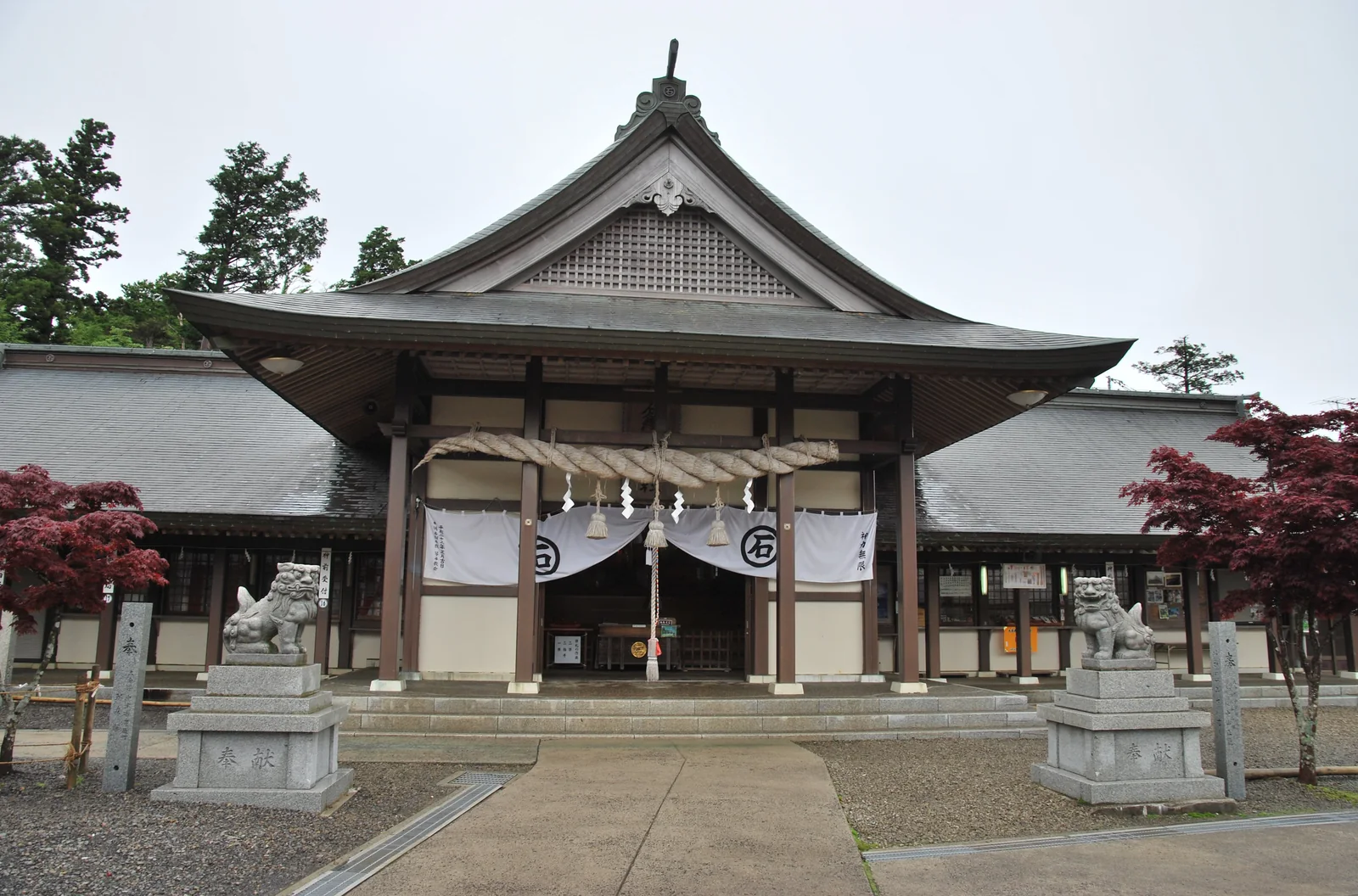
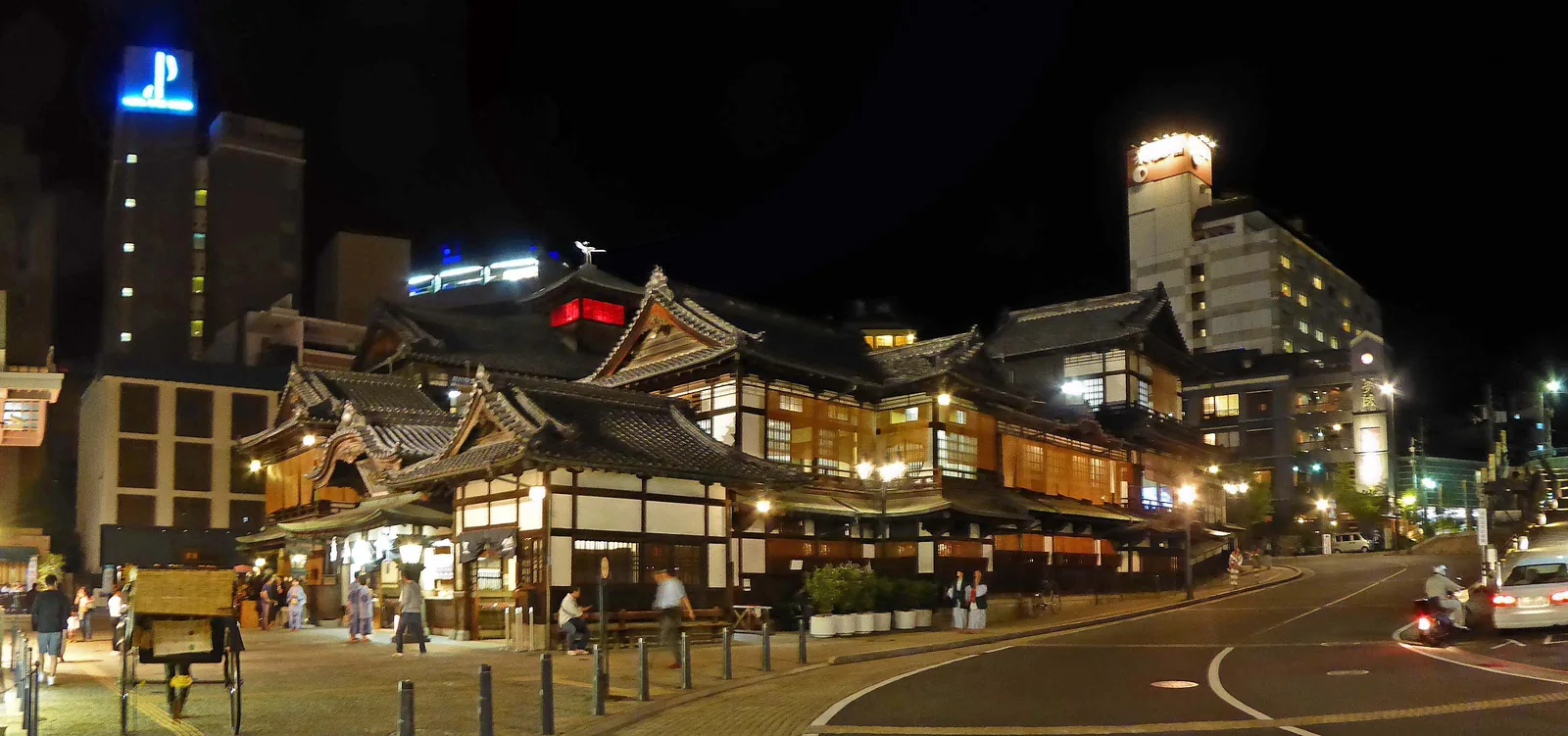
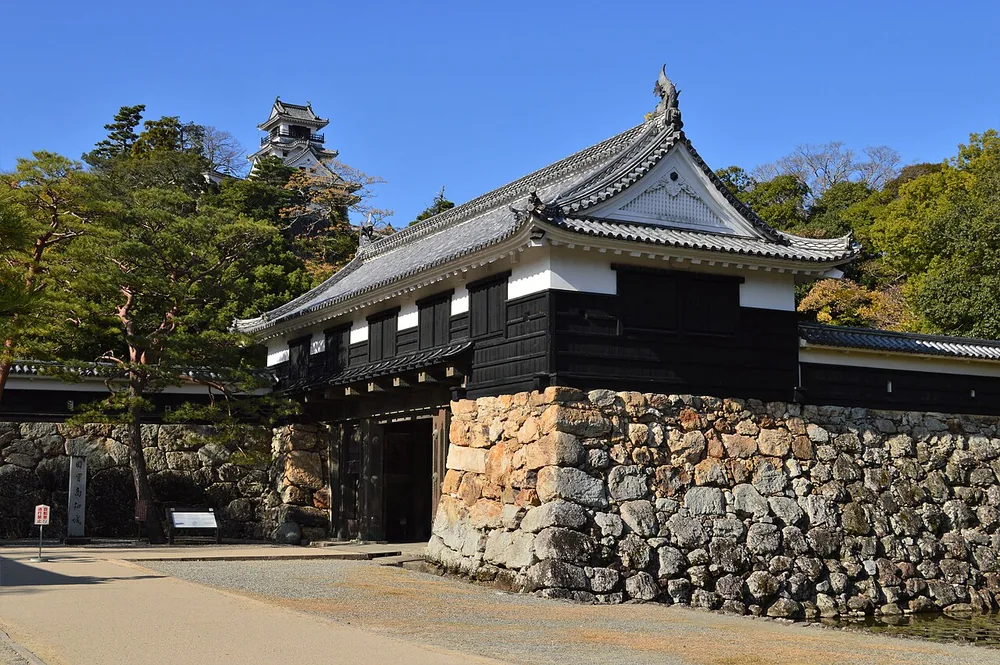
Compare Kotohira-gu’s Main and Inner Shrine steps, visiting hours, museums and vehicle reservations for a half day in Kotohira.
- Region & Focus
- Shikoku
- Reading Scope
- 24 min read · 18 chapters · 4 Q&As
- Official Verification
- 20 official sources checkedUpdated 22 November 2026
- Key Topics
- ItinerariesChugoku & Shikoku
Chapter Route Map (tap any stop)
- JR Kotohira or Kotoden-Kotohira: choose your arrival route
- Main approach to Great Gate: settle into the steps
- Main Shrine first: distinguish the Shoin, Asahi-sha and main buildings
- How much farther is the Inner Shrine?
- Inner Shrine path: Manai Bridge to Itoku-iwa
- Three museums: check opening days before choosing tickets
- Add Kanamaruza: return from the hill to the town
- Ichi-no-saka: traces of maritime faith
- Asahi-sha repairs and what to see at the Main Shrine
- Vehicle reservations for visitors who cannot manage the steps
- The Inner and Main Shrines have different hours
- Two routes for companions with different stamina
- Structures to notice at Kanamaruza
- An indoor option at the foot: Kotohira Maritime Museum
- The tall lantern by the station: streets and pilgrimage history
- Compare individual museum tickets before a combined ticket
- Check photography rules at each venue
- How seasons and weather change the route
- Quick Q&A
Before visiting Kotohira, decide whether to stop at the Main Shrine or continue to the Inner Shrine. There are 785 steps from the first step of the main approach to the Main Shrine. Beyond it, the Inner Shrine is about 1.2 km and another 583 steps away, making 1,368 steps in total. For a first visit, make the Main Shrine and shrine-front town your half-day focus. Add the Inner Shrine if you enjoy mountain paths and have enough time. For architecture and paintings, choose the Omote Shoin, Takahashi Yuichi Museum or Treasure House beyond the Great Gate. Treat the stairway as a route through places to visit rather than only a step count.
JR Kotohira or Kotoden-Kotohira: choose your arrival route
JR Kotohira and Kotoden-Kotohira belong to different railway systems. From Takamatsu Port or central Takamatsu, compare JR and Kotoden by your accommodation location. Between Okayama and other Shikoku cities, include your existing JR route and transfer time. After arrival, walk through town to the main approach. Kotohira’s tourism association gives about ten minutes on foot from either station. This level walk is outside the 785 steps counted from the stairway entrance.
For a day trip from Takamatsu, confirm your return station and train before deciding to continue to the Inner Shrine. After descending, you still have the walk through the shrine-front town to the station. Specify JR or Kotoden when agreeing a meeting point. A morning departure and afternoon return usually make worship, rests and lunch easier to combine. For museums, include their opening days and last-admission times.
Town taxis are limited. The tourism association says there are no cruising taxis to hail. Even the JR station rank may temporarily have none. Arrange a vehicle ahead if assisting older relatives, catching a fixed train or using a reserved shrine vehicle slot. Give the driver the shrine’s emailed entrance map. Hired bicycles suit town travel, but you must park and walk at the approach. The shrine’s vehicle-entry application does not accept bicycles.
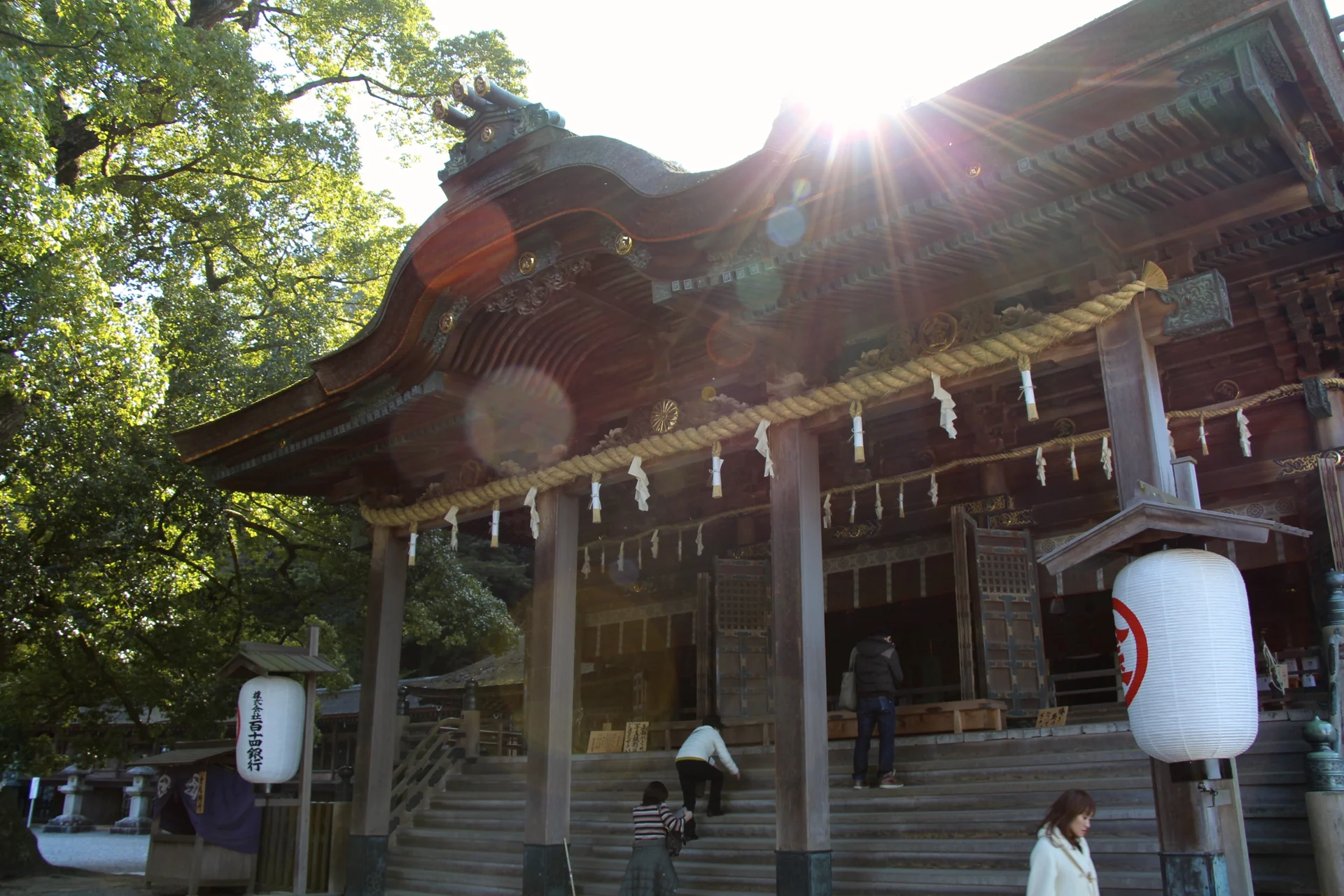
Compare Kotohira-gu’s Main and Inner Shrine steps, visiting hours, museums and vehicle reservations for a half day in Kotohira.
Main approach to Great Gate: settle into the steps
Once the steps begin, shops and restaurants line the approach. Sort out water, shoelaces and hand luggage before climbing, and buy heavier souvenirs on the return. Large bags make both ascent and descent harder. Keep a pace at which companions can still talk comfortably, resting in wider places so others can pass, rather than chasing a step count at one fixed speed.
The Great Gate marks the precinct entrance. Beyond it, the steps give way to Sakuranobaba, about 150 metres of stone paving and a cherry-blossom spot in spring. Use the gate and Sakuranobaba as your first adjustment point. If continuing to the Main Shrine, settle your pace here. If not walking the whole route, combine the approach, buildings and nearby museums into your own visit. Choosing a restaurant on the descent is more flexible than fixing lunch before the climb.
Main Shrine first: distinguish the Shoin, Asahi-sha and main buildings
Beyond the Great Gate, watch for directions to the Treasure House, Omote Shoin entrance and Takahashi Yuichi Museum. Choose the museum that interests you most and allow time for it. Opening days and fares are listed below. Leave the main approach according to entrance signs during your visit.
Kamitsubaki has dining space for a mid-climb rest. Continuing upwards brings you to Asahi-sha, a conspicuous large shrine building separate from the Main Shrine above. The official booklet describes one-way walking between Asahi-sha and the Main Shrine; follow on-site signs. The final Gozen Shidan section has 133 steps, after which you reach the Main Shrine. Mark Asahi-sha and the Main Shrine separately on your map so companions know which part they have reached.
The viewing terrace beside the Main Shrine faces the Sanuki Plain. The official booklet also identifies Mount Iino in the view. Worship first, then find a suitable place to rest, drink or look out. You must still descend to the foot of the hill. If your knees are uncomfortable on steps, allow more time down than up. In rain, slow down and pay attention to your soles and the wet stone.
Kagawa Prefecture’s 2025 panoramic Kotohira-gu video offers close views of shrine timberwork, the underside of the eaves and worship spaces.
How much farther is the Inner Shrine?
The Inner Shrine’s formal name is Izutama Shrine, in the mountain. Its path starts at the torii on the Main Shrine’s right, towards the viewing terrace. The official Inner Shrine guide gives about 1.2 km and 583 steps from the Main Shrine. These come after the first 785 steps. The 1,368 figure is the total from the first step of the main approach, not an additional 1,368 from the Main Shrine.
The shrine’s current access page gives about one hour one way from the stairway entrance to the Main Shrine as a reference. For the Inner Shrine, add the climb beyond the Main Shrine, the return, photographs and rests. Allow generous time for a fixed return train or museum entry. The one-way time for 785 steps is not the station-to-Inner-Shrine return time.
Inner Shrine path: Manai Bridge to Itoku-iwa
The official Inner Shrine guide says the Manai reservoir above Manai Bridge was built in 1904 as a fire-fighting water source. After the bridge, pass the Hakushu Kitahara poem monument, Tokiwa Shrine and Shiramine Shrine, dedicated to Emperor Sutoku.
The later path passes Sugawara Shrine and the vermilion Unohanadani rest shelter before reaching Izutama Shrine at an elevation of 421 metres. The guide says the Inner Shrine enshrines Izutamahiko-no-mikoto and faces the Main Shrine. Beside it, Itoku-iwa lies on an andesite slope, with tengu and crow-tengu carvings above. If the shrine announces a path closure, turn back as directed.
The poem monument after Manai Bridge bears “Yama no Uta”, with words by Hakushu Kitahara, music by Shinpei Nakayama and calligraphy by Seiku Ando, rather than a shrine inscription. Shiramine Shrine also enshrines Taikenmon-in and the mountain deity Oyamatsumi alongside Emperor Sutoku. Higher up, Sugawara Shrine enshrines Sugawara no Michizane, a former governor of Sanuki. Download the shrine guide beforehand if you want to identify these small shrines. Stop to read only where you will not block the path; you can revisit a favourite spot on the way down.
Three museums: check opening days before choosing tickets
Omote Shoin displays sliding-door and wall paintings by artists including Okyo Maruyama, Tanryo Murata and Kansai Mori. Oku Shoin is currently closed to the public, with possible special openings in specified periods. Takahashi Yuichi Museum shows Western-style paintings from its collection, usually selecting about 20 of its 27 works and changing them regularly. The Treasure House holds shrine cultural properties. Choose Omote Shoin for architecture and Japanese painting, Takahashi Yuichi for modern Western-style art, or the Treasure House for shrine collections.
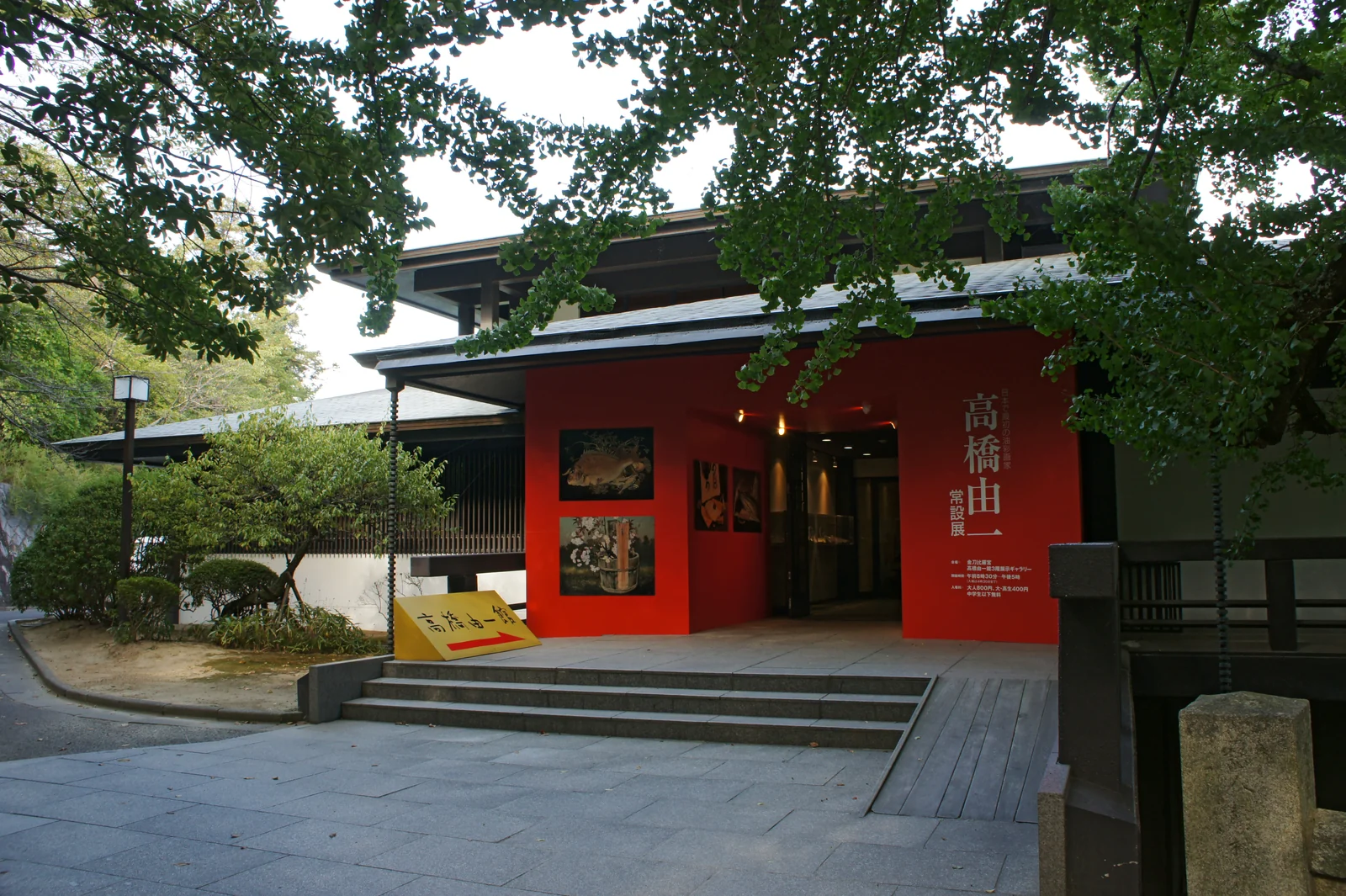
The shrine notice changes opening days from April 2026. Omote Shoin closes on Tuesdays, or the next weekday if Tuesday is a holiday. The Treasure House usually opens on weekends, holidays and specified periods. From 1 October to 30 November, it closes on Tuesdays, or the next weekday after a holiday Tuesday. Takahashi Yuichi Museum usually opens on weekends, holidays and specified periods, including 16 June to 30 September. Each also has particular holiday arrangements and temporary closures. Plan by the opening schedule for each museum that day, especially on weekdays.
All three list 09:00–17:00, with last admission at 16:30. Takahashi Yuichi Museum also has a free rest room and digital guides to Kotohira-gu, Asahi-sha, Kanamaruza and other places, with Chinese among the languages.
Omote Shoin was the reception hall of Konko-in, the former administrative temple, for pilgrims and ceremonies. The building and Okyo Maruyama’s paintings in five rooms are Important Cultural Properties. Look at the paintings together with the sliding doors, rooms and garden-facing orientation, rather than as separate framed works. The Treasure House is a two-storey stone building designed by Masamichi Kuru and completed in 1905. It uses Aoki stone from Hiroshima Island in Kagawa and combines a tiled roof with a curved karahafu entrance. Its collection includes a standing Eleven-Headed Kannon and screens depicting festival processions in the precinct and shrine-front town.
Takahashi Yuichi’s connection with the shrine begins with Meiji-period art patronage. The museum explains that chief priest Kotooka (琴陵宥常) bought paintings to support Yuichi’s art school. Yuichi later stayed in Kotohira, painting local scenery and people. His portrait of Kotooka, missing for many years, was found at the priest’s residence in 2001. If you prefer Western-style painting to a long climb, make this museum your focus and decide by your energy whether to continue to the Main Shrine.
Add Kanamaruza: return from the hill to the town
The former Konpira Grand Theatre, Kanamaruza, is another Kotohira attraction. Built in 1835, it is a nationally designated Important Cultural Property. Kotohira Town lists ordinary visits 09:00–17:00, last admission 16:30, at ¥500 for adults, ¥300 for junior-high and high-school pupils, and ¥200 for primary pupils. Performances or events may suspend ordinary visits. For example, the town announced closure from the afternoon of 6 November to 8 November 2026 for an event. Check current notices before deciding whether to visit before climbing or after descending within last-admission hours.
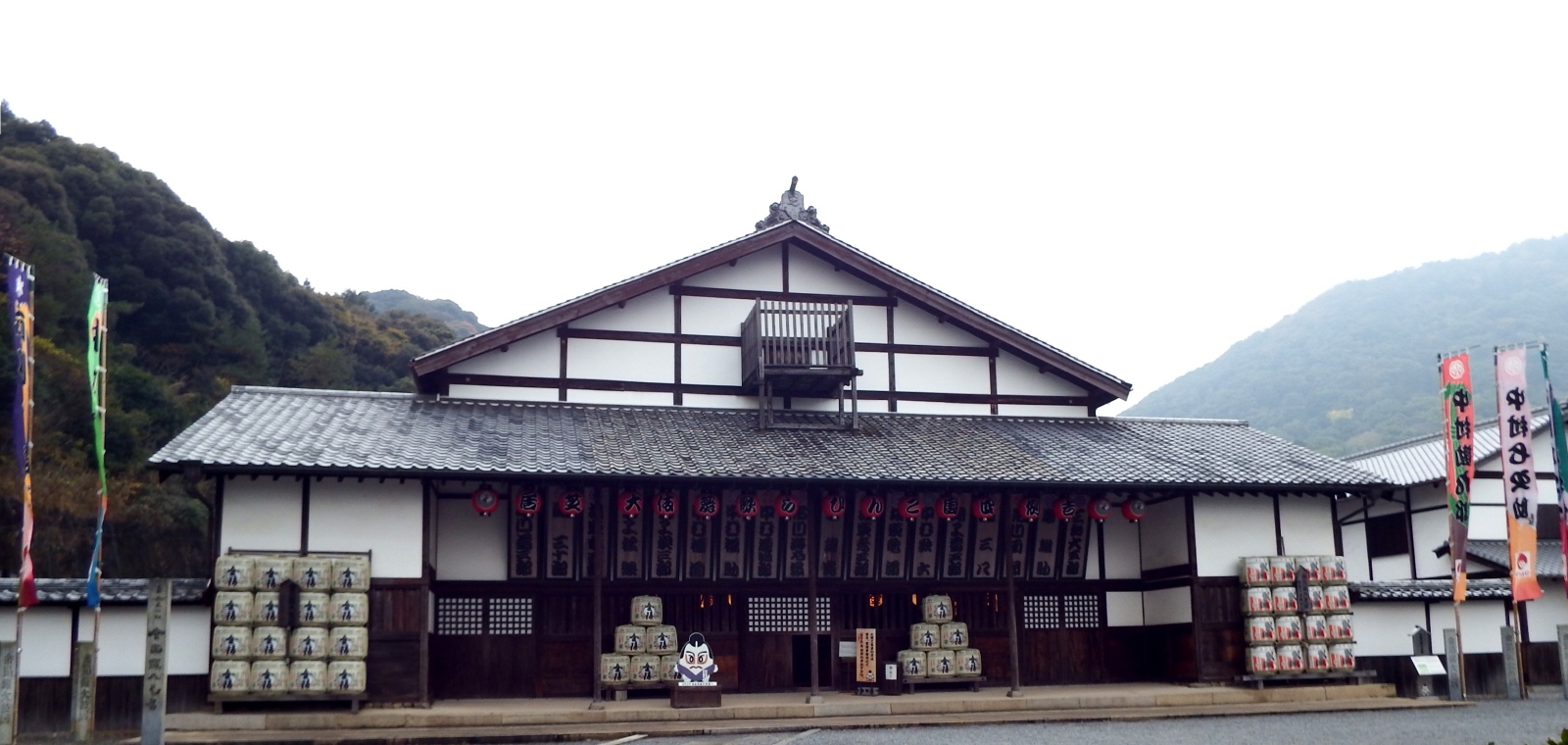
For worship and lunch alone, the station-to-approach walk, Main Shrine return and a meal in the shrine-front town form a half day. Add time for Kanamaruza or a shrine museum. If the Inner Shrine is also your goal, make the pilgrimage your main activity and choose museums and shopping according to your descent time.
Ichi-no-saka: traces of maritime faith
The steps from number 113 to the Great Gate are called Ichi-no-saka and are particularly steep, according to the shrine. Along them, Tomyo-do was donated by believers from the Innoshima area of Bingo Province, using ship beams as building material. Lanterns inside once lit the approach at night. This gives a concrete link between pilgrims and maritime faith. You need not stop at every building during the climb; notice Tomyo-do from a safe place while companions rest.
The Great Gate, donated by Takamatsu lord Yorishige Matsudaira, is the shrine’s main precinct gate. Beyond it, Sakuranobaba’s roughly 150 metres of paving feels different from the steep steps before it. Adjust your pace on this easier stretch. The official guide also introduces the Konpira Dog statue. In the Edo period, dogs sometimes made the pilgrimage for their owners, carrying the owner’s name, an offering and travel funds, with travellers caring for them along the way. The statue places that custom on today’s actual approach and gives children a recognisable midway landmark.
Higher up, the Shoin entrance is called the Shamusho Gate, reflecting the former shrine office attached to the Shoin. The wooden-horse shelter near Kamitsubaki was offered by Yorishige Matsudaira in 1650. Buildings, museums and dining cluster here, making it a useful point to decide on a gallery visit. If you want Omote Shoin, save its closure days and last-admission time before travelling. For the Main Shrine alone, rest here and continue climbing.
Asahi-sha repairs and what to see at the Main Shrine
Asahi-sha was completed in 1845 after about 40 years of construction, according to shrine records. Its bays, doors and eaves have detailed wooden carvings of people, animals, birds, flowers and plants.
The shrine began an Asahi-sha conservation project in 2024, planned to take about 18 years through access-road work, protective structures, dismantling, repair and reconstruction. Digital guides in Takahashi Yuichi Museum’s free rest room include three-dimensional Asahi-sha content. Reasons for repair include termite damage to roof timbers and crushing in some columns. After the Meiji separation of Shinto and Buddhism, the former Kondo hall was renamed Asahi-sha and altered for Shinto use. This history explains its structure more fully than reading every feature only through today’s shrine name.
The Main Shrine stands at about 251 metres elevation and enshrines Omononushi and Emperor Sutoku. The shrine describes longstanding beliefs in its protection for agriculture, medicine and seafaring, among others. Maritime offerings appear around the main buildings. Its ema information notes many ship images alongside horses and people, reflecting prayers for safe voyages. This background links the hill shrine with Seto Inland Sea travel, beyond treating the steps only as exercise.
Vehicle reservations for visitors who cannot manage the steps
The shrine accepts vehicle-entry reservations for people who find walking the approach difficult. The vehicle reservation page permits passenger cars, taxis and microbuses. Bicycles, motorcycles and larger buses cannot enter. The reserved area is near the Main Shrine; vehicles cannot reach the Inner Shrine. This can reduce the burden of long stairways. Companions can ride together or walk the main approach according to need, agreeing a meeting point beforehand.
Reservations have fixed times, one vehicle per slot, with one hour’s use as the rule. Even a taxi that does not park needs an advance application. The official website has a calendar and emails a route map after booking. Show it on your phone or paper to the guard. The shrine warns that navigation by name and address alone may lead to the wrong vehicle entrance. Use the booking-specific map. If a hire-car or taxi registration is not yet known, register as the website instructs and add the number once available.
Apply online six to 60 days before the visit. Each applicant is limited to once per month. No applications are accepted for 31 December–13 January or 8–11 October. A completed reservation allows free use of the designated parking area. Taxis that do not park follow the same reservation rules. One emergency wheelchair is available near the Main Shrine, without reservations. Anyone needing a wheelchair throughout should bring their own.
The Inner and Main Shrines have different hours
The shrine’s current schedule lists the Great Gate at 06:00–18:00, Main Shrine doors at 07:00–17:00 and its amulet counter at 08:30–17:00. Inner Shrine doors and its counter are usually 09:00–16:30. The Inner Shrine path is usually open 09:00–16:30, opening earlier at 07:00 from 12 July to 30 September. Wind, rain, fallen trees or landslips may close it. A 06:00 Great Gate opening does not mean the mountain path opens then. In the afternoon, leave ample time to return.
If reaching the Main Shrine in the afternoon, use your actual pace over 785 steps to assess remaining energy and whether you have enough time for the Inner Shrine return. The path and Main Shrine counter have separate closing times. If you want amulets or other shrine items, schedule the counter hours you need. Great Gate hours alone do not tell you which services remain available uphill.
Two routes for companions with different stamina
Your whole group need not commit to the Inner Shrine at departure. Agree to walk together to the Great Gate or Main Shrine, then let keen mountain walkers continue while others visit a gallery or rest along the approach. Specify a museum entrance or station for meeting, and agree when each group will leave the hill. Splitting up becomes inflexible if Inner Shrine walkers take shared bags or everyone’s tickets. Each group should keep what it needs for the return.
With the Main Shrine as your endpoint, use Sakuranobaba, the Shoin and Asahi-sha as places to observe, rest after worship and descend by the signs. With the Inner Shrine as your endpoint, the Main Shrine is midway. Check opening information, remaining daylight and return time before leaving through the torii beside the terrace rather than discovering that the path is about to close. If someone feels unwell, calculate the return from where you are; you need not reach the planned endpoint before turning back.
After descending, consider how much rest companions need before Sanuki udon or browsing the shrine-front shops. Restaurants and shops have individual hours and closure days. If return trains are infrequent, eat before going back to the station and allow the walk to the correct one. After the Inner Shrine, replace Kanamaruza with a shorter town stop if that makes descent and lunch more comfortable.
Choose alternative roads only within officially permitted access. The tourism association says the rear approach to Takahashi Yuichi Museum carries vehicles. Pedestrians are prohibited on the road from Kamitsubaki to the Iyo-Tosa road, and another road near the Hakushu Kitahara monument is for shrine personnel only. A map connection is not necessarily a descent shortcut. Both groups should use open pilgrimage paths and clear public meeting entrances so one does not end up on a vehicle road while the other remains on the steps.
Structures to notice at Kanamaruza
Kanamaruza became a national Important Cultural Property in 1970. Kotohira’s tourism association identifies box seating, the hanamichi walkway and a revolving stage. The spring Shikoku Konpira Kabuki Grand Theatre performances use this building. Even without a performance during your trip, ordinary opening days offer architecture and theatre history, with a chance to see how seating and stage fit together.
Start with how audience and performers meet: box seats divide the audience into compartments, the hanamichi runs through the audience to the stage, and the revolving stage changes scenes. These arrangements differ from the one-direction viewing of a modern cinema. Spring kabuki and ordinary sightseeing are separate. Buy performance tickets for the current programme; on non-performance days, follow the normal visitor route. With children, identify the hanamichi and stage first, omit another gallery and allow time to understand the theatre layout.
An indoor option at the foot: Kotohira Maritime Museum
For maritime transport alongside the climb, visit Kotohira Maritime Museum near Kanamaruza. The tourism association lists ¥500 for adults, ¥350 for junior-high and high-school pupils, and ¥250 for primary pupils. Exhibits include an Edo-period landing place, ship models, lifesaving equipment and a ship-handling simulator. The museum gives 09:00–17:00, last admission 16:30. For family activities, choose it or the theatre.
This is a separate museum outside the shrine’s three museums, so the shrine combined ticket does not cover it. For maritime interests, move from the shrine’s ship-offering culture to models and navigation equipment after descending. For theatre architecture, choose neighbouring Kanamaruza. Both are at the foot of the hill, avoiding a climb back uphill for indoor activities after the long stairway.
The museum’s floors have different themes: a landing-place display on level 1, ship machinery and lifesaving equipment on level 3, models and a ship-handling simulator on level 4, and a roof viewing area. The museum also introduces a deep-sea section on level 3 and shipping films on level 5. Regular displays include Konpira boats that carried pilgrims between Osaka and Marugame, and a model of the Takamatsu domain lord’s vessel. Kotohira is about 12 km from the nearest coast, and Mount Zozu once helped sailors identify their direction. This explains a maritime museum in inland Kotohira.
Drivers can compare the museum’s parking options. Its parking information lists free parking during a museum visit. Parking for a shrine visit after entering the museum costs ¥250 for up to two hours. Without museum entry, ordinary and kei cars parking for worship pay ¥500 for up to two hours, then ¥100 per hour, payable in advance. These rates do not apply over busy periods such as New Year, Golden Week, Obon and three-day weekends, or to theatre parking during kabuki performances. Estimate museum and shrine time separately. Kanamaruza has no dedicated car park, and Kotohira Town recommends public transport. Although both venues are nearby at the foot, taking a vehicle close to the Main Shrine still requires the shrine’s separate entry reservation.
The tall lantern by the station: streets and pilgrimage history
If you are not pressed to climb immediately after arriving, see the tall lantern beside the station first. Kotohira’s tourism association dates its completion to 1860. It is about 27 metres high on a stone base, with three storeys inside its wooden section. It offered light to Kotohira-gu and guided pedestrians at night. Starting near the station before entering the approach connects historic pilgrimage streets with today’s railway arrival.
The tall lantern stands in Kita Shin-en. It is separate from Tomyo-do along Ichi-no-saka on the ascent. Tomyo-do relates to ship timbers and lighting the approach, while the tall lantern is near the station with a different form and scope of use. To see both, visit the tall lantern below first and notice Tomyo-do while climbing, avoiding a return uphill after searching the wrong location. Leave pedestrian routes clear for photographs and agree on a meeting point, especially when assisting companions.
Compare individual museum tickets before a combined ticket
As of 27 October 2026, the shrine lists adult tickets at ¥800 for Omote Shoin, ¥500 for Takahashi Yuichi Museum and ¥800 for the Treasure House. The three-museum ticket costs ¥1,500. All three individually total ¥2,100, so the combined ticket saves ¥600. The combined ticket is ¥800 for high-school and university students; junior-high age and younger enter free. If only Omote Shoin and Takahashi Yuichi Museum are open, adult individual tickets total ¥1,300. Do not buy a combined ticket solely for its name.
For high-school and university students, individual Omote Shoin and Treasure House tickets are ¥400 each, and Takahashi Yuichi is ¥300. All three total ¥1,100 against ¥800 combined. Junior-high age and younger enter all three free. Compare prices alongside the museums open that day. On an autumn weekday when Omote Shoin and the Treasure House open but Takahashi Yuichi does not, adult individual tickets total ¥1,600 and the combined ticket saves ¥100. For only one museum, buy its individual ticket.
Check photography rules at each venue
An April 2026 shrine notice says photography permission continues in the Treasure House, Takahashi Yuichi Museum and Omote Shoin exhibition rooms. Follow the displayed work-specific and photography conditions on entry. Kotohira Town’s Kanamaruza page separately says publishing theatre photographs requires an application to the town. Personal keepsakes and use on websites or other public media are different uses; follow the town procedure before publishing images.
When photographing the approach and shrine buildings, keep clear of worshippers. Current shrine notices ask visitors not to obstruct worship through photography, and prohibit parties or excessive eating and drinking in the precinct. Use dining venues for long meals. Pets may accompany visitors in the grounds but cannot enter shrine halls or other buildings. For museum visits with pets, split up to look after them and choose an outdoor meeting point.
How seasons and weather change the route
In spring, allow time for cherry trees at Sakuranobaba. Flowering varies yearly, so use your travel dates and blossom reports when booking transport rather than assuming a fixed weekend will be full bloom. In summer, plan water, a hat and rests before climbing. The Inner Shrine path officially opens earlier at 07:00 from 12 July to 30 September. To use that early period, still include travel from your accommodation to Kotohira.
Rain can make steps slippery. Heavy rain, strong wind, fallen trees or landslips can close the mountain path. If already in Kotohira when conditions make climbing unsuitable, reduce the endpoint to somewhere your group can safely return from and use that day’s opening schedule to choose Omote Shoin or Kanamaruza. Follow on-site directions for announced closures. Winter daylight is shorter and the Inner Shrine path usually closes at 16:30. After an afternoon arrival, schedule descent and the station return before deciding to continue beyond the Main Shrine.
The main annual festival ceremonies take place from 9 to 11 October. Approach routes, crowds and vehicle reservations may differ on event days. If your purpose is worship rather than the festival, include this when choosing dates. For the event itself, use the shrine’s annual programme, routes and traffic restrictions.
The shrine has an online foreign-language cultural guide, and the digital devices in Takahashi Yuichi Museum’s rest room also provide foreign-language support.
A few useful answers
How many steps are there to Kotohira-gu’s Main Shrine and Inner Shrine?
Allow about an hour for the 785 steps from the first step on Omotesando to the Main Shrine. The Inner Shrine is a further 1.2 km or so and another 583 steps from there, making 1,368 steps in all.
Can I visit Kotohira-gu in half a day if I travel by train?
Half a day is enough to walk up to the Main Shrine and come back down for lunch in the streets below the steps. It takes about ten minutes to walk to Omotesando from either JR Kotohira or Kotoden Kotohira station, on level ground.
When is the path to the Inner Shrine open?
The path is usually open from 09:00 to 16:30, with an earlier 07:00 start from 12 July to 30 September. The Inner Shrine’s doors and amulet counter are usually open from 09:00 to 16:30. Heavy rain or strong winds can close the path.
How do I book vehicle access if I struggle with the steps?
If you have difficulty climbing the steps, you can book vehicle access near the Main Shrine online 6 to 60 days before your visit. You need a booking even if a taxi is only dropping you off. The shrine emails a map showing the vehicle entrance once you’ve booked.
Official information and references
Sources used in this guide.
- Main Shrine visiting guide
- Inner Shrine visiting guide
- Current shrine hours and museums
- Museum opening days and displays
- Takahashi Yuichi Museum
- Omote Shoin
- Treasure House
- Asahi-sha restoration
- Shrine vehicle reservations
- Vehicle reservation FAQs
- Kanamaruza
- Kotohira Tourism Association
- Tall lantern
- Official precinct map
- Kanamaruza structures
- Annual festival
- Official shrine guide
- Kotohira Maritime Museum
- Maritime museum parking
- Kotohira Maritime Museum exhibits