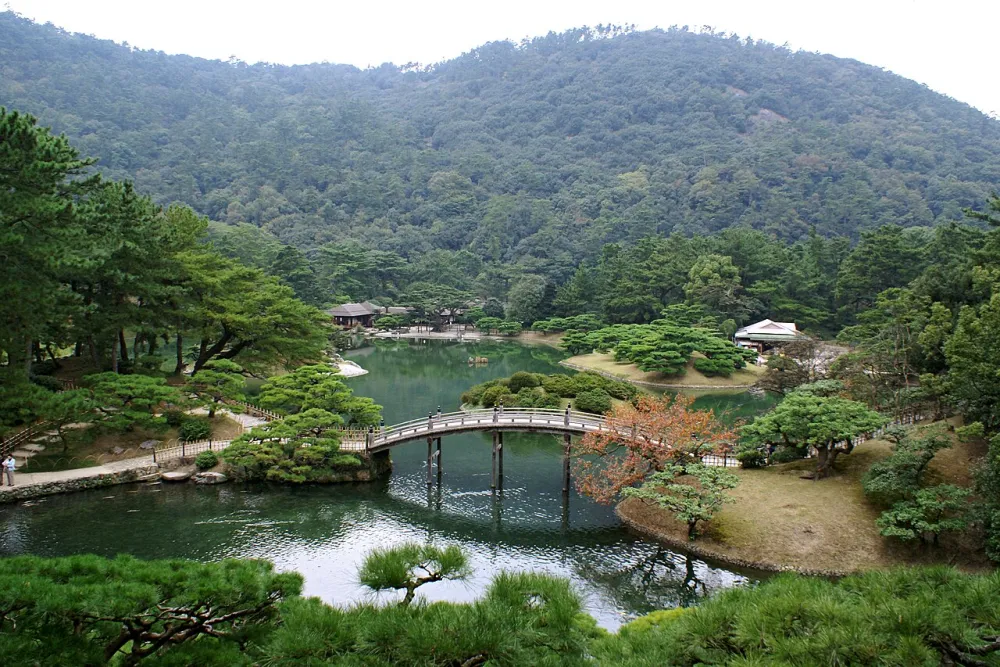
Explore Kochi Castle from Otemon and Tsumemon to the main palace and keep, or choose a lower-level museum day. Compare eating times at Hirome Market’s Myojinmaru, Yairo-tei, Yasubei and Imoten, with the Sunday Market and travel back to Kochi Station.
- Region & Focus
- Kochi City
- Reading Scope
- 30 min read · 19 chapters · 5 Q&As
- Official Verification
- 21 official sources checkedUpdated 7 November 2026
- Key Topics
- ItinerariesFoodNeighbourhoods
Chapter Route Map (tap any stop)
- Choose a castle climb or lower-town day, with the Sunday Market first
- From Kochi Station: save energy by tram or explore the streets on foot
- At Otemon, see how the gate and keep relate before entering
- Stone walls and Tsumemon: slow down on the ascent
- Kaitokukan main palace: read the rooms and look up for wave carvings
- Climbing the keep: wooden interiors and views over the town
- Castle tickets and hours: choose the buildings and exhibitions separately
- Sort luggage and toilets first, then focus on the interiors
- Kochi Castle Museum of History: connect the Yamauchi family and the castle
- A gentler version: museum castle views, coffee and market lunch
- Eating at Hirome Market: check seating and dishes, then order in turns
- For straw flames, choose Myojinmaru and make bonito the centre of the meal
- Yairo-tei, Yasubei and Imoten: match dishes with opening times
- The Sunday Market: about a kilometre of Otesuji, best visited in the morning
- Produce, forged tools and snacks: decide what to eat now or take back
- A weekday castle day: palace in the morning, market and museum later
- A Sunday version: morning market then castle, or stay below throughout
- Rain, pushchairs or wheelchairs: make indoor visits the main route
- Parking and evening returns: match dinner with car collection
- Quick Q&A
Kochi Castle, Hirome Market and the Sunday Market share the old castle-town area and suit an unhurried day. On weekdays, give the morning to the gates, main palace and keep, eat at the market, then visit Kochi Castle Museum of History. On Sundays, start with Otesuji’s morning market and switch the order of shopping, snacks and the castle climb. Without stairs, the Otemon exterior, museum castle views and market lunch still make a full day. Leave time for the connected keep and palace, rather than only climbing to the top. At the market, individual shop hours determine which dishes can share one meal.
Choose a castle climb or lower-town day, with the Sunday Market first
For castle architecture, make Kochi Castle the morning focus. Walk from Otemon to the main enclosure, see Tsumemon and the palace, then climb the keep before descending for lunch. This gives the visit a sequence. Photographing the keep from below and leaving misses distinctive rooms, transom carvings and passages. If food is your companions' priority, limit the castle to Otemon and exterior views, saving energy for the town below.
For fewer stairs, start at Kochi Castle Museum of History. It has lifts, wheelchairs and pushchairs to borrow, castle keep and Otemon views from the viewing lobby on level 3, and a cafe on level 2. This gives you a real indoor visit and somewhere to sit before the market, rather than treating a sloping park detour as an easy substitute.
Sundays add a market with a closing time. Walk your chosen section of Otesuji in the morning, then climb the castle or enter the museum, with Hirome lunch afterwards. Kochi City's latest information lists the Sunday Market at around 06:00–14:00. Its hours are more restrictive than afternoon shops, so do not leave the full walk until after lunch.
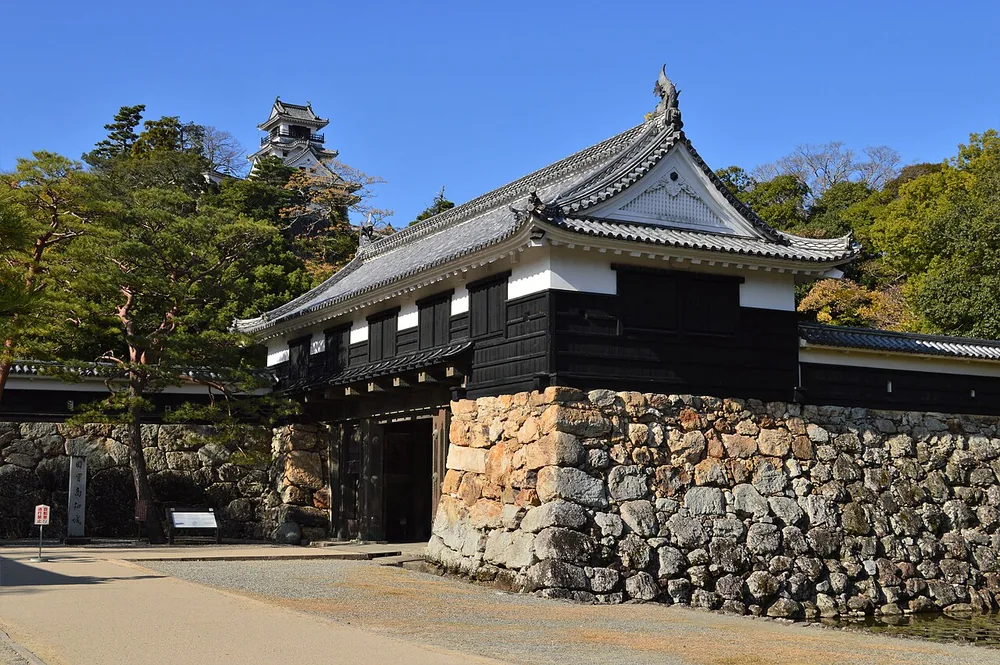
Explore Kochi Castle from Otemon and Tsumemon to the main palace and keep, or choose a lower-level museum day. Compare eating times at Hirome Market’s Myojinmaru, Yairo-tei, Yasubei and Imoten, with the Sunday Market and travel back to Kochi Station.
From Kochi Station: save energy by tram or explore the streets on foot
From JR Kochi Station, walk through town or use a Tosaden tram. For the castle, use Kochijo-mae stop. For Hirome Market first, use Ohashidori; the market gives a walk of around two minutes. These stops serve different aims, and both reach the lower neighbourhood only. The main enclosure still requires a climb.
Take a north–south tram from Kochi-ekimae and change at Harimayabashi for an Ino-bound service on the east–west line. Cash passengers pay before changing and ask the driver for a transfer ticket; within the flat-fare city zone, put only that ticket into the fare box on the second tram. Day-pass users need no transfer ticket and show the valid date to the driver when alighting. Check the destination at the front, board at the rear, ring for your stop and leave at the front. The cash fare box gives no change. Onboard machines can change ¥1,000 notes but not ¥5,000 or ¥10,000 notes, so prepare coins in the morning.
Divide walking into station-to-castle-town, castle ascent and town shopping streets. Use the tram for the first if you want energy for wooden stairways inside. Street enthusiasts can walk in and ride back. For an afternoon limited express from Kochi Station, board at Ohashidori or Kochijo-mae and change at Harimayabashi for Kochi-ekimae, leaving station time to find the platform and collect luggage.
At Otemon, see how the gate and keep relate before entering
Pause at Kochi Castle's entrance. Otemon and the hilltop keep can be seen together. Look at their height difference from outside, then enter to see the gate's substantial construction. This explains more than looking down at steps throughout the climb. Defensive features around the gate and keep include stone-dropping openings and arrow slits. Look at wall openings as positions for observing approaching people, rather than treating white walls only as a photograph backdrop.
The castle has two main historical layers. Yamauchi Kazutoyo began construction in 1601 and moved in after the main enclosure and other principal parts were completed in 1603. A town fire in 1727 destroyed most buildings, including the keep; today's keep was completed in 1749. Otemon survived that fire and was later repaired, joining the rebuilt main-enclosure buildings in the castle seen today.
After photographs at the gate, follow the main visitor route uphill. If splitting up, agree here how to meet after the descent: the climbing group continues to the main enclosure, while the lower-town group visits the museum opposite. A museum or market entrance is easier to recognise than a tree somewhere in the large park. Meeting before lunch lets both groups have a complete morning.
Stone walls and Tsumemon: slow down on the ascent
The climb is more than a path to the keep. Many walls use nozura-zumi, retaining the stones' natural shapes rather than smooth, regularly cut surfaces. The castle also identifies uchikomi-hagi masonry in the third enclosure and walls seen inwards from Sugi-no-dan. If architecture interests you, study stone joints, corners and height changes carefully in one section before moving on, rather than retracing every angle.
Near the main enclosure, Tsumemon shows how it relates to the second enclosure. This turret gate spans the dry moat, with a gate below and a connecting corridor above, using the height difference between the two sides. View the span from outside, then follow how the corridor joins the palace. Defence, movement and indoor life connect here.
Reassess your time at this point. If tired, rest where permitted and focus indoor time on the palace. With more energy and an interest in detail, look at the relationships between Tsumemon, the corridor gate and main-enclosure buildings. The survival of the main enclosure as a group is central to Kochi Castle's value. A distant keep photograph still leaves a circuit of structures to see close up.
Kaitokukan main palace: read the rooms and look up for wave carvings
Kaitokukan is the main palace, connected to the keep. Read room labels first to identify the raised reception room, adjoining rooms, storage rooms and verandas. The raised room retains an alcove, shelving and shoin features that establish the formal hierarchy. As you move along room edges, see how door frames direct views inside. The spaces make the lord's life and reception of guests easier to understand.
Look up for the Uchiwake-nami transom carvings. The castle describes waves of Tosa, attributed to mid-Edo craftsman Takeichi Jinshichi. Wave shapes, openwork and wood lines leave a stronger impression than the name alone. With children, ask them to find the direction of a wave crest before reading the nearby explanation.
The storage building also displays transoms from the third-enclosure palace's great reception hall and the second-enclosure palace's dressing room, among other places. These components explain palaces that no longer stand. First locate transoms in surviving rooms, then look at the relocated carvings so they form a connected story. With limited time, keep one room, one transom group and the route from palace to keep as your main focus.
Climbing the keep: wooden interiors and views over the town
Moving from palace to keep changes horizontal rooms into upward stairways. Kochi is one of Japan's twelve surviving historic keeps. Its watchtower-style exterior places an upper lookout above a larger roof, with the top-level encircling balcony and railings as another identifying feature. After seeing the roof from town, enter to understand the scale of beams, stairs and openings in a building that looked like a model from below.
The keep involves repeated stair climbing and descent. Keep your rucksack close, leave passing room in narrow places and take photographs only after finding stable footing. Rather than treating every floor as a photography task, pause once or twice for beams, walls and changing window angles, then identify the town from higher up. The view from the top and Otemon below show the same castle from different positions.
If you have spent much of the morning in the palace, shorten the keep visit to preserve the descent and lunch. The castle FAQ gives an average visit of about an hour. If architecture interests you, allow around 90 minutes to two hours including photographs below and rests. Slower walkers can allow more and eat later.
Castle tickets and hours: choose the buildings and exhibitions separately
Kochi Castle's keep, Kaitokukan, East Tamon and corridor gate generally open 09:00–17:00, last entry 16:30, and close from 26 December to 1 January. Individual tickets for ages 18 and over cost ¥500. Under-18s enter free with proof of age such as a student card. Park walks and cultural-property interiors are different visitor areas. Keep palace and keep entry in daylight hours.
If visiting the paid museum exhibition floor the same afternoon, compare same-day combination tickets: ¥800 outside special exhibition periods and ¥1,040 during them. Buy individual tickets if visiting only the castle or museum. A coffee stop on museum level 2 needs no exhibition ticket. The choice depends on entering the paid area on level 3, not on how long you stay in the building.
Year-end closures start on different dates: 26 December at the castle and 27 December at the museum. Near year-end, check which indoor visit remains open and make the market the main meal. For an evening return to see lighting, use the town and open park areas. General castle illumination runs from sunset to 22:00.
Sort luggage and toilets first, then focus on the interiors
Use the toilets at Otemon Square before climbing; others are in the second and third enclosures and elsewhere in the park. There are none inside the keep or Kaitokukan. Preparing below avoids crossing stairs again midway through an interior visit.
Beside the Otemon Square tourist information office are refundable ¥100 lockers, usable 08:45–17:00. You cannot retrieve items after 17:00. For a long market afternoon or an evening station return, leave luggage at accommodation or storage that fits your return time. Castle lockers suit bags collected immediately after the visit, not a whole evening meal plan.
Kochi Castle normally permits personal sightseeing photographs. Read signs before choosing camera directions in rooms or beside carvings. Take turns so entrances and stairs stay clear. With pets, choose the lower-town walk: the main enclosure from Tsumemon to Kurogane-mon generally prohibits pets except guide, hearing and assistance dogs. A carrier does not create an exception.
Kochi Castle Museum of History: connect the Yamauchi family and the castle
Kochi Castle Museum of History stands on Otesuji below the castle, suitable after climbing or instead of it. The palace provides space; the museum provides records. The introduction on level 3 uses timelines and maps to present Tosa, followed by castle history linking the Chosokabe and Yamauchi families with modern changes. After seeing the real gates, models and images are easier to locate.
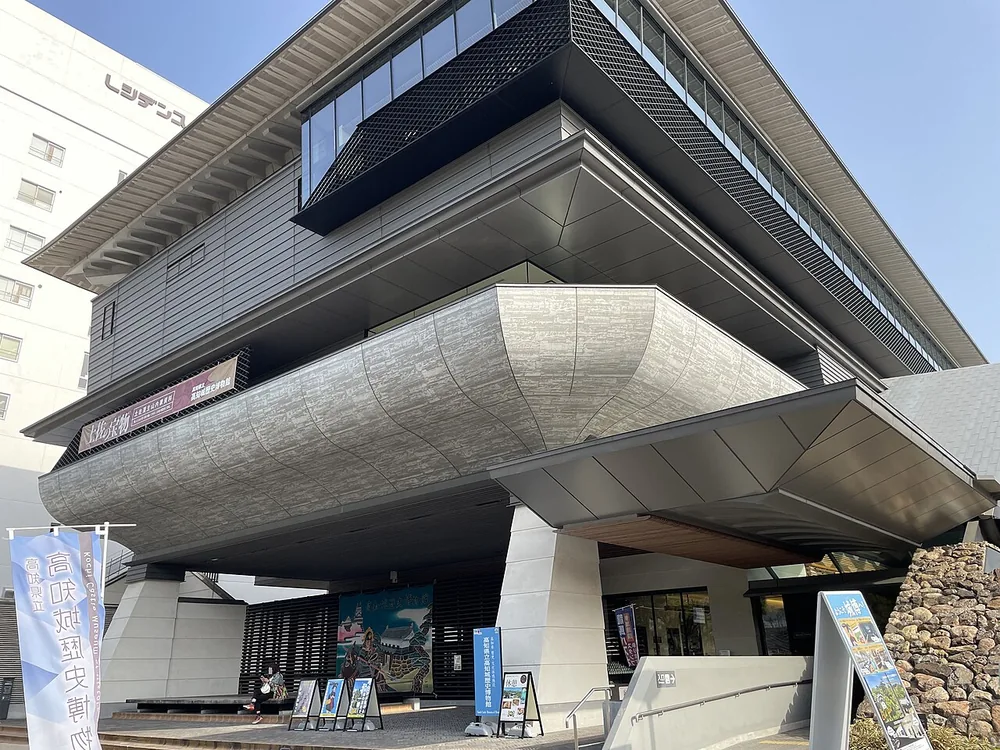
General Exhibition Room I focuses on Tosa domain history; Room II on daimyo possessions and Tosa culture. Spend more time in the first for politics, land and castle context, or the second for swords, armour, tea utensils and craft. Displays rotate. Choose a theme to explore rather than relying on one collection item being present every time.
The viewing lobby shows the castle keep and Otemon together, especially useful without a castle climb. Exhibitions also include digital material and replica experiences, with some sections offering multilingual audio guides. On your own phone, choose a guide chapter before looking at the objects. Allow around 90 minutes. If a special exhibition interests you, focus the afternoon here rather than chasing another distant view.
The museum generally opens 09:00–18:00, from 08:00 on Sundays. Last exhibition entry is 30 minutes before closing. It closes from 27 December to 1 January. Individual museum admission for ages 18 and over is ¥800 during special exhibitions and ¥500 otherwise. Without a castle visit, use this ticket alone. The viewing lobby on level 3 is included in the paid area.
The museum’s official introduction film presents the relationship between its galleries, objects and Kochi Castle, complementing the exhibitions and their location below the castle.
A gentler version: museum castle views, coffee and market lunch
Without castle-hill stairs, start at Kochi Castle Museum of History, taking the lift to the exhibitions and viewing lobby on level 3. On cafe opening days, sit at Coffee House Histoire on level 2 afterwards. Museum levels 1 and 2 are free; both exhibitions and viewing lobby on level 3 require a ticket. Pay the cafe separately for food and drink.
Coffee House Histoire has castle views from its windows and serves coffee, light meals and desserts. It generally opens 09:00–18:00, from 08:00 on Sundays. It closes on Mondays, or Tuesdays after a public-holiday Monday. If the museum opens but the cafe does not, sit down to eat at Hirome Market rather than waiting on level 2.
Wheelchairs, pushchairs and walking aids can enter. The information desk on level 1 lends wheelchairs, pushchairs and walking aids, and each level has accessible toilets. After the museum, see Otemon from outside and walk to Hirome Market. The main indoor visit stays on lift-accessible floors, and the castle-climbing group can easily meet you at lunch.
The castle has a vehicle-access application scheme to the second enclosure for those unable to climb unaided. It operates weekdays 09:30–15:00, requiring a call to the management office and an application at least one week before use. Weekends, public holidays and some busy days are excluded. The lower-town plan is simplest for an ordinary gentler visit. Use the scheme where care arrangements and advance application are already in place.
Eating at Hirome Market: check seating and dishes, then order in turns
Hirome Market has shared dining areas for many independent shops. Buy from different stalls and eat together at a communal table. First check seats and available dishes, then choose queues. With two or more people, one can stay at seats already secured while another buys a main dish, then swap. Without seats, adjust the meal time rather than having everyone carry hot food through aisles looking for a table.
Split a meal between shops: make katsuo tataki, seared bonito, the main dish and add gyoza, hot food or dessert for sharing. For a full set meal, order from a shop offering rice-based meals. Each shop takes its own order and payment; follow its instructions for utensils and collection. Keep the shop name and order details handy to find the right counter again.
Outside food is prohibited. You also cannot consume souvenir alcohol, souvenir snacks, fruit or vegetables bought at the market's gift shops inside the building. Eat Sunday street-market purchases in a suitable street-market place before entering Hirome to order. For Tosa sake in the evening, buy from a shop serving drinks for immediate consumption, rather than opening a souvenir bottle at a communal table.
The building generally opens 10:00–23:00 Monday–Saturday and 09:00–23:00 Sunday; individual shops keep different hours. Level 1 has a multipurpose toilet, nursing room and baby cot, with level entrances and circulation routes. With a pushchair or wheelchair, an earlier or later meal is easier than moving through communal tables at the midday peak.
For straw flames, choose Myojinmaru and make bonito the centre of the meal
Myojinmaru at Hirome Market specialises in straw-seared bonito tataki, cooked in front of customers. It is an easy choice for seeing the process as well as eating the fish. Check that day's portions and combinations, then choose individual main meals or shared tataki with hot dishes from other shops. Anyone not eating fish can buy something else: that is the benefit of communal seating.
Normal hours are 11:00–21:00 Monday–Saturday and 10:00–20:00 Sunday, different from the building's opening. If you descend at 10:00 on a weekday, walk around nearby or choose an already-open shop first. On Sunday, visit the morning market and eat bonito from 10:00. The notice updated on 3 November 2026 states that Myojinmaru’s planned closure on 10 November was moved to 5 November. The shop will open as normal on 10 November.
This branch accepts no reservations and offers no takeaway. For takeaway, use the explicitly listed service at Myojinmaru Ohashidori instead of reaching the Hirome counter and asking to change to a packed order. Eat in the market before an afternoon museum visit. If the queue is long, check Yairo-tei's availability as another named choice for the same meal.
Yairo-tei, Yasubei and Imoten: match dishes with opening times
Yairo-tei serves bonito tataki, mackerel sashimi and hot dishes including crab cream croquettes. It suits a table sharing fish and a hot dish. Normal hours are 10:00–21:20 Monday–Saturday and 09:00–21:00 Sunday. A gentler morning route can lead to an earlier meal here than at Myojinmaru, leaving the afternoon for exhibitions. Temporary closures are listed for 22 and 31 December 2026; avoid those dates for this shop.
For gyoza, identify Hirome de Yasubei, the branch inside the market. Dumplings are wrapped and pan-fried after ordering, so collection takes time. Buy the main dish separately if useful, but do not order the final gyoza just when you must leave. Normal hours are 12:00–21:00 Monday–Saturday and 11:00–20:00 Sundays and holidays. It is not yet serving at 11:00 on a weekday. It closes on 25 November 2026, when you should choose other hot food.
Nichiyouichi no Imoten Hirome Market is Ohira Shoten's indoor branch, serving sweet-potato tempura prepared after ordering. Hours are 11:00–21:00, closing when sold out, with irregular days off. It gives non-Sunday visitors a clear shop to find. If you already ate imoten on the street that Sunday, save market appetite for another dish.
These shops serve different needs. Yairo-tei works earlier, Myojinmaru for the straw-searing process, Yasubei for hot additions to a shared meal and Imoten for an afternoon snack. Two shops chosen for your appetite can complete lunch. Save a second shop's bonito for another meal.
The Sunday Market: about a kilometre of Otesuji, best visited in the morning
Kochi City's Sunday Market extends east from the castle's Otemon along Otesuji, with around 300 stalls over roughly one kilometre. It is an everyday market for vegetables, fruit, gardening supplies, hardware and Tosa forged blades, different from indoor Hirome Market. For local daily life, browse produce, plants and household tools. For snacks alone, choose a section near the castle or Hirome rather than walking the full length and back.
Kochi City's page updated on 26 May 2026 lists normal Sunday hours of around 06:00–14:00, including setup and packing away. It closes when Sundays fall on 1 or 2 January or 10–12 August. It is not held on another weekday instead. On a Monday, plan the castle, museum and Hirome directly. Severe weather may cancel it, and weather also affects stall numbers.
From accommodation near Kochi Station, browse east to west towards the castle, then climb. From the castle-town side, select stalls heading east from the west end and connect to Hirome on the return. This links shopping with the next stop. With different walking speeds, agree a time to meet outside Otemon and browse the same section independently rather than chasing one another through crowds.
Produce, forged tools and snacks: decide what to eat now or take back
Seasonal produce stalls are worth browsing. Ask how much comes in a portion and how to eat it, then buy an amount you can use that day. For a later palace visit, leave heavy shopping until the return through the morning market, or let the non-climbing group take it to your accommodation. Carrying bags of produce up stone steps turns a relaxed market walk into a loaded climb.
Tosa forged blades and gardening tools offer another way to browse. Ask about use, size and care rather than comparing appearance alone. For something you will use regularly, decide its purpose, then ask about blade shape, material and maintenance. Craft enthusiasts can see differences between farm, garden and kitchen work in tool shapes. Put purchases safely away at your accommodation before more sightseeing instead of carrying sharp or heavy items all day.
Split street snacks and Hirome lunch into two sensible portions. Try small amounts at the morning market and leave appetite for bonito or gyoza. If snacks become breakfast, eat at Hirome later. Pack food for accommodation separately from food being eaten now. Keep your hands free enough for crowds and road crossings.
A weekday castle day: palace in the morning, market and museum later
On a normal opening day, reach Otemon around 09:00, photograph gate and keep, then climb to the main enclosure. Link Tsumemon, the palace and keep, descending around 10:30–11:00 as main lunch shops begin opening. Enter after 11:00 for Myojinmaru, or extend the meal past noon to add Yasubei.
After lunch, visit Kochi Castle Museum of History for Yamauchi family and Tosa domain context, then return to the lower streets. After a detailed morning, the viewing lobby and one main exhibition area may be enough. For objects and collections, check current exhibitions first, use the market as a lunch break and keep the whole afternoon indoors.
Collect castle-locker belongings before returning to the station. For an evening departure, finish near Ohashidori and take the tram via Harimayabashi to Kochi-ekimae. If staying overnight, a later second meal is possible. Keeping both halves of the day around the castle town saves cross-city transport and gives tired legs seated rests after the climb.
A Sunday version: morning market then castle, or stay below throughout
On Sunday, start Otesuji around 08:00–09:00, browse a section, then enter the castle after its 09:00 opening. After descending, connect with Myojinmaru serving from 10:00 or Yasubei opening at 11:00. If the morning market supplied plenty of food, rest in town and have a later Hirome lunch. Walking from market to castle and back towards Hirome keeps distances manageable.
For fewer stairs, enter the museum after 08:00, using its early Sunday opening for the viewing lobby and main exhibitions. Then browse western Otesuji and eat at Hirome. Reverse the order if daily market life comes first. Museum and Sunday Market share the lower-town area, so a seated break is easier to arrange if needed.
For Sunday driving into Hirome's car park, use the southern entrance and exit before evening. Access on the northern Otesuji side is restricted by the Sunday Market. Navigate to the southern lane, then follow local traffic arrangements. Passengers can alight first to browse rather than making the whole car circle for the northern entrance. With parking at your accommodation, a day of walking and trams also works well.
Rain, pushchairs or wheelchairs: make indoor visits the main route
In rain, use the museum in the morning and Hirome in the afternoon, adding the gate exterior during a lighter spell. This still provides local history and food with regular seated breaks. For a brief drizzle and a castle climb, shorten outdoor wall detours and follow the main route to the enclosure. Both stone steps and indoor stairs need a steady pace.
Although a slope from the castle's northern entrance heads towards the second and main enclosures, the operator says it is steep and often gravelled, making independent wheelchair ascent difficult. Some sections reach around 15 degrees. A temporary ramp at Kurogane-mon requires enquiry one week ahead and is unavailable at weekends, public holidays and busy days such as cruise-ship calls. For fewer stairs, use the lower-town museum plan. Those with assistance and accepted vehicle or ramp arrangements can follow the specific route agreed with the castle.
Hirome has level entrances and accessible facilities, but crowds still mean navigating tables, chairs and food-collection routes. One companion can first check seating and passage space while others wait clear of entrances. The nursing room on level 1 and baby cot give a specific stop for feeding or changing, without leaving the neighbourhood for afternoon care needs.
Parking and evening returns: match dinner with car collection
Kochi Park car park generally opens 07:30–18:30. Ordinary cars pay ¥370 for the first hour and ¥110 for each additional 30 minutes; overnight parking is prohibited. It suits daytime castle and nearby visits. For evening dinner, collect the car before 18:30 or choose parking that covers dinner from the start.
The car park above Hirome Market opens 24 hours, with a 2.2-metre height limit and 180 spaces across levels 2 and 3. Normal charges are ¥200 per 30 minutes. Spending at least ¥3,000 at a single shop earns a one-hour discount, once per shop and up to two hours across the market. Take your parking ticket when paying. Small purchases at several shops still need to meet each shop's threshold separately.
For an illuminated castle after dark, eat near Ohashidori or Hirome and walk to outside Otemon. Open park areas at night are separate from daytime paid interiors. Enjoy the castle outline at night and complete indoor visits by day. Before returning from the market to the station or accommodation, check everyone has collected luggage. Those drinking alcohol should return on foot, by tram or taxi.
A few useful answers
Is the keep alone enough at Kochi Castle?
Include Kaitokukan, the connected main palace. Its rooms, wave transom carvings, Tsumemon and corridor gate explain castle life and movement, and are important parts of the visit.
How can I spend the day without climbing castle stairs?
Make the museum’s exhibitions and viewing lobby on level 3 the morning focus, rest at the cafe on level 2 on its opening days, then see Otemon from outside and eat at Hirome. On Sunday, add the western Otesuji market section.
Are the Sunday Market and Hirome Market the same place?
No. The Sunday Market is an outdoor street market on Otesuji, held Sundays around 06:00–14:00. Hirome is an indoor market generally open on weekdays and weekends, with separate shop hours and closure days.
Can I reserve or order takeaway at Myojinmaru in Hirome?
This branch accepts no reservations and offers no takeaway. Use the officially listed takeaway service at Myojinmaru Ohashidori and check the branch name.
Who should consider the castle and museum combination ticket?
Visitors entering both the castle’s paid buildings and the museum’s paid exhibitions on level 3 on the same day. The museum’s free levels 1 and 2 and cafe need no exhibition ticket for those areas.
Official information and references
Sources used in this guide.
- Kochi Castle: highlights
- Kochi Castle: history
- Kochi Castle: Important Cultural Properties
- Kochi Castle: hours and admission
- Kochi Castle: facilities and visitor FAQ
- Kochi Castle: accessibility and vehicle applications
- Kochi Castle: access and parking
- Hirome Market: shops and building rules
- Hirome Market: Myojinmaru
- Hirome Market: Yairo-tei
- Hirome Market: Hirome de Yasubei
- Hirome Market: Nichiyouichi no Imoten
- Hirome Market: access and parking
- Hirome Market: temporary and building closure notices
- Kochi City: Sunday Market, updated 26 May 2026
- Kochi City: street market guide
- Kochi Castle Museum of History: visitor information
- Kochi Castle Museum of History: exhibition areas
- Kochi Castle Museum of History: free and paid areas
- Kochi Castle Museum of History: Coffee House Histoire
- Tosaden Transportation: tram travel and transfers