The 2027 Kawaguchiko Winter Fireworks run for 11 nights from January 23 to February 23, 20:00–20:20 JST. Compare south shore viewing spots, north shore photo angles, late trains, and lakeside stays.
- Region & Focus
- Lake Kawaguchiko and Mount Fuji
- Reading Scope
- 18 min read · 8 chapters · 6 Q&As
- Official Verification
- 27 official sources checkedUpdated November 22, 2026
- Key Topics
- WinterSeasonsChubu & Hokuriku
Chapter Route Map (tap any stop)
- 2027 Lake Kawaguchiko Winter Fireworks Schedule
- Three South Shore Launch Sites: Why First-Timers Should Pick Oike Park
- Day Trips from Tokyo: Work Backward from Otsuki Rail Connections
- Overnight Stays: South Shore, Station Area, or North Shore?
- Photographing Mount Fuji and Fireworks Together from the North Shore
- Sightseeing Buses, Driving, and Walking After Dark: What to Budget Time For
- How to Plan a 2-Day, 1-Night Trip Around the 20:00 Show
- Adjusting Your Plans for Snow or High Wind
- Quick Q&A
In 2027, the Lake Kawaguchiko Winter Fireworks run on Saturdays and Sundays from January 23 through February 21, with a final show on Tuesday, February 23 for Mount Fuji Day—11 nights total, from 20:00 to 20:20 JST each evening. For a first visit, head to Oike Park on the south shore, roughly a 20-minute walk from Kawaguchiko Station. If you are heading back to Tokyo the same night, check Fujikyuko Line connections at Otsuki to catch an onward JR train before you go. Staying overnight gives you much more breathing room if you want north shore lake views, are traveling with kids, or want a relaxed dinner after the show.
2027 Lake Kawaguchiko Winter Fireworks Schedule
In its winter events notice published on November 20, 2026, the Fuji Five Lakes Tourism Federation listed the Kawaguchiko Winter Fireworks for Saturdays and Sundays from late January through late February, plus February 23. Fujikanko Travel and Fuji Lake Hotel list the exact same 2027 dates, with Oike Park serving as the main venue. When booking accommodations, align the 20:00 JST showtime with your check-in date first, then plan your departure from Tokyo and the following day around it. Once you arrive in Japan, follow your phone's local Japan Standard Time clock closely so you are in position well before the 20:00 launch.
If you are extending a trip from Japan's National Foundation Day on February 11 into the weekend, the fireworks fall on February 13 and 14. There is no show on Monday, February 22, so arriving at the lake that day means waiting until the following evening. Travelers avoiding Saturday hotel rates can build their stay around February 23 instead. Because February 23 is also the Emperor's Birthday, a Japanese national holiday, check weekend and holiday timetables for buses, trains, and local shop hours.
When searching Japanese announcements, include both "fuyu hanabi" (winter fireworks) and "2027." Searching only for "Kawaguchiko hanabi" will pull up summer events like the Kawaguchiko Lake Festival (held August 5 in 2026), which also draws crowds to Oike Park and nearby Funatsu-hama. Always verify the month and full event name at the top of any notice before relying on road closure, extra bus, or food stall details. Save "Oike Park," "Kawaguchiko Station," and your hotel as separate pins on your phone—and share those exact names with your group so no one accidentally routes to Oishi Park on the north shore.
- January 23 (Sat), 24 (Sun), 30 (Sat), and 31 (Sun).
- February 6 (Sat), 7 (Sun), 13 (Sat), 14 (Sun), 20 (Sat), and 21 (Sun).
- February 23 (Tue, Mount Fuji Day) is the finale. All 11 nights run 20:00–20:20 JST.
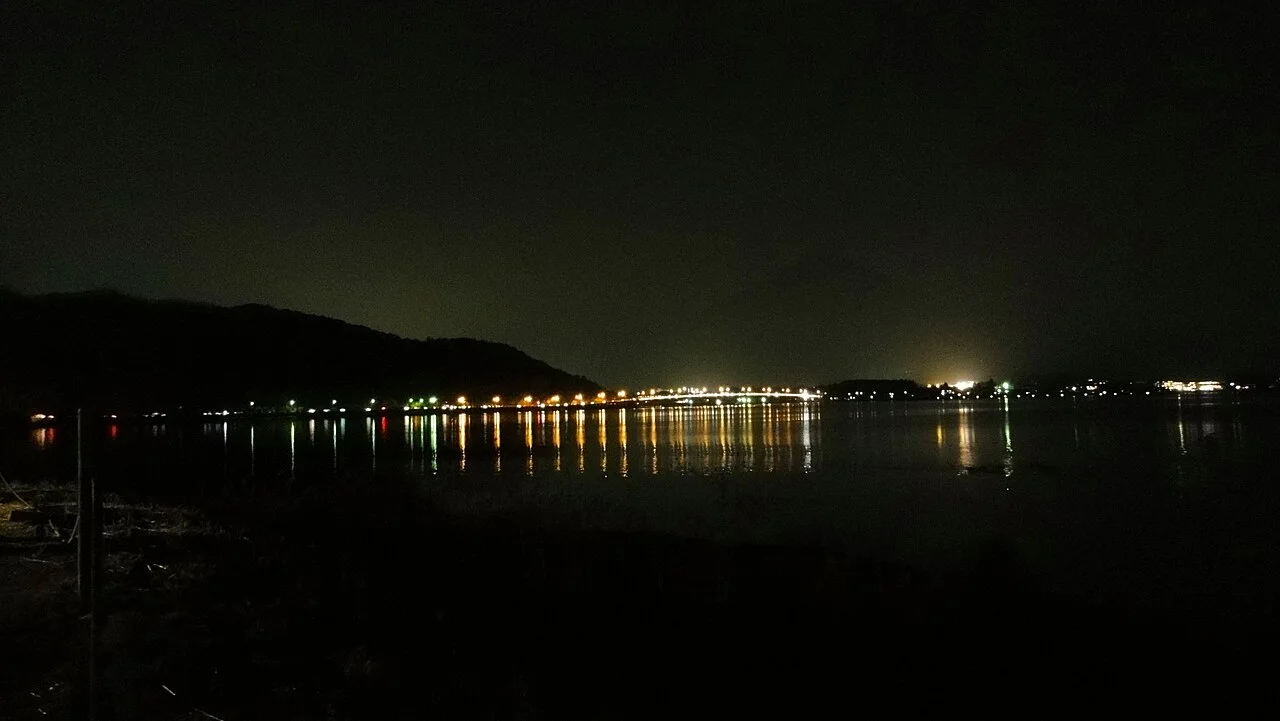
The 2027 Kawaguchiko Winter Fireworks run for 11 nights from January 23 to February 23, 20:00–20:20 JST. Compare south shore viewing spots, north shore photo angles, late trains, and lakeside stays.
Three South Shore Launch Sites: Why First-Timers Should Pick Oike Park
Oike Park sits on the south shore of Lake Kawaguchiko, just east of the Kawaguchiko Ohashi Bridge. Its lakeside stretch puts you close to the fireworks and offers the most intuitive entry points. During the day, ride the Kawaguchiko Sightseeing Bus (Red Line) or Saiko Sightseeing Bus (Green Line) and get off at the Kawaguchiko Herb Hall stop, then walk past the hall grounds to the park. On foot from Kawaguchiko Station, budget about 20 minutes, plus extra time for crosswalks and crowds. On your first visit, walk the shoreline in daylight to spot the Herb Hall and the intersections leading back to the station so you can retrace your steps easily after dinner.
The other two sites launching simultaneously each night are Tatami-iwa, right beside the lakeside prefectural parking lot, and Yagisaki Park in the Kodachi area west of the Kawaguchiko Ohashi Bridge. Tatami-iwa's parking lot is easy to spot on a map, though on-site you must keep the lanes clear for moving traffic and stand only in designated areas directed by staff. Guests staying in Kodachi who do not need to cross the bridge back to their hotel can comfortably watch from Yagisaki Park. If you are staying in Funatsu or returning to Kawaguchiko Station, stick with Oike Park to cut down on walking in the dark.
Because each show lasts only 20 minutes, save the walk between Oike Park and Yagisaki Park for daytime. That route crosses from the east side of the bridge to the west, forcing you to weave through event-night entrance crowds and slow down on potentially slick pavement. Trying to switch sites mid-show usually leaves you with fragmented views, and the finale may end before you find a new spot. If the waterfront at the main venue is packed, step back along the open paths where the bursts still clear the front row's heads—you will also get a quicker exit to the main street when heading back to the station.
Fujikawaguchiko Town Tourism lists Oike Park as a free, continuously open public park, and Yamanashi Prefecture's 2026 event page confirms free admission for the fireworks. The park offers paved paths, benches, and restrooms. If anyone in your group is sensitive to loud booms, stand near the park's outer exits with a clear view of the sky. If kids get restless or want to leave early, slipping out from the perimeter is much faster than pushing against the lakeside crowd.
If you are staying near Yagisaki Park, use the hotel restroom and fill water bottles before heading down to the water. Yagisaki Park features a lakeside promenade and higher ground looking toward Mount Fuji; walking it during the day helps you memorize the entrances and turns back to your lodging. Inside the park, the Kawaguchiko Muse Museum displays dolls by artist Yuki Atae (separate admission fee), making it an easy afternoon stop while exploring Kodachi. If your group splits up, never say "meet by the lake" after the show—agree on the exact park name and specific exit gate beforehand.
Day Trips from Tokyo: Work Backward from Otsuki Rail Connections
You have several ways to reach Lake Kawaguchiko. From Shinjuku, highway buses depart from Busta Shinjuku (Shinjuku Expressway Bus Terminal); check your ticket screen carefully to make sure your stop is Kawaguchiko Station rather than Fuji-Q Highland or Fujisan Station. By rail, you can take the direct Fuji Excursion limited express, which requires both a base fare ticket and either a reserved seat limited express ticket or an unreserved seat ticket. Alternatively, take JR to Otsuki and transfer to a local Fujikyuko Line train. If you want to visit Arakurayama Sengen Park during the day, hop off the local line at Shimoyoshida, hike up, and continue along the same line to Kawaguchiko.
Rule out impossible return options before you go. According to Fujikyu Travel's Shinjuku highway bus timetable effective November 2026, the last bus from Kawaguchiko Station to Shinjuku leaves at 20:15—five minutes before the fireworks finish. Anyone watching the full show needs to plan on taking the train. If you already hold a ticket for that late bus, wrap up your evening near the station and save the fireworks for another trip; sprinting back after the opening volleys leaves barely enough time even at a daytime walking pace.
Under Fujikyuko Line's Kawaguchiko Station timetable effective March 14, 2026, evening departures toward Otsuki run at 20:38, 21:16, and 22:10. The 20:38 train leaves just 18 minutes after the finale, shorter than Yamanashi Prefecture's estimated walk time from the main venue to the station. To watch the full show at Oike Park, build your return around the 21:16 train instead. Next, check JR East schedules from Otsuki toward Hachioji, Takao, or Shinjuku. Once the last Fujikyu train pulls into Otsuki, you still need time to walk the transfer corridor, wait for your JR connection, and potentially transfer again at Takao. Search all the way to the station closest to your Tokyo hotel and check the final arrival time before committing to a day trip.
When looking up your return route, enter your target date, "Kawaguchiko" as the origin, your destination station, and your intended departure window, then save screenshots of the full itinerary. Mobile data can get spotty right after the crowds disperse, and having train numbers, transfer stations, and line directions offline prevents guesswork. Run a search all the way to your hotel's exact name too—especially if you are staying in Ueno, Asakusa, or Tokyo Bay, where you will still have a cross-city subway ride after reaching Shinjuku. If your hotel is near a station, ask in advance which entrance stays open late, as some main doors lock at night.
If you are aiming for the 21:16 train from Oike Park, buy your return tickets before the fireworks begin and pick a viewing spot on the station-facing edge of the park. Pack up your camera as soon as the finale ends and follow the route you walked in daylight. Travelers using wheelchairs or strollers should pad their schedule for intersection waits, heavy foot traffic, and station transfers; if the connection window looks tight, book a south shore hotel for the night instead.
Day-trippers carrying bags need to check locker closing times against the 20:20 showtime. At Fujikanko Travel across from Kawaguchiko Station, counter baggage storage runs 9:00–17:30, charging ¥500 for small items and ¥800 for bags 60 cm or taller. Their coin lockers on the first floor of the Fujikan Building operate until 20:00. Either way, you must retrieve your bags before watching the fireworks. If your luggage is too bulky to bring to the park, arrange overnight-accessible storage, or leave large suitcases at your Tokyo hotel and bring only a daypack.
Taking JR East's December 2026 weekend/holiday timetable as a reference, the last two trains from Otsuki at 22:24 and 22:56 both terminate at Takao. Under that schedule, you must rule out any Kawaguchiko departure that reaches Otsuki after 22:56. Even if you catch the 21:16 train out of Kawaguchiko, verify your transfer margin at Otsuki and make sure you can still connect eastbound out of Takao. If you want to watch the entire show and cannot find a clean end-to-end rail connection, switch to an overnight stay by the lake early. If members of your group are staying in different parts of Tokyo, have everyone look up their own final train and agree on a hard departure time from the park.
Fujikyu Bus lists standard one-way adult fare between Shinjuku and Kawaguchiko at ¥2,200, or ¥2,000 with online payment. If you take the bus out and return by train after the fireworks, calculate your budget using one-way bus plus one-way rail fares. Since October 2026, online reservations for the Shinjuku highway bus route are split by operating company—check which carrier runs your preferred departure and book through the matching portal on the route page. You can book a one-way outbound bus even if you plan to take the train back, with no need to buy a round-trip ticket.
Overnight Stays: South Shore, Station Area, or North Shore?
If your main goal is watching the fireworks comfortably, start by looking for south shore hotels within walking distance of the launch site. A property may look steps from the water on a map while its actual entrance faces an inland street. Plot a walking route from the hotel's main entrance to Oike Park before booking to see if you will cross busy roads, climb steep slopes, or loop around the shoreline. For couples or friends where one person wants to stay until the finale and another wants to turn in early, staying on the same shore lets everyone walk back at their own pace—and lets you leave a tripod in the room until after dinner.
Station-area lodging makes the next morning's early departure effortless. You can drop bags at check-in, walk or ride the sightseeing bus to the lake during the day, watch the fireworks from Oike Park at night, and follow the main road straight back to your hotel. If you are catching the first train or bus out, compare room rates alongside checkout procedures, breakfast hours, and luggage storage policies. If you plan to eat dinner before walking to the lake, check restaurant last-order times; eat a hot meal on your way out, and check which spots near the station actually stay open late for post-fireworks snacks.
The north shore shines the next morning, putting you right by the water for sunrise views of Mount Fuji—especially if you plan daytime walks around Oishi Park or Ubuyagasaki. If you stay on the north shore but want the atmosphere on the south shore, solve your nighttime crossing in advance. For hotels offering shuttle service, ask separately about daytime station pickups and whether they run return shuttles from Oike Park after 20:20. If you plan to call a taxi after the show, pre-arrange a pickup time and specific meeting corner outside any road closures so your driver can actually reach you.
Before paying extra for a "fireworks-view" room, ask the hotel two direct questions: which of the three launch sites does this exact room category face, and which shared terraces or lounges are open to overnight guests during the show? Fuji Lake Hotel, for example, explicitly notes in its 2027 announcement that guests can watch the winter fireworks from its on-site Lake Terrace. If you plan to watch from a shared terrace anyway, prioritize room size, beds, and meals over window direction; if an in-room view is the priority, get written confirmation for the specific room type you booked.
For ryokan and hotels including dinner and breakfast (half-board), work backward from 20:00 when selecting your dinner seating. Multi-course kaiseki meals take time, and you still need a few minutes back in your room to bundle up and walk out to the lake, so grab an earlier seating if offered. When comparing prices, weigh the total cost of a half-board plan against a room-only rate plus separate restaurant meals and any nighttime transport.
When traveling with a mixed group—say some wanting to chase the fireworks and others preferring hot springs and sleeping in—split your priorities intentionally. In two-room family bookings, put older relatives in rooms close to elevators and dining halls, while adults with young kids pick earlier dinners and shorter walks to the shore. Always enter the exact headcount including children when searching so you compare true final totals rather than misleading per-person base rates, and confirm how many guests are covered by meal plans before comparing against room-only pricing.
If the winter fireworks are the single non-negotiable highlight of your trip, note the booking's free cancellation deadline before adding extra nights. Free cancellation almost always expires before reliable evening weather forecasts come out, so plan daytime activities away from the lake in case visibility drops. If you book two nights, try to stay at the same property both nights; even if you travel over to the north shore for one evening's view, keeping one base lets you store bags without packing up twice.
Photographing Mount Fuji and Fireworks Together from the North Shore
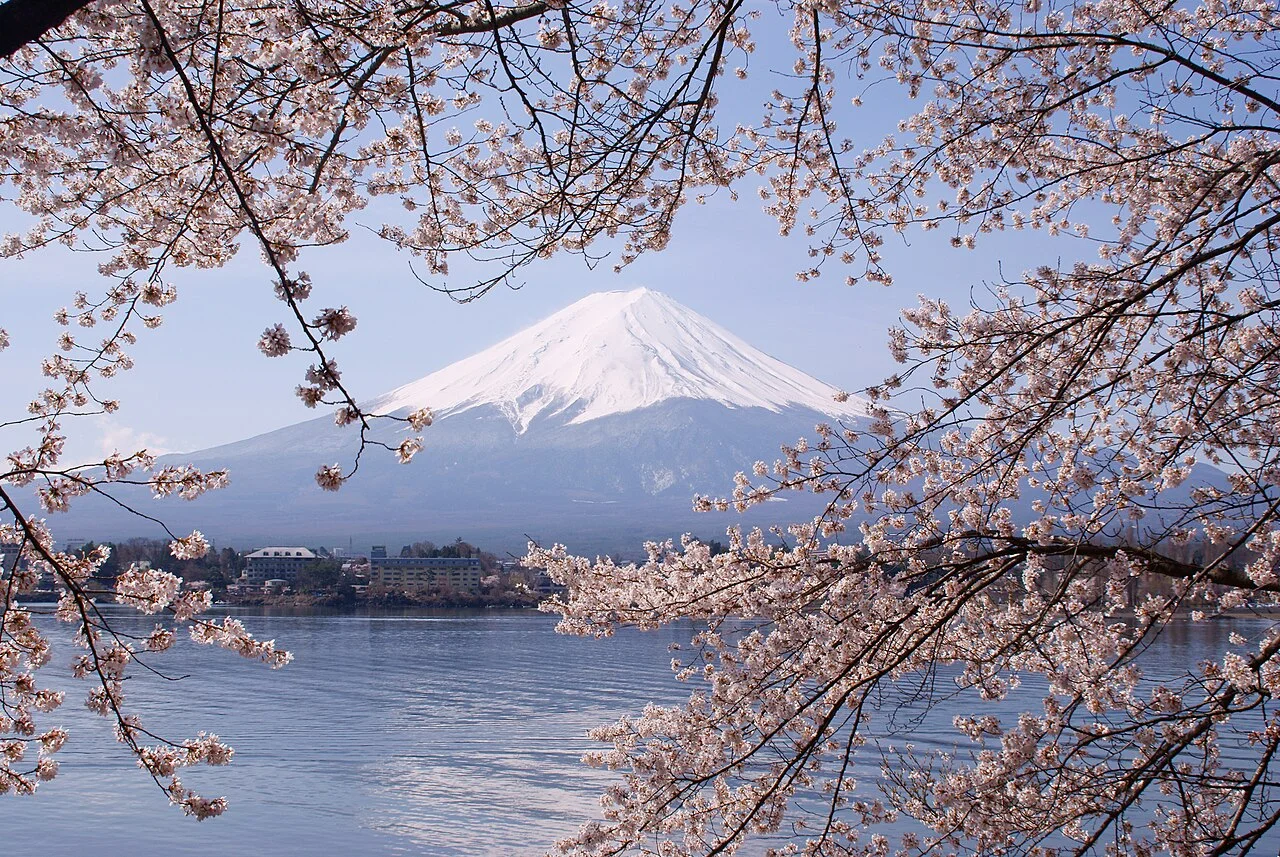
Standing at Oike Park puts the lake to your north and Mount Fuji behind you to the south—you are right at the main launch site, but you have to turn away from the water to see the mountain. To frame Mount Fuji and the fireworks in a single shot, head to the north shore and look south. Ubuyagasaki sits just off the northern end of the Kawaguchiko Ohashi Bridge and is easy to scout during the day for mountain ridges and opposite-shore landmarks. Oishi Park lies further west along the Red Line at the Kawaguchiko Natural Living Center stop. The two spots are separated by a fair distance and offer very different angles; pin Oike Park, Tatami-iwa, Yagisaki Park, and Mount Fuji on your map before choosing your exact stretch of shoreline so you are not scrambling at 19:50.
Good framing balances burst height, where Mount Fuji sits in the frame, and whether nearby trees or streetlights blow out your shot. Oishi Park delivers classic daytime views of Mount Fuji, though at night the three launch sites spread across the far shore and appear smaller in the frame. Nearer the northern end of the bridge, bridge lights can lead the eye across the lake—just take a test frame to make sure streetlamps do not overpower your exposure. For a larger Mount Fuji, test a tighter focal length first, check the vertical gap between the first volley and the peak, and zoom out or tilt up if bursts clip the top edge.
After dark, Mount Fuji's silhouette depends on lingering twilight, moonlight, or ambient glow. Even when the mountain looks crisp on daytime live cams, it can fade to a faint dark ridge at night. With the naked eye from the lakeshore, you will mostly see bright bursts and water reflections; a camera using a longer exposure will pull more detail out of the mountain and lake than you see in person. If you care more about the fireworks themselves than composing a postcard shot, staying on the south shore is easier. Wait until you have checked the daytime horizon and locked down your return transport before committing to a cross-lake photo shoot.
Take a composition test shot before the fireworks start to lock in your water-to-sky ratio, bridge placement, and manual focus. On a phone, pick a wider framing and avoid zooming in digitally mid-show; keeping a slice of shoreline and fixed lights in frame helps check for camera shake later. On a dedicated camera, focus on the distant shore lights first, then dial in exposure as the bursts begin. Keep tripod legs tucked close so pedestrians have room to pass behind you. If strong gusts shake your tripod, switch to shorter exposures or handheld video, and stay near well-lit pathways.
Water reflections and mountain silhouettes rarely peak under identical conditions. When the lake is glassy, distant shore lights hold clean shapes on the surface, rewarding compositions with generous foreground water. Once wind ripples the lake, reflections scatter into streaks—trim the dark water down to a thin bottom strip and give more frame to the sky. Instead of waiting endlessly for wind to die or clouds to part, bank a few clean firework frames early, then put the camera away for the last few minutes to watch the finale reflect across the water.
Sightseeing Buses, Driving, and Walking After Dark: What to Budget Time For
Sightseeing buses work best for daytime lake touring. To get from Kawaguchiko Station to Oike Park, both the Red Line and Green Line stop at Kawaguchiko Herb Hall. To reach Oishi Park on the north shore, check the Red Line timetable for the Kawaguchiko Natural Living Center stop. Whenever you look up an outbound bus, immediately check the opposite direction on the timetable for your return departures from the same stop. Use the buses to explore during the afternoon, then return to your hotel's shore or the main south-shore venue by dusk so you are not relying on daytime loop routes after dinner.
Fujikawaguchiko Town Tourism warns that traffic controls are enforced during the fireworks. If you are driving, choose a parking lot from the current year's official venue map before setting out, and check whether your exit route matches the way you drove in. Navigation apps may try to cut through narrow lakeside lanes—follow on-site traffic marshals if roads are closed. Park your car first and walk to dinner and the viewing area rather than hunting for last-minute spaces along the south shore right before 20:00. Keep warm layers accessible in the trunk or cabin so you can bundle up at the car instead of walking back from the cold lakeshore.
If you are driving the Chuo Expressway or Fuji Five Lakes roads in winter, confirm both winter tires and tire chains when renting a car. Japan's Ministry of Land, Infrastructure, Transport and Tourism mandates that when chain regulations are active, even vehicles fitted with winter tires must install chains. If you have no experience fitting snow chains in freezing weather, take the train and walk instead. Even roads that look clear and wet at sunset can glaze over with black ice after dark. If snow is in the forecast, pad your return drive time—especially if you have a rental car inspection and airport flight the next morning.
Pedestrians should stay back from the water's edge, wear shoes with grip for damp or frosty pavement, and walk around shiny icy patches. Wear gloves that still let you operate a phone or camera shutter so you are not stripping them off every few seconds. If you are layering up, zip your collar, pull on your hat, and fasten cuffs before stepping out of warm restaurants or shops. If your phone battery runs low in the cold, screenshot your walking map back to the station or hotel before leaving, and top up with a power bank. When using a flashlight or phone light on dark paths, point it down at your feet—never into the eyes of oncoming walkers or toward tripods along the shore.
Families with young children can separate the noise factor from the wait time. Walk through Oike Park after dinner to get your bearings; if the opening bursts feel too loud, step back toward the outer edge where returning to the street is quick. Have kids try on earmuffs or ear protection before leaving the hotel, and make sure adults holding hot drinks keep one hand free to hold little hands. Keep strollers on flat perimeter paths, and agree on one well-lit park entrance as a regrouping spot in case faster walkers get separated.
When traveling with older adults, plan around seating availability and the walk between restrooms and viewing spots. Enter the park along level walkways first; if lakeside benches are full, continue along the path to the next open section where the sky is unobstructed. For wheelchair users, snowy conditions are a cue to keep evening plans close to your hotel or use an indoor/terrace guest viewing area. Before booking, share your wheelchair dimensions with the hotel and ask directly which doors lie between the guest room and terrace, whether any steps exist, and which floor has accessible restrooms.
How to Plan a 2-Day, 1-Night Trip Around the 20:00 Show
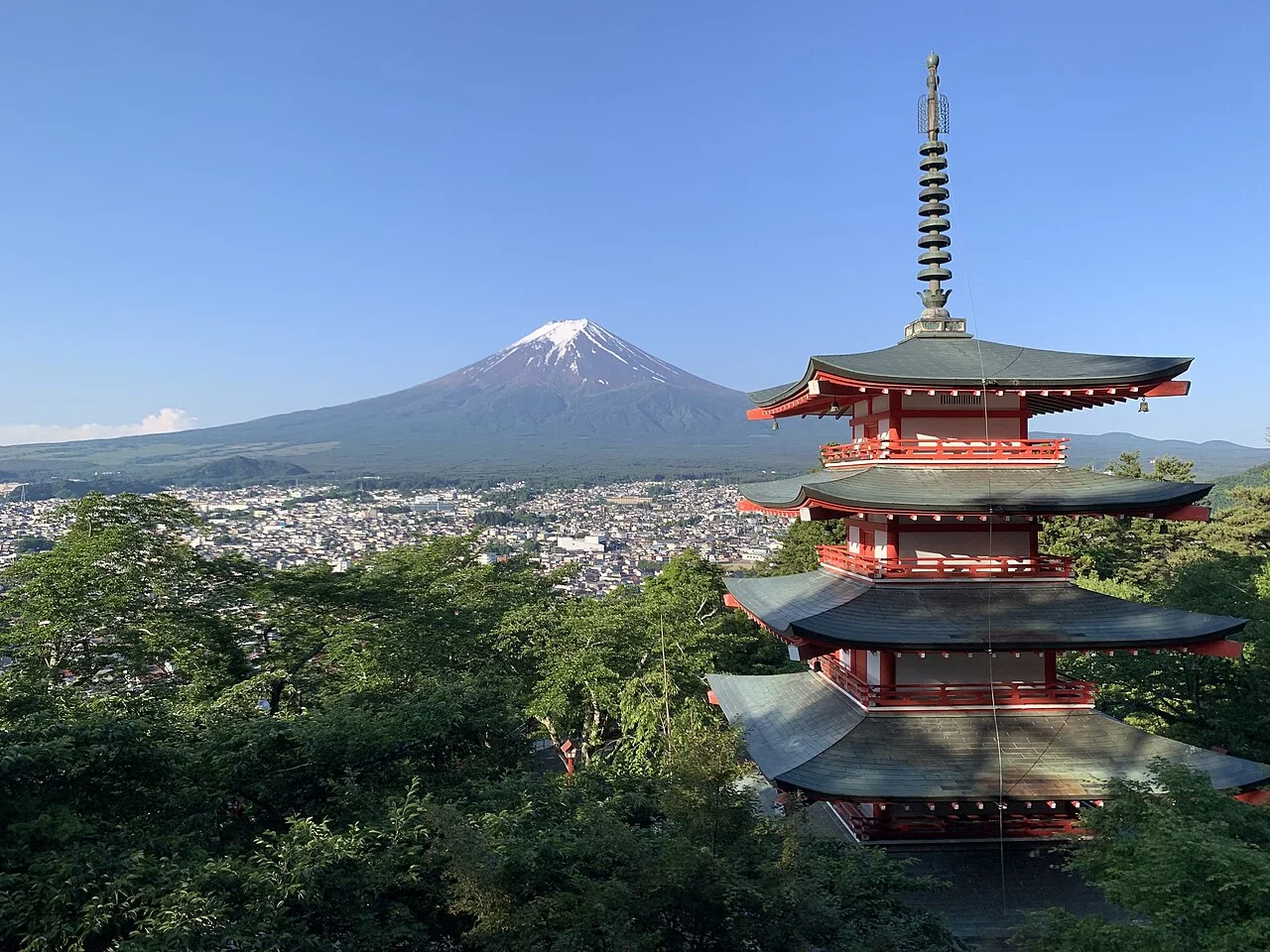
If you are leaving Tokyo in the morning for an overnight stay at Kawaguchiko, consider stopping in Shimoyoshida first. The official Fujiyoshida walking route from Shimoyoshida Station to Arakurayama Sengen Park passes through Sengen Shrine and climbs the classic 398-step staircase to the observation deck. Store large suitcases before hiking—especially after snowfall, when icy stairs demand both hands free for railings and steady footing. If morning train transfers run behind schedule, head straight to Kawaguchiko to drop your bags and spend a relaxed afternoon on the south shore, leaving plenty of time for dinner and an unhurried walk to the fireworks.
After dropping bags at your hotel, take a short orientation walk around Oike Park and Kawaguchiko Herb Hall. Eat an early dinner, swing back to your room for extra warm layers—or grab hot drinks near the station—and head down to the water. Save nearby sights on the same shore for the following morning. From the south shore, if visibility is clear and winds are calm, ride the Mt. Fuji Panoramic Ropeway up Mt. Tenjo; high winds or thunderstorms can suspend operations, so check that morning's status update and swap in a lakeside walk or indoor museum if it closes. If you stayed on the north shore, stroll Oishi Park and the surrounding waterfront before picking up your bags and heading to Kawaguchiko Station.
For a Sunday fireworks show, put north-shore exploring and museums on Saturday, then keep Sunday focused on the south shore. If you are staying two nights spanning back-to-back fireworks dates and the first evening is clear, watch the show on night one. That frees up your second day for daytime sightseeing—or gives you a weather backup if clouds roll in or winds shift. Because the final show falls on a Tuesday in late February, double-check your check-in and check-out dates against the 20:00 schedule so you do not accidentally check out a day early.
If you only have one day and must return to Tokyo at night, skip crossing the lake altogether. Visit Mt. Tenjo or the south shore upon arrival, scout the entrances and exits at Oike Park in the afternoon, and eat dinner on the station side of town before walking out to the lake. Look up both your primary return train and the following backup departure before dusk; if the backup train terminates at Otsuki, decide during daylight whether to book a last-minute room or leave early for Tokyo.
Visiting between February 6 and 14 lets you pair the fireworks with the Saiko Ice Festival during the day. Fujikanko Travel's 2027 schedule includes four fireworks nights across February 6, 7, 13, and 14. The ice festival takes place at Wild Bird Forest Park on the western side of Lake Saiko—a different lake from Oike Park. From Kawaguchiko Station, ride the Green Line sightseeing bus; Fujikawaguchiko Town Tourism estimates about 45 minutes each way. Go see the frost-covered ice formations in the early afternoon and catch a mid-afternoon Green Line bus back to Kawaguchiko while departures are still frequent, leaving plenty of buffer for dinner and bundling up.
The Saiko Ice Festival lights stay on from sunset until 19:00. Waiting until lights-out leaves barely one hour to travel from Lake Saiko back to Kawaguchiko's south shore, park, or walk into the fireworks venue—and drivers still need time to walk from the lot to the shore. To enjoy both night illuminations without rushing, split them across two nights. On a one-night trip, either see the ice formations by day and the fireworks by night, or stay near Kawaguchiko for the evening and visit Lake Saiko the next morning before heading home.
Adjusting Your Plans for Snow or High Wind
First, verify whether the show is still on. Fujikawaguchiko Town Tourism posts event and traffic updates, and you can call the town's Tourism Division at 0555-72-3168 during daytime hours. The 2026 event notice also noted that forest fire warnings can trigger cancellations. When searching Japanese updates on the day of the show, pair "Kawaguchiko fuyu hanabi" with "kaisai" (proceeding) or "chushi" (canceled) plus the date, and always confirm the year on the notice so you do not mistake a prior year's cancellation post for tonight's status. If the fireworks are canceled, overnight guests can still enjoy hotel dinners, hot springs, and clear morning mountain views, while day-trippers can hop on an earlier train back to Tokyo instead of waiting outside in the dark.
Based on Japan Meteorological Agency 1991–2020 climate normals, Kawaguchiko's average daily minimum temperature is -5.7°C in January and -4.8°C in February. Those are daily averages—check hourly temperature and wind forecasts to dress for 20:00 JST. Standing still along the lakeshore feels far colder than brisk walking. Wear thermal base layers on your legs and a windproof outer shell, and change into dry socks and shoes at your hotel if you walked through slush or snow earlier in the day. If your glasses fog up from a mask, wipe them dry once you claim your spot so you are not peering down at icy pavement.
Once you confirm the fireworks are running, decide whether to chase a Mount Fuji backdrop. Check UTY Television Yamanashi's live webcams at Kawaguchiko Station and the Panoramic Ropeway during the day to gauge cloud cover, or walk near your planned north-shore vantage point to inspect trees, bridge lights, and paths. If Mount Fuji is hidden in clouds, stay on the south shore to watch the fireworks and save mountain views for the next morning. On windy nights, move away from exposed bridge approaches and open shoreline to spots with sky visibility and quick access back to sheltered streets.
If rain keeps you on the south shore while waiting for evening, the Yamanashi Gem Museum is an easy indoor stop. Located in Funatsu near Oike Park, it is steps from the Yamanashi Gem Museum stop on the Red Line sightseeing bus. Winter hours are 9:30–17:00 (closed Wednesdays; last entry 30 minutes before close), with admission at ¥600 for adults and ¥300 for elementary and junior high students. Inside, you can browse raw quartz crystals and cut gemstones without crossing the lake and doubling back—and closing time lines up neatly for an early dinner before heading out to the fireworks.
When frost or snow coats walkways between your hotel and the park, skip steep staircases even if a map marks them as the shortest route. Before splitting up, save the group leader's phone number and agree to wait at a sheltered, easy-to-spot entrance. If transit operators announce weather suspensions, overnight guests can coordinate changes from their hotel, while day-trippers should immediately re-check bus and rail connections back to Tokyo. If it is your first time catching a highway bus from Shinjuku, read our guide on Fuji highway bus routes and reservations to avoid mixing up Shinjuku terminals, Kawaguchiko Station, and other Fuji Five Lakes stops.
A few useful answers
What are the 2027 Lake Kawaguchiko Winter Fireworks dates?
There are 11 nights total: January 23, 24, 30, and 31, plus February 6, 7, 13, 14, 20, 21, and 23, 2027. Every show runs from 20:00 to 20:20 JST.
How do I get from Kawaguchiko Station to Oike Park?
According to Yamanashi Prefecture tourism info, it is roughly a 20-minute walk from Kawaguchiko Station. During the day, you can also take the Red Line or Green Line sightseeing bus and get off at the Kawaguchiko Herb Hall stop. Note that Oike Park is on the south shore, whereas Oishi Park is on the north shore.
Can I take a highway bus back to Shinjuku after the fireworks?
No—on the current timetable, the last highway bus to Shinjuku departs Kawaguchiko Station at 20:15, before the fireworks end. If you want to return to Tokyo the same night after the show, check Fujikyuko Line trains to Otsuki and your onward JR and Tokyo metro connections.
Who should choose Oishi Park on the north shore?
Oishi Park suits photographers framing Mount Fuji and the fireworks across the lake who can scout angles in daylight and either walk to nearby north-shore lodging or have nighttime transport arranged. For a straightforward first visit focused on the fireworks, Oike Park on the south shore is much easier to reach from Kawaguchiko Station.
Is there an admission fee for Oike Park?
No, Oike Park is a free public park, and Yamanashi Prefecture's 2026 event notice also lists fireworks viewing as free. Hotel stays, dining plans, and private terrace viewing packages are priced separately by each property.
How do I check if the Kawaguchiko Winter Fireworks are canceled for snow or wind?
Check same-day announcements from Fujikawaguchiko Town and the tourism federation by searching "Kawaguchiko fuyu hanabi chushi" with the date, or call the Fujikawaguchiko Town Tourism Division during daytime hours.
Official information and references
Sources used in this guide.
- Fuji Five Lakes Tourism Federation: November 20, 2026 Winter Event Announcement
- Fujikawaguchiko Town Tourism Information (Winter Fireworks Times, Launch Sites, and Traffic Controls)
- Fujikawaguchiko Town Tourism Information (2026 Summer Kawaguchiko Lake Festival)
- Fujikanko Travel (2027 Winter Fireworks 11 Dates and Venues)
- Fuji Lake Hotel (2027 Winter Fireworks Dates and Lake Terrace)
- Yamanashi Prefecture Official Tourism Guide (2026 Winter Fireworks and Walking Route from Kawaguchiko Station)
- Fujikawaguchiko Town Tourism Information (Oike Park)
- Yamanashi Prefecture Official Tourism Guide (Yagisaki Park)
- Fujikawaguchiko Town Tourism Information (Kawaguchiko Muse Museum)
- Fujikawaguchiko Town Tourism Information (Oishi Park)
- Fujikyu Bus (Kawaguchiko and Saiko Sightseeing Buses)
- Fujikyu Bus (Shinjuku–Kawaguchiko Highway Bus Route, Fares, and Reservations)
- Fujikyu Travel (Shinjuku Line Detailed Timetable from November 2026)
- Fujikyu Bus (Reservation Portal Updates for Shinjuku–Kawaguchiko Highway Buses)
- Fujikanko Travel (Station-Front Counter Luggage Storage Fees and Hours)
- Fujikanko Travel (Fujikan Building Coin Lockers near Kawaguchiko Station)
- Fujikyuko Line (Kawaguchiko Station Timetable)
- JR East (Otsuki Station Chuo Main Line Eastbound Weekend/Holiday Timetable, December 2026)
- UTY Television Yamanashi (Lake Kawaguchiko Live Webcams)
- Ministry of Land, Infrastructure, Transport and Tourism (Tire Chain Regulations and Winter Tires)
- Fujiyoshida Tourism (Walking Route from Shimoyoshida Station to Arakurayama Sengen Park Observation Deck)
- Mt. Fuji Panoramic Ropeway (Operations, Access, and FAQ)
- Cabinet Office of Japan (2027 National Holidays)
- Japan Meteorological Agency (Kawaguchiko 1991–2020 Monthly Temperature Normals)
- Fujikawaguchiko Town Tourism Information (Saiko Ice Festival and Wild Bird Forest Park)
- Yamanashi Gem Museum (Winter Opening Hours and Admission Fees)
- Fujikawaguchiko Town Tourism Information (Kawaguchiko Ohashi Bridge and Ubuyagasaki Map)