Your practical guide to the Kagoshima Kinkowan Summer Night Fireworks: 24th edition dates and ticket prices, North Pier and Waterfront Park seating, free viewing zones, traffic closures, and walking from Tenmonkan.
- Region & Focus
- Kagoshima and Sakurajima
- Reading Scope
- 20 min read · 9 chapters · 6 Q&As
- Official Verification
- 19 official sources checkedUpdated November 22, 2026
- Key Topics
- SeasonsItinerariesBooking
Chapter Route Map (tap any stop)
- Pinpoint Kagoshima Port Honko Area first, then track the next date
- Choosing between North Pier chairs, Waterfront Park boxes, and unreserved zones
- Calculate kids' seating and early-exit routes before buying tickets
- Read the free-zone map legend, or take in the harbor from Shiroyama
- Know which station serves the tram vs. JR, and follow the pier walk
- Pick your exit direction before leaving, then check extra departures
- Sakurajima views, ferry cruises, and camera angles
- Staying in Tenmonkan vs. Kagoshima-Chuo, and connecting the next day
- Weather backup plans that keep a city half-day intact
- Quick Q&A
For your first Kagoshima Kinkowan Summer Night Fireworks, stay in Tenmonkan, grab an early dinner, and walk straight to the Kagoshima Port Honko Area. If anyone in your group needs a chair, book reserved seats at North Pier (Kita-Futo) or Waterfront Park. Going for a free spot? Check the organizer's official map for legal viewing zones and head in once the show starts. The 24th edition took place on August 29, 2026, with fireworks launching at 19:30. When planning for the next edition, wait for the official date announcement before locking in non-refundable rooms and rail tickets for that night.
Pinpoint Kagoshima Port Honko Area first, then track the next date
On Japanese sites, search for "Kagoshima Kinkowan Summer Night Dai-Hanabi Taikai" at the Kagoshima Port Honko Area. In 2026, paid zones opened at 16:30, the opening ceremony began at 19:20, the first fireworks launched at 19:30, and the show wrapped up at 20:30. Organizers listed roughly 15,000 shells total, featuring simultaneous double 2-shaku-dama shells, showcases by Kyushu pyrotechnicians, and music-synced fireworks. That year's double 2-shaku-dama launch was scheduled for 20:00, letting families use the timetable to plan when to arrive and when to slip out.
Organizers list August as the usual month. For 2026, the August 29 date was announced at the end of April, ticket details followed at the end of May, and reserved seats went on sale at 10:00 JST on June 15. If you are flying in from overseas, book refundable lodging in that window between the April date reveal and the June ticket drop before deciding on close-up paid seats. As of November 22, 2026, the official site and news feed still display 24th-edition information, with 2027 dates pending the next announcement.
Kagoshima Port spans a wide waterfront, so set your GPS to Waterfront Park. Fireworks launch off the sea-facing edge of the park, with North Pier (Kita-Futo) near the aquarium and the former Dolphin Port site serving as an inland entrance. Walking from Tenmonkan toward the water, match your route to your specific zone. A generic park map pin only gets you to the Honko Area—you still need to locate the ticket gate printed on your pass.
Sakurajima also appears in several local event names. This fireworks show takes place at the Kagoshima Port Honko Area, whereas the City Ship Bureau's Kinkowan night viewing cruise runs on its own boarding schedule. If one person is booking hotels using Japanese place names while another buys tickets, share the exact same organizer page across your group. Save the full event name and Kagoshima Port Honko Area in your calendar so everyone can verify the pier, date, and tickets.
If your family needs two or more hotel rooms, add the free-cancellation deadlines to your calendar right away. Double-check per-room cancellation fees, prepayment terms, and maximum occupancy per room. Confirm the latest check-in cutoff for fireworks night so it matches your arrival. Travelers heading south from Fukuoka or Kumamoto that afternoon should check whether an earlier train is feasible, leaving time to check in, change shoes, and hydrate before heading out.
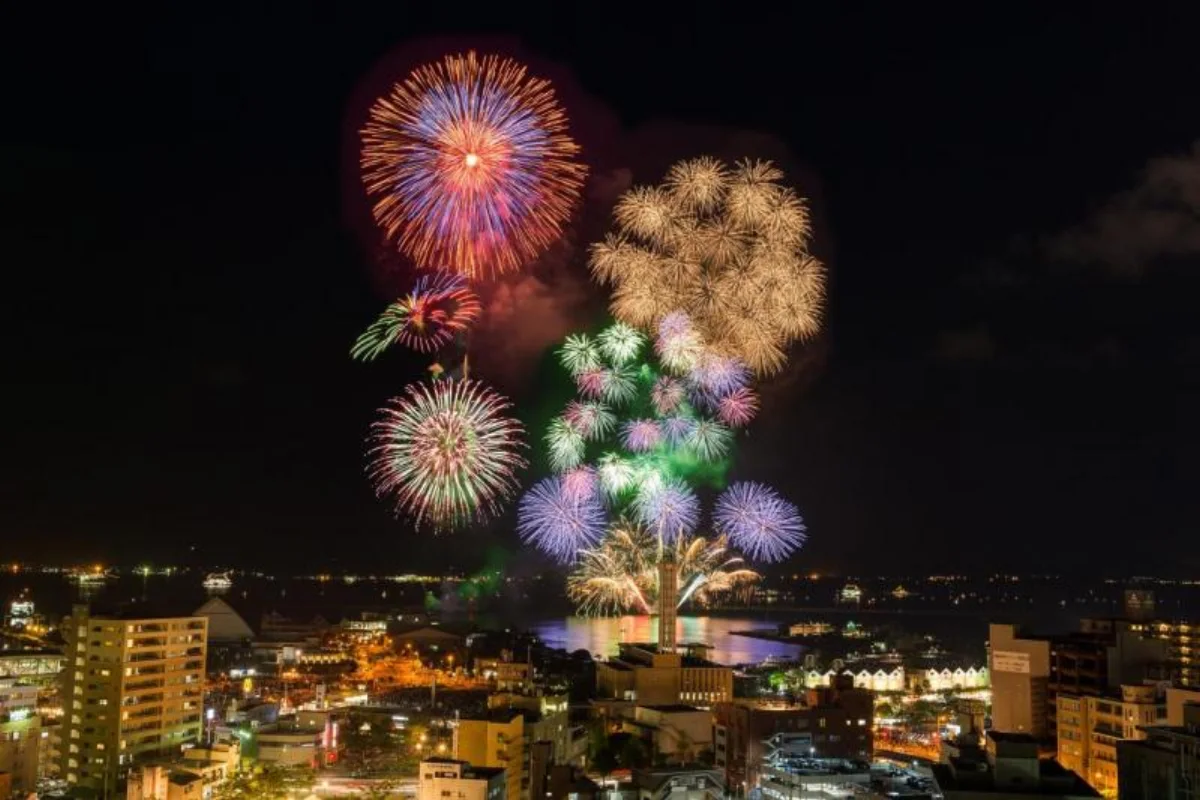
Your practical guide to the Kagoshima Kinkowan Summer Night Fireworks: 24th edition dates and ticket prices, North Pier and Waterfront Park seating, free viewing zones, traffic closures, and walking from Tenmonkan.
Choosing between North Pier chairs, Waterfront Park boxes, and unreserved zones
If you want a proper seat for the whole show, start with North Pier (Kita-Futo) chair seats or Waterfront Park C1 and C2 chair seats. In the 24th edition, North Pier sat closest to the launch site, while Waterfront Park's C1 was on the lawn and C2 occupied the circular plaza—all fitted with chairs. When traveling with kids or older relatives who get up often, check which side of the row faces the aisle and exit. Anyone planning to watch only the first half will have an easier time in two aisle seats than wedged in the middle of a row.
Groups of four adults can weigh four Zone C chair seats against a single box area. In 2026, Box A and Box B each measured roughly 1.8 meters square for up to four people—Box A on the steps and Box B on the lawn, both requiring you to bring your own cushions. Box A cost ¥14,000, matching the face value of four Zone C chairs, while Box B cost ¥10,000 if everyone is comfortable sitting on the ground. If anyone in your group needs a backrest to stand up, put chair seats at the top of your list. And if two of you carry large shoulder bags plus picnic gear, pack lighter—those 1.8 meters also have to fit four pairs of legs.
Zones D and E are paid unreserved areas: a ticket grants entry, and you pick your own spot inside. In 2026, Zone D sat on the Waterfront Park lawn for ¥2,000 per person, while Zone E occupied the former Dolphin Port asphalt lot for ¥1,500 per person via a separate entrance. Both allowed sitting mats within roughly 1 square meter per person, as noted by the ticket seller. Each zone has strict boundaries—a Zone E ticket keeps you on the Zone E side—and bringing a thin insulated pad for the asphalt works far better than a thin plastic picnic sheet.
For the 24th edition, North Pier reserved chairs cost ¥4,000 per person, Waterfront Park C1 and C2 seats cost ¥3,500 each, and Photography Zones A through D cost ¥4,000 each, with an added ¥165 ticketing fee per ticket in 2026. Including fees, two North Pier seats totaled ¥8,330 and two Zone C seats totaled ¥7,330. Factor in that price gap, then look at the venue map to see which gate is an easier walk from your hotel or station.
Before picking seats, check CN Playguide's seating map and venue photos and zoom in on individual seat numbers. In 2026, the ticket seller listed front-to-back row spacing at roughly 60 cm for North Pier and 70 cm for Zones C1 and C2. If you will have a toddler on your lap or bags at your feet, use those measurements to gauge legroom. Choose based on seat type and ground surface first, then check which exit gate sits closest.
Calculate kids' seating and early-exit routes before buying tickets
In 2026, elementary school students and older needed their own ticket. Preschoolers sat free on an adult's lap at North Pier and Zone C, requiring a ticket only if they needed a separate chair. In Box A and Box B, preschoolers did not count toward the four-person cap, so you can count adults for the quota and then judge how many kids fit comfortably. For four adults plus one preschooler, check both the ticket rules and the physical footprint—especially space for a child to stretch out.
Tickets are sold through CN Playguide. In 2026, buyers in Japan could also use FamilyMart multi-copy machines by searching "Summer Night," alongside a listed phone booking line. Before ordering from abroad, open the official event ticketing page to check payment deadlines and pickup rules. If your group plans to enter separately, distribute each person's ticket and zone number in advance. That year, some zones managed re-entry with ticket stubs while parts of Waterfront Park switched to wristbands or lanyards—keep whatever you receive at the gate safe.
Per the organizer's FAQ, tickets are non-refundable for personal itinerary changes, while weather cancellations are handled via separate notices to ticket holders. Save your order confirmation and payment receipt, and keep paper stubs until the trip wraps up. Hotel free-cancellation windows and rail or flight change fees follow separate rules—a fireworks refund notice only covers event tickets. Once your room and seats for that night are locked in, daytime sightseeing and dinner timing are the easiest pieces to adjust.
For the 24th edition, organizers also ran a reservation-only viewing area for wheelchair users at the Kagoshima National Highway Office parking lot, capped at 150 spectators and 50 vehicles until full. Eligibility covered wheelchair users, visitors with disabilities, and caregivers, with up to two caregivers per wheelchair user in principle. In the paid zones, 2026 North Pier seating also included wheelchair spaces, though companions needed paid tickets. Both options have separate booking procedures and check-in points.
Before buying, confirm who can walk how far and who needs a chair, then locate restrooms and gates on the venue map. The official FAQ notes temporary toilets and allows personal strollers, though there are no stroller rentals or bag-check counters on site. If pushing a stroller, scout the route from your hotel in daylight to see where stairs force a detour. Slow walkers aiming only for the 2-shaku-dama finale can watch that highlight and exit with the family right after—just pick seats near a clear exit aisle.
Read the free-zone map legend, or take in the harbor from Shiroyama
Watching for free starts with the organizer's traffic map. The 24th edition shaded free viewing areas in pink—several pockets around North Pier, the aquarium, and NHK Kagoshima—right beside paid zones and food stalls. Paid zones appear in red, while pedestrian-only streets carry their own color codes and active hours. Once roads open to foot traffic, follow staff directions into the viewing pockets. In 2026, organizers issued a map correction the day before the show, so always open the full official update rather than relying on someone's forwarded screenshot.
Official rules strictly ban saving spots before the show starts. Use the daytime to orient yourself around the aquarium, Asahidori, and the piers, and locate restrooms and your route back, then claim a standing or sitting spot once the event opens. Right up against the seawall isn't ideal for everyone: if someone needs to sit down, check the sightline past standing spectators in front and make sure an aisle remains behind you. If small children would have to be held up the entire time, shift to an open, less crowded vantage point before launch.
Trees, lampposts, and railings along the waterfront can block low views. Once you pick a spot, scan from water level up to the sky to check for rows of trees or pier structures in the way. Tight gaps still work if you only care about high aerial bursts, but capturing low-altitude shells, harbor reflections, and the full bay requires an unobstructed view of the water. As crowds surge forward, stay inside the open boundaries and follow marshal instructions.
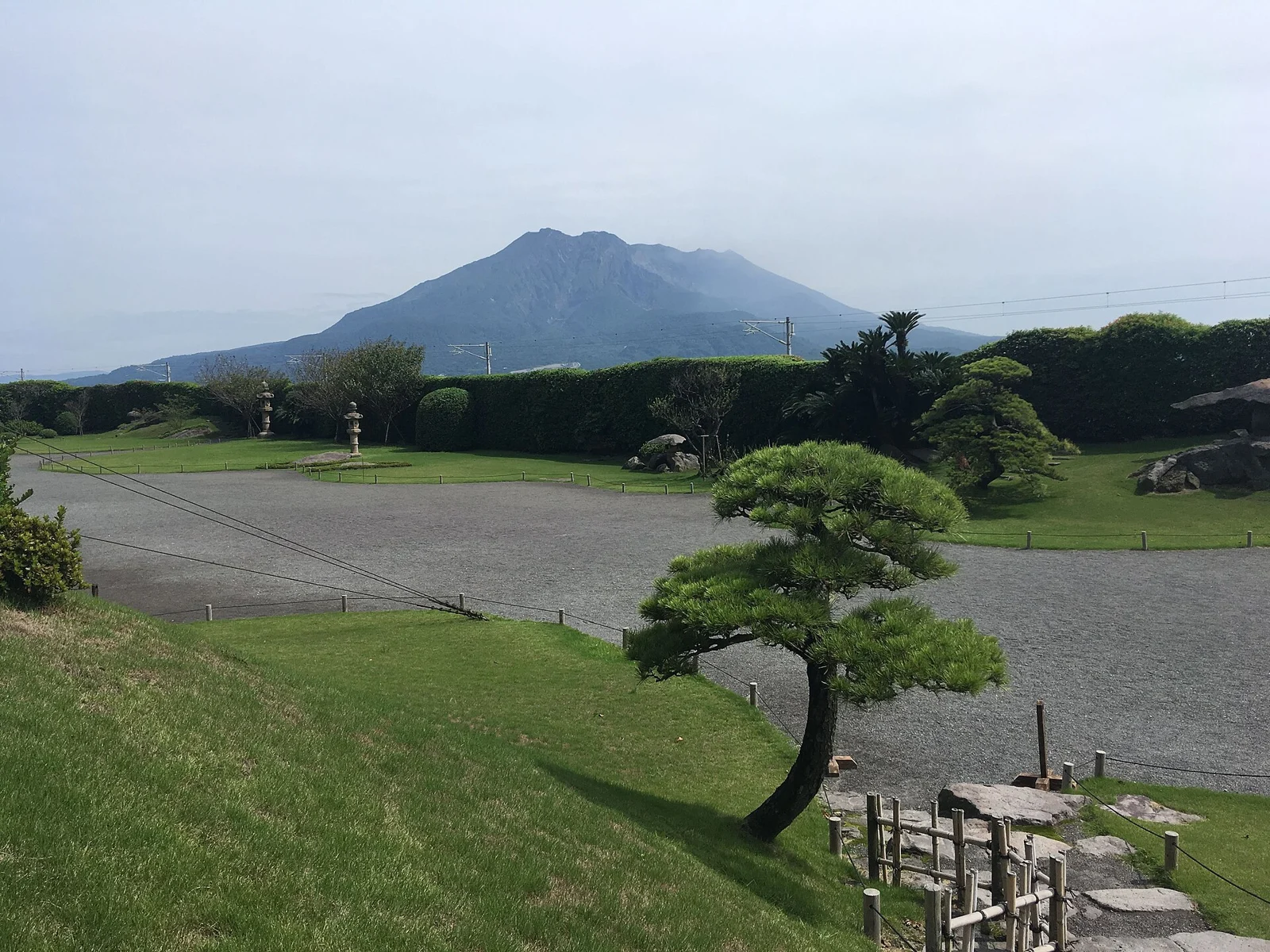
For a wide harbor panorama from above, head to Shiroyama Observatory. Kagoshima City tourism listings put Shiroyama Observatory at roughly 107 meters elevation, overlooking the cityscape and Kinkowan Bay. Per the official FAQ, the observatory remains open on fireworks day with security staff on duty and expected crowds. Walk the hillside trail up in daylight first so you know the night descent route. Shiroyama suits travelers who want the city lights and fireworks in one frame; if you want loud bass from big shells and music speakers, stay down at the waterfront.
If visiting Shiroyama with older family members, factor in the steep climb and descent. The Kagoshima City Transportation Bureau's sightseeing bus (Kagoshima City View) stops at Shiroyama during the day, and normally runs a night-view route—however, the bureau explicitly suspends the night-view service on fireworks day. You can ride the bus up in the afternoon and walk down after the show, as long as you note the trailhead exit and connecting street blocks in daylight. If only one person in your group wants the panoramic shot, split up for the show and meet back at the hotel.
Know which station serves the tram vs. JR, and follow the pier walk
Shinkansen trains pull into JR Kagoshima-Chuo Station, while the organizer's recommended post-show rail station is JR Kagoshima Station. Right beside JR Kagoshima Station sits the Kagoshima-Ekimae city tram stop, and the Sakurajima Ferry Terminal stands near the aquarium. Confirm your JR destination before boarding, and check the headsign on city trams. Dropping just "Kagoshima Station" into a group chat can confuse someone who just arrived—always specify whether you mean JR or the tram stop.
From JR Kagoshima-Chuo Station, standard travel times listed by organizers are roughly 5 minutes by JR train to JR Kagoshima Station plus a 15-minute walk, or 10 minutes by city tram to Asahidori plus a 10-minute walk; city buses also run toward Kinseicho. Treat these as station-to-gate baselines and pad extra time for ticket checks, queues, and detours. Getting off at Asahidori points you straight toward the port, while guests staying in Tenmonkan can walk straight down the street from their hotel and skip transfers altogether.
On Kagoshima city trams, board through the middle door and exit at the front. As of November 2026, the Transportation Bureau lists flat fares at ¥200 for adults and ¥100 for elementary school students, paid in exact cash into the farebox upon exiting. Trams accept the local Rapica card, while nationwide IC cards like Suica and SUGOCA do not work on city trams or city buses. Keep exact coins in an easy-to-reach pocket so you aren't fumbling for change at the front door while holding a child's hand.
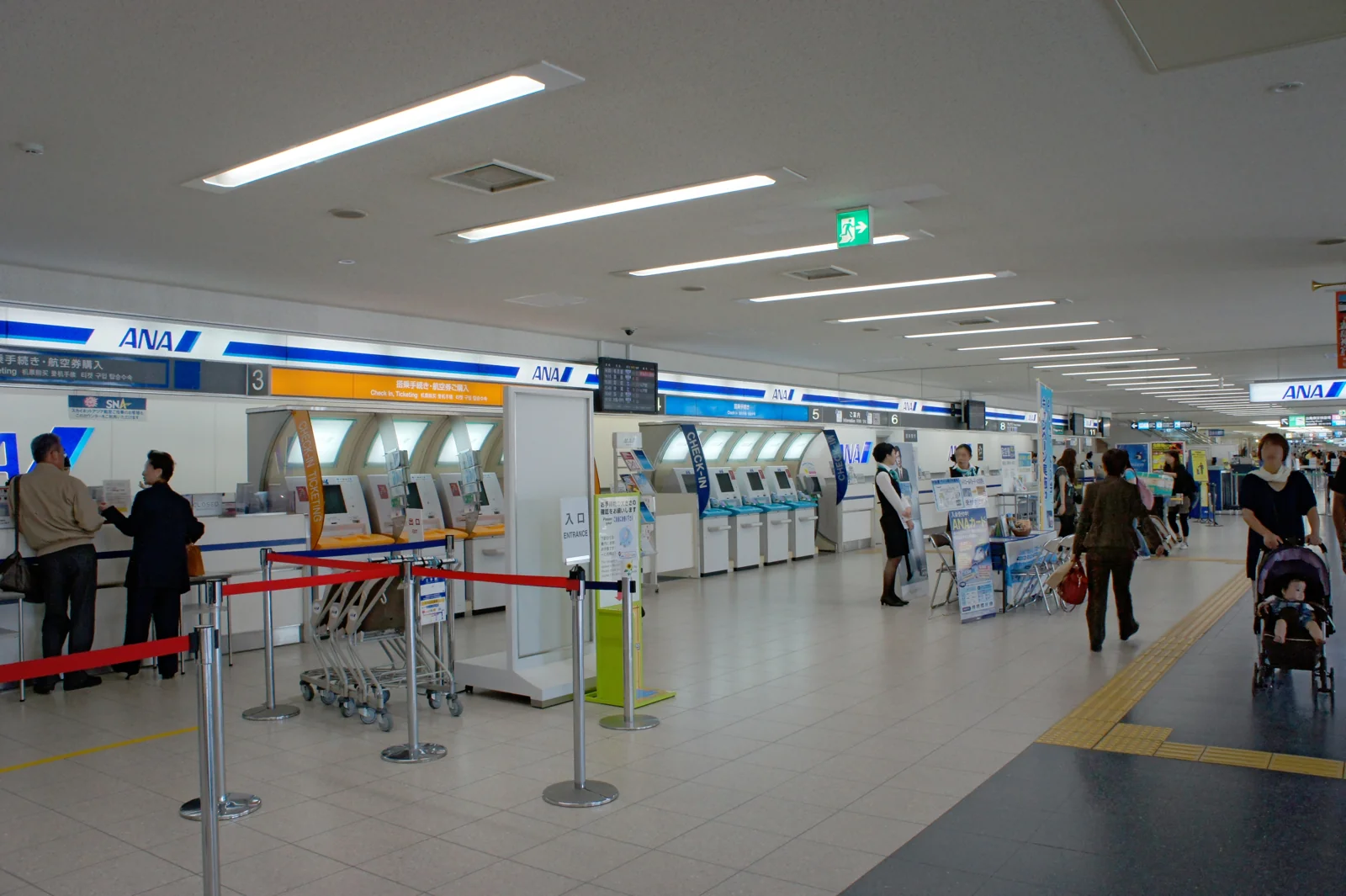
From Kagoshima Airport, airport buses run straight to Tenmonkan in about 50 minutes per the official FAQ, leaving a 15-minute walk to the venue. If arriving that afternoon, count deplaning, bus wait times, and hotel bag drop. Leaving luggage in lockers at JR Kagoshima-Chuo Station forces a post-show detour back to the station; dropping bags at a Tenmonkan hotel keeps your arrival line simple. See our Kagoshima Airport to city transport guide for schedules, stops, and boarding bays.
In 2026, vehicle entry to North Pier and South Pier closed after 15:00, and City Hall did not open its parking lot for the event. There is no official event parking—not even on the Sakurajima side—and the FAQ explicitly states there is no designated bicycle parking either. Drivers coming from Kirishima or Ibusuki should park at their hotel first and continue on foot or by tram. If you must drive out that evening, check whether surrounding one-way streets and turn bans will trap your garage exit.
Eating dinner outside the venue saves an extra round trip. Groups starting from JR Kagoshima-Chuo Station can dine near the station before taking JR or the tram down. Families based in Tenmonkan can eat near their hotel and carry water into the venue. There is no dedicated dining area inside, though 2026 announcements noted food stalls around North Pier and parts of the grounds. Eating beforehand beats hunting for hot food right before launch—just pack out any trash you bring in.
Pick your exit direction before leaving, then check extra departures
If you are staying in Tenmonkan, simply follow the pedestrian flow back into the downtown grid after the show. Heading toward JR Kagoshima-Chuo Station or a station-side hotel? Walk toward the organizer-recommended JR Kagoshima Station first, then take JR or the tram. The 24th edition traffic map specifically steered crowds to JR Kagoshima Station, the Kagoshima-Ekimae tram stop, and nearby bus stops. Extra trains and trams exist to clear crowds, so expect platform queues. Anyone needing to sit and wait should step outside the restricted zone where sidewalks are clear before lining up at the station.
Several 2026 road rules existed purely for crowd exit. The traffic map marked sections of prefectural road Asahidori and Miami-dori as pedestrian-only from 20:00 to 21:30, and noted that buses bypassed the stop in front of the aquarium from 18:00 to 21:30. Everyday map apps may still route you to that normally convenient pier bus stop. Always use the event traffic map to locate active boarding points first, then check operator timetables for your direction.
Wheelchair users should check tram stop accessibility on the Transportation Bureau's riding guide. Both Kagoshima-Chuo-Ekimae and Kagoshima-Ekimae appear on the bureau's barrier-free tram stop list. If boarding elsewhere, inspect the platform details for that specific tram stop and trace the exit path back on the event map. Agree on an accessible boarding stop with your group before buying tickets—discovering an unusable platform on foot during the post-show crush makes rerouting much harder.
Heading to Ibusuki or Kirishima that same night? Work backward from the last train you can catch. Which station it departs from, what time you must reach the platform, and whether you walk or take the tram matter more than the train ride itself. By the time you walk to the station and wait for extra trams, you can easily burn your buffer and miss the last departure. If missing that train leaves no backup, consider leaving before the finale or saving the hot-spring ryokan for the next night.
Those staying through the finale should set an outdoor meetup point beyond the exit gates. Pick an intersection or building everyone walked past in daylight that stays unmistakable at night. Save a screenshot of the exact corner on everyone's phone and note which side of the street to wait on. If someone needs a restroom first, step off the main exit flow before calling the group. Keeping four to six people waiting together right inside the exit gates bottlenecks traffic during peak dispersal.
Your seating plan and exit plan don't have to match. Kids sitting near an aisle can leave early with one adult following marshal directions, while photographers stay through the last salvo, pack up their gear, and rejoin everyone at the hotel. Make sure everyone carries the hotel address, ticket screenshots, and return station name on their phone before entry so anyone leaving early has everything they need.
Sakurajima views, ferry cruises, and camera angles
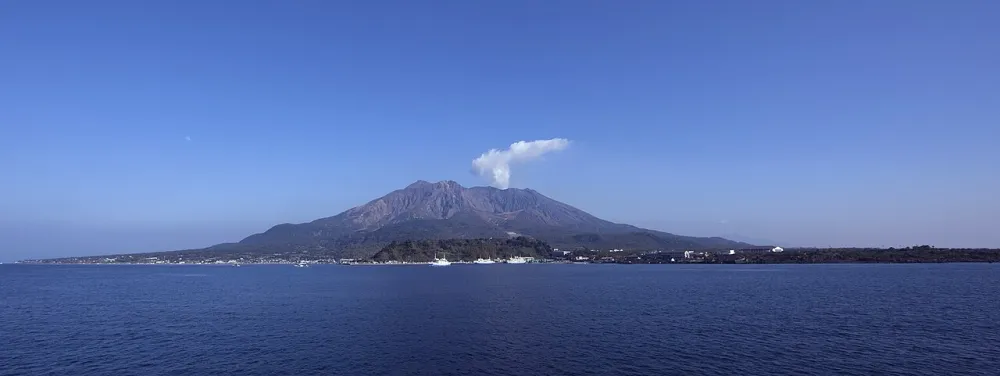
Shooting from the Kagoshima city waterfront puts Sakurajima across the bay, though the angle between the launch barge and the volcano ridge shifts depending on where you stand along the promenade. Check the alignment of the launch zone and Sakurajima in daylight if you want both in frame. If they sit too far apart, recompose around the fireworks, harbor foreground, and water reflections. That volcanic silhouette fades into darkness after sunset, so anchor your frame with lit city streets or pier lights instead of hoping the mountain stands out on its own.
Serious photographers should pay for tripod clearance. In 2026, tripods were allowed only inside Photography Zones, and step ladders were banned everywhere. Zone A sits on a gentle seaside slope, Zone C sits slightly higher to include the crowd, and the newer Zone D sits near the fountain for angled water reflections. In chair seats and unreserved areas, shoot handheld with a phone or camera. Start with a wider frame to clear the harbor, gauge burst height during the first salvo, then crop in—and once smoke obscures low bursts, pivot higher without blocking aisles.
Viewing from the Sakurajima side flips your backdrop to Kagoshima's city lights, which means taking a ferry back late at night. The organizer's FAQ confirms the ferry operates on event day; check the City Ship Bureau's Sakurajima Ferry routes and timetable for exact sailings. Verify your direction, and budget time to walk from your viewing spot to Sakurajima Port, queue for the boat, and cross town afterward. Accessible sailings for wheelchair users are listed on the same page.
In 2026, the City Ship Bureau also ran the "Ferry de Summer Night" viewing cruise from 19:00 to 21:00, looping round-trip from the Kagoshima Port Sakurajima Ferry Terminal. Adult tickets cost ¥4,500, with boarding starting around 18:30. Watching the city lights and fireworks from offshore suits travelers who want a self-contained boat outing, though families with kids who might tire early or need frequent breaks will have far more flexibility in onshore chair seats. At the terminal, watch carefully for your specific cruise check-in sign, as regular ferry commuters use the same pier.
Regular Sakurajima sightseeing works far better the next morning. Take our Sakurajima half-day guide across the bay for the lava promenade and footbaths without racing a post-fireworks ferry queue. If you are staying overnight on Sakurajima itself, invert your luggage and return logistics—and if your group is split between city hotels and Sakurajima lodging, plan two completely separate exit routes from the start.
Staying in Tenmonkan vs. Kagoshima-Chuo, and connecting the next day
For fireworks night itself, Tenmonkan is the easiest base. Drop your bags during the day, pick dinner along the covered arcades, and walk down toward Asahidori; afterward, if tram lines look long, you can simply walk back along open streets. Pin both your hotel and your specific venue gate on your map—standard pins often stop at the shopping district or park edge, so label the exact entrance. First-time visitors will have a much easier time reuniting at the hotel than trying to spot each other at a dark harbor gate.
The area around JR Kagoshima-Chuo Station makes more sense if you are catching an early Shinkansen or JR train with rolling luggage the next morning. You trade a short transit hop at night for stepping straight onto the concourse at dawn. Check your platform and boarding direction during the day; if you plan to transfer via JR Kagoshima Station at night, ride that short rail hop once beforehand so you already know where the tram and bus stops sit outside.
If booking a pier-side hotel, trace the actual walking roads open that evening before trusting map distances. A hotel sitting dozens of meters away on a map may sit behind paid-zone fencing and require a long detour. Thinking of watching from a hotel window? Ask the hotel beforehand which pier the room faces, how high the floor sits relative to neighboring buildings, and whether the window clears the launch area. If they can only confirm a vague ocean view, putting money toward paid seats plus a standard room gives you far more certainty.
To cut down on afternoon walking, spend a few hours at the Kagoshima Aquarium right on the port after dropping bags at noon, then head to dinner. An August 27, 2026 event notice stated the aquarium closed temporarily at 19:00 and reopened from 20:30 to 23:00, with same-day ticket stubs valid for re-entry and separate night tickets sold at the door. Because city tourism listings showed a different reopening time that year, always follow the organizer's latest notice. Pin your hotel, the aquarium, and your gate on one map to see whether a late museum visit conflicts with your train home.
Save Sengan-en for the next morning via the train line north, or visit early and return to port well ahead of launch. In 2026, traffic maps even flagged road restrictions on Iso-kaido near Sengan-en Station, leaving little schedule slack if you stack other afternoon stops. For a dedicated garden-and-lunch outing, follow our Sengan-en by JR half-day itinerary the next morning.
Connecting city sightseeing with Ibusuki sand baths or Kirishima hot springs works best if you sleep in central Kagoshima on fireworks night and move the next day. Trying to catch a train to an onsen ryokan after the show means juggling dinner cutoffs, latest check-in hours, and exit crowds all at once. On day two, linger over breakfast in Tenmonkan before picking up your bags, and check our Kagoshima, Kirishima, and Ibusuki stay comparison to decide between heading into the mountains or down the Satsuma Peninsula.
Weather backup plans that keep a city half-day intact
Check the organizer's morning news feed first on event day, then verify transit updates from rail and ferry operators. In 2026, organizers issued a same-day confirmation that the show would proceed as scheduled, along with reminders to hydrate and wear hats. If rain or strong winds roll in, follow that edition's hold, cancellation, or refund notice directly. If canceled, pivot straight to a downtown evening plan; if postponed, check immediately which next-night hotel rooms and train tickets can still be shifted.
Keep your rainy-day backup on the same side of town as your hotel. Around JR Kagoshima-Chuo Station, visit the Museum of the Meiji Restoration (Ishin Furusato-kan) along the Kotsuki River for exhibits on late-Edo Satsuma and the Meiji Restoration—city listings note an 8-minute walk from the station, open until 17:00 with last entry at 16:30. Near Tenmonkan, the Kagoshima City Museum of Art works well; just check its calendar and last admission time for that day. Aquarium hours shift on event day, so check their notice before heading to the port, and in heavy rain during road closures, eat near your hotel to stay clear of traffic cordons.
With only a short indoor window left before dinner, plan your meal around closing times. After the Museum of the Meiji Restoration closes, walking back into the malls at JR Kagoshima-Chuo Station keeps you under cover; from the City Museum of Art, loop past Terukuni Shrine back into Tenmonkan's covered arcades. If the city publishes a typhoon or heavy-rain facility closure list, stay near your hotel until conditions ease. If fireworks get pushed to the next evening, move day two's farther day trips into the morning so your evening transit stays flexible.
City backups also let groups move at different speeds. Tired toddlers can head back to the hotel room for a nap and still walk out easily to an arcade dinner. Photographers hoping the sky clears can keep screenshots of the schedule and traffic map offline and head back out from the hotel if an official green light drops. If weather clears by day two, cross over to Sakurajima first, scale your stops to the ferry schedule, and wander back around the Honko Area in the afternoon.
Late-August daytime waits bring heat and humidity, so scope out water and convenience stops near your zone early. Pack drinking water, a light poncho, any seat cushions you need, and a power bank. Wear a sun hat during the afternoon wait—tents and parasols are prohibited because they block sightlines. Anyone sensitive to loud booms should weigh distance from the launch barge and clear exit lanes when picking seats, and bring familiar ear protection.
A few useful answers
Have the 2027 Kagoshima Kinkowan Summer Night Fireworks dates been announced?
As of November 22, 2026, the organizer's website still lists details for the 24th edition held on August 29, 2026. Watch the official event announcements for next year's date; ticket sales and traffic maps are usually published in separate updates.
Can I lay down a mat early to save a spot in the free viewing areas?
No. Organizers prohibit saving spots before the show starts. You can scout the free zones, restrooms, and exit routes on the official map during the day, then find a spot within the designated area once the event begins.
Which is better with older family members: North Pier or the box areas?
Choose reserved chair seats at North Pier (Kita-Futo) or Zone C in Waterfront Park if you want actual chairs. In 2026, Box A used steps and Box B used the lawn, both requiring your own cushions. Travelers with mobility needs can also check that year's reserved wheelchair viewing area.
Is JR Kagoshima-Chuo Station or JR Kagoshima Station more convenient?
Shinkansen trains arrive at JR Kagoshima-Chuo Station, where you can take the city tram to Asahidori and walk to the waterfront. For the post-show exit near North Pier, organizers direct crowds toward JR Kagoshima Station or the adjacent Kagoshima-Ekimae tram stop.
Can I use a tripod in the general paid seats?
In 2026, tripods were only permitted in designated Photography Zones, and step ladders were banned. General chair seats and unreserved zones only allow handheld shooting with a phone or camera.
What happens to my fireworks tickets if the event is canceled due to weather?
If the event is canceled, organizers issue a separate notice explaining ticket handling to buyers. Keep your order confirmation and physical tickets; transit and hotel bookings remain subject to their own cancellation policies.
Official information and references
Sources used in this guide.
- Event Organizer | Overview, Program, Venue Rules, Tickets & Aug 29, 2026 Event Notice
- Event Organizer | Apr 30, 2026 Announcement of 24th Edition Date
- Event Organizer | May 27, 2026 Ticket Sales Start & Seat-Selection Notice
- Event Organizer | Latest News & Past Announcements
- Event Organizer | FAQ: Child Tickets, Wheelchairs & Refunds
- Event Organizer | Venue Access & Road Closure Map
- Event Organizer | 24th Edition Free Viewing Area & Traffic Map Correction
- Event Organizer | 24th Edition Wheelchair Viewing Area Reservation Notice
- Event Organizer | 24th Edition Kagoshima Aquarium Night Reopening & Admission
- Kagoshima City Official Tourism | 24th Edition Date, Venue & Nearby Sights
- Kagoshima City Official Tourism | Shiroyama Viewing Spot & Venue Rules
- CN Playguide (Official Ticketing) | 2026 Seating Zones, Photos & Equipment Rules
- Kagoshima City Transportation Bureau | Tram Riding Guide, Fares, Payment & Accessible Stops
- Kagoshima City Transportation Bureau | City View Shiroyama Route & Fireworks Day Night-Route Suspension
- Kagoshima City | Museum of the Meiji Restoration Exhibits, Access & Hours
- Kagoshima City Museum of Art | Opening Calendar & Current Exhibitions
- Kagoshima City | Heavy Rain & Typhoon Facility Information
- Kagoshima City Ship Bureau | Sakurajima Ferry Routes & Timetable
- Kagoshima City Ship Bureau | 2026 Kinkowan Night Viewing Cruise