How to tackle Japanese convenience stores, vending machines, and conveyor-belt sushi with kids: opening triangle onigiri, making 7-Eleven smoothies, reading hot-and-cold drink labels, keeping 100-yen coins for gachapon, and ordering via tablet at Sushiro, Kura Sushi, and Hama Sushi.
- Region & Focus
- Japan-wideFamily attractions
- Reading Scope
- 17 min read · 7 chapters · 6 Q&As
- Official Verification
- 26 official sources checkedUpdated November 22, 2026
- Key Topics
- First tripFoodTravel budget
Chapter Route Map (tap any stop)
- Start Near Your Hotel: Picking a Convenience Store for Breakfast
- The 1-2-3 Onigiri Peel and Smoothie Barcode Order
- Which Register Is Self-Checkout? Read the Signs Before Setting Down Your Basket
- Red Labels Mean Hot, Blue Mean Cold: Check Beneath Every Bottle
- Hot Station Ramen and Fresh-Squeezed Orange Juice: Where They're Worth a Stop
- Ikebukuro Gachapon Megastores: Bring 100-Yen Coins to the Machines
- Sushiro, Kura Sushi, and Hama Sushi: From Check-In Kiosk to Express Delivery
- Quick Q&A
Pull the center plastic tab straight down on a triangle rice ball, slide off the two side films, and the crisp nori wraps around the rice on its own. Around the corner, a blender turns a cup of frozen fruit into a smoothie, and at dinner, plates of sushi glide straight to your booth on an express track. On a family trip to Japan, these everyday stops fit right into the routes you are already walking. Pick a convenience store near your hotel, test an intriguing vending machine between train transfers, and save a booth-equipped conveyor-belt sushi spot for dinner. Let the kids pick, tap, and watch, while the adults handle hot cups, payment, and final order counts. If you want a dedicated capsule-toy hunt, set aside a block of mall time for that too.
Start Near Your Hotel: Picking a Convenience Store for Breakfast
Look for "konbini" on maps to find convenience stores. In Japan, 7-Eleven signs feature orange, green, and red stripes, Lawson displays a blue milk-can logo, and FamilyMart uses green and blue stripes. Before heading out, have your kids memorize one of the signs. On the walk back, they can spot which way to turn from the station exit or hotel entrance when you want to grab breakfast for the next morning. Those stores are especially handy when markets and cafes are still closed before an early train.
If you want to watch frozen fruit blend into a drink right in front of you, look for a 7-Eleven with Seven Cafe Smoothie. When everyone is a bit hungry, FamilyMart's Famichiki and Lawson's Karaage-kun offer two different ways to snack. Famichiki is a single whole fried chicken cutlet served in a paper bag with a perforated top half you tear away while holding the bottom. Karaage-kun comes as bite-sized chicken nuggets in a small box, making it easy to lift a piece onto a napkin first. Lawson labels the original flavor "Regular" and the spicy version "Red."
When you spot a steaming glass case next to the register, check the labels for "chukaman"--Japanese-style steamed buns. Look for "nikuman" if you want a pork bun, or "pizaman" for pizza flavor, which often gets kids curious to see how far the melted cheese stretches. To order, point at the sign and say "kore o hitotsu" (one of this). Carry the bun to a spot where you can pause, tear open a small vent to let the steam escape, and peel off the paper square stuck to the bottom.
Chilled desserts and frozen treats sit in two separate sections. Check Lawson's Uchi Cafe refrigerated case for whipped-cream roll cakes, and look in FamilyMart's FAMIMARU Sweets case for souffle puddings and rich baked custards. "Purin" means pudding, while "aisu" points you to the ice cream freezer. In autumn, watch for seasonal chestnut, pumpkin, or sweet potato flavors labeled "kuri," "kabocha," and "satsumaimo" on the package. In fall 2026, Lawson rolled out chestnut desserts and FamilyMart's dessert lineup included a chestnut Mont Blanc crepe. If you like tracking down limited editions, check each brand's new-arrivals or regional product pages for current flavors.
While browsing the aisles for a family breakfast, decide right away whether you are eating in your hotel room or carrying food on the go. Before an early train, stick to rice balls, packaged breads, and screw-cap drinks that are easy to pull out of a bag. Puddings need spoons, cup noodles require somewhere to sit, and ice cream only works if it won't melt on the walk back. Have kids check whether their pudding already has a spoon attached, and ask "supun o kudasai" at checkout if you need one. If your hotel doesn't include breakfast, buying just enough for each person's next meal is much easier to portion than stocking up for two meals at once.
When choosing filled items, use the front photo to narrow down flavors, then flip the package over to check the ingredients list ("genzairyomei"). Even if the front says salmon or chicken, seasonings and marinades may contain other ingredients. Families with dietary restrictions can keep key ingredients written down in short Japanese phrases to check right at the shelf before heading to the register. Once a kid has narrowed ten options down to two favorites, let them make the final pick before you leave the aisle.
| Chain | Where to Look First | Best Meal or Snack Fit |
|---|---|---|
| 7-Eleven | Hand-rolled onigiri shelf, frozen smoothie cups, and smoothie blender | Grabbing an early breakfast or pausing a few minutes for a fresh smoothie |
| Lawson | Countertop Karaage-kun warmer and Uchi Cafe chilled dessert case | Sharing a box of chicken bites and a dessert in the afternoon |
| FamilyMart | Famichiki hot case, chukaman steamer, and pudding shelves | Picking up a hot fried chicken cutlet or bringing desserts back to the room |
How to tackle Japanese convenience stores, vending machines, and conveyor-belt sushi with kids: opening triangle onigiri, making 7-Eleven smoothies, reading hot-and-cold drink labels, keeping 100-yen coins for gachapon, and ordering via tablet at Sushiro, Kura Sushi, and Hama Sushi.
The 1-2-3 Onigiri Peel and Smoothie Barcode Order
To unwrap crisp seaweed on a triangle rice ball, look for the "1" tab at the top point. Some triangular onigiri use a different wrapper where the nori already touches the rice and opens with a single tear strip. When you have a "temaki" (hand-rolled) pack with three numbered tabs, hold it with the point facing up, grab tab "1," and pull straight down along the center seam all the way around the bottom and up the back. Pull it completely off so the outer wrapper splits into left and right halves, cradling the base in your palm so the rice triangle doesn't snap in half.
Hold the middle of the rice ball gently with one hand, slide tab "2" straight out to the side, and then pull tab "3" out the other side. If the seaweed catches, loosen your grip slightly and ease the inner film the rest of the way out. Once both inner sheets are gone, the nori settles right onto the rice for a crisp first bite. If half the seaweed sticks to the film, simply peel it off and press it back onto the rice. For a child's first try, unwrap it over a paper bag or napkin to catch stray grains.
The labels across any store's rice-ball rack double as a mini menu guide. "Tsuna-mayo" is tuna mayonnaise, "sake" or "shake" is salmon, and "konbu" is seasoned kelp. "Ume" means tart pickled plum, while "karashi mentaiko" is spicy cod roe. If someone prefers softer seaweed, look for styles where the nori is already wrapped onto the rice or mixed-rice onigiri without a large sheet. When comparing two flavors, start by having an adult and child each pick one to split, and note the Japanese names you liked so you won't have to rely on photos next time.
In the freezer case, look for clear plastic cups filled with ice cubes and frozen fruit labeled "sumuji" (smoothie). Take the sealed cup to the register and pay first. After checkout, walk over to the smoothie machine and scan the barcode printed on the cup's lid seal--wait until after scanning to peel off the entire film. Once the screen recognizes your flavor, place the cup inside, close the door, and press start on the touchscreen. According to 7-Eleven's official guide, blending takes about 70 seconds, though you should allow extra time for the checkout line and anyone ahead of you at the machine.
To pick a kid-friendly blend, 7-Eleven's official product page lists flavors in both Japanese and English. "Strawberry Milk" combines strawberries and milk, while "Fruit Mix" blends banana, citrus, and other fruits and may also contain dairy ingredients. After checking the fruit flavors, scroll down to inspect each drink's allergen icons. To find a branch that actually has the machine, use the store-locator filter ("hanbai tenpo kensaku") on the smoothie product page and search by your current neighborhood.
While waiting, kids can watch the chunks of ice and fruit whirl into a smooth drink behind the door. Wait until the screen shows finished before opening the door to grab your cup, then check the side station for lids and straws. If everyone in the family wants a cup, start with the flavor you plan to share first, and step aside between cycles if another shopper is waiting behind you. When two flavors have similar cup colors, double-check the label on the side before scanning. If someone peels off and tosses the lid barcode by mistake, ask a staff member for help rather than scanning a different cup.
If you are racing to catch a train, save the smoothie for the return trip. On a busy Shinkansen morning, two adults can split up inside the store--one helps the kids choose rice balls while the other checks whether there is a smoothie machine and a line near the freezer. If time is tight, grab bottled drinks now and save the blender experience for later. Keep undecided cups inside the freezer until you have made your final pick.
Which Register Is Self-Checkout? Read the Signs Before Setting Down Your Basket
Convenience stores in Japan have two checkout setups that are easy to mix up. At a semi-self-checkout lane--which 7-Eleven Japan calls "okaikei serufu reji"--a staff member stands behind the counter and scans your items, and you pay using the cash slot or card reader facing you. At a full self-checkout ("serufu reji"), you scan every barcode and confirm the item count yourself. For a child's first practice run, pick a simple trip with just rice balls, water, and snacks: an adult holds the cash or card while the child scans each item, waits for the beep, and watches it appear on screen before scanning the next one.
Lawson's official walkthrough has you select your payment method first before scanning items one by one. If you brought your own tote, skip the shopping-bag prompt and pack everything once payment goes through. FamilyMart's self-checkout guide notes that if you do want a bag, you need to scan the barcode on the bag itself. When buying two identical rice balls, scan the barcode twice or adjust the quantity on screen. Set scanned items down on one clear side instead of juggling them between hands, then verify the item count on screen against what you are holding and wait for the payment confirmation and receipt before walking off.
If you want fried chicken or steamed buns from the hot case, go to a staffed register so the clerk can see which item you point to and ring it up alongside the rest of your basket. Chilled bento boxes that need heating also go through the staffed lane--point to the box and ask "atatamete kudasai" (please heat this up). If the cashier asks "fukuro wa goriyo desu ka," they are asking if you need a bag; if you have your own, answer "fukuro wa irimasen." Bag questions and payment prompts usually come right back to back, so kids can practice one short phrase to handle at the counter.
When paying with a transit IC card, tap "kotsu-kei denshi manei" (transit e-money) or the matching transit card icon on screen and hold your card to the reader when prompted. If your card balance is lower than the total, pause to see if you can switch payment methods, or ask the clerk for help if the screen isn't clear. If you want to pay with bills, confirm the kiosk displays a "genkin" (cash) option first; if not, head to the staffed counter next to it. To keep hot food and cold desserts separate, lay both of your reusable bags flat at the end of the counter before paying so you aren't fumbling with bag handles and loose change at the same time.
If you plan to hit capsule-toy machines at your next stop, drop any 100-yen coins you get back from cash purchases into a dedicated pouch. Separating meal money, transit reloads, and gachapon coins makes it easy for kids to count how many turns they have left. Credit cards from home, mobile tap-to-pay, and transit IC cards each have their own icons on the checkout screen; if it is your first time setting up a card or estimating how much to load, check our Japan Suica Card Guide before you go.
Red Labels Mean Hot, Blue Mean Cold: Check Beneath Every Bottle
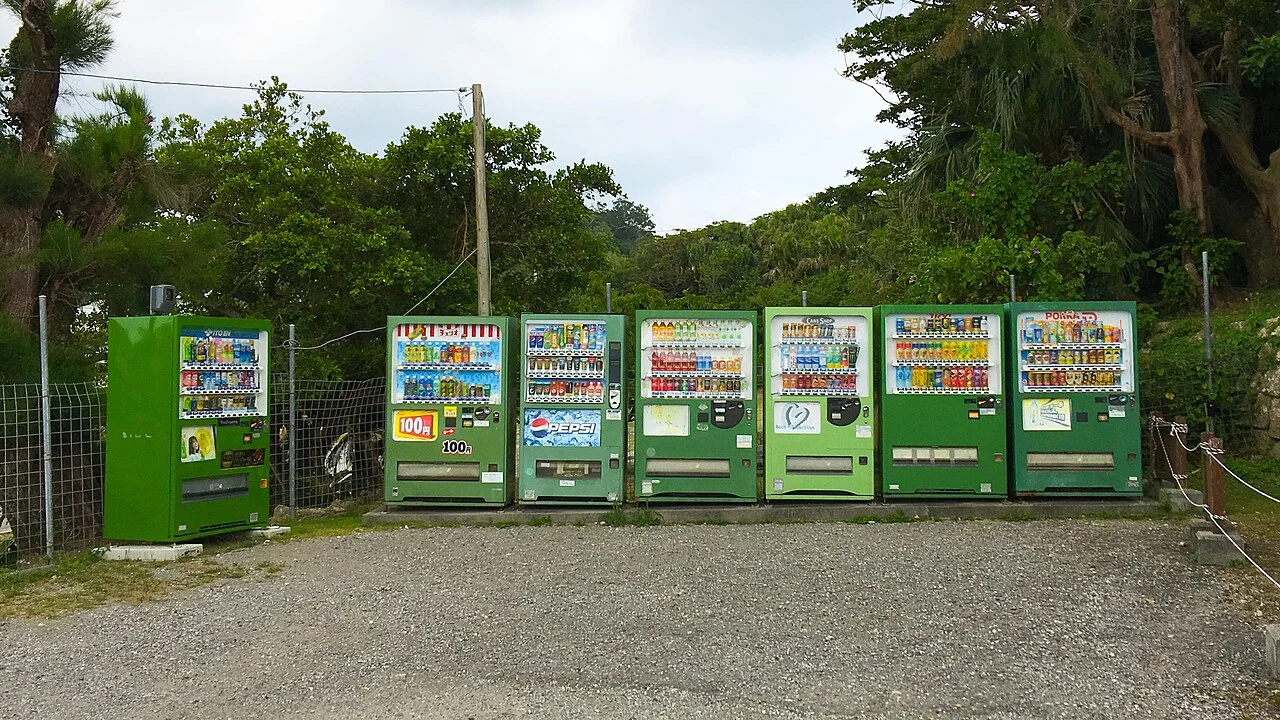
The exact same canned coffee often sits on two different shelves in one vending machine--one labeled "attakai" (hot) and the other labeled "tsumetai" (cold). Always check the tag directly under the slot instead of guessing from the color of the can. DyDo's visitor guide uses red or orange labels for hot drinks and blue or light blue for cold drinks. In winter, if a child points to a yellow can next to the coffees, read the product name underneath--"kon potaju" means canned corn potage soup.
When buying hot canned soup, step aside first and test the temperature of the can with your hand. Let an adult set the can flat to pop the pull-tab opening. If the soup contains corn kernels, swirl the can gently as you drink so the kernels at the bottom come out toward the end. DyDo's lineup includes a rich corn soup called "Noko Deli Kokutoro Corn Potage"; if you spot that label in a machine, double-check the colored temperature strip underneath before pressing the button. If a slot lights up "junbichu" (preparing), pick another row while that batch warms or chills.
Buying drinks makes an easy family routine: the kids read the price under the bottle while a parent checks the payment icons, inserts yen or taps a card, presses the selection button, and retrieves the bottle and any change from the bottom trays. For IC cards, the order of steps is illustrated right on the machine panel--DyDo's tap-to-pay machines have you press your drink selection first, then tap your card and wait for the chime or confirmation message before reaching in. If siblings each want a turn, treat them as two separate purchases so the first child collects their drink and change before stepping aside.
For ice cream vending machines, look for Ezaki Glico's "17 ICE" logo. According to the brand, these machines are commonly placed at bathhouses, arcades, sightseeing spots, and swim schools, so keep an eye out when visiting those venues. You pick flavors directly from the photos on the front--let kids choose between a cone or an ice pop first, then pick flavors like matcha, grape, or cookies and cream. Find a place to sit or pause nearby before tearing open the wrapper. If you are already lining up for a train, leave the ice cream for after you get off and have time to sit.
If you want to see a more unusual vending machine, look near the east building entrance of ASTY Shizuoka when passing through Shizuoka Station. DyDo themed this machine around Shizuoka's "Model Capital" identity, stocking miniature toy cars right alongside drinks. Check each slot's display item and price before paying, and watch the drop chute for your pick. Because you choose the exact car you want rather than spinning for a random prize, it can be a convenient souvenir stop compared with visiting multiple toy shops or capsule-toy stores downtown.
When faced with a wall of machines inside a train station, scan the signage first: "kippu" means train tickets, "chaji" marks IC card reload kiosks, and "jihanki" is the short word for vending machine. After buying water on a train platform, step back toward the waiting area away from the tracks and leave plenty of room for strollers or luggage. Tuck empty bottles into a bag if you leave the station until you spot a recycling bin marked "petto botoru" (PET bottles) or "kan" (cans). Empty gachapon capsules and rice-ball wrappers each go into their own separate bins as well.
You don't need to hunt down a novelty machine to start. For a child's first solo purchase, an ordinary street-corner drink machine already has three satisfying steps they can watch: coins going in, buttons lighting up, and the can dropping down. Once two drinks spark a comparison, try hot soup or 17 ICE at a later stop and let kids see which items drop straight into the chute and which require waiting on the machine. Teaching them to read the hot/cold labels and payment icons below the buttons works on any block you walk down.
| Label or Logo | What You Get | What to Check Before Pressing |
|---|---|---|
| Attakai / Tsumetai | Hot canned drink / Cold drink | Temperature tag and price directly under the slot |
| Kon Potaju | Hot canned corn soup | Hot-or-cold label directly below that exact can |
| 17 ICE | Ice cream cones, bars, and frozen treats | Product photo, sold-out light, and payment icons |
| Yo-Kai Express | Freshly heated bowl of ramen | Menu screen, pickup bay, and operating status |
| Feed ME Orange | Fresh-squeezed orange juice | Stock status, cup supply, and pickup prompt |
Hot Station Ramen and Fresh-Squeezed Orange Juice: Where They're Worth a Stop
If you want to watch a vending machine prepare a full hot meal, Yo-Kai Express acts more like a miniature kitchen than a drink dispenser. Pick a bowl on the touchscreen, wait for the unit to heat it, and collect a steaming bowl of ramen from the pickup hatch. The operator's Japan location list includes the JR Ueno Station B3F Shinkansen concourse--handy if you are already catching a bullet train there, though travelers exiting Ueno Park onto regular JR lines or the subway should note that B3 is inside the Shinkansen area rather than a shared main hall. At Haneda Airport, travelers arriving at or departing from Terminal 2 can find one inside the 1F north-end vending restaurant area.
Yo-Kai Express works best when you have a place to sit and eat rather than rushing through a ticket gate. Check flavors, prices, and payment options on screen, and factor in time to wait for cooking, grab chopsticks, and sit down. Adults should carry the hot bowl with both hands while kids grab utensils and watch the pickup door light up. If two people want ramen, wait for the first bowl to come out before letting kids pick the broth for the second. If you are coming from Ueno Zoo or the museums and want a proper sit-down dinner instead, check our Ueno Food & Dining Area Guide for nearby restaurants after you exit the station.
With orange juice machines, the clear glass window is half the show. According to Feed ME Orange's operator, each cup uses three to four whole oranges that the machine slices, presses, and pours in about 40 seconds. Kids can count the oranges rolling down the chute and watch the cup fill from empty to full. Double-check the sign on the front before paying, since Feed ME also operates apple juice machines with very similar cabinets. To plan a stop along your route, search by station or shopping mall on the operator's location finder ("setchi basho kensaku") to see which building and wing holds a unit.
When navigating stations with luggage, verify two details on the map ahead of time. A station name covers a wide footprint, and Shinkansen ticket gates or mall connectors often sit on different floors--and your outbound and return routes may use different exits. If the juice finder places a machine inside a mall, find the connecting floor and nearby store name first. Yo-Kai's location page specifies the exact floor, such as Ueno's Shinkansen concourse, so if you are buying for someone riding the train, it is easiest to stop once you are already past the gates along your route.
The first time you plan around both machines, treat them like a sit-down meal and a quick drink stop and budget time accordingly. Carrying a full bowl of hot broth and hunting down seats for two kids isn't always faster than walking into a casual restaurant. Fresh juice has a much shorter wait, though you still need a steady spot to stand while holding a full cup. If everyone simply wants to watch the pressing mechanism, ordering one cup to split lets you see the whole show without juggling multiple drinks.
When your departure time is close, check the station floor map for gates and levels so you know whether visiting a machine requires passing back through ticket barriers. At Haneda Airport, verify your terminal first--the Terminal 2 machine is on the arrivals level, so once you have cleared security for departure, pick up food in your airside concourse instead. Station machines also sometimes sell canned broth marked "ramen supu" (ramen soup) without noodles; if you want a full bowl with noodles, make sure the ramen machine menu shows a complete bowl.
Ikebukuro Gachapon Megastores: Bring 100-Yen Coins to the Machines
Capsule-toy machines are usually called "gashapon" or "gachagacha" in Japanese. Step inside a large specialty store and you will see rows of machines stacked floor to ceiling, with lower tiers set right at kids' eye level. Check the main display card behind each clear window and the lineup strip showing every figure in that set. If you only want one specific character out of the whole lineup, hold off on your coins and browse another machine. The easiest sets to enjoy are the ones where you would be happy taking home most of the options.
Standard machines take 100-yen coins, with panels reading "100 yen x 3" or "100 yen x 4." Insert the exact coin denomination and count listed--other coins that add up to the same total will usually drop straight back out of the coin return. Bandai's Premium Gashapon machines can take 500-yen coins, so read the coin slot combination on each individual cabinet. Keep a zippered coin pouch preloaded with gachapon budget, and look for "ryogae" change machines that list which bills they break into 100-yen coins before picking your favorite series.
Once all your coins are in, grip the dial and turn it in the direction of the arrow until it stops, listen for the capsule to drop, and reach into the bottom chute. If the handle stops partway, gently check whether it can turn slightly farther in the same direction. If a machine jams or nothing drops, note the cabinet number and how much you inserted and ask a staff member for help. Many exit flaps push upward rather than pulling outward--kids often tug down or out from the bottom, so let an adult check how the flap opens first. Carry your capsule a few steps away from the row to open it so the next person in line can step up.
Chasing one particular figure makes it tempting to spin the same machine over and over. Before walking into the store, agree on each person's turn count--such as one spin apiece, with leftover coins going toward snacks. Walk one full aisle before spending anything, and if a cabinet shows an "urikire" (sold out) sign, move on to the neighboring column. Siblings who want to trade prizes can wait until you are back at the hotel to open capsules together. If a toy comes with tiny parts, keep the pieces and instruction sheet inside the capsule until you reach your room.
Before heading to Bandai Namco's Ikebukuro flagship store, you can browse current stock on its official store page. As of November 22, 2026, listings included items like the "JR Working Trains Colorful Multi-Charm" at 300 yen, while neighboring keychains and miniature figures vary by cabinet. If a parent and child each plan on one spin, set aside two matching stacks of coins ahead of time. When you spot a must-try machine, note its aisle position and check whether your coin stack covers the price.
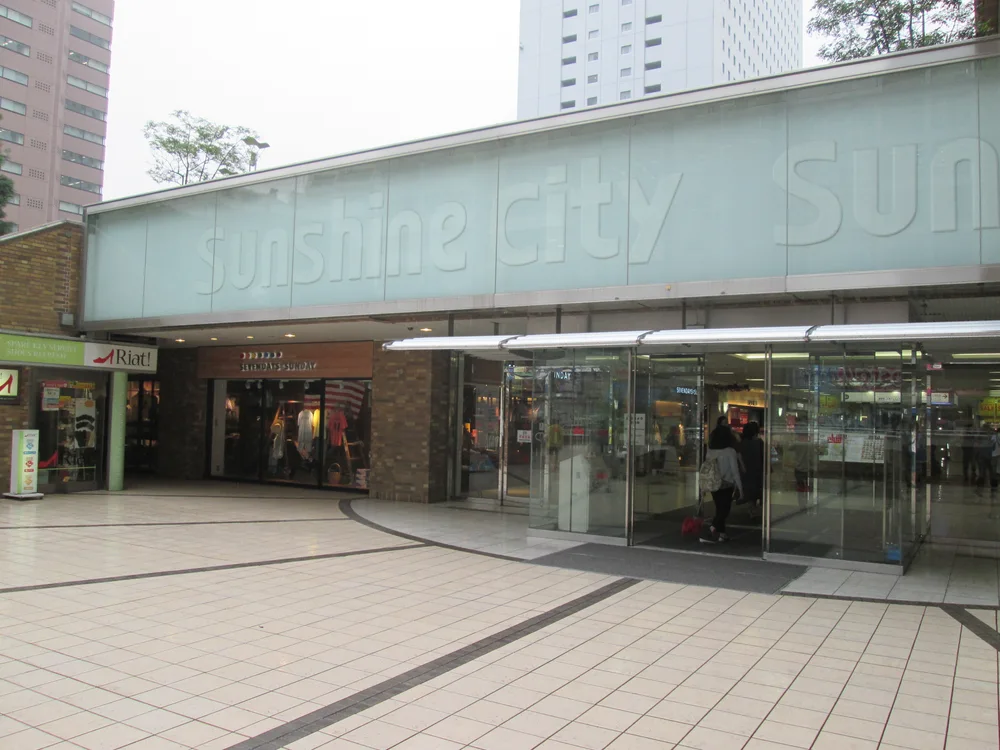
For one of the largest selections in Tokyo, visit Gashapon Department Store Ikebukuro Main Store on the 3rd floor of Sunshine City's World Import Mart Building. The official store page lists 3,220 machines and daily hours from 10:00 to 21:00. It is about a 3-minute walk from Higashi-Ikebukuro Station on the Tokyo Metro Yurakucho Line, or about an 8-minute walk from Ikebukuro Station on JR and other lines. If you are already heading to Sunshine City for the aquarium or dinner, tuck capsule-toy browsing into the same mall visit to skip extra train rides. For help planning the rest of the complex, see our Ikebukuro Sunshine City Family Attraction Guide.
Large specialty shops may mix coin-only cabinets with cashless electronic-payment units, so check each machine's payment interface before lining up. Decide in advance who gets to turn the crank and who holds the spare coins. Remind kids to hang onto their prize while an adult locates the "kapuseru kaishu" bin to recycle the empty plastic shells. Small stickers, keychains, and figurines pack easily into a day bag and give everyone something fun to show off at the dinner table.
Sushiro, Kura Sushi, and Hama Sushi: From Check-In Kiosk to Express Delivery
At the entrance, look for the call-number screen and check-in kiosk. Walk-in diners tap "uketsuke" (check-in) and enter their party size; if you booked ahead, choose the reservation check-in option instead. When the screen offers seating choices, select "teburu-seki" for a booth or table rather than "kaunta-seki" (counter seats). With a family of four carrying jackets and daypacks, a booth leaves room for shared plates in the center and gives kids a clear view of the delivery lane. Take the printed ticket when your number is called--you will need it for your table number and payment.
Once seated, look for the globe icon, "Language," or "Gengo" on the touchscreen and switch to English or your preferred language. Each device sets its language independently, so you will adjust the entrance kiosk, the table tablet, and any mobile ordering page separately. Sushiro's official Japan info lists English, Simplified Chinese, and Korean; Kura Sushi's mobile ordering page supports Traditional Chinese (accessed via the table QR code) alongside Japanese menus; and Hama Sushi's official materials list Chinese table ordering. Whenever a translation looks vague, match dishes by photo or keep three basics handy: "maguro" (tuna), "samon" (salmon), and "tamago" (sweet egg omelet).
Tapping a dish photo usually opens a confirmation screen for quantity or sending the order. Before a child hits the final submit button, check how many plates are queued and how many pieces come on each plate. If everyone wants tamago, start with just the plates you know you will finish. At Sushiro branches equipped with "Digiro" ("Dejiro"), a wide touchscreen runs right along the table showing sushi drifting across a virtual conveyor belt--tap the plates you want, then open the cart to send the order. Check Sushiro's rollout list online if you want to seek out a Digiro location.
After submitting an order, wait for the chime and screen alert. Kura Sushi sends orders down a dedicated upper express track, Hama Sushi uses high-speed straight lanes, and Sushiro uses dedicated delivery belts or trays. Keep hands off the belt while other tables' plates glide past, and wait until the screen announces your order and the tray comes to a full stop before lifting it off. Shinkansen-shaped delivery trains have appeared at several chains over the years, while at these three chains today you will mostly watch your own plates zoom straight to your booth. When a restaurant has both a regular rotating belt and an express order lane, check the table diagram to see which track brings your food.
Kids who prefer cooked items can stick to tamago, grilled fish, or udon noodles on the menu. Keep in mind that "aburi" only means lightly torched on the surface--if someone needs fully cooked seafood, choose items clearly labeled as cooked. Families managing food allergies should review each chain's online menu and allergen charts in advance, then verify items again on the table tablet before ordering. When ordering a hot bowl of noodles, move cold water cups out of the way so kids have space for chopsticks and sharing bowls.
Green tea powder, teacups, and the hot-water tap sit right along the table edge, so adults should always handle filling hot tea cups. Rest used chopsticks on your own plate, pour soy sauce into your small dish, and leave empty sushi plates stacked on the table (except at Kura Sushi's plate slot). Sushiro's dining guide also reminds guests never to place plates back onto the conveyor belt or lean against the track. If you want a short video of plates arriving at your booth, film just the stretch in front of your own table while kids take their plates as usual.
At Kura Sushi, slide empty sushi plates one by one into the slot built into the table edge. Every five plates triggers one round of the "Bikkura Pon!" screen game, and a winning animation drops a prize capsule down from the dispenser above. Let kids count five eligible plates on the table before feeding them into the slot. Ramen bowls, dessert cups, and chopstick wrappers stay on the table, and never reach a hand into the plate chute. Order your family's normal meal size rather than forcing extra plates just to play, and wait for the final game round to finish before tapping checkout.
If you are staying near Yokohama Station and want to see straight-lane delivery in action, Hama Sushi's Hamabowl Building branch makes an easy example to look up. Its store page explicitly lists both a "Straight Lane" (delivering ordered dishes directly to the table) and "Lane Order" (the touchscreen strip running above the track with scrolling dish photos). Located on the 7th floor of the Hamabowl Building in Kita-saiwai 2-chome, Nishi-ku, Yokohama, the branch also lists step-free seating and a multipurpose restroom.
When everyone is done eating, tap "kaikei" (checkout) on the table tablet--wait until your last dish has actually arrived and been eaten before tapping it. At Kura Sushi, the self-checkout prompt asks you to confirm your plate count, drop remaining eligible plates into the slot, and bring the checkout slip to a payment kiosk to scan the QR code. Other chains either send a staff member to count plates or direct you to a payment machine via the tablet. Gather phones, capsule toys, and light jackets from the booth, and keep your original entrance ticket handy until payment is complete. To skip waiting in line with hungry kids, check each chain's store locator or waitlist page to pick a nearby branch and reserve a booth before heading over.
Your bill reflects the exact items ordered at your table--colored plates, seasonal specials, hot soups, and desserts may carry different prices, so check rates on the tablet before tapping send. For a family's first conveyor-belt sushi dinner, start Round 1 with one or two familiar favorites for the kids plus a warm cooked dish to share, then add more once those arrive. It takes a second to tap on a tablet, and much longer to chew--pausing between rounds keeps the track clear enough for kids to hear the arrival chime meant for their own table.
| Chain | Signature Kid-Friendly Feature | Ordering & Delivery |
|---|---|---|
| Sushiro | Giant virtual-belt touchscreens at Digiro branches | Official Japan info lists English, Simplified Chinese, and Korean; delivered via dedicated belt or tray. |
| Kura Sushi | Sliding 5 plates into the table slot for a prize-capsule draw | Table tablet or QR-code mobile ordering (official mobile guide includes Traditional Chinese). |
| Hama Sushi | Watching ordered dishes arrive via high-speed straight lanes | Tabletop touchscreens; official multilingual materials list Chinese alongside photo menus. |
A few useful answers
How do you open a 1-2-3 Japanese triangle rice ball (onigiri)?
With the point facing up, pull tab 1 straight down across the bottom and up the back to split the outer wrapper. Hold the middle of the rice ball and slide tab 2 out to one side, then tab 3 out the other so the crisp seaweed wraps onto the rice.
Can you put a 7-Eleven Japan smoothie cup straight into the blender?
No--take the sealed frozen cup to the register and pay first. Then scan the barcode on the lid seal at the smoothie machine, peel off the film only after it scans, place the cup inside, and press start on the screen. Official guidance notes blending takes about 70 seconds.
How do red and blue labels work on Japanese vending machines?
Red or orange labels indicate hot drinks, and blue or light blue labels indicate cold drinks. Check the tag directly under each slot for "attakai" (hot) or "tsumetai" (cold).
What coins do you need for Japanese gachapon capsule-toy machines?
Most standard machines take 100-yen coins in the exact number shown on the front panel. Bandai's Premium Gashapon machines may use 500-yen coins, so follow the coin combination printed on each cabinet.
How do you switch a Japanese conveyor-belt sushi tablet to another language?
Tap Language, Gengo, or the globe icon on the table tablet and select your preferred language (such as English or Traditional Chinese, depending on the chain). Sushiro's official Japan info lists English, Simplified Chinese, and Korean, Kura Sushi's mobile-ordering guide lists Traditional Chinese, and Hama Sushi's official materials list Chinese alongside photo menus.
Do you win a capsule toy after every five plates at Kura Sushi?
Sliding 5 empty sushi plates into the table slot gives you one chance at the Bikkura Pon! screen game, and a capsule prize drops only when the animation shows a win. Keep noodle bowls, dessert cups, and trash on the table.
Official information and references
Sources used in this guide.
- 7-Eleven Japan: Hand-Rolled Onigiri Packaging & Opening Guide
- 7-Eleven Japan: Seven Cafe Smoothie Purchase & Machine Instructions
- Lawson: Fried Chicken, Sweets, and Visitor Services
- Lawson: Self-Checkout Guide
- 7-Eleven Japan: Semi-Self-Checkout Register (Staff Scan, Customer Pay)
- Lawson Uchi Cafe: 2026 Chestnut Desserts
- FamilyMart: Fried Foods and Hot Snacks
- FamilyMart: Famichiki and 2026 Paper Bag Update
- FamilyMart: Chukaman Steamed Buns
- FamilyMart: FAMIMARU Sweets Chilled Desserts
- FamilyMart: Shopping Bags & Food Labeling FAQ
- DyDo: Drink Vending Machine Hot/Cold Labels, Cash, and Contactless Payment Guide
- DyDo: Canned Corn Potage Product Details & Ingredients
- Ezaki Glico: 17 ICE Machine Locations
- Yo-Kai Express: Japan Ramen Vending Machine Locations
- ME Group Japan: Feed ME Orange Juice Machine & Location Finder
- Bandai Namco: Gashapon Department Store Ikebukuro Main Store
- Bandai: Premium Gashapon Coin Payment Guide
- Sushiro Japan: Multilingual Ordering & In-Store Dining Guide
- Sushiro Japan: Digiro Operation & Participating Locations
- Kura Sushi Japan: Entry, Express Delivery, 5-Plate Game & Checkout
- Kura Sushi Japan: Multilingual Mobile Ordering Guide
- Hama Sushi Japan: Touchscreen Ordering & High-Speed Express Lanes
- Zensho: Hama Sushi Multilingual Ordering Information
- Kappa Create: Shinkansen-Style Express Delivery Lanes
- Hama Sushi Japan: Yokohama Hamabowl Building Store Facilities & Location