Explore Japan's convenience stores, vending machines and conveyor-belt sushi with kids: unwrapping triangle onigiri, 7-Eleven smoothies, hot snacks, gashapon coins, and tablet ordering at Sushiro, Kura Sushi and Hama Sushi.
- Region & Focus
- Japan-wideFamily attractions
- Reading Scope
- 17 min read · 7 chapters · 6 Q&As
- Official Verification
- 26 official sources checkedUpdated 22 November 2026
- Key Topics
- First tripFoodTravel budget
Chapter Route Map (tap any stop)
- Start Near Your Hotel: Picking a Convenience Store for Breakfast
- Onigiri 1-2-3 and How the Smoothie QR Scanner Works
- Which Till Is Self-Checkout? Check the Signs Before Setting Down Your Basket
- Red Means Hot, Blue Means Cold: Check Beneath the Bottle First
- Hot Ramen and Freshly Squeezed Orange Juice at the Station: Where Is Worth a Stop?
- Ikebukuro's Gashapon Megastore: Bringing ¥100 Coins to the Machines
- Sushiro, Kura Sushi and Hama Sushi: From Ticket Machine to Express Track
- Quick Q&A
Pull down the plastic strip in the middle of a triangle rice ball, slide out the film from both sides, and the crisp nori wraps neatly around the rice. Nearby, a machine blends frozen fruit in a cup into a fresh smoothie, and at dinner, plates of sushi glide straight to your table along a dedicated track. On a family trip to Japan, you do not need to go out of your way for these everyday highlights—simply weave them into the routes you are already walking. Start at a convenience store near your hotel, spot an intriguing vending machine between trains, and pick a conveyor-belt sushi spot with booth seating for dinner. Let the children choose, tap the buttons and watch the show, while the adults handle hot cups, payment and order quantities. If you want to browse capsule toys properly, set aside a dedicated hour at a shopping complex.
Start Near Your Hotel: Picking a Convenience Store for Breakfast
Look for "konbini" on the map to find a convenience store. Japan's 7-Eleven stores display orange, green and red stripes, Lawson hangs a blue milk-can sign, and FamilyMart uses green and blue stripes. Before heading out, help your children memorise one logo. On the walk back, they can point the way from the station exit or hotel entrance when you are picking up the next morning's breakfast. That stop is especially handy when markets and cafes are still closed and the whole family has an early train to catch.
To watch frozen fruit turn into a drink right in front of you, visit a 7-Eleven stocked with Seven Cafe Smoothie machines. When everyone is peckish, FamilyMart's Famichiki and Lawson's Karaage-kun offer two different ways to snack. Famichiki is a whole piece of boneless fried chicken served in a paper sleeve—tear off the top half along the perforated line and hold the bottom half. Karaage-kun comes as bite-sized chicken nuggets in a small box, making it easy to lift one piece onto a napkin. At Lawson, plain flavour is labelled "Regular" and spicy is "Red".
If there is a steaming glass cabinet beside the till, look for "chukaman" on the labels—steamed buns filled with savoury or sweet fillings. For a classic pork bun, ask for "nikuman", while "pizzaman" hides melted cheese and tomato sauce inside, which kids often like testing for a cheese pull. When ordering, point at the display sign and say "kore o hitotsu" (one of these, please). Carry the bun to somewhere you can pause, break open a small vent to let the steam escape, and peel off the paper square stuck to the base.
Chilled desserts and ice cream live in separate sections. Lawson's Uchi Cafe chilled cabinet stocks fresh cream roll cakes, while FamilyMart's FAMIMARU Sweets range includes souffle puddings and slow-baked custard puddings. Look for "purin" for pudding, and head to the freezer chests for "aisu" (ice cream and lollies). In autumn, keep an eye out for chestnut, pumpkin and sweet potato flavours, marked as "kuri", "kabocha" and "satsumaimo" on the packaging. In autumn 2026, Lawson released seasonal chestnut desserts, and FamilyMart's dessert line-up featured a chestnut Mont Blanc crepe. If you enjoy hunting down limited editions, browse each chain's product pages under new arrivals or regional specials.
While scanning the shelves for a group breakfast, decide early whether you are eating on the move or taking food back to the hotel room. Ahead of an early train, stick to rice balls, bakery buns and screw-cap bottles that travel cleanly in a bag. Puddings need spoons, hot noodle cups require somewhere to sit, and frozen treats must survive the walk back to your room. Ask the children to check whether a spoon is tucked next to their pudding, and if not, ask at the till with "supun o kudasai" (a spoon, please). If your hotel does not include breakfast, buying just enough for that morning makes sharing far simpler than stocking up for two meals at once.
For filled items, use the front photo to narrow down flavours, then flip the packet over to check the ingredients list ("genzairyomei"). A label saying salmon or chicken tells you the main filling, but marinades and seasonings can contain extra allergens. Families managing dietary restrictions should save key ingredients to avoid as short Japanese notes, check them beside the shelf, and only then head to the till. Once ten options are on the table, ask your child to pick two finalists so the decision stays at the shelf rather than the queue.
| Chain | Where to Look First | Best For |
|---|---|---|
| 7-Eleven | Hand-rolled onigiri shelves, frozen smoothie cups and blending machine | Grab-and-go early breakfasts or taking a few minutes for a fresh smoothie |
| Lawson | Countertop Karaage-kun and Uchi Cafe chilled cabinet | Sharing a box of chicken nuggets and a chilled dessert in the afternoon |
| FamilyMart | Famichiki hot counter, chukaman steamer and pudding shelves | Picking up a hot piece of fried chicken or desserts to take back to the hotel |
Explore Japan's convenience stores, vending machines and conveyor-belt sushi with kids: unwrapping triangle onigiri, 7-Eleven smoothies, hot snacks, gashapon coins, and tablet ordering at Sushiro, Kura Sushi and Hama Sushi.
Onigiri 1-2-3 and How the Smoothie QR Scanner Works
To unwrap a crisp sheet of seaweed, look for the number "1" at the top point of the triangle. Some triangle rice balls use simpler wrapping where the nori already hugs the rice and only a single tear strip holds the bag shut. When you have a hand-rolled "temaki" onigiri with three numbered tabs, hold the triangle point-up, pull tab "1" straight down the centre line, underneath the base and up the back. Pull all the way so the outer film splits cleanly down both sides. Cup your palm under the bottom so you do not snap the rice triangle in half.
Next, pinch the middle of the rice ball gently with one hand and pull tab "2" straight out sideways, followed by tab "3". If the seaweed catches, loosen your grip slightly and ease the inner film the rest of the way out. Once both inner sheets are gone, the nori settles onto the rice so the first bite stays crisp. If half a sheet clings to the plastic, simply unfold it and press it back onto the rice. For a child's first try, unwrap it over a bag or napkin to catch any stray grains.
The labels along the onigiri shelf double as a handy mini-dictionary. "Tsuna-mayo" is tuna mayonnaise, salmon appears as "shake", and kelp is "kombu". "Ume" means tart pickled plum, while "karashi mentaiko" is spicy seasoned cod roe. If someone prefers a softer texture, look for styles where the seaweed is already wrapped onto the rice, or mixed-rice balls without an outer sheet. To compare two fillings, start by having adults and children each choose one to share, noting down the names for next time so you do not have to rely on photos.
Over by the freezer doors, look for rows of transparent cups filled with frozen fruit and ice cubes. Pick one marked "Smoothie", keep the lid film intact, and pay for it at the till first. After paying, take the cup to the dedicated smoothie machine and scan the barcode on the top seal—only peel off the film once the screen confirms it has scanned. Wait for the machine to recognise the flavour, place the cup inside, close the door and tap Start on the touchscreen. 7-Eleven's official guide lists the blending cycle at around 70 seconds, so allow a little extra time if there is a queue at the till or someone ahead of you at the machine.
To find crowd-pleasing flavours, the official product pages list options in both Japanese and English. Strawberry Milk blends strawberries with milk, while Fruit Mix combines banana, citrus and other fruits and may also include dairy ingredients. Once you have chosen a flavour, scroll down to check the allergen icons for each cup. To locate a participating branch ahead of time, use the store-finder search on the official smoothie page, enter your neighbourhood and filter for stores with smoothie machines.
While waiting, children can watch the frozen fruit cubes whirr into a smooth drink behind the glass. Once the screen reads complete, pull open the door, take your cup and grab a lid or straw from the side dispenser if needed. If everyone wants their own cup, blend the shared family flavour first, then step aside for the next customer before starting the next round. When two cup colours look similar, double-check the label on the side before scanning. If someone accidentally peels and bins the seal before scanning, ask a member of staff for help rather than scanning another cup's barcode.
When you are rushing to catch a train, save the smoothie for the return journey. Before an early Shinkansen departure, two adults can split up: one helps the children pick rice balls while the other checks whether a smoothie machine is available and queue-free. If time is tight, grab bottled drinks instead and leave the smoothie for later. Keep unchosen cups inside the freezer until you have made up your mind, then take them straight to the till.
Which Till Is Self-Checkout? Check the Signs Before Setting Down Your Basket
Japanese convenience stores use two checkout styles that are easy to confuse at first glance. At a semi-self-checkout—which 7-Eleven calls "okaikei self-regi"—a cashier stands behind the counter and scans your items, while you insert cash or tap a card at the payment kiosk in front of you. At a full self-checkout ("self-regi"), you scan every barcode yourself and confirm the item count. For a child's first practice run, pick a quiet stop when you are only buying rice balls, bottled water and a snack. An adult holds the cash or card while the child scans each item, listens for the beep and checks the screen before scanning the next one.
Lawson's official guide has you select your payment method first before scanning items one by one. If you brought your own tote, skip the carrier-bag prompt and pack everything once payment goes through. FamilyMart's self-checkout instructions note that if you want a plastic bag, you scan the barcode on the bag itself. When buying two identical rice balls, either scan both or adjust the quantity on screen. Move scanned items to one side of the counter so nothing gets mixed up. Finally, check that the item count on screen matches what is in your hand, complete the payment and take your receipt.
For fried chicken from the hot case or steamed buns, order at a staffed till so the clerk can see which label you are pointing to and ring up the rest of your basket in one go. Chilled bento boxes that need reheating also go to a staffed counter—point at the box and say "atatamete kudasai" (please heat this up). If the cashier asks "fukuro wa goriyou desu ka?" (would you like a bag?) and you already have one, reply "fukuro wa irimasen" (no bag, thanks). The bag question and payment prompt usually come back-to-back, so children can practise one short phrase beforehand and handle just that line at the counter.
If you carry a transit IC card, look for the transit electronic money symbol on the kiosk screen and tap your card when prompted. If the balance is lower than your total, pause to see whether you can switch payment methods, or ask the staff for help if you are unsure. Want to pay with banknotes? Check that "Cash" appears on that terminal first—if not, join the staffed queue next door. To keep hot food separate from chilled desserts, open two reusable bags flat on the counter before paying so you are not juggling open bags and loose change at the same time.
Planning a capsule-toy stop at the next station? Drop any ¥100 coins from your cash change into a dedicated pouch. Keeping meal money, train top-ups and gashapon coins in separate pockets lets children count how many turns they have left. International credit cards brought from home, mobile contactless payments and transit IC cards each have their own icon on the screen. If you are setting up a card for the first time or working out how much balance to load, plan ahead with our Japan Suica card guide.
Red Means Hot, Blue Means Cold: Check Beneath the Bottle First
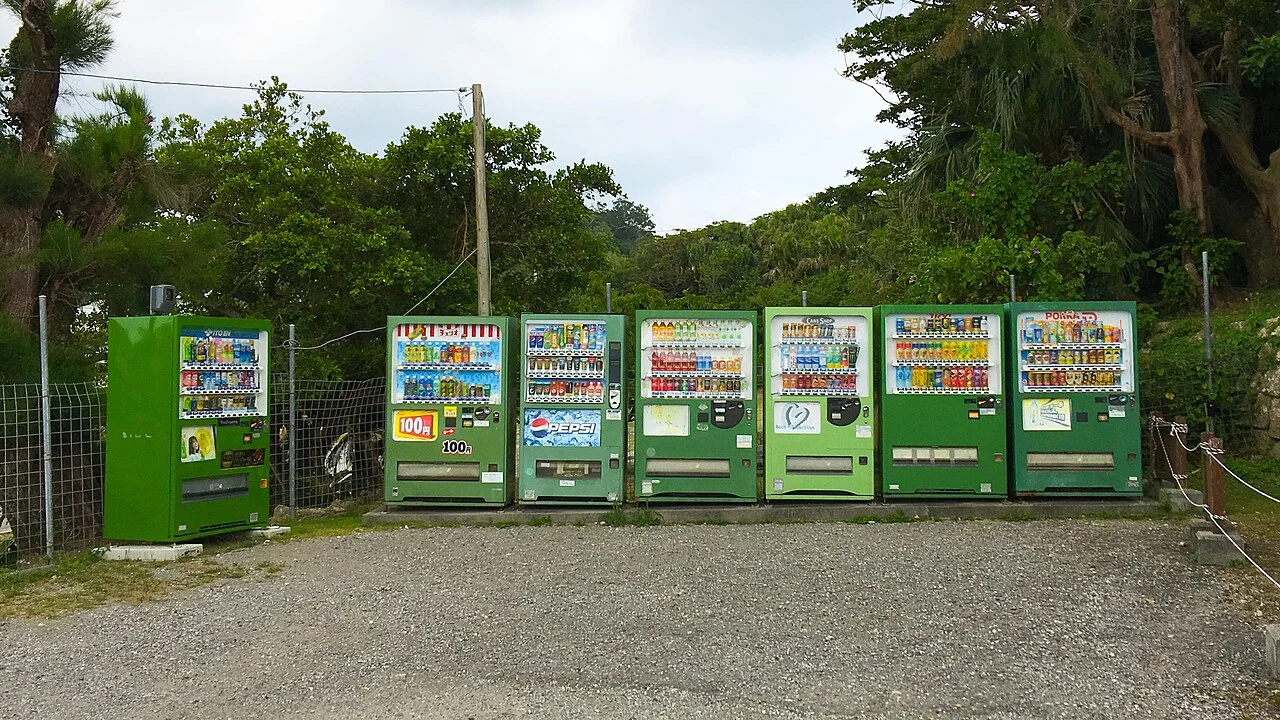
The exact same canned coffee can appear on two shelves inside one vending machine—one labelled "attakai" (hot) and the other "tsumetai" (cold). Always check the label directly underneath each display slot rather than guessing from the colour of the tin. DyDo's English vending guide uses red or orange labels for hot drinks and blue or light blue for cold ones. In winter, if a child points at the yellow tin next to the canned coffee, check the product name underneath: "Corn Potage" is piping-hot sweetcorn soup.
When buying hot soup, set the tin aside first and test how warm the metal feels. Let an adult rest the can on a flat surface to pop the ring-pull tab. If the recipe includes whole sweetcorn kernels, give the tin a gentle swirl as you drink so the kernels at the bottom do not get left behind. DyDo lists a rich corn potage on its product page; if you spot that label inside a machine, check the coloured tag underneath to make sure you are pressing the hot slot. If a light reads "Preparing", choose a different slot while that one finishes warming up.
Buying a drink works nicely as a simple two-person routine. The child reads the price below the bottle while an adult checks the payment slot; insert coins, press the button, watch the drink drop into the chute below and collect any change. When tapping an IC card, remember that payment sequences vary by machine and are illustrated on the front panel. On DyDo machines, you select the drink first and then tap your card—wait for the chime or confirmation message before reaching into the tray. If siblings both want a turn, treat them as two separate purchases so the first child takes their drink and change before the next steps up.
For ice cream vending machines, look for Ezaki Glico's "17 ICE" branding. According to the brand, these machines are commonly placed at bathhouses, amusement arcades, sightseeing spots and swimming schools, so keep an eye out when visiting those places. You pick flavours from illustrated panels on the front, letting kids choose between a wafer cone or an ice lolly in flavours such as matcha, grape or cookies and cream. Find somewhere nearby to sit before tearing open the wrapper. If you are queueing for a train, leave the ice cream in the machine for another stop when you have time to sit down.
If you pass through Shizuoka Station and want to see a novelty machine, head toward the ASTY Shizuoka East Wing entrance. DyDo designed a "Model Capital" themed machine there that stocks miniature toy cars alongside drinks. Check the sample display and price in each slot before paying, and keep an eye on the dispenser flap to see what drops down. Because you can pick the exact item on display, families looking for a small toy car souvenir can use it instead of tracking down multiple toy shops in town.
When confronted by a whole bank of machines at a train station, read the overhead signs first. Ticket machines are marked for tickets, fare-adjustment machines handle IC card top-ups, and only drinks machines carry the vending machine sign. After buying water on a platform, step well back from the track edge and keep pushchairs and luggage clear of passing commuters. Carry empty bottles out of the station in your bag until you pass a recycling bin marked for PET bottles or cans. Capsule shells and onigiri wrappers each go in their own bins too.
You do not need to hunt down a special machine to get started. For a child's first solo purchase, any ordinary street-corner drinks machine offers three satisfying moments: inserting coins, watching the buttons light up, and hearing the bottle thud into the tray. Once two cold drinks have sparked their curiosity, switch to hot soup or a 17 ICE machine at the next stop and ask them which treats drop straight down and which take a moment to dispense. Learning to read the hot/cold labels and payment icons below the buttons works on every street in Japan.
| Label or Brand | What You Get | Where to Check Before Pressing |
|---|---|---|
| Attakai / Tsumetai | Hot canned drink / cold drink | Temperature tag and price directly below the product |
| Corn Potage | Hot canned sweetcorn soup | Hot or cold label directly beneath that exact tin |
| 17 ICE | Ice cream cones, lollies and frozen treats | Flavour photos, sold-out lights and payment icons |
| Yo-Kai Express | Freshly heated bowl of ramen | Screen menu, pickup bay and operating status |
| Feed ME Orange | Freshly squeezed orange juice | Stock status, cup supply and pickup prompt |
Hot Ramen and Freshly Squeezed Orange Juice at the Station: Where Is Worth a Stop?
If you want to watch a vending machine prepare a proper meal, Yo-Kai Express feels closer to a tiny automated kitchen than a drinks dispenser. Choose your broth on screen, wait while the machine heats the bowl, and lift out a piping-hot ramen from the collection bay. The operator's Japan location list includes the Shinkansen concourse on the 3rd basement floor (B3) of JR Ueno Station, making it convenient for travellers already boarding bullet trains there. Note that if you are walking back from Ueno Park to catch standard JR trains or the underground, B3 is inside the Shinkansen zone rather than the general station concourse. Travellers flying into or out of Haneda Airport Terminal 2 can also find a unit in the vending restaurant corner at the north end of the 1st floor (1F).
It is far easier to plan a ramen machine stop when you have somewhere to sit and eat, rather than squeezing it in right before passing through ticket barriers. Check the flavours, prices and accepted payment icons on the touchscreen, and factor in cooking time, grabbing chopsticks and finding a seat. Let an adult lift the hot bowl with both hands while the children collect utensils and watch the pickup window. If two people both want ramen, wait for the first bowl to finish before bringing a child back to pick the second broth. For trips around Ueno Zoo or the museums where you would rather sit down to a proper dinner afterwards, browse our Ueno food and dining guide.
With the orange juice machines, the glass window is half the fun. According to Feed ME Orange, each cup uses three to four whole oranges, which the machine slices, presses and pours in around 40 seconds. Children love counting the oranges as they tumble down the chute and watching the empty cup fill up. Check the branding on the front before ordering—Feed ME also operates apple juice machines in very similar cabinets. To slot one into your route, use the location finder on the operator's website and search by station or shopping centre to see exactly which building and wing holds the machine.
When travelling through major stations with luggage, verify two details on the map beforehand. A station name covers a wide footprint, and Shinkansen ticket gates often sit on a different floor from shopping-centre walkways, with outbound and return journeys sometimes using different exits. If the juice machine finder places a unit inside a shopping mall, check the connecting floor first and then look up the nearest shop name. Yo-Kai's location page lists exact floors—such as Ueno's Shinkansen concourse—so if you are buying a bowl for someone travelling with you, follow your ticketed concourse path to save unnecessary walking.
Treat these two machines like a hot meal and a fresh drink when budgeting your time. Balancing a full bowl of hot broth and hunting down seats for two children is not necessarily faster than stepping into a casual restaurant. Juice takes less time to dispense, though a brim-full cup still needs steady hands, making it best suited to a shopping-centre stroll where you can stand still for a minute. If everyone just wants to watch the pressing mechanism in action, buy a single cup to share.
When a train departure is approaching, check the station floor map for gates and levels so you know whether visiting a machine means passing through a ticket barrier. At Haneda Airport, double-check your departure terminal as well: the Terminal 2 machine sits on the arrivals level, so if you have already cleared security, stick to food options inside the departure lounge. Remember too that ordinary station vending machines sometimes sell small cans labelled "ramen soup"—if you want actual noodles, look for a full ramen machine showing photos of complete bowls.
Ikebukuro's Gashapon Megastore: Bringing ¥100 Coins to the Machines
Capsule-toy machines are commonly called "Gashapon" or "Gachagacha" in Japan. Walk into a dedicated flagship store and walls of clear cubes stack floor to ceiling, with bottom rows positioned right at a child's eye level. Start by checking the main display card behind each clear window, which shows every figure or charm in that series. If your child only wants one specific character out of the set, hold onto your coins and keep browsing. Machines where they like most of the line-up make for much happier turns, since any capsule that drops out will feel like a win.
Most coin-operated machines run on ¥100 coins, with panels marked "¥100 x 3" or "¥100 x 4". Insert the exact coin denomination and count shown—other coins that add up to the same value will simply drop straight back out. Bandai's Premium Gashapon machines also include ¥500 models, so check the instructions on each unit before feeding coins in. Keep your gashapon budget in a small zip pouch for easy access. If you run low on coins, look for a change machine marked "ryogae" and check which banknotes it accepts and what coins it dispenses before swapping your cash.
Once the coins are in, grip the dial, twist firmly in the direction of the arrow until it stops, and listen for the capsule to clatter into the tray below. If the dial feels stiff before a full turn, see if it turns smoothly a fraction further in the same direction. If a capsule jams or fails to drop, note the machine number and how much you inserted and ask a member of staff for help. The flap over the pickup chute usually pushes inwards and upwards—younger children often try pulling it outwards from the bottom, so show them how it opens first. Step away from the machine to pop open your capsule so the next person in the queue can step up.
When a child sets their heart on one character, it is tempting to keep feeding coins into the same machine. Agree on a clear limit before walking in—say one or two turns each, with any leftover pocket money saved for a snack later. Walk down an entire aisle before choosing, and if you spot a "sold out" sign on an empty unit, steer straight toward the neighbouring row. Siblings can wait until they are back at the hotel to open and swap capsules together. If a toy comes with tiny parts and an instruction leaflet, tuck everything back inside the capsule shell until you are back in your room.
Before visiting the Ikebukuro flagship store, you can preview current stock on its official store page. For example, on 22 November 2026, the listing included a "JR Working Trains Colourful Multi-Charm" priced at ¥300, though train keyrings and neighbouring figure sets vary in price. If a parent and child both plan to spin once, count out two matching sets of coins ahead of time. When you spot a series you love, note which aisle it sits in and check your coin pouch before committing.
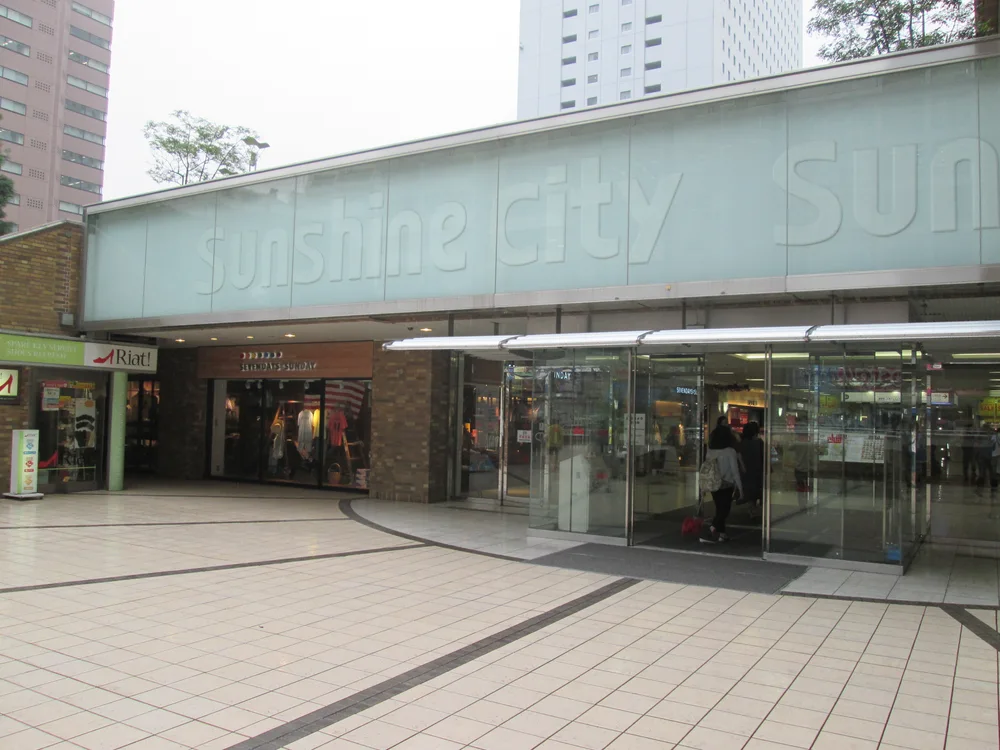
For the widest selection under one roof in Tokyo, head to the 3rd floor of Sunshine City's World Import Mart Building for the Gashapon Department Store Ikebukuro Main Store. The official store page lists 3,220 machines, open daily from 10:00 to 21:00. It is about a 3-minute walk from Higashi-Ikebukuro Station on the Tokyo Metro Yurakucho Line, or around 8 minutes on foot from Ikebukuro Station on JR and other lines. If you are already heading to Sunshine City for the aquarium or dinner, slotting capsule toys into the same visit saves an extra journey across town. See our Ikebukuro Sunshine City family attraction choices to plan which floors to combine.
Large halls often mix traditional coin-only units with cashless machines that accept IC cards or QR payments, so check the panel on whichever unit you pick. In the queue, decide who is turning the dial and who is holding the spare coins. Remind children to keep a firm grip on their prize while an adult finds the designated capsule recycling bin for the empty plastic shells. Stickers, keyrings and mini figures slip easily into a day bag and make fun table talk when everyone sits down for dinner.
Sushiro, Kura Sushi and Hama Sushi: From Ticket Machine to Express Track
At the restaurant entrance, look for the call-number screen and the check-in kiosk. Walk-in diners tap check-in and enter the party size; if you booked ahead, choose the reservation check-in option. When the screen asks for seating preference, pick a table booth rather than counter seats. For a family of four carrying coats and daypacks, booth seating leaves room to stack plates in the middle and gives children a clear view of the delivery track. Once your number is called, keep the paper ticket—you will need it to find your table number and settle the bill.
At your table, ask the children to spot the globe icon or the "Language" button on the screen and switch it into a language you can read comfortably. Each device sets its language independently—the entrance kiosk, the table tablet and mobile ordering pages all need to be switched separately. Sushiro's official Japanese guide lists English, Simplified Chinese and Korean on its in-store menus. Kura Sushi's mobile ordering page supports multiple languages via the QR code on your table, and Hama Sushi provides multilingual table ordering as well. Even if a dish name looks unfamiliar, you can always rely on the photos—and remember a few staples: "maguro" (tuna), "salmon" and "tamago" (sweet omelette).
Tapping a dish photo usually opens a confirmation screen showing quantity before sending the order to the kitchen. Before a child hits the final submit button, double-check the portion count and how many pieces come on each plate. If everyone fancies tamago, start with just the plates you know you will finish. At selected Sushiro branches equipped with "Digiro", an extra-wide touchscreen runs right beside the booth showing sushi scrolling past like a virtual belt—tap the dishes you want, then open the basket to send the order. Check Sushiro's official rollout list if you want to seek out a Digiro branch.
Once an order goes through, listen for the chime and watch the screen alert. Kura Sushi uses a dedicated express lane for orders, Hama Sushi runs a high-speed straight lane, and Sushiro delivers ordered plates on a dedicated belt or tray. Keep hands back on the table as plates glide past toward other booths; wait until the tablet announces your order and the plate comes to a complete stop before lifting it off. Shinkansen-shaped express trays once appeared at several chains, and today all three brands send ordered dishes straight to your seat along dedicated tracks. If your booth has both a standard rotating belt and an express lane, check the table diagram to see which track brings your orders.
Children who prefer cooked food can look for tamago, grilled fish or bowls of udon noodles on the menu. Note that "aburi" only means the surface has been lightly seared with a blowtorch, so choose clearly cooked dishes if someone wants no raw fish at all. Families managing allergies should check each chain's online menu and allergen chart beforehand, then verify items on the table tablet. When ordering hot noodle soup, clear cold water glasses out of the way so children have room to handle chopsticks and share broth safely.
Powdered green tea, teacups and the hot-water tap are usually built into the table ledge, so adults should handle pouring boiling water. Rest used chopsticks on your own dish, pour soy sauce into your small saucer, and keep every finished plate on the table. Sushiro's dining guidelines specifically remind guests never to put a plate back onto the belt or lean against the track edge. If you want a short video of sushi arriving on the express lane, film the stretch right in front of your own booth while letting the children lift their own plates.
At Kura Sushi, finished sushi plates slide one by one into the slot built into the table edge. Every five plates triggers a round of the "Bikkura Pon!" capsule game on screen—if the animation shows a win, a prize capsule drops down from the dispenser above. Let the children count out five empty sushi plates on the table before feeding them into the slot in sequence. Ramen bowls, dessert cups and chopstick wrappers stay on the table, and hands should never reach down the chute after a plate. Order what your family normally eats rather than forcing extra plates, then wait for the final five-plate animation to finish before tapping to pay.
If you are near Yokohama Station and want to see high-speed express delivery in action, Hama Sushi's Yokohama Hamabowl Building branch makes a helpful reference point. The branch listing distinguishes between its "Straight Lane"—the track that delivers food directly to your table—and "Lane Order", the long touchscreen running above the track where dish photos glide past. Located on the 7th floor in Kitasaiwai 2-chome, Nishi-ku, Yokohama, the branch also lists step-free seating and an accessible multi-purpose toilet.
When everyone has finished eating, tap the bill or checkout button on your table screen—just make sure the final ordered dish has arrived and been eaten first. Kura Sushi's self-checkout prompts you to confirm your plate count and slot in any remaining plates before taking your check-in slip to scan its QR code at the payment kiosk. At the other chains, follow the tablet instructions either to call a server or head straight to the self-pay machines. Gather phones, capsule prizes and light jackets off the table, and keep your entrance slip handy until payment is complete. To avoid queueing outside with hungry kids, check each brand's store finder or waitlist page for nearby branches and booth availability before you walk over.
Your bill reflects the exact items ordered by your table. Coloured plates, seasonal specials, hot soups and desserts carry different prices, so scan the prices on the tablet before tapping through. On a family's first conveyor-belt sushi dinner, order one or two familiar plates for the children alongside cooked dishes to share in the first round, then add more once everything arrives. Tablets make it tempting to tap rapidly while everyone is still chewing—pausing slightly lets the express track clear so the children can hear the chime announcing their own plates.
| Chain | Signature Feature to Try | Ordering and Delivery |
|---|---|---|
| Sushiro | Try the giant touchscreen virtual belt at Digiro-equipped branches | Official site lists English, Simplified Chinese and Korean; dishes arrive via dedicated lane or tray. |
| Kura Sushi | Slot five empty sushi plates into the table chute to play the capsule game | Order via table tablet or QR code on your phone; multilingual mobile ordering supported. |
| Hama Sushi | Watch ordered plates zip straight to your booth on the express track | Tabletop touchscreen ordering with multilingual support listed in official guides. |
A few useful answers
How do you open a 1-2-3 triangle onigiri in Japan?
Hold a numbered hand-rolled onigiri point-up and pull tab 1 straight down the centre, under the base and up the back. Then hold the middle gently and slide tab 2 out sideways, followed by tab 3. Removing the inner sheets wraps the crisp seaweed directly onto the rice.
Can you put a 7-Eleven smoothie cup straight into the blender?
No—take the frozen smoothie cup to the till and pay first, keeping the lid seal intact. Then scan the barcode on the seal at the smoothie machine, peel off the film only after it scans, place the cup inside and press Start. According to 7-Eleven's guide, blending takes around 70 seconds.
What do the red and blue labels on Japanese vending machines mean?
Red or orange tags mark hot drinks ("attakai"), while blue or light blue tags mark cold drinks ("tsumetai"). Always check the coloured label directly underneath each bottle or tin rather than relying on the packaging colour.
Which coins do you need for Japanese gashapon capsule-toy machines?
Most standard machines take ¥100 coins in the exact number shown on the front panel. Bandai's Premium Gashapon machines also include models that accept ¥500 coins, so check the coin slot instructions on each individual machine.
How do you change the tablet language at Japanese conveyor-belt sushi restaurants?
Tap "Language" or the globe icon on the tabletop screen and select English or your preferred language. Sushiro's official guide lists English, Simplified Chinese and Korean, while Kura Sushi's QR mobile ordering and Hama Sushi's tabletop screens also provide multilingual menus.
Do you win a capsule toy every five plates at Kura Sushi?
Sliding five empty sushi plates into the table chute gives you one spin on the Bikkura Pon! screen game, and a prize capsule drops only when the animation shows a win. Noodle bowls, dessert cups and wrappers stay on the table.
Official information and references
Sources used in this guide.
- 7-Eleven Japan: Hand-Rolled Onigiri Packaging and Unwrapping Guide
- 7-Eleven Japan: Seven Cafe Smoothie Purchase and Machine Instructions
- Lawson: Fried Chicken, Desserts and Traveller Services
- Lawson: Self-Checkout Guide
- 7-Eleven Japan: Semi-Self-Checkout Registers (Staff Scan, Customer Pay)
- Lawson Uchi Cafe: Autumn 2026 Chestnut Desserts
- FamilyMart: Fried Foods and Hot Counter Items
- FamilyMart: Famichiki and 2026 Paper Bag Packaging Update
- FamilyMart: Steamed Buns (Chukaman)
- FamilyMart: FAMIMARU Sweets Chilled Desserts
- FamilyMart: Shopping Bags and Food Labelling FAQ
- DyDo: Vending Machine Hot/Cold Labels, Cash and Contactless Payment Guide
- DyDo: Canned Corn Potage Product Details and Ingredients
- Ezaki Glico: 17 ICE Vending Machine Locations
- Yo-Kai Express: Japan Ramen Vending Machine Locations
- ME Group Japan: Feed ME Orange Juice Machine and Location Finder
- Bandai Namco: Gashapon Department Store Ikebukuro Main Store
- Bandai: Premium Gashapon Coin Payment Instructions
- Sushiro Japan: Multilingual Ordering and In-Store Dining Guide
- Sushiro Japan: Digiro Touchscreen Guide and Participating Branches
- Kura Sushi Japan: Check-In, Express Delivery, Five-Plate Game and Checkout
- Kura Sushi Japan: Multilingual Mobile Ordering Guide
- Hama Sushi Japan: Touchscreen Ordering and High-Speed Express Lane
- Zensho: Hama Sushi Multilingual Ordering Information
- Kappa Create: Shinkansen-Themed Express Delivery Track
- Hama Sushi Japan: Yokohama Hamabowl Building Branch Facilities and Location