Choose Todo, two areas or all three at Hieizan Enryakuji. Plan around 2026 Konpon Chudo restoration, the Eternal Light at Manpaido, Sakamoto and Yase access, seasonal buses and transport passes, with dated routes and family admission costs.
- Region & Focus
- Otsu and Lake Biwa
- Reading Scope
- 32 min read · 15 chapters · 7 Q&As
- Official Verification
- 20 official sources checkedUpdated November 9, 2026
Chapter Route Map (tap any stop)
- Choose Todo, two areas or all three before buying transport
- During Konpon Chudo restoration, visit the Eternal Light at Manpaido in 2026
- Via Sakamoto: fewer transfers, with Todo first on the mountain
- Via Yase: train, funicular, ropeway, then a bus
- Direct buses from Kyoto: get off at Enryakuji Bus Center before the summit
- In Todo, keep Manpaido and Daikodo first, then choose Amidado
- Budget separately for the Treasure Hall, and use children's school levels
- Saito centers on Shakado; view the two training halls from outside
- Give Yokawa its own stop; do not squeeze a 90-minute trail into a three-area day
- Read mountain bus destinations: Todo shuttles do not go to Yokawa
- Compare transport passes by both gateways, then add temple admission
- Rest in Todo; individual travelers should not plan around a group-only Buddhist lunch
- Follow the goshuin issue points and allow different stops for companions
- A relaxed Sakamoto return for two areas: October 30, 2026
- Three areas from Yase to Sakamoto: fix the Yokawa return bus first
- Quick Q&A
Choose your worship route first: keep a half-day to Todo, or allow a relaxed full day for Todo and Saito. For all three areas, select both buses to and from Yokawa before choosing Sakamoto or Yase for mountain access. In 2026, Konpon Chudo’s interior is closed, the Eternal Light is at Manpaido, and the restoration viewing platform is open through November.
Choose Todo, two areas or all three before buying transport
For a first visit to Hieizan, plan a day for Todo and Saito. With only half a day, stay in Todo. Todo contains Manpaido, Daikodo, the National Treasure Hall and the Konpon Chudo restoration site. Saito adds Shakado and the two connected Ninaido halls. To include Yokawa, go up in the morning and write both mountain bus journeys into your plan. Enryakuji is in Otsu, Shiga Prefecture; Kyoto is one gateway. Even after coming from central Kyoto and reaching the summit, you still have travel within the mountain.
The temple's grounds overview gives visit times starting at one hour for Todo and 40 minutes each for Saito and Yokawa. That is already two hours and 20 minutes, before ascent, travel between areas, waiting, lunch and walking back to a station. The minimum at each suits visitors who have chosen their halls and whose connections run smoothly. Add time directly if you like architectural details, reading signs or collecting goshuin temple stamps.
The combined three-area admission lets you enter all three, but choose your route by interest. If your priority is the Eternal Light and Konpon Chudo restoration, spend more time in Todo. Add Saito's Shakado for Buddhist architecture. Yokawa's distinctive platform-style main hall and Gansan Daishi traditions deserve a full block of time. If you reach Todo in the afternoon, leave Yokawa for another trip rather than reducing every stop to a photograph.
An early-summer pilgrimage film from Enryakuji’s official channel, to accompany comparisons of Todo, Saito and Yokawa itineraries.
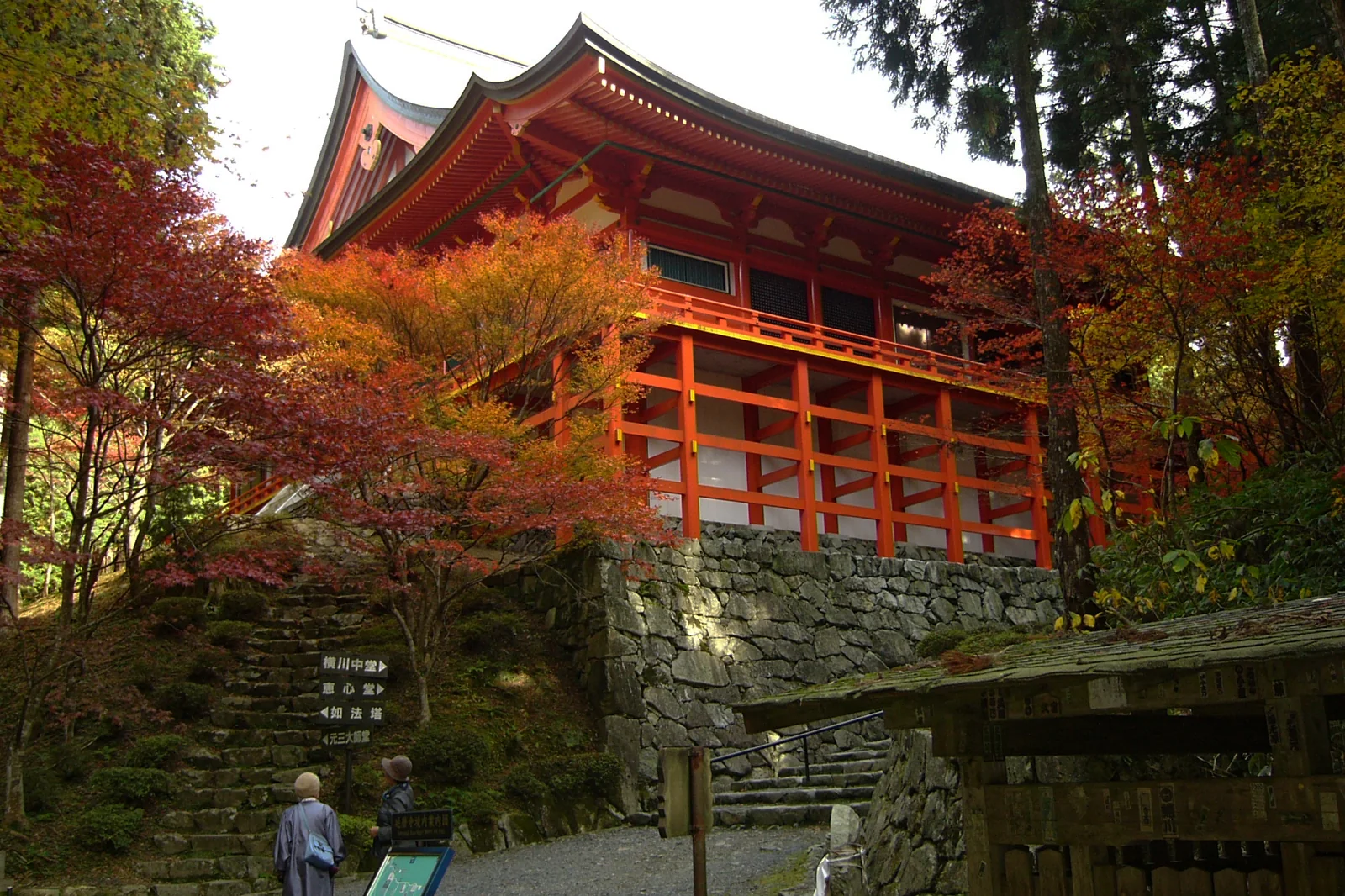
Choose Todo, two areas or all three at Hieizan Enryakuji. Plan around 2026 Konpon Chudo restoration, the Eternal Light at Manpaido, Sakamoto and Yase access, seasonal buses and transport passes, with dated routes and family admission costs.
During Konpon Chudo restoration, visit the Eternal Light at Manpaido in 2026
The first route change for a 2026 visit concerns Konpon Chudo. The temple's October 22 notice says its 15-year major restoration began in 2016 and its interior closed from January 2026 for about two years. Its status as Enryakuji's main hall remains the same, but Manpaido is now a key stop. Looking for the light only after reaching Konpon Chudo can mean an unnecessary detour.
Since January 8, 2026, a substitute worship image of Yakushi Nyorai and the Eternal Light have been specially enshrined at nearby Manpaido. Distinguish this image, presented for worship, from Konpon Chudo's hidden principal image. If this is your family's main aim, visit Manpaido first, then choose Daikodo and Ichigu Kaikan according to energy. Use the saved time for a seated break rather than pursuing every hall name on the map.
The Twelve Heavenly Generals associated with Konpon Chudo's principal image are specially displayed in the National Treasure Hall, officially scheduled through December 2027. Separate hall admission applies. To connect worship of the light with viewing statues, plan both Manpaido and the Treasure Hall and list their costs separately. The Treasure Hall closes for display changes, with November 6 and December 8, 2026, listed in the temporary closure notice. Give that time to other halls on those days.
The Konpon Chudo restoration viewing platform opens only through November 2026, included in temple admission. It closes from December for dismantling work. If roof replacement, corridors and painted restoration interest you, reserve Todo time for it in autumn before deciding on Saito. In December, focus on Manpaido and other halls. Worship remains possible, with different things to see. Special construction-site visits led by monks have separate applications; distinguish them from the platform available with ordinary admission.
Via Sakamoto: fewer transfers, with Todo first on the mountain
If staying in Otsu or near Kyoto Station, or if your companions do not want an aerial ropeway, consider using Sakamoto Cable both ways. From Kyoto Station, take the JR Kosei Line to Hieizan-Sakamoto, then connect to Cable Sakamoto. On the Keihan Ishiyama-Sakamoto Line, use Sakamoto-hieizanguchi. These two foothill railway stations have similar names. Enter JR Hieizan-Sakamoto and Keihan Sakamoto-hieizanguchi separately in navigation, and return to the one your ticket covers.
The Sakamoto Cable access map gives about 25 minutes on foot or seven minutes by Kojak Bus from JR Hieizan-Sakamoto to Cable Sakamoto. From Keihan Sakamoto-hieizanguchi, it is about 15 minutes on foot or three by bus. Bus waiting is additional. Arrange this foothill leg first with older travelers or a stroller. Do not simply add seven minutes to a JR arrival and expect an immediate cable departure.
The Sakamoto Cable timetable and fares give about 11 minutes each way, with both ends departing together. March through November hours are 8:00–17:30, departing on the hour and half-hour. December through February changes to 8:30–17:00, still mainly every half hour. From Cable Enryakuji at the top, Todo is another ten minutes on foot. Count the train, foothill connection, cable and mountain walk in order to find your actual worship start time.
Adult cable fares are ¥960 one way and ¥1,830 return. Child fares are ¥480 and ¥920; the child column specifies elementary school children age six to under 12. Two adult singles cost ¥1,920, ¥90 more than a return. If using Sakamoto both ways, budget for the return. If considering descent to Yase, list the complete crossing route first so you do not buy an unused return leg.
Via Yase: train, funicular, ropeway, then a bus
If transport itself is part of the attraction, take Eizan Railway from Demachiyanagi to Yase-Hieizanguchi, then walk to Cable Yase. Ride the Eizan funicular to Cable Hiei, walk to Rope Hiei and take the aerial ropeway to Hiei Sancho. Yase-Hieizanguchi is the foothill railway station. Hiei Sancho is the summit after two cable stages, with Todo still farther on.
The Keifuku route map gives about five minutes on foot from Yase-Hieizanguchi to the funicular, nine minutes on the funicular, a one-minute walk between the two cable stations and three minutes on the ropeway. From the summit station, walk another ten minutes to the Hieizan Sancho bus stop for a bus toward Enryakuji. Each ride is short, but transfers and waiting add up. Summit arrival is not the start of your Todo visit.
The current fare page lists the adult funicular at ¥600 one way or ¥1,200 return, and the ropeway at ¥400 or ¥800. Children pay half. Buying both stages separately totals ¥1,000 one way or ¥2,000 return for an adult, plus Eizan Railway and mountain buses. Use that total to compare passes. If descending by Sakamoto, count only the one-way Yase ascent, then add Sakamoto descent and foothill travel.
Keifuku's riding FAQ says the funicular and ropeway take cash, and boarding access has stairs only. Strollers are permitted, but stations and vehicles have many steps, and folding may be required when busy. For a Yase return, ask Cable Yase about leaving a stroller there. If leaving via Sakamoto, you cannot leave it in Yase. Your companions' ability to manage stairs should decide the route before a small fare difference does.
Direct buses from Kyoto: get off at Enryakuji Bus Center before the summit
For fewer cable transfers, choose a direct bus from Kyoto to Hieizan. The combined mountain timetable includes Keihan and Kyoto Bus services. First identify whether your travel day uses ordinary weekdays, the extra November weekday period, or Saturday/holiday service. Direct buses stop at Enryakuji Bus Center before continuing to the summit. For Todo worship, get off at the bus center instead of going to the summit and doubling back.
In the 2026 combined timetable published by Kojak, the ordinary weekday column for March 20–December 6 excludes August 13–14 and November 2–20. It lists a Keihan bus leaving Kyoto Station at 9:25, reaching Enryakuji Bus Center at 10:40 and the summit at 10:47. Friday, October 30, 2026, fits this column. Add hotel-to-Kyoto-Station travel before that if needed.
The same ordinary weekday table lists a Keihan return from Enryakuji Bus Center at 16:11, arriving at Kyoto Station at 17:20, with earlier city-bound services too. To return by this system, save the stop direction and target departure when you arrive. From Saito or Yokawa in the afternoon, return to the bus center first. Leaving Yokawa only near 16:00 makes the city connection tight.
Direct-bus ticket coverage differs from Yase cable coverage. Kyoto's Subway & Bus 1-Day Pass does not cover every mountain approach. For a full Kyoto day and Yase or Ohara plans, see the Kyoto area itinerary guide. If seeing all three areas today, keep dinner gatherings until after you return to the city so another booking does not force a rushed mountain visit.
In Todo, keep Manpaido and Daikodo first, then choose Amidado
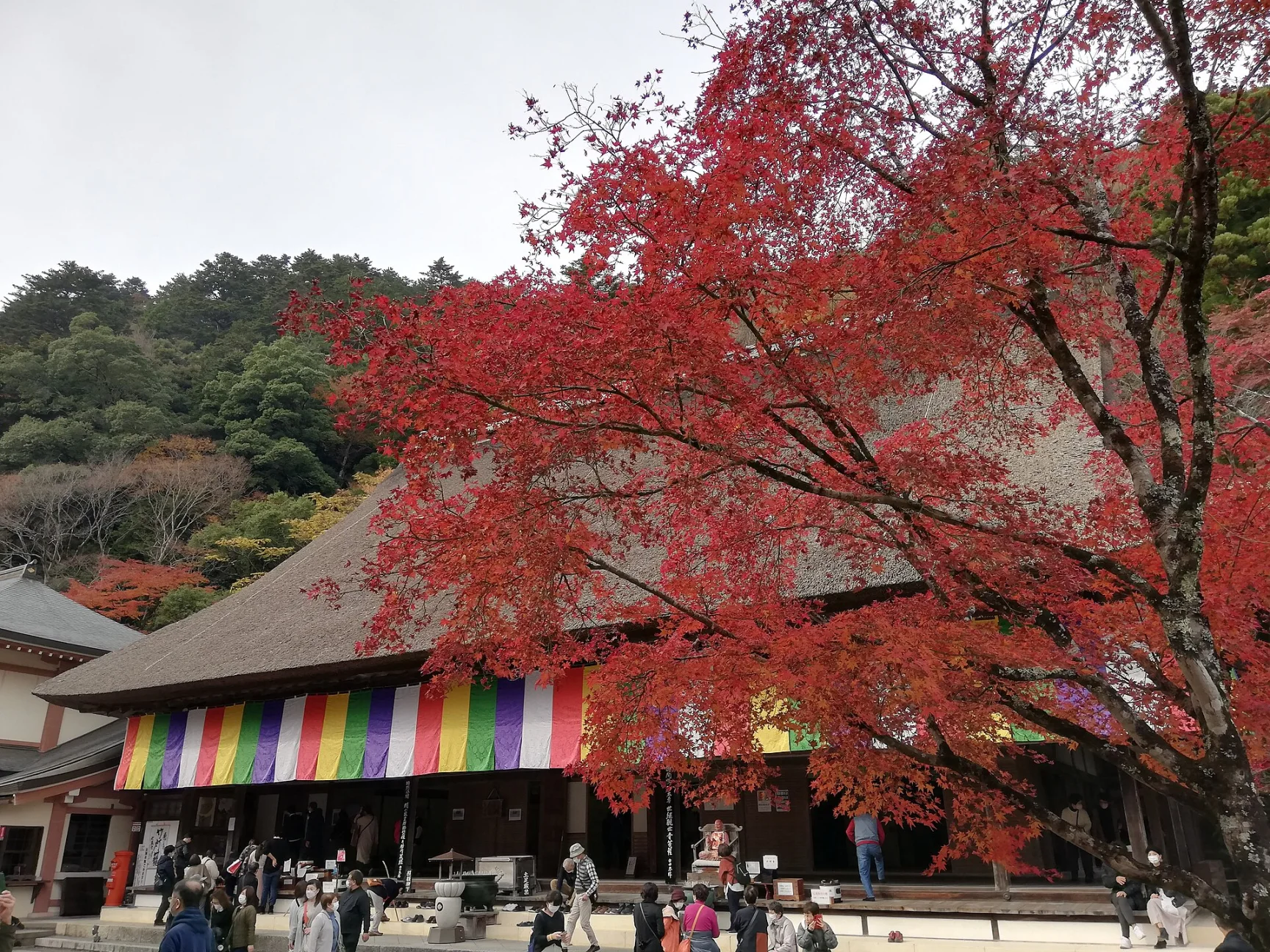
Todo is Enryakuji's birthplace and the easiest area for first-time visitors to get their bearings. The official Todo guide introduces Konpon Chudo, Daikodo, Amidado, Monjuro and Hokke Soji-in Toto. Todo names both the whole area and, within the latter building's name, its East Pagoda. For meeting points, use a full hall name or the bus center rather than only Todo.
Daikodo enshrines Dainichi Nyorai, flanked by wooden images of founders of Buddhist schools who trained on Hieizan. Its outer worship area has portraits of eminent monks associated with Buddhism and Tendai. If Japanese Buddhism is unfamiliar, start with these connections between Hieizan and different schools. The present building was relocated from Sakamoto below in 1964. Seeing it alongside Konpon Chudo's restoration reveals different histories of temple buildings above and below the mountain.
If it is nearly lunch after Manpaido and Daikodo, rest before choosing the Amidado branch. Amidado was built in 1937 for memorial rites for ancestors and has a suikinkutsu water sound feature in front. Beside it, Hokke Soji-in Toto was rebuilt in 1980, enshrining the Five Wisdom Buddhas, with Buddhist relics and the Lotus Sutra upstairs. This pair suits an interest in hall and pagoda forms. Compare their layout, then read their different uses.
Monjuro stands above steep stone steps east of Konpon Chudo and serves as Enryakuji's mountain gate. Go up specifically if you want to see the gate. If your companions are tired from slopes and steps, omit it and keep Manpaido and a rest stop. Making everyone reach Monjuro early can use the energy needed for Saito later. Todo supports a full half-day precisely because these branches offer different choices.
Budget separately for the Treasure Hall, and use children's school levels
The official admission table lists combined Todo, Saito and Yokawa admission at ¥1,000 for adults, ¥600 for junior high and high school students and ¥300 for elementary students. The National Treasure Hall is another ¥500, ¥300 and ¥100 respectively. A Todo-only visit uses the same combined temple admission. Adding Saito or Yokawa in one day does not require a new ticket for each area. Keep it to show as required later.
Two adults pay ¥2,000 for worship admission, plus ¥1,000 if both enter the Treasure Hall, totaling ¥3,000. Two adults and one elementary student pay ¥2,300 for temple admission, plus ¥1,100 if all three enter the hall, totaling ¥3,400. These are sums of the official unit prices. Transport, food and goshuin are extra. Temple tickets use school-level categories; transport needs each company's separate child rules.
The Treasure Hall holds Buddhist statues, paintings and calligraphy, with changing displays. Buddhist art enthusiasts can make it a main Todo stop and choose either Saito or Yokawa. If children have little interest in displays, finish Manpaido and one or two halls first, then add the museum for those who want it. The Twelve Heavenly Generals specially housed during Konpon Chudo restoration also warrant time for statue enthusiasts, rather than a quick in-and-out slot.
The temple website links to several online admission platforms and combined temple-and-Treasure-Hall options. Identify temple hall admission versus temple plus Treasure Hall before buying. For transport packages, read the actual covered route. If weather may change your date, the official reception points offer on-site payment so you can retain date flexibility. If you already bought digital tickets, store the purchase page, validity and voucher together so you can show the right ticket before going up.
Saito centers on Shakado; view the two training halls from outside
Make the trip from Todo to Saito purposeful. The grounds overview suggests about 30 minutes on foot; the detailed Saito page gives about 20 from Todo and notes unpaved ground, slopes and stairs. Starting and ending points differ, so allow 30 minutes for a looser plan. In rain, take a mountain bus to Saito, then walk its local worship route. The bus saves the inter-area walk, but walking around the halls remains.
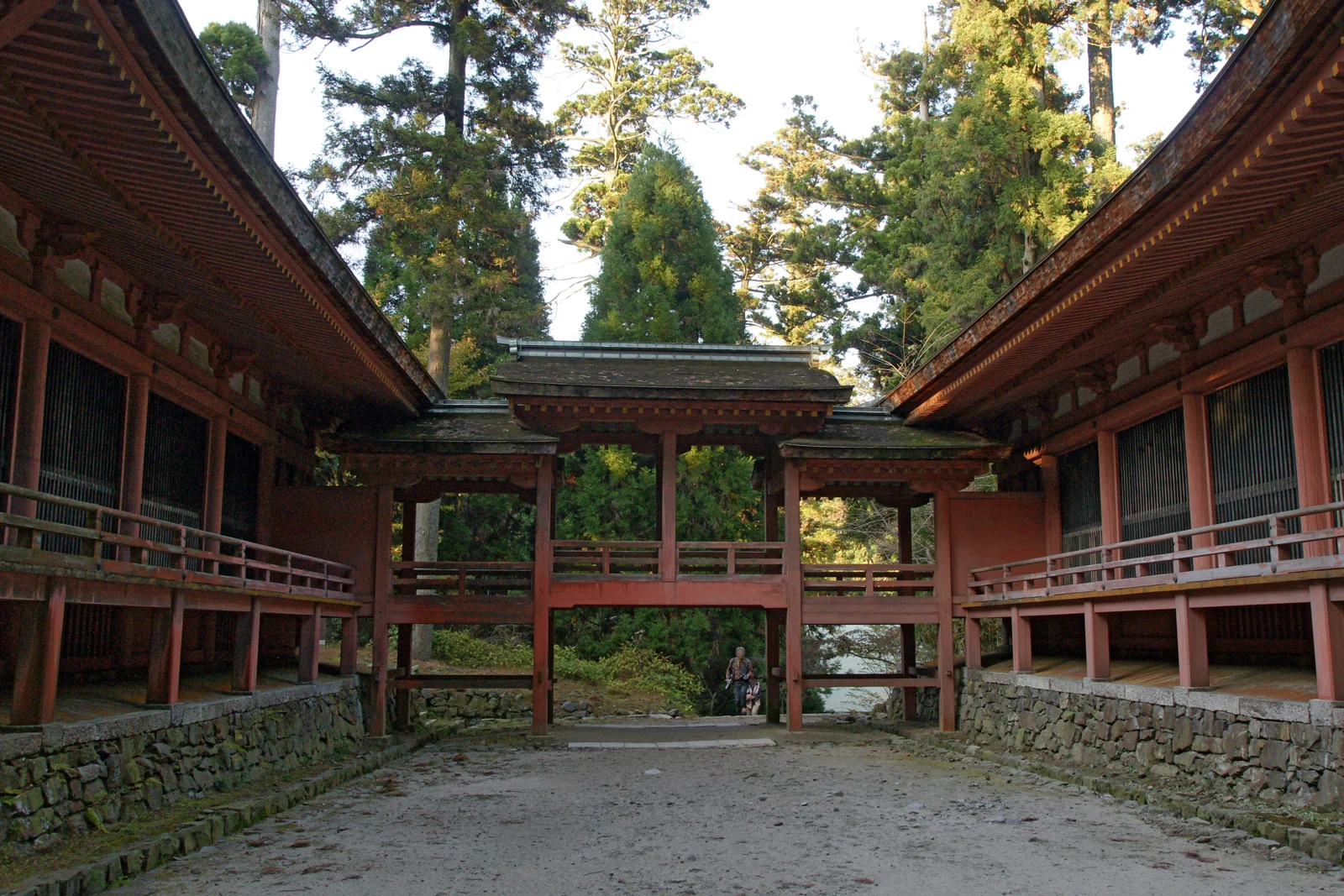
Shakado, formally Tenporindo, is Saito's main hall. The temple says the present building was Onjoji, or Miidera's, main hall, moved to Saito in 1595, and is Enryakuji's oldest surviving building. After Daikodo's relocation story in the morning, consider a building from another period here: how halls moved between temples, and how a surviving building's date differs from the area's foundation.
Jogyo-do and Hokke-do are connected by a passage and commonly called Ninaido. Facing them from the front, Jogyo-do on the left enshrines Amida Nyorai, and Hokke-do on the right enshrines Fugen Bosatsu. The tale of Benkei carrying both halls is a legend and a memory aid for the exterior. Interiors are closed. Study the matching forms and linking passage from outside. Rurido is also listed as closed inside, so do not reserve time for an imagined interior visit.
Jodoin, containing Saicho's mausoleum, is near the Todo–Saito boundary and assigned by the temple to Todo. Walking from Todo, you can include it according to that day's route before continuing to Saito. If you have arrived by bus and will continue to Yokawa, finish Shakado and Ninaido first rather than spending a journey doubling back. Daily training and service continue in the temple. Follow open routes quietly and keep passages clear for photographs.
Give Yokawa its own stop; do not squeeze a 90-minute trail into a three-area day
Yokawa is about four kilometers north of Saito. The official Yokawa page gives about ten minutes by mountain bus from Saito or 15 from Todo. The grounds overview gives roughly 90 minutes on foot from Saito, while the detailed page gives over 100 from Todo. For all three areas in one day, take the bus. For mountain walking, reduce hall visits and make the walk the focus, with real time for it.
Yokawa Chudo's vermilion platform structure is the area's most recognizable building. The temple relates its form to ships used by Japanese missions to Tang China; it looks like a ship floating in the forest. The present building was rebuilt in 1971, with a recessed central sanctuary enshrining Sho Kannon, traditionally attributed to Ennin. Exterior viewing and indoor worship need different paces. Use the official 40-minute minimum as a starting point and add time for photographs and signs.
Shikikodo, also called Gansan Daishido, is associated with Ryogen and known for Tsuno Daishi talismans and omikuji divination. The temple introduces it as the birthplace of omikuji. Its name comes from seasonal sutra lectures and debates. If folk belief or divination interests you, spend time here after Yokawa Chudo rather than rushing to another unfamiliar hall. Allow time for talismans and goshuin before the return bus.
Eshindo is associated with Genshin, author of Ojoyoshu, and is currently listed as closed inside. For an interest in Pure Land history, include its exterior and surroundings. With less than an hour, prioritize Yokawa Chudo, then Gansan Daishido if it interests you, keeping the return stop in mind. A terminal stop makes it easy to keep exploring inward. Reserve time to walk from the final hall back to the bus.
Read mountain bus destinations: Todo shuttles do not go to Yokawa
The Kojak route page describes the normal shuttle season as the spring equinox through the first Sunday in December. The 2026 table runs March 20–December 6, with separate columns for ordinary weekdays, weekdays November 2–20, Saturdays/holidays and August 13–16. Some extra November weekday services run only between the summit and Enryakuji Bus Center. Even with more frequent departures, read each destination.
Yokawa marks the northbound route for the three areas; Enryakuji BC terminates at the bus center. For a three-area day, find Yokawa-bound services. From Yokawa, read summit-bound services and get off at Saito or the bus center. Hieizan Sancho and Enryakuji Bus Center often appear in one table. The former connects to Yase's ropeway; the latter serves Todo and Kyoto direct buses. To descend by Sakamoto Cable, you still walk to Cable Enryakuji.
The ordinary weekday table lists a 13:38 departure from the bus center reaching Yokawa at 13:51, with a 15:00 return arriving at the bus center at 15:13. The roughly 69-minute visit can fit Yokawa Chudo and Gansan Daishido, plus the walk back to the stop. Taking 14:38 and arriving 14:51 while still returning at 15:00 leaves just nine minutes, less than the official 40-minute minimum. Choose both journeys together before deciding this stop fits.
Winter uses a separate route. The official page lists December 7, 2026–January 3, 2027, winter mountain buses only between Hieizan Sancho and Enryakuji Bus Center. Saito and Yokawa are outside that service. In winter, use Sakamoto Cable for a day in Todo with Manpaido, open halls and breaks. To go farther to Saito or Yokawa, make a complete separate plan for access and snow conditions. Do not treat the winter short route as a year-round three-area shuttle.
Compare transport passes by both gateways, then add temple admission
Keifuku's current ticket page lists the Hieizan Free Pass, valid through December 6, 2026, at ¥3,500 adult and ¥1,800 child. Coverage includes Demachiyanagi–Yase-Hieizanguchi, both Yase cable stages, summit–Yokawa buses, Sakamoto Cable and the Kojak bus from the Sakamoto Cable foothill station to JR Hieizan-Sakamoto. If entering via Yase, leaving via Sakamoto and using three-area buses, compare it with separate fares, then add JR travel back to Kyoto.
The same page lists the Hieizan Day Trip Ticket at ¥3,100 adult and ¥1,600 child, covering Demachiyanagi–Yase, both cable stages and summit–Yokawa, without Sakamoto Cable. Compare this for a Yase return with several mountain journeys. The adult difference is ¥400, but descent coverage differs. Both names contain Hieizan, so checking only the name can leave you with a ticket for the wrong exit.
The Hieizan Crossing Ticket has seasonal prices: April 18–November 23, 2026, ¥3,000 adult and ¥1,500 child; November 24–December 6, ¥2,500 and ¥1,250. Its listed mountain bus section is summit–Enryakuji Bus Center, connecting with Sakamoto Cable and the foothill Kojak bus. Arrange additional travel beyond that section for Saito and Yokawa. Keep the two price periods separate; an early-November visit uses the earlier price.
Beyond each transport ticket's listed coverage, add temple and Treasure Hall admission at the rates above. A simple adult comparison is Sakamoto Cable return ¥1,830 plus temple admission ¥1,000, totaling ¥2,830, then foothill transfers, mountain buses and city travel. The Free Pass at ¥3,500 plus admission at ¥1,000 totals ¥4,500, then uncovered travel such as JR back. Coverage differs, so list the route before comparing totals.
For Sakamoto products bought through KANSAI MaaS, the official sales terms refer changes and refunds to each product's detailed page. Where allowed, they require unused tickets before validity ends. If wind or rain changes your day, act before activating the ticket. Ordinary on-site tickets, other platforms and other operators' packages have their own terms. Save the original purchase channel to find the right process for your ticket.
Rest in Todo; individual travelers should not plan around a group-only Buddhist lunch
Ichigu Kaikan is a free Todo rest facility with a film about Enryakuji and a soba shop downstairs. Keep a break near Manpaido so family members who decide against Saito can reorganize the return without completing every branch. Carry water and easy snacks to leave room for bus waits or finding food. Eat in suitable rest spaces and keep hall approaches clean.
The Enryakuji Kaikan Buddhist cuisine page clearly states that since April 2022 it has accepted only group lunch reservations, not individuals, with further winter menu restrictions. Two or three independent travelers should not treat the Benkei or Hiei Gozen menus as bookable lunches. With a small group, eat breakfast below the mountain, use available Todo dining that day or descend early to eat.
Enryakuji Kaikan's Cafe Reiho can be used independently and suits a seated break overlooking Lake Biwa. Sweets and coffee are rest options; arrange a full lunch separately. For all three areas, finish eating before leaving Todo rather than looking for an imagined large meal in Yokawa. A 45-minute or one-hour dining stop is your own planning allowance and must be deducted from available visiting time.
Follow the goshuin issue points and allow different stops for companions
The temple's goshuin list distinguishes the hall named on a stamp from where it is issued. Konpon Chudo's is handled at Manpaido, Monjuro's at Daikokudo, and Hokke Soji-in Toto's at Amidado. Monjuro uses a prewritten sheet, rather than writing directly in your book. If that stamp is your only aim, use the issue-point table first instead of climbing the high steps and returning to find the counter.
The October 22 notice lists a ¥1,000 offering for Konpon Chudo's current special goshuin, issued only during the special enshrinement period. Put it in your personal stamp or devotional-item budget, separate from combined admission. Let each family member choose one or two worship stops. While one queues, others can rest at an agreed point. Filling in every missing hall before departure consumes the waiting allowance you reserved for transport.
Todo halls open 9:00–16:00 year round. Saito and Yokawa open 9:00–16:00 March–November, starting at 9:30 December–February. Admission reception ends at 15:45. Visit your priority halls first, then fit photographs, coffee and devotional items around them. Allow separate walking time from halls to bus stops and from Todo to Sakamoto Cable. A hall closing at 16:00 does not put you aboard transport at 16:00.
A relaxed Sakamoto return for two areas: October 30, 2026
This example uses Friday, October 30, 2026, and the ordinary weekday mountain bus table. Take the 9:00 cable from Cable Sakamoto, arrive around 9:11 and walk to Todo. Reserve 9:30–11:15 for Manpaido, Daikodo and restoration displays that interest you. To see the Twelve Heavenly Generals, add the Treasure Hall here and shorten other halls. Work backward for travel from your Kyoto or Otsu hotel. The 9:00 time is not your hotel departure.
Eat and rest after 11:15, then start walking toward Saito around 12:00, allowing 30 minutes between areas. Focus on Shakado and Ninaido's exterior in the afternoon. In rain or with slow stair walking, substitute the 12:08 bus from the bus center, arriving Saito at 12:11. Finish lunch earlier and reach the stop in advance for that option. Choose walking or bus; save energy for worship within the area.
For the return, take Saito's 14:10 bus to the bus center at 14:13, rest in Todo and start toward Cable Enryakuji around 15:15 for a target 15:30 descent. Visit periods are suggested allowances; bus and cable departure times come from operating tables. If the Treasure Hall or lunch runs long, finish only Saito's two priorities and return. Dropping a hall suits companions better than missing a descent that originally had room to spare.
Before adding Yokawa to the two-area version, check how much time remains. After a slow afternoon in Saito, return directly to Todo. If you decide on all three in the morning, use the next route and rearrange both Saito time and later buses. Choose possible cuts before departure to make decisions easier on site and keep dinner after descent at a comfortable time.
Three areas from Yase to Sakamoto: fix the Yokawa return bus first
Again using October 30, 2026, the Yase weekday funicular timetable lists a 9:00 departure, reaching Cable Hiei around 9:09. Walk to the ropeway, allow transfer time and take the 9:30 service to Hiei Sancho around 9:33. Walk to the bus stop for the 10:00 Yokawa-bound bus, getting off at Enryakuji Bus Center at 10:08. Allow Eizan Railway travel from Demachiyanagi and the station walk earlier. If you miss 9:00, move the sequence later rather than running to keep the schedule.
Stay in Todo until 11:30, then take the 11:38 bus from the bus center to Saito at 11:41. See Shakado and Ninaido, then take the 12:40 return to the bus center at 12:43 for lunch and rest in Todo. This adds a journey in exchange for an easier rest stop. With packed food and a suitable eating place already arranged, you can stay longer in Saito and take the 13:41 bus toward Yokawa instead.
From the bus center, take 13:38 to reach Yokawa at 13:51. See Yokawa Chudo first, then Gansan Daishido as time permits, preserving the 15:00 return. Back at the bus center at 15:13, finish toward Todo and Cable Enryakuji for a target 16:00 Sakamoto descent. You reach all three areas before the 15:45 reception cutoff, with room afterward for walks to the bus and cable stations. Do not add a long mountain trail in Yokawa that afternoon.
If delayed in Yase by half an hour or more, drop Yokawa first and keep Todo and Saito. If Yokawa is your main aim, go there directly after Todo and save Saito for another trip. If weather affects the two cable stages or companions cannot manage Yase's stairs, use a Sakamoto return to Todo. In winter, keep to Sakamoto, Todo and the foothills, saving all three areas for dates when the full mountain shuttle resumes.
A few useful answers
Can I see the Eternal Light during Konpon Chudo restoration?
Yes. Since January 8, 2026, the Eternal Light and a substitute worship image of Yakushi Nyorai have been specially enshrined at Manpaido. Konpon Chudo's interior closed from January 2026 for about two years. The restoration platform opens through November 2026 and closes from December.
With half a day, should I choose Todo or all three areas?
Choose Todo, starting with Manpaido and Daikodo, then the Treasure Hall or Amidado by interest. Official minimum times for the three areas already total two hours and 20 minutes, before ascent, waiting, walking and rest.
Can I use the summer bus route for Saito and Yokawa in winter?
The announced December 7, 2026–January 3, 2027 winter service runs only between Hieizan Sancho and Enryakuji Bus Center. Use Sakamoto Cable for Todo. Saito and Yokawa are outside that bus service.
Does the Hieizan Crossing Ticket suit all three areas?
Its listed mountain bus coverage is summit–Enryakuji Bus Center. Arrange extra travel to Saito and Yokawa. Compare the Hieizan Free Pass, which lists summit–Yokawa coverage, and add temple admission separately.
How much are temple and Treasure Hall tickets for two adults and an elementary student?
Using the temple's October 28, 2026 table, temple admission is ¥1,000 × 2 + ¥300 = ¥2,300. The Treasure Hall is ¥500 × 2 + ¥100 = ¥1,100, for ¥3,400 total. Transport and food are extra.
Is the Yase route convenient with a stroller?
The Eizan funicular and ropeway stations have many steps, with stairs-only boarding access listed officially. You may need to fold a stroller when busy. For a Yase return, ask about storage at Cable Yase; do not leave it there if descending via Sakamoto.
Can two or three independent travelers book a Buddhist lunch at Enryakuji Kaikan?
Its cuisine page currently accepts group lunch reservations only and has not accepted individual bookings since April 2022. Small parties can use available Todo dining that day or eat after descending. Cafe Reiho can be used independently for a break.
Official information and references
Sources used in this guide.
- Hieizan Enryakuji | Grounds overview
- Hieizan Enryakuji | Special enshrinement of Yakushi Nyorai worship image, Eternal Light and Twelve Heavenly Generals
- Hieizan Enryakuji | Visiting hours and admission
- Hieizan Enryakuji | Todo grounds guide
- Hieizan Enryakuji | Saito grounds guide
- Hieizan Enryakuji | Yokawa grounds guide
- Hieizan Enryakuji | National Treasure Hall
- Hieizan Enryakuji | Temporary Treasure Hall closure notice
- Sakamoto Cable | Timetable and fares
- Sakamoto Cable | Access
- Keifuku | Eizan route map and timetable
- Keifuku | Eizan fares and tickets
- Keifuku | Using the Eizan services
- Kojak Bus | Route timetables and fares
- Hieizan Enryakuji | Buddhist vegetarian cuisine
- Hieizan Enryakuji | Cafe and souvenirs
- Hieizan Enryakuji | Goshuin temple stamps
- Sakamoto Cable | Statutory commercial transaction information
- Kojak | 2026 Hieizan mountain shuttle timetable
- Hieizan Enryakuji | Official website